Every successful interview starts with knowing what to expect. In this blog, we’ll take you through the top Construction Planning and Project Management interview questions, breaking them down with expert tips to help you deliver impactful answers. Step into your next interview fully prepared and ready to succeed.
Questions Asked in Construction Planning and Project Management Interview
Q 1. Explain your experience with different project delivery methods (e.g., Design-Bid-Build, Design-Build, CM at Risk).
Project delivery methods significantly impact project success. My experience spans three primary approaches: Design-Bid-Build, Design-Build, and Construction Management at Risk (CM at Risk).
- Design-Bid-Build: This traditional method separates design and construction. The owner hires a designer, the design is completed, and then bids are solicited from contractors. This approach is straightforward but can lead to issues with communication and coordination between the designer and contractor, sometimes resulting in unforeseen costs and delays. For example, on a recent school renovation project, using this method led to some design modifications being discovered during construction, causing significant schedule slippage.
- Design-Build: Here, a single entity is responsible for both design and construction. This integrated approach streamlines communication and improves coordination, often leading to faster project completion and potentially lower costs due to early problem solving. I successfully used Design-Build on a high-rise residential project, where the integrated approach allowed us to identify and mitigate potential conflicts early, resulting in a project delivered ahead of schedule and under budget.
- CM at Risk: The Construction Manager acts as an advisor during design and then takes on the responsibility for constructing the project within a guaranteed maximum price (GMP). This offers the benefits of improved collaboration while mitigating risk for the owner. In a previous hospital expansion project, the CM at Risk approach allowed for proactive risk management and cost control, keeping the project on track despite unforeseen site conditions.
I’ve successfully managed projects using each method, adapting my approach to best suit the project’s specific needs and risk profile.
Q 2. Describe your process for developing a project schedule.
Developing a project schedule is a meticulous process that requires a thorough understanding of the project scope, resources, and dependencies. My process involves the following steps:
- Work Breakdown Structure (WBS): Breaking down the project into smaller, manageable tasks. This is crucial for accurate estimation and scheduling. Think of it as deconstructing a complex building into its individual components like foundation, framing, electrical, etc.
- Task Sequencing & Dependencies: Determining the logical order of tasks and identifying dependencies between them. For instance, the foundation must be completed before framing can begin.
- Duration Estimation: Estimating the time required for each task, considering factors like resource availability and potential risks. This often involves consulting with subcontractors and reviewing historical data.
- Resource Allocation: Assigning resources (labor, equipment, materials) to each task. Effective resource allocation is key to optimizing the schedule.
- Critical Path Analysis: Identifying the critical path, the sequence of tasks that determines the shortest possible project duration. Any delay on the critical path directly impacts the overall project completion date.
- Schedule Development & Review: Using scheduling software (discussed later) to create a detailed schedule, considering constraints, milestones, and buffers for unforeseen events. Regular review and updates are essential.
Throughout this process, I ensure open communication with all stakeholders to ensure the schedule aligns with their expectations and any necessary adjustments are made collaboratively.
Q 3. How do you handle schedule delays and cost overruns?
Schedule delays and cost overruns are inevitable challenges in construction. My approach to handling them involves proactive monitoring, prompt response, and effective communication.
- Proactive Monitoring: Regularly tracking progress against the baseline schedule and budget, using Earned Value Management (EVM) to identify potential issues early.
- Root Cause Analysis: When delays or overruns occur, I conduct a thorough root cause analysis to understand the underlying factors. This might involve reviewing change orders, assessing unforeseen site conditions, or analyzing resource allocation issues.
- Mitigation Strategies: Implementing corrective actions based on the root cause analysis. This could involve expediting critical tasks, adjusting the schedule, negotiating with subcontractors, or implementing value engineering to reduce costs without compromising quality.
- Communication & Stakeholder Management: Keeping all stakeholders informed of the situation, the corrective actions being taken, and the potential impact on the project’s timeline and budget. Transparency is crucial in managing expectations and maintaining trust.
For example, on a recent project, a supplier delay threatened to derail the schedule. By proactively communicating with the owner and subcontractor, and exploring alternative suppliers, we were able to mitigate the delay with minimal impact on the overall project timeline.
Q 4. What software do you use for project planning and scheduling (e.g., Primavera P6, MS Project)?
My primary software for project planning and scheduling is Primavera P6. Its robust features, including advanced scheduling capabilities, resource management tools, and risk analysis functions, are invaluable for managing complex construction projects. I also have experience with MS Project, which is useful for smaller-scale projects or for creating simpler schedules and tracking progress.
Primavera P6 allows me to create detailed schedules, simulate different scenarios (e.g., what-if analysis), track progress against the baseline schedule, manage resources effectively and generate comprehensive reports for stakeholders. The software’s ability to handle complex dependencies and constraints is crucial for managing large and intricate projects efficiently.
Q 5. Explain your experience with Earned Value Management (EVM).
Earned Value Management (EVM) is a project management technique for measuring project performance and progress. It integrates scope, schedule, and cost data to provide a comprehensive view of project health. I use EVM throughout the project lifecycle to track progress, identify potential problems, and make informed decisions.
EVM uses key metrics such as:
- Planned Value (PV): The budgeted cost of work scheduled to be accomplished.
- Earned Value (EV): The value of the work actually completed.
- Actual Cost (AC): The actual cost incurred to complete the work.
By comparing PV, EV, and AC, we can calculate key indicators such as Schedule Variance (SV), Cost Variance (CV), Schedule Performance Index (SPI), and Cost Performance Index (CPI). These metrics provide valuable insights into project performance and enable proactive issue resolution. For example, a negative CV indicates a cost overrun, prompting immediate investigation and corrective actions. I’ve used EVM successfully on numerous projects to improve cost and schedule control and facilitate better communication with clients.
Q 6. How do you identify and mitigate project risks?
Identifying and mitigating project risks is crucial for successful project delivery. My approach involves a systematic process:
- Risk Identification: Brainstorming potential risks with the project team and stakeholders. This can involve reviewing historical data, conducting site surveys, and engaging in expert consultations.
- Qualitative Risk Assessment: Evaluating the likelihood and impact of each identified risk. This might involve using a risk matrix to prioritize risks based on their severity.
- Quantitative Risk Analysis: Using statistical methods to estimate the potential impact of risks on project cost and schedule. This often involves using Monte Carlo simulations.
- Risk Response Planning: Developing strategies to mitigate, transfer, avoid, or accept each identified risk. Mitigation strategies could include contingency planning, risk reduction techniques, or improved communication protocols. Transferring risk might involve purchasing insurance. Avoidance strategies might involve redesigning a risky aspect of the project.
- Risk Monitoring & Control: Regularly monitoring identified risks throughout the project lifecycle, tracking their status, and making adjustments to the risk response plan as needed.
For instance, on a recent project near a river, the risk of flooding was identified. We mitigated this risk by developing a detailed flood mitigation plan, including temporary barriers and pumps, and incorporating this plan into the project schedule and budget.
Q 7. Describe your experience with critical path analysis.
Critical Path Analysis (CPA) is a crucial technique for determining the shortest possible duration of a project. It involves identifying the sequence of tasks that determine the overall project duration – the critical path. Any delay on this path directly impacts the project completion date.
My approach to critical path analysis involves:
- Develop a Network Diagram: This visually represents the project’s tasks and their dependencies. Each task is represented by a node, and the arrows show the sequence of tasks.
- Determine Task Durations: Estimating the time required for each task.
- Calculate Earliest Start and Finish Times: For each task, determining the earliest possible start and finish times, considering dependencies.
- Calculate Latest Start and Finish Times: For each task, determining the latest possible start and finish times without delaying the project.
- Identify the Critical Path: The path with zero float (the difference between the latest and earliest finish times). Tasks on the critical path cannot be delayed without affecting the overall project duration. This path is the most sensitive to delays and requires careful monitoring.
By identifying the critical path, we can focus our attention and resources on those tasks that are most critical to project completion, enabling proactive risk management and optimized resource allocation. I regularly utilize CPA in every project to ensure timely completion and efficient use of resources.
Q 8. How do you manage stakeholder expectations?
Managing stakeholder expectations is crucial for project success. It involves proactively communicating, actively listening, and collaboratively setting realistic goals and expectations from the outset. This isn’t a one-time event; it’s an ongoing process requiring consistent engagement.
- Regular Communication: I utilize various communication channels, tailored to each stakeholder’s preference – regular meetings, email updates, progress reports, and even informal check-ins. Transparency is key; I make sure everyone is informed about the project’s progress, challenges, and potential risks.
- Realistic Expectations: Before the project starts, I work with stakeholders to establish clear, measurable, achievable, relevant, and time-bound (SMART) goals. This helps prevent misunderstandings and sets a clear benchmark for success. For instance, if a stakeholder expects a feature to be completed by a certain date, we collaboratively assess its feasibility and adjust timelines if needed.
- Managing Expectations During Changes: Changes are inevitable. When scope changes occur, I immediately communicate the impact on timelines and budget to all stakeholders. I clearly explain the reasons behind the changes and proactively address any concerns.
- Documenting Agreements: Formal documentation, such as meeting minutes and change requests, is essential for confirming agreements and managing expectations. This provides a record of decisions and commitments for all stakeholders.
For example, on a recent school renovation project, regular meetings with the school board, teachers, parents, and contractors ensured everyone was aligned on the timeline and progress. Addressing their concerns early on – such as parking during construction – helped avoid potential conflicts later.
Q 9. How do you ensure project quality control?
Ensuring project quality control is a multifaceted process that starts with planning and continues throughout the project lifecycle. It requires a proactive approach with clearly defined processes and regular monitoring.
- Quality Planning: This involves defining quality standards, identifying potential quality issues, and developing preventative measures. This may include using checklists, quality control plans, and templates for documentation.
- Quality Assurance: This focuses on preventing defects before they happen. It involves regular inspections, reviews, and audits. We use tools like BIM (Building Information Modeling) for virtual inspections and early detection of clashes or errors.
- Quality Control: This is a reactive process to identify and correct defects after they have occurred. This usually includes inspections at various stages (e.g., foundation, framing, finishing) and addressing non-conformance reports.
- Continuous Improvement: Regularly reviewing processes and identifying areas for improvement are key to preventing future quality issues. Lessons learned from past projects help to refine future procedures.
For instance, on a high-rise building project, we implemented a rigorous inspection process at each stage, using drones for aerial inspections and 3D scanning to detect inconsistencies. This allowed for quick identification and correction of any defects, avoiding costly rework and delays.
Q 10. Explain your experience with budget preparation and cost control.
Budget preparation and cost control are critical for successful project delivery. My approach involves detailed planning, regular monitoring, and proactive management of variations.
- Detailed Budget Preparation: I start by creating a comprehensive budget using various cost estimating techniques, including bottom-up, top-down, and parametric estimating. This involves meticulous breakdown of costs into different categories – labor, materials, equipment, permits, etc.
- Regular Monitoring and Reporting: I track actual costs against the budget regularly, usually weekly or bi-weekly, and generate reports to identify any variances. This helps proactively address potential cost overruns.
- Value Engineering: Identifying opportunities to reduce costs without compromising quality is crucial. This may involve exploring alternative materials, construction methods, or design changes.
- Change Management: Every change request impacts the budget. I meticulously document and evaluate all change requests, assessing their impact on the overall cost. This ensures that budget adjustments are accurate and approved.
In a recent highway construction project, we used a sophisticated cost management software to track expenses in real-time. By identifying a potential cost overrun early, we were able to renegotiate contracts and implement cost-saving measures, preventing significant budget overruns.
Q 11. Describe your approach to conflict resolution within a project team.
Conflict resolution is an inevitable part of project management. My approach focuses on early identification, open communication, and collaborative problem-solving.
- Early Identification: I actively monitor team dynamics and address potential conflicts before they escalate. Regular team meetings, open communication channels, and active listening are crucial in identifying brewing disagreements.
- Open Communication: I encourage open communication and active listening. Creating a safe space for team members to express their concerns and perspectives without fear of retribution is critical.
- Collaborative Problem-Solving: I facilitate collaborative discussions to find mutually acceptable solutions. This often involves brainstorming, compromise, and finding win-win solutions.
- Mediation (If Necessary): If conflicts cannot be resolved internally, I may mediate to facilitate a neutral discussion and help find common ground.
On a previous commercial building project, a conflict arose between the electrical and plumbing subcontractors. Through facilitated discussions, we identified the root cause – unclear specifications – and collaboratively developed a revised plan that addressed both teams’ concerns and ensured project continuity.
Q 12. How do you manage changes to a project’s scope?
Managing scope changes effectively requires a structured approach. It involves formalizing the change request, assessing its impact, and ensuring all stakeholders are informed and agree on the updated plan.
- Formal Change Request Process: All scope changes must be documented through a formal change request process. This includes a clear description of the change, its justification, the impact on timelines and budget, and the proposed solution.
- Impact Assessment: Before approving any change, I assess its impact on the project’s schedule, budget, and resources. This often involves simulations and risk assessments.
- Stakeholder Approval: The change request needs approval from all relevant stakeholders, including the client, project sponsors, and team members.
- Documentation and Updates: All approved changes are documented and integrated into the project plan. This ensures everyone is aware of the updated scope and deliverables.
For example, on a residential construction project, the client requested an addition to the original design. Following our formal change request process, we assessed the impact on costs and timelines, obtained client approval, and adjusted the project plan accordingly. This prevented future disputes and ensured a smooth project completion.
Q 13. What is your experience with safety protocols on construction sites?
Safety is paramount on construction sites. My experience involves implementing and enforcing strict safety protocols to minimize risks and prevent accidents.
- Pre-Construction Safety Planning: This involves conducting thorough site assessments, identifying potential hazards, and developing site-specific safety plans. This includes emergency response procedures and evacuation plans.
- Regular Safety Training: All workers receive comprehensive safety training before starting work. This covers topics such as fall protection, hazard identification, and the use of personal protective equipment (PPE).
- Toolbox Talks: Regular toolbox talks are conducted to address specific safety concerns and reinforce safe work practices. These discussions are crucial for fostering a safety-conscious environment.
- Site Inspections: Regular site inspections are performed to identify and rectify potential hazards. This is done both by management and by safety officers.
- Incident Reporting and Investigation: Any incidents or accidents are thoroughly investigated to determine the root cause and implement corrective actions. This is essential for preventing future incidents.
On a large infrastructure project, our strict adherence to safety protocols, including daily safety briefings and regular site inspections, resulted in a zero-accident record throughout the project.
Q 14. How do you utilize technology to enhance project efficiency?
Technology plays a crucial role in enhancing project efficiency. I leverage various technologies to improve communication, collaboration, and data management.
- Project Management Software: I use project management software (e.g., MS Project, Primavera P6) to plan, schedule, track, and monitor project progress. This improves visibility and facilitates better decision-making.
- Building Information Modeling (BIM): BIM enhances collaboration and coordination among different disciplines. It allows for clash detection, quantity take-off, and visualization of the project, leading to better design and construction efficiency.
- Cloud-Based Collaboration Tools: Cloud-based tools (e.g., Microsoft Teams, Google Workspace) improve communication and information sharing among the project team and stakeholders.
- Drones and 3D Scanning: Drones and 3D scanning provide high-resolution images and models for site monitoring, progress tracking, and quality control.
- Construction Management Software: Software solutions focusing on cost tracking, resource allocation, and progress reporting improve accuracy and efficiency.
In a recent renovation project, using BIM helped identify potential clashes between mechanical, electrical, and plumbing systems before construction, significantly reducing rework and delays. The use of project management software enabled real-time tracking of progress and facilitated proactive management of any schedule deviations.
Q 15. Describe a time you had to make a critical decision under pressure.
During the construction of a large-scale commercial building, we faced an unexpected delay due to a supplier failing to deliver critical materials on time. This threatened to push the project beyond its deadline and incur significant penalties. Under immense pressure from the client and internal stakeholders, I had to quickly assess the situation and make a critical decision.
Instead of panicking, I convened an emergency meeting with the project team, subcontractors, and the supplier. We analyzed the impact of the delay on the critical path, explored alternative material sources, and negotiated revised delivery schedules. Ultimately, I decided to expedite the procurement process by sourcing similar materials from a different supplier at a slightly higher cost, while simultaneously implementing a revised construction schedule to mitigate the impact on the overall project timeline. This involved careful re-sequencing of tasks and optimizing resource allocation. This decision, while costly in the short-term, prevented substantial long-term financial penalties and reputational damage, proving to be the most effective solution under the circumstances.
Career Expert Tips:
- Ace those interviews! Prepare effectively by reviewing the Top 50 Most Common Interview Questions on ResumeGemini.
- Navigate your job search with confidence! Explore a wide range of Career Tips on ResumeGemini. Learn about common challenges and recommendations to overcome them.
- Craft the perfect resume! Master the Art of Resume Writing with ResumeGemini’s guide. Showcase your unique qualifications and achievements effectively.
- Don’t miss out on holiday savings! Build your dream resume with ResumeGemini’s ATS optimized templates.
Q 16. How do you prioritize tasks in a fast-paced environment?
Prioritizing tasks in a fast-paced construction environment requires a structured approach. I utilize a combination of methods, including the MoSCoW method (Must have, Should have, Could have, Won’t have) and a critical path analysis.
- MoSCoW Method: This helps categorize tasks based on their importance and urgency. ‘Must-have’ tasks are critical for project completion and are prioritized first. ‘Should-have’ tasks are important but less critical. ‘Could-have’ tasks are desirable but not essential, and ‘Won’t-have’ tasks are deferred or eliminated.
- Critical Path Analysis: This technique identifies the sequence of tasks that determines the shortest possible project duration. Tasks on the critical path receive the highest priority, ensuring timely project completion.
- Daily Huddles: Short, daily stand-up meetings allow for quick problem-solving and task re-prioritization based on real-time challenges and updates.
Think of it like building a house – you wouldn’t start painting the walls before the foundation is laid. Similarly, I prioritize tasks based on their dependence on other activities and their impact on the overall project timeline.
Q 17. Explain your experience with contract administration.
Contract administration is a crucial aspect of construction project management that ensures the project is executed according to the agreed-upon terms and conditions. My experience encompasses reviewing and interpreting contracts, managing change orders, tracking payments, resolving disputes, and ensuring compliance with contractual obligations.
For example, in a recent project, we encountered a situation where a subcontractor requested a change order due to unforeseen site conditions. I meticulously reviewed the contract terms, assessed the validity of the subcontractor’s claim, documented all communication and evidence, and negotiated a fair and mutually agreeable price adjustment. This involved careful review of the contract clauses related to variations, cost estimations, and dispute resolution mechanisms. Through effective communication and negotiation, we avoided costly disputes and ensured the project progressed smoothly.
Q 18. How do you handle communication with clients and subcontractors?
Effective communication is the cornerstone of successful construction projects. I utilize various communication channels to maintain open lines of communication with clients and subcontractors.
- Regular Meetings: Scheduled meetings with clients and subcontractors to provide updates, discuss challenges, and address concerns.
- Progress Reports: Providing concise and regular progress reports with photographic and documentary evidence to clients and subcontractors, highlighting achievements and potential issues.
- Project Management Software: Utilizing project management software to track progress, manage documents, and facilitate efficient communication. This helps maintain transparency and accountability.
- Open Door Policy: Fostering a culture of open communication to encourage prompt reporting of issues and collaborative problem-solving.
Think of it like a symphony orchestra – every instrument needs to be in tune and coordinated for a harmonious performance. Similarly, my approach ensures everyone is informed, aligned, and working together effectively.
Q 19. What are your key performance indicators (KPIs) for project success?
My key performance indicators (KPIs) for project success are multifaceted and focus on various aspects of project performance. They include:
- On-time Completion: Meeting the project’s scheduled completion date.
- On-budget Completion: Staying within the allocated budget.
- Safety Record: Maintaining a strong safety record with minimal incidents and accidents.
- Client Satisfaction: Achieving high client satisfaction through regular communication, meeting expectations, and resolving issues promptly.
- Quality of Workmanship: Ensuring the project meets the required quality standards and specifications.
These KPIs provide a comprehensive assessment of the project’s success, going beyond just timely and budget adherence to encompass critical factors like safety and client satisfaction.
Q 20. Describe your experience with project closeout procedures.
Project closeout procedures are crucial for formally concluding a project and ensuring all necessary documentation and financial settlements are completed. My experience includes final inspections, obtaining necessary certificates of occupancy, preparing as-built drawings, processing final payments, and archiving project records.
This process involves a systematic approach, including verifying all work is completed according to specifications, resolving outstanding issues with clients and subcontractors, finalizing all financial transactions, and creating a comprehensive project archive for future reference. For example, I ensure all documentation, including contracts, permits, inspections reports, and payment records, are properly filed and stored for potential future needs such as audits or warranty claims.
Q 21. How do you ensure compliance with building codes and regulations?
Ensuring compliance with building codes and regulations is paramount for the safety and legality of any construction project. My approach involves proactive measures taken throughout the entire project lifecycle.
- Pre-Construction Phase: Thoroughly reviewing building codes and regulations applicable to the project location and ensuring the project design complies with all relevant standards.
- Construction Phase: Conducting regular inspections and employing qualified inspectors to monitor compliance during construction. Maintaining detailed records of inspections and any necessary corrective actions.
- Post-Construction Phase: Obtaining all necessary permits and certificates of occupancy to confirm compliance before project completion. Submitting all necessary documentation to relevant authorities.
Ignoring building codes can lead to project delays, costly fines, and even safety hazards. My commitment to compliance ensures the project is executed safely, legally, and to the highest standards.
Q 22. Explain your understanding of lean construction principles.
Lean construction principles focus on eliminating waste and maximizing value in the construction process. Think of it like streamlining a factory assembly line, but for buildings. Instead of focusing solely on schedule and budget, lean emphasizes delivering the most value to the client with the least amount of effort and resources.
- Waste Reduction: Lean identifies seven types of waste (TIMWOOD): Transportation, Inventory, Motion, Waiting, Overproduction, Over-processing, and Defects. Minimizing these through careful planning and execution is crucial.
- Value Stream Mapping: This visual tool helps identify and analyze the flow of materials and information throughout the entire construction process. It pinpoints bottlenecks and areas for improvement.
- Last Planner System (LPS): LPS is a collaborative planning method that involves all stakeholders in short-term planning sessions, ensuring everyone is on the same page and commitments are realistic.
- Pull Planning: Instead of pushing work through the system, pull planning starts with the final project delivery date and works backward, scheduling tasks based on actual needs.
For example, on a recent project, we used value stream mapping to identify a significant delay caused by inefficient material handling. By redesigning the material delivery and storage process, we reduced waste and significantly improved the project schedule.
Q 23. What is your experience with sustainable construction practices?
Sustainable construction practices are integral to my approach. It’s not just about building green; it’s about building responsibly for the future. My experience spans various aspects, from selecting sustainable materials like recycled steel and reclaimed wood, to incorporating energy-efficient designs and minimizing waste during construction.
- LEED Certification: I have worked on projects targeting LEED certification, which involves implementing strategies for energy efficiency, water conservation, and sustainable site development.
- Material Selection: I prioritize materials with low embodied carbon and recycled content, minimizing the environmental impact of the building’s lifecycle.
- Waste Management: Implementing robust waste management plans, including recycling and diverting waste from landfills, is crucial. We track waste generation meticulously and strive for zero waste to landfill.
- Energy Efficiency: Designing buildings with high-performance building envelopes, efficient HVAC systems, and renewable energy sources (solar panels, etc.) is paramount.
In one project, we incorporated rainwater harvesting for irrigation and reduced water consumption by 40% compared to a conventional building.
Q 24. How do you measure project productivity?
Measuring project productivity isn’t just about tracking hours worked. It’s about understanding the output relative to the input. Key metrics include:
- Earned Value Management (EVM): EVM compares planned work (budget) with actual work completed to assess schedule and cost performance. It provides a comprehensive overview of project health.
- Productivity Rates: Tracking the rate of completion for specific tasks (e.g., square feet of drywall installed per hour) helps identify inefficiencies and areas for improvement.
- Waste Reduction Metrics: Measuring the amount of waste generated and diverted allows for continuous improvement in waste management practices.
- Cycle Time: Analyzing the time taken to complete specific processes (e.g., from design to construction completion) helps optimize workflows.
For example, by tracking productivity rates for concrete pouring, we identified a bottleneck in the formwork process. Adjustments to the formwork design and crew allocation improved productivity by 15%.
Q 25. Describe your experience with resource allocation and management.
Resource allocation and management are critical for successful project delivery. My experience includes planning, scheduling, and tracking resources, including personnel, equipment, and materials. This involves:
- Resource Leveling: Optimizing resource allocation to minimize peaks and valleys in resource demand, ensuring a smooth and efficient workflow.
- Critical Path Analysis: Identifying critical activities that impact the project schedule and ensuring adequate resources are allocated to these tasks.
- Resource Forecasting: Predicting future resource needs based on project plans and historical data.
- Software Tools: Utilizing project management software (e.g., Primavera P6, Microsoft Project) for resource scheduling and tracking.
On a recent high-rise project, effective resource leveling prevented resource conflicts and delays, allowing us to stay on schedule despite unexpected challenges.
Q 26. How do you track and report project progress?
Project progress is tracked and reported through a multi-faceted approach. It goes beyond simple Gantt charts. We use a combination of methods to ensure complete visibility:
- Regular Progress Meetings: Conducting regular meetings with stakeholders to review progress, identify challenges, and make necessary adjustments.
- Progress Reports: Generating regular written reports that document progress against the schedule and budget, including photos and supporting data.
- Project Management Software: Utilizing project management software to track tasks, milestones, and resource allocation, providing real-time project visibility.
- Earned Value Management (EVM) Reporting: Providing regular EVM reports to assess project performance and forecast potential issues.
Visual aids like dashboards and progress charts are used to convey complex data concisely to stakeholders.
Q 27. What is your experience with different types of construction contracts?
My experience encompasses a variety of construction contracts, including:
- Lump Sum: A fixed-price contract where the contractor agrees to complete the work for a predetermined price.
- Cost Plus Fee: The contractor is reimbursed for actual costs plus a fixed fee or percentage markup. This contract type provides flexibility but requires careful cost control.
- Unit Price: The contractor is paid based on the quantity of work completed, with prices established per unit (e.g., per cubic yard of excavation).
- Design-Build: The contractor is responsible for both the design and construction phases of the project.
Understanding the implications of each contract type is crucial for risk management and successful project execution. For example, a lump-sum contract requires thorough planning and accurate estimating to avoid cost overruns, while a cost-plus contract necessitates robust cost control mechanisms.
Q 28. Describe your experience with utilizing BIM (Building Information Modeling) in construction projects.
Building Information Modeling (BIM) is an indispensable tool in modern construction. My experience involves leveraging BIM throughout the project lifecycle, from design to construction and beyond.
- Clash Detection: BIM software allows for early detection and resolution of clashes between different building systems (e.g., MEP and structural).
- 4D Simulation: Combining BIM with schedule data allows for 4D simulations, which visualize the construction sequence and identify potential scheduling conflicts.
- Cost Estimating and Tracking: BIM data can be linked to cost estimating software, enabling accurate cost estimations and tracking.
- Facility Management: BIM models can be used for facility management, providing a digital twin of the building for ongoing maintenance and operations.
On a recent project, using BIM for clash detection saved us significant time and money by identifying and resolving conflicts early in the design phase, preventing costly rework during construction.
Key Topics to Learn for Construction Planning and Project Management Interview
- Project Scheduling & Sequencing: Understanding critical path method (CPM), precedence diagramming method (PDM), and the impact of scheduling delays. Practical application: Developing a realistic project schedule using software like MS Project or Primavera P6, considering resource allocation and potential risks.
- Cost Estimation & Control: Mastering various cost estimation techniques (e.g., parametric, bottom-up), budget preparation, cost tracking, and variance analysis. Practical application: Creating a detailed budget, monitoring expenses against the baseline, and implementing corrective actions for cost overruns.
- Risk Management: Identifying, assessing, and mitigating potential risks throughout the project lifecycle. Practical application: Developing a risk register, implementing risk response strategies, and monitoring the effectiveness of risk mitigation plans.
- Resource Allocation & Management: Optimizing resource utilization (labor, equipment, materials) to ensure timely project completion within budget. Practical application: Creating resource-loaded schedules, managing resource conflicts, and leveraging resource leveling techniques.
- Quality Control & Assurance: Implementing quality management systems to ensure project deliverables meet specifications and standards. Practical application: Developing a quality control plan, conducting regular inspections, and addressing non-conformances effectively.
- Contract Administration: Understanding different contract types (e.g., lump sum, cost-plus), managing contracts, and resolving disputes. Practical application: Reviewing contract documents, managing change orders, and ensuring compliance with contractual obligations.
- Communication & Stakeholder Management: Effectively communicating project status, issues, and changes to stakeholders. Practical application: Holding regular project meetings, preparing reports, and managing stakeholder expectations.
- Safety Management: Implementing safety protocols and procedures to ensure a safe work environment. Practical application: Developing a safety plan, conducting safety training, and monitoring safety performance.
- Lean Construction Principles: Applying Lean methodologies to eliminate waste and improve efficiency in construction projects. Practical application: Identifying and eliminating non-value-added activities, improving workflow, and optimizing processes.
Next Steps
Mastering Construction Planning and Project Management is crucial for career advancement in the dynamic construction industry. It opens doors to leadership roles and higher earning potential. To significantly improve your job prospects, focus on creating an ATS-friendly resume that highlights your skills and experience effectively. ResumeGemini is a trusted resource to help you build a professional and impactful resume. We provide examples of resumes tailored to Construction Planning and Project Management to guide you through the process. Invest in your future; craft a resume that showcases your capabilities and helps you land your dream job.
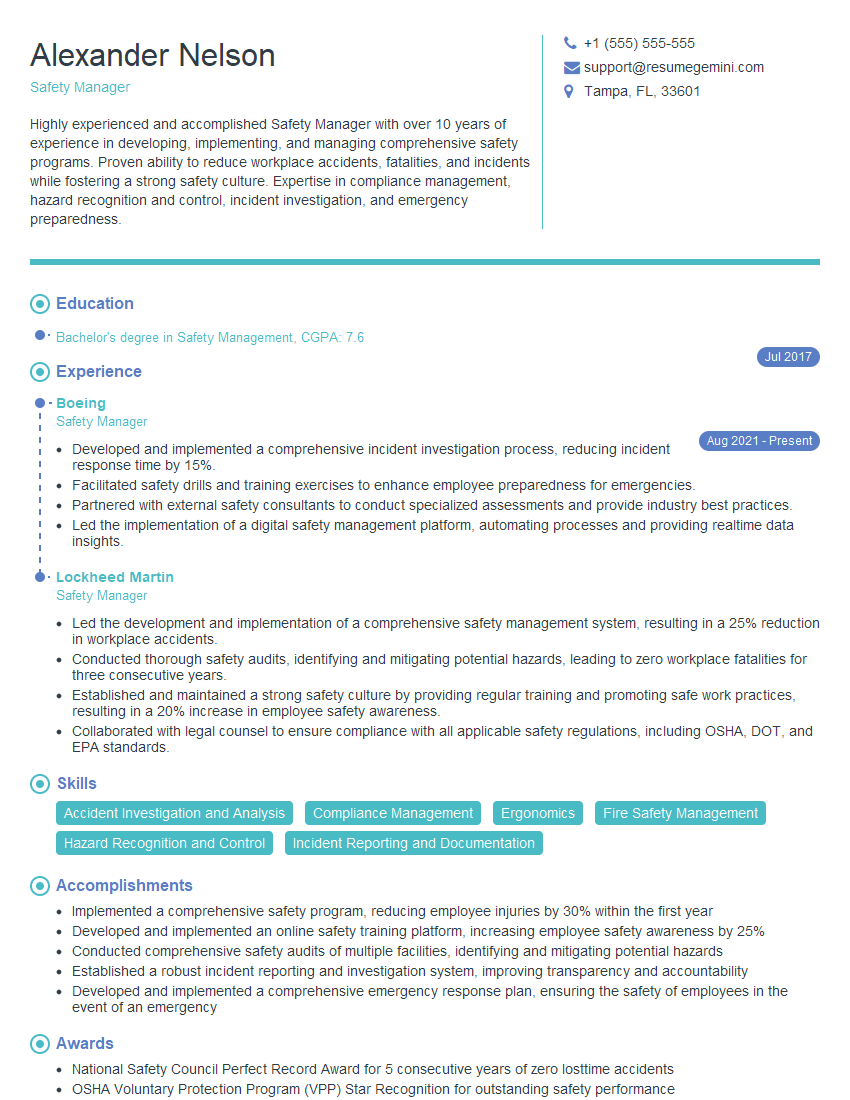
Safety Manager Resume Sample
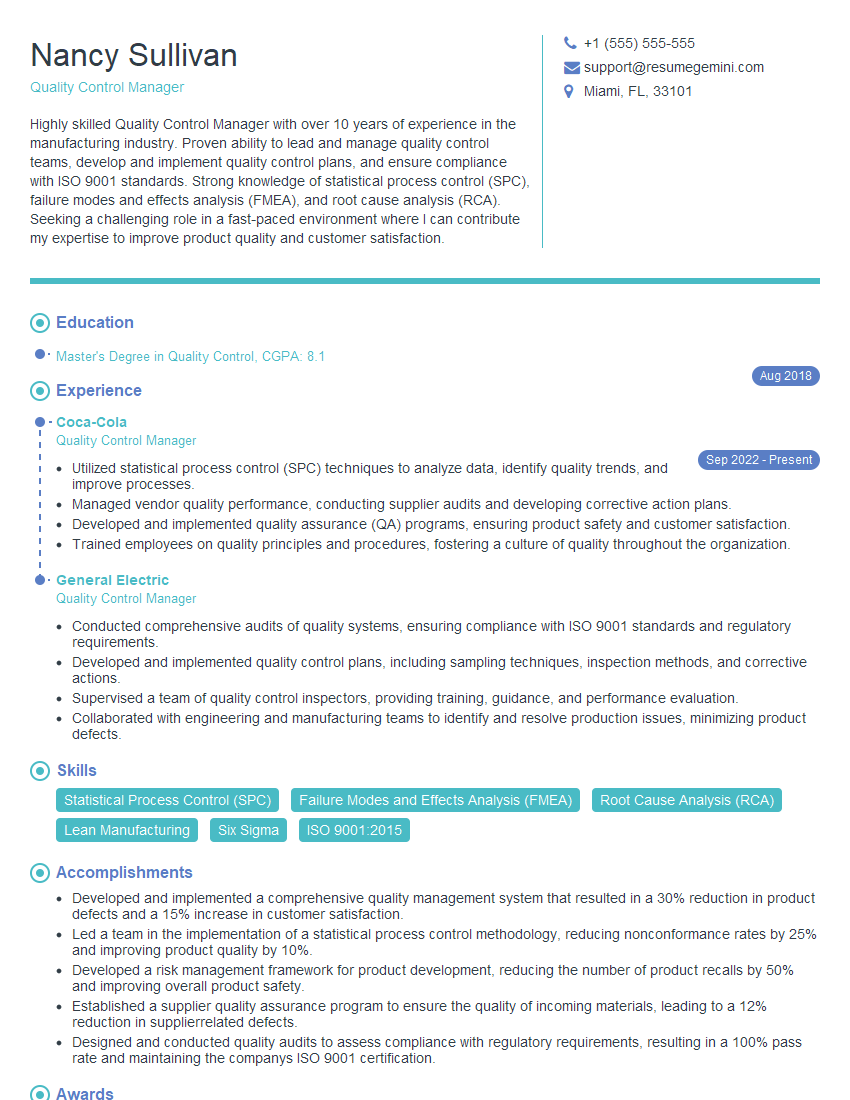
Quality Control Manager Resume Sample
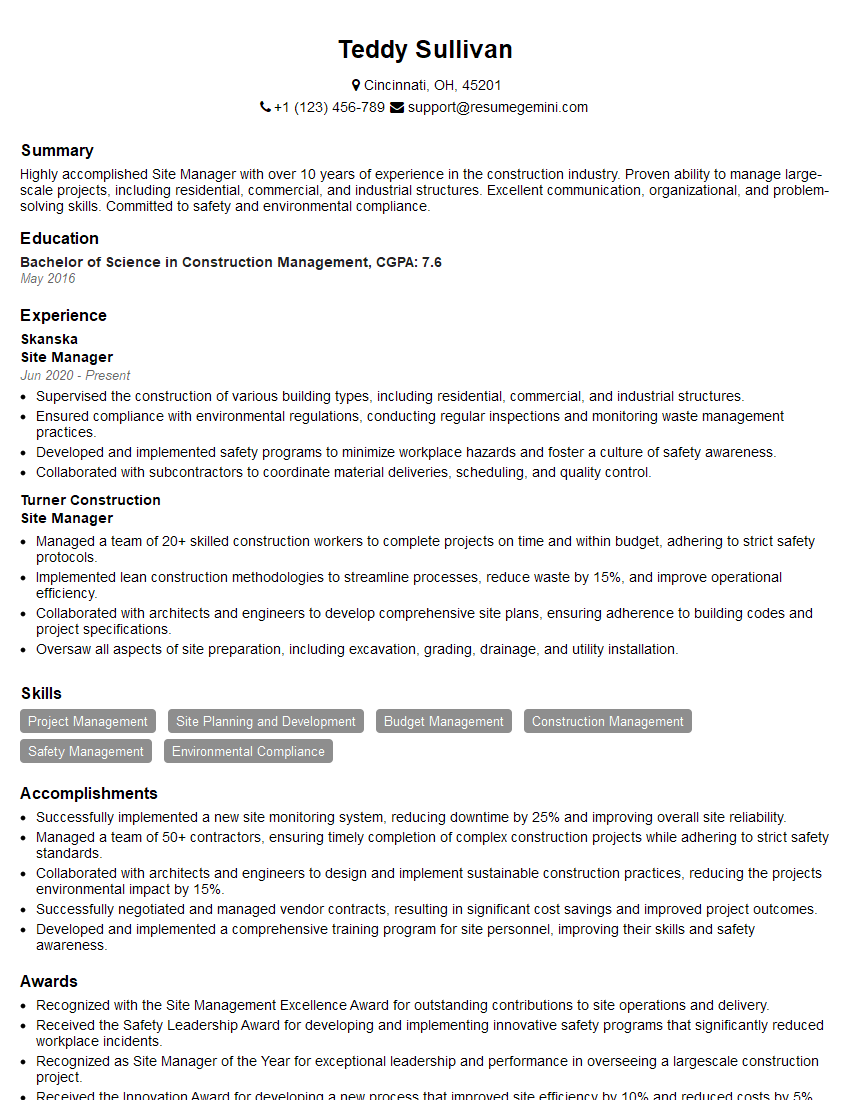
Site Manager Resume Sample
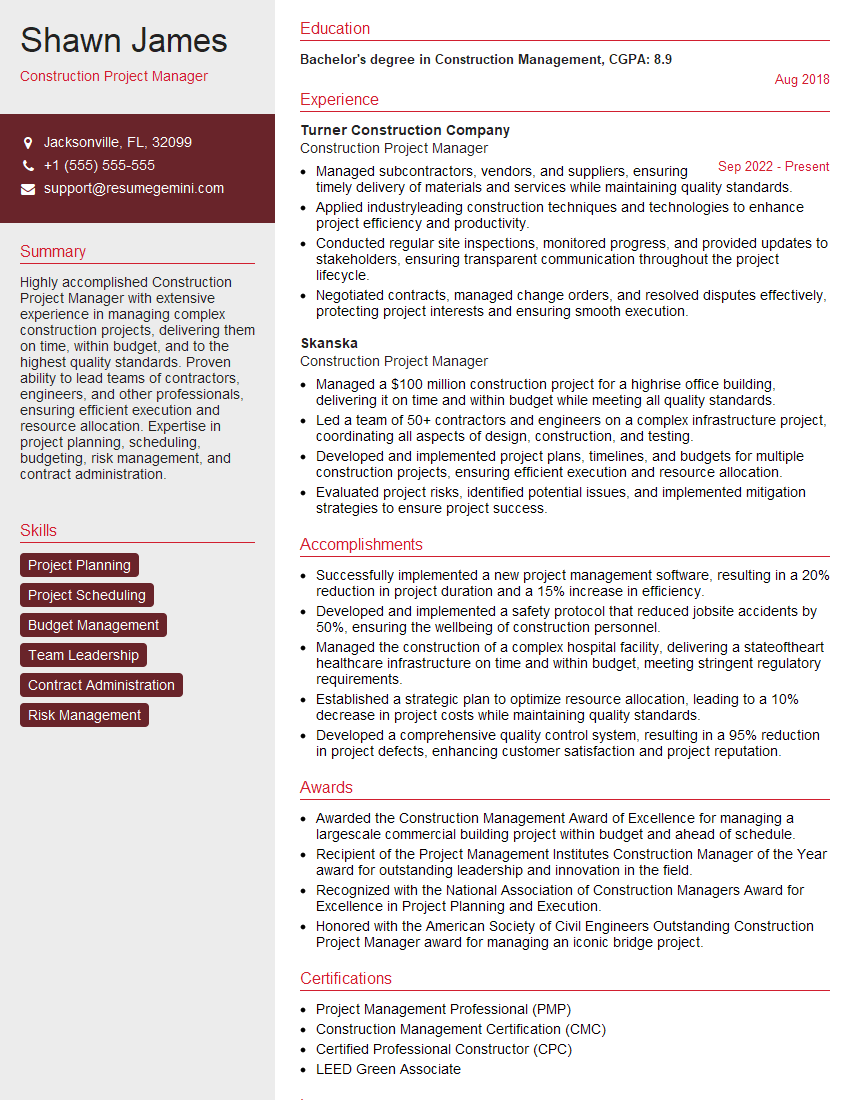
Construction Project Manager Resume Sample

Construction Superintendent Resume Sample
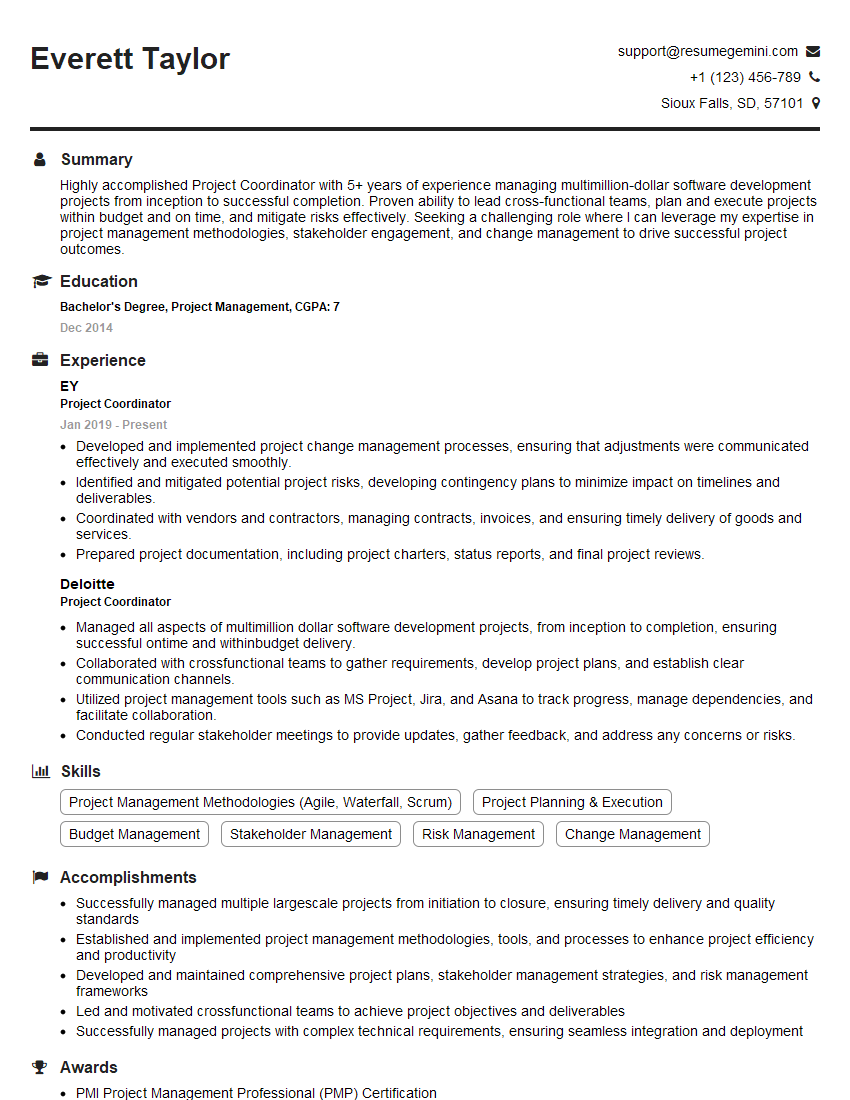
Project Coordinator Resume Sample

Project Engineer Resume Sample
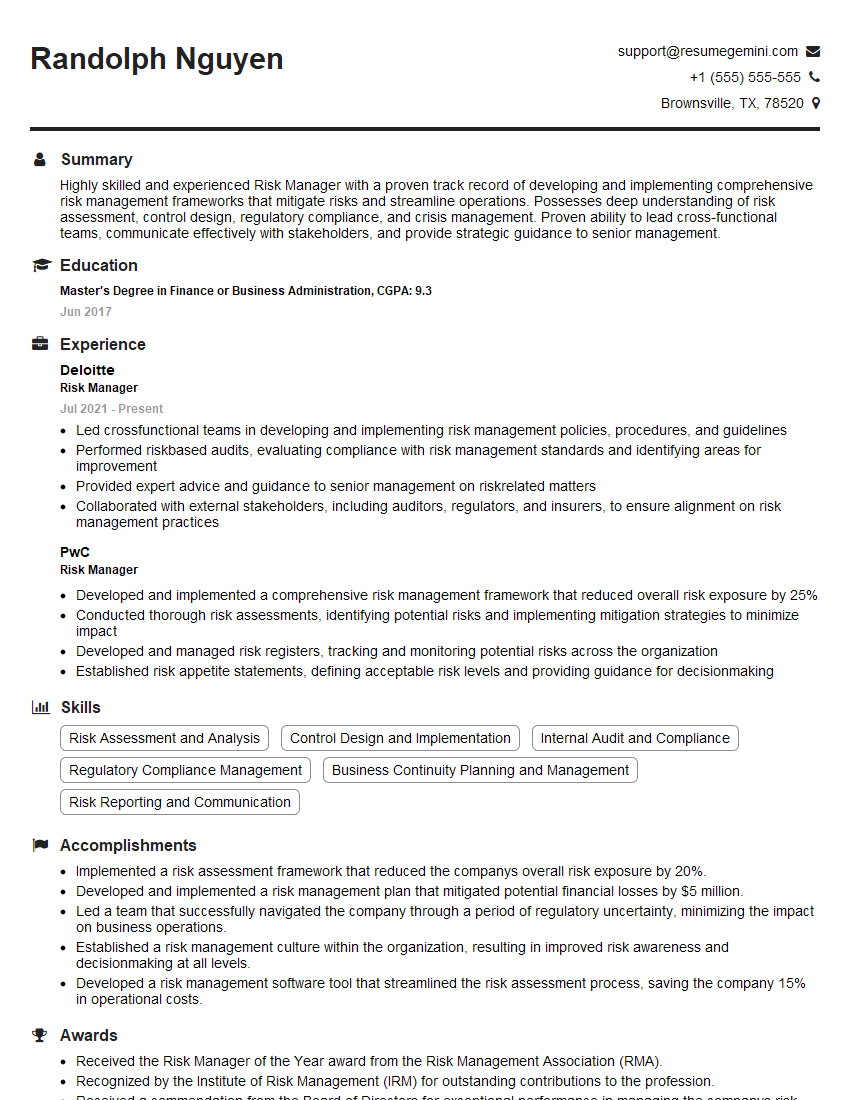
Risk Manager Resume Sample
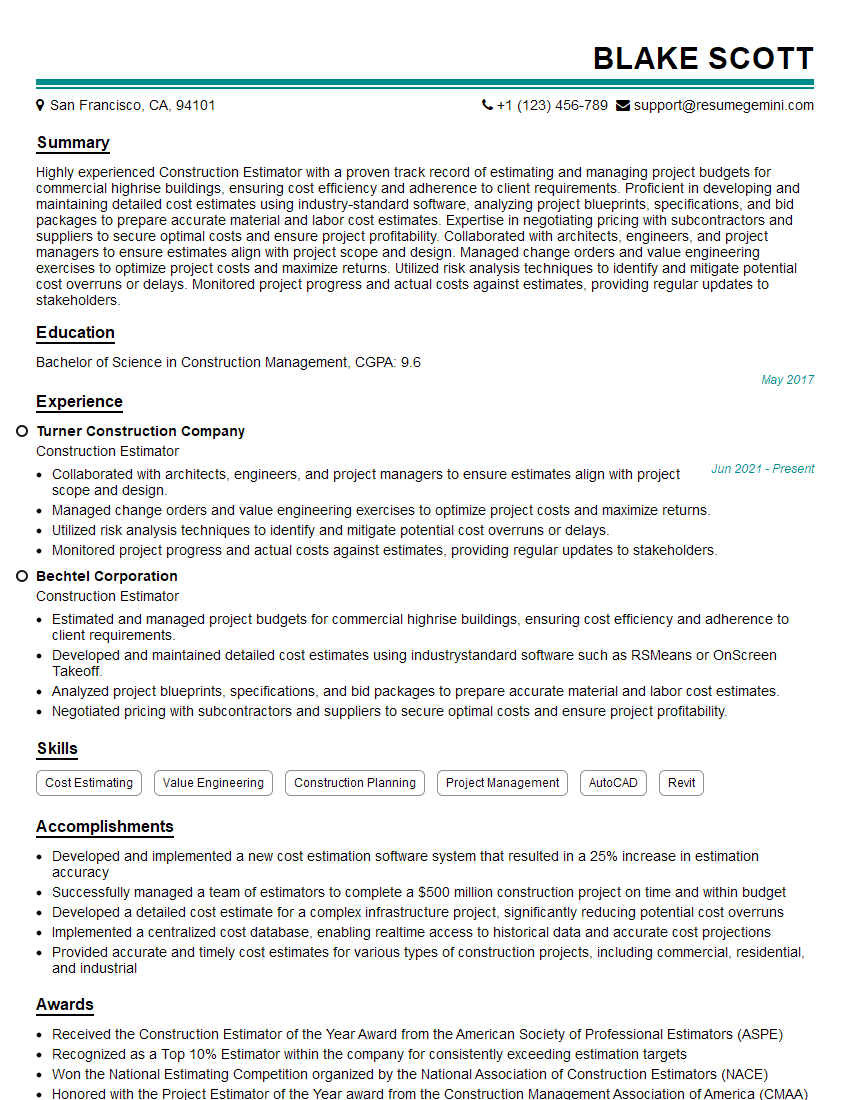
Construction Estimator Resume Sample
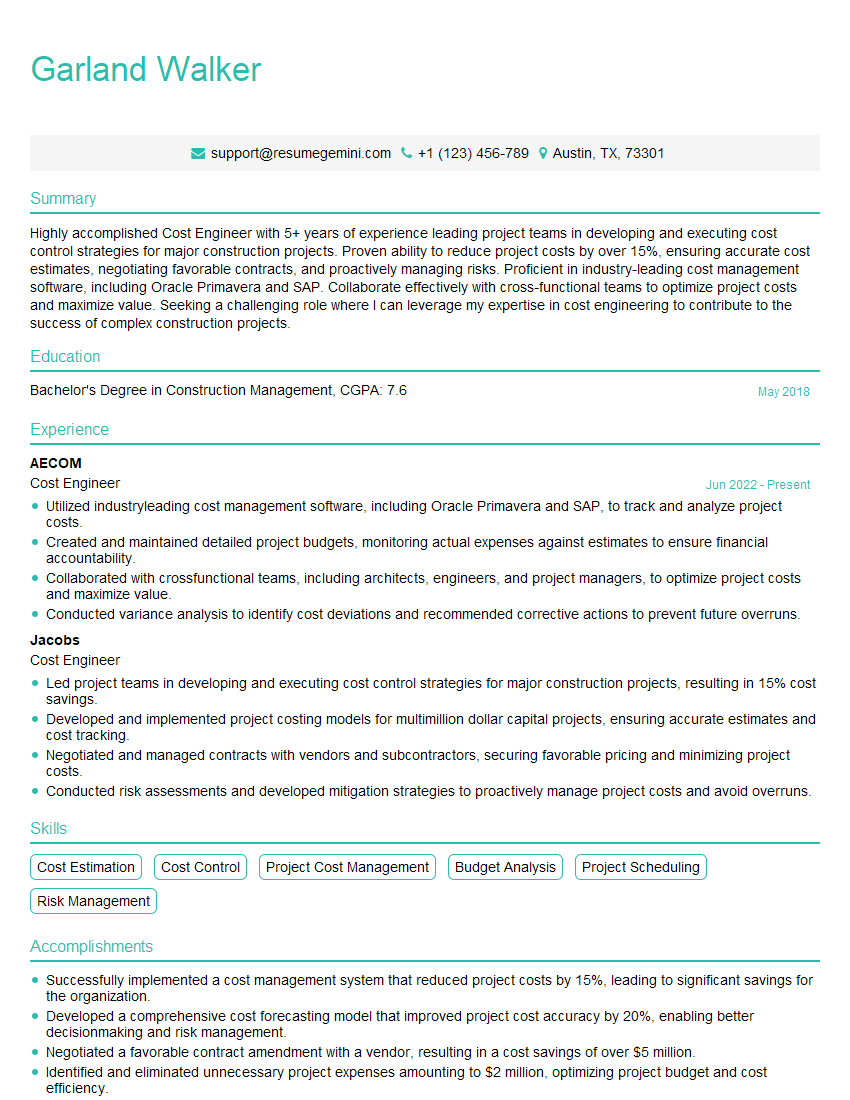
Cost Engineer Resume Sample
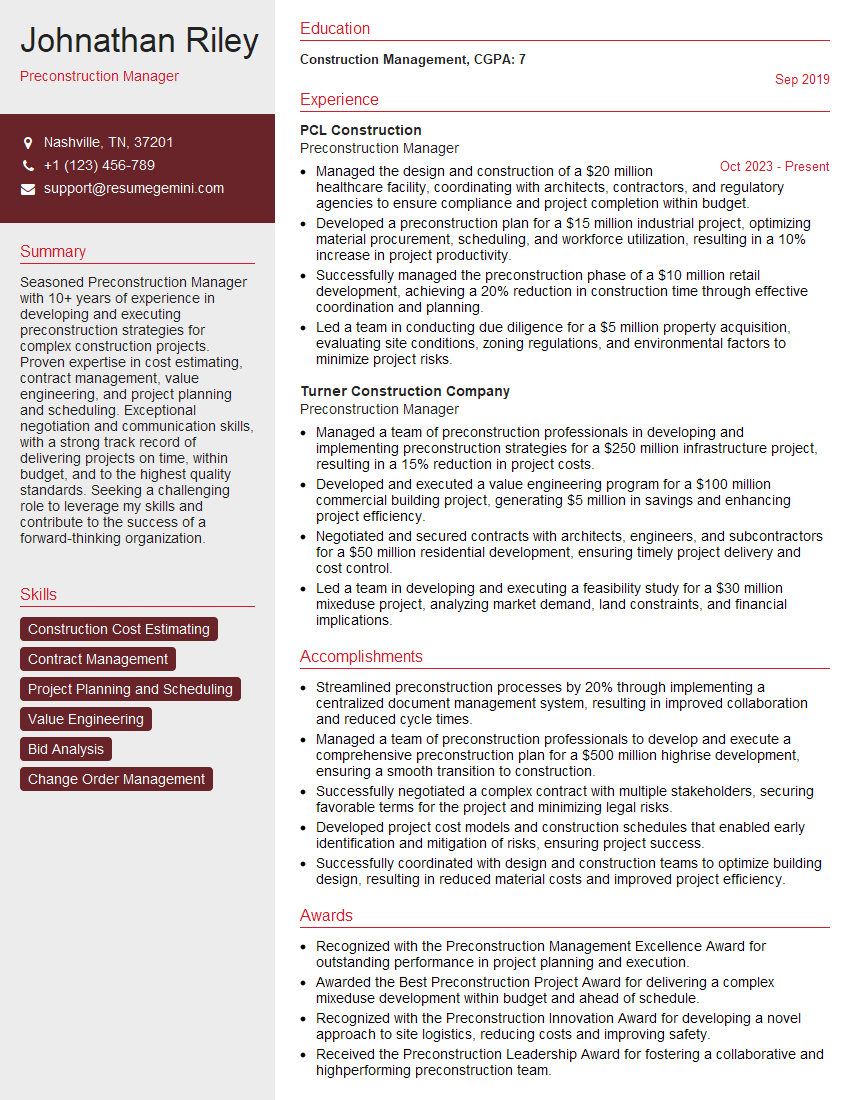
Preconstruction Manager Resume Sample
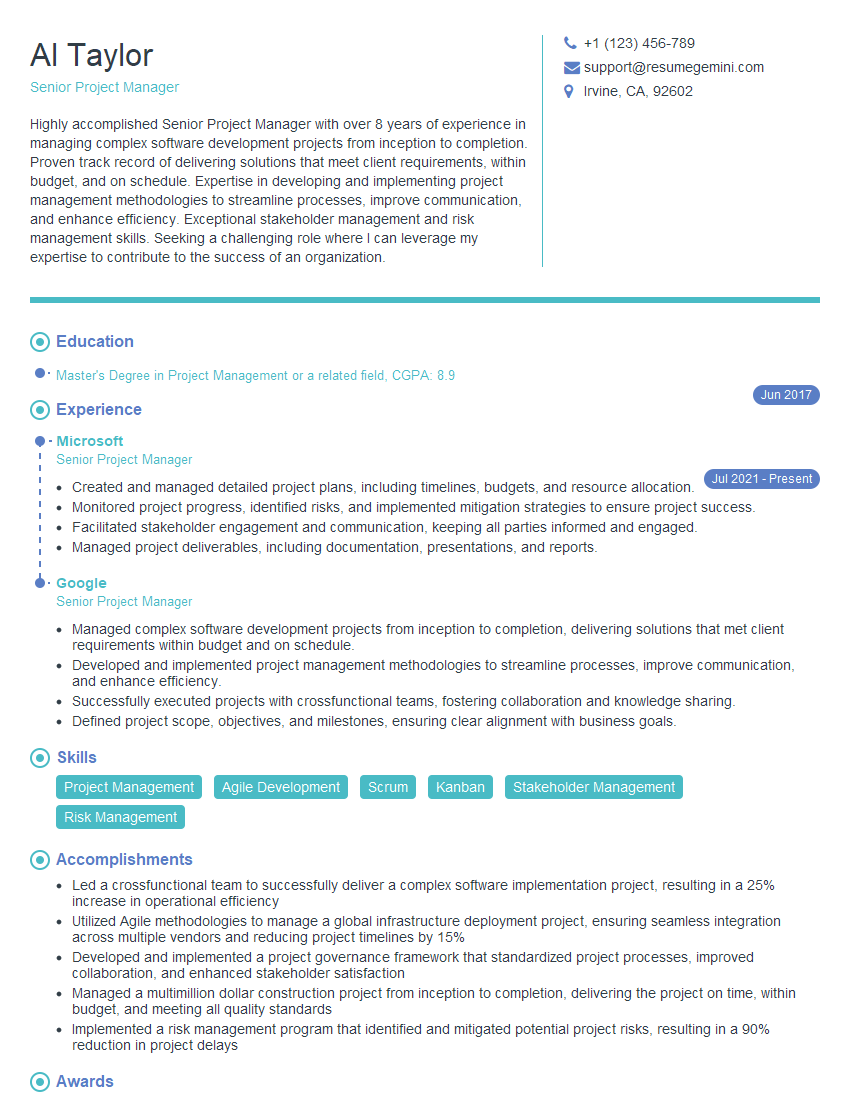
Senior Project Manager Resume Sample
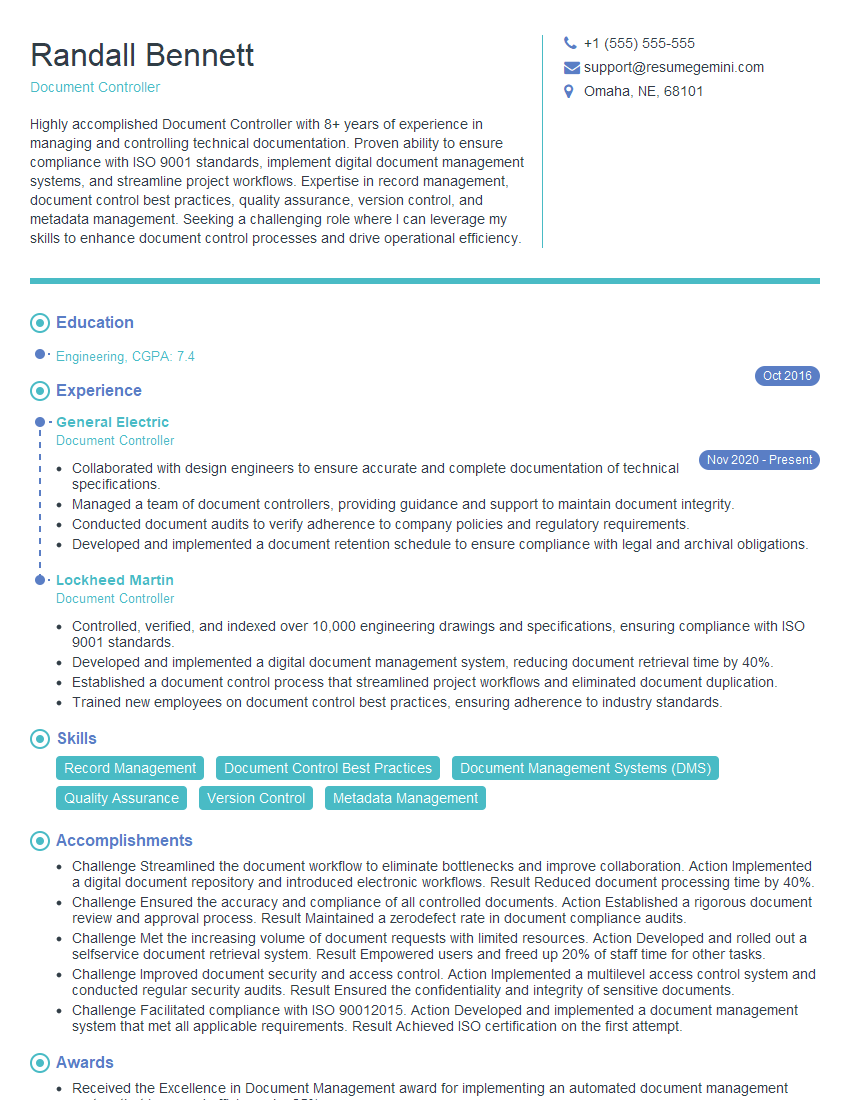
Document Controller Resume Sample
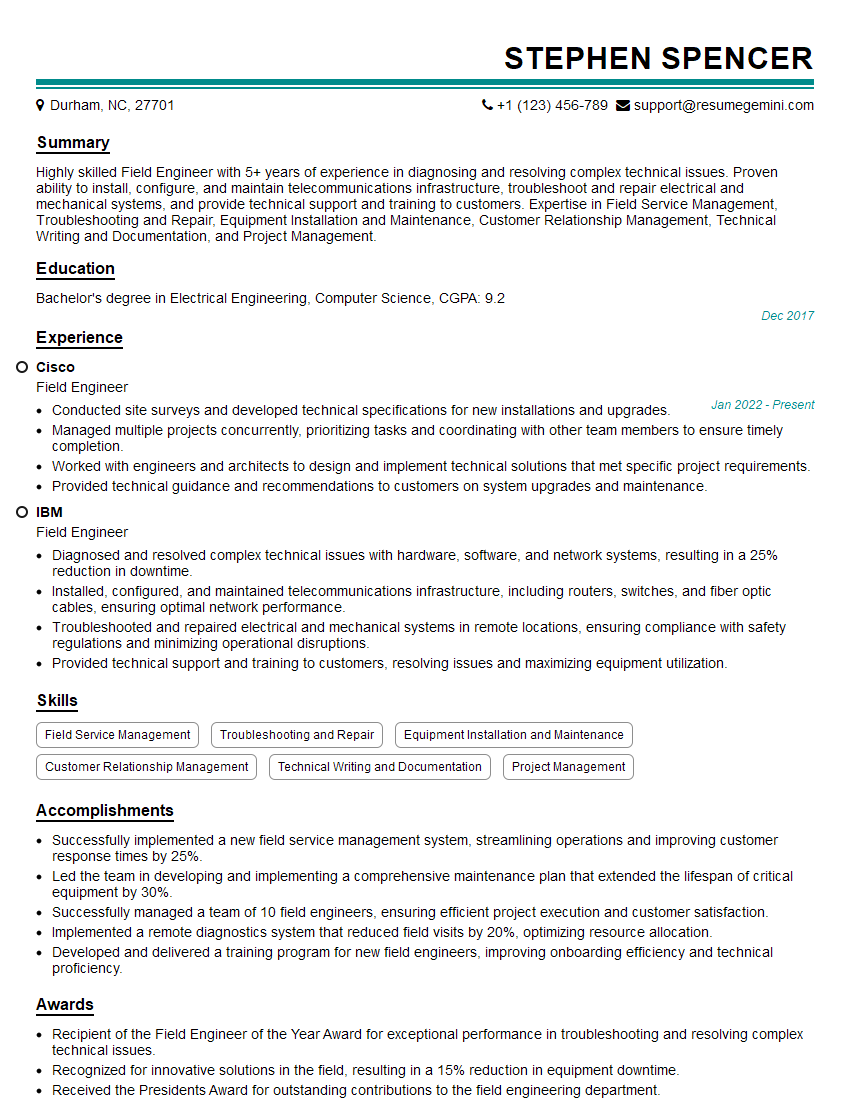
Field Engineer Resume Sample
Explore more articles
Users Rating of Our Blogs
Share Your Experience
We value your feedback! Please rate our content and share your thoughts (optional).
What Readers Say About Our Blog
To the interviewgemini.com Webmaster.
Very helpful and content specific questions to help prepare me for my interview!
Thank you
To the interviewgemini.com Webmaster.
This was kind of a unique content I found around the specialized skills. Very helpful questions and good detailed answers.
Very Helpful blog, thank you Interviewgemini team.