Cracking a skill-specific interview, like one for Consultation with other Healthcare Professionals, requires understanding the nuances of the role. In this blog, we present the questions you’re most likely to encounter, along with insights into how to answer them effectively. Let’s ensure you’re ready to make a strong impression.
Questions Asked in Consultation with other Healthcare Professionals Interview
Q 1. Describe your experience collaborating with other healthcare professionals.
Collaboration with other healthcare professionals is fundamental to providing optimal patient care. My experience spans numerous settings, including multidisciplinary teams in hospital settings and collaborative efforts with community-based healthcare providers. I’ve worked closely with physicians, nurses, physical therapists, social workers, and dieticians, among others, to develop comprehensive and patient-centered care plans. For example, in one instance, I collaborated with a cardiologist, a pulmonologist, and a respiratory therapist to manage a patient with complex cardiac and respiratory issues. This involved regular consultations, joint decision-making, and shared responsibility for the patient’s ongoing care.
This collaborative process relies heavily on clear communication, mutual respect, and a shared understanding of each professional’s expertise and role in the patient’s journey. I strive to actively listen to the insights of other healthcare professionals, considering their perspectives and expertise when developing treatment plans. I also actively contribute my own expertise, ensuring a comprehensive and well-rounded approach. This collaborative spirit fosters improved patient outcomes and a more efficient and effective healthcare system.
Q 2. Explain your approach to resolving disagreements among healthcare team members.
Resolving disagreements among healthcare team members requires a diplomatic and structured approach, always prioritizing the patient’s best interests. My approach centers on open communication, active listening, and a focus on finding common ground. I believe strongly in fostering a respectful environment where everyone feels comfortable expressing their opinions and concerns.
- Identify the core of the disagreement: What are the specific points of contention? Understanding the underlying issues is crucial for a productive discussion.
- Facilitate open discussion: Encourage each team member to clearly and respectfully articulate their perspective, highlighting supporting evidence.
- Focus on shared goals: Remind everyone of the common objective: providing the best possible care for the patient. Framing the discussion around this shared goal can help minimize conflict.
- Explore alternative solutions: Collaboratively brainstorm various approaches, keeping the patient’s preferences and needs central to the discussion.
- Document the decision: Once a consensus is reached (or a decision is made through a defined process if consensus is not possible), ensure the decision is clearly documented and communicated to all relevant team members.
If disagreements persist, involving a higher authority, such as a medical director or ethics committee, might be necessary, maintaining transparency and due process throughout.
Q 3. How do you ensure effective communication during interprofessional consultations?
Effective communication during interprofessional consultations hinges on clear, concise, and respectful interaction. I employ several strategies:
- Structured Communication: I utilize standardized formats like SBAR (Situation, Background, Assessment, Recommendation) to ensure all critical information is conveyed efficiently.
- Active Listening: I pay close attention to what others are saying, asking clarifying questions to ensure complete understanding. This demonstrates respect and facilitates collaboration.
- Clear and Concise Language: I avoid medical jargon when communicating with non-medical professionals and tailor my language to the audience’s understanding. I also use visual aids where appropriate.
- Documentation: Thorough documentation of all consultations, including decisions made, is critical for maintaining accurate records and facilitating seamless care transitions. This minimizes potential misunderstandings and ensures everyone is on the same page.
- Regular Team Meetings: Regular meetings dedicated to case discussions and information sharing facilitate continuous communication and prevent information silos.
For example, using SBAR to discuss a patient’s deteriorating condition ensures everyone understands the urgency and the necessary actions. Similarly, regularly updating all members on a patient’s progress minimizes confusion and ensures coordinated care.
Q 4. Describe a time you had to explain complex medical information to a non-medical professional.
I once had to explain a complex genetic disorder to a patient’s family, most of whom lacked a medical background. The patient had been diagnosed with a rare autosomal recessive condition, which involved a lengthy explanation of genes, inheritance patterns, and the implications for future generations.
My approach involved using simple analogies and avoiding technical jargon. I described genes as instructions for building the body, comparing a gene mutation to a typographical error in those instructions. I used visual aids, such as diagrams, to illustrate inheritance patterns. I broke down complex information into smaller, manageable chunks, pausing frequently to ensure understanding. I answered their questions patiently and thoroughly, addressing their concerns with empathy and reassurance. The family was grateful for the clear and sensitive explanation, stating that they finally understood the condition and could begin to address it appropriately. The successful communication enabled informed decision-making and strengthened the therapeutic relationship.
Q 5. How do you handle conflicting clinical opinions from different specialists?
Handling conflicting clinical opinions requires a meticulous and patient approach, always prioritizing the patient’s well-being. The first step involves carefully reviewing all available evidence, including medical history, diagnostic tests, and the rationale behind each specialist’s opinion.
I then facilitate a discussion between the specialists, aiming to identify the source of the disagreement and explore potential compromises. Sometimes, the conflict stems from differing interpretations of the same data, while in other cases, it may reflect the unique expertise and perspective of each specialist. A collaborative approach, where each specialist is given an opportunity to fully articulate their reasoning and concerns, is crucial. In situations where a definitive resolution is unattainable, the patient should be involved in the decision-making process, ensuring they are adequately informed of the various options and their potential risks and benefits. Transparency and shared decision-making are paramount.
Q 6. What strategies do you use to improve patient safety during consultations?
Improving patient safety during consultations necessitates a multifaceted approach, focusing on communication, error prevention, and a culture of safety. My strategies include:
- Double-checking information: Verifying critical information, such as medication dosages and test results, with other team members, helps prevent errors.
- Using checklists and protocols: Standardized procedures help ensure consistent and safe practices across consultations.
- Promoting open communication: Encouraging team members to speak up about potential safety concerns creates a culture of shared responsibility for patient safety.
- Utilizing technology: Implementing electronic health records and other technologies facilitates better communication and reduces the risk of errors related to manual data entry.
- Regular safety training: Ongoing training in patient safety protocols, such as medication reconciliation and fall prevention, keeps everyone up-to-date on best practices.
For example, utilizing medication reconciliation at the start of a consultation helps identify any potential drug interactions or dosage errors that could compromise patient safety.
Q 7. Explain your understanding of HIPAA regulations in the context of consultations.
HIPAA (Health Insurance Portability and Accountability Act) regulations are paramount in protecting patient privacy during consultations. My understanding of HIPAA includes strict adherence to its provisions regarding protected health information (PHI). This means I only access, use, or disclose PHI when it is necessary for providing care, obtaining payment for services, or carrying out healthcare operations.
I am acutely aware of the potential for breaches of confidentiality during consultations and take all necessary precautions to prevent them. This includes secure communication methods, appropriate use of electronic health records, and careful control of access to patient information. I also ensure that all team members involved in a consultation are aware of HIPAA regulations and their responsibilities in protecting patient privacy. Non-compliance can result in serious consequences, including fines and legal action; therefore, I treat HIPAA compliance as an essential component of responsible and ethical practice.
Q 8. How do you identify and address potential biases during consultations?
Identifying and addressing bias is crucial for equitable healthcare. It involves a constant self-reflection process and a commitment to actively mitigating unconscious biases that might influence my judgment or treatment recommendations. I use several strategies:
- Self-awareness: Regularly reflecting on my own personal beliefs, values, and potential biases related to race, ethnicity, gender, socioeconomic status, sexual orientation, and other factors. I actively look for instances where my own personal experiences might unconsciously impact my interactions with patients.
- Structured interviews: Employing standardized questionnaires and assessment tools to minimize the impact of implicit bias on diagnosis and treatment planning. This ensures a consistent approach to data collection.
- Seeking diverse perspectives: Actively seeking input from colleagues with different backgrounds and experiences to gain a broader perspective and catch any potential biases I might have overlooked. This includes consulting with specialists from different fields when appropriate.
- Utilizing objective data: Focusing on evidence-based medicine and objective data when making clinical decisions, minimizing reliance on subjective impressions that could be tainted by bias.
- Continuous learning: Participating in professional development activities that focus on cultural competency, implicit bias, and health equity. This is ongoing and essential for improvement.
For example, I once had a preconceived notion about a patient’s compliance based on their socioeconomic background. However, by actively questioning my assumptions and focusing on the patient’s individual circumstances, I realized my bias and was able to tailor my approach for better engagement.
Q 9. Describe your experience with utilizing electronic health records (EHRs) during consultations.
Electronic Health Records (EHRs) are indispensable in modern healthcare consultations. My experience involves seamlessly integrating EHRs into every stage, from pre-consultation preparation to post-consultation documentation. I utilize EHRs to:
- Access patient history: Quickly reviewing complete medical history, including past diagnoses, medications, allergies, and laboratory results, ensuring a comprehensive understanding before the consultation.
- Collaborate with other providers: Sharing information securely and efficiently with other healthcare professionals involved in the patient’s care, facilitating better communication and coordination.
- Track patient progress: Monitoring the patient’s response to treatment, documenting consultations, and updating the record to provide a complete timeline of their care journey.
- Order tests and referrals: Streamlining the ordering of laboratory tests, imaging studies, and specialist referrals directly through the EHR system, reducing administrative burden and delays.
- Manage medications: Reviewing and updating medication lists, identifying potential drug interactions, and ensuring accurate medication reconciliation.
The EHR’s ability to instantly provide relevant information allows me to focus more effectively on patient interaction and less on administrative tasks. For example, I can access imaging results during the consultation and immediately discuss the findings with the patient, fostering more meaningful conversations.
Q 10. How do you prioritize competing patient needs during a multidisciplinary consultation?
Prioritizing competing patient needs in a multidisciplinary consultation requires a structured approach that balances urgency, severity, and long-term impact. I typically follow these steps:
- Identify all needs: First, I gather input from all involved professionals, creating a comprehensive list of the patient’s needs, both immediate and long-term. This might include physical, psychological, and social needs.
- Categorize by urgency: I then categorize these needs based on their urgency, separating life-threatening issues from those that can be addressed later. This step relies on clinical judgment and shared decision-making.
- Assess resources: We assess the available resources, considering staffing, time constraints, and budgetary limitations. This is crucial for realistic goal setting.
- Collaborate and prioritize: Through collaborative discussion with the multidisciplinary team, we rank the needs based on urgency and feasibility. This often involves compromises and trade-offs.
- Develop a coordinated plan: Finally, a coordinated plan of action is developed, assigning responsibilities to each member of the team and establishing clear timelines and milestones.
For instance, in a case involving a patient with both uncontrolled diabetes and severe depression, we might prioritize stabilizing blood glucose levels due to its immediate life-threatening implications before focusing on addressing the patient’s depression, although both conditions require attention.
Q 11. How do you adapt your communication style to different healthcare professionals?
Adapting my communication style to different healthcare professionals is vital for effective interprofessional collaboration. I tailor my approach based on the professional’s role, their communication preferences, and the specific context of the consultation. This means:
- Using appropriate terminology: Adjusting my language to match the professional’s level of expertise. I avoid using jargon when speaking with less specialized colleagues and employ precise medical terminology when speaking with specialists.
- Understanding communication styles: Recognizing different communication preferences – some individuals prefer concise reports, while others appreciate a more detailed narrative approach. I observe and adjust accordingly.
- Active listening: Engaging in active listening to ensure a mutual understanding. I make sure to address any questions or concerns thoroughly, clarifying ambiguities and seeking clarification when needed.
- Respecting roles and expertise: Showing respect for the expertise and responsibilities of each healthcare professional involved. This involves appropriately valuing their contributions and acknowledging their specific role within the overall care plan.
- Maintaining professional boundaries: Establishing and maintaining professional boundaries while still fostering a collaborative relationship. Professionalism is crucial in maintaining effective communication.
For example, I communicate differently with a nurse, focusing on practical aspects and observations, than I would with a cardiologist, discussing detailed physiological data and advanced treatment options.
Q 12. Describe a successful interprofessional collaboration experience.
One successful interprofessional collaboration involved a patient with complex medical needs, including chronic pain, depression, and diabetes. The patient was struggling to manage their conditions effectively, leading to frequent hospitalizations.
Our team comprised a physician (myself), a nurse practitioner, a social worker, a physical therapist, and a psychiatrist. We held regular meetings to discuss the patient’s progress, coordinating our efforts to address the patient’s multiple needs holistically.
The social worker helped address the patient’s social determinants of health, the physical therapist developed a pain management program, and the psychiatrist helped manage the depression. Through this coordinated approach, the patient’s quality of life significantly improved, hospital readmissions were reduced, and the patient gained a better sense of control over their health. The success was a direct result of effective communication, clear roles, shared goals, and mutual respect among the team members.
Q 13. Explain your experience navigating legal and ethical considerations in consultations.
Navigating legal and ethical considerations is an integral part of consultations. My experience emphasizes adherence to relevant laws, regulations, and ethical guidelines. Key aspects include:
- Patient confidentiality (HIPAA): Strict adherence to HIPAA regulations and maintaining patient confidentiality at all times. This includes securing electronic health records and only sharing information with authorized individuals.
- Informed consent: Ensuring that patients are fully informed about their treatment options, potential risks and benefits, and have given informed consent before any intervention.
- Truthfulness and honesty: Maintaining truthfulness and honesty in all communication with patients and other healthcare professionals. This builds trust and facilitates a collaborative relationship.
- Professional boundaries: Maintaining professional boundaries in all interactions with patients and colleagues. This is crucial to avoid conflicts of interest and maintain professional integrity.
- Documentation: Maintaining meticulous documentation of all consultations, including decisions made, treatment plans, and patient responses. This is crucial for legal protection and continuity of care.
For instance, I carefully document any discussions about end-of-life care or advance directives, ensuring that the patient’s wishes are respected and appropriately documented according to legal and ethical standards.
Q 14. How do you handle sensitive or emotional situations during consultations?
Handling sensitive or emotional situations requires empathy, active listening, and a professional, yet compassionate approach. My strategies include:
- Creating a safe space: Establishing a safe and supportive environment where patients feel comfortable expressing their emotions without judgment. This involves using non-judgmental language and active listening skills.
- Active listening and empathy: Actively listening to the patient’s concerns and showing empathy for their situation. This involves understanding their emotional state and responding with sensitivity.
- Validation of feelings: Acknowledging and validating the patient’s feelings, even if I don’t necessarily agree with their perspective. This shows respect and builds trust.
- Collaboration and support: Collaborating with other healthcare professionals when necessary to provide the best possible support for the patient. This could involve seeking input from a psychologist, social worker, or chaplain.
- Setting appropriate boundaries: While showing empathy, it’s essential to maintain professional boundaries. This includes refraining from offering personal advice or becoming overly involved in the patient’s personal life.
For example, when dealing with a patient grieving the loss of a loved one, I acknowledge their grief, offer condolences, and connect them with appropriate support services, rather than attempting to fix their emotional pain myself.
Q 15. How do you stay up-to-date with current clinical guidelines and best practices?
Staying current in healthcare is paramount. I utilize a multi-pronged approach. Firstly, I subscribe to several reputable medical journals like the New England Journal of Medicine and the Lancet, focusing on articles relevant to my specialties. Secondly, I actively participate in professional organizations such as the American Medical Association (AMA), attending conferences and webinars to learn about the latest research and guidelines. These events often feature leading experts presenting cutting-edge findings and best practices. Thirdly, I leverage online resources such as UpToDate and PubMed, regularly searching for updates on specific topics or conditions. Finally, I maintain a network of colleagues across different specialties, engaging in regular discussions and knowledge sharing. This collaborative approach ensures a holistic perspective on clinical advancements.
Career Expert Tips:
- Ace those interviews! Prepare effectively by reviewing the Top 50 Most Common Interview Questions on ResumeGemini.
- Navigate your job search with confidence! Explore a wide range of Career Tips on ResumeGemini. Learn about common challenges and recommendations to overcome them.
- Craft the perfect resume! Master the Art of Resume Writing with ResumeGemini’s guide. Showcase your unique qualifications and achievements effectively.
- Don’t miss out on holiday savings! Build your dream resume with ResumeGemini’s ATS optimized templates.
Q 16. Describe your experience using evidence-based medicine to inform consultations.
Evidence-based medicine is the cornerstone of my practice. Before making any clinical decision, I thoroughly research the available evidence. For example, when considering treatment options for a patient with hypertension, I wouldn’t just rely on personal experience. Instead, I would consult databases like Cochrane Library and PubMed to identify relevant randomized controlled trials (RCTs) and meta-analyses. I critically appraise these studies, considering factors such as sample size, study design, and potential biases, to determine the strength of the evidence. This rigorous process ensures that my recommendations are aligned with the best available scientific data and tailored to the individual patient’s needs and preferences, taking into account factors like comorbidities and personal values. This process allows for a more informed and effective treatment plan, leading to improved patient outcomes.
Q 17. What is your experience with quality improvement initiatives in relation to consultations?
I’ve been actively involved in several quality improvement (QI) initiatives focused on improving consultation efficiency and patient satisfaction. In one project, we implemented a standardized pre-visit questionnaire to collect key patient information, reducing the time spent on history-taking during consultations. This allowed us to focus more on patient interaction and addressing specific concerns. We measured the impact by tracking consultation times and conducting patient satisfaction surveys. The results showed a significant reduction in average consultation times without compromising patient satisfaction. Another initiative involved implementing a new electronic health record (EHR) system that streamlined the process of ordering tests and referrals, leading to improved workflow and reduced administrative burden. We used data from the EHR to track key metrics such as wait times, test turnaround times and referral processing times to demonstrate the effectiveness of the QI initiative. These projects highlight my commitment to continuous improvement within a healthcare setting.
Q 18. Describe your approach to teaching or mentoring other healthcare professionals.
I approach teaching and mentoring with a focus on fostering critical thinking and problem-solving skills. I believe in a collaborative learning environment where mentees are encouraged to actively participate and ask questions. My approach involves a mix of didactic teaching, where I present key concepts and guidelines, and experiential learning, where mentees are given opportunities to apply their knowledge in real-world scenarios under supervision. For instance, I might work alongside a junior colleague during consultations, guiding them through the process and providing feedback. I also utilize case studies and simulations to reinforce learning and explore different clinical scenarios. Regular feedback sessions and constructive criticism are vital components of my mentoring style. The aim is to equip mentees with the confidence and competency to provide high-quality patient care.
Q 19. How do you contribute to a positive and collaborative team environment?
Contributing to a positive and collaborative team environment is crucial for effective healthcare delivery. I actively listen to my colleagues’ perspectives, valuing their expertise and experience. I believe in open communication and transparent decision-making, ensuring everyone feels heard and involved. I offer support and assistance to my colleagues, fostering a sense of teamwork and mutual respect. For instance, I might help a colleague struggling with a challenging case by offering my expertise or connecting them with relevant resources. I also celebrate team successes, recognizing individual contributions and promoting a positive and encouraging atmosphere. This fosters a supportive work environment, leading to improved collaboration, efficiency, and job satisfaction.
Q 20. How do you handle situations where a colleague is not meeting professional standards?
Addressing situations where a colleague isn’t meeting professional standards requires a careful and measured approach. My first step is to gather information and understand the context of the situation. If it involves a minor issue, I might address it informally through a private conversation, focusing on constructive feedback and guidance. However, if the issue is more serious or involves a pattern of unprofessional behavior, I would follow the established reporting procedures within my organization. This might involve reporting the issue to a supervisor or the appropriate ethics committee. My goal is to address the issue constructively, ensuring patient safety and maintaining professional standards, while also considering the colleague’s perspective and potential underlying issues. The process should always prioritize protecting patients and upholding the integrity of the healthcare team.
Q 21. Describe a time you had to advocate for a patient during a consultation.
I once had a patient who was diagnosed with a severe medical condition that required immediate specialized care. However, the patient’s insurance company was initially hesitant to authorize the necessary procedures, citing cost concerns. I carefully reviewed the patient’s medical records and assembled all the relevant evidence demonstrating the urgency and necessity of the intervention. I then contacted the insurance company directly, explaining the situation clearly and advocating for the patient’s needs, emphasizing the potential risks of delaying treatment. I also collaborated with the patient’s family to gather additional information and support my appeal. After several discussions and providing additional documentation, the insurance company finally authorized the necessary procedures, allowing for timely and appropriate medical intervention. This experience reinforced my commitment to fighting for my patients’ well-being and ensuring they receive the best possible care, even when faced with bureaucratic obstacles.
Q 22. How do you manage time effectively during busy consultation schedules?
Effective time management during busy consultation schedules is crucial for providing high-quality patient care and avoiding burnout. My approach is multifaceted and relies on a combination of proactive planning and efficient execution.
Prioritization: I utilize a system that prioritizes urgent and critical cases, ensuring that patients requiring immediate attention are seen promptly. This often involves a quick triage process at the beginning of the day, allowing me to allocate time effectively based on patient needs.
Time Blocking: I schedule specific time slots for different types of consultations, allowing for variability in consultation length. For example, shorter slots are allocated for routine follow-ups, while longer slots are reserved for complex cases or new patient consultations. This prevents longer consultations from overflowing into subsequent appointments.
Preparation: Before each consultation, I review the patient’s chart to familiarize myself with their history and any relevant documentation. This minimizes time spent during the consultation itself, allowing me to focus on direct interaction and efficient problem-solving.
Delegation: Where appropriate, I delegate tasks such as scheduling appointments or following up on test results to administrative staff. This frees up my time to focus on the core aspects of patient consultations.
Efficient Communication: I strive for clear and concise communication, avoiding unnecessary jargon and focusing on the most essential information. This helps to ensure that consultations stay on track and within the allotted time frame.
For instance, in a particularly busy week, I might have used time-blocking to schedule 15-minute slots for follow-ups, 30-minute slots for new patient consultations, and 45-minute slots for complex cases needing extensive discussion. By adhering to these time blocks, I minimized delays and ensured all patients received adequate attention.
Q 23. Describe your experience with remote consultations and telehealth.
My experience with remote consultations and telehealth has been extensive and overwhelmingly positive. I’ve utilized various telehealth platforms, including video conferencing and secure messaging systems, to provide consultations to patients in remote areas and those with mobility challenges.
Patient Access: Telehealth significantly expands access to healthcare, particularly for patients in rural areas or those with transportation limitations. I’ve successfully managed chronic conditions and provided acute care remotely, often with excellent patient satisfaction.
Efficiency: Remote consultations can be more efficient than in-person visits, eliminating travel time for both the patient and myself. This allows me to see a larger number of patients, enhancing overall productivity.
Technology Proficiency: I am proficient in using various telehealth platforms and am comfortable troubleshooting technical issues that may arise during remote consultations. This includes familiarity with HIPAA-compliant platforms and the security measures necessary to protect patient data.
Limitations: I am aware of the limitations of telehealth, particularly the challenges of conducting a thorough physical examination remotely. In such cases, I often schedule in-person follow-ups to complete necessary assessments.
For example, I once successfully managed a patient’s diabetes remotely, utilizing video conferencing for regular consultations and secure messaging for medication adjustments and addressing concerns between appointments. This experience highlighted the significant benefits of telehealth in improving both patient access and the efficiency of care.
Q 24. What are your strengths and weaknesses as a healthcare consultant?
My strengths as a healthcare consultant lie in my strong communication skills, analytical abilities, and collaborative approach. I excel at building rapport with colleagues and patients, fostering a trusting environment conducive to open and honest communication. My analytical skills allow me to effectively assess complex medical situations and develop tailored solutions. I am also adept at working collaboratively with diverse healthcare teams to achieve optimal patient outcomes.
However, I recognize that perfection isn’t attainable, and a potential weakness could be my tendency to be detail-oriented, sometimes leading to spending more time on minor aspects than is strictly necessary. I am actively working to improve my time management skills to mitigate this.
Q 25. How do you measure the success of a consultation?
Measuring the success of a consultation isn’t solely about immediate outcomes. It involves a holistic assessment encompassing several key factors.
Improved Patient Understanding: A successful consultation leaves the patient with a clear understanding of their condition, treatment plan, and prognosis. I assess this through their ability to accurately recount the discussed information.
Patient Satisfaction: I actively seek feedback from patients, utilizing surveys or direct conversations to gauge their satisfaction with the consultation process and the care received.
Adherence to Treatment Plan: Successful consultations often lead to improved patient adherence to the recommended treatment plan. This is monitored through follow-up appointments and medication reconciliation.
Measurable Improvements: Where applicable, I track measurable improvements in the patient’s condition, such as a reduction in blood pressure or improvement in glucose control, as evidence of consultation success.
Collaboration and Teamwork: Successful consultations often involve effective collaboration with other healthcare professionals. Positive feedback from colleagues regarding the consultation and its impact on the overall patient care plan is a key indicator of success.
For example, in a recent case of a patient with poorly managed hypertension, I considered the consultation a success when the patient demonstrated an understanding of their condition, actively engaged in lifestyle modifications, and saw a significant reduction in blood pressure at their next follow-up appointment.
Q 26. How do you handle difficult or challenging patients during a consultation?
Handling challenging patients requires patience, empathy, and a structured approach. My strategy involves several key steps:
Active Listening: I start by actively listening to the patient’s concerns without interruption, validating their feelings and perspectives. This creates a safe space for them to express themselves.
Empathy and Validation: I show empathy and validate their feelings, even if I don’t agree with their perspective. This helps to de-escalate tension and build trust.
Clear and Concise Communication: I use clear, concise language, avoiding medical jargon. I ensure the patient understands my explanations and actively seek clarification if needed.
Setting Boundaries: While maintaining empathy, I set clear boundaries regarding appropriate behavior and communication. This is essential to maintain a professional and safe environment.
Collaboration and Referral: If the situation requires it, I collaborate with other healthcare professionals or refer the patient to appropriate resources such as social work or mental health services. This ensures that the patient receives comprehensive and tailored support.
For instance, I once encountered a patient who was highly anxious and resistant to treatment. By actively listening, validating their fears, and explaining the treatment plan in simple terms, I was able to build trust and achieve a positive outcome. In other cases, it became apparent that additional support, such as a referral to a psychologist, was necessary to best manage their needs.
Q 27. Describe your experience working with diverse populations in a healthcare setting.
My experience working with diverse populations has been incredibly enriching and has significantly shaped my approach to patient care. I am sensitive to cultural differences in communication styles, health beliefs, and approaches to healthcare. I actively incorporate cultural competency into my consultations.
Cultural Sensitivity Training: I’ve undergone extensive cultural sensitivity training, allowing me to effectively communicate and connect with patients from diverse backgrounds.
Language Access: I utilize interpreter services when needed to ensure effective communication with patients who speak a different language.
Health Literacy: I am mindful of varying levels of health literacy amongst patients and adjust my communication style accordingly, ensuring that information is presented in a clear, concise, and easy-to-understand manner. I avoid medical jargon and use visual aids when appropriate.
Culturally Appropriate Care: I consider the patient’s cultural beliefs and practices when developing a treatment plan, ensuring that it is respectful and aligned with their values.
For example, I’ve learned to tailor my approach to patients from different cultural backgrounds, understanding that some prefer a more direct approach while others prefer a more indirect and nuanced style of communication. This adaptability is critical in ensuring that all patients feel comfortable and respected during their consultation.
Q 28. What are your salary expectations for this role?
My salary expectations for this role are commensurate with my experience, qualifications, and the responsibilities of the position. I am open to discussing a competitive salary range based on the specifics of the job offer.
Key Topics to Learn for Consultation with other Healthcare Professionals Interview
- Effective Communication Strategies: Mastering clear, concise, and empathetic communication techniques when discussing patient cases with colleagues. This includes active listening, non-violent communication, and assertive expression of your professional opinion.
- Interprofessional Collaboration Models: Understanding different collaborative models (e.g., team-based care, shared decision-making) and their practical application in diverse healthcare settings. Be prepared to discuss the strengths and weaknesses of each approach and how to navigate potential conflicts.
- Ethical Considerations in Consultation: Navigating ethical dilemmas that may arise during interprofessional consultations, such as confidentiality, informed consent, and conflict of interest. Consider case studies involving differing professional opinions or patient preferences.
- Patient-Centered Approach to Consultation: Focusing on the patient’s best interests and ensuring that all consultations prioritize patient safety, well-being, and shared decision-making. Discuss practical examples of how you prioritize patient needs in a collaborative setting.
- Documentation and Record Keeping: Understanding the importance of accurate and timely documentation of consultations, adhering to relevant legal and ethical guidelines for record-keeping. Be ready to discuss best practices for maintaining comprehensive and compliant records.
- Conflict Resolution and Negotiation Skills: Developing strategies for resolving disagreements and negotiating solutions in a professional and constructive manner during interprofessional discussions. Practice scenarios involving differing opinions or approaches to patient care.
- Understanding Different Professional Roles and Responsibilities: Demonstrating a thorough knowledge of the roles and responsibilities of various healthcare professionals (physicians, nurses, pharmacists, therapists, etc.) and how these roles contribute to effective patient care. Prepare to discuss interdisciplinary teamwork and how to leverage each professional’s expertise.
Next Steps
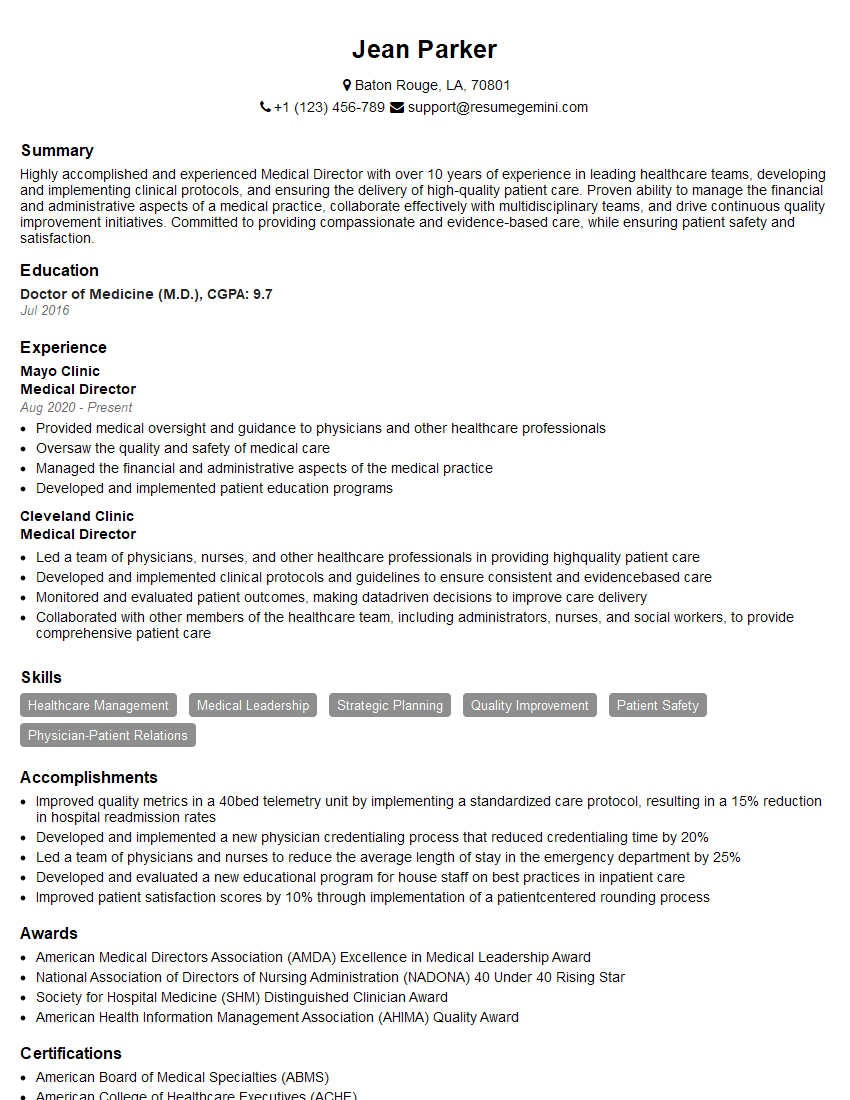
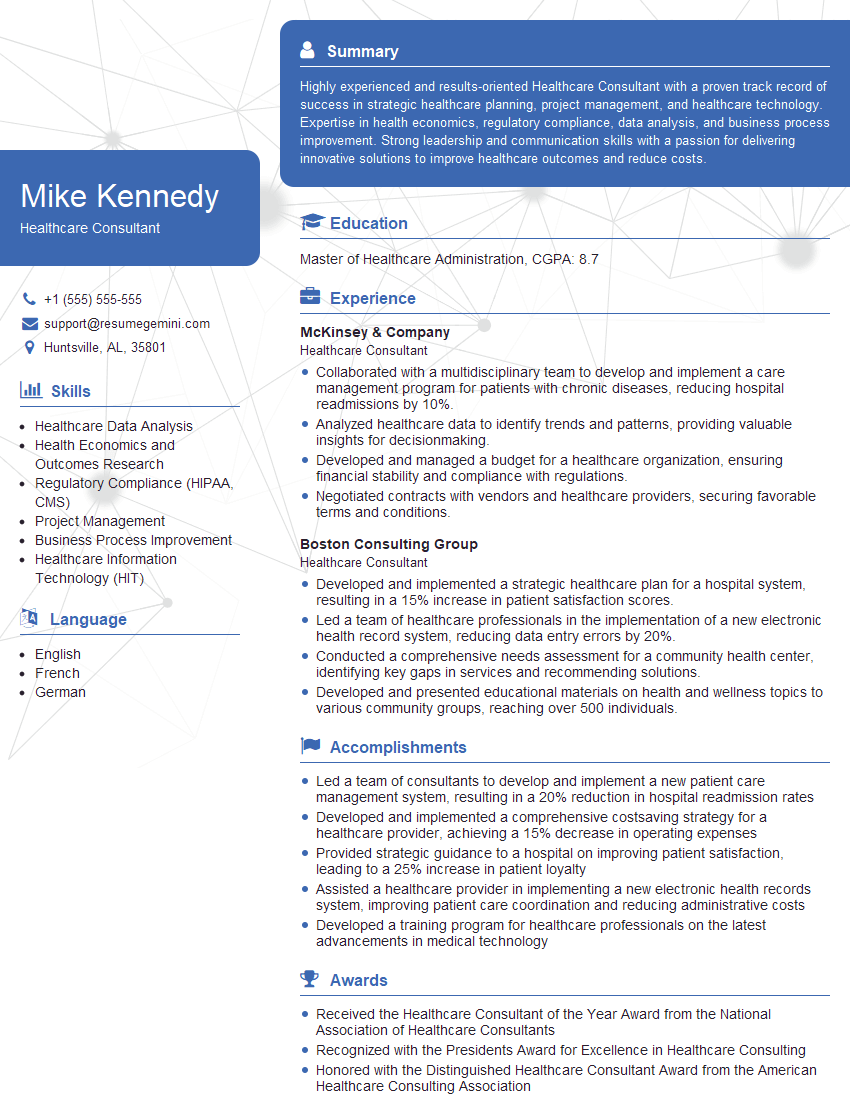
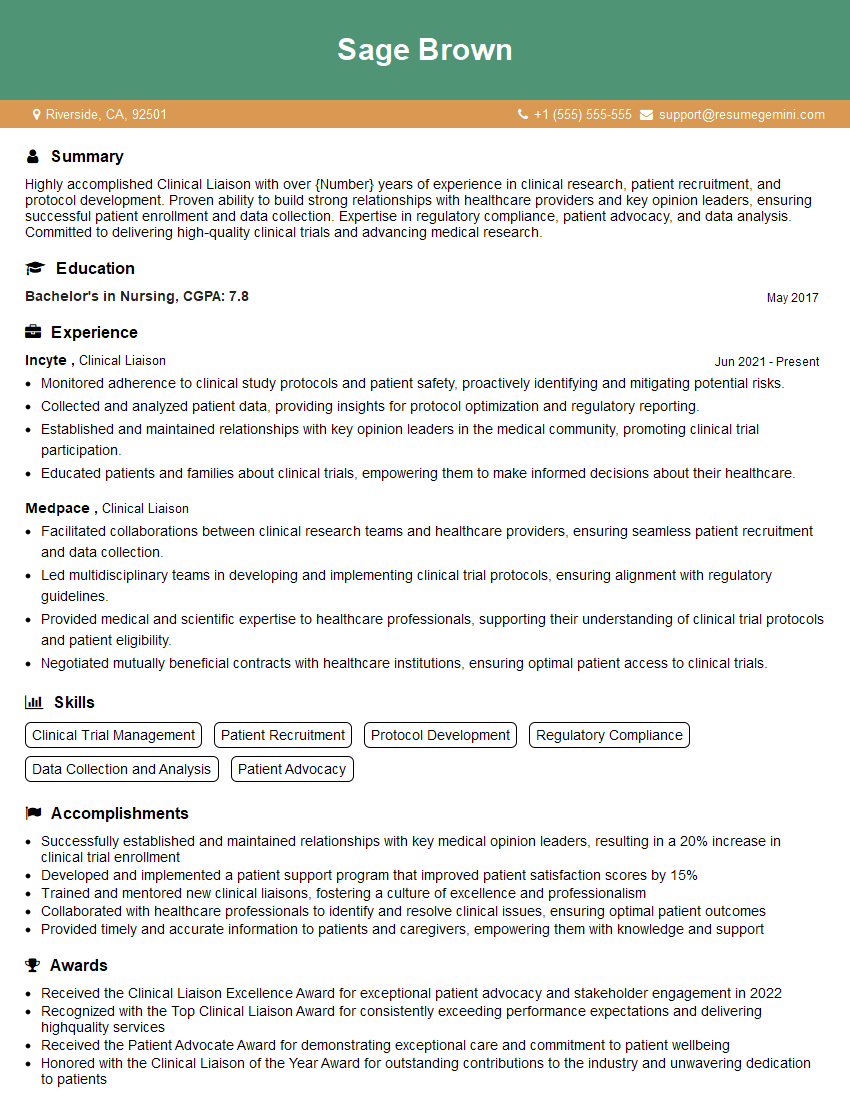
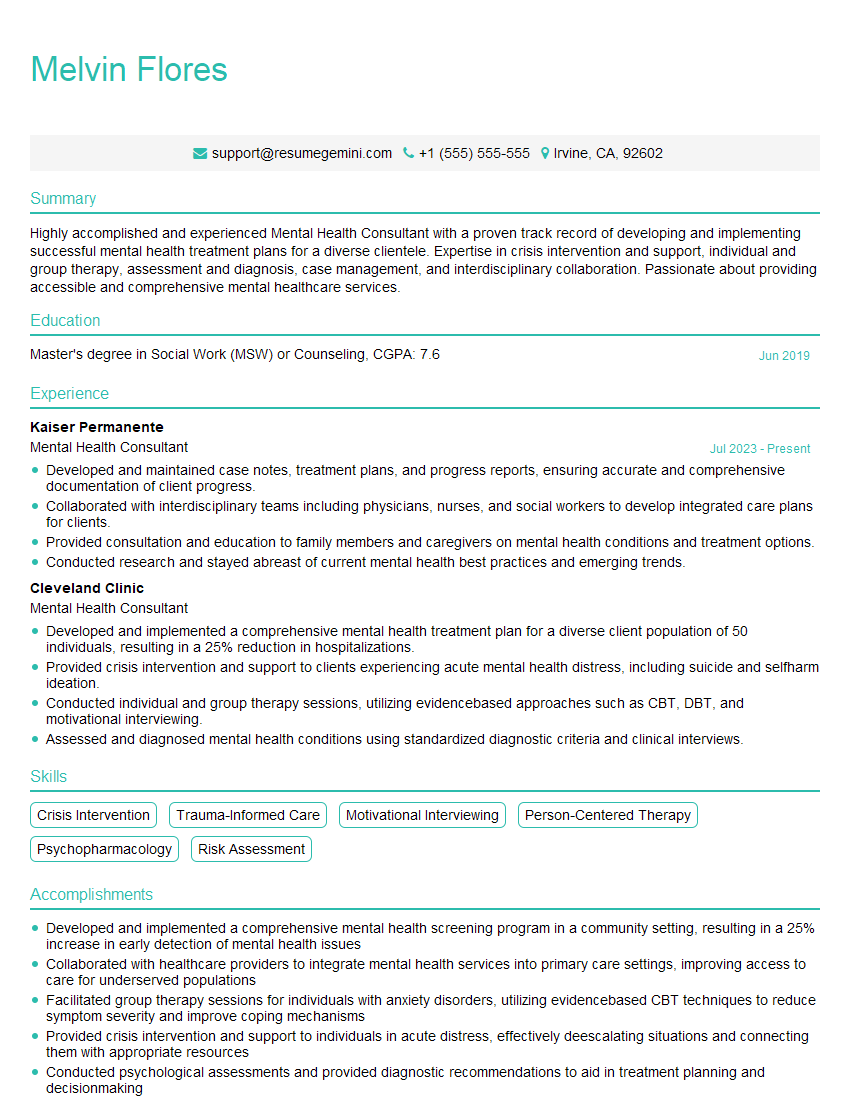
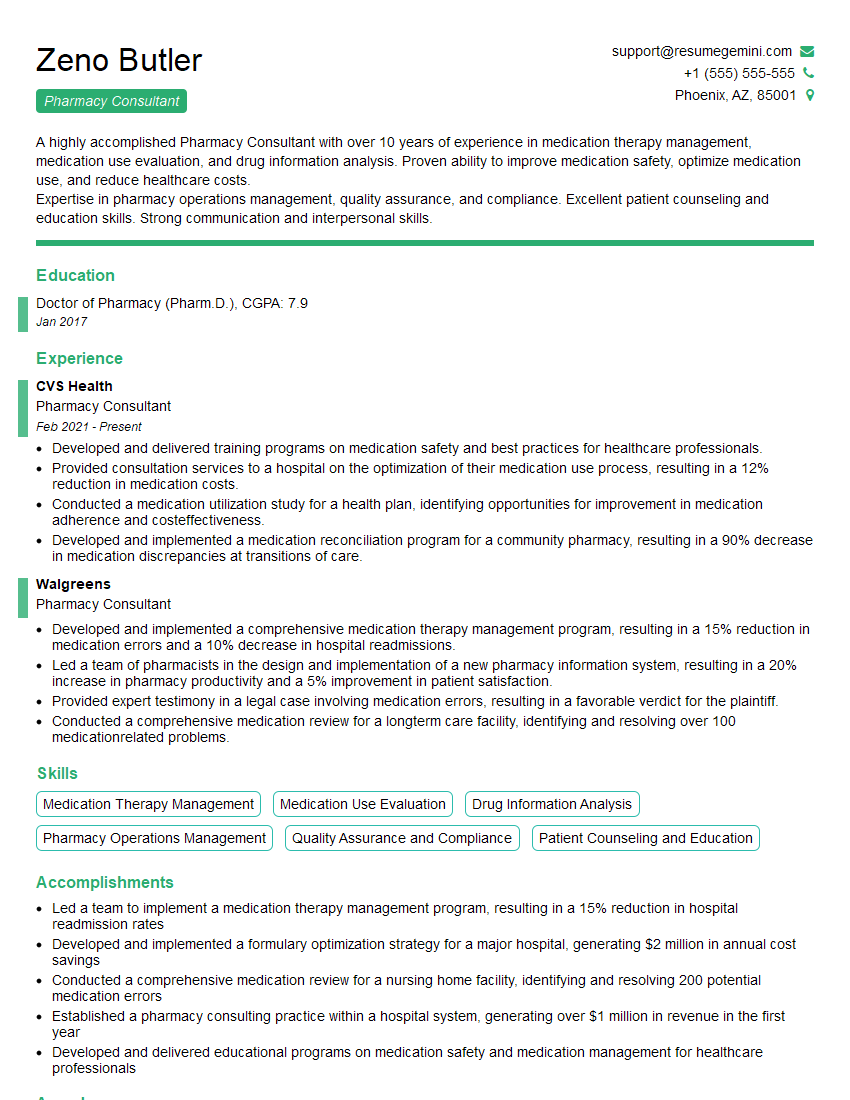
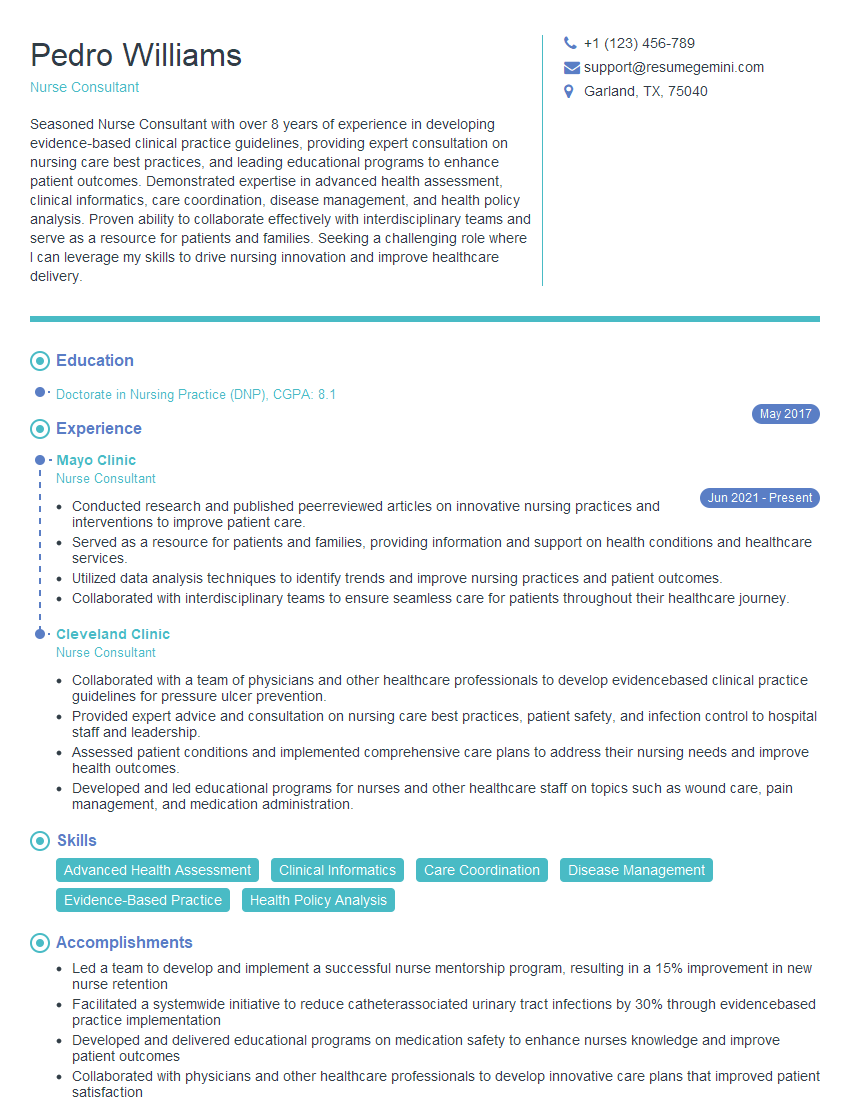
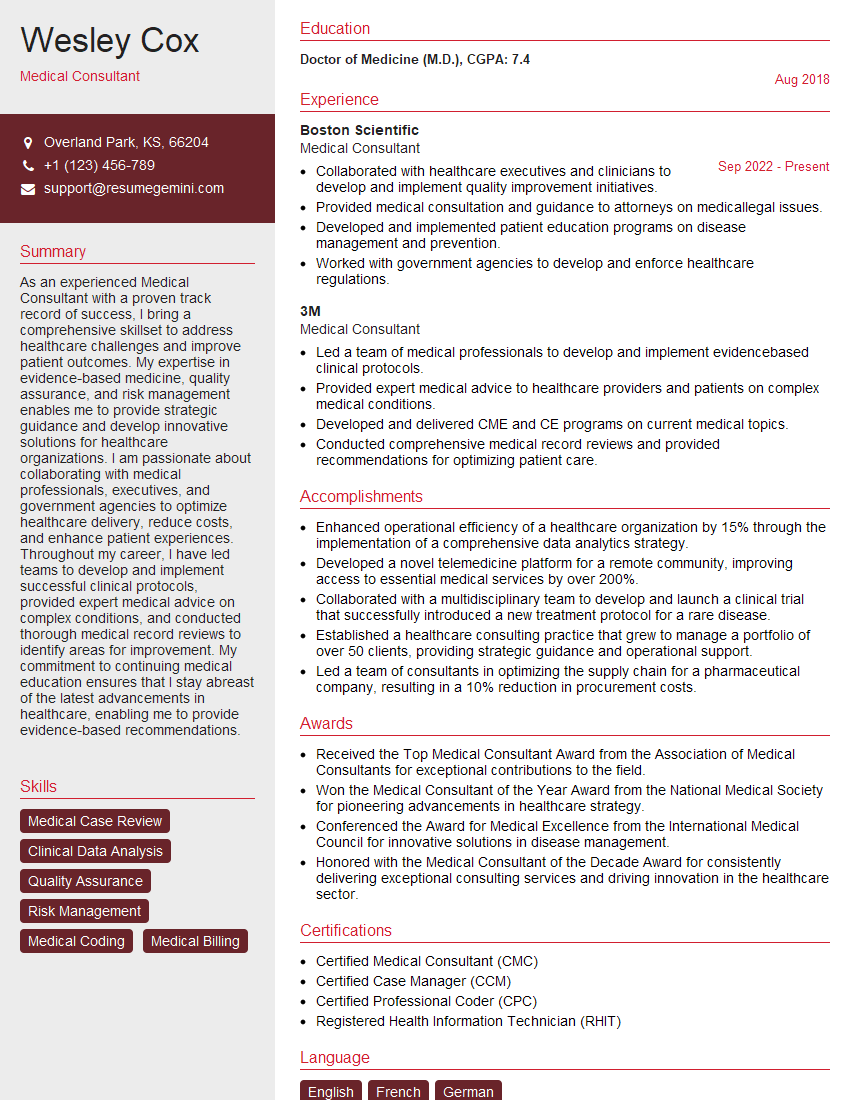
Mastering consultation skills is crucial for career advancement in healthcare. It demonstrates your ability to work effectively within a team, improve patient outcomes, and contribute to a safer and more efficient healthcare system. To maximize your job prospects, focus on building an ATS-friendly resume that highlights your relevant skills and experience. ResumeGemini is a trusted resource that can help you create a professional and impactful resume. Examples of resumes tailored to Consultation with other Healthcare Professionals are available to further guide your preparation.

Explore more articles
Users Rating of Our Blogs
Share Your Experience
We value your feedback! Please rate our content and share your thoughts (optional).
What Readers Say About Our Blog
To the interviewgemini.com Webmaster.
Very helpful and content specific questions to help prepare me for my interview!
Thank you
To the interviewgemini.com Webmaster.
This was kind of a unique content I found around the specialized skills. Very helpful questions and good detailed answers.
Very Helpful blog, thank you Interviewgemini team.