The right preparation can turn an interview into an opportunity to showcase your expertise. This guide to Contracts and Procurement interview questions is your ultimate resource, providing key insights and tips to help you ace your responses and stand out as a top candidate.
Questions Asked in Contracts and Procurement Interview
Q 1. Explain the differences between a fixed-price contract and a cost-plus contract.
The core difference between fixed-price and cost-plus contracts lies in how the contractor’s payment is determined. A fixed-price contract, also known as a lump-sum contract, specifies a predetermined price for the goods or services provided, regardless of the actual costs incurred by the contractor. Think of it like buying a car – the price is fixed upfront, and any cost overruns are the contractor’s responsibility. This offers the buyer price certainty and predictability.
In contrast, a cost-plus contract reimburses the contractor for all allowable costs incurred in performing the work, plus an agreed-upon fee or percentage as profit. This is more flexible and suitable for projects with uncertain scopes or high levels of risk, where the exact costs are difficult to predict upfront. Imagine a complex construction project – unforeseen ground conditions or material price fluctuations might make a fixed price impractical. The fee structure can be fixed (cost-plus-fixed-fee) or percentage-based (cost-plus-percentage-of-cost), each carrying different risk profiles.
Example: Building a house. A fixed-price contract would define a total price for the completed house. A cost-plus contract would reimburse the builder for all materials, labor, and permits, plus a fixed fee or percentage profit.
Q 2. Describe your experience negotiating contracts. What strategies do you employ?
Negotiating contracts is a crucial aspect of my role, requiring a combination of strategic thinking, strong communication, and a deep understanding of the legal and commercial implications. My approach is always collaborative, aiming for a mutually beneficial agreement. I start by clearly defining my client’s objectives and priorities, then thoroughly analyzing the other party’s proposal. I employ several key strategies:
- Preparation is key: I meticulously research the counterparty, understanding their business, market position, and past dealings. This allows me to anticipate their negotiation style and tailor my approach accordingly.
- Active listening and clear communication: I ensure both sides understand each other’s needs and concerns. This involves asking clarifying questions, summarizing key points, and actively listening to the other party’s perspective.
- Value-based negotiation: Rather than solely focusing on price, I emphasize the value proposition of each element of the contract, highlighting the long-term benefits and risks for both parties.
- Problem-solving approach: Instead of viewing negotiations as a win-lose scenario, I look for creative solutions that address both parties’ interests. This might involve compromise, trade-offs, or identifying value-adding alternatives.
- Documentation and follow-up: I meticulously document every aspect of the negotiation, including agreements reached and any outstanding issues. After the contract is finalized, I provide clear follow-up communications to ensure smooth implementation.
Example: In one negotiation, the initial price proposed was significantly higher than our budget. By carefully reviewing the scope of work and identifying areas where we could make concessions, we were able to reduce the price while still ensuring our requirements were met. This involved a thorough review of the specifications, identifying tasks that could be adjusted without compromising quality or functionality.
Q 3. How do you manage risks associated with contracts?
Contract risk management is a proactive process, not a reactive one. It involves identifying, assessing, and mitigating potential risks throughout the contract lifecycle. My approach includes:
- Risk identification: This involves systematically identifying potential risks, such as financial, legal, operational, and reputational risks. This often starts with a detailed risk assessment matrix and brainstorming sessions with relevant stakeholders.
- Risk assessment: Once risks are identified, I assess their likelihood and potential impact. This allows me to prioritize risks and focus resources on those that pose the most significant threat.
- Risk mitigation: This involves developing strategies to reduce the likelihood or impact of identified risks. Examples include insurance, guarantees, performance bonds, and careful contract drafting with specific provisions to manage the identified risks.
- Monitoring and review: Risk management isn’t a one-time exercise. I regularly monitor the contract performance and review the identified risks to ensure that mitigation strategies are effective and adapt as needed. Regular status updates and performance review meetings are essential.
Example: In a software development contract, we identified the risk of delays due to unforeseen technical challenges. To mitigate this, we included clauses specifying clear milestones, penalties for late delivery, and a robust testing and quality assurance process.
Q 4. What are some common contract clauses you’re familiar with and their implications?
I’m familiar with a wide range of contract clauses, and their implications vary depending on the context of the agreement. Some common ones include:
- Force Majeure: This clause addresses events beyond the control of either party, such as natural disasters or wars, that prevent contract performance. It typically suspends obligations during the event. Careful wording is crucial to prevent abuse.
- Termination Clause: Outlines the conditions under which either party can terminate the contract. This needs to specify grounds for termination, notice periods, and any consequences of termination.
- Confidentiality Clause: Protects sensitive information shared between the parties. It defines what information is considered confidential and the obligations of the parties to protect it.
- Liability Clause: Defines the extent of each party’s liability for breach of contract or other damages. This often involves limitations of liability or exclusions of certain types of damages.
- Intellectual Property Rights Clause: Specifies ownership and usage rights of intellectual property created or used during the contract. Clearly defining ownership and license terms is essential.
- Payment Terms: Details payment schedules, methods, and consequences of late payments. This needs to be carefully crafted to protect both parties’ interests. In many cases, this clause is linked to the milestones described above.
Implications: Each clause has significant implications for the rights and obligations of the parties involved. Improperly drafted clauses can lead to disputes, delays, and financial losses. Therefore, careful consideration and legal review are crucial.
Q 5. Explain the process of vendor selection and evaluation.
Vendor selection and evaluation is a systematic process aimed at identifying and selecting the best supplier for a specific need. It usually follows these steps:
- Requirements Definition: This involves clearly defining the needs, specifications, and expectations for the goods or services to be procured. A detailed Request for Information (RFI) or Request for Proposal (RFP) documents these.
- Vendor Identification and Screening: Potential vendors are identified through market research, databases, and industry networks. Initial screening helps eliminate unsuitable candidates.
- Request for Proposal (RFP) or Quotation: A formal RFP or quotation is sent to pre-qualified vendors, outlining the requirements and asking them to submit proposals or bids.
- Proposal Evaluation: This crucial step involves a systematic evaluation of the proposals received. Criteria might include price, quality, delivery time, reputation, financial stability, and technical capabilities. A weighted scoring system is often used to ensure a fair and objective comparison.
- Negotiation and Contract Award: Negotiations are held with the shortlisted vendors to finalize the terms and conditions. The contract is awarded to the vendor offering the best value for money.
- Post-Award Monitoring: The vendor’s performance is monitored throughout the contract lifecycle to ensure that they meet the agreed-upon requirements. This often entails regular performance reviews and feedback sessions.
Example: When selecting a software vendor, we used a weighted scoring system, prioritizing factors such as security, scalability, user-friendliness, and vendor support. Each factor was assigned a weight based on its relative importance, and vendors were scored accordingly. This ensured a transparent and objective selection process.
Q 6. How do you ensure compliance with relevant laws and regulations in procurement?
Ensuring compliance with relevant laws and regulations in procurement is paramount. My approach is multi-faceted:
- Staying up-to-date: I actively monitor changes in relevant laws and regulations at local, national, and international levels. This includes keeping abreast of updates to anti-bribery laws (like the Foreign Corrupt Practices Act), public procurement regulations, and data privacy laws.
- Due diligence: I conduct thorough due diligence on potential vendors to ensure their compliance with relevant laws and regulations. This includes checking for certifications, licenses, and compliance records.
- Contract compliance provisions: The contracts include explicit clauses that outline the vendor’s compliance responsibilities, including adherence to relevant laws, regulations, and ethical standards. This might include clauses related to environmental protection, labor standards, and anti-corruption measures.
- Regular audits and reviews: Regular audits are performed to ensure the vendor’s ongoing compliance with the contract’s stipulations and applicable regulations. Internal and external audits ensure that our practices remain compliant.
- Training and awareness: I ensure that all procurement team members receive regular training on relevant laws and regulations to foster a culture of compliance.
Example: Before awarding a contract to a vendor in a foreign country, we conducted due diligence to ensure their compliance with the local anti-corruption laws and relevant international regulations. This included reviewing their financial statements, conducting background checks, and verifying their compliance certifications.
Q 7. Describe your experience with contract lifecycle management.
Contract lifecycle management (CLM) is a critical process that encompasses all aspects of a contract, from initiation to termination. My experience includes implementing and managing CLM systems, streamlining processes, and improving efficiency. My approach includes:
- Centralized repository: Utilizing a centralized repository, often a CLM software system, to store all contract documents and related information, ensuring easy access and efficient tracking.
- Automated workflows: Implementing automated workflows for tasks such as contract creation, approvals, renewals, and reminders, minimizing manual effort and reducing the risk of errors.
- Risk management: Integrating risk management procedures within the CLM process to identify and mitigate potential risks throughout the contract lifecycle.
- Performance monitoring: Using dashboards and reporting tools to track key performance indicators (KPIs) related to contracts, such as contract compliance, cost savings, and vendor performance.
- Collaboration and communication: Fostering efficient communication and collaboration between stakeholders through the CLM system, providing a central platform for communication and updates.
Example: In a previous role, we implemented a CLM software that automated the contract approval process, reducing the turnaround time from weeks to days. This streamlined the procurement process and improved efficiency significantly. The system also allowed for centralized contract tracking and reporting, improving our visibility and control over the contract portfolio.
Q 8. How do you handle contract disputes or breaches?
Contract disputes and breaches are unfortunately a reality in procurement. My approach is proactive and preventative, prioritizing clear communication and well-defined contracts from the outset. However, when disputes arise, I follow a structured process:
- Initial Assessment: I thoroughly review the contract, relevant communications, and any supporting documentation to understand the nature of the breach and its impact.
- Internal Review: I consult with legal counsel and internal stakeholders to assess our position and determine the best course of action.
- Negotiation: I strongly believe in attempting to resolve disputes amicably through negotiation. Open communication and a collaborative approach often lead to mutually agreeable solutions. This might involve mediation facilitated by a neutral third party.
- Alternative Dispute Resolution (ADR): If negotiation fails, I explore ADR options such as arbitration or mediation before resorting to litigation. ADR is often quicker, less expensive, and less adversarial than litigation.
- Litigation: As a last resort, I pursue litigation to protect the organization’s interests. This involves gathering evidence and working closely with legal counsel to build a strong case.
For example, in a previous role, a vendor failed to deliver goods on time, resulting in a project delay. Through negotiation, we secured a price reduction and an expedited delivery schedule, avoiding costly litigation and maintaining a positive vendor relationship.
Q 9. What is your experience with Request for Proposals (RFPs) and Request for Information (RFIs)?
I have extensive experience in developing and managing both RFPs (Request for Proposals) and RFIs (Request for Information). RFIs are used to gather information from potential vendors to assess their capabilities and determine if they are a good fit for our needs. RFPs, on the other hand, are more formal and detailed, outlining specific requirements and requesting proposals from qualified vendors. My process generally includes:
- Defining Requirements: Clearly articulating the organization’s needs and expectations, including technical specifications, timelines, and budget constraints.
- Developing the RFP/RFI Document: Crafting a comprehensive and unambiguous document that accurately reflects our requirements and evaluation criteria.
- Vendor Selection and Outreach: Identifying and contacting potential vendors who meet our minimum qualifications.
- Proposal Evaluation: Establishing a robust evaluation process, often involving a scoring matrix to ensure fairness and objectivity.
- Vendor Selection and Negotiation: Selecting the best vendor based on the evaluation and negotiating favorable contract terms.
In a recent project, we used an RFI to identify potential cloud service providers. This allowed us to gather information about their offerings before issuing a formal RFP to the shortlisted vendors, saving us time and resources.
Q 10. How do you measure the success of a procurement process?
Measuring the success of a procurement process goes beyond simply securing a contract. I use a multi-faceted approach to assess success, considering:
- Cost-Effectiveness: Did we achieve the best possible price while maintaining quality? This often involves comparing actual costs to the budgeted amount and analyzing cost savings compared to previous procurements.
- Timeliness: Was the procurement process completed within the allocated timeframe? Delays can significantly impact project timelines and budgets.
- Compliance: Did the process adhere to all relevant laws, regulations, and internal policies? Compliance ensures legal and ethical integrity.
- Quality: Does the procured good or service meet the specified requirements and expectations? This includes performance, reliability, and quality assurance.
- Vendor Relationships: Has the process fostered positive and productive relationships with vendors? Strong vendor relationships contribute to long-term success.
- Risk Management: Were potential risks identified and mitigated effectively during the procurement process?
For instance, successful procurement is reflected not only in securing a low price but also in a vendor that delivers consistently high-quality service and becomes a trusted partner. Using key performance indicators (KPIs) aligned with these factors helps measure success objectively.
Q 11. What are your preferred methods for tracking and managing contracts?
Effective contract tracking and management are crucial for minimizing risk and ensuring compliance. I utilize a combination of methods, including:
- Contract Management Software: Utilizing specialized software to centralize all contract information, including key dates, obligations, and performance metrics. This allows for automated reminders and streamlined reporting.
- Spreadsheet Tracking: Maintaining spreadsheets to track key contract information, especially for smaller or simpler contracts. This approach needs to be carefully managed to maintain accuracy and consistency.
- Centralized Repository: Storing all contracts in a secure and easily accessible central repository. This ensures that all relevant parties can readily access the necessary documentation when needed.
- Regular Reviews: Conducting regular reviews of contracts to ensure compliance, identify potential issues, and track performance against agreed-upon metrics. This involves reviewing contract performance, addressing any issues proactively, and ensuring that the contract continues to align with business needs.
Think of it like a well-organized filing system—easily accessible, updated regularly, and with a clear system for retrieval. It’s about proactive management rather than reactive firefighting.
Q 12. Describe your experience with different procurement methods (e.g., competitive bidding, reverse auctions).
My experience spans various procurement methods, each with its own advantages and disadvantages:
- Competitive Bidding: This involves inviting multiple vendors to submit sealed bids, allowing for a transparent and objective selection process. It’s best for standardized goods and services where price is the primary factor.
- Reverse Auctions: This is an online auction where vendors compete to offer the lowest price. It’s efficient for commodity purchases but can potentially compromise quality if not carefully managed.
- Negotiated Procurement: This involves direct negotiation with a select group of vendors, allowing for greater flexibility and consideration of factors beyond price. It’s suited for complex procurements requiring customized solutions.
- Framework Agreements: These establish long-term relationships with pre-approved vendors, streamlining the procurement process for recurring purchases. It simplifies processes and reduces transaction costs for frequent purchases of similar products.
For example, I successfully used competitive bidding for office supplies, securing significant cost savings. However, for a complex software implementation, a negotiated procurement process was more appropriate, allowing us to focus on the vendor’s capabilities and long-term support.
Q 13. How do you prioritize conflicting project requirements and deadlines?
Prioritizing conflicting project requirements and deadlines requires a systematic approach:
- Identify and Document Conflicts: Clearly define all conflicting requirements and deadlines.
- Impact Assessment: Evaluate the impact of each requirement and deadline on the overall project objectives. Consider risks and consequences of delays or compromises.
- Stakeholder Consultation: Engage with relevant stakeholders to gather input and understand their priorities. This ensures buy-in and alignment on final decisions.
- Prioritization Framework: Use a prioritization framework such as MoSCoW (Must have, Should have, Could have, Won’t have) to rank requirements based on their criticality.
- Negotiation and Compromise: Explore options for compromise and negotiation to find solutions that balance competing priorities.
- Documentation and Communication: Clearly document decisions and communicate them to all stakeholders to avoid misunderstandings.
This process ensures that critical aspects aren’t overlooked and that stakeholders are kept informed throughout the decision-making process. Transparency and clear communication are vital in navigating these challenges.
Q 14. What is your approach to building and maintaining strong relationships with vendors?
Building and maintaining strong vendor relationships is paramount for successful procurement. My approach focuses on:
- Open Communication: Maintaining open and transparent communication with vendors, providing regular feedback, and actively listening to their concerns.
- Fair and Ethical Practices: Treating vendors fairly and ethically, ensuring timely payments, and respecting their intellectual property.
- Mutual Respect: Building relationships based on mutual respect and trust. This involves understanding their business needs and challenges.
- Collaboration: Working collaboratively with vendors to achieve mutual goals. This might involve joint problem-solving and innovative solutions.
- Performance Monitoring: Regularly monitoring vendor performance and providing constructive feedback to improve their services.
- Long-Term Partnerships: Focusing on establishing long-term partnerships with reliable and trustworthy vendors.
Think of it as building a bridge, not just a transaction. Strong relationships lead to better communication, faster problem resolution, and ultimately, greater value for the organization. For instance, building a relationship with a specific vendor over years often provides access to better pricing and early notification of potential issues.
Q 15. Describe a time you had to renegotiate a contract. What was the outcome?
Renegotiating contracts is a common occurrence, especially in dynamic business environments. It often stems from unforeseen circumstances or changes in project scope. In one instance, I was managing a software development contract where the initial specifications underestimated the complexity of integrating a third-party API. This led to significant delays and cost overruns for the vendor.
To address this, I initiated a formal renegotiation process. This involved:
- Detailed Documentation: We meticulously documented the deviations from the original scope, including specific examples and their impact on project timelines and budget.
- Collaborative Discussion: I engaged in open and transparent communication with the vendor, explaining the situation and presenting our proposed adjustments. This included a revised timeline and a fair price adjustment to reflect the increased workload.
- Legal Review: Our legal team reviewed the proposed amendments to ensure compliance and to protect our interests.
- Negotiated Agreement: Ultimately, we reached a mutually agreeable solution. The vendor accepted a revised payment schedule, acknowledging the added complexity, while we committed to a slightly extended but still reasonable deadline. The outcome was a successful project completion, albeit with a revised budget and timeline, and importantly, a strengthened relationship with the vendor.
This experience highlighted the importance of clear communication, detailed documentation, and a collaborative approach to contract renegotiation.
Career Expert Tips:
- Ace those interviews! Prepare effectively by reviewing the Top 50 Most Common Interview Questions on ResumeGemini.
- Navigate your job search with confidence! Explore a wide range of Career Tips on ResumeGemini. Learn about common challenges and recommendations to overcome them.
- Craft the perfect resume! Master the Art of Resume Writing with ResumeGemini’s guide. Showcase your unique qualifications and achievements effectively.
- Don’t miss out on holiday savings! Build your dream resume with ResumeGemini’s ATS optimized templates.
Q 16. How do you stay current with changes in contract law and procurement regulations?
Staying current in contract law and procurement regulations is crucial for effective contract management. I employ a multi-faceted approach:
- Professional Development: I regularly attend industry conferences, webinars, and workshops offered by organizations such as the National Contract Management Association (NCMA).
- Legal and Regulatory Updates: I subscribe to legal newsletters and journals that specialize in contract law and government procurement regulations. This allows me to stay abreast of recent case law and legislative changes.
- Online Resources: I utilize online resources, such as government websites and reputable legal databases, to access the latest regulations and best practices.
- Networking: Networking with other contract professionals and legal experts through industry events and online forums provides valuable insights and allows for the sharing of best practices and experiences.
- Continuing Education: I actively pursue continuing education opportunities to maintain and enhance my knowledge and certifications in contract management.
This continuous learning ensures I’m equipped to handle the complexities of modern contract law and procurement.
Q 17. Explain your understanding of Total Cost of Ownership (TCO).
Total Cost of Ownership (TCO) goes beyond the initial purchase price of a product or service. It encompasses all direct and indirect costs associated with acquiring, using, and disposing of that asset throughout its entire lifecycle. Think of buying a car – the TCO includes not only the sticker price but also fuel, insurance, maintenance, repairs, and eventual resale value or disposal costs.
In procurement, understanding TCO is critical for making informed decisions. We consider factors such as:
- Acquisition Costs: Purchase price, taxes, shipping, and delivery fees.
- Operating Costs: Energy consumption, maintenance, repairs, software licenses, and staffing costs.
- Support Costs: Training, technical assistance, and warranties.
- Disposal Costs: Recycling, decommissioning, or disposal fees.
By carefully evaluating TCO, organizations can make strategic procurement decisions that maximize value and minimize long-term expenses. A seemingly cheaper option might have significantly higher operating or maintenance costs, resulting in a higher overall TCO.
Q 18. How do you identify and mitigate potential supplier risks?
Identifying and mitigating supplier risks is paramount for successful procurement. My approach involves a multi-layered strategy:
- Due Diligence: Thoroughly vetting potential suppliers through background checks, financial analysis, and reference checks to assess their financial stability, reputation, and capacity to deliver.
- Risk Assessment: Identifying potential risks such as financial instability, supply chain disruptions, quality control issues, and geopolitical factors that could impact the supplier’s ability to fulfill the contract.
- Contractual Safeguards: Incorporating clauses in the contract that address potential risks, such as liquidated damages for late delivery or performance guarantees. This includes clearly defined performance metrics and penalties for non-compliance.
- Diversification: Avoiding over-reliance on a single supplier by diversifying the supply base to mitigate risks associated with disruptions from a single source.
- Monitoring and Performance Management: Regularly monitoring supplier performance and addressing issues proactively to prevent escalation. This might include establishing key performance indicators (KPIs) and regular performance reviews.
By proactively addressing these elements, we minimize disruptions and ensure a reliable supply chain.
Q 19. Describe your experience with performance-based contracting.
Performance-based contracting (PBC) focuses on outcomes rather than specific processes or methods. Instead of dictating how a project should be executed, it defines the desired results and allows the contractor flexibility in achieving those goals. For example, instead of specifying the exact materials and techniques for road construction, a PBC might focus on achieving a certain level of road durability and lifespan.
My experience with PBC includes working on a project to improve energy efficiency in a public building. The contract specified a target reduction in energy consumption, leaving the contractor free to choose the most effective methods (e.g., upgrading insulation, installing smart thermostats). This approach incentivized innovation and efficiency, leading to better results than a traditional, prescriptive contract might have achieved. Success was measured based on quantifiable outcomes, ensuring accountability and transparency.
Key elements of successful PBC include clearly defining performance metrics, establishing a robust monitoring system, and incorporating mechanisms for adjustments and dispute resolution.
Q 20. What is your approach to managing contract change orders?
Managing contract change orders requires a systematic and well-documented approach. My strategy includes:
- Formal Change Request Process: Establishing a clear process for submitting, reviewing, and approving change requests. This typically involves a formal written request from one party, followed by a thorough review by both sides.
- Impact Assessment: Carefully assessing the impact of any proposed change on the scope, timeline, and budget. This might involve technical analysis and cost estimations.
- Negotiation and Agreement: Negotiating the terms of the change order, including any adjustments to the price, schedule, or scope of work. This often requires discussions with stakeholders and legal review.
- Documentation and Approval: Formally documenting the agreed-upon changes in a written change order, signed and approved by both parties. This change order becomes a legally binding amendment to the original contract.
- Tracking and Monitoring: Tracking the implementation of the changes and monitoring their impact on the overall project.
This disciplined approach ensures that changes are managed effectively and that all parties are aware of and agree to the implications.
Q 21. How do you ensure contract documentation is complete and accurate?
Ensuring complete and accurate contract documentation is paramount. My approach involves several key steps:
- Standard Templates: Utilizing standardized contract templates to ensure consistent formatting and inclusion of necessary clauses.
- Thorough Review: Carefully reviewing all contract documents before signature to identify and correct any inconsistencies or omissions. This often involves a multi-step review process with different stakeholders and legal counsel.
- Version Control: Using a version control system to track changes and revisions, preventing confusion and ensuring that all parties are working from the most current version of the document.
- Centralized Repository: Storing all contract documents in a secure, centralized repository to ensure easy access and retrieval.
- Regular Audits: Periodically auditing contract files to verify completeness and accuracy and to identify areas for improvement in the documentation process.
This ensures that the contract clearly reflects the agreed-upon terms and conditions, protecting the interests of all parties.
Q 22. Explain your experience with e-procurement systems.
My experience with e-procurement systems spans over eight years, encompassing various platforms and functionalities. I’ve worked extensively with systems like Ariba, Coupa, and Jaggaer, managing the entire procurement lifecycle from requisitioning to payment. This includes configuring the system, training users, managing supplier relationships within the platform, and analyzing data to identify cost savings and efficiency improvements. For example, in my previous role, we migrated from a manual, paper-based system to Coupa. This resulted in a 15% reduction in processing time for purchase orders and a significant decrease in invoice discrepancies. My expertise extends to integrating e-procurement systems with ERP (Enterprise Resource Planning) systems, ensuring seamless data flow and accurate reporting. I am proficient in using these systems for competitive bidding, contract management, and supplier performance monitoring. This also involves leveraging the analytical capabilities to track key performance indicators (KPIs) such as cost savings, cycle time, and supplier compliance.
Q 23. How do you handle confidential information in procurement processes?
Handling confidential information is paramount in procurement. My approach is multifaceted and strictly adheres to both company policy and relevant data protection regulations like GDPR and CCPA. This begins with understanding the sensitivity of the data involved. For instance, pricing strategies, supplier financial information, and contract terms are treated with the utmost confidentiality. We employ robust access control measures, limiting access to sensitive information on a need-to-know basis. Data encryption is crucial, both in transit and at rest. I regularly conduct training sessions for my team to reinforce these procedures. We use secure file sharing platforms and avoid sending sensitive information via unencrypted email. Regular audits are conducted to ensure compliance and to identify any potential vulnerabilities. Furthermore, we meticulously document all handling processes for complete transparency and traceability. In the event of a data breach, I have protocols in place to rapidly mitigate the impact, inform the relevant parties and comply with legal reporting requirements.
Q 24. How do you ensure that contracts align with organizational goals and strategies?
Ensuring contracts align with organizational goals and strategies is a crucial aspect of my role. This starts with a thorough understanding of the organization’s strategic objectives and operational plans. Before initiating any procurement process, I carefully analyze the requirements to ensure they are aligned with these overarching goals. For example, if the company is focusing on sustainability, the contract might include clauses related to environmentally friendly practices. Similarly, if the company is pursuing a digital transformation, the contract may specify the integration of specific technologies. I actively involve stakeholders from different departments, such as finance, legal, and operations, in the contract drafting and review process to ensure their input is considered. The contract language is carefully reviewed to ensure that it incorporates key performance indicators (KPIs) directly linked to the organization’s strategic objectives. Regular performance reviews ensure the contract’s deliverables are tracked against these KPIs, allowing for proactive adjustments if necessary.
Q 25. What is your experience with different contract types (e.g., service level agreements, NDAs)?
My experience encompasses a wide range of contract types. I am very familiar with Service Level Agreements (SLAs), which define the expected performance of a service provider. For example, an SLA for IT services might specify uptime guarantees and response times to incidents. I have extensive experience drafting and negotiating Non-Disclosure Agreements (NDAs) to protect confidential information shared between parties. I’m also proficient in managing Purchase Orders (POs), Master Service Agreements (MSAs), and various types of supply contracts covering everything from goods to complex technology solutions. Understanding the nuances of each contract type is vital for managing risk and ensuring compliance. I’ve worked with fixed-price contracts, cost-plus contracts, and time and materials contracts, each requiring a different approach to risk mitigation and cost control. A key aspect of my expertise is understanding the legal implications of each contract type and ensuring they comply with all applicable laws and regulations.
Q 26. How do you evaluate the effectiveness of different sourcing strategies?
Evaluating the effectiveness of sourcing strategies involves a rigorous process of data analysis and performance measurement. I utilize various methods to assess the success of different approaches, including cost analysis, supplier performance evaluation, and risk assessment. For instance, we might compare the cost of goods or services from different suppliers, considering factors such as lead times, quality, and reliability. We also analyze supplier performance metrics such as on-time delivery, defect rates, and responsiveness. Key performance indicators (KPIs) are established at the outset of each sourcing strategy. These KPIs are tracked and analyzed regularly, allowing us to identify areas for improvement and adjust the strategy accordingly. We regularly conduct post-implementation reviews of sourcing strategies to learn from our experiences and identify best practices. These reviews include both quantitative and qualitative data, considering not only cost savings but also supplier relationships and overall business impact.
Q 27. How do you manage the expectations of different stakeholders in a procurement project?
Managing stakeholder expectations in a procurement project requires proactive communication and collaboration. I establish clear communication channels and keep all stakeholders informed throughout the process. This involves regular updates on progress, challenges, and potential risks. I use a variety of communication methods, including project status reports, meetings, and email updates, tailored to the preferences of each stakeholder. For example, senior management might prefer high-level summaries, while operational teams may require more detailed information. Regular feedback sessions with stakeholders are essential to ensure their expectations are met and to address any concerns promptly. I also employ a collaborative approach, involving stakeholders in key decision-making processes to ensure buy-in and alignment. This proactive approach helps to build trust and ensures a successful outcome for the procurement project.
Q 28. Describe a challenging procurement situation you faced and how you overcame it.
One challenging situation involved a critical IT system upgrade. The vendor initially missed several key deadlines, resulting in delays and increased costs. My approach involved firstly, initiating a detailed review of the contract to understand our rights and obligations. I then opened a formal communication channel with the vendor to address the concerns and seek immediate remediation. This included outlining the contractual breaches and the potential financial penalties. Simultaneously, I worked with internal stakeholders to develop contingency plans to mitigate the risk of prolonged delays. This involved exploring alternative vendors and developing a phased implementation approach. Through robust communication and negotiation, we were able to secure a revised timeline and appropriate compensation for the delays. The situation highlighted the importance of having robust contracts, clear communication channels, and contingency plans in place to address unforeseen circumstances.
Key Topics to Learn for Contracts and Procurement Interview
- Contract Law Fundamentals: Understanding offer, acceptance, consideration, and the different types of contracts (e.g., fixed-price, cost-plus).
- Procurement Processes: Mastering the stages of procurement, from needs analysis and sourcing to contract award and management. Practical application: Describe your experience navigating a complex RFP process.
- Risk Management in Procurement: Identifying and mitigating potential risks throughout the procurement lifecycle. Practical application: Explain how you’d approach risk assessment in a high-value contract.
- Negotiation and Contract Drafting: Developing strong negotiation skills and the ability to draft clear, concise, and legally sound contracts. Practical application: Describe a successful negotiation experience and the strategies employed.
- Supplier Relationship Management: Building and maintaining strong relationships with suppliers to ensure timely delivery and quality of goods/services. Practical application: Share an example of how you fostered a positive supplier relationship.
- Compliance and Ethics: Understanding relevant regulations and ethical considerations in procurement. Practical application: Discuss your experience navigating ethical dilemmas in procurement.
- Contract Performance and Management: Monitoring contract performance, addressing disputes, and managing contract closeout. Practical application: Explain your approach to managing contract variations and change orders.
- Technology in Procurement: Familiarity with e-procurement systems and other relevant technologies. Practical application: Describe your experience using procurement software or tools.
Next Steps
Mastering Contracts and Procurement opens doors to rewarding careers offering significant growth potential and high earning capacity. To maximize your job prospects, crafting an ATS-friendly resume is crucial. This ensures your qualifications are effectively highlighted to recruiters and applicant tracking systems. We highly recommend leveraging ResumeGemini to build a professional and impactful resume that showcases your skills and experience. ResumeGemini provides examples of resumes tailored to Contracts and Procurement professionals, offering a valuable resource to help you stand out from the competition.
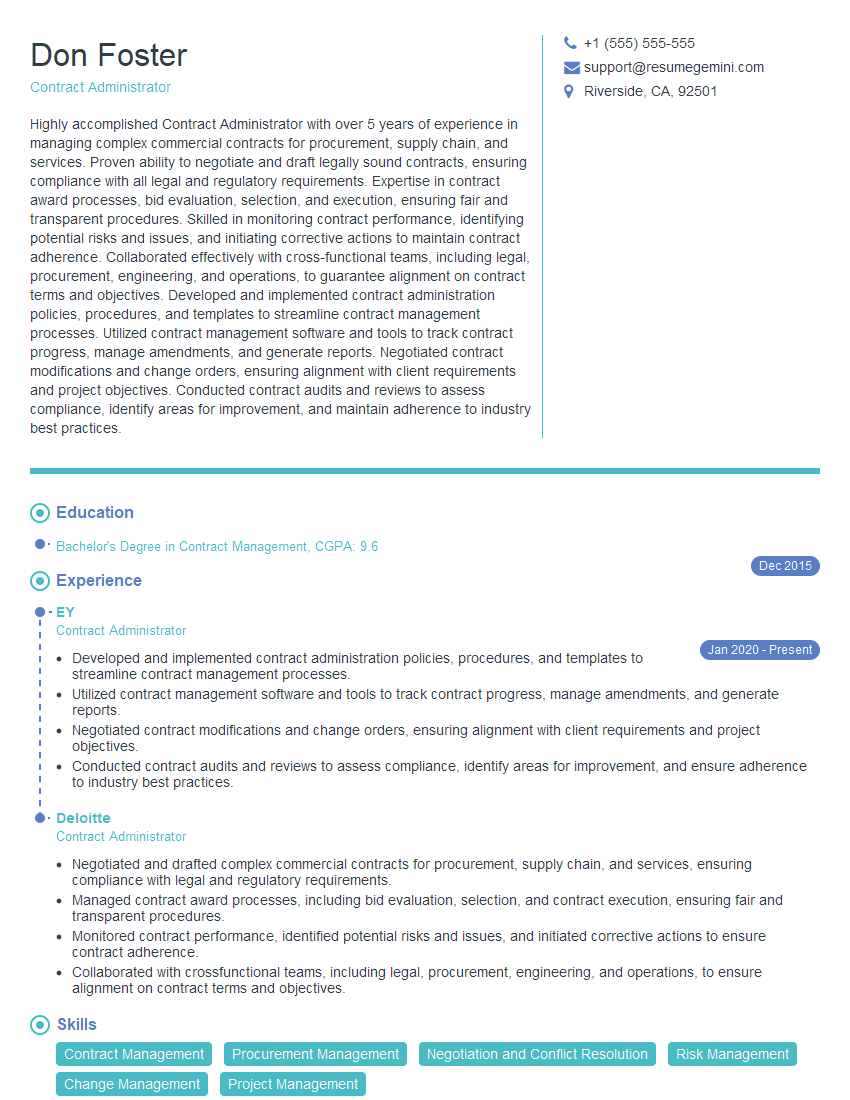
Contract Administrator Resume Sample

Procurement Manager Resume Sample
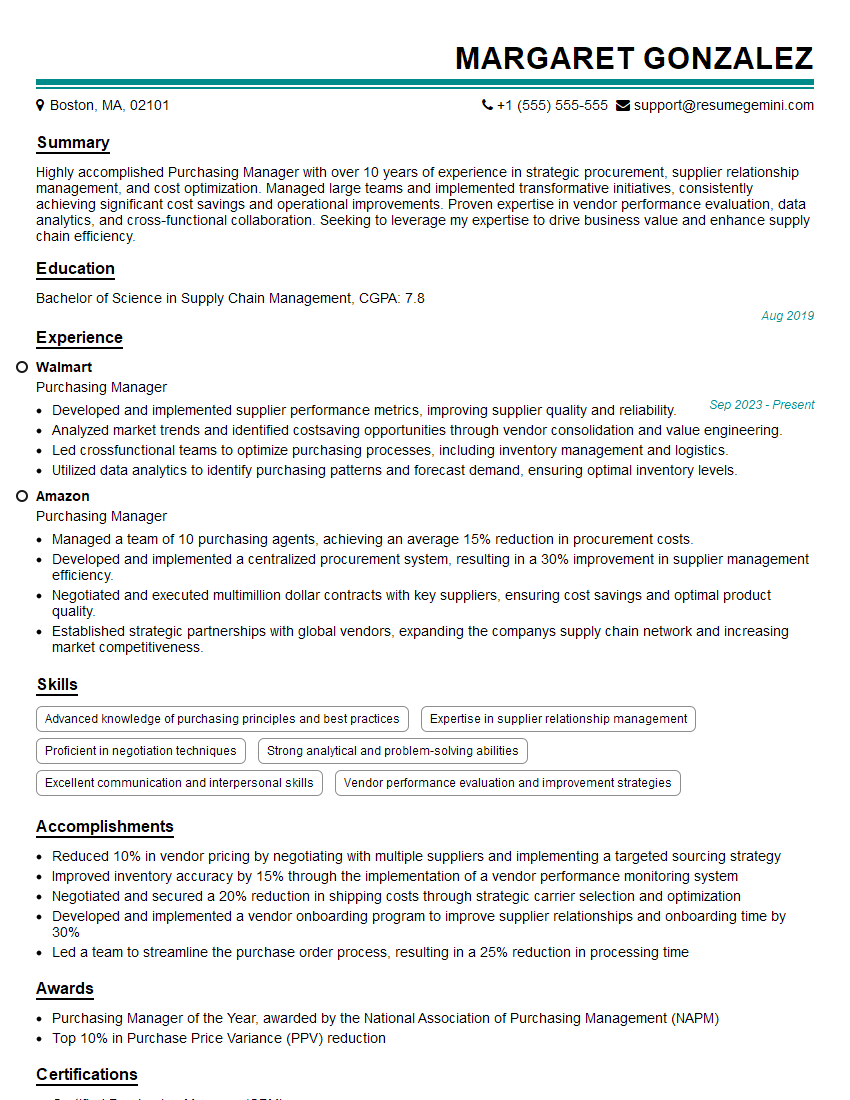
Purchasing Manager Resume Sample
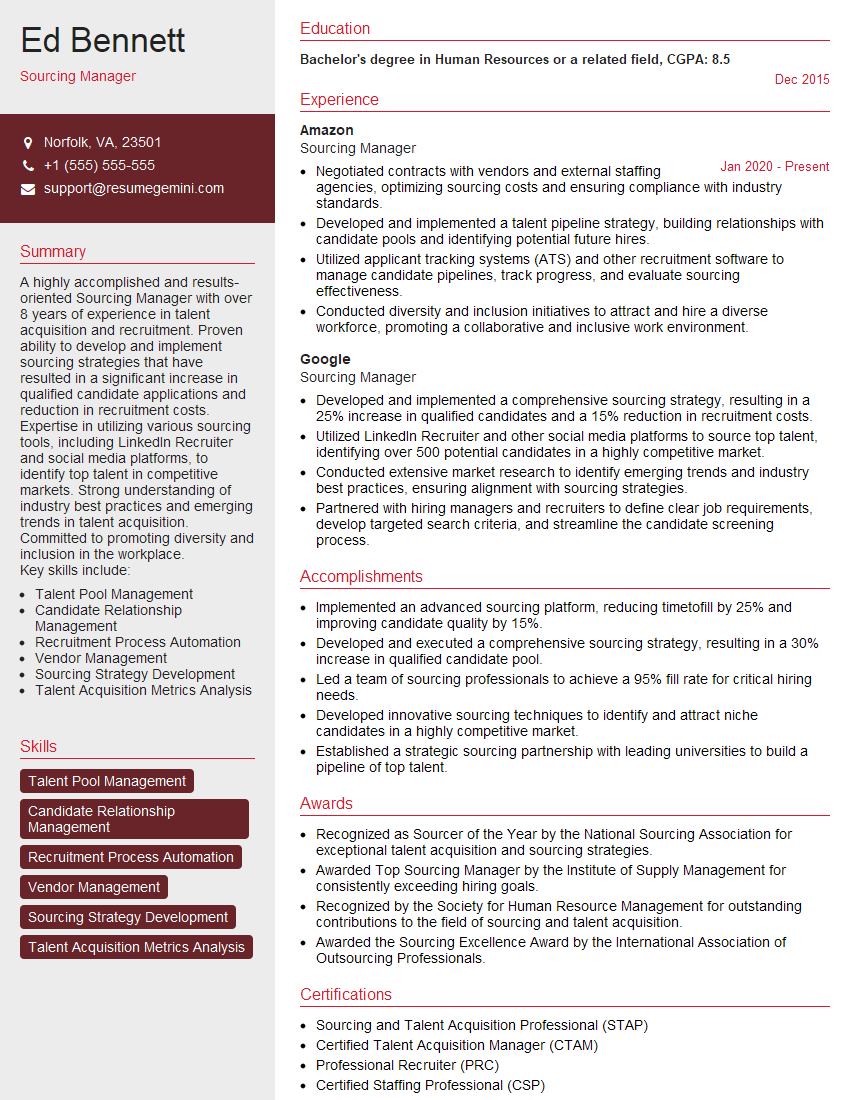
Sourcing Manager Resume Sample
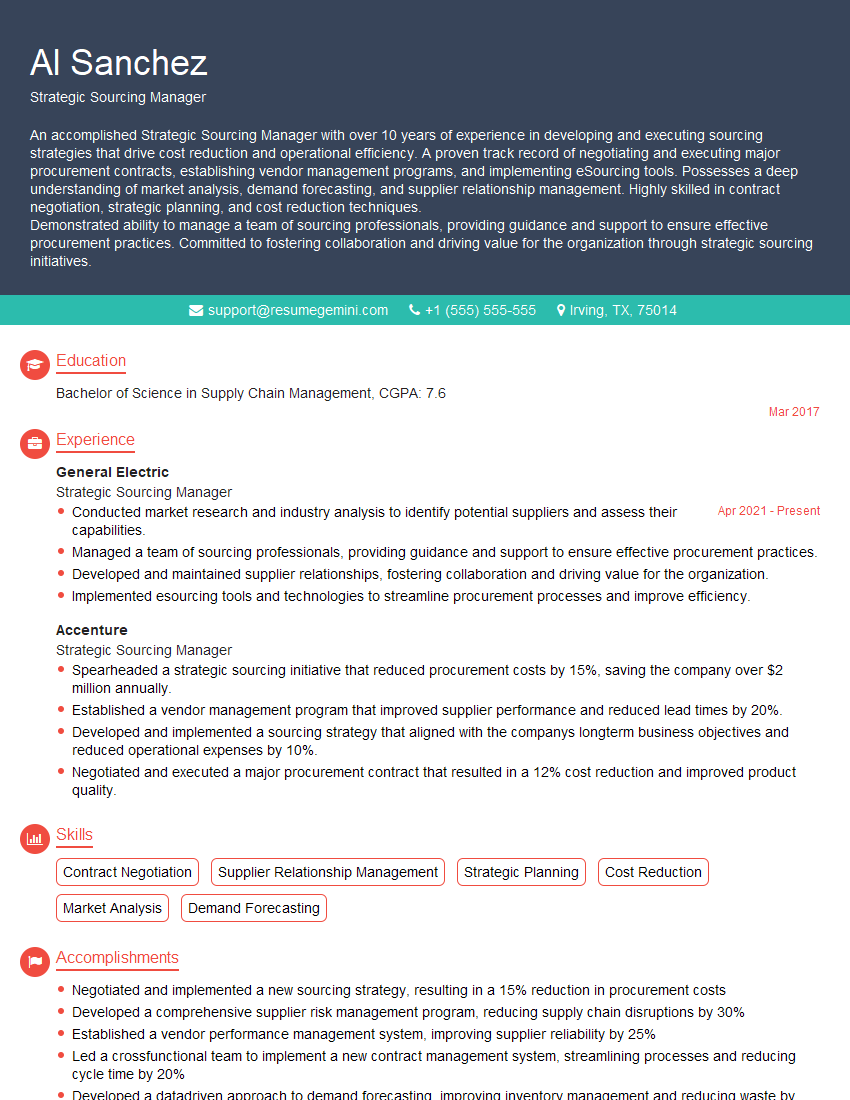
Strategic Sourcing Manager Resume Sample

Supply Chain Manager Resume Sample
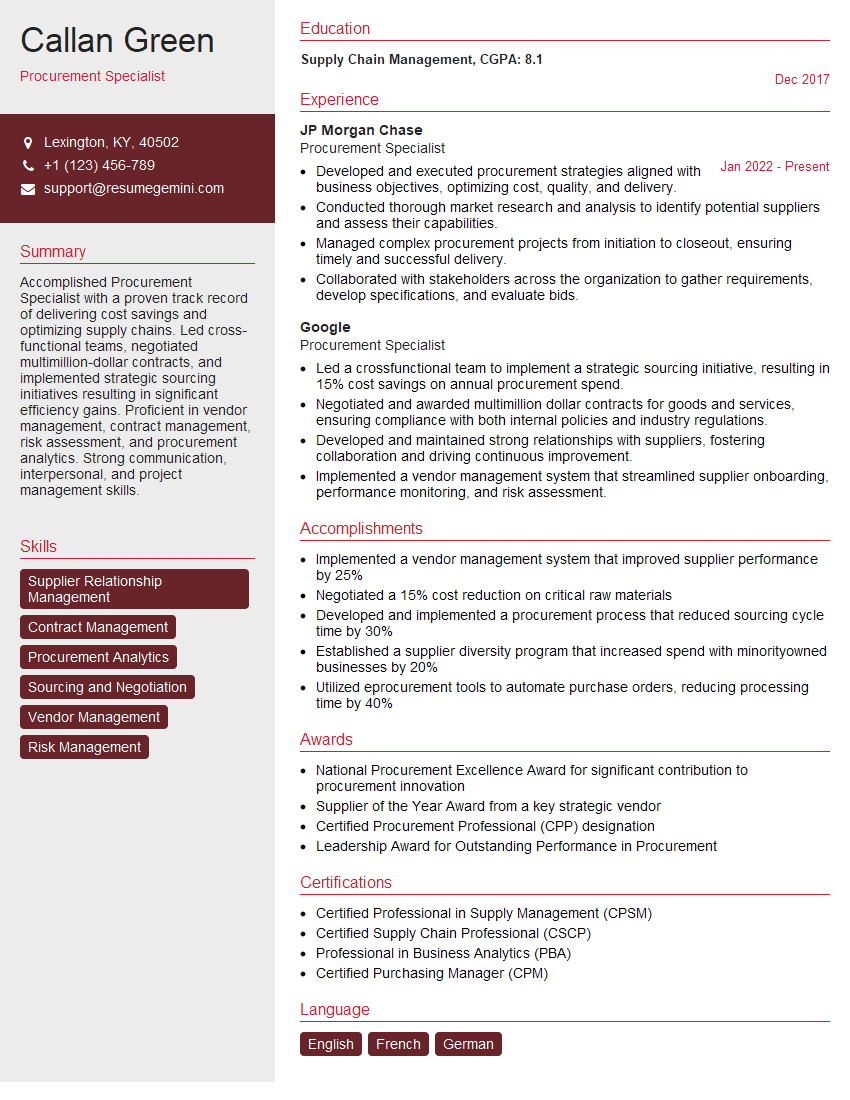
Procurement Specialist Resume Sample
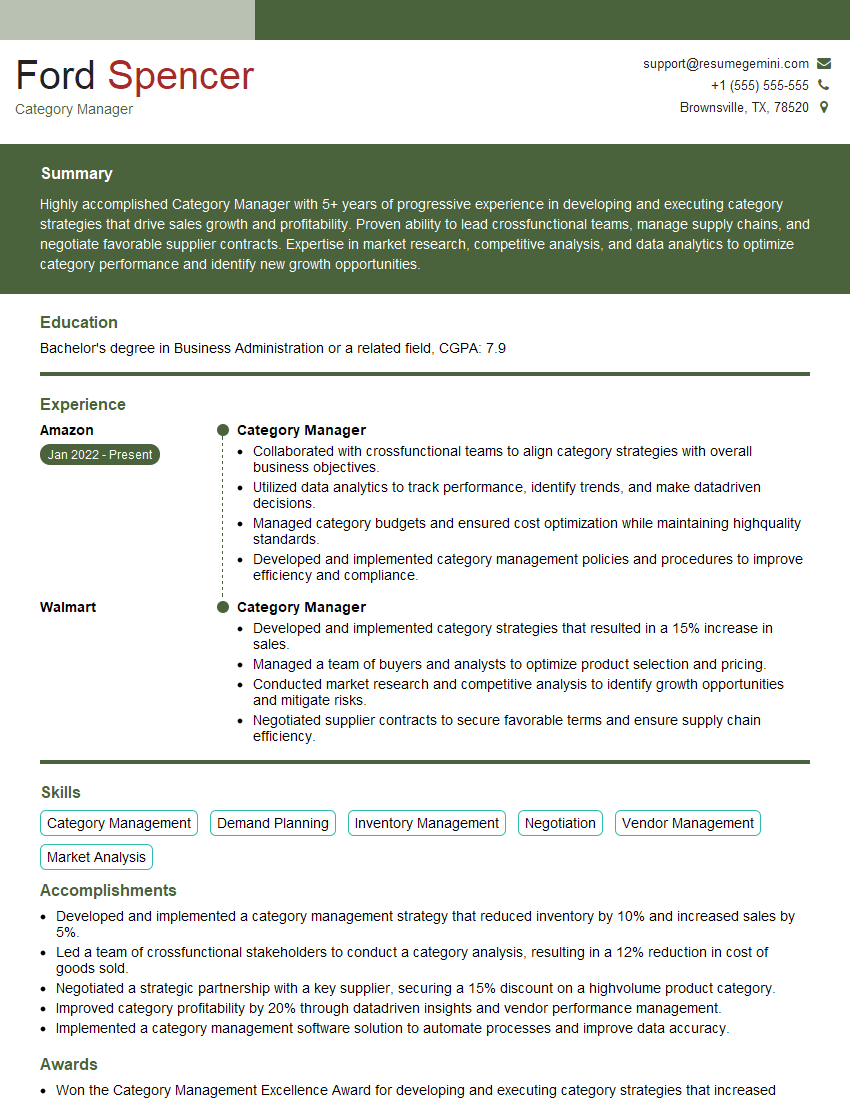
Category Manager Resume Sample
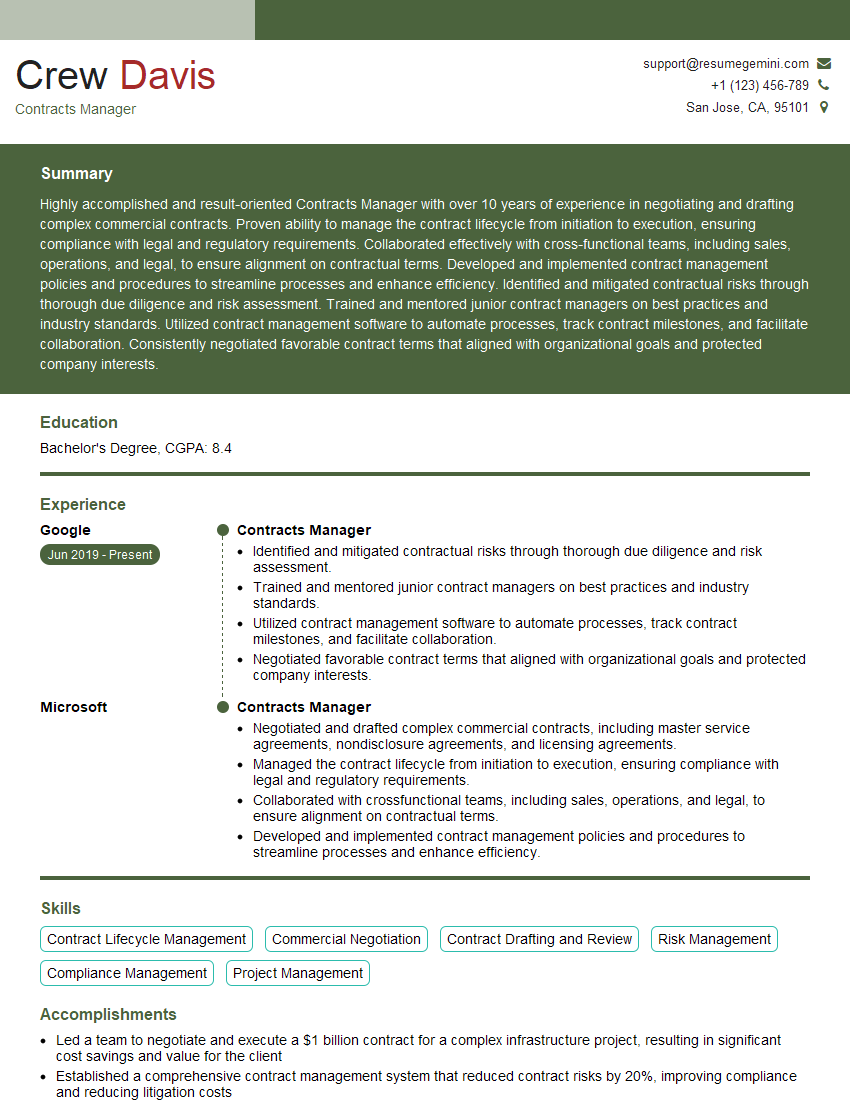
Contracts Manager Resume Sample
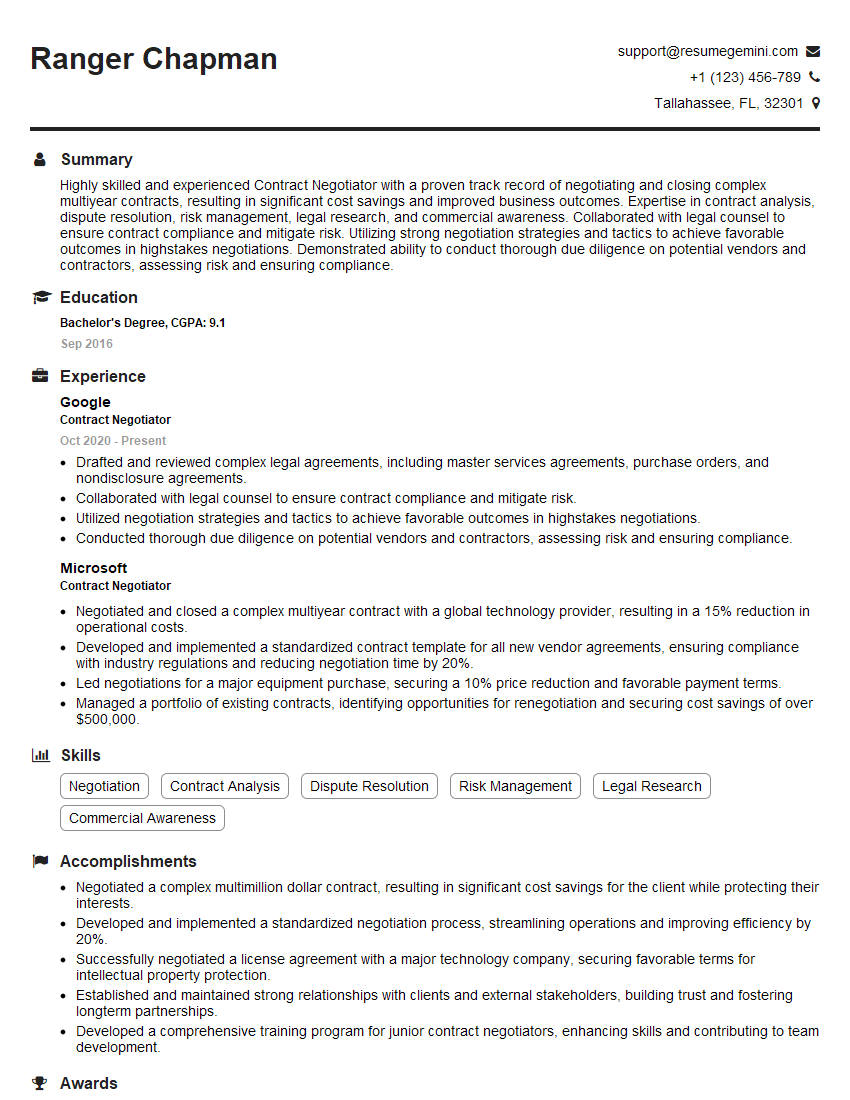
Contract Negotiator Resume Sample
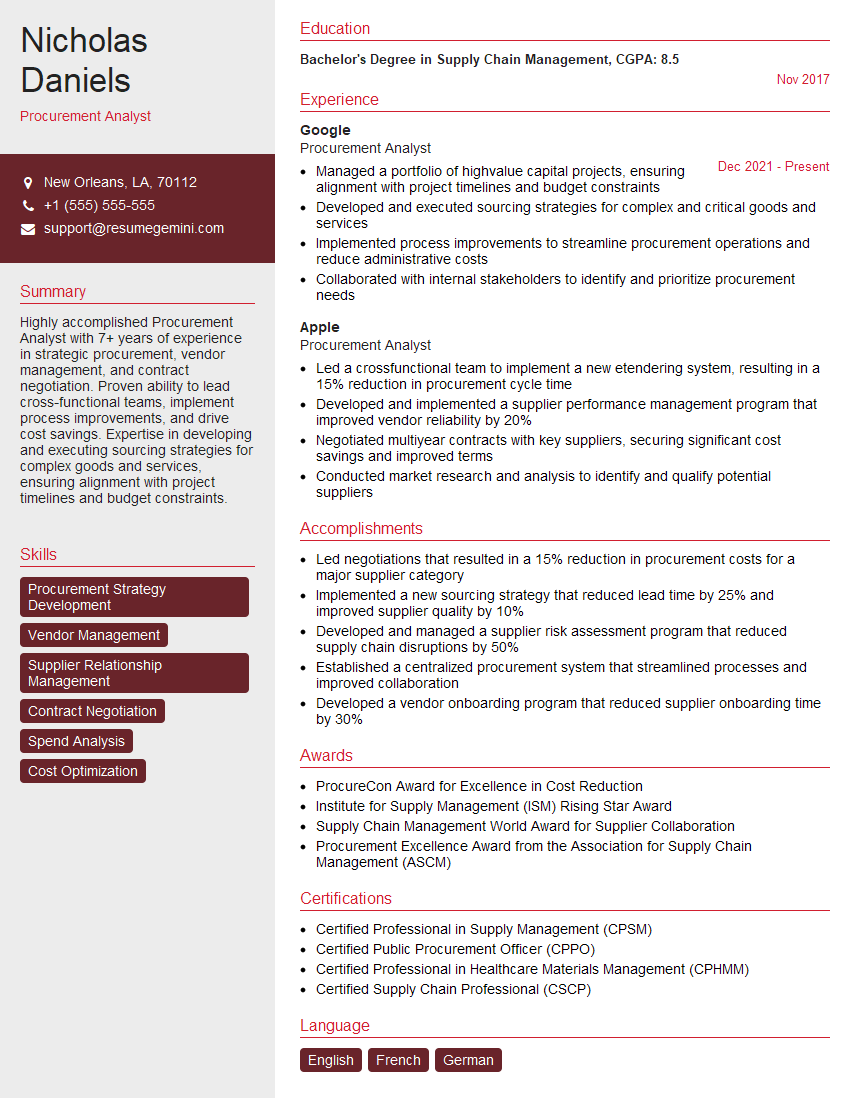
Procurement Analyst Resume Sample
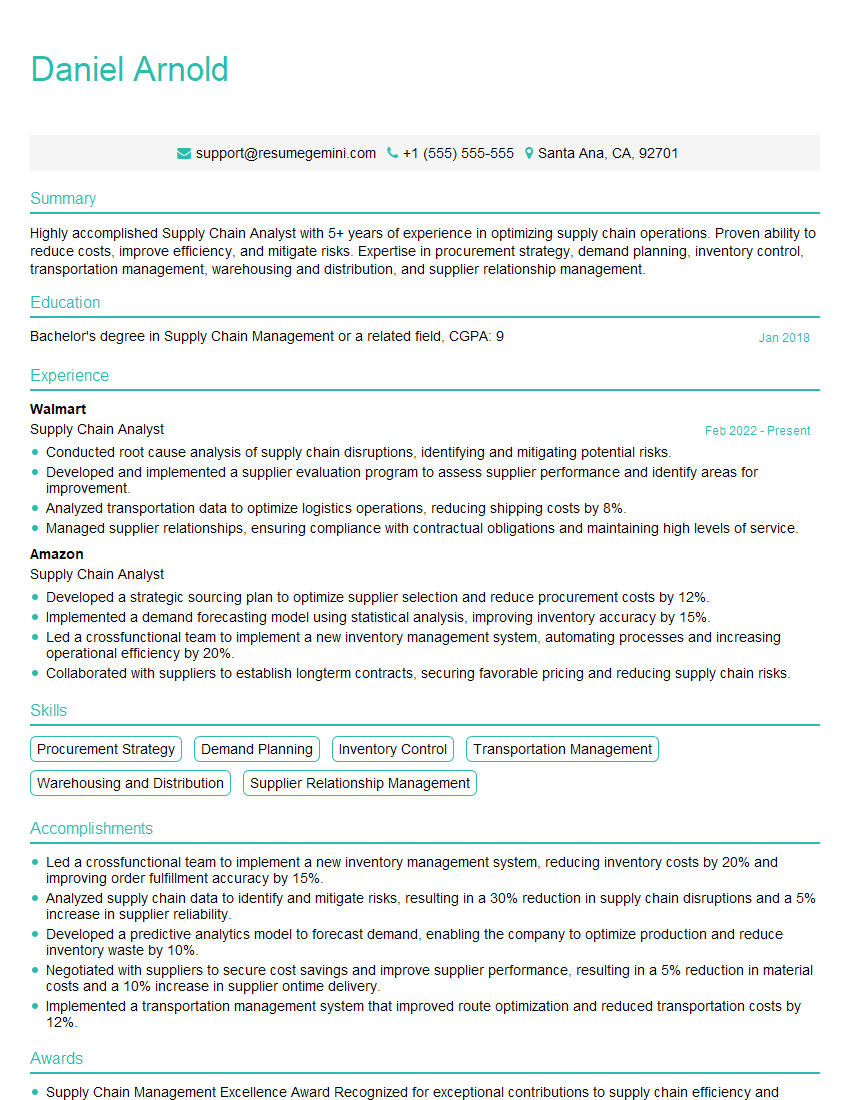
Supply Chain Analyst Resume Sample
Explore more articles
Users Rating of Our Blogs
Share Your Experience
We value your feedback! Please rate our content and share your thoughts (optional).
What Readers Say About Our Blog
To the interviewgemini.com Webmaster.
Very helpful and content specific questions to help prepare me for my interview!
Thank you
To the interviewgemini.com Webmaster.
This was kind of a unique content I found around the specialized skills. Very helpful questions and good detailed answers.
Very Helpful blog, thank you Interviewgemini team.