Unlock your full potential by mastering the most common Corrective Action Program interview questions. This blog offers a deep dive into the critical topics, ensuring you’re not only prepared to answer but to excel. With these insights, you’ll approach your interview with clarity and confidence.
Questions Asked in Corrective Action Program Interview
Q 1. Describe your experience implementing a Corrective Action Preventive Action (CAPA) system.
My experience implementing CAPA systems spans over eight years across various regulated industries, including medical device manufacturing and pharmaceuticals. I’ve been involved in every stage, from initial design and implementation of the system to ongoing improvement and auditing. In my previous role at MedTech Solutions, I led the complete overhaul of their outdated CAPA system, resulting in a 30% reduction in non-conformances within the first year. This involved transitioning from a paper-based system to a fully electronic, integrated solution, improving traceability and efficiency significantly. We also implemented key performance indicators (KPIs) to monitor system effectiveness and ensure continuous improvement. A key success was the creation of a comprehensive training program for all staff, which increased CAPA system understanding and participation across all departments.
Q 2. Explain the key elements of a robust CAPA process.
A robust CAPA process hinges on several key elements. Think of it as a well-oiled machine – each part is crucial for smooth operation. Firstly, a clear definition of what constitutes a non-conformance is essential. This needs to be documented and understood by everyone involved. Secondly, a prompt and efficient reporting system is paramount. Employees need to feel comfortable reporting issues without fear of reprisal. Thirdly, a thorough investigation process is vital to pinpoint the root cause. This might involve using tools like 5 Whys, fishbone diagrams, or fault tree analysis. Fourthly, effective corrective actions must be developed and implemented to prevent recurrence. This should include verification steps to ensure the effectiveness of the corrective action. Finally, preventive actions should be established to prevent similar issues from arising in other areas of the organization. Regular audits and management review are crucial for continual improvement and demonstrating regulatory compliance. The entire process needs to be well-documented and easily accessible.
Q 3. How do you identify and prioritize CAPA investigations?
Identifying and prioritizing CAPA investigations involves a structured approach. We typically start by categorizing non-conformances based on their severity (critical, major, minor) and their potential impact on product quality, patient safety, or regulatory compliance. This is often done using a risk assessment matrix. For instance, a critical non-conformance, like a malfunction leading to a potential product failure, will naturally take precedence over a minor defect that has minimal impact. We use a combination of data analysis and risk assessment to establish priorities. For example, we might track the frequency of specific non-conformances. A recurring issue, even if individually minor, might necessitate immediate attention to uncover the underlying systemic problem. Prioritization is often a collaborative effort involving quality engineers, production staff, and management to ensure a balanced approach.
Q 4. What methods do you use for root cause analysis?
Root cause analysis (RCA) is a crucial step in the CAPA process. There’s no one-size-fits-all method, but I employ a range of techniques depending on the complexity of the issue. The 5 Whys, while simple, is a great starting point for simple problems. For more complex issues, I frequently use Fishbone diagrams (Ishikawa diagrams) to brainstorm potential causes and their relationships. Fault tree analysis is another powerful tool for systematically identifying potential failure points in a process. Sometimes, a combination of techniques is necessary. For example, I might use a Fishbone diagram to brainstorm potential causes and then apply the 5 Whys to each potential cause to drill down to the root cause. Data analysis is crucial in verifying hypotheses and ensuring objectivity in the analysis.
Q 5. Describe your experience with 5 Whys analysis and its limitations.
The 5 Whys is a simple yet effective technique for quickly uncovering the root cause of a problem. It involves repeatedly asking ‘Why?’ five times to drill down from the initial symptom to the underlying cause. For example: Problem: The machine stopped working. Why? Because the motor burned out. Why? Because the bearings seized. Why? Because they weren’t lubricated. Why? Because the lubrication schedule wasn’t followed. Why? Because there was inadequate training on the maintenance procedures. However, its simplicity is also its limitation. It can be too simplistic for complex problems with multiple contributing factors, and it may not uncover systemic issues. It’s best suited for straightforward issues and should be used in conjunction with more rigorous techniques for complex situations.
Q 6. How do you verify the effectiveness of corrective actions?
Verifying the effectiveness of corrective actions is critical to ensuring that the problem is truly resolved and won’t reoccur. This typically involves a multi-step process. First, we monitor key process parameters and product quality metrics to assess whether the corrective action has the desired impact. We might perform statistical process control (SPC) analysis to track the effectiveness over time. Secondly, we review defect rates and non-conformances to see if the implemented action has reduced their frequency. Thirdly, we might conduct audits to verify that the corrective action is being implemented consistently. Finally, we document all verification activities and review them during management reviews. A crucial part of verification is defining specific, measurable, achievable, relevant, and time-bound (SMART) goals for the corrective action, ensuring that success can be objectively measured.
Q 7. How do you ensure CAPA documentation is complete and accurate?
Ensuring complete and accurate CAPA documentation is crucial for demonstrating regulatory compliance and facilitating continuous improvement. We utilize a standardized electronic CAPA system with built-in controls to ensure completeness and accuracy. This includes mandatory fields, automated workflows, and version control. All documentation is electronically signed and time-stamped, providing a clear audit trail. Regular reviews of CAPA records are conducted to identify areas for improvement in documentation procedures and processes. Training is provided to all personnel to ensure they understand the importance of accurate and complete documentation and the specific requirements of the system. We also implement checks and balances, such as having a second person review critical CAPA documentation before closure. This ensures accountability and helps prevent errors.
Q 8. What is your experience with regulatory requirements related to CAPA (e.g., FDA, ISO)?
My experience with regulatory requirements related to CAPA (Corrective Action Preventive Action) programs is extensive. I’ve worked extensively with both FDA regulations, specifically 21 CFR Part 820 for medical devices, and ISO 9001:2015 and ISO 13485:2016 quality management system standards. This includes hands-on involvement in audits, inspections, and the development and implementation of CAPA systems compliant with these regulations. I understand the nuances of each, including the requirements for documentation, investigation methodologies, and effectiveness verification. For example, I’ve successfully guided several organizations through FDA inspections by ensuring that our CAPA processes adhered strictly to 21 CFR Part 820 requirements, resulting in zero 483 observations related to CAPA. Similarly, I’ve led the implementation of ISO 13485 compliant CAPA systems, enabling companies to achieve and maintain certification.
My understanding goes beyond simple compliance; I actively anticipate evolving regulatory expectations and incorporate proactive measures to prevent potential issues before they become non-conformances.
Q 9. How do you manage CAPA investigations across multiple departments?
Managing CAPA investigations across multiple departments requires a structured approach and excellent communication. I employ a cross-functional team approach, establishing a clear project leader responsible for coordinating activities. This leader is responsible for creating a centralized communication hub using tools like project management software or a shared document repository. We establish a communication plan outlining meeting frequencies, reporting procedures, and escalation paths. Each department involved designates a point person responsible for providing timely and accurate information. Regular meetings are scheduled to review progress, address roadblocks, and ensure alignment.
For example, in a recent investigation involving a manufacturing defect, the team included members from manufacturing, quality assurance, engineering, and regulatory affairs. The project leader facilitated the investigation, ensuring all departments contributed relevant data and expertise. Regular status reports were provided to upper management, ensuring transparency and timely intervention when needed.
Q 10. How do you handle conflicting priorities in CAPA investigations?
Conflicting priorities in CAPA investigations are a common challenge. I address this using a prioritization matrix that considers the severity, probability, and impact of the non-conformance. This matrix helps rank investigations based on risk, ensuring that the most critical issues are addressed first. This framework is shared with all involved parties, ensuring transparency and allowing for open discussion and negotiation. For instance, we might prioritize a CAPA related to a potential patient safety risk over a CAPA concerning a minor manufacturing defect. Clear communication is crucial, and sometimes compromises need to be reached – however, the safety and quality of our products/services always remain our top priority.
Q 11. Describe a time you failed to implement a corrective action effectively. What did you learn?
In a previous role, we failed to implement a corrective action effectively due to insufficient root cause analysis. We focused on a superficial solution rather than digging deep to understand the underlying cause. This resulted in the recurrence of the same issue after a short period.
The key learning from this experience was the importance of thorough root cause analysis using tools such as 5 Whys, fishbone diagrams, and fault tree analysis. I now rigorously apply these techniques to ensure a comprehensive understanding of the problem, preventing superficial solutions and leading to more robust and effective corrective actions. This is coupled with strong verification and validation steps to confirm that the corrective action has indeed resolved the underlying root cause and prevented recurrence.
Q 12. How do you measure the effectiveness of your CAPA program?
Measuring the effectiveness of a CAPA program involves a multi-faceted approach. We track key metrics such as the time it takes to complete investigations, the effectiveness of corrective actions (measured by recurrence rates), and customer feedback. We also regularly review our CAPA processes themselves to identify areas for improvement. A key indicator is the reduction in the number and severity of non-conformances over time. We track this using control charts and trend analyses. Additionally, regular internal audits and management reviews are conducted to assess the effectiveness and compliance of our CAPA system.
For example, a reduction in the number of customer complaints related to specific issues directly indicates the effectiveness of corrective actions taken. Similarly, a decrease in the number of repeat non-conformances shows that our root cause analysis and corrective actions are effective in preventing future problems.
Q 13. What are the key performance indicators (KPIs) you track for CAPA?
The key performance indicators (KPIs) we track for CAPA include:
- Time to completion: The time taken from identification of a non-conformance to completion of the CAPA.
- Recurrence rate: The percentage of CAPAs that result in a reoccurrence of the same or similar issue.
- Effectiveness of corrective actions: Measured by the reduction in the number and severity of related non-conformances.
- Number of open CAPAs: Tracking the number of ongoing investigations to manage workload and potential bottlenecks.
- Number of CAPAs per product/process: Identifying areas requiring more attention or process improvements.
- Customer complaints related to non-conformances: Evaluating the impact of our CAPA program on customer satisfaction.
These KPIs are tracked using dashboards and reports, allowing for regular monitoring and proactive intervention when needed. Regular analysis of these KPIs provides valuable insights into the effectiveness of our CAPA system and identifies areas for improvement.
Q 14. How do you integrate CAPA with other quality systems?
Integrating CAPA with other quality systems is crucial for a holistic approach to quality management. Our CAPA system is seamlessly integrated with our complaint handling, audit management, and continuous improvement programs. This integration ensures that information flows freely between systems, preventing duplication of efforts and improving efficiency.
For example, customer complaints are directly linked to the CAPA system, triggering an investigation and potential corrective actions. Similarly, audit findings can initiate CAPAs, ensuring that identified deficiencies are addressed promptly. We use a centralized database to link all relevant information, facilitating analysis and trend identification. This holistic approach minimizes redundancy, enhances efficiency, and provides a comprehensive overview of quality performance.
Q 15. What software or tools do you use to manage CAPA?
Over the years, I’ve used a variety of software and tools for CAPA management, each with its own strengths and weaknesses. Early in my career, we relied heavily on spreadsheets and shared drives, which, while functional, lacked the robust tracking and reporting capabilities of dedicated CAPA systems. This often led to inefficiencies in tracking progress and identifying trends. Now, I prefer utilizing dedicated CAPA software solutions like TrackWise, Veeva Vault, or similar systems that offer features such as automated workflows, centralized document management, and integrated audit trails. These systems ensure that CAPAs are documented, tracked, and followed through to completion in a controlled and auditable manner. For example, in my previous role, we implemented TrackWise, which significantly improved our efficiency by automating the assignment and tracking of tasks, generating reports, and providing real-time visibility into the status of all open CAPAs.
The choice of software depends heavily on the organization’s size, complexity, and regulatory requirements. Smaller organizations may find a simpler solution sufficient, while larger, regulated companies require more sophisticated systems to comply with regulations like FDA 21 CFR Part 11.
Career Expert Tips:
- Ace those interviews! Prepare effectively by reviewing the Top 50 Most Common Interview Questions on ResumeGemini.
- Navigate your job search with confidence! Explore a wide range of Career Tips on ResumeGemini. Learn about common challenges and recommendations to overcome them.
- Craft the perfect resume! Master the Art of Resume Writing with ResumeGemini’s guide. Showcase your unique qualifications and achievements effectively.
- Don’t miss out on holiday savings! Build your dream resume with ResumeGemini’s ATS optimized templates.
Q 16. How do you ensure CAPA investigations are completed within defined timelines?
Ensuring CAPA investigations are completed on time requires a proactive and structured approach. The key is to establish clear timelines from the outset, defining specific milestones with assigned responsibilities and deadlines. We use a system that breaks down the investigation into distinct phases, each with a specific timeframe. For instance, the initial investigation might be allocated 5 days, followed by root cause analysis (another 5 days), implementation of corrective actions (7 days), and verification (3 days). These are, of course, adjusted depending on the complexity of the CAPA.
Regular monitoring of progress is critical. Weekly status meetings, utilizing project management tools like Kanban boards or Gantt charts, keep everyone informed and allows for early identification of potential delays. Proactive communication is key; if delays are anticipated, we immediately inform stakeholders and adjust the timeline accordingly, justifying the extension with documented reasons. This transparent approach is crucial for maintaining trust and ensuring accountability.
Finally, using escalation procedures for unresolved roadblocks helps keep investigations on track. If a team member encounters an insurmountable obstacle, escalation to a senior manager ensures timely intervention and resolution, preventing delays.
Q 17. What is your experience with risk assessment in CAPA investigations?
Risk assessment is an integral part of every CAPA investigation. It’s not just about fixing the immediate problem; it’s about understanding the potential impact of the nonconformity and prioritizing accordingly. We use a structured approach, often employing tools like Failure Mode and Effects Analysis (FMEA) or similar risk matrices. This involves identifying potential hazards, assessing their severity, probability of occurrence, and the detectability of the failure. The risk priority number (RPN) is then calculated, prioritizing the most critical issues.
For example, consider a manufacturing defect in a medical device. We would assess the severity of the defect (could it cause patient harm?), the likelihood of the defect occurring (how frequently does the failure happen?), and the ability to detect the defect before it reaches the patient. A high RPN would prioritize that CAPA investigation above other, less risky issues. This ensures that resources are focused where they will have the most significant impact, minimizing the risk of recurrence and potential harm.
Q 18. How do you prevent CAPA recurrence?
Preventing CAPA recurrence requires a multi-faceted approach going beyond simply fixing the immediate problem. It involves a thorough understanding of the root cause, implementing effective corrective actions, and designing robust preventive actions to avoid similar issues in the future.
We use various techniques, including root cause analysis tools like the 5 Whys, fishbone diagrams, and fault tree analysis, to systematically dig deeper than the surface-level problems. Once the root cause is identified, we implement corrective actions to address the immediate problem and preventive actions to prevent recurrence. This might involve changes to processes, equipment, training, or even the design of the product or service.
Furthermore, we implement robust verification and validation plans to confirm the effectiveness of the implemented actions. Regular audits and reviews ensure continuous improvement and early detection of potential issues. Effective communication and knowledge sharing across teams are also vital to avoid repeating past mistakes.
Q 19. Describe your experience with CAPA training and development.
I’ve been heavily involved in CAPA training and development throughout my career. I’ve designed and delivered training programs on various aspects of CAPA, including investigations, root cause analysis techniques, risk assessment, and effective documentation. My training methodologies incorporate interactive elements, case studies, and practical exercises to facilitate knowledge retention and skill development.
I believe in a blended learning approach, combining online modules with instructor-led sessions and hands-on workshops. This caters to different learning styles and ensures that participants understand and can apply the CAPA process effectively. For instance, I developed a comprehensive online training module on root cause analysis using various techniques, coupled with an in-person workshop where participants analyzed real-life case studies. The success of this program was measured by post-training assessments and feedback, allowing for continuous improvement of the training materials and delivery.
Q 20. How do you communicate CAPA findings to stakeholders?
Communicating CAPA findings effectively to stakeholders is crucial for building trust and ensuring alignment. My approach is tailored to the audience. For senior management, I present concise summaries focusing on key findings, impacts, and implemented actions. For technical teams, I provide detailed reports including data analysis and root cause investigations. For external regulatory bodies, communication adheres to strict regulatory requirements and follows established reporting protocols.
We utilize various communication channels, including regular reports, presentations, emails, and meetings. We maintain a centralized repository of all CAPA documents, accessible to relevant stakeholders. I always aim for clear, concise, and timely communication to maintain transparency and accountability.
Q 21. Explain the difference between corrective actions and preventive actions.
Corrective actions (CAs) address existing problems, focusing on fixing the current nonconformity. Preventive actions (PAs) are proactive measures to prevent similar issues from happening in the future. Think of it this way: corrective actions are about fixing the broken window, while preventive actions are about installing better locks to prevent future break-ins.
For example, if a batch of product fails a quality test (nonconformity), the corrective action might be to discard the failed batch. The preventive action would be to review and improve the manufacturing process to prevent similar failures in future batches. Both are necessary for a robust CAPA process; corrective actions address the immediate issue, while preventive actions prevent recurrence, ultimately improving the quality system.
Q 22. How do you handle CAPA investigations involving complex technical issues?
Investigating complex technical issues in CAPA requires a structured, multidisciplinary approach. It’s not about rushing to a solution; it’s about methodical problem-solving. I begin by assembling a team with relevant expertise – engineers, scientists, quality control specialists, depending on the nature of the problem. We then utilize tools such as Failure Mode and Effects Analysis (FMEA), root cause analysis techniques like the 5 Whys, fishbone diagrams, and fault tree analysis. These methods help us systematically break down the complex problem into manageable components and identify the root cause(s).
For example, imagine a complex medical device malfunction. Instead of just addressing the immediate symptom (e.g., the device stopped working), we would use FMEA to identify potential failure modes in the design or manufacturing process. Then, using the 5 Whys, we’d repeatedly ask ‘why’ until we uncover the underlying cause, perhaps a design flaw or a quality control oversight. This systematic approach ensures we address the root cause, preventing recurrence.
Data analysis plays a crucial role. We collect and analyze all relevant data – manufacturing records, test results, complaint reports – to support our findings. This data-driven approach provides objective evidence to support our conclusions and proposed corrective actions.
Q 23. What is your approach to managing CAPA investigations involving sensitive information?
Handling sensitive information in CAPA investigations is paramount. Confidentiality and data security are strictly adhered to throughout the process. We strictly follow data privacy regulations (like HIPAA, GDPR, etc., depending on the context) and internal company policies. Access to sensitive data is restricted to authorized personnel only, using role-based access controls. All documents and data related to the investigation are stored securely, often using encrypted systems. We use anonymization techniques whenever possible to protect patient or employee identities while preserving the integrity of the investigation.
For instance, if a CAPA involves patient data, we would replace identifying information with codes or placeholders. We document all access to sensitive information, including who accessed it, when, and why. This maintains an auditable trail, ensuring transparency and accountability. Thorough training of all personnel involved in the investigation on data privacy and security regulations is essential.
Q 24. Describe your experience with change management related to CAPA implementation.
Change management in CAPA implementation is crucial for successful, sustainable improvement. My approach involves a phased rollout of changes, starting with clear communication to all stakeholders. I leverage various communication channels, including emails, meetings, training sessions, and even town halls, depending on the size and complexity of the changes. Training programs are essential to ensure staff understands the new processes and procedures. This could include hands-on training, simulations, or online modules.
Consider a scenario where a new manufacturing process is implemented to address a CAPA. We would start with a pilot program in a controlled environment before full-scale deployment. This allows us to identify and address any unforeseen issues early on. We would monitor key performance indicators (KPIs) closely to track the effectiveness of the changes and make adjustments as needed. Feedback mechanisms are vital to allow for continuous improvement and adapt to any unforeseen issues. Regular reviews and updates keep the entire team informed and engaged throughout the process.
Q 25. How do you ensure compliance with relevant industry standards and regulations?
Ensuring compliance with industry standards and regulations is a fundamental aspect of CAPA. This involves a thorough understanding of relevant regulations like FDA 21 CFR Part 820, ISO 13485, or others, depending on the industry. We maintain a comprehensive list of all applicable regulations and standards and incorporate them into our CAPA procedures. We conduct regular internal audits to assess our compliance with these regulations and identify any gaps. We also maintain detailed documentation to demonstrate compliance.
For example, if we’re dealing with medical devices, we maintain meticulous records of all CAPA investigations, including the root cause analysis, corrective actions, preventive actions, and verification activities. These records are readily available for audits by regulatory bodies. Proactive compliance is key; we don’t just wait for audits, but actively monitor and manage our processes to maintain compliance.
Q 26. What is your experience with CAPA audits?
I have extensive experience with CAPA audits, both internal and external. Internal audits help us identify potential weaknesses in our CAPA system proactively. External audits are conducted by regulatory bodies or third-party auditors to verify our compliance. My role typically involves preparing for audits by assembling relevant documentation, ensuring the CAPA system is well-documented and functioning effectively. During audits, I work closely with auditors to address their questions and concerns, providing clear and concise answers supported by documented evidence.
I’ve participated in audits where non-conformances were identified. In these instances, I helped to develop and implement corrective actions to address the findings, document them properly, and demonstrate that the identified issues had been resolved and preventive measures were put in place to prevent recurrence. Post-audit follow-up is critical to ensure all recommendations are fully implemented.
Q 27. How do you handle escalations related to CAPA investigations?
Escalation in CAPA investigations is handled according to a pre-defined escalation protocol. This protocol specifies who to notify and when, based on the severity and urgency of the issue. Minor issues might be handled within a team, while significant issues requiring immediate attention or involving high risks are escalated to higher management or regulatory agencies. Transparency is essential; all relevant stakeholders are kept informed of the escalation process and its progress.
For example, if a CAPA investigation reveals a serious product defect with the potential for significant harm, it would be immediately escalated to senior management, potentially involving legal counsel and regulatory agencies. A clear communication plan ensures everyone understands their roles and responsibilities during the escalation process. This prevents delays and ensures a timely and effective response to the problem.
Q 28. Describe your experience with data analysis and reporting in the context of CAPA.
Data analysis and reporting are crucial for effective CAPA management. I utilize various statistical methods and data visualization tools to analyze data collected throughout the investigation. This includes trend analysis to identify recurring problems, frequency analysis to understand the prevalence of different failure modes, and root cause analysis to identify underlying causes.
For instance, I might use statistical process control (SPC) charts to track key quality metrics and identify any deviations from established baselines. The findings are then summarized in concise, well-structured reports, using graphs, charts, and tables to present the data clearly. These reports are used for internal communication, management reviews, and regulatory submissions. This data-driven approach ensures that CAPA actions are targeted and effective, and allows for continuous improvement of processes.
Key Topics to Learn for Corrective Action Program Interview
- Understanding CAP Fundamentals: Defining Corrective Action Programs, their purpose, and the underlying principles of continuous improvement.
- Root Cause Analysis Techniques: Mastering methods like 5 Whys, Fishbone diagrams, and Fault Tree Analysis to effectively identify the root causes of issues.
- Corrective Action Implementation: Developing and implementing effective corrective actions, including preventative measures to avoid recurrence.
- CAP Documentation and Reporting: Understanding the importance of clear, concise, and accurate documentation throughout the CAP process, including reporting metrics and progress.
- CAP in Different Industries: Exploring how CAP principles are applied across various sectors, demonstrating adaptability and breadth of knowledge.
- Regulatory Compliance and CAP: Understanding relevant industry regulations and how CAP ensures compliance.
- Measuring CAP Effectiveness: Defining Key Performance Indicators (KPIs) and tracking the success of implemented corrective actions.
- Problem-Solving and Decision-Making within CAP: Demonstrating strong analytical and problem-solving skills in a CAP context.
- Communication and Collaboration in CAP: Highlighting the importance of effective communication and teamwork throughout the CAP process.
Next Steps
Mastering Corrective Action Programs significantly enhances your value to any organization, demonstrating your commitment to quality, efficiency, and continuous improvement. This expertise opens doors to higher-level roles and increased earning potential. To maximize your job prospects, crafting an ATS-friendly resume is crucial. ResumeGemini is a trusted resource that can help you build a professional and impactful resume tailored to highlight your CAP skills. Examples of resumes specifically designed for Corrective Action Program roles are available to guide you.

Operations Manager Resume Sample
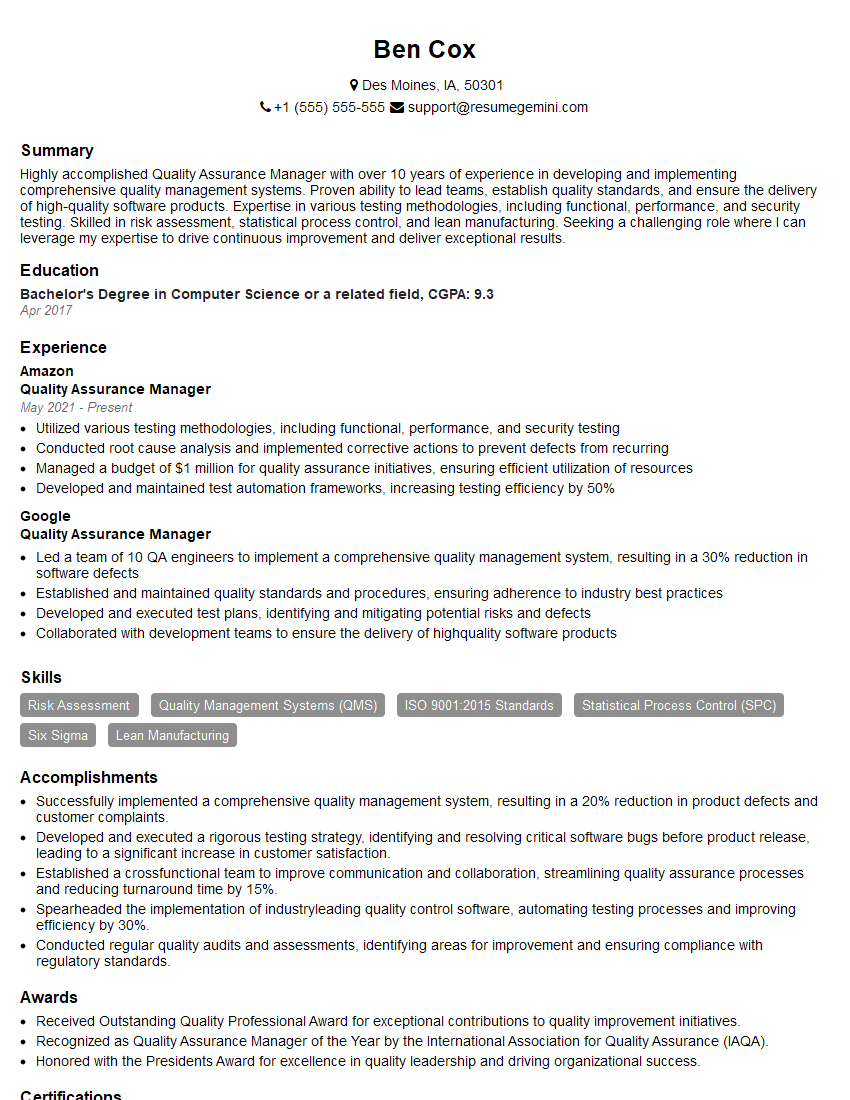
Quality Assurance Manager Resume Sample
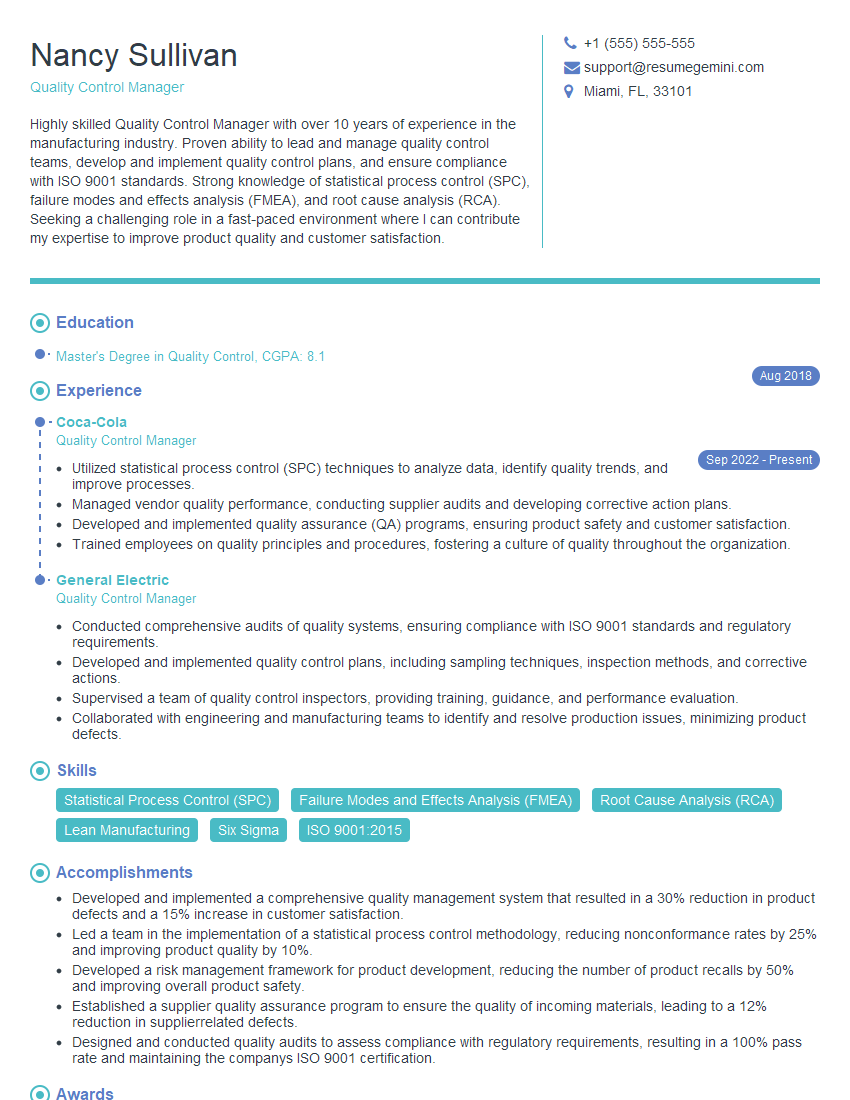
Quality Control Manager Resume Sample
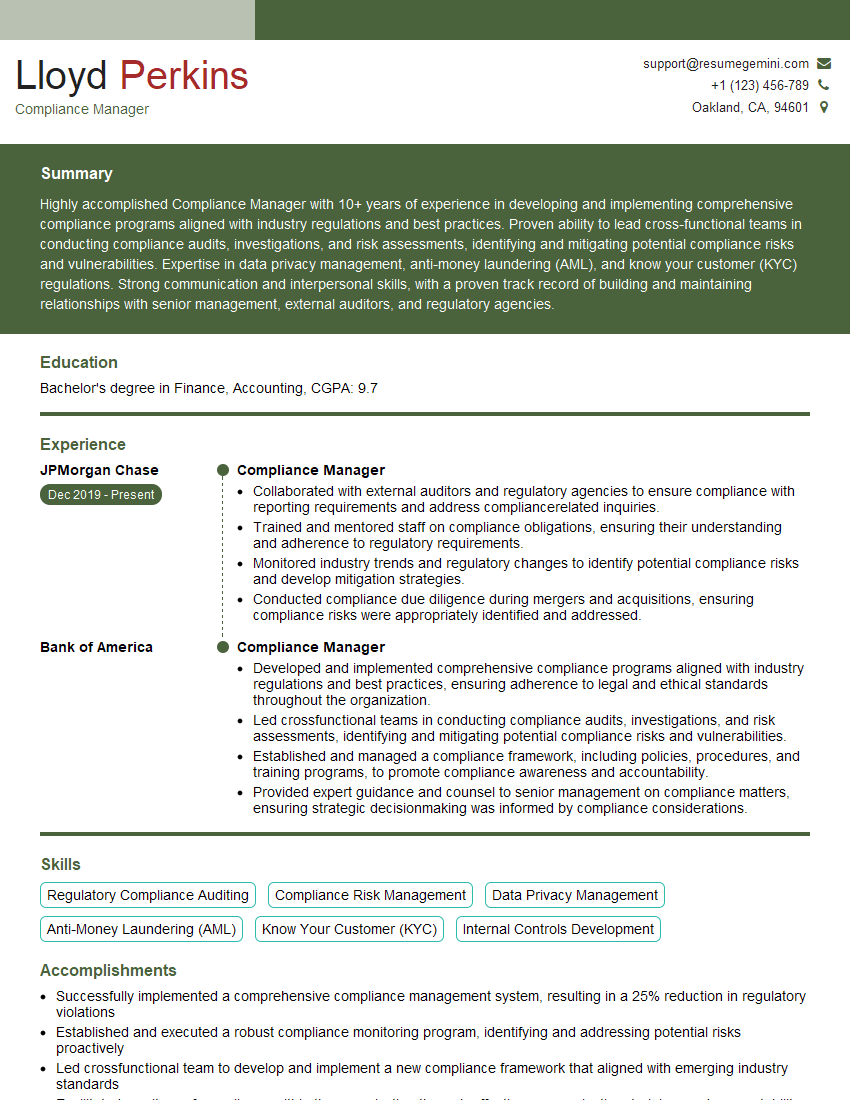
Compliance Manager Resume Sample
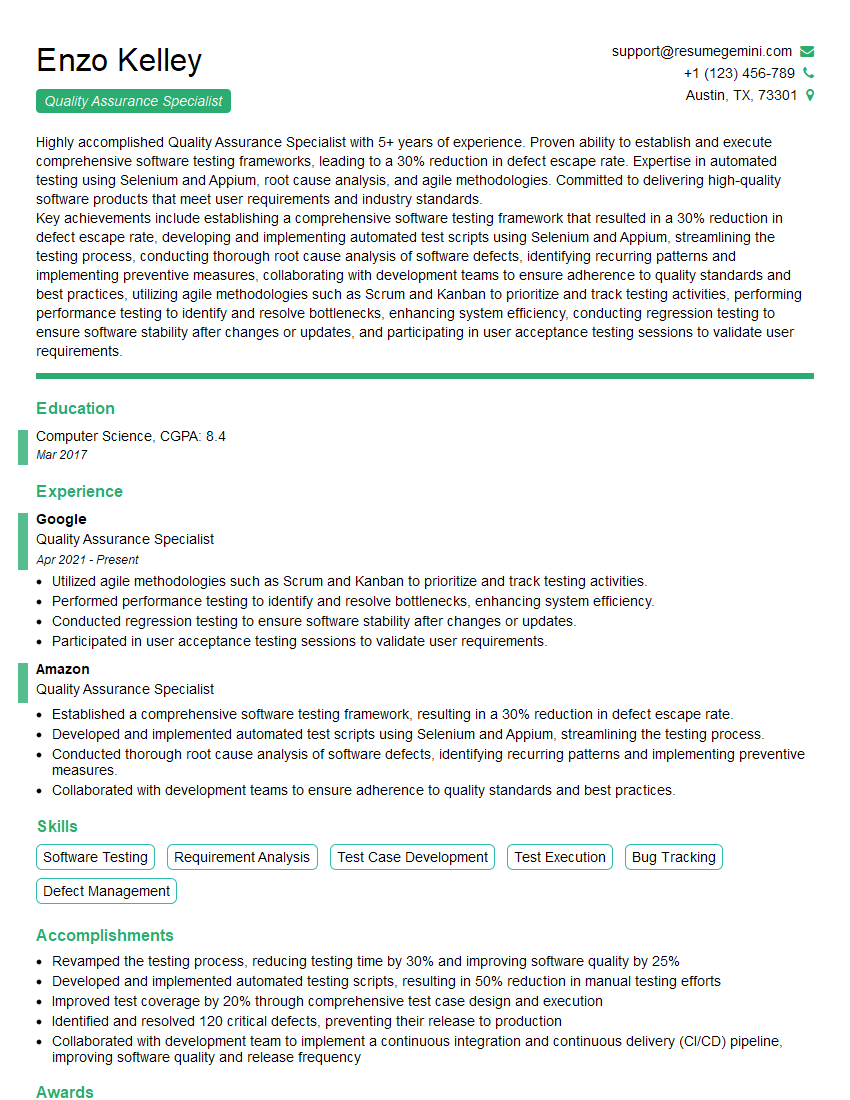
Quality Assurance Specialist Resume Sample
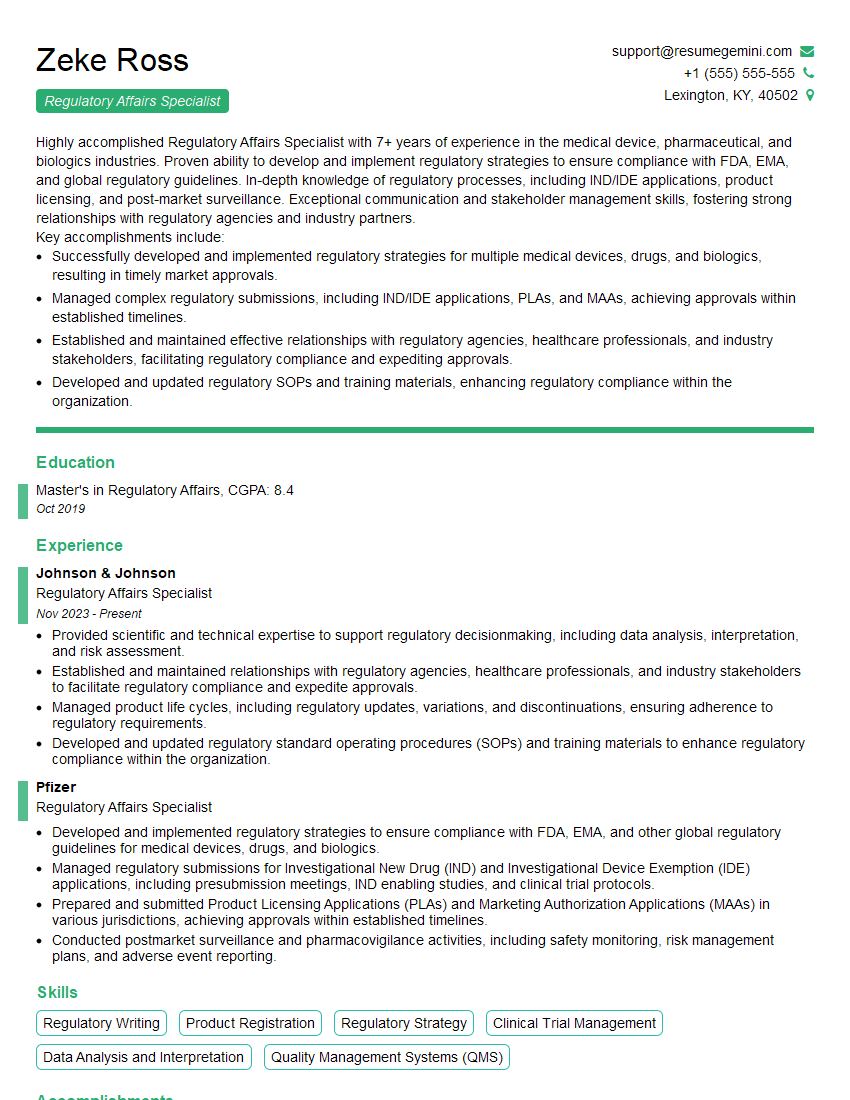
Regulatory Affairs Specialist Resume Sample
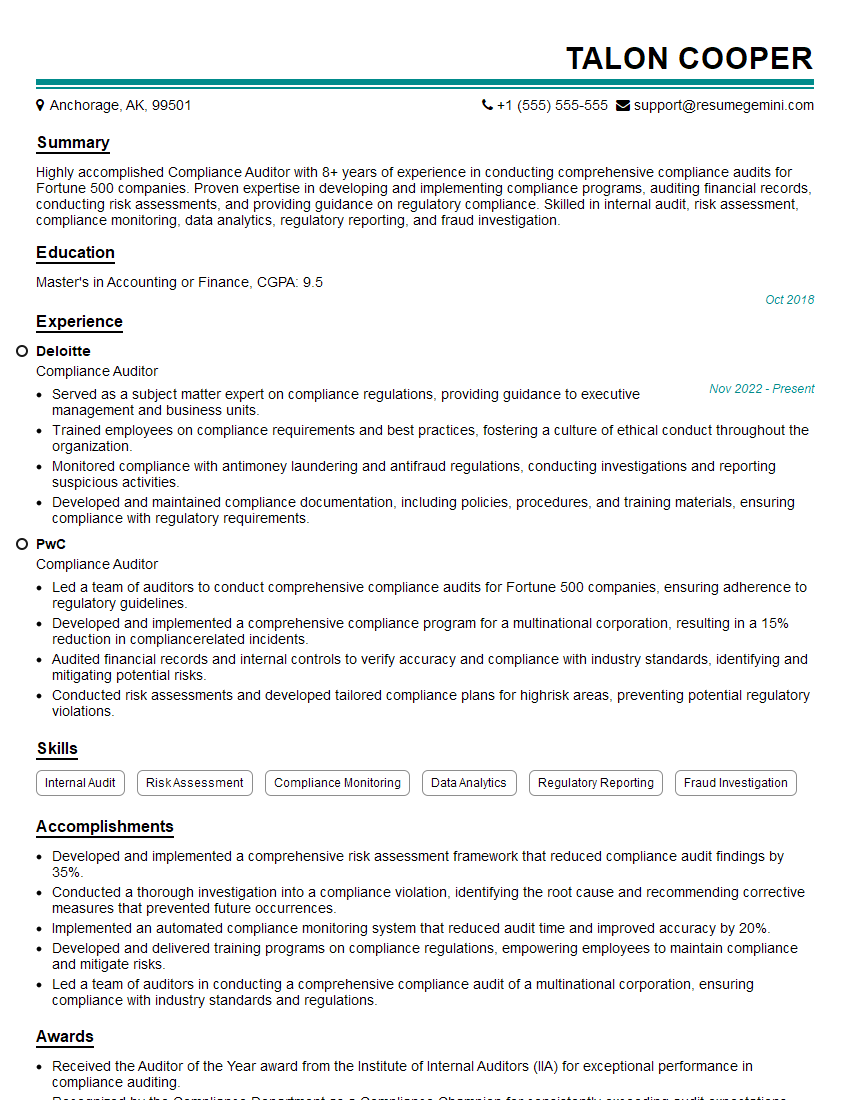
Compliance Auditor Resume Sample
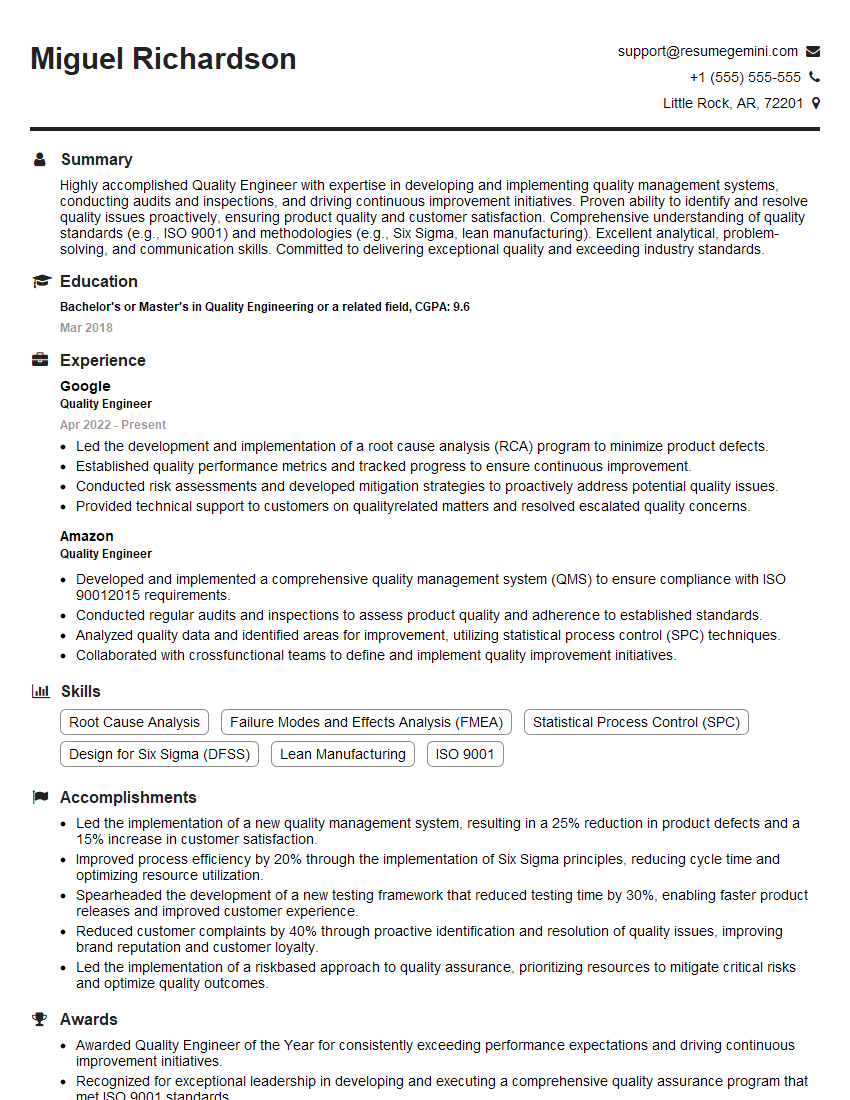
Quality Engineer Resume Sample
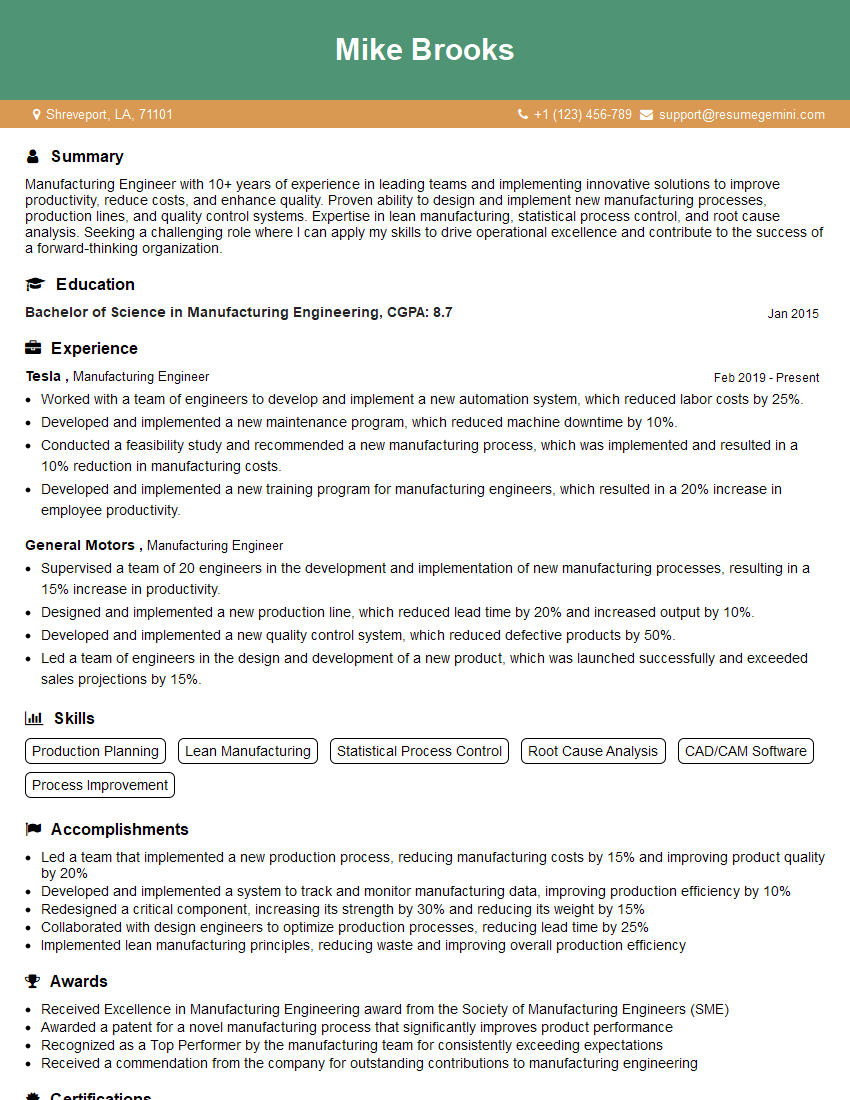
Manufacturing Engineer Resume Sample
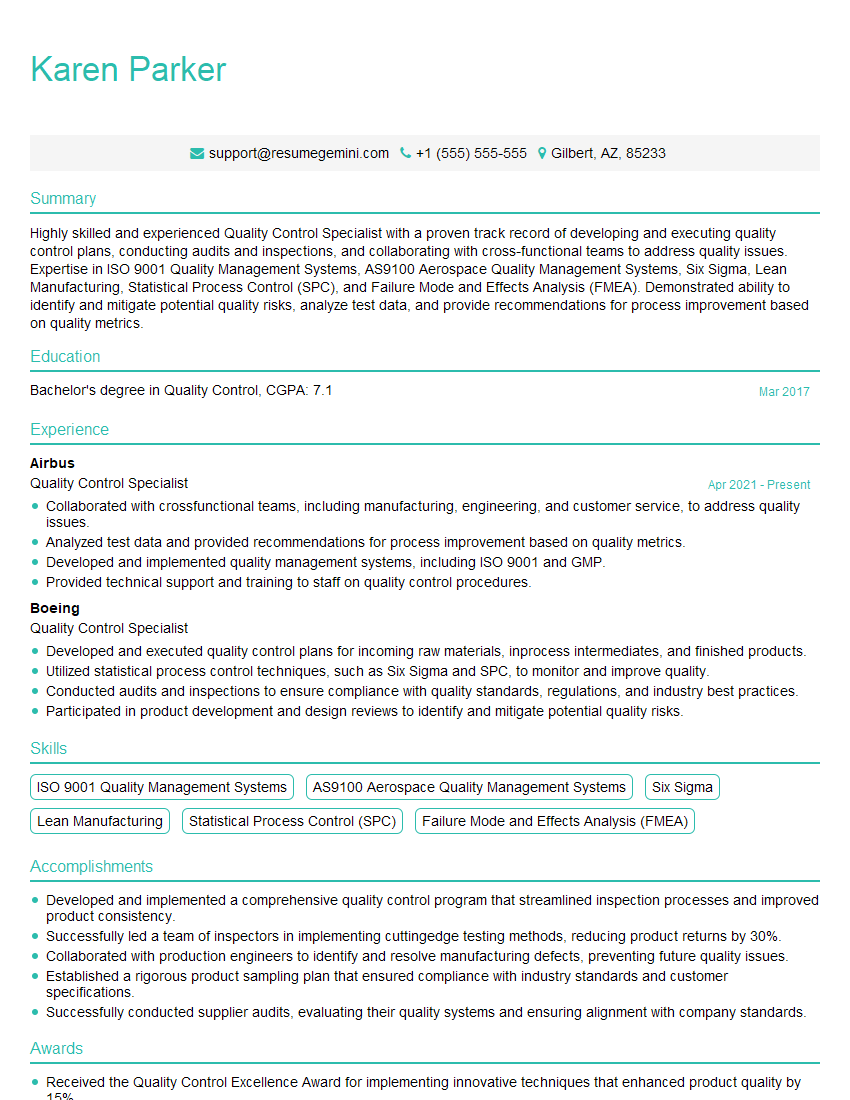
Quality Control Specialist Resume Sample
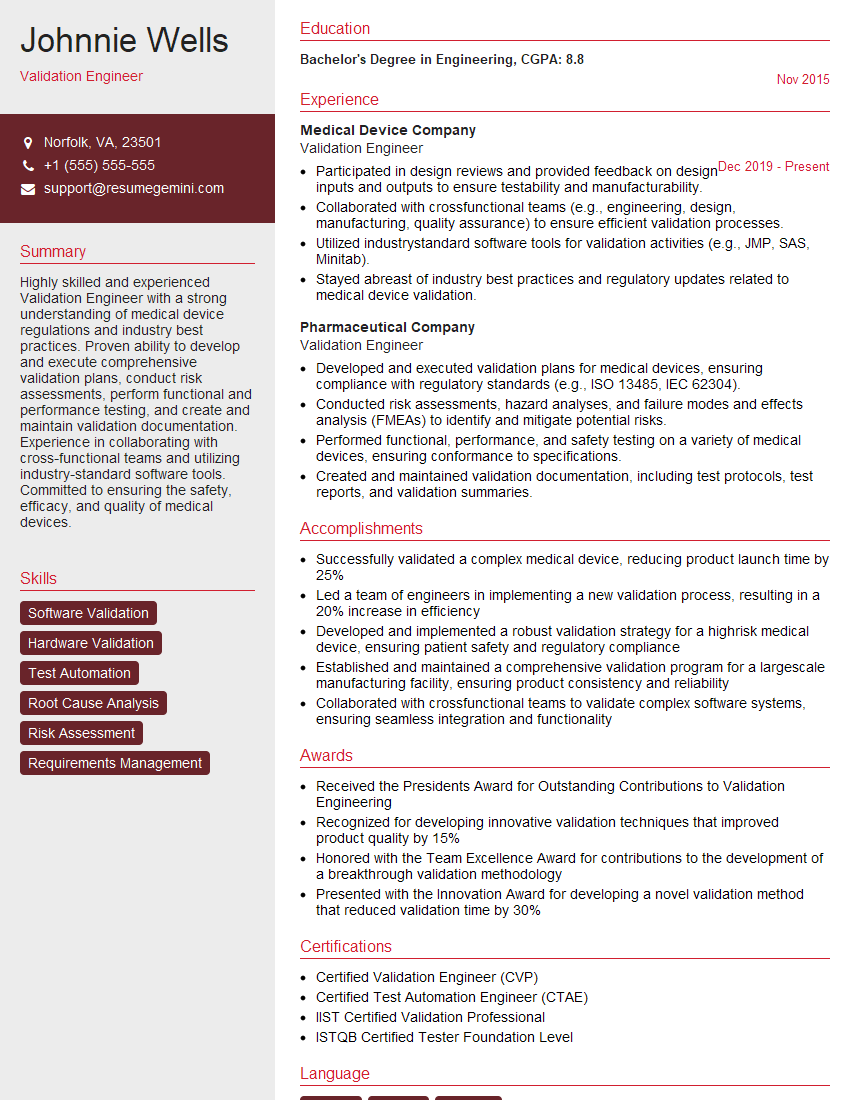
Validation Engineer Resume Sample
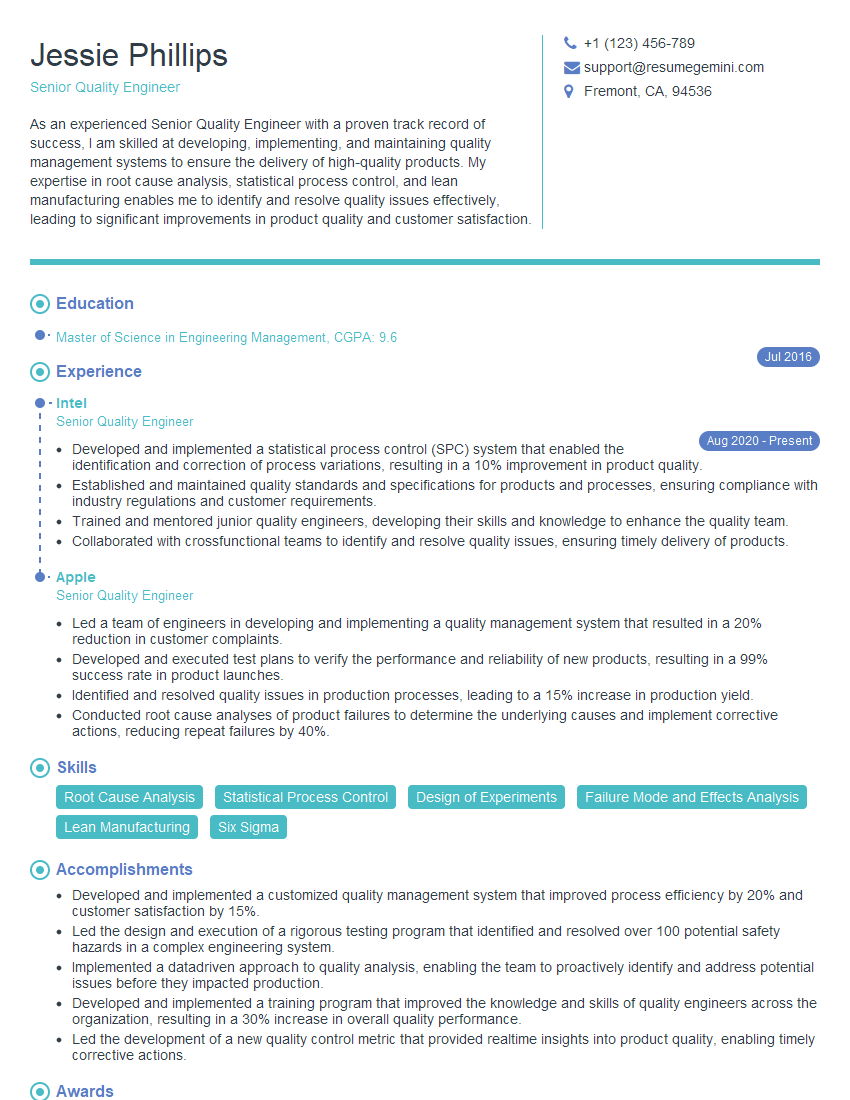
Senior Quality Engineer Resume Sample
Explore more articles
Users Rating of Our Blogs
Share Your Experience
We value your feedback! Please rate our content and share your thoughts (optional).
What Readers Say About Our Blog
To the interviewgemini.com Webmaster.
Very helpful and content specific questions to help prepare me for my interview!
Thank you
To the interviewgemini.com Webmaster.
This was kind of a unique content I found around the specialized skills. Very helpful questions and good detailed answers.
Very Helpful blog, thank you Interviewgemini team.