The right preparation can turn an interview into an opportunity to showcase your expertise. This guide to CPR/AED/First Aid interview questions is your ultimate resource, providing key insights and tips to help you ace your responses and stand out as a top candidate.
Questions Asked in CPR/AED/First Aid Interview
Q 1. Describe the steps involved in adult CPR.
Adult CPR, a life-saving technique, involves a series of steps designed to restore circulation and breathing. It’s crucial to remember that early CPR significantly increases the chances of survival.
- Check for Responsiveness and Breathing: Gently shake the person and shout, “Are you okay?” Check for normal breathing for no more than 10 seconds. Absence of normal breathing or only gasping breaths signals the need for CPR.
- Call for Help: Immediately call emergency services (911 or your local emergency number). If you’re alone, perform 2 minutes of CPR before calling.
- Chest Compressions: Position yourself with your shoulders directly over the person’s chest. Place the heel of one hand in the center of their chest (between the nipples). Place your other hand on top, interlacing your fingers. Keep your arms straight and push hard and fast at a rate of 100-120 compressions per minute, allowing the chest to fully recoil between compressions. The depth of compression should be at least 2 inches for an adult.
- Rescue Breaths: After 30 chest compressions, give two rescue breaths. Tilt the head back and lift the chin (head-tilt-chin-lift). Pinch the nose shut and make a seal over the person’s mouth. Give two slow breaths, each lasting about 1 second, ensuring the chest rises with each breath.
- Continue CPR: Repeat cycles of 30 compressions and two breaths until help arrives or the person shows signs of life (breathing normally or moving).
Example: Imagine finding a colleague collapsed on the office floor. After checking for responsiveness and breathing, you immediately call 911, begin chest compressions, and deliver rescue breaths, continuing until paramedics arrive.
Q 2. Explain the difference between adult, child, and infant CPR.
The primary differences between adult, child, and infant CPR lie in the compression depth, rate, and the rescuer’s hand placement. The ratio of compressions to breaths remains 30:2 in all cases except for single-rescuer infant CPR where it may be 15:2 depending on guidelines.
- Adult CPR (8 years and older): Two hands are used for chest compressions, compressing at least 2 inches deep.
- Child CPR (1-8 years): One or two hands are used depending on the size of the child. Compressions should be about 2 inches deep.
- Infant CPR (less than 1 year): Two fingers are used for chest compressions, compressing about 1.5 inches deep.
Key Differences Summary: The technique adapts to the size and developmental stage of the victim, ensuring appropriate force and depth of compressions to effectively stimulate circulation.
Q 3. How do you check for responsiveness in an unconscious person?
Checking for responsiveness is the first crucial step in any emergency situation. It helps determine if immediate medical attention is needed. Gently shake the person and shout, “Are you okay?” Observe their response. If they don’t respond or only make abnormal sounds, they are unresponsive and require further assessment and potentially CPR.
Important Note: If the person is unresponsive, assume they are not breathing normally unless you clearly see regular, adequate breathing.
Q 4. What are the steps to use an AED?
Using an AED (Automated External Defibrillator) can be lifesaving in cases of sudden cardiac arrest. AEDs analyze the heart rhythm and deliver an electric shock (defibrillation) if needed to restore a normal heartbeat.
- Turn on the AED: Follow the voice prompts and visual instructions on the device.
- Attach the pads: Carefully attach the adhesive pads to the person’s bare chest, making sure to avoid placing them over pacemakers or implantable cardioverter-defibrillators (ICDs) if known. Consult the device’s instructions for specific pad placement if necessary.
- Analyze the heart rhythm: Allow the AED to analyze the heart rhythm. Do not touch the person during this time.
- Deliver a shock (if advised): The AED will advise whether a shock is needed. If it is, ensure no one is touching the person, and press the shock button as prompted.
- Immediately begin CPR: After the shock (or if no shock is advised), immediately resume CPR, starting with chest compressions. Continue CPR and follow the AED prompts for further analysis and shocks.
Important Note: AEDs are designed for ease of use, with clear voice instructions guiding you through each step. However, it’s essential to receive proper training to ensure safe and effective operation.
Q 5. What are the common causes of cardiac arrest?
Cardiac arrest, the sudden cessation of heart function, can stem from various causes. Common causes include:
- Coronary Artery Disease (CAD): The most frequent cause, involving narrowed arteries reducing blood flow to the heart.
- Heart Attack (Myocardial Infarction): Blockage of blood flow to a part of the heart muscle, potentially leading to cardiac arrest.
- Arrhythmias: Irregular heartbeats, such as ventricular fibrillation or ventricular tachycardia, can disrupt the heart’s pumping action.
- Cardiomyopathy: Weakening or thickening of the heart muscle.
- Congenital Heart Defects: Structural abnormalities present from birth.
- Drug Overdose: Certain drugs can depress heart function, leading to cardiac arrest.
- Electrolyte Imbalances: Disruptions in the levels of essential minerals (potassium, magnesium, calcium) can affect heart rhythm.
The specific cause varies depending on individual health factors and circumstances. Prompt recognition and immediate CPR and defibrillation are crucial to improving survival chances.
Q 6. How do you open an airway using the head-tilt-chin-lift maneuver?
The head-tilt-chin-lift maneuver is used to open the airway in an unconscious person who doesn’t have a suspected neck injury. This technique helps to align the airway to facilitate rescue breathing.
- Position yourself: Kneel beside the person.
- Head Tilt: Place one hand on their forehead and gently tilt their head back.
- Chin Lift: Place the fingertips of your other hand under their chin and lift their chin upward.
- Check for Airway Obstruction: Ensure the airway is open and clear of any obstructions.
This maneuver lifts the tongue away from the back of the throat, opening the airway. Caution: Do not use this technique if a neck injury is suspected.
Q 7. When would you use the jaw-thrust maneuver?
The jaw-thrust maneuver is a safer alternative to the head-tilt-chin-lift when a neck injury is suspected or confirmed. It opens the airway without moving the neck.
- Position yourself: Kneel beside the person.
- Jaw Thrust: Place your fingers under the angles of the person’s jaw, and gently lift the jaw forward.
- Maintain Neutral Neck Position: Keep the person’s neck and spine in a neutral position, avoiding any tilting or rotation.
- Check for Airway Obstruction: Make sure the airway is open and clear.
The jaw-thrust maneuver minimizes the risk of further spinal cord damage in cases of potential neck injury, making it a crucial skill for first responders.
Q 8. Explain the recovery position.
The recovery position, also known as the lateral recovery position, is a way to help an unconscious but breathing person maintain an open airway and prevent choking on vomit or other fluids. It’s a crucial first aid technique to stabilize the casualty until professional medical help arrives.
How to perform the recovery position:
- Check for responsiveness: Gently shake the person and shout their name. If they are unresponsive, proceed.
- Check for breathing: Look, listen, and feel for breathing for no more than 10 seconds. If they are not breathing, start CPR.
- Extend the leg: Straighten the casualty’s far leg.
- Position the arm: Bring the casualty’s nearest arm across their chest.
- Grasp the far leg and pull: Place your hand on the casualty’s far hip and knee, gently pulling their knee upward and across the body towards you.
- Roll onto their side: Use your hand to support their head and gently roll the casualty onto their side facing you. Their upper leg should remain extended at a right angle to support their body.
- Check the airway: Tilt the casualty’s head slightly back to ensure their airway remains open.
- Monitor: Continue to monitor their breathing and call for emergency medical services.
Important Note: The recovery position should only be used on an unconscious but breathing person. Never use it if there is any suspicion of spinal injury.
Q 9. What are the signs and symptoms of a heart attack?
A heart attack, also known as a myocardial infarction, happens when blood flow to a part of the heart is blocked. This blockage usually results from a blood clot forming in a coronary artery. The lack of oxygen causes damage to the heart muscle. Recognizing the signs and symptoms quickly is crucial for timely treatment, which can save a life.
- Chest pain or discomfort: This is the most common symptom, described as pressure, squeezing, fullness, or pain in the center of the chest. It can last for more than a few minutes or go away and come back.
- Discomfort in other areas: Pain can radiate to the jaw, neck, back, one or both arms, or shoulders.
- Shortness of breath: Difficulty breathing, often accompanied by feelings of suffocation.
- Other symptoms: Sweating, nausea, lightheadedness, or feeling faint.
- Women’s symptoms: Women may experience less classic symptoms, such as back pain, nausea, and extreme fatigue, making it vital to remain vigilant about atypical presentations.
Remember: If you suspect someone is having a heart attack, immediately call emergency services. Time is critical.
Q 10. What are the signs and symptoms of a stroke?
A stroke occurs when the blood supply to part of the brain is interrupted, damaging brain cells. This can be caused by a blood clot blocking a blood vessel (ischemic stroke) or by a blood vessel bursting (hemorrhagic stroke). Recognizing the signs of a stroke quickly is critical as rapid medical intervention can significantly reduce long-term disability.
Remember the FAST acronym:
- F – Face: Ask the person to smile. Does one side of their face droop?
- A – Arms: Ask the person to raise both arms. Does one arm drift downward?
- S – Speech: Ask the person to repeat a simple sentence. Is their speech slurred or strange?
- T – Time: If you observe any of these signs, call emergency services immediately. Time is brain—the faster treatment begins, the better the outcome.
Other possible stroke symptoms: Sudden numbness or weakness in the face, arm, or leg (especially on one side of the body); sudden confusion; trouble seeing in one or both eyes; trouble walking; dizziness; severe headache with no known cause.
Q 11. How do you treat a nosebleed?
Nosebleeds, or epistaxis, are common, usually resulting from minor trauma or dryness. However, severe or prolonged nosebleeds require immediate medical attention.
Treating a nosebleed:
- Sit upright and lean forward: Avoid tilting your head back, as this can cause blood to flow down the throat and potentially choke you.
- Pinch the nostrils: Gently pinch the soft part of your nose, just below the bridge, for at least 10 minutes. This applies pressure to help stop the bleeding.
- Apply cold compresses: Apply a cold compress to the bridge of your nose to help constrict blood vessels.
- Breathe through your mouth: Avoid breathing through your nose while pinching.
- Seek medical attention: If bleeding persists after 20 minutes or is excessively heavy, or if associated with head trauma, seek medical attention immediately.
Q 12. How do you treat a severe cut?
Severe cuts, or lacerations, require immediate attention to control bleeding and prevent infection. Depth and location will determine the severity of the injury. Always seek medical attention for deep wounds or wounds near joints, as stitches may be needed.
Treating a severe cut:
- Control bleeding: Apply direct pressure to the wound using a clean cloth. Elevate the injured limb if possible, above the heart.
- Clean the wound: Once bleeding is controlled, gently clean the wound with mild soap and water. Avoid using harsh chemicals or hydrogen peroxide.
- Cover the wound: Apply a sterile dressing to prevent infection. Secure with a bandage.
- Seek medical attention: If the cut is deep, bleeds heavily, or shows signs of infection (redness, swelling, pus), seek medical attention immediately.
Important Note: Do not attempt to clean a wound deeply, as this can cause further damage. Only clean the surface.
Q 13. How do you treat a burn?
Burns are tissue injuries caused by heat, chemicals, electricity, or radiation. The severity depends on the depth of the burn, the size of the burned area, and the location. First-degree burns are superficial, second-degree burns are deeper, and third-degree burns are full-thickness injuries requiring immediate medical attention.
Treating a burn:
- Cool the burn: Immediately run cool (not cold or icy) water over the burned area for 10-20 minutes. This helps to reduce pain and inflammation. Do not use ice.
- Remove clothing and jewelry: Remove any clothing or jewelry that may be restricting blood flow around the burn, unless it’s stuck to the skin.
- Cover the burn: Loosely cover the burn with a clean, sterile dressing to protect it from infection. Do not use fluffy materials that could adhere to the skin.
- Pain relief: Over-the-counter pain relievers, such as ibuprofen or acetaminophen, can help with pain relief.
- Seek medical attention: For second and third-degree burns (blistered or charred skin), or large surface area burns, seek immediate medical attention.
Q 14. How do you treat for shock?
Shock is a life-threatening condition where the body’s organs and tissues aren’t getting enough blood and oxygen. It’s a serious medical emergency that requires immediate action. Various causes can lead to shock, such as severe bleeding, infection, dehydration, or heart attack.
Treating for shock:
- Call for emergency medical help: This is the most crucial step.
- Lay the person down: Lay the person flat on their back and elevate their legs 12-18 inches. This helps to increase blood flow to the vital organs.
- Keep them warm: Cover the person with a blanket to prevent heat loss.
- Monitor their vital signs: Check their breathing, pulse, and level of consciousness.
- Control external bleeding: If there is external bleeding, apply direct pressure to the wound.
- Don’t give them anything to eat or drink: Avoid giving food or drink as it could complicate treatment.
- Reassure the person: Speak calmly and reassuringly to help reduce anxiety.
Important note: Shock is a serious condition. Even if the person appears to recover somewhat, they still need professional medical assessment and care.
Q 15. How do you handle choking in an adult, child, and infant?
Choking occurs when an object blocks the airway, preventing breathing. The approach differs based on the victim’s age due to variations in airway anatomy and size.
- Adult: Perform abdominal thrusts (Heimlich maneuver). Stand behind the victim, wrap your arms around their waist, and make a fist with one hand, placing it just above their navel. Grab your fist with your other hand and give quick, upward thrusts into their abdomen until the object is expelled or they lose consciousness.
- Child: For children (1-8 years), perform abdominal thrusts or back blows. Back blows are given by placing the child face down across your forearm, supporting their jaw, and giving five sharp blows between the shoulder blades. Then, turn the child face up and deliver five abdominal thrusts similar to the adult technique, but with less force.
- Infant: For infants (less than 1 year), combine back blows and chest thrusts. Hold the infant face down along your forearm, supporting the jaw and head, and deliver five back blows. Then, turn the infant face up and support their head and neck. Use two fingers to give five chest thrusts in the center of the chest, just below the nipple line.
Important Note: If the victim becomes unconscious, immediately begin CPR, checking the airway for the obstruction before each rescue breath. Call emergency services immediately.
Career Expert Tips:
- Ace those interviews! Prepare effectively by reviewing the Top 50 Most Common Interview Questions on ResumeGemini.
- Navigate your job search with confidence! Explore a wide range of Career Tips on ResumeGemini. Learn about common challenges and recommendations to overcome them.
- Craft the perfect resume! Master the Art of Resume Writing with ResumeGemini’s guide. Showcase your unique qualifications and achievements effectively.
- Don’t miss out on holiday savings! Build your dream resume with ResumeGemini’s ATS optimized templates.
Q 16. What are the limitations of CPR?
CPR, while life-saving, has limitations. It’s not always successful in restoring spontaneous circulation, and its effectiveness depends on several factors.
- Time Sensitivity: Brain damage begins to occur after a few minutes without oxygen. The longer CPR is delayed, the lower the chance of survival and neurological recovery.
- Underlying Condition: The underlying cause of cardiac arrest greatly influences the outcome. Some conditions are simply not reversible, even with prompt CPR.
- CPR Quality: The effectiveness of CPR depends heavily on the rescuer’s competence and the quality of chest compressions and rescue breaths. Improper technique can be detrimental.
- Post-Cardiac Arrest Care: Even with successful CPR, the victim needs continued advanced medical care to address the underlying cause of cardiac arrest and potential complications.
Think of CPR as buying time; it’s a bridge to definitive medical care, not a guaranteed cure.
Q 17. Explain the importance of early defibrillation.
Early defibrillation is crucial because it’s the most effective treatment for ventricular fibrillation (VF) and pulseless ventricular tachycardia (VT), the most common heart rhythms causing sudden cardiac arrest.
These rhythms cause the heart to quiver ineffectively, preventing blood flow to the brain and other organs. Early defibrillation, within the first few minutes of cardiac arrest, can restore a normal heart rhythm, dramatically increasing the chances of survival.
For every minute defibrillation is delayed, the chances of survival decrease by 7-10%. This highlights the critical importance of immediate access to an AED and knowing how to use it. Think of it as ‘shocking’ the heart back into a normal rhythm.
Q 18. What are the different types of bleeding and how are they treated?
Bleeding can be categorized into three main types: capillary, venous, and arterial.
- Capillary Bleeding: This is the least severe type, characterized by slow oozing of blood from small blood vessels. It typically clots on its own and can be treated with direct pressure and a clean dressing.
- Venous Bleeding: Blood flows steadily from a vein, often appearing dark red. Control is usually achieved through direct pressure, elevation of the injured limb, and a pressure dressing.
- Arterial Bleeding: This is the most serious type, involving spurting blood from an artery, usually bright red. It requires immediate medical attention and rapid control through direct pressure on the pressure point above the injury, or by applying a tourniquet as a last resort.
For all types of bleeding, maintaining a clean environment, using sterile dressings, and seeking professional medical care are crucial.
Q 19. Describe the chain of survival.
The chain of survival is a sequence of actions that must be performed promptly and efficiently to increase the chances of survival after a cardiac arrest. These steps are:
- Early Recognition and Activation of the Emergency Response System: Immediate recognition of cardiac arrest and calling emergency medical services.
- Early Cardiopulmonary Resuscitation (CPR): Prompt and effective chest compressions and rescue breaths to maintain blood flow and oxygenation.
- Early Defibrillation: Rapid defibrillation using an AED to restore a normal heart rhythm.
- Early Advanced Life Support (ALS): Advanced medical care provided by paramedics and emergency medical professionals.
Each link in the chain is essential, and a weakness in one link can significantly impact the overall outcome.
Q 20. What is the role of bystanders in an emergency situation?
Bystanders play a crucial role in emergency situations. Their actions in the first few minutes can be life-saving.
- Recognize the Emergency: Bystanders must recognize signs of a medical emergency like unconsciousness, difficulty breathing, or severe bleeding.
- Activate EMS: Calling emergency services is critical. Accurate information about the location and the victim’s condition is vital.
- Initiate CPR and/or First Aid: If trained, bystanders should perform CPR or appropriate first aid until professional help arrives.
- Provide Information: Bystanders can offer crucial information to emergency responders about the event leading up to the emergency, potential allergies, or medical history.
- Maintain Scene Safety: Bystanders should help secure the scene, preventing further injury or danger.
Even simple actions, like calling for help, can make a significant difference.
Q 21. What are the safety precautions when performing CPR/AED?
Safety is paramount when performing CPR/AED. Precautions should be taken to protect both the rescuer and the victim.
- Scene Safety: Assess the scene for any immediate dangers before approaching the victim. If the scene is unsafe, do not approach until it’s secured.
- Personal Protective Equipment (PPE): Use appropriate PPE, such as gloves, to protect yourself from bodily fluids.
- Proper Technique: Correct CPR technique is essential to avoid causing further injury to the victim. Hands-only CPR is preferred for untrained rescuers.
- AED Safety: Follow instructions on the AED carefully. Ensure the area is dry, and avoid touching the victim while the AED is analyzing the heart rhythm or delivering a shock.
- Body Mechanics: Use proper body mechanics during CPR to avoid injuring yourself. Avoid twisting or bending awkwardly.
Remember, safety is the foundation upon which effective CPR and AED use are built.
Q 22. How do you assess a scene before approaching a casualty?
Scene assessment is the crucial first step in any emergency response. It’s all about ensuring your safety and the safety of the casualty before you even approach. Think of it as a quick risk assessment.
Is the scene safe? Look for hazards like traffic, downed power lines, unstable structures, or aggressive bystanders. If it’s unsafe, don’t approach until the hazard is mitigated. Call emergency services immediately and wait for professional assistance.
How many casualties are there? One casualty is manageable, but multiple casualties require a more organized approach and potentially additional help.
What happened? Try to quickly gather information from witnesses or the casualty if possible, but prioritize safety over detailed questioning. Understanding the event helps determine the potential injuries.
What are the immediate dangers? Look for obvious signs of bleeding, airway obstruction, or other life-threatening conditions.
For example, if you discover a car accident, you would first ensure the scene is safe by turning on your hazard lights, assessing traffic, and if possible, directing traffic away from the area before approaching. You wouldn’t rush in blindly.
Q 23. What are the legal implications of providing first aid?
The legal implications of providing first aid are complex and vary by jurisdiction. Generally, Good Samaritan laws protect individuals who provide reasonable and appropriate first aid in good faith without expecting compensation. However, this protection is not absolute.
Negligence: If your actions are deemed negligent, meaning they fall below the standard of care expected of a reasonably prudent person in your situation, you could face legal consequences. This means you acted recklessly or without proper training. For instance, attempting a procedure you are not qualified to perform could be considered negligent.
Gross Negligence: This is a much more serious form of negligence, indicating intentional or reckless disregard for the safety of others. This could involve actions far outside the scope of reasonable first aid.
Abandonment: Once you start providing care, you generally have a responsibility to continue until someone with equal or better training takes over. Abandoning a casualty could lead to legal issues.
It’s important to act within the limits of your training and to not exceed your skill level. Accurate record keeping, if possible, and concisely explaining your actions to emergency medical services can help protect you legally.
Q 24. How do you handle a situation where you are unsure of how to proceed?
When unsure, prioritize the ABCs (Airway, Breathing, Circulation) and call emergency services immediately. My training emphasizes the importance of seeking help when needed; it’s better to get expert assistance than to risk making a situation worse through an incorrect intervention.
Contact emergency medical services: They are equipped to handle complex situations and will guide you over the phone.
Provide basic life support: Focus on what you *do* know— maintain an open airway, check for breathing, and if necessary, begin chest compressions. Avoid anything you are uncertain about.
Monitor the casualty: Observe vital signs and note any changes in condition. Relay this information to emergency medical services.
For instance, if faced with a serious head injury where I’m unsure about spinal stabilization techniques, I’d prioritize airway management and call for paramedics, ensuring I didn’t move the casualty unnecessarily.
Q 25. How often should CPR/AED certification be renewed?
CPR/AED certification renewal frequency depends on the certifying organization, but it’s generally every 1-2 years. Staying up-to-date is crucial because techniques and guidelines evolve. Regular renewal ensures your skills remain current and effective, and that you are aware of any changes to best practices.
Failing to renew can lead to skill degradation and potentially hinder your ability to provide effective life-saving care. Professional certification indicates a commitment to providing the best possible assistance in an emergency.
Q 26. Describe your experience using an AED.
I’ve used an AED several times during my career as a [mention your role/profession, e.g., nurse, paramedic, etc.]. Each time, I followed the AED’s clear voice prompts, which significantly reduces the margin of error. The device is intuitive to operate. The steps usually include:
- Turning the AED on.
- Attaching the pads to the casualty’s chest.
- Analyzing the heart rhythm.
- Delivering a shock if advised by the device.
- Immediately starting CPR after the shock (if advised).
The AED significantly increases the chances of survival in cases of sudden cardiac arrest and makes the process more streamlined and less stressful. The device’s clear instructions and visual cues guide users through the process, reducing the burden on the rescuer.
Q 27. Describe a time you had to perform CPR/First Aid. What were the challenges?
During my time as a [mention your role/profession], I was involved in a situation where an elderly gentleman collapsed in a supermarket. He was unresponsive, not breathing, and had no pulse. Immediately, I initiated CPR, and thankfully, another bystander quickly fetched an AED. The challenges were significant:
Bystander stress: The situation was highly emotionally charged, with panicked onlookers. Maintaining composure and efficiently managing the situation was challenging.
Time pressure: Every second counts in cardiac arrest. The urgency to act swiftly and effectively while coordinating with other bystanders created pressure.
Physical exertion: Performing CPR is physically demanding, particularly for extended periods.
Despite the challenges, we were able to successfully resuscitate him until paramedics arrived. The experience highlighted the importance of teamwork, quick thinking, and proper training. The positive outcome reinforced my dedication to continuing my professional development.
Q 28. Explain your understanding of Good Samaritan Laws.
Good Samaritan laws are designed to protect individuals from liability when they provide emergency first aid to injured or ill persons. They’re based on the principle that people should feel comfortable assisting others in need without fear of legal repercussions. These laws vary from state to state and country to country, but generally offer protection as long as several criteria are met.
Good faith: The aid must be provided without expectation of compensation.
Reasonable care: Actions must be performed according to the level of training and skills possessed; you can’t attempt procedures beyond your capabilities.
No gross negligence: The actions must not be grossly negligent or reckless.
No existing relationship: Generally, the laws don’t apply if there’s an existing professional relationship between the rescuer and the casualty.
It’s important to remember that Good Samaritan laws are not a blanket guarantee against all liability, but they aim to encourage bystanders to provide assistance when someone needs it.
Key Topics to Learn for Your CPR/AED/First Aid Interview
Acing your interview requires a thorough understanding of both the theory and practical application of CPR, AED, and First Aid. Focus your preparation on these key areas:
- CPR: Understanding the steps of chest compressions and rescue breaths for adults, children, and infants; recognizing signs of cardiac arrest; handling different scenarios (e.g., unwitnessed vs. witnessed arrest).
- AED Use: Proper setup and operation of an AED; understanding the device’s prompts and troubleshooting minor issues; knowing when and how to use AED pads effectively.
- First Aid: Managing common injuries like bleeding, burns, fractures, and choking; understanding the importance of scene safety and calling emergency services; knowing how to assess a patient’s condition and provide appropriate care.
- Legal and Ethical Considerations: Understanding the Good Samaritan Laws; knowing the limits of your skills and when to seek advanced medical assistance; maintaining patient confidentiality and professional boundaries.
- Scenario-Based Problem Solving: Practice applying your knowledge to realistic scenarios. Consider how you would respond to different situations, what challenges you might encounter, and how you would overcome them. This demonstrates your critical thinking and problem-solving skills.
- Teamwork and Communication: Effective communication with bystanders, emergency medical services, and other first responders is crucial. Be prepared to discuss your approach to teamwork in emergency situations.
Next Steps: Level Up Your Career
Mastering CPR/AED/First Aid demonstrates a commitment to saving lives and showcases valuable skills like critical thinking, quick decision-making, and teamwork – highly sought-after qualities in many professions. To maximize your job prospects, invest time in crafting a strong, ATS-friendly resume that highlights these skills effectively.
ResumeGemini is a trusted resource to help you build a professional resume that gets noticed. Leverage their tools and resources to create a compelling document that showcases your abilities. They provide examples of resumes tailored to CPR/AED/First Aid certifications, giving you a head start in the application process. Take the next step and build the resume that will land you your dream job!
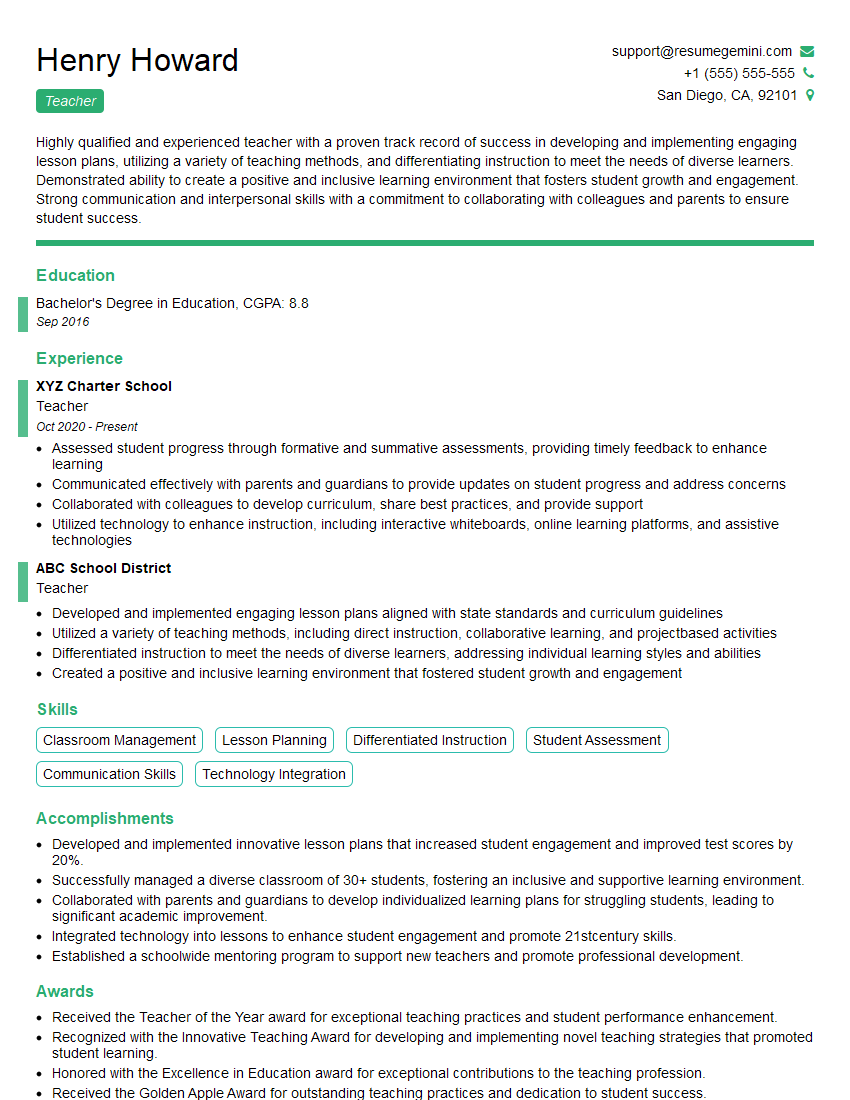
Teacher Resume Sample
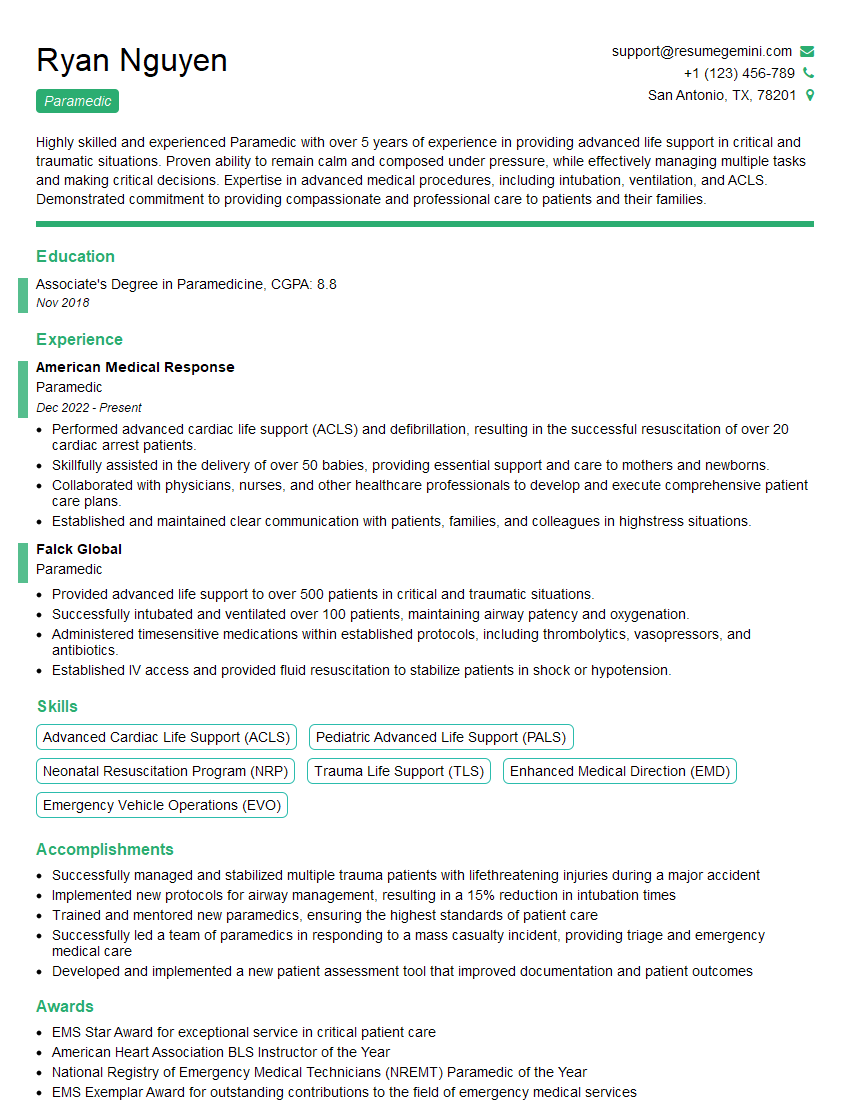
Paramedic Resume Sample
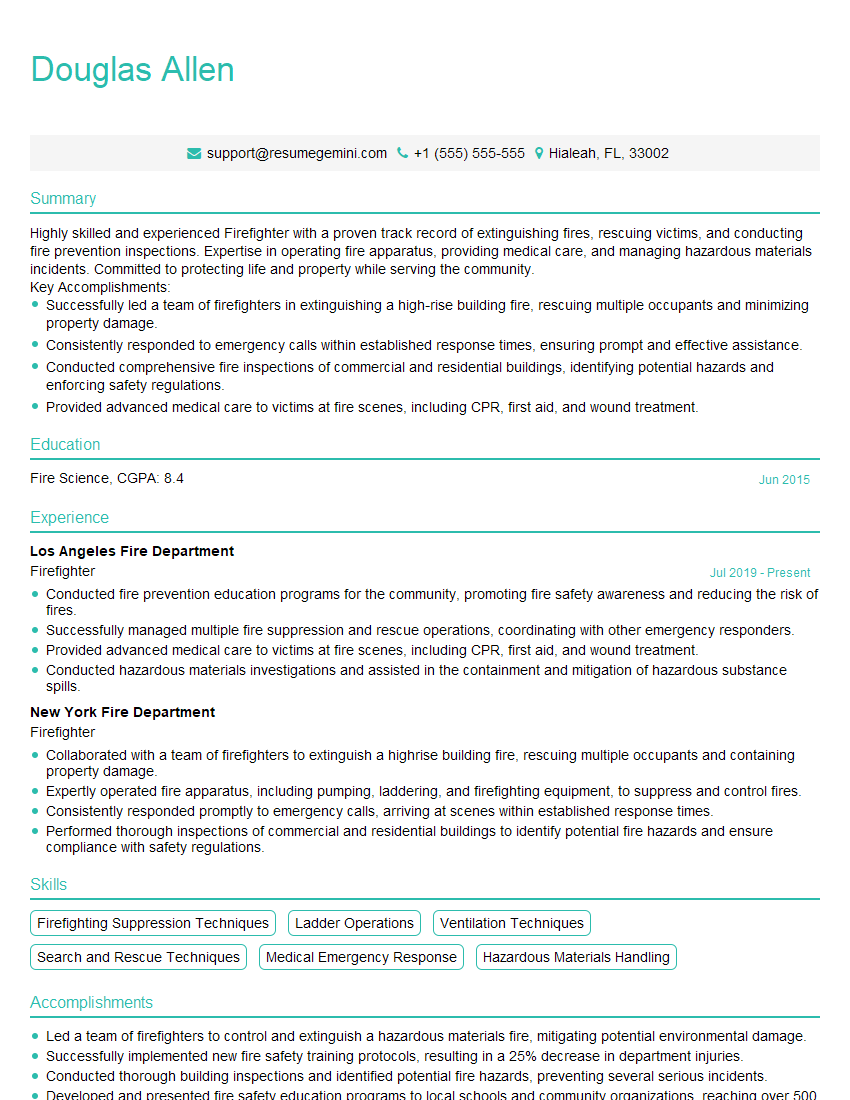
Firefighter Resume Sample
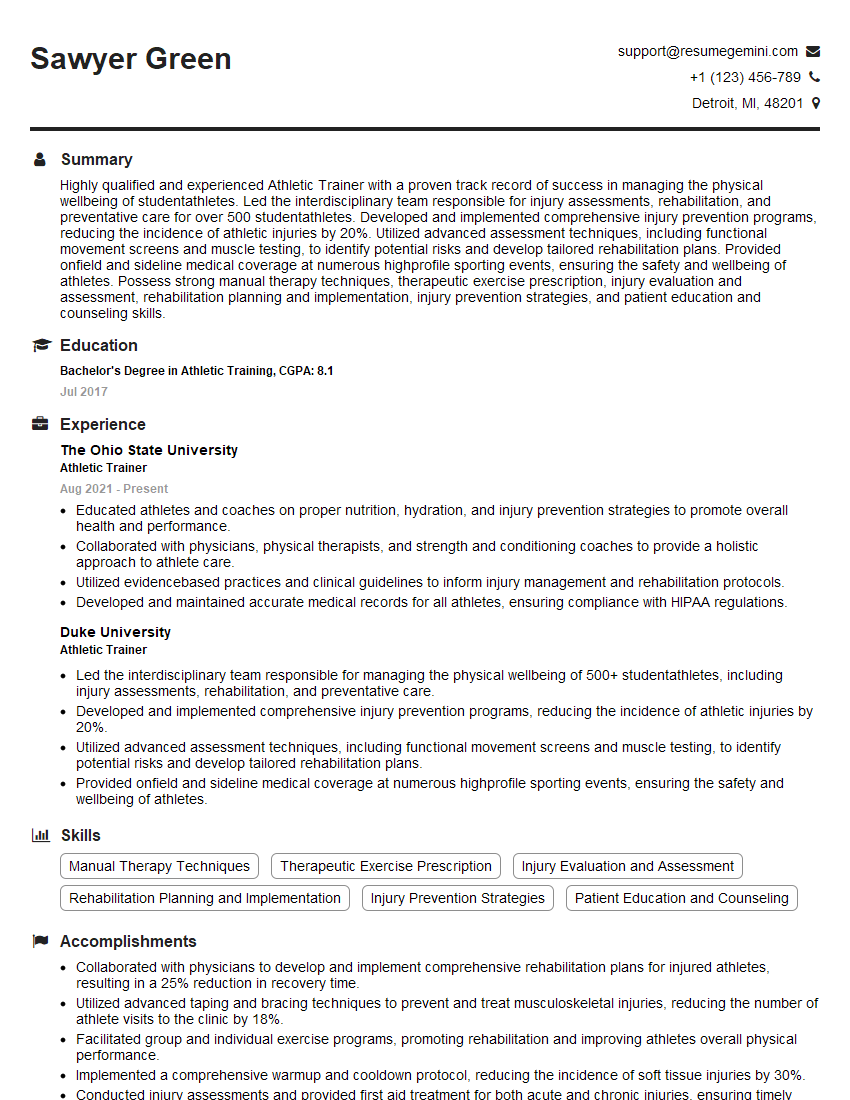
Athletic Trainer Resume Sample
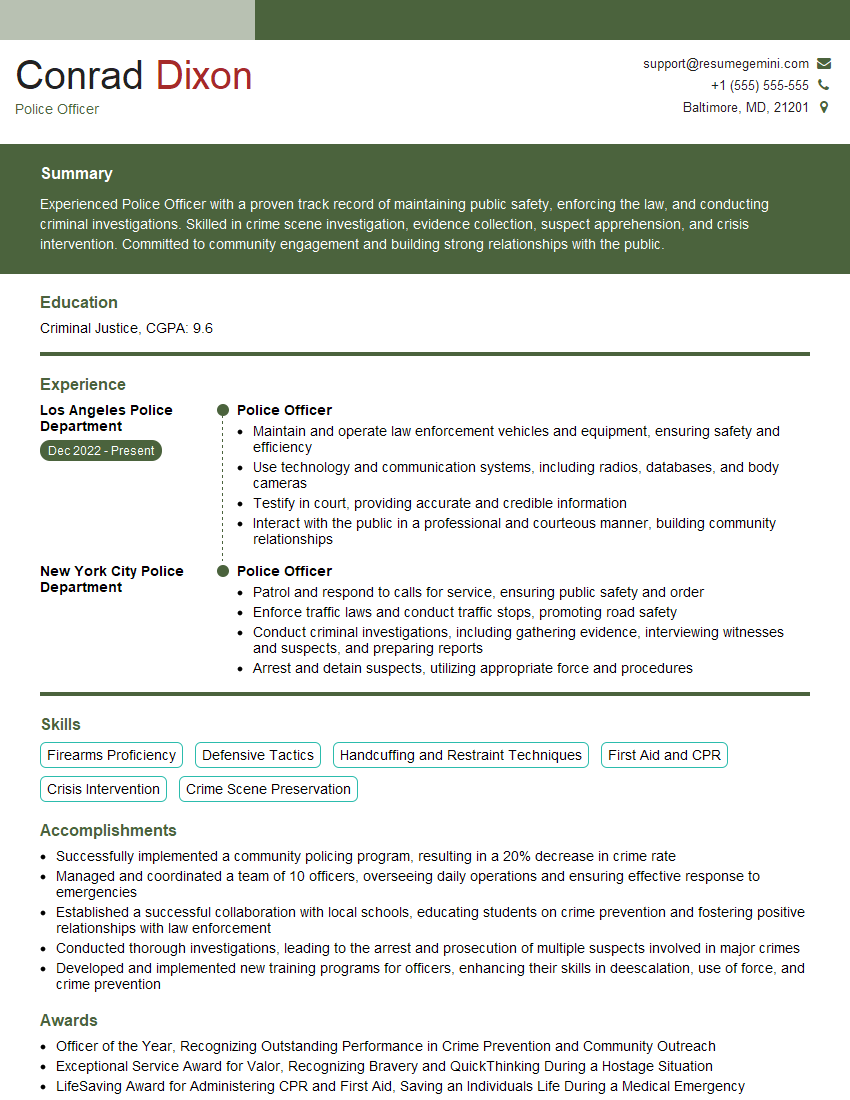
Police Officer Resume Sample
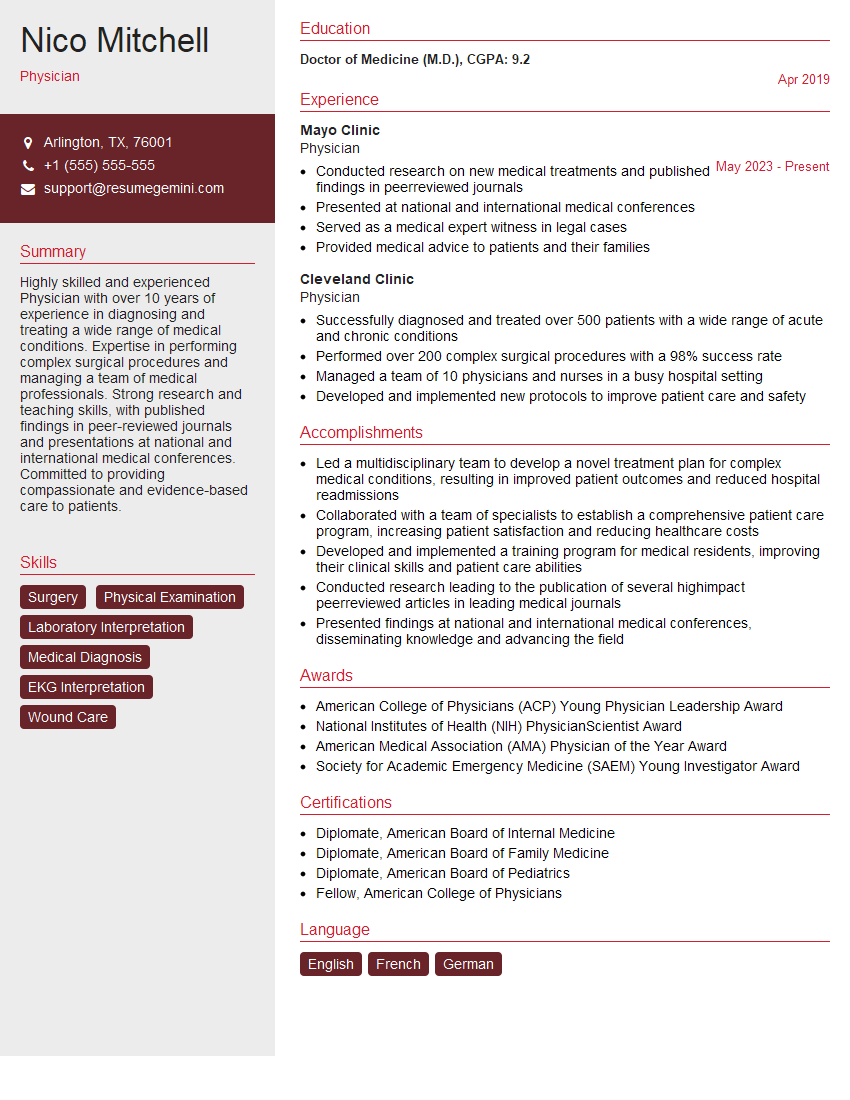
Physician Resume Sample
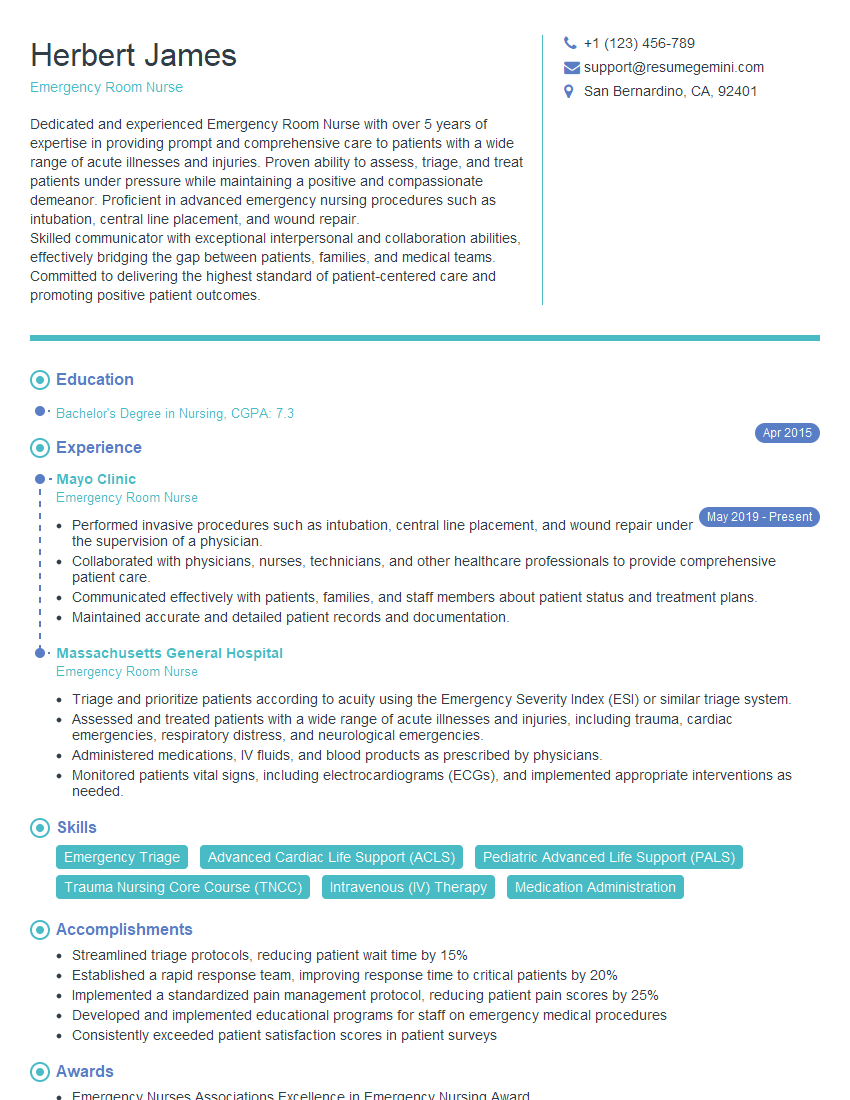
Emergency Room Nurse Resume Sample
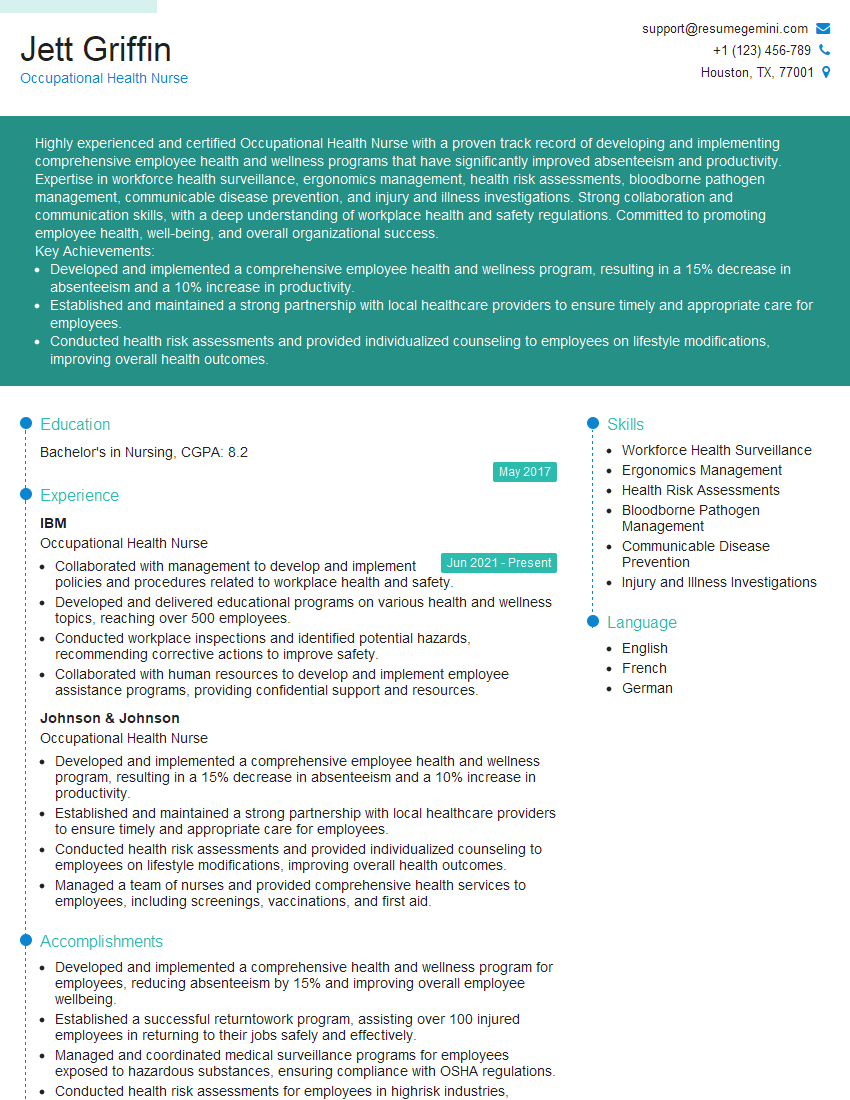
Occupational Health Nurse Resume Sample
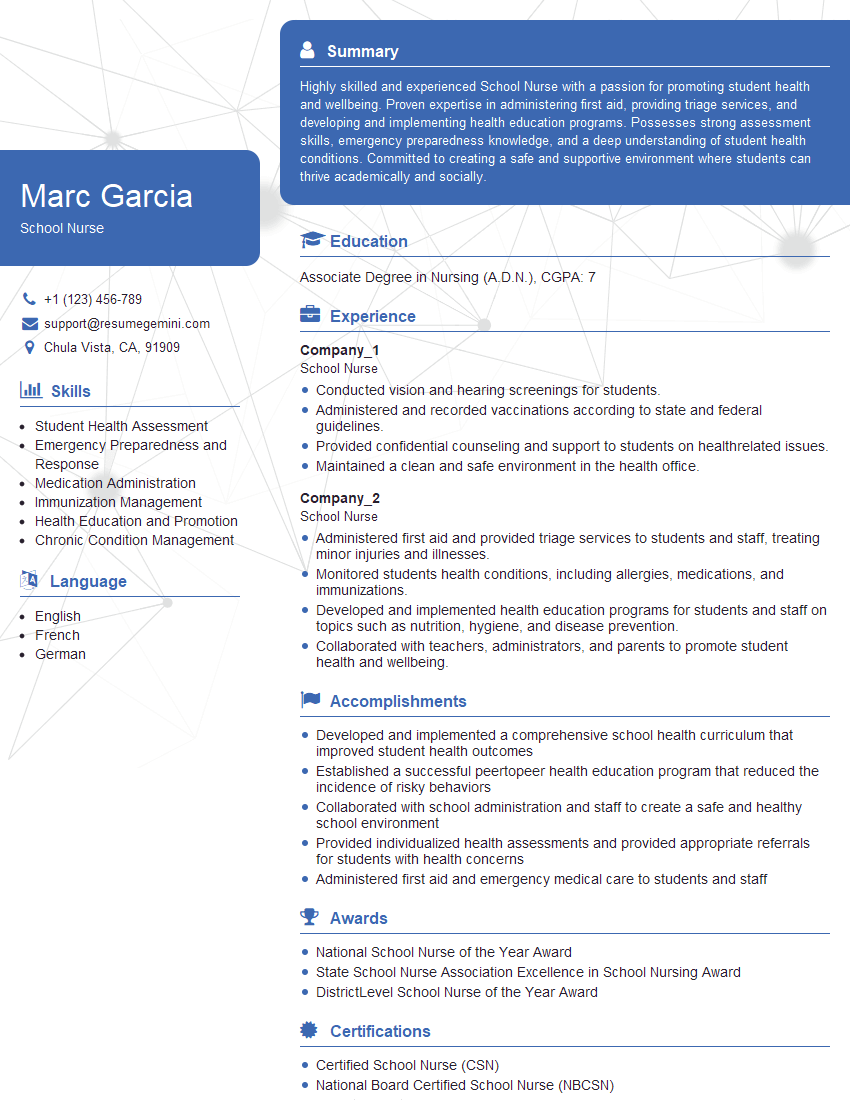
School Nurse Resume Sample
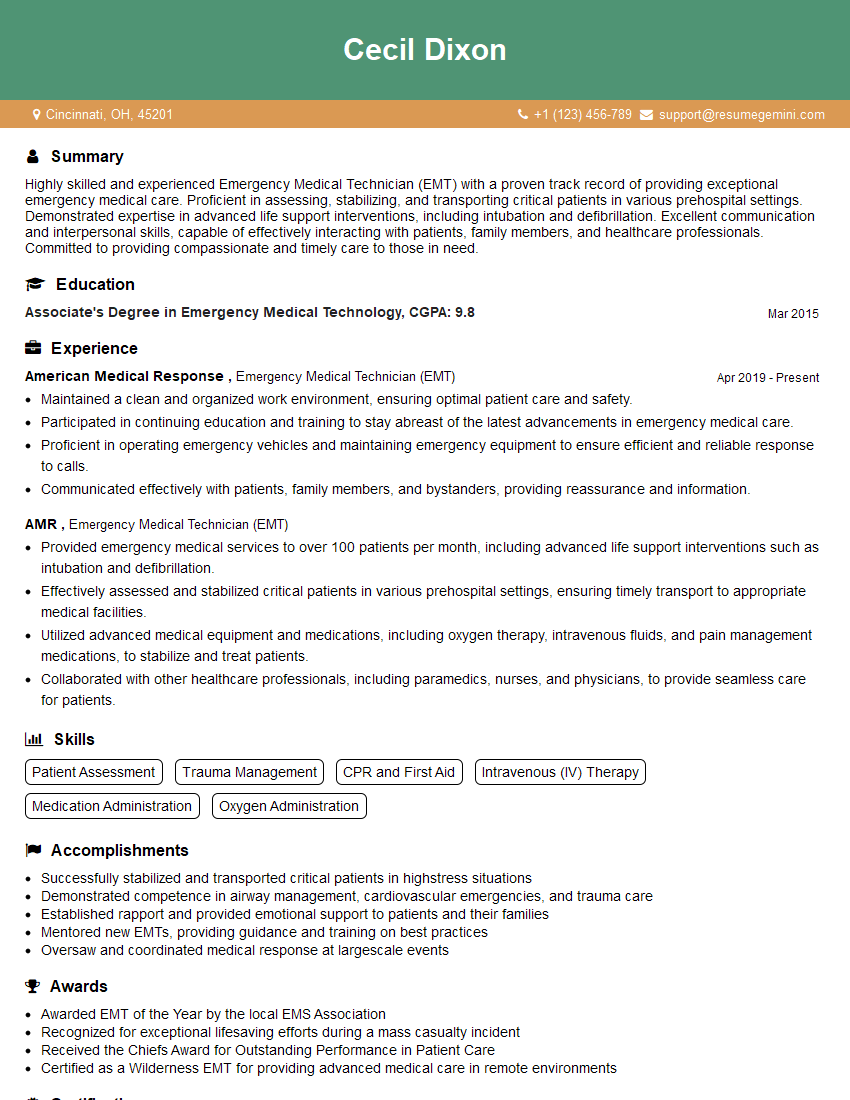
Emergency Medical Technician (EMT) Resume Sample
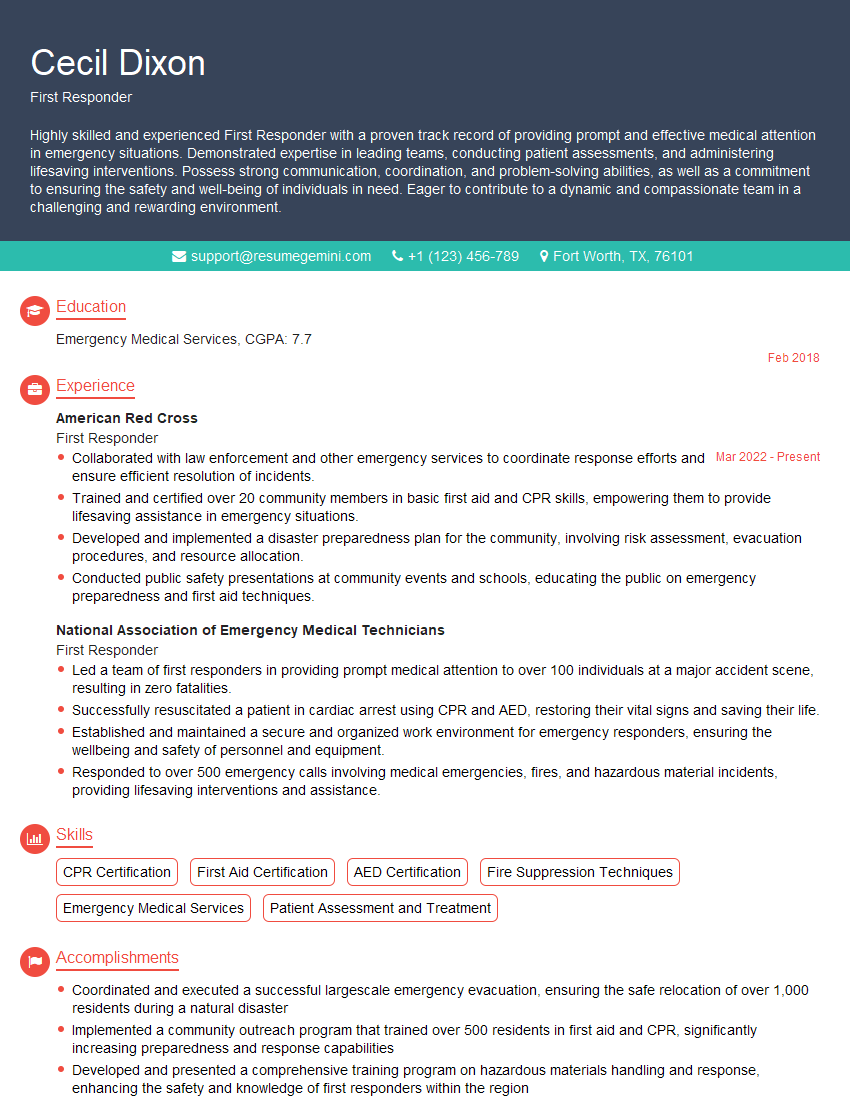
First Responder Resume Sample
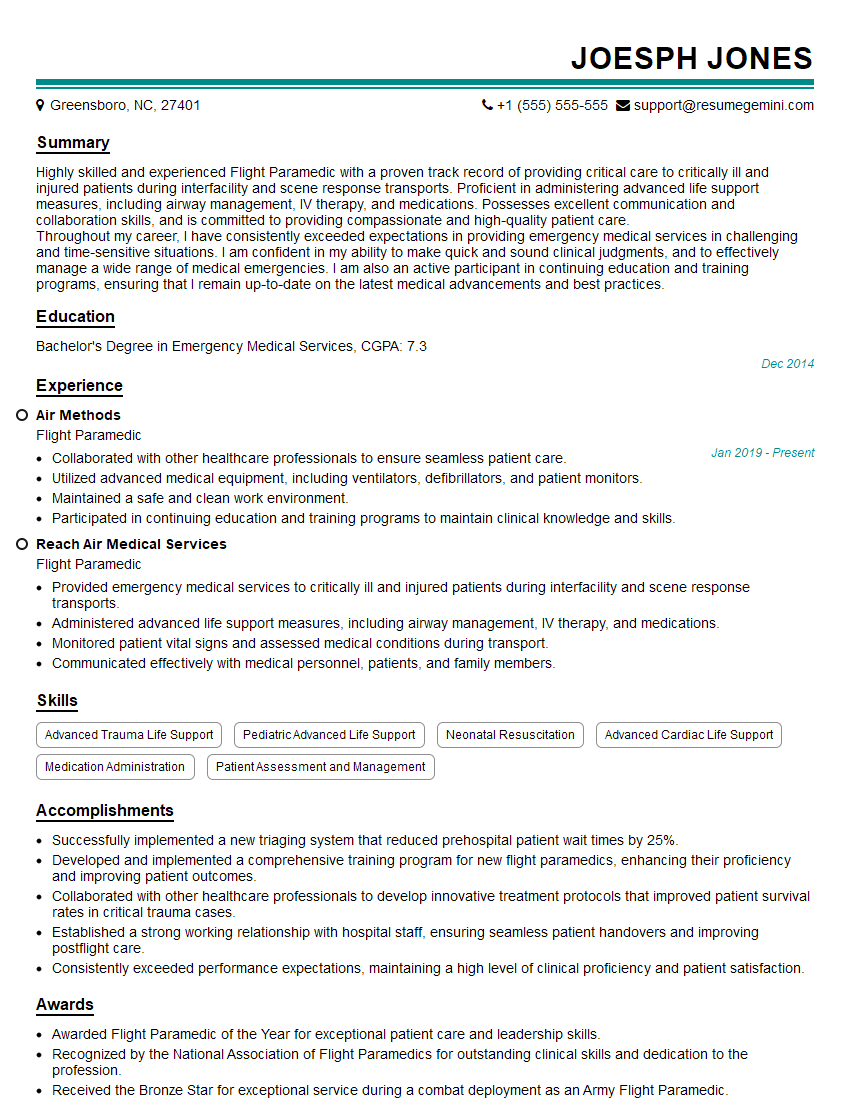
Flight Paramedic Resume Sample
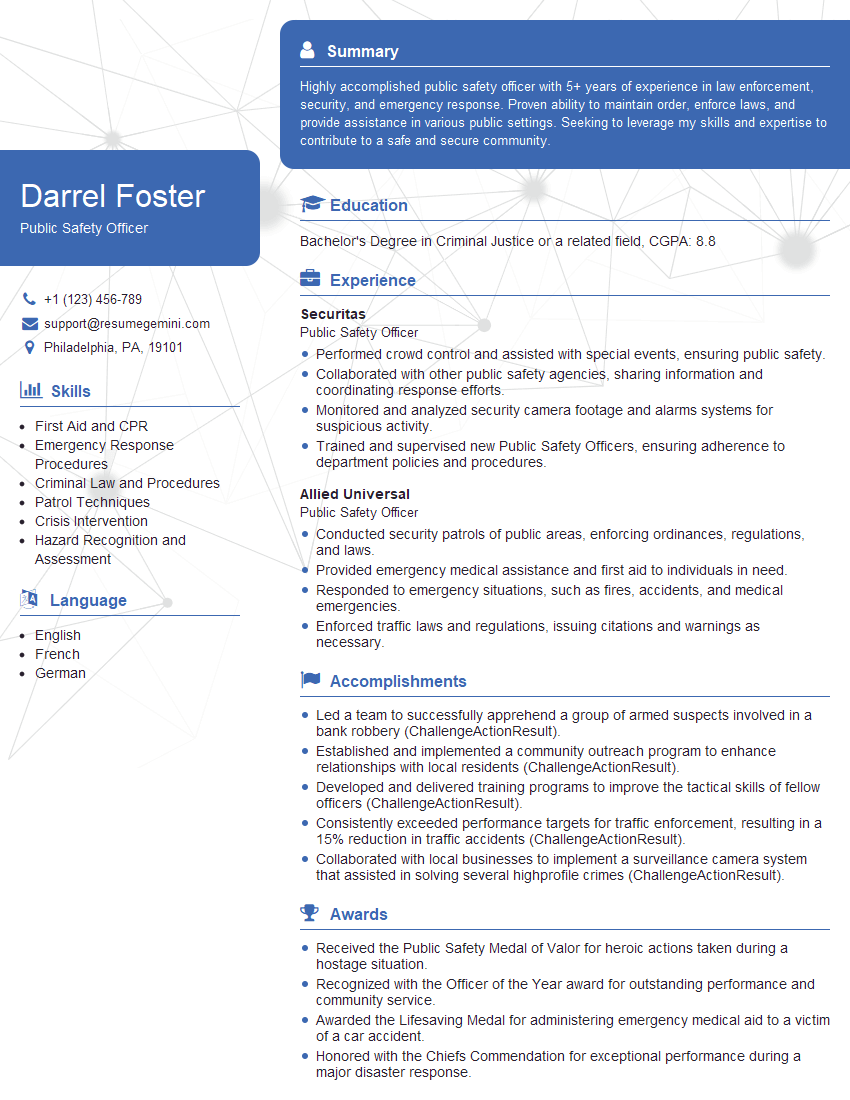
Public Safety Officer Resume Sample
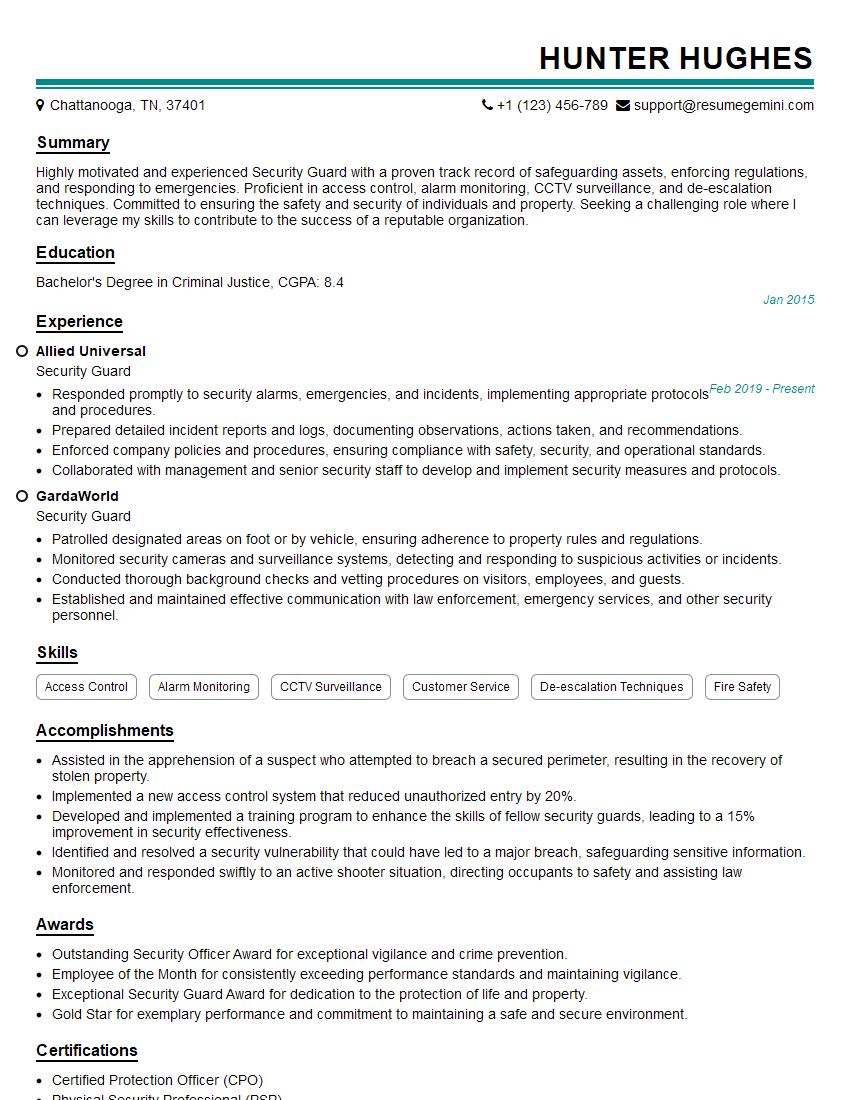
Security Guard Resume Sample
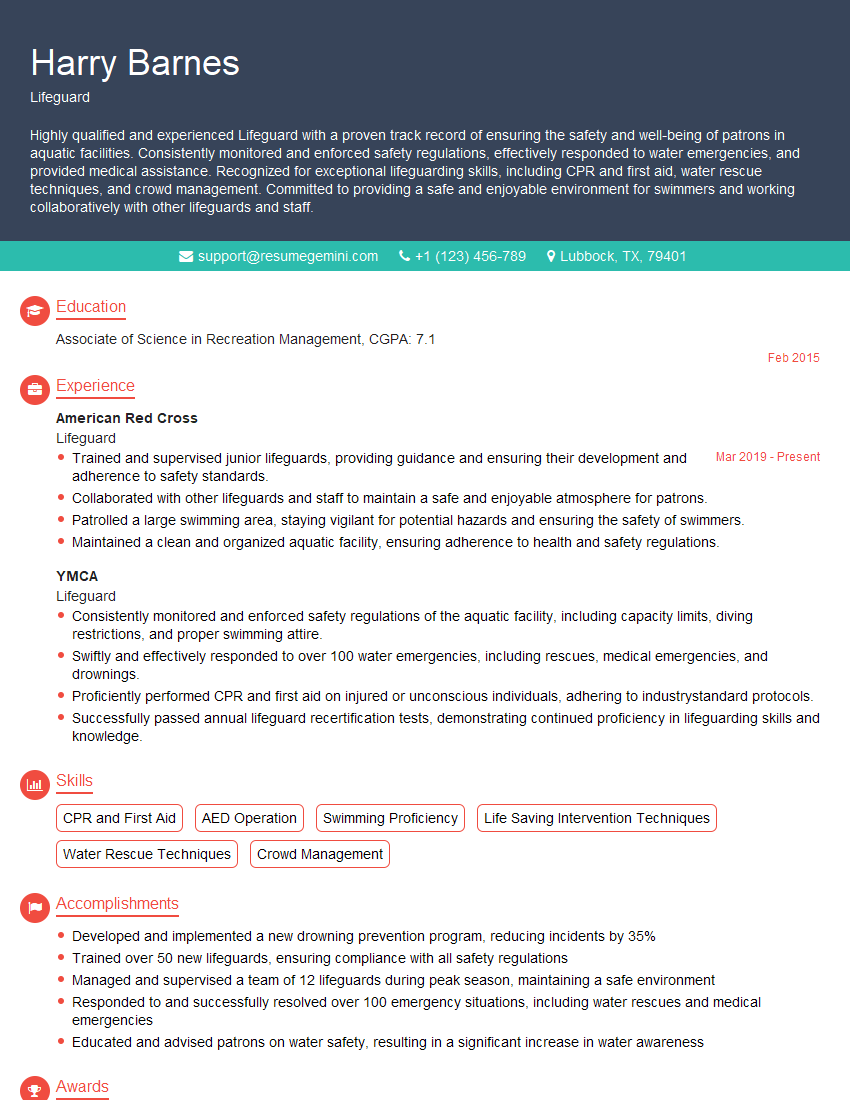
Lifeguard Resume Sample
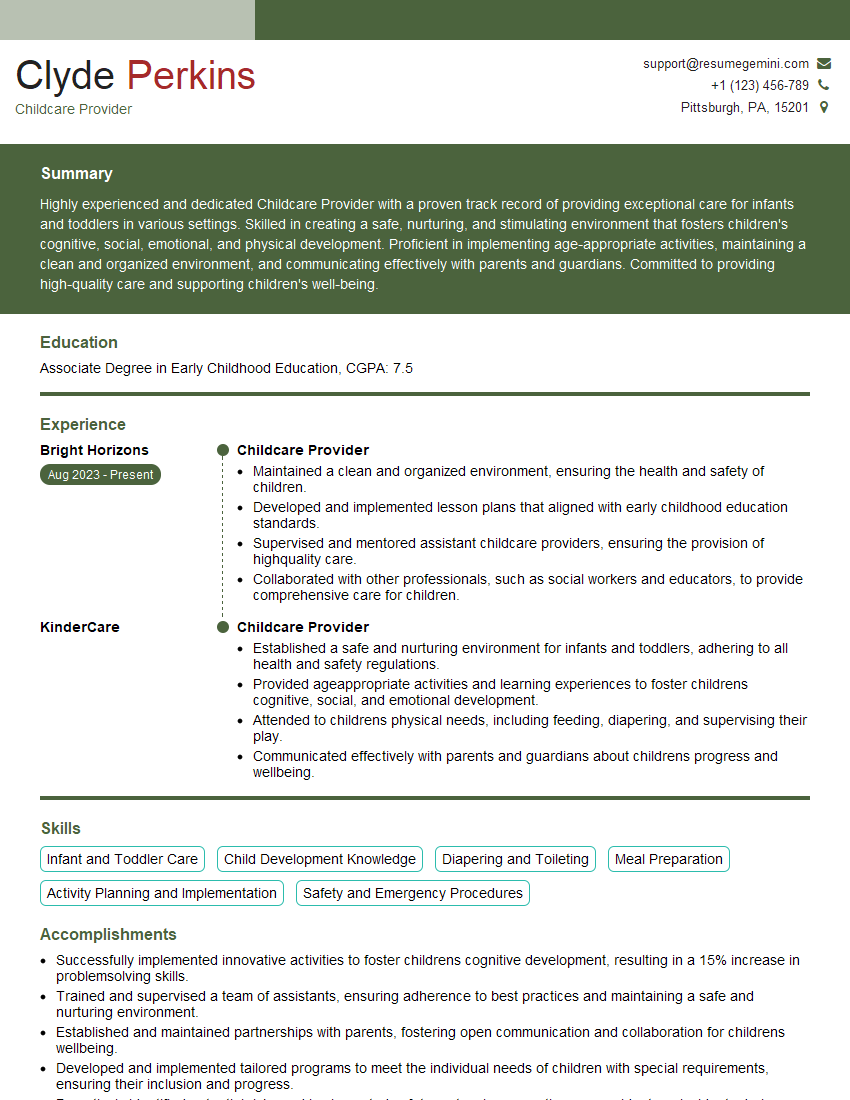
Childcare Provider Resume Sample
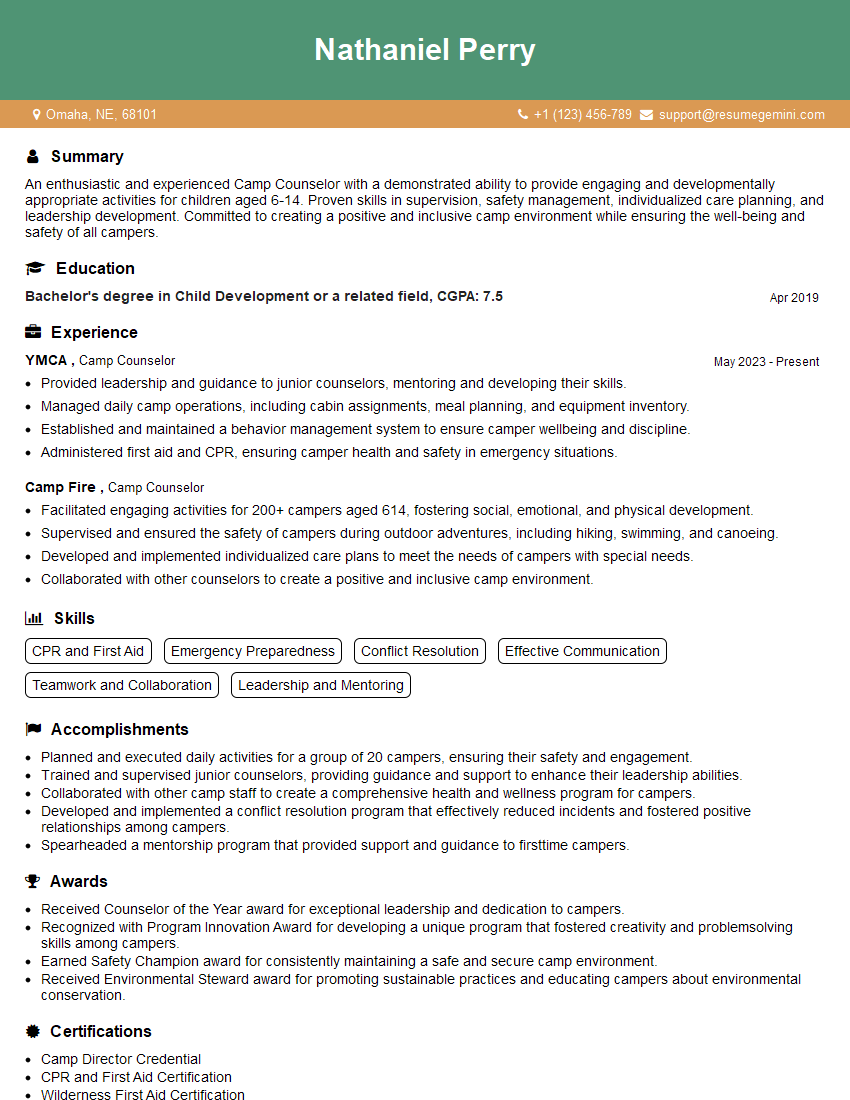
Camp Counselor Resume Sample
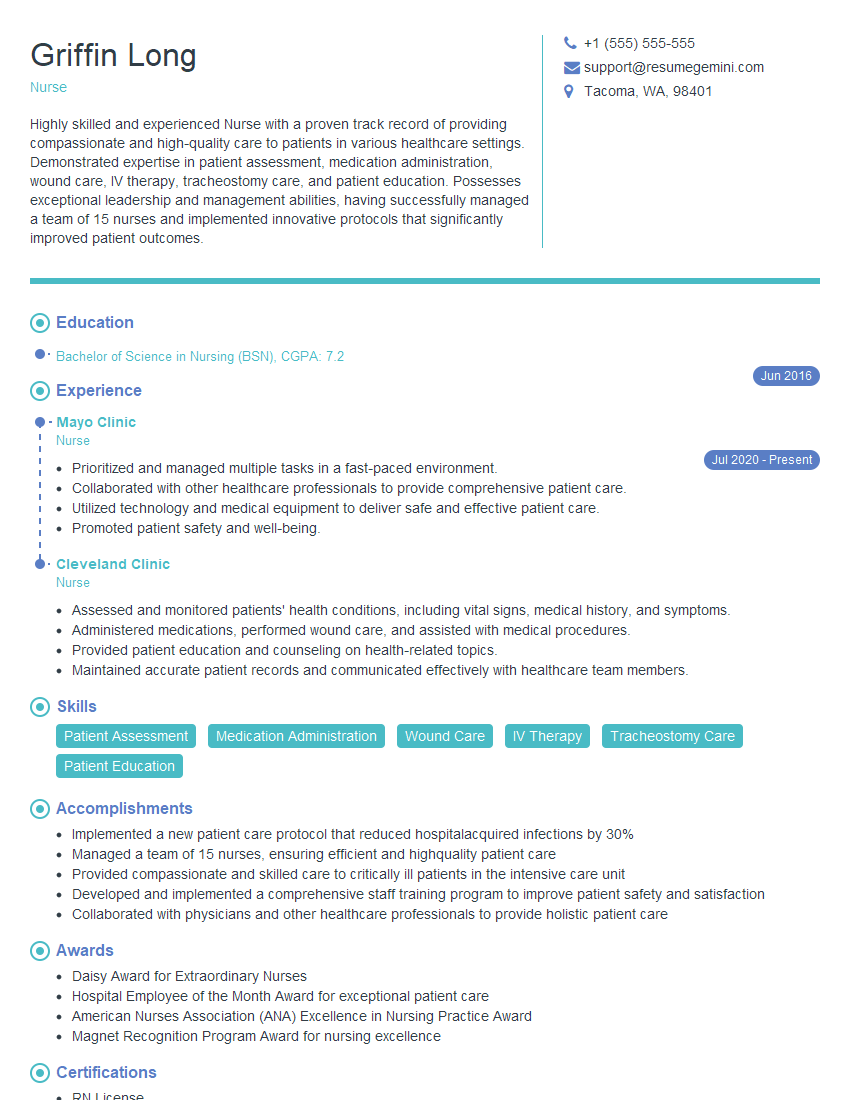
Nurse Resume Sample
Explore more articles
Users Rating of Our Blogs
Share Your Experience
We value your feedback! Please rate our content and share your thoughts (optional).
What Readers Say About Our Blog
To the interviewgemini.com Webmaster.
Very helpful and content specific questions to help prepare me for my interview!
Thank you
To the interviewgemini.com Webmaster.
This was kind of a unique content I found around the specialized skills. Very helpful questions and good detailed answers.
Very Helpful blog, thank you Interviewgemini team.