Are you ready to stand out in your next interview? Understanding and preparing for Crisis Support interview questions is a game-changer. In this blog, we’ve compiled key questions and expert advice to help you showcase your skills with confidence and precision. Let’s get started on your journey to acing the interview.
Questions Asked in Crisis Support Interview
Q 1. Describe your experience de-escalating a crisis situation.
De-escalation involves calming a volatile situation and bringing it to a manageable level. It’s about reducing tension and creating a space for productive communication, not about winning an argument or forcing compliance. My approach focuses on building rapport, active listening, and employing validation techniques.
For instance, I once worked with an individual experiencing an acute anxiety attack triggered by a family conflict. They were shouting, pacing, and exhibiting signs of distress. Instead of confronting them, I used a calm, reassuring tone, acknowledging their feelings (“I can see you’re incredibly upset right now, and that’s understandable given the situation”). I then offered them a safe space to sit down, provided water, and allowed them to express their emotions without interruption. By validating their feelings and patiently listening, I helped them regain control and find calmer pathways for expressing their needs.
Another critical element is setting clear and firm boundaries while maintaining respect. This delicate balance ensures the individual feels heard and understood without enabling potentially harmful behaviors. A structured approach, involving a calm and empathetic tone alongside clear expectations, often allows the person to regulate their emotions and engage in constructive dialogue.
Q 2. What techniques do you use to assess risk in a crisis?
Risk assessment in crisis situations is a crucial step to ensure the safety of the individual and those around them. It involves a comprehensive evaluation of various factors, considering both immediate and potential future risks. My assessment uses a multi-faceted approach.
Firstly, I assess the individual’s immediate behavior: Are they exhibiting self-harm or aggressive behaviors? What is their level of agitation? Are they experiencing hallucinations or delusions? Secondly, I explore their history: Do they have a history of violence, substance abuse, or mental health conditions? Thirdly, I assess environmental factors: Is there access to weapons or harmful substances? Are there other individuals present who might be at risk?
This involves actively listening, using open-ended questions, and observing body language and verbal cues. It also relies on clinical judgment developed through years of experience. The outcome informs the appropriate intervention, ranging from providing support and resources to initiating emergency services if necessary.
Q 3. How do you maintain your own emotional well-being while working in crisis support?
Maintaining emotional well-being in crisis support is paramount; burnout is a very real threat. It requires a proactive and multi-pronged strategy. I prioritize self-care by consistently engaging in activities that promote mental and physical health.
This includes regular exercise, mindfulness practices like meditation, and sufficient sleep. I also make sure to maintain a strong support network of friends, family, and colleagues who understand the challenges of this work. Regular supervision and peer support provide vital opportunities to debrief, process challenging cases, and prevent emotional exhaustion. Finally, establishing firm boundaries between work and personal life, as well as utilizing available resources such as Employee Assistance Programs (EAPs), are essential for sustaining long-term well-being.
Q 4. Explain your understanding of trauma-informed care.
Trauma-informed care recognizes the profound impact that trauma can have on an individual’s thoughts, feelings, and behaviors. It shifts the focus from a deficit-based model to one that recognizes the individual’s resilience and strengths. It emphasizes understanding the person’s experiences within the context of their trauma history.
Key principles include safety, trustworthiness, choice, collaboration, and empowerment. In practice, this means creating a safe and supportive environment, providing choices whenever possible, and collaborating with the individual to develop a plan that respects their autonomy and preferences. Avoiding retraumatization, such as by using sensitive language and creating a non-judgmental environment, is key. For instance, when working with someone who’s experienced childhood abuse, I would avoid asking intrusive questions about the specific details of their trauma, focusing instead on their current needs and creating a safe space for them to express themselves at their own pace.
Q 5. Describe a time you had to work with a client who was resistant to help.
I once worked with a client struggling with substance abuse who was initially resistant to engaging in therapy or accepting help. They were defensive, cynical, and expressed little trust in professionals. My approach was based on building rapport gradually without pressuring them.
I started by acknowledging their skepticism and validating their feelings about the difficulties of change (“It’s understandable to feel hesitant; recovery is challenging”). I focused on active listening, showing genuine interest in their life experiences, and emphasizing their agency and self-determination. I didn’t try to force solutions but instead offered resources and support based on their expressed needs. Over time, as they felt heard and understood, their resistance gradually diminished, allowing for the development of a therapeutic alliance.
Q 6. How do you handle a situation where a client is exhibiting self-harm behaviors?
If a client is exhibiting self-harm behaviors, my immediate priority is ensuring their safety. This involves a calm and direct approach, avoiding judgmental language. I would first assess the immediacy of the risk—is there an immediate threat to their life?
If the risk is imminent, I would immediately call emergency services. If the risk is not immediate, I would try to connect with the person, validating their feelings and exploring the reasons behind the self-harm behaviors without pressuring them to stop immediately. This is a time for gentle exploration and building rapport to understand what is fueling the behaviors. I would then work collaboratively with the client to develop a safety plan, identifying coping mechanisms and creating strategies to manage urges. This plan would be discussed with the client’s consent and will be followed up with regularly. This is followed up with providing access to ongoing support, such as therapy and crisis hotlines.
Q 7. What are the ethical considerations in crisis support?
Ethical considerations are fundamental in crisis support. Maintaining client confidentiality is paramount, adhering strictly to legal and professional guidelines. This involves protecting sensitive information and only sharing it with relevant parties with the client’s informed consent.
Another key ethical consideration is avoiding any conflicts of interest. Maintaining professional boundaries is crucial. It’s essential to provide culturally sensitive and non-judgmental care, recognizing and respecting the individual’s values and beliefs. We also have a duty of care to ensure the safety of not only the client but also ourselves and others involved, often demanding difficult decisions balancing the needs of all parties. Furthermore, ethical practice requires ongoing reflection and continuing education to stay abreast of best practices and emerging ethical challenges in the field.
Q 8. How do you ensure client confidentiality?
Client confidentiality is paramount in crisis support. It’s the cornerstone of trust and a crucial element in fostering a safe and open therapeutic relationship. I adhere to strict ethical guidelines and legal regulations regarding the protection of personal information. This includes:
- Only accessing necessary information: I access only the minimum amount of client data required to provide effective support.
- Secure data storage: All client records are stored securely, both electronically and physically, following all relevant data protection regulations.
- Limited disclosure: I will not disclose any identifying information about a client to anyone unless legally obligated to do so, such as in cases of mandated reporting (explained later).
- Informed consent: Before initiating any intervention, I always obtain informed consent from the client, ensuring they understand how their information will be used and protected.
- Maintaining professional boundaries: I maintain strict professional boundaries to protect client confidentiality, avoiding informal conversations about clients outside the therapeutic setting.
For example, if a client shares information about a sensitive personal matter, I would not discuss this with colleagues unless it was absolutely necessary for their care and I had obtained their consent, or unless mandated by law.
Q 9. Describe your experience with different crisis intervention models (e.g., CBT, DBT).
My experience encompasses several crisis intervention models, each with its unique strengths. I’ve found that a flexible, integrative approach often yields the best results, adapting the techniques to the individual’s needs.
- Cognitive Behavioral Therapy (CBT): I utilize CBT techniques to help clients identify and challenge negative thought patterns that contribute to their distress. For example, during a panic attack, I might guide a client to identify and challenge catastrophic thoughts like “I’m going to die.” We’d replace these with more realistic and balanced appraisals.
- Dialectical Behavior Therapy (DBT): DBT’s emphasis on mindfulness and distress tolerance skills is invaluable in crisis situations. I’ve used DBT skills to help clients manage intense emotions, such as anger or sadness, without resorting to self-harm or other harmful behaviors. For instance, teaching a client grounding techniques can help them cope with overwhelming feelings during a crisis.
- Solution-Focused Brief Therapy (SFBT): This model is incredibly helpful during crises, as it focuses on identifying strengths and collaboratively developing solutions quickly and efficiently. Rather than dwelling on the problem, the focus is on what the client wants to achieve and what small steps can be taken immediately to make progress.
I find that integrating these models allows me to tailor my approach to each client’s unique circumstances and preferences, maximizing the effectiveness of the intervention.
Q 10. How do you identify and respond to suicidal ideation?
Identifying and responding to suicidal ideation requires a delicate yet decisive approach. It involves careful listening, empathetic questioning, and a willingness to directly address the issue. My process includes:
- Directly asking about suicidal thoughts: Using clear and direct language, I would ask questions like, “Have you been thinking about harming yourself?” or “Have you had any thoughts of suicide recently?” This avoids ambiguity and opens a safe space for the client to share.
- Assessing the level of risk: I use validated risk assessment tools and clinical judgment to evaluate the immediacy and severity of the risk. This involves assessing factors such as intent, plan, means, and previous attempts.
- Providing immediate support and safety planning: If the risk is imminent, I would immediately arrange for hospitalization or other appropriate crisis intervention. If the risk is not imminent, we would work together to develop a safety plan, including identifying coping mechanisms, support systems, and emergency contacts.
- Collaboration and referral: I collaborate with the client, their family, and other professionals to ensure ongoing support. This may involve referring the client to a psychiatrist, therapist, or other relevant services.
It’s crucial to remember that any expression of suicidal ideation should be taken seriously and addressed promptly. Minimizing or ignoring these expressions can be dangerous.
Q 11. What are the signs of a mental health crisis?
Recognizing the signs of a mental health crisis is crucial for effective intervention. These signs can vary widely depending on the individual and the specific situation, but some common indicators include:
- Significant changes in behavior: This could include sudden withdrawal from social activities, increased irritability or aggression, extreme mood swings, or significant changes in sleep patterns or appetite.
- Thoughts of self-harm or suicide: As discussed earlier, any expression of self-harm or suicidal thoughts is a serious warning sign.
- Disorganized thinking or speech: This might manifest as difficulty concentrating, incoherent speech, or delusional thinking.
- Hallucinations or delusions: Experiencing hallucinations (seeing or hearing things that aren’t there) or delusions (fixed, false beliefs) can be a sign of a severe mental health crisis.
- Extreme emotional distress: This could include intense anxiety, panic attacks, overwhelming sadness, or uncontrollable anger.
- Inability to function in daily life: This could involve difficulty performing basic self-care tasks, maintaining employment, or attending to responsibilities.
It’s important to remember that the presence of one or more of these signs doesn’t automatically indicate a mental health crisis, but it does warrant careful observation and potentially professional intervention.
Q 12. How would you respond to a client experiencing a panic attack?
Responding to a client experiencing a panic attack involves a calm, reassuring, and supportive approach. My approach focuses on immediate safety and de-escalation:
- Create a safe and calming environment: I would help the client find a quiet and comfortable space where they feel safe and secure.
- Validate their feelings: I would acknowledge and validate the client’s distress, letting them know that their feelings are real and understandable.
- Use grounding techniques: I would guide the client through grounding techniques to help them connect with the present moment and reduce their feelings of anxiety. This could involve focusing on their senses, deep breathing exercises, or engaging in simple physical activities.
- Help them manage their breathing: Controlled breathing techniques can significantly reduce the physical symptoms of a panic attack. I would guide the client in slow, deep breaths.
- Encourage self-soothing behaviors: I might suggest engaging in self-soothing activities, such as listening to calming music, engaging in a relaxing hobby, or taking a warm bath.
- Referral and follow-up: Following the panic attack, I would discuss with the client the need for ongoing support and potentially refer them to a therapist or psychiatrist for further treatment.
The key is to remain calm and supportive, offering practical strategies to help the client manage their symptoms and regain a sense of control.
Q 13. Explain your understanding of mandated reporting.
Mandated reporting refers to the legal obligation of certain professionals, including crisis support workers, to report suspected cases of child abuse, elder abuse, or neglect, and in some jurisdictions, domestic violence. This is not about gossiping or violating confidentiality; it’s about protecting vulnerable individuals from harm. It’s essential to differentiate between confidentiality and mandated reporting; they’re not mutually exclusive.
- Understanding the legal requirements: I am thoroughly familiar with the specific laws and regulations governing mandated reporting in my jurisdiction. These laws vary from state to state and country to country.
- Recognizing reportable situations: I am trained to recognize signs and indicators of abuse or neglect, including physical, emotional, and sexual abuse.
- Following proper reporting procedures: I am aware of and follow the established procedures for reporting suspected abuse or neglect to the appropriate authorities. This typically involves contacting child protective services, adult protective services, or law enforcement, as per the rules of my jurisdiction.
- Balancing confidentiality with safety: It’s a delicate balance. While I strive to maintain client confidentiality, the safety and well-being of vulnerable individuals always takes precedence. If I have reasonable cause to suspect abuse or neglect, I am legally obligated to report it.
Mandated reporting is a critical aspect of my work; it’s a safeguard that helps ensure vulnerable populations are protected from harm.
Q 14. What resources are available to support clients in crisis?
A wide range of resources are available to support clients in crisis, and knowing these resources is crucial. This includes:
- Emergency services: Emergency hotlines (such as 911 or local emergency numbers) provide immediate access to emergency medical and psychological services.
- Crisis hotlines: Specialized crisis hotlines offer confidential support and resources for individuals experiencing various crises, including suicidal thoughts, domestic violence, and mental health emergencies.
- Mobile crisis teams: Mobile crisis teams provide on-site assessment and intervention for individuals in crisis, often avoiding unnecessary hospitalizations.
- Inpatient and outpatient mental health services: Hospitals and mental health clinics offer a range of inpatient and outpatient services, including medication management, therapy, and support groups.
- Support groups and peer support: Peer support groups offer a sense of community and shared experience for individuals facing similar challenges.
- Online resources: Many reputable organizations provide valuable information, support, and resources for individuals facing crisis online. This includes online chat services and self-help guides.
Connecting clients with appropriate resources is a vital part of crisis intervention. This requires strong knowledge of the available services in the community and the ability to effectively match clients with those that best meet their specific needs.
Q 15. How do you document client interactions during a crisis?
Accurate and thorough documentation is crucial in crisis support. It ensures continuity of care, allows for effective collaboration with other professionals, and protects both the client and the organization. My documentation method involves a structured approach combining subjective and objective observations.
Objective Information: This includes factual details like the date, time, location of the interaction, client’s identifying information (with appropriate privacy safeguards), and a description of the presenting problem. For example, I might note: “Client presented at 14:30 on 10/26/2024 reporting suicidal ideation with a specific plan.”
Subjective Information: This involves the client’s statements, feelings, and perceptions. I carefully record direct quotes when possible, using quotation marks to distinguish them. I also note the client’s emotional state (e.g., anxious, agitated, hopeless) and any observable behaviors. For instance, I might write: “Client stated, ‘I feel like there’s no way out,’ and displayed tearfulness and trembling hands.”
Interventions and Outcomes: This section details the actions taken and their effects. Did the client agree to a safety plan? Were referrals made? What was the client’s response? A sample entry could read: “Safety plan collaboratively developed and agreed upon by the client. Referral made to a psychiatrist. Client reported feeling slightly calmer at the end of the session.”
Confidentiality: All documentation adheres strictly to privacy regulations. Client identifying information is handled with extreme care and access is restricted to authorized personnel only.
This method ensures a clear, comprehensive record of each interaction, facilitating effective communication and follow-up care.
Career Expert Tips:
- Ace those interviews! Prepare effectively by reviewing the Top 50 Most Common Interview Questions on ResumeGemini.
- Navigate your job search with confidence! Explore a wide range of Career Tips on ResumeGemini. Learn about common challenges and recommendations to overcome them.
- Craft the perfect resume! Master the Art of Resume Writing with ResumeGemini’s guide. Showcase your unique qualifications and achievements effectively.
- Don’t miss out on holiday savings! Build your dream resume with ResumeGemini’s ATS optimized templates.
Q 16. How do you handle multiple crises simultaneously?
Managing multiple crises simultaneously requires a highly organized and adaptable approach. It’s like juggling – you need to keep all the balls in the air, but you also need to prioritize which ball needs your immediate attention. My strategy is based on several key principles:
Prioritization: Assessing the urgency of each situation is vital. A client actively attempting self-harm requires immediate attention, while a client experiencing moderate anxiety might allow for a slightly delayed response. This involves using a triage system, similar to what’s used in emergency rooms, to rank the severity of the crises.
Delegation: Where possible, I delegate tasks to other qualified team members. This might involve assigning follow-up calls, coordinating with external services, or providing support to a less urgent case. Clear communication and effective teamwork are critical here.
Time Management: Effective time blocking and scheduling are essential. I utilize tools like digital calendars and to-do lists to ensure I allocate sufficient time to each client while maintaining awareness of the evolving needs of all cases. Setting realistic expectations and avoiding overcommitment are also crucial.
Self-Care: Working with multiple crises can be emotionally draining. Self-care, including breaks, mindfulness, and seeking supervision when needed, is crucial to prevent burnout and maintain effective performance. It’s like refueling a car – you can’t keep going without it.
This structured approach allows me to provide timely and effective support to multiple clients while maintaining a high standard of care.
Q 17. Describe your experience working within a multidisciplinary team.
Multidisciplinary teamwork is fundamental in crisis support. I’ve had extensive experience collaborating with psychiatrists, social workers, case managers, law enforcement, and medical professionals. In one instance, we worked together on a case involving a young adult experiencing a severe psychotic break. My role focused on immediate crisis intervention and emotional support, while the psychiatrist provided medication management and diagnosis. The social worker assisted with finding housing and connecting the individual with community resources. This collaborative effort ensured comprehensive and coordinated care that ultimately helped the individual stabilize and find long-term support.
Effective teamwork relies on open communication, shared understanding of roles and responsibilities, and a commitment to a common goal. Regular team meetings, clear case documentation, and respectful communication are critical for successful collaboration. Everyone brings their unique skills and knowledge to the table, and by working together, we can achieve much more than we could working in isolation.
Q 18. What are some common barriers to accessing crisis support?
Several barriers can hinder access to crisis support services. These can be broadly categorized as systemic, financial, and personal barriers.
Systemic Barriers: These include insufficient funding, lack of available services, long wait times, geographical limitations, and complex referral processes. For example, rural communities might have limited access to mental health professionals, making it difficult for individuals to receive timely help.
Financial Barriers: The cost of treatment, including therapy, medication, and hospitalization, can be prohibitive for many individuals, especially those with limited insurance coverage or financial resources. This often leads to delayed or forgone treatment.
Personal Barriers: These include stigma, fear of judgment, lack of awareness of available services, cultural or language barriers, and personal beliefs about seeking help. Many individuals hesitate to seek support due to the stigma associated with mental health issues.
Addressing these barriers requires a multifaceted approach involving increased funding for mental health services, improved accessibility, public awareness campaigns to reduce stigma, and culturally sensitive service delivery.
Q 19. How do you adapt your communication style to different clients?
Adapting my communication style to different clients is crucial for building rapport and trust, which are fundamental to effective crisis intervention. This involves considering factors such as the client’s age, cultural background, communication style, cognitive abilities, and emotional state.
Age: I adjust my language and tone when communicating with children, adolescents, and older adults. For instance, I use simpler language with children and might incorporate more empathy and patience with older adults who may have different communication styles.
Emotional State: When working with individuals who are highly anxious or agitated, I use a calm, reassuring tone and avoid overwhelming them with information. With those experiencing depression, I strive to create a safe and supportive space without minimizing their feelings.
Communication Style: Some clients are more verbal, while others are more reserved. I adapt my approach accordingly, giving space to those who need it while actively engaging those who seek more interaction.
Ultimately, effective communication involves active listening, empathy, and a genuine desire to understand and support each client’s unique needs.
Q 20. How do you work with individuals from diverse cultural backgrounds?
Working with individuals from diverse cultural backgrounds requires cultural sensitivity and humility. This involves understanding that cultural norms and beliefs can significantly influence how individuals experience and express distress. It’s crucial to avoid imposing my own cultural values and beliefs on the client.
Cultural Humility: I approach each interaction with a recognition that I don’t know everything about the client’s culture and a willingness to learn. This involves asking respectful questions about the client’s background, beliefs, and preferences.
Language Access: When language barriers exist, I utilize interpreters or translation services to ensure effective communication. This is crucial for accurate understanding and building trust.
Culturally Appropriate Interventions: I tailor my interventions to be respectful of the client’s cultural values and beliefs. For example, I might incorporate traditional healing practices into the support plan if the client wishes.
Cultural competency is an ongoing process of learning and self-reflection, and I strive to continually expand my understanding of different cultural perspectives and practices.
Q 21. Describe your experience working with individuals with substance abuse issues.
Working with individuals with substance abuse issues requires a specialized approach that combines crisis intervention with harm reduction strategies. It’s essential to understand that substance abuse is often a symptom of underlying mental health issues or trauma. My approach emphasizes building trust, providing unconditional positive regard, and offering support without judgment.
Harm Reduction: This focuses on minimizing the negative consequences of substance use. It might involve providing information about safer use practices, connecting the client with treatment resources, or assisting with managing withdrawal symptoms.
Motivational Interviewing: This technique encourages self-reflection and helps clients identify their own reasons for seeking change. It’s a collaborative approach that empowers the individual to make their own decisions about their substance use.
Collaboration with Treatment Providers: I closely collaborate with substance abuse treatment specialists, ensuring a coordinated and comprehensive approach to care. This might involve making referrals to detoxification programs, residential treatment centers, or outpatient therapy.
Working with this population requires patience, understanding, and a commitment to supporting the individual’s journey toward recovery.
Q 22. What are the limitations of your expertise in crisis support?
My expertise in crisis support, while extensive, does have limitations. Firstly, I am not a licensed therapist or psychiatrist, and therefore cannot provide diagnoses or prescribe medication. My role focuses on immediate stabilization and connecting individuals with appropriate long-term care. Secondly, my skills are honed within a specific framework; I am most effective working with clients exhibiting certain types of crises. For example, while highly experienced in managing suicidal ideation and domestic violence situations, my experience with, say, acute psychosis or severe substance withdrawal may be less extensive. Finally, every crisis situation is unique, and despite my training and experience, unpredictable circumstances or client behaviors can present challenges that require adapting my approach on the fly. I always prioritize transparency with clients about my limitations and proactively seek consultation or referral when necessary.
Q 23. How do you prioritize client needs in a high-pressure environment?
Prioritizing client needs in a high-pressure environment relies heavily on a triage system. Think of it like a hospital emergency room; the most immediate and life-threatening needs come first. I use a structured approach: 1. Assess Imminent Danger: Is the individual in immediate danger of self-harm or harming others? This determines the urgency of intervention. 2. Safety First: Ensuring the client’s physical safety is paramount – this might involve de-escalation techniques, contacting law enforcement, or securing a safe space. 3. Basic Needs: After ensuring safety, I focus on basic needs like food, water, shelter, and medical attention if needed. 4. Emotional Support: Once immediate needs are addressed, I provide emotional support, validation, and active listening. 5. Referral and Resource Provision: Finally, I help connect the client with appropriate resources such as mental health professionals, shelters, or support groups. This structured approach allows me to efficiently and effectively manage multiple competing needs within a time-sensitive situation.
Q 24. Describe a situation where you made a difficult decision in crisis support.
In one instance, I had a client who was actively self-harming and experiencing severe suicidal ideation, but also vehemently refused any professional help. My initial instinct was to call emergency services, but I recognized that this might escalate the situation and damage the rapport we had built. Instead, I opted for a slower, gentler approach. I validated their feelings, acknowledged their right to make choices for themselves, while simultaneously emphasizing the support systems available. I slowly re-framed their perspective, focusing on their intrinsic desire to improve their situation. Eventually, they agreed to consider speaking to a therapist and attending a support group. It was a risky decision, but prioritizing building trust over immediate intervention ultimately yielded a more positive outcome. The key was carefully balancing assertive intervention with empathy and respect for the client’s autonomy.
Q 25. How do you handle conflict with colleagues or supervisors?
Conflict resolution is an essential skill in crisis support. I approach disagreements with colleagues or supervisors by first attempting to understand their perspective. Open and respectful communication is crucial. I actively listen, avoiding defensiveness, and clearly expressing my own viewpoint. If the disagreement persists, I advocate for collaborative problem-solving. For example, if a disagreement arises regarding a client’s treatment plan, I’d propose a team meeting to discuss different options and reach a consensus that best suits the client’s needs. Finally, if a resolution can’t be reached informally, I would escalate the issue through appropriate channels within the organization, following established protocols for conflict resolution.
Q 26. How do you ensure client safety in various settings?
Ensuring client safety varies greatly depending on the setting. In a hospital, safety measures are often already in place. However, in community settings, safety planning is vital. This involves identifying potential triggers and developing strategies to avoid or manage them. This could be removing access to harmful objects, establishing a safe space, or creating a crisis plan with pre-determined contacts. For clients with a history of violence, I collaborate with law enforcement and social workers to ensure their safety and the safety of others. Regular check-ins and safety assessments are fundamental in all settings, allowing us to proactively adjust intervention as the situation warrants.
Q 27. What professional development activities have you pursued in crisis support?
I have actively pursued numerous professional development activities. These include advanced training in suicide prevention (such as QPR training), de-escalation techniques, trauma-informed care, and crisis intervention methodologies. I regularly participate in continuing education workshops and conferences focused on current best practices and emerging research in the field. I also actively seek out supervision and mentorship opportunities to refine my skills and broaden my understanding of complex cases. Maintaining updated certifications and actively engaging in professional learning communities is essential for staying at the forefront of this dynamic field.
Q 28. How do you stay updated on best practices in crisis intervention?
Staying current with best practices involves a multifaceted approach. I regularly review peer-reviewed journals and professional publications, focusing on evidence-based research and new developments in crisis intervention. I actively participate in online professional communities and subscribe to newsletters that provide updates in the field. Attending conferences and workshops is crucial, as they offer opportunities to network with colleagues and learn from leading experts. Furthermore, engaging with professional organizations such as ([Insert relevant professional organizations here]) provides access to resources, training, and ethical guidelines. Keeping abreast of evolving trends and legislative changes within mental health also ensures best-practice adherence.
Key Topics to Learn for Crisis Support Interview
- Understanding Crisis Intervention Models: Explore different theoretical frameworks used in crisis intervention, such as the problem-solving model and the person-centered approach. Consider their strengths and limitations in various crisis situations.
- Active Listening and Empathy Skills: Practice techniques for effective active listening, including paraphrasing, reflecting feelings, and summarizing. Understand how to demonstrate genuine empathy and build rapport with individuals in distress.
- De-escalation Techniques: Learn practical strategies for de-escalating tense situations, including communication skills, setting boundaries, and recognizing potential triggers. Consider role-playing scenarios to practice these techniques.
- Assessment and Risk Management: Develop your skills in assessing the immediate needs and risks presented by individuals in crisis. Learn how to identify potential dangers and implement safety plans.
- Resource Navigation and Referral: Familiarize yourself with available community resources and referral pathways for individuals experiencing different types of crises. Understand how to connect individuals with appropriate support services.
- Self-Care and Ethical Considerations: Learn about the importance of self-care practices to prevent burnout and maintain professional well-being. Understand ethical considerations specific to crisis support work, including confidentiality and boundaries.
- Trauma-Informed Approach: Understand the impact of trauma and how to provide support in a trauma-sensitive manner. Learn how to recognize the signs of trauma and adapt your approach accordingly.
Next Steps
Mastering crisis support skills opens doors to rewarding and impactful careers in mental health, social work, and emergency services. A strong resume is crucial for showcasing these skills to potential employers. Building an ATS-friendly resume increases your chances of getting your application noticed. ResumeGemini is a trusted resource that can help you craft a professional and compelling resume tailored to the demands of the Crisis Support field. Examples of resumes tailored to Crisis Support are available to guide your resume creation process.
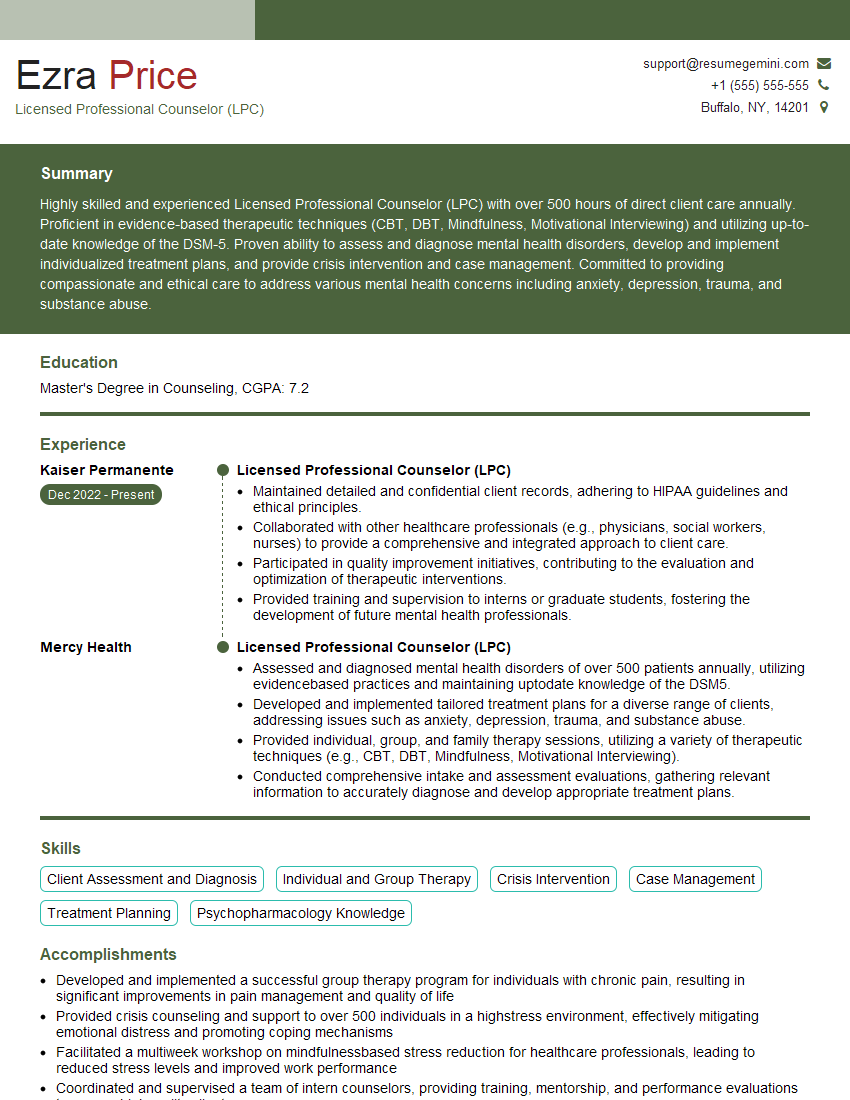
Licensed Professional Counselor (LPC) Resume Sample
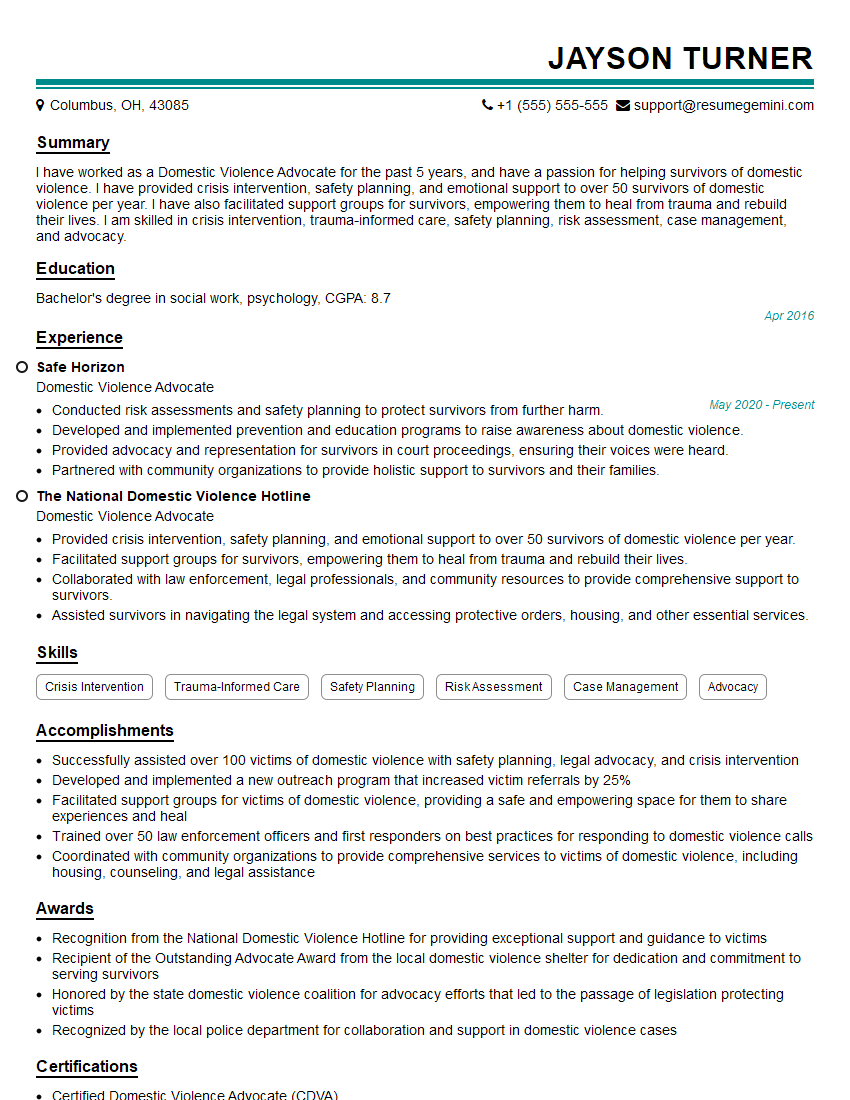
Domestic Violence Advocate Resume Sample

Mental Health Counselor Resume Sample
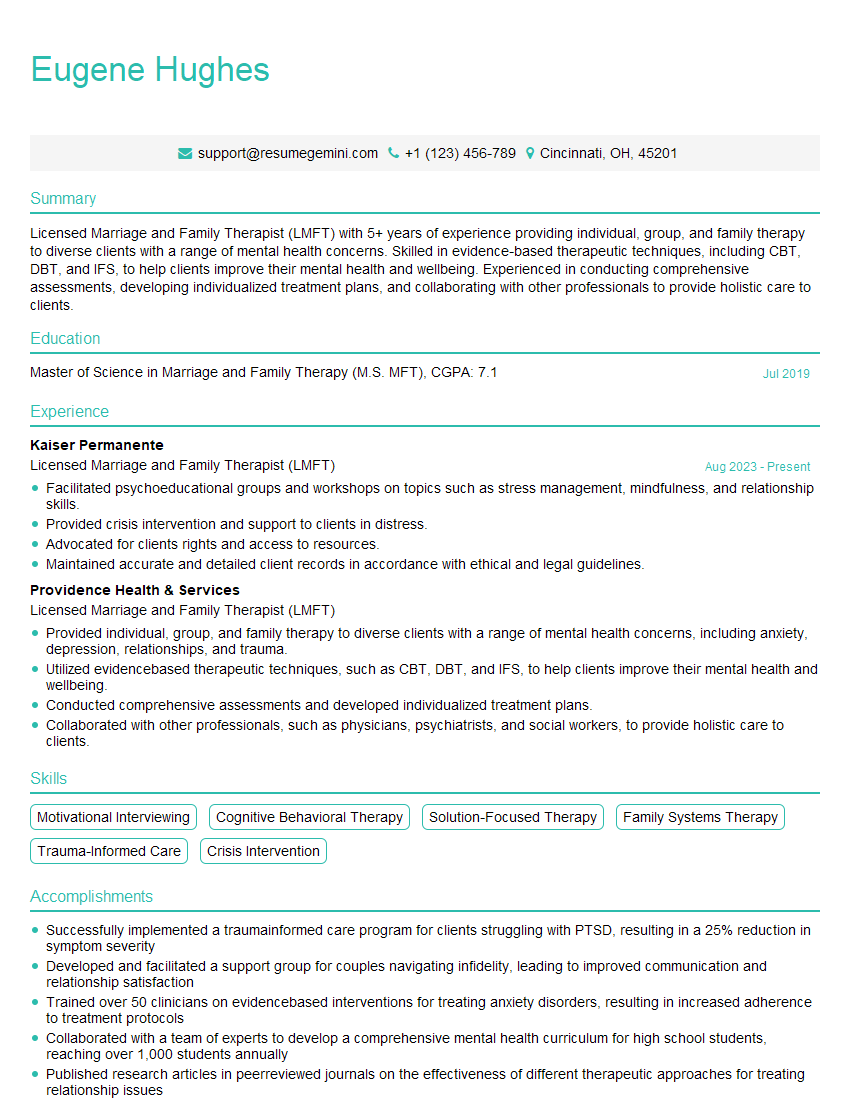
Licensed Marriage and Family Therapist (LMFT) Resume Sample
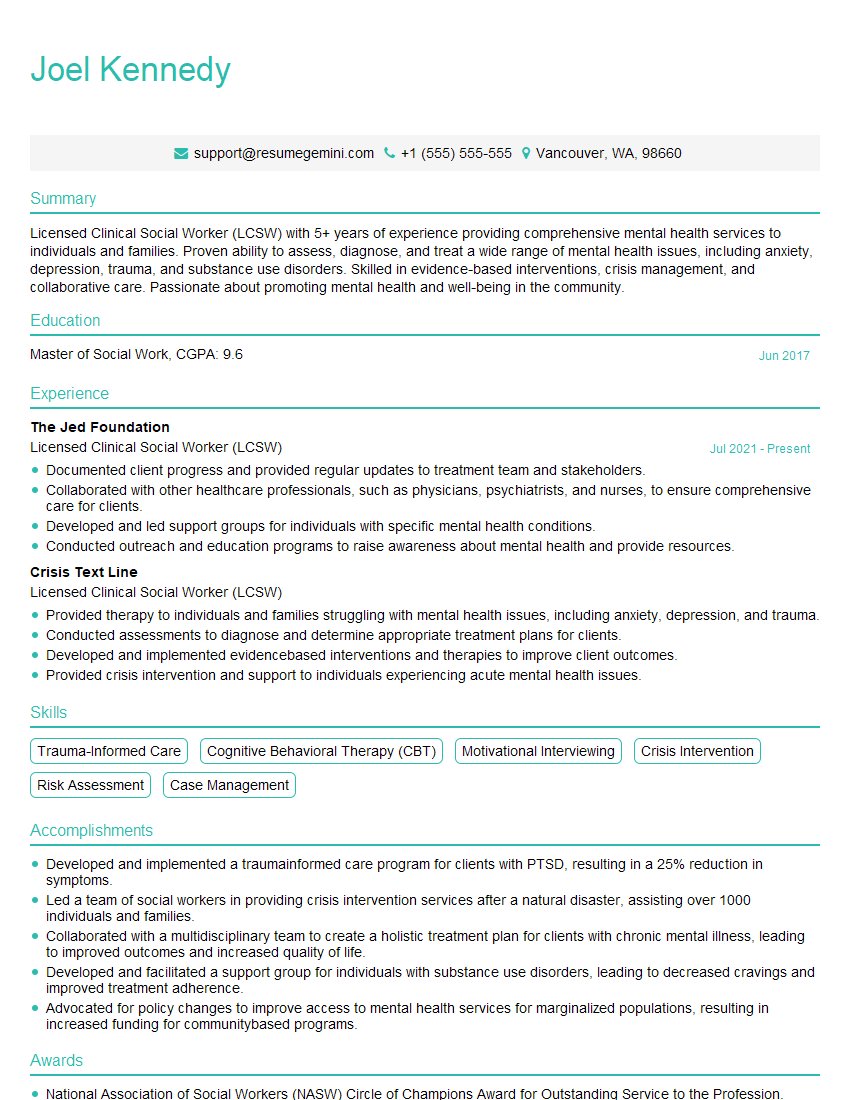
Licensed Clinical Social Worker (LCSW) Resume Sample
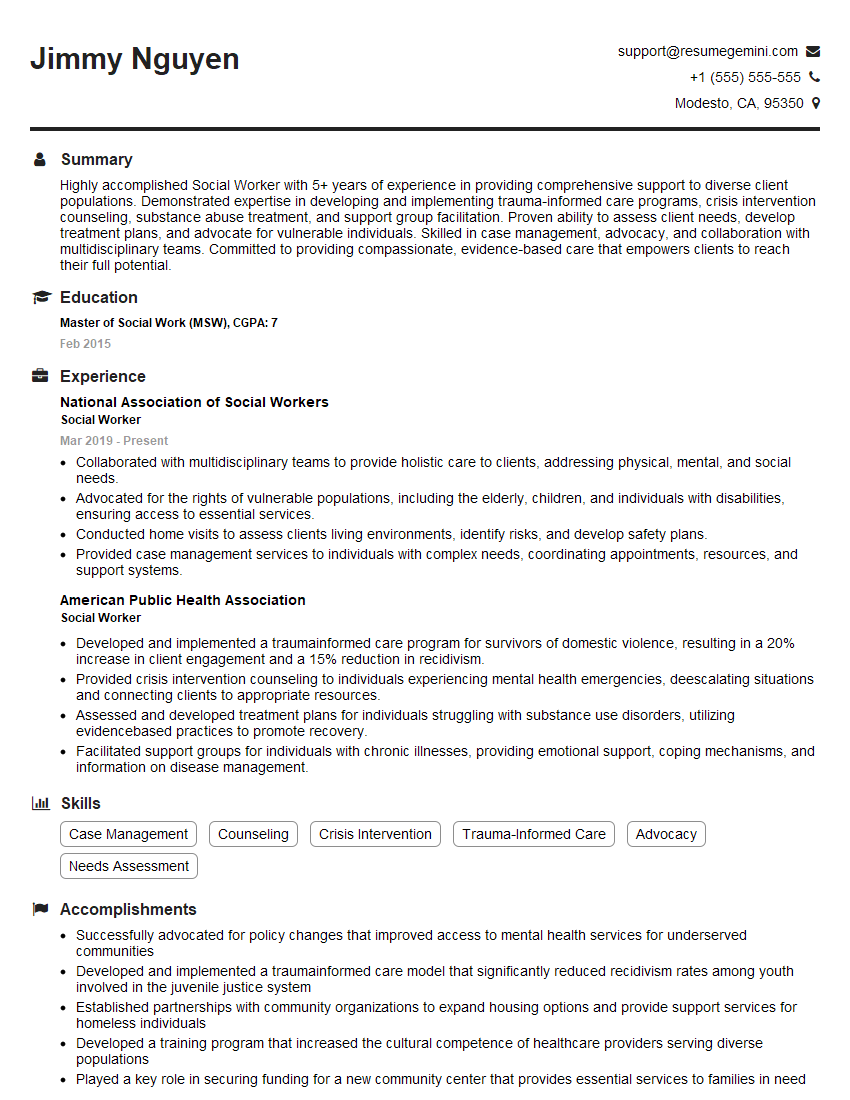
Social Worker Resume Sample

Crisis Intervention Specialist Resume Sample
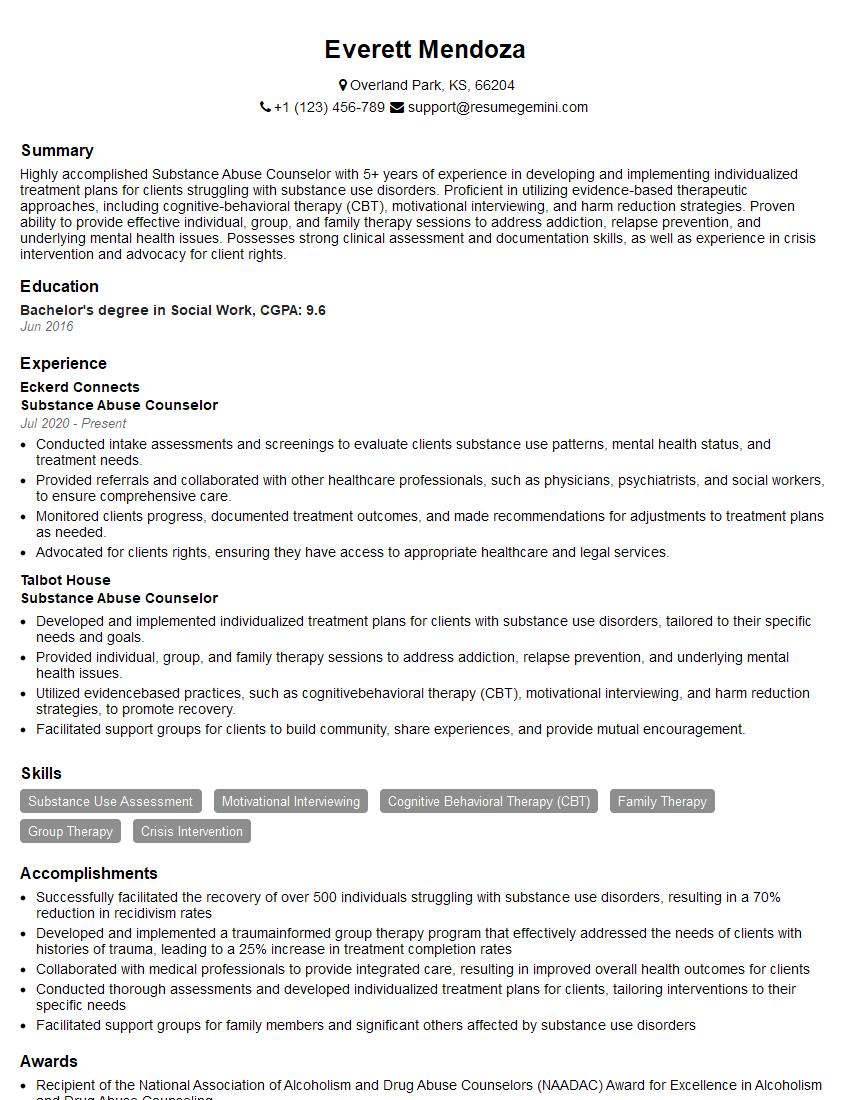
Substance Abuse Counselor Resume Sample
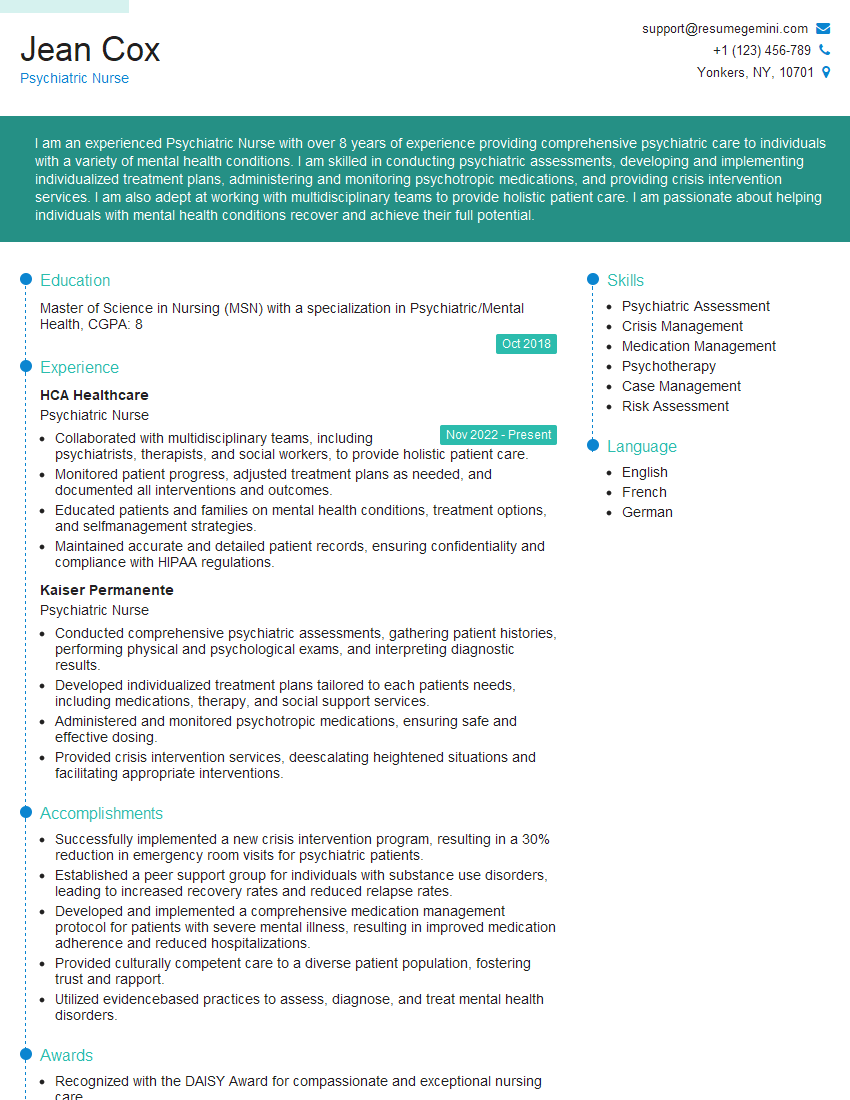
Psychiatric Nurse Resume Sample
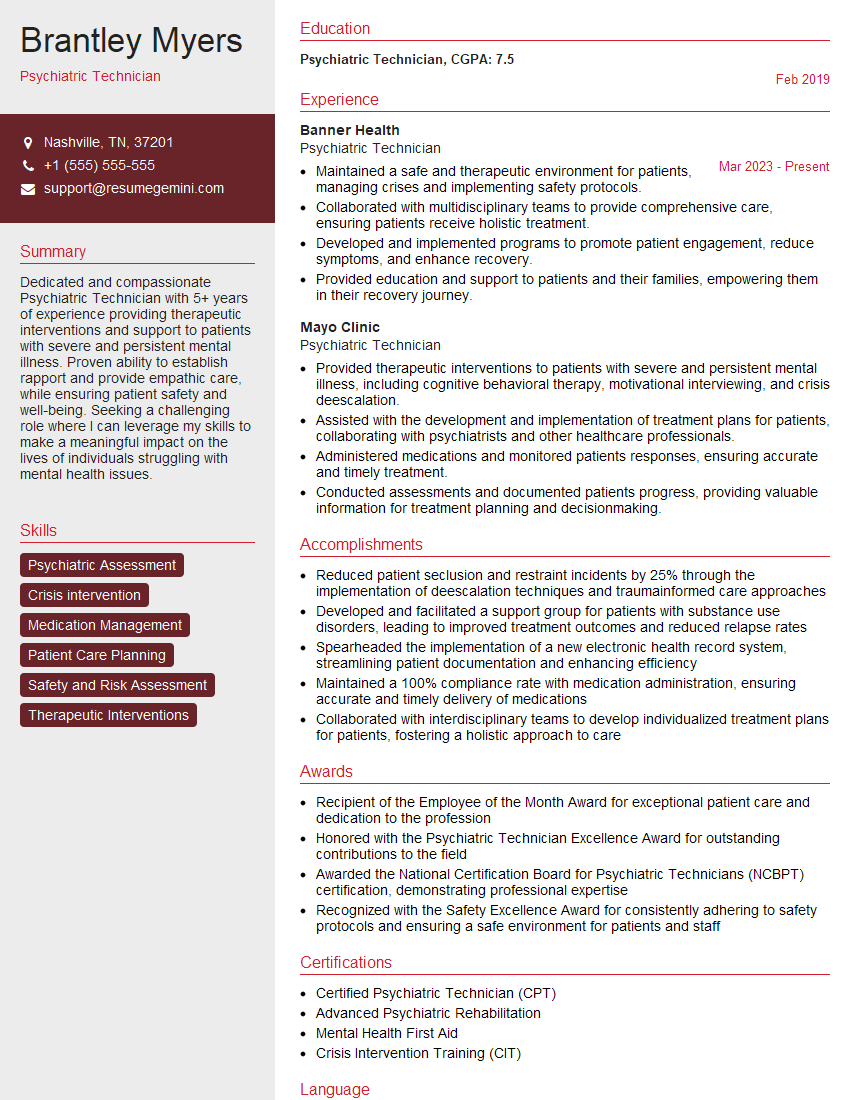
Psychiatric Technician Resume Sample
Explore more articles
Users Rating of Our Blogs
Share Your Experience
We value your feedback! Please rate our content and share your thoughts (optional).
What Readers Say About Our Blog
To the interviewgemini.com Webmaster.
Very helpful and content specific questions to help prepare me for my interview!
Thank you
To the interviewgemini.com Webmaster.
This was kind of a unique content I found around the specialized skills. Very helpful questions and good detailed answers.
Very Helpful blog, thank you Interviewgemini team.