Feeling uncertain about what to expect in your upcoming interview? We’ve got you covered! This blog highlights the most important Customer service and safety compliance interview questions and provides actionable advice to help you stand out as the ideal candidate. Let’s pave the way for your success.
Questions Asked in Customer service and safety compliance Interview
Q 1. Describe your experience handling difficult customer situations.
Handling difficult customer situations requires a blend of empathy, active listening, and effective communication. My approach centers on understanding the customer’s perspective, validating their feelings, and collaboratively finding a solution. I start by actively listening without interruption, allowing them to fully express their concerns. Then, I summarize their concerns to ensure I understand correctly, demonstrating empathy. This builds rapport. Finally, I outline possible solutions, explaining the rationale behind each option and working with the customer to select the best one, focusing on a win-win outcome. For instance, a particularly irate customer once complained about a significant delay in their order. Instead of getting defensive, I apologized sincerely, explained the cause of the delay (an unforeseen supply chain issue), and offered expedited shipping and a discount as compensation. This resulted in a positive outcome and the customer felt valued.
Another example involved a customer who was persistently abusive. In such cases, I maintain a professional demeanor, setting clear boundaries while calmly reiterating company policies. I might say something like, ‘I understand your frustration, but I will not tolerate abusive language. Let’s focus on finding a solution.’ If the behavior continues, I would involve a supervisor to ensure the safety and well-being of myself and my colleagues.
Q 2. Explain your understanding of OSHA regulations.
My understanding of OSHA regulations is comprehensive. I’m familiar with the general duty clause, which mandates employers to provide a safe and healthy workplace free from recognized hazards. I’m also well-versed in specific OSHA standards relevant to various industries, including hazard communication (HazCom), lockout/tagout (LOTO), personal protective equipment (PPE), and emergency action plans. I know the importance of regular safety inspections, training programs for employees, and accurate record-keeping. I understand that OSHA’s role is to ensure workplace safety through inspections, citations, and penalties for non-compliance. I stay updated on changes and revisions to these regulations through industry publications and professional development courses. A strong understanding of OSHA is crucial for creating a safe work environment and preventing accidents and injuries.
Q 3. How would you handle a customer complaint about a safety violation?
Handling a customer complaint about a safety violation requires a systematic approach. I would first listen attentively and document the details of the complaint, including the location, time, nature of the violation, and any witnesses. Then, I’d reassure the customer that their concern is being taken seriously and that I will investigate thoroughly. I would immediately report the complaint to the appropriate safety officer or manager, initiating a formal investigation process. This process involves interviewing witnesses, reviewing safety records, and taking any necessary corrective actions. I would keep the customer updated on the progress of the investigation and communicate the findings and actions taken to rectify the situation. Transparency and timely communication are vital to maintain trust and address the underlying safety issue effectively. For example, if a customer reported a loose handrail, I’d immediately secure the area and notify management, who would then arrange for repairs and an investigation into why the issue wasn’t noticed earlier.
Q 4. What is your experience with safety audits and inspections?
Throughout my career, I’ve been involved in numerous safety audits and inspections, both internally and with external regulatory bodies. My role has included assisting with the preparation for audits, gathering necessary documentation, and participating in the inspection process. I’m proficient in identifying potential hazards and safety violations, documenting findings, and ensuring corrective actions are implemented. I understand the importance of maintaining accurate records and complying with audit requirements. I’ve worked with various checklists and audit methodologies, and I’m adept at understanding the specific requirements of each. For example, I once helped conduct an OSHA-compliant safety audit that resulted in the identification and correction of a significant electrical hazard, preventing a potential workplace accident.
Q 5. How do you prioritize customer service and safety compliance?
Prioritizing customer service and safety compliance isn’t about choosing one over the other; it’s about recognizing that they are intrinsically linked. A safe environment fosters positive customer experiences, while exceptional customer service can indirectly enhance safety by encouraging open communication of potential hazards. I employ a balanced approach where safety is the foundation. All operational decisions consider the safety implications first, followed by ensuring a positive customer experience. For example, while striving for quick order fulfillment, safety protocols (like proper lifting techniques for warehouse staff) are always paramount. Similarly, even a customer complaint needs to be addressed with safety in mind; we might need to temporarily close an area while investigating a potential safety risk. This integrated approach creates a culture where safety isn’t seen as an obstacle but as an integral part of excellent service.
Q 6. Describe a time you had to enforce safety rules.
In a previous role, I had to enforce safety rules concerning the use of machinery. An employee was operating a piece of equipment without the required safety guard in place. I approached the employee calmly but firmly, explaining the inherent risks and the potential consequences of non-compliance, referring specifically to company policy and OSHA regulations. I showed them how to correctly use the machine with the safety guard. I didn’t just reprimand; I also emphasized the importance of safety for themselves and their colleagues. We then reviewed the proper safety procedures, and the employee was receptive to the correction and committed to following the rules. This incident reinforced the importance of consistent safety training and supervision. A follow-up conversation ensured the employee understood and was comfortable with the procedure, demonstrating a commitment to both safety and employee support.
Q 7. How familiar are you with incident reporting procedures?
I am very familiar with incident reporting procedures. I understand the importance of accurate, timely, and thorough reporting. My experience encompasses several different reporting systems, both digital and paper-based. I know the steps involved in documenting the details of an incident, including the time, date, location, individuals involved, witnesses, and a detailed description of the event. I’m also familiar with the different types of incidents that require reporting, ranging from minor injuries to major accidents or near misses. I understand the importance of following up on reported incidents, ensuring appropriate investigations are conducted, and corrective actions are implemented to prevent similar events from occurring in the future. The goal of a well-defined incident reporting system is to proactively improve workplace safety and prevent future accidents.
Q 8. What are some common safety hazards in a customer service environment?
Common safety hazards in customer service environments vary greatly depending on the industry and setting. However, some prevalent risks include:
- Slips, trips, and falls: Wet floors, cluttered walkways, uneven surfaces, and inadequate lighting are common culprits. Imagine a coffee shop with a spilled drink not cleaned up promptly – a significant trip hazard.
- Workplace violence: This can range from verbal abuse and threats to physical assault, particularly in settings with high customer interaction, like retail or healthcare. A stressed customer might lash out verbally or even physically.
- Ergonomic issues: Prolonged sitting or standing, repetitive movements (like typing), and improper posture can lead to musculoskeletal disorders. Think of a call center agent working long hours without proper breaks or ergonomic support.
- Fire hazards: Improper storage of flammable materials, malfunctioning equipment, or inadequate fire safety measures increase the risk of fire. A restaurant kitchen, for instance, presents many fire hazards if safety protocols aren’t strictly followed.
- Security risks: This encompasses theft, robbery, and other security breaches. A retail store should have well-defined security measures to mitigate this risk.
- Exposure to hazardous materials: This is relevant in settings that involve handling chemicals, cleaning agents, or other potentially hazardous substances. Proper training and PPE (Personal Protective Equipment) are crucial in such environments.
A proactive approach to identifying and mitigating these hazards is key to creating a safe work environment.
Q 9. How would you develop and deliver safety training to employees?
Developing and delivering effective safety training requires a multi-faceted approach. I would start by conducting a thorough needs analysis to identify specific hazards and training requirements for different roles. The training should be tailored to the specific needs of the employees and incorporate various learning styles.
My approach includes:
- Interactive modules: Using videos, scenarios, and quizzes to make training engaging and memorable.
- Hands-on practice: Providing opportunities for employees to practice safe procedures in a simulated or controlled environment.
- Role-playing: This helps employees prepare for real-life situations, especially those involving conflict resolution or handling aggressive customers.
- Regular refreshers: Safety awareness is not a one-time event; periodic refreshers ensure that employees stay up-to-date on best practices and procedures.
- Documentation and testing: Ensuring employees understand the material through assessments and providing documentation for future reference.
- Feedback mechanisms: Gathering feedback from employees on the training program itself to continuously improve effectiveness.
For example, training on workplace violence might include role-playing scenarios involving angry customers, along with strategies for de-escalation and reporting.
Q 10. Explain your approach to resolving customer safety concerns.
Resolving customer safety concerns requires a calm, empathetic, and proactive approach. My process would be:
- Listen attentively: First, I’d listen carefully to the customer’s concerns, allowing them to fully express their experience. Empathy is crucial here – understanding their perspective.
- Investigate thoroughly: Once I understand their concerns, I’d launch a thorough investigation to determine the facts. This might involve reviewing security footage, interviewing witnesses, or inspecting the site where the incident occurred.
- Take immediate action: If there’s an immediate safety hazard, I’d take steps to address it immediately. This might involve closing off an area, providing first aid, or contacting emergency services.
- Communicate transparently: I’d communicate openly and honestly with the customer, keeping them informed of the investigation’s progress and any actions being taken.
- Offer appropriate solutions: This might involve apologizing for any inconvenience or harm caused, offering compensation (if appropriate), and implementing corrective actions to prevent similar incidents in the future.
- Document everything: I’d meticulously document every step of the process, including the customer’s complaint, the investigation findings, the actions taken, and the resolution.
For example, if a customer slipped on a wet floor, I’d immediately ensure the area is cleaned and secured, offer first aid if needed, and apologize for the incident while investigating the root cause (was the spill cleaned promptly? Was the ‘wet floor’ sign in place?).
Q 11. How do you ensure compliance with relevant safety regulations?
Ensuring compliance with relevant safety regulations requires a structured approach involving continuous monitoring and improvement. My strategy would be:
- Identify applicable regulations: Understanding which regulations apply to our specific industry and location (OSHA, local fire codes, etc.) is the first crucial step.
- Develop and implement safety policies and procedures: These policies must align with all applicable regulations, covering everything from emergency procedures to the proper use of equipment.
- Conduct regular safety audits and inspections: These audits help identify any gaps in compliance and highlight areas for improvement. The frequency of these audits depends on the risk level.
- Employee training and awareness: Ensuring employees are properly trained on safety procedures and regulations is essential.
- Maintain accurate records: Meticulous record-keeping of safety training, inspections, incidents, and corrective actions is crucial for demonstrating compliance. This also facilitates continuous improvement.
- Stay updated on changes in regulations: Safety regulations evolve; staying current on changes is crucial for maintaining compliance.
For example, regular fire drills and inspections are mandated in many jurisdictions and are critical components of fire safety compliance.
Q 12. Describe your experience with risk assessment and mitigation.
My experience with risk assessment and mitigation involves a systematic approach using established frameworks like HAZOP (Hazard and Operability Study) or FMEA (Failure Mode and Effects Analysis).
The process typically involves:
- Identifying hazards: This involves brainstorming potential hazards using checklists, past incident reports, and input from employees.
- Analyzing risks: This step assesses the likelihood and severity of each identified hazard. A risk matrix can be used to prioritize risks.
- Developing mitigation strategies: This involves developing and implementing control measures to reduce or eliminate the risks. These controls can be administrative (policies, procedures), engineering (equipment modifications), or personal protective equipment (PPE).
- Monitoring and review: Regular monitoring and review of the effectiveness of the mitigation strategies are essential to ensure their continued efficacy.
For instance, in a call center, a risk assessment might identify repetitive strain injury as a hazard. Mitigation strategies could involve providing ergonomic chairs, promoting regular breaks, and conducting training on proper posture and workstation setup.
Q 13. What is your understanding of workplace accident investigation?
Workplace accident investigation is a systematic process aimed at determining the root cause of an accident and preventing similar incidents in the future. It’s not about assigning blame but understanding what went wrong to prevent future occurrences.
A thorough investigation typically involves:
- Securing the scene: Preserving the accident site as much as possible to allow for a proper investigation.
- Gathering information: Collecting evidence, interviewing witnesses, and reviewing documentation (e.g., training records, maintenance logs).
- Analyzing the information: Identifying contributing factors, using tools like fault tree analysis or the ‘5 Whys’ technique to determine the root cause.
- Developing corrective actions: Based on the root cause analysis, implementing actions to prevent similar accidents.
- Documenting the findings: Creating a comprehensive report summarizing the findings, root causes, and corrective actions.
For example, if an employee suffered a cut from a broken piece of equipment, the investigation would look into the equipment’s maintenance history, employee training records on equipment usage, and the overall workplace safety procedures.
Q 14. How would you manage a situation where a customer is injured?
Managing a situation where a customer is injured requires a swift, coordinated, and compassionate response. My approach would be:
- Ensure the customer’s safety: My first priority is the customer’s well-being. This involves assessing the injury, providing first aid if trained, and contacting emergency medical services if necessary.
- Secure the scene: If the injury occurred due to a hazard, I would secure the area to prevent further incidents.
- Gather information: I would collect information about the incident, including witness accounts and any relevant evidence.
- Contact emergency services: If the injury is serious, I would immediately call for emergency medical assistance.
- Inform relevant personnel: I would notify my supervisor and other relevant personnel, such as security or risk management.
- Provide support to the customer: This might involve offering comfort, assistance with contacting family or friends, and ensuring their needs are met.
- Document the incident: I would thoroughly document the incident, including the customer’s injuries, actions taken, and witness statements.
- Follow up: I would follow up with the customer to check on their well-being and address any ongoing concerns.
Throughout the process, maintaining a calm and professional demeanor while demonstrating empathy and concern for the customer is paramount.
Q 15. What metrics do you use to measure customer service and safety performance?
Measuring customer service and safety performance requires a balanced approach using both qualitative and quantitative metrics. We need to track indicators that demonstrate both customer satisfaction and adherence to safety regulations.
- Customer Satisfaction (CSAT): This is measured through surveys, feedback forms, and reviews, focusing on aspects like resolution time, agent helpfulness, and overall experience. A high CSAT score suggests effective customer service.
- Net Promoter Score (NPS): This metric gauges customer loyalty and willingness to recommend the service. A higher NPS indicates stronger customer relationships.
- First Contact Resolution (FCR): This measures the percentage of customer issues resolved on the first contact, indicating efficiency and effectiveness.
- Safety Incidents/Accidents: This involves tracking the number and severity of safety incidents, near misses, and accidents. A decrease in this number demonstrates improved safety performance.
- Safety Training Completion Rates: Monitoring the completion rate of mandatory safety training for all employees indicates commitment to safety protocols.
- Compliance Audits: Regular audits ensure adherence to safety regulations and identify areas for improvement.
- Employee Safety Feedback: Regularly soliciting feedback from employees about safety concerns and protocols is crucial.
By analyzing these metrics, we can identify trends, pinpoint areas for improvement, and make data-driven decisions to enhance both customer service and safety.
Career Expert Tips:
- Ace those interviews! Prepare effectively by reviewing the Top 50 Most Common Interview Questions on ResumeGemini.
- Navigate your job search with confidence! Explore a wide range of Career Tips on ResumeGemini. Learn about common challenges and recommendations to overcome them.
- Craft the perfect resume! Master the Art of Resume Writing with ResumeGemini’s guide. Showcase your unique qualifications and achievements effectively.
- Don’t miss out on holiday savings! Build your dream resume with ResumeGemini’s ATS optimized templates.
Q 16. How would you communicate safety information to customers?
Communicating safety information to customers requires a multi-faceted approach that considers the audience and the information’s complexity. Clear, concise, and accessible communication is key.
- Signage: Well-placed, clearly visible signage is crucial in physical locations, using both text and visual cues (icons) for maximum understanding.
- In-App/Website Notifications: For online services, prominent notifications, pop-ups, and updated terms of service sections efficiently convey safety information.
- Email/SMS Alerts: These are ideal for timely warnings and updates related to potential safety concerns or incidents.
- Pre-Service/Onboarding Materials: Providing clear safety guidelines in welcome packages or during onboarding processes sets expectations from the start.
- Interactive Tutorials/Videos: These methods offer engaging ways to convey complex information, and are especially effective for demonstrating safe procedures.
- Customer Service Training: Equipping customer service representatives with the knowledge to answer safety-related queries is crucial. They should be able to explain safety procedures effectively and confidently.
For example, a theme park might use signage at rides to communicate height and weight restrictions, and send pre-visit emails detailing park maps and safety rules. An online retailer could use pop-ups to highlight safe handling instructions for potentially hazardous products.
Q 17. Describe your experience with implementing new safety protocols.
Implementing new safety protocols requires a structured and systematic approach to ensure effective adoption and compliance. My experience includes a project where we introduced new protocols for handling hazardous materials in a warehouse environment.
- Needs Assessment: We started by identifying the gaps in the existing safety procedures and the potential risks involved.
- Protocol Development: This included collaborating with safety experts, reviewing industry best practices, and aligning the new protocols with relevant regulations.
- Training and Communication: We developed comprehensive training programs using diverse methods – videos, manuals, hands-on sessions – to ensure everyone understood the new procedures. Open communication channels were maintained to address concerns and questions.
- Pilot Program: We implemented the new protocols in a small section of the warehouse first to test their effectiveness and identify potential issues before a full rollout.
- Monitoring and Evaluation: We tracked key metrics, such as incident rates and compliance rates, to assess the effectiveness of the new protocols. Regular feedback was gathered from employees to continuously improve the process.
- Documentation and Updates: All changes and improvements were documented, and the protocols were regularly reviewed and updated to reflect evolving best practices and regulations.
This phased approach minimized disruption, ensured thorough employee understanding, and ultimately resulted in a significant reduction in workplace incidents.
Q 18. How do you maintain accurate safety records and documentation?
Maintaining accurate safety records and documentation is critical for regulatory compliance and identifying areas for improvement. I leverage a combination of digital and physical systems to ensure accuracy and accessibility.
- Digital Record-Keeping System: A dedicated software solution allows for secure storage, easy retrieval, and data analysis of safety records. This could include incident reports, training records, inspection reports, and safety audits. The system should be accessible to authorized personnel only.
- Physical Filing System: While transitioning to digital, a well-organized physical filing system complements the digital one, ensuring backups and providing access when technology fails.
- Version Control: A system should be in place to track changes to safety documents, ensuring the most up-to-date versions are used and that older versions are archived.
- Regular Audits: Scheduled audits verify the completeness, accuracy, and accessibility of safety records.
- Data Encryption and Security: Protecting sensitive information is crucial. All digital records should be encrypted and secured in accordance with relevant data privacy regulations.
For example, a well-structured system would allow for quick retrieval of an incident report to facilitate an investigation, or to demonstrate compliance during an audit. Proper record keeping can significantly reduce liability in case of accidents.
Q 19. How do you handle conflicts between customer service and safety requirements?
Conflicts between customer service and safety requirements are inevitable, requiring careful balancing. The key is prioritizing safety without compromising customer satisfaction entirely.
- Clear Communication: Open and honest communication between customer service and safety teams is crucial to identify potential conflicts and develop solutions proactively.
- Risk Assessment: For each situation, we need to assess the potential risks involved in deviating from safety protocols to accommodate customer requests.
- Prioritization: Safety should always be the top priority. If a customer request compromises safety, it should be respectfully declined while explaining the rationale clearly.
- Alternative Solutions: Often, creative solutions can be found to satisfy the customer’s need while adhering to safety regulations. For instance, offering a delayed service, an alternative product, or additional compensation.
- Documentation: All decisions and rationales should be documented to facilitate consistent application of policies and provide evidence for compliance.
For example, if a customer demands immediate delivery of a hazardous material despite safety protocols requiring special handling and delivery time, prioritizing safety would involve explaining the regulations and offering a reasonable alternative delivery schedule.
Q 20. What is your experience with emergency response procedures?
My experience with emergency response procedures includes training and participation in drills, as well as managing real-world emergency situations.
- Emergency Response Plan Development: I have participated in creating and updating emergency response plans for various settings, considering different scenarios and potential hazards.
- Training and Drills: I have conducted and participated in regular drills to ensure preparedness for various emergency situations, including evacuations, fire response, and hazardous material spills.
- Incident Management: I have managed real-world emergencies, ensuring the safety of individuals, containing the incident, and following established protocols to minimize damage and disruption.
- Post-Incident Analysis: After each incident, conducting thorough analyses helps identify areas for improvement in our emergency response plans and procedures.
- Communication and Coordination: Effective communication with emergency services, employees, and customers is crucial during emergencies to ensure a coordinated and efficient response.
For instance, during a fire in a warehouse setting, I’ve been responsible for ensuring safe evacuation of personnel, coordination with the fire department, and securing the area to prevent further escalation. Following the incident, a thorough review of our response and the facility’s layout led to improved evacuation routes and emergency assembly points.
Q 21. How would you address a customer’s resistance to safety procedures?
Addressing customer resistance to safety procedures requires patience, empathy, and a clear communication strategy. The goal is to ensure safety without alienating the customer.
- Empathetic Listening: Start by actively listening to the customer’s concerns and understanding their perspective. Validate their feelings before attempting to explain the safety procedures.
- Clear Explanation: Explain the reason behind the safety procedure in a simple, straightforward manner, emphasizing the benefits for their safety and well-being. Avoid jargon or technical terms.
- Demonstration: If applicable, demonstrate how the safety procedure works and how it ensures safety. Show, don’t just tell.
- Collaboration: Collaborate with the customer to find a solution that addresses their concerns while complying with safety regulations. Flexibility is key as long as safety is not compromised.
- Reinforcement: Reiterate the importance of safety and thank the customer for their cooperation.
Imagine a customer refusing to wear a safety helmet on a construction site. Instead of forcing compliance, a careful explanation of potential head injuries, along with a demonstration of helmet comfort and features, could encourage cooperation. Compromises are possible – perhaps offering a different task to accommodate discomfort if the helmet is truly problematic.
Q 22. What is your approach to promoting a safety-conscious culture?
Promoting a safety-conscious culture isn’t about simply posting signs; it’s about embedding safety into the very fabric of the organization. My approach is multifaceted and focuses on leadership, communication, training, and recognition.
- Leadership Commitment: Safety starts at the top. Leaders must visibly champion safety initiatives, actively participate in safety meetings, and demonstrate a genuine commitment to employee well-being. I’ve seen firsthand how a CEO’s active involvement in safety walks can drastically improve employee buy-in.
- Open Communication: Creating a culture where employees feel comfortable reporting hazards, near misses, and concerns without fear of retribution is crucial. This requires establishing clear reporting channels and fostering a non-punitive environment. Regular safety meetings, toolbox talks, and anonymous reporting systems are all valuable tools.
- Comprehensive Training: Training shouldn’t be a one-time event; it needs to be ongoing and tailored to specific roles and risks. Regular refresher courses, simulations, and scenario-based training keep safety top-of-mind and improve skills. For example, I once developed a gamified safety training program that increased participation and knowledge retention by 30%.
- Recognition and Rewards: Recognizing and rewarding employees who actively contribute to safety fosters a positive reinforcement loop. This could be through awards, public acknowledgment, or even small gestures of appreciation. It reinforces the message that safety is valued.
Ultimately, a safety-conscious culture is built on trust, transparency, and a shared commitment to preventing accidents. It’s a continuous process that requires ongoing effort and adaptation.
Q 23. Describe your experience with conducting safety inspections.
My experience with conducting safety inspections involves a systematic and thorough approach. I leverage a checklist-based system, tailored to the specific area being inspected (e.g., a factory floor versus an office environment). This ensures consistency and prevents overlooking critical aspects. Before any inspection, I always review relevant safety regulations and company policies.
The inspection process itself involves a visual examination of the area, verification of compliance with safety procedures, and a review of safety documentation (e.g., permits, training records). I meticulously document all findings, including any identified hazards, non-conformances, or near misses. Photographs and videos can be invaluable supporting evidence. After the inspection, I prepare a comprehensive report outlining my findings, recommended corrective actions, and timelines for implementation.
For example, during an inspection of a warehouse, I identified a lack of proper forklift training documentation for several employees. My report detailed this deficiency, recommended immediate retraining, and suggested implementing a more robust tracking system to prevent future occurrences. This systematic approach ensures that identified hazards are addressed proactively, mitigating the risk of accidents.
Q 24. How do you stay updated on changes in safety regulations?
Staying updated on evolving safety regulations requires a proactive and multi-pronged strategy. I subscribe to relevant professional organizations (like OSHA or equivalent in other regions), regularly review their publications and newsletters, and attend industry conferences and webinars. This keeps me abreast of the latest updates, amendments, and interpretations of the law.
Furthermore, I actively monitor government websites and regulatory agencies for updates, utilizing RSS feeds or email alerts to receive timely notifications of changes. I maintain a library of relevant legislation, standards, and guidelines, ensuring that my knowledge base remains current and comprehensive. Finally, I network with other safety professionals to exchange information and best practices. This informal exchange of knowledge can often provide valuable insights into emerging safety challenges and trends.
Q 25. How do you measure the effectiveness of your safety training programs?
Measuring the effectiveness of safety training programs requires a multi-faceted approach, going beyond simple attendance records. I use a combination of methods to evaluate both knowledge acquisition and behavioral changes.
- Pre- and Post-Training Assessments: These help quantify the increase in knowledge and understanding after the training. I use a variety of assessment types, including multiple-choice tests, practical exercises, and case studies.
- Observation and Feedback: Direct observation of employees applying learned techniques in their daily work provides valuable insight into the practical application of the training. Feedback from supervisors and peer evaluations is also invaluable.
- Incident/Accident Data: A decrease in the number and severity of accidents and near misses is a strong indicator of effective training. Analyzing this data helps identify areas where additional training may be needed.
- Employee Surveys: Anonymous surveys can gauge employee satisfaction with the training, identify areas for improvement, and assess the overall impact on safety attitudes and behaviors. For instance, asking employees to rate their confidence in performing specific tasks before and after training helps measure improvement.
By combining these methods, I obtain a holistic view of the effectiveness of the training program and can make data-driven adjustments to maximize its impact.
Q 26. Describe your experience with developing and implementing safety policies.
Developing and implementing safety policies requires a structured approach that balances legal compliance with practical application. I begin by conducting a thorough risk assessment to identify potential hazards and vulnerabilities within the organization. This assessment is used as the basis for developing specific policies addressing each identified hazard.
The policies themselves should be clear, concise, and easily understandable. They should be written in plain language, avoiding technical jargon whenever possible, and include examples to illustrate the correct procedures. Crucially, employees must be actively involved in the process. Their input ensures the policies are both effective and practical.
Once drafted, the policies require thorough communication and training. This includes providing training to all relevant personnel and making the policies easily accessible through various mediums, such as intranet sites, handbooks, and posters. Regular review and updates are essential to ensure the policies remain relevant and effective. Finally, consistent enforcement and monitoring are vital to maintaining a safety culture.
For instance, in one previous role, we developed a comprehensive policy on lockout/tagout procedures for machinery maintenance. This policy included detailed diagrams, step-by-step instructions, and training modules. We then tracked adherence to the policy through regular inspections, significantly reducing the risk of equipment-related accidents.
Q 27. How would you investigate and report a near-miss incident?
Investigating a near-miss incident is as crucial as investigating an actual accident, as it offers a valuable opportunity for preventing future incidents. My approach involves a structured and systematic investigation.
- Secure the Scene (if applicable): If the near-miss involved equipment or a specific location, I’d ensure the area is safe and secured to prevent further incidents.
- Gather Information: This includes interviewing witnesses, reviewing relevant documentation (e.g., maintenance logs, training records), and examining the physical evidence. It is crucial to record all statements and observations accurately and objectively.
- Analyze the Root Cause: This involves determining the underlying factors that contributed to the near-miss. This may involve using tools like fishbone diagrams or ‘5 Whys’ analysis to identify the root cause. For example, a near-miss involving a dropped object could be due to improper lifting techniques (immediate cause), lack of training (root cause).
- Develop Corrective Actions: Based on the root cause analysis, I would develop specific and actionable corrective measures to prevent similar incidents from occurring in the future.
- Report and Follow-Up: A comprehensive report is documented, detailing the incident, the root cause analysis, and the implemented corrective actions. Follow-up is essential to ensure the corrective actions are effective and that the issue is resolved.
This approach ensures that near-misses are not treated lightly, but instead serve as valuable learning opportunities for improving safety procedures and preventing future incidents.
Q 28. What are some common customer service challenges related to safety?
Customer service challenges related to safety often arise from conflicting priorities – providing excellent service while maintaining a safe environment. Some common challenges include:
- Balancing Customer Expectations with Safety Protocols: Customers might be impatient or unwilling to comply with safety procedures (e.g., wearing safety gear, following specific instructions). This requires skillful communication and diplomacy to ensure both customer satisfaction and safety.
- Managing Difficult or Angry Customers in Unsafe Situations: Dealing with irate customers in situations that already pose safety risks (e.g., a power outage, equipment malfunction) requires tact, de-escalation techniques, and a clear understanding of safety protocols.
- Communicating Safety Information Effectively to Diverse Audiences: Ensuring that safety instructions are understood and followed by customers with varying levels of understanding and language skills can be challenging. This requires clear, simple language, visual aids, and potentially translation services.
- Maintaining Safety Standards in High-Pressure Situations: During peak periods or emergencies, the pressure to provide quick service can sometimes compromise safety procedures. This requires robust training, effective resource allocation, and a strong safety culture to avoid shortcuts.
Addressing these challenges requires a customer service team that is well-trained in both customer service and safety procedures. Effective communication, empathy, and a clear understanding of the organization’s safety policies are key to navigating these complexities.
Key Topics to Learn for Customer Service and Safety Compliance Interviews
- Understanding Customer Needs: Learn to effectively identify and address customer concerns, prioritizing empathy and active listening. Consider how to de-escalate difficult situations and manage expectations.
- Safety Regulations and Procedures: Familiarize yourself with relevant industry safety standards and company-specific protocols. Practice explaining these procedures clearly and concisely to others.
- Effective Communication: Master clear, concise, and professional communication – both verbal and written. Practice conveying complex information simply and responding to diverse communication styles.
- Problem-Solving and Conflict Resolution: Develop your ability to identify and analyze problems related to both customer service and safety compliance. Practice different conflict resolution techniques and decision-making strategies.
- Compliance Reporting and Documentation: Understand the importance of accurate and timely reporting of safety incidents and customer complaints. Learn best practices for maintaining comprehensive documentation.
- Teamwork and Collaboration: Highlight your ability to work effectively within a team to address customer service and safety compliance issues. Prepare examples demonstrating your collaborative skills.
- Technological Proficiency: Depending on the role, be prepared to discuss your experience with relevant software and systems used for customer service and safety management (e.g., CRM software, incident reporting systems).
Next Steps
Mastering customer service and safety compliance skills significantly enhances your career prospects, opening doors to leadership roles and increased responsibility. A strong resume is crucial for showcasing these skills to potential employers. Crafting an ATS-friendly resume is vital to ensuring your application gets noticed. ResumeGemini can help you create a professional and impactful resume tailored to your experience. We provide examples of resumes specifically designed for Customer Service and Safety Compliance roles to guide you through the process. Invest time in building a compelling resume – it’s your first impression with potential employers.
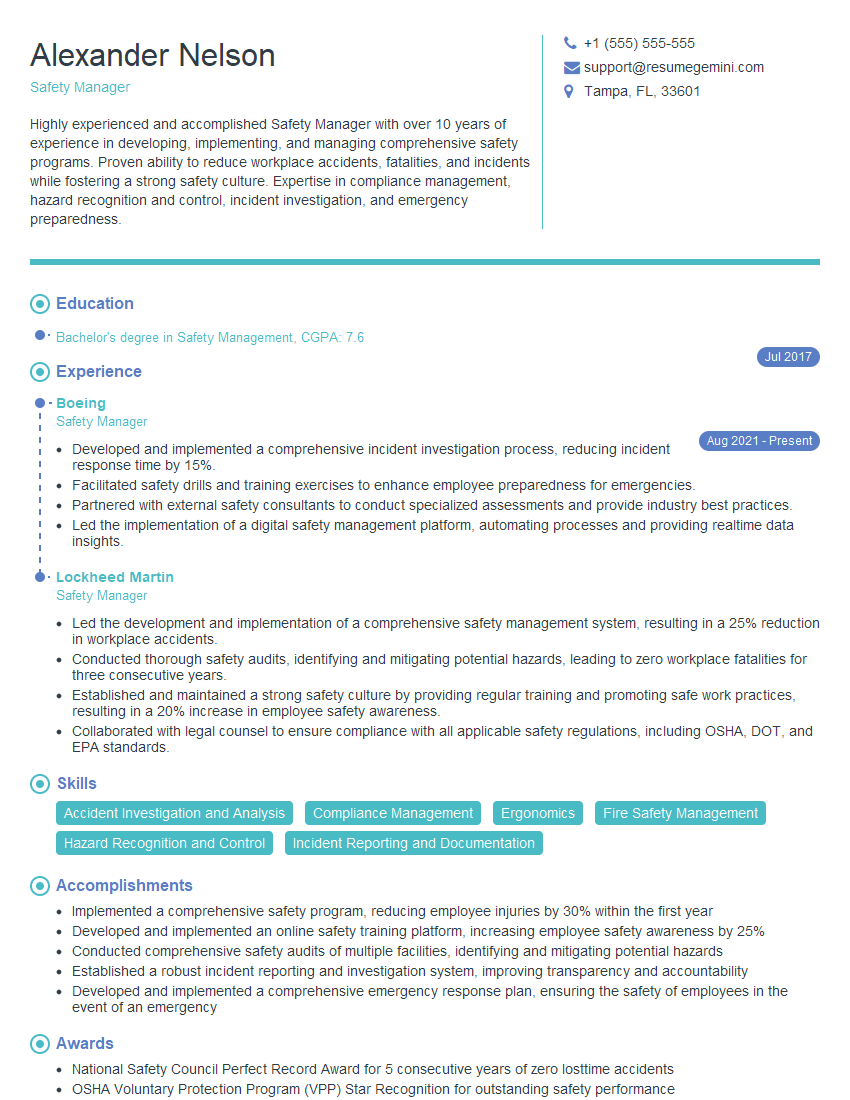
Safety Manager Resume Sample

Customer Service Manager Resume Sample
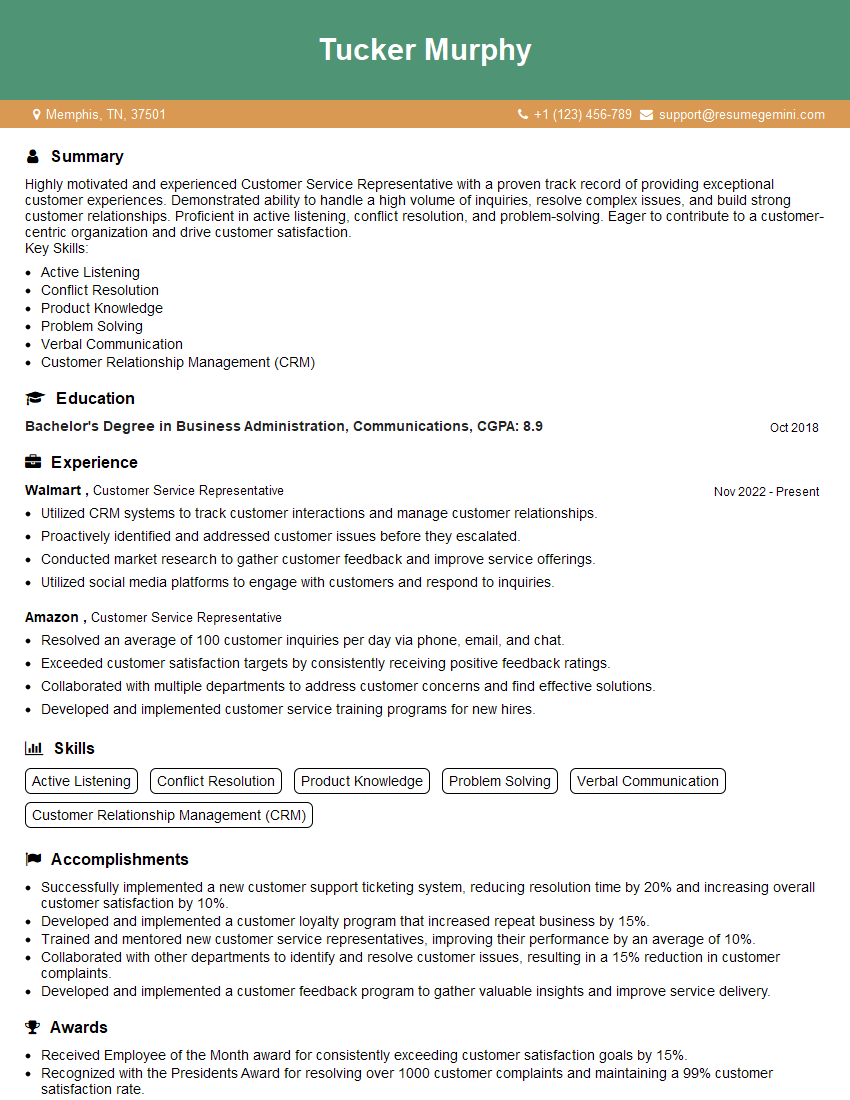
Customer Service Representative Resume Sample
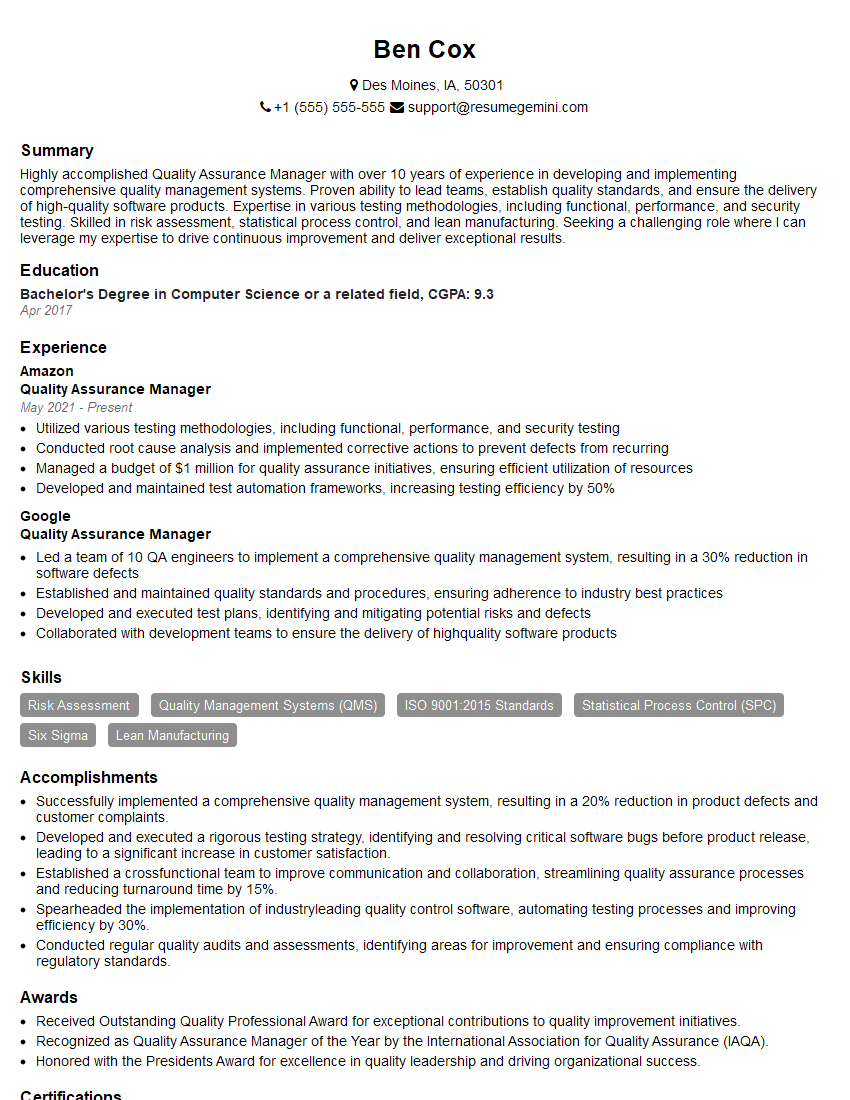
Quality Assurance Manager Resume Sample
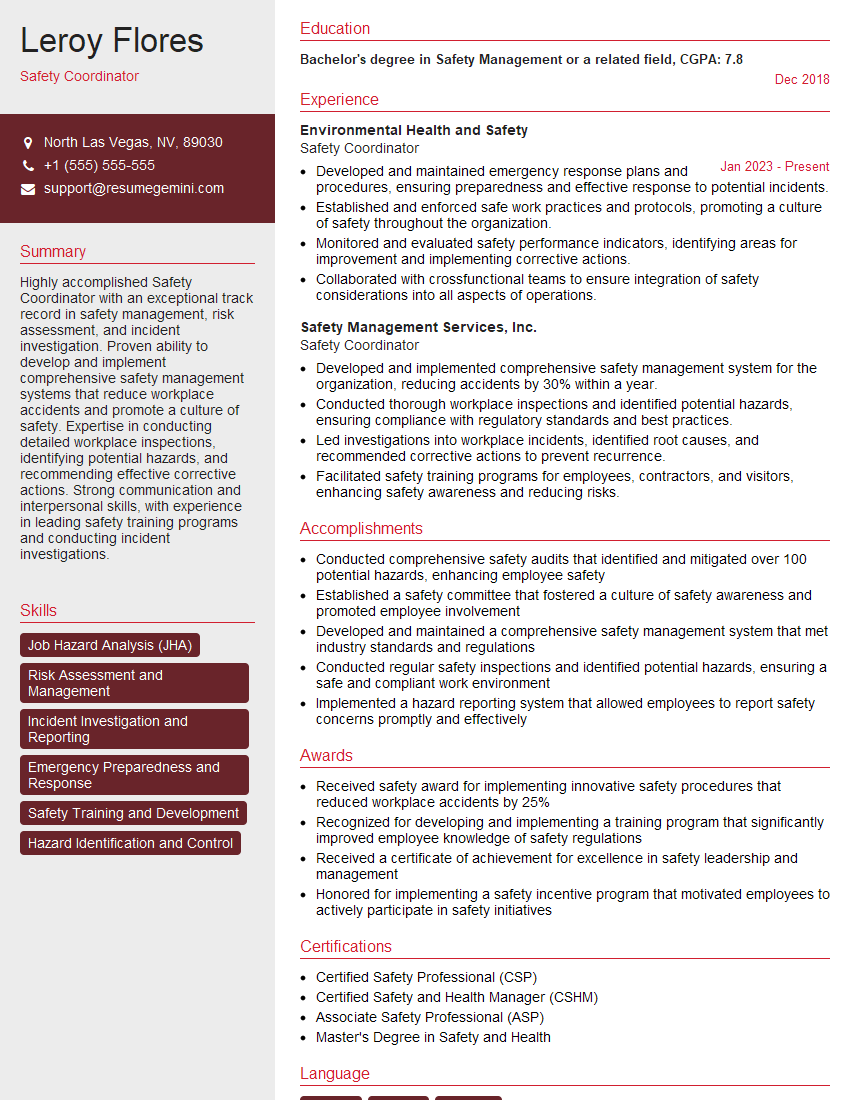
Safety Coordinator Resume Sample
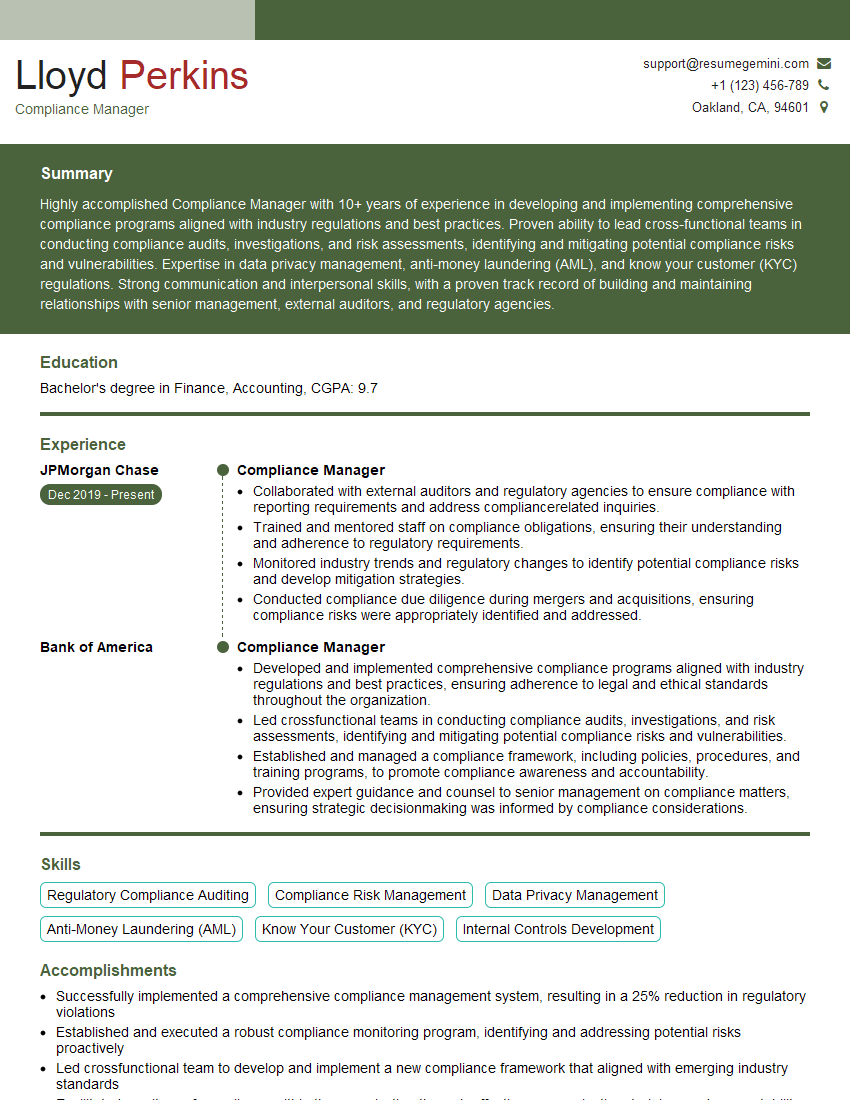
Compliance Manager Resume Sample
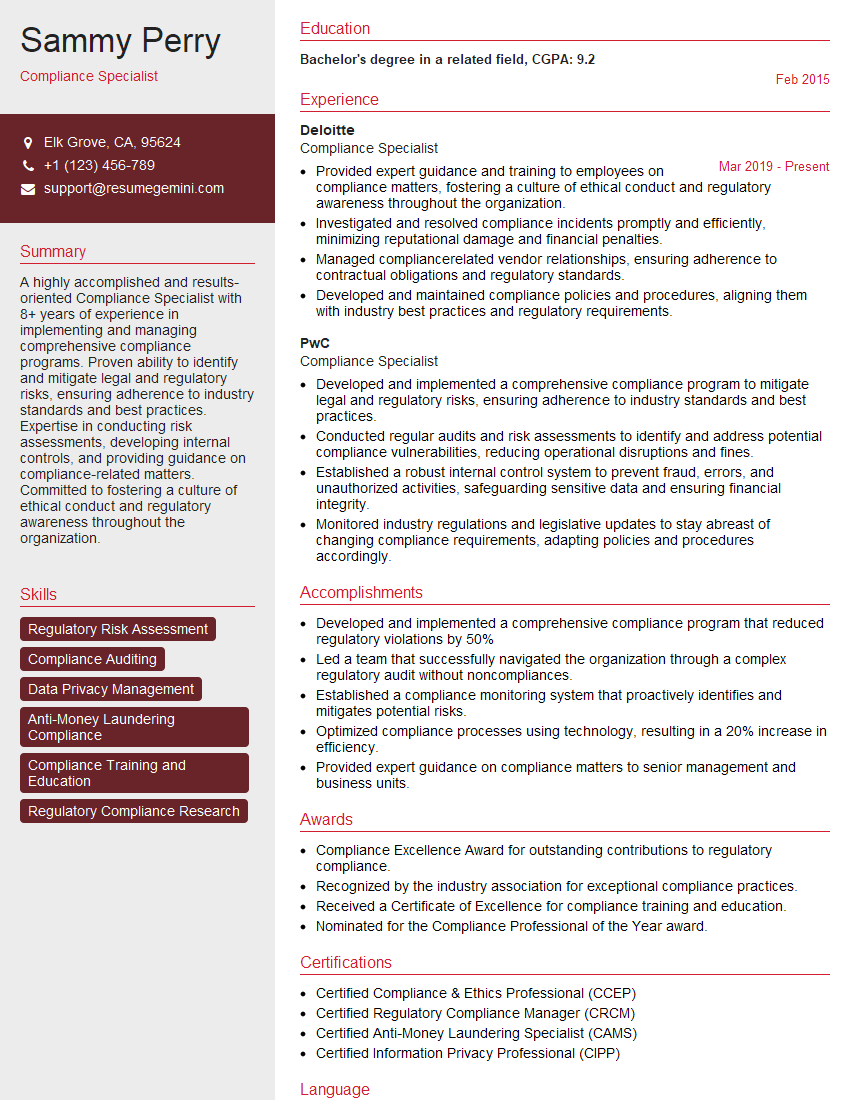
Compliance Specialist Resume Sample
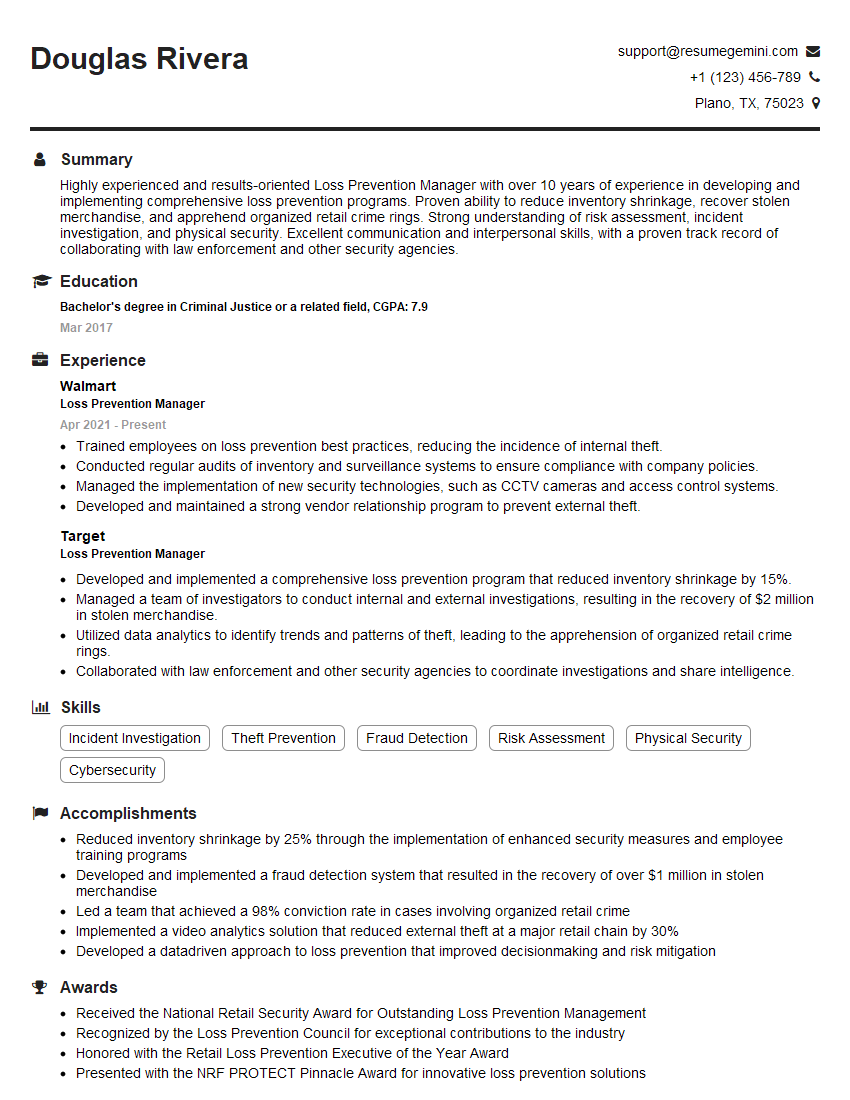
Loss Prevention Manager Resume Sample
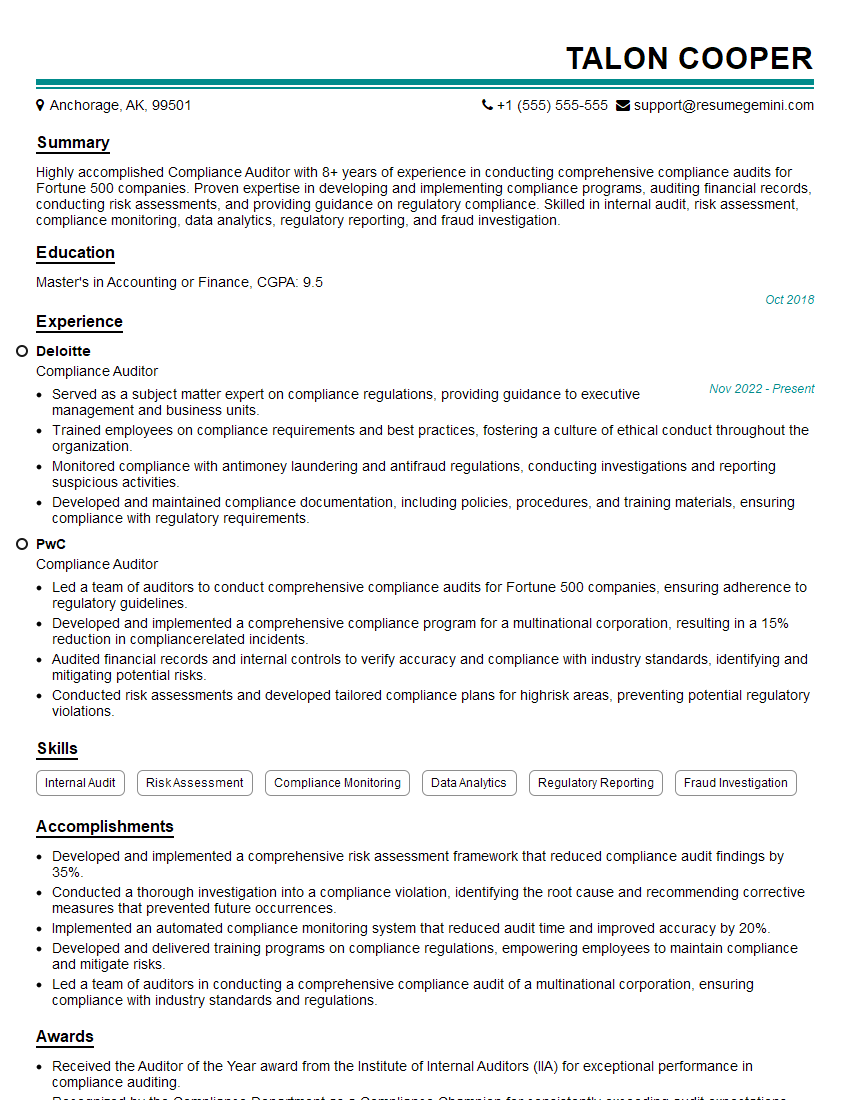
Compliance Auditor Resume Sample
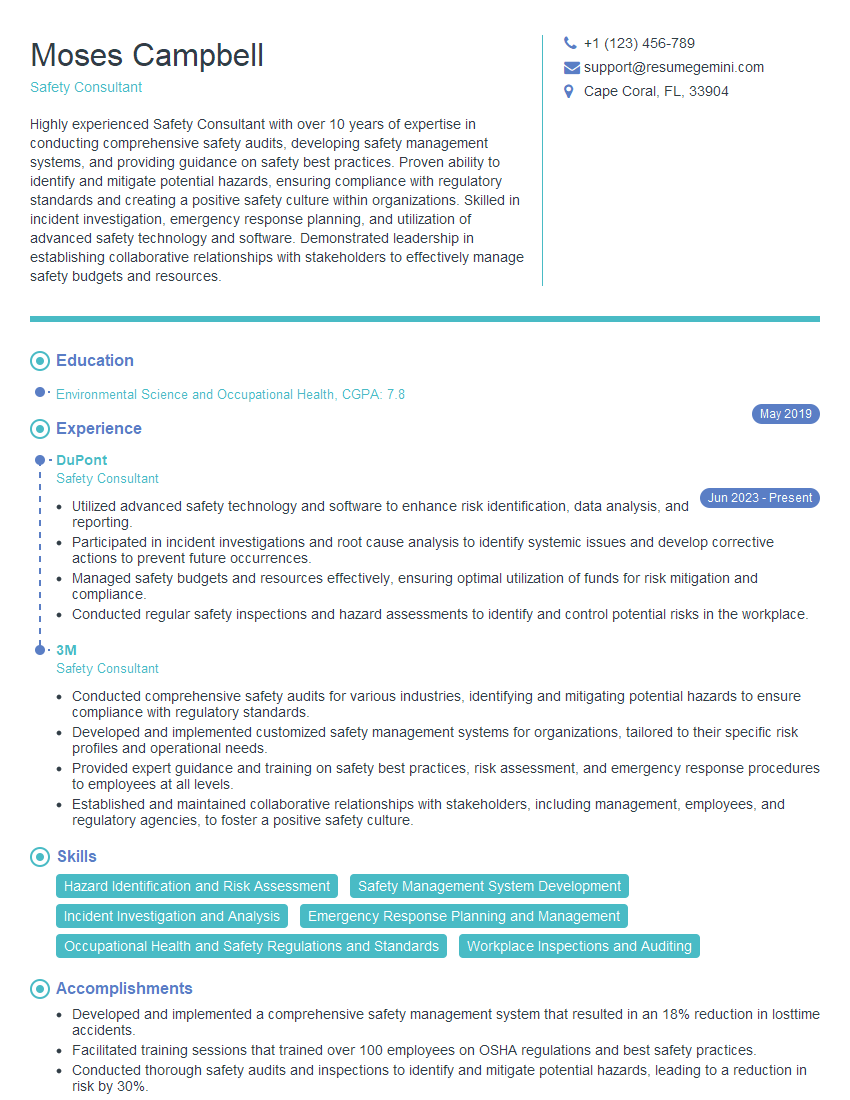
Safety Consultant Resume Sample
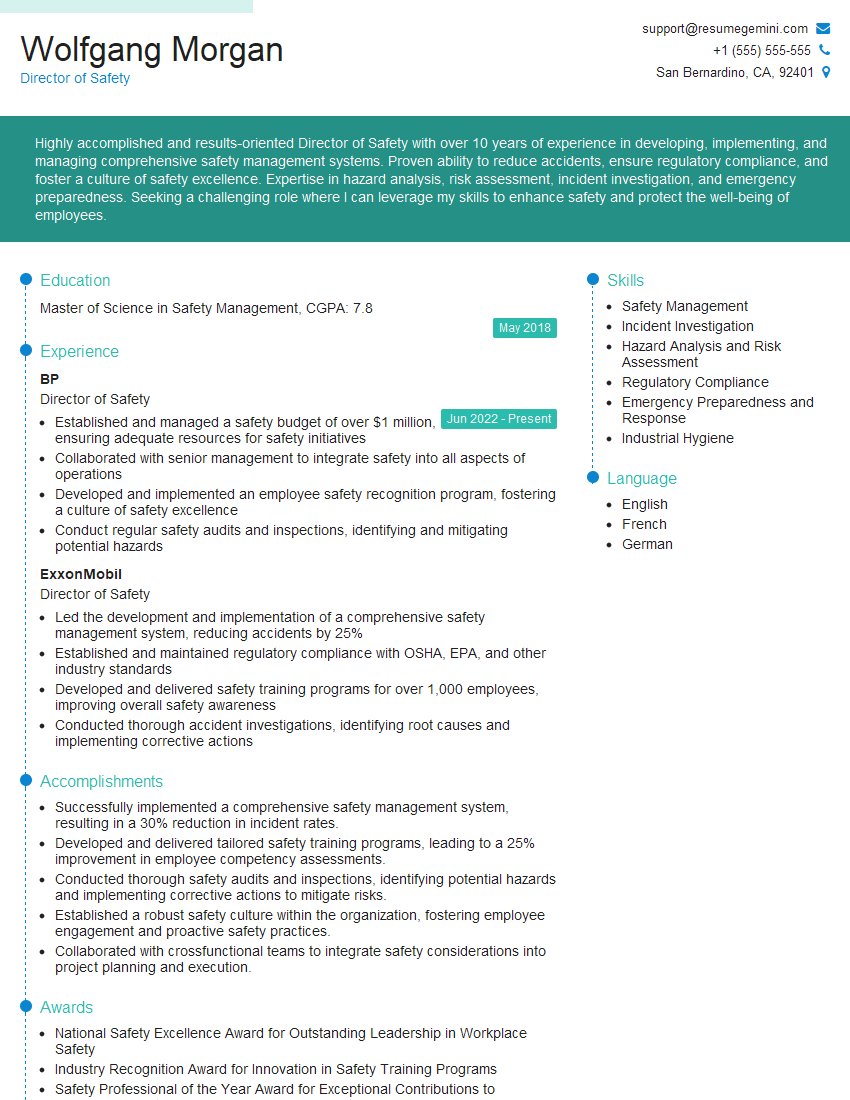
Director of Safety Resume Sample
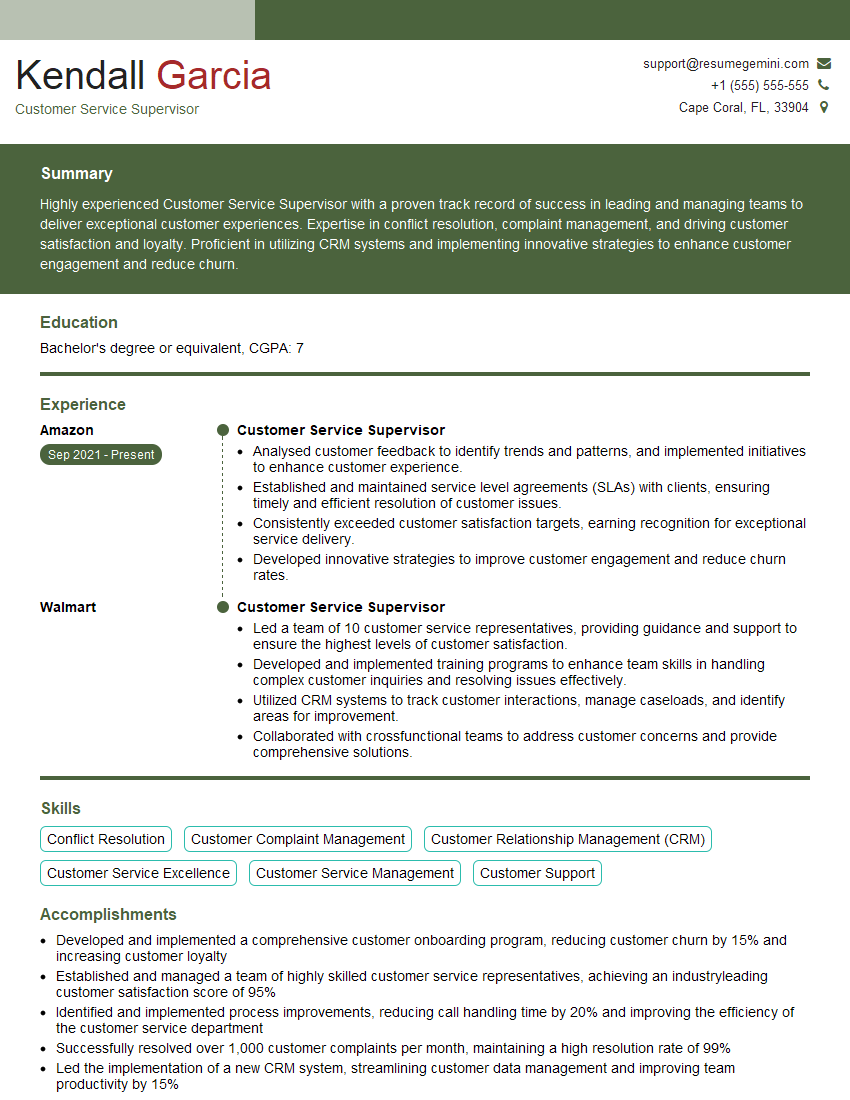
Customer Service Supervisor Resume Sample
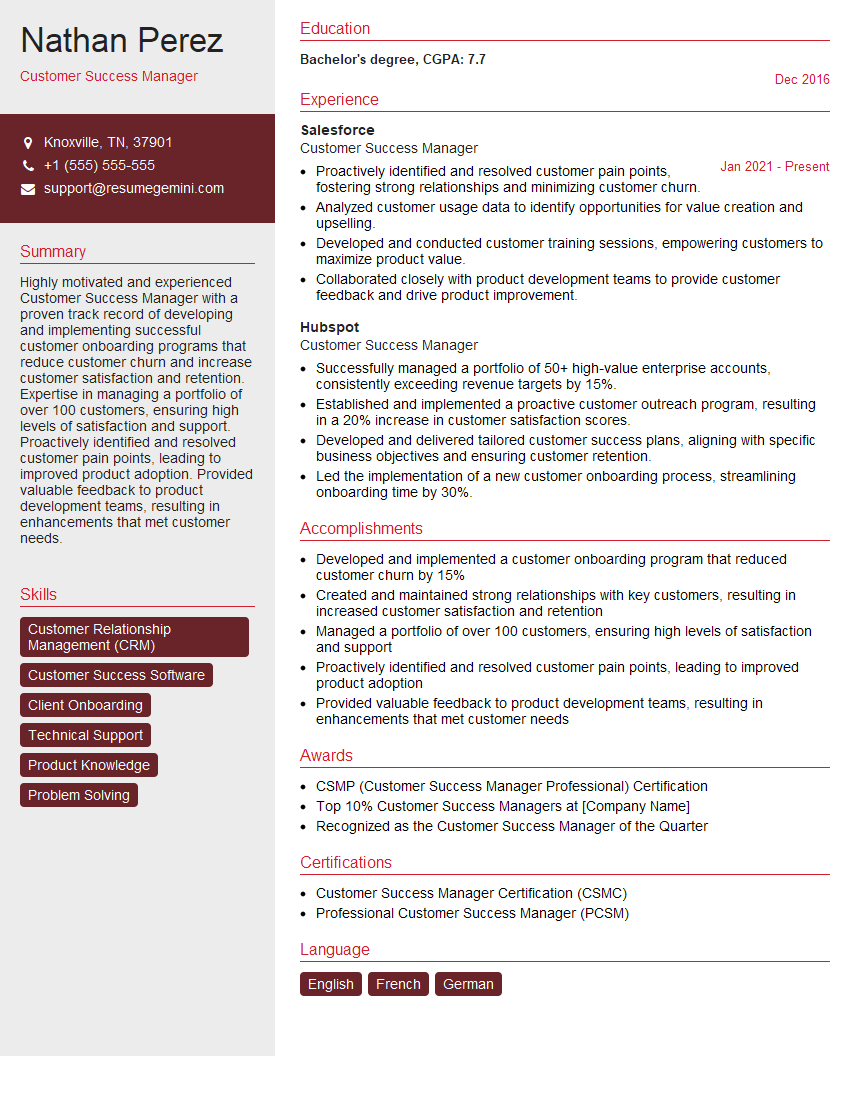
Customer Success Manager Resume Sample
Explore more articles
Users Rating of Our Blogs
Share Your Experience
We value your feedback! Please rate our content and share your thoughts (optional).
What Readers Say About Our Blog
To the interviewgemini.com Webmaster.
Very helpful and content specific questions to help prepare me for my interview!
Thank you
To the interviewgemini.com Webmaster.
This was kind of a unique content I found around the specialized skills. Very helpful questions and good detailed answers.
Very Helpful blog, thank you Interviewgemini team.