Every successful interview starts with knowing what to expect. In this blog, we’ll take you through the top Customer Service Communication interview questions, breaking them down with expert tips to help you deliver impactful answers. Step into your next interview fully prepared and ready to succeed.
Questions Asked in Customer Service Communication Interview
Q 1. Describe your approach to handling a highly escalated customer complaint.
Handling a highly escalated customer complaint requires a calm, empathetic, and systematic approach. It’s crucial to de-escalate the situation first before attempting to resolve the underlying issue. My approach involves several key steps:
- Active Listening and Empathy: I begin by actively listening to the customer’s complaint without interruption. I use phrases like, “I understand your frustration,” or “I can see why you’re upset.” This shows empathy and validates their feelings.
- Restating and Clarifying: Once the customer has finished, I restate the issue in my own words to ensure I understand it correctly. This also gives the customer a chance to correct any misunderstandings.
- Apologizing (when appropriate): If the company is at fault, a sincere apology is essential. This doesn’t necessarily mean admitting blame for everything, but acknowledging the customer’s negative experience.
- Taking Ownership: Even if the issue isn’t directly my responsibility, I take ownership of resolving the problem for the customer. I’ll say something like, “Let’s work together to find a solution.”
- Offering Solutions: I explore different solutions with the customer, collaboratively reaching a resolution that satisfies their needs. This may involve offering a refund, replacement, or other form of compensation.
- Following Up: After the immediate issue is resolved, I follow up with the customer to ensure their satisfaction and to prevent future problems. This demonstrates commitment and builds trust.
For example, if a customer is enraged because a product arrived damaged, I would first listen to their anger and validate their feelings. Then, I’d offer a solution like a replacement shipment and a partial refund. Finally, I’d follow up to make sure the replacement arrived undamaged and the customer was satisfied.
Q 2. How do you prioritize multiple customer requests simultaneously?
Prioritizing multiple customer requests requires a systematic approach, balancing urgency and importance. I use a combination of techniques:
- Urgency/Importance Matrix: I categorize requests based on urgency (how quickly they need to be addressed) and importance (impact on the customer or business). High urgency/high importance requests get immediate attention. Low urgency/low importance requests can be scheduled for later.
- Time Blocking: I allocate specific time blocks for handling different types of requests. For example, I might dedicate 30 minutes to responding to emails, an hour to handling phone calls, and another block for addressing urgent issues as they arise.
- Using a CRM System: A CRM system (like Salesforce or Zendesk) allows me to track all customer interactions and prioritize them effectively, using features like task management and prioritization settings.
- Communication: When handling multiple requests, I keep customers informed about estimated response times. Transparency helps manage expectations and prevents frustration.
Imagine I have several customer requests: a high-priority complaint about a faulty product, several routine inquiries about order status, and a low-priority feature request. I’d prioritize the faulty product complaint immediately, then address the order status inquiries efficiently using a template, and finally schedule time for the feature request.
Q 3. Explain your experience using CRM software to manage customer interactions.
I have extensive experience using CRM software to manage customer interactions. My experience primarily involves using Salesforce, but I’m also proficient with other systems like Zendesk. CRM systems are invaluable for tracking customer data, managing interactions, and improving customer service. My experience includes:
- Managing Customer Profiles: I utilize CRM systems to create and maintain accurate customer profiles, including contact information, purchase history, communication logs, and support requests.
- Tracking Interactions: I meticulously record every customer interaction within the CRM, ensuring a comprehensive history is readily available for future reference.
- Prioritization and Task Management: CRMs allow me to effectively prioritize tasks based on urgency and importance, assigning tickets and tracking progress on resolutions.
- Reporting and Analysis: I leverage CRM reporting features to identify trends, measure key performance indicators (KPIs) like customer satisfaction and resolution times, and inform process improvements.
- Automation: I use automated features for tasks like sending follow-up emails or triggering notifications based on specific events.
For example, in Salesforce, I use workflows and triggers to automate email responses for common issues, freeing up time to focus on complex customer problems. This improves efficiency and ensures consistent service.
Q 4. How do you adapt your communication style to different customer personalities?
Adapting communication style to different customer personalities is crucial for effective customer service. I assess the customer’s communication style early on and adjust my approach accordingly. Here’s how:
- Observing Communication Patterns: I pay attention to the customer’s tone of voice, word choice, and pace of speech. Are they direct and concise or more detailed and expressive?
- Mirroring and Matching: Subtly mirroring the customer’s communication style – maintaining a similar pace, tone, and level of formality – can build rapport and foster understanding.
- Empathetic Responses: Regardless of the customer’s style, demonstrating empathy and understanding is always important.
- Adjusting Language and Tone: I use simpler language for customers who are less tech-savvy and a more formal tone for those who prefer it.
- Being Patient and Flexible: Some customers might be more emotional or demanding than others. Remaining calm, patient, and flexible is key to successfully managing the interaction.
For instance, with a highly technical customer, I would use precise terminology and provide detailed explanations. With a less technical customer, I would use simple language and avoid jargon. Adjusting my style ensures effective communication and builds stronger customer relationships.
Q 5. What is your process for documenting customer interactions?
Documenting customer interactions is essential for maintaining accurate records, improving service quality, and resolving future issues effectively. My process includes:
- Detailed Notes: I take detailed notes of every customer interaction, including the date, time, customer name, contact information, the issue raised, actions taken, and the resolution.
- CRM Integration: All interactions are recorded within the CRM system, ensuring a centralized and easily accessible record.
- Clear and Concise Language: I use clear and concise language to avoid ambiguity and ensure that anyone reviewing the notes can easily understand the interaction.
- Objective Reporting: I focus on factual reporting and avoid subjective opinions or interpretations.
- Keywording and Tagging: I utilize keywords and tags within the CRM to categorize interactions, making searching and filtering easier.
- Attaching Supporting Documents: Relevant documents such as screenshots, emails, or order confirmations are attached to the interaction record.
This thorough documentation ensures consistency, aids in training new team members, and provides valuable data for analyzing trends and improving service quality. For example, if a customer calls back with a similar issue, I can quickly access past interactions to provide faster and more effective assistance.
Q 6. Describe a time you had to deliver difficult news to a customer.
I once had to inform a customer that their order, which they had been eagerly anticipating for a special event, was delayed due to unforeseen circumstances with our shipping partner. The customer was understandably upset, as the event was critical.
My approach focused on empathy and proactive problem-solving. I started by acknowledging their frustration and apologizing for the inconvenience. I explained the situation clearly and honestly, without making excuses. I then offered several alternative solutions, including expedited shipping (at the company’s expense), a partial refund, and alternative product options if they needed a timely solution. I kept them updated regularly on the shipment’s progress. While I couldn’t undo the delay, I aimed to mitigate the negative impact on the customer, focusing on transparency and responsiveness. Eventually, the customer appreciated the proactive steps taken, and the issue was resolved satisfactorily.
Q 7. How do you handle customer inquiries that fall outside your area of expertise?
When faced with a customer inquiry outside my area of expertise, my priority is to ensure the customer receives the necessary assistance. I handle this by:
- Identifying the Correct Department/Person: I immediately identify the appropriate department or individual within the company who can address the customer’s inquiry.
- Transferring the Inquiry: I transfer the inquiry to the right person, providing them with all relevant information to ensure a seamless handover.
- Offering to Stay on the Line (when appropriate): If the customer agrees, I can stay on the line to introduce them to the appropriate person and ensure a smooth transfer of information.
- Providing a Contact Number or Email Address: If a transfer isn’t possible, I provide the customer with contact information for the relevant department, explaining who to reach out to and what to expect.
- Following Up: I follow up with the customer to confirm the issue has been resolved, showing my commitment to their satisfaction.
This approach ensures that the customer’s issue is addressed promptly by the correct individual, preventing frustration and enhancing their overall experience.
Q 8. What metrics do you track to measure your customer service performance?
Measuring customer service performance requires a multifaceted approach, tracking key metrics across various aspects of the customer journey. I typically focus on a combination of quantitative and qualitative data points.
- First Contact Resolution (FCR): This metric measures the percentage of customer issues resolved on the first contact. A high FCR indicates efficient problem-solving and well-trained agents. For example, aiming for an FCR above 80% shows we’re effectively addressing issues quickly.
- Average Handling Time (AHT): AHT measures the average time spent resolving a customer issue. Lower AHT signifies efficiency, but it’s crucial to balance this with customer satisfaction; a very low AHT might indicate rushed service. Ideally, we aim for an optimal balance, perhaps under 5 minutes for simple inquiries and appropriately longer for complex issues.
- Customer Satisfaction (CSAT): This is a crucial qualitative metric, usually obtained through post-interaction surveys. High CSAT scores (above 90%, for instance) reflect positive customer experiences. Analyzing feedback helps identify areas for improvement.
- Net Promoter Score (NPS): NPS measures customer loyalty and willingness to recommend the service. A high NPS score indicates strong customer advocacy. A score above 70 is generally considered excellent.
- Customer Effort Score (CES): This metric gauges how much effort customers expend to resolve their issues. Low CES scores are desirable, demonstrating ease of interaction and intuitive processes.
- Ticket Volume and Resolution Time: Monitoring the number of support tickets and the time it takes to resolve them helps identify potential bottlenecks or areas needing additional resources.
By regularly monitoring and analyzing these metrics, we can identify trends, pinpoint areas for improvement, and demonstrate the overall effectiveness of our customer service efforts.
Q 9. How do you identify and resolve recurring customer service issues?
Identifying and resolving recurring customer service issues requires a systematic approach that combines data analysis with proactive problem-solving.
- Data Analysis: I start by analyzing support tickets, CSAT surveys, and other relevant data to identify patterns. For instance, if many tickets mention difficulty navigating a specific feature on our website, that flags a potential recurring issue.
- Root Cause Analysis: Once a recurring issue is identified, I perform a root cause analysis to understand the underlying problem. This might involve interviewing agents, reviewing product documentation, or conducting user testing.
- Solution Implementation: Based on the root cause analysis, I develop and implement solutions. These could range from updating product documentation to fixing a software bug or creating a new FAQ entry. For example, if many users are struggling with a particular feature, we might create a short video tutorial to guide them.
- Monitoring and Prevention: After implementing a solution, I monitor the relevant metrics to ensure the issue is resolved and doesn’t reappear. This involves tracking ticket volume, CSAT scores, and other relevant data. Proactive measures, such as improved training or process changes, might be implemented to prevent similar issues in the future.
By employing this systematic approach, we can effectively address recurring issues, improving the overall customer experience and reducing the workload on our support team.
Q 10. Describe your experience with different communication channels (e.g., phone, email, chat).
I have extensive experience using various communication channels, each with its own strengths and weaknesses. My approach adapts to the specific channel and customer needs.
- Phone: Phone calls allow for immediate interaction and personalized support, facilitating empathy and building rapport. However, they are less efficient for handling large volumes of inquiries.
- Email: Emails provide a written record of the interaction, allowing for careful consideration of responses. This is useful for complex issues requiring detailed explanations. However, email responses can be slower than other channels.
- Chat: Live chat offers a blend of speed and personalization, suitable for quick questions and immediate issue resolution. It’s efficient for handling multiple concurrent inquiries. However, the text-based format can sometimes lead to misunderstandings.
In practice, I’ve found that effectively utilizing a multi-channel approach optimizes customer service. For example, a customer might initiate a chat inquiry, then transition to email for follow-up information or documentation.
Q 11. How do you use active listening techniques to understand customer needs?
Active listening is fundamental to understanding customer needs. It’s more than just hearing; it’s about truly understanding the customer’s perspective and emotions.
- Paying Attention: I focus fully on the customer, minimizing distractions and showing genuine interest. This includes making eye contact during phone calls or reading chat messages carefully.
- Show Empathy: I try to understand the customer’s situation and feelings. For example, if a customer is frustrated, I acknowledge their frustration and express understanding.
- Asking Clarifying Questions: I use open-ended questions (“Can you tell me more about…?”) to encourage the customer to elaborate and avoid making assumptions.
- Summarizing and Paraphrasing: I periodically summarize the customer’s concerns to confirm my understanding and ensure we’re on the same page. For instance, I might say: “So, if I understand correctly, you’re experiencing difficulties with…”
- Nonverbal Cues: I pay attention to nonverbal cues, such as tone of voice, pauses, and hesitations, to gain a deeper understanding of the customer’s emotional state.
By actively listening, I can accurately identify the customer’s needs and tailor my response accordingly, leading to more effective problem-solving and increased customer satisfaction.
Q 12. How do you handle customer complaints or negative feedback constructively?
Handling customer complaints and negative feedback constructively is crucial for maintaining positive relationships and improving the service.
- Listen Empathetically: I begin by listening carefully and validating the customer’s feelings. I use phrases like “I understand your frustration” or “I’m sorry you’re having this problem.”
- Apologize Sincerely: If appropriate, I offer a sincere apology, even if I’m not directly responsible for the problem. The goal is to de-escalate the situation and show that we value the customer.
- Take Ownership: I take ownership of the problem, avoiding blame or excuses. This shows the customer that we’re committed to finding a solution.
- Find a Solution: I work collaboratively with the customer to find a solution that meets their needs. This might involve offering a refund, replacement, or other appropriate compensation.
- Follow Up: I follow up with the customer to ensure they’re satisfied with the resolution. This demonstrates continued care and commitment to their well-being.
Constructive handling of negative feedback transforms a potentially damaging situation into an opportunity to improve the service and strengthen customer loyalty. I view each complaint as valuable feedback that helps us identify areas for growth.
Q 13. Explain your experience with conflict resolution in a customer service setting.
Conflict resolution is an integral part of customer service. My approach involves a structured process focused on understanding the customer’s perspective and finding mutually acceptable solutions.
- Active Listening and Empathy: I start by actively listening to the customer’s concerns and showing empathy for their situation. This helps de-escalate the situation and build trust.
- Identifying the Root Cause: I work to identify the root cause of the conflict, whether it’s a misunderstanding, a technical problem, or a policy issue.
- Exploring Options: I explore various options for resolving the conflict, considering both the customer’s needs and the company’s policies. This might involve compromise or negotiation.
- Reaching a Mutual Agreement: I work towards a mutually acceptable solution that addresses the customer’s concerns and maintains the company’s integrity. I clearly communicate the agreed-upon solution to avoid future misunderstandings.
- Following Up: I follow up with the customer to ensure they are satisfied with the resolution and to identify any remaining concerns. This ensures the resolution is sustainable and reinforces a positive customer relationship.
Successful conflict resolution hinges on clear communication, empathy, and a willingness to find common ground. The goal is not just to resolve the immediate issue but also to maintain a positive relationship with the customer.
Q 14. How do you maintain professionalism and composure under pressure?
Maintaining professionalism and composure under pressure is crucial in customer service. My approach involves a combination of proactive strategies and emotional regulation techniques.
- Preparation and Training: Thorough product knowledge and comprehensive training equip me to handle most situations effectively. This reduces stress caused by uncertainty.
- Deep Breaths and Pauses: When facing challenging situations, I take deep breaths to calm myself and use pauses strategically before responding to give myself time to formulate a thoughtful answer.
- Empathy and De-escalation: Focusing on empathy allows me to understand the customer’s perspective and de-escalate tense situations. Using calm and reassuring language helps maintain a professional demeanor.
- Positive Self-Talk: I utilize positive self-talk to remind myself of my skills and experience. This helps maintain confidence and reduces self-doubt.
- Seeking Support: When facing exceptionally difficult or overwhelming situations, I seek support from supervisors or colleagues. This ensures consistent quality and prevents burnout.
By combining proactive preparation with effective emotional regulation techniques, I consistently maintain professionalism and composure, even under significant pressure. This approach ensures high-quality customer service and fosters positive customer interactions.
Q 15. What is your understanding of customer relationship management (CRM)?
Customer Relationship Management (CRM) is a technology for managing all your company’s relationships and interactions with customers and potential customers. The goal is simple: improve business relationships. A CRM system helps companies stay connected to customers, streamline processes, and improve profitability.
A CRM system might include contact information, communication logs, purchase history, and customer service interactions. This data allows for personalized communication, targeted marketing, and efficient problem-solving. Think of it as a central hub for everything related to your customer interactions, enabling a holistic view of each customer journey.
For example, a CRM might automatically flag a customer who has contacted support multiple times regarding the same issue, alerting the team to potentially deeper problems with the product or service.
Career Expert Tips:
- Ace those interviews! Prepare effectively by reviewing the Top 50 Most Common Interview Questions on ResumeGemini.
- Navigate your job search with confidence! Explore a wide range of Career Tips on ResumeGemini. Learn about common challenges and recommendations to overcome them.
- Craft the perfect resume! Master the Art of Resume Writing with ResumeGemini’s guide. Showcase your unique qualifications and achievements effectively.
- Don’t miss out on holiday savings! Build your dream resume with ResumeGemini’s ATS optimized templates.
Q 16. Describe your experience with customer service-related software or tools.
I have extensive experience with several CRM platforms, including Salesforce, Zendesk, and HubSpot. In my previous role, we utilized Salesforce to track leads, manage customer accounts, and automate marketing campaigns. My responsibilities included data entry, report generation, and using the system to improve customer service response times. Zendesk was instrumental in managing customer support tickets, routing inquiries to the appropriate teams, and tracking resolution times. HubSpot allowed us to nurture leads through personalized email sequences and track website activity to better understand customer engagement.
Beyond CRM systems, I’m proficient in using help desk software like Jira Service Desk for issue tracking and collaboration within support teams. I’m also comfortable using communication platforms like Slack and Microsoft Teams for efficient internal and external communication.
Q 17. How do you measure customer satisfaction?
Measuring customer satisfaction (CSAT) is crucial for continuous improvement. I utilize a multi-faceted approach. This includes:
- Customer Satisfaction Surveys: Post-interaction surveys (email or in-app) using a Net Promoter Score (NPS), Customer Effort Score (CES), or a simple satisfaction rating scale.
- Social Media Monitoring: Tracking brand mentions and sentiment on social media platforms to identify areas needing improvement.
- Customer Feedback Forms: Providing easy-to-access feedback forms on websites and in-app to gather direct input.
- Analyzing Support Ticket Data: Examining metrics like resolution time, first-contact resolution rate, and customer feedback within tickets.
- Customer Churn Rate: Monitoring the rate at which customers stop using your product or service to identify potential issues impacting satisfaction.
By combining these methods, I can create a comprehensive picture of customer satisfaction and pinpoint areas requiring attention.
Q 18. Describe your experience with providing remote customer support.
I have significant experience in providing remote customer support, primarily through phone, email, chat, and video conferencing. In my previous role, I managed a team of remote support agents, training them on best practices for remote interaction. I understand the challenges associated with remote support, such as the inability to directly observe customer issues and the need for clear and concise communication. I’m adept at using screen-sharing software to guide customers through troubleshooting steps and using remote control tools when necessary, ensuring their privacy and security are protected at all times.
One specific example involved troubleshooting a complex technical issue for a customer remotely using screen-sharing. By patiently guiding them through each step and clearly explaining the process, I was able to resolve the issue effectively and enhance their experience, demonstrating the importance of empathy and clear communication in remote support.
Q 19. How do you ensure accuracy and efficiency in your customer service interactions?
Accuracy and efficiency are paramount in customer service. I achieve this through several strategies:
- Knowledge Base Access: Utilizing comprehensive knowledge bases and FAQs to provide accurate and consistent information.
- Double-Checking Information: Verifying information with multiple sources before providing it to the customer.
- Utilizing CRM systems effectively: Leveraging the CRM to access customer history and relevant information quickly.
- Process Optimization: Implementing and refining efficient workflows to minimize handling times and maximize resolution rates.
- Effective Communication: Using clear, concise language to avoid misunderstandings and ensuring customer comprehension.
For example, before responding to a complex technical question, I always cross-reference multiple sources from our knowledge base and internal documentation to ensure the solution is accurate and up-to-date.
Q 20. What are your strategies for de-escalating tense situations with customers?
De-escalating tense situations requires empathy, active listening, and a calm demeanor. My approach involves:
- Active Listening: Letting the customer fully express their concerns without interruption.
- Empathy and Validation: Acknowledging the customer’s frustration and validating their feelings.
- Finding Common Ground: Focusing on shared goals and finding areas of agreement.
- Ownership and Apology (when appropriate): Taking responsibility for issues and offering sincere apologies.
- Offering Solutions: Providing clear and actionable solutions to resolve the customer’s problem.
- Setting Expectations: Providing realistic timelines for resolution and keeping the customer updated on progress.
Imagine a customer yelling about a late delivery. I would start by actively listening, expressing empathy for their inconvenience, and then offering a solution like expedited shipping or a discount. By showing understanding and proactive problem-solving, I aim to transform a negative interaction into a positive one, reinforcing trust.
Q 21. How do you build rapport and trust with customers?
Building rapport and trust is the cornerstone of excellent customer service. I achieve this through:
- Personalization: Using the customer’s name and addressing them in a respectful and friendly manner.
- Active Listening and Empathy: Demonstrating genuine interest in the customer’s needs and concerns.
- Clear and Concise Communication: Avoiding jargon and explaining things in simple terms.
- Following Through: Keeping promises and ensuring issues are resolved promptly.
- Proactive Communication: Providing updates and keeping the customer informed throughout the process.
For instance, beginning a conversation with ‘Hi [Customer Name], thanks for reaching out. I understand you’re having trouble with [issue], let’s see what we can do’ immediately establishes a personal connection and shows I’m ready to help. This personalized and empathetic approach cultivates a sense of trust and builds a positive relationship with the customer.
Q 22. Describe your experience with handling sensitive customer information.
Handling sensitive customer information requires a meticulous approach grounded in adherence to privacy regulations and company policies. My experience encompasses strict adherence to data protection protocols, including access control measures and secure data storage practices. I’ve consistently prioritized confidentiality, ensuring that all customer information remains protected throughout the interaction and beyond. This includes understanding and following guidelines around data retention, disposal, and access restrictions. For example, in my previous role, we were subject to HIPAA regulations, requiring a high level of security and strict adherence to protocols for protecting Protected Health Information (PHI). Any time I needed to access such information, I would carefully log my access and ensure I only accessed what was strictly necessary for resolving the customer’s issue. Furthermore, I always informed the customer of how their information would be used and for what purpose.
Q 23. How do you stay updated on new customer service trends and technologies?
Staying updated on customer service trends and technologies is crucial for maintaining a competitive edge. I actively engage in several strategies to ensure I’m abreast of the latest developments. This includes regularly reading industry publications like Customer Service Magazine and Customer Interaction Solutions, attending webinars and conferences focusing on customer experience and technology, and actively participating in online communities and forums dedicated to customer service professionals. I also actively experiment with new tools and technologies, such as AI-powered chatbots and CRM systems. Recently, I completed a course on the implementation of conversational AI in customer service, which greatly enhanced my understanding of using such technologies to automate and improve customer support. Finally, I dedicate time to studying case studies from successful companies known for excellent customer service, dissecting their strategies and identifying best practices I can implement in my own work.
Q 24. How do you balance the needs of the customer with the needs of the business?
Balancing customer needs with business objectives is a fundamental aspect of effective customer service. It’s about finding a solution that satisfies the customer while remaining within the operational and financial constraints of the company. I approach this using a problem-solving framework that considers both perspectives. First, I empathize with the customer’s situation, fully understanding their needs and concerns. Then, I assess the feasibility of fulfilling those needs from a business standpoint, considering factors like cost, resources, and policy. Often, the optimal solution involves a collaborative approach, where I explore options with the customer to find a mutually agreeable resolution that meets both their needs and the company’s objectives. For example, if a customer requests a significant refund that violates company policy, I would explore alternative solutions, such as offering a discount on a future purchase or providing complimentary services. The key is transparent and open communication.
Q 25. Describe your approach to continuous improvement in customer service.
Continuous improvement is a core principle in customer service. My approach involves a cycle of reflection, analysis, and action. I regularly review customer feedback surveys, analyze call recordings, and track key performance indicators (KPIs) such as customer satisfaction scores (CSAT) and resolution times. This data allows me to identify areas for improvement and track the effectiveness of changes. Based on these insights, I develop and implement strategies to enhance efficiency, improve customer satisfaction, and address any recurring issues. For example, if I notice a significant number of customers are struggling with a specific process, I would collaborate with the relevant departments to streamline the process or improve the instructions provided. I also actively seek out training and development opportunities to refine my skills and knowledge.
Q 26. How do you handle situations where customer expectations are unrealistic?
Handling unrealistic customer expectations requires tact, empathy, and clear communication. My approach focuses on validating the customer’s feelings while setting realistic boundaries. I begin by actively listening to their concerns and acknowledging their frustration. Then, I clearly and respectfully explain the limitations of what’s feasible, providing rationale based on policy, resource availability, or technical constraints. I focus on offering alternative solutions or compromises that are both reasonable and demonstrate my willingness to help within the bounds of what is possible. It’s about managing expectations effectively. For example, if a customer demands an impossible deadline, I’ll explain the realistic timeframe while offering frequent updates and proactive communication to keep them informed and engaged.
Q 27. Describe a time you went above and beyond for a customer.
In my previous role, a customer’s important documents were lost in transit, causing significant distress as they were required for a crucial legal matter. The standard procedure was simply to reissue the documents, which would take several days. However, understanding the customer’s urgency, I went above and beyond. I contacted the shipping company directly, expedited the search, and even offered to drive to their office personally to retrieve the documents if necessary. Through persistent follow-up, I managed to locate them earlier than anticipated. The customer was incredibly grateful, expressing their appreciation for my proactive and empathetic approach. This situation highlighted the importance of going beyond standard procedures to demonstrate genuine care and solve the customer’s issue holistically.
Q 28. How do you effectively communicate technical information to non-technical customers?
Communicating technical information to non-technical customers requires avoiding jargon and simplifying complex concepts. My approach involves using clear, concise language and avoiding technical terms unless absolutely necessary, and when I do use technical terms, I always explain them in simple language. I rely on analogies and metaphors to illustrate complex ideas in a relatable way. For example, instead of saying “The server is experiencing high latency,” I might explain, “It’s like a traffic jam on the internet; it’s taking longer than usual to reach the information you need.” I also use visual aids like diagrams or flowcharts to help explain technical processes. Finally, I always confirm the customer’s understanding by asking clarifying questions and summarizing the information in simple terms, making sure they fully grasp the solution provided. I’d rather repeat myself for clarity than cause further confusion.
Key Topics to Learn for Your Customer Service Communication Interview
- Active Listening & Empathy: Understanding the customer’s needs beyond the surface words. Practical Application: Practice reflecting customer concerns and summarizing their issues to ensure understanding.
- Clear & Concise Communication: Using language easily understood by diverse audiences. Practical Application: Develop scripts for common customer interactions, focusing on efficiency and clarity.
- Problem-Solving & Conflict Resolution: Identifying the root cause of issues and finding effective solutions. Practical Application: Role-play different scenarios to practice de-escalating tense situations and finding mutually acceptable resolutions.
- Professionalism & Etiquette: Maintaining a positive and respectful demeanor in all interactions. Practical Application: Review professional communication best practices including email etiquette and phone communication skills.
- Technical Proficiency (if applicable): Demonstrating familiarity with CRM software or other relevant communication technologies. Practical Application: Research and familiarize yourself with common CRM systems used in the industry.
- Handling Difficult Customers: Techniques for managing challenging conversations and maintaining composure under pressure. Practical Application: Explore different strategies for addressing anger, frustration, and unreasonable demands.
- Product Knowledge (if applicable): Thorough understanding of the products or services being supported. Practical Application: Review product information, documentation, and frequently asked questions.
Next Steps
Mastering Customer Service Communication is crucial for career advancement. It demonstrates valuable soft skills highly sought after by employers, opening doors to leadership roles and increased earning potential. To maximize your job prospects, create an ATS-friendly resume that showcases your abilities effectively. ResumeGemini is a trusted resource to help you build a professional resume that stands out. We provide examples of resumes tailored to Customer Service Communication to guide you. Invest time in crafting a compelling resume – it’s your first impression on potential employers.
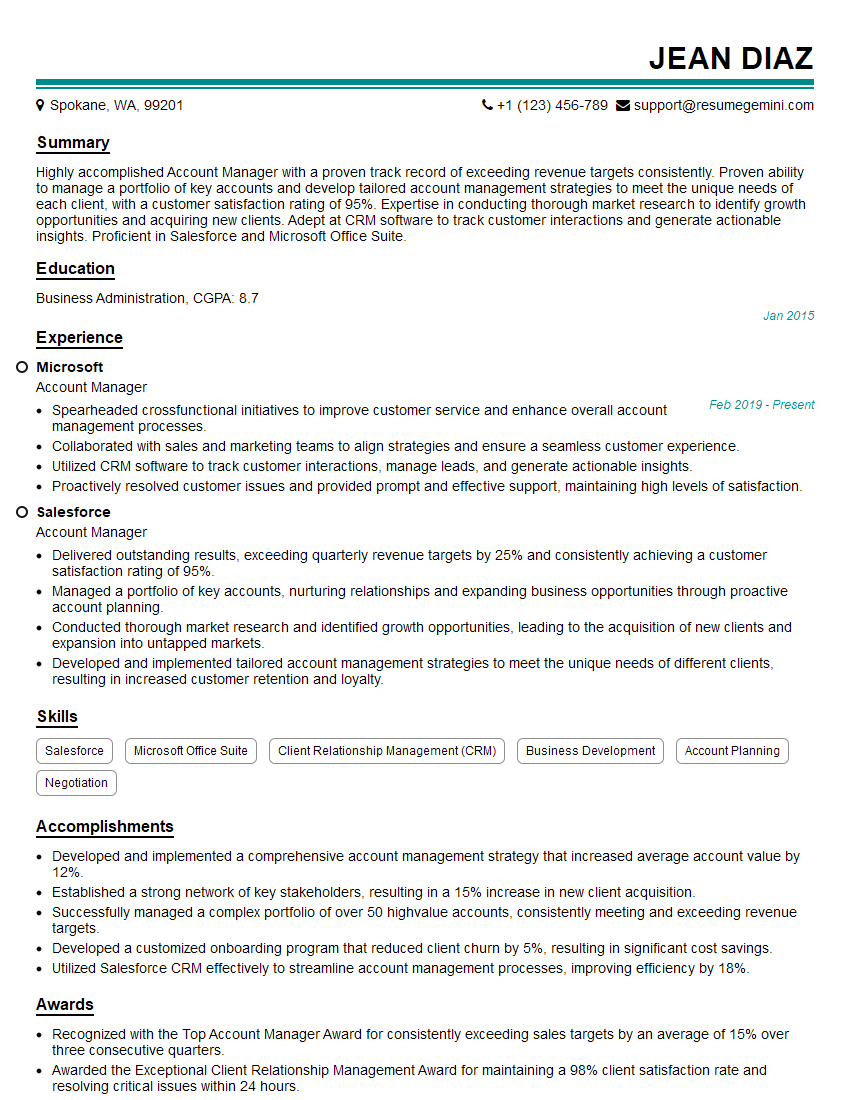
Account Manager Resume Sample

Customer Service Manager Resume Sample
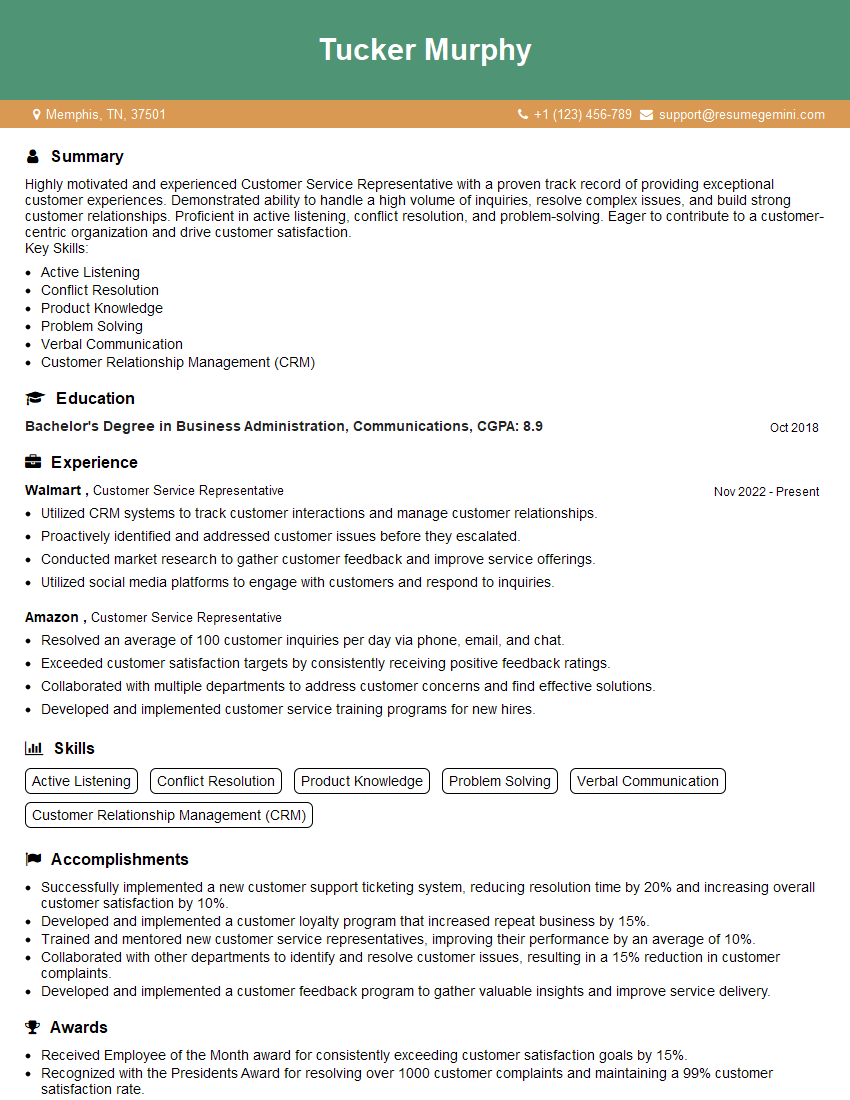
Customer Service Representative Resume Sample
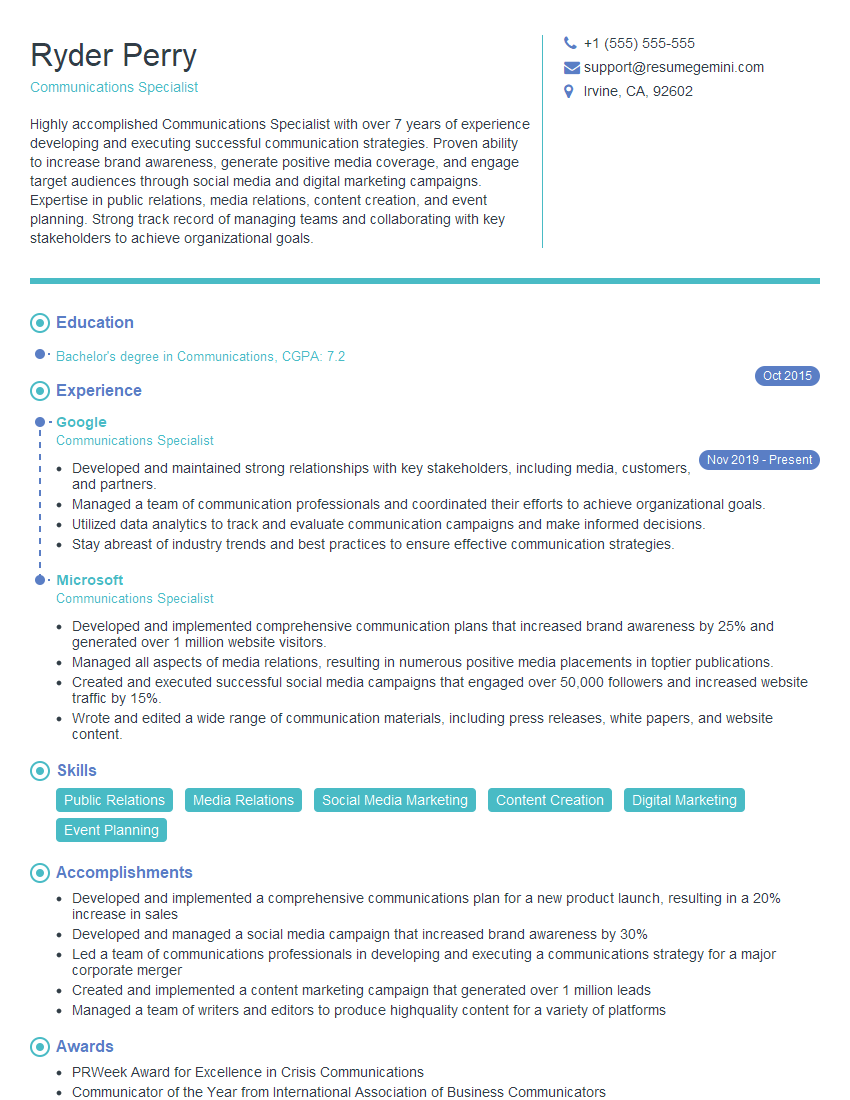
Communications Specialist Resume Sample
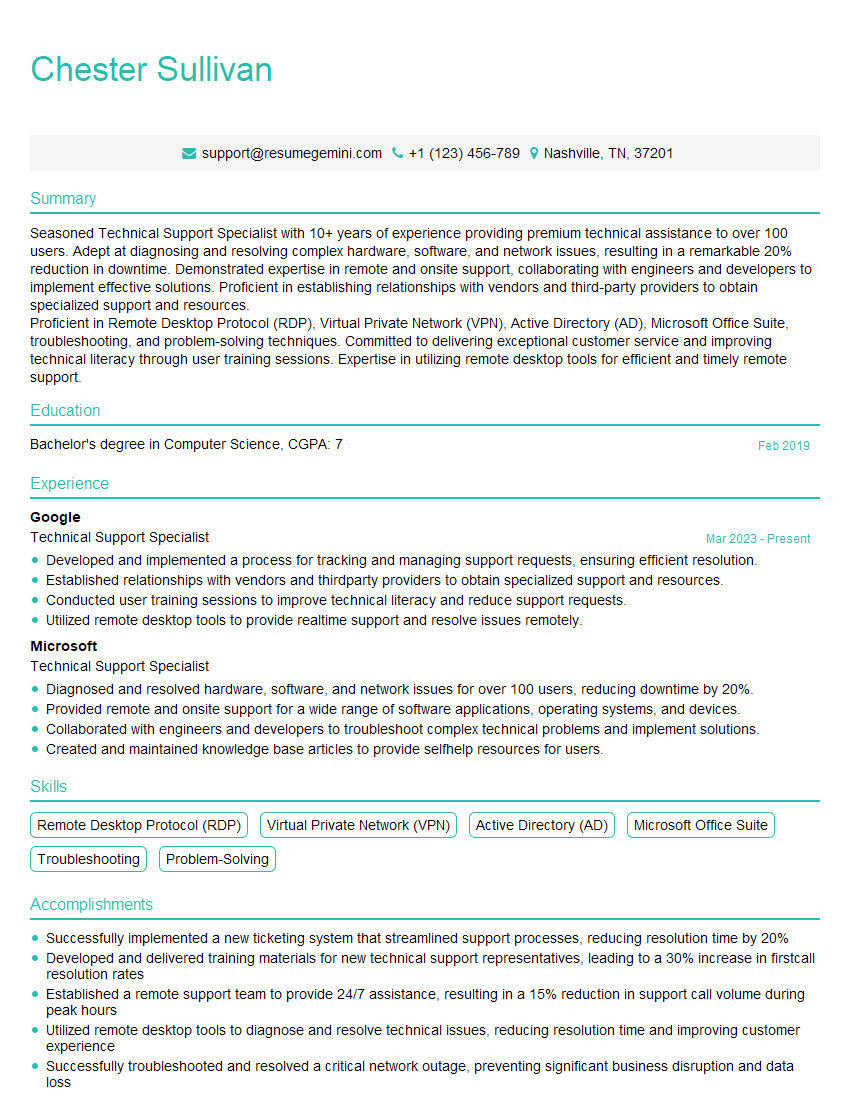
Technical Support Specialist Resume Sample
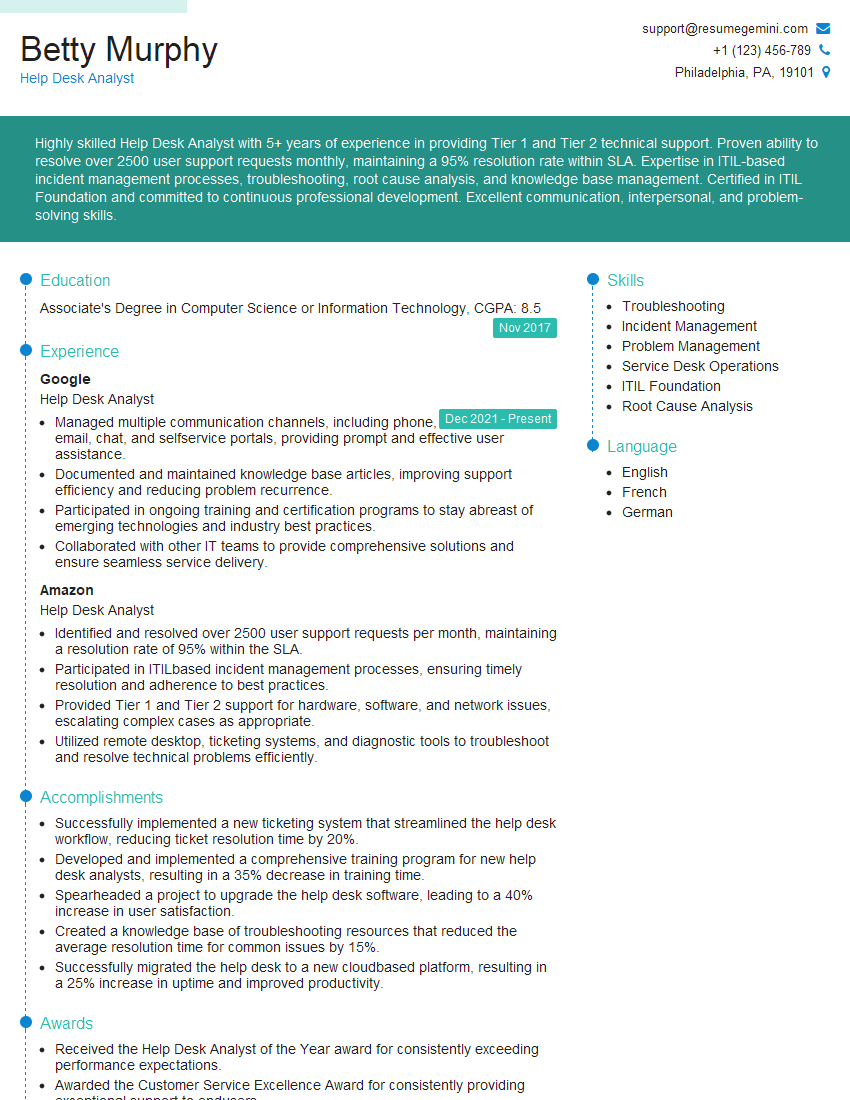
Help Desk Analyst Resume Sample
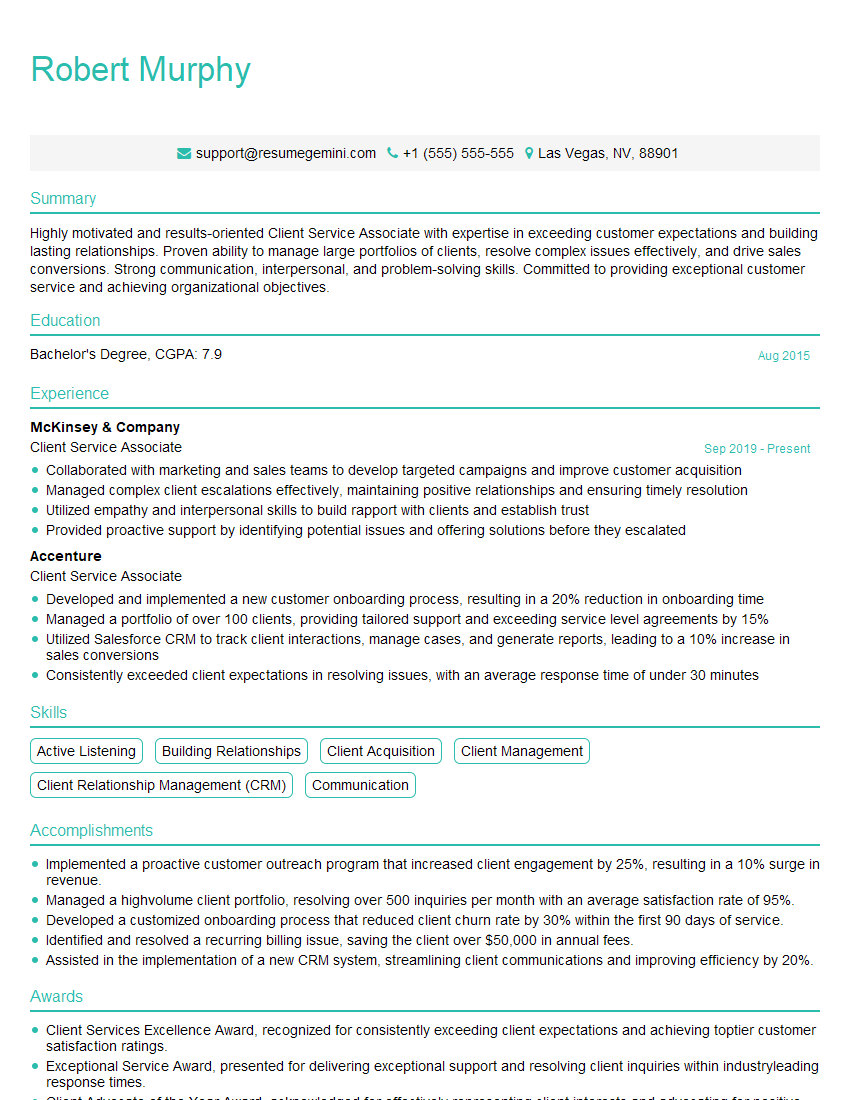
Client Service Associate Resume Sample
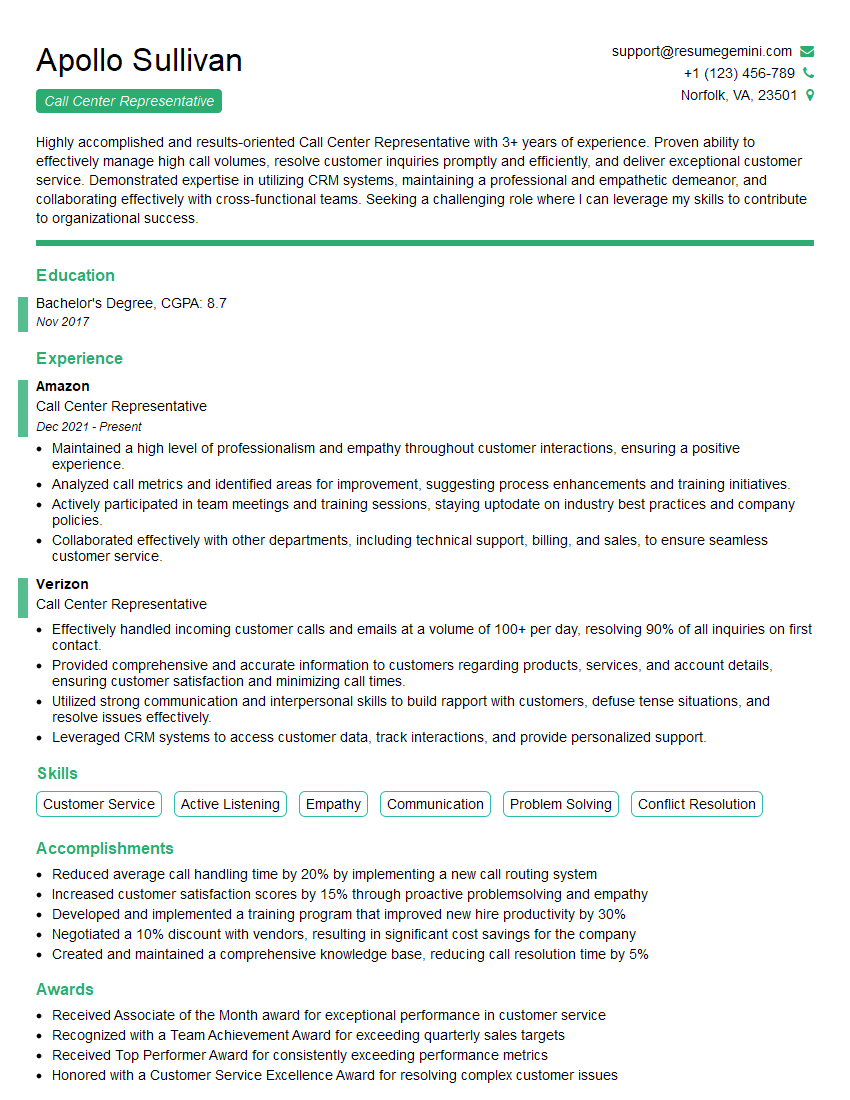
Call Center Representative Resume Sample
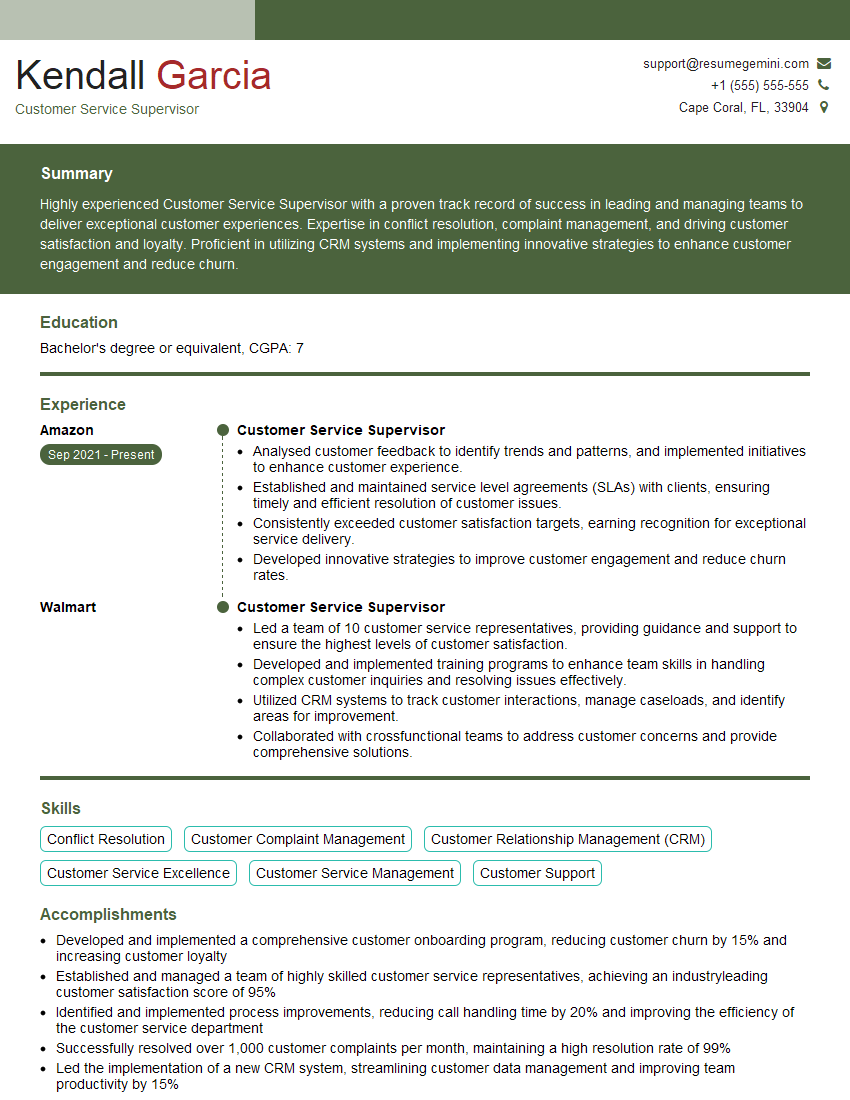
Customer Service Supervisor Resume Sample
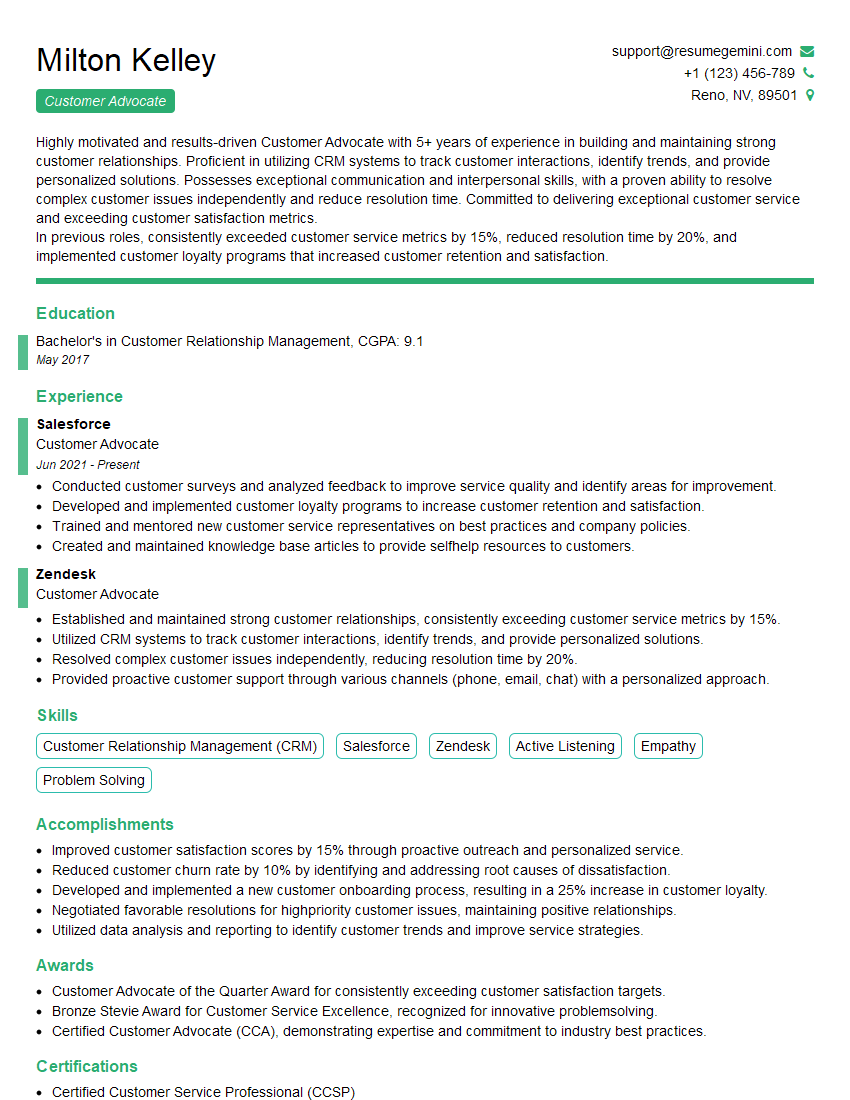
Customer Advocate Resume Sample
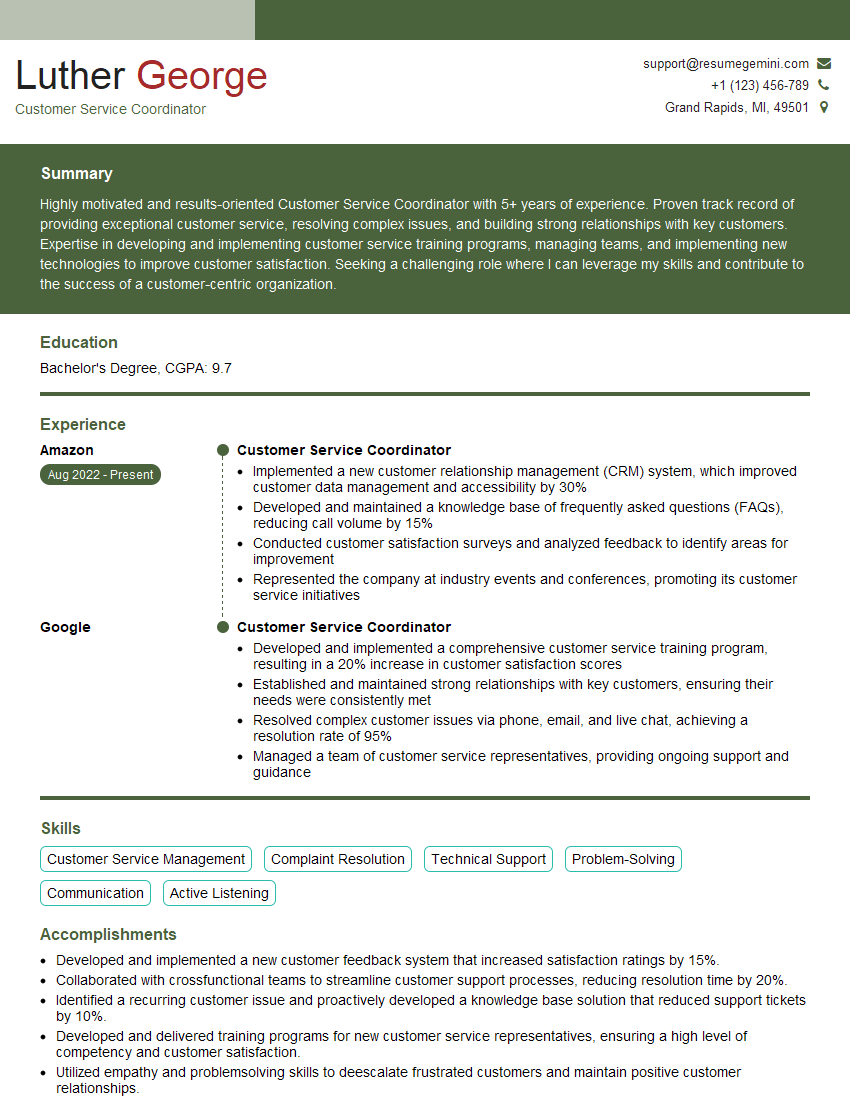
Customer Service Coordinator Resume Sample
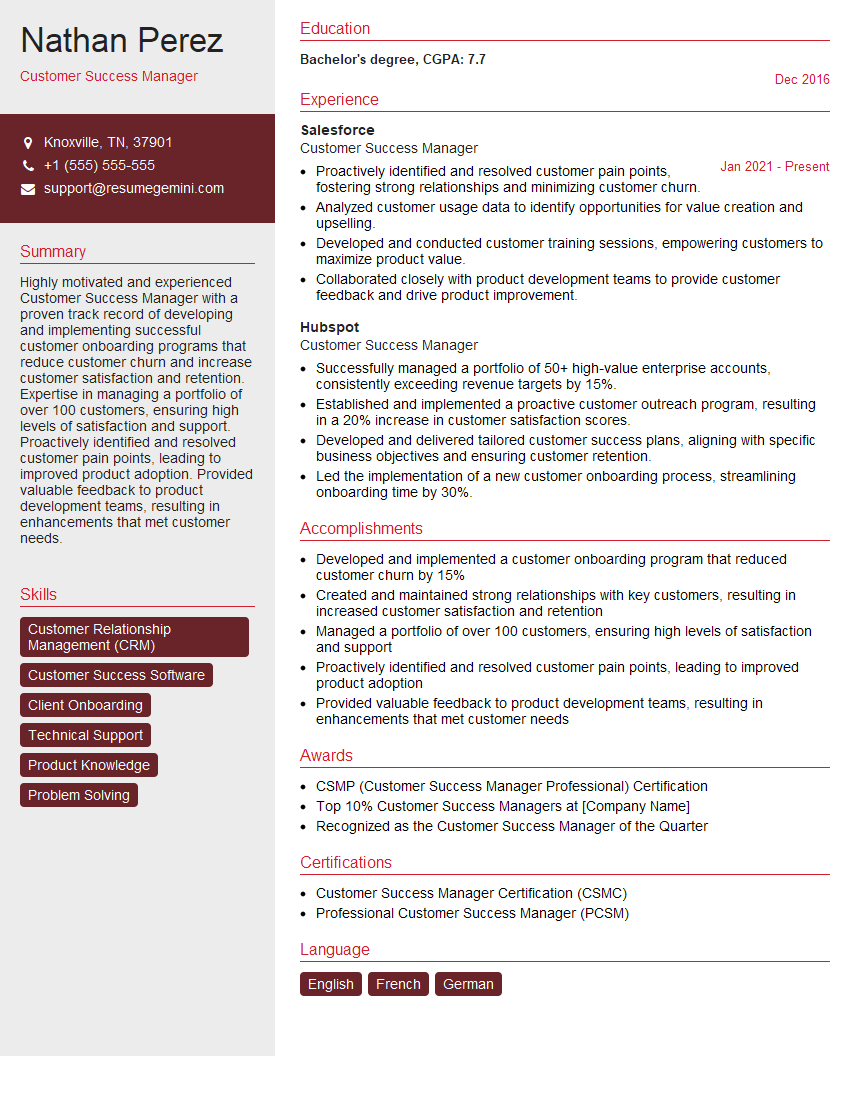
Customer Success Manager Resume Sample
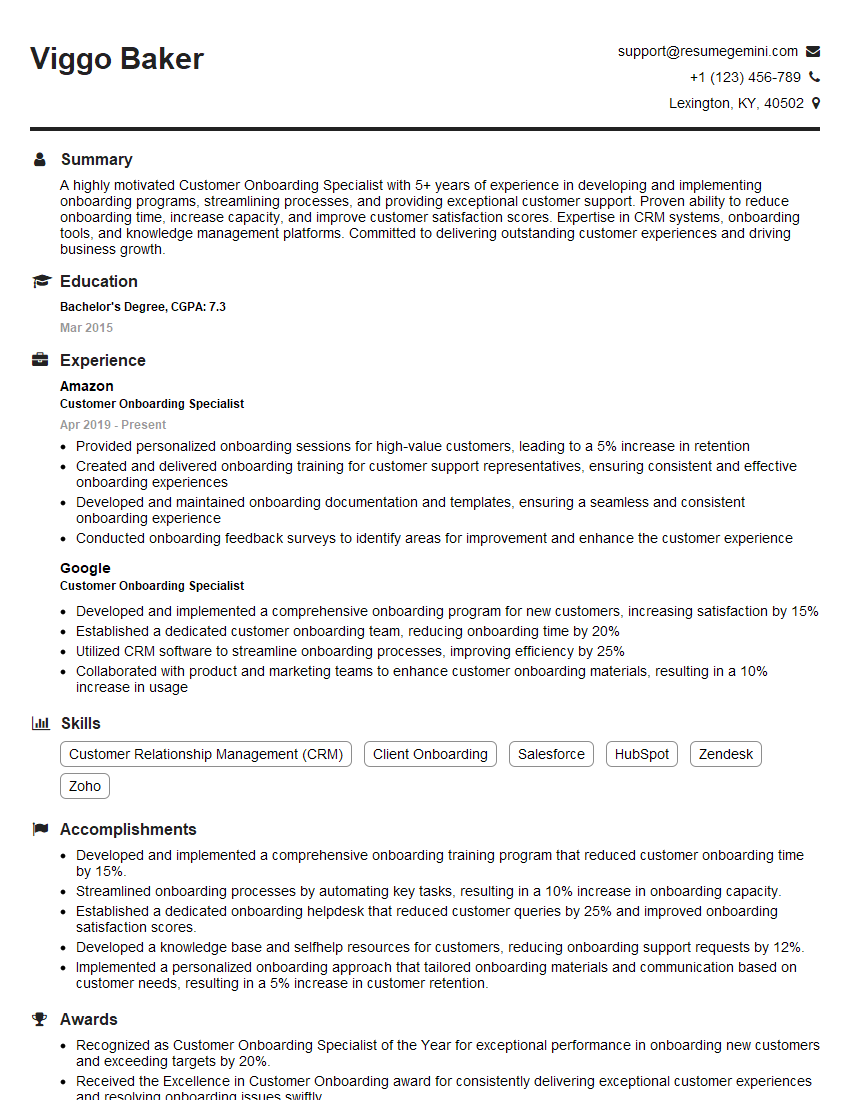
Customer Onboarding Specialist Resume Sample
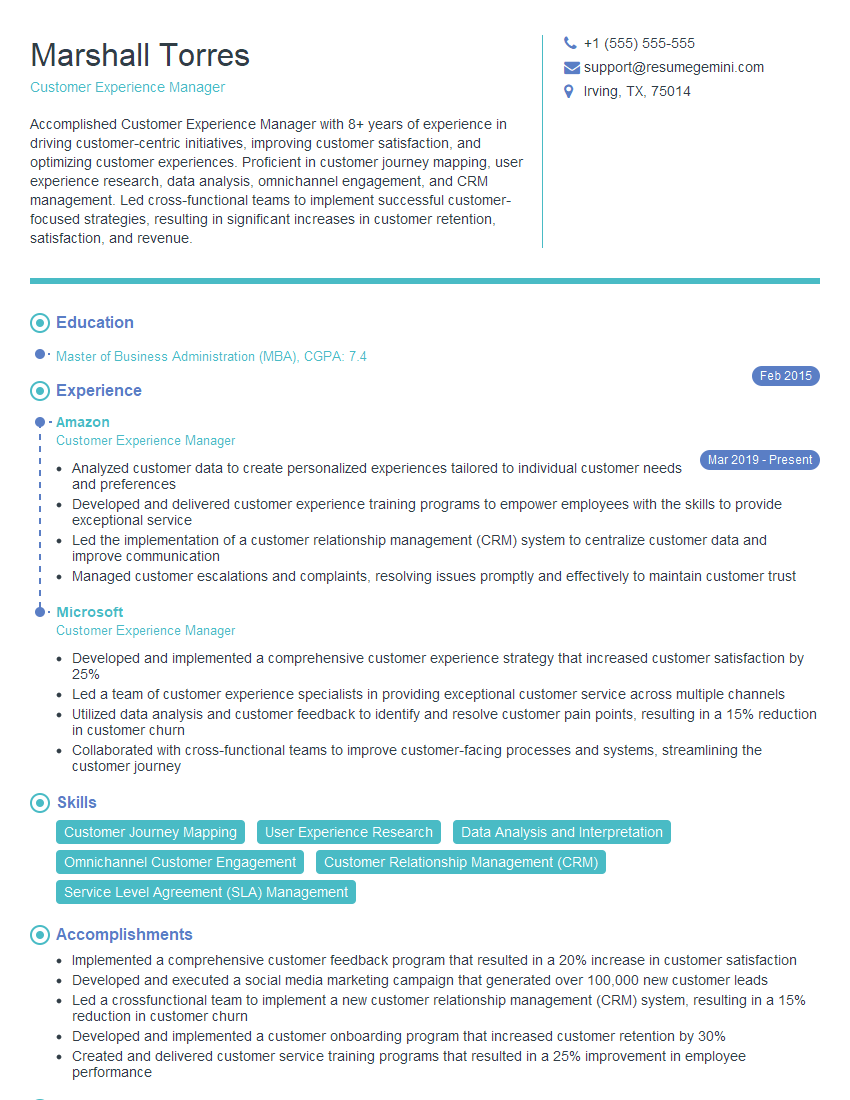
Customer Experience Manager Resume Sample
- Account Manager
- Customer Service Manager
- Customer Service Representative
- Communications Specialist
- Technical Support Specialist
- Help Desk Analyst
- Client Service Associate
- Call Center Representative
- Customer Service Supervisor
- Customer Advocate
- Customer Service Coordinator
- Customer Success Manager
- Customer Onboarding Specialist
- Customer Experience Manager
Explore more articles
Users Rating of Our Blogs
Share Your Experience
We value your feedback! Please rate our content and share your thoughts (optional).
What Readers Say About Our Blog
To the interviewgemini.com Webmaster.
Very helpful and content specific questions to help prepare me for my interview!
Thank you
To the interviewgemini.com Webmaster.
This was kind of a unique content I found around the specialized skills. Very helpful questions and good detailed answers.
Very Helpful blog, thank you Interviewgemini team.