Unlock your full potential by mastering the most common Intellectual and Developmental Disabilities interview questions. This blog offers a deep dive into the critical topics, ensuring you’re not only prepared to answer but to excel. With these insights, you’ll approach your interview with clarity and confidence.
Questions Asked in Intellectual and Developmental Disabilities Interview
Q 1. Describe the different levels of Intellectual Disability.
Intellectual Disability (ID) is classified into varying degrees of severity based on both IQ scores and adaptive functioning. The classification system, while helpful for understanding support needs, is not static and should be interpreted cautiously, focusing more on the individual’s strengths and needs rather than a strict label. The severity levels are:
- Mild ID: Individuals in this range typically have IQ scores between 50-70. They often achieve social and vocational independence, though they may need support in more complex situations or during challenging times. They can live independently, work, and participate in community activities, potentially needing some support with finances or decision-making.
- Moderate ID: With IQ scores between 35-49, individuals in this category need more significant support in daily living. They often require assistance with personal care, budgeting, and problem-solving. They may be able to perform simple jobs with supervision, or participate in sheltered workshops.
- Severe ID: Individuals with severe ID (IQ scores between 20-34) require substantial support across many areas of daily life. They may have limitations in communication and self-care, requiring significant assistance from caregivers. They often need significant support to participate in community activities.
- Profound ID: This level (IQ scores below 20) represents the most significant support needs. Individuals with profound ID require extensive ongoing care and support in all aspects of their lives. Their communication and motor skills may be very limited.
It’s crucial to remember that these are broad classifications, and individual needs and abilities vary widely even within a specific level of ID. A person-centered approach focusing on individual strengths and goals is paramount in planning support.
Q 2. Explain the concept of adaptive behavior.
Adaptive behavior refers to the collection of conceptual, social, and practical skills that people learn and perform in order to function in their everyday lives. It’s not simply about intelligence, but about how effectively someone can apply their skills and knowledge in real-world situations. Think of it as the ability to navigate daily life successfully.
- Conceptual skills involve language, reading, writing, money concepts, and self-direction. For example, understanding how to read a bus schedule, manage money, or follow instructions.
- Social skills encompass interpersonal skills, responsibility, self-esteem, gullibility, and obeying rules and laws. An example is understanding social cues in conversations, following rules in social settings, or making appropriate decisions.
- Practical skills relate to activities of daily living such as personal care (dressing, eating), occupational skills, and maintaining a safe environment. This could include cooking a simple meal, cleaning one’s home, or using public transportation safely.
Assessing adaptive behavior is crucial in diagnosing and planning interventions for individuals with ID, as it provides a more holistic understanding of their functional abilities than IQ scores alone.
Q 3. What are some common co-occurring conditions with Intellectual Disabilities?
Intellectual Disabilities frequently co-occur with other conditions, significantly influencing support needs and intervention strategies. Some common co-occurring conditions include:
- Autism Spectrum Disorder (ASD): Challenges in social communication and interaction are common to both ID and ASD, leading to complex support needs.
- Cerebral Palsy: This neurological disorder affects movement and muscle tone, potentially impacting adaptive skills and mobility.
- Epilepsy: Seizures can affect cognitive function and require specific management strategies.
- Attention-Deficit/Hyperactivity Disorder (ADHD): Individuals with ID and ADHD may experience difficulties with attention, impulsivity, and hyperactivity, requiring tailored interventions.
- Mental health conditions: Anxiety, depression, and other mental health challenges are more prevalent in individuals with ID, demanding integrated care.
Understanding these co-occurring conditions is vital for developing comprehensive and individualized support plans, as the presence of multiple conditions requires a more nuanced and specialized approach.
Q 4. How would you adapt teaching strategies for an individual with an Intellectual Disability?
Adapting teaching strategies for individuals with ID necessitates a focus on individual learning styles, pacing, and support needs. The key is to break down complex information into smaller, manageable chunks and provide consistent, positive reinforcement. Here are some effective strategies:
- Visual supports: Use pictures, diagrams, and other visual aids to clarify instructions and concepts. A visual schedule can help individuals understand the structure of their day.
- Task analysis: Break complex tasks into smaller, sequential steps. This makes the task less overwhelming and easier to learn. For example, instead of saying “make a sandwich,” you might break it down into steps like “get bread,” “get cheese,” “put cheese on bread,” etc.
- Positive reinforcement: Reward desired behaviors consistently. This helps motivate learning and builds confidence. Verbal praise, small rewards, or even a simple high-five can be effective.
- Repetition and practice: Provide ample opportunities for practice and repetition to reinforce learning and build skills. Spacing out learning sessions over time (distributed practice) is often more effective than massed practice.
- Hands-on activities: Engage individuals through interactive and hands-on learning experiences. This can make learning more enjoyable and engaging.
- Adaptive technology: Consider using assistive technologies such as speech-to-text software, visual organizers, or other tools that can facilitate learning and participation.
Remember to adapt the complexity of the material and pace of instruction to the individual’s abilities and learning style. Regularly assess their progress and make necessary adjustments to the teaching plan.
Q 5. What are some evidence-based behavioral interventions for challenging behaviors?
Evidence-based behavioral interventions are crucial for managing challenging behaviors in individuals with ID. The focus is on identifying the function of the behavior (why it’s happening) and then implementing strategies to address the underlying cause rather than simply suppressing the behavior. Some examples include:
- Functional Behavior Assessment (FBA): A comprehensive process that identifies the antecedents (events preceding the behavior), the behavior itself, and the consequences (what happens after the behavior). This helps pinpoint the function of the behavior, such as getting attention, escaping a task, or accessing a desired item.
- Positive Behavior Support (PBS): A proactive approach that focuses on teaching replacement behaviors. It involves identifying and reinforcing positive behaviors while reducing undesirable ones through proactive strategies and environmental modifications.
- Applied Behavior Analysis (ABA): A systematic approach to teaching new skills and reducing challenging behaviors through the principles of operant conditioning (reinforcement and punishment). ABA focuses on clearly defining behaviors, measuring progress, and adjusting interventions as needed.
- Discrete Trial Training (DTT): A structured teaching method frequently used in ABA. It involves breaking down skills into small, teachable units and delivering consistent instruction and reinforcement. Often used to teach functional communication skills.
It’s vital that these interventions are implemented by qualified professionals who understand the ethical considerations and potential risks associated with behavioral interventions. Collaborating with families and caregivers is also essential for consistency and generalization of skills.
Q 6. Describe your experience with person-centered planning.
Person-centered planning is a fundamental approach in supporting individuals with ID. It emphasizes the individual’s unique aspirations, strengths, and preferences, guiding the development of a support plan that prioritizes their goals and self-determination. In my experience, I’ve facilitated numerous person-centered planning meetings involving individuals, families, and support professionals.
We use a variety of techniques to elicit the individual’s wishes and dreams. This might include facilitated communication, visual supports, or simply engaging in conversation in a comfortable and relaxed environment. The individual’s strengths are identified, and we work collaboratively to identify potential goals, building on those strengths. We also address any potential challenges and discuss strategies to overcome those hurdles. This collaborative process results in a support plan that is individualized, realistic, and empowering.
For example, I worked with a young man who had a passion for music. Through person-centered planning, we identified his goal of joining a local community band. We developed a plan that included music lessons, transportation assistance, and support in navigating social interactions within the band. This example shows how person-centered planning can help individuals achieve their goals and enhance their quality of life.
Q 7. How do you promote self-determination and independence in individuals with IDD?
Promoting self-determination and independence in individuals with ID is a core principle of person-centered support. It involves empowering individuals to make choices about their lives, participate in decision-making processes, and develop the skills they need to live as independently as possible. This is achieved through several strategies:
- Choice-making opportunities: Providing regular opportunities for individuals to make choices, even small ones, helps foster a sense of control and self-efficacy. This might involve choosing what they want to eat, wear, or do during their leisure time.
- Skill development: Focusing on developing practical life skills such as cooking, cleaning, budgeting, and personal care helps individuals gain independence in managing their daily lives. Instruction should be individualized and tailored to their needs and abilities.
- Social skills training: Developing social skills such as communication, assertiveness, and conflict resolution enables individuals to navigate social situations with confidence and independence.
- Self-advocacy training: Empowering individuals to advocate for their own needs and preferences is crucial for achieving self-determination. This could involve learning to express their opinions, communicate their needs effectively, and assert their rights.
- Supported decision-making: Providing support and guidance in the decision-making process without removing the individual’s autonomy. This could involve collaborative discussions where the individual plays a central role.
Creating opportunities for individuals to participate in community activities, work, and social settings further enhances their independence and sense of belonging.
Q 8. Explain the importance of family involvement in supporting individuals with IDD.
Family involvement is absolutely crucial for supporting individuals with Intellectual and Developmental Disabilities (IDD). Families are the cornerstone of an individual’s life, providing a foundation of love, support, and understanding that extends far beyond any professional intervention. Their intimate knowledge of the individual’s history, preferences, strengths, and challenges is invaluable.
- Improved Outcomes: Families actively involved in their loved one’s care and treatment plans often see better outcomes in terms of adaptive skills, social integration, and overall well-being. They can advocate for their needs, ensuring their voices are heard in crucial decisions.
- Reduced Stress and Burden: Support from professionals can help reduce the stress and emotional burden on family members, empowering them to better support the individual with IDD. This includes respite care, training, and access to support groups.
- Enhanced Quality of Life: Family involvement enriches the life of the individual with IDD, promoting a sense of belonging, security, and unconditional love. This contributes significantly to their quality of life.
- Transition Planning: Families play a crucial role in planning for the future, whether that’s transitioning to adulthood, independent living, or accessing vocational training.
For example, I worked with a family whose son had Down syndrome. By actively involving them in his Individual Support Plan (ISP), we ensured his preferences regarding leisure activities and career aspirations were incorporated, leading to a far more satisfying and fulfilling life for him.
Q 9. What are some strategies for supporting communication skills in individuals with IDD?
Supporting communication skills in individuals with IDD requires a multifaceted approach tailored to the individual’s unique needs and abilities. It’s not just about speaking; it’s about understanding and being understood.
- Augmentative and Alternative Communication (AAC): This includes various tools like picture exchange systems (PECS), sign language, speech-generating devices, and apps. Choosing the right AAC system depends on the individual’s cognitive abilities and communication preferences.
- Speech Therapy: A speech-language pathologist can assess and treat articulation problems, improve language comprehension, and teach functional communication skills.
- Social Communication Training: This focuses on teaching social skills, such as turn-taking in conversations, understanding nonverbal cues, and initiating interactions.
- Environmental Modifications: Creating a supportive and predictable environment with visual supports (schedules, picture cues) can dramatically improve communication effectiveness.
- Positive Reinforcement: Rewarding communication attempts, no matter how small, encourages continued effort and skill development.
For instance, I worked with a young man who primarily used PECS. By gradually introducing more complex vocabulary and sentence structures within the PECS system, we significantly improved his communication abilities and his ability to express his needs and wants.
Q 10. How do you assess the need for assistive technology?
Assessing the need for assistive technology involves a thorough evaluation of the individual’s strengths and challenges in daily living. This is a collaborative process involving the individual, their family, and a multidisciplinary team.
- Functional Assessment: We start with a comprehensive functional assessment to identify the specific areas where the individual experiences difficulty. This might involve observing their daily routines, interviewing family members and caregivers, and reviewing relevant records.
- Trial Periods: We often recommend trial periods with different assistive technologies to see how well they fit the individual’s needs and preferences. This allows for adjustments and fine-tuning.
- Training and Support: Adequate training for the individual and their caregivers is essential to ensure successful integration and use of the assistive technology.
- Cost and Sustainability: We consider the cost of the technology and whether it’s sustainable in the long term. This might involve exploring funding options or alternative solutions.
Imagine an individual struggling with fine motor skills needed for writing. A functional assessment might reveal this difficulty impacts their ability to complete schoolwork. A trial period with a voice-to-text software might prove highly beneficial and address this specific need.
Q 11. Describe your experience with creating and implementing Individualized Education Programs (IEPs) or Individual Support Plans (ISPs).
I have extensive experience in developing and implementing both Individualized Education Programs (IEPs) for students with IDD in educational settings and Individual Support Plans (ISPs) in community-based settings. The process is similar in that both are individualized, goal-oriented, and involve collaboration with stakeholders.
- Collaboration: Both IEPs and ISPs are developed collaboratively with the individual, their family, educators (for IEPs), support staff (for ISPs), and other relevant professionals.
- Strengths and Needs: A thorough assessment of the individual’s strengths, needs, and goals forms the foundation of the plan.
- Measurable Goals: The plan outlines specific, measurable, achievable, relevant, and time-bound (SMART) goals.
- Strategies and Interventions: The plan details the strategies and interventions that will be used to help the individual achieve their goals.
- Regular Review: Both IEPs and ISPs are regularly reviewed and updated to ensure they continue to meet the individual’s needs.
For example, I collaborated with the parents of a student with autism to create an IEP focusing on improving social skills and reducing anxiety in the school environment. We implemented strategies like social stories and visual schedules, and regularly monitored his progress to make adjustments as needed.
Q 12. How do you address challenging behaviors using positive behavioral support (PBS)?
Positive Behavioral Support (PBS) is a proactive approach to addressing challenging behaviors by focusing on understanding the function of the behavior and teaching alternative, more appropriate behaviors. It’s not about punishment; it’s about teaching.
- Functional Behavior Assessment (FBA): We begin with a thorough FBA to determine the purpose or function of the challenging behavior (e.g., attention-seeking, escape from demands, sensory stimulation).
- Hypothesis Development: Based on the FBA, we develop a hypothesis explaining why the behavior occurs.
- Intervention Planning: We develop an individualized intervention plan that includes teaching replacement behaviors (alternative ways to get needs met) and modifying the environment to reduce triggers for the challenging behavior.
- Data Collection: We monitor the effectiveness of the intervention using data collection methods and make adjustments as needed.
- Team Collaboration: This is a collaborative process involving the individual, family, educators, and support staff.
For example, a child might engage in tantrums to escape a difficult task. A PBS approach would involve teaching the child alternative communication strategies to express their frustration and breaking down the task into smaller, more manageable steps. We would also actively reinforce positive behaviors such as completing parts of the task.
Q 13. Explain the difference between functional assessment and functional behavior analysis.
While both functional assessment and functional behavior analysis (FBA) aim to understand the function of a challenging behavior, they differ in their scope and depth.
- Functional Assessment: This is a broader process that gathers information from multiple sources (e.g., interviews, observations, records) to identify patterns and potential causes of challenging behaviors. It provides a general overview of the behavior and its context.
- Functional Behavior Analysis (FBA): This is a more in-depth and systematic process that uses specific methods (e.g., direct observation, functional analysis) to determine the relationship between the antecedent (what happens before), behavior, and consequence (what happens after). It provides a clearer understanding of the specific triggers and reinforcing factors of the behavior.
Think of it like this: a functional assessment is like taking a general survey about a city, while an FBA is like conducting detailed research on a specific neighborhood within that city to identify the causes of a particular problem.
Q 14. Describe your experience with crisis intervention and de-escalation techniques.
Crisis intervention and de-escalation are critical skills for professionals working with individuals with IDD, as challenging behaviors can sometimes escalate into crises. My approach focuses on prevention, de-escalation, and safety.
- Prevention: Proactive strategies such as environmental modifications, consistent routines, and teaching coping skills can significantly reduce the likelihood of crises.
- Early Recognition: Learning to recognize early warning signs of escalation is vital. This involves close observation of verbal and nonverbal cues.
- De-escalation Techniques: Using calm and reassuring language, remaining non-judgmental, providing choices when possible, and offering physical space (if safe) are key de-escalation strategies.
- Safety Procedures: Having well-defined safety procedures in place to protect both the individual and staff is crucial. This includes physical intervention techniques (when necessary and with proper training).
- Post-Crisis Debriefing: Conducting a post-crisis debriefing to review the situation, identify contributing factors, and improve future responses is essential.
For example, I’ve used de-escalation techniques involving calm communication and providing sensory breaks (like listening to calming music) to help individuals manage overwhelming feelings before a crisis developed. Post-crisis debriefings allow us to adjust supports and prevent future episodes.
Q 15. What are some common medical concerns related to Intellectual Disabilities?
Individuals with intellectual disabilities (IDD) often experience a higher prevalence of certain medical conditions compared to the general population. These conditions can be directly related to the IDD itself or may be coincidental. Some common medical concerns include:
- Seizure disorders (epilepsy): Individuals with IDD have a significantly higher risk of experiencing seizures, requiring careful monitoring and medication management.
- Sensory impairments: Vision and hearing problems are more common, impacting learning, communication, and daily living skills. Early detection and appropriate interventions like assistive devices are crucial.
- Gastrointestinal issues: Conditions like constipation, gastroesophageal reflux disease (GERD), and celiac disease can occur more frequently and require specialized attention.
- Dental problems: Poor oral hygiene practices can lead to cavities and gum disease. Regular dental checkups and preventive care are essential.
- Obesity and related conditions: Individuals with IDD may be more prone to obesity due to factors like limited mobility, dietary habits, and medication side effects. This increases the risk of diabetes, heart disease, and other health problems.
- Mental health conditions: Anxiety, depression, and other mental health challenges are prevalent. Early intervention and appropriate treatment are vital to improving quality of life.
- Sleep disorders: Difficulties with sleep can impact overall health and well-being. Addressing these issues requires thorough assessment and potential behavioral or pharmacological interventions.
It’s important to remember that the specific medical concerns vary greatly depending on the individual’s diagnosis, age, and overall health status. Regular health screenings and proactive medical care are critical for individuals with IDD to prevent and manage these conditions effectively.
Career Expert Tips:
- Ace those interviews! Prepare effectively by reviewing the Top 50 Most Common Interview Questions on ResumeGemini.
- Navigate your job search with confidence! Explore a wide range of Career Tips on ResumeGemini. Learn about common challenges and recommendations to overcome them.
- Craft the perfect resume! Master the Art of Resume Writing with ResumeGemini’s guide. Showcase your unique qualifications and achievements effectively.
- Don’t miss out on holiday savings! Build your dream resume with ResumeGemini’s ATS optimized templates.
Q 16. How do you ensure the safety and well-being of individuals with IDD?
Ensuring the safety and well-being of individuals with IDD requires a holistic approach focusing on prevention, early intervention, and individualized support. Key strategies include:
- Person-centered planning: Collaboration with the individual, their family, and support team to develop a plan that addresses their unique needs, preferences, and goals. This might include identifying potential risks and developing strategies to mitigate them.
- Risk assessment and mitigation: Identifying potential hazards, such as wandering, self-injury, or vulnerability to abuse or exploitation, and developing strategies to minimize risks. This could involve environmental modifications, adaptive equipment, or behavioral interventions.
- Staff training and supervision: Providing comprehensive training to staff on safety protocols, emergency procedures, and positive behavior support techniques. Regular supervision ensures consistent implementation of safety measures.
- Medication management: Ensuring the safe and appropriate administration and monitoring of medications, as prescribed by a physician. This includes proper storage, documentation, and observation for side effects.
- Health promotion and disease prevention: Promoting healthy habits such as regular exercise, balanced nutrition, and preventative healthcare screenings. This helps maintain overall health and reduces the risk of chronic conditions.
- Communication strategies: Implementing effective communication strategies to ensure the individual understands safety procedures and can express their needs. This may involve augmentative communication systems or visual supports.
- Emergency preparedness: Developing and practicing emergency response plans in case of fire, natural disasters, or medical emergencies.
For example, an individual with a history of wandering might benefit from GPS tracking devices, secure doors, and staff training on how to respond to wandering episodes. Every individual’s plan should be unique and tailored to their specific needs.
Q 17. What are your experience with data collection and analysis?
My experience with data collection and analysis is extensive. I’ve been involved in various projects requiring the collection, organization, and interpretation of data related to individuals with IDD. This includes:
- Outcome measurement: Collecting data on functional skills, adaptive behaviors, and participation in community activities to measure the effectiveness of interventions and programs.
- Program evaluation: Analyzing data to assess the quality and impact of services provided to individuals with IDD. This may involve using statistical methods to compare outcomes across different groups or over time.
- Needs assessment: Conducting assessments to identify the needs and strengths of individuals and groups with IDD to develop appropriate support plans.
- Research: Participating in research projects that collect and analyze data to advance understanding of IDD and improve service delivery. This includes both quantitative and qualitative data analysis methods.
I am proficient in using various data collection tools and software, including electronic health records (EHRs), behavioral tracking systems, and statistical packages such as SPSS and R. I can design data collection instruments, ensure data quality, and interpret findings to inform decision-making and improve service delivery.
For example, in a recent project, I used data from EHRs to track the incidence of seizures in a group of individuals with IDD receiving different medication regimens. My analysis helped identify the most effective medication and dosage for this specific population.
Q 18. Describe your experience with medication administration and monitoring.
Medication administration and monitoring are critical aspects of care for many individuals with IDD. My experience includes:
- Accurate medication administration: Following physician orders precisely, adhering to established procedures, and using appropriate techniques for different routes of administration (oral, topical, injection).
- Documentation: Meticulously documenting all medication administration, including the time, dose, route, and any observed side effects.
- Monitoring for side effects: Observing individuals for any adverse reactions to medication, such as changes in behavior, mood, or physical symptoms. Prompt reporting of any concerns to the prescribing physician is essential.
- Medication reconciliation: Verifying medication lists to ensure accuracy and consistency across different settings and providers.
- Education and training: Providing education to individuals with IDD and their caregivers about medication purposes, administration, and potential side effects.
- Collaboration with physicians and pharmacists: Working closely with healthcare professionals to ensure optimal medication management.
For instance, I’ve worked with individuals who require multiple medications for various conditions. Careful monitoring is crucial to ensure that the medications are effective and that there are no harmful interactions. I’ve developed systems to track medications and observe for side effects, alerting medical professionals when necessary.
Q 19. How do you promote inclusion and participation in community activities for individuals with IDD?
Promoting inclusion and participation in community activities for individuals with IDD is vital for enhancing their quality of life, fostering independence, and building social connections. My approach involves:
- Person-centered planning: Collaborating with individuals to identify their interests and preferences for community activities, ensuring activities align with their abilities and goals.
- Support and training: Providing individualized support and training to enable successful participation. This might involve social skills training, adaptive equipment, or assistance with transportation.
- Community partnerships: Building strong relationships with community organizations, businesses, and recreational facilities to create inclusive opportunities. This may involve advocacy or collaborative program development.
- Advocacy: Advocating for policies and practices that promote inclusion and accessibility in the community.
- Natural supports: Encouraging the development of natural supports, such as friendships and relationships with peers and community members.
- Accessibility: Ensuring that community activities are accessible to individuals with varying abilities, considering physical access, communication needs, and sensory sensitivities.
For example, I’ve helped individuals participate in community theater groups, volunteer work, and recreational sports. In some cases, I’ve worked with community businesses to create inclusive employment opportunities.
Q 20. Explain your understanding of the Americans with Disabilities Act (ADA).
The Americans with Disabilities Act (ADA) is a landmark civil rights law that prohibits discrimination against individuals with disabilities in various areas of life. My understanding of the ADA encompasses its key provisions related to individuals with IDD, including:
- Reasonable accommodations: The ADA mandates that employers and public entities provide reasonable accommodations to enable individuals with disabilities to participate in employment, education, and other activities. This could involve modifying work tasks, providing assistive technology, or making facilities accessible.
- Accessibility: Public spaces, including businesses, transportation, and government buildings, must be accessible to individuals with disabilities. This involves features such as ramps, elevators, accessible restrooms, and clear communication systems.
- Undue hardship: The ADA recognizes that employers and public entities are not required to make accommodations that would cause undue hardship, but accommodations must be made unless the burden is substantial.
- Discrimination: The ADA prohibits discrimination based on disability in employment, state and local government services, public accommodations, commercial facilities, transportation, and telecommunications.
Understanding the ADA’s requirements is crucial for ensuring that individuals with IDD have equal opportunities and are not subjected to discrimination. This involves knowing how to identify potential violations and advocating for appropriate accommodations.
Q 21. How do you maintain confidentiality and adhere to ethical guidelines in working with individuals with IDD?
Maintaining confidentiality and adhering to ethical guidelines are paramount in working with individuals with IDD. My practice reflects the highest ethical standards, including:
- Confidentiality: Protecting the privacy of individuals by only disclosing information to authorized individuals and only when necessary. This includes adhering to HIPAA regulations and other relevant privacy laws.
- Informed consent: Obtaining informed consent from individuals or their legal guardians before sharing information or providing services. This ensures that they are aware of the implications and have the opportunity to make choices.
- Professional boundaries: Maintaining appropriate professional boundaries in all interactions with individuals with IDD and their families.
- Advocacy: Advocating for the rights and well-being of individuals with IDD, ensuring they receive appropriate services and are treated with respect and dignity.
- Ethical decision-making: Using ethical frameworks to guide decisions, prioritizing the best interests of the individuals I serve.
- Reporting: Reporting any instances of suspected abuse, neglect, or exploitation to the appropriate authorities.
For example, I always obtain informed consent before sharing information with other professionals or family members. I am careful to respect individual privacy and to only disclose information that is necessary for providing quality care.
Q 22. Describe your experience with working with diverse populations.
Throughout my career, I’ve had the privilege of working with a remarkably diverse population of individuals with intellectual and developmental disabilities (IDD). This includes individuals with varying diagnoses, such as Down syndrome, autism spectrum disorder, cerebral palsy, and others, across a wide range of ages, communication styles, and support needs. I’ve worked with individuals from different cultural backgrounds, socioeconomic statuses, and family structures, always remembering that each person is unique. My approach is deeply rooted in person-centered care, recognizing and respecting individual differences while adapting my strategies to best support each person’s growth and well-being. For example, I worked with a young man who was non-verbal but exceptionally skilled at art; instead of focusing solely on verbal communication goals, we focused on his artistic abilities and built communication strategies around that.
This experience has helped me develop strong cultural competency skills, allowing me to effectively communicate and build rapport with individuals and families from diverse backgrounds. I actively seek to understand and address the cultural and linguistic factors that influence the individual’s experience with IDD and their family’s support systems.
Q 23. What are your experience with documentation and record-keeping?
Accurate and thorough documentation is crucial in the field of IDD. I am proficient in using various electronic health record (EHR) systems and maintaining detailed physical and electronic files. My documentation always focuses on clarity and objectivity, ensuring that all entries accurately reflect the individual’s progress, challenges, interventions, and outcomes. This includes progress notes, incident reports, treatment plans, and assessment results. I am particularly careful to use person-first language, focusing on the individual’s abilities and strengths rather than their disability. For example, instead of ‘the autistic child,’ I would write ‘the child with autism spectrum disorder who excels in visual learning.’
Moreover, I am meticulous in maintaining confidentiality and adhering to all relevant privacy regulations, such as HIPAA. I understand that accurate documentation is not only essential for effective care coordination but also for legal and ethical considerations. My experience ensures seamless information transfer between professionals and stakeholders, promoting continuity of care.
Q 24. How do you handle conflict resolution within a team or with families?
Conflict resolution is an essential skill in this field, as it involves working with individuals, families, and multidisciplinary teams. My approach prioritizes active listening, empathy, and open communication. I believe in creating a safe and respectful environment where all parties feel heard and valued. I begin by clearly identifying the root cause of the conflict, ensuring I understand each person’s perspective. This often involves asking open-ended questions and actively listening to understand unspoken needs or concerns.
When working with families, I emphasize shared decision-making, collaborating with them to develop strategies that align with their values and the individual’s goals. When conflict arises within the team, I facilitate constructive dialogue, encourage compromise, and work towards finding mutually acceptable solutions. I strive to remain neutral and objective, focusing on finding a resolution that benefits everyone involved. For instance, when there was a disagreement regarding the best communication strategy for a client, I facilitated a team meeting where each member shared their perspective, and together we developed a hybrid approach that incorporated elements from each suggestion.
Q 25. What are your strengths and weaknesses as a professional working with individuals with IDD?
One of my greatest strengths is my ability to build strong therapeutic relationships. I am patient, empathetic, and possess strong communication skills that enable me to connect with individuals with IDD on their level, fostering trust and understanding. My creativity allows me to adapt treatment plans to meet unique needs, finding innovative ways to engage individuals and promote progress. I am also detail-oriented and possess strong organizational skills, essential for managing complex care plans and documentation.
An area I’m continually working on is time management, particularly when balancing the demands of multiple clients and tasks. To address this, I’ve implemented a detailed scheduling system and prioritize tasks based on urgency and importance. I also actively seek feedback from colleagues and supervisors to ensure I’m effectively managing my workload and providing the best possible care. This self-awareness and commitment to continuous improvement are crucial for professional growth in this dynamic field.
Q 26. How do you stay up-to-date on the latest research and best practices in the field of IDD?
Staying current with the latest research and best practices is paramount in the field of IDD. I regularly attend professional development workshops, conferences, and webinars offered by organizations such as the American Association on Intellectual and Developmental Disabilities (AAIDD). I actively participate in continuing education opportunities, seeking out training on evidence-based interventions and emerging technologies.
Furthermore, I subscribe to relevant journals, such as the Journal of Intellectual Disability Research and Intellectual and Developmental Disabilities, and regularly review research articles to stay abreast of new findings. I also actively participate in online professional communities and networks, engaging in discussions with peers and experts to share knowledge and learn from their experiences. This ongoing commitment to professional development enables me to deliver the most effective and up-to-date care to the individuals I serve.
Q 27. Describe a time you had to adapt your approach to meet the unique needs of an individual with IDD.
I once worked with an individual who had severe autism and significant sensory sensitivities. Initial attempts at using traditional therapeutic approaches were unsuccessful as they overwhelmed him. To address this, I adapted my approach by incorporating sensory-based interventions. This included creating a calming environment, using visual schedules to reduce anxiety, and incorporating his interests into therapy sessions. For example, instead of directly engaging him in speech therapy, I incorporated his interest in trains into the sessions, using toy trains as visual aids to help him communicate and express his needs. This resulted in a significant improvement in his communication skills and a reduction in his anxiety levels. The key was understanding his sensory profile and modifying my approach to work within his comfort zone, focusing on his strengths rather than trying to impose traditional methods.
Q 28. How do you ensure the quality of care provided to individuals with IDD?
Ensuring the quality of care for individuals with IDD requires a multifaceted approach. Firstly, I meticulously follow established treatment plans, regularly assessing the individual’s progress and adjusting interventions as needed. This involves ongoing collaboration with the interdisciplinary team to ensure everyone is on the same page and contributing to the overall plan. I also prioritize open communication with families, keeping them informed and involved in the decision-making process.
Secondly, adherence to ethical guidelines and professional standards is crucial. I always maintain client confidentiality and strictly follow all relevant regulations. Finally, continuous self-reflection and seeking feedback are vital for identifying areas for improvement. I actively seek feedback from colleagues, supervisors, and families to ensure I am consistently providing high-quality, ethical, and person-centered care. Regularly reviewing outcomes and comparing them to established benchmarks helps gauge the effectiveness of interventions and identify areas that require refinement. This continuous quality improvement cycle is fundamental to providing the best possible care.
Key Topics to Learn for Intellectual and Developmental Disabilities Interview
- Defining Intellectual and Developmental Disabilities (IDD): Understanding the diagnostic criteria, prevalence rates, and the spectrum of support needs across varying levels of severity.
- Types of IDD: Familiarize yourself with common diagnostic categories, including Down syndrome, Fragile X syndrome, Autism Spectrum Disorder (when co-occurring with IDD), and others. Understand the unique characteristics and support requirements of each.
- Person-Centered Planning & Supports: Master the principles of person-centered planning, including individualized support plans (ISPs), self-determination, and the importance of incorporating the individual’s strengths, preferences, and goals.
- Behavioral Interventions & Supports: Explore evidence-based strategies for managing challenging behaviors, including positive behavior support (PBS), functional behavioral assessment (FBA), and crisis intervention techniques. Understand ethical considerations and person-first approaches.
- Communication & Assistive Technology: Learn about effective communication strategies for individuals with varying communication abilities, and the role of assistive technology in enhancing communication, independence, and participation.
- Community Inclusion & Integration: Understand the importance of community inclusion and integration for individuals with IDD, including access to education, employment, social activities, and healthcare.
- Legal and Ethical Considerations: Familiarize yourself with relevant legislation (e.g., ADA, IDEA) and ethical principles guiding the provision of services to individuals with IDD.
- Family Support & Collaboration: Understand the crucial role of families in the lives of individuals with IDD, and the importance of effective family collaboration and support.
- Data Collection & Program Evaluation: Understand methods for collecting and analyzing data to monitor progress, evaluate program effectiveness, and make informed decisions regarding service delivery.
- Trauma-Informed Care: Understand the prevalence of trauma among individuals with IDD and best practices for providing trauma-informed care.
Next Steps
Mastering the complexities of Intellectual and Developmental Disabilities is essential for a rewarding and impactful career. A strong understanding of these topics significantly enhances your ability to provide effective and compassionate support. To maximize your job prospects, creating an ATS-friendly resume is crucial. ResumeGemini offers a trusted platform to build a professional resume that highlights your skills and experience effectively. ResumeGemini provides examples of resumes tailored to the Intellectual and Developmental Disabilities field, giving you a head start in crafting a compelling application. Invest time in building a strong resume – it’s your first impression to potential employers.
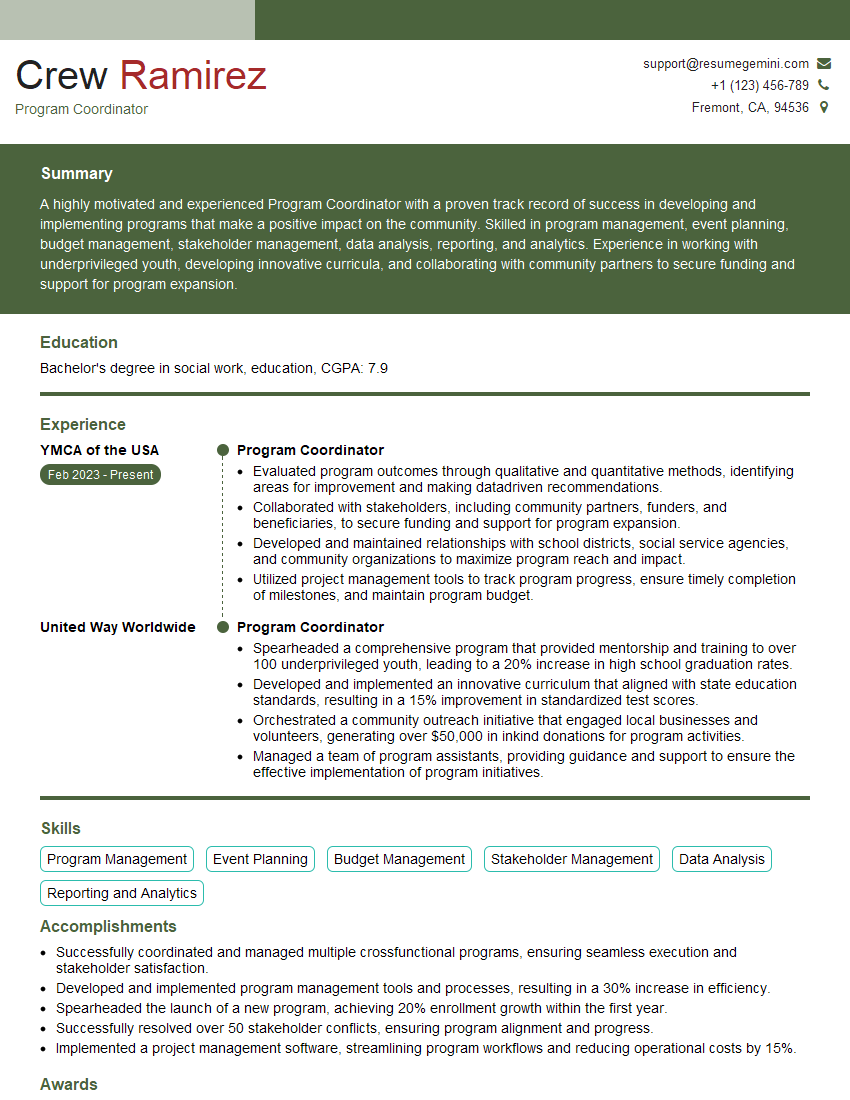
Program Coordinator Resume Sample
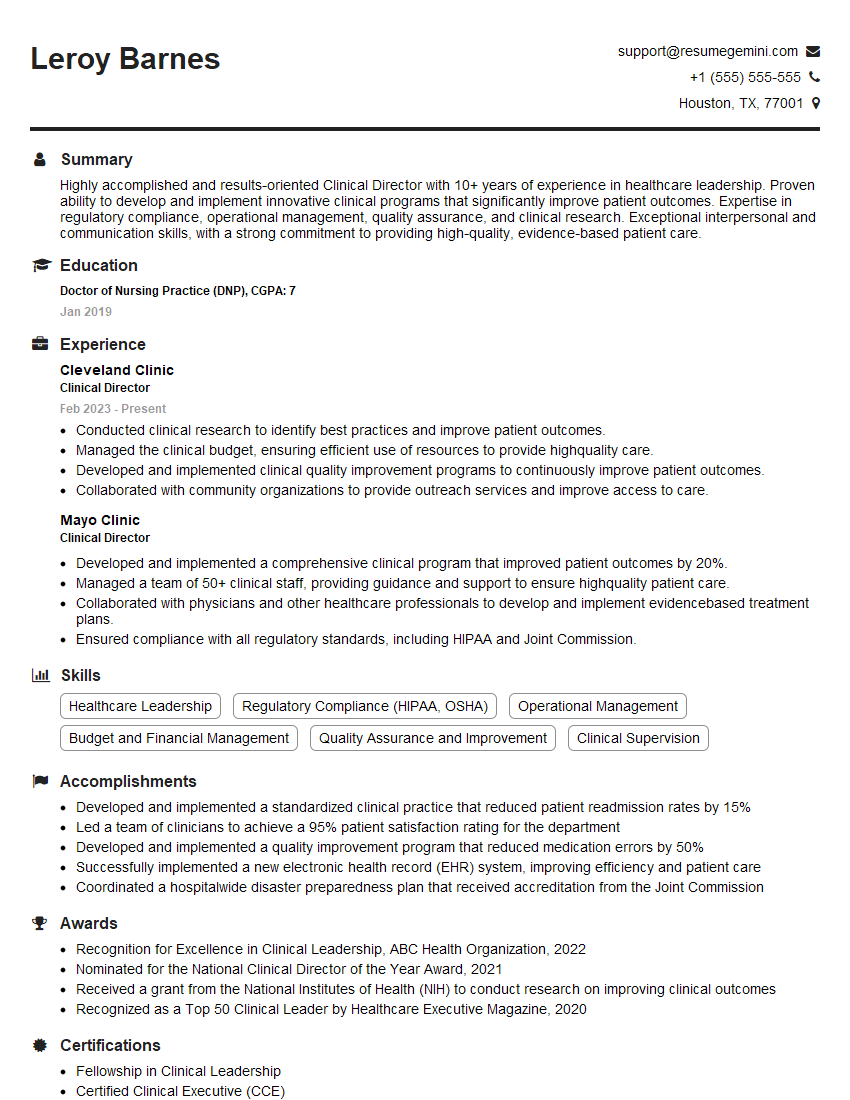
Clinical Director Resume Sample
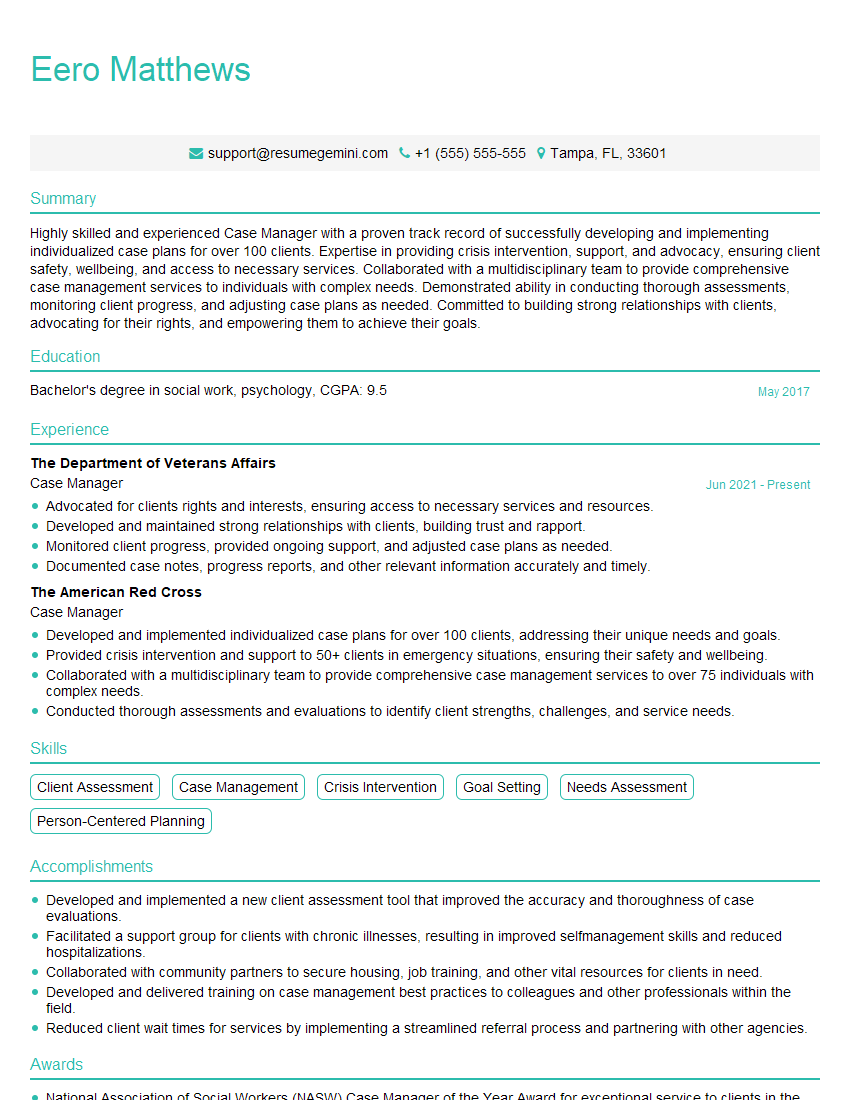
Case Manager Resume Sample
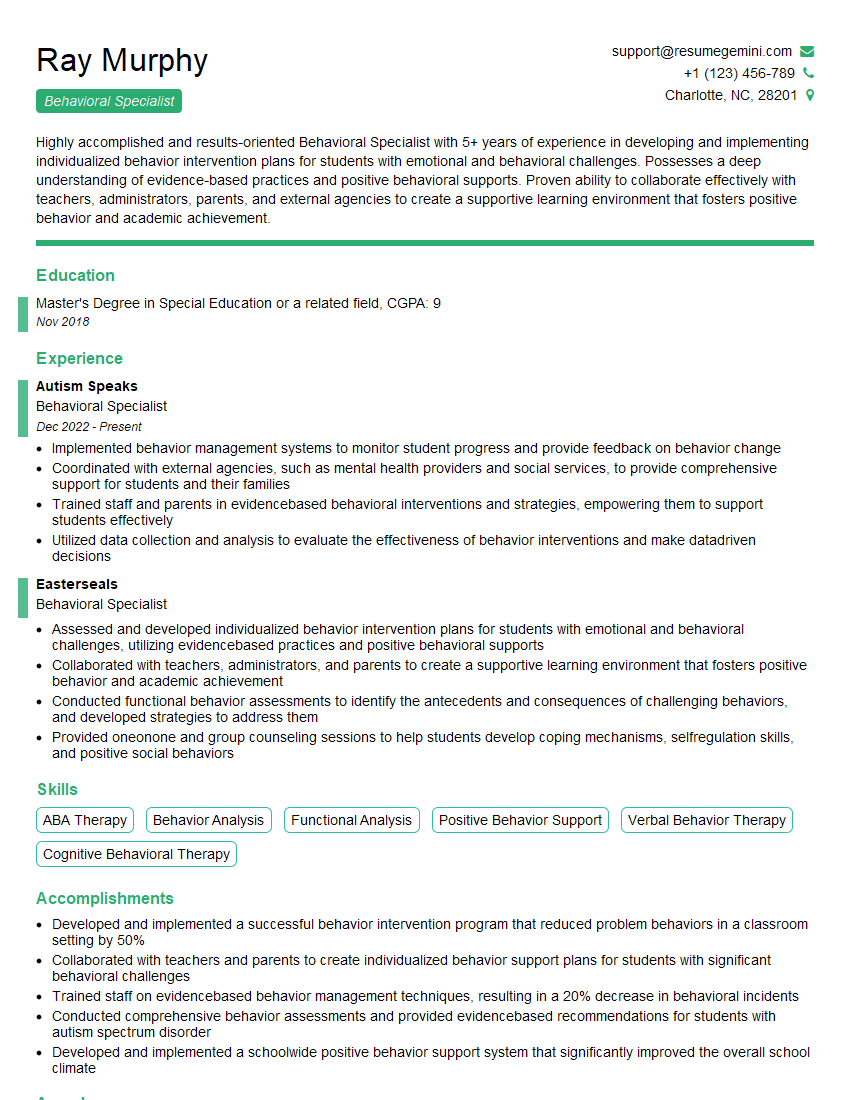
Behavioral Specialist Resume Sample
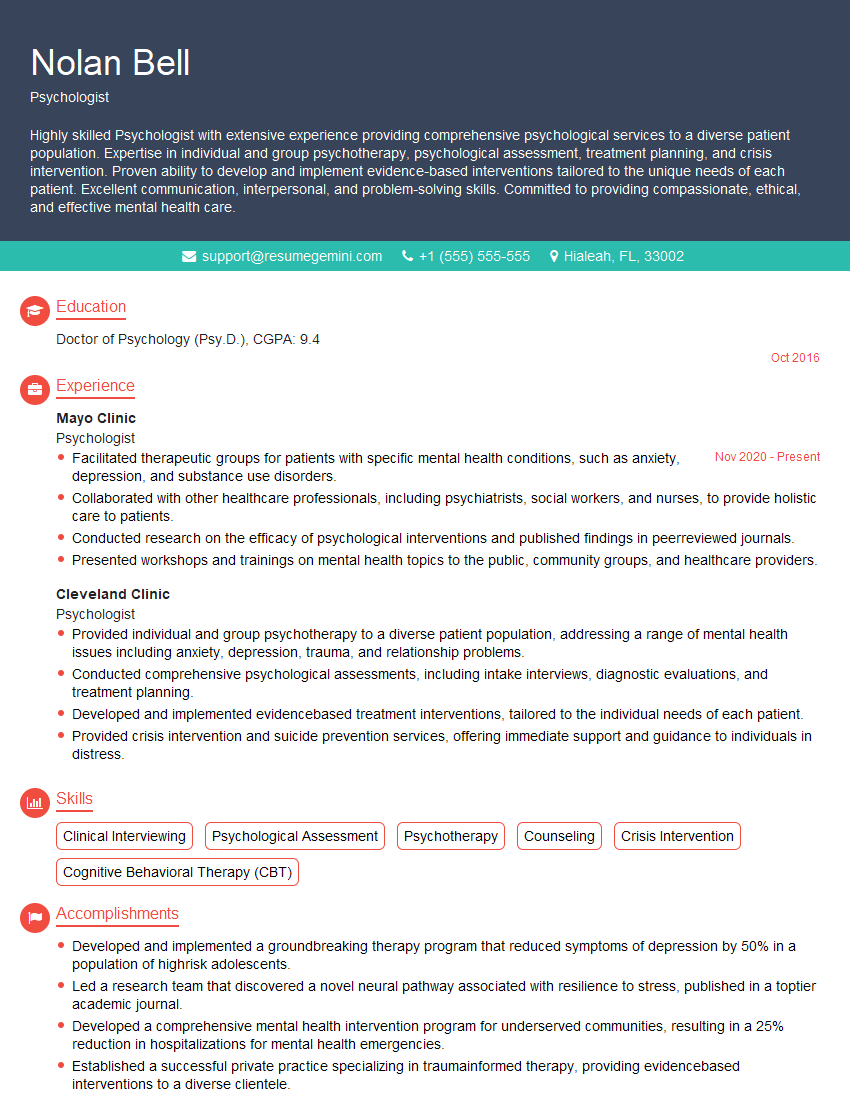
Psychologist Resume Sample
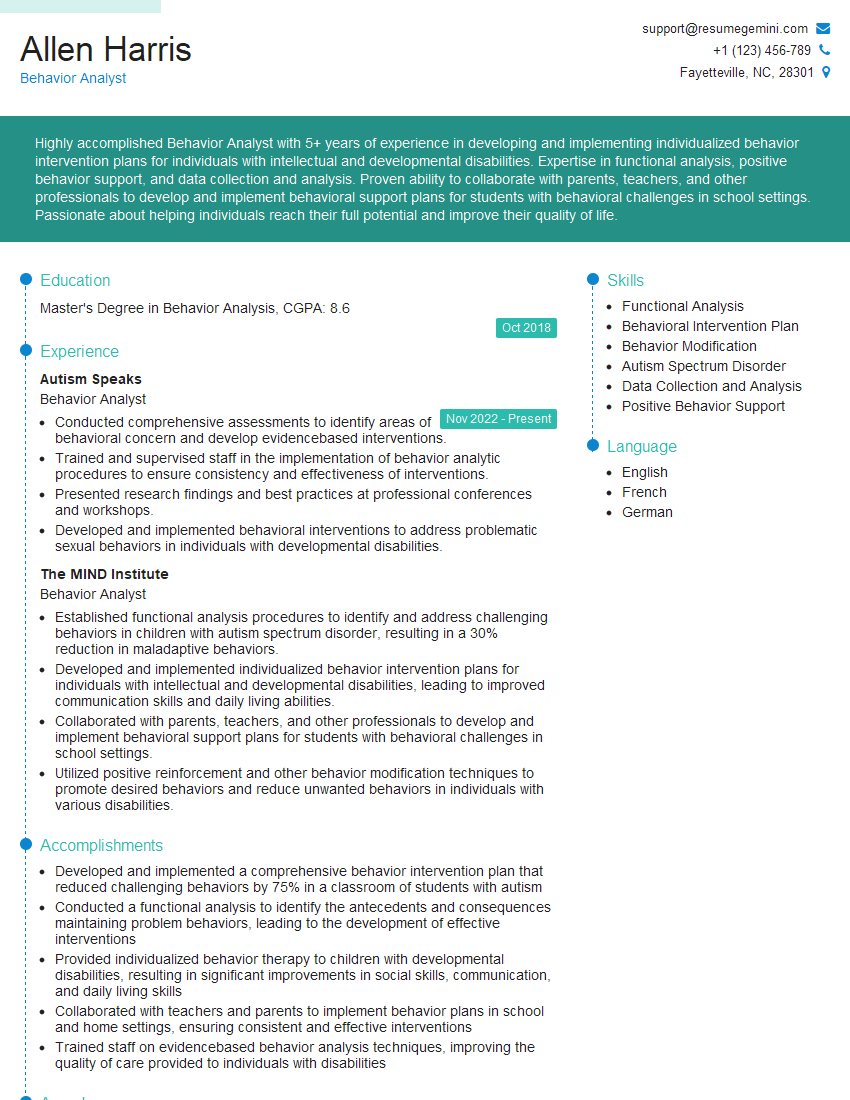
Behavior Analyst Resume Sample
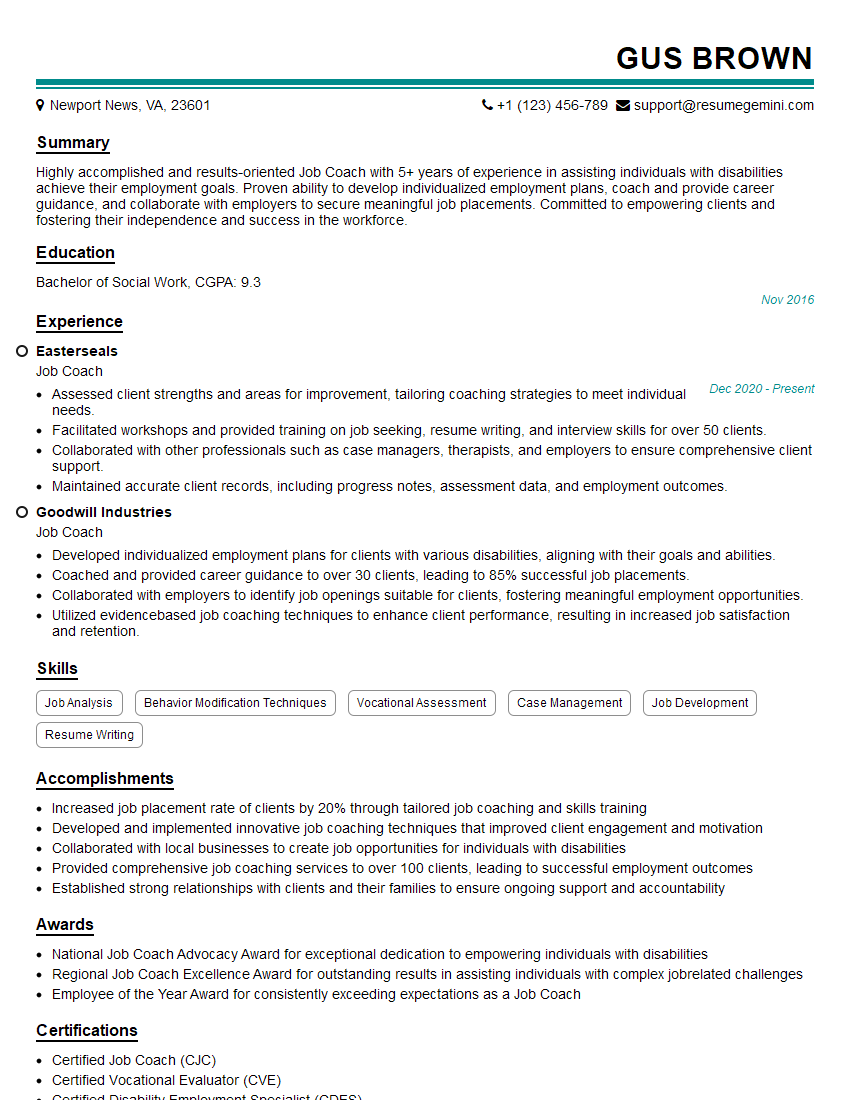
Job Coach Resume Sample
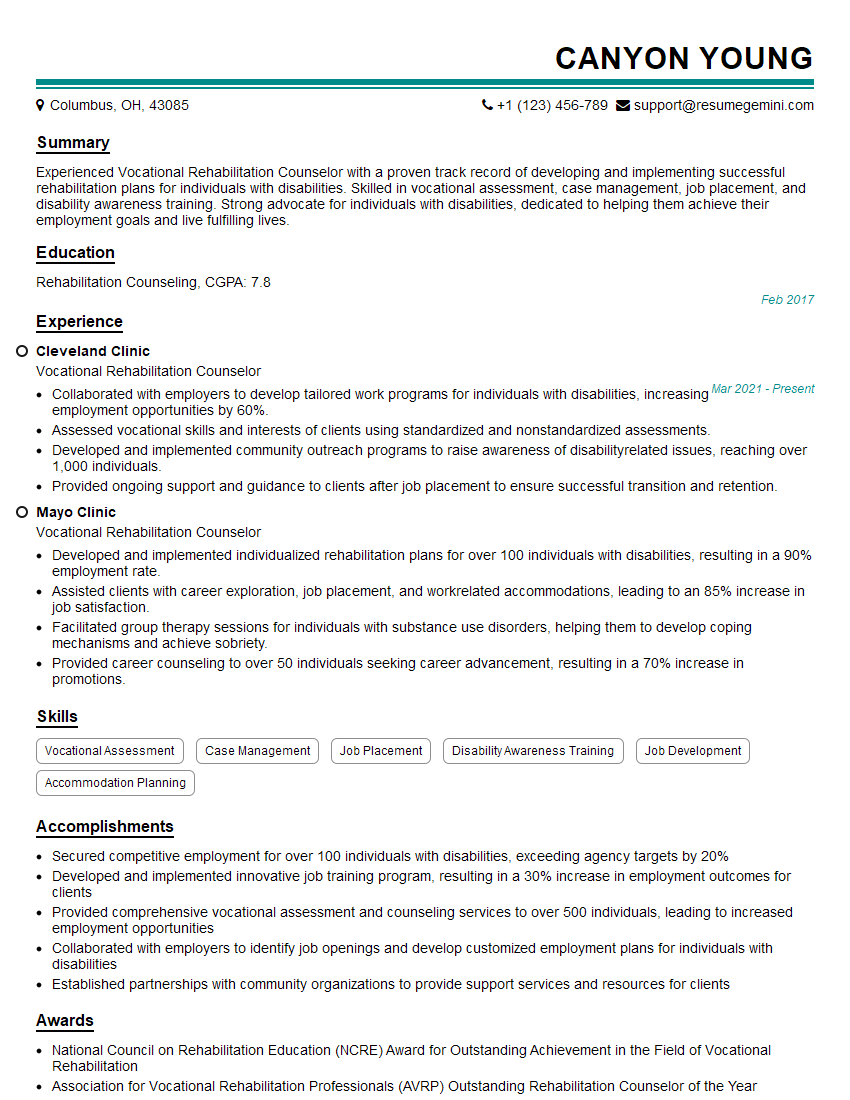
Vocational Rehabilitation Counselor Resume Sample
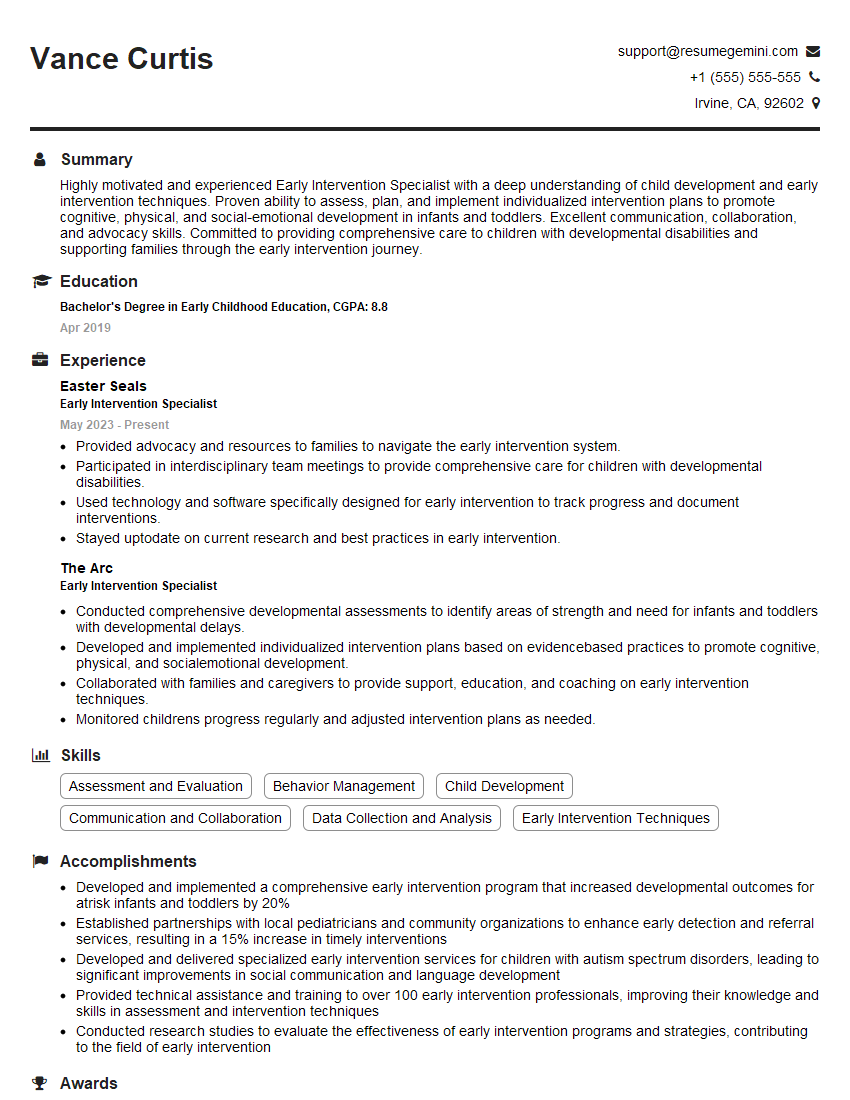
Early Intervention Specialist Resume Sample
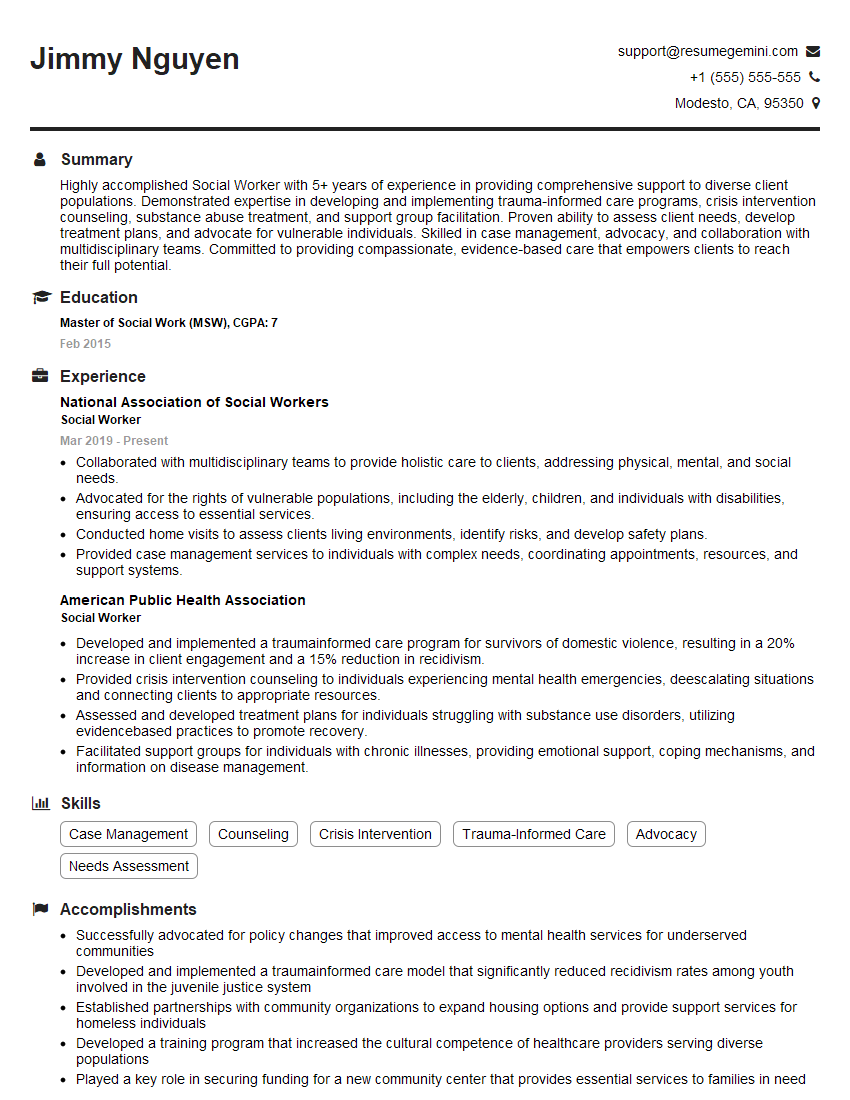
Social Worker Resume Sample
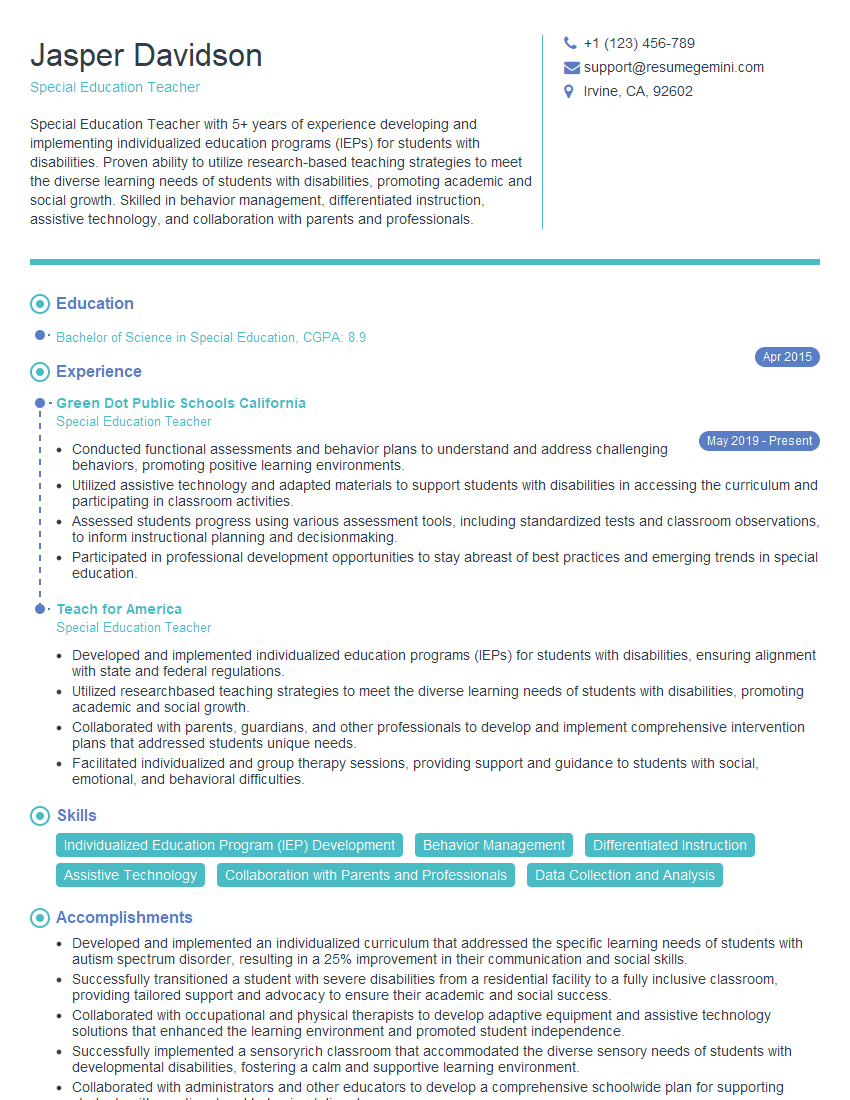
Special Education Teacher Resume Sample
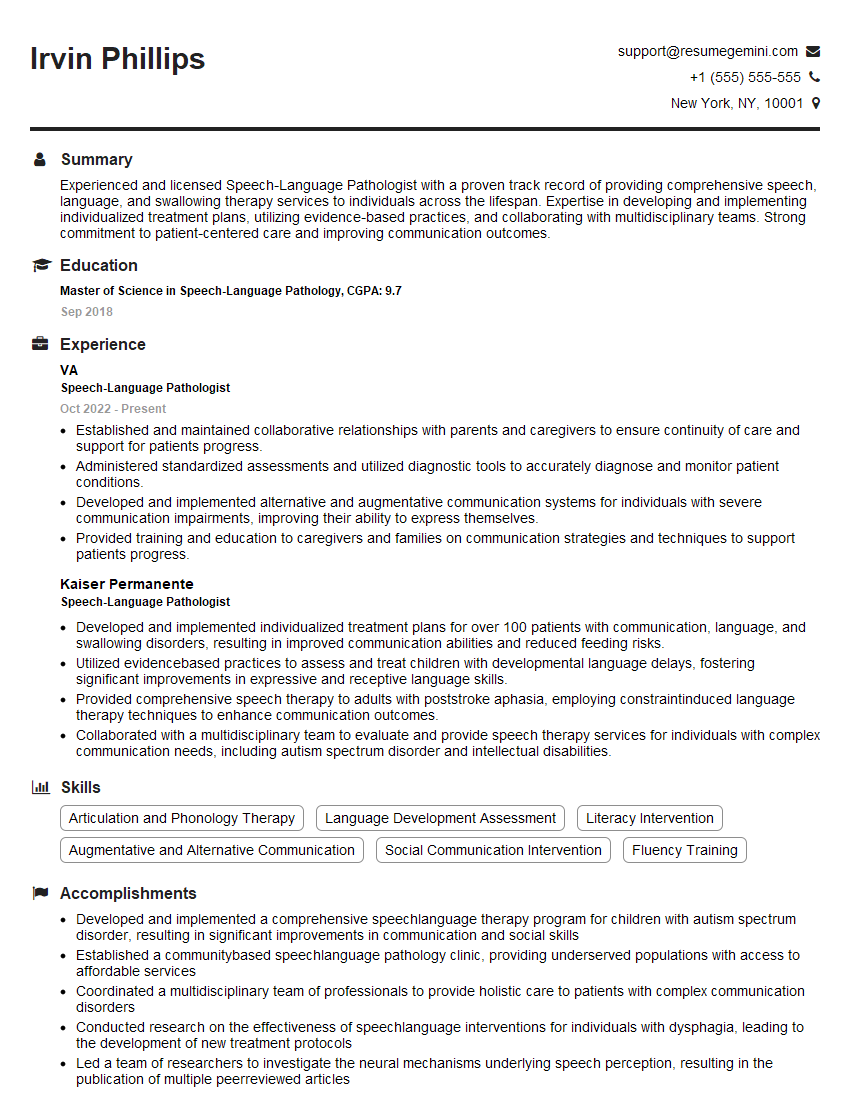
Speech-Language Pathologist Resume Sample
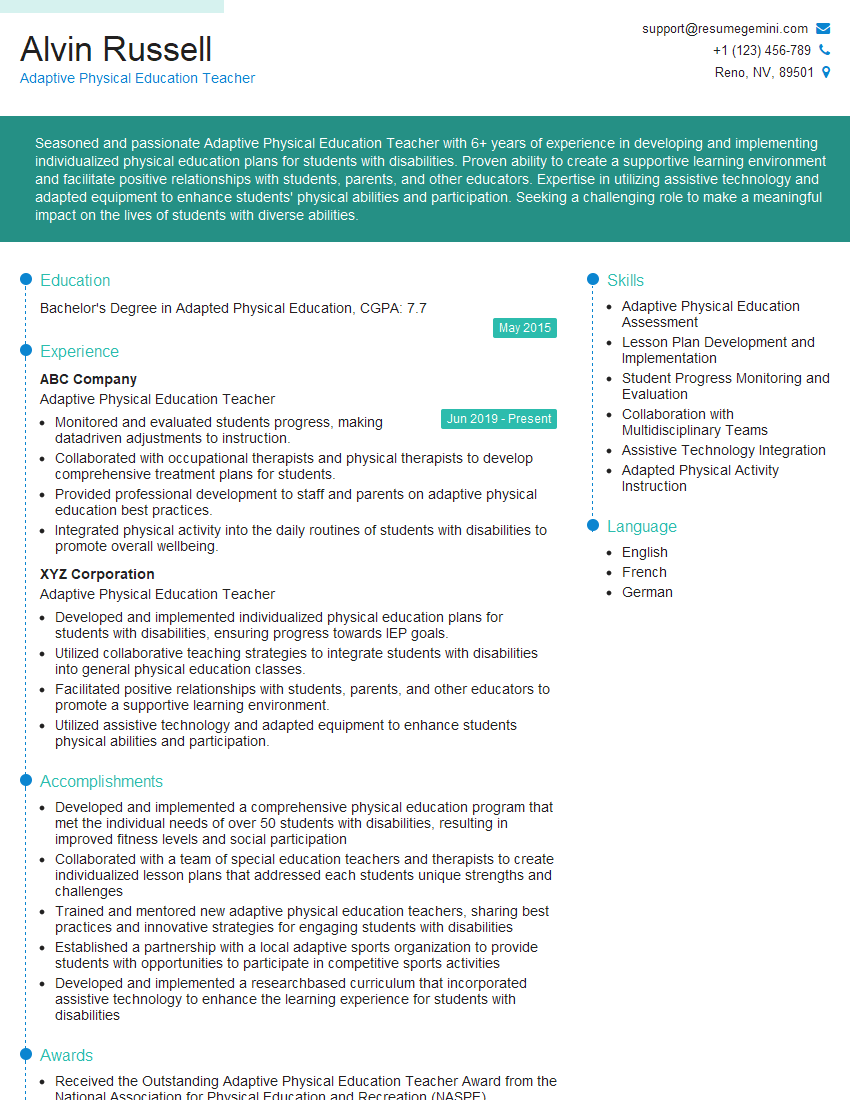
Adaptive Physical Education Teacher Resume Sample
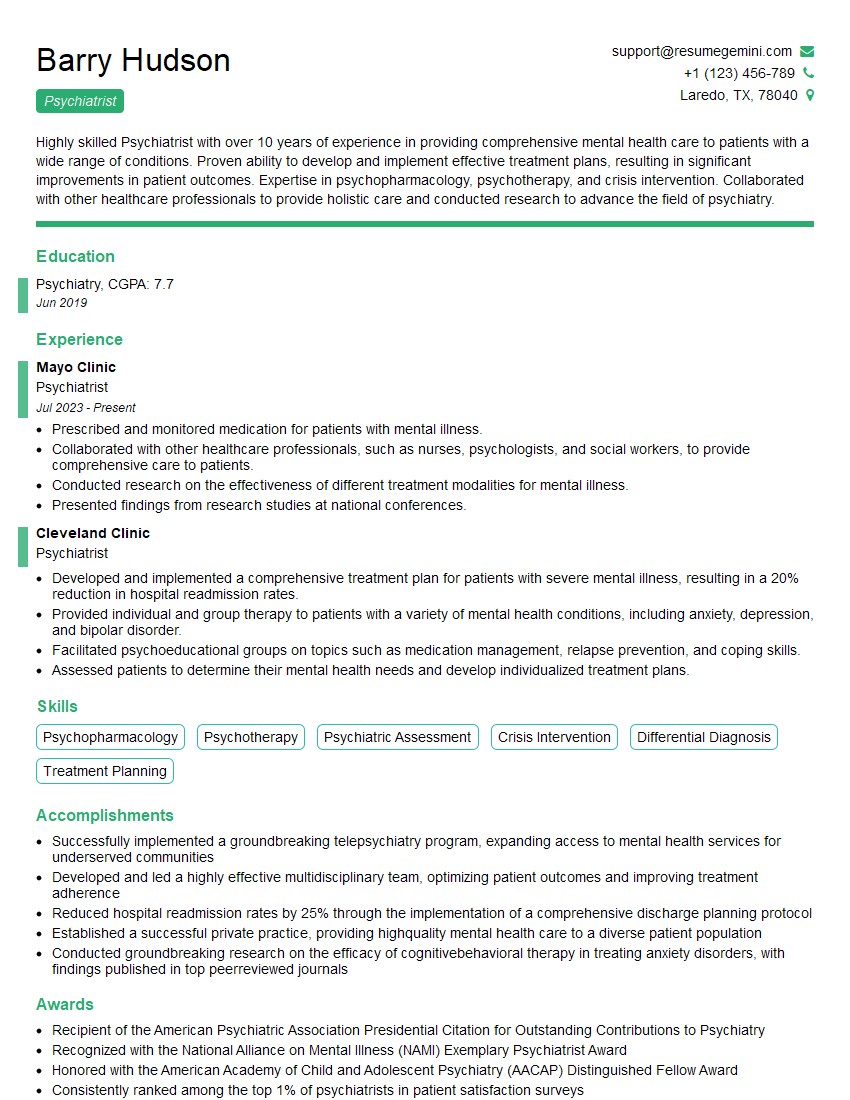
Psychiatrist Resume Sample
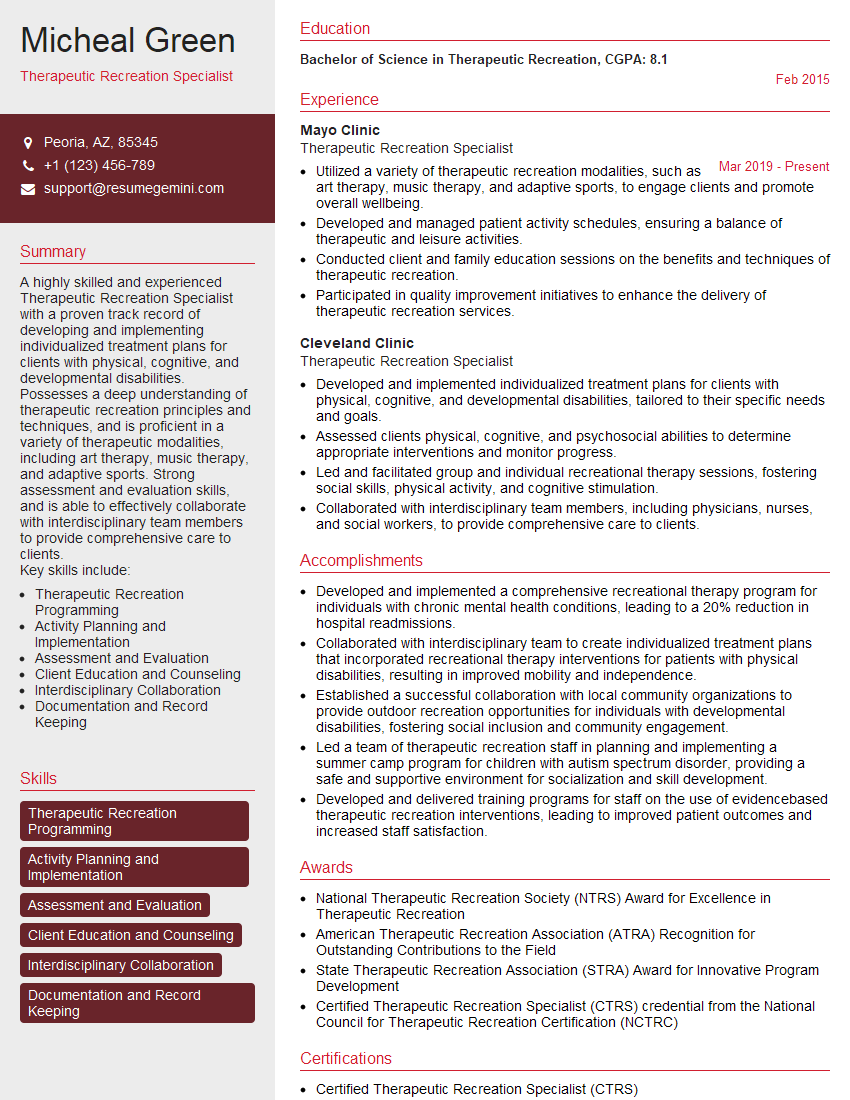
Therapeutic Recreation Specialist Resume Sample
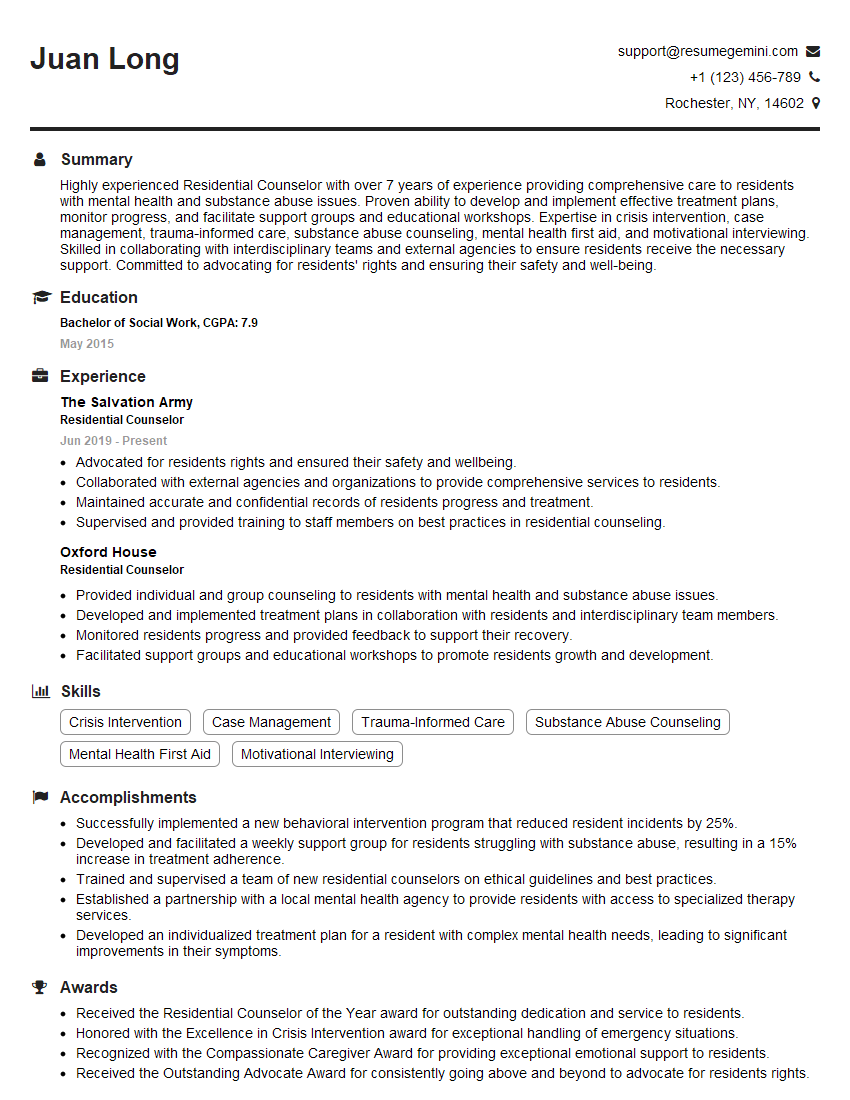
Residential Counselor Resume Sample
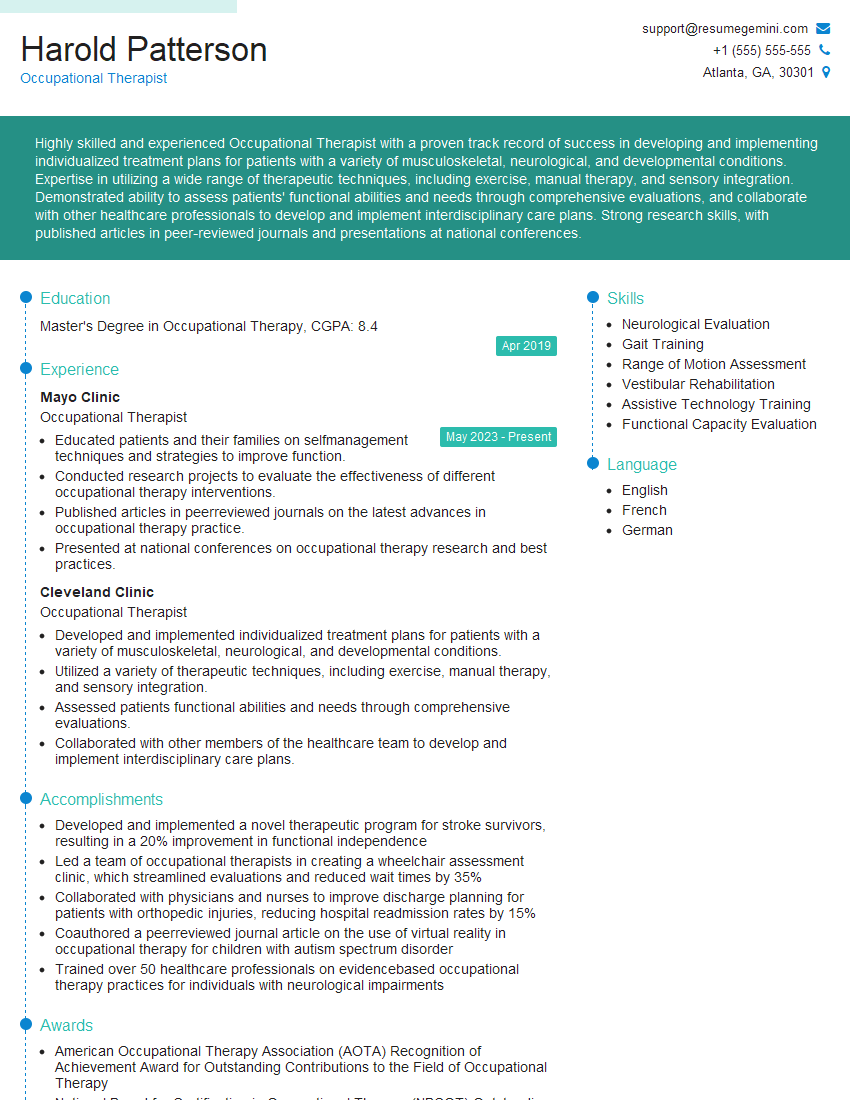
Occupational Therapist Resume Sample
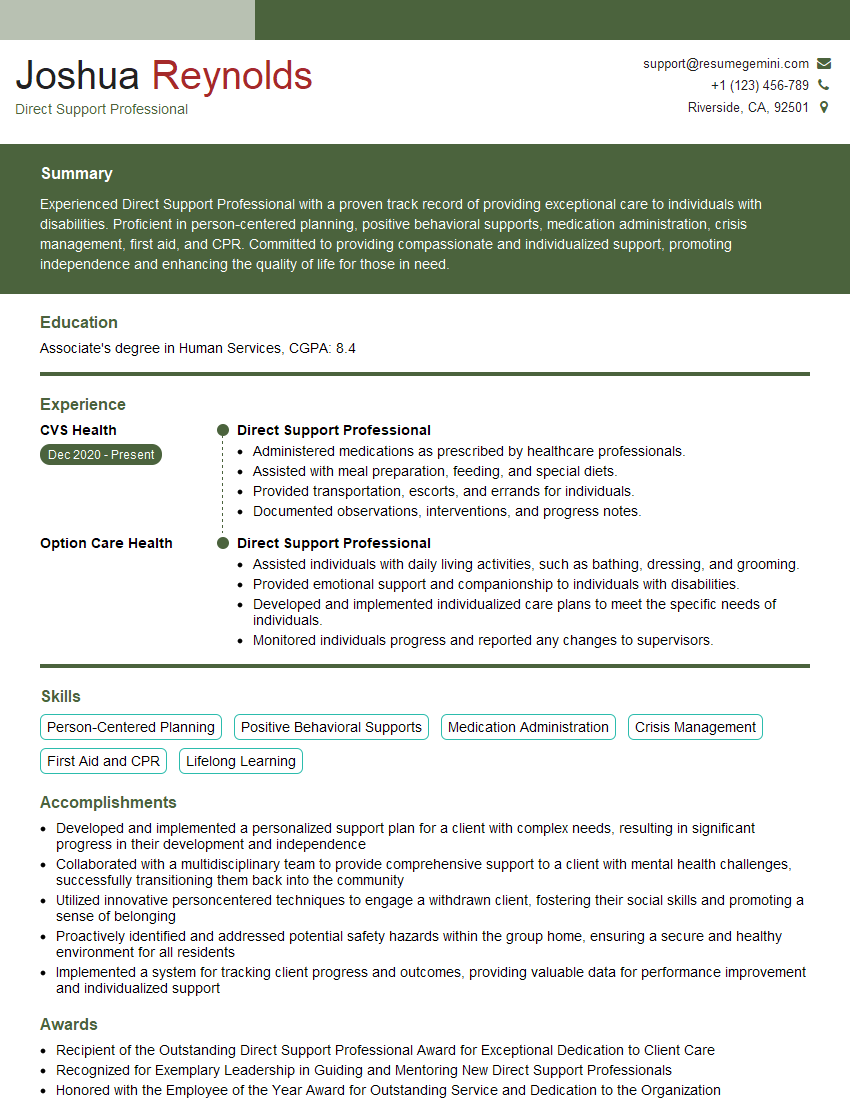
Direct Support Professional Resume Sample
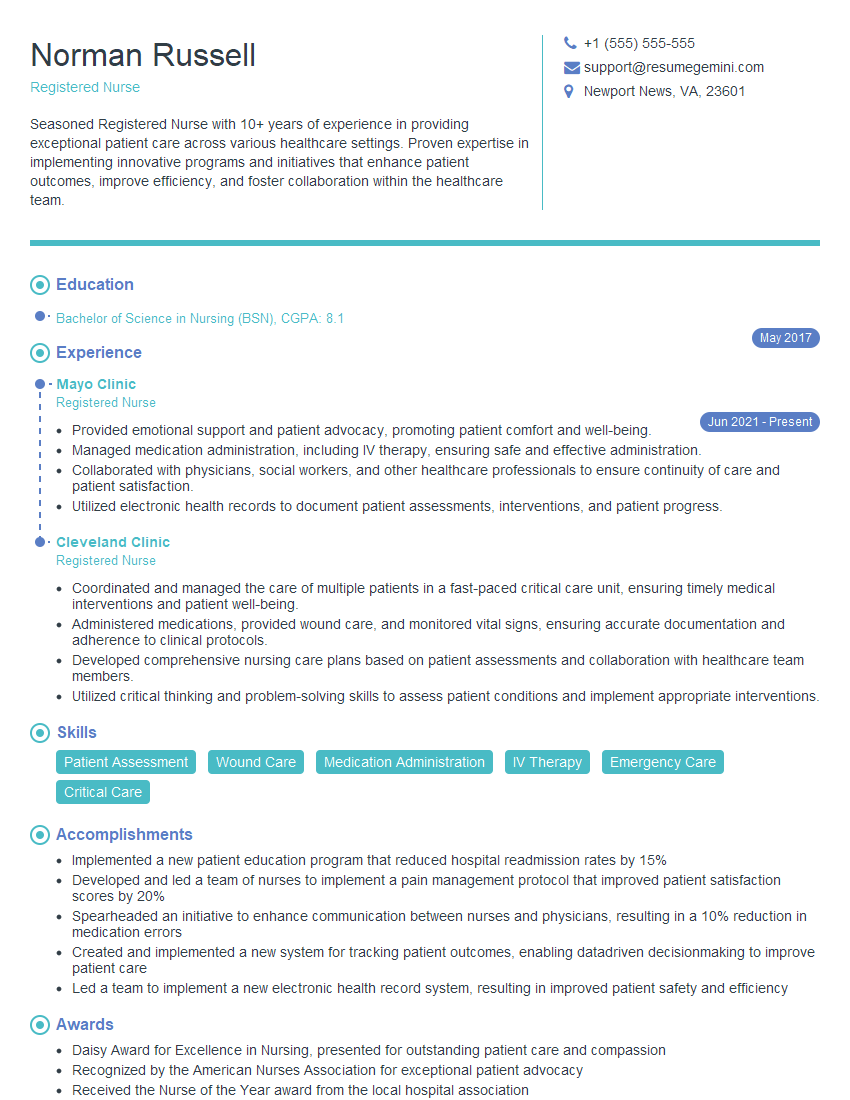
Registered Nurse Resume Sample
- Program Coordinator
- Clinical Director
- Case Manager
- Behavioral Specialist
- Psychologist
- Behavior Analyst
- Job Coach
- Vocational Rehabilitation Counselor
- Early Intervention Specialist
- Social Worker
- Special Education Teacher
- Speech-Language Pathologist
- Adaptive Physical Education Teacher
- Psychiatrist
- Therapeutic Recreation Specialist
- Residential Counselor
- Occupational Therapist
- Direct Support Professional
- Registered Nurse
Explore more articles
Users Rating of Our Blogs
Share Your Experience
We value your feedback! Please rate our content and share your thoughts (optional).
What Readers Say About Our Blog
To the interviewgemini.com Webmaster.
Very helpful and content specific questions to help prepare me for my interview!
Thank you
To the interviewgemini.com Webmaster.
This was kind of a unique content I found around the specialized skills. Very helpful questions and good detailed answers.
Very Helpful blog, thank you Interviewgemini team.