Every successful interview starts with knowing what to expect. In this blog, we’ll take you through the top Disability Evaluation and Assessment interview questions, breaking them down with expert tips to help you deliver impactful answers. Step into your next interview fully prepared and ready to succeed.
Questions Asked in Disability Evaluation and Assessment Interview
Q 1. Explain the process of a functional capacity evaluation.
A Functional Capacity Evaluation (FCE) is a comprehensive assessment that objectively measures a person’s physical abilities to perform work-related tasks. It’s used to determine an individual’s functional limitations and capabilities, often following an injury or illness. The process typically involves a detailed interview, physical examination, and a series of standardized tests designed to assess various physical demands, such as lifting, carrying, pushing, pulling, bending, and reaching.
The process usually unfolds in several stages:
- Intake and Interview: This involves gathering the individual’s medical history, understanding their reported symptoms, and discussing their work history and job demands.
- Physical Examination: A thorough physical examination is performed to assess range of motion, strength, and any musculoskeletal issues.
- Performance Testing: The core of the FCE, this involves a series of standardized tests that simulate various work-related activities. These tests are carefully monitored and documented to provide objective data.
- Report Generation: Following the completion of testing, a detailed report is generated summarizing the findings. This report usually includes recommendations regarding the individual’s ability to perform various work-related tasks and may suggest modifications to improve functional capacity.
For example, an FCE might reveal that a construction worker, after a back injury, can lift 25 pounds occasionally but only 10 pounds frequently, which informs decisions about suitable return-to-work plans.
Q 2. Describe the different types of disability assessments.
Disability assessments vary widely depending on the context (e.g., Social Security Disability Insurance (SSDI), workers’ compensation, or private disability insurance). They can be broadly categorized into:
- Medical Assessments: These focus on the individual’s medical condition, including diagnosis, prognosis, and treatment history. Doctors, specialists, and other healthcare providers conduct these assessments, relying heavily on medical records, diagnostic tests, and clinical examinations.
- Functional Assessments: These evaluate an individual’s ability to perform daily living activities and work-related tasks. FCEs are a type of functional assessment, but others include activities of daily living (ADL) assessments and instrumental activities of daily living (IADL) assessments, which evaluate tasks like cooking and managing finances.
- Psychological Assessments: These assess the individual’s mental health, including symptoms of depression, anxiety, and other conditions that might impact their ability to work. They may involve interviews, psychological testing, and review of mental health records.
- Vocational Assessments: These evaluations consider the individual’s skills, work experience, and education to determine suitable alternative employment options. They involve analyzing the individual’s transferable skills and exploring available job markets.
The specific types of assessments used depend on the individual’s condition, the legal context, and the specific requirements of the disability claim.
Q 3. What are the key components of a comprehensive disability evaluation report?
A comprehensive disability evaluation report should include several key components to ensure a thorough and objective assessment. These include:
- Identifying Information: Claimant’s name, contact information, date of birth, and relevant identifiers.
- Reason for Referral: Clear statement of the purpose of the evaluation, outlining the specific disability claim being assessed.
- History of Presenting Complaint: Detailed description of the onset, duration, and progression of the disability, including relevant medical history.
- Medical History: Comprehensive review of the claimant’s past and present medical conditions, treatments, and hospitalizations. This section should include medication lists and details of any prior surgeries.
- Physical Examination Findings: Objective documentation of the examiner’s findings during the physical examination, including observations, measurements, and assessments of range of motion, strength, and other relevant factors.
- Diagnostic Testing Results: Results of any relevant diagnostic tests (e.g., x-rays, MRI, blood tests) should be included and interpreted.
- Functional Capacity Assessment: Details about the FCE, if performed, including test results and limitations identified. If no FCE was done, other methods used for functional assessment must be clearly stated.
- Psychological Evaluation (if applicable): Results of any psychological tests or evaluations, including diagnosis and impact on functional abilities.
- Assessment of Credibility: An assessment of the claimant’s statements regarding symptoms and limitations. This section should objectively explain the rationale behind any credibility assessment.
- Diagnosis and Prognosis: A clear diagnosis based on the collected evidence, along with a prognosis indicating the expected course of the condition and its impact on functional capacity.
- Opinion and Recommendations: The evaluator’s professional opinion regarding the claimant’s disability, its severity, and any recommended treatment or rehabilitation plans.
The report should be written in clear and concise language, avoiding jargon, and should clearly support the conclusions reached.
Q 4. How do you assess the credibility of a claimant’s self-reported symptoms?
Assessing the credibility of a claimant’s self-reported symptoms is a crucial but complex aspect of disability evaluations. It requires a careful and objective approach that goes beyond simply accepting or rejecting the claimant’s statements at face value. This involves a multi-faceted approach:
- Consistency: Are the claimant’s statements consistent across different points in time, in different settings, and with other available evidence (medical records, witness statements)? Inconsistencies can raise questions about credibility.
- Medical Evidence: Does the claimant’s reported symptoms correlate with objective medical findings? The presence of objective evidence supporting the claimant’s reported limitations strengthens their credibility, while a lack of objective evidence may raise concerns.
- Collateral Information: Information from other sources, such as family members, employers, or healthcare providers, can provide corroborating evidence or contradictory information. It adds valuable context.
- Behavioral Observations: During the examination, the evaluator should observe the claimant’s behavior for any signs of inconsistency or exaggeration of symptoms. This should be documented objectively.
- Functional Assessment Results: Results from tests like FCEs offer objective data that can support or contradict the claimant’s self-reported limitations. Discrepancies should be investigated and explained.
It’s vital to remember that subjective experiences are real, and dismissing a claimant solely based on a lack of objective evidence could be unfair. The goal is to evaluate the claimant’s statements within the context of all available evidence to arrive at a fair and accurate assessment.
Q 5. What are the ethical considerations in disability evaluations?
Ethical considerations are paramount in disability evaluations. Evaluators have a professional responsibility to conduct assessments fairly, objectively, and with integrity. Key ethical considerations include:
- Impartiality and Objectivity: The evaluator must remain impartial and avoid bias, basing their assessment solely on the available evidence and established professional standards.
- Confidentiality: Protecting the claimant’s privacy and maintaining the confidentiality of their personal and medical information is crucial. All information gathered should be handled responsibly and in accordance with relevant regulations.
- Informed Consent: The claimant must give informed consent before the evaluation, understanding the purpose, scope, and potential consequences of the assessment.
- Transparency and Disclosure: The evaluation process should be transparent, and any potential conflicts of interest must be disclosed.
- Competence: Evaluators should only undertake assessments within their area of expertise. They must adhere to professional standards and best practices.
- Avoiding Conflicts of Interest: The evaluator should avoid any financial or personal relationships that could compromise their objectivity.
Adherence to ethical principles is crucial for ensuring fairness and justice in the disability evaluation process and maintaining public trust.
Q 6. Discuss the impact of pre-existing conditions on disability claims.
Pre-existing conditions significantly impact disability claims. These conditions, existing before the onset of the claimed disability, must be considered to determine the extent to which the current disability is attributable to the new condition versus a pre-existing condition or its natural progression. The key question is whether the new condition significantly worsened a pre-existing condition, making it disabling, or whether the disability is primarily due to the pre-existing condition.
For example, a claimant with a pre-existing degenerative disc disease might experience a new herniated disc. While the herniated disc is the new event, the pre-existing condition will be considered to determine if the new condition significantly exacerbated the pre-existing condition to the point of disability. The evaluator must carefully analyze medical records to trace the progression of both conditions and to understand the contribution of each to the claimant’s current limitations. This often involves comparing the claimant’s functionality before and after the new injury or illness.
Q 7. Explain how you would handle conflicting medical opinions in a disability case.
Conflicting medical opinions are common in disability cases, requiring a careful and systematic approach to resolution. There’s no single answer, but a structured approach is essential:
- Review All Medical Records: Carefully review all available medical records from all involved physicians and specialists, paying attention to the rationale behind each opinion.
- Identify Points of Agreement and Disagreement: Clearly identify the specific points of agreement and disagreement between the different medical opinions. This helps to focus the analysis.
- Consider the Methodology: Evaluate the methods used by each physician to arrive at their conclusions. Were the methods thorough and appropriate? Were appropriate diagnostic tests utilized?
- Weigh the Evidence: Consider the weight of evidence supporting each opinion. Which opinion is supported by more objective evidence, such as diagnostic test results, and which relies more heavily on subjective findings?
- Seek Clarification: If appropriate, consider seeking clarification from the physicians involved to better understand their reasoning and potentially reconcile differences.
- Independent Medical Examination (IME): In some cases, an IME may be necessary to obtain an independent opinion from a neutral specialist. This can help to resolve discrepancies.
- Documentation: Thoroughly document the process of reviewing and weighing the conflicting opinions, clearly explaining the rationale for any final decision.
The goal is not to choose a “winner” but to synthesize the available medical information to arrive at the most accurate and well-supported conclusion based on the totality of the evidence.
Q 8. How do you determine the level of functional impairment for a specific disability?
Determining the level of functional impairment for a specific disability involves a multi-faceted approach that goes beyond simply diagnosing the condition. We need to understand how the disability impacts the individual’s ability to perform daily activities. This is often assessed using a biopsychosocial model, considering biological factors (the medical diagnosis), psychological factors (the individual’s coping mechanisms and mental health), and social factors (the impact on their work, relationships, and community participation).
We use standardized assessment tools, such as questionnaires and functional capacity evaluations (FCEs), that measure activities of daily living (ADLs) and instrumental activities of daily living (IADLs). ADLs include basic self-care tasks like bathing, dressing, and eating, while IADLs involve more complex tasks like managing finances, cooking, and transportation. For example, someone with arthritis might score low on ADLs related to dressing due to limited range of motion, while someone with depression might struggle with IADLs like managing their medication schedule.
The assessment process also includes a thorough clinical interview to gain a holistic understanding of the individual’s experiences and limitations. We might use rating scales to quantify pain levels, fatigue, and other symptoms. The ultimate goal is to create a comprehensive picture of the individual’s functional capacity and limitations, not just a diagnosis.
Q 9. What are some common methods used to assess cognitive impairment?
Assessing cognitive impairment requires a multifaceted approach using a combination of methods. We often start with a comprehensive clinical interview to gather information about the individual’s history, symptoms, and concerns reported by themselves and others. This is complemented by neuropsychological testing, which is a cornerstone of cognitive assessment.
Common neuropsychological tests include:
- Tests of attention and concentration: These assess the ability to focus, sustain attention, and switch between tasks (e.g., Trail Making Test).
- Tests of memory: These evaluate different types of memory, including short-term, long-term, and working memory (e.g., Wechsler Memory Scale).
- Tests of executive functions: These assess higher-level cognitive skills such as planning, problem-solving, and decision-making (e.g., Wisconsin Card Sorting Test).
- Tests of language: These assess verbal fluency, comprehension, and naming abilities (e.g., Boston Naming Test).
- Tests of visuospatial skills: These assess the ability to perceive and manipulate visual information (e.g., Rey-Osterrieth Complex Figure Test).
The results of these tests are interpreted in the context of the individual’s age, education, and cultural background. It’s important to remember that cognitive testing is not a simple process; it requires expertise in neuropsychology to accurately interpret the findings and to understand the limitations of the tests.
Q 10. Describe your experience with different diagnostic tools used in disability assessment.
Throughout my career, I’ve utilized a wide range of diagnostic tools in disability assessment. These tools vary depending on the specific disability being evaluated. For musculoskeletal disorders, I frequently employ standardized questionnaires like the Oswestry Disability Index (ODI) for back pain and the SF-36 for overall health status. Functional capacity evaluations (FCEs) are crucial for assessing physical abilities and limitations through objective measures of strength, endurance, and range of motion. These are often video recorded to ensure thorough documentation.
For cognitive and psychological evaluations, I’ve used various standardized tests, including the aforementioned Wechsler Adult Intelligence Scale (WAIS), the Minnesota Multiphasic Personality Inventory (MMPI), and Beck Depression Inventory (BDI). In cases involving mental health conditions, clinical interviews are paramount, along with structured diagnostic interviews based on DSM-5 criteria. For sensory impairments, specialized vision and hearing tests are essential.
It’s important to note that selecting appropriate tools is crucial, and I always ensure the selected tests are validated, reliable, and culturally appropriate for the individual. The interpretation of these assessments necessitates a nuanced understanding of their strengths and limitations and should never be taken in isolation; they are only one component of the broader assessment.
Q 11. How do you adapt assessment methods for individuals with diverse cultural backgrounds?
Adapting assessment methods for individuals with diverse cultural backgrounds is critical for ensuring fair and accurate evaluations. Cultural competence is essential in this context. This means understanding how cultural factors such as language, beliefs, values, and communication styles can influence the assessment process.
Here are some key strategies I employ:
- Language Access: Providing assessments and interviews in the individual’s native language, or utilizing qualified interpreters.
- Cultural Sensitivity: Using assessment tools that have been validated across diverse populations, and being aware of potential biases in the tools themselves.
- Understanding Cultural Norms: Recognizing how cultural differences might affect responses to questions about pain, disability, or social functioning (e.g., some cultures express pain differently).
- Building Rapport: Establishing trust and rapport with individuals from diverse backgrounds through respectful communication and demonstrating cultural sensitivity.
- Collaboration: Working with community organizations and cultural experts when needed to ensure culturally appropriate assessments.
For instance, I may need to modify an assessment that relies heavily on verbal responses if the individual has limited literacy or a communication disorder. Careful consideration and adaptation are crucial for ensuring fairness and accuracy.
Q 12. Explain the difference between temporary and permanent disability.
The distinction between temporary and permanent disability lies primarily in the duration and prognosis of the impairment. A temporary disability is an impairment expected to improve or resolve completely over time, often within a specific timeframe. For example, a broken leg that heals with proper treatment is a temporary disability. The individual’s functional limitations are expected to recover.
Permanent disability, on the other hand, represents an impairment that is expected to last indefinitely, and likely to result in ongoing functional limitations. The effects are long-term and may not fully resolve. Conditions like paraplegia or severe cognitive impairments are considered permanent disabilities. The degree of functional limitation may vary, but the condition itself is not expected to improve significantly.
The determination of temporary versus permanent often involves careful consideration of medical evidence, prognosis, and the individual’s response to treatment. This requires close collaboration with medical professionals and a thorough understanding of the natural progression of the condition.
Q 13. How do you maintain confidentiality and protect client information during the assessment process?
Maintaining confidentiality and protecting client information is paramount. I adhere strictly to all relevant legal and ethical guidelines related to data privacy, including HIPAA (in the US) and equivalent regulations in other jurisdictions. This commitment extends to all aspects of the assessment process.
Specific measures I implement include:
- Secure Storage: All client information, including test results, clinical notes, and personal data, is stored securely in locked filing cabinets and electronic systems protected by strong passwords and encryption.
- Limited Access: Access to client information is strictly limited to authorized personnel involved directly in the assessment. This includes the appropriate medical and psychological professionals.
- Informed Consent: Individuals are fully informed about the purpose of the assessment, how their information will be used, and their rights regarding confidentiality. Written consent is obtained before any assessment is conducted.
- Data Anonymization: When data is shared for research purposes, it is anonymized to protect individual identities.
- Compliance with Regulations: I regularly update my knowledge of relevant regulations and policies related to data privacy and confidentiality to maintain best practices.
In summary, protecting client privacy is not just a procedural step; it is a fundamental ethical obligation.
Q 14. What are some common challenges in disability evaluations, and how do you address them?
Disability evaluations present several common challenges. One significant challenge is the inherent subjectivity in assessing functional limitations. Pain, fatigue, and other symptoms can be difficult to quantify objectively, leading to potential inconsistencies in evaluations. Another challenge is the potential for bias, which can stem from various sources, including the evaluator’s own beliefs and assumptions about the individual’s condition.
Addressing these challenges requires a multi-pronged approach:
- Utilizing multiple assessment methods: Combining objective measures (like FCEs) with subjective measures (like questionnaires and clinical interviews) to get a more comprehensive picture.
- Implementing standardized procedures: Following established protocols and guidelines for assessments to minimize inconsistencies and bias.
- Maintaining meticulous documentation: Recording all assessment findings in detail to enhance transparency and allow for scrutiny.
- Seeking second opinions when necessary: In cases of uncertainty or disagreement, consulting with other experts to reach a consensus can help minimize subjective bias.
- Ongoing professional development: Staying updated on best practices in disability evaluation and receiving training in bias mitigation strategies.
Overcoming these challenges is vital to ensure fair and accurate assessments, leading to appropriate support and services for individuals with disabilities.
Q 15. Describe your experience using technology in disability assessments (e.g., telehealth, electronic health records).
Technology has revolutionized disability assessments. My experience encompasses utilizing telehealth platforms for remote evaluations, significantly expanding access for claimants with mobility issues or residing in geographically remote areas. For example, I’ve conducted comprehensive assessments using video conferencing, incorporating tools like screen sharing to review medical records and administer standardized questionnaires. I’m also proficient in using electronic health records (EHR) systems, which streamline the process of collecting, organizing, and sharing patient data with other healthcare professionals involved in the assessment. This improves the efficiency and accuracy of the evaluation process, ensuring a holistic view of the claimant’s condition. The integration of EHRs with assessment tools allows for automated data extraction, reducing administrative burden and minimizing the risk of human error. Finally, I’ve explored using assistive technology during assessments, tailoring the approach to accommodate individual claimant needs and preferences.
Career Expert Tips:
- Ace those interviews! Prepare effectively by reviewing the Top 50 Most Common Interview Questions on ResumeGemini.
- Navigate your job search with confidence! Explore a wide range of Career Tips on ResumeGemini. Learn about common challenges and recommendations to overcome them.
- Craft the perfect resume! Master the Art of Resume Writing with ResumeGemini’s guide. Showcase your unique qualifications and achievements effectively.
- Don’t miss out on holiday savings! Build your dream resume with ResumeGemini’s ATS optimized templates.
Q 16. How familiar are you with relevant disability legislation and regulations?
I possess a thorough understanding of relevant disability legislation and regulations, including the Americans with Disabilities Act (ADA), the Social Security Act’s Title XVI, and related state laws. My familiarity extends to the specific criteria and guidelines used in evaluating various types of disabilities, encompassing both physical and mental impairments. I understand the intricacies of the legal framework, including documentation requirements, procedural timelines, and the standards of evidence needed to support a disability claim. For instance, I’m well-versed in the different listing of impairments used in Social Security Disability Insurance (SSDI) evaluations and know how to effectively document a claimant’s functional limitations compared to those listings. Staying abreast of legislative changes and case law is a continuous process, which I do through professional development and engagement with relevant organizations. This ensures my assessments consistently meet legal standards and claimant rights are protected.
Q 17. How do you determine the impact of a disability on a claimant’s ability to perform their job?
Determining the impact of a disability on a claimant’s ability to perform their job requires a multi-faceted approach. It goes beyond simply identifying the medical condition; it focuses on the functional limitations imposed by that condition. I use a combination of methods, including a detailed review of medical records, claimant interviews to understand their work history and daily activities, and often administer standardized functional capacity evaluations (FCEs). The FCE assesses physical abilities like lifting, bending, and carrying, providing objective data. For instance, if a claimant has carpal tunnel syndrome, an FCE might show limitations in fine motor skills and repetitive hand movements. I then correlate this objective data with the demands of the claimant’s past relevant work (or a similar job in the current workforce) through a detailed job analysis. This process allows me to determine if the claimant’s functional limitations significantly restrict their ability to perform the essential functions of their job, despite reasonable accommodation.
Q 18. Explain your experience with vocational rehabilitation programs.
My experience with vocational rehabilitation programs involves collaborating with rehabilitation specialists to develop individualized plans for claimants. I contribute by providing accurate assessments of the claimant’s functional capacity and limitations. This input helps shape the plan’s goals, such as job training, assistive technology procurement, or job placement assistance. For example, I’ve worked with individuals recovering from strokes to develop individualized plans that might include physical therapy, occupational therapy, and job retraining in a field better suited to their residual capabilities. I understand the importance of aligning vocational goals with the claimant’s abilities and interests, maximizing the chance of successful reintegration into the workforce. I also stay updated on current labor market trends and available resources, ensuring the rehabilitation plan reflects realistic job opportunities.
Q 19. How do you document your findings in a clear and concise manner?
Clear and concise documentation is paramount. My reports follow a structured format, starting with a summary of the claimant’s condition and relevant medical history. I then detail the assessment methods used (e.g., FCE, interviews, review of records). I present findings in an objective manner, using specific examples to illustrate functional limitations. Quantifiable data from FCEs or other tests are included where applicable. For example, instead of saying “the claimant has difficulty lifting,” I’d write “the claimant can lift a maximum of 10 pounds occasionally and 5 pounds frequently.” The report concludes with a summary of the findings and recommendations, clearly stating the impact of the disability on the claimant’s ability to work. I avoid jargon and use plain language, ensuring that the report is easily understood by non-medical professionals.
Q 20. What are your strategies for communicating complex medical information to non-medical personnel?
Communicating complex medical information to non-medical personnel requires translating technical jargon into plain language. I use analogies and metaphors to explain abstract concepts. For example, instead of saying “the claimant exhibits cognitive deficits,” I might say “the claimant has difficulty remembering things, focusing attention, and making decisions, similar to what you might experience after a long day of work.” I use visual aids, such as diagrams or charts, to enhance understanding. I tailor my communication style to the audience, adjusting the level of detail based on their prior knowledge and understanding. I’m always available for clarifying questions to ensure complete comprehension. Active listening and confirmation of understanding are essential for effective communication.
Q 21. How do you manage your time effectively when handling multiple disability cases?
Managing multiple disability cases efficiently requires a well-structured approach. I prioritize tasks based on urgency and deadlines. I use a case management system to track progress, deadlines, and required documentation. Time blocking helps allocate dedicated time for each case and prevents multitasking. I utilize digital tools for efficient communication, such as email and secure messaging, minimizing time spent on phone calls. Regular review of my schedule and prioritized tasks ensures I stay on track and meet deadlines. I also delegate tasks where possible, working collaboratively with administrative staff to streamline administrative processes. This structured approach ensures each case receives adequate attention without compromising efficiency.
Q 22. Describe your experience working with different stakeholders in the disability process (e.g., claimants, physicians, employers).
My experience in disability evaluation involves extensive collaboration with various stakeholders. This includes claimants, their representatives, physicians, employers, and other professionals within the disability determination process. Effective communication and a strong understanding of each stakeholder’s perspective are crucial for a fair and accurate assessment.
Claimants: I prioritize building rapport and trust, ensuring they feel heard and understood. I take the time to explain the process clearly, answer their questions thoroughly, and address their concerns with empathy. This involves actively listening to their narratives, carefully documenting their self-reported limitations, and considering the impact of their disability on their daily lives.
Physicians: I collaborate closely with treating and examining physicians to obtain comprehensive medical information. This often involves clarifying medical terminology, requesting additional information or clarification if needed, and discussing the functional impact of the medical condition. Respectful communication and a shared understanding of the evaluation criteria are vital here.
Employers: When relevant, I may contact employers to obtain information about the claimant’s work history and functional demands of their previous job. This helps me understand the claimant’s abilities in a work context. The interaction focuses on obtaining objective information relevant to the claimant’s capacity for work, while respecting employee confidentiality.
For example, I recently worked on a case where the claimant’s self-reported limitations seemed inconsistent with the physician’s report. By proactively communicating with both the claimant and the physician, I was able to clarify discrepancies and obtain a more complete picture, leading to a more accurate and fair decision.
Q 23. What are your professional development goals in the field of disability evaluation?
My professional development goals center on enhancing my expertise in the areas of complex medical conditions and emerging assessment methodologies. I aim to deepen my understanding of specific conditions such as cognitive impairments, mental health disorders, and chronic pain, which often present unique challenges in disability evaluation.
Specifically, I’m pursuing further training in using advanced statistical methods to analyze complex medical data. This will allow me to provide a more rigorous and data-driven approach to disability assessment. Furthermore, I am keen on improving my skills in conducting functional capacity evaluations (FCEs), using objective measurements to assess the claimant’s physical capabilities in different work-related activities.
Finally, I want to stay abreast of legal updates and policy changes related to disability law and regulations, ensuring my assessments remain compliant and ethically sound.
Q 24. How do you stay up-to-date on the latest research and best practices in disability assessment?
Staying current with research and best practices is paramount in the field of disability assessment. I achieve this through a multi-pronged approach:
Professional Organizations: I actively participate in professional organizations such as the American Academy of Disability Evaluating Physicians (AADEP) and attend their conferences and workshops to learn about the latest research, clinical guidelines, and ethical considerations.
Peer-Reviewed Journals: I regularly review peer-reviewed journals such as the *Journal of Occupational Rehabilitation* and the *Archives of Physical Medicine and Rehabilitation* to stay updated on the latest research findings and evidence-based practices.
Continuing Education Courses: I actively seek out and participate in continuing education courses focusing on relevant topics such as new diagnostic tools, assessment methodologies, and legal updates related to disability.
For example, recent research on the use of functional capacity evaluations in assessing chronic pain has significantly influenced my assessment methods, allowing for a more objective and comprehensive evaluation.
Q 25. Describe a situation where you had to make a difficult decision regarding a disability claim.
A particularly challenging case involved a claimant with a history of back pain and depression. The medical evidence was ambiguous, with some reports suggesting significant limitations and others indicating a better prognosis. The claimant’s self-reported limitations were also inconsistent at times.
The difficulty lay in balancing the medical evidence with the claimant’s reported functional limitations. To address this, I carefully reviewed all available medical records, including physician notes, test results, and therapy records. I also sought clarification from the treating physicians through additional communication and reviewed any inconsistencies with the claimant. The decision-making process involved a thorough review of relevant case law and a meticulous comparison of the claimant’s self-reported limitations with their observed functional capacities.
Ultimately, the decision was made based on a preponderance of evidence which supported a partial disability rating. It was a difficult decision, requiring careful consideration and justification, but I believe it resulted in a fair and well-supported outcome. Transparency throughout the process with the claimant was essential to building trust, despite the outcome.
Q 26. How do you handle cases involving suspected malingering or exaggeration of symptoms?
Cases involving suspected malingering or symptom exaggeration require a particularly careful and thorough approach. It’s crucial to remember that a presumption of honesty should always be maintained. However, inconsistencies between objective findings and subjective reports necessitate further investigation. I do not make assumptions or jump to conclusions.
My approach involves:
Comprehensive Assessment: I utilize a multi-faceted approach, incorporating objective measures like physical examinations, functional capacity evaluations, and psychological testing, in addition to subjective reports. This provides a broader perspective and reduces the potential for bias.
Collateral Information: I may obtain additional information from other sources, such as treating physicians, employers, or family members, if appropriate and ethically permissible. This provides corroborating evidence to support or refute subjective claims.
Documentation: I meticulously document all findings, including any inconsistencies or discrepancies. This documentation is crucial to justify any decisions and ensure transparency. Any concerns regarding malingering are clearly documented, highlighting the basis for those concerns and the steps taken to investigate them.
Ultimately, the goal is to determine the claimant’s true functional capacity, regardless of whether symptom exaggeration is suspected. This requires a balanced, objective, and thorough investigation.
Q 27. How do you ensure the fairness and impartiality of your disability evaluations?
Ensuring fairness and impartiality is fundamental to my work. I achieve this through several key strategies:
Adherence to Guidelines: I strictly adhere to all applicable laws, regulations, and professional guidelines, ensuring a consistent and equitable application of assessment criteria.
Objectivity: I strive to maintain objectivity throughout the assessment process. This involves minimizing personal biases, focusing on evidence-based findings, and avoiding assumptions. Any personal biases are acknowledged and steps are taken to minimize their influence.
Transparency: I maintain transparency in all communications and documentation. This includes clearly explaining the process to the claimant, providing rationale for decisions, and maintaining detailed records of all assessments and findings. This is integral for building trust with the claimant and demonstrating the objectivity of the process.
Continuing Education: My commitment to continuing education ensures I remain up-to-date on best practices and ethical considerations, constantly refining my ability to conduct fair and unbiased assessments.
I understand that my role is not just to assess disability, but also to ensure a just and equitable process for every claimant. This requires careful attention to detail and a commitment to professional ethics.
Q 28. Describe your approach to collaborating with other members of a disability evaluation team.
Collaboration within a disability evaluation team is essential for comprehensive and accurate assessments. My approach emphasizes open communication, mutual respect, and a shared understanding of the overall goals. I believe in a collaborative, not hierarchical, approach.
This includes:
Regular Communication: I engage in regular communication with all team members, ensuring everyone is informed about the progress of the evaluation and any relevant findings. This facilitates efficient information sharing and minimizes duplication of efforts.
Shared Decision-Making: I encourage open discussion and shared decision-making, valuing the expertise and perspectives of all team members. This often involves informal meetings or case conferences to discuss complex cases and reach a consensus.
Respectful Differences of Opinion: I recognize that different professionals may have different perspectives based on their unique expertise. I foster an environment where respectful differences of opinion are discussed and considered, leading to a more well-rounded assessment.
Clear Roles and Responsibilities: To enhance efficiency and minimize confusion, clear roles and responsibilities are established at the beginning of the evaluation process, specifying the contributions of each team member.
For instance, in a recent case involving a claimant with both physical and psychological impairments, I collaborated closely with a psychologist and physical therapist to integrate their findings into a comprehensive assessment. This multidisciplinary approach resulted in a more holistic and accurate understanding of the claimant’s functional capacity.
Key Topics to Learn for Disability Evaluation and Assessment Interview
- Understanding Disability Models: Explore the social, medical, and biopsychosocial models of disability and their implications for assessment and intervention.
- Assessment Instruments and Methods: Become proficient in various assessment tools, including standardized tests, observational methods, and functional assessments. Practice applying these methods in hypothetical scenarios.
- Legal and Ethical Considerations: Develop a strong understanding of relevant legislation (e.g., ADA, IDEA) and ethical guidelines governing disability evaluation and assessment. Consider the implications of bias and cultural sensitivity.
- Data Analysis and Interpretation: Master the skills necessary to analyze assessment data, interpret results, and formulate accurate conclusions. Practice formulating reports based on hypothetical data sets.
- Developing Individualized Support Plans (ISPs): Understand the process of creating effective ISPs that align with individual needs, goals, and strengths. Consider how to incorporate various assessment findings into a comprehensive plan.
- Communication and Collaboration: Practice effective communication techniques for collaborating with individuals with disabilities, their families, and other professionals. Consider the importance of clear and empathetic communication in sensitive situations.
- Technology and Assistive Devices: Familiarize yourself with common assistive technologies and their applications in enhancing independence and participation. Consider how technology can aid in both assessment and intervention strategies.
Next Steps
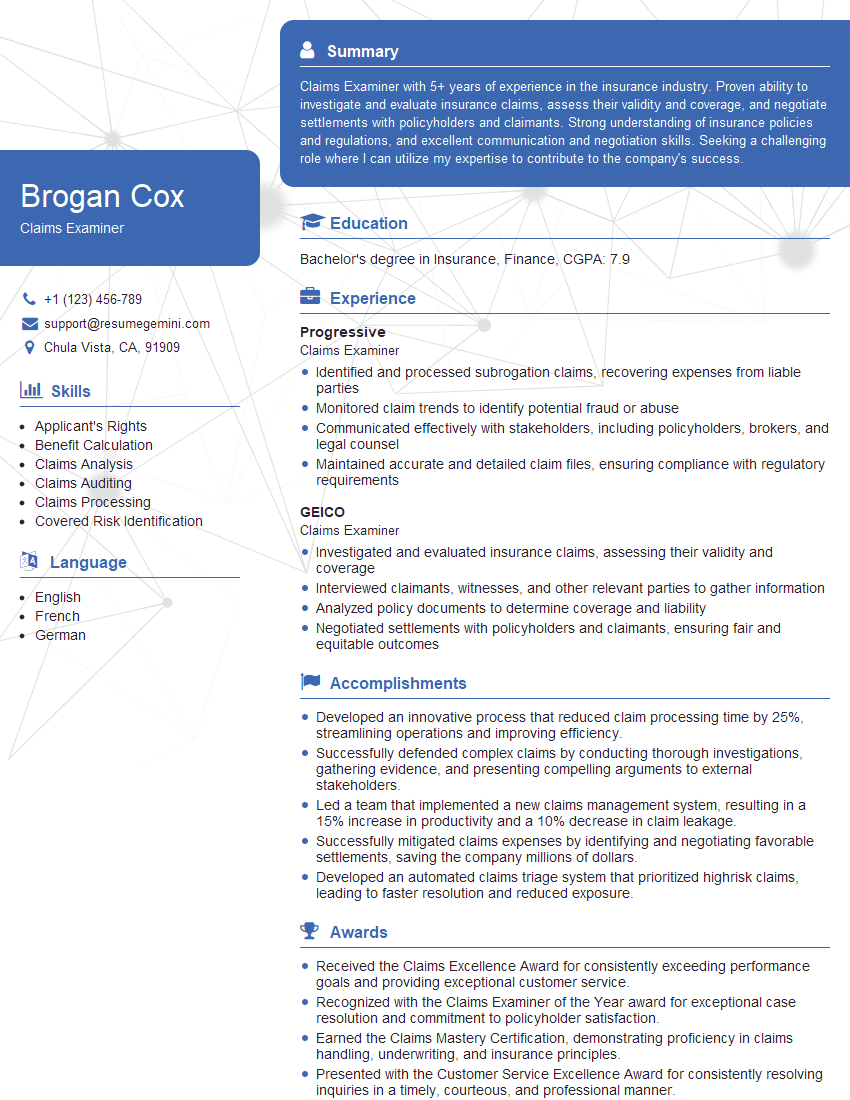
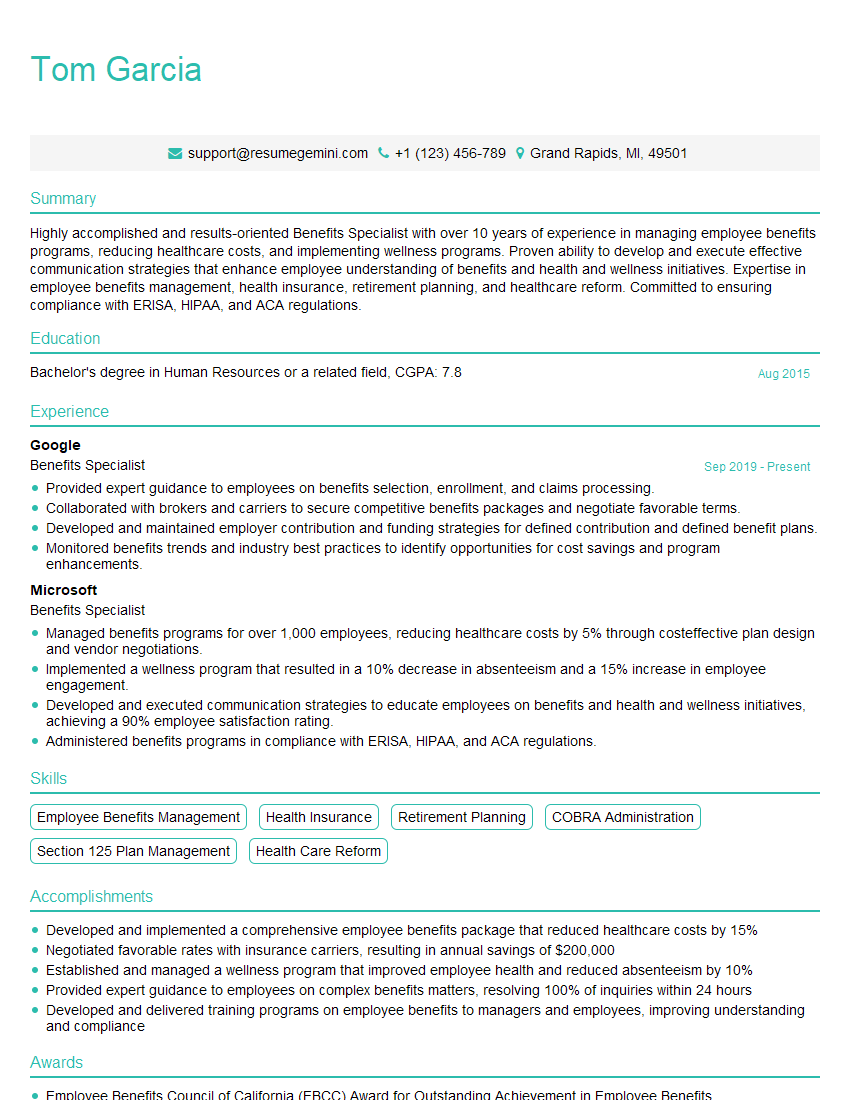
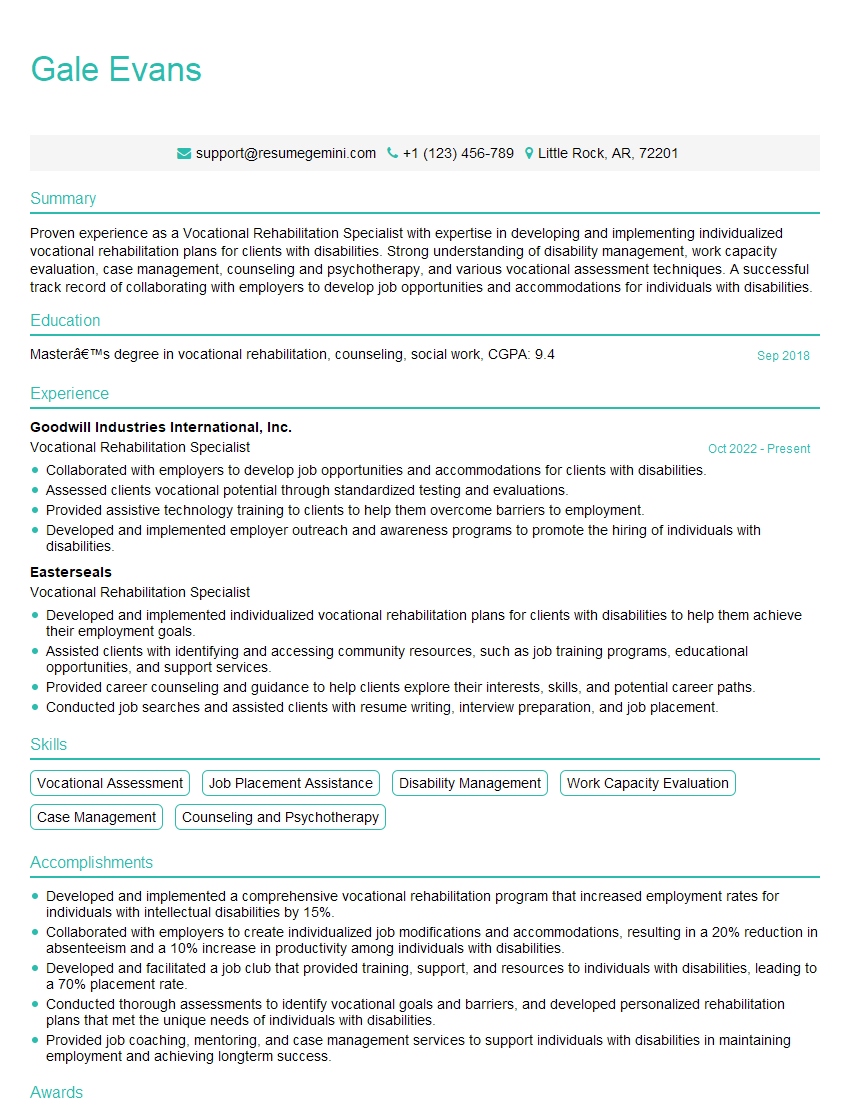
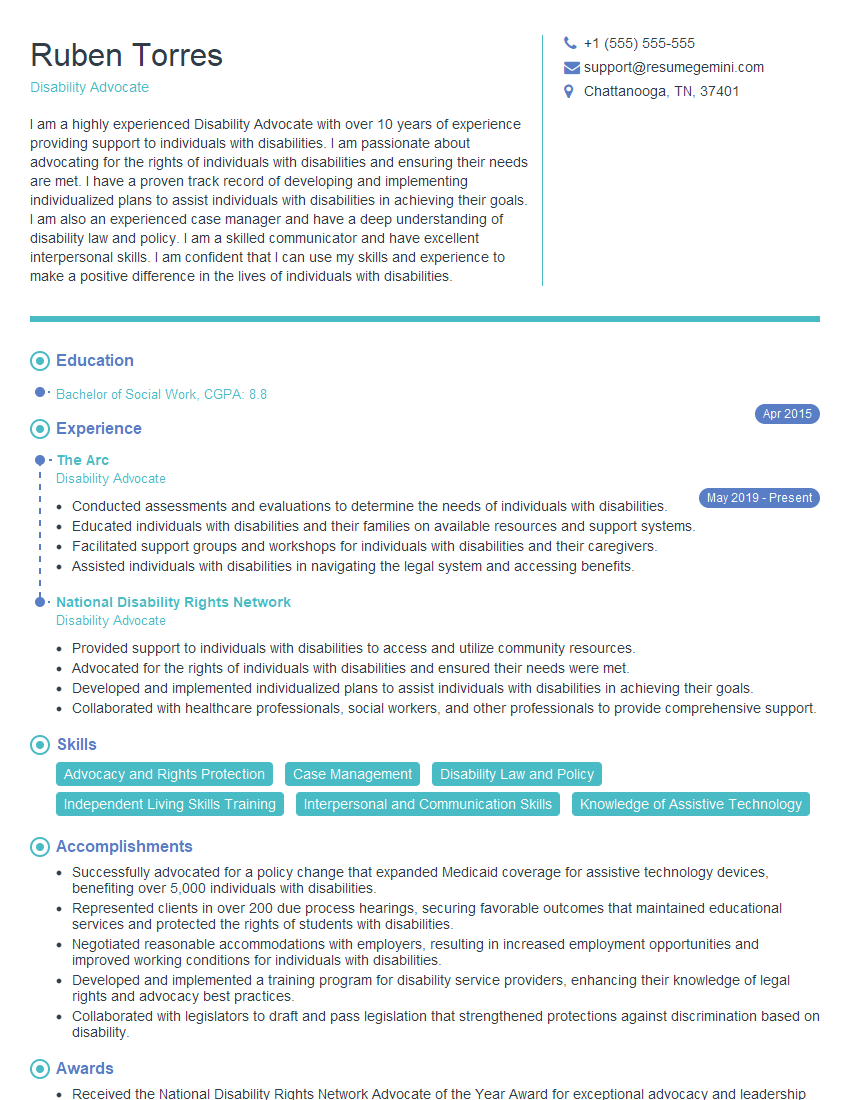
Mastering Disability Evaluation and Assessment opens doors to rewarding careers with significant impact. Your expertise in this field will be highly valued by organizations committed to inclusivity and accessibility. To enhance your job prospects, crafting a strong, ATS-friendly resume is crucial. ResumeGemini is a trusted resource that can help you build a professional resume tailored to highlight your skills and experience. We provide examples of resumes specifically designed for Disability Evaluation and Assessment professionals to help you showcase your qualifications effectively.

Explore more articles
Users Rating of Our Blogs
Share Your Experience
We value your feedback! Please rate our content and share your thoughts (optional).
What Readers Say About Our Blog
To the interviewgemini.com Webmaster.
Very helpful and content specific questions to help prepare me for my interview!
Thank you
To the interviewgemini.com Webmaster.
This was kind of a unique content I found around the specialized skills. Very helpful questions and good detailed answers.
Very Helpful blog, thank you Interviewgemini team.