Unlock your full potential by mastering the most common Distribution System Troubleshooting interview questions. This blog offers a deep dive into the critical topics, ensuring you’re not only prepared to answer but to excel. With these insights, you’ll approach your interview with clarity and confidence.
Questions Asked in Distribution System Troubleshooting Interview
Q 1. Explain the difference between a radial and a networked distribution system.
The key difference between radial and networked distribution systems lies in their topology and redundancy. A radial system is like a tree – power flows from a substation down a single feeder line, branching out to smaller lines and eventually to individual customers. If a fault occurs on any part of the line, everything downstream goes dark. Think of it like a single road leading to a town; if that road is blocked, the town is isolated.
A networked system, on the other hand, is more like a web. Multiple feeders connect to substations and interconnect at various points. If one feeder fails, power can often be rerouted through other paths. Imagine multiple roads leading to the town; if one road is closed, traffic can use alternative routes.
Radial systems are simpler and cheaper to build, but less reliable. Networked systems are more complex and expensive, but offer significantly improved reliability and fault tolerance. The choice depends on factors like cost, reliability requirements, and the geographical spread of the area being served.
Q 2. Describe the common causes of voltage sags and swells in a distribution system.
Voltage sags and swells are short-duration variations in voltage levels. Voltage sags are reductions in voltage, while voltage swells are increases. Several common causes contribute to these fluctuations:
- Faulty equipment: A motor starting up, a transformer experiencing internal problems, or a capacitor bank malfunction can cause brief dips or surges in voltage.
- Switching operations: Switching large loads on or off can create transient changes in the system voltage.
- Lightning strikes: Direct lightning strikes on power lines or nearby structures can cause significant voltage surges.
- Overloads: When the demand exceeds the capacity of the distribution system, voltage sags can occur due to increased line resistance and impedance.
- Short circuits: A short circuit anywhere in the system will cause a drastic voltage drop in the affected area and may lead to voltage swells elsewhere as the system tries to compensate.
- Line faults: Faults like broken conductors or tree branches falling onto power lines can lead to significant voltage fluctuations.
Understanding these causes is crucial for effective preventative maintenance and targeted troubleshooting.
Q 3. How do you troubleshoot a power outage in a residential area?
Troubleshooting a residential power outage involves a systematic approach:
- Check your circuit breaker box: The most common cause is a tripped breaker. Simply reset any tripped breakers.
- Check your neighbors: If your neighbors also have a power outage, it’s likely a larger problem with the distribution system. If they have power, the problem is likely isolated to your home.
- Contact your utility company: Report the outage to your utility provider. They will have access to system monitoring tools to identify the problem area and dispatch crews as necessary. Provide them with your address and the time the outage began.
- Look for visible damage: Check your property for any visible damage to power lines or equipment (loose wires, downed lines, etc.). Never approach damaged power lines.
- Avoid the use of generators without proper isolation: Improperly grounding a generator can backfeed power into the system and endanger utility workers.
Remember, safety is paramount. Always treat power lines as energized and avoid attempting to fix the problem yourself unless you are a qualified electrician.
Q 4. What are the different types of protective relays used in distribution systems?
Distribution systems employ various protective relays to detect faults and automatically isolate the affected sections. Common types include:
- Overcurrent relays: These are the most common type and operate when the current flowing through a line exceeds a predetermined threshold. They are essential for protecting against short circuits and overloads.
- Distance relays: These relays measure the impedance of the line to detect faults. They are particularly useful for protecting long transmission lines where overcurrent relays may be slow to operate.
- Differential relays: These relays compare the currents entering and leaving a protected zone (e.g., a transformer). Any significant difference indicates an internal fault.
- Ground fault relays: These relays detect ground faults, which are often more dangerous than other types of faults. They are crucial for protecting against earth leakage currents.
- Directional relays: These relays determine the direction of fault current flow, ensuring the relay operates only when the fault is within its protected zone.
The choice of relay depends on the specific application and the type of protection required. More sophisticated relays often combine multiple protection functions in a single unit.
Q 5. Explain the principle of operation of a circuit breaker.
A circuit breaker is an electromechanical switch designed to protect an electrical circuit from damage caused by overcurrent. Its operation is based on the principle of detecting excessive current and interrupting the circuit to prevent further damage. There are several types with varying tripping mechanisms, but the common principle is as follows:
When the current in the circuit exceeds a predefined limit, either thermally (due to excessive heat generated) or magnetically (due to the electromagnetic force created by high current), a mechanism within the circuit breaker is activated. This mechanism releases a spring-loaded mechanism, which quickly separates the contacts of the circuit breaker, interrupting the flow of current. The tripped breaker needs to be manually reset once the fault is cleared.
Think of it as a safety valve in a pressure cooker. If the pressure gets too high, the valve releases steam to prevent an explosion. Similarly, a circuit breaker prevents damage to the electrical system by interrupting the flow of electricity when the current becomes excessive.
Q 6. How do you identify a faulty transformer?
Identifying a faulty transformer involves a multi-pronged approach involving visual inspection and testing:
- Visual inspection: Look for signs of physical damage such as oil leaks, burnt components, or loose connections. Listen for unusual noises like humming or buzzing, which could indicate internal problems.
- Temperature checks: Use infrared thermometers to check for excessive heating in the windings and core. Hot spots are strong indicators of internal faults.
- Oil analysis: Testing the transformer oil can reveal the presence of dissolved gases or other contaminants that indicate insulation breakdown.
- Winding resistance test: Measuring the resistance of the windings can help detect short circuits or open circuits.
- Voltage and current measurements: Verify the input and output voltages and currents against the nameplate values. Significant deviations could signify a problem.
- Turn ratio test: This test verifies that the transformer windings have the correct voltage ratio.
A combination of these methods provides a comprehensive assessment of the transformer’s health. It’s important to employ safety measures and only allow qualified personnel to conduct these checks.
Q 7. Describe the steps involved in testing a power transformer.
Testing a power transformer is a complex procedure that requires specialized equipment and expertise. The tests are usually performed by qualified personnel according to relevant safety standards. Here are some common tests:
- Insulation resistance test (Megger test): This test measures the insulation resistance between the windings and the ground, as well as between the windings themselves. Low resistance indicates insulation deterioration.
- Dielectric strength test: This test applies a high voltage to the windings to check for insulation breakdown. It evaluates the transformer’s ability to withstand high voltages.
- Turns ratio test: This test verifies the correct voltage ratio between the primary and secondary windings.
- Impedance test: This test measures the impedance of the windings, which helps to determine the transformer’s internal characteristics and identify potential faults.
- Oil quality analysis: This is important to check for contaminants such as moisture, dissolved gases, and acidity in the oil. Degradation of the oil often suggests problems within the transformer.
- Temperature rise test: This test verifies that the transformer can operate within its thermal limits without excessive overheating.
The specific tests performed will depend on the size, type, and age of the transformer, as well as its operating conditions and history. Detailed test reports should be maintained for future reference.
Q 8. What are the common methods used for fault location in distribution lines?
Fault location in distribution lines is crucial for quick restoration of power and minimizing downtime. Several methods are employed, each with its strengths and weaknesses. These methods can be broadly categorized into:
- Traditional Methods: These often involve experienced linemen visually inspecting lines, using line testers, and employing simple techniques like sound ranging to pinpoint the approximate location of the fault.
- Automated Methods: These leverage sophisticated technologies for more accurate and efficient fault location. Examples include:
- Distance Relay Protection: This system measures the impedance to the fault and calculates its distance from the substation. It’s highly accurate but requires specific equipment and settings.
- Wavelet Transform Analysis: This advanced technique analyzes the transient signals produced during a fault to determine its location. It’s excellent for pinpointing faults in complex networks but requires specialized software and expertise.
- Geographic Information System (GIS) Integration: Modern distribution systems use GIS to map the network, allowing fault locations determined by distance relays or other methods to be displayed visually on a map. This streamlines response and repairs.
- Artificial Intelligence (AI) and Machine Learning (ML): AI and ML algorithms are increasingly used to analyze data from various sources (SCADA, smart meters, etc.) to predict and locate faults more efficiently.
The choice of method depends on factors like the system’s complexity, the type of fault, the available equipment, and the desired accuracy level. For instance, in a rural area with widely spaced lines, visual inspection might be sufficient initially, whereas a densely populated urban area necessitates more sophisticated techniques.
Q 9. Explain the significance of grounding in distribution systems.
Grounding in distribution systems is paramount for safety and reliable operation. It provides a low-impedance path for fault currents to flow to the earth, preventing dangerous voltage buildup on equipment and protecting personnel. Think of it like a safety valve for the electrical system.
- Personnel Safety: Grounding prevents hazardous voltages from appearing on exposed metal parts, protecting workers from electric shock.
- Equipment Protection: It limits the duration and magnitude of fault currents, reducing damage to equipment and preventing cascading failures. Without grounding, a fault could cause excessive voltage surges that damage transformers, lines, and other components.
- System Stability: Proper grounding helps maintain system stability by providing a reliable path for fault currents, preventing voltage imbalances, and reducing the risk of arcing faults.
Grounding is achieved through grounding rods driven into the earth, grounding wires connected to equipment, and substation grounding systems. Regular inspections and testing of grounding systems are crucial to ensure their effectiveness. Poor grounding can lead to increased safety risks, equipment damage, and service interruptions. For example, a poorly grounded transformer could experience dangerous voltage build-up, potentially causing a fire.
Q 10. What are the safety precautions you would take while troubleshooting a live distribution system?
Troubleshooting a live distribution system demands the utmost caution. Safety is the absolute priority. Never compromise safety for speed. Here’s a structured approach:
- Lockout/Tagout (LOTO): Before any work on a live system, follow strict LOTO procedures to de-energize the affected section. This involves physically locking and tagging circuit breakers or switches to prevent accidental energization. This is the most critical safety measure.
- Personal Protective Equipment (PPE): Use appropriate PPE, including insulated gloves, safety glasses, arc flash protective clothing, and safety footwear. The level of PPE depends on the voltage level and the specific task.
- Working Safely Near Energized Conductors: If complete de-energization is impossible (e.g., while performing a hot line repair), use insulated tools, maintain safe distances, and employ spotters to monitor for hazards.
- Proper Training and Certification: Only trained and certified personnel should work on live distribution systems. This ensures proficiency in safety procedures and troubleshooting techniques.
- Emergency Response Plan: Have a clearly defined emergency response plan in place to handle unforeseen situations or accidents. Ensure everyone on the team understands their role.
- Regular Safety Meetings and Training: Consistent safety training and regular review of safety procedures are essential to prevent accidents.
A real-world example: Before working on a faulty transformer, we would completely de-energize the circuit, using LOTO procedures to ensure nobody could accidentally re-energize it. Then, we’d inspect the transformer for visible damage before beginning any repairs.
Q 11. Describe your experience with SCADA systems in distribution system management.
SCADA (Supervisory Control and Data Acquisition) systems are essential for monitoring and managing distribution systems. My experience encompasses utilizing SCADA to:
- Real-time Monitoring: SCADA provides real-time visibility into the status of various components (voltage, current, power flow, etc.), enabling proactive identification of potential issues.
- Fault Detection and Alarm Management: SCADA systems generate alarms based on pre-defined thresholds, alerting operators to faults or unusual conditions. This allows for swift response and minimizes downtime.
- Remote Control: SCADA enables remote switching of circuit breakers and other equipment, allowing for quick restoration of power or isolation of faulty sections. This is particularly useful in geographically dispersed systems.
- Data Logging and Analysis: SCADA systems record vast amounts of data, which can be analyzed to identify patterns, predict future problems, and optimize system performance. For example, trending data on transformer load can help predict potential overload situations.
- Integration with other systems: SCADA is often integrated with other systems, like GIS and advanced metering infrastructure (AMI), to provide a more comprehensive view of the distribution network.
In a previous role, I used SCADA to remotely diagnose a fault in a feeder that was causing intermittent outages. By analyzing SCADA data, I identified a specific circuit breaker experiencing erratic behavior, leading to its timely replacement and resolution of the issue.
Q 12. How do you interpret fault current data?
Fault current data is vital for understanding the nature and location of a fault. Analyzing this data requires an understanding of electrical principles and the distribution system’s configuration. Key aspects of interpretation include:
- Magnitude: The magnitude of the fault current indicates the severity of the fault and the impedance of the fault path. A higher magnitude usually suggests a lower impedance fault (closer to the source).
- Duration: The duration of the fault current is important for assessing the potential damage to equipment. Longer duration faults can cause significant damage.
- Waveform: The shape of the fault current waveform can provide insights into the type of fault (e.g., single-line-to-ground, three-phase). Analysis of this can be done using oscilloscopes and specialized software.
- Phase Relationships: The relationship between the fault currents in different phases can provide further clues about the location and type of fault.
For example, a high-magnitude, short-duration fault current might indicate a close-in fault on a transmission line. Conversely, a low-magnitude, long-duration fault might suggest a more distant fault or a high impedance fault like a broken insulator.
Software tools and specialized training are crucial for accurate interpretation of fault current data. Using this data in conjunction with relay settings helps in accurately identifying fault locations and the required remedial actions.
Q 13. Explain the concept of power system stabilization.
Power system stabilization refers to maintaining the stability and reliability of the power grid under varying operating conditions. It’s crucial to prevent widespread blackouts and ensure a consistent supply of power to consumers. Key aspects include:
- Frequency Regulation: Maintaining the system frequency (typically 50 Hz or 60 Hz) within acceptable limits. Deviations can indicate imbalances in generation and demand.
- Voltage Regulation: Maintaining voltage levels within acceptable ranges at various points in the system. Voltage fluctuations can damage equipment and affect the quality of power supplied.
- Power Oscillation Damping: Suppressing low-frequency oscillations in power flow, which can lead to instability and cascading failures. This often involves using power system stabilizers (PSS) which are supplementary controllers in generators.
- Protection Schemes: Employing various protection devices (relays, circuit breakers, etc.) to quickly isolate faults and prevent them from propagating throughout the system.
Techniques for power system stabilization often involve sophisticated control systems, automatic generation control (AGC), and advanced algorithms to anticipate and mitigate potential problems. For example, using fast-acting control systems to adjust generator output in response to sudden changes in demand helps maintain frequency and voltage stability. A lack of effective stabilization can lead to blackouts or widespread power disturbances.
Q 14. How would you troubleshoot a problem with a capacitor bank?
Troubleshooting a capacitor bank involves a systematic approach to pinpoint the source of the problem. The issues can range from simple to complex:
- Visual Inspection: Begin by inspecting the capacitor bank for any obvious signs of damage, such as loose connections, burned components, or physical damage to the capacitor units themselves. Look for any unusual heating.
- Measurement of Capacitance: Using a capacitance meter, check the capacitance of each individual capacitor unit. A significant deviation from the rated capacitance might indicate a faulty unit.
- Measurement of Insulation Resistance: Measure the insulation resistance of each capacitor using a megger. Low insulation resistance indicates a problem with the insulation and may lead to failure.
- Checking for Overheating: Check the temperature of the capacitor bank using a non-contact thermometer. Excessive heat can indicate an overload or internal fault. Pay attention to individual units for uneven heating.
- Checking the Control Circuitry: Check the control circuitry and fuses for any issues. Problems with the control system can prevent the bank from functioning correctly or cause premature failure.
- Testing with Specialized Equipment: In complex cases, you might use more sophisticated equipment like surge testers or partial discharge detectors to identify underlying issues.
Once the faulty component is identified, it should be replaced or repaired according to the manufacturer’s guidelines and safety protocols. It’s important to remember that capacitor banks store energy, so safety procedures must be strictly followed during testing and maintenance.
For example, if a visual inspection reveals a blown fuse in the capacitor bank’s control circuitry, simply replacing the fuse would restore functionality. However, if capacitance measurements reveal a significantly reduced capacitance value in a specific unit, that unit must be replaced.
Q 15. What are the different types of insulators used in distribution systems?
Distribution systems employ various insulators to prevent current leakage and maintain safe operation. The choice depends on voltage level, environmental conditions, and cost considerations. Common types include:
- Pin Insulators: These are simple, cost-effective insulators used for lower voltage lines. They consist of a porcelain or glass body with a pin at the top to support the conductor.
- Suspension Insulators: Used for high-voltage transmission and distribution lines, these are strung together in series to withstand high voltage stresses. Each unit is a disc-shaped insulator, increasing the creepage distance and enhancing overall strength.
- Strain Insulators: Designed to withstand high tensile stresses, these are typically used at the ends of spans or where there’s a significant change in conductor direction. They are stronger than standard suspension insulators.
- Post Insulators: These are used in substations and switchyards, offering high strength and creepage distances. They are commonly made of porcelain or composite materials.
- Polymer Insulators: Increasingly popular due to their high strength-to-weight ratio, hydrophobic properties (resisting water absorption), and resistance to vandalism. However, they can be susceptible to UV degradation over time.
For example, in a rural distribution system with lower voltage lines, you might see primarily pin insulators. However, in a densely populated urban area with higher voltage lines, suspension insulators would be more common due to their ability to handle higher stresses and provide better insulation.
Career Expert Tips:
- Ace those interviews! Prepare effectively by reviewing the Top 50 Most Common Interview Questions on ResumeGemini.
- Navigate your job search with confidence! Explore a wide range of Career Tips on ResumeGemini. Learn about common challenges and recommendations to overcome them.
- Craft the perfect resume! Master the Art of Resume Writing with ResumeGemini’s guide. Showcase your unique qualifications and achievements effectively.
- Don’t miss out on holiday savings! Build your dream resume with ResumeGemini’s ATS optimized templates.
Q 16. Explain the importance of load flow studies in distribution system planning.
Load flow studies are crucial in distribution system planning because they analyze the flow of power throughout the system under various operating conditions. Think of it as a detailed map of your electrical system showing where the power is going at any given moment. This information allows engineers to:
- Optimize System Design: Determine the optimal size and placement of transformers, conductors, and other equipment to meet current and future load demands.
- Identify Voltage Issues: Detect potential voltage drops or overvoltages, which can damage equipment or disrupt service. Load flow studies help engineers plan for voltage regulation strategies, such as installing voltage regulators or capacitors.
- Plan for System Expansion: Predict the impact of adding new loads or generating sources on the existing system. This ensures smooth integration and avoids overloading equipment.
- Improve System Reliability: Identify potential weak points in the system that might lead to outages. Addressing these proactively increases the overall reliability of the network.
- Assess Economic Feasibility: Determine the cost-effectiveness of different design options, guiding decisions based on both technical performance and financial implications.
For instance, a load flow study might reveal that a particular substation is nearing its capacity and requires upgrading or the addition of a new substation to accommodate future load growth in a rapidly developing area.
Q 17. How do you use fault indicators to locate faults on a distribution line?
Fault indicators, like fault locators and current sensors, assist in pinpointing faults along a distribution line. The approach is generally a combination of remote monitoring and on-site investigation. Here’s a common workflow:
- Initial Assessment: Identify the affected area and the extent of the outage through the SCADA (Supervisory Control and Data Acquisition) system, which provides real-time monitoring of the distribution network.
- Fault Indicator Data Analysis: Review data from fault locators or current transformers along the line. These devices often provide a rough estimate of the fault’s location based on current imbalances or changes in voltage.
- On-site Inspection: Armed with this initial indication, crews visually inspect the line looking for obvious signs of damage, like broken insulators, downed conductors, or damaged poles. Infrared cameras can be useful to detect overheating.
- Advanced Fault Location Techniques: In complex cases, more sophisticated techniques might be employed, such as using TDR (Time Domain Reflectometry) to pinpoint the location of a fault by measuring the time it takes for a signal to reflect back from the fault point.
- Repair and Restoration: Once the fault is identified and its cause determined, repair work commences, followed by system restoration.
An example would be a sudden power outage in a neighborhood. SCADA might indicate a fault in a specific feeder. Fault indicator data might point to a section of the line a few kilometers away. A field crew would then patrol this section using visual inspection or specialized tools to precisely locate the fault, perhaps a tree branch touching a conductor.
Q 18. What is the purpose of a surge arrester?
A surge arrester, also known as a lightning arrester, is a protective device that diverts excess voltage to the ground during a surge or transient event. Think of it as a safety valve for your electrical system. These surges can be caused by lightning strikes, switching operations, or faults. Here’s how it works:
Under normal operating conditions, a surge arrester presents a very high impedance to the power flow. However, when a surge causes the voltage to exceed a predetermined threshold (the arrester’s protection level), it quickly changes its impedance to a low value, allowing the surge current to flow to ground and thereby protecting the equipment. Once the surge has passed, the arrester returns to its high impedance state.
Without surge arresters, overvoltages can damage transformers, other critical equipment, and potentially even create safety hazards. They’re crucial for protecting expensive equipment and maintaining the reliability of the distribution system. For example, protecting a substation transformer from a direct lightning strike or protecting the sensitive electronics inside a distribution automation system from surges generated by switching operations.
Q 19. Describe your experience with using diagnostic tools for troubleshooting.
Throughout my career, I’ve extensively used various diagnostic tools for troubleshooting distribution system issues. These include:
- Power Quality Analyzers: These devices measure various parameters of the power supply, such as voltage, current, harmonics, and power factor, helping to identify issues like voltage sags, swells, and harmonic distortions.
- Infrared Cameras: Essential for detecting hotspots in electrical equipment due to overheating, a common indicator of impending failures. These cameras provide a non-invasive and safe way to assess the thermal condition of transformers, switchgear, and other equipment.
- Partial Discharge Detectors: These tools detect partial discharges within high-voltage equipment, providing early warnings of insulation degradation before a major failure occurs.
- Time Domain Reflectometers (TDRs): As mentioned earlier, TDRs are invaluable for locating faults along distribution lines by measuring signal reflections.
- SCADA Systems: The backbone of modern distribution system monitoring and control, SCADA systems provide real-time data on system performance, enabling proactive identification and resolution of problems.
For example, while working on a case involving frequent power outages in a specific area, I utilized a power quality analyzer to identify significant harmonic distortions caused by a nearby industrial facility. This analysis guided us in developing mitigation strategies, leading to a significant reduction in outages.
Q 20. Explain the impact of harmonic distortion on distribution systems.
Harmonic distortion refers to the presence of non-sinusoidal waveforms in the power system, causing unwanted frequencies that are multiples of the fundamental frequency (typically 50Hz or 60Hz). These harmonics are primarily generated by non-linear loads, such as rectifiers in power supplies, variable-speed drives, and arc welders. Their impact on distribution systems can be significant:
- Increased Equipment Heating: Harmonics cause additional current flow, resulting in increased heating of transformers, conductors, and other equipment, potentially leading to premature failure.
- Voltage Distortion: Harmonic currents can cause voltage distortion, affecting the operation of sensitive equipment. This can lead to malfunctions or data corruption.
- Neutral Current Overloads: Higher-order harmonics can create significant currents in the neutral conductor, which may be undersized to handle these unbalanced currents.
- Resonance Problems: Harmonics can resonate with system capacitances and inductances, amplifying the harmonic levels and causing severe overvoltages.
- Capacitor Failures: Harmonic currents can damage power factor correction capacitors, requiring frequent replacements.
Imagine a scenario where a large industrial plant with numerous variable-speed drives is connected to the distribution system. Without proper harmonic mitigation measures, the excessive harmonics generated by these drives could overheat transformers, causing failures and potentially significant economic losses. This highlights the critical importance of harmonic analysis and mitigation in modern distribution system planning and operation.
Q 21. How do you assess the condition of a distribution transformer using various testing methods?
Assessing the condition of a distribution transformer involves a combination of tests, depending on the suspected issues and the transformer’s age. Common methods include:
- Oil Analysis: Analyzing the oil’s dielectric strength, moisture content, and presence of dissolved gases provides insights into the transformer’s internal condition. Dissolved gases can indicate insulation breakdown or overheating.
- Insulation Resistance Test: This measures the insulation resistance between windings and ground, providing an indication of insulation quality. Lower resistance values suggest degradation.
- Dielectric Dissipation Factor (DDF) Test: This assesses the dielectric losses in the transformer’s insulation, indicating the presence of moisture or other contaminants.
- Turns Ratio Test: Verifies the accuracy of the transformer’s turns ratio, ensuring the proper voltage transformation.
- Short Circuit Impedance Test: Measures the impedance of the transformer windings, helping to assess the transformer’s ability to withstand short-circuit currents.
- Open Circuit Test: This measures the excitation current and losses in the transformer’s core, allowing for the calculation of core losses and magnetizing current.
- Frequency Response Analysis (FRA): A more advanced technique, FRA analyzes the frequency response of the transformer windings, providing detailed information about the condition of windings and core, helping in early detection of winding faults.
For instance, a high dissolved gas content (e.g., acetylene) in an oil analysis could point towards severe arcing or insulation breakdown within the transformer, necessitating immediate attention to avoid a catastrophic failure. Combining these tests provides a comprehensive evaluation of a transformer’s health and helps predict its remaining lifespan.
Q 22. Describe your experience with distribution automation systems.
Distribution automation systems (DAS) are the backbone of modern power grids, enabling remote monitoring, control, and protection of distribution assets. My experience encompasses designing, implementing, and maintaining various DAS technologies, including Supervisory Control and Data Acquisition (SCADA) systems, advanced metering infrastructure (AMI), and intelligent electronic devices (IEDs).
I’ve worked extensively with various communication protocols like DNP3, Modbus, and IEC 61850, ensuring seamless data exchange between field devices and the control center. For instance, in a recent project, we implemented a DAS solution that reduced customer outage durations by 30% by enabling faster fault detection and isolation through automated reclosing and switching operations. I’m proficient in using DAS software to analyze system performance, identify potential vulnerabilities, and optimize operational strategies.
- Experience with SCADA system configurations and customizations.
- Proficiency in troubleshooting communication issues in DAS networks.
- Deep understanding of IED functionalities and their integration into a DAS environment.
Q 23. How would you handle a situation where a critical piece of equipment fails unexpectedly?
Unexpected equipment failure demands immediate and decisive action. My approach follows a structured methodology:
- Immediate Response: First, isolate the failed equipment to prevent cascading failures. This might involve manually switching circuits or tripping breakers based on the system’s topology and protection settings.
- Assessment and Diagnosis: Once isolated, I would quickly assess the extent of the damage and identify the root cause. This involves examining system logs, checking alarms, and potentially conducting field inspections.
- Restoration Planning: Based on the diagnosis, I’d create a restoration plan. This may involve using alternate feeders, rerouting power, or deploying temporary equipment. The plan prioritizes critical loads and minimizes the impact on customers.
- Implementation and Monitoring:The restoration plan is implemented carefully and monitored closely to ensure the system is stable. I would also document the entire process for future analysis and prevention.
- Root Cause Analysis (RCA) and Preventive Measures: After the system is restored, a thorough RCA is conducted to identify the underlying causes of the failure. This helps us implement preventive measures to avoid similar incidents in the future, like implementing predictive maintenance programs or upgrading aging equipment.
For example, imagine a transformer failure. The immediate response would be to isolate it, preventing further outages. The assessment would involve identifying the cause – was it overloading, a fault, or simply aging equipment? This determines the restoration plan, which might involve shifting load to other transformers or bringing in a temporary unit. The RCA would then focus on identifying if preventative maintenance could have averted the failure, or if the transformer’s lifespan was simply reached.
Q 24. How do you prioritize tasks during a major power outage?
Prioritizing tasks during a major outage is crucial. My approach uses a combination of factors, including criticality of affected loads, number of customers affected, and safety considerations. I utilize a structured approach:
- Safety First: Ensure the safety of personnel and the public is the top priority. This includes de-energizing potentially hazardous areas and providing appropriate safety equipment.
- Critical Infrastructure: Prioritize restoration of essential services such as hospitals, emergency services, and water treatment plants.
- Largest Number of Customers:Next, focus on restoring power to the largest number of customers with a single action. This is often achieved by quickly isolating the fault and then re-energizing the impacted section.
- Economic Impact: Consider the economic impact of prolonged outages on businesses and industries. Prioritize restoring power to large commercial and industrial customers where extended outages have significant consequences.
- Geographic Considerations:Restoration efforts are often optimized geographically, starting with the most densely populated areas and progressing outwards.
Think of it like a triage in a hospital – the most critical cases are treated first. In a power outage, the critical loads, like hospitals, are the equivalent of critical patients requiring immediate attention.
Q 25. Explain your understanding of distribution system protection schemes.
Distribution system protection schemes are designed to safeguard equipment and prevent cascading outages. They use a variety of devices and techniques to detect faults, isolate them, and quickly restore service.
These schemes include:
- Overcurrent Relays: These detect excessive current flow, indicating a fault. They operate to trip circuit breakers and isolate the faulted section.
- Distance Relays: These measure the impedance to the fault, providing more accurate fault location than overcurrent relays, allowing for selective tripping.
- Differential Relays: These compare the current entering and leaving a protected zone. Any imbalance indicates an internal fault within the protected zone.
- Pilot Wire Protection: This scheme utilizes communication between two ends of a transmission line to quickly detect faults anywhere along the line.
- Reclosers: These automatically interrupt and restore power after short-duration faults, like those caused by transient events like lightning strikes, helping to reduce customer interruptions.
Understanding the coordination of these protection schemes is vital for ensuring that faults are cleared efficiently and safely without causing unnecessary outages. Improper coordination can lead to widespread blackouts or damage to equipment.
Q 26. Describe your experience with analyzing power quality data.
Analyzing power quality data is critical for identifying and addressing voltage sags, swells, harmonics, and other disturbances that can harm equipment and impact customer satisfaction. My experience includes using specialized software to analyze data from power quality meters and other monitoring devices.
This analysis involves:
- Data Acquisition and Preprocessing: Gathering data from various sources, cleaning and filtering the data to remove noise.
- Waveform Analysis: Examining voltage and current waveforms to identify transient events and harmonic distortions.
- Statistical Analysis: Calculating various statistical parameters, such as RMS values, THD, and flicker levels, to quantify power quality issues.
- Fault Diagnosis: Using the analysis results to identify the root cause of power quality problems, which might be equipment malfunctions, network issues, or external disturbances.
- Mitigation Strategies: Developing solutions to improve power quality, such as installing power conditioning equipment, upgrading transformers, or optimizing system operation.
For example, analyzing data might reveal recurring voltage sags at a specific location. By examining the timing and duration of these sags, we can pinpoint the source – perhaps a weak connection or overloaded transformer – and implement corrective actions.
Q 27. How would you troubleshoot a communication failure in a distribution system?
Troubleshooting communication failures in a distribution system requires a systematic approach. My process begins with identifying the scope of the failure – is it affecting a single device, a section of the network, or the entire system?
- Initial Assessment: Verify the communication network’s physical infrastructure: check for physical damage to cables, loose connections, or equipment malfunctions.
- Diagnostic Tools:Utilize network diagnostic tools like ping, traceroute, and protocol analyzers to pinpoint the communication failure’s location.
- Protocol Analysis: Analyze the communication protocols (e.g., DNP3, Modbus) to identify error messages or inconsistencies that indicate the problem’s nature. This often reveals if the issue is with the hardware, software, or the configuration.
- Remote Access and Diagnostics: Many IEDs and SCADA systems offer remote access capabilities, allowing us to diagnose problems remotely without needing on-site visits.
- Firmware Updates:Outdated firmware can sometimes cause communication issues. Checking for and implementing necessary firmware updates can resolve many problems.
Imagine a SCADA system that suddenly stops receiving data from a remote substation. My troubleshooting would start with checking network connectivity and physical connections. Then I’d use protocol analyzers to look for errors in the DNP3 communication, perhaps revealing a corrupted data packet or a configuration mismatch. Remote access would let me examine the substation’s equipment status, and firmware updates could be the solution if required.
Q 28. Explain the concept of power system reliability and its importance.
Power system reliability refers to the ability of the system to consistently provide electricity to customers without interruptions. It’s measured using metrics like SAIDI (System Average Interruption Duration Index), SAIFI (System Average Interruption Frequency Index), and CAIDI (Customer Average Interruption Duration Index).
High reliability is essential for several reasons:
- Economic Impact: Power outages disrupt businesses, causing significant financial losses. Reliable power supports economic growth and productivity.
- Public Safety: Reliable power is crucial for essential services like hospitals, emergency response, and communication systems.
- Customer Satisfaction: Frequent or prolonged outages negatively impact customer satisfaction and can lead to dissatisfaction with the utility provider.
- Infrastructure Protection: Reliable operation protects expensive power system equipment from damage caused by repeated disturbances or overloads.
Improving reliability involves implementing better protection schemes, upgrading infrastructure, improving maintenance practices, and leveraging advanced technologies like distribution automation systems. It’s a balancing act between cost and the desired level of reliability, as improving reliability generally requires investments in new technologies and infrastructure.
Key Topics to Learn for Distribution System Troubleshooting Interview
- Protection Systems: Understanding the principles and operation of protective relays, circuit breakers, and fuses. This includes analyzing protection schemes and fault-clearing times.
- Fault Location and Isolation: Mastering techniques for identifying the location of faults within a distribution system, including the use of fault locators and diagnostic tools. Practical application involves analyzing system data to pinpoint outages efficiently.
- Power Quality Analysis: Understanding the causes and effects of power quality issues like sags, surges, and harmonics. This includes analyzing waveform data and proposing solutions for improved power quality.
- Distribution System Modeling and Simulation: Familiarity with software tools used for simulating distribution systems and analyzing different operating conditions. Practical applications include planning system upgrades and assessing the impact of new loads.
- SCADA and Data Acquisition: Understanding Supervisory Control and Data Acquisition (SCADA) systems and their role in monitoring and controlling distribution networks. This involves analyzing real-time data to identify potential issues proactively.
- Distribution System Automation: Knowledge of automated systems used for remote control and fault management in distribution networks. Practical application includes understanding the benefits and limitations of various automation technologies.
- Load Flow Analysis: Understanding the principles of load flow studies and their application in assessing the stability and performance of distribution networks under various load conditions.
- Troubleshooting Techniques: Developing a systematic approach to diagnosing and resolving distribution system issues. This includes root cause analysis, and effective problem-solving methodologies.
Next Steps
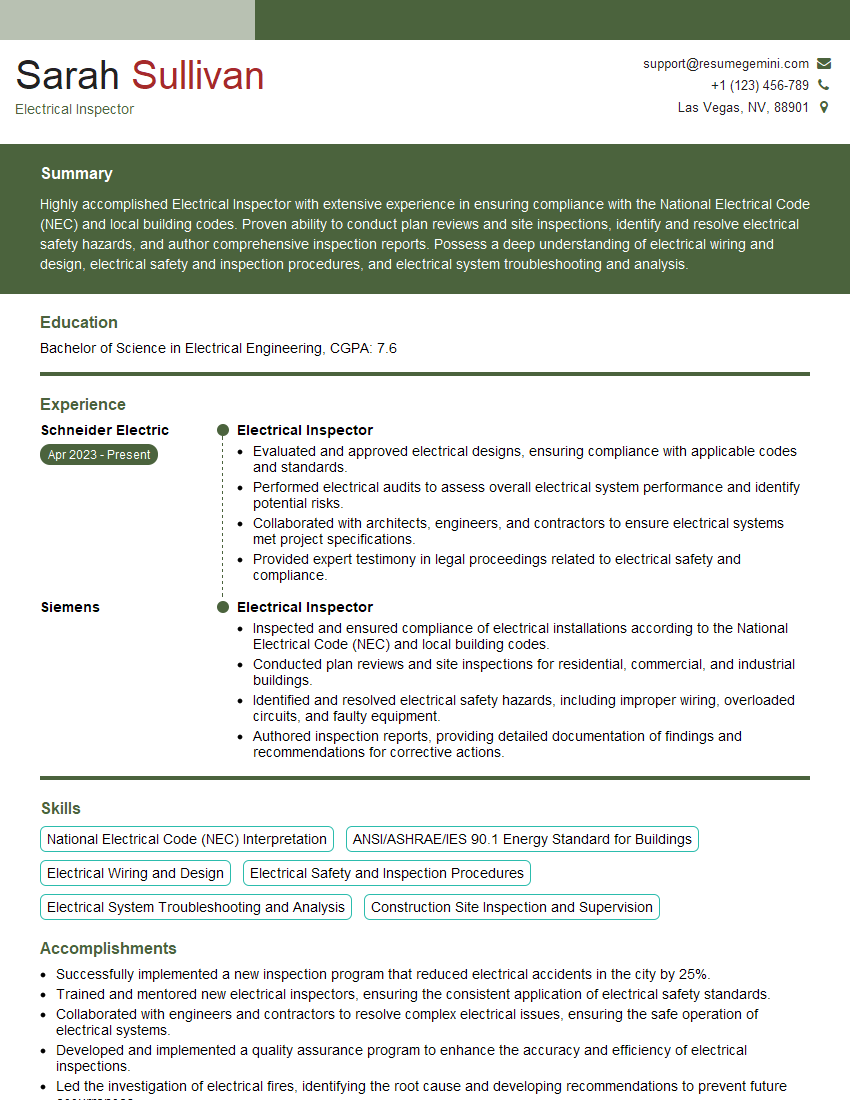
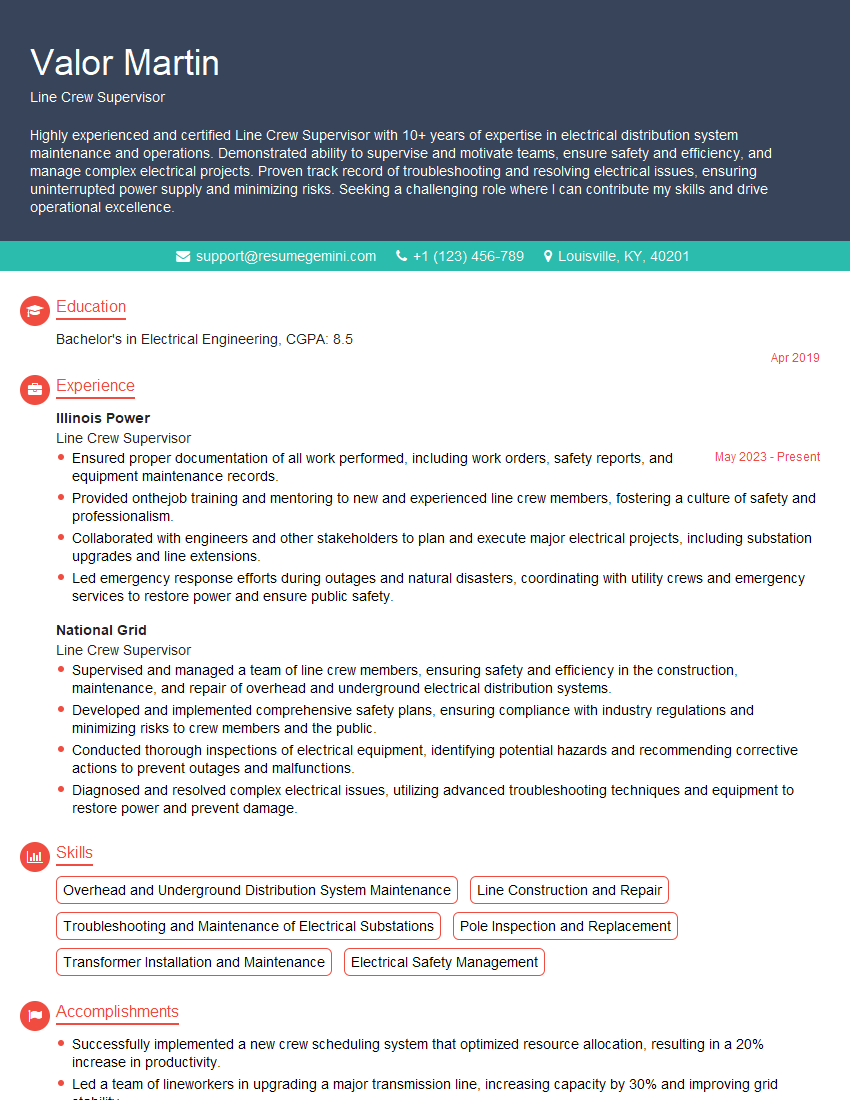
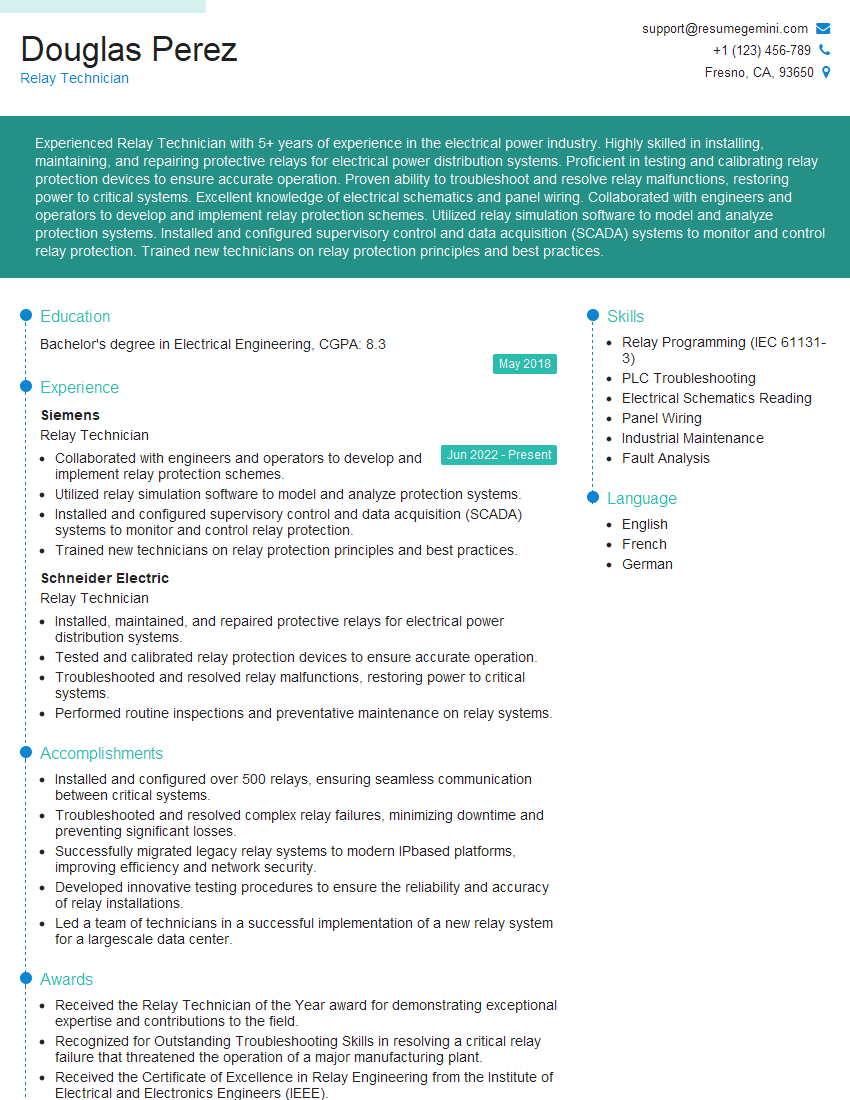
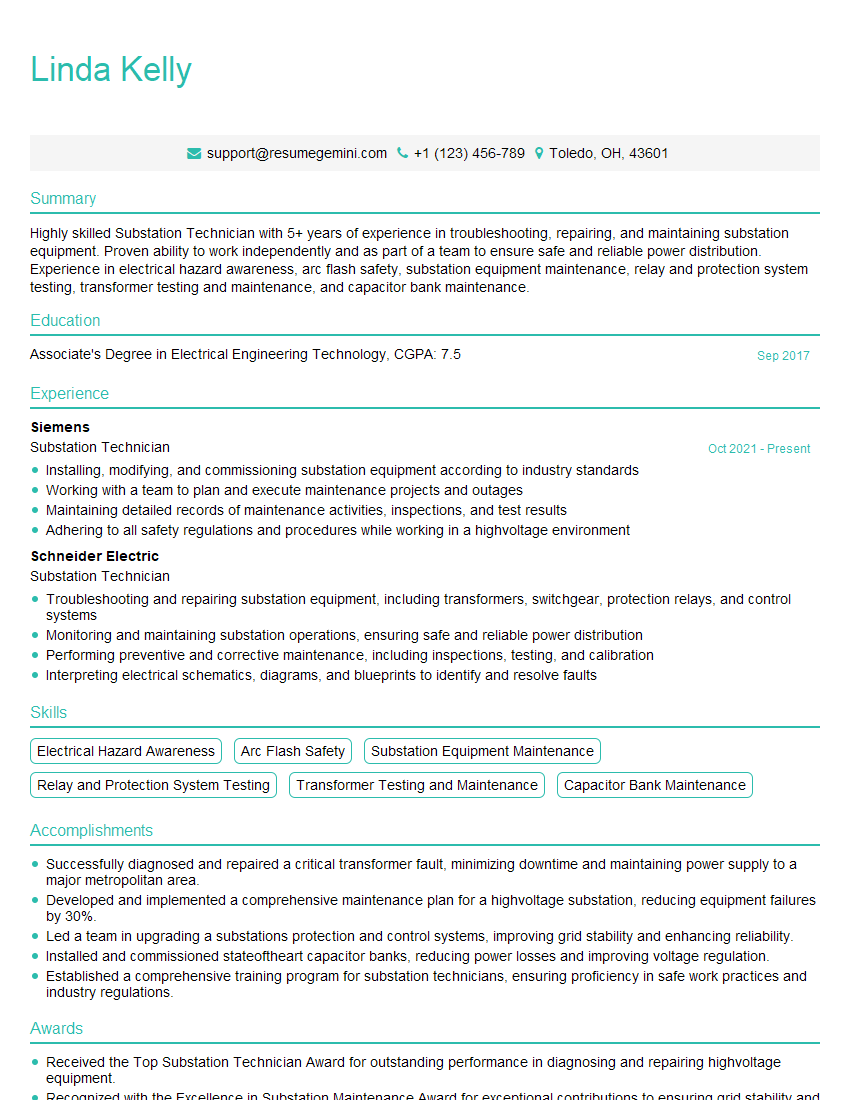
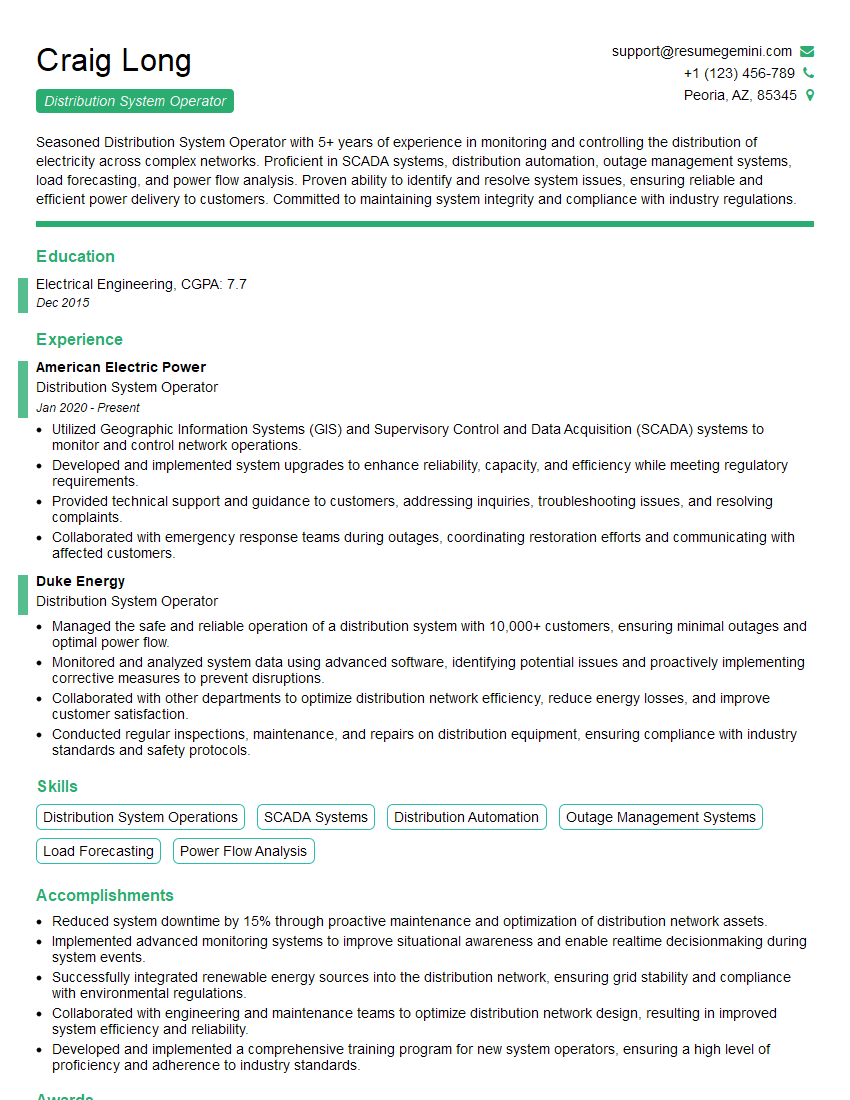
Mastering Distribution System Troubleshooting is crucial for career advancement in the power industry, opening doors to more challenging and rewarding roles. A well-crafted resume is your key to unlocking these opportunities. Building an ATS-friendly resume is essential to ensure your application gets noticed by recruiters. ResumeGemini can help you create a professional and impactful resume that highlights your skills and experience effectively. ResumeGemini provides examples of resumes tailored to Distribution System Troubleshooting to help guide you through the process. Invest time in crafting a strong resume; it’s your first impression and a powerful tool in your job search.

Explore more articles
Users Rating of Our Blogs
Share Your Experience
We value your feedback! Please rate our content and share your thoughts (optional).
What Readers Say About Our Blog
To the interviewgemini.com Webmaster.
Very helpful and content specific questions to help prepare me for my interview!
Thank you
To the interviewgemini.com Webmaster.
This was kind of a unique content I found around the specialized skills. Very helpful questions and good detailed answers.
Very Helpful blog, thank you Interviewgemini team.