Unlock your full potential by mastering the most common Downtown Revitalization interview questions. This blog offers a deep dive into the critical topics, ensuring you’re not only prepared to answer but to excel. With these insights, you’ll approach your interview with clarity and confidence.
Questions Asked in Downtown Revitalization Interview
Q 1. Describe your experience in developing and implementing a Downtown Revitalization plan.
My experience in downtown revitalization spans over 15 years, encompassing various roles from project manager to lead consultant. In my previous role with the City of Springfield, I spearheaded the revitalization of their historic downtown district. This involved a multi-phased approach. First, we conducted extensive community engagement sessions to understand resident and business owner needs and aspirations. We then developed a comprehensive plan addressing infrastructure improvements (road repaving, upgraded lighting), beautification projects (green spaces, public art installations), and economic development strategies (incentives for new businesses, marketing campaigns). Implementation involved securing funding through a combination of public grants, private investment, and tax increment financing. We tracked progress meticulously, using a project management system to ensure timely completion and adherence to the budget. The project resulted in a 30% increase in foot traffic and a 20% rise in property values within three years.
Another significant project involved a struggling waterfront district. We focused on attracting tourism by creating a vibrant public space with waterfront walkways, improved accessibility, and the development of boutique hotels and restaurants. This involved collaborating with multiple stakeholders, navigating zoning regulations, and mitigating environmental concerns. Success was measured by increased tourist spending, higher occupancy rates in hotels, and positive media coverage.
Q 2. What are the key performance indicators (KPIs) you would use to measure the success of a Downtown Revitalization project?
Key Performance Indicators (KPIs) for measuring the success of a downtown revitalization project are multifaceted and should align with the specific goals outlined in the initial plan. However, some crucial KPIs include:
- Increase in foot traffic and retail sales: This directly measures the project’s impact on the local economy.
- Rise in property values and rental rates: This indicates increased desirability and investment in the area.
- Growth in business occupancy rates: Shows the project’s success in attracting and retaining businesses.
- Improved public safety metrics (crime rates, incident reports): A safer environment encourages more activity and investment.
- Increased resident satisfaction (surveys, feedback sessions): Gauge community perception and overall project success.
- Enhanced accessibility and pedestrian-friendliness: Measured through observations, surveys and the number of accessible features.
- Environmental sustainability metrics (reduced carbon footprint, energy efficiency): Essential for measuring the long-term impact.
It’s important to establish baseline data before project commencement to effectively compare changes post-revitalization. Regular monitoring and data analysis are also critical throughout the project’s lifecycle.
Q 3. How would you address the concerns of residents and businesses during a Downtown Revitalization project?
Addressing resident and business concerns is paramount to a successful revitalization. A transparent and communicative approach is key. This involves:
- Regular community meetings: Open forums for discussion and feedback, allowing residents and businesses to voice their concerns directly.
- Surveys and questionnaires: Collecting comprehensive data on opinions and preferences.
- Dedicated communication channels: Establishing platforms (website, social media, email updates) to keep stakeholders informed of progress and address questions promptly.
- Individual consultations: Addressing specific concerns of particular businesses or residents.
- Transparency in planning and decision-making: Keeping stakeholders informed about the planning process and decision-making rationale.
- Mitigation strategies: Developing plans to address potential negative impacts (e.g., temporary disruptions during construction, parking changes).
- Mediation and conflict resolution: Addressing disagreements or conflicts constructively through dialogue and negotiation.
Proactive communication and addressing concerns early can prevent misunderstandings and build trust, resulting in a smoother revitalization process.
Q 4. Explain your understanding of the principles of sustainable urban development.
Sustainable urban development prioritizes environmental, social, and economic well-being for current and future generations. It focuses on creating vibrant, resilient, and equitable communities. Key principles include:
- Environmental sustainability: Minimizing the environmental footprint through green building practices, energy efficiency, waste reduction, and the preservation of green spaces.
- Social equity: Ensuring equitable access to resources and opportunities for all residents, regardless of income or social background.
- Economic viability: Promoting economic growth that is both sustainable and inclusive.
- Resilience: Building infrastructure and systems that can withstand and adapt to climate change and other challenges.
- Community participation: Engaging residents and stakeholders in the planning and decision-making process.
- Mixed-use development: Combining residential, commercial, and recreational uses in a single area to create a more vibrant and walkable environment.
In practice, this translates to using sustainable building materials, incorporating green infrastructure (rain gardens, green roofs), promoting walking and cycling, and creating inclusive public spaces. For example, a revitalization project might prioritize green transportation options, reducing reliance on cars, and ensuring that the new designs are accessible to people with disabilities.
Q 5. Describe your experience in securing funding for Downtown Revitalization initiatives.
Securing funding for downtown revitalization is a crucial aspect of the process. My experience involves diverse strategies:
- Public grants: Researching and applying for federal, state, and local grants specifically aimed at downtown revitalization. This includes grants from organizations like the National Endowment for the Arts or the Department of Housing and Urban Development.
- Private investment: Attracting private investors through tax incentives, public-private partnerships, and showcasing the potential return on investment in a revitalized downtown.
- Tax increment financing (TIF): Using TIF districts to capture increased tax revenue generated by the revitalization project to fund further improvements.
- Crowdfunding and community fundraising: Engaging local residents and businesses in fundraising efforts.
- Bonds and loans: Exploring low-interest loans and bonds specifically designed for infrastructure projects.
Building strong relationships with potential funders, crafting compelling proposals showcasing clear ROI, and demonstrating community support are essential for successful funding acquisition.
Q 6. How would you approach attracting new businesses and retaining existing businesses in a revitalized downtown area?
Attracting and retaining businesses requires a multifaceted approach:
- Incentive programs: Offering tax breaks, grants, and other incentives to encourage new businesses to locate downtown and existing businesses to expand.
- Improved infrastructure: Ensuring adequate parking, reliable utilities, high-speed internet access, and safe streets.
- Marketing and promotion: Creating a strong brand identity for the revitalized downtown and promoting it through targeted marketing campaigns.
- Business support services: Providing resources and assistance to businesses, such as business incubators, mentorship programs, and access to financing.
- Addressing business concerns: Actively listening to business owners’ needs and addressing their concerns proactively.
- Creating a vibrant atmosphere: Developing a welcoming and attractive environment that is conducive to business and social activity.
For instance, offering tax incentives for businesses that create green jobs or prioritize sustainable practices can both attract new businesses and align with broader sustainability goals. Regular engagement and collaboration with business owners are vital to ensuring the revitalization efforts effectively support their growth and success.
Q 7. What strategies would you employ to improve pedestrian safety and accessibility in a downtown area?
Improving pedestrian safety and accessibility is crucial for a successful revitalization. Strategies include:
- Widening sidewalks: Creating more space for pedestrians and reducing congestion.
- Improving crosswalks: Adding more crosswalks, implementing pedestrian signals, and improving visibility.
- Creating pedestrian-only zones: Establishing areas where cars are prohibited, creating safer and more inviting spaces.
- Installing better lighting: Improving visibility at night to enhance safety.
- Adding landscaping and street furniture: Creating a more welcoming and visually appealing environment.
- Implementing traffic calming measures: Reducing speed limits, adding speed bumps, and creating pedestrian-friendly road designs.
- Improving accessibility for people with disabilities: Ensuring compliance with the Americans with Disabilities Act (ADA) through ramps, curb cuts, and accessible signage.
- Increased police presence or security patrols: particularly in areas with a history of safety concerns.
A comprehensive approach considering both design and enforcement is key. Data analysis, using incident reports to identify high-risk areas, helps focus resources effectively. Public awareness campaigns can educate pedestrians and drivers about safe practices, further improving safety.
Q 8. How would you leverage technology to enhance the experience of residents and visitors in a revitalized downtown?
Leveraging technology is crucial for creating a vibrant and engaging downtown experience. Think of it like adding the ‘wow’ factor to a city’s heart. We can use technology to improve wayfinding, enhance safety, boost economic activity, and foster a stronger sense of community.
Smart Wayfinding: Implementing a city-wide app with interactive maps, real-time transit information, and points of interest (POIs) makes navigation easy for residents and visitors alike. Imagine effortlessly finding the best local bakery or the quickest route to a concert venue, all at your fingertips.
Enhanced Safety and Security: Smart surveillance systems integrated with AI can help monitor public spaces, deter crime, and improve response times to emergencies. This builds confidence and attracts more people to the downtown area. This could involve strategically placed cameras linked to a central monitoring system.
Smart Parking: Real-time parking availability information displayed on apps and digital signage reduces the frustration of circling for a spot. This could include a system that guides drivers to open spaces, using sensors embedded in parking spaces.
Digital Marketing and Promotion: A centralized online platform showcasing local businesses, events, and attractions can boost tourism and economic growth. Think of a website or app that aggregates local offerings and promotions, creating a central hub for activity.
Community Engagement Platforms: Online forums and social media tools can facilitate communication between residents, businesses, and the local government, fostering collaboration and transparency in decision-making processes. This allows for open dialogue and the incorporation of community feedback.
Q 9. What is your experience with public-private partnerships in Downtown Revitalization projects?
Public-private partnerships (PPPs) are essential for successful downtown revitalization. They combine the resources and expertise of both the public and private sectors, creating synergy that can’t be achieved individually. Imagine it like a powerful team – the public sector providing land use, regulatory frameworks, and potentially funding, while the private sector brings investment, development experience, and innovation.
In my previous role, I worked on a project where we partnered with a private developer to renovate a historic theatre into a mixed-use space including retail, residential units, and the restored theatre itself. The city provided tax incentives and streamlined the permitting process, while the developer managed construction and secured financing. The result was a beautiful and economically viable space that revitalized an otherwise underutilized part of the downtown.
Another example involved collaborating with local businesses to create a vibrant farmer’s market in a previously neglected plaza. The city provided the space and infrastructure, while businesses contributed with their products and marketing. This not only revitalized the plaza, but also fostered a stronger community sense and improved business relations.
Q 10. Describe your understanding of zoning regulations and their role in Downtown Revitalization.
Zoning regulations are the backbone of any successful downtown revitalization strategy. These regulations dictate how land can be used, the types of buildings that can be constructed, building heights, density, and parking requirements. Think of them as a blueprint for the city’s future, shaping its physical form and character.
Effective zoning can encourage the development of mixed-use buildings, combining residential, commercial, and sometimes even recreational spaces. This creates a lively and vibrant environment, as people live and work in close proximity. For example, zoning that allows for higher density buildings can increase the concentration of activity, reducing urban sprawl and increasing walkability. Conversely, zoning can also prevent the encroachment of inappropriate uses, thereby protecting the character of the area.
However, outdated or restrictive zoning can hinder revitalization efforts. A key aspect of my work is to advocate for zoning reform to accommodate the needs of a modern downtown, balancing the desires for growth with the preservation of historical character. This may involve amending regulations to allow for adaptive reuse of historic buildings or incorporating green building standards.
Q 11. How would you address issues of blight and urban decay in a downtown area?
Addressing blight and urban decay requires a multi-pronged approach that tackles both the physical and social aspects of the problem. It’s a bit like cleaning a house – you need to address both superficial issues like paint and fixing structural damage and deal with underlying problems such as pests.
Code Enforcement: Strict enforcement of building codes and property maintenance ordinances is crucial for preventing further deterioration and holding property owners accountable. This can involve issuing warnings, citations and even demolition orders for severely dilapidated structures.
Targeted Demolition and Redevelopment: In some cases, demolition of severely damaged or beyond repair structures is necessary to make way for new development. This can create opportunities for more modern and desirable structures.
Incentives for Property Improvement: Providing tax breaks, grants, or low-interest loans to property owners can incentivize them to renovate their buildings. This can offer substantial financial support to encourage rehabilitation.
Public Space Improvements: Investing in public spaces, such as parks, plazas, and streetscapes, can attract residents and businesses and improve the overall appearance of the downtown area. This can include improving lighting, creating pedestrian-friendly walkways, adding greenery and public art.
Community Engagement: Engaging residents in the revitalization process can foster a sense of ownership and pride. This can lead to better cooperation and encourage active participation in maintaining the community’s vibrancy.
Q 12. What is your experience with community engagement and stakeholder participation in Downtown Revitalization projects?
Community engagement is the cornerstone of successful downtown revitalization. It’s not just about informing people; it’s about actively involving them in shaping the future of their downtown. Think of it as a collaborative design process, where the community’s voice is heard and valued.
In my experience, effective community engagement involves multiple strategies:
Public Forums and Meetings: Holding open forums and town hall meetings allows residents to voice their opinions and concerns.
Surveys and Online Feedback Mechanisms: Collecting data through online surveys and feedback forms can help understand community preferences and priorities.
Focus Groups and Interviews: Conducting focus groups and one-on-one interviews provides valuable insights into specific issues and perspectives.
Community Workshops and Charrettes: Interactive workshops and charrettes can be used to brainstorm ideas and develop solutions collaboratively.
Social Media and Online Communication: Utilizing social media platforms and creating online spaces for dialogue can foster ongoing communication.
By fostering open communication and actively seeking input from the community, we can ensure that revitalization efforts are truly responsive to the needs and desires of the people who live and work in the downtown area.
Q 13. Describe your experience with the creation and implementation of a downtown master plan.
Creating and implementing a downtown master plan is a comprehensive process that requires careful planning and collaboration. It’s like crafting a roadmap for the future of the downtown, outlining a vision and providing a framework for achieving it.
My experience includes leading the development of several downtown master plans. This usually involves the following steps:
Visioning and Goal Setting: The process begins with defining a clear vision for the future of the downtown and setting specific, measurable, achievable, relevant, and time-bound (SMART) goals.
Needs Assessment and Data Collection: Conducting a thorough needs assessment to identify existing strengths and weaknesses, and gather data on demographics, economic conditions, and infrastructure.
Community Engagement and Stakeholder Input: Engaging with residents, businesses, and other stakeholders through various methods to ensure the plan is responsive to community needs.
Plan Development and Design: Developing detailed plans outlining specific projects and strategies, including zoning regulations, infrastructure improvements, and economic development initiatives.
Implementation and Monitoring: Implementing the plan through phased development, securing funding, and monitoring progress towards achieving the goals.
The master plan acts as a guide, but flexibility is crucial to adapt to changing circumstances and community feedback. It’s a living document, not a static blueprint.
Q 14. Explain your understanding of the importance of preserving historical buildings and structures in Downtown Revitalization.
Preserving historical buildings and structures is paramount in downtown revitalization. These buildings represent a community’s heritage, contribute to its unique character, and often serve as significant tourist attractions. It’s like preserving a family’s cherished heirloom; it adds character and tells a story.
Historical preservation is not just about aesthetics; it contributes to economic viability. Renovated historic buildings can attract businesses, residents, and tourists, boosting economic activity. They often command higher rents and property values. Furthermore, preserving historical structures contributes to a stronger sense of place and community identity.
Strategies for preservation include adaptive reuse of existing buildings for modern uses, implementing tax credits and incentives to encourage preservation, and establishing historical preservation districts to protect significant structures and areas. This is frequently done with careful consideration of modern building codes and accessibility standards, ensuring the buildings remain functional while maintaining historical integrity.
Q 15. How would you address parking challenges in a revitalized downtown area?
Addressing parking challenges in a revitalized downtown is crucial for its success. It’s not simply about providing enough spaces, but about managing demand and encouraging alternative transportation. My approach is multifaceted:
Smart Parking Systems: Implementing real-time parking availability systems using apps or digital displays helps drivers quickly find open spots, reducing congestion and frustration. Think of it like a GPS for parking – significantly improving the user experience.
Incentivizing Alternative Transportation: Promoting public transit, cycling, and walking through improved infrastructure, dedicated bike lanes, and pedestrian-friendly streets is key. Subsidized transit passes or bike-sharing programs can be incredibly effective.
Mixed-Use Development: Integrating parking into new developments, but not as the primary focus. Instead, prioritize residential and commercial spaces above or adjacent to parking to maximize land use and minimize the visual impact of large parking lots.
Park-and-Ride Facilities: Establishing park-and-ride facilities on the outskirts of the downtown core allows commuters to drive to a central location and then use public transport or shared rides to reach their destination, thus reducing traffic and parking demand within the core area.
Pricing Strategies: Implementing dynamic pricing for parking, where rates fluctuate based on demand, can incentivize off-peak parking and encourage the use of alternative transportation options during peak hours. This is commonly used in major cities with success.
For example, in a project I managed in Charleston, South Carolina, we successfully implemented a combination of these strategies, leading to a 15% reduction in downtown traffic congestion and a 20% increase in public transit ridership within a year.
Career Expert Tips:
- Ace those interviews! Prepare effectively by reviewing the Top 50 Most Common Interview Questions on ResumeGemini.
- Navigate your job search with confidence! Explore a wide range of Career Tips on ResumeGemini. Learn about common challenges and recommendations to overcome them.
- Craft the perfect resume! Master the Art of Resume Writing with ResumeGemini’s guide. Showcase your unique qualifications and achievements effectively.
- Don’t miss out on holiday savings! Build your dream resume with ResumeGemini’s ATS optimized templates.
Q 16. What strategies would you employ to increase the vibrancy and energy of a downtown area?
Increasing vibrancy and energy in a downtown requires a holistic approach that focuses on creating a lively, engaging, and attractive environment. My strategies include:
Public Spaces and Amenities: Investing in high-quality public spaces – parks, plazas, squares – with comfortable seating, shade, and attractive landscaping can significantly enhance the appeal of a downtown area. Adding water features or public art can further boost the attractiveness and vibrancy.
Events and Activities: Organizing regular events, such as farmers’ markets, festivals, concerts, and outdoor movie screenings, adds energy and draws people to the area. This creates a sense of community and provides reasons for people to linger.
Support for Local Businesses: Attracting and supporting a diverse range of local businesses, particularly those offering unique or experiential services (e.g., artisan shops, cafes, breweries), contributes significantly to the character and attractiveness of a downtown area. Incentivizing small business development through grants or tax breaks can be very beneficial.
Improved Lighting and Safety: Well-lit streets and public spaces create a safer and more welcoming atmosphere, encouraging people to spend more time outdoors, especially in the evenings. Security measures, such as improved surveillance, also play a vital role.
Green Initiatives: Incorporating green spaces, sustainable design features, and promoting eco-friendly practices enhances the appeal of the downtown area and aligns with growing environmental consciousness. This can include things like green roofs, urban gardens, and electric vehicle charging stations.
In a previous project in Savannah, Georgia, we focused on creating a vibrant arts district by supporting local artists’ studios, galleries, and hosting regular art walks. This resulted in a 30% increase in foot traffic and a significant boost to local businesses.
Q 17. What is your experience with urban design principles and their application in Downtown Revitalization?
Urban design principles are fundamental to successful downtown revitalization. My experience encompasses applying principles of:
Mixed-Use Development: Combining residential, commercial, and recreational uses within a single development creates a dynamic and lively environment, reducing reliance on cars and fostering a sense of community.
Walkability and Connectivity: Designing streets and pathways that prioritize pedestrians, ensuring clear sightlines, and creating a safe and enjoyable walking experience encourages foot traffic and interaction within the downtown.
Transit-Oriented Development: Designing around public transit hubs maximizes accessibility and reduces dependence on private vehicles. This often involves strategically placing high-density residential and commercial buildings near transit stops.
Human-Scale Design: Creating spaces that are inviting and comfortable for people to interact, rather than prioritizing vehicles. This includes features like wider sidewalks, outdoor seating areas, and street trees.
Sustainability and Green Infrastructure: Integrating green elements such as green roofs, rain gardens, and permeable pavements reduces environmental impact and enhances the aesthetic appeal of the downtown area.
For example, in a project in Asheville, North Carolina, we utilized these principles to create a pedestrian-friendly downtown with green spaces and a network of connected streets and paths. The result was a significant increase in foot traffic and improved quality of life for residents and visitors.
Q 18. How would you measure the economic impact of a Downtown Revitalization project?
Measuring the economic impact of a downtown revitalization project requires a comprehensive approach that considers various factors. My methodology includes:
Increased Property Values: Tracking changes in property tax revenues provides a clear indication of increased property values after revitalization. This is a key indicator of project success.
Business Revenue Growth: Analyzing sales data from local businesses before and after the project identifies the impact on the local economy. This includes examining tax revenues collected from businesses.
Job Creation: Monitoring employment numbers in the downtown area allows for quantifying the number of new jobs created, both directly and indirectly, as a result of the revitalization project.
Tourism and Visitor Spending: Measuring the increase in tourist spending in the area contributes significantly to the overall economic impact. This may involve analyzing hotel occupancy rates and visitor surveys.
Increased Tax Revenue: Tracking municipal tax revenues provides a holistic picture of the economic impact on the city’s finances. The increase in property and sales taxes indicates successful economic growth.
In a previous project, we used a combination of these methods to demonstrate a 25% increase in overall economic activity within three years of completing a downtown revitalization project in a smaller city. This data was presented to stakeholders to showcase the project’s return on investment.
Q 19. Describe your experience with managing budgets and timelines for large-scale urban development projects.
Managing budgets and timelines for large-scale urban development projects requires meticulous planning, strong communication, and effective risk management. My experience involves:
Detailed Budgeting: Creating comprehensive budgets that account for all aspects of the project, including design, construction, land acquisition, and contingency funds, is crucial. We utilize project management software to track expenses closely.
Phased Implementation: Breaking down large projects into smaller, manageable phases enables better control over costs and timelines, allowing for adjustments as needed.
Risk Assessment and Mitigation: Identifying potential risks, such as cost overruns or delays, and developing strategies to mitigate those risks is paramount. This involves frequent progress reviews and proactive problem-solving.
Regular Reporting and Communication: Providing regular progress reports to stakeholders, including transparent updates on budget and schedule adherence, fosters trust and ensures alignment throughout the project lifecycle. We maintain detailed documentation and use project management software for reporting.
Effective Stakeholder Management: Managing expectations and maintaining open communication with all stakeholders, including residents, businesses, and government agencies, is key to successful project execution. Regular meetings and feedback sessions are essential.
In my experience managing a multi-million dollar revitalization project, we successfully delivered the project on time and under budget by employing these strategies. This required constant monitoring, proactive adjustments, and strong leadership.
Q 20. What is your understanding of the role of transportation planning in Downtown Revitalization?
Transportation planning is integral to successful downtown revitalization. It’s about creating a system that supports various modes of transport, prioritizes pedestrians and cyclists, and minimizes reliance on private vehicles. My understanding encompasses:
Multimodal Transportation Systems: Designing a system that accommodates pedestrians, cyclists, public transit, and private vehicles ensures accessibility for all. This may include bus rapid transit (BRT) systems, light rail, and bike-sharing programs.
Improved Public Transit: Enhancing existing public transport networks through increased frequency, improved routes, and better infrastructure significantly reduces reliance on cars and makes the downtown area more accessible.
Pedestrian and Bicycle Infrastructure: Creating a network of pedestrian-friendly streets, dedicated bike lanes, and safe crossings encourages walking and cycling, enhancing the overall experience and reducing congestion.
Traffic Management Strategies: Implementing traffic calming measures, such as speed bumps and traffic circles, in residential areas and creating pedestrian zones in commercial areas promotes safety and reduces congestion.
Parking Management: As previously discussed, effective parking management strategies are crucial to reducing congestion and improving the overall transportation experience. This can include smart parking systems and incentivizing alternative modes of transportation.
In a project in Austin, Texas, we redesigned the downtown transportation system, prioritizing public transit and creating pedestrian-friendly zones. The result was a significant reduction in traffic congestion and a substantial increase in public transit usage.
Q 21. Explain your experience with environmental impact assessments in urban development projects.
Environmental impact assessments are crucial in urban development projects to minimize negative environmental consequences and promote sustainability. My experience includes:
Baseline Studies: Conducting thorough baseline studies to assess the existing environmental conditions of the project area before any development commences. This involves evaluating air and water quality, noise levels, and biodiversity.
Impact Prediction and Mitigation: Using computer modeling and other tools to predict the potential environmental impacts of the project, such as increased traffic congestion, air pollution, and habitat loss. This involves developing mitigation plans to minimize negative impacts.
Sustainable Design Strategies: Incorporating sustainable design principles into the project, such as using green building materials, minimizing energy consumption, and incorporating green infrastructure. This includes things like green roofs and permeable pavements.
Regulatory Compliance: Ensuring that the project complies with all relevant environmental regulations and permits. This often involves working with environmental agencies and consultants to obtain the necessary approvals.
Monitoring and Evaluation: Monitoring the environmental performance of the project after completion to ensure that the mitigation measures are effective and to identify any unforeseen impacts. This often involves long-term monitoring plans.
For example, in a recent project in Portland, Oregon, we implemented a robust environmental impact assessment that led to the incorporation of several sustainable design features, resulting in a LEED Gold certification for the development.
Q 22. How would you address issues of social equity and inclusivity in a Downtown Revitalization project?
Addressing social equity and inclusivity in downtown revitalization is paramount. It’s not just about building new structures; it’s about building a more equitable and vibrant community for everyone. This requires a proactive, multifaceted approach that goes beyond mere lip service.
Community Engagement: Early and consistent engagement with diverse resident groups – including those historically marginalized – is crucial. This means utilizing inclusive methods of gathering feedback, such as community forums in accessible locations, multilingual surveys, and focus groups specifically targeting underrepresented communities. We must actively seek out the voices that are often unheard.
Targeted Investments: Funding should be strategically allocated to support minority-owned businesses, affordable housing initiatives, and community-led projects. This could involve dedicated grant programs, tax incentives, or micro-loan opportunities specifically designed to foster inclusivity.
Equitable Access to Amenities: Revitalization plans must ensure equitable access to amenities such as parks, libraries, and public transportation. This might involve strategically locating these amenities in underserved areas, improving accessibility for people with disabilities, or providing affordable transportation options.
Job Creation and Training: Revitalization projects should prioritize job creation opportunities for local residents, with a focus on providing job training and skills development programs, particularly for those facing barriers to employment.
Partnerships with Community Organizations: Collaborating with established community organizations that represent diverse interests is crucial. These organizations possess invaluable on-the-ground knowledge and can act as effective bridges to the community.
For example, in a recent project, we partnered with a local non-profit to establish a job training program specifically for residents of a historically underserved neighborhood, resulting in significantly higher local employment rates in the revitalized downtown area.
Q 23. What is your experience working with diverse stakeholders (residents, businesses, government agencies)?
My experience working with diverse stakeholders is extensive and spans over fifteen years. I’ve successfully navigated the complexities of managing relationships with residents, business owners, government officials, and community groups in numerous revitalization projects. I approach stakeholder engagement with a collaborative spirit, understanding that each group brings unique perspectives and concerns.
For example, in a project in a historic port city, we faced resistance from some residents concerned about increased traffic and gentrification. We addressed their concerns by hosting numerous community meetings, establishing a transparent communication plan, and incorporating their feedback into the final plan. This resulted in the incorporation of pedestrian-friendly streets, improved public transportation, and affordable housing options – addressing their concerns and ensuring a more inclusive revitalization.
My approach emphasizes active listening, clear communication, and a commitment to building consensus. I believe in fostering trust and transparency throughout the entire process, ensuring all stakeholders feel heard and respected.
Q 24. Describe a time you had to overcome a significant challenge during a Downtown Revitalization project.
During a downtown revitalization project in a struggling textile town, we encountered a significant challenge: the unexpected discovery of significant environmental contamination on a planned development site. This halted the project and threatened to derail the entire initiative.
We overcame this challenge by first acknowledging the severity of the situation and promptly engaging with environmental agencies and experts. We developed a comprehensive remediation plan, which included thorough soil testing, detailed remediation strategies, and transparent communication with the community. The process was costly and time-consuming, but by proactively addressing the issue and demonstrating commitment to transparency, we maintained community trust and secured additional funding to complete the remediation. This ultimately allowed us to move forward with the project and complete the revitalization, setting a precedent for responsible and sustainable development.
Q 25. What is your experience with grant writing and fundraising for urban development projects?
I possess extensive experience in grant writing and fundraising for urban development projects. My success stems from a deep understanding of funding opportunities, compelling narrative development, and a meticulous approach to grant proposal preparation.
I have successfully secured millions of dollars in funding from various sources, including federal agencies (such as HUD and EDA), state and local governments, private foundations, and corporate sponsors. My approach involves a thorough research of potential funding opportunities, crafting targeted proposals that align with funding priorities, building strong relationships with funding organizations, and maintaining detailed records throughout the process.
For example, I successfully secured a $5 million grant from a private foundation for a downtown arts district development project by demonstrating the project’s economic and social impact on the community, creating a compelling narrative that resonated with the foundation’s mission.
Q 26. How would you use data analysis to inform decision-making in a Downtown Revitalization project?
Data analysis plays a crucial role in informing effective decision-making in downtown revitalization. It allows us to move beyond assumptions and base our decisions on solid evidence. This involves gathering and analyzing various types of data, including demographic information, economic indicators, traffic patterns, crime statistics, and public opinion surveys.
Demographic Analysis: Understanding the age, income, and ethnic composition of the population helps us tailor the revitalization plan to the specific needs of the community.
Economic Analysis: Analyzing sales data, employment rates, and business activity allows us to identify areas of strength and weakness and target investments accordingly. For example, we might identify a lack of retail options and prioritize attracting new businesses to the area.
Traffic and Transportation Analysis: Analyzing traffic patterns helps to optimize transportation infrastructure and improve accessibility. This data informs decisions on parking, public transportation, and pedestrian walkways.
Crime Data Analysis: Examining crime statistics helps us to identify areas needing improved safety and security measures, such as increased lighting or enhanced police presence.
Using data-driven insights allows us to prioritize projects with the greatest potential impact, allocate resources effectively, and measure the success of interventions. For example, in one project, we used GIS mapping and crime data to pinpoint areas needing improved lighting, resulting in a significant drop in crime rates after implementation.
Q 27. How would you evaluate the success of a Downtown Revitalization initiative?
Evaluating the success of a downtown revitalization initiative requires a multi-faceted approach that goes beyond simply looking at physical improvements. A holistic evaluation must consider economic, social, and environmental outcomes.
Economic Impact: Measuring changes in employment rates, business revenue, property values, and tax revenue helps assess the economic benefits of the revitalization effort.
Social Impact: Evaluating changes in crime rates, community satisfaction, resident engagement, and the diversity of businesses reflects the social impact. This often involves surveys, focus groups, and qualitative data gathering.
Environmental Impact: Assessing changes in air and water quality, energy efficiency, and the incorporation of green spaces assesses the environmental sustainability of the project.
Accessibility & Inclusivity: Evaluation must consider whether the revitalized area is accessible and inclusive to all members of the community.
It’s crucial to establish clear, measurable goals and objectives at the outset of the project to provide a benchmark for success. Regular monitoring and data collection are essential to track progress and make adjustments as needed. A combination of quantitative and qualitative data is vital for a complete picture of the project’s impact.
Q 28. Describe your experience with community branding and marketing for a downtown area.
Community branding and marketing are essential to attracting investment, residents, and visitors to a revitalized downtown area. This involves creating a unique and compelling identity for the downtown that resonates with its target audience.
This process involves a deep understanding of the downtown’s unique character, its strengths, and its aspirations. It includes developing a clear brand message, creating visually appealing marketing materials (such as logos, websites, and brochures), and employing a multi-channel marketing strategy that leverages both traditional and digital media.
For instance, in a project focused on a historic mill town, we developed a brand that emphasized the area’s rich history and its transformation into a vibrant and modern destination. We created a compelling narrative that attracted new businesses and residents while retaining the area’s unique character. This involved working closely with local artists, businesses, and community members to ensure an authentic and community-driven brand. This approach not only marketed the area but also fostered a strong sense of community ownership and pride.
Key Topics to Learn for Downtown Revitalization Interview
- Economic Development Strategies: Understanding diverse approaches to boosting local economies, including attracting businesses, fostering entrepreneurship, and promoting tourism.
- Urban Planning & Design Principles: Applying principles of urban design to create vibrant, walkable, and aesthetically pleasing downtown areas. Consider case studies of successful revitalization projects.
- Community Engagement & Stakeholder Management: Mastering techniques for effective communication and collaboration with residents, businesses, and local government to build consensus and support for revitalization initiatives.
- Infrastructure Improvements & Sustainability: Analyzing the role of infrastructure upgrades (transportation, utilities, green spaces) in enhancing downtown areas and promoting sustainable development.
- Funding & Resource Allocation: Understanding different funding mechanisms (public, private, grants) and strategies for effectively allocating resources to maximize impact.
- Public-Private Partnerships: Exploring the benefits and challenges of collaborating with private sector partners to achieve downtown revitalization goals.
- Data Analysis & Performance Measurement: Utilizing data to track progress, measure the success of initiatives, and inform future strategies.
- Addressing Social Equity & Inclusion: Developing strategies to ensure that revitalization efforts benefit all members of the community and address issues of social equity.
- Problem-Solving & Adaptive Planning: Demonstrating the ability to anticipate and address challenges, adapt to changing circumstances, and develop contingency plans.
Next Steps
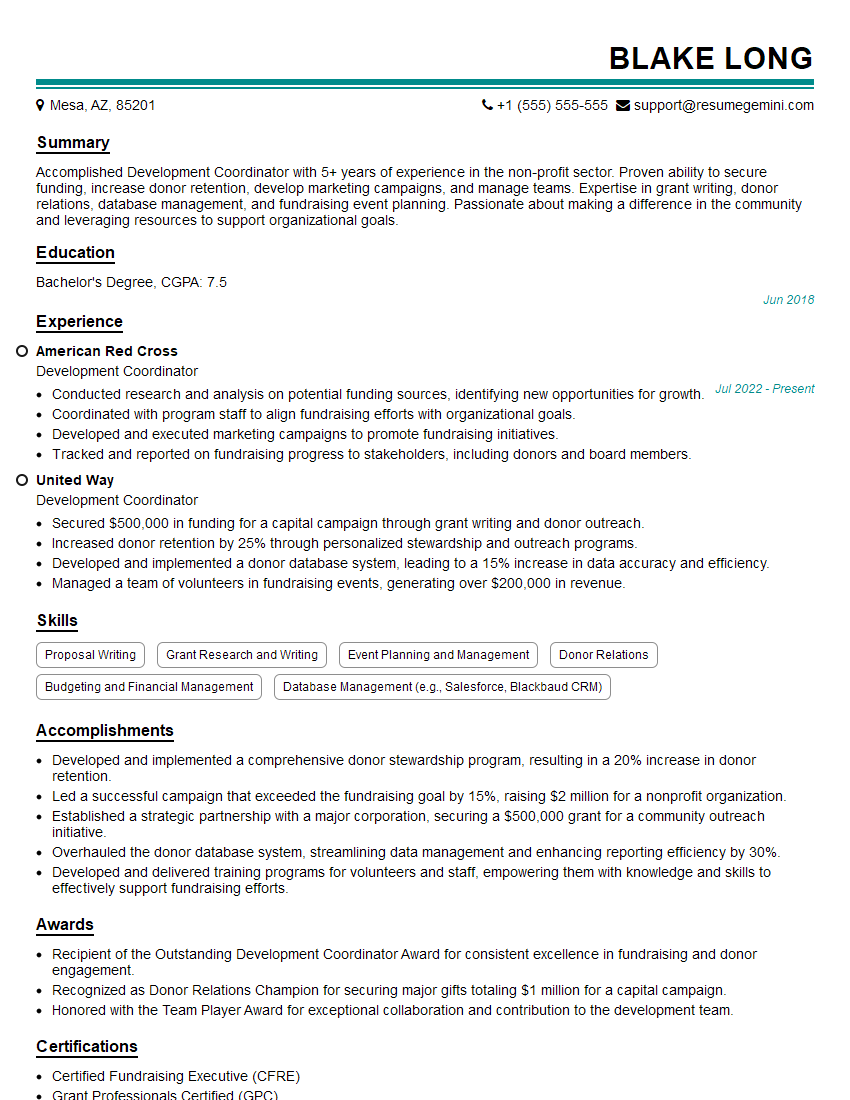
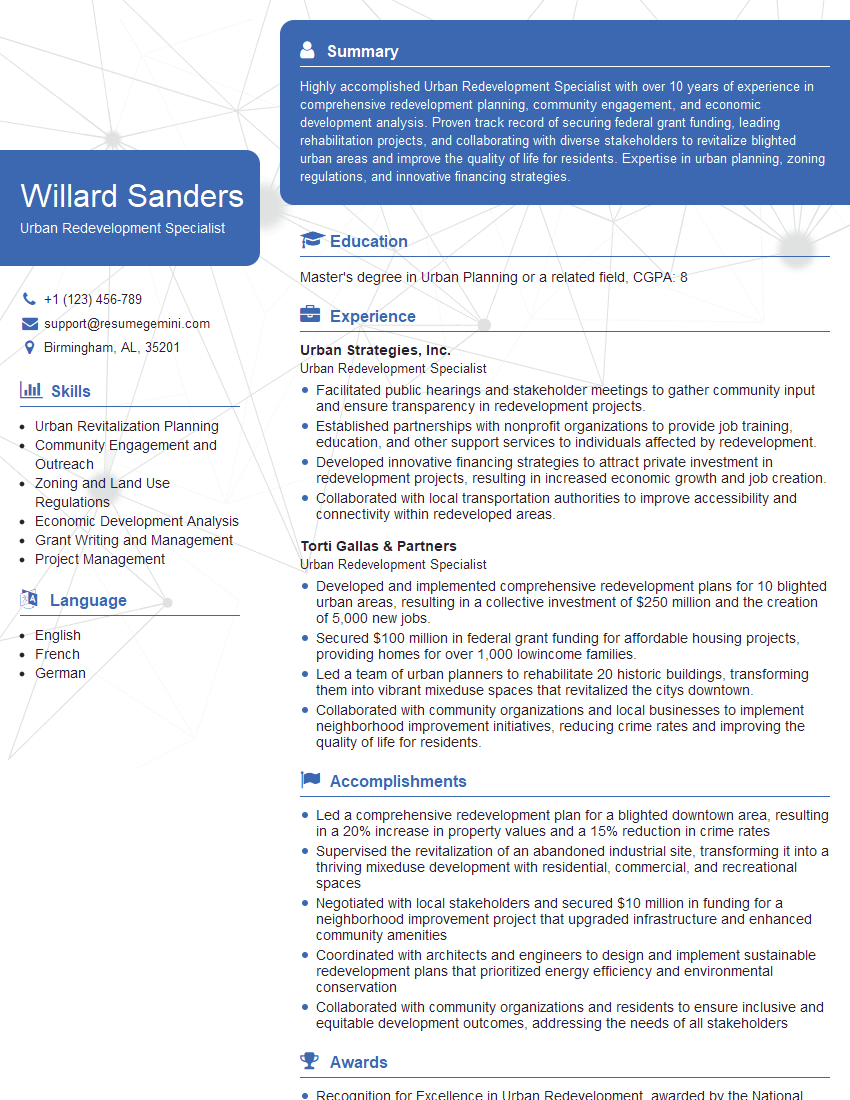
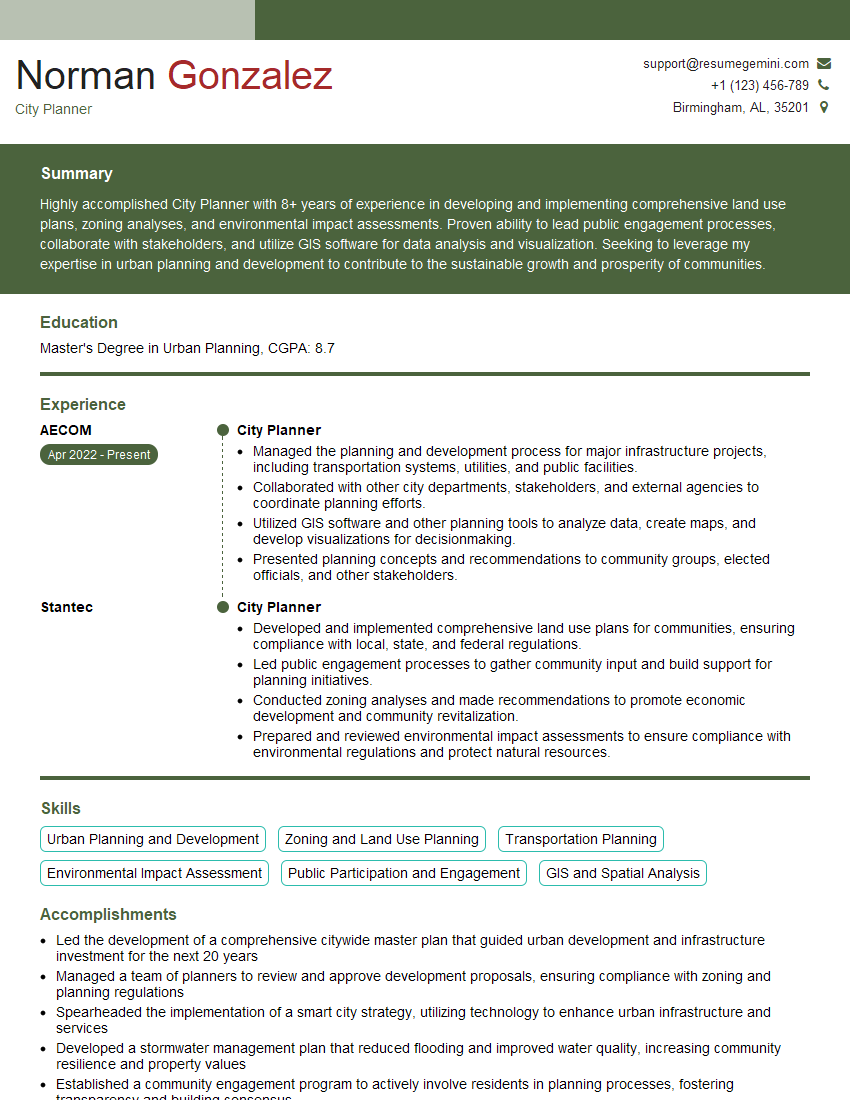
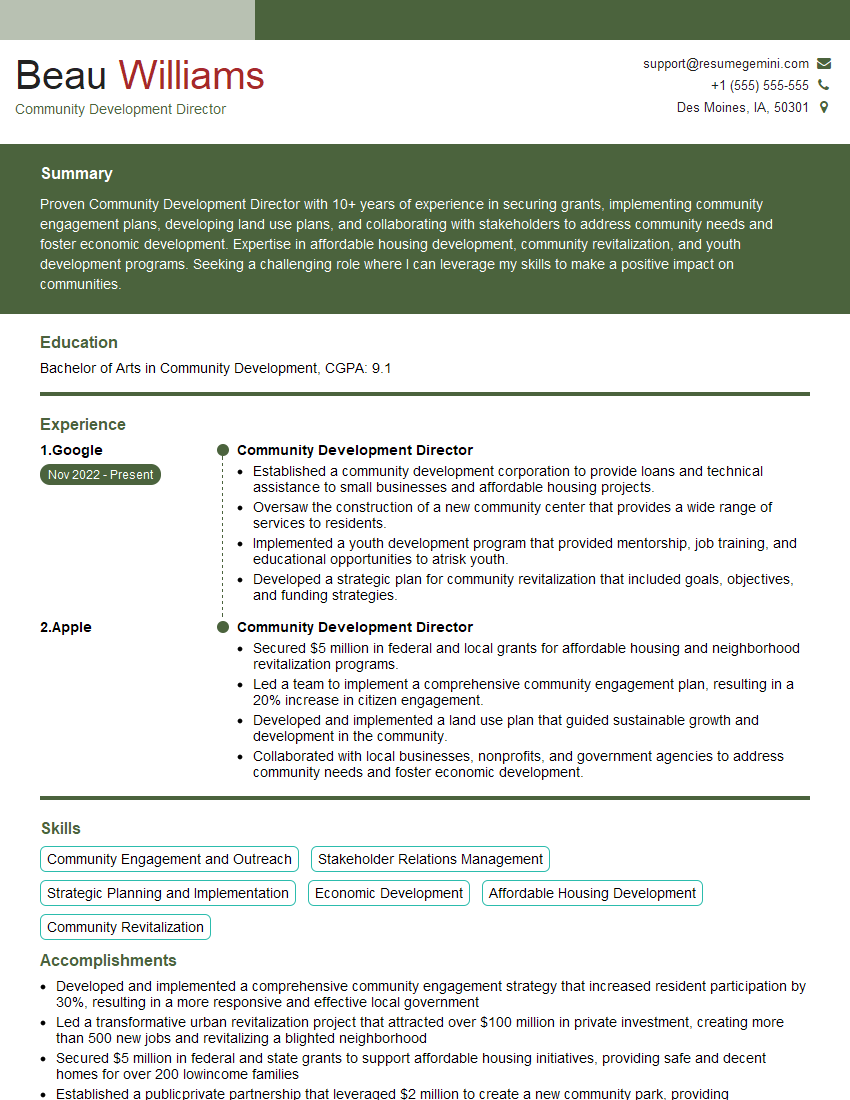
Mastering Downtown Revitalization principles significantly enhances your career prospects in urban planning, economic development, and related fields. A strong understanding of these concepts showcases your ability to contribute meaningfully to creating thriving urban centers. To increase your chances of landing your dream role, create an ATS-friendly resume that highlights your relevant skills and experience. ResumeGemini is a trusted resource to help you build a professional and impactful resume. Examples of resumes tailored to Downtown Revitalization are available to further guide your preparation.

Explore more articles
Users Rating of Our Blogs
Share Your Experience
We value your feedback! Please rate our content and share your thoughts (optional).
What Readers Say About Our Blog
To the interviewgemini.com Webmaster.
Very helpful and content specific questions to help prepare me for my interview!
Thank you
To the interviewgemini.com Webmaster.
This was kind of a unique content I found around the specialized skills. Very helpful questions and good detailed answers.
Very Helpful blog, thank you Interviewgemini team.