Cracking a skill-specific interview, like one for Health Behavior Change Theory, requires understanding the nuances of the role. In this blog, we present the questions you’re most likely to encounter, along with insights into how to answer them effectively. Let’s ensure you’re ready to make a strong impression.
Questions Asked in Health Behavior Change Theory Interview
Q 1. Explain the Transtheoretical Model of Change (Stages of Change).
The Transtheoretical Model (TTM), also known as the Stages of Change model, proposes that individuals progress through a series of stages when modifying a behavior. It’s not a linear process; individuals can cycle back through stages or remain in a stage for extended periods. The stages are:
- Precontemplation: The individual is not considering change within the next six months. They may be unaware of the problem or unwilling to address it. Example: A smoker who hasn’t considered quitting.
- Contemplation: The individual is thinking about changing within the next six months. They weigh the pros and cons of changing. Example: A smoker who is thinking about quitting but hasn’t made a decision yet.
- Preparation: The individual intends to change within the next month and has taken some steps toward change. Example: A smoker who has started reducing their cigarette intake.
- Action: The individual is actively changing their behavior. This stage requires considerable commitment and effort. Example: A smoker who has completely stopped smoking.
- Maintenance: The individual has maintained the behavior change for at least six months and is working to prevent relapse. Example: A smoker who has been smoke-free for over a year and actively avoids situations that trigger cravings.
- Termination: The individual has no temptation to return to the old behavior. This is rarely achieved for addictive behaviors. Example: A former smoker who has no desire to smoke, even under stressful situations.
Understanding these stages allows healthcare professionals to tailor interventions to the individual’s readiness to change. For instance, someone in the precontemplation stage might benefit from education about the risks of smoking, while someone in the action stage may need support and strategies for coping with cravings.
Q 2. Describe the Health Belief Model and its limitations.
The Health Belief Model (HBM) suggests that people’s health behaviors are influenced by their beliefs about the severity and susceptibility of a health problem, the benefits and barriers to action, cues to action, and self-efficacy.
- Perceived Susceptibility: Belief about the chances of getting a condition.
- Perceived Severity: Belief about the seriousness of a condition and its consequences.
- Perceived Benefits: Belief in the effectiveness of taking action to reduce risk or seriousness.
- Perceived Barriers: Belief about the costs or challenges of taking action.
- Cues to Action: Strategies to activate readiness.
- Self-Efficacy: Confidence in one’s ability to take action.
Limitations: The HBM is a relatively simplistic model and doesn’t fully account for the influence of social and environmental factors. For example, it might not adequately explain behaviors influenced by habit, social norms, or lack of access to resources. Additionally, it assumes a rational decision-making process, which isn’t always the case. People’s emotional responses and irrational beliefs can significantly impact health behavior.
Q 3. How does the Theory of Planned Behavior explain health behaviors?
The Theory of Planned Behavior (TPB) posits that behavioral intention is the most important predictor of actual behavior. This intention is shaped by three factors:
- Attitude toward the behavior: An individual’s overall evaluation of the behavior (positive or negative).
- Subjective norms: An individual’s perception of social pressure to perform or not perform the behavior (what others think they should do).
- Perceived behavioral control: An individual’s belief in their ability to successfully perform the behavior (similar to self-efficacy).
Example: Consider someone considering regular exercise. Their attitude might be positive if they believe exercise is beneficial for their health. Subjective norms might be positive if their friends and family encourage exercise. Perceived behavioral control would be high if they feel confident in their ability to find time to exercise and stick to a routine. If all three factors are positive and strong, the individual is more likely to develop a strong intention to exercise, leading to actual exercise behavior.
Q 4. What is the Social Cognitive Theory, and how is it applied in interventions?
Social Cognitive Theory (SCT) emphasizes the interaction between personal factors, behavior, and the environment. It suggests that learning occurs through observation, imitation, and modeling. Self-efficacy is a core concept within SCT.
Application in Interventions: SCT is widely used in health interventions to promote behavior change. For example:
- Modeling: Showing individuals successful examples of behavior change (e.g., videos of people successfully managing their weight).
- Self-Monitoring: Encouraging individuals to track their progress and identify triggers and barriers to change.
- Reinforcement: Providing rewards and positive feedback for desired behaviors.
- Goal Setting: Assisting individuals in setting realistic and achievable goals.
An intervention based on SCT might involve providing a step-by-step guide to quitting smoking, showcasing testimonials from former smokers (modeling), providing a support group for mutual encouragement (reinforcement), and helping participants set achievable goals (goal setting).
Q 5. Explain the concept of self-efficacy within the context of behavior change.
Self-efficacy refers to an individual’s belief in their ability to successfully perform a specific behavior. It’s a crucial element in behavior change. High self-efficacy is associated with greater persistence in the face of obstacles and increased likelihood of achieving goals. Conversely, low self-efficacy can lead to avoidance of challenges and decreased motivation.
Example: Someone with high self-efficacy regarding weight loss would believe they can stick to a diet and exercise plan despite temptations or setbacks. Someone with low self-efficacy might feel that they’ll inevitably fail, leading to procrastination or avoidance of even starting a weight-loss program.
Interventions often aim to boost self-efficacy through techniques like providing positive feedback, setting achievable goals, and using role models. Helping individuals develop coping strategies for challenges further strengthens self-efficacy.
Q 6. Describe the ecological model of health behavior.
The ecological model views behavior as influenced by multiple levels of factors. It moves beyond individual-level factors to consider the broader context of the person’s life. These levels include:
- Intrapersonal: Individual characteristics like knowledge, attitudes, skills, and self-efficacy.
- Interpersonal: Social relationships, family, peers, and social support networks.
- Organizational: Rules, regulations, and policies within organizations (e.g., workplace wellness programs).
- Community: Neighborhood characteristics, access to resources, and community norms.
- Societal: Cultural norms, laws, and policies that impact health behaviors.
Example: Obesity can be understood within this framework by considering individual factors (e.g., lack of knowledge about healthy eating), interpersonal factors (e.g., family members’ eating habits), organizational factors (e.g., lack of healthy food options at work), community factors (e.g., lack of safe places to exercise), and societal factors (e.g., marketing of unhealthy foods).
Interventions based on this model address multiple levels simultaneously. For instance, a community-based program might include educational workshops, community gardens, and policy changes at the organizational level.
Q 7. What are some common barriers to behavior change?
Numerous barriers can hinder behavior change. These include:
- Lack of Knowledge or Awareness: Individuals may not fully understand the risks associated with unhealthy behaviors or the benefits of change.
- Low Self-Efficacy: Belief in one’s inability to change can be a significant obstacle.
- Lack of Social Support: Lack of encouragement or support from family, friends, or community can make it difficult to maintain change.
- Environmental Barriers: Lack of access to resources (e.g., healthy food options, safe exercise spaces), or an environment that encourages unhealthy behaviors.
- Emotional Factors: Stress, anxiety, depression, and other emotional factors can make it hard to focus on behavior change.
- Habit and Routine: Established habits can be difficult to break, requiring conscious effort and planning.
- Lack of Resources: Financial limitations, time constraints, and lack of access to healthcare can impede change.
Addressing these barriers requires a multifaceted approach that includes education, skill-building, social support, environmental modifications, and emotional support.
Q 8. How can motivational interviewing be used to promote behavior change?
Motivational interviewing (MI) is a collaborative, person-centered form of guiding to elicit and strengthen motivation for change. Instead of directly telling someone what to do, MI helps individuals explore and resolve their ambivalence about changing a behavior. It’s like being a supportive guide on a journey of self-discovery, rather than a commanding authority figure.
MI uses four key principles: Expressing empathy (understanding the individual’s perspective); Developing discrepancy (highlighting the gap between the individual’s goals and their current behavior); Rolling with resistance (avoiding direct confrontation and instead acknowledging the individual’s concerns); and Supporting self-efficacy (building the individual’s confidence in their ability to change).
For example, imagine working with a smoker who wants to quit. Instead of lecturing them on the dangers of smoking, an MI practitioner might ask open-ended questions like, “What are some of the things you like about smoking?” and “What are some of the things you don’t like about smoking?” This helps the individual explore their own reasons for wanting to change and develop their own plan, leading to greater commitment and success.
Q 9. Discuss the importance of tailoring interventions to specific populations.
Tailoring interventions to specific populations is crucial because people’s experiences, beliefs, and resources vary greatly. A one-size-fits-all approach is ineffective and often leads to poor outcomes. Factors such as age, gender, ethnicity, socioeconomic status, literacy level, and cultural background all influence how people perceive health risks and respond to interventions.
For instance, a smoking cessation program designed for young adults might incorporate social media campaigns and peer support groups, while a program for older adults might focus on individual counseling and address potential physical limitations. Similarly, a diabetes management program should be sensitive to the cultural food preferences and beliefs of the community it serves.
Failure to tailor interventions can result in low participation rates, poor adherence, and ultimately, ineffective behavior change. A thorough needs assessment, involving the target population in the design process, is key to creating effective, culturally relevant, and accessible interventions.
Q 10. What are some effective strategies for promoting adherence to behavior change plans?
Promoting adherence to behavior change plans requires a multifaceted approach. Simply setting a goal isn’t enough; individuals need support, strategies, and tools to help them stay on track.
- Goal setting that is SMART (Specific, Measurable, Achievable, Relevant, Time-bound): Vague goals are easily abandoned. Specific, measurable goals provide a clear path.
- Self-monitoring: Tracking progress (e.g., using a food diary, pedometer, or app) increases awareness and motivation.
- Self-reward: Positive reinforcement for achieving milestones boosts morale and adherence.
- Social support: Enlisting friends, family, or support groups provides encouragement and accountability.
- Problem-solving skills training: Equipping individuals with strategies to overcome barriers and setbacks is vital.
- Relapse prevention planning: Anticipating potential challenges and developing coping mechanisms minimizes setbacks.
For example, someone trying to lose weight might set a SMART goal of losing one pound per week, track their food intake and exercise using a fitness app, reward themselves with a non-food treat after reaching weekly goals, and join a weight loss support group to stay motivated.
Q 11. Compare and contrast different behavior change techniques (e.g., goal setting, self-monitoring).
Goal setting involves defining specific, measurable, achievable, relevant, and time-bound objectives. It provides direction and motivation. Self-monitoring entails tracking one’s behavior and progress. It increases awareness and allows for adjustments.
Both are valuable behavior change techniques, but they work differently. Goal setting provides the “what” and “when” of behavior change, while self-monitoring provides the “how” and the feedback loop for adjustments. They are often used together; for example, setting a goal to exercise three times a week (goal setting) and tracking exercise sessions using a fitness tracker (self-monitoring).
Other techniques like stimulus control (modifying the environment to reduce exposure to unhealthy cues), cognitive restructuring (changing negative thoughts and beliefs), and reinforcement (rewarding desired behaviors) also contribute to behavior change, each with its own mechanisms and applications.
Q 12. How do you assess the effectiveness of a health behavior change intervention?
Assessing the effectiveness of a health behavior change intervention involves evaluating whether the intervention led to meaningful and sustained changes in behavior and health outcomes. This typically involves a combination of quantitative and qualitative methods.
Quantitative methods might include measuring changes in behavior (e.g., dietary intake, physical activity levels, smoking rates) using surveys, objective measures (e.g., blood tests, fitness tests), and physiological data. Statistical analysis is used to determine the significance of any changes.
Qualitative methods such as interviews and focus groups help understand participants’ experiences, perceptions, and barriers to change. These provide rich insights into the ‘why’ behind quantitative findings.
A robust evaluation also considers factors like cost-effectiveness, feasibility, and sustainability. The choice of outcome measures depends on the specific intervention and target population. For example, an intervention targeting obesity might assess changes in body mass index (BMI), waist circumference, and dietary habits, supplemented by qualitative data on participants’ experiences with the program.
Q 13. Explain the role of social support in behavior change.
Social support plays a crucial role in behavior change by providing encouragement, emotional support, practical assistance, and a sense of community. Individuals surrounded by supportive networks are more likely to succeed in their goals.
Social support can manifest in various forms: emotional support (providing empathy and understanding); instrumental support (providing practical assistance like childcare or transportation); informational support (providing knowledge and guidance); and appraisal support (providing feedback and encouragement).
For example, someone trying to quit smoking might benefit from support groups, where they can share their experiences and receive encouragement from others facing similar challenges. Family and friends can also play a vital role by providing instrumental support (e.g., avoiding smoking in the home) and emotional support (e.g., celebrating milestones).
The quality and type of social support needed vary depending on the individual and the behavior being changed. Therefore, identifying and leveraging existing social support systems is important in designing effective interventions.
Q 14. What are the ethical considerations in conducting health behavior change research?
Ethical considerations in health behavior change research are paramount. Researchers must prioritize the well-being and autonomy of participants. Key ethical considerations include:
- Informed consent: Participants must fully understand the study’s purpose, procedures, risks, and benefits before agreeing to participate.
- Confidentiality and anonymity: Participants’ data must be protected and kept confidential.
- Beneficence and non-maleficence: The research should maximize benefits and minimize risks to participants.
- Justice and equity: Research should be conducted fairly and equitably, ensuring that all groups have access to the benefits.
- Respect for persons: Participants should be treated with respect and dignity, and their autonomy should be upheld. This includes the right to withdraw from the study at any time.
Ethical review boards (IRBs) play a crucial role in ensuring that research meets ethical standards. Researchers must carefully consider these principles throughout the research process, from design to dissemination of findings.
Q 15. Describe a successful health behavior change intervention you’ve implemented or observed.
One successful health behavior change intervention I observed involved a community-based program aimed at reducing smoking rates among young adults. The program leveraged the principles of the Social Cognitive Theory, focusing on self-efficacy, observational learning, and environmental factors.
Instead of solely relying on fear-based messaging, the intervention used a multi-pronged approach. It included:
- Skills training workshops: These taught coping mechanisms for stress and cravings, empowering participants to manage high-risk situations.
- Peer support groups: These fostered a sense of community and provided a safe space to share challenges and successes. Observing others overcome similar obstacles boosted self-efficacy within the group.
- Community outreach: This involved changing the environment by advocating for smoke-free public spaces and promoting alternative healthy activities.
The success was measured by a significant decrease in smoking rates within the target population, alongside increased self-reported confidence in maintaining a smoke-free lifestyle. The program’s success underscored the importance of addressing multiple levels of influence – individual, interpersonal, and environmental – to achieve lasting behavior change.
Career Expert Tips:
- Ace those interviews! Prepare effectively by reviewing the Top 50 Most Common Interview Questions on ResumeGemini.
- Navigate your job search with confidence! Explore a wide range of Career Tips on ResumeGemini. Learn about common challenges and recommendations to overcome them.
- Craft the perfect resume! Master the Art of Resume Writing with ResumeGemini’s guide. Showcase your unique qualifications and achievements effectively.
- Don’t miss out on holiday savings! Build your dream resume with ResumeGemini’s ATS optimized templates.
Q 16. What are some key metrics used to evaluate the success of a health behavior change program?
Evaluating the success of a health behavior change program requires a multifaceted approach using a variety of metrics. These can be broadly categorized into:
- Process evaluation: This assesses the implementation fidelity – did the program run as planned? Metrics include participation rates, program completion rates, and staff adherence to protocols.
- Outcome evaluation: This measures changes in the target behavior. Examples include reduction in smoking prevalence, increased physical activity levels (measured by pedometers or self-report), improved dietary choices (measured through food frequency questionnaires), or decreased blood pressure.
- Impact evaluation: This examines broader effects on health outcomes, such as decreased hospital admissions, improved quality of life (measured through validated questionnaires like the SF-36), or reduced healthcare costs.
For example, in a weight loss program, process evaluation might look at attendance rates, while outcome evaluation might track weight loss, and impact evaluation might measure improvements in blood glucose levels and overall health.
Q 17. How do you address resistance to change during an intervention?
Addressing resistance to change requires empathy, understanding, and a collaborative approach. It’s crucial to avoid confrontational strategies. Instead, I utilize the following techniques:
- Motivational interviewing: This client-centered approach helps individuals explore their ambivalence towards change and identify their own reasons for wanting to change. It guides them to find their own solutions, rather than imposing them.
- Identifying and addressing barriers: Collaboratively uncovering and addressing barriers to change is key. These may be practical (lack of time, resources) or emotional (fear of failure, lack of support). Solutions are co-created.
- Tailoring interventions: Recognizing that individuals have unique circumstances, beliefs, and motivations, the intervention needs to be adaptable and personalized to their specific needs and preferences. A ‘one-size-fits-all’ approach is rarely effective.
- Building self-efficacy: Helping individuals build confidence in their ability to change is crucial. This can involve setting small, achievable goals, celebrating successes, and providing positive reinforcement.
For instance, if someone is resistant to exercising, instead of lecturing, I would explore their reasons, help them identify a comfortable and accessible activity, and schedule small, manageable workout sessions to build confidence gradually.
Q 18. What is the difference between intrinsic and extrinsic motivation in health behavior change?
Intrinsic motivation stems from an internal desire to engage in an activity for its inherent satisfaction or enjoyment. Extrinsic motivation, on the other hand, is driven by external rewards or pressures.
Intrinsic Motivation: Someone who exercises because they enjoy the feeling of fitness and the challenge is intrinsically motivated. They find the activity rewarding in itself.
Extrinsic Motivation: Someone who exercises solely to lose weight for an upcoming event or to win a prize is extrinsically motivated. The reward is external to the activity itself.
Ideally, health behavior change interventions aim to foster intrinsic motivation, as it leads to greater sustained behavior change. While extrinsic motivators can be useful initially, relying solely on them can lead to relapse once the external reward is removed.
Q 19. Explain the concept of relapse prevention.
Relapse prevention is a crucial component of any successful health behavior change program. It involves anticipating potential challenges and developing strategies to cope with them before they lead to a full relapse. It’s not about avoiding setbacks, but about minimizing their impact and learning from them.
Key components of relapse prevention include:
- Identifying high-risk situations: Pinpointing situations, emotions, or thoughts that trigger unhealthy behaviors.
- Developing coping strategies: Creating a plan for how to manage these high-risk situations, such as stress management techniques, alternative activities, or seeking social support.
- Building a strong support system: Surrounding oneself with people who encourage and support healthy behaviors.
- Self-monitoring: Tracking progress and identifying early warning signs of relapse.
- Planning for lapses: Recognizing that setbacks are inevitable and having a plan for how to respond to them without giving up completely. A lapse is a temporary slip, while a relapse is a return to the old behavior.
For example, a person trying to quit smoking might identify stress as a trigger. Their relapse prevention plan would include stress-reduction techniques like meditation or yoga, and also a list of people they can contact for support during stressful times.
Q 20. Discuss the role of technology in facilitating behavior change.
Technology plays an increasingly significant role in facilitating behavior change. It offers several advantages:
- Increased accessibility: Online programs and apps can reach a wider audience, regardless of geographical location or socioeconomic status.
- Personalized interventions: Technology allows for tailored interventions based on individual needs and preferences.
- Enhanced monitoring and feedback: Wearable devices and apps can track progress, provide real-time feedback, and promote self-monitoring.
- Increased engagement: Interactive features, gamification, and social support features can enhance engagement and motivation.
- Cost-effectiveness: Technology-based interventions can often be more cost-effective than traditional face-to-face programs.
Examples include apps that track physical activity, diet, or sleep; online support groups; and telehealth platforms offering remote counseling or coaching.
Q 21. How do you build rapport and trust with clients or patients undergoing behavior change?
Building rapport and trust is foundational to successful health behavior change. This involves creating a safe, non-judgmental environment where clients feel comfortable sharing their experiences and concerns.
Key strategies include:
- Active listening: Paying close attention to what the client is saying, both verbally and nonverbally, reflecting back their feelings and concerns to show understanding.
- Empathy: Demonstrating genuine care and concern for the client’s well-being.
- Respect: Treating the client with dignity and valuing their autonomy.
- Collaboration: Working together to set realistic goals and develop a plan that is tailored to the client’s needs and preferences.
- Self-disclosure (appropriately): Sharing relevant personal experiences can build connection, but always maintaining professional boundaries.
For example, starting a session by asking open-ended questions like ‘What are your hopes for this session?’ or ‘What are your biggest challenges right now?’ can help establish a collaborative and trusting relationship.
Q 22. What are the challenges of implementing behavior change interventions in diverse communities?
Implementing behavior change interventions in diverse communities presents significant challenges. Success hinges on understanding and addressing the unique cultural, social, economic, and environmental factors influencing health behaviors within each community. One major challenge is ensuring cultural relevance and sensitivity. Interventions designed for one community might be ineffective or even harmful in another due to differing beliefs, values, and practices.
- Language barriers: Effective communication is paramount. Interventions must be translated accurately and culturally appropriately.
- Cultural norms and beliefs: Interventions need to align with existing cultural norms and beliefs to gain acceptance and trust. For instance, a program promoting physical activity might need to be adapted to account for cultural norms around modesty or gender roles.
- Access to resources: Unequal access to resources such as healthcare, transportation, and technology creates disparities in the ability to participate in and benefit from interventions.
- Mistrust of healthcare systems: Historical injustices and systemic biases can lead to mistrust, hindering participation in health interventions.
For example, a weight-loss program designed for a predominantly Caucasian population might emphasize individual responsibility and self-control. However, in a community facing food insecurity or lacking access to safe exercise spaces, this approach might be ineffective. A successful program would address these underlying social determinants of health.
Q 23. How do you adapt behavior change strategies to different cultural contexts?
Adapting behavior change strategies to different cultural contexts requires a participatory approach, prioritizing community engagement from the outset. This means involving community members in all stages of the intervention design, implementation, and evaluation process. This ensures cultural appropriateness and increases the likelihood of adoption and sustainability.
- Community-based participatory research (CBPR): This collaborative approach empowers communities to define their needs and priorities, co-create solutions, and share ownership of the intervention.
- Culturally tailored materials: All materials, including educational materials, program messaging, and evaluation tools, should be adapted to resonate with the specific cultural values and communication styles of the target community.
- Cultural brokers: Employing individuals who are trusted members of the community can facilitate communication, build trust, and help overcome cultural barriers.
- Focus groups and interviews: Conducting qualitative research to understand community perspectives on health behaviors and potential interventions is crucial.
For example, in a Hispanic community, an intervention promoting healthy eating might incorporate traditional recipes and cooking methods, rather than focusing solely on Western dietary guidelines. This ensures relevance and avoids cultural alienation.
Q 24. Describe your experience with data analysis related to health behavior change.
My experience with data analysis in health behavior change is extensive. I’m proficient in both qualitative and quantitative methods. I’ve used various statistical software packages, such as SPSS and R, to analyze data from randomized controlled trials, cohort studies, and community-based interventions. My work focuses on determining the effectiveness of interventions, identifying predictors of behavior change, and evaluating the impact of specific program components.
I regularly employ both descriptive and inferential statistical techniques. Descriptive statistics help summarize and describe the data, while inferential statistics enable me to draw conclusions about the population based on the sample data. I also use regression models to analyze the relationships between multiple variables and assess the influence of different factors on health behaviors. For example, I might use logistic regression to predict the likelihood of smoking cessation based on factors like age, gender, social support, and access to cessation services.
Qualitative data analysis, such as thematic analysis of interview transcripts, provides valuable insights into the lived experiences of participants and helps to understand the context within which behavior change occurs. Combining quantitative and qualitative data allows for a more comprehensive understanding of the study findings.
Q 25. What are some emerging trends in health behavior change research?
Several emerging trends are shaping health behavior change research. One significant trend is the increasing use of technology and digital health interventions. Mobile apps, wearable sensors, and telehealth platforms offer exciting opportunities to deliver personalized interventions, track behavior, and provide real-time feedback. Another significant area is the focus on addressing social determinants of health, acknowledging that behavior change is not solely an individual responsibility. This includes addressing poverty, lack of access to healthcare, and environmental factors that influence health behaviors.
The field is also increasingly emphasizing the importance of implementation science, focusing on translating research findings into practice and ensuring the sustainability of interventions in real-world settings. Precision medicine is influencing the design of interventions, moving toward tailoring interventions to individual genetic predispositions, preferences, and environmental factors. Finally, we’re seeing a greater emphasis on long-term follow-up, examining not only immediate impacts but also the sustainability of behavior change over time.
Q 26. How do you stay current with the latest research and best practices in health behavior change?
Staying current with the latest research and best practices is critical in this rapidly evolving field. I actively participate in professional organizations such as the Society for Behavioral Medicine and the American Psychological Association, attending conferences and workshops to learn about the latest findings and methodologies. I regularly read peer-reviewed journals, including the Journal of Consulting and Clinical Psychology and the Health Psychology.
I also leverage online resources such as PubMed and Google Scholar to stay updated on the latest publications. I actively participate in online communities and forums related to health behavior change to engage in discussions and share knowledge with other professionals. Networking with colleagues and mentors helps in sharing ideas and gaining valuable insights from their experiences. This multi-faceted approach ensures that my knowledge base remains up-to-date, and allows me to apply the most effective and evidence-based approaches to my work.
Q 27. What is your preferred method for designing and implementing a health behavior change intervention?
My preferred method for designing and implementing a health behavior change intervention is grounded in the principles of the ecological model. This model recognizes that behavior is influenced by multiple levels of factors, including individual, interpersonal, organizational, community, and policy levels. I typically follow a structured approach incorporating the following steps:
- Needs assessment: Conduct thorough research to understand the target population’s needs and barriers to behavior change.
- Theory selection: Select appropriate behavior change theories (e.g., Social Cognitive Theory, Transtheoretical Model) to guide intervention design.
- Intervention development: Design evidence-based strategies targeting multiple levels of influence. For example, develop individual-level strategies like goal setting and self-monitoring, while also addressing community-level factors such as access to resources.
- Pilot testing: Conduct pilot testing to assess feasibility and make necessary adjustments before full-scale implementation.
- Implementation: Employ effective implementation strategies to ensure the intervention is delivered as intended.
- Evaluation: Use rigorous evaluation methods (qualitative and quantitative) to assess the intervention’s effectiveness and identify areas for improvement.
This approach ensures a comprehensive and sustainable intervention that addresses multiple factors influencing health behavior.
Q 28. How do you measure and evaluate the long-term impact of your interventions?
Measuring and evaluating the long-term impact of interventions requires a longitudinal design with follow-up assessments at multiple time points after the intervention ends. The specific methods used depend on the nature of the intervention and the targeted behavior. We often employ various methods:
- Self-report questionnaires: Assessing changes in knowledge, attitudes, self-efficacy, and behavior over time. These can be administered via mail, phone, or online platforms.
- Biometric measures: Measuring physiological changes, such as weight, blood pressure, or glucose levels.
- Behavioral observations: Observing changes in actual behavior, such as physical activity levels or dietary habits.
- Qualitative methods: Conducting interviews or focus groups to explore participants’ experiences and perspectives on the long-term impact of the intervention.
- Economic evaluations: Assessing the cost-effectiveness of the intervention in relation to its long-term health benefits.
Maintaining contact with participants over an extended period is crucial for accurate longitudinal data collection. Analyzing data from multiple time points allows for identification of sustained behavior change and the factors that contribute to it or lead to relapse. This information is vital for refining interventions to enhance their long-term effectiveness.
Key Topics to Learn for Health Behavior Change Theory Interview
- Theories of Planned Behavior and Reasoned Action: Understand the core constructs and how they predict behavioral intentions and actual behavior. Consider practical applications in designing interventions for smoking cessation or healthy eating.
- Social Cognitive Theory: Explore the interplay of personal factors, behavioral factors, and environmental factors in shaping behavior. Think about how this theory informs the development of community-based health promotion programs.
- Transtheoretical Model (Stages of Change): Master the stages of change and their implications for tailoring interventions to individuals’ readiness to change. Consider examples of how this model can be used in weight management or addiction treatment programs.
- Health Belief Model: Understand the key components (perceived susceptibility, severity, benefits, barriers, cues to action, self-efficacy) and how they influence health behaviors. Analyze how this model can be applied to promote preventative health screenings.
- Self-Determination Theory: Learn about intrinsic and extrinsic motivation and how to foster autonomous motivation for behavior change. Consider how this theory can be used in designing physical activity interventions.
- Ecological Models: Grasp the multi-level influences on behavior and how interventions should target multiple levels (individual, interpersonal, organizational, community, policy). Discuss the challenges and opportunities in implementing multi-level interventions.
- Intervention Design & Evaluation: Understand the principles of designing effective interventions based on health behavior change theories and the importance of rigorous evaluation methods. Be prepared to discuss different evaluation designs and outcome measures.
Next Steps
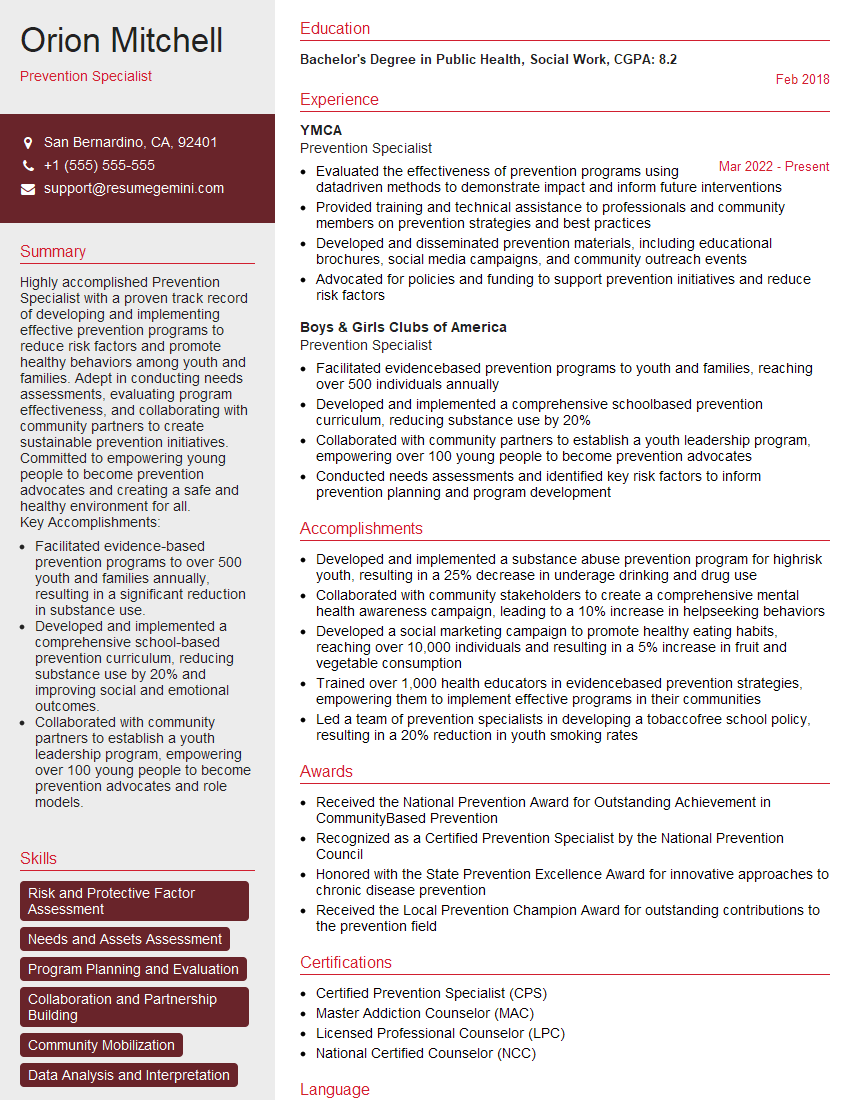
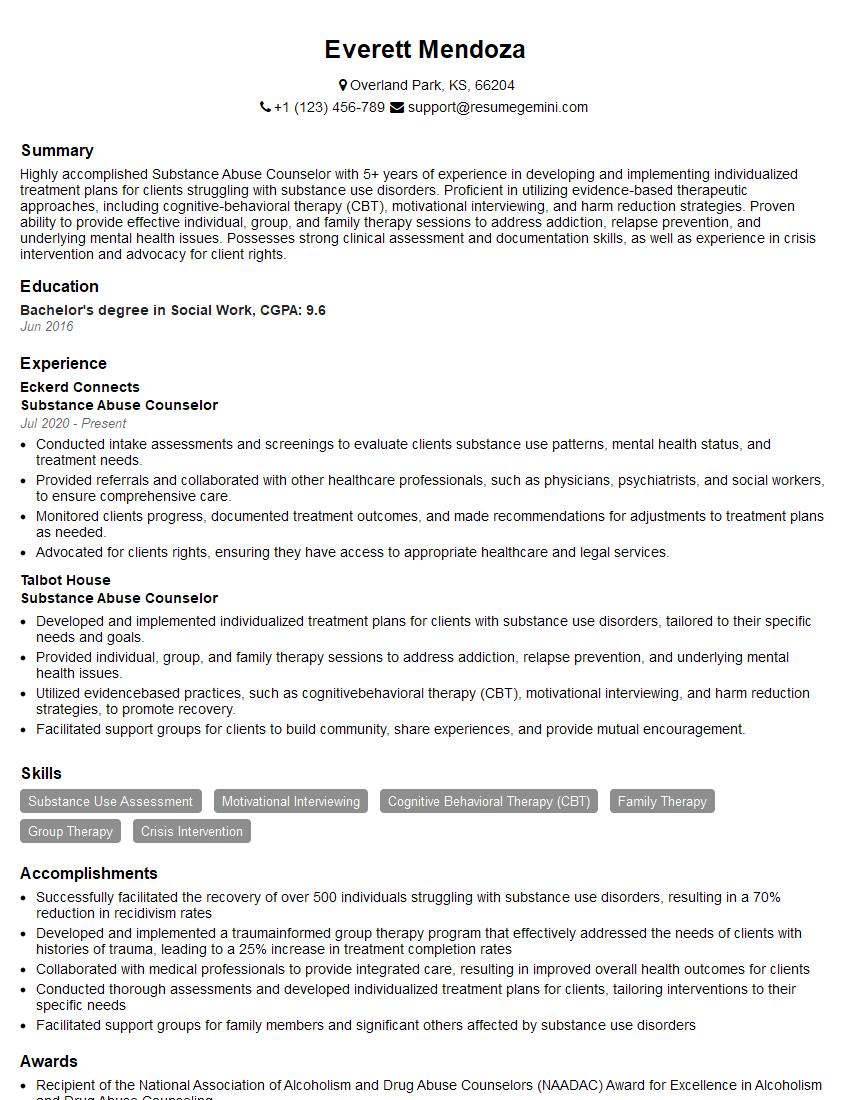
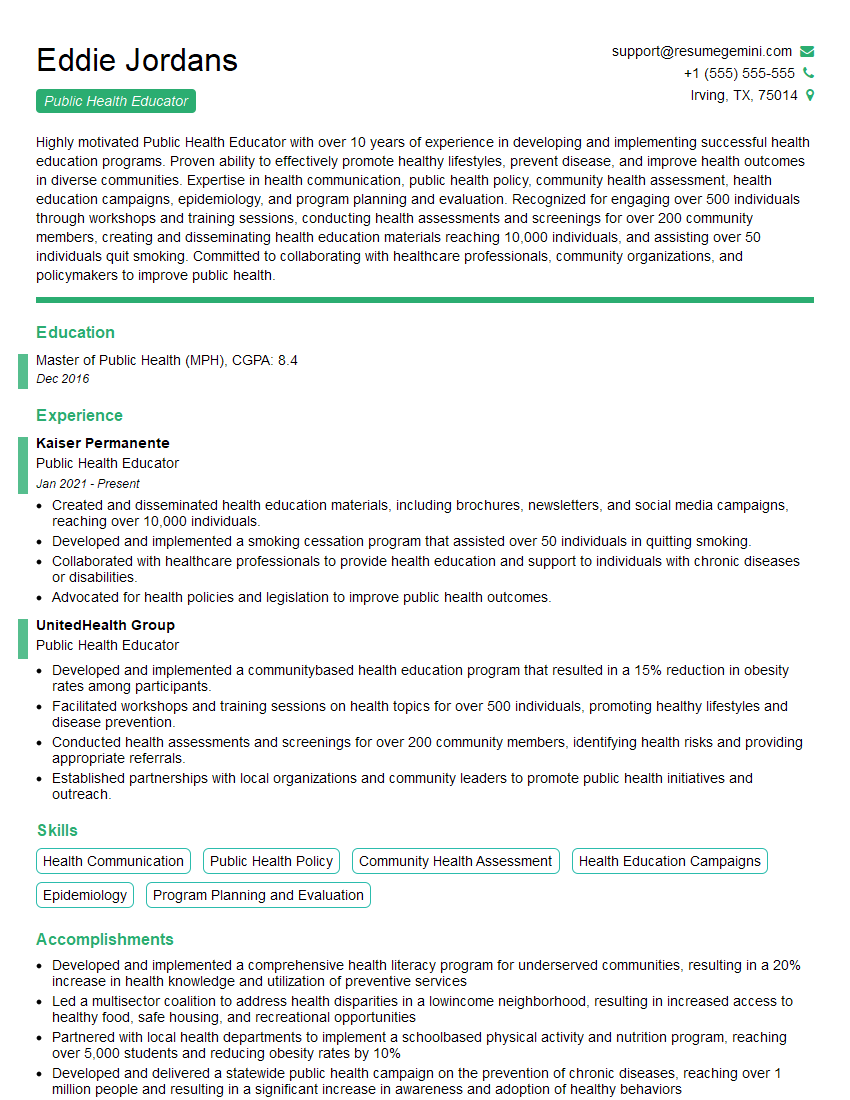
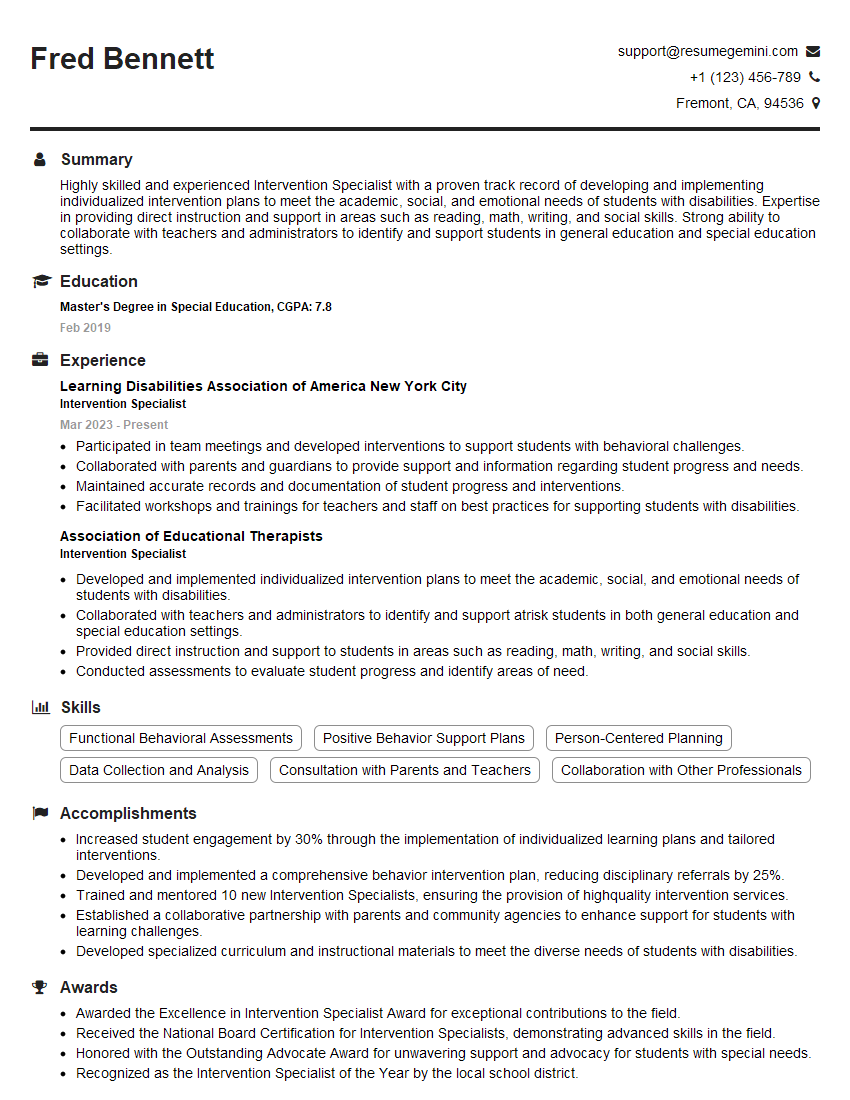
Mastering Health Behavior Change Theory is crucial for career advancement in public health, health education, and related fields. A strong understanding of these theories demonstrates your ability to design and implement effective interventions, making you a highly valuable asset to any organization. To maximize your job prospects, focus on crafting an ATS-friendly resume that showcases your skills and experience effectively. ResumeGemini is a trusted resource that can help you build a professional and impactful resume. We provide examples of resumes tailored to Health Behavior Change Theory to guide you through the process. Invest time in building a compelling resume – it’s your first impression on potential employers.


Explore more articles
Users Rating of Our Blogs
Share Your Experience
We value your feedback! Please rate our content and share your thoughts (optional).
What Readers Say About Our Blog
To the interviewgemini.com Webmaster.
Very helpful and content specific questions to help prepare me for my interview!
Thank you
To the interviewgemini.com Webmaster.
This was kind of a unique content I found around the specialized skills. Very helpful questions and good detailed answers.
Very Helpful blog, thank you Interviewgemini team.