The thought of an interview can be nerve-wracking, but the right preparation can make all the difference. Explore this comprehensive guide to Dust Control and Mitigation interview questions and gain the confidence you need to showcase your abilities and secure the role.
Questions Asked in Dust Control and Mitigation Interview
Q 1. Explain the different types of dust control methods.
Dust control methods are broadly categorized into engineering controls, administrative controls, and personal protective equipment (PPE). Engineering controls aim to modify the work environment to reduce dust generation and spread. Administrative controls focus on managing worker exposure through work practices and procedures. PPE provides a final layer of protection for individual workers.
- Engineering Controls: These are the most effective and preferred methods. Examples include:
- Enclosure/Containment: Surrounding dusty operations with enclosures to prevent dust from escaping (e.g., using dust-tight equipment, local exhaust ventilation (LEV) systems).
- Ventilation: Using fans and exhaust systems to remove dust from the air (e.g., general dilution ventilation, local exhaust ventilation).
- Water Suppression: Applying water to suppress dust during activities like demolition or earthmoving (e.g., using water sprays, misting systems).
- Good housekeeping: Regular cleaning and maintenance of work areas to prevent dust accumulation.
- Administrative Controls: These methods regulate worker exposure. Examples include:
- Scheduling and work rotation: Limiting the time workers spend in dusty environments.
- Work practices: Implementing procedures to minimize dust generation (e.g., using dampening techniques, minimizing material handling).
- Training and education: Instructing workers on proper dust control techniques and safe work practices.
- Personal Protective Equipment (PPE): This is the last line of defense and should be used in conjunction with other controls. Examples include:
- Respirators: Filtering masks to protect against inhaled dust (various types based on dust particle size and concentration).
- Protective clothing: Coveralls, gloves, and eye protection to prevent dust contact with skin and eyes.
Q 2. Describe your experience with respiratory protection programs.
My experience with respiratory protection programs spans over 15 years, encompassing program development, implementation, and ongoing evaluation. I’ve worked with various industries, including construction, mining, and manufacturing, to establish and maintain comprehensive programs compliant with OSHA standards. This includes respirator selection based on hazard assessment, fit testing to ensure proper seal, training programs focusing on proper use, maintenance, and limitations of respirators, medical evaluations to identify workers suitable for respirator use, and comprehensive record-keeping. For example, in a recent project at a mining facility, we implemented a comprehensive respiratory protection program resulting in a 30% reduction in respiratory-related incidents within one year. This involved a thorough hazard assessment, training sessions using both classroom and hands-on methods, regular fit testing, and the introduction of new, improved respirators tailored to the specific dust characteristics of the mine.
Q 3. What are the OSHA regulations regarding dust exposure?
OSHA regulations regarding dust exposure are primarily found in 29 CFR 1910 Subpart I, and specifically focus on permissible exposure limits (PELs) for various dusts. These PELs represent the maximum allowable concentration of a specific dust in the air over an eight-hour workday. Exceeding these limits can result in significant penalties for employers. OSHA also mandates comprehensive respiratory protection programs when worker exposure exceeds the PEL or when engineering and administrative controls are insufficient. This includes respirator selection, fit testing, training, and medical evaluations. Furthermore, OSHA requires employers to maintain detailed records of employee exposure monitoring, medical evaluations, and training. Failure to comply with these regulations can lead to citations and fines.
Q 4. How do you assess the effectiveness of a dust control program?
Assessing the effectiveness of a dust control program involves a multi-faceted approach. It’s not enough to simply implement controls; we need to measure their impact. This includes:
- Air Monitoring: Regularly measuring dust concentrations in the workplace using appropriate sampling techniques. This data is compared to the established PELs to ensure compliance.
- Worker Exposure Monitoring: Tracking individual worker exposures through personal sampling devices to identify high-risk jobs or individuals.
- Health Surveillance: Monitoring workers’ health through regular medical evaluations, including lung function tests, to detect any adverse health effects related to dust exposure.
- Incident Reporting: Tracking any incidents or near misses related to dust exposure to identify potential program weaknesses.
- Review and Improvement: Regularly reviewing the program’s effectiveness and making adjustments as needed, incorporating lessons learned from incident reports and monitoring data. For example, if air monitoring shows high dust levels in a specific area, we might implement additional engineering controls or revise work practices.
Q 5. What are the health risks associated with prolonged dust exposure?
Prolonged dust exposure carries significant health risks, primarily affecting the respiratory system. These risks vary depending on the type of dust and the level of exposure. Some of the most serious health consequences include:
- Silicosis: A chronic lung disease caused by inhaling crystalline silica dust. It is irreversible and can lead to severe respiratory impairment and even death.
- Asbestosis: A similar chronic lung disease caused by inhaling asbestos fibers. It can lead to lung cancer and mesothelioma.
- Coal Workers’ Pneumoconiosis (Black Lung): A lung disease caused by inhaling coal dust. The severity varies depending on the duration and level of exposure.
- Byssinosis (Brown Lung): A lung disease caused by inhaling cotton dust.
- Allergic Alveolitis (Hypersensitivity Pneumonitis): An allergic reaction in the lungs caused by inhaling various organic dusts (e.g., mold spores, bird droppings).
- Chronic Obstructive Pulmonary Disease (COPD): Dust exposure can exacerbate or contribute to the development of COPD.
Q 6. Explain the concept of permissible exposure limits (PELs).
Permissible Exposure Limits (PELs) are legally mandated limits set by OSHA (or similar regulatory bodies in other countries) that specify the maximum allowable average concentration of a specific airborne contaminant, including dust, over a designated period (usually eight hours). These limits are based on scientific studies that assess the potential health risks associated with exposure to that particular substance. For example, the PEL for respirable crystalline silica is 50 µg/m³ as an 8-hour TWA. Exceeding the PEL is a violation of OSHA regulations and can result in citations and penalties for employers. PELs are critical for protecting worker health and serve as a benchmark for designing and evaluating dust control programs.
Q 7. How do you select appropriate personal protective equipment (PPE) for dust control?
Selecting appropriate PPE for dust control is crucial and depends heavily on the type of dust, its concentration, and the duration of exposure. A thorough hazard assessment is the first step. This identifies the specific dusts present, their characteristics (size, toxicity), and the potential for exposure. Based on this assessment, we select the appropriate respirators, which can range from simple dust masks (for low concentrations of nuisance dust) to more advanced respirators like half-mask or full-face respirators with HEPA or other specialized filters for more hazardous dusts. Fit testing is essential to ensure a proper seal between the respirator and the wearer’s face. Training is equally important, teaching workers how to properly don, doff, and maintain their respirators. Additionally, other PPE such as protective clothing, gloves, and eye protection might be necessary depending on the specific work tasks and potential for skin or eye contact with dust. For example, in a demolition project involving asbestos, workers would require specialized respirators with HEPA filters, protective coveralls, and eye protection, in addition to appropriate engineering controls and work practices.
Q 8. Describe your experience with dust monitoring and sampling techniques.
Dust monitoring and sampling are crucial for assessing the effectiveness of dust control measures. My experience encompasses various techniques, from simple visual inspections to sophisticated instrumental methods. We use gravimetric analysis, where dust samples are collected on filters, weighed, and the mass of collected dust is used to determine the dust concentration. This is a standard method and provides a quantifiable measure. I’m also proficient in using real-time dust monitors that provide instantaneous readings of airborne dust levels, allowing for immediate feedback and adjustments to control measures. These monitors often utilize light scattering principles to measure particulate matter of different sizes (PM10, PM2.5). Further, I have experience with personal sampling pumps which measure the dust exposure of individual workers, providing critical data for occupational health and safety assessments. For example, during a recent demolition project, we used both real-time monitoring and personal sampling to ensure worker safety and compliance with regulations. The real-time data allowed for immediate response to dust spikes, while the personal samples provided long-term exposure data for compliance reporting.
Beyond the equipment, proper sampling strategy is key. This involves selecting representative sampling locations based on the dust source, prevailing wind direction, and worker locations. Careful sample handling and chain-of-custody procedures are essential to ensure data integrity and reliable results.
Q 9. How do you develop a dust control plan for a construction site?
Developing a comprehensive dust control plan for a construction site involves a systematic approach. First, we conduct a thorough site assessment identifying all potential dust sources (e.g., excavation, demolition, material handling). Next, we develop a hierarchy of controls, prioritizing engineering controls, then administrative controls, and finally, personal protective equipment (PPE) as a last resort. Engineering controls are the most effective and usually involve modifying the work process itself. Examples include using water sprays for dust suppression, implementing enclosed systems for material handling, and employing dust extraction at the source. Administrative controls include scheduling work to minimize dust generation during sensitive times, worker training on proper dust control practices, and establishing clear communication protocols.
The plan should specify the types of equipment to be used (e.g., HEPA vacuums, misting systems), the frequency of cleaning, the responsible parties for implementation and maintenance, and a monitoring program to track effectiveness. The plan must comply with all relevant environmental regulations and occupational safety standards. Regular review and updates are crucial, especially given the dynamic nature of construction projects. For instance, I once worked on a high-rise project where we implemented a phased approach to dust control, adapting the plan as the construction progressed and new sources of dust emerged.
Q 10. What are the common sources of dust in industrial settings?
Industrial settings harbor a wide array of dust sources. Material processing is a significant contributor, whether it’s crushing ore, milling grain, or sawing wood. Crushing and grinding operations release large amounts of fine dust. Similarly, handling of dry bulk materials like powders, grains, and cement inevitably leads to airborne dust. Demolition and renovation activities generate substantial dust, especially when working with concrete, drywall, or asbestos-containing materials. Welding and cutting operations release metal fumes and particulate matter. Even seemingly minor operations like sweeping or bagging dry materials can contribute to significant dust if not properly managed.
The specific sources and their contribution vary widely depending on the industry. A steel mill, for example, will have drastically different dust sources than a pharmaceutical manufacturing facility. A key aspect of effective dust control is accurate identification of the dominant sources within a specific environment.
Q 11. Explain the principles of engineering controls for dust mitigation.
Engineering controls are the cornerstone of effective dust mitigation. They target dust generation at the source, minimizing airborne dust concentrations. The basic principles revolve around containment, substitution, and ventilation.
- Containment: Enclosing the process generating the dust is the most effective method. This can involve using enclosed transfer points for bulk materials, installing dust-tight equipment casings, or using local exhaust ventilation (LEV) systems. LEV systems capture dust at the source and exhaust it safely.
- Substitution: Replacing a dusty process or material with a cleaner alternative is often feasible. For example, switching from dry to wet grinding, or using a less dusty material.
- Ventilation: Proper ventilation dilutes airborne dust concentrations and exhausts them outside the work area. This includes general ventilation systems for large spaces and localized exhaust ventilation for targeted dust removal.
Effective engineering controls require careful design, proper installation, and regular maintenance. A poorly designed LEV system, for example, may be ineffective at controlling dust. The selection of appropriate engineering controls depends heavily on the specific dust source and the nature of the industrial operation.
Q 12. How do you manage dust control during demolition projects?
Managing dust during demolition projects requires meticulous planning and execution. The approach must address the unique challenges presented by the demolition process, which often involves the breakdown of large structures and the release of significant amounts of dust-generating materials. Pre-demolition planning is vital. This includes a detailed assessment of the structure to identify potential asbestos or other hazardous materials, determining the appropriate demolition techniques (e.g., mechanical, implosion), and designing the dust control strategy.
Water suppression is frequently used, involving the application of water to suppress dust during demolition activities. This can be done using water spray systems, misting systems, or even simply wetting down materials before demolition. Encapsulation of materials prior to demolition also helps limit dust generation. Enclosed demolition techniques, such as using enclosed breakers or using controlled demolition methods, are also highly effective. Proper waste disposal is crucial to prevent further dust dispersal. This includes the use of covered trucks and appropriate storage procedures.
Regular monitoring and adjustments to the dust control plan are essential to ensure its ongoing effectiveness, particularly in response to unpredictable events such as unexpected material breakdown or changes in weather conditions.
Q 13. Describe your experience with water suppression systems.
Water suppression systems are a fundamental dust control method, especially effective in outdoor environments and demolition projects. My experience spans various types of systems, including high-pressure nozzles for larger-scale dust suppression, low-pressure misting systems for finer dust control, and water cannons used in large-scale demolition. The effectiveness of a water suppression system depends greatly on several factors including: water pressure, nozzle type and spacing, water quality, and the size and type of particulate matter.
Proper design and implementation are crucial. This includes selecting appropriate nozzles, ensuring adequate water pressure, and strategically positioning the system to effectively reach all potential dust sources. Regular maintenance, including nozzle cleaning and pressure checks, is essential for optimal performance. For instance, I’ve worked on projects where using a combination of high-pressure nozzles and misting systems proved the most effective strategy for managing dust across a wide area.
It’s also crucial to consider water management aspects; recycling water whenever possible and ensuring that the water doesn’t create other environmental or safety hazards.
Q 14. How do you address unexpected dust events on a worksite?
Addressing unexpected dust events requires a swift and coordinated response. The first step is to quickly assess the situation: identify the source of the dust, determine the severity of the event, and assess any potential risks to worker health and safety. Next, implement immediate control measures. This may involve temporarily halting operations, deploying additional water suppression systems, using emergency dust collection equipment, or re-routing traffic to minimize dust exposure. Worker safety is paramount; relocating workers from affected areas, providing additional PPE, and monitoring worker exposure are essential steps.
Once the immediate situation is under control, a thorough investigation should be conducted to determine the root cause of the event and prevent its recurrence. This might involve reviewing the dust control plan, identifying weaknesses in the current system, or improving worker training. Finally, documentation of the event, including the response taken and any corrective actions implemented, is crucial for future reference and continuous improvement of dust control practices. For example, a sudden equipment malfunction might lead to a dust spike. Addressing this requires immediate action to halt operations, contain the dust, and repair or replace the equipment while ensuring worker protection.
Q 15. What are the key elements of a dust control risk assessment?
A dust control risk assessment is crucial for identifying and mitigating potential hazards related to airborne dust. It’s a systematic process that involves several key elements. Think of it like a detective investigating a crime scene – you need to gather all the evidence to understand the problem and find a solution.
- Identifying Dust Sources: This involves pinpointing where the dust originates. For instance, in a construction site, it could be from demolition, excavation, or vehicle movement. In a manufacturing plant, it might be from material handling or processing.
- Assessing Dust Levels: This often involves air monitoring to determine the concentration of particulate matter (PM) in the air. Different sizes of particulate matter (PM10, PM2.5) pose different health risks, so accurate measurement is key.
- Evaluating Worker Exposure: This considers the duration and intensity of worker exposure to dust. The longer someone is exposed to high dust levels, the greater the risk of respiratory problems.
- Identifying Vulnerable Groups: Certain individuals, like those with pre-existing respiratory conditions, are more vulnerable to the effects of dust. The assessment must account for this.
- Implementing Control Measures: Based on the assessment, appropriate control measures are proposed. These could include engineering controls (e.g., water sprays, dust suppression systems), administrative controls (e.g., work scheduling, restricted access), and personal protective equipment (PPE) like respirators.
- Monitoring and Review: The effectiveness of the control measures needs to be continuously monitored and reviewed. The assessment is not a one-time event; it’s an ongoing process.
For example, a poorly planned demolition project could lead to excessive dust dispersion affecting neighboring properties and workers. A thorough risk assessment would identify this potential issue, leading to mitigation strategies like pre-wetting the demolition material or using dust suppression equipment.
Career Expert Tips:
- Ace those interviews! Prepare effectively by reviewing the Top 50 Most Common Interview Questions on ResumeGemini.
- Navigate your job search with confidence! Explore a wide range of Career Tips on ResumeGemini. Learn about common challenges and recommendations to overcome them.
- Craft the perfect resume! Master the Art of Resume Writing with ResumeGemini’s guide. Showcase your unique qualifications and achievements effectively.
- Don’t miss out on holiday savings! Build your dream resume with ResumeGemini’s ATS optimized templates.
Q 16. Explain your understanding of different dust suppression agents.
Dust suppression agents are crucial for controlling airborne dust. They work by binding dust particles together, making them heavier and less likely to become airborne. Think of it as gluing the dust particles to reduce their ability to float.
- Water: The most common and cost-effective agent. It’s effective for many dust types, but its effectiveness can be limited in dry or windy conditions. We often see this in construction sites using water trucks.
- Chemical Dust Suppressants: These include polymers, lignosulfonates, and other chemicals that create a film on dust particles, preventing them from becoming airborne. They are often more effective than water alone, especially in dry conditions. They are frequently used in mining and aggregate industries.
- Organic Dust Suppressants: These are derived from natural sources and are often considered more environmentally friendly. Examples include molasses and other plant-derived materials.
- Foams: These are especially useful for controlling dust in confined spaces or during specific operations like trenching. They create a physical barrier to prevent dust from becoming airborne.
The choice of dust suppressant depends on several factors, including the type of dust, the environmental conditions, and the specific application. For instance, a chemical suppressant may be preferred in a mining operation due to its higher effectiveness in dry, windy conditions, whereas water might suffice for less severe dust generation in a smaller construction project.
Q 17. How do you ensure compliance with relevant environmental regulations?
Ensuring compliance with environmental regulations regarding dust control is paramount. This involves understanding and adhering to local, regional, and national regulations. Think of it as playing by the rules to protect the environment and public health.
- Knowing the Regulations: This involves thoroughly understanding the specific dust emission limits and reporting requirements in your jurisdiction. These regulations are often very specific to the industry and the type of dust involved.
- Monitoring and Reporting: Regular air quality monitoring is required to track dust levels and demonstrate compliance. This data needs to be accurately recorded and reported to the relevant authorities.
- Permitting: Some activities may require permits or approvals before they can begin. These permits often have specific dust control conditions that must be met.
- Record Keeping: Meticulous record-keeping is essential. This includes maintenance logs for dust control equipment, air quality monitoring data, and any reports submitted to regulatory agencies. A robust system ensures traceability.
- Emergency Response Plans: Having a well-defined plan in place to handle unexpected dust events is critical. This plan should outline procedures for controlling dust emissions during emergencies.
For example, failing to comply with emission limits can result in significant fines and penalties. Proactive compliance, thorough monitoring, and accurate record-keeping are essential to avoid these repercussions.
Q 18. Describe your experience with air monitoring equipment.
My experience with air monitoring equipment encompasses a wide range of technologies. I’m proficient in using both stationary and portable monitors. It’s crucial to select the right equipment for the specific application and the type of dust being measured.
- Real-time Monitors: These provide immediate feedback on dust levels, allowing for quick adjustments to control measures. This is particularly useful in dynamic situations such as construction sites.
- Personal Samplers: These are worn by workers to assess their individual exposure to dust. They provide a more personalized assessment of risk.
- Gravimetric Samplers: These collect dust samples for later analysis in a laboratory. This provides more precise measurements but doesn’t offer real-time data. They are commonly used for regulatory compliance monitoring.
- Data Loggers: Data loggers are essential components of many monitoring systems. They store the air quality data, enabling analysis and reporting over time. Many modern systems offer digital data transfer and cloud storage solutions.
I have experience calibrating, maintaining, and troubleshooting various types of air monitoring equipment, ensuring accurate and reliable data collection. In a recent project involving a demolition site, we utilized both real-time monitors for immediate feedback and gravimetric samplers for regulatory reporting to ensure the entire process remained compliant.
Q 19. How do you interpret air quality data and reports?
Interpreting air quality data and reports requires a good understanding of statistical analysis and regulatory requirements. It’s not simply about looking at numbers; it’s about understanding what those numbers mean in the context of worker safety and environmental protection. It’s like reading a complex medical chart—you need to know what each parameter represents.
- Data Validation: First, you must ensure the data is accurate and reliable. This includes checking for calibration records, instrument performance, and potential sources of error.
- Regulatory Compliance: Compare the measured dust levels to the applicable regulatory limits. Exceedances require immediate investigation and corrective action.
- Trends and Patterns: Analyze data over time to identify trends and patterns in dust levels. This can help predict future problems and fine-tune control measures.
- Correlation with Activities: Look for correlations between dust levels and specific activities or events. This can help identify the sources of dust and optimize control strategies.
- Reporting: Prepare clear and concise reports that summarize the data and its implications. These reports should be easily understood by both technical and non-technical audiences.
For example, if you consistently see elevated PM2.5 levels during a specific phase of a construction project, it suggests a need for improved dust control measures during that stage, such as implementing additional water sprays or adjusting work schedules.
Q 20. What are the best practices for maintaining dust control equipment?
Maintaining dust control equipment is crucial for ensuring its effectiveness and longevity. Regular maintenance prevents equipment failure and ensures accurate data collection. It’s similar to maintaining a car – regular servicing keeps it running smoothly.
- Regular Inspections: Daily or weekly inspections to identify any signs of wear and tear, leaks, or damage.
- Calibration: Regular calibration of air monitoring equipment ensures accurate measurements. Calibration schedules should adhere to manufacturer’s recommendations and regulatory requirements.
- Cleaning and Repair: Regular cleaning and minor repairs can extend the life of equipment and prevent costly failures. Proper cleaning techniques are essential to avoid contamination.
- Spare Parts: Maintaining a supply of spare parts reduces downtime in case of unexpected equipment failure. A well-stocked inventory of critical components is vital for ensuring continuous operation.
- Documentation: Maintain detailed records of all maintenance activities. This includes inspection reports, calibration certificates, and repair records. This detailed documentation is essential for auditing and compliance.
For example, failing to regularly calibrate air monitoring equipment could lead to inaccurate data, potentially jeopardizing worker safety and regulatory compliance. A proactive maintenance schedule prevents these issues.
Q 21. Explain the importance of worker training in dust control.
Worker training is paramount for effective dust control. It’s not just about providing information; it’s about fostering a safety culture where workers understand the risks, the control measures, and their role in preventing dust-related hazards. Think of it like teaching someone to drive safely—it involves knowledge, practice, and a commitment to responsible behavior.
- Hazard Awareness: Training should begin with educating workers on the health risks associated with dust exposure. This includes the types of dust present, the potential health effects, and the importance of preventative measures.
- Control Measures: Workers should be trained on the proper use and maintenance of dust control equipment, including water sprays, vacuum systems, and personal protective equipment.
- Emergency Procedures: Training should cover emergency procedures in case of dust-related incidents. This includes knowing how to report problems, use emergency equipment, and evacuate safely.
- Personal Protective Equipment (PPE): Workers should be properly fitted with, and trained on the correct use and maintenance of, respirators and other PPE. This includes proper donning and doffing procedures.
- Regular Refresher Training: Regular refresher training ensures that workers stay up-to-date on best practices and new developments in dust control techniques. This prevents complacency and ensures continued vigilance.
A well-trained workforce is more likely to identify and report potential hazards, contributing to a safer and more compliant workplace. For example, training workers on the proper use of respirators ensures they are adequately protected from inhaling harmful dust particles.
Q 22. How do you handle dust-related incidents or accidents?
Handling dust-related incidents requires a swift, systematic approach prioritizing safety. My first step is always to ensure the immediate safety of all personnel, evacuating the area if necessary and contacting emergency services if injuries occur. Next, I assess the situation to determine the source and extent of the dust release. This might involve identifying equipment malfunctions, process failures, or unexpected events.
Then, I implement immediate control measures – this could range from shutting down the source of the dust to deploying emergency dust suppression systems like fog cannons or water sprays. A thorough investigation follows, documenting the incident meticulously, including photographs, witness statements, and equipment logs. This helps in identifying root causes, preventing future occurrences, and fulfilling any regulatory reporting obligations. Finally, I review our safety protocols, updating them as needed based on lessons learned from the incident.
For example, I once responded to a dust explosion in a grain processing facility. Immediate evacuation, followed by controlled suppression of the remaining dust cloud using specialized equipment, was critical. The subsequent investigation revealed a deficiency in the facility’s dust explosion prevention system, leading to significant upgrades and enhanced safety training for personnel.
Q 23. What are your experiences with different types of dust collectors?
My experience encompasses a wide range of dust collectors, each suited to different applications and dust types. I’ve worked extensively with:
- Baghouse collectors: These are highly effective for capturing fine dust particles, often used in industries like cement and power generation. Their effectiveness relies on a fabric filter that traps dust particles as air passes through.
- Cyclone separators: These utilize centrifugal force to separate larger particles from the air stream. They are less efficient for fine dust but are robust and relatively low-maintenance. I’ve used these in wood processing and metalworking facilities.
- Electrostatic precipitators (ESPs): These employ electrostatic forces to remove even the finest particles from the air. ESPs are particularly effective for high-volume applications and are often used in power plants and industrial kilns. I’ve overseen maintenance and performance optimization on several ESPs.
- Scrubbers (wet collectors): These use water or other liquids to capture dust particles. They are efficient for controlling both fine and coarse dust and are effective in handling hot, sticky, or explosive dusts. I’ve seen them utilized in mining and mineral processing.
Choosing the right collector depends on several factors, including the type of dust, its concentration, particle size, and the airflow volume. Each collector has its own strengths and weaknesses regarding efficiency, maintenance requirements, and capital costs.
Q 24. How do you determine the appropriate type of dust control for a given application?
Selecting the appropriate dust control method involves a thorough assessment of the application. It’s a multi-step process. First, I characterize the dust: its type (e.g., silica, metal, wood), size distribution, concentration, and any hazardous properties. Next, I evaluate the source of the dust. Understanding the process generating the dust helps in identifying potential control points. This may involve analyzing equipment, processes, and material handling methods.
Then I consider the surrounding environment. Factors such as worker proximity, nearby sensitive areas (e.g., residential zones), and prevailing wind patterns are crucial. Based on this data, I can select from various control methods:
- Engineering controls: These are the preferred method, involving changes to processes and equipment. Examples include enclosed systems, local exhaust ventilation (LEV), and proper material handling techniques.
- Administrative controls: These involve changes to work practices, like limiting exposure time, using appropriate personal protective equipment (PPE), and implementing training programs.
- Personal protective equipment (PPE): Respirators, protective clothing, and eye protection are used as a last line of defense when engineering and administrative controls are insufficient.
For example, in a demolition project, I’d prioritize using water sprays to suppress dust during demolition activities and implement LEV systems for confined spaces. In a manufacturing plant, I might recommend redesigning equipment to minimize dust generation.
Q 25. Describe your experience with regulatory compliance reporting.
Regulatory compliance is paramount in dust control. My experience involves meticulous record-keeping, consistent monitoring, and reporting aligned with relevant regulations (e.g., OSHA, EPA, local ordinances). This includes:
- Air quality monitoring: Regularly collecting air samples and analyzing them to ensure dust levels remain below permissible limits. I’m proficient in using various monitoring instruments and interpreting results.
- Record keeping: Maintaining comprehensive records of dust monitoring results, control measures implemented, and any incidents or accidents. This documentation is crucial for demonstrating compliance and tracing the effectiveness of control strategies.
- Reporting: Preparing regular reports summarizing dust levels, compliance status, and any necessary corrective actions. These reports are submitted to relevant authorities as required.
I’ve successfully managed compliance audits in several diverse settings and helped clients understand and meet their regulatory obligations. For example, I assisted a construction company in obtaining necessary permits and ensuring their demolition activities adhered to stringent dust emission standards.
Q 26. How do you stay updated on changes in dust control regulations?
Staying updated on evolving dust control regulations is critical. I employ several strategies:
- Subscription to professional journals and newsletters: This provides timely updates on changes in legislation and best practices.
- Participation in industry conferences and workshops: Networking with other professionals and learning about cutting-edge techniques and regulatory developments.
- Monitoring regulatory agency websites: Regularly reviewing updates from relevant agencies like OSHA and the EPA.
- Professional development courses: Participating in continuing education programs to maintain my knowledge of the latest standards and technologies.
Keeping abreast of these changes is not just about compliance; it’s about implementing the most effective and efficient dust control strategies available. I view it as an ongoing commitment to continuous improvement.
Q 27. What is your experience with dust modeling and prediction software?
I have extensive experience using dust modeling and prediction software. These tools are invaluable for predicting dust dispersion patterns, assessing the effectiveness of control measures, and optimizing strategies before implementation.
I’m proficient with several software packages, including AERMOD and CALPUFF, which use atmospheric dispersion modeling techniques to predict dust concentrations under various meteorological conditions. This allows for proactive planning and mitigation of potential dust impacts. For example, I used AERMOD to model dust dispersion from a proposed quarry operation, helping to identify areas most likely to be affected and allowing for the development of a dust management plan to minimize off-site impacts.
The software allows us to visualize potential dust plumes, allowing for targeted mitigation strategies, potentially reducing the need for costly trial-and-error approaches. Analyzing model outputs allows for informed decision-making regarding the location and type of dust control equipment needed.
Q 28. Describe your experience with conducting dust control audits.
Dust control audits are crucial for identifying weaknesses and ensuring compliance. My approach is systematic and thorough. It begins with a comprehensive review of existing dust control measures, including engineering controls, administrative controls, and PPE. This involves site inspections to assess the condition of equipment, the effectiveness of ventilation systems, and the adherence to established work practices.
Next, I review documentation, such as air quality monitoring data, incident reports, and training records. This helps determine the efficacy of existing strategies and identify potential areas for improvement. Interviews with workers are also conducted to gather firsthand insights into dust-related challenges and concerns.
Following the data collection, I analyze the findings to identify deficiencies and areas of non-compliance. This leads to the development of recommendations for improvements, including specific engineering solutions, modified work practices, and enhanced training. The final step is the preparation of a detailed audit report, outlining the findings, conclusions, and recommendations. This report is communicated to the client, along with a timeline for implementing the recommended improvements. For example, I recently conducted an audit for a mining operation, leading to the implementation of improved water sprays and a revised operational schedule to minimize dust generation during peak wind conditions.
Key Topics to Learn for Dust Control and Mitigation Interview
- Sources of Dust: Understanding the origins of dust in various industrial settings (e.g., construction, mining, manufacturing). This includes identifying specific dust types and their properties.
- Health and Safety Regulations: Familiarity with OSHA (or equivalent regional) regulations and best practices for dust control to ensure worker safety and environmental compliance. Practical application involves understanding permissible exposure limits (PELs) and implementing control measures.
- Dust Control Methods: In-depth knowledge of various dust control techniques, including engineering controls (e.g., ventilation, enclosure, suppression), administrative controls (e.g., work practices, scheduling), and personal protective equipment (PPE). Practical application involves selecting appropriate methods for different scenarios.
- Dust Monitoring and Measurement: Understanding the principles and techniques for monitoring and measuring dust levels using different equipment and methods. This includes data interpretation and reporting.
- Mitigation Strategies: Developing and implementing effective strategies for dust mitigation, including remediation of contaminated areas and long-term dust management plans. This requires problem-solving skills and the ability to adapt to various situations.
- Air Quality Management: Understanding the impact of dust on air quality and the strategies for managing and improving air quality in dusty environments. This includes knowledge of air filtration systems and their effectiveness.
- Economic and Environmental Considerations: Analyzing the cost-effectiveness and environmental impact of different dust control methods. This involves a holistic approach considering both short-term and long-term implications.
- Emerging Technologies: Staying updated on the latest technologies and innovations in dust control and mitigation, such as advancements in air filtration, dust suppression techniques, and monitoring equipment.
Next Steps
Mastering Dust Control and Mitigation opens doors to rewarding careers in various industries, offering strong growth potential and specialized expertise. To maximize your job prospects, creating a compelling and ATS-friendly resume is crucial. ResumeGemini is a trusted resource that can help you build a professional resume tailored to highlight your skills and experience in this field. ResumeGemini provides examples of resumes specifically designed for Dust Control and Mitigation professionals, ensuring your application stands out from the competition. Take the next step toward your dream career by investing in a strong resume – your future self will thank you!
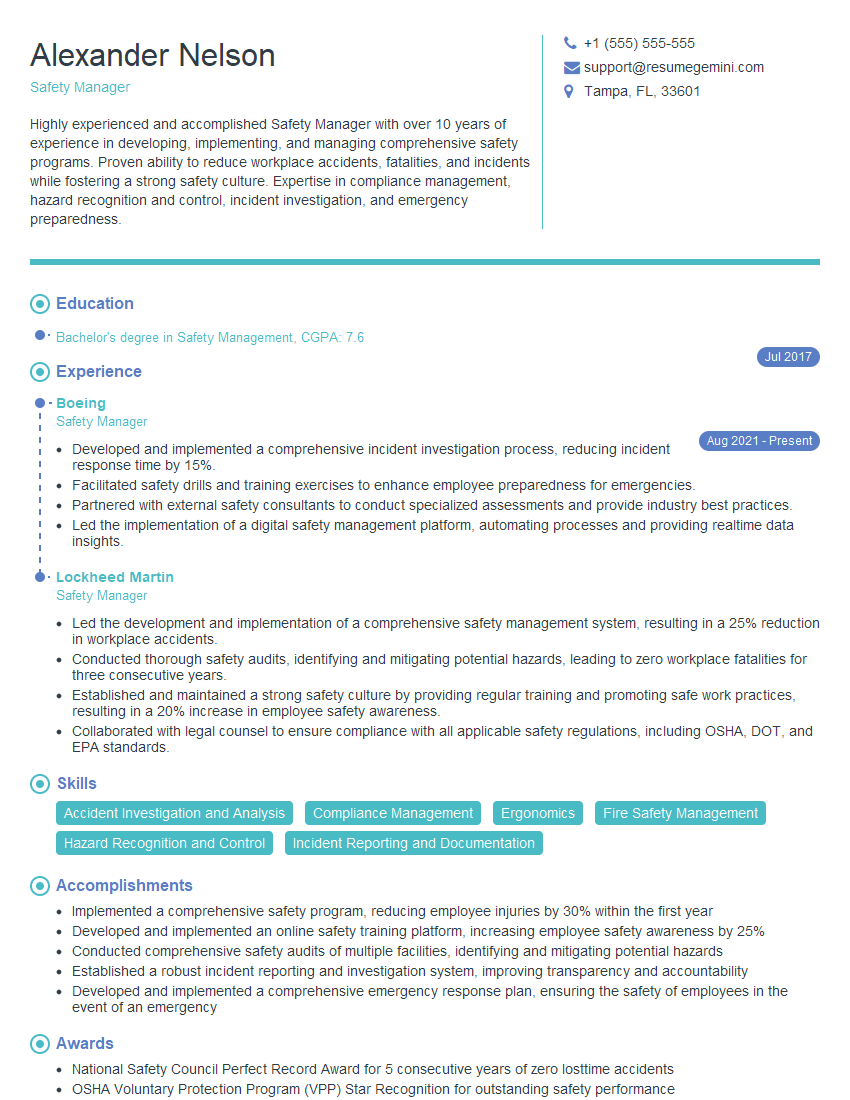
Safety Manager Resume Sample

Environmental Remediation Specialist Resume Sample
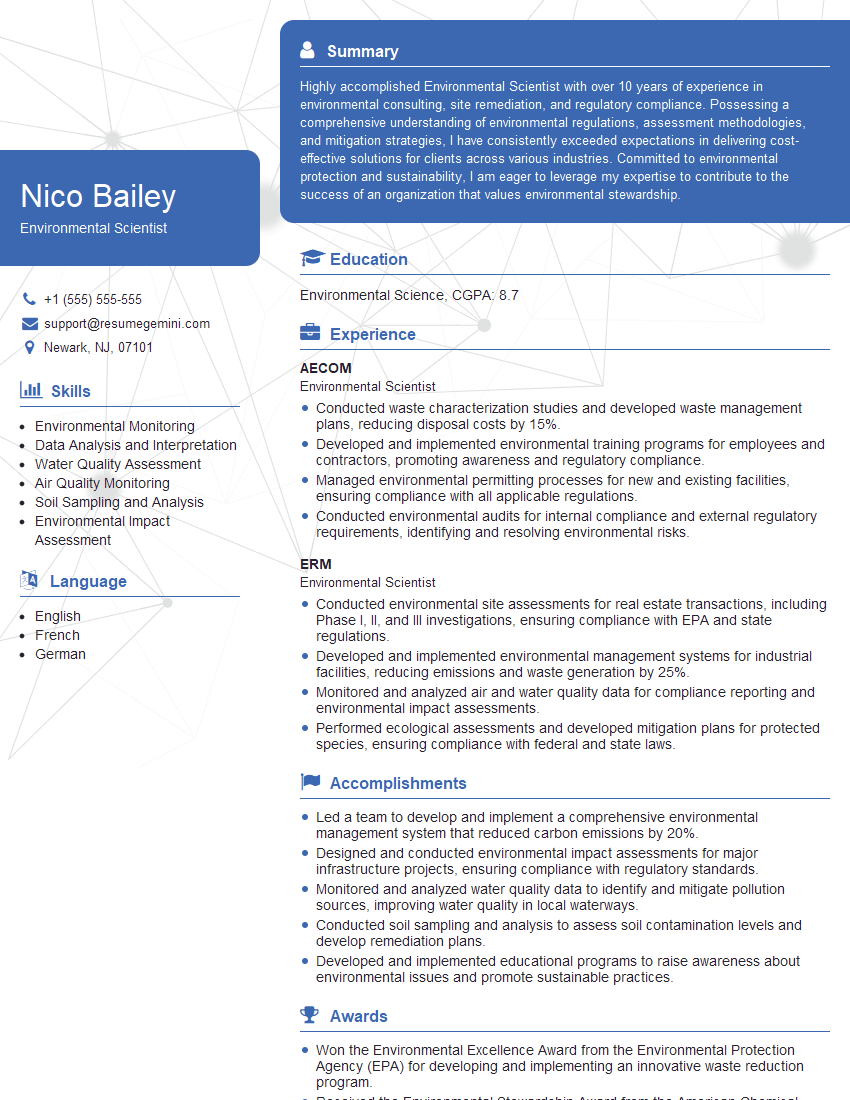
Environmental Scientist Resume Sample
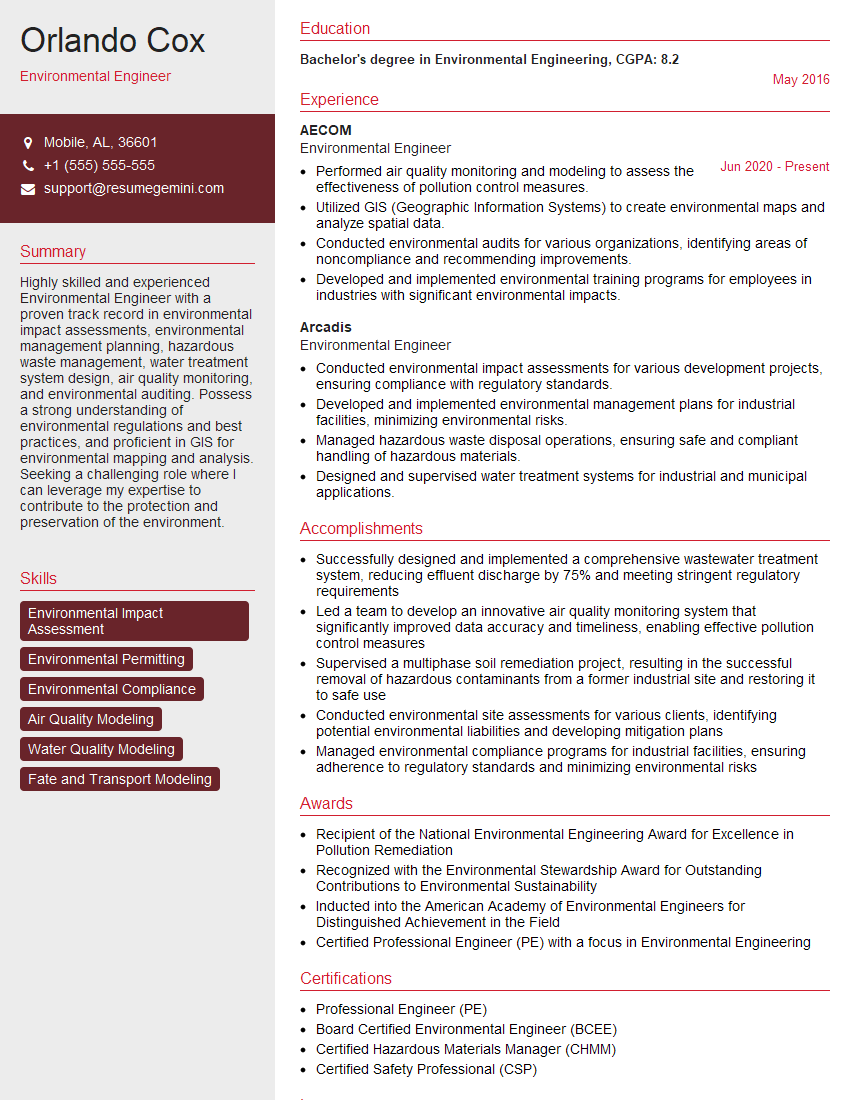
Environmental Engineer Resume Sample

Dust Control Engineer Resume Sample
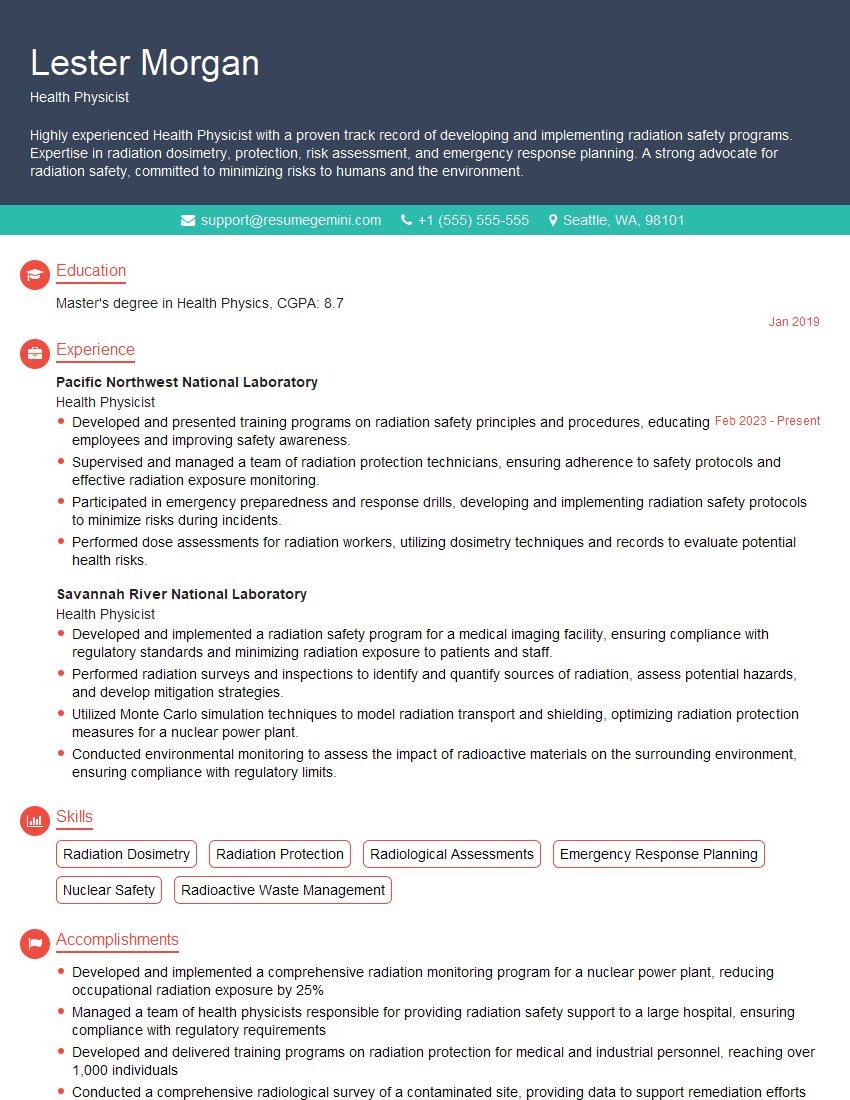
Health Physicist Resume Sample
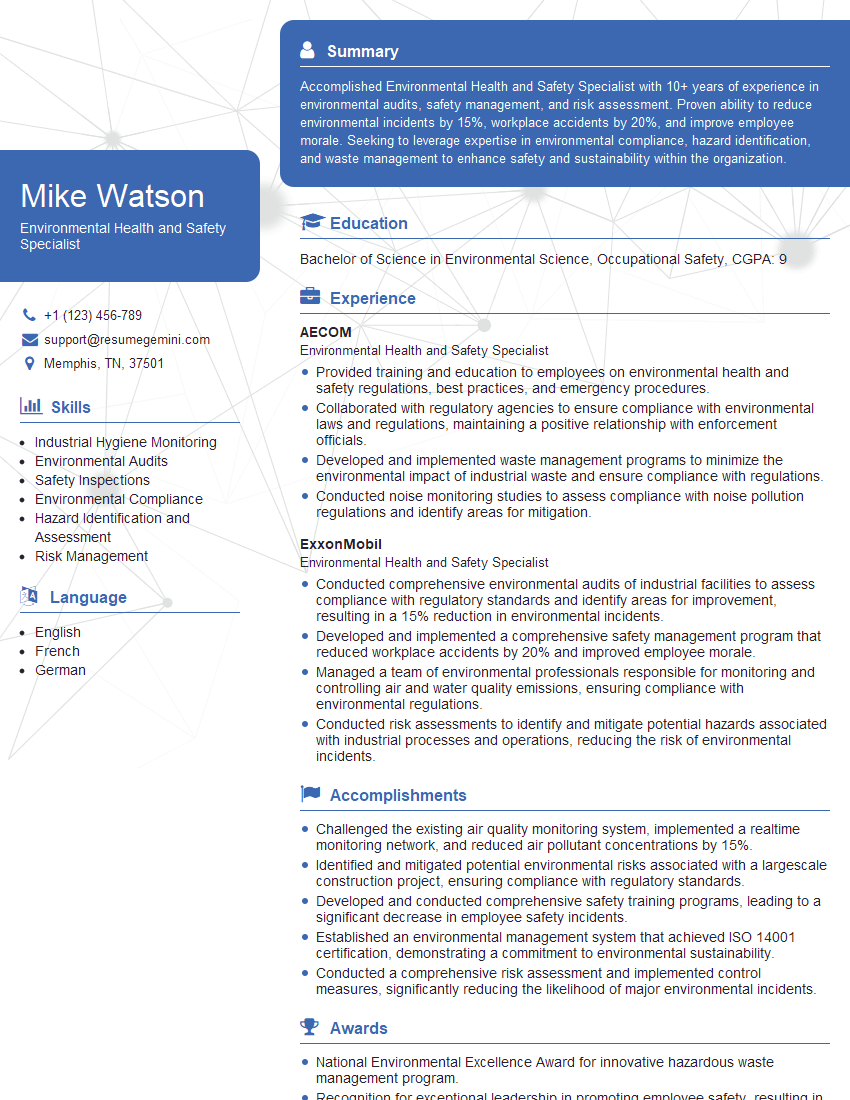
Environmental Health and Safety Specialist Resume Sample
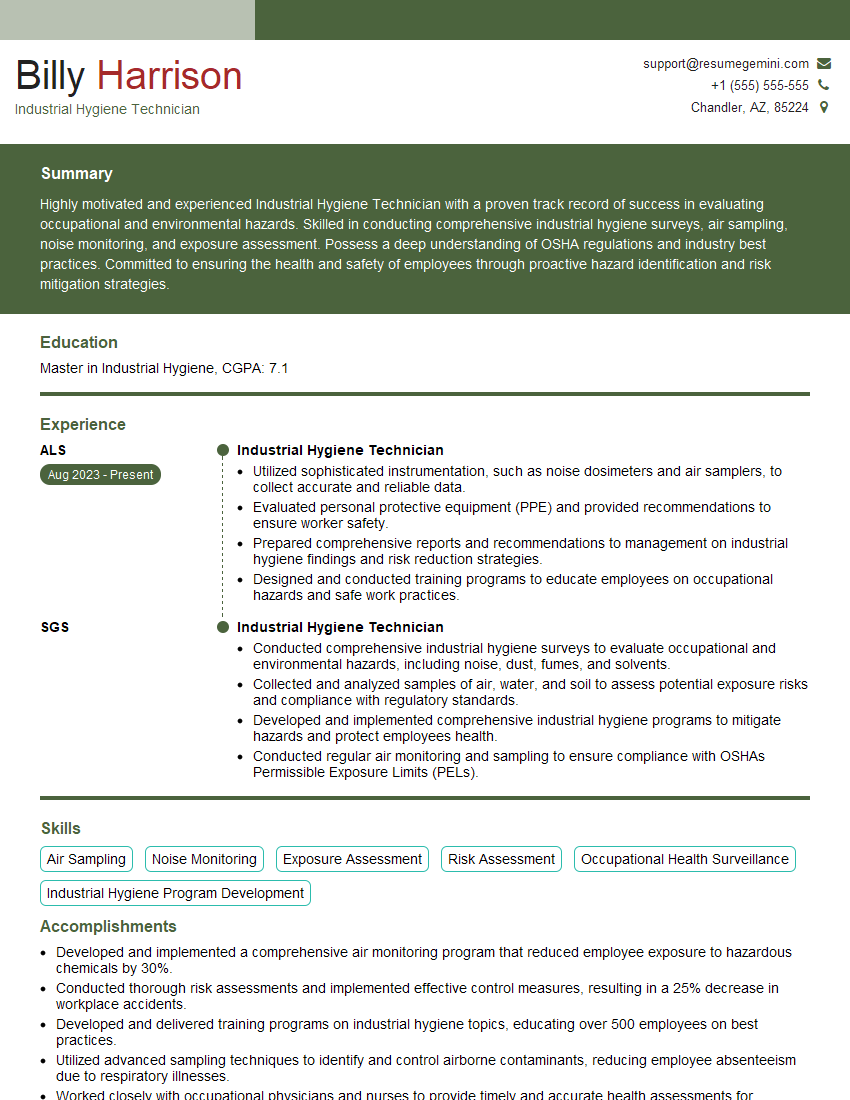
Industrial Hygiene Technician Resume Sample
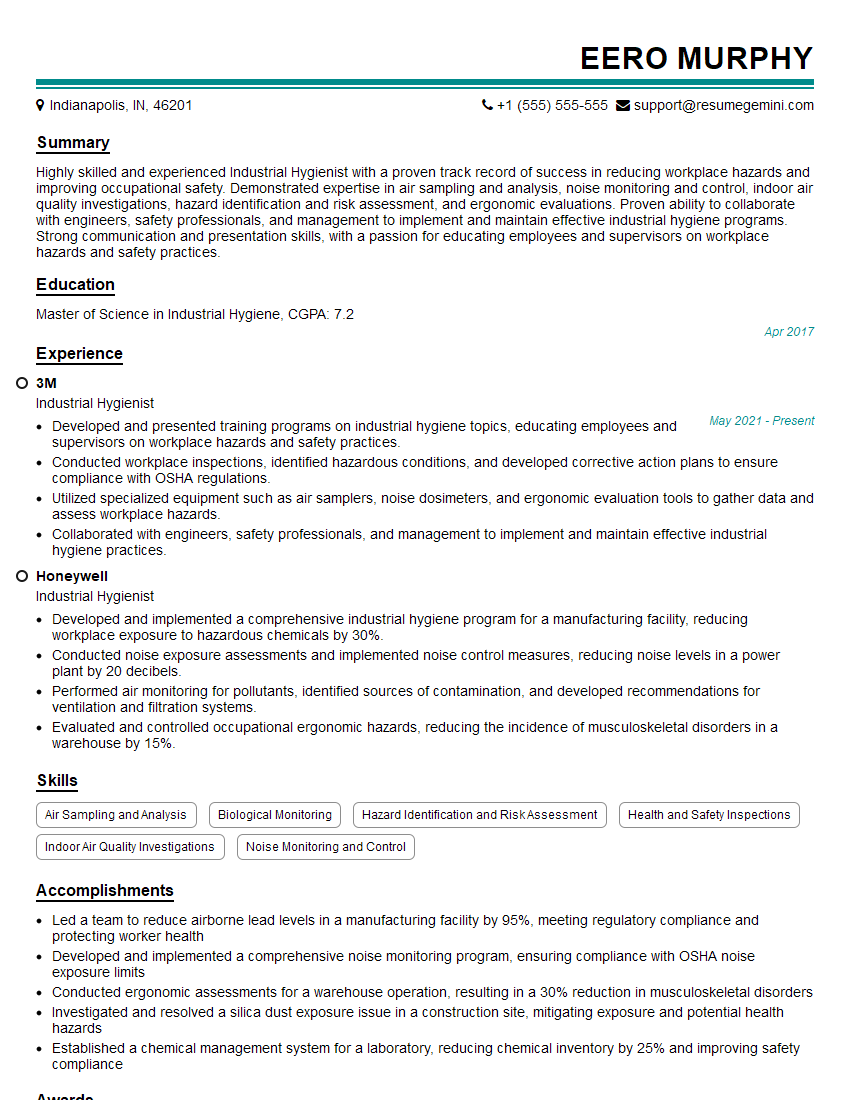
Industrial Hygienist Resume Sample
Explore more articles
Users Rating of Our Blogs
Share Your Experience
We value your feedback! Please rate our content and share your thoughts (optional).
What Readers Say About Our Blog
To the interviewgemini.com Webmaster.
Very helpful and content specific questions to help prepare me for my interview!
Thank you
To the interviewgemini.com Webmaster.
This was kind of a unique content I found around the specialized skills. Very helpful questions and good detailed answers.
Very Helpful blog, thank you Interviewgemini team.