Interviews are opportunities to demonstrate your expertise, and this guide is here to help you shine. Explore the essential ECG and Blood Pressure Monitoring interview questions that employers frequently ask, paired with strategies for crafting responses that set you apart from the competition.
Questions Asked in ECG and Blood Pressure Monitoring Interview
Q 1. Explain the process of obtaining an accurate ECG reading.
Obtaining an accurate ECG reading involves meticulous attention to detail at every stage, from patient preparation to data interpretation. First, ensure the patient is comfortable and relaxed to minimize movement artifacts. Proper skin preparation is crucial; clean the skin with an alcohol swab to remove oils and ensure good electrode contact. Then, apply the ECG electrodes precisely to the designated locations on the patient’s chest and limbs, following the specific lead configuration (we’ll discuss lead types shortly). This ensures that the electrical signals from the heart are accurately detected. During recording, it’s essential to minimize external interference, such as electrical equipment or muscle movement. The ECG machine itself should be properly calibrated and regularly maintained. Finally, review the obtained tracing for any artifacts or abnormalities before interpreting the results. Think of it like taking a high-resolution photograph – proper preparation and technique are paramount to capturing a clear, accurate image of the heart’s electrical activity.
Q 2. Describe different types of ECG leads and their placement.
ECG leads are the pathways used to record the heart’s electrical activity. Different lead types provide different perspectives of the heart. The most common system is the 12-lead ECG, employing 10 electrodes: four limb leads (I, II, III, aVR, aVL, aVF) and six chest leads (V1-V6).
Limb Leads are bipolar (measuring voltage difference between two points) or unipolar (measuring voltage at one point relative to a central reference). For example, Lead I measures the voltage difference between the right arm (RA) and left arm (LA). Chest leads (precordial leads) are unipolar and provide more localized views of the heart’s electrical activity. V1-V6 are positioned across the chest, providing varying perspectives from the right ventricle to the left ventricle. Proper electrode placement is essential. Incorrect placement will lead to inaccurate readings and misinterpretations. A standardized method ensures consistency and accuracy across different recordings.
- Limb Leads (RA, LA, LL): Placed on the right arm, left arm, and left leg.
- Chest Leads (V1-V6): V1: 4th intercostal space, right sternal border; V2: 4th intercostal space, left sternal border; V3: Midway between V2 and V4; V4: 5th intercostal space, midclavicular line; V5: 5th intercostal space, anterior axillary line; V6: 5th intercostal space, midaxillary line.
Q 3. Interpret a normal sinus rhythm ECG tracing.
A normal sinus rhythm (NSR) ECG tracing is characterized by a regular rhythm originating from the sinoatrial (SA) node, the heart’s natural pacemaker. Key features include:
- Rate: 60-100 beats per minute.
- Rhythm: Regular; consistent R-R intervals (distance between consecutive QRS complexes).
- P waves: Upright, uniform in shape and precede each QRS complex, representing atrial depolarization.
- PR interval: Consistent, measuring 0.12-0.20 seconds (3-5 small squares on ECG paper).
- QRS complex: Narrow, measuring less than 0.12 seconds (3 small squares), representing ventricular depolarization.
- T waves: Usually upright, representing ventricular repolarization.
Q 4. Identify common ECG abnormalities (e.g., atrial fibrillation, ventricular tachycardia).
Many ECG abnormalities can be identified through careful observation.
- Atrial Fibrillation (AFib): Characterized by irregularly irregular rhythm, absence of discernible P waves, and often a rapid ventricular rate. It’s like the river suddenly becoming turbulent and chaotic, with inconsistent water flow.
- Ventricular Tachycardia (VT): A rapid heart rhythm originating from the ventricles. It’s seen as wide QRS complexes (more than 0.12 seconds) at a rate exceeding 100 bpm. The heart’s rhythm becomes alarmingly fast, similar to a racing river that threatens to overflow its banks.
- ST-segment elevation myocardial infarction (STEMI): Indicates a significant blockage in a coronary artery and is often characterized by ST-segment elevation in the affected leads. The elevation resembles an upward lift in a section of the ECG wave, representing the heart muscle being deprived of oxygen.
- Heart Blocks: various types of heart blocks, showing slowed or delayed conduction of the electrical signal through the heart.
Q 5. Explain the significance of the P wave, QRS complex, and T wave.
Each wave component of the ECG tracing represents a specific electrical event in the heart.
- P wave: Represents atrial depolarization – the electrical activation of the atria, causing them to contract and pump blood into the ventricles. It’s the initial wave before the main contraction.
- QRS complex: Represents ventricular depolarization – the electrical activation of the ventricles, leading to their contraction and the pumping of blood out of the heart to the body. It’s the biggest part of the ECG wave, representing the main pumping action.
- T wave: Represents ventricular repolarization – the recovery phase of the ventricles, where the electrical charge is reset, enabling them to prepare for the next contraction. It’s like the relaxation phase after a contraction.
Q 6. How do you handle artifacts during ECG recording?
Artifacts in ECG recording represent unwanted signals that interfere with the accurate depiction of the heart’s electrical activity. These can be caused by various factors, including patient movement (muscle tremors), electrical interference (from nearby equipment), or loose electrode connections. Handling artifacts involves a multi-pronged approach.
- Source Identification: Carefully observe the ECG tracing and try to pinpoint the source of the artifact. Is it a consistent pattern suggestive of muscle movement, or a sporadic interference pattern?
- Patient Repositioning/Instruction: If patient movement is the cause, reposition the patient comfortably and instruct them to remain still during the recording. This might include avoiding talking or fidgeting.
- Electrode Check and Re-application: Ensure that electrodes are properly attached and the skin is clean and free from excessive hair or lotions. Loose electrodes are a significant source of artifact.
- Environmental Control: If possible, minimize electromagnetic interference by removing or turning off nearby electrical equipment.
- Filtering (Signal Processing): The ECG machine may have filtering options that can help reduce the impact of certain types of artifacts, particularly noise. However, be mindful that filtering can also affect the actual signal, therefore this should be used judiciously.
Q 7. What are the different types of blood pressure measurement methods?
Blood pressure (BP) measurement methods broadly fall into two categories: direct and indirect.
- Direct Method (Invasive): This method involves inserting a catheter directly into an artery (usually the radial artery). A pressure transducer connected to the catheter provides a continuous and accurate reading of the arterial blood pressure. It’s highly accurate but invasive, typically used in critical care settings to closely monitor patients with unstable BP.
- Indirect Method (Non-invasive): These methods don’t require puncturing an artery. The most common indirect methods are:
- Auscultatory Method (using a sphygmomanometer and stethoscope): This traditional method involves inflating a cuff around the arm to temporarily occlude blood flow and then gradually deflating it while listening for Korotkoff sounds (the sounds of blood flow returning) using a stethoscope. The systolic and diastolic pressures are determined by the appearance and disappearance of these sounds, respectively. This requires skill in sound identification and proper cuff placement.
- Oscillometric Method (using an automated blood pressure monitor): This method involves inflating a cuff and measuring the oscillations in pressure within the cuff as blood flow returns. These oscillations are analyzed by the device to calculate systolic and diastolic pressures. This is generally easier to use and less prone to human error than the auscultatory method. It is commonly used in clinical settings and home blood pressure monitoring.
Q 8. Explain the Korotkoff sounds and their significance.
Korotkoff sounds are the sounds heard during blood pressure measurement using a sphygmomanometer and stethoscope. They represent the turbulent flow of blood through a partially compressed artery. These sounds have distinct phases, each signifying a different stage in the arterial pressure cycle.
- Phase I: The appearance of the first faint, clear tapping sound. This marks the systolic blood pressure – the highest pressure in your arteries during a heartbeat.
- Phase II: The sounds become softer and swishing.
- Phase III: The sounds become crisper and louder again.
- Phase IV: The sounds become muffled and softer.
- Phase V: The sounds disappear completely. This marks the diastolic blood pressure – the lowest pressure in your arteries when the heart rests between beats.
The significance of Korotkoff sounds lies in their ability to provide a precise measurement of both systolic and diastolic blood pressure, crucial for assessing cardiovascular health. The absence or unusual characteristics of these sounds can indicate underlying vascular problems.
Q 9. Describe the proper technique for taking blood pressure.
Proper blood pressure measurement technique is crucial for accurate results. Here’s a step-by-step guide:
- Patient Preparation: The patient should rest quietly for at least 5 minutes before the measurement. Avoid caffeine or smoking beforehand. They should be seated comfortably with their arm supported at heart level.
- Equipment: Use a properly calibrated sphygmomanometer (aneroid or mercury) and stethoscope.
- Cuff Placement: Wrap the cuff snugly around the upper arm, about 2.5 cm above the antecubital fossa (the inner elbow). Ensure the bladder of the cuff is centered over the brachial artery.
- Palpation: Palpate the brachial artery to locate its pulse. Inflate the cuff rapidly until the pulse disappears, then deflate slowly. Note the pressure at which the pulse disappears; this provides an estimate for the systolic pressure, helping you avoid over-inflation.
- Auscultation: Place the stethoscope’s bell or diaphragm over the brachial artery. Inflate the cuff to 20-30 mmHg above the palpated systolic pressure. Deflate the cuff slowly at a rate of 2-3 mmHg per second. Listen carefully for the Korotkoff sounds, noting the appearance (Phase I) and disappearance (Phase V) of the sounds.
- Recording: Record the systolic and diastolic pressures as a fraction (e.g., 120/80 mmHg).
Proper technique minimizes errors and ensures accurate reflection of the patient’s blood pressure.
Q 10. What are the potential sources of error in blood pressure measurement?
Several factors can introduce errors into blood pressure measurement:
- Improper Cuff Size: A cuff that’s too small will give falsely high readings, while one that’s too large will give falsely low readings. The cuff bladder should encircle at least 80% of the arm’s circumference.
- Incorrect Cuff Placement: The cuff should be positioned correctly – 2.5 cm above the antecubital fossa with the bladder over the brachial artery. Improper placement can lead to inaccurate readings.
- Incorrect Auscultation Technique: Improper placement of the stethoscope, deflating the cuff too quickly or slowly, and failing to hear the Korotkoff sounds clearly can all affect accuracy.
- Patient Factors: Anxiety, pain, movement, and recent caffeine or nicotine intake can all influence blood pressure readings.
- White Coat Hypertension: Some individuals experience elevated blood pressure readings solely due to anxiety associated with a clinical setting.
- Equipment Malfunction: Faulty sphygmomanometers or stethoscopes can lead to inaccurate readings. Regular calibration is essential.
Avoiding these errors requires careful attention to detail and meticulous technique. Repeating the measurement and averaging readings are standard practice to minimize individual errors.
Q 11. Explain the difference between systolic and diastolic blood pressure.
Blood pressure is expressed as two numbers: systolic and diastolic pressure. Think of it like this: your heart is a pump, and blood pressure reflects the force of that pump against the artery walls.
- Systolic Blood Pressure: This is the higher number. It represents the pressure in your arteries when your heart beats (contracts) and pumps blood out. Imagine this as the peak pressure of the pump.
- Diastolic Blood Pressure: This is the lower number. It represents the pressure in your arteries when your heart rests between beats (relaxes). Think of this as the resting pressure.
Both systolic and diastolic pressures are essential for a complete assessment of cardiovascular health. An elevated systolic pressure often indicates increased risk of cardiovascular disease.
Q 12. What are the normal ranges for blood pressure in adults?
Normal blood pressure in adults is generally considered to be below 120/80 mmHg. However, it’s crucial to remember that these are guidelines, and individual variations exist.
Categories are defined as follows (using mmHg):
- Normal: Less than 120/80
- Elevated: Systolic 120-129 and diastolic less than 80
- Stage 1 Hypertension: Systolic 130-139 or diastolic 80-89
- Stage 2 Hypertension: Systolic 140 or higher or diastolic 90 or higher
- Hypertensive Crisis: Higher than 180/120
Consulting with a healthcare professional is essential to determine the appropriate blood pressure range for an individual, considering age, health status, and other factors.
Q 13. What are the implications of hypertension and hypotension?
Both hypertension (high blood pressure) and hypotension (low blood pressure) have significant implications for health.
- Hypertension: Consistently elevated blood pressure damages blood vessels over time, increasing the risk of several serious health problems including stroke, heart attack, heart failure, kidney disease, and vision loss. It’s often called a ‘silent killer’ because it usually has no noticeable symptoms in the early stages.
- Hypotension: While less common than hypertension, hypotension can also have serious consequences. Low blood pressure can lead to insufficient blood flow to vital organs, resulting in dizziness, fainting, and in severe cases, shock. Causes can include dehydration, certain medications, or underlying medical conditions.
Regular monitoring of blood pressure and early detection of both hypertension and hypotension are crucial for preventative measures and timely interventions.
Q 14. How do you interpret blood pressure values in different patient populations (e.g., children, elderly)?
Normal blood pressure ranges vary significantly across different patient populations. There are no universal standards. A value considered normal in one population might be abnormal in another.
- Children: Blood pressure norms in children are age and size dependent. Pediatric blood pressure charts are used, which show normal ranges based on age, gender, and height percentiles. The values are much lower than those of adults.
- Elderly: Systolic blood pressure tends to increase with age, often without significant increase in diastolic pressure (isolated systolic hypertension). This is partially due to the stiffening of arteries. Therefore, interpretation requires considering age and overall health status. Lower thresholds for hypertension treatment may be applied.
Using age- and size-specific reference charts is critical for accurate interpretation of blood pressure values in both children and the elderly. It’s imperative to consult appropriate clinical guidelines and seek professional medical advice.
Q 15. Describe the use of automated blood pressure monitors.
Automated blood pressure monitors are devices that measure blood pressure without the need for a healthcare professional to manually operate a sphygmomanometer. They are widely used in both clinical and home settings, offering convenience and ease of use. These devices typically use an oscillometric method, which senses the oscillations in the artery’s pressure as the cuff inflates and deflates. The device then processes these oscillations to calculate systolic, diastolic, and mean arterial pressure. Many modern devices also include features such as memory storage for multiple readings, average readings, and irregular heartbeat detection.
Example: Imagine a patient with hypertension needing daily blood pressure monitoring. An automated home blood pressure monitor allows them to track their pressure easily at home, empowering them in their health management and providing valuable data for their doctor’s review.
Career Expert Tips:
- Ace those interviews! Prepare effectively by reviewing the Top 50 Most Common Interview Questions on ResumeGemini.
- Navigate your job search with confidence! Explore a wide range of Career Tips on ResumeGemini. Learn about common challenges and recommendations to overcome them.
- Craft the perfect resume! Master the Art of Resume Writing with ResumeGemini’s guide. Showcase your unique qualifications and achievements effectively.
- Don’t miss out on holiday savings! Build your dream resume with ResumeGemini’s ATS optimized templates.
Q 16. How would you respond to an abnormally high or low blood pressure reading?
Responding to abnormal blood pressure readings requires a systematic approach. First, ensure the reading is accurate by checking the device’s calibration and the patient’s positioning. Repeat the measurement after a few minutes.
Abnormally High Blood Pressure (Hypertension): If the reading consistently shows dangerously high blood pressure (e.g., systolic pressure above 180 mmHg or diastolic pressure above 120 mmHg), immediate medical attention is necessary. This could indicate a hypertensive crisis, requiring immediate intervention to prevent organ damage. The patient should be advised to seek immediate medical attention or call emergency services.
Abnormally Low Blood Pressure (Hypotension): Consistently low blood pressure (e.g., systolic pressure below 90 mmHg or diastolic pressure below 60 mmHg) can indicate various underlying conditions, such as dehydration, internal bleeding, or heart problems. Assess the patient for symptoms like dizziness, fainting, or weakness. While immediate medical attention might not always be required, medical evaluation is crucial to identify and treat the cause of hypotension.
Important Note: This is general advice. Always follow your institution’s protocols and guidelines when encountering abnormal blood pressure readings.
Q 17. What is the significance of pulse pressure?
Pulse pressure is the difference between the systolic and diastolic blood pressure readings. It reflects the stroke volume (the amount of blood ejected from the left ventricle with each heartbeat) and the arterial stiffness. A wider pulse pressure often indicates increased arterial stiffness, which can be associated with age-related changes or cardiovascular diseases.
Example: A blood pressure of 120/80 mmHg has a pulse pressure of 40 mmHg (120 – 80 = 40). A higher pulse pressure, such as 60 mmHg, might suggest increased arterial stiffness and increased cardiovascular risk, prompting further investigation.
Q 18. Explain the concept of mean arterial pressure (MAP).
Mean Arterial Pressure (MAP) represents the average blood pressure over one cardiac cycle. It is a crucial indicator of tissue perfusion (blood flow to organs). MAP is not simply the average of systolic and diastolic pressure; instead, it’s calculated using a weighted average that considers the duration of systole and diastole. A commonly used approximation is: MAP ≈ Diastolic Pressure + 1/3(Systolic Pressure - Diastolic Pressure)
Example: For a blood pressure of 120/80 mmHg, the approximate MAP is 93 mmHg (80 + 1/3(120-80) = 93.33 mmHg). Adequate tissue perfusion generally requires a MAP above 60 mmHg. A persistently low MAP can indicate insufficient organ perfusion and potentially lead to organ damage.
Q 19. What are the potential complications associated with inaccurate blood pressure monitoring?
Inaccurate blood pressure monitoring can have severe consequences, leading to inappropriate treatment decisions and potentially harming the patient.
- Incorrect diagnosis and treatment: Overestimation or underestimation of blood pressure can lead to unnecessary medication or inadequate treatment of hypertension or hypotension, respectively.
- Adverse drug reactions: Inappropriate medication adjustments based on inaccurate readings can lead to adverse drug reactions.
- Delayed diagnosis: Failure to detect hypertension or hypotension can lead to delayed diagnosis and treatment of serious cardiovascular conditions.
- Increased healthcare costs: Unnecessary hospitalizations or treatments resulting from inaccurate monitoring significantly increase healthcare costs.
Example: A patient with consistently falsely elevated readings might be overtreated with antihypertensives, leading to potential side effects like dizziness or fainting. Conversely, underestimating blood pressure in a hypertensive patient can delay appropriate treatment, increasing the risk of stroke or heart attack.
Q 20. Discuss the role of ECG and blood pressure monitoring in diagnosing various cardiovascular diseases.
ECG and blood pressure monitoring are essential tools for diagnosing various cardiovascular diseases. They provide complementary information that helps paint a complete picture of the cardiovascular system’s health.
ECG (Electrocardiogram): Detects electrical activity of the heart, revealing abnormalities in rhythm (arrhythmias), conduction (heart block), and myocardial ischemia or infarction (heart attack). It can identify conditions like atrial fibrillation, ventricular tachycardia, and myocardial infarction.
Blood Pressure Monitoring: Assesses the pressure exerted by blood against arterial walls, revealing hypertension, hypotension, and other related cardiovascular problems. It provides information about vascular health and overall cardiovascular function. Continuous or intermittent monitoring is crucial in diagnosing and managing hypertension, hypotension, and other conditions that may affect blood pressure.
Combined Use: Both ECG and blood pressure monitoring are often used in conjunction for comprehensive cardiovascular assessment. For instance, a patient with abnormal ECG findings (such as ST-segment elevation) might also have elevated blood pressure, suggesting acute myocardial infarction. This combined approach allows healthcare professionals to establish a detailed diagnosis and plan appropriate treatment.
Q 21. Explain the differences between Holter monitoring and event monitoring.
Holter monitoring and event monitoring are both ambulatory ECG techniques, but they differ significantly in their application and the type of data they collect.
Holter Monitoring: Involves continuous ECG recording for 24-48 hours using a portable device worn by the patient. This provides a comprehensive overview of the heart’s electrical activity over an extended period, allowing detection of intermittent arrhythmias that might be missed during a single ECG recording. It is useful in detecting various arrhythmias, including intermittent atrial fibrillation or episodes of tachycardia.
Event Monitoring: Records ECG data only when triggered by the patient, typically when symptoms such as palpitations or dizziness occur. It is suitable for individuals who experience infrequent arrhythmias or symptoms. The patient activates the device when they experience symptoms, capturing the electrical activity during the event. This method is cost-effective and convenient, focusing solely on symptomatic periods.
Key Differences Summarized:
- Recording duration: Holter monitoring is continuous; event monitoring is event-triggered.
- Data analysis: Holter monitoring provides a complete overview; event monitoring focuses on symptomatic periods.
- Suitability: Holter monitoring is suitable for detecting intermittent arrhythmias; event monitoring is ideal for infrequent symptomatic arrhythmias.
Q 22. How do you maintain the cleanliness and calibration of ECG and blood pressure equipment?
Maintaining the cleanliness and calibration of ECG and blood pressure equipment is paramount for accurate readings and patient safety. It’s a multi-step process involving regular cleaning, disinfection, and calibration checks.
Cleaning: After each use, the ECG electrodes and cables should be cleaned with a suitable disinfectant wipe (e.g., 70% isopropyl alcohol). The blood pressure cuff should be wiped down similarly. For more extensive cleaning, consult the manufacturer’s instructions. Regularly cleaning the ECG machine’s surface prevents the buildup of dust and debris, improving its functionality.
Disinfection: Especially important in a clinical setting, disinfection with a hospital-grade disinfectant is crucial to prevent the spread of infection. Always follow the manufacturer’s instructions regarding the specific type of disinfectant and application method.
Calibration: ECG machines require regular calibration to ensure accuracy. This typically involves using a calibration phantom or a known signal source. The frequency of calibration varies depending on the machine and usage, but it’s usually recommended at least annually or per manufacturer’s recommendations. Blood pressure cuffs should be checked for proper inflation and deflation mechanisms. Any irregularities should be reported immediately.
Documentation: Meticulous records of cleaning, disinfection, and calibration procedures must be kept, including dates, times, and the personnel involved. This is crucial for quality control and regulatory compliance.
For instance, I once noticed a slight drift in an ECG machine’s baseline after a particularly busy shift. A timely calibration resolved the issue, preventing potentially inaccurate diagnoses.
Q 23. Describe the safety precautions involved in ECG and blood pressure monitoring.
Safety precautions are vital when using ECG and blood pressure monitoring equipment. These precautions cover patient safety, equipment handling, and infection control.
Patient Safety: Before any procedure, ensure the patient’s identity is verified. Explain the procedure clearly, ensuring the patient understands and consents. Monitor the patient’s vital signs and watch for any signs of distress. Proper skin preparation before applying ECG electrodes is essential to minimize discomfort and ensure good signal quality. For blood pressure monitoring, ensuring proper cuff placement and size is crucial to avoid inaccuracies or injury.
Equipment Handling: Always inspect equipment for any damage or malfunction before use. Never use damaged equipment. Ensure proper grounding of the ECG machine to prevent electrical shocks. Handle cables and leads carefully, avoiding pulling or bending them excessively.
Infection Control: Use appropriate personal protective equipment (PPE) as necessary, especially in cases where infection risk is high. Always follow proper hand hygiene practices before and after the procedure. Dispose of used materials correctly to prevent the spread of infection. Use single-use items whenever possible.
Imagine a scenario where a patient has a known allergy to adhesive materials. In this case, we’d use hypoallergenic electrode pads and carefully explain the procedure to ease their anxiety, ensuring their comfort and safety.
Q 24. How do you handle a patient experiencing discomfort during ECG or blood pressure monitoring?
Patient comfort is a top priority. If a patient experiences discomfort during ECG or blood pressure monitoring, immediate action is crucial. This could involve:
Identifying the cause: Is it electrode placement, cuff pressure, or something else? Calmly ask the patient to describe their discomfort and carefully examine the situation.
Addressing the issue: If the discomfort is due to electrode placement, reposition the electrodes gently. For blood pressure monitoring, ensure the cuff isn’t too tight. Consider using hypoallergenic alternatives. If pain persists, stop the procedure immediately.
Providing reassurance: A calm and reassuring demeanor can help ease the patient’s anxiety. Explain what you are doing and why. Offer pain relief if appropriate and permitted.
Documentation: Document the discomfort, the actions taken, and the patient’s response.
For example, if a patient complains of chest pain during an ECG, we need to immediately stop the procedure and alert the medical team. This is a crucial step in ensuring patient safety and avoiding potentially serious complications.
Q 25. Discuss your experience with different types of ECG machines.
My experience encompasses a variety of ECG machines, from basic 3-lead to advanced 12-lead machines, including those with digital signal processing and arrhythmia analysis capabilities. I’ve also worked with portable and stationary models.
3-lead ECGs: These are typically used for basic cardiac monitoring, offering a quick overview of heart rhythm. Their simplicity makes them ideal for quick assessments in emergency situations.
12-lead ECGs: These provide a more comprehensive view of the heart’s electrical activity. The extra leads offer detailed information which assists in identifying various cardiac conditions. These are commonly used in diagnostic settings.
Portable ECG machines: These are lightweight and easily transportable, suitable for use at the bedside, during patient transport, or in remote locations. They provide ECG information when immediate access to a stationary machine is not possible.
Digital ECG machines: These machines offer advanced features like digital signal processing, arrhythmia detection algorithms, and data storage capabilities. They allow for detailed analysis and reporting of ECG data.
The specific features and capabilities of each machine influence its application. For example, a portable ECG might be crucial during an ambulance ride, while a 12-lead ECG machine would be necessary for a detailed diagnostic assessment in a hospital.
Q 26. Explain how you troubleshoot common problems with ECG and blood pressure equipment.
Troubleshooting ECG and blood pressure equipment requires a systematic approach. Here’s a common strategy:
ECG troubleshooting: If the ECG shows a poor signal quality, first check electrode placement and skin preparation. Ensure good contact between the electrodes and the skin. If the problem persists, inspect the leads and cables for any damage. If the machine displays an error message, consult the machine’s manual for troubleshooting steps. If a particular lead is consistently noisy, check for interference from electrical devices.
Blood pressure troubleshooting: If the blood pressure readings are inconsistent, check the cuff size and placement. Ensure the patient’s arm is at heart level. If the cuff is malfunctioning (e.g., slow inflation or deflation), report the issue to the appropriate personnel. Check the batteries if using a portable device. Repeat the measurement several times to ensure accuracy.
A practical example: I once encountered an ECG with a consistently noisy signal. After checking the electrode placement and connections, I realized the problem stemmed from an improperly grounded ECG machine. Correct grounding immediately resolved the issue.
Q 27. How do you document ECG and blood pressure readings accurately?
Accurate documentation is crucial for ensuring patient safety and continuity of care. ECG and blood pressure readings should be recorded clearly and concisely.
ECG documentation: Include the patient’s identification details, the date and time of the recording, the lead configuration used, and a description of any significant findings (e.g., arrhythmias, ST-segment changes). Attach a copy of the ECG tracing itself to the record. Note any technical issues encountered or interventions performed.
Blood pressure documentation: Record the date and time, the position of the patient (e.g., sitting, lying), the arm used, and the systolic and diastolic blood pressure readings, along with the heart rate. Note any irregularities and any medications taken.
Electronic Health Records (EHR): Ideally, all readings should be entered into an EHR for easy access and efficient management. This also aids in data analysis and trend identification.
Imagine a patient with a history of hypertension. Accurate documentation of their blood pressure readings over time allows for better monitoring of their condition and timely intervention if necessary. This information contributes to better clinical decision-making.
Q 28. Describe your experience working within a team to provide ECG and blood pressure monitoring services.
Teamwork is essential in providing ECG and blood pressure monitoring services. My experience involves collaborating with physicians, nurses, technicians, and other healthcare professionals. This involves:
Clear communication: Open and effective communication among team members is crucial to ensure efficient workflow and accurate interpretation of results. This often involves briefings before procedures and quick updates after significant findings.
Shared responsibility: The responsibility for patient care is shared. I work collaboratively with nurses to prepare the patient, monitor for discomfort, and manage any complications that may arise.
Effective handover: Accurate and efficient handover of information is critical, especially during shifts changes. This involves clear verbal communication as well as precise documentation within the EHR.
Respectful collaboration: Maintaining respect and open communication fosters a collaborative environment where everyone’s expertise is valued.
For example, during a code blue scenario, our team seamlessly worked together. The rapid ECG recording and interpretation I provided, coordinated with the physician’s prompt response, were vital in managing the emergency effectively. A strong team provides efficient and high-quality care.
Key Topics to Learn for ECG and Blood Pressure Monitoring Interview
- Electrocardiography (ECG) Fundamentals: Understanding lead placement, waveforms (P, QRS, T waves), intervals, and segments. Practical application: interpreting normal and abnormal ECG rhythms.
- ECG Artifact Recognition and Troubleshooting: Identifying and mitigating common artifacts (muscle tremor, wandering baseline, power line interference). Practical application: ensuring accurate ECG readings and diagnosis.
- Common Cardiac Arrhythmias: Recognizing and differentiating various arrhythmias (e.g., sinus tachycardia, bradycardia, atrial fibrillation, ventricular tachycardia). Practical application: initiating appropriate interventions based on rhythm interpretation.
- Blood Pressure Measurement Techniques: Mastering proper techniques for manual and automated blood pressure measurements, including considerations for patient positioning and cuff size selection. Practical application: minimizing measurement errors and ensuring patient safety.
- Blood Pressure Interpretation and Classification: Understanding normal and abnormal blood pressure readings, including hypertension and hypotension. Practical application: identifying patients requiring medical attention and contributing to appropriate treatment plans.
- Hemodynamic Principles: Understanding the relationship between blood pressure, cardiac output, and systemic vascular resistance. Practical application: analyzing patient data and identifying potential underlying causes of abnormal readings.
- Medical Terminology and Abbreviations: Familiarity with common medical terms and abbreviations related to cardiology and hemodynamics. Practical application: efficient communication with healthcare professionals.
- Patient Safety and Ethical Considerations: Understanding infection control protocols and ethical considerations related to patient care. Practical application: adhering to best practices to ensure safe and ethical patient management.
- Troubleshooting Equipment Malfunctions: Basic understanding of potential equipment malfunctions and troubleshooting steps. Practical application: maintaining equipment functionality and ensuring accurate readings.
Next Steps
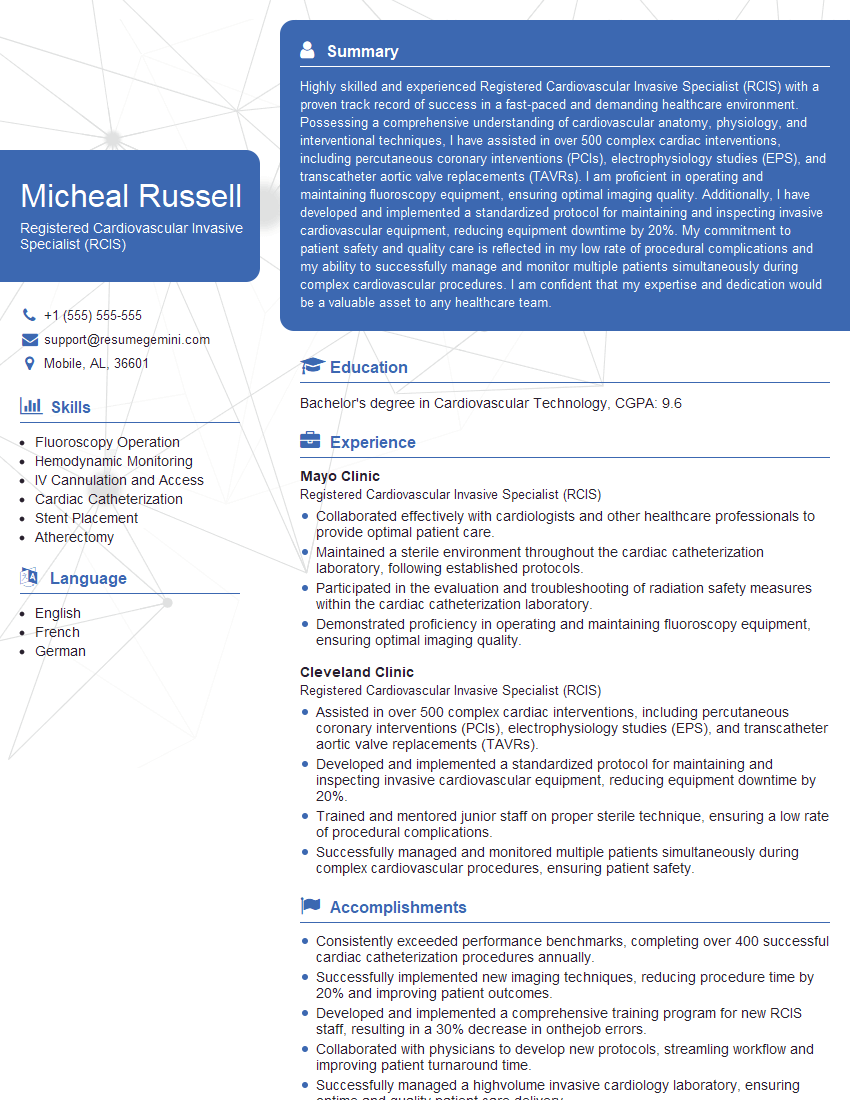
Mastering ECG and Blood Pressure Monitoring is crucial for career advancement in healthcare, opening doors to diverse and rewarding opportunities. A strong understanding of these techniques demonstrates a commitment to patient safety and accurate diagnosis, making you a highly valuable asset to any healthcare team. To maximize your job prospects, focus on creating an ATS-friendly resume that highlights your skills and experience effectively. ResumeGemini is a trusted resource to help you build a professional and impactful resume. We provide examples of resumes tailored to ECG and Blood Pressure Monitoring to help you get started. Invest in your future; invest in your resume.

Explore more articles
Users Rating of Our Blogs
Share Your Experience
We value your feedback! Please rate our content and share your thoughts (optional).
What Readers Say About Our Blog
To the interviewgemini.com Webmaster.
Very helpful and content specific questions to help prepare me for my interview!
Thank you
To the interviewgemini.com Webmaster.
This was kind of a unique content I found around the specialized skills. Very helpful questions and good detailed answers.
Very Helpful blog, thank you Interviewgemini team.