Interviews are more than just a Q&A session—they’re a chance to prove your worth. This blog dives into essential Electrical and Mechanical Equipment Maintenance interview questions and expert tips to help you align your answers with what hiring managers are looking for. Start preparing to shine!
Questions Asked in Electrical and Mechanical Equipment Maintenance Interview
Q 1. Explain the difference between preventative and corrective maintenance.
Preventative maintenance (PM) and corrective maintenance (CM) are two fundamental approaches to maintaining the operational efficiency and lifespan of electrical and mechanical equipment. Think of it like this: PM is like regular check-ups at the doctor, preventing problems before they arise, while CM is like going to the emergency room after you’ve already gotten sick.
Preventative Maintenance (PM): This involves scheduled inspections, lubrication, cleaning, and minor repairs to prevent equipment failures. It’s proactive, aiming to extend the life of equipment, improve efficiency, and reduce unexpected downtime. Examples include regularly changing oil in a machine, inspecting electrical connections for corrosion, and calibrating instruments according to manufacturer’s recommendations.
Corrective Maintenance (CM): This is reactive maintenance performed after a failure occurs. It involves repairing or replacing broken parts, rectifying malfunctions, and restoring equipment to its operational state. Examples include fixing a broken motor, replacing a faulty circuit breaker, or repairing a damaged conveyor belt. CM is inherently more costly and disruptive than PM, both in terms of time and resources.
- Key Difference: PM focuses on prevention, while CM focuses on reaction to failures.
- Cost Effectiveness: PM is generally more cost-effective in the long run, reducing the frequency and severity of CM events.
- Downtime: PM minimizes unplanned downtime, whereas CM often results in unexpected production halts.
Q 2. Describe your experience with troubleshooting electrical systems.
My experience in troubleshooting electrical systems spans over [Number] years, encompassing diverse industrial settings such as [Mention Industries/Sectors]. I’ve worked on systems ranging from low-voltage control circuits to high-voltage power distribution systems. My troubleshooting approach is systematic and follows a structured methodology.
I typically start by thoroughly assessing the system’s symptoms, gathering data from various sources like alarm logs, operator reports, and visual inspections. Then, I move on to systematically checking components using multimeters, oscilloscopes, and other diagnostic tools. This often involves tracing wiring diagrams, inspecting fuses and circuit breakers, and testing individual components for continuity and voltage. For example, when dealing with a motor that won’t start, I’d first check the power supply, then the motor’s windings, and finally the control circuitry, ruling out potential causes one by one.
I’m proficient in using advanced diagnostic techniques like motor current analysis and infrared thermography to pinpoint issues quickly and effectively. I also have extensive experience in dealing with programmable logic controllers (PLCs), which often form the heart of modern industrial control systems. Troubleshooting PLCs often requires familiarity with ladder logic programming and the ability to interpret fault codes and diagnostic information from the PLC itself.
Q 3. How do you prioritize maintenance tasks in a high-pressure environment?
Prioritizing maintenance tasks in a high-pressure environment requires a strategic approach that combines urgency, risk assessment, and resource allocation. I use a combination of methods, including:
- Criticality Assessment: I identify tasks based on their impact on production and safety. Tasks that pose significant risks or could cause major production disruptions are prioritized higher. For example, a failing safety system would take precedence over a minor cosmetic repair.
- Risk-Based Prioritization: I use a risk matrix to assess the probability of failure and the severity of the consequences. This allows for a data-driven approach to prioritize tasks based on their potential impact. This is often documented in a CMMS (Computerized Maintenance Management System).
- Downtime Cost Analysis: I consider the cost of downtime associated with each task. This helps in prioritizing tasks that would cause the most expensive or disruptive downtime if left unaddressed.
- Preventive vs. Corrective: I prioritize preventative tasks to prevent future problems. This reduces long-term costs and enhances system reliability, minimizing emergency repairs.
- Resource Availability: I consider the availability of personnel, parts, and tools when scheduling tasks. This ensures that the chosen tasks can be completed efficiently and effectively.
Finally, I maintain open communication with production and operations teams to ensure everyone is aware of the maintenance plan and to adjust priorities as needed.
Q 4. What are your preferred methods for diagnosing mechanical failures?
Diagnosing mechanical failures relies on a blend of practical experience, systematic analysis, and the use of appropriate tools. My approach involves a structured process:
- Visual Inspection: A thorough visual examination often reveals obvious signs of failure, such as cracks, leaks, wear, or misalignment. For example, I’d look for signs of overheating on a bearing or cracks on a pressure vessel.
- Listening for Unusual Sounds: Unusual noises, such as grinding, squeaking, or knocking, can provide valuable clues about the location and nature of the problem.
- Vibration Analysis: Using vibration analysis equipment, I can detect subtle imbalances, misalignments, or bearing defects that might not be apparent through visual inspection. This is crucial for rotating machinery like pumps and motors.
- Lubrication Checks: Inspecting lubrication levels and condition is vital; insufficient or contaminated lubricants often lead to premature wear.
- Dimensional Measurements: Using precision measuring tools, I check dimensions to detect wear, misalignment, or other deviations from specifications.
- Testing and Instrumentation: I utilize specialized tools like pressure gauges, temperature sensors, and torque wrenches to obtain accurate measurements and confirm diagnostic findings.
Often, combining these methods reveals the root cause. For instance, a noisy pump might initially appear to have a bearing problem, but vibration analysis could reveal a misalignment requiring a different solution.
Q 5. Explain your experience with PLC programming and troubleshooting.
I possess extensive experience in PLC programming and troubleshooting, primarily using [Mention Specific PLC brands/models, e.g., Allen-Bradley, Siemens]. My proficiency includes ladder logic programming, function block diagrams, and structured text programming. I have designed, implemented, and maintained numerous PLC-based control systems across various industrial applications.
My troubleshooting approach for PLCs involves:
- Reviewing PLC Program Logic: I systematically examine the PLC program for errors in logic, timing issues, or incorrect parameter settings.
- Analyzing PLC I/O: I verify the proper functioning of input and output modules, checking for wiring faults or sensor/actuator malfunctions. This often involves using diagnostic tools provided by the PLC manufacturer.
- Interpreting Fault Codes: I understand and interpret fault codes generated by the PLC to pinpoint the source of the problem.
- Utilizing PLC Simulation: For complex issues, I leverage PLC simulation software to troubleshoot the program offline before applying changes to the live system. This minimizes the risk of downtime.
- Monitoring PLC Data: I use diagnostic tools to monitor the PLC’s internal variables and data, identifying unexpected values or patterns that may indicate a problem. This is often helped by well placed logging functionality in the PLC program.
For example, I once encountered a PLC program that caused a production line to shut down unexpectedly. By carefully examining the logic, I identified a faulty timer setting that was triggering an emergency stop condition under specific circumstances. A simple correction in the program resolved the issue.
Q 6. Describe your understanding of safety regulations in industrial maintenance.
My understanding of safety regulations in industrial maintenance is comprehensive and encompasses various standards and best practices, such as [Mention relevant standards like OSHA, IEC, etc.]. I’m fully aware of the potential hazards associated with electrical and mechanical equipment and always prioritize safety.
My safety practices include:
- Lockout/Tagout Procedures (LOTO): I strictly adhere to LOTO procedures before performing any maintenance on energized equipment to prevent accidental energization. This involves de-energizing the equipment, applying locks and tags, and verifying that the equipment is de-energized before starting work.
- Personal Protective Equipment (PPE): I consistently use appropriate PPE, including safety glasses, gloves, hearing protection, and safety shoes, depending on the task. This protects me from potential injuries.
- Risk Assessments: Before commencing any maintenance work, I perform thorough risk assessments to identify and mitigate potential hazards. This is a critical first step to a safe job.
- Permit-to-Work Systems: I understand and utilize permit-to-work systems when required, ensuring that work is only carried out after proper authorization and risk assessments have been completed.
- Emergency Procedures: I am familiar with and trained in emergency procedures, including first aid and emergency response protocols.
Safety is not just a set of rules; it’s a mindset that permeates every aspect of my work. I believe that a proactive and diligent approach to safety is essential to prevent accidents and ensure a safe working environment for everyone.
Q 7. How do you handle emergency repairs?
Handling emergency repairs demands a calm, decisive, and efficient approach. My strategy involves:
- Rapid Assessment: Quickly assess the situation to understand the nature of the problem and its impact on operations. This involves gathering information from operators and supervisors.
- Prioritization: Determine the urgency of the repair, balancing the need to restore service quickly with the need to perform the repair safely. This often means deciding what a minimum viable fix is to get operations going again.
- Immediate Actions: Take immediate actions to mitigate the problem, such as isolating the affected equipment or implementing temporary workarounds. For instance, I might use a backup system or temporarily bypass a failed component.
- Troubleshooting: Employ effective troubleshooting techniques to identify the root cause of the failure as quickly as possible. This might include using diagnostic tools or contacting equipment manufacturers for support.
- Repair or Replacement: Implement the necessary repair or replacement, using available resources and ensuring that the repair is safe and effective. This might involve making temporary repairs to get systems back online before making a permanent repair.
- Documentation: Thoroughly document the emergency repair, including the cause of the failure, the actions taken, and any lessons learned. This is critical for future preventative maintenance planning.
Emergency repairs are often stressful, but a well-defined process and a focus on safety are essential to ensure a successful and safe outcome. For example, I’ve successfully repaired a critical compressor during an unplanned outage by using readily available components and a temporary fix, getting the plant back online within a few hours while the permanent repair was ordered.
Q 8. What is your experience with hydraulic and pneumatic systems?
My experience with hydraulic and pneumatic systems spans over ten years, encompassing both preventative maintenance and troubleshooting. I’m proficient in diagnosing and repairing leaks, identifying component failures (like pumps, valves, and actuators), and understanding system schematics. For example, I once diagnosed a recurring leak in a hydraulic press by systematically checking each fitting and hose, eventually discovering a hairline fracture in a high-pressure line that was missed during initial visual inspections. This required precise replacement and pressure testing to ensure system integrity. I’m also familiar with various pneumatic control systems including logic circuits and use of pressure regulators, filters, and lubricators. I have experience working with both standard and specialized fluids in these systems, understanding their properties and compatibility is crucial to successful maintenance.
Q 9. What are your skills in using diagnostic tools and equipment?
I’m highly skilled in using a range of diagnostic tools and equipment, including infrared thermometers for detecting overheating components, vibration analyzers to pinpoint mechanical imbalances in rotating equipment, and ultrasonic leak detectors to locate hard-to-find leaks in hydraulic and pneumatic systems. I regularly utilize pressure gauges, flow meters, and digital multimeters to assess system performance. Moreover, I’m proficient in using specialized software for data acquisition and analysis. For instance, I used vibration analysis software to identify a bearing failure in a large motor before it caused catastrophic damage, saving the company significant downtime and repair costs. This involved analyzing the frequency spectrum to isolate the fault and avoid costly trial-and-error repairs.
Q 10. How familiar are you with different types of bearings and their applications?
My familiarity with bearings extends to various types, including ball bearings, roller bearings (cylindrical, tapered, spherical), and thrust bearings. I understand their applications across different equipment and operating conditions. For instance, I know that ball bearings are suitable for high-speed, light-load applications, while roller bearings are better suited for heavy loads and lower speeds. The choice of bearing material (steel, ceramic) and lubrication also plays a crucial role in determining the lifespan and performance of a bearing. I’ve encountered and successfully addressed scenarios requiring bearing replacement, alignment, and lubrication optimization to ensure smooth, efficient operation and prevent premature wear. Selecting the right bearing for a specific application is key to avoiding costly failures.
Q 11. Explain your experience with rotating equipment maintenance (motors, pumps, etc.)
I possess extensive experience maintaining rotating equipment, including AC and DC motors, pumps (centrifugal, positive displacement), and gearboxes. This includes preventative maintenance tasks such as lubrication, alignment checks (using laser alignment tools), vibration analysis, and insulation resistance testing. I’ve also handled reactive maintenance involving troubleshooting malfunctions, component replacements (bearings, seals, impellers), and motor rewinding. For example, I once repaired a malfunctioning centrifugal pump by identifying the faulty impeller, disassembling the pump, replacing the impeller, and reassembling the unit, ensuring proper alignment and sealing to restore functionality and prevent future problems. Regular monitoring and preventative maintenance are crucial to extending the lifespan of this type of equipment.
Q 12. Describe your experience with welding and fabrication techniques.
My welding and fabrication skills encompass various techniques, including shielded metal arc welding (SMAW), gas metal arc welding (GMAW), and gas tungsten arc welding (GTAW). I’m proficient in using both manual and semi-automatic welding equipment. I have experience with different welding materials, including various types of steel and stainless steel. My fabrication skills include cutting, shaping, and assembling metal components. I’ve used these skills to fabricate custom brackets, guards, and other equipment supports. For instance, I once fabricated a custom mounting bracket for a sensor using SMAW, ensuring the correct dimensions and structural integrity for safe and reliable operation. Safety is paramount while performing these tasks; adherence to all safety protocols is non-negotiable.
Q 13. How do you manage and interpret maintenance records and data?
I’m highly proficient in managing and interpreting maintenance records and data. I use computerized maintenance management systems (CMMS) to track work orders, spare parts inventory, and equipment history. I’m experienced in data analysis techniques, allowing me to identify trends, predict potential failures, and optimize maintenance schedules. I can use this data to support preventative maintenance strategies, reducing downtime and improving overall equipment effectiveness (OEE). I analyze data from vibration analysis, oil analysis, and other diagnostic tools to support informed decision-making. For instance, I used historical data on pump failures to identify a pattern related to inadequate lubrication, prompting a change in the lubrication schedule and a reduction in pump failures.
Q 14. What is your experience with lubrication systems and practices?
My experience with lubrication systems and practices includes selecting appropriate lubricants for different equipment and operating conditions, designing and implementing effective lubrication schedules, and managing lubrication inventory. I’m familiar with different lubrication methods, including grease guns, oil injectors, and centralized lubrication systems. Understanding the principles of lubrication – reducing friction, heat generation, and wear – is crucial. I’ve regularly performed oil analysis to determine the condition of lubricants and identify potential problems early on. Incorrect lubrication can severely damage equipment; therefore, I always strictly adhere to manufacturer recommendations and best practices, ensuring the use of the correct lubricants, intervals and procedures. For example, I implemented a new centralized lubrication system for a large production line, improving lubrication efficiency and significantly reducing downtime due to lubrication-related failures.
Q 15. Explain your experience with vibration analysis and its applications.
Vibration analysis is a crucial predictive maintenance technique used to detect mechanical problems in rotating equipment like motors, pumps, and turbines before they cause catastrophic failures. It involves measuring the vibrations produced by machinery and analyzing their frequency, amplitude, and phase to identify potential issues.
My experience includes using various vibration analysis tools, from handheld analyzers to sophisticated data acquisition systems. I’ve utilized these tools to diagnose problems such as imbalance, misalignment, bearing wear, and looseness in a wide variety of industrial equipment. For example, I once used vibration analysis on a large industrial fan that was experiencing excessive vibration. By analyzing the vibration signature, we pinpointed a faulty bearing, allowing for timely replacement and preventing a costly shutdown. Another instance involved a high-speed centrifuge where we identified an impending bearing failure through subtle changes in vibration frequencies, preventing a potentially hazardous situation.
Applications extend to diverse areas including:
- Predictive Maintenance: Preventing breakdowns and optimizing maintenance schedules.
- Fault Diagnosis: Identifying the root cause of vibrations and guiding repair strategies.
- Machine Condition Monitoring: Tracking the health of equipment over time.
- Structural Integrity Assessment: Detecting issues in structural components.
Career Expert Tips:
- Ace those interviews! Prepare effectively by reviewing the Top 50 Most Common Interview Questions on ResumeGemini.
- Navigate your job search with confidence! Explore a wide range of Career Tips on ResumeGemini. Learn about common challenges and recommendations to overcome them.
- Craft the perfect resume! Master the Art of Resume Writing with ResumeGemini’s guide. Showcase your unique qualifications and achievements effectively.
- Don’t miss out on holiday savings! Build your dream resume with ResumeGemini’s ATS optimized templates.
Q 16. Describe your understanding of root cause analysis techniques.
Root cause analysis (RCA) is a systematic process for identifying the underlying causes of problems, not just the symptoms. My approach typically involves using a combination of techniques, including the ‘5 Whys’, fault tree analysis, and fishbone diagrams.
The ‘5 Whys’ is a simple yet effective method of repeatedly asking ‘why’ to drill down to the root cause. For example, if a pump fails, the first ‘why’ might be ‘because the motor burned out.’ The second ‘why’ could be ‘because the bearings failed.’ Continuing this process reveals the root cause. Fault tree analysis is more complex, depicting potential causes and their relationships in a logical tree structure. Fishbone diagrams, also known as Ishikawa diagrams, help to visually organize potential causes categorized by different factors such as people, materials, machines, methods, environment, and measurement.
I always strive to gather comprehensive data, interview personnel involved, and thoroughly examine the equipment itself before concluding an RCA. This ensures a holistic understanding of the issue. In one case, a repeated failure of a conveyor system was initially attributed to motor overload. Through a thorough RCA using fault tree analysis, we uncovered a previously unnoticed design flaw in the conveyor’s structure, leading to a permanent solution.
Q 17. How familiar are you with CMMS (Computerized Maintenance Management Systems)?
I am highly familiar with CMMS software. My experience includes using various CMMS platforms to manage work orders, track maintenance activities, schedule preventative maintenance, and manage inventory. I understand the importance of data accuracy and proper data entry in ensuring the effectiveness of the system.
Beyond basic functionality, I am also proficient in using CMMS reporting features to generate KPIs (Key Performance Indicators) such as Mean Time To Repair (MTTR), Mean Time Between Failures (MTBF), and equipment uptime. These reports are essential for evaluating maintenance effectiveness, identifying areas for improvement, and justifying maintenance budgets. For instance, I once used CMMS data to show management the significant cost savings achieved through implementing a preventative maintenance program based on vibration analysis.
In my opinion, a well-implemented CMMS is the backbone of a successful maintenance program. It improves efficiency, reduces downtime, and increases overall equipment effectiveness.
Q 18. What is your experience with blueprint reading and technical drawings?
I possess extensive experience in reading and interpreting blueprints and technical drawings. This includes understanding schematics, isometric drawings, piping and instrumentation diagrams (P&IDs), and assembly drawings. I’m adept at identifying component locations, dimensions, and specifications, which is crucial for troubleshooting and maintenance tasks.
My proficiency extends to using CAD software to create and modify drawings, which is invaluable for documenting modifications, creating repair instructions, and designing custom components. For example, I’ve used blueprints to identify the location of a leaking valve in a complex piping system, saving significant time and effort during the repair process. In another project, I created a 3D model of a piece of equipment using CAD software to assist in the design of a more efficient maintenance procedure.
Q 19. Explain your approach to working with a team in a maintenance environment.
In a maintenance environment, teamwork is essential. My approach focuses on clear communication, collaboration, and mutual respect. I believe in a participative leadership style, where I encourage team members to share their expertise and contribute to problem-solving.
I prioritize effective communication by holding regular team meetings to discuss ongoing projects, address challenges, and share best practices. I also utilize various communication tools, such as email, instant messaging, and project management software, to maintain effective collaboration. Furthermore, I foster a culture of continuous learning by providing opportunities for team members to enhance their skills and knowledge through training and mentorship.
For example, during a major equipment overhaul, I worked closely with the team, assigning tasks based on individual expertise, and providing support and guidance throughout the process. This collaborative effort resulted in the project being completed ahead of schedule and within budget.
Q 20. How do you ensure compliance with environmental regulations during maintenance?
Compliance with environmental regulations is paramount during maintenance activities. My approach involves a multi-faceted strategy that begins with a thorough understanding of all relevant local, regional, and national environmental regulations. This includes regulations pertaining to hazardous waste disposal, air emissions, water pollution, and noise control.
We implement strict procedures for handling hazardous materials, following established safety protocols and utilizing proper personal protective equipment (PPE). Regular training sessions ensure that all team members are aware of and adhere to these protocols. We utilize appropriate containment and disposal methods for waste materials, including proper labeling, storage, and transport to licensed disposal facilities.
Furthermore, we regularly monitor air and water emissions to ensure compliance with emission limits. Preventive maintenance programs are designed to minimize emissions and prevent potential environmental violations. Detailed records are meticulously kept to demonstrate compliance with all environmental regulations and for audit purposes.
Q 21. What is your experience with different types of sensors and transducers?
I have considerable experience with a wide range of sensors and transducers used in industrial settings. My experience encompasses various types including:
- Temperature Sensors: Thermocouples, RTDs (Resistance Temperature Detectors), and thermistors for measuring temperature in various applications like motor windings, bearings, and process fluids.
- Vibration Sensors: Accelerometers, velocity pickups, and proximity probes for monitoring machinery vibration and detecting early signs of wear or misalignment.
- Pressure Sensors: Piezoresistive and capacitive pressure transducers for monitoring pressures in hydraulic systems, pneumatic systems, and process piping.
- Flow Sensors: Ultrasonic flow meters, orifice plates, and vortex flow meters for measuring flow rates of liquids and gases.
- Level Sensors: Ultrasonic level sensors, radar level sensors, and float switches for measuring the level of liquids in tanks and vessels.
Understanding the operating principles, limitations, and calibration requirements of these sensors is critical for accurate data acquisition and effective diagnostics. I’ve used this knowledge to successfully troubleshoot sensor malfunctions and improve the accuracy and reliability of condition monitoring systems. For instance, I identified a faulty temperature sensor that was providing inaccurate readings, preventing timely intervention of a potential overheating issue in a critical process.
Q 22. Describe your understanding of motor control circuits.
Motor control circuits are the nervous system of any electrically driven machinery. They manage the starting, stopping, speed control, and protection of electric motors. Think of it like this: the motor is the muscle, and the control circuit is the brain telling it what to do and ensuring it doesn’t get hurt. A basic circuit might include a starter (to limit inrush current), overload relays (to protect against overcurrent), and a contactor (an electrically operated switch that controls the power to the motor). More sophisticated systems incorporate variable frequency drives (VFDs) for precise speed control, PLCs (Programmable Logic Controllers) for automated sequencing, and safety interlocks to prevent accidents.
- Starter: Limits the high current surge when a motor initially starts.
- Overload Relays: These trip and cut power to the motor if it draws excessive current, preventing overheating and damage.
- Contactor: A heavy-duty switch controlled by a smaller electrical signal, allowing remote control of the motor.
- Variable Frequency Drives (VFDs): These devices adjust the frequency of the electricity supplied to the motor, allowing for smooth and precise speed control.
- Programmable Logic Controllers (PLCs): These are sophisticated computer systems that can control multiple motors and other equipment based on pre-programmed logic.
In a real-world scenario, I’ve worked on a large pump system where the PLC controlled multiple pumps based on water level sensors. If the level dropped below a certain point, the PLC would automatically start additional pumps, illustrating the importance of a well-designed motor control circuit for efficient and automated operation.
Q 23. How do you manage inventory and spare parts for maintenance?
Effective inventory management for spare parts is crucial for minimizing downtime. My approach involves a combination of techniques. First, a comprehensive database of all equipment, listing every part with its part number, supplier, and criticality level. Critical parts, those that could cause significant downtime if unavailable, are given priority in stock levels. We use a combination of Minimum Stock Levels (MSL) and Maximum Stock Levels (MSL) to manage inventory. Then, regular stock audits are conducted to reconcile physical inventory with the database. We utilize a computerized Maintenance Management System (CMMS) to track usage, order replacements when needed, and generate alerts when stock levels approach the MSL.
For instance, I once implemented a Kanban system for frequently used parts in a high-volume production facility. This visual system helped streamline the reordering process and prevented stock-outs while keeping costs under control. The key is to balance the cost of carrying inventory with the risk of unexpected downtime.
Q 24. What is your experience with preventative maintenance scheduling?
Preventative maintenance (PM) scheduling is all about proactively addressing potential problems before they cause failures. I typically start by developing a PM schedule based on equipment manufacturers’ recommendations, industry best practices, and historical maintenance data. This usually involves creating a detailed calendar outlining regular inspections, lubrication, cleaning, and component replacements for each piece of equipment. The schedule is tailored to the specific needs and criticality of each asset, with more frequent maintenance for high-importance equipment. The CMMS software I utilize allows for automated scheduling, work order generation, and tracking of completed tasks, greatly simplifying the process. The use of run-to-failure data from past failures is also a key component of deciding the interval of maintenance.
For example, in a previous role, I implemented a risk-based PM schedule that prioritized critical equipment and reduced maintenance costs by 15% without compromising reliability. The key was identifying and focusing on high-risk components that, if they fail, would cause major disruptions.
Q 25. Describe your experience with various types of pumps and their maintenance.
My experience encompasses various pump types, including centrifugal, positive displacement (like gear pumps and piston pumps), and submersible pumps. Each type requires a slightly different maintenance approach. Centrifugal pumps, commonly used for moving large volumes of liquids, require regular checks on bearing lubrication, shaft alignment, and impeller wear. Positive displacement pumps, known for their high pressure capability, often need attention to seals and packing, as leaks can be significant issues. Submersible pumps need special consideration for their unique environment; regular inspection for corrosion and cable integrity is essential.
For instance, I recall troubleshooting a centrifugal pump that was experiencing low flow. By systematically checking each component, I identified misalignment in the pump coupling, which was causing increased friction and reduced efficiency. Correcting the alignment resolved the issue.
Q 26. Explain your understanding of electrical safety lockout/tagout procedures.
Lockout/Tagout (LOTO) procedures are critical for ensuring electrical safety during maintenance. LOTO is a process where power is isolated and prevented from being accidentally re-energized while work is being done on equipment. It involves a series of steps, starting with verifying the power source is isolated, physically locking out the power switch using a padlock, and then tagging the equipment with clear warnings. Only authorized personnel can remove the lock and tag after the maintenance work is completed. This process involves careful documentation and communication among the team.
I’ve always emphasized a thorough understanding and strict adherence to LOTO procedures in my work. In one instance, a colleague was about to start working on a motor without following proper LOTO. I immediately stopped him, explaining the potential dangers and the critical need for adhering to the procedures, highlighting the importance of preventing potential injury or equipment damage.
Q 27. How do you stay current with advancements in maintenance technology?
Staying current with advancements in maintenance technology is an ongoing process. I actively participate in industry conferences and workshops, read professional journals and online publications, and engage with online communities of maintenance professionals. I also follow the latest developments in predictive maintenance technologies, such as vibration analysis, infrared thermography, and oil analysis, which can help identify potential failures before they occur. Furthermore, I regularly update my skills through online courses and certifications.
For example, I recently completed a course on using advanced vibration analysis software, allowing for earlier detection and diagnosis of bearing defects, a significant improvement to our preventative maintenance program.
Q 28. Describe your experience with troubleshooting and repairing conveyor systems.
Conveyor systems present unique troubleshooting challenges due to their complex mechanical and electrical components. My experience includes diagnosing and repairing various issues, from motor failures and drive problems to belt misalignments and component wear. Troubleshooting typically starts with a visual inspection, followed by systematic checks of individual components. This often includes checking motor controllers, sensors, limit switches, and the drive mechanism itself. I’m proficient in using diagnostic tools such as multimeters and oscilloscopes to identify electrical faults, and utilize lubrication charts and belt tension measurements for mechanical issues.
In one case, a conveyor system experienced frequent stoppages due to a malfunctioning sensor. By carefully reviewing the sensor’s specifications and testing its circuit, I was able to identify and replace a faulty component, resolving the recurring stoppages. Addressing conveyor issues efficiently requires a strong understanding of the overall system architecture and a methodical troubleshooting approach.
Key Topics to Learn for Electrical and Mechanical Equipment Maintenance Interview
- Electrical Systems: Understanding AC/DC circuits, motor control systems (e.g., VFDs, PLCs), troubleshooting electrical schematics, and safety regulations (e.g., lockout/tagout procedures).
- Mechanical Systems: Knowledge of hydraulics and pneumatics, understanding of bearings, gears, belts, and other mechanical components; experience with preventative maintenance schedules and predictive maintenance techniques.
- Preventative and Predictive Maintenance: Developing and implementing maintenance schedules, utilizing data analysis for predictive maintenance, understanding lubrication techniques and their importance.
- Troubleshooting and Diagnostics: Applying logical problem-solving skills to identify and resolve equipment malfunctions, utilizing diagnostic tools (e.g., multimeters, oscilloscopes), documenting maintenance activities accurately.
- Safety and Regulations: Adherence to OSHA and other relevant safety standards, understanding of hazardous materials handling, and implementing safe work practices.
- Data Analysis and Reporting: Collecting and analyzing maintenance data to identify trends, improve efficiency, and justify maintenance budgets. Proficiency in relevant software for data management and reporting.
- Specific Equipment Knowledge: Depending on the role, in-depth knowledge of specific types of equipment (e.g., pumps, compressors, conveyors) will be crucial. Highlight your expertise in relevant systems.
Next Steps
Mastering Electrical and Mechanical Equipment Maintenance opens doors to rewarding and challenging careers offering excellent growth potential. A strong understanding of these principles demonstrates your value to any organization, leading to increased earning potential and career advancement opportunities. To significantly improve your job prospects, create an ATS-friendly resume that effectively showcases your skills and experience. ResumeGemini is a trusted resource that can help you build a professional and impactful resume. We provide examples of resumes tailored to Electrical and Mechanical Equipment Maintenance to help you craft the perfect application. Take the next step toward your dream job today!
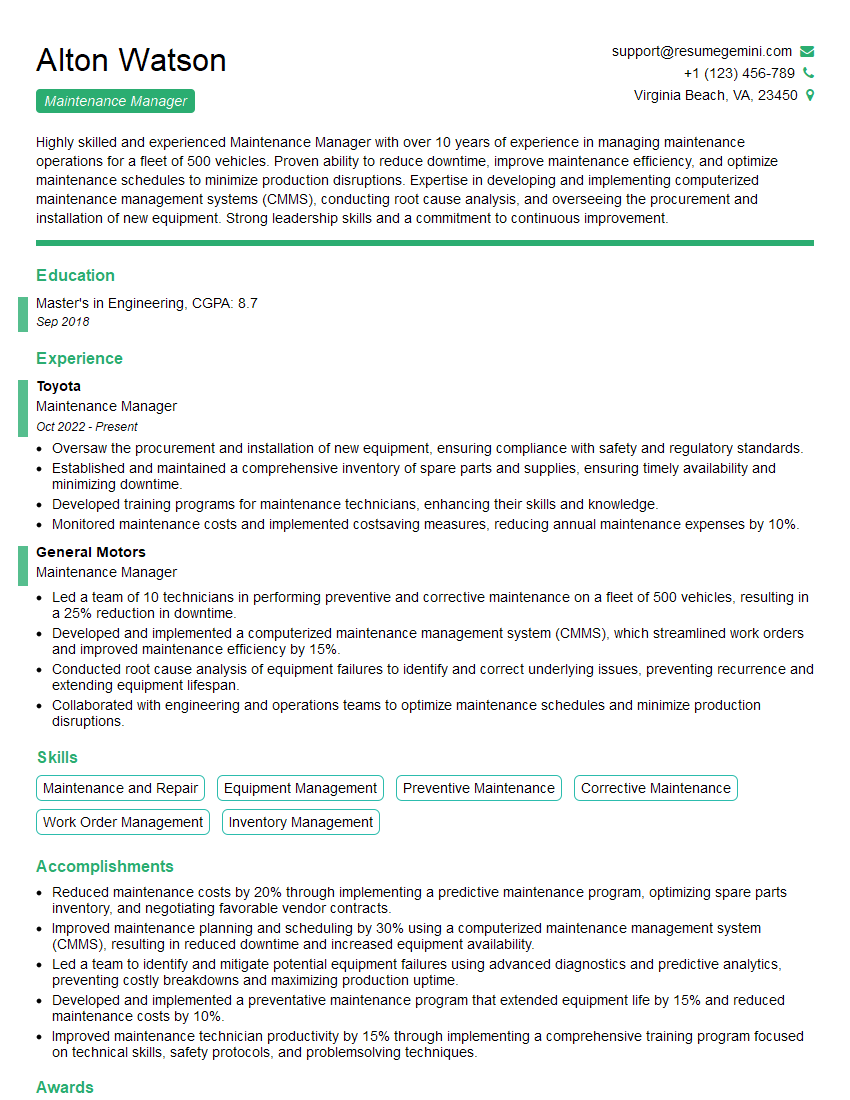
Maintenance Manager Resume Sample
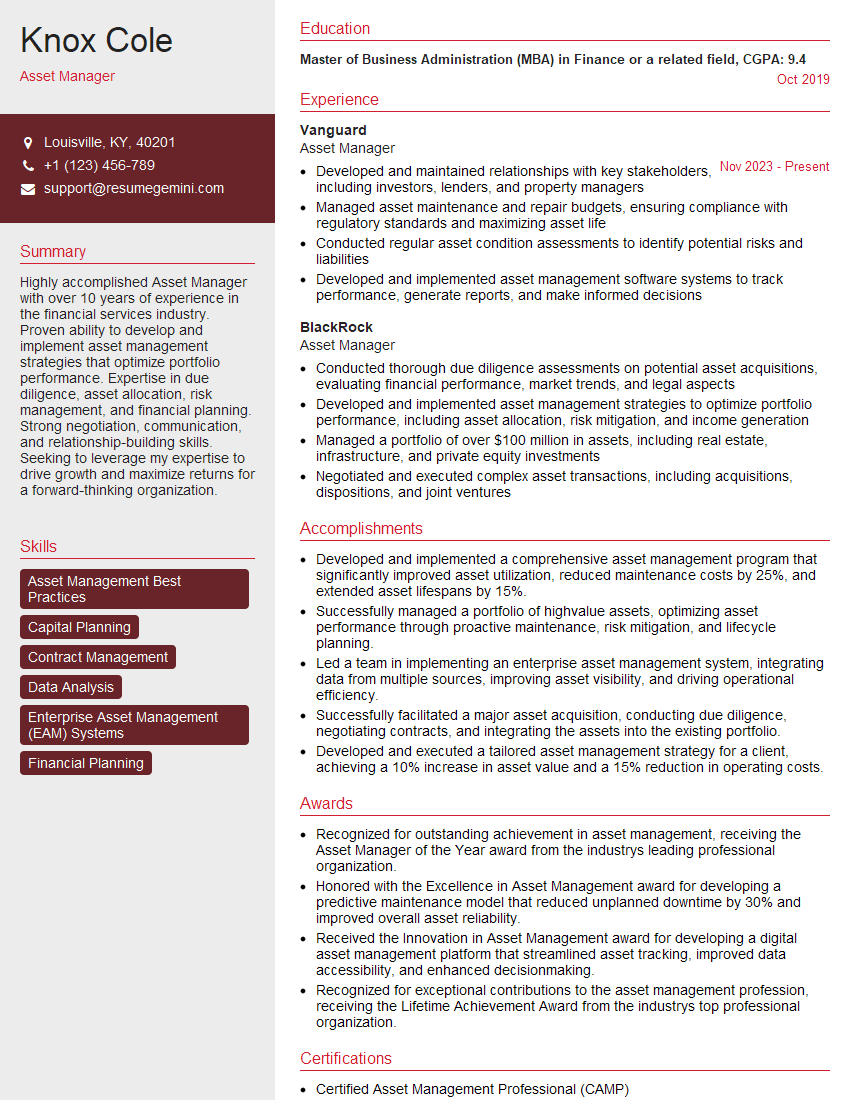
Asset Manager Resume Sample
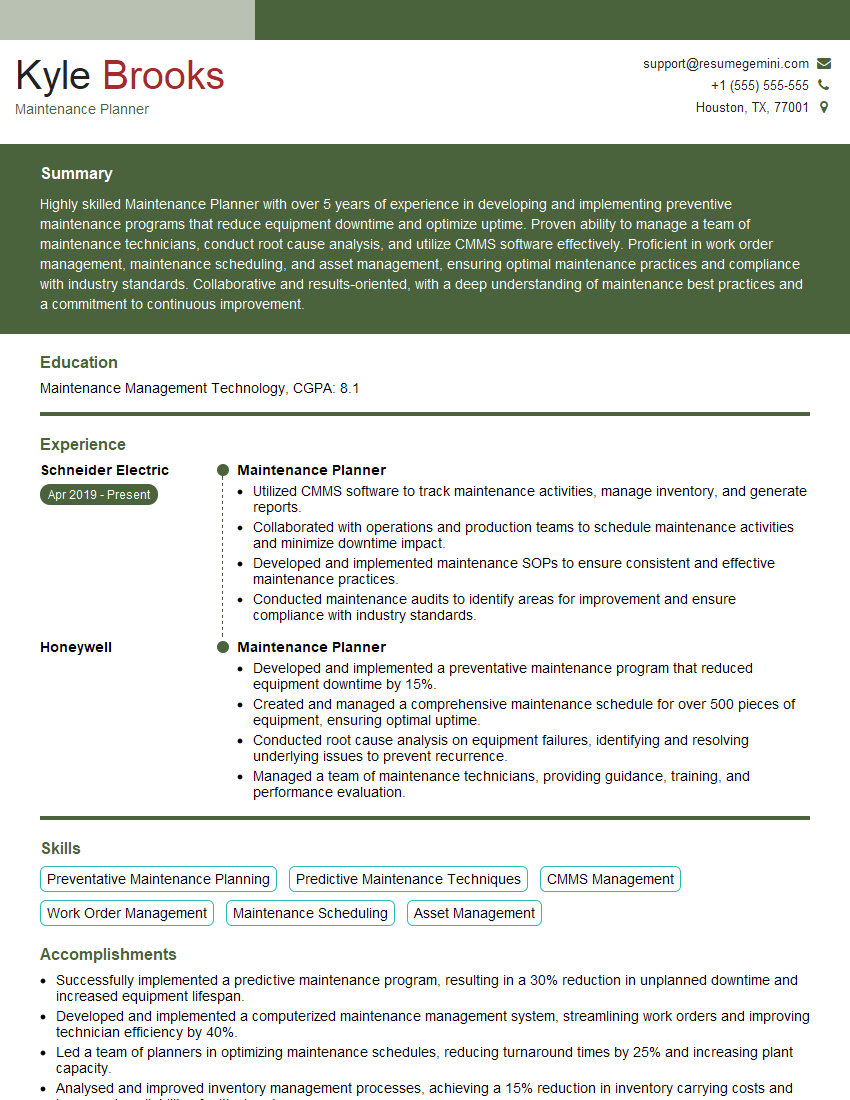
Maintenance Planner Resume Sample
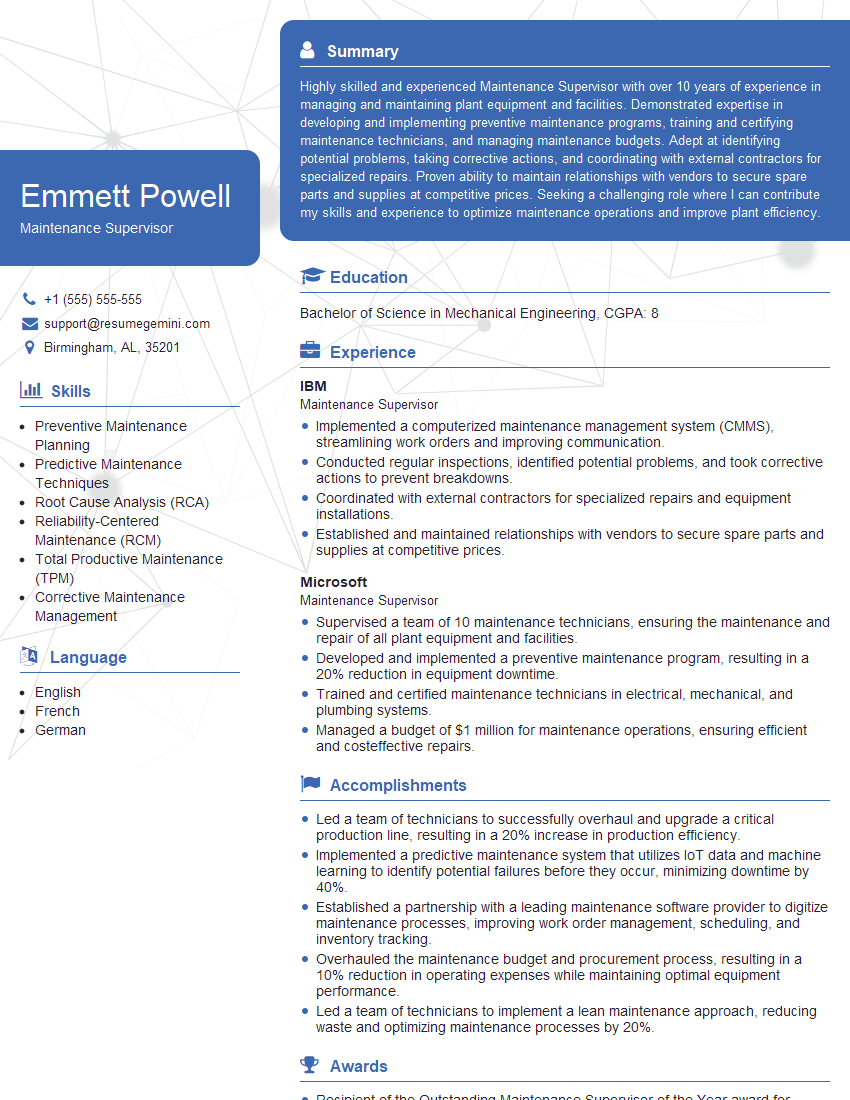
Maintenance Supervisor Resume Sample
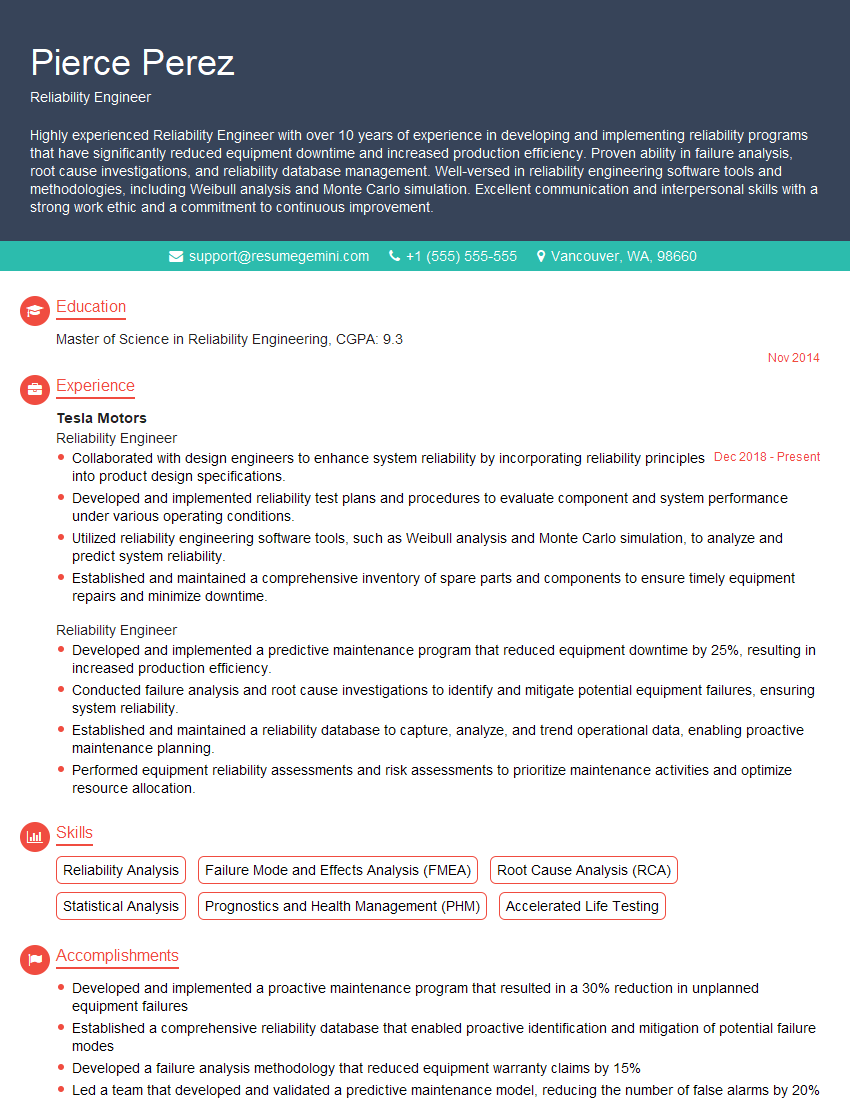
Reliability Engineer Resume Sample
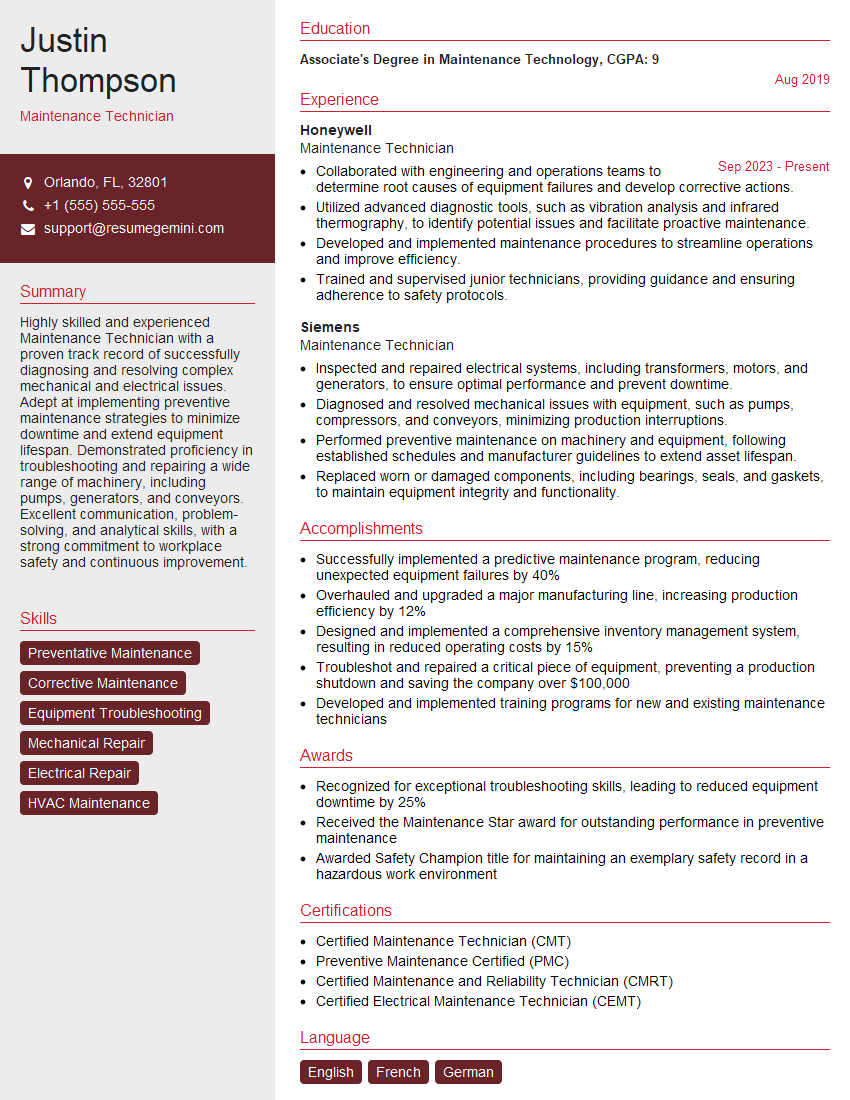
Maintenance Technician Resume Sample
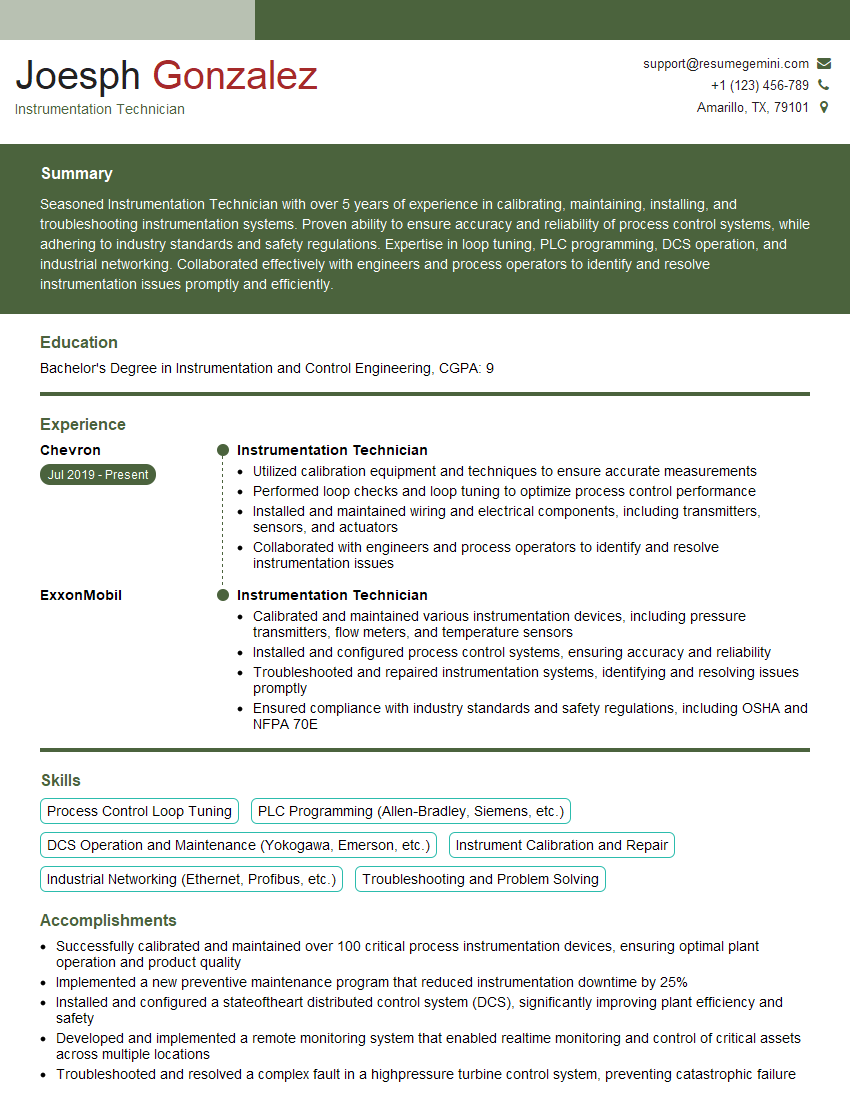
Instrumentation Technician Resume Sample
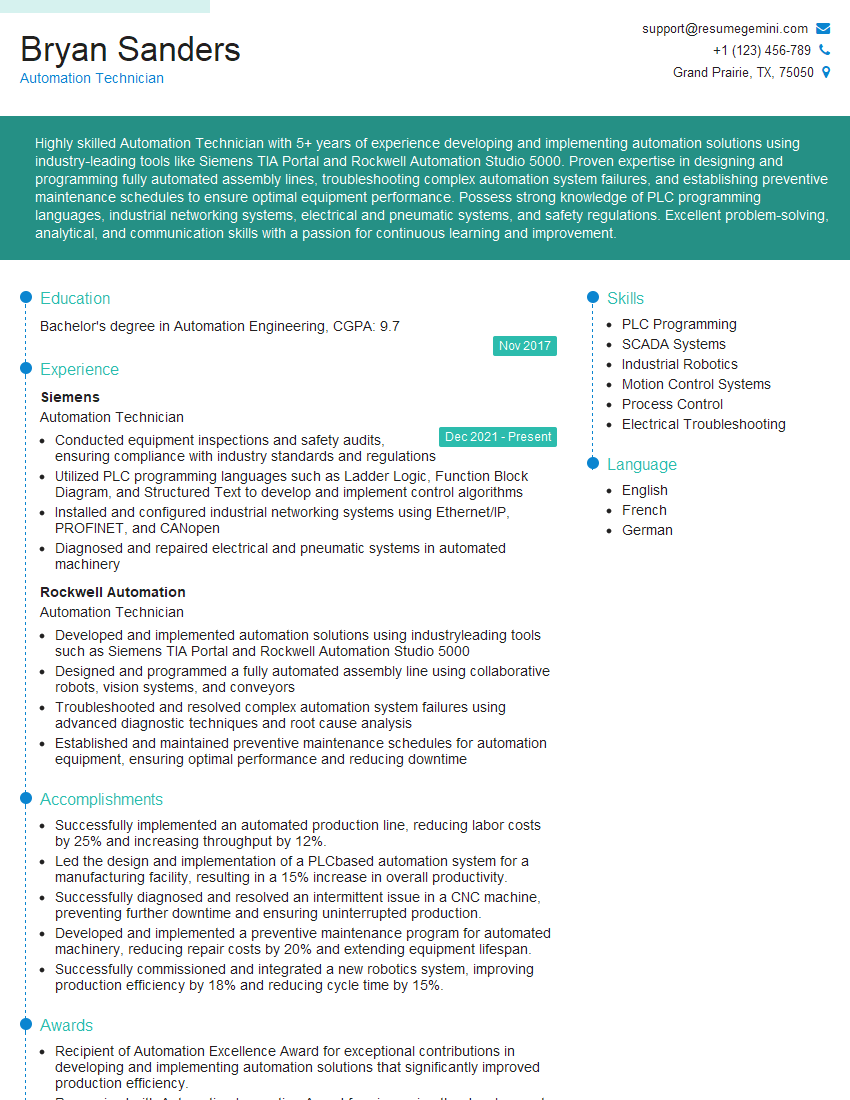
Automation Technician Resume Sample
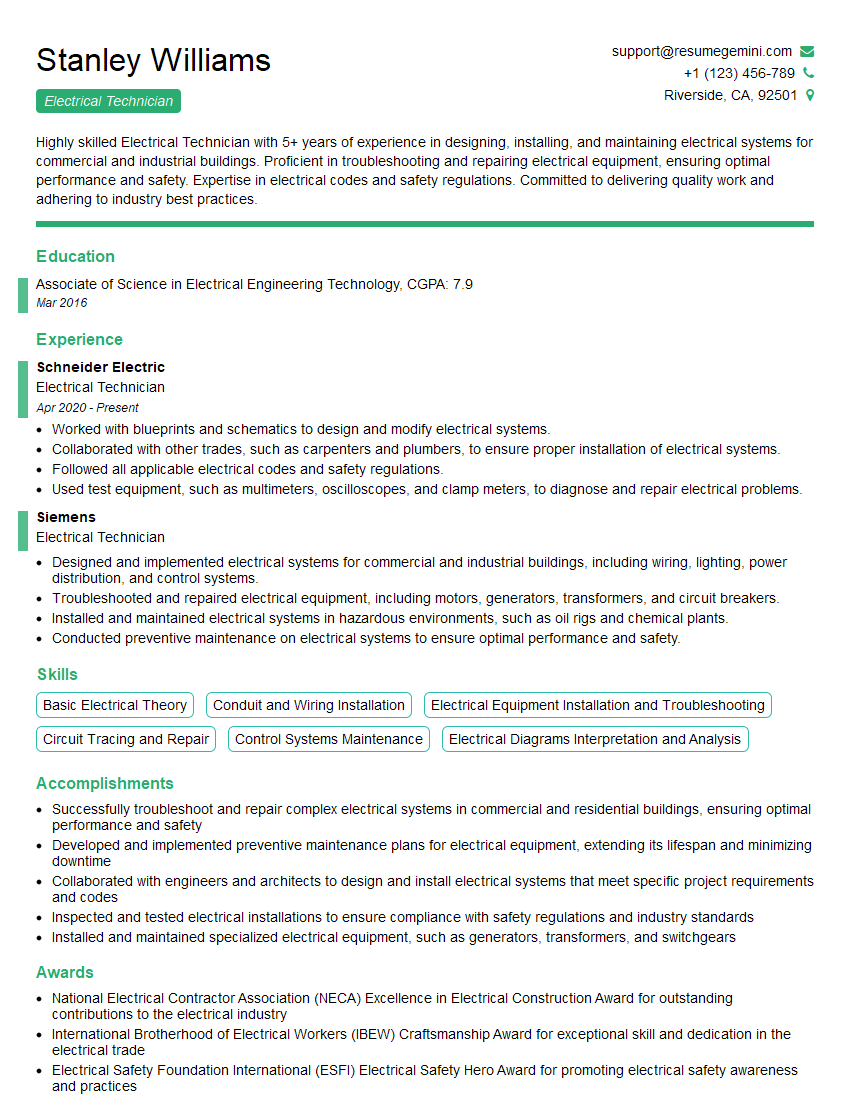
Electrical Technician Resume Sample
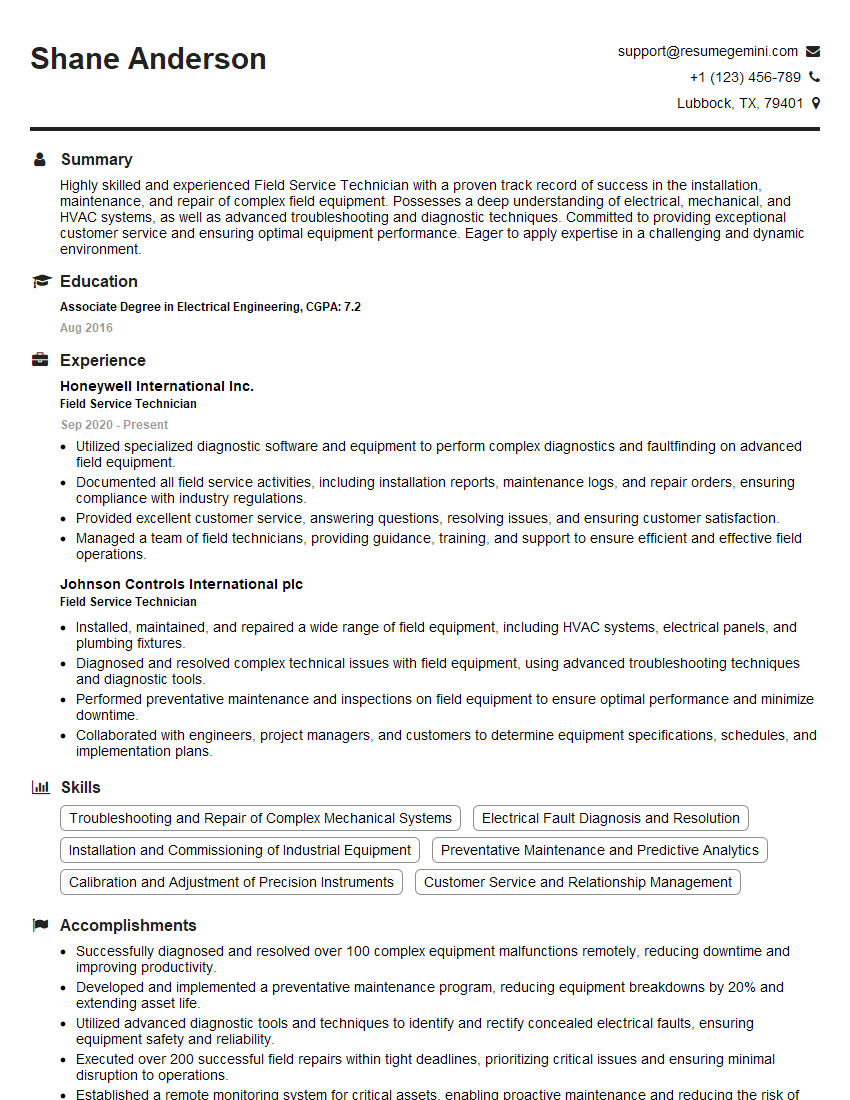
Field Service Technician Resume Sample
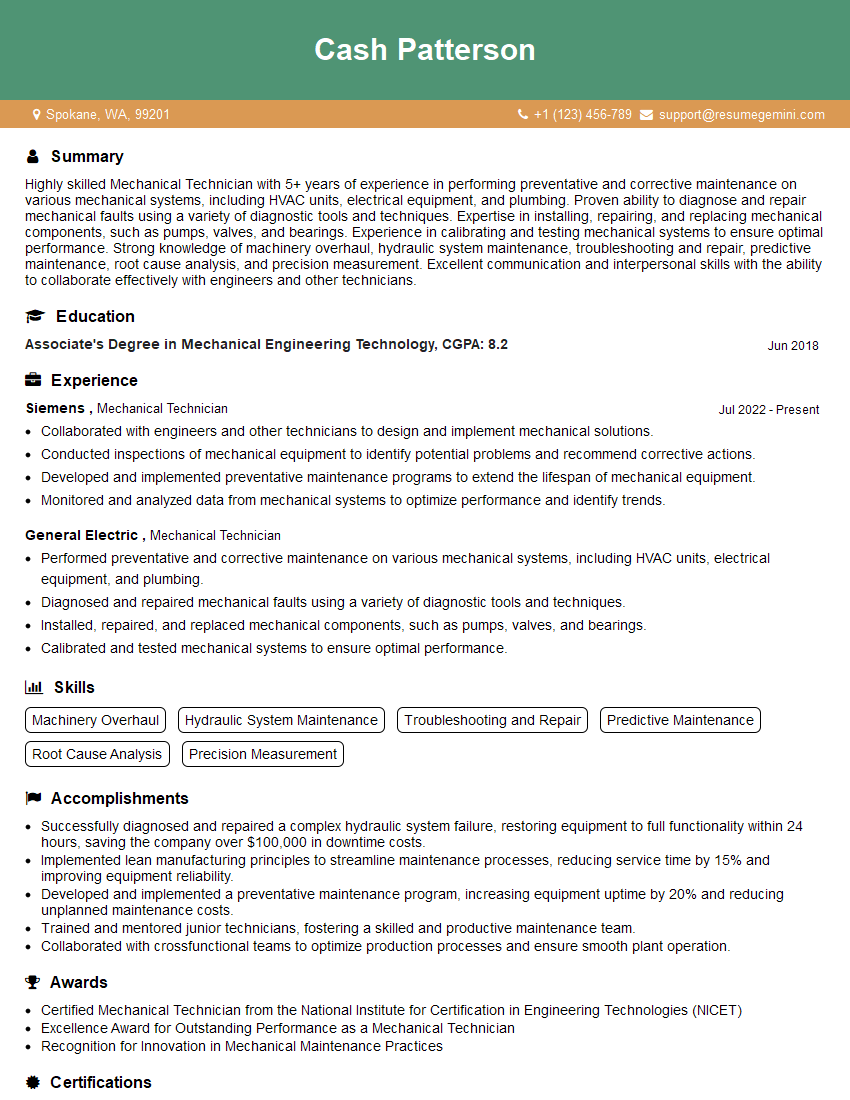
Mechanical Technician Resume Sample
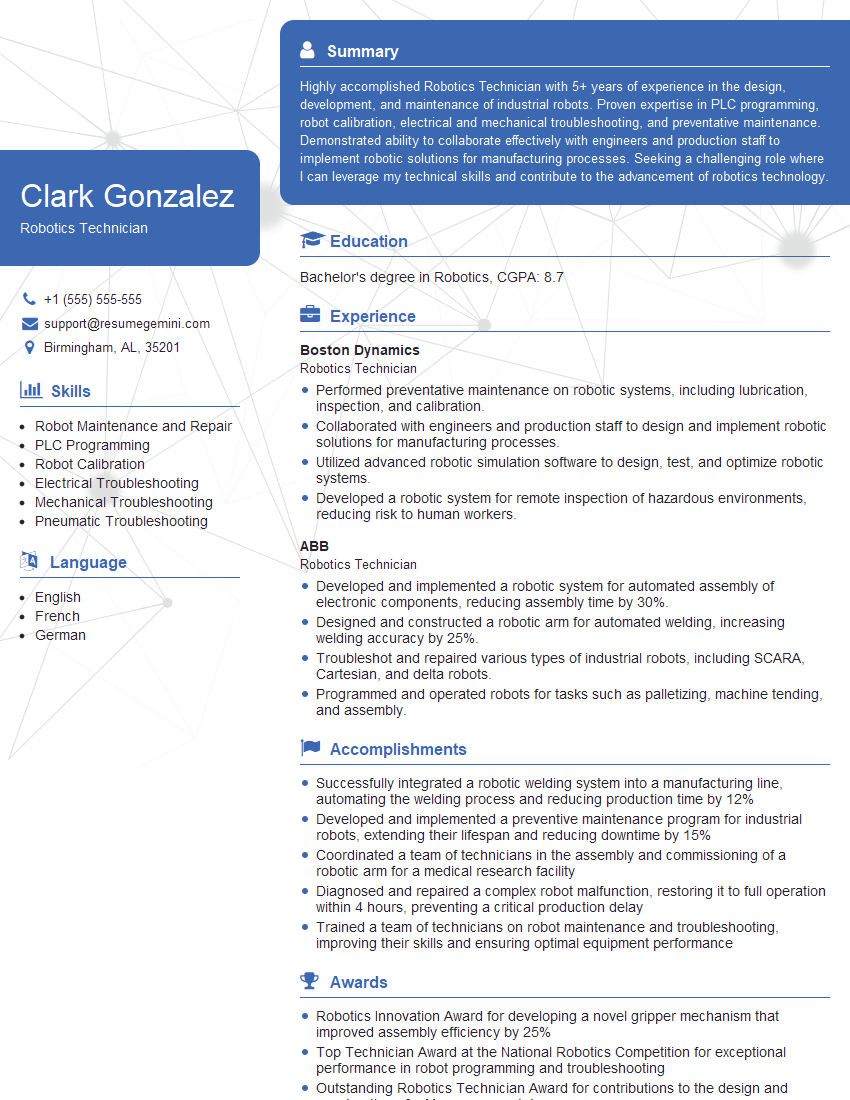
Robotics Technician Resume Sample
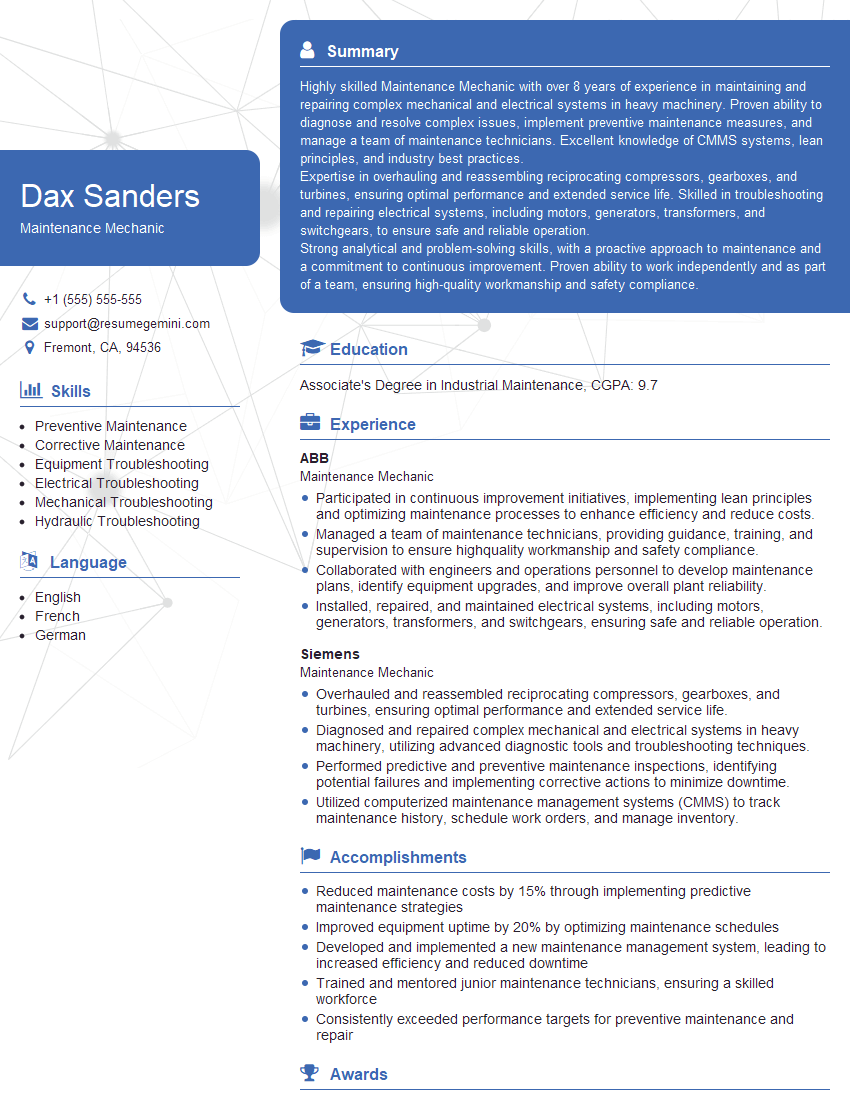
Maintenance Mechanic Resume Sample
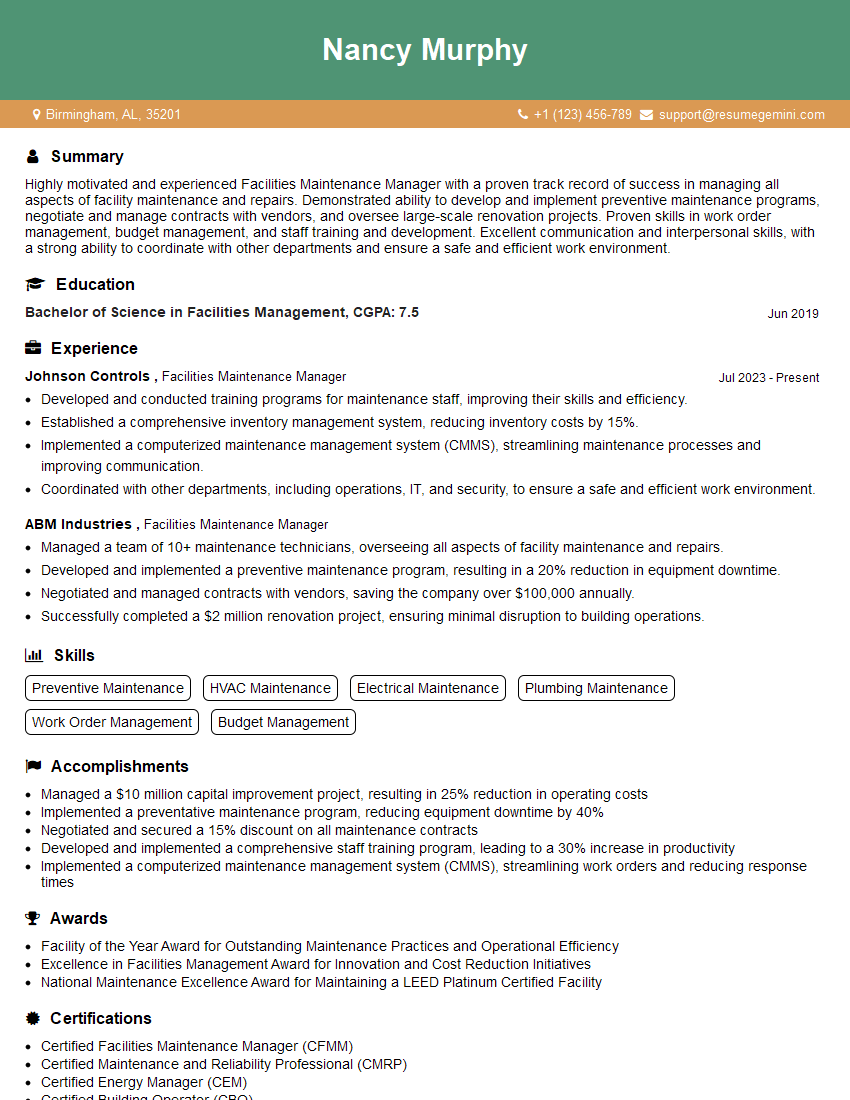
Facilities Maintenance Manager Resume Sample
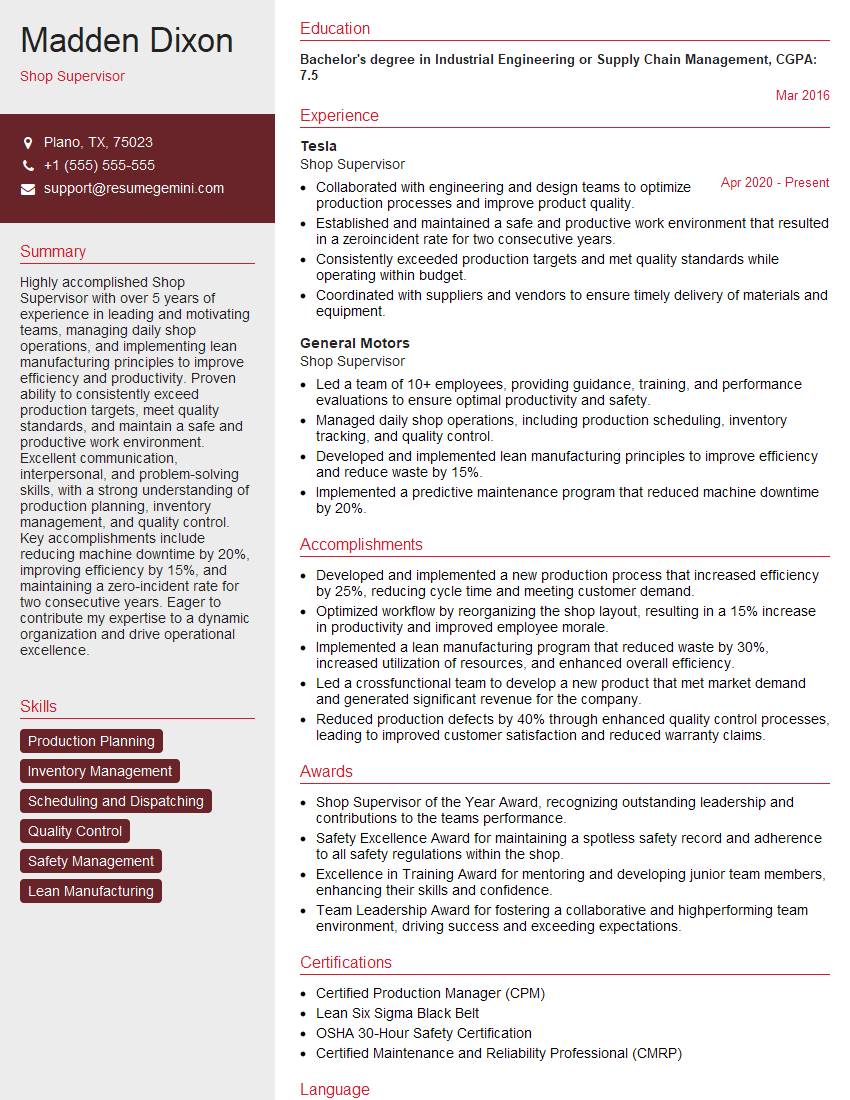
Shop Supervisor Resume Sample
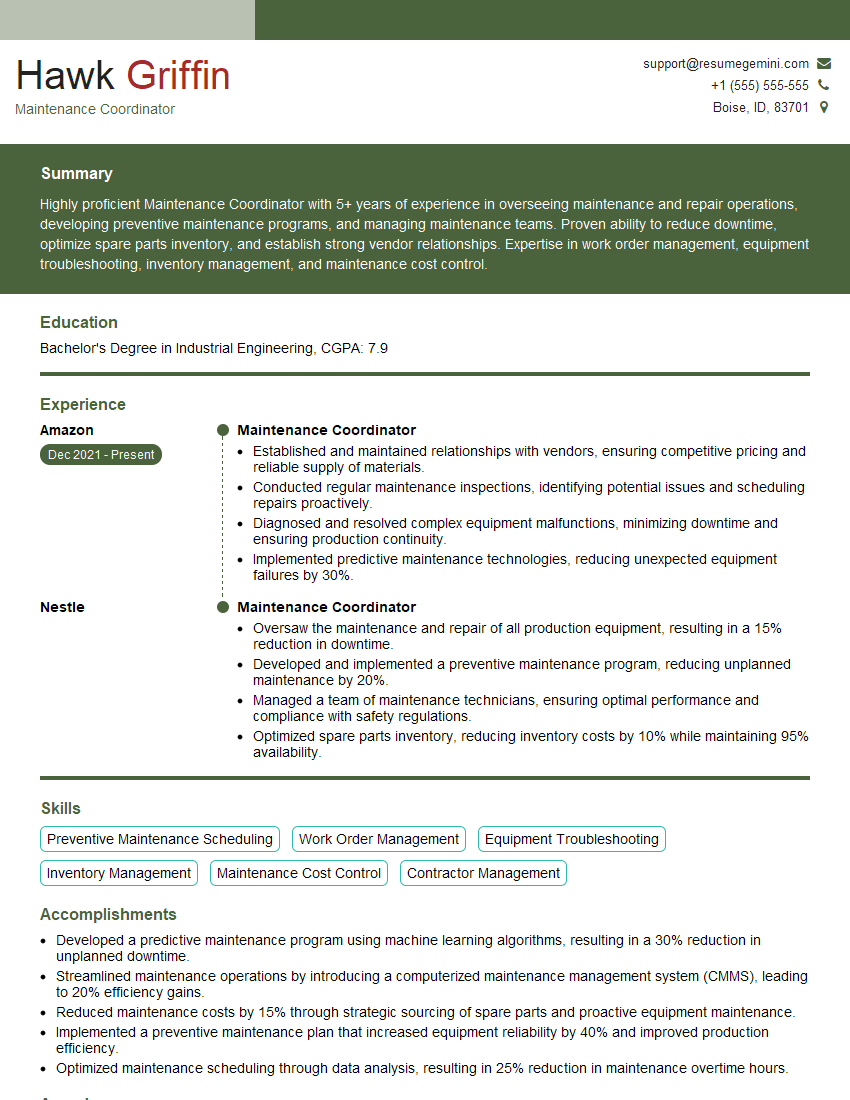
Maintenance Coordinator Resume Sample
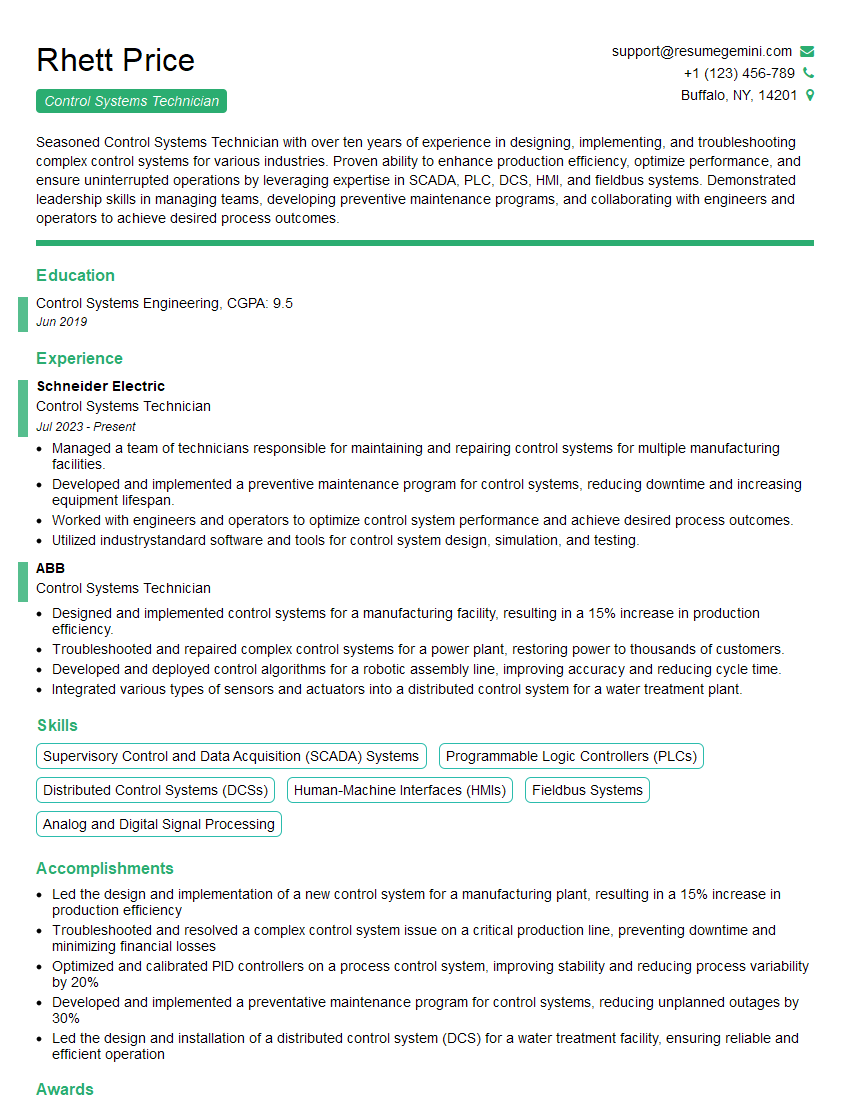
Control Systems Technician Resume Sample

Electromechanical Technician Resume Sample
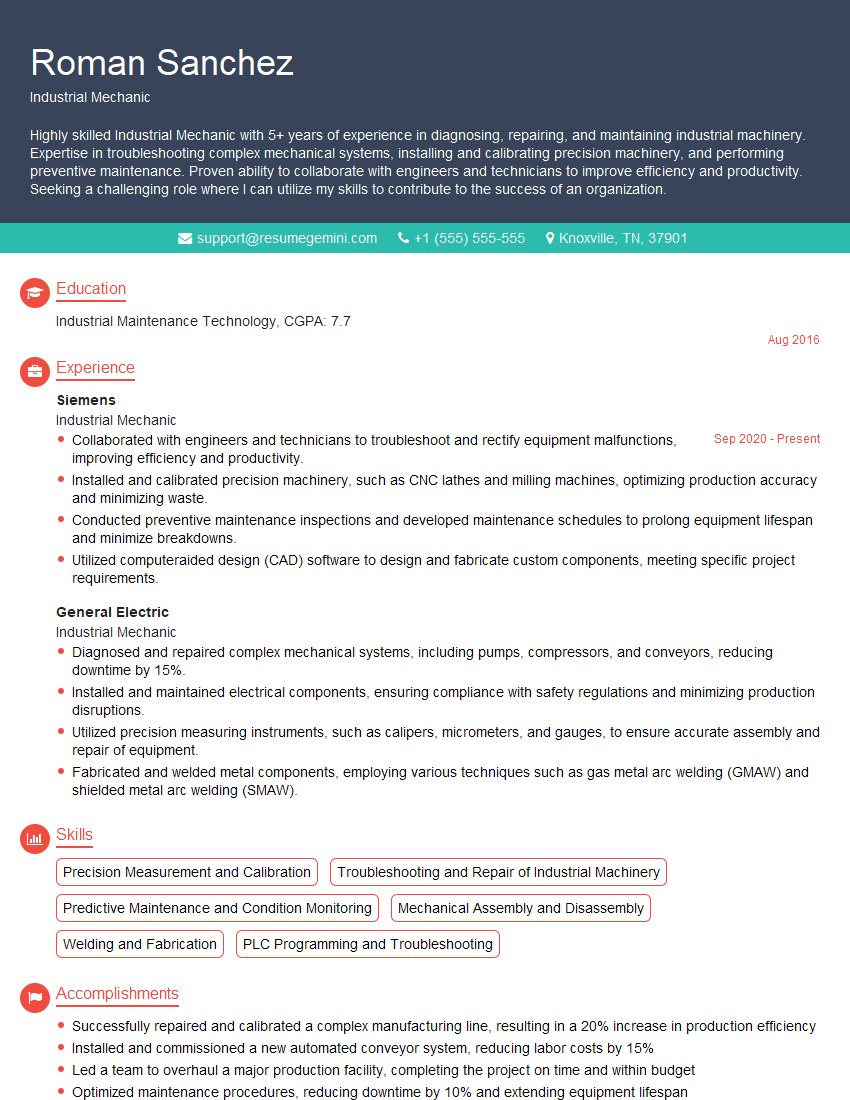
Industrial Mechanic Resume Sample
- Maintenance Manager
- Asset Manager
- Maintenance Planner
- Maintenance Supervisor
- Reliability Engineer
- Maintenance Technician
- Instrumentation Technician
- Automation Technician
- Electrical Technician
- Field Service Technician
- Mechanical Technician
- Robotics Technician
- Maintenance Mechanic
- Facilities Maintenance Manager
- Shop Supervisor
- Maintenance Coordinator
- Control Systems Technician
- Electromechanical Technician
- Industrial Mechanic
Explore more articles
Users Rating of Our Blogs
Share Your Experience
We value your feedback! Please rate our content and share your thoughts (optional).
What Readers Say About Our Blog
To the interviewgemini.com Webmaster.
Very helpful and content specific questions to help prepare me for my interview!
Thank you
To the interviewgemini.com Webmaster.
This was kind of a unique content I found around the specialized skills. Very helpful questions and good detailed answers.
Very Helpful blog, thank you Interviewgemini team.