Preparation is the key to success in any interview. In this post, we’ll explore crucial Immunosuppression interview questions and equip you with strategies to craft impactful answers. Whether you’re a beginner or a pro, these tips will elevate your preparation.
Questions Asked in Immunosuppression Interview
Q 1. Explain the mechanism of action of calcineurin inhibitors.
Calcineurin inhibitors, such as cyclosporine and tacrolimus, are cornerstone drugs in immunosuppression. Their mechanism of action centers around blocking calcineurin, a crucial enzyme in T-cell activation. Think of T-cells as the generals of your immune system’s army; they orchestrate the attack against foreign invaders. Calcineurin is essential for these generals to receive and process the orders (signals) to launch an immune response.
Specifically, after the T-cell receptor (TCR) binds to an antigen, a cascade of intracellular signaling events is initiated. Calcineurin is activated, leading to the dephosphorylation and activation of the nuclear factor of activated T-cells (NFAT). NFAT then translocates to the nucleus, initiating transcription of genes crucial for T-cell proliferation and cytokine production. By inhibiting calcineurin, these drugs prevent NFAT activation, effectively halting T-cell activation and preventing the immune response from attacking transplanted organs or the body’s own tissues in autoimmune diseases.
It’s like cutting off the communication lines between the generals (T-cells) and the rest of the army, preventing them from mounting a coordinated attack.
Q 2. Describe the differences between cyclosporine and tacrolimus.
Cyclosporine and tacrolimus are both calcineurin inhibitors, but they differ in their potency, side effect profiles, and pharmacokinetic properties. Tacrolimus is generally considered more potent than cyclosporine, meaning lower doses are often required to achieve the same immunosuppressive effect. This can lead to a reduction in some side effects, but it also means that even small variations in tacrolimus levels can have significant clinical consequences.
The main difference lies in their binding affinities. Tacrolimus binds to immunophilins (cyclophilin and FKBP12) with greater affinity than cyclosporine. This difference impacts their downstream effects on calcineurin inhibition and ultimately their clinical effects. Another key difference is that tacrolimus has a more pronounced effect on nephrotoxicity (kidney damage) than cyclosporine, though both can cause it. The choice between them often depends on the specific clinical context, patient factors, and the availability of therapeutic drug monitoring facilities.
Imagine them as two different types of wrenches, both capable of loosening a bolt (the immune response), but one (tacrolimus) is more powerful and requires more precise handling.
Q 3. What are the major side effects associated with mycophenolate mofetil?
Mycophenolate mofetil (MMF) is a powerful immunosuppressant that inhibits inosine monophosphate dehydrogenase (IMPDH), a key enzyme in purine synthesis. This action primarily affects rapidly dividing cells, like lymphocytes (the soldiers of the immune system), hindering their proliferation and function. The main side effects of MMF are related to its impact on the gastrointestinal tract and bone marrow.
Common side effects include nausea, diarrhea, abdominal pain, and leukopenia (low white blood cell count). More severe side effects, though less frequent, include bone marrow suppression, leading to increased risk of infections and anemia. It’s crucial to monitor complete blood counts (CBC) regularly in patients on MMF. Pregnancy is also a significant contraindication due to the potential for teratogenic effects (birth defects).
Think of MMF as a targeted weapon that selectively limits the production of ammunition (purines) necessary for the immune cells’ growth and function. However, this targeted approach can also have off-target effects, leading to some unpleasant side effects.
Q 4. Discuss the role of corticosteroids in immunosuppression.
Corticosteroids, like prednisone and methylprednisolone, are potent anti-inflammatory agents widely used in immunosuppression. They exert their effects through multiple mechanisms, including binding to intracellular receptors, altering gene expression, and suppressing the activity of various immune cells. They are especially effective at reducing inflammation and inhibiting the early stages of immune responses.
In transplant recipients, corticosteroids are frequently used in the induction phase (immediately after transplantation) to prevent early rejection. They can also be used for maintenance therapy, though long-term use is limited by significant side effects such as hyperglycemia (high blood sugar), osteoporosis (weakening of the bones), and increased risk of infections. The ability of corticosteroids to dampen the inflammatory response makes them valuable in treating acute rejection episodes, often used in combination with other immunosuppressants.
Corticosteroids are the ‘heavy artillery’ of immunosuppression, quickly calming the immune system but requiring careful management due to their potent side effects.
Q 5. How do you monitor for and manage rejection in organ transplant recipients?
Monitoring and managing rejection in organ transplant recipients is a crucial aspect of post-transplant care. Rejection occurs when the recipient’s immune system recognizes the transplanted organ as foreign and mounts an attack against it. This can range from mild to severe, causing organ damage and potentially leading to graft loss.
Monitoring involves regular clinical examinations, blood tests (looking at creatinine levels for kidney transplants, liver function tests for liver transplants, etc.), and sometimes biopsies of the transplanted organ. Biopsies provide the most direct assessment of rejection, allowing for the identification of specific cellular and histologic changes indicative of rejection. Blood tests provide less direct but more readily available information about organ function and the presence of inflammatory markers.
Management of rejection typically involves increasing the dosage of immunosuppressive drugs or adding new ones. In severe cases, high-dose corticosteroids or other therapies may be necessary. Careful monitoring of side effects and the organ’s response is critical to guide treatment decisions. Early detection and intervention are crucial to prevent irreversible organ damage.
Think of regular monitoring and timely interventions as preventative maintenance for a delicate and sophisticated machine (the transplanted organ).
Q 6. What are the different types of immunosuppression protocols?
Immunosuppression protocols vary depending on the type of transplant, the recipient’s health status, and the risk of rejection. There’s no one-size-fits-all approach. However, common elements include induction therapy, maintenance therapy, and treatment for rejection episodes.
- Induction therapy: High-dose immunosuppressants given immediately after transplantation to prevent early rejection. This often includes corticosteroids, anti-thymocyte globulin (ATG), or basiliximab.
- Maintenance therapy: A combination of immunosuppressants (e.g., calcineurin inhibitor, MMF, corticosteroids) given long-term to prevent chronic rejection. This strategy aims to find the lowest dose that effectively prevents rejection while minimizing side effects.
- Treatment for rejection episodes: This typically involves increasing the doses of existing immunosuppressants or adding new ones, sometimes including high-dose corticosteroids or other agents.
Protocols are carefully tailored to balance the need for effective immunosuppression with the minimization of side effects. The choice of drugs and their doses are often based on evidence-based guidelines and clinical experience.
Q 7. Explain the concept of drug-induced immunosuppression.
Drug-induced immunosuppression refers to the deliberate use of medications to suppress the immune system. This is primarily done to prevent rejection in organ transplantation, treat autoimmune diseases, or prepare patients for bone marrow transplants. Immunosuppressive drugs act by interfering with various aspects of immune cell function, effectively dampening the body’s immune response.
The goal is to achieve a state of controlled immunosuppression – enough to prevent rejection or autoimmune attack, but not so much as to make the individual excessively vulnerable to infections. This requires careful balancing of immunosuppressive medications and ongoing monitoring of the patient’s condition.
Several classes of drugs can be used for this purpose, each having a distinct mechanism of action and potential side effects. The choice of immunosuppressant often involves careful consideration of patient-specific risk factors, potential drug interactions, and organ-specific requirements.
Think of it as using a carefully calibrated dimmer switch to control the intensity of the immune system’s activity.
Q 8. Discuss the importance of patient education in managing immunosuppression.
Patient education is paramount in successful immunosuppression management. It empowers patients to actively participate in their care, leading to better adherence to medication regimens and improved outcomes. Think of it as a partnership – the healthcare team provides the expertise, and the patient’s understanding and cooperation are crucial for success.
- Medication Adherence: Understanding the importance of taking medications as prescribed, even when feeling well, is vital. Missed doses can significantly increase the risk of rejection in transplant patients or flare-ups in autoimmune diseases.
- Infection Prevention: Educating patients on recognizing and avoiding infection sources – such as avoiding crowds during flu season or diligently washing hands – is critical. Immunosuppressed individuals are highly vulnerable.
- Symptom Recognition: Patients must learn to identify early warning signs of complications, such as fever, chills, or unusual fatigue, and seek immediate medical attention. Early intervention significantly improves outcomes.
- Lifestyle Modifications: Depending on the immunosuppressant drugs, adjustments to diet, exercise, or other lifestyle choices may be necessary. For example, some medications can increase the risk of sun sensitivity, requiring patients to take precautions.
- Long-Term Effects: Openly discussing the potential long-term side effects of immunosuppression, such as increased risk of infections or certain cancers, helps patients make informed decisions and manage expectations.
For example, a patient receiving a kidney transplant needs to understand the critical role of their medication in preventing rejection. Regular follow-up appointments and clear communication with the transplant team are essential.
Q 9. What are the challenges in managing immunosuppression in patients with infections?
Managing immunosuppression in infected patients presents significant challenges. The suppressed immune system makes them highly vulnerable to severe infections, and treating these infections is complicated by the need to balance infection control with maintaining sufficient immunosuppression to prevent rejection (in transplant cases) or autoimmune flare-ups.
- Delayed Diagnosis: The blunted immune response can mask or delay the onset of symptoms, making diagnosis challenging.
- Atypical Presentations: Infections may present atypically due to immunosuppression, making diagnosis difficult and potentially delaying appropriate treatment.
- Treatment Limitations: Certain medications used to combat infections may interact negatively with immunosuppressants, requiring careful consideration and monitoring.
- Increased Severity: Infections in immunosuppressed patients often progress more rapidly and severely, requiring aggressive treatment.
- Risk of opportunistic infections: Immunosuppression significantly increases the risk of opportunistic infections caused by pathogens that typically don’t affect healthy individuals, such as Pneumocystis jirovecii pneumonia or cytomegalovirus infection. These infections often require specific, sometimes prolonged, treatment regimens.
Imagine a heart transplant recipient who develops pneumonia. Treating the pneumonia is crucial, but simultaneously, we must maintain adequate immunosuppression to prevent organ rejection. This requires careful balancing and close monitoring of the patient’s condition.
Q 10. How do you assess the efficacy of an immunosuppression regimen?
Assessing the efficacy of an immunosuppression regimen involves a multi-faceted approach, focusing on both clinical outcomes and laboratory data.
- Clinical Outcomes: This includes monitoring for signs of rejection (in transplant patients) or disease flare-ups (in autoimmune disease). This may involve regular physical exams, imaging studies (e.g., ultrasound, CT scans), or other relevant tests.
- Laboratory Monitoring: Blood tests to monitor blood counts (especially lymphocytes), kidney and liver function, and drug levels are essential. These tests help identify potential side effects and guide dosage adjustments.
- Biopsy (Transplant Patients): In transplant recipients, a biopsy of the transplanted organ may be necessary to assess the extent of any rejection and guide treatment decisions.
- Patient-Reported Outcomes: Gathering information from patients about their symptoms and overall well-being is also important. This helps assess the impact of immunosuppression on their quality of life.
For example, in a kidney transplant recipient, a decrease in creatinine levels (a marker of kidney function) and an absence of clinical signs of rejection, coupled with stable drug levels, indicate effective immunosuppression. However, if creatinine levels rise and signs of rejection are present, adjustments to the regimen will be necessary.
Q 11. Describe the role of T-cells in transplant rejection.
T-cells play a central role in transplant rejection, specifically the CD4+ helper T cells and CD8+ cytotoxic T cells. These cells recognize the donor organ’s antigens as foreign, initiating an immune response.
- Antigen Recognition: Donor antigens presented by antigen-presenting cells (APCs) are recognized by T-cell receptors (TCRs) on the surface of T-cells.
- Activation of T-cells: This recognition triggers T-cell activation and proliferation, leading to the release of cytokines and cytotoxic molecules.
- Cellular Response: CD4+ T cells assist in activating other immune cells, such as macrophages, which contribute to the inflammatory process and tissue damage. CD8+ T cells directly attack and destroy donor cells.
- Humoral Response: Activated T cells also stimulate B cells, leading to the production of antibodies that further contribute to organ rejection.
Think of it like this: T-cells are the ‘soldiers’ of the immune system. In transplant rejection, these soldiers mistakenly identify the transplanted organ as an enemy and attack it. The goal of immunosuppression is to ‘disarm’ these soldiers, preventing them from mounting an attack on the new organ.
Q 12. Explain the mechanism of action of mTOR inhibitors.
mTOR (mammalian target of rapamycin) inhibitors are a class of immunosuppressants that work by inhibiting the mTOR pathway, a critical signaling pathway involved in cell growth, proliferation, and survival. By blocking this pathway, they suppress the activation and proliferation of T-cells and other immune cells, thereby reducing the risk of transplant rejection and autoimmune disease activity.
- Mechanism: mTOR inhibitors bind to mTOR, preventing it from phosphorylating its downstream targets. This ultimately inhibits protein synthesis, cell growth, and immune cell activation.
- Clinical Applications: They are used in various settings, including organ transplantation, autoimmune diseases, and some types of cancer.
- Examples: Commonly used mTOR inhibitors include sirolimus (Rapamune) and everolimus (Zortress).
- Side Effects: Common side effects include hyperlipidemia, mouth sores, nausea, and increased risk of infections. Careful monitoring of blood lipid profiles is necessary.
In simpler terms, mTOR inhibitors act like brakes on the immune system, slowing down the overactive immune response that leads to transplant rejection or autoimmune disease.
Q 13. What are the long-term effects of immunosuppression?
Long-term immunosuppression carries significant risks, including an increased susceptibility to various infections and malignancies. The duration and intensity of immunosuppression directly influence the severity and likelihood of these complications.
- Infections: Opportunistic infections, such as those caused by fungi, viruses, and certain bacteria, are a major concern. These infections can range from relatively mild to life-threatening.
- Malignancies: The risk of certain cancers, such as lymphoma, skin cancers, and other lymphoproliferative disorders, is increased in individuals on long-term immunosuppression.
- Cardiovascular Disease: Some immunosuppressants are associated with increased risk of hypertension, hyperlipidemia, and other cardiovascular problems.
- Renal Dysfunction: Certain immunosuppressants can cause or worsen kidney damage.
- Diabetes: Some immunosuppressants can contribute to the development or worsening of diabetes mellitus.
- Osteoporosis: Certain immunosuppressants can negatively impact bone density, increasing the risk of fractures.
For example, a patient on long-term immunosuppression for rheumatoid arthritis may experience a higher risk of developing shingles or lymphoma. Regular monitoring and preventative measures, such as vaccinations, are crucial.
Q 14. Describe the management of opportunistic infections in immunosuppressed patients.
Managing opportunistic infections in immunosuppressed patients requires a prompt and aggressive approach, often involving specialized expertise and potent anti-infective agents. Early diagnosis and treatment are critical to improving outcomes.
- Rapid Diagnosis: Prompt identification of the causative pathogen is key, often requiring specialized laboratory tests.
- Targeted Therapy: Treatment is tailored to the specific pathogen, with the choice of medication guided by culture and sensitivity results. Broad-spectrum antibiotics may be initially used before results are available.
- Dose Adjustment: Dosage adjustments may be necessary to account for the patient’s immunosuppressed state. This may include higher doses or prolonged treatment duration.
- Supportive Care: Supportive care is critical, addressing fluid balance, nutritional support, and respiratory assistance as needed.
- Immunomodulation: In some cases, strategies to temporarily reduce the immunosuppression (carefully weighed against the risk of rejection) may be considered.
For instance, if a patient with AIDS develops Pneumocystis jirovecii pneumonia (PCP), treatment with high-dose trimethoprim-sulfamethoxazole is usually initiated immediately. Careful monitoring and supportive care are paramount.
Q 15. How do you differentiate between acute and chronic rejection?
Acute rejection is a rapid, often life-threatening response by the recipient’s immune system to a transplanted organ, typically occurring within the first few weeks post-transplant. It’s like an immediate allergic reaction, where the body aggressively attacks the ‘foreign’ organ. Symptoms can include organ dysfunction (e.g., reduced kidney function), fever, and pain. In contrast, chronic rejection is a slow, insidious process that develops over months or years. It’s like a slow, silent erosion, where the immune system gradually damages the organ’s blood vessels and tissues, leading to gradual loss of function. This often manifests as subtle changes in organ function, eventually resulting in organ failure. The key differentiator lies in the speed of onset and the nature of the immune response: acute rejection is swift and aggressive, while chronic rejection is gradual and insidious.
For example, imagine a kidney transplant. Acute rejection might manifest as a sudden drop in urine output and a rise in creatinine levels within days of transplantation. Chronic rejection, however, could present with a gradual decline in kidney function over several years, potentially masked by other factors initially.
Career Expert Tips:
- Ace those interviews! Prepare effectively by reviewing the Top 50 Most Common Interview Questions on ResumeGemini.
- Navigate your job search with confidence! Explore a wide range of Career Tips on ResumeGemini. Learn about common challenges and recommendations to overcome them.
- Craft the perfect resume! Master the Art of Resume Writing with ResumeGemini’s guide. Showcase your unique qualifications and achievements effectively.
- Don’t miss out on holiday savings! Build your dream resume with ResumeGemini’s ATS optimized templates.
Q 16. Discuss the use of monoclonal antibodies in immunosuppression.
Monoclonal antibodies (mAbs) are a cornerstone of immunosuppressive therapy, specifically targeting various components of the immune system to prevent organ rejection. They work like precision-guided missiles, honing in on specific immune cells or molecules responsible for the rejection process. Different mAbs have different targets. For instance, some target T cells (like basiliximab or daclizumab), which are key players in cellular rejection, while others target B cells (like rituximab), preventing antibody-mediated rejection. Yet others, such as anti-IL-2 receptor antibodies (basiliximab, daclizumab), block the activation and proliferation of T-cells. This targeted approach reduces the generalized immunosuppression needed by other agents, minimizing the risk of opportunistic infections and other side effects.
For example, basiliximab is frequently used in kidney transplantation to prevent acute rejection by blocking the IL-2 receptor on T cells. This limits their activation and proliferation, thus lessening their attack on the transplanted kidney. The use of these agents is always individualized to each patient’s specific needs and risk factors.
Q 17. What are the ethical considerations in immunosuppression therapy?
Immunosuppression therapy, while life-saving for transplant recipients, presents several ethical challenges. The most prominent is the balance between preventing rejection and managing the significant risks associated with immunosuppression. Suppressing the immune system increases vulnerability to infections, cancers, and other opportunistic diseases. This necessitates careful weighing of the benefits of organ transplantation against the potential harms of long-term immunosuppression. Informed consent is paramount; patients must fully understand the risks and benefits before starting therapy. Additionally, equitable access to transplantation and immunosuppressive medications is a significant ethical concern. The high cost of these treatments can create disparities in access based on socioeconomic factors.
Another ethical issue involves the potential for long-term health consequences in transplant recipients. Patients receiving these medications are at increased risk of diabetes, hypertension, and cardiovascular disease. The life-long commitment to managing these side effects needs to be fully explained and supported.
Q 18. Explain the concept of personalized immunosuppression.
Personalized immunosuppression aims to tailor immunosuppressive regimens to the individual patient, optimizing efficacy while minimizing side effects. Traditional approaches use a standardized ‘one-size-fits-all’ strategy, leading to significant variability in response and increased risk of adverse events. Personalized immunosuppression considers factors such as the patient’s genetic makeup, immune profile, and the specific characteristics of the transplanted organ to design a bespoke regimen. This may involve using advanced techniques like pharmacogenomics (analyzing how genes affect drug response) to predict the likelihood of adverse events or adjusting the dosage and type of immunosuppressants based on individual immune responses, monitored through frequent blood tests and biopsies. It’s like creating a custom suit rather than wearing an off-the-rack one.
For example, pharmacogenomic testing might reveal that a patient has a genetic predisposition to developing certain side effects from a specific immunosuppressant, prompting the clinician to choose an alternative medication or adjust the dosage to mitigate these risks.
Q 19. How do you monitor renal function in patients receiving calcineurin inhibitors?
Calcineurin inhibitors, such as tacrolimus and cyclosporine, are potent immunosuppressants frequently used after transplantation, but they can cause nephrotoxicity (kidney damage). Monitoring renal function is crucial to detect and manage this risk. This involves regular assessment of serum creatinine levels, estimated glomerular filtration rate (eGFR), and urinalysis. Creatinine is a waste product filtered by the kidneys, so elevated levels suggest reduced kidney function. eGFR estimates the filtering capacity of the kidneys. Urinalysis checks for proteinuria (protein in the urine), which indicates kidney damage. Regular blood pressure monitoring is also crucial, as hypertension is another common side effect associated with calcineurin inhibitors.
For instance, a patient on tacrolimus might undergo weekly creatinine and eGFR checks in the early post-transplant period. If creatinine levels rise or eGFR falls, the tacrolimus dose might be reduced or another nephroprotective strategy implemented. The goal is to maintain immunosuppression while preventing significant kidney damage.
Q 20. Discuss the role of biologics in immunosuppression.
Biologics are a class of immunosuppressive agents derived from living organisms, often engineered to target specific components of the immune system. They offer improved efficacy and safety profiles compared to traditional immunosuppressants in many cases. Examples include monoclonal antibodies (discussed earlier), as well as fusion proteins (e.g., belatacept) and cytokines (e.g., interleukin-2). They target key pathways in the immune response, thereby minimizing off-target effects on other organs. This precision targeting reduces the overall immunosuppression required, thereby lowering the risk of infections. Biologics are often used in combination with other immunosuppressants to achieve optimal efficacy.
For example, belatacept, a fusion protein, is used as an alternative to calcineurin inhibitors in kidney transplantation. It selectively blocks the costimulatory pathway of T-cells, reducing the risk of nephrotoxicity without compromising graft survival. The selection of a specific biologic depends on the clinical context, patient characteristics and the presence of other comorbidities.
Q 21. Describe the management of hyperglycemia in patients receiving corticosteroids.
Corticosteroids, like prednisone, are powerful immunosuppressants widely used in transplantation, but they can induce hyperglycemia (high blood sugar) due to their effect on glucose metabolism. Managing this requires a multi-pronged approach. Regular monitoring of blood glucose levels is paramount. Lifestyle modifications, including diet and exercise, are crucial for preventing or controlling hyperglycemia. If lifestyle adjustments are insufficient, oral hypoglycemic medications, such as metformin, may be needed. In some cases, insulin therapy might be necessary. Close collaboration between the transplant team and an endocrinologist is essential to optimize glycemic control while minimizing the impact on immunosuppression.
For example, a patient receiving high-dose prednisone might need to follow a diabetes-friendly diet and monitor their blood sugar several times daily. If their blood glucose levels remain uncontrolled despite lifestyle changes, the doctor might prescribe metformin or even insulin to achieve satisfactory glycemic control.
Q 22. What are the potential drug interactions with immunosuppressants?
Immunosuppressants, while crucial for preventing organ rejection and managing autoimmune diseases, frequently interact with other medications. These interactions can either reduce the effectiveness of the immunosuppressant, increasing the risk of rejection or disease flare-up, or enhance its effects, leading to increased toxicity. The severity of these interactions varies greatly depending on the specific drugs involved and the patient’s individual metabolism.
Increased Toxicity: Combining immunosuppressants like calcineurin inhibitors (e.g., cyclosporine, tacrolimus) with nephrotoxic drugs (e.g., aminoglycosides) significantly increases the risk of kidney damage. Similarly, concurrent use of azathioprine with allopurinol can lead to bone marrow suppression because allopurinol inhibits the metabolism of azathioprine, increasing its concentration.
Reduced Efficacy: Rifampin, a common antibiotic, can induce the metabolism of many immunosuppressants, rendering them less effective. This necessitates dose adjustments or alternative immunosuppressive regimens. Similarly, St. John’s Wort, a herbal supplement, can interact with many drugs, including immunosuppressants, reducing their efficacy.
Altered Pharmacokinetics: Some interactions alter the absorption, distribution, metabolism, or excretion of immunosuppressants. For example, grapefruit juice inhibits the metabolism of certain immunosuppressants, leading to increased blood levels and the risk of toxicity.
Careful medication reconciliation and close monitoring of both drug levels and patient response are essential to manage these interactions effectively. This includes detailed patient history taking, regular blood tests to monitor kidney and liver function, and consideration of alternative medications when necessary. For example, a patient receiving cyclosporine and needing an antibiotic might necessitate a careful evaluation of antibiotic choices to minimize the risk of nephrotoxicity.
Q 23. How do you manage graft-versus-host disease?
Graft-versus-host disease (GvHD) is a serious complication following allogeneic stem cell transplantation, where the donor’s immune cells attack the recipient’s tissues. Management involves a multifaceted approach focusing on early detection and aggressive treatment.
Steroids: High-dose corticosteroids, like methylprednisolone, are the cornerstone of GvHD treatment, rapidly reducing inflammation.
Calcineurin Inhibitors: Tacrolimus or cyclosporine can be used in combination with steroids to further suppress the immune response.
Other Immunosuppressants: Agents like mycophenolate mofetil, azathioprine, or sirolimus might be added if steroid-sparing regimens are needed or if GvHD is resistant to initial therapy.
Biologics: Monoclonal antibodies targeting specific immune cells, such as anti-thymocyte globulin or alemtuzumab, may be used in severe or refractory cases.
Supportive Care: This is vital and includes managing infections, nutritional support, and treating organ-specific complications of GvHD, such as liver or gut involvement. Regular monitoring of organ function and disease activity is crucial for effective management.
The choice of treatment depends on the severity and location of GvHD. Early intervention is critical to improve outcomes. For instance, a patient presenting with mild skin GvHD might respond well to topical steroids, while severe gastrointestinal GvHD may require aggressive systemic immunosuppression and supportive care.
Q 24. Explain the principles of minimizing immunosuppressive therapy.
Minimizing immunosuppressive therapy is crucial to reduce the risk of serious side effects such as infections, malignancy, and kidney or liver damage. The goal is to maintain sufficient immunosuppression to prevent rejection or disease flare-up while using the lowest possible dose and the fewest drugs possible.
Careful Patient Selection: Identifying individuals who truly require immunosuppression is important. Not everyone needing an organ transplant or diagnosed with an autoimmune disease needs maximum immunosuppression. Some patients may only need lower doses or shorter durations of therapy.
Individualized Therapy: Tailoring the immunosuppressive regimen to each patient’s unique characteristics (age, comorbidities, disease severity) is essential. Factors like genetics and immune response can influence the required dose and duration of therapy.
Therapeutic Drug Monitoring (TDM): Regular monitoring of drug levels allows for precise dose adjustments, ensuring therapeutic levels are maintained without excessive exposure to the medication.
Gradual Tapering: When possible, slowly reducing the dose of immunosuppressants over time allows for immune system recovery while reducing the risk of sudden rejection or disease flare-up. This process requires careful monitoring.
Immunomodulatory Agents: Exploring alternative therapies, like immunomodulators, can help reduce the reliance on strong immunosuppressants. These agents can help to modulate the immune response without significantly suppressing it.
Minimizing immunosuppression is a dynamic process requiring close collaboration between the healthcare provider and patient. Regular monitoring and prompt adjustments are essential to achieve optimal outcomes and balance immunosuppression with the risk of adverse effects. Imagine it like adjusting a thermostat: too high risks overheating, too low risks being cold. The goal is to find the perfect temperature – the balance between immunosuppression and patient safety.
Q 25. Discuss the use of anti-thymocyte globulin.
Anti-thymocyte globulin (ATG) is a polyclonal antibody preparation derived from animal serum (typically horse or rabbit) that targets T lymphocytes, a crucial component of the adaptive immune system. Its primary use is in the context of organ transplantation and stem cell transplantation.
Induction Therapy: ATG is often used as part of the induction regimen in organ transplantation, to prevent early rejection and reduce the required dose of maintenance immunosuppressants. This reduces side effects from maintenance immunosuppression.
Treatment of Rejection: It’s employed in cases of severe or steroid-resistant rejection episodes. It can help to control the rejection process and prevent the need for increased doses of other immunosuppressive agents.
Stem Cell Transplantation: ATG helps to suppress the recipient’s immune system prior to and after stem cell transplantation, minimizing the risk of graft rejection and GvHD.
ATG is associated with side effects, including infusion reactions (fever, chills, hypotension), cytopenias (decreased blood cell counts), and infections. It’s crucial to monitor blood counts and other clinical parameters closely. Premedication with corticosteroids and antihistamines is often necessary to reduce infusion-related reactions. For instance, a patient undergoing kidney transplant might receive ATG as part of the induction regimen to suppress their immune response, reducing the chance of rejection in the initial critical weeks following surgery.
Q 26. What are the common causes of immunosuppression failure?
Immunosuppression failure, meaning the inability to prevent organ rejection or control autoimmune disease, can stem from several factors.
Non-compliance: Patients failing to take their medications as prescribed is a major cause of failure. This can result in subtherapeutic drug levels and subsequent rejection or disease flare-up.
Drug Interactions: Interactions between immunosuppressants and other medications, as previously discussed, can compromise their efficacy.
Underlying Diseases: Pre-existing conditions like diabetes or hypertension can affect drug metabolism and response, impacting immunosuppression effectiveness.
Immunosenescence: Reduced immune function due to aging can lead to decreased responsiveness to immunosuppression, particularly in older patients.
Development of Resistance: The immune system may develop resistance to certain immunosuppressants, necessitating alternative therapies.
Insufficient Dosage: Even with proper compliance, the prescribed dosage may not be sufficient to suppress the immune response fully. This often necessitates dosage adjustment.
Diagnosing the cause of immunosuppression failure requires a thorough investigation, including drug level monitoring, assessment of compliance, evaluation for drug interactions, and review of underlying medical conditions. A multidisciplinary approach involving transplant surgeons, nephrologists, immunologists, and pharmacists is often necessary to resolve these challenges.
Q 27. Describe the challenges of managing immunosuppression in pediatric patients.
Managing immunosuppression in pediatric patients presents unique challenges due to their ongoing growth and development, immature immune systems, and evolving pharmacokinetics.
Growth and Development: The impact of immunosuppression on growth and development needs careful consideration. Some immunosuppressants can affect linear growth, bone density, and puberty. Regular monitoring of growth parameters is vital.
Immature Immune System: Children’s immune systems are more susceptible to infections compared to adults, posing a higher risk of severe complications with immunosuppression. Prophylactic measures, such as vaccinations and infection prevention strategies, are crucial.
Pharmacokinetic Differences: Drug absorption, distribution, metabolism, and excretion differ significantly in children compared to adults. This necessitates dose adjustments based on age, weight, and body surface area. Precise dosing is often challenging and may require specialized formulations.
Compliance: Ensuring medication compliance can be difficult in children, requiring careful education and involvement of caregivers. The use of liquid formulations and other strategies may be necessary.
Toxicity: The risk of severe toxicity from immunosuppressants can be heightened in children due to their immature organ systems.
Managing immunosuppression in children requires a multidisciplinary team approach involving pediatric nephrologists, immunologists, pharmacists, and psychosocial support to address the unique needs of the child and their family. Close monitoring of growth, development, organ function, and adverse effects is paramount. For example, a child receiving immunosuppression for a kidney transplant might need regular growth assessments and modifications to their medication based on their growth trajectory.
Q 28. Explain the impact of immunosuppression on the immune system.
Immunosuppression significantly impacts the immune system by reducing its ability to fight off infections and eliminate abnormal cells. The degree of impact varies depending on the type and dose of immunosuppressant used. It’s a double-edged sword; necessary for treating certain conditions but carrying inherent risks.
Increased Susceptibility to Infections: Immunosuppression leaves the body vulnerable to various infections, including opportunistic infections caused by microorganisms that normally don’t cause illness in healthy individuals. The severity of infections can range from mild to life-threatening.
Increased Risk of Malignancies: The suppressed immune system loses its ability to detect and eliminate cancerous cells, leading to an increased risk of various types of cancers, including lymphomas and skin cancers.
Impaired Wound Healing: The immune system plays a crucial role in wound healing. Immunosuppression can delay and impair the healing process.
Autoimmune Disease Flare-up: In autoimmune diseases, immunosuppression might inadvertently suppress beneficial immune responses, leading to temporary or prolonged disease exacerbations.
Altered Immune Cell Populations: Immunosuppressants can alter the composition and function of different immune cell populations, affecting both innate and adaptive immunity. This disruption weakens the body’s defense mechanisms.
The impact of immunosuppression on the immune system necessitates careful monitoring for infections and other complications. Prophylactic measures and prompt treatment of infections are essential to manage these risks. For example, a patient receiving a liver transplant might experience increased susceptibility to bacterial and viral infections, necessitating close surveillance and preventive strategies such as antibiotic prophylaxis.
Key Topics to Learn for Immunosuppression Interview
- Mechanisms of Immunosuppression: Understand the different ways immunosuppression is achieved, including the role of various drugs and their targets (e.g., calcineurin inhibitors, mTOR inhibitors, corticosteroids).
- Clinical Applications: Explore the use of immunosuppression in organ transplantation, autoimmune diseases (rheumatoid arthritis, lupus, etc.), and other relevant conditions. Discuss patient selection criteria and monitoring strategies.
- Adverse Effects and Management: Familiarize yourself with the common side effects of immunosuppressive drugs (infection risk, nephrotoxicity, etc.) and the methods used to mitigate these risks. Be prepared to discuss patient management strategies.
- Immunogenicity and Drug Resistance: Grasp the concepts of how the immune system can respond to immunosuppressants and develop resistance. Discuss the implications for treatment strategies.
- Monitoring Immunosuppression: Understand the different methods used to monitor the effectiveness of immunosuppression and adjust treatment accordingly (e.g., blood tests, biopsies).
- Specific Immunosuppressant Drugs: Develop a strong understanding of the pharmacology, mechanism of action, and clinical use of key immunosuppressive drugs. Be prepared to compare and contrast different agents.
- Ethical Considerations: Consider the ethical implications of using immunosuppressive therapies, including informed consent and risk-benefit assessments.
- Future Directions in Immunosuppression: Research advancements in targeted therapies and novel approaches to immunosuppression. This demonstrates a proactive and forward-thinking approach.
Next Steps
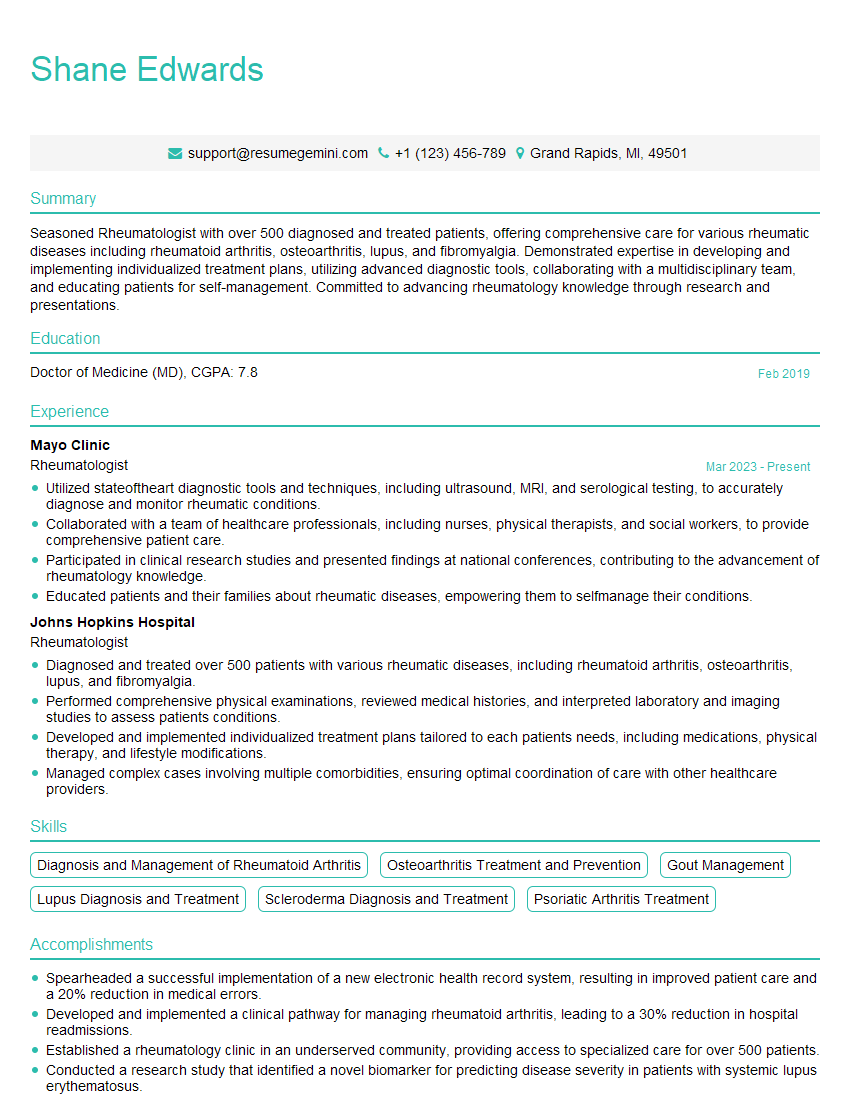
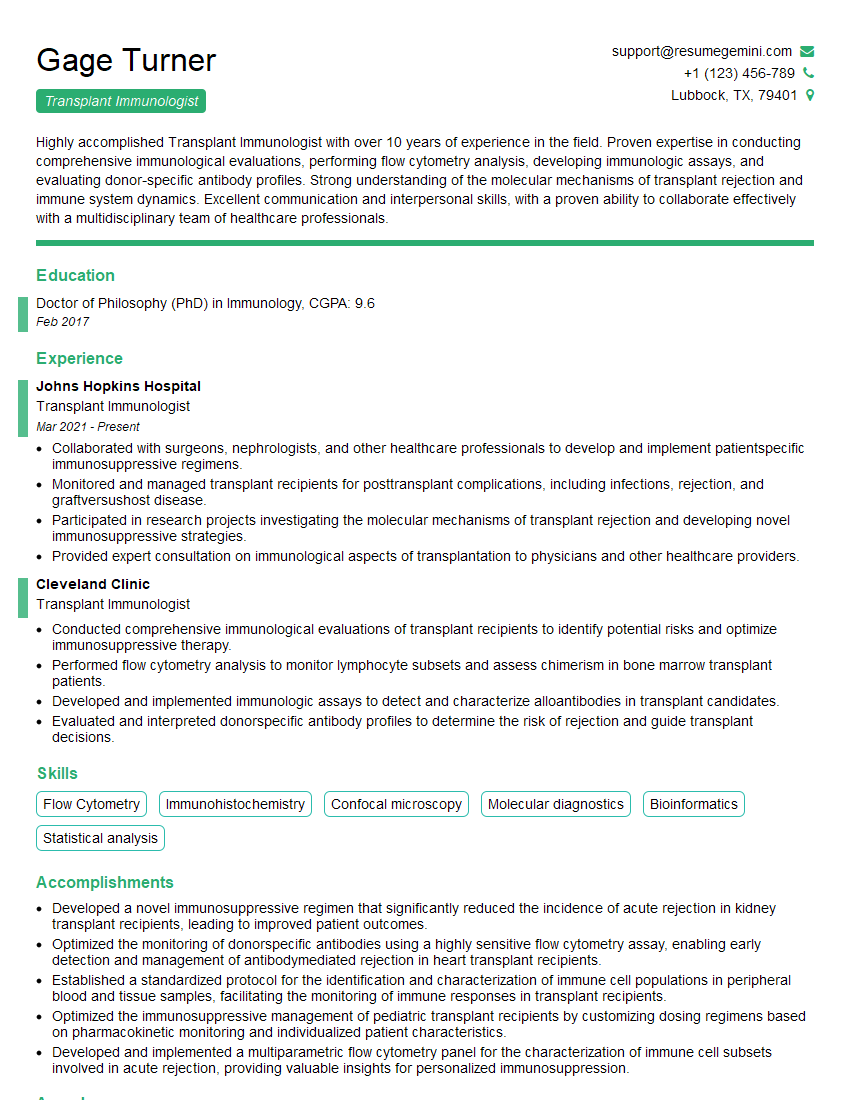
Mastering Immunosuppression is crucial for advancing your career in the pharmaceutical, research, or healthcare sectors. A deep understanding of this complex field will significantly enhance your job prospects and open doors to exciting opportunities. To maximize your chances, creating an ATS-friendly resume is essential. A well-structured resume can help your application stand out and increase your chances of securing an interview. We strongly recommend using ResumeGemini, a trusted resource for building professional resumes. ResumeGemini provides examples of resumes tailored to Immunosuppression to help you present your skills and experience effectively. Take the next step towards your dream career today!



Explore more articles
Users Rating of Our Blogs
Share Your Experience
We value your feedback! Please rate our content and share your thoughts (optional).
What Readers Say About Our Blog
To the interviewgemini.com Webmaster.
Very helpful and content specific questions to help prepare me for my interview!
Thank you
To the interviewgemini.com Webmaster.
This was kind of a unique content I found around the specialized skills. Very helpful questions and good detailed answers.
Very Helpful blog, thank you Interviewgemini team.