Unlock your full potential by mastering the most common Emergency Action Levels interview questions. This blog offers a deep dive into the critical topics, ensuring you’re not only prepared to answer but to excel. With these insights, you’ll approach your interview with clarity and confidence.
Questions Asked in Emergency Action Levels Interview
Q 1. Define Emergency Action Levels (EALs) and their purpose.
Emergency Action Levels (EALs) are a predetermined, hierarchical system used to standardize responses to emergencies. They provide a structured framework for escalating actions based on the severity and impact of an incident. The purpose of EALs is to ensure consistent, timely, and effective responses, minimizing damage and protecting lives. They help organizations move from a reactive to a proactive posture during crises.
Q 2. Describe the hierarchy of EALs in your experience.
The hierarchy of EALs typically involves multiple levels, each representing a progressively more serious situation. A common structure might look like this:
- EAL 0: Normal Operations: No immediate threat. Standard operating procedures are in effect.
- EAL 1: Alert: An unusual event or potential threat is detected. Increased monitoring and preparedness are initiated.
- EAL 2: Warning: A credible threat exists, requiring enhanced preparedness and possible partial evacuation or resource mobilization.
- EAL 3: Emergency: A significant incident has occurred, demanding immediate and full-scale response. This may involve full evacuation, extensive resource deployment, and external agency coordination.
- EAL 4: Disaster: A catastrophic event requiring widespread response, potentially involving multiple agencies and significant long-term recovery efforts. This is often characterized by widespread damage and significant loss of life.
The specific number of levels and their descriptions can vary depending on the organization and the types of emergencies it faces. For example, a hospital might have more granular EALs focused on internal incidents (e.g., fire, mass casualty event), while a large manufacturing facility might emphasize industrial accidents and hazardous material releases.
Q 3. Explain the criteria used to trigger each EAL.
The criteria for triggering each EAL are carefully defined beforehand, usually based on factors like:
- Severity of the incident: The potential for injuries, fatalities, or environmental damage.
- Scale of the impact: The number of people affected, the geographical area impacted, and the disruption to normal operations.
- Uncertainty: The level of unknown factors and potential for escalation.
- Resource requirements: The level of resources needed to mitigate the incident.
For example, a small fire contained within a single room might trigger an EAL 1 (Alert), while a large fire spreading rapidly across multiple buildings would trigger an EAL 3 (Emergency). These criteria are often detailed in comprehensive procedures and checklists, ensuring consistency in decision-making under pressure.
Q 4. What are the key communication protocols during different EALs?
Communication protocols are vital during different EALs. They should be clearly defined and practiced regularly. Generally:
- EAL 0-1: Standard communication channels are used (e.g., email, intranet). Increased monitoring of situation reports may occur.
- EAL 2: Dedicated communication channels are activated (e.g., emergency alert system, dedicated phone lines). Regular updates are issued to stakeholders.
- EAL 3-4: Multiple communication channels are used simultaneously to ensure widespread dissemination of information. This may involve mass notification systems, public announcements, and media coordination. A central command center is usually established to coordinate communications.
Using a standardized communication template and clear terminology helps avoid confusion during a stressful situation. This might involve pre-defined terminology and roles, ensuring efficient and coordinated messaging.
Q 5. How do you ensure effective coordination among different teams during an emergency?
Effective coordination is critical. This is achieved through:
- Pre-defined roles and responsibilities: Each team member should understand their duties during different EALs.
- Regular training and drills: Simulations help teams practice their responses and improve coordination.
- Centralized command structure: A designated leader should oversee all response efforts.
- Clear communication channels: Use of a common operating picture (COP) and situation reports ensures everyone has access to the same information.
- Dedicated liaison officers: These individuals coordinate with external agencies (e.g., emergency services, government agencies).
For instance, in a hospital during a mass casualty incident (MCI), the emergency department, operating room, and intensive care units would coordinate their resources and patient management under the supervision of a central Incident Commander.
Q 6. Describe your experience in developing or implementing an EAL plan.
I was involved in developing and implementing the EAL plan for a large pharmaceutical manufacturing facility. This involved:
- Hazard identification and risk assessment: We identified potential threats, such as fires, explosions, chemical spills, and equipment failures.
- Development of EAL criteria: We defined specific triggers for each EAL based on the severity and scale of potential incidents.
- Development of response procedures: This included evacuation plans, emergency shutdown procedures, and communication protocols.
- Training and drills: We conducted regular training exercises to familiarize staff with the EAL plan and to improve coordination.
- Plan review and updates: We regularly reviewed and updated the plan to reflect changes in the facility and to incorporate lessons learned from drills and near-miss events.
The process involved extensive collaboration with safety officers, facility managers, and emergency services personnel.
Q 7. How do you assess the effectiveness of an EAL plan?
Assessing the effectiveness of an EAL plan is an ongoing process. Methods include:
- Regular drills and exercises: These allow for testing the plan’s effectiveness and identifying areas for improvement.
- Post-incident reviews: After an actual incident, analyzing the response and identifying areas where the plan worked well and areas for improvement is critical.
- Feedback from stakeholders: Gathering input from personnel involved in the response, both during drills and actual events, provides valuable insight.
- Data analysis: Tracking key metrics such as response times, resource utilization, and effectiveness of communication can highlight areas needing improvement.
- Periodic plan review and updates: Regularly reviewing and updating the plan ensures it remains relevant and effective over time.
For example, we might analyze the time taken to evacuate a building during a fire drill or review communication logs following a real incident to see how effectively information flowed. This ongoing feedback loop is essential for continual improvement.
Q 8. What metrics do you use to measure the success of EAL implementation?
Measuring the success of Emergency Action Level (EAL) implementation isn’t solely about the absence of incidents; it’s about the effectiveness of our response and preparedness. We use a multi-faceted approach, employing both quantitative and qualitative metrics.
- Quantitative Metrics: These include the time taken to activate each EAL, the number of personnel successfully mobilized, the accuracy of resource allocation (e.g., the correct type and quantity of equipment deployed), and the overall time taken to bring the situation under control. We track these using data logs and post-incident reports.
- Qualitative Metrics: These focus on the effectiveness of communication, the clarity of procedures, and the overall performance of the team. We achieve this through post-incident debriefs, surveys of personnel involved, and analysis of feedback from stakeholders. For example, we might assess whether team members felt adequately prepared, if communication channels functioned effectively, and if there were any communication breakdowns.
- Benchmarking: We compare our performance against industry best practices and similar organizations, using both internal and external benchmarks. This helps identify areas for improvement and track progress over time.
A successful EAL implementation demonstrates a well-coordinated and efficient response, minimizing negative impacts and ensuring personnel safety.
Q 9. Explain the role of risk assessment in developing EALs.
Risk assessment is the cornerstone of developing effective EALs. It’s a systematic process of identifying potential hazards, analyzing their likelihood and potential consequences, and determining appropriate control measures. Without a thorough risk assessment, the EALs might be inadequate, overly simplistic, or unnecessarily complex.
We use a structured approach, involving:
- Hazard Identification: Brainstorming sessions, checklists, historical data analysis, and site surveys help us pinpoint potential threats (e.g., natural disasters, equipment failure, security breaches).
- Risk Analysis: We quantify the likelihood and severity of each hazard using methods like risk matrices. This allows us to prioritize hazards based on their potential impact.
- Risk Control: We develop control measures to mitigate the risks. These can range from implementing engineering controls (e.g., backup power systems) to administrative controls (e.g., improved training programs) and the development of our EALs as a crucial procedural control.
- EAL Development: Based on the risk analysis, we define the criteria and response actions for each EAL. The severity of the identified risks directly influences the activation triggers and response protocols for each level.
For instance, a high-risk hazard, like a major chemical spill, might trigger EAL 3 immediately, while a minor equipment malfunction might only warrant EAL 1.
Q 10. How do you incorporate lessons learned from past incidents into future EAL plans?
Lessons learned from past incidents are invaluable for improving future EAL plans. We conduct thorough post-incident analyses, incorporating input from all personnel involved. This often includes:
- Incident Review: A detailed examination of the incident timeline, actions taken, and outcomes.
- Root Cause Analysis: Identifying the underlying factors contributing to the incident, not just the immediate causes.
- Gap Analysis: Comparing our response to the established EALs and identifying any gaps in training, procedures, or resource allocation.
- Action Planning: Developing and implementing corrective actions to prevent similar incidents in the future. This might involve revising EALs, updating training materials, or acquiring new equipment.
For example, if a previous incident revealed communication failures during a major event, we might revise the EAL to include alternative communication channels and implement more rigorous communication training.
Q 11. Describe your experience in conducting emergency drills and exercises.
I have extensive experience in conducting emergency drills and exercises, ranging from small-scale table-top exercises to large-scale, multi-agency simulations. These exercises are crucial for testing the EALs and ensuring personnel preparedness.
My approach includes:
- Scenario Development: Creating realistic scenarios based on identified risks and potential hazards.
- Exercise Design: Structuring the exercises to test specific aspects of the EALs, such as communication, resource allocation, and decision-making.
- Exercise Execution: Facilitating the exercises, providing realistic challenges, and observing the responses of participants.
- After-Action Review: Conducting comprehensive after-action reviews to identify areas for improvement and refine the EALs based on lessons learned.
I believe in using a mixture of different exercise types, including table-top exercises for planning and communication testing, and functional exercises that simulate real-world scenarios with limited resources.
Q 12. How do you ensure that all personnel are adequately trained in EAL procedures?
Ensuring adequate training in EAL procedures is paramount. Our training program employs a multi-layered approach to ensure all personnel are competent and confident in their roles.
- Initial Training: Comprehensive training on all EALs, including their activation criteria, response actions, and communication protocols.
- Regular Refresher Training: Periodic refresher courses to reinforce knowledge and address any changes to procedures or equipment.
- Hands-on Training: Practical exercises and simulations to allow personnel to apply their knowledge in a safe environment.
- Scenario-Based Training: Training focused on realistic scenarios to build critical thinking and problem-solving skills.
- Documentation and Records: Maintaining accurate records of training attendance and performance to ensure compliance.
We use a variety of methods, such as classroom instruction, online modules, and interactive simulations, catering to different learning styles. We also regularly assess training effectiveness through observations, performance evaluations, and feedback from participants.
Q 13. How do you handle unexpected events or deviations from the established EAL plan?
Unexpected events or deviations from the EAL plan are inevitable. Our approach to managing these is rooted in flexibility, clear communication, and a well-defined escalation process.
Steps we take include:
- Immediate Assessment: Quickly assess the nature and severity of the deviation from the plan.
- Communication: Clearly communicate the situation to all relevant personnel and stakeholders.
- Adaptation: Adapt the EAL plan as needed, ensuring the safety and well-being of personnel remain the top priority. This may involve adjusting resource allocation or modifying response protocols.
- Escalation: If the situation is beyond the capabilities of the existing resources, escalate to higher levels of authority.
- Post-Incident Review: Conduct a thorough review to understand the circumstances surrounding the deviation and identify opportunities for improvement in the EAL plan.
For example, if an unforeseen equipment failure occurs, we would adapt the response plan by utilizing alternative equipment or resources, and document the situation for future review and improvement.
Q 14. Describe your experience in managing resources during an emergency.
Managing resources during an emergency is a critical aspect of effective EAL implementation. This involves not just physical resources, but also personnel and information.
Our approach focuses on:
- Resource Inventory: Maintaining a comprehensive inventory of all available resources, including equipment, personnel, and supplies.
- Pre-planning: Developing pre-planned resource allocation strategies for different scenarios.
- Real-time Resource Allocation: Dynamically allocating resources during an emergency based on the evolving situation.
- Resource Tracking: Tracking resource usage and availability throughout the emergency response.
- Post-Incident Assessment: Evaluating resource utilization to improve future allocation strategies.
Effective resource management ensures that the right resources are available at the right time and in the right place. In a previous incident, our pre-planned resource allocation strategy for a power outage allowed us to quickly restore critical systems and minimize downtime.
Q 15. What are the legal and regulatory considerations related to EALs?
Legal and regulatory considerations surrounding Emergency Action Levels (EALs) are multifaceted and depend heavily on the specific industry, location, and the nature of the potential emergencies. Generally, EALs must comply with relevant laws and regulations designed to ensure worker safety and public protection.
- Occupational Safety and Health Administration (OSHA) regulations: In the United States, OSHA sets standards for workplace safety, and EALs are a crucial component of an employer’s overall safety plan. Non-compliance can lead to significant fines and legal repercussions.
- Environmental Protection Agency (EPA) regulations: For industries dealing with hazardous materials, EPA regulations dictate emergency response procedures, including the establishment and implementation of EALs to mitigate environmental damage.
- Industry-specific regulations: Many industries have specific regulations governing emergency response, such as those in healthcare, transportation, and manufacturing. These regulations often detail the requirements for EALs and the necessary response actions at each level.
- Local and state laws: Local and state governments may have additional ordinances or laws related to emergency preparedness and response, impacting the design and implementation of EALs.
Failing to comply with these legal and regulatory requirements can result in serious consequences, including fines, legal action, and damage to an organization’s reputation. Therefore, a thorough understanding of applicable laws and regulations is essential when developing and implementing EALs.
Career Expert Tips:
- Ace those interviews! Prepare effectively by reviewing the Top 50 Most Common Interview Questions on ResumeGemini.
- Navigate your job search with confidence! Explore a wide range of Career Tips on ResumeGemini. Learn about common challenges and recommendations to overcome them.
- Craft the perfect resume! Master the Art of Resume Writing with ResumeGemini’s guide. Showcase your unique qualifications and achievements effectively.
- Don’t miss out on holiday savings! Build your dream resume with ResumeGemini’s ATS optimized templates.
Q 16. How do you communicate information to stakeholders during different EALs?
Communication during different EALs is paramount for effective emergency response. The method and content of communication must be tailored to the specific EAL and the audience.
- EAL 1 (e.g., potential threat): Communication at this level focuses on raising awareness and preparedness. This might involve internal emails, briefings, and the activation of monitoring systems. The message should be clear, concise, and avoid causing unnecessary alarm.
- EAL 2 (e.g., imminent threat): Communication becomes more urgent and directed. This might involve activating emergency response teams, sending out alerts via text message or dedicated emergency communication systems, and potentially informing relevant external authorities.
- EAL 3 (e.g., emergency in progress): Communication needs to be immediate, precise, and action-oriented. This could involve deploying emergency personnel, providing specific instructions to personnel on-site, and coordinating with external emergency services (e.g., fire department, police).
Multiple communication channels should be used to ensure information reaches everyone, especially during higher EALs. Regular drills and training exercises help familiarize stakeholders with the communication protocols and ensure a smooth and effective response.
Consider a scenario where a chemical spill occurs. At EAL 1, a simple email might suffice. At EAL 3, immediate phone calls, text alerts, and potentially public broadcast systems would be necessary.
Q 17. What are the key challenges in implementing and managing EALs?
Implementing and managing EALs presents several key challenges:
- Maintaining up-to-date plans: EALs must be regularly reviewed and updated to reflect changes in the organization, potential hazards, and regulatory requirements. This requires ongoing commitment and resources.
- Ensuring consistent application: Every individual involved must understand and consistently apply the EAL procedures, regardless of their role or department. Comprehensive training and regular drills are critical.
- Balancing safety with operational continuity: Finding the right balance between protecting personnel and ensuring business continuity during an emergency is a delicate task. EALs should aim to minimize disruption while maintaining safety.
- Resource allocation: Adequate resources (personnel, equipment, funding) must be available to support emergency response at all EALs. Resource planning and budgeting are essential for effective management.
- Communication complexities: Effective communication during emergencies is crucial. The right information must reach the correct people at the right time using appropriate channels. This can be challenging, particularly in complex or large organizations.
Overcoming these challenges requires strong leadership, clear communication, effective training, and a culture of preparedness. Regular review and refinement of EALs are essential for continuous improvement.
Q 18. How do you prioritize actions during different levels of emergency?
Prioritizing actions during different emergency levels hinges on a well-defined EAL framework. A typical framework might categorize actions based on urgency and criticality.
- Life safety: Actions that directly protect human life are always the highest priority. This includes evacuation, rescue, and first aid.
- Environmental protection: Preventing further damage to the environment (e.g., containment of chemical spills) is often a high priority, especially in industries dealing with hazardous materials.
- Asset protection: Protecting critical infrastructure, equipment, and data takes precedence but is generally prioritized after life safety and environmental protection.
- Business continuity: Actions to maintain essential operations, once the immediate emergency is under control, are prioritized last.
Prioritization matrices or decision-making tools can help guide this process. For example, a matrix could rate actions based on urgency and impact, allowing for systematic prioritization during different EALs. Regular training ensures everyone understands these priorities.
Q 19. Explain your experience with different types of emergencies.
My experience encompasses a variety of emergencies, including:
- Natural disasters: I’ve been involved in the response to hurricanes, floods, and wildfires. These events often require coordinated efforts with multiple agencies and organizations and highlight the need for robust communication and resource allocation.
- Industrial accidents: I’ve participated in responses to chemical spills, equipment failures, and other industrial incidents, where the focus was on immediate containment, worker safety, and environmental protection. These often require specialized knowledge and equipment.
- Cybersecurity incidents: Experience includes responding to data breaches and cyberattacks. In these scenarios, the priority is often on containment, damage control, and recovery, while also ensuring business continuity.
- Medical emergencies: In some roles, I’ve been involved in coordinating responses to large-scale medical incidents, such as pandemics or mass casualty events, which necessitate effective communication, triage, and resource management.
Each type of emergency presents unique challenges, requiring adaptable strategies and a deep understanding of the specific hazards and risks involved. The common thread in all these responses has been the importance of a well-defined EAL system, practiced procedures, and clear communication channels.
Q 20. How do you ensure the continuity of operations during an emergency?
Ensuring continuity of operations during an emergency is a critical aspect of EAL management. It involves proactive planning and a layered approach:
- Redundancy and backups: Critical systems and data should have redundant systems and backups in place to minimize disruption during an emergency. This could involve geographically dispersed servers, backup power generators, or alternative communication channels.
- Alternative work locations: Having designated alternative work locations allows operations to continue even if the primary facility is inaccessible or damaged. This might involve remote work capabilities or pre-identified backup facilities.
- Essential personnel identification: Identifying key personnel who are crucial for maintaining essential operations is vital. These personnel should receive specific training and have clearly defined roles and responsibilities during an emergency.
- Communication protocols: Clear and reliable communication channels are essential to coordinate operations and keep essential personnel informed during the emergency.
- Data protection and recovery: Data is a critical asset, and ensuring its protection and recovery is a top priority. This necessitates robust data backup and recovery procedures, along with plans for data security during an emergency.
The specific approach to business continuity will depend on the organization’s size, industry, and the types of emergencies it may face. Regular testing and drills are essential to ensure the effectiveness of the continuity plan.
Q 21. What are the key elements of a post-incident review related to EALs?
A post-incident review (PIR) following an emergency is crucial for learning and improving EAL effectiveness. Key elements include:
- Factual account: A detailed, objective account of the events, including timelines, actions taken, and the outcome.
- EAL activation evaluation: Assessment of whether the EALs were appropriately activated and if the response was timely and effective.
- Communication effectiveness review: Analyzing the effectiveness of communication channels and procedures used during the emergency.
- Resource utilization analysis: Evaluating the adequacy and efficiency of resource allocation and utilization.
- Personnel performance review: Assessing the performance of personnel involved in the response, identifying areas for improvement in training and procedures.
- Lessons learned and recommendations: Identifying areas for improvement in the EALs, communication plans, and emergency response procedures.
- Documentation and implementation: Documenting all findings and implementing recommended changes to improve future emergency response capabilities.
A thorough PIR is not just about assigning blame but about learning from the experience to enhance future preparedness. The findings should be used to update the EAL plans, improve training programs, and strengthen the organization’s overall emergency management capabilities.
Q 22. How do you maintain and update the EAL plan over time?
Maintaining and updating an Emergency Action Level (EAL) plan is a continuous process, not a one-time task. Think of it like regularly servicing a car – preventative maintenance prevents major breakdowns. The process involves several key steps:
- Regular Reviews: The plan should be reviewed at least annually, or more frequently if there are significant changes in the organization, its operations, or the threat landscape. This review should involve key personnel from different departments.
- Tabletop Exercises: These simulations help identify weaknesses in the plan without the stress of a real emergency. We walk through hypothetical scenarios, discussing response procedures and identifying areas for improvement. For example, a recent tabletop exercise highlighted a communication breakdown between our security team and the local fire department, leading us to refine our notification protocols.
- Post-Incident Analysis: After any emergency, no matter how small, a thorough post-incident analysis is crucial. This involves documenting what happened, what worked well, and what could be improved. This feedback directly informs updates to the EAL plan.
- Technology Updates: Emergency response technologies are constantly evolving. Regularly evaluating and incorporating new tools, such as improved communication systems or updated mapping software, ensures the plan remains effective. For instance, we recently integrated a new mass notification system that provides real-time updates to all personnel during an incident.
- Training and Drills: Regular training and drills are essential to ensure personnel are familiar with the EAL plan and their roles and responsibilities. This includes both theoretical training and hands-on simulations. We conduct full-scale evacuation drills twice a year to maintain proficiency.
By following these steps, the EAL plan remains a dynamic, relevant document, capable of effectively managing any emergency.
Q 23. Describe your experience with different emergency response technologies.
My experience encompasses a wide range of emergency response technologies, from traditional methods to the latest advancements. I’ve worked extensively with:
- Mass Notification Systems: These systems allow for rapid dissemination of critical information to large numbers of people via SMS, email, and voice calls. I’ve used systems that can be triggered automatically based on pre-defined criteria (e.g., a fire alarm activation) and others requiring manual activation.
- GIS Mapping and Location Tracking: Geographic Information Systems (GIS) are invaluable for situational awareness. We use them to visualize emergency events, track responders, and manage resource allocation. Real-time location tracking of personnel during an evacuation, for instance, is a critical feature.
- Two-Way Radios and Communication Systems: Reliable communication is paramount during an emergency. I have experience managing and utilizing various two-way radio systems, ensuring clear communication channels between responders and command centers.
- Emergency Management Software: Dedicated emergency management software helps streamline incident response by providing a centralized platform for communication, resource management, and data analysis. I have experience working with platforms that allow real-time tracking of assets and personnel, which is helpful for disaster recovery.
My experience with these technologies allows me to design EAL plans that leverage the most appropriate and effective tools for each scenario. The selection of these technologies depends on the specific needs and resources of the organization.
Q 24. How do you integrate EALs with other organizational safety and security procedures?
Integrating EALs with other organizational safety and security procedures is crucial for a comprehensive approach to emergency management. It’s about creating a unified and cohesive system, not isolated protocols. Here’s how it works:
- Alignment with existing policies: The EAL plan must align with existing health and safety regulations, security protocols, and business continuity plans. For example, our EAL plan integrates seamlessly with our fire safety regulations, ensuring consistent procedures for evacuations and fire response.
- Cross-training and collaboration: Personnel involved in different safety and security roles must receive cross-training to understand the interdependencies of different plans. This often involves joint exercises and training sessions.
- Shared communication systems: Using shared communication systems across different safety and security teams ensures efficient information flow during an emergency. This helps avoid confusion and conflicting information.
- Unified command structure: Establishing a unified command structure during an emergency ensures clear lines of authority and responsibility across all involved teams. This structure needs to be clearly outlined and practiced in drills.
This integrated approach significantly enhances overall effectiveness during an emergency. By preventing conflicting directives and ensuring efficient communication, we can optimize response times and minimize potential damage.
Q 25. Explain the importance of regular EAL plan testing and refinement.
Regular testing and refinement of the EAL plan are paramount. Without this, the plan becomes a static document, ineffective in real-world emergencies. Think of it like a map that hasn’t been updated – it will lead you astray. The process involves:
- Regular Drills and Exercises: Drills, ranging from simple tabletop exercises to full-scale simulations, are essential to test the plan’s effectiveness and identify weaknesses. These should include different types of emergencies to ensure comprehensive coverage.
- Feedback Mechanisms: Establishing clear feedback mechanisms allows participants to provide constructive criticism and suggestions for improvement. Post-drill evaluations are crucial for identifying areas needing revision.
- Data Analysis: Analyzing data from drills and real-world events provides valuable insights into the strengths and weaknesses of the plan. For instance, analyzing response times in drills can highlight bottlenecks in the procedures.
- Adaptive Refinement: The plan should not be a fixed document. It must be adaptable, evolving based on lessons learned from testing and real-world events. Continuous improvement is key.
This iterative process ensures the EAL plan remains relevant, efficient, and capable of effectively managing any emergency, maximizing safety and minimizing disruption.
Q 26. What are the ethical considerations in managing emergencies?
Ethical considerations in emergency management are critical, guiding our actions and decisions during times of stress. These considerations include:
- Prioritizing safety: The safety and well-being of personnel and the public must always be the top priority. Ethical decisions must always reflect this paramount concern.
- Transparency and accountability: Open communication and transparent decision-making are essential, fostering trust and confidence among affected parties. Accountability for actions taken during the emergency is also crucial.
- Fairness and equity: Emergency response efforts must be fair and equitable, ensuring that all individuals receive the necessary support and assistance, regardless of their background or status.
- Respect for privacy: While collecting data during an emergency may be necessary, respecting the privacy of individuals is paramount. Data should only be collected and used for legitimate purposes.
- Protecting vulnerable populations: Special attention must be paid to vulnerable populations (elderly, disabled, etc.), ensuring their needs are met and they receive appropriate support.
Adherence to these ethical principles is vital for maintaining public trust and ensuring the integrity of emergency response efforts. They guide our decision-making and ensure that our actions are both effective and morally sound.
Q 27. How do you ensure the safety of personnel during an emergency?
Ensuring personnel safety during an emergency is a primary concern and involves a multi-layered approach:
- Comprehensive training: Thorough training on emergency procedures, including evacuation protocols, first aid, and self-protection techniques, is crucial. This equips personnel to react appropriately and safely.
- Clear communication protocols: Effective communication systems ensure personnel receive timely and accurate instructions during an emergency. Designated communication channels and designated personnel to receive and disseminate information help prevent confusion and panic.
- Personal Protective Equipment (PPE): Providing and ensuring the proper use of PPE, depending on the nature of the emergency, safeguards personnel from potential hazards. This could range from safety helmets and gloves to specialized respiratory equipment.
- Safe evacuation routes and assembly points: Clearly marked and well-maintained evacuation routes, along with designated assembly points, ensure safe and orderly evacuation of personnel.
- Emergency response teams: Well-trained and equipped emergency response teams are essential for providing immediate assistance to those injured or in need of help. Regular drills help this team remain prepared.
This layered approach, coupled with ongoing monitoring and assessment, creates a robust safety net, significantly reducing risks during an emergency.
Q 28. Describe your experience in coordinating with external agencies during an emergency.
Coordinating with external agencies during an emergency is crucial for a successful response. This involves:
- Pre-established communication channels: Establishing clear communication channels and protocols with relevant external agencies (e.g., fire department, police, medical services) before an emergency is critical. This involves mutual aid agreements and regular joint training sessions.
- Unified Command Structure: Employing a unified command structure during the response facilitates effective collaboration and information sharing between different agencies.
- Resource sharing: Sharing resources (personnel, equipment, etc.) between agencies is essential to maximize the effectiveness of the response. This requires pre-planning and well-defined protocols.
- Joint training and exercises: Regular joint training exercises allow agencies to practice working together, improving coordination and familiarizing personnel with each other’s procedures.
- Regular communication and updates: Maintaining open and consistent communication with external agencies is crucial to keep everyone informed of the evolving situation and ensure a coordinated response. Regular briefings are valuable here.
Successful coordination relies on establishing trust and a collaborative spirit between agencies. By fostering these relationships prior to an emergency, we can ensure a seamless and effective response when needed. For example, during a recent severe storm, our pre-existing agreements with the National Guard enabled us to efficiently request and deploy additional resources to assist in the evacuation and rescue of personnel.
Key Topics to Learn for Emergency Action Levels Interview
- Understanding the Framework: Grasp the underlying principles and structure of the Emergency Action Levels system. This includes the different levels, their triggers, and the escalation process.
- Practical Application in Incident Response: Explore real-world scenarios requiring the implementation of various Emergency Action Levels. Consider how different levels impact decision-making, resource allocation, and communication strategies.
- Communication and Coordination: Understand the critical role of clear and effective communication across teams and departments during emergencies. Practice articulating procedures and information at different Emergency Action Levels.
- Risk Assessment and Mitigation: Demonstrate your understanding of proactive measures to prevent incidents and minimize their impact. How do different Emergency Action Levels inform risk assessment and mitigation strategies?
- Legal and Regulatory Compliance: Familiarize yourself with relevant laws, regulations, and industry best practices related to emergency response and the use of Emergency Action Levels.
- Post-Incident Analysis and Improvement: Discuss the importance of reviewing past incidents to identify areas for improvement in the Emergency Action Levels system and response procedures.
- Technological Integration: Explore how technology, such as alert systems and communication platforms, supports the effective implementation of Emergency Action Levels.
Next Steps
Mastering Emergency Action Levels is crucial for career advancement in emergency management and related fields. A strong understanding of these procedures demonstrates your preparedness and ability to handle high-pressure situations. To enhance your job prospects, creating an ATS-friendly resume is essential. ResumeGemini is a trusted resource that can help you build a professional and effective resume tailored to highlight your skills and experience in this crucial area. Examples of resumes tailored to Emergency Action Levels expertise are available to help you craft your perfect application.
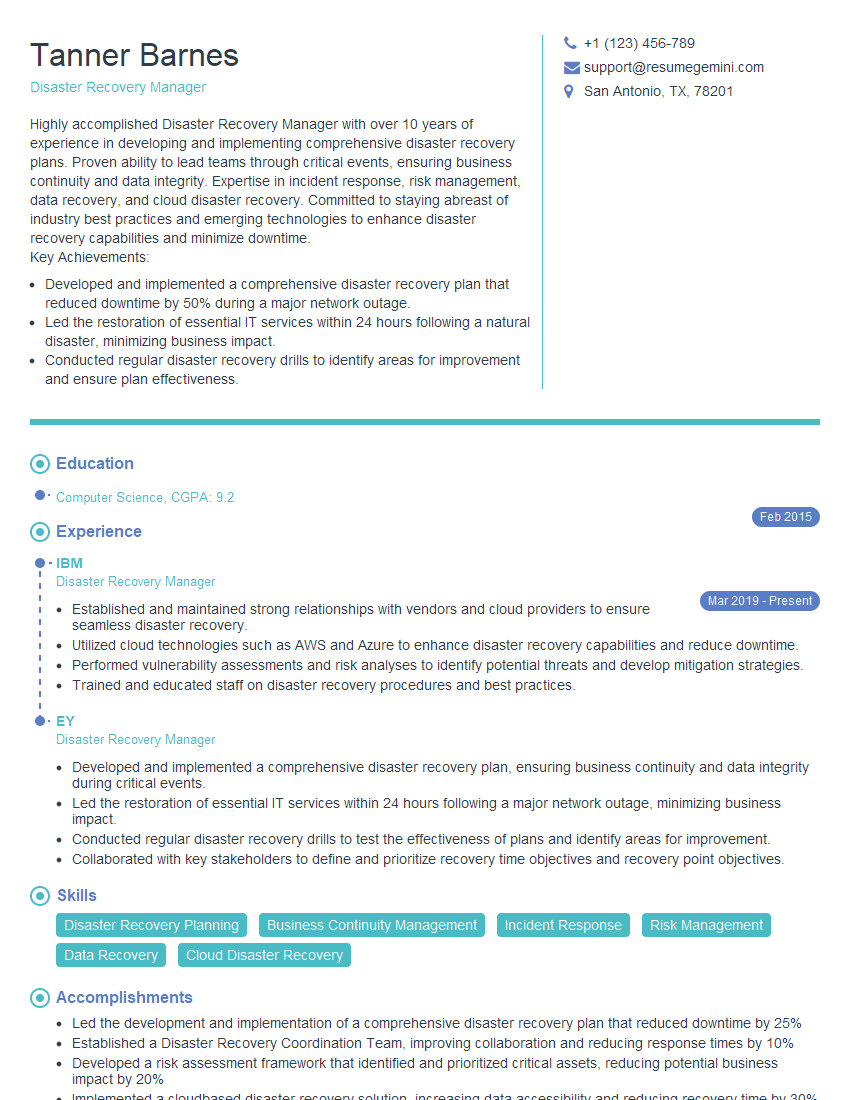
Disaster Recovery Manager Resume Sample
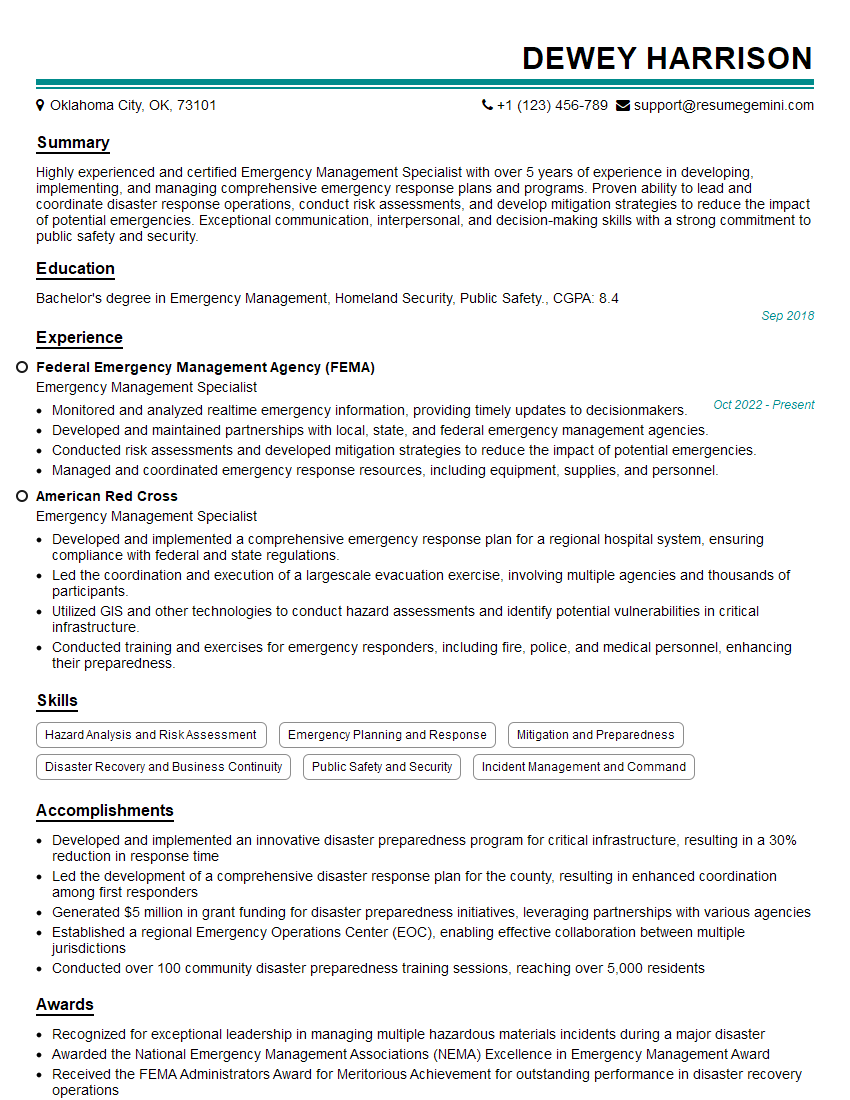
Emergency Management Specialist Resume Sample
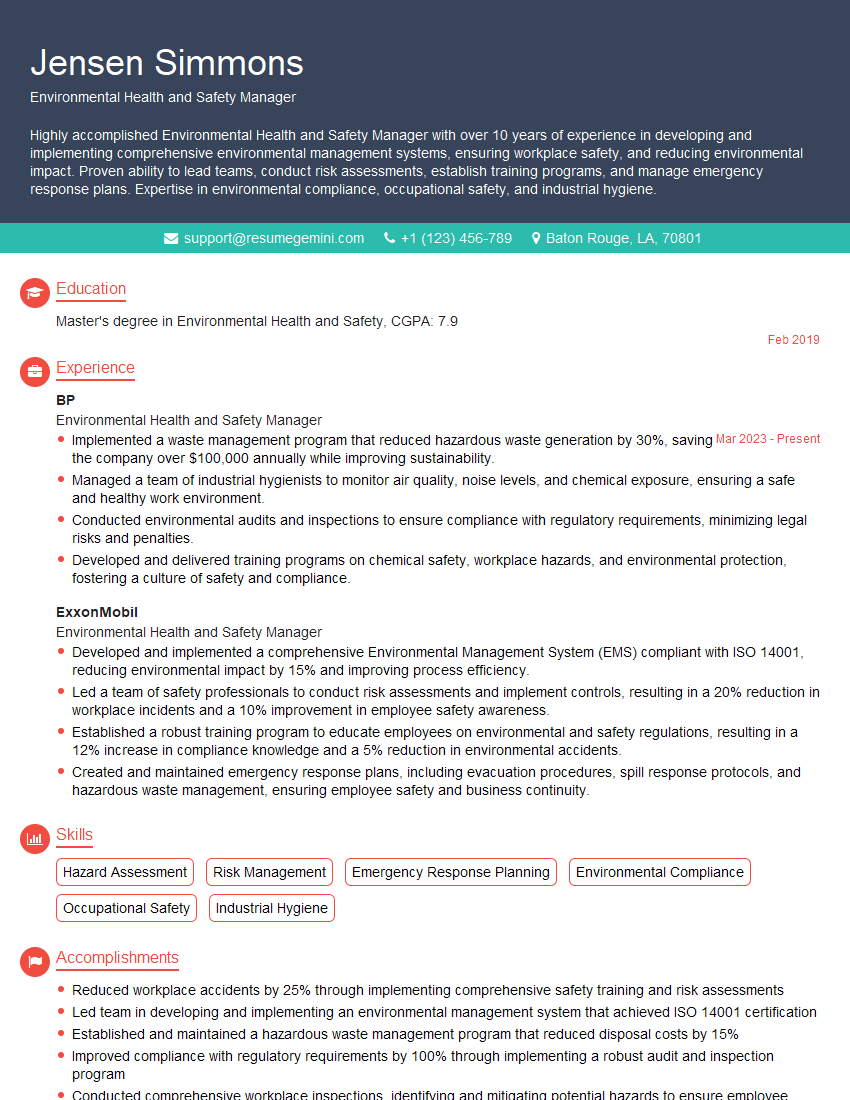
Environmental Health and Safety Manager Resume Sample
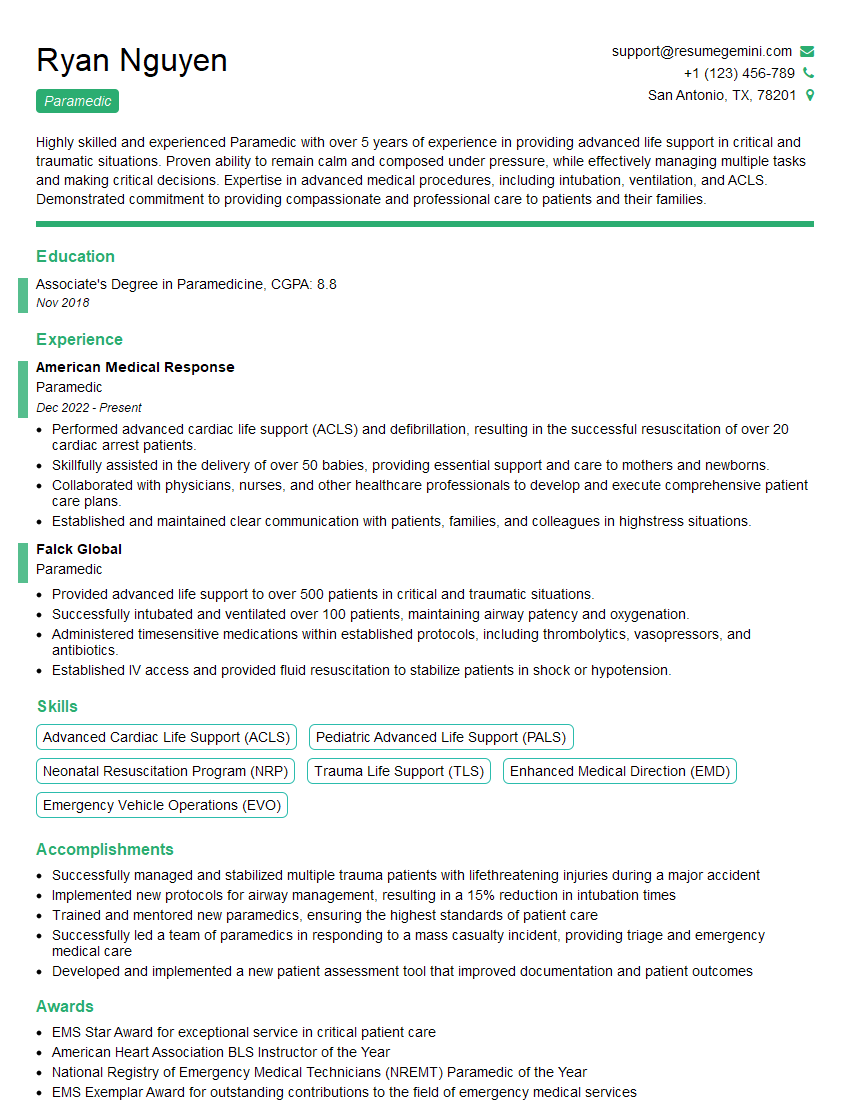
Paramedic Resume Sample

Compliance Officer Resume Sample
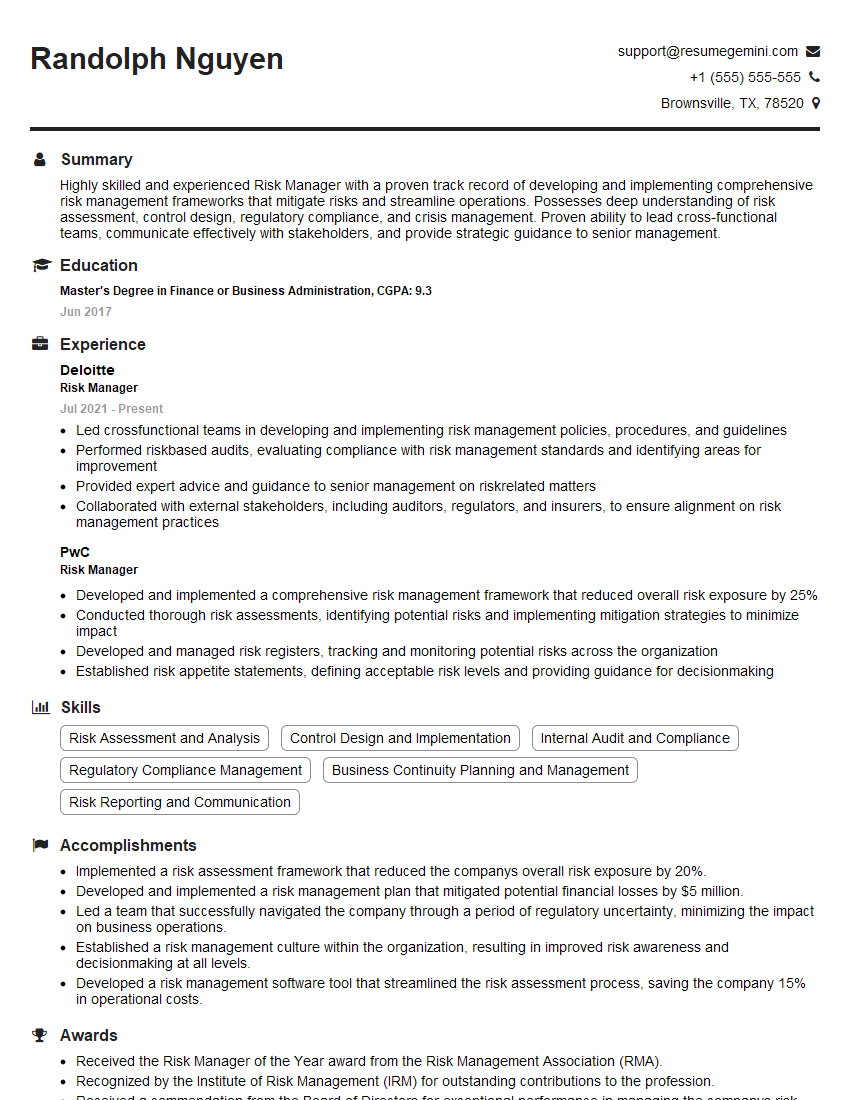
Risk Manager Resume Sample
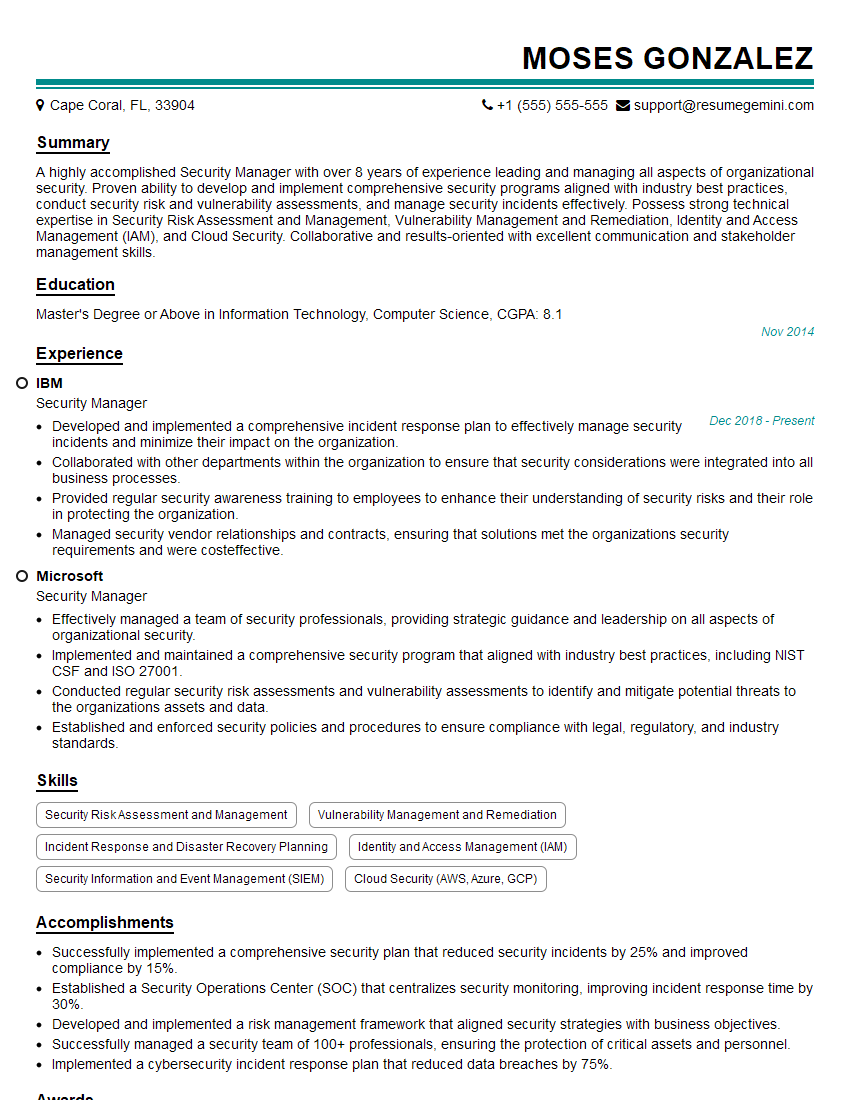
Security Manager Resume Sample
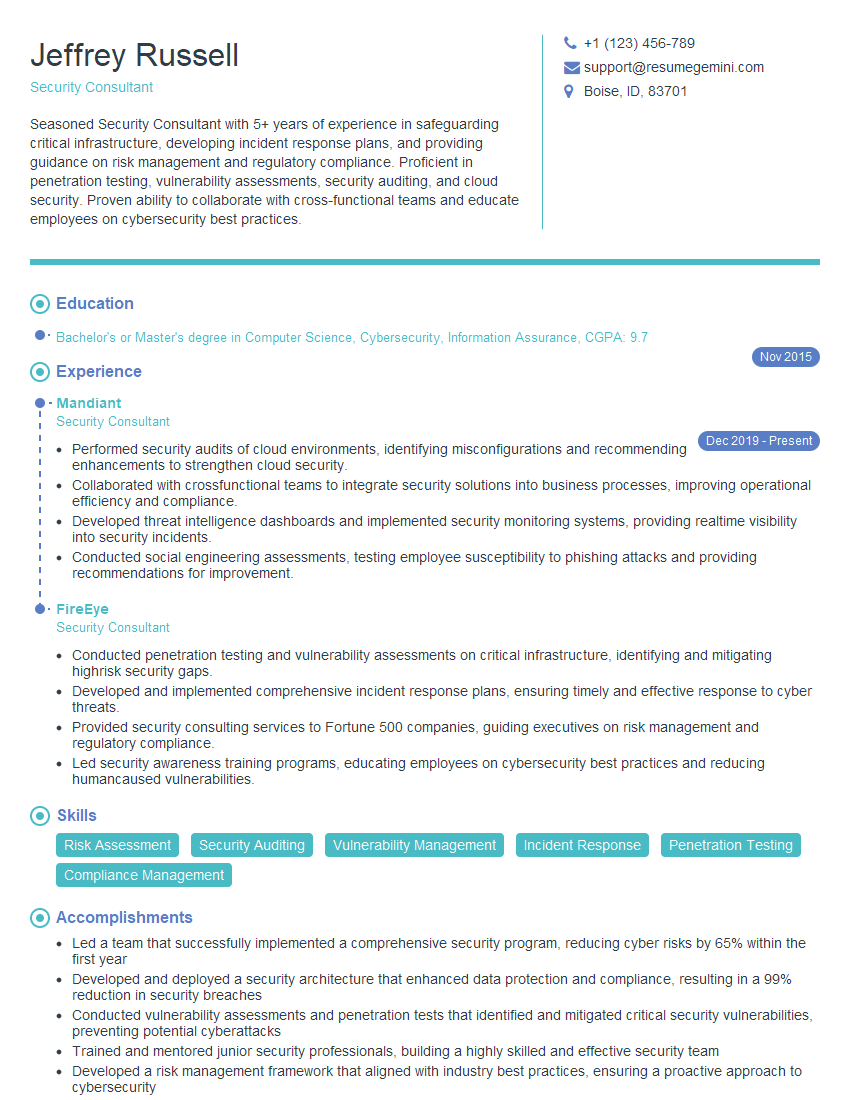
Security Consultant Resume Sample
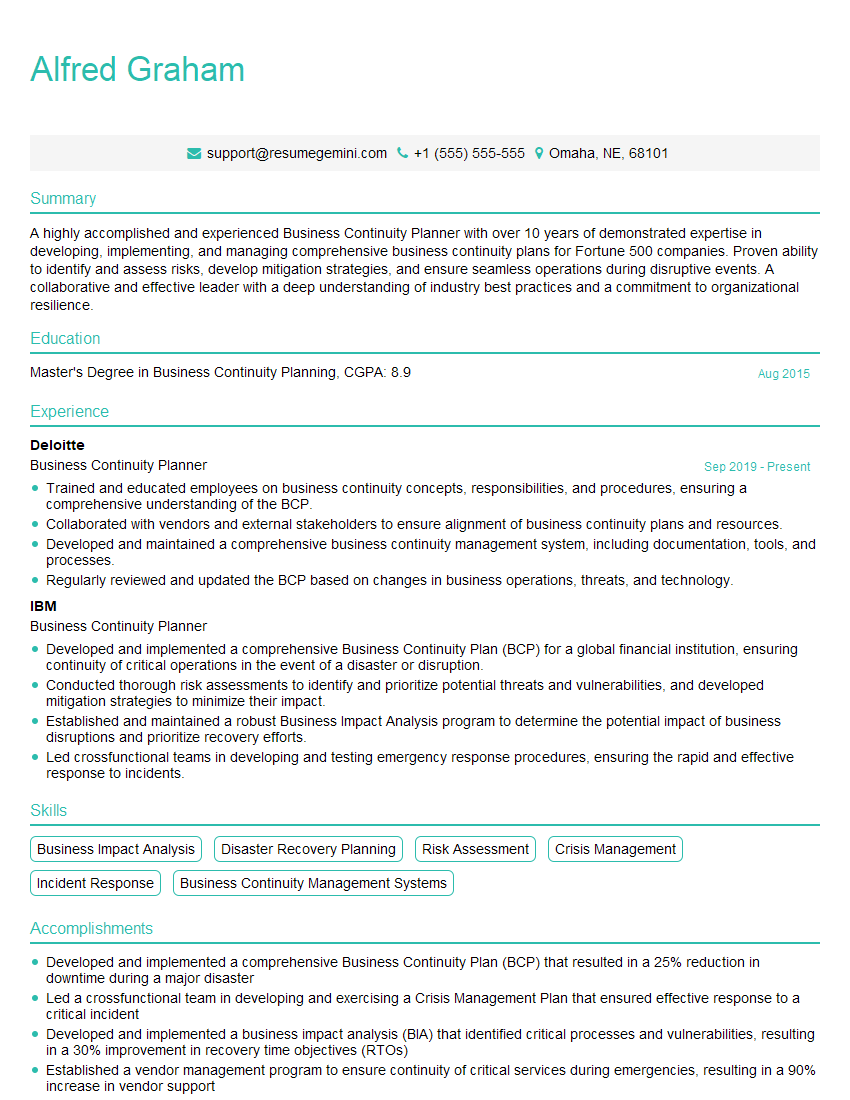
Business Continuity Planner Resume Sample
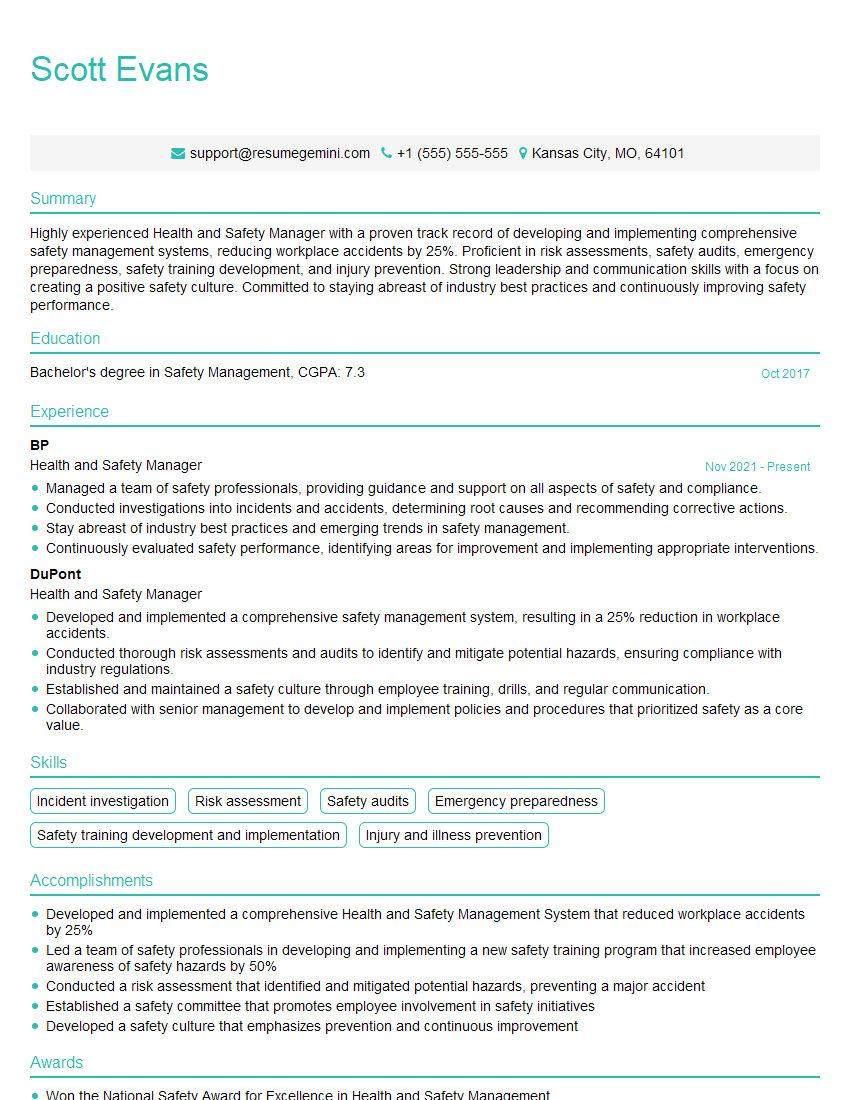
Health and Safety Manager Resume Sample
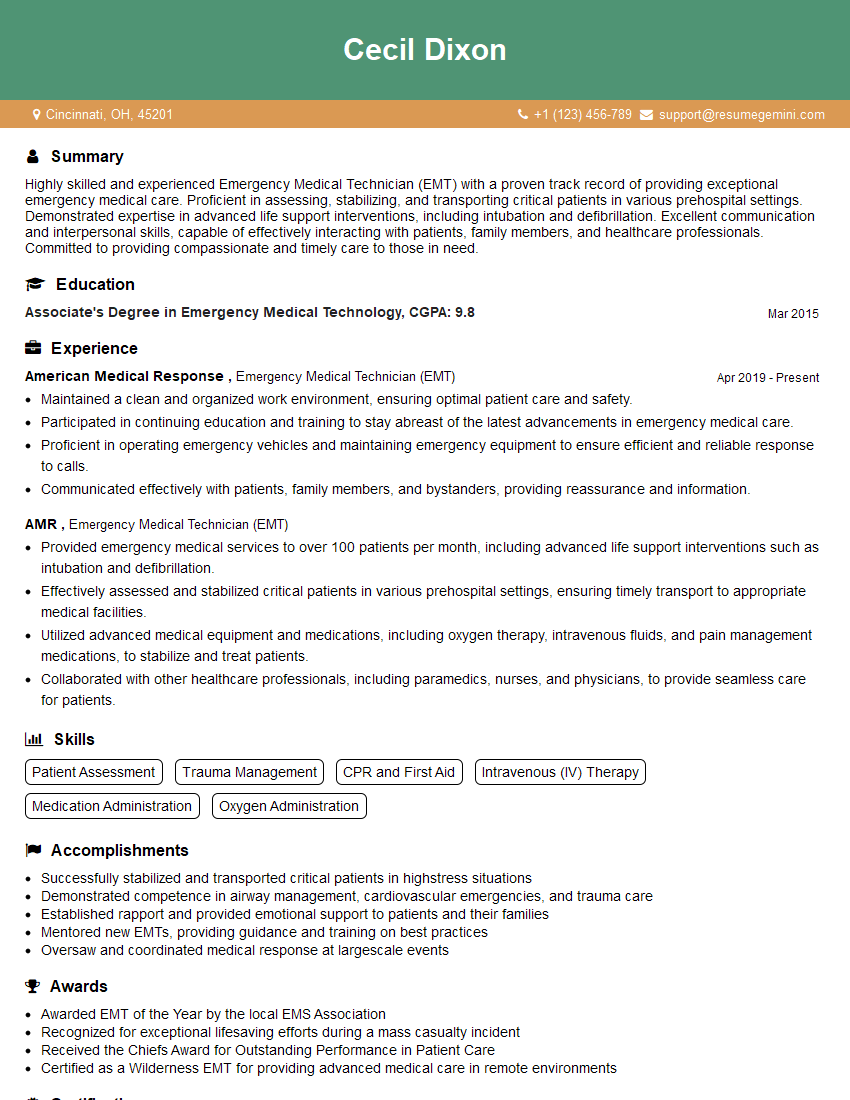
Emergency Medical Technician (EMT) Resume Sample
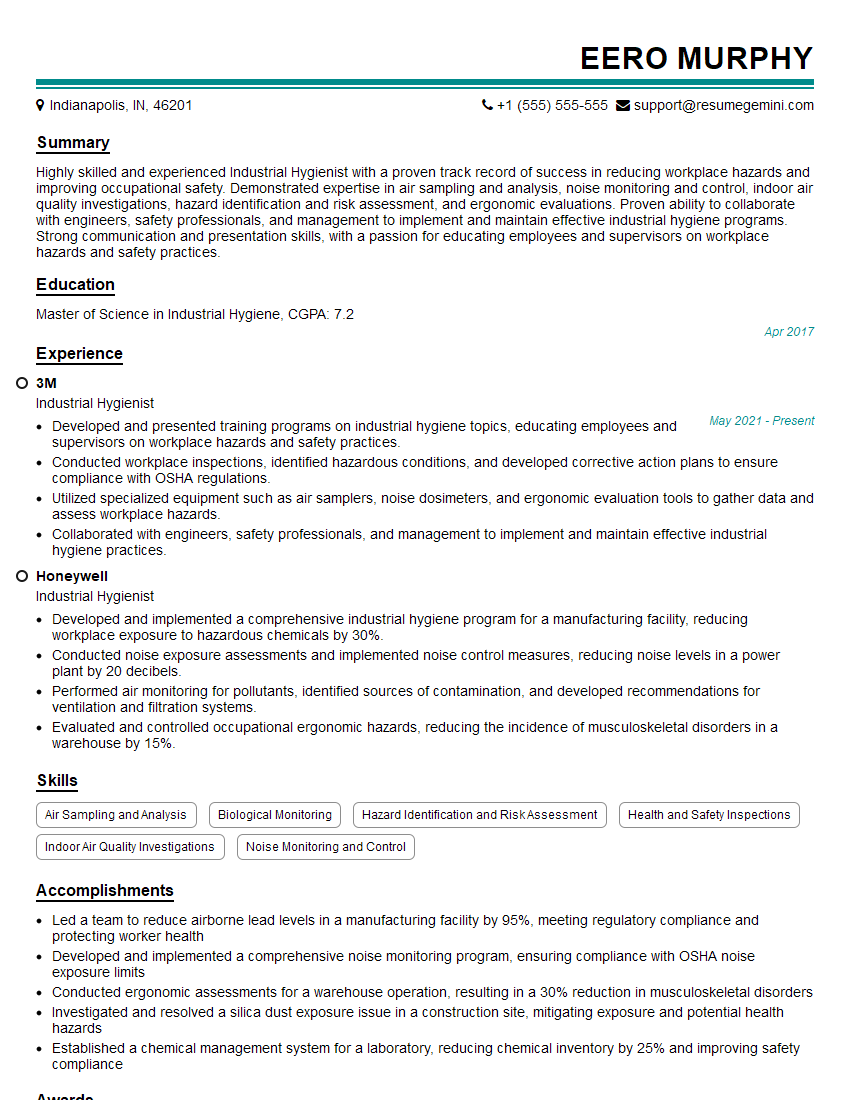
Industrial Hygienist Resume Sample
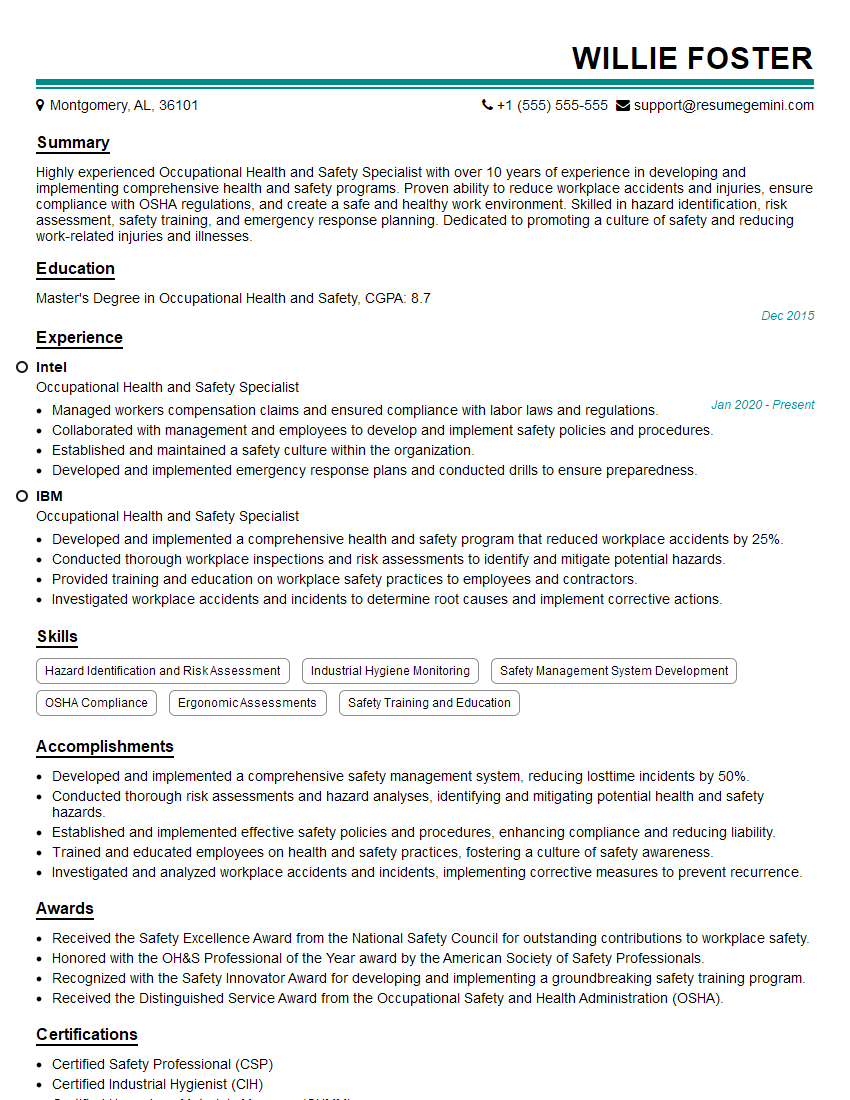
Occupational Health and Safety Specialist Resume Sample
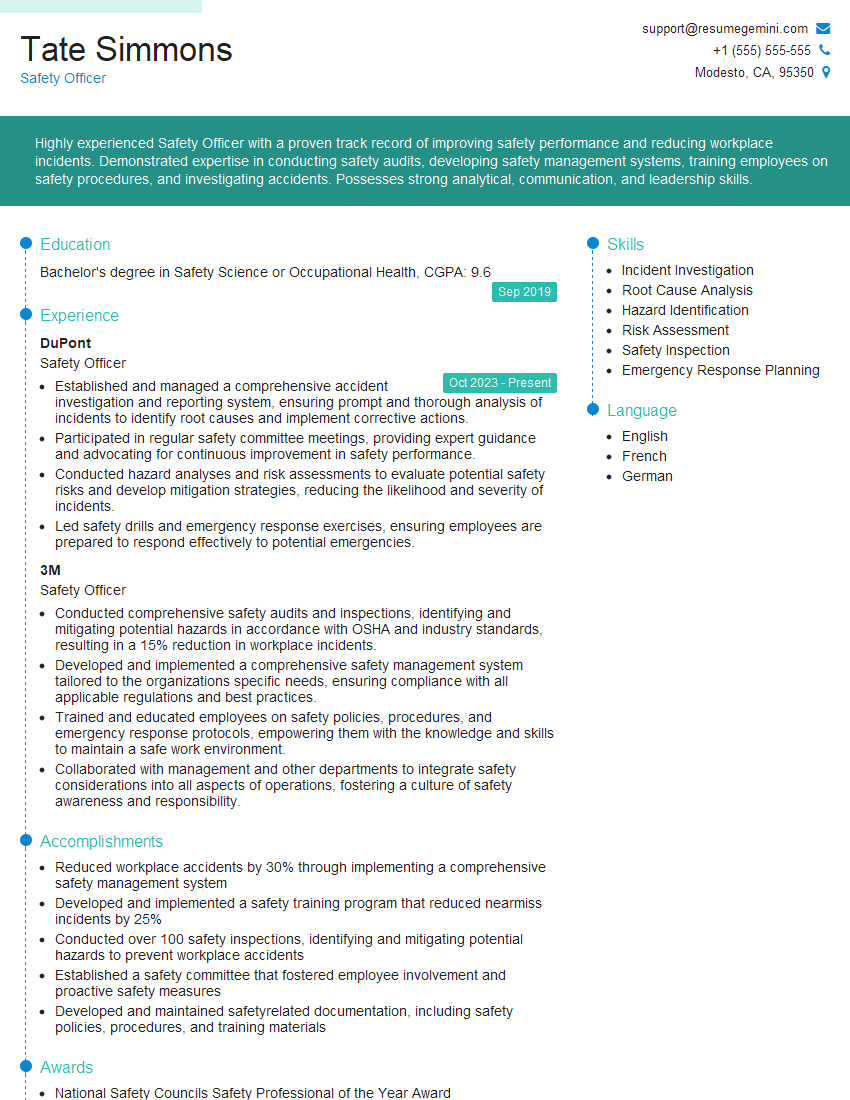
Safety Officer Resume Sample
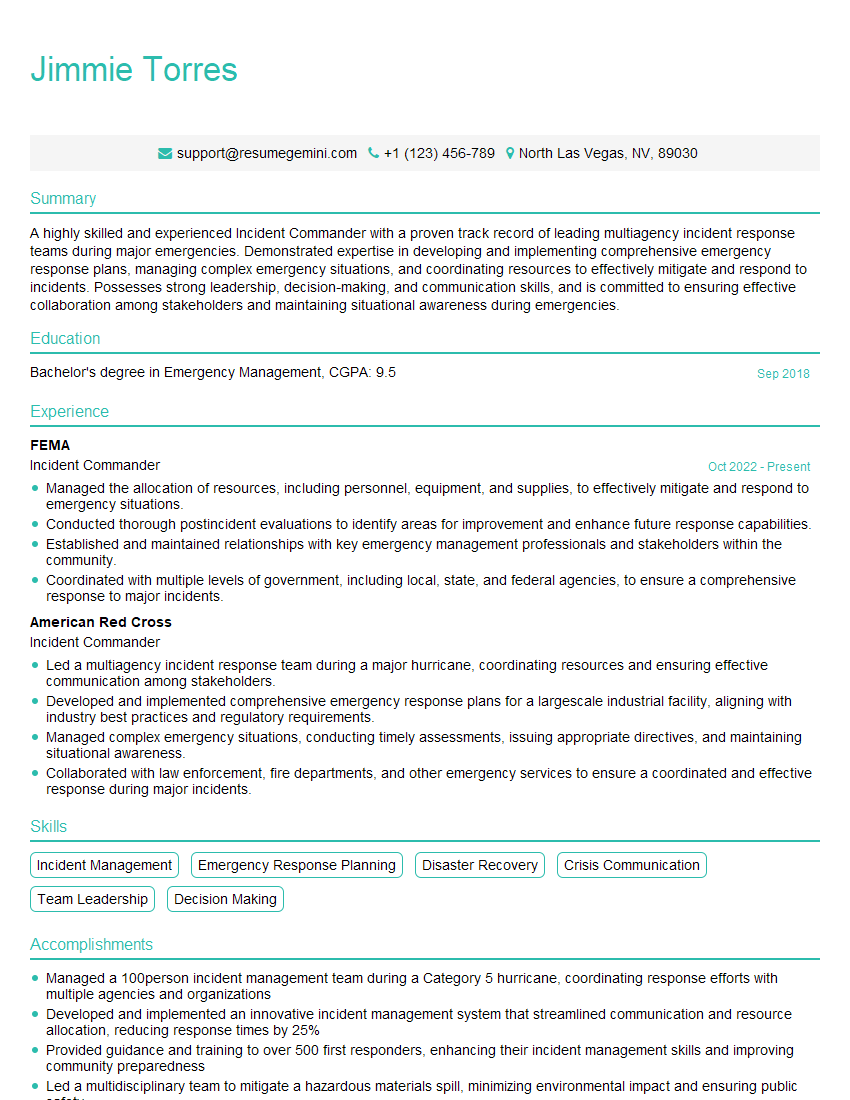
Incident Commander Resume Sample
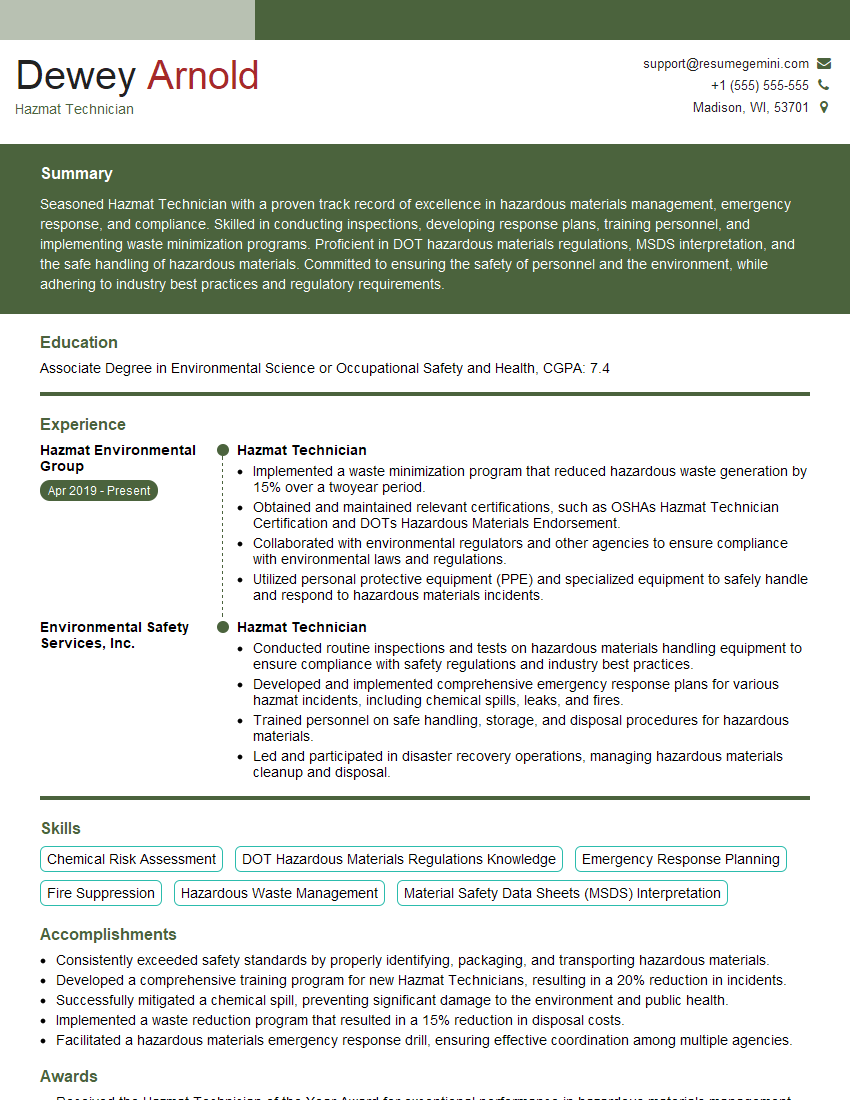
Hazmat Technician Resume Sample
- Disaster Recovery Manager
- Emergency Management Specialist
- Environmental Health and Safety Manager
- Paramedic
- Compliance Officer
- Risk Manager
- Security Manager
- Security Consultant
- Business Continuity Planner
- Health and Safety Manager
- Emergency Medical Technician (EMT)
- Industrial Hygienist
- Occupational Health and Safety Specialist
- Safety Officer
- Incident Commander
- Hazmat Technician
Explore more articles
Users Rating of Our Blogs
Share Your Experience
We value your feedback! Please rate our content and share your thoughts (optional).
What Readers Say About Our Blog
To the interviewgemini.com Webmaster.
Very helpful and content specific questions to help prepare me for my interview!
Thank you
To the interviewgemini.com Webmaster.
This was kind of a unique content I found around the specialized skills. Very helpful questions and good detailed answers.
Very Helpful blog, thank you Interviewgemini team.