Cracking a skill-specific interview, like one for Emergency power systems operation and maintenance, requires understanding the nuances of the role. In this blog, we present the questions you’re most likely to encounter, along with insights into how to answer them effectively. Let’s ensure you’re ready to make a strong impression.
Questions Asked in Emergency power systems operation and maintenance Interview
Q 1. Describe the different types of emergency power systems.
Emergency power systems are crucial for maintaining critical operations during utility power outages. They come in various forms, each designed to meet specific needs and power demands. The most common types include:
- Uninterruptible Power Supplies (UPS): These provide immediate, uninterrupted power for short durations, typically covering the time needed for a generator to start. They’re ideal for protecting sensitive electronics.
- Diesel Generators: These are the workhorses of larger emergency power systems, providing continuous power for extended periods. They’re commonly used in hospitals, data centers, and industrial facilities.
- Gasoline Generators: Smaller and more portable than diesel generators, these are suitable for smaller applications or temporary power needs. They are generally less durable than diesel generators.
- Battery Banks: Large battery banks can provide backup power for specific loads for a limited time, often supplementing other systems. They are useful for short-term critical loads.
- Combined Systems: Many facilities use a combination of these systems to ensure redundancy and address varying power requirements. For instance, a UPS might support critical servers, while a diesel generator supplies the rest of the building.
The choice of system depends on factors like the criticality of the load, the duration of potential outages, budget, and space constraints.
Q 2. Explain the function of a UPS system.
A UPS (Uninterruptible Power Supply) is like an insurance policy for your electronics. Its primary function is to provide seamless power during utility power interruptions. It does this by using stored energy (typically in batteries) to immediately take over when the main power fails. This prevents data loss, equipment damage, and operational disruptions.
Think of it as a temporary bridge. While the bridge is up, a larger, more powerful system (like a diesel generator) can start up and take over the load. Once the generator is online and stable, the UPS can safely return to its standby mode, recharging its batteries. UPS systems also often include voltage regulation and surge protection, safeguarding your equipment from power fluctuations and spikes.
There are different types of UPS systems including Online, Offline/Standby, and Line-Interactive, each offering different levels of protection and response times. The selection depends on the specific power quality needs and budget.
Q 3. What are the key components of a diesel generator?
A diesel generator is a self-contained power generation unit that converts the chemical energy stored in diesel fuel into electrical energy. Its key components include:
- Diesel Engine: The heart of the system, responsible for mechanical power generation.
- Alternator: Converts the mechanical energy from the engine into electrical energy (AC power).
- Fuel Tank: Stores the diesel fuel needed for operation.
- Control Panel: Manages the generator’s operation, including starting, stopping, and monitoring parameters.
- Cooling System: Prevents overheating of the engine through radiators and fans.
- Exhaust System: Safely vents the combustion exhaust gases.
- Battery System: Provides power for starting the engine.
- Starting System: This could be electric or pneumatic, initiating the engine’s combustion cycle.
These components work together to produce reliable power during emergencies, functioning like a mini power plant.
Q 4. How do you perform routine maintenance on a generator?
Routine maintenance is vital for ensuring the reliability of a generator. A well-maintained generator is less prone to failures during crucial times. Here’s a breakdown of typical maintenance tasks:
- Regular Inspections: Visually inspect the engine, alternator, wiring, and fuel connections for any signs of damage or leaks (at least monthly).
- Fluid Checks: Regularly check engine oil, coolant levels, and battery electrolyte levels and top them off as needed.
- Fuel System Maintenance: Clean fuel filters according to the manufacturer’s recommendations. Check for fuel contamination.
- Battery Testing: Periodically test the battery’s voltage and charge capacity to ensure it can start the engine reliably.
- Load Testing: Run the generator under a load to verify its performance and identify potential issues.
- Preventative Maintenance Scheduled Service: This involves more in-depth inspections and servicing by qualified technicians (usually annually). This often includes component replacements such as filters and belts.
A well-defined maintenance schedule, tailored to the specific generator model and usage, is essential for optimal performance and longevity.
Q 5. What are the safety procedures for working on emergency power systems?
Safety is paramount when working on emergency power systems. These systems operate at high voltages and contain hazardous components. Always follow these procedures:
- Lockout/Tagout Procedures: Before performing any maintenance or repairs, always lock out and tag out the power supply to prevent accidental energization.
- Personal Protective Equipment (PPE): Use appropriate PPE, including safety glasses, gloves, and hearing protection.
- Proper Training: Only qualified and trained personnel should work on these systems.
- Emergency Response Plan: Have a clear emergency response plan in place to handle any accidents or incidents.
- Awareness of Hazardous Components: Be aware of the potential hazards associated with diesel fuel, batteries, and high-voltage components.
- Ventilation: Ensure adequate ventilation when operating a diesel generator to avoid carbon monoxide poisoning.
Always refer to the manufacturer’s safety guidelines and relevant regulations. Never compromise on safety.
Q 6. Explain the concept of transfer switches.
A transfer switch is a critical component in an emergency power system. It acts as a gatekeeper, automatically switching the power supply from the normal utility source to the emergency generator when the main power fails, and vice versa once the utility power is restored. Think of it as a smart, automatic circuit breaker.
There are two main types:
- Automatic Transfer Switches (ATS): These automatically detect power failures and switch the load to the generator without manual intervention.
- Manual Transfer Switches (MTS): These require manual operation to transfer the load. They are less expensive but require a person to physically switch over the power source during an outage.
Transfer switches ensure a seamless transition between power sources, minimizing disruption to critical loads. They are essential for protecting equipment and ensuring the continuity of operations during emergencies.
Q 7. How do you troubleshoot a failed generator startup?
Troubleshooting a failed generator startup involves a systematic approach. Here’s a step-by-step process:
- Check the control panel: Look for any error codes or alarms that indicate the cause of the failure.
- Verify fuel supply: Ensure there’s sufficient fuel in the tank and that the fuel lines are not clogged or damaged.
- Check the battery: Test the battery voltage to ensure it has sufficient charge to start the engine.
- Examine the starting system: If the engine doesn’t crank, check the starter motor, battery connections, and any related wiring.
- Inspect the engine: Look for any obvious mechanical issues, such as loose belts or connections.
- Check the cooling system: Make sure the coolant level is sufficient and the cooling system is functioning correctly.
- Verify the control system: Ensure the generator’s control system is functioning correctly and is properly configured.
- Consult the manual: If the problem persists, refer to the generator’s operation and maintenance manual for further troubleshooting steps.
- Seek professional help: If you cannot identify and resolve the problem, contact a qualified generator technician.
Remember safety first! Always lock out/tag out the system before performing any troubleshooting or repairs.
Q 8. What are the common causes of UPS battery failure?
UPS battery failure is a critical issue that can lead to significant downtime. The most common causes stem from a combination of factors related to age, environment, and operational practices.
- Age and Wear: Batteries have a limited lifespan, typically 3-5 years depending on the type and operating conditions. As they age, their capacity degrades, leading to shorter runtime and eventual failure. Think of it like a car battery – it eventually needs replacing.
- Overcharging/Undercharging: Improper charging practices can severely shorten battery life. Overcharging generates excessive heat, damaging the internal components, while undercharging leads to sulfation, a process that reduces battery capacity. Regular monitoring of charging voltage and current is crucial.
- High Temperatures: Extreme heat accelerates chemical degradation within the battery, leading to faster capacity loss and potential thermal runaway, a dangerous condition that can cause fire. Good ventilation and temperature control are essential.
- Deep Discharge: Repeatedly discharging the battery to its minimum capacity puts significant strain on its components. Similar to constantly running your car’s battery down to empty, this will reduce its overall life expectancy.
- Manufacturing Defects: While less common, faulty batteries can fail prematurely due to manufacturing defects. Choosing high-quality batteries from reputable suppliers minimizes this risk.
- Environmental Factors: Exposure to moisture, dust, or corrosive substances can damage battery terminals and internal components, leading to premature failure.
Regular preventative maintenance, including battery capacity testing and visual inspections, is vital in preventing unexpected UPS battery failures.
Q 9. Describe different types of generator fuel sources and their advantages/disadvantages.
Generators utilize various fuel sources, each with its advantages and disadvantages. The optimal choice depends on factors like cost, availability, environmental impact, and the specific application.
- Diesel: Diesel generators are known for their reliability, high power output, and relatively long lifespan. They are widely used in critical applications due to their robust performance. However, they can be expensive to purchase and maintain, and diesel fuel is more expensive and produces higher emissions than other options.
- Natural Gas: Natural gas generators offer cleaner burning than diesel, resulting in lower emissions. They are also often more cost-effective in areas with readily available natural gas pipelines. However, the infrastructure limitations mean they might not be suitable everywhere. They require a safe and reliable gas supply.
- Propane: Propane generators are a cleaner, safer alternative to diesel, offering relatively low emissions and ease of handling. They are also portable, making them suitable for temporary or mobile applications. However, their power output might be limited compared to diesel and the fuel storage requires careful handling and safety precautions.
- Gasoline: Gasoline generators are common for smaller, less demanding applications due to their lower initial cost and wide availability. However, gasoline is less efficient and produces higher emissions than diesel or natural gas, and its storage requires careful consideration of flammability.
The selection of the appropriate fuel source is a critical design decision for any emergency power system, requiring careful consideration of the application requirements and local conditions.
Q 10. How do you test the runtime capacity of a UPS system?
Testing the runtime capacity of a UPS is essential to ensure it can support the critical load during a power outage. There are several methods, but the most reliable is a load test.
Load Test Procedure:
- Gather Equipment: You’ll need a calibrated load bank that can simulate the actual load of the system. The load bank should be appropriately sized to match the UPS’s capacity.
- Prepare the UPS: Fully charge the UPS batteries and ensure the system is operating normally.
- Connect the Load Bank: Carefully connect the load bank to the UPS output.
- Start the Test: Initiate the load bank and let it run until the UPS switches to battery power. Record the time.
- Monitor Performance: Carefully monitor the UPS’s voltage, current, and battery voltage throughout the test. Look for any signs of overload or abnormal behavior.
- Record Runtime: Continue monitoring until the UPS shuts down. Record the total runtime on battery power.
- Analyze Results: Compare the observed runtime with the manufacturer’s specifications. Any significant discrepancy might indicate a problem with the batteries, UPS, or the load bank.
It’s crucial to follow the UPS manufacturer’s guidelines for load testing to avoid damaging the system. This test provides a realistic assessment of the UPS’s ability to handle the load during a power outage.
Q 11. What are the regulations and codes related to emergency power systems?
Emergency power systems are subject to various regulations and codes designed to ensure safety and reliability. These vary depending on the location and the specific application, but common standards include:
- NFPA 70 (National Electrical Code): This code establishes the electrical requirements for safety, including installation, grounding, and protection of emergency power systems.
- NFPA 110 (Standard for Emergency and Standby Power Systems): This comprehensive standard specifies the requirements for design, installation, testing, and maintenance of emergency power systems, covering various aspects from generator sizing to automatic transfer switches.
- NFPA 101 (Life Safety Code): This code outlines requirements related to the design and construction of buildings, including emergency lighting and power provisions to ensure safe egress during emergencies.
- Local and State Codes: Many jurisdictions have their own codes and regulations that may supplement or extend the national standards. It is crucial to check local building codes and regulations.
- International Standards (e.g., IEC 62040): International standards provide guidance on the design, testing, and operation of uninterruptible power systems (UPS).
Compliance with these codes and regulations is essential to ensure the safety and reliability of the emergency power systems, preventing hazards and potential legal issues.
Q 12. Explain the importance of load testing generators.
Load testing generators is crucial for ensuring they can handle their intended load and maintain the required power output during an emergency. It reveals potential problems before they cause a critical failure.
Importance of Load Testing:
- Verify Capacity: Load testing confirms that the generator can deliver the rated power output under full load conditions. This ensures it can meet the emergency power demands.
- Identify Problems: It helps identify problems with the engine, alternator, or other components before a power outage. Early detection of issues prevents failures during emergencies.
- Prevent Equipment Damage: Load testing under controlled conditions prevents potential damage to the generator or connected equipment caused by overloading.
- Assess Fuel Efficiency: It allows for the evaluation of fuel consumption under different load conditions, helping optimize efficiency and reduce operating costs.
- Meet Regulatory Requirements: Load testing often is a requirement for compliance with safety and operational regulations.
Regular load testing, usually annually, is a critical aspect of preventative maintenance for emergency power systems, ensuring reliability and readiness.
Q 13. Describe the process of paralleling generators.
Paralleling generators, connecting multiple generators to share a load, enhances power capacity and provides redundancy. This is a complex process requiring careful synchronization and control.
Paralleling Process:
- Ensure Compatibility: Verify that the generators are of the same type, voltage, frequency, and phase. They must also have compatible paralleling capabilities and controls.
- Prepare Generators: Bring each generator up to speed, ensuring they operate within their specified parameters (voltage, frequency).
- Synchronize Voltage and Frequency: Use a paralleling synchronizing panel or a sophisticated control system to carefully match the voltage, frequency, and phase of each generator before connecting them.
- Close the Paralleling Switch: Once synchronized, carefully close the paralleling breaker, connecting the generators to the common bus.
- Load Sharing: The control system distributes the load among the generators, typically proportionally to their capacity. Governor adjustments are used to maintain the balance.
- Monitoring: Continuous monitoring is essential to ensure proper operation, load distribution, and protection against overloads.
Paralleling generators requires expertise and adherence to strict safety procedures to prevent damage to equipment and ensure reliable power delivery.
Q 14. What are the different types of generator controllers?
Generator controllers are crucial for managing the operation of the generator and ensuring safe and efficient power generation. Several types exist:
- Basic Controllers: These controllers provide basic functions such as starting, stopping, and monitoring basic parameters like voltage and frequency. They offer limited control and typically don’t manage paralleling.
- Advanced Controllers: Advanced controllers offer sophisticated control capabilities, including automatic voltage regulation (AVR), power factor correction, load sharing between multiple generators, and remote monitoring. They enhance system efficiency and reliability.
- Electronic Governor Controllers: These are crucial for managing engine speed and power output, ensuring consistent frequency and voltage even under fluctuating loads. They provide precise control for optimal performance.
- Programmable Logic Controllers (PLCs): PLCs are commonly used in larger, more complex systems for centralized control and monitoring of multiple generators, providing comprehensive data acquisition and control functions.
- Networked Controllers: These controllers allow remote monitoring and control of the generator through a network connection, enabling proactive maintenance and improved response times.
The selection of the appropriate controller depends on the generator size, complexity of the system, and the level of automation desired.
Q 15. How do you interpret generator performance data?
Interpreting generator performance data involves a systematic approach to understand the generator’s health and efficiency. We look at several key performance indicators (KPIs). This includes analyzing load profiles to see how much power the generator is supplying and how it fluctuates, monitoring fuel consumption to identify potential inefficiencies, examining voltage and frequency data for stability, and reviewing oil pressure and temperature readings for signs of mechanical issues.
For example, consistently high fuel consumption might indicate a need for maintenance or a problem with the engine. Irregular voltage or frequency readings can suggest problems with the generator’s control system or alternator. We also analyze historical data to identify trends and predict potential future problems. Think of it like a doctor reviewing a patient’s medical history – regular checkups help us catch issues early.
Software and data logging systems are crucial tools. They automatically collect data, generate reports, and provide alerts if any KPIs exceed predefined thresholds. This proactive monitoring allows for timely intervention and prevents catastrophic failures.
Career Expert Tips:
- Ace those interviews! Prepare effectively by reviewing the Top 50 Most Common Interview Questions on ResumeGemini.
- Navigate your job search with confidence! Explore a wide range of Career Tips on ResumeGemini. Learn about common challenges and recommendations to overcome them.
- Craft the perfect resume! Master the Art of Resume Writing with ResumeGemini’s guide. Showcase your unique qualifications and achievements effectively.
- Don’t miss out on holiday savings! Build your dream resume with ResumeGemini’s ATS optimized templates.
Q 16. Explain the role of automatic transfer switches (ATS).
Automatic Transfer Switches (ATS) are the unsung heroes of emergency power systems. They automatically switch a facility’s electrical load from the normal power source (like the utility grid) to a backup power source (like a generator or UPS) in the event of a power outage. And just as importantly, they switch back to the normal power source once it’s restored. This seamless transition minimizes downtime and protects sensitive equipment.
Think of it like a sophisticated three-way light switch. In normal operation, power flows directly from the utility to the load. When a power outage occurs, the ATS detects the failure and redirects power from the backup generator to the load. Once utility power is restored, the ATS automatically reverts to the normal power source. There are different types of ATS, including open and closed transition switches, each with unique operational characteristics affecting transition time.
Proper maintenance and regular testing are critical. We ensure the ATS operates correctly by performing routine inspections, including verifying contact integrity and checking the control circuitry. We perform frequent functional testing to simulate power outages and confirm the smooth transfer of power.
Q 17. What are the different types of UPS systems (online, offline, etc.)?
Uninterruptible Power Systems (UPS) provide temporary power during outages, protecting sensitive equipment from data loss and damage. There are several types, each with different characteristics:
- Online UPS: Always provides power through a rectifier/inverter system, continuously cleaning the power and supplying conditioned AC power. It offers the best protection against power disturbances but is typically the most expensive.
- Offline (or Standby) UPS: Only activates when the main power fails. It’s the simplest and least expensive type but has a longer switch-over time and is more susceptible to power surges.
- Line-Interactive UPS: A compromise between online and offline UPS. It uses a voltage regulator to handle minor power fluctuations, switching to battery backup only during major outages. It’s a good balance of cost and performance.
The choice depends on the criticality of the load and budget. For data centers with servers, an online UPS is often preferred. For less critical loads, a line-interactive or offline UPS might suffice.
Q 18. How do you maintain UPS batteries?
UPS battery maintenance is crucial for ensuring reliable backup power. It’s not just about replacing batteries when they fail; it’s a proactive process.
- Regular Inspections: We visually inspect batteries for any signs of damage, corrosion, or leaks. We also check the battery terminals for tightness and cleanliness.
- Load Testing: Periodic load testing measures the battery’s capacity to deliver power under load, identifying any capacity degradation.
- Float Charging: Batteries are kept in a float charge mode, maintaining a consistent voltage to ensure optimal performance.
- Environmental Monitoring: Battery rooms are kept clean, well-ventilated, and at the correct temperature range to extend the lifespan.
- Preventive Replacement: Batteries have a limited lifespan, typically 3-5 years, depending on usage and environmental factors. A proactive replacement schedule is crucial to avoid unexpected failures.
Neglecting battery maintenance can lead to failure during an actual power outage, resulting in costly downtime and data loss.
Q 19. What are the common causes of generator malfunctions?
Generator malfunctions can stem from various sources, often related to mechanical, electrical, or fuel-related issues.
- Engine Problems: These include issues with the engine’s lubrication system (low oil pressure), cooling system (high temperature), or fuel system (fuel contamination or blockage).
- Electrical Faults: Problems in the generator’s excitation system, alternator, or wiring can lead to voltage or frequency irregularities or complete failure.
- Fuel Issues: Insufficient fuel, contaminated fuel, or problems with the fuel delivery system can cause the generator to fail to start or operate properly.
- Control System Problems: Malfunctions in the generator’s control system, including the automatic voltage regulator (AVR) and governor, can affect its performance and stability.
- Lack of Maintenance: Regular maintenance, including routine inspections, cleaning, and part replacements, is essential for preventing malfunctions.
A thorough diagnostic process is necessary to pinpoint the exact cause of a malfunction. This may involve checking the engine’s parameters, testing the electrical components, and analyzing fuel quality. A comprehensive maintenance log helps in identifying recurring problems and preventing future issues.
Q 20. Explain the process of commissioning a new emergency power system.
Commissioning a new emergency power system is a rigorous process involving several stages.
- Design Review: Ensuring the system design meets all relevant codes and standards.
- Installation: The physical installation of the generator, ATS, UPS, and other components according to the design specifications. This phase includes careful wiring and connection.
- Testing and Inspection: Thorough testing of all system components individually and as an integrated system. This involves load bank testing of the generator, functional tests of the ATS, and battery tests for the UPS. All work is inspected against relevant standards.
- Documentation: Creating comprehensive documentation of the entire commissioning process, including test results, as-built drawings, and maintenance schedules. This documentation is vital for future maintenance and troubleshooting.
- Training: Training personnel on the operation and maintenance of the emergency power system.
- Handover: Formal handover of the system to the client or facility management.
A successful commissioning ensures the system is ready for immediate deployment in an emergency and operates as expected.
Q 21. How do you ensure compliance with safety standards when working on emergency power systems?
Ensuring compliance with safety standards when working on emergency power systems is paramount. It’s about protecting both the personnel working on the system and the safety of the facility. We follow strict procedures:
- Lockout/Tagout (LOTO): Before commencing any work, we perform LOTO procedures to isolate the power source, preventing accidental energization.
- Personal Protective Equipment (PPE): We use appropriate PPE, including safety glasses, gloves, and insulated tools, to protect against electrical hazards.
- Permit-to-Work System: A permit-to-work system ensures that all necessary safety precautions are in place before starting any work, controlling access to the area.
- Training and Competency: All personnel working on emergency power systems are adequately trained and certified, with demonstrated competency in safety procedures.
- Regular Inspections: Regular safety inspections identify potential hazards and ensure compliance with relevant safety codes and standards.
- Compliance Audits: Periodic audits verify compliance with all applicable safety regulations.
Ignoring safety standards can result in serious injuries or fatalities. Prioritizing safety is non-negotiable.
Q 22. Describe different types of generator synchronizing methods.
Generator synchronizing ensures that multiple generators are brought online together seamlessly, preventing damage to equipment and ensuring a stable power supply. There are several methods, each with its own advantages and disadvantages:
- Manual Synchronization: This traditional method relies on the operator carefully matching voltage, frequency, and phase angle using instruments like synchroscopes. It’s labor-intensive but provides a good understanding of the system. Think of it like carefully aligning two spinning gears – one wrong move and things break.
- Automatic Synchronization: This uses sophisticated electronic controls to automatically match the generator’s parameters with the grid or other generators. This is faster and more precise than manual synchronization, reducing the risk of human error. Imagine a self-aligning coupling mechanism that automatically matches the gears.
- Self-Synchronization (for specific systems): Certain paralleling systems allow generators to self-synchronize, simplifying the process considerably. This approach is common in smaller, less critical systems.
The choice of method depends on factors such as the size of the power system, the complexity of the installation, and safety requirements. Larger, more critical systems usually utilize automatic synchronization for reliability and safety.
Q 23. What is the importance of preventative maintenance for emergency power systems?
Preventative maintenance is crucial for emergency power systems because these systems are designed to operate under critical circumstances – when the regular power grid fails. Failure during an emergency could have catastrophic consequences.
Regular maintenance prevents unexpected failures by identifying and addressing potential problems before they cause outages. This includes:
- Regular engine inspections: Checking oil levels, filters, belts, and other mechanical components.
- Fuel system checks: Ensuring proper fuel storage, filtration, and supply to prevent fuel contamination or depletion.
- Generator testing: Running the generator under load to verify its performance and identify any issues.
- Battery testing: Regularly checking battery voltage, charge, and capacity to ensure they can provide backup power during an extended outage.
- Load bank testing: This simulates a real-world load to thoroughly test the generator’s ability to handle the required power demand.
A comprehensive preventative maintenance schedule significantly improves the reliability and lifespan of the emergency power system, minimizing the risk of failure when it is needed most. It’s like regularly servicing your car – you catch small problems before they become major breakdowns.
Q 24. Explain the concept of power factor correction.
Power factor correction improves the efficiency of the power system by reducing the reactive power component of the load. It’s like improving the fuel economy of a car.
In AC power systems, the power factor represents the ratio of real power (used to do actual work) to apparent power (the total power supplied). A low power factor indicates that a significant portion of the power is reactive, meaning it’s not doing any useful work but still stressing the system. This reactive power causes increased current flow, leading to higher losses and reduced efficiency.
Power factor correction is achieved by adding devices like capacitors to the system, which compensate for the inductive reactance of the load. These capacitors supply the reactive power, reducing the overall current demand and improving the power factor closer to unity (1.0). This results in less wasted energy, improved efficiency, and a reduced strain on the power system’s components.
For emergency power systems, power factor correction is essential for optimizing the generator’s performance, reducing fuel consumption, and extending the lifespan of the equipment. Think of it as properly tuning the engine for optimal performance.
Q 25. How do you handle an emergency power system failure during a critical event?
Handling an emergency power system failure during a critical event requires a rapid and coordinated response. The specific actions will depend on the nature of the failure and the context of the event.
The steps generally involve:
- Immediate Assessment: Determine the cause of the failure (fuel supply, engine malfunction, electrical fault, etc.).
- Initiate Backup Procedures: If possible, switch to alternative power sources or implement emergency procedures that were pre-planned.
- Emergency Response Team Activation: Alert the designated emergency response team and follow established communication protocols.
- Troubleshooting and Repair: Begin diagnostic procedures to identify and correct the root cause of the failure. This might involve contacting maintenance personnel or specialized contractors.
- Restoration and Documentation: Once the system is restored, document the incident thoroughly, including the cause, corrective actions, and lessons learned for future improvements.
- Post-Incident Review: Conduct a post-incident review to identify weaknesses in the system and procedures and to implement changes that can prevent future failures. This might include improving maintenance procedures or investing in redundancy.
The emphasis is on quick assessment, pre-planned response, and methodical troubleshooting to minimize the duration of the outage and ensure the safety of personnel and equipment.
Q 26. Describe your experience with different types of generator engines (diesel, gasoline, natural gas).
My experience encompasses working with various generator engines, each possessing unique characteristics and suitability for specific applications:
- Diesel Generators: These are known for their high power output, efficiency, and long lifespan. They are commonly used in large emergency power systems due to their reliability and robustness. I’ve worked extensively on maintaining and troubleshooting various diesel generator models, including those from Caterpillar, Cummins, and John Deere.
- Gasoline Generators: These are more portable and less expensive than diesel counterparts but typically offer lower power output and shorter lifespans. They are suitable for smaller applications or temporary power needs. My experience includes servicing portable gasoline generators used in construction sites and smaller facilities.
- Natural Gas Generators: These are environmentally friendlier than diesel or gasoline generators, producing fewer greenhouse gases. They are also relatively efficient and can be economically attractive if natural gas infrastructure is readily available. I’ve overseen the installation and commissioning of several natural gas-powered emergency generators in industrial settings.
Choosing the right engine type involves balancing factors like power requirements, environmental regulations, fuel availability, initial cost, and operating costs.
Q 27. How do you ensure the reliability of an emergency power system?
Ensuring the reliability of an emergency power system requires a multi-faceted approach focusing on proactive maintenance, redundancy, and robust system design:
- Regular Preventative Maintenance: As discussed earlier, this is paramount. Adhering to a strict schedule of inspections, tests, and servicing is essential.
- Redundancy: Incorporating backup systems, such as redundant generators, fuel sources, or power distribution paths, minimizes downtime in case of a component failure. It’s like having a spare tire – you don’t want to be stranded when you need it most.
- Proper System Design: The system must be appropriately sized to meet the load requirements and include adequate safety features, such as overload protection and automatic shutdown mechanisms.
- Testing and Drills: Regular testing under load conditions verifies the system’s ability to perform during an actual emergency. Drills involving the emergency response team ensure that personnel are adequately trained and prepared.
- Environmental Monitoring: Regular monitoring of the environment surrounding the generator, such as temperature and humidity, can help prevent unexpected failures.
Reliability is not just about the equipment itself; it’s also about the processes and procedures put in place to maintain and operate the system effectively.
Q 28. What are the environmental considerations related to emergency power system operation?
Environmental considerations are increasingly important in the operation of emergency power systems, primarily focusing on emissions and noise pollution.
Emissions: Diesel generators, for instance, emit greenhouse gases and pollutants. Mitigation strategies include using low-emission engines, employing exhaust treatment systems (such as selective catalytic reduction – SCR), and optimizing generator operation to minimize emissions. Some jurisdictions also have stringent regulations regarding emissions from emergency generators, which must be taken into account.
Noise Pollution: Generators can generate significant noise, especially during operation. Noise reduction measures include using sound-attenuating enclosures, implementing proper site planning to minimize noise impact on surrounding areas, and adhering to local noise ordinances.
Fuel Management: Responsible fuel handling practices, including proper storage, spill prevention, and leak detection, are crucial to minimizing environmental risks. Sustainable fuel options, such as biodiesel blends, can also be considered.
The environmental impact must be thoroughly assessed during the design, installation, and operation of an emergency power system, ensuring compliance with relevant regulations and promoting responsible environmental stewardship.
Key Topics to Learn for Emergency Power Systems Operation and Maintenance Interviews
- Generator Systems: Understanding different generator types (diesel, gasoline, natural gas), their operational principles, routine maintenance schedules (including oil changes, filter replacements, and fuel system checks), and troubleshooting common malfunctions.
- Battery Systems: Knowledge of battery types (lead-acid, lithium-ion), charging systems, battery testing procedures, and safety precautions related to handling and maintenance. Practical application includes understanding how to interpret battery performance data and predict potential failures.
- Transfer Switches: Familiarity with automatic and manual transfer switches, their operation, testing procedures (including load testing and functional testing), and understanding the safety mechanisms involved in switching between power sources.
- UPS Systems (Uninterruptible Power Supplies): Understanding the various types of UPS systems (online, offline, line-interactive), their applications, maintenance procedures, and troubleshooting techniques. Practical application includes interpreting UPS system logs and alarms.
- Safety Regulations and Compliance: Knowledge of relevant safety standards, lockout/tagout procedures, and emergency response protocols for power system failures. This includes understanding regulatory compliance requirements and documentation.
- Preventive Maintenance Programs: Developing and implementing effective preventive maintenance schedules, understanding predictive maintenance techniques, and using data analysis to optimize maintenance strategies. Practical application includes record-keeping, scheduling, and reporting.
- Troubleshooting and Diagnostics: Developing problem-solving skills to diagnose and repair malfunctions within emergency power systems. This involves understanding schematic diagrams, utilizing diagnostic tools, and systematically isolating faults.
- System Monitoring and Control: Understanding remote monitoring systems, data logging capabilities, and alarm systems for proactive management of emergency power systems.
Next Steps
Mastering Emergency Power Systems operation and maintenance opens doors to exciting career opportunities with significant growth potential. Proficiency in this field demonstrates a high level of technical expertise and problem-solving ability, highly valued in today’s critical infrastructure industries. To enhance your job prospects, it’s crucial to create a compelling and ATS-friendly resume that highlights your skills and experience effectively. ResumeGemini is a trusted resource that can help you build a professional resume that stands out. Examples of resumes tailored to Emergency Power Systems operation and maintenance are available to guide your process, showcasing how to effectively present your qualifications to potential employers. Take the next step towards your dream career – build a powerful resume with ResumeGemini.
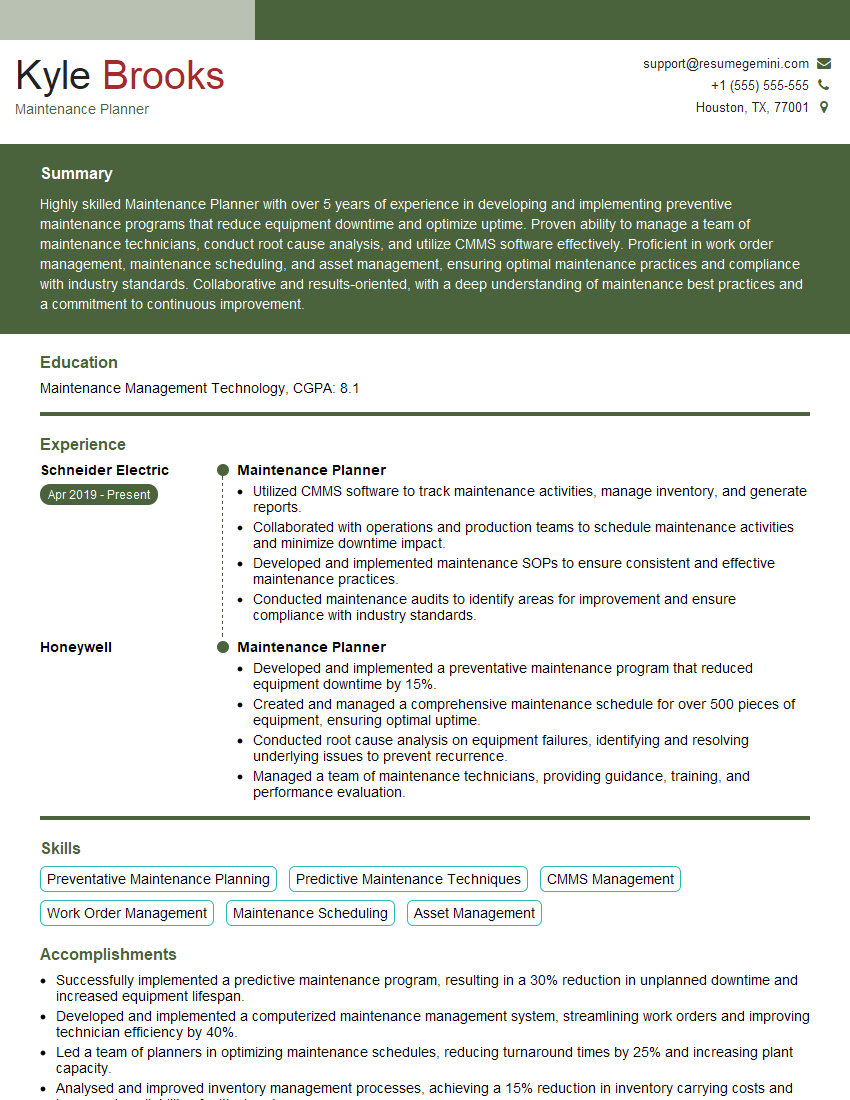
Maintenance Planner Resume Sample
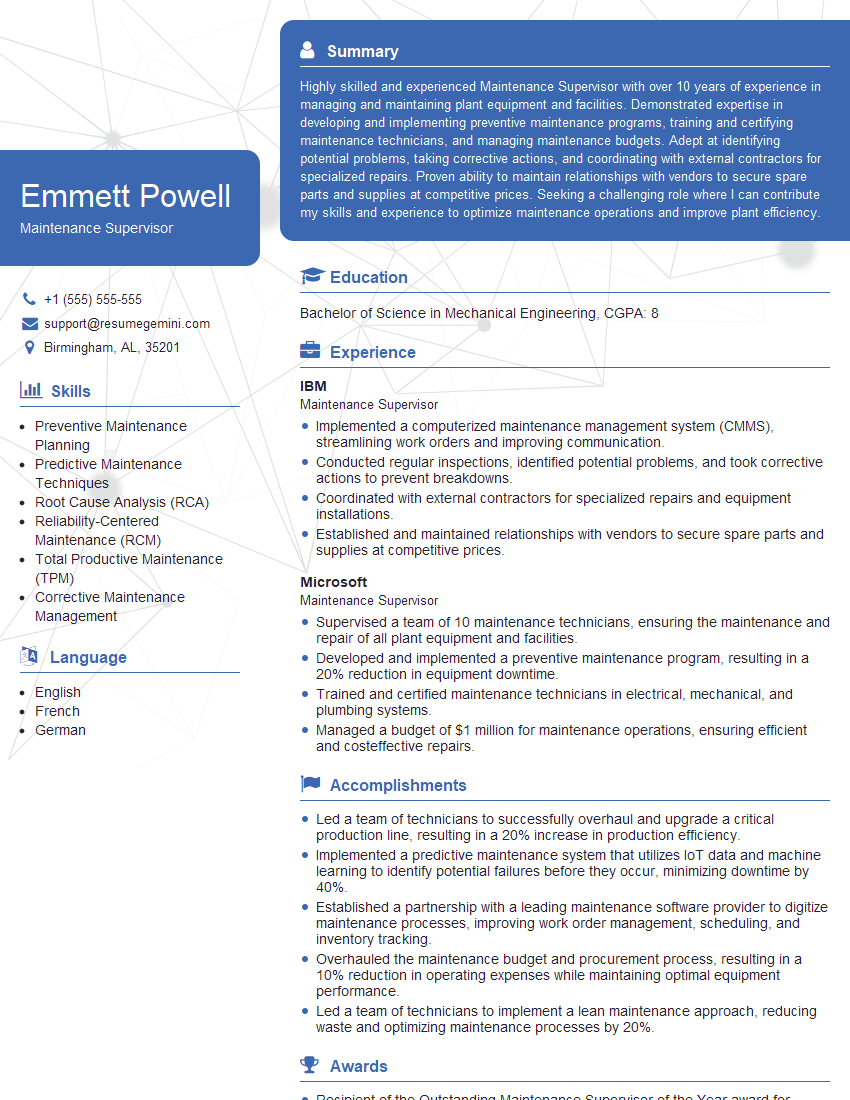
Maintenance Supervisor Resume Sample
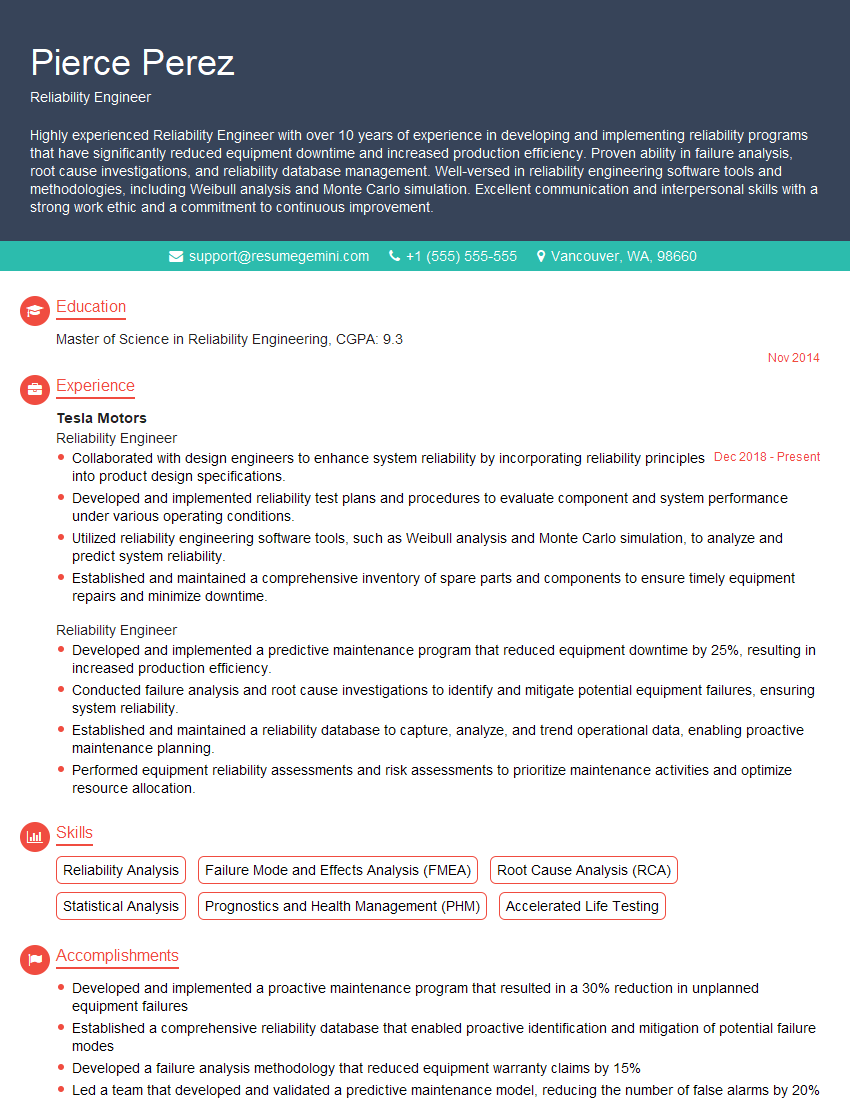
Reliability Engineer Resume Sample
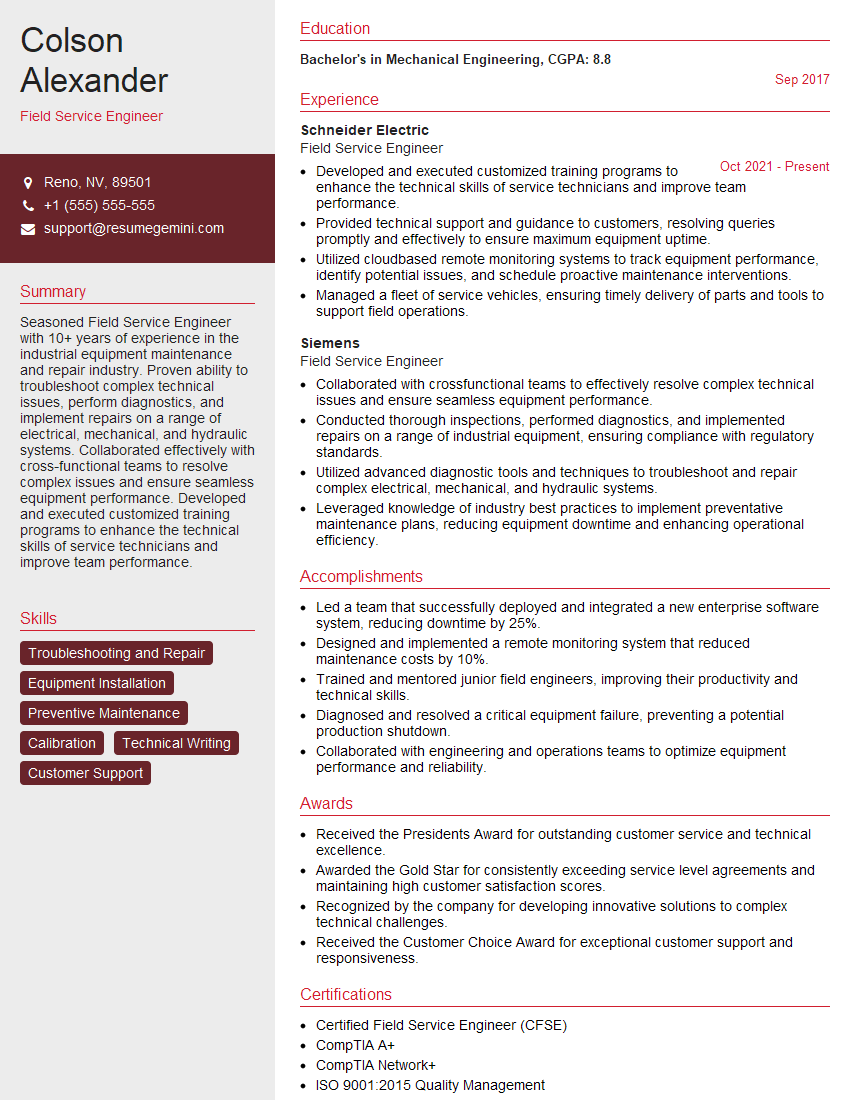
Field Service Engineer Resume Sample
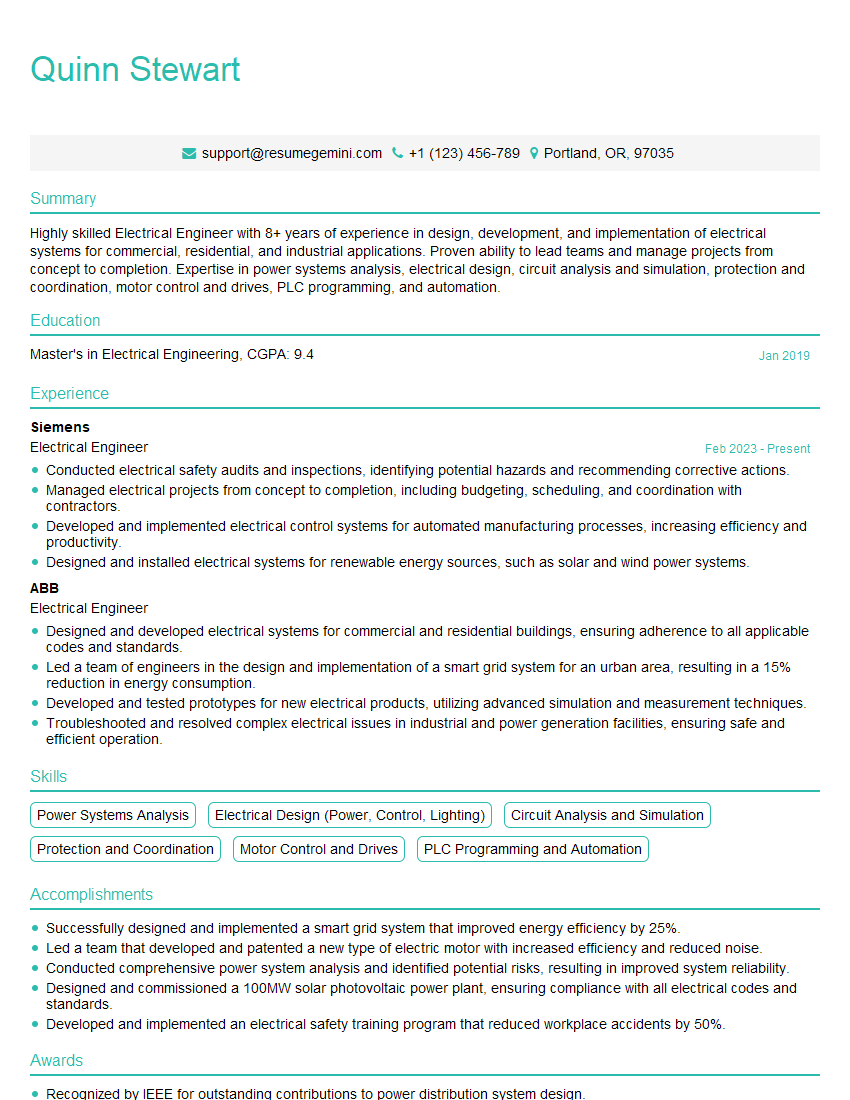
Electrical Engineer Resume Sample
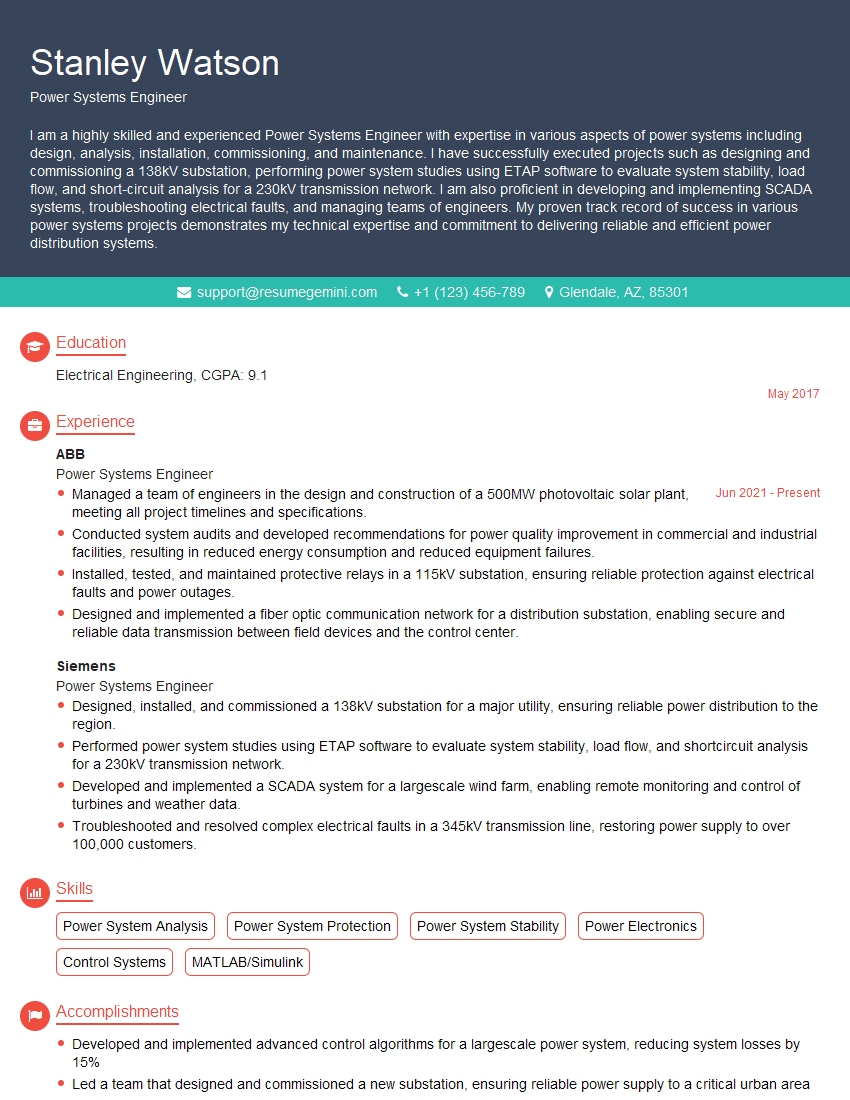
Power Systems Engineer Resume Sample
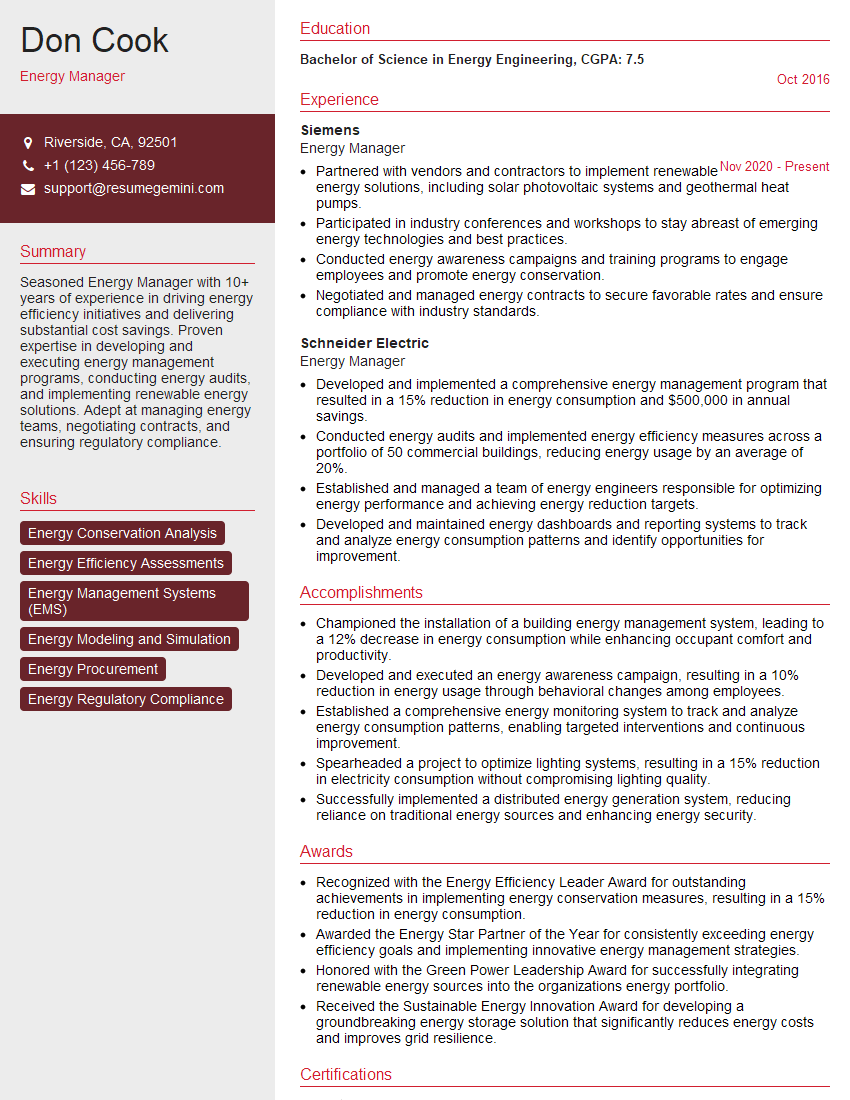
Energy Manager Resume Sample
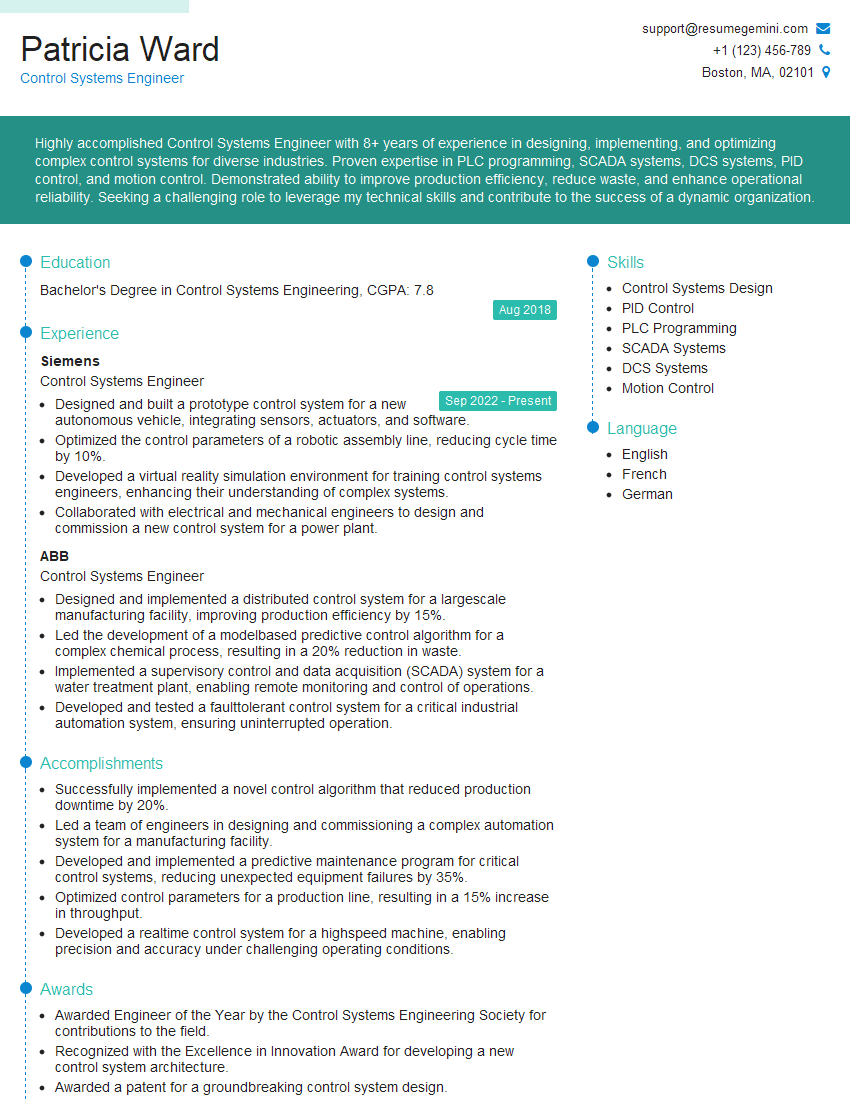
Control Systems Engineer Resume Sample
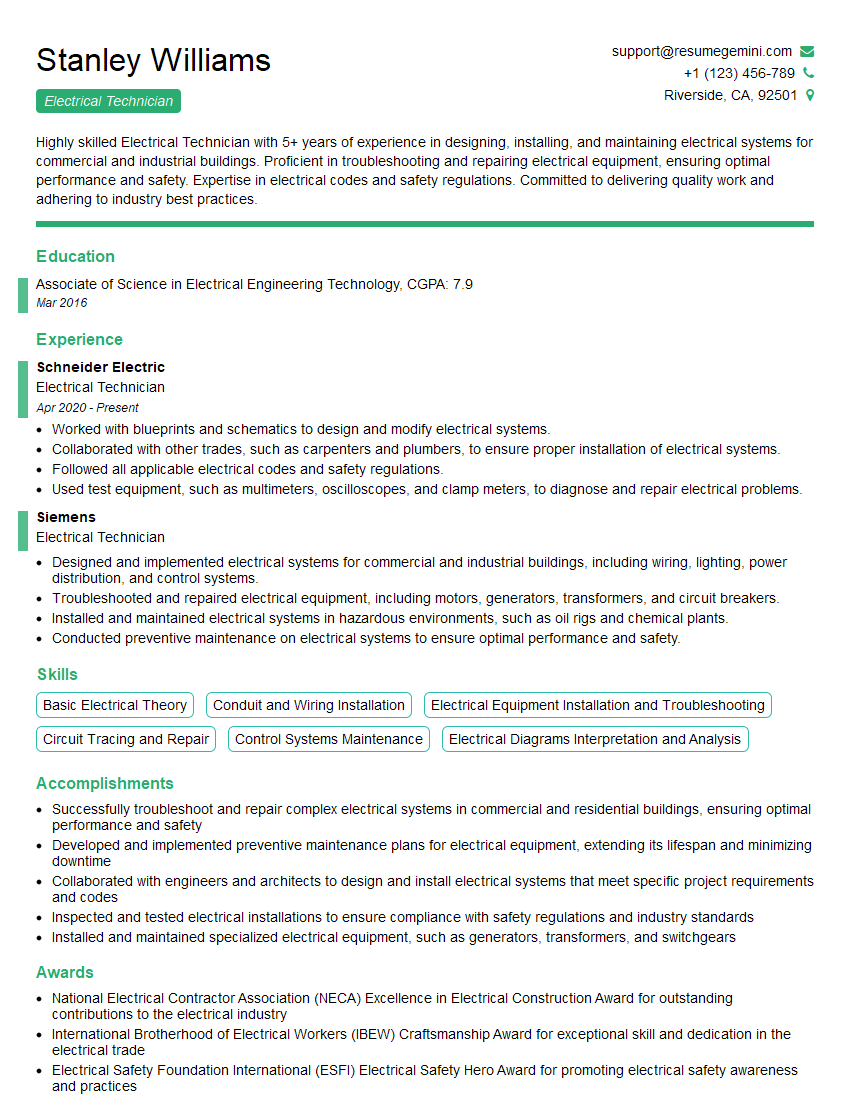
Electrical Technician Resume Sample
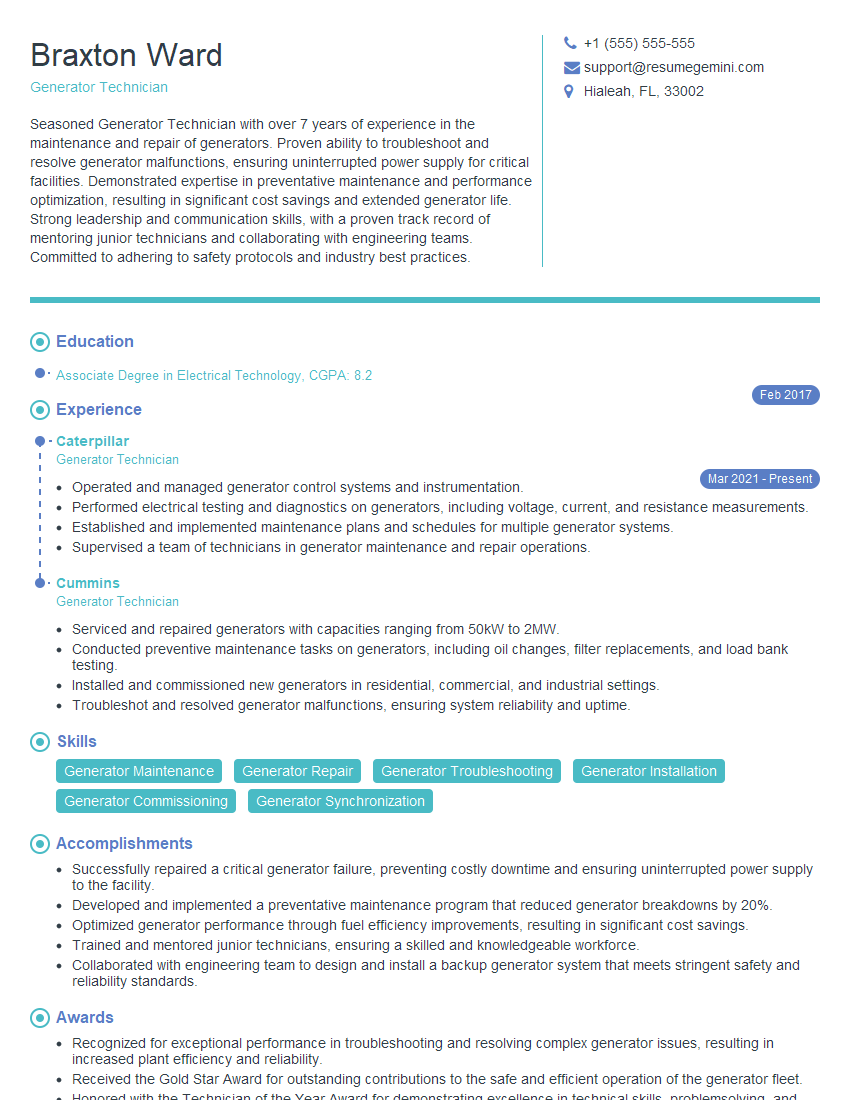
Generator Technician Resume Sample
Explore more articles
Users Rating of Our Blogs
Share Your Experience
We value your feedback! Please rate our content and share your thoughts (optional).
What Readers Say About Our Blog
To the interviewgemini.com Webmaster.
Very helpful and content specific questions to help prepare me for my interview!
Thank you
To the interviewgemini.com Webmaster.
This was kind of a unique content I found around the specialized skills. Very helpful questions and good detailed answers.
Very Helpful blog, thank you Interviewgemini team.