Interviews are opportunities to demonstrate your expertise, and this guide is here to help you shine. Explore the essential Emphysema interview questions that employers frequently ask, paired with strategies for crafting responses that set you apart from the competition.
Questions Asked in Emphysema Interview
Q 1. Explain the pathophysiology of emphysema.
Emphysema’s pathophysiology centers around the progressive destruction of the alveoli, the tiny air sacs in the lungs responsible for gas exchange. This destruction leads to a loss of lung elasticity and surface area, impairing the ability to effectively take in oxygen and expel carbon dioxide. The primary culprit is usually the prolonged exposure to irritants, most commonly cigarette smoke, but also air pollution and certain occupational exposures. These irritants trigger an inflammatory response in the lungs, attracting neutrophils and macrophages which release proteases. These enzymes, particularly elastase, break down the elastin within the alveolar walls. Normally, anti-proteases like α1-antitrypsin balance this process. However, in emphysema, this balance is disrupted, leading to excessive alveolar destruction. Imagine a balloon – healthy lungs are like many small, elastic balloons working together; in emphysema, these balloons are broken and lose their elasticity, making it harder to inflate and deflate.
The destruction isn’t uniform; it often involves the distal airways and the parenchyma, resulting in air trapping and hyperinflation. This air trapping leads to the characteristic barrel chest seen in advanced emphysema. Over time, this cycle of inflammation and alveolar destruction progressively worsens, resulting in the debilitating symptoms of the disease.
Q 2. Describe the different stages of emphysema.
While there isn’t a universally accepted, rigidly defined staging system for emphysema, severity is often assessed based on the extent of lung destruction and functional impairment. Clinicians frequently utilize spirometry (discussed later) and imaging (CT scans) to evaluate disease severity. Generally, we can conceptualize emphysema progression in terms of mild, moderate, and severe stages. In mild emphysema, symptoms are minimal and pulmonary function tests show only slight abnormalities. Moderate emphysema presents with more noticeable symptoms like shortness of breath during exertion, and spirometry reveals a more significant decline in lung function. Severe emphysema is characterized by significant shortness of breath even at rest, increased reliance on supplemental oxygen, and severely compromised pulmonary function tests. The precise classification often depends on specific clinical criteria and the chosen assessment tools, like the GOLD classification system.
Q 3. What are the common clinical manifestations of emphysema?
The clinical manifestations of emphysema are primarily respiratory in nature. The hallmark symptom is dyspnea, or shortness of breath, initially only during exertion but progressing to dyspnea at rest in advanced stages. Chronic cough is common, though often non-productive (without mucus). Wheezing can occur, but is less prominent than in asthma. Patients may experience chest tightness and develop a barrel chest due to air trapping and hyperinflation. Weight loss can be a significant finding, potentially due to increased energy expenditure during breathing. Other symptoms can include fatigue, increased susceptibility to infections, and eventually cor pulmonale (right-sided heart failure) in late stages. It is important to note that the progression and severity of symptoms vary considerably among individuals.
Q 4. How is emphysema diagnosed?
Diagnosing emphysema involves a combination of clinical assessment, pulmonary function testing, and imaging. The process usually begins with a thorough medical history focusing on risk factors like smoking and occupational exposures, along with a detailed symptom assessment. Spirometry is crucial for objective assessment of lung function (discussed further in the next question). Chest X-rays can show hyperinflation, flattened diaphragms, and sometimes increased lucency (airiness) in the lungs, although X-rays are less sensitive than other imaging modalities. High-resolution computed tomography (HRCT) is the gold standard imaging technique for diagnosing and staging emphysema. It provides detailed images of the lungs, allowing for precise visualization of alveolar destruction and quantifying the extent of emphysema.
Arterial blood gas analysis can be performed to assess the severity of gas exchange abnormalities, such as low oxygen levels (hypoxemia) and elevated carbon dioxide levels (hypercapnia). Other tests such as 6-minute walk test might also be helpful in assessing functional capacity and disease severity.
Q 5. Discuss the role of spirometry in diagnosing emphysema.
Spirometry is a fundamental component in diagnosing and assessing the severity of emphysema. It’s a simple, non-invasive test that measures lung volumes and airflow rates. Key parameters include forced expiratory volume in 1 second (FEV1) and forced vital capacity (FVC). In emphysema, the FEV1 is significantly reduced because of the airflow limitation caused by alveolar destruction and loss of elastic recoil. The FEV1/FVC ratio is also typically reduced, which is a characteristic finding of obstructive lung disease like emphysema. The degree of reduction in FEV1 and FEV1/FVC ratio helps clinicians determine the severity of the airway obstruction. For example, an FEV1 less than 80% of predicted, and an FEV1/FVC ratio less than 0.7, strongly suggests the presence of obstructive lung disease. Spirometry is not only used for diagnosis but also to monitor disease progression and response to treatment.
Q 6. What are the key differences between emphysema and chronic bronchitis?
Emphysema and chronic bronchitis are both components of Chronic Obstructive Pulmonary Disease (COPD), but they differ significantly in their pathophysiology and clinical presentation. Emphysema primarily involves the destruction of the alveoli, leading to impaired gas exchange and loss of lung elasticity. This results in airflow limitation primarily due to the loss of elastic recoil. Chronic bronchitis, on the other hand, is characterized by chronic inflammation and excessive mucus production in the bronchi, the larger airways in the lungs. This inflammation leads to narrowing of the airways and increased mucus production obstructing airflow. Patients with emphysema tend to present with significant dyspnea and decreased exercise capacity, whereas patients with chronic bronchitis often experience a productive cough with excessive sputum production. Although they are distinct, it’s important to note that many patients with COPD have features of both emphysema and chronic bronchitis, making it a complex and variable disease.
Q 7. Explain the GOLD classification system for COPD.
The Global Initiative for Chronic Obstructive Lung Disease (GOLD) classification system provides a framework for assessing and managing COPD. It’s based on the patient’s FEV1 and their symptoms. Patients are categorized into groups A, B, C, and D based on their FEV1 and the presence or absence of exacerbations (worsening of symptoms). Group A patients have mild COPD with few exacerbations, group B has mild COPD with frequent exacerbations, group C has severe COPD with few exacerbations, and group D has severe COPD with frequent exacerbations. The classification guides treatment decisions, including the use of bronchodilators, inhaled corticosteroids, and other therapies. The GOLD strategy is designed to provide individualized treatment plans based on the severity of airflow limitation and the burden of symptoms and exacerbations, leading to improved patient outcomes.
Q 8. Describe the treatment goals for emphysema.
The primary treatment goals for emphysema are to alleviate symptoms, improve lung function, enhance quality of life, and slow disease progression. This involves managing breathlessness (dyspnea), reducing exacerbations (flare-ups), and improving exercise tolerance. We strive to help patients maintain their independence and participate in activities they enjoy. Ultimately, we aim to prevent further lung damage and improve their overall well-being.
Imagine a marathon runner with emphysema; our goal isn’t necessarily to get them to run a marathon again, but to enable them to walk comfortably around the block without severe shortness of breath. We focus on achievable, patient-centered goals.
Q 9. What are the pharmacological treatments for emphysema?
Pharmacological treatments for emphysema focus on bronchodilators and, in some cases, other medications. Bronchodilators relax the airways, making it easier to breathe. These include short-acting beta-agonists (SABAs) like albuterol for quick relief and long-acting beta-agonists (LABAs) like salmeterol for longer-lasting effects. Long-acting muscarinic antagonists (LAMAs) such as tiotropium also help relax the airways. Sometimes, a combination of a LABA and a LAMA is used. Phosphodiesterase-4 inhibitors (PDE4i) like roflumilast can reduce exacerbations in certain patients, and antibiotics are used to treat infections that frequently accompany exacerbations. There are also emerging treatments that target inflammation and other disease mechanisms.
Q 10. Discuss the role of bronchodilators in managing emphysema.
Bronchodilators are crucial in emphysema management because they directly address the primary problem: airway narrowing and obstruction. They relax the muscles surrounding the airways, widening them and improving airflow. This leads to immediate relief from breathlessness and improved exercise tolerance. Short-acting bronchodilators provide quick relief during an exacerbation or when needed, while long-acting bronchodilators offer continuous improvement in daily breathing. Think of them as a plumber clearing a clogged pipe – they restore the flow of air to the lungs.
For example, a patient might use a SABA inhaler like albuterol for immediate relief of shortness of breath, whereas a LAMA or LABA inhaler provides longer-lasting bronchodilation, improving breathing throughout the day.
Q 11. Explain the use of inhaled corticosteroids in emphysema.
Inhaled corticosteroids are generally not the primary treatment for emphysema, unlike in chronic obstructive pulmonary disease (COPD) with a significant component of chronic bronchitis. While they reduce inflammation, their benefit in emphysema is limited and often less pronounced compared to bronchodilators. Their use may be considered in specific cases, such as those with frequent exacerbations or in individuals where there’s a strong suspicion of concurrent underlying inflammatory components. It’s crucial to emphasize that their role is far less significant than that of bronchodilators in managing emphysema. Their use should be carefully weighed against potential side effects.
Q 12. What are the non-pharmacological interventions for emphysema?
Non-pharmacological interventions play a vital role in emphysema management, often complementing medication. These include pulmonary rehabilitation, oxygen therapy, smoking cessation (if applicable), vaccination (flu and pneumonia), nutritional support, and lifestyle modifications. Addressing these aspects can significantly impact the patient’s overall quality of life and disease management.
Q 13. Describe pulmonary rehabilitation programs for emphysema patients.
Pulmonary rehabilitation is a structured program involving exercise training, education, and psychosocial support for individuals with chronic respiratory conditions like emphysema. It aims to improve exercise capacity, reduce dyspnea, enhance quality of life, and empower patients to self-manage their condition. Programs typically include supervised exercise, education on disease management and breathing techniques, and psychological support to address anxiety and depression often associated with the condition. Think of it as a structured exercise program combined with education on how to live better with the disease.
For example, a program might include endurance training on treadmills or stationary bikes, strength training, breathing exercises like pursed-lip breathing, and education on medication use and energy conservation techniques.
Q 14. Discuss the importance of oxygen therapy in emphysema.
Oxygen therapy is crucial for emphysema patients with chronic hypoxemia (low blood oxygen levels). It improves oxygenation, reducing breathlessness and improving exercise tolerance. Long-term oxygen therapy (LTOT) is prescribed when oxygen saturation falls below a certain level, even at rest. It can significantly improve survival and reduce complications associated with low oxygen, such as heart failure and cognitive impairment. Oxygen therapy helps the body function optimally by delivering the necessary oxygen to tissues and organs. It’s important to note that oxygen therapy is not a cure but a vital supportive treatment to improve the patient’s overall well-being and survival.
A patient with severe emphysema might benefit greatly from LTOT at home, improving their sleep quality and ability to perform daily activities. Careful monitoring of oxygen levels is critical to ensure the correct dosage and efficacy of therapy.
Q 15. What are the potential complications of emphysema?
Emphysema, a chronic obstructive pulmonary disease (COPD), significantly impacts lung function, leading to several potential complications. These complications can range from manageable to life-threatening, depending on the severity of the disease and the individual’s overall health.
- Respiratory Infections: Individuals with emphysema are highly susceptible to frequent and severe respiratory infections like pneumonia and bronchitis. The damaged lung tissue provides an ideal environment for bacterial growth.
- Respiratory Failure: As the disease progresses, the lungs’ ability to adequately exchange oxygen and carbon dioxide diminishes, potentially leading to respiratory failure requiring hospitalization and mechanical ventilation.
- Pulmonary Hypertension: The increased resistance to blood flow in the narrowed lung vessels causes high blood pressure in the pulmonary arteries (pulmonary hypertension). This can strain the heart and lead to heart failure.
- Cor Pulmonale: This is a type of heart failure specifically caused by pulmonary hypertension. The right side of the heart, responsible for pumping blood to the lungs, becomes overworked and enlarged.
- Pneumothorax: This is a collapsed lung, a serious complication where air leaks into the space between the lung and chest wall. It’s more common in individuals with severe emphysema due to weakened lung tissue.
- Depression and Anxiety: The debilitating nature of emphysema, along with its impact on daily life, can lead to significant emotional distress, including depression and anxiety.
- Other Complications: Other possible complications include weight loss, fatigue, and sleep disturbances.
For example, a patient with severe emphysema might experience recurrent pneumonia, requiring multiple hospitalizations, ultimately impacting their quality of life significantly. Early diagnosis and proactive management are crucial to mitigating these risks.
Career Expert Tips:
- Ace those interviews! Prepare effectively by reviewing the Top 50 Most Common Interview Questions on ResumeGemini.
- Navigate your job search with confidence! Explore a wide range of Career Tips on ResumeGemini. Learn about common challenges and recommendations to overcome them.
- Craft the perfect resume! Master the Art of Resume Writing with ResumeGemini’s guide. Showcase your unique qualifications and achievements effectively.
- Don’t miss out on holiday savings! Build your dream resume with ResumeGemini’s ATS optimized templates.
Q 16. How is acute exacerbation of emphysema managed?
An acute exacerbation of emphysema, also known as a COPD exacerbation, is a sudden worsening of respiratory symptoms. Management focuses on addressing the immediate respiratory distress and preventing further deterioration.
- Hospitalization: Severe exacerbations often require hospitalization for close monitoring and aggressive treatment.
- Bronchodilators: These medications, such as albuterol (salbutamol) and ipratropium, help relax the airway muscles and improve airflow. They are usually administered via inhalers or nebulizers.
- Corticosteroids: These anti-inflammatory medications, like prednisone, reduce airway swelling and inflammation. They are typically given as short courses.
- Antibiotics: If a bacterial infection is suspected, antibiotics are prescribed to combat the infection.
- Oxygen Therapy: Supplemental oxygen is administered to improve oxygen levels in the blood.
- Non-invasive Ventilation: In some cases, non-invasive ventilation, such as CPAP (Continuous Positive Airway Pressure) or BiPAP (Bilevel Positive Airway Pressure), might be used to support breathing.
- Intubation and Mechanical Ventilation: If non-invasive methods are unsuccessful, intubation and mechanical ventilation may be necessary to support breathing.
Imagine a patient experiencing increased shortness of breath, cough, and sputum production. Prompt medical attention is crucial, often involving a combination of bronchodilators, corticosteroids, and possibly antibiotics. The goal is to stabilize their respiratory status and prevent the exacerbation from becoming life-threatening.
Q 17. Explain the role of smoking cessation in emphysema management.
Smoking cessation is paramount in emphysema management. Smoking is the leading cause of emphysema, and continued smoking dramatically accelerates disease progression and worsens the prognosis.
Quitting smoking doesn’t reverse the lung damage already done, but it significantly slows down further damage. This allows for better symptom control, improved lung function, and a reduced risk of future complications like respiratory infections and exacerbations.
- Counseling and Support Groups: These provide vital resources and encouragement, helping smokers navigate the challenges of quitting.
- Nicotine Replacement Therapy (NRT): Patches, gum, lozenges, inhalers, and nasal sprays can help manage nicotine withdrawal symptoms.
- Medication: Prescription medications like bupropion and varenicline can assist with quitting by reducing cravings and withdrawal symptoms.
For instance, a patient who continues smoking despite an emphysema diagnosis faces a significantly higher risk of needing hospitalization for exacerbations, oxygen therapy, and even lung transplantation. Quitting smoking is the single most effective intervention for managing and improving the trajectory of emphysema.
Q 18. Discuss the use of long-term oxygen therapy (LTOT) in emphysema.
Long-term oxygen therapy (LTOT) is a cornerstone of management for patients with severe emphysema. It involves providing supplemental oxygen for at least 15 hours a day to improve oxygen levels in the blood and alleviate symptoms.
LTOT is prescribed when a patient demonstrates hypoxemia (low blood oxygen levels) at rest or during minimal exertion, typically defined by specific blood oxygen saturation (SpO2) and partial pressure of arterial oxygen (PaO2) measurements. It is not used to treat all emphysema patients.
- Improved Quality of Life: LTOT significantly improves exercise tolerance, reduces shortness of breath, and enhances overall quality of life.
- Reduced Hospitalizations: By improving oxygen levels, it reduces the risk of serious complications and hospital readmissions.
- Increased Life Expectancy: Studies show that LTOT can prolong life expectancy in patients with severe hypoxemia.
Consider a patient with persistently low oxygen saturation levels, struggling with daily activities. LTOT will improve their oxygen levels, enabling them to engage more easily in everyday tasks and improving their overall well-being and life expectancy. However, it’s crucial that this treatment is properly managed and closely monitored. Proper use and maintenance of the equipment are essential for patient safety and effectiveness.
Q 19. What are the different types of lung volume reduction surgery?
Lung volume reduction surgery (LVRS) is a surgical procedure aimed at removing diseased lung tissue, primarily in the upper lobes, where emphysema is often most severe. This improves the function of the remaining healthy lung tissue. Different techniques exist:
- Open thoracotomy: This involves a larger incision in the chest wall to access and remove the diseased lung tissue. It’s a more invasive procedure.
- Video-assisted thoracoscopic surgery (VATS): This minimally invasive approach uses smaller incisions and a video camera to guide the surgical removal of the damaged tissue. It’s associated with shorter hospital stays and faster recovery times.
The choice between these surgical techniques depends on factors like the extent and location of emphysema, the patient’s overall health, and the surgeon’s expertise. Both aim to remove hyperinflated lung tissue, improving the efficiency of gas exchange and reducing the work of breathing.
For example, a patient with severe upper-lobe emphysema may be a candidate for LVRS. The surgeon would carefully assess the extent of the disease and choose the best surgical approach to maximize the benefits while minimizing risks. Careful pre-operative assessments are critical in deciding who is a suitable candidate.
Q 20. Describe the indications and contraindications for lung transplantation in emphysema.
Lung transplantation is a complex procedure considered for patients with severe, end-stage emphysema who haven’t responded to other treatments. It involves replacing the diseased lungs with healthy donor lungs.
Indications:
- Severe Emphysema: Patients with severely compromised lung function, significantly impacting their quality of life and daily activities.
- Failure of Other Treatments: When other treatments like medications, oxygen therapy, and surgery have failed to provide adequate relief.
- Suitable Candidate: The patient must be otherwise healthy enough to withstand the rigors of surgery and the immunosuppressant medications needed after transplantation.
Contraindications:
- Other Serious Medical Conditions: Untreated or poorly controlled heart disease, kidney disease, or other significant medical problems.
- Active Infection: The presence of a serious infection increases the risk of complications after transplantation.
- Smoking: Continued smoking makes transplantation unsuccessful and poses a significant risk.
- Poor Social Support: Adequate social support is crucial for successful post-transplant management and adherence to medication regimens.
In essence, lung transplantation is a last resort for individuals with severe emphysema who meet specific criteria. The risks and benefits are carefully weighed against the patient’s overall health and potential for successful outcomes. Post-transplant care and management of the immunosuppressants are paramount for successful outcomes and avoidance of rejection.
Q 21. How do you counsel patients with emphysema about their prognosis?
Counseling patients with emphysema about their prognosis requires a sensitive and empathetic approach. It’s crucial to tailor the conversation to the individual’s specific situation and understanding.
The discussion should start by acknowledging the patient’s concerns and fears, validating their feelings and experiences. It should be a collaborative process of shared decision-making. Emphasize aspects that can be managed and improved rather than focusing solely on the negative aspects of the illness. This includes:
- Realistic Expectations: Clearly explain the progression of the disease and the potential impact on their daily life, but also highlight areas where they can maintain control and improve their quality of life.
- Treatment Options: Discuss available treatments such as medications, oxygen therapy, pulmonary rehabilitation, and surgery, explaining their benefits and limitations.
- Lifestyle Modifications: Emphasize the importance of quitting smoking, adopting healthy lifestyle habits, and adhering to the prescribed treatment plan.
- Emotional Support: Offer resources for emotional support, such as support groups, counseling, or palliative care. This addresses the emotional distress often associated with living with a chronic illness.
- Advance Care Planning: As the disease progresses, it is appropriate to have conversations about advance care planning, including end-of-life decisions, and ensure the patient’s wishes are documented. This is a sensitive discussion that should occur well in advance.
For example, when counseling a newly diagnosed patient, I might focus on the importance of quitting smoking and starting pulmonary rehabilitation to improve their quality of life and slow disease progression. For a patient with severe emphysema, the conversation would naturally shift to managing symptoms, ensuring comfort, and addressing end-of-life concerns.
Q 22. What are the common challenges faced by patients with emphysema?
Emphysema, a chronic obstructive pulmonary disease (COPD), presents patients with a range of significant challenges. These challenges impact their physical well-being, emotional state, and overall quality of life.
- Breathing difficulties: Shortness of breath (dyspnea) is a hallmark symptom, worsening with exertion. Imagine trying to breathe through a straw – that’s the sensation many patients experience. This limits their ability to participate in everyday activities.
- Chronic cough and sputum production: A persistent cough, often producing mucus, can be debilitating and disruptive to sleep and daily routines.
- Frequent respiratory infections: Damaged lungs are more susceptible to infections like bronchitis and pneumonia, leading to hospitalizations and further decline in lung function.
- Exercise intolerance: Even simple tasks become strenuous, resulting in fatigue and reduced physical activity. This can lead to muscle weakness and weight loss.
- Anxiety and depression: Living with a chronic, progressively debilitating disease can take a significant toll on mental health.
- Limited mobility and social isolation: Breathing difficulties restrict mobility and participation in social activities, leading to feelings of isolation and loneliness.
- Increased healthcare costs: Emphysema requires ongoing medical care, including medications, pulmonary rehabilitation, and potential hospitalizations, placing a significant financial burden on patients and their families.
Q 23. Discuss the importance of patient education in emphysema management.
Patient education is paramount in emphysema management. It empowers patients to actively participate in their care, improving treatment adherence and overall outcomes. A well-educated patient understands their condition, treatment options, and the importance of lifestyle modifications.
- Understanding the disease: Patients need a clear explanation of emphysema, its causes, and its progressive nature. Using simple analogies and visual aids can enhance comprehension.
- Medication management: Patients should be taught how to use inhalers correctly, understand the purpose of each medication, and recognize potential side effects.
- Breathing techniques: Pursed-lip breathing and diaphragmatic breathing techniques can help improve oxygen intake and reduce shortness of breath. Hands-on practice and regular follow-up are crucial.
- Pulmonary rehabilitation: Understanding the benefits of pulmonary rehabilitation, a program designed to improve exercise capacity and quality of life, is vital for patient engagement.
- Lifestyle modifications: Educating patients about smoking cessation (if applicable), healthy eating, and regular exercise is critical for slowing disease progression.
- Recognizing exacerbations: Patients need to learn how to identify signs and symptoms of worsening disease and seek prompt medical attention.
- Disease self-management: Empowering patients to monitor their symptoms, track their progress, and make informed decisions about their care leads to improved outcomes and reduces hospital readmissions. For example, teaching them to use a peak flow meter can help identify early warning signs of an exacerbation.
Q 24. How do you assess a patient’s response to emphysema treatment?
Assessing a patient’s response to emphysema treatment is a multi-faceted process that involves evaluating both objective and subjective measures. We aim to determine if the treatment is improving lung function, reducing symptoms, and enhancing the patient’s quality of life.
- Pulmonary function tests (PFTs): These tests measure lung capacity and airflow, providing objective data on lung function improvement or decline. Changes in FEV1 (forced expiratory volume in 1 second) are particularly important.
- Symptom assessment: Regular monitoring of symptoms like shortness of breath, cough, and sputum production is crucial. Using standardized questionnaires (e.g., the mMRC dyspnea scale) allows for consistent assessment over time.
- Exercise capacity: Assessing the patient’s ability to perform everyday activities and exercise is a key indicator of improvement. Six-minute walk tests can objectively measure this.
- Quality of life questionnaires: Tools like the CAT (COPD Assessment Test) and SGRQ (St. George’s Respiratory Questionnaire) provide insights into the impact of the disease on a patient’s overall well-being.
- Hospitalizations and exacerbations: A decrease in the frequency and severity of hospitalizations and exacerbations signifies positive treatment response.
- Blood gas analysis: In severe cases, arterial blood gas analysis helps to evaluate oxygen and carbon dioxide levels in the blood, indicating the effectiveness of oxygen therapy.
By combining these assessments, we can build a comprehensive picture of the patient’s response to treatment and make necessary adjustments.
Q 25. What are the key performance indicators (KPIs) for monitoring emphysema patients?
Key Performance Indicators (KPIs) for monitoring emphysema patients focus on tracking disease progression, treatment effectiveness, and overall patient outcomes. These metrics help us tailor care and evaluate the success of interventions.
- FEV1 (Forced Expiratory Volume in 1 second): This is a crucial indicator of lung function, reflecting the severity of airflow limitation. A decline in FEV1 signals disease progression.
- Rate of Exacerbations: The number of acute worsening episodes (exacerbations) requiring medical attention per year indicates disease control. A reduction in exacerbation rates is a positive sign.
- Hospitalization rate: The frequency of hospital admissions due to emphysema-related complications provides insights into disease severity and management effectiveness.
- Mortality rate: While not a direct measure of treatment success, mortality data provide a long-term measure of disease burden and the impact of interventions.
- Quality of life scores (CAT, SGRQ): These scores reflect the impact of the disease on a patient’s daily life and are invaluable for assessing treatment efficacy and improving patient well-being. Improvements in these scores represent a positive treatment outcome.
- Medication adherence: Consistent medication use is vital for effective disease management. Monitoring adherence helps identify patients needing support or adjustments to their treatment plan.
- Patient satisfaction: Regular feedback from patients regarding their treatment experience and overall satisfaction helps identify areas for improvement in care.
Q 26. Describe your experience with managing patients with severe emphysema.
Managing patients with severe emphysema requires a multidisciplinary approach and a focus on optimizing their quality of life. These patients often experience significant limitations in their daily activities and require comprehensive support.
My experience involves collaborating closely with respiratory therapists, pulmonologists, and other healthcare professionals to develop individualized treatment plans. This includes:
- Oxygen therapy: Providing supplemental oxygen to improve blood oxygen levels and reduce breathlessness is a cornerstone of management in severe cases.
- Long-term oxygen therapy (LTOT): For patients with persistent low blood oxygen levels, LTOT is essential for improving their quality of life and survival.
- Bronchodilators and inhaled corticosteroids: These medications help to open airways and reduce inflammation, improving breathing and reducing exacerbations. Careful medication selection and monitoring for side effects are crucial.
- Pulmonary rehabilitation: Intensive pulmonary rehabilitation programs are vital for improving exercise capacity and strength, enhancing independence and overall well-being.
- Surgical interventions: In selected cases, surgical options like lung volume reduction surgery (LVRS) or lung transplant may be considered to improve lung function and quality of life. The decision to pursue these options is made carefully, considering the patient’s overall health and suitability for surgery.
- Palliative care: For patients in the advanced stages of the disease, palliative care provides comfort, symptom management, and emotional support. This approach focuses on improving quality of life, rather than curing the disease.
Each patient presents unique challenges, and a personalized approach is crucial for optimal management.
Q 27. How do you differentiate between emphysema and other respiratory conditions?
Differentiating emphysema from other respiratory conditions requires a thorough clinical evaluation, including a detailed history, physical examination, and various diagnostic tests. The key is to understand the specific characteristics of each condition.
- Chronic bronchitis: Unlike emphysema, which primarily affects the alveoli (air sacs), chronic bronchitis is characterized by inflammation and excess mucus production in the bronchi (airways). Patients with chronic bronchitis often present with a productive cough, while emphysema patients may have a less productive or dry cough.
- Asthma: Asthma is a reversible airway obstruction, while emphysema is largely irreversible. Asthma often presents with wheezing and bronchospasm, which are less prominent in emphysema. A bronchodilator test can help distinguish between the two.
- Bronchiectasis: This condition involves permanent dilation of the airways, leading to recurrent infections and excessive mucus production. It can be differentiated from emphysema through imaging techniques like CT scans, which show characteristic airway changes in bronchiectasis.
- Pulmonary fibrosis: This is a restrictive lung disease characterized by scarring and stiffening of the lungs, resulting in reduced lung capacity. Pulmonary function tests can help distinguish between the restrictive pattern of pulmonary fibrosis and the obstructive pattern of emphysema.
- Lung cancer: Lung cancer can mimic some symptoms of COPD, but imaging studies (chest X-ray, CT scan) are crucial for identifying the presence of a lung mass or nodule.
A combination of clinical presentation, pulmonary function tests, chest imaging, and sometimes blood tests, are crucial for accurate diagnosis and to determine if the patient has emphysema or another lung condition.
Q 28. What are some emerging therapies for emphysema?
The field of emphysema treatment is constantly evolving, with emerging therapies offering new hope for patients. While there’s no cure, these advances aim to slow disease progression, improve lung function, and enhance quality of life.
- Targeted therapies: Research is exploring therapies targeting specific pathways involved in emphysema pathogenesis, such as inflammation and protease-antiprotease imbalance.
- Gene therapy: Experimental gene therapies are under investigation to correct genetic defects that contribute to emphysema development.
- Regenerative medicine: Scientists are exploring the use of stem cells and other regenerative approaches to repair damaged lung tissue. This is still in early stages of development.
- Novel drug delivery systems: Advances in drug delivery systems aim to improve the efficiency and efficacy of existing therapies. For example, novel inhalers may deliver medications more effectively to the lungs.
- Combination therapies: Combining different therapeutic approaches may prove to be more effective than single therapies in managing the complex nature of emphysema.
- Improved pulmonary rehabilitation techniques: New technologies and approaches in pulmonary rehabilitation programs continuously aim to improve their effectiveness.
It’s important to stay updated on the latest research and clinical trials as these therapies continue to develop and hold promise for improving the lives of patients with emphysema.
Key Topics to Learn for Emphysema Interview
- Pathophysiology of Emphysema: Understand the mechanisms of alveolar destruction, including the role of inflammation and proteases. Consider the differences between centrilobular and panacinar emphysema.
- Clinical Presentation and Diagnosis: Familiarize yourself with the characteristic symptoms (dyspnea, cough, wheezing), diagnostic tools (spirometry, CT scans), and the importance of differentiating emphysema from other respiratory conditions.
- Management and Treatment Strategies: Study various treatment approaches, including bronchodilators, corticosteroids, oxygen therapy, pulmonary rehabilitation, and surgical interventions (e.g., lung volume reduction surgery). Understand the indications and contraindications for each.
- Impact on Quality of Life: Explore the effects of emphysema on patients’ daily lives, including physical limitations, psychological impact, and the importance of patient education and support.
- Complications and Co-morbidities: Be prepared to discuss common complications such as respiratory infections, cor pulmonale, and the frequent co-occurrence with other conditions like chronic bronchitis and cardiovascular disease.
- Pharmacology of Emphysema Medications: Understand the mechanisms of action, side effects, and appropriate uses of common medications used in the management of emphysema.
- Research and Future Directions: Be aware of current research trends and potential advancements in the treatment and prevention of emphysema.
Next Steps
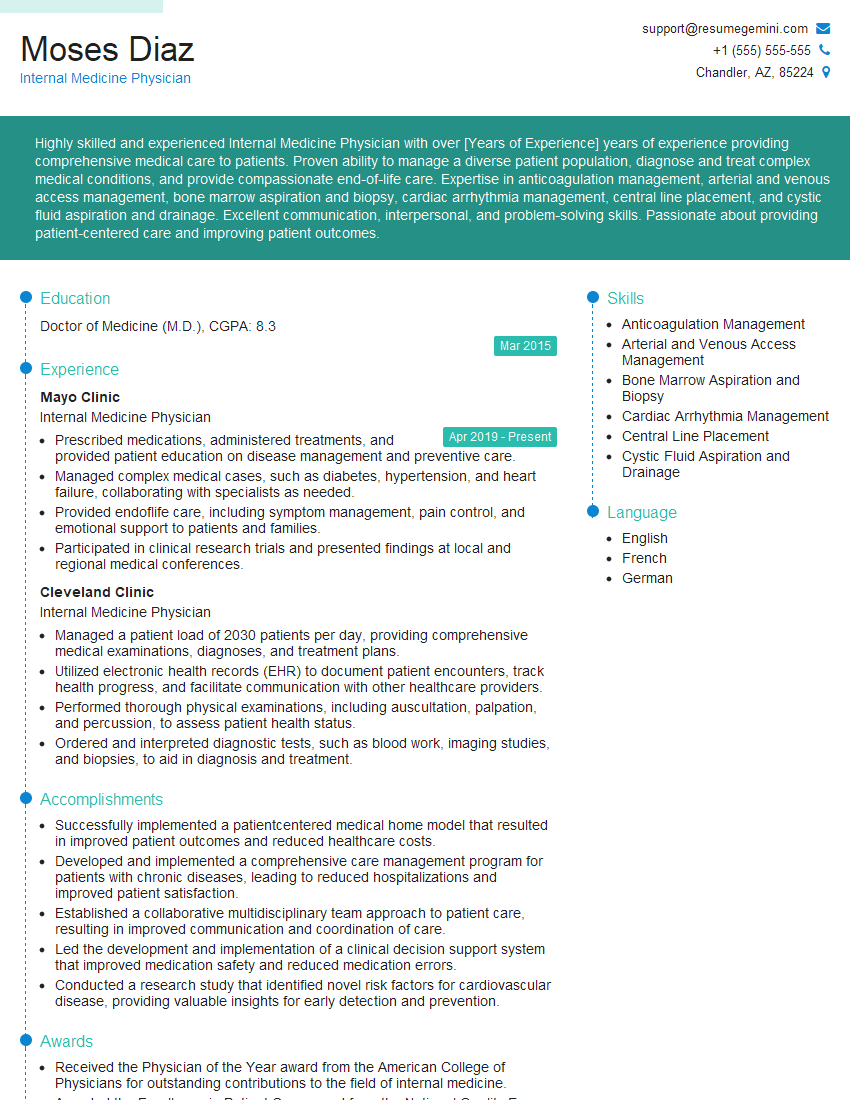
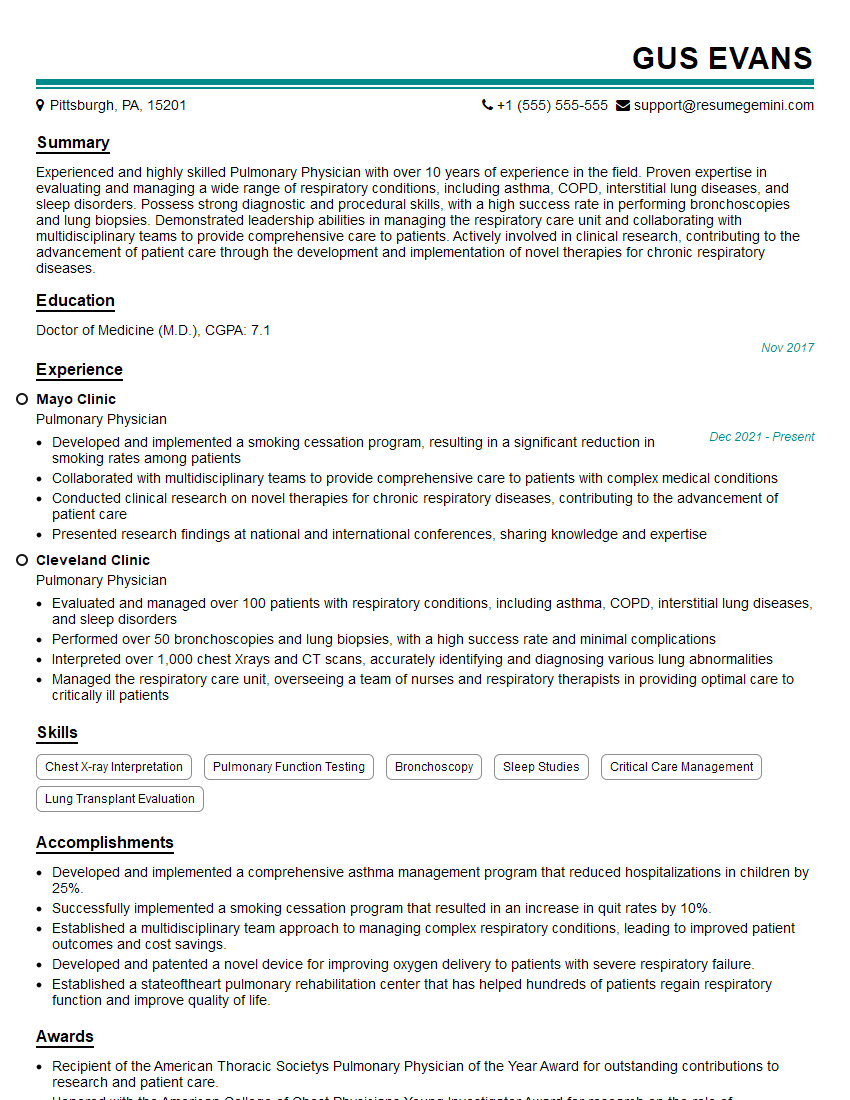
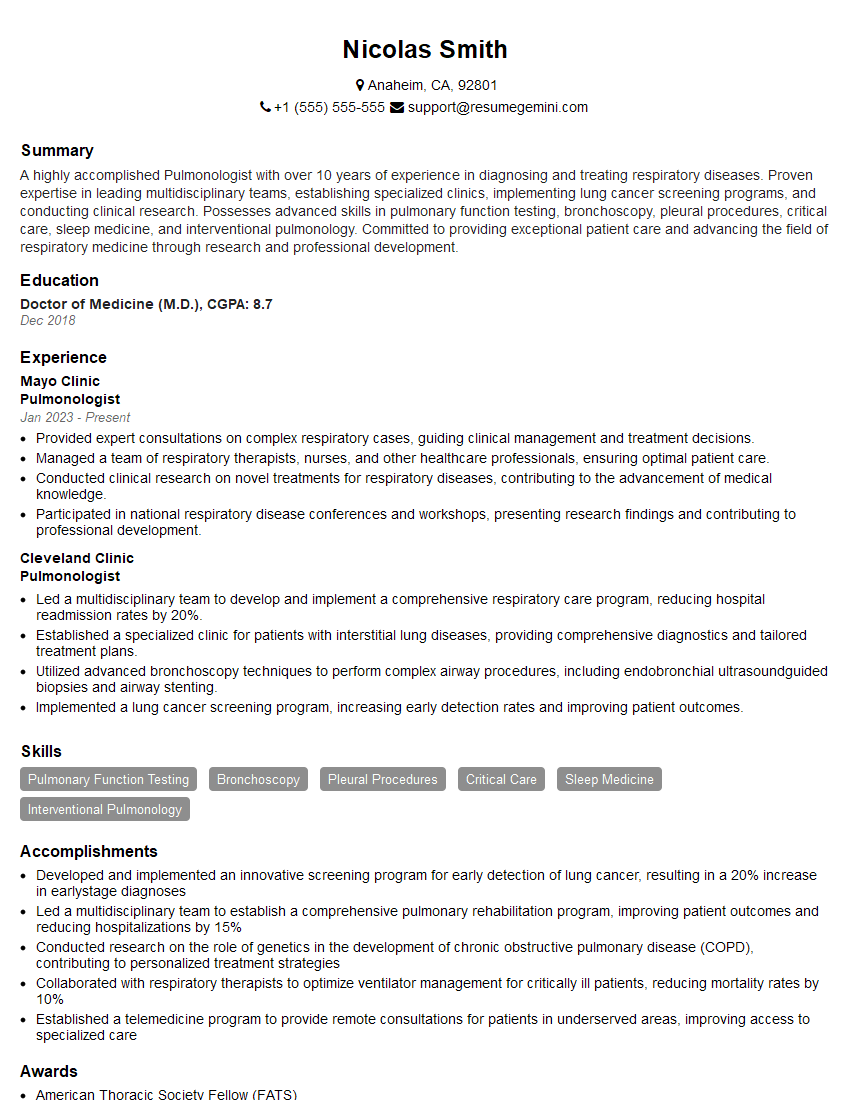
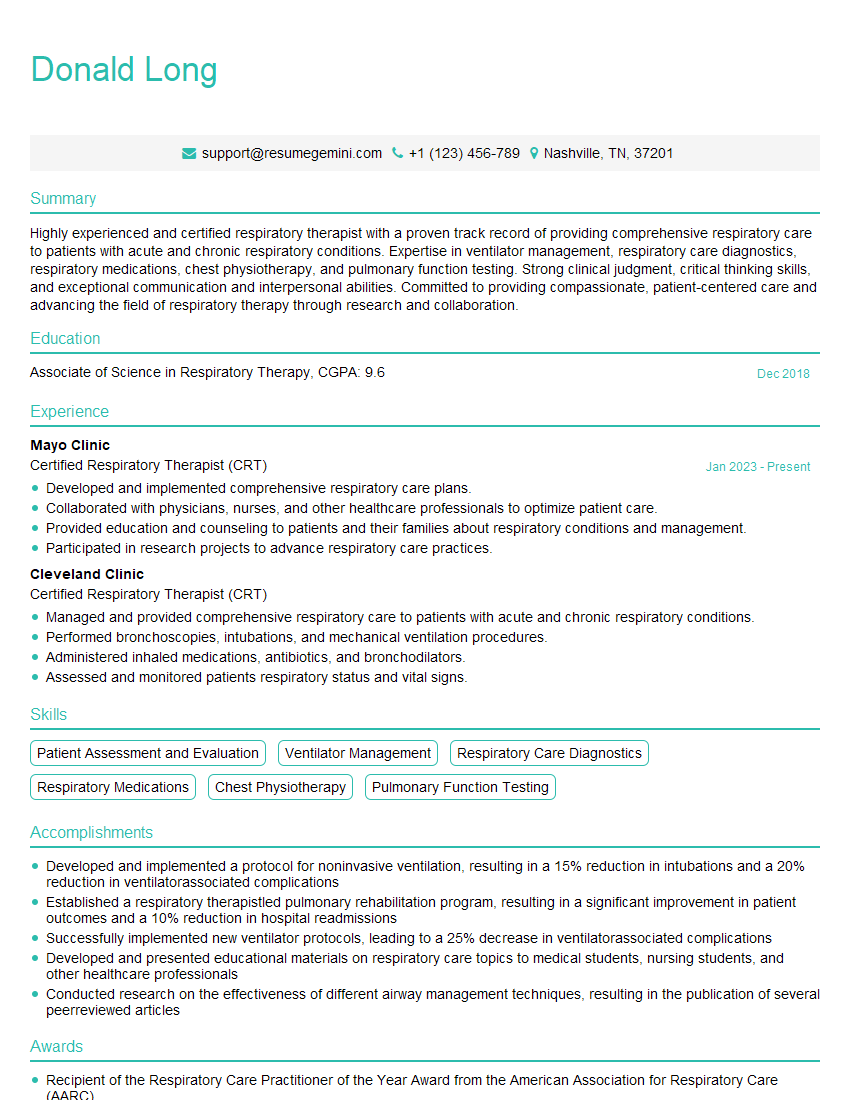
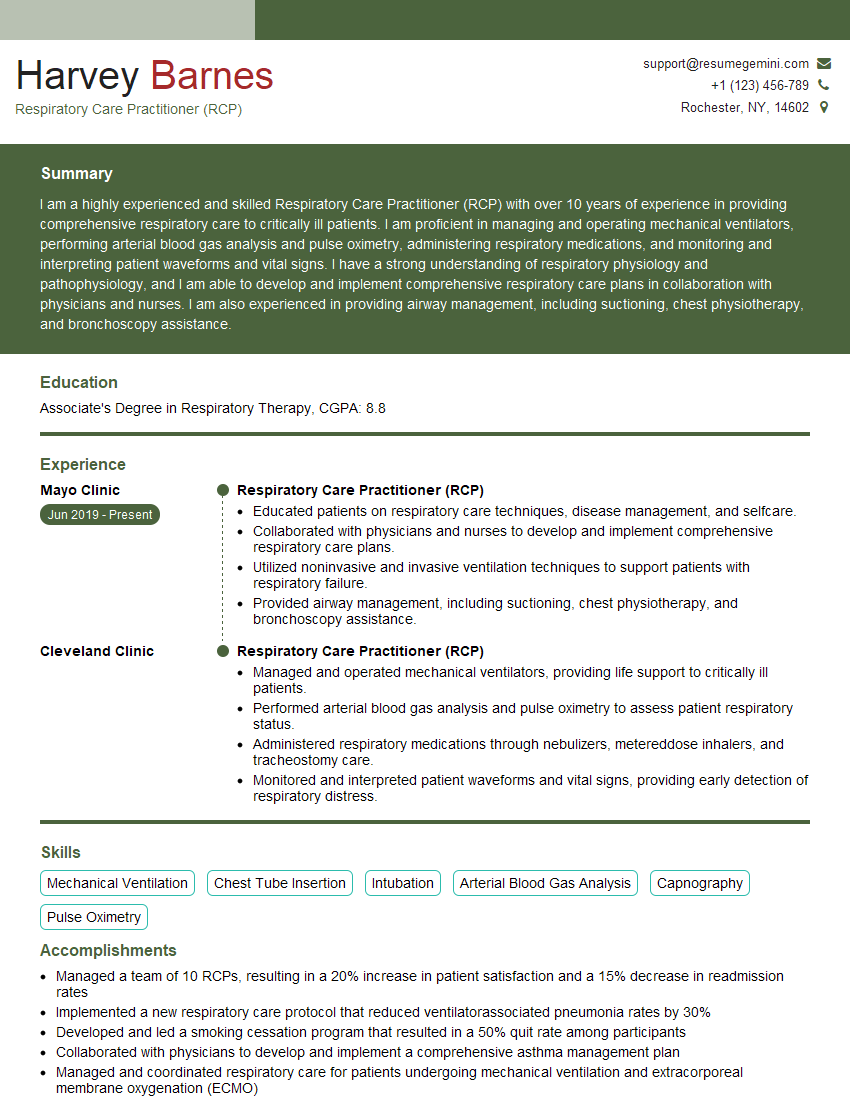
Mastering your understanding of Emphysema is crucial for career advancement in respiratory care, pulmonology, and related fields. A strong foundation in this area demonstrates expertise and dedication, making you a highly competitive candidate. To further enhance your job prospects, creating an ATS-friendly resume is essential. ResumeGemini can help you build a professional and effective resume that highlights your skills and experience. ResumeGemini provides examples of resumes tailored to Emphysema-related roles, giving you a head start in crafting a compelling application.
Explore more articles
Users Rating of Our Blogs
Share Your Experience
We value your feedback! Please rate our content and share your thoughts (optional).
What Readers Say About Our Blog
To the interviewgemini.com Webmaster.
Very helpful and content specific questions to help prepare me for my interview!
Thank you
To the interviewgemini.com Webmaster.
This was kind of a unique content I found around the specialized skills. Very helpful questions and good detailed answers.
Very Helpful blog, thank you Interviewgemini team.