Interviews are more than just a Q&A session—they’re a chance to prove your worth. This blog dives into essential Endoscopic Resection interview questions and expert tips to help you align your answers with what hiring managers are looking for. Start preparing to shine!
Questions Asked in Endoscopic Resection Interview
Q 1. Describe the different types of endoscopic resection techniques.
Endoscopic resection encompasses several techniques used to remove lesions from the gastrointestinal tract. The choice of technique depends on factors such as lesion size, location, and characteristics. The most common techniques include Endoscopic Mucosal Resection (EMR), Endoscopic Submucosal Dissection (ESD), and Endoscopic Snare Polypectomy.
- Endoscopic Mucosal Resection (EMR): This involves resecting a mucosal lesion, typically superficial, using a snare or injection of fluid to lift the lesion before resection. It’s suitable for smaller, flatter lesions.
- Endoscopic Submucosal Dissection (ESD): This more extensive technique involves dissecting a lesion, including the submucosa, from the surrounding tissue. ESD is used for larger and deeper lesions, often those with submucosal invasion. It generally provides larger resection specimens, ideal for accurate pathological evaluation.
- Endoscopic Snare Polypectomy: This is the simplest technique, utilizing a snare to excise polyps, predominantly those that are pedunculated (attached by a stalk).
Other less common techniques, sometimes used in conjunction with the above, include argon plasma coagulation (APC) for hemostasis and clip placement for hemostasis or marking resection margins.
Q 2. Explain the indications and contraindications for endoscopic mucosal resection (EMR).
Endoscopic mucosal resection (EMR) is indicated for the removal of various gastrointestinal lesions, predominantly those confined to the mucosa or superficial submucosa.
- Indications: These include early-stage colorectal adenomas, early gastric cancers, benign polyps (e.g., hyperplastic, adenomatous), and other mucosal lesions suspected to be benign or malignant.
However, there are contraindications, meaning situations where EMR is not appropriate or carries significant risk.
- Contraindications: These include lesions with deep submucosal invasion (as indicated by imaging or endoscopy), presence of severe comorbidities that increase risk of complications during the procedure, extensive lesion size or location making complete resection difficult, active bleeding or inflammation at the site, and significant patient comorbidity such as coagulopathy making the procedure unsafe. Proper patient selection is crucial for successful EMR.
Q 3. What are the potential complications of endoscopic submucosal dissection (ESD)?
Endoscopic submucosal dissection (ESD) is a powerful technique, but it carries a higher risk of complications compared to EMR due to the more extensive dissection involved.
- Bleeding: This is a common complication, often managed by endoscopic techniques, such as injection of epinephrine or clipping. Severe bleeding might necessitate surgical intervention.
- Perforation: Accidental perforation of the bowel wall is a serious complication, requiring immediate management, often surgically. Careful dissection technique and meticulous attention to detail are crucial for reducing this risk.
- Delayed bleeding: Bleeding can occur after the procedure, sometimes requiring re-intervention.
- Incomplete resection: Although rare with proper technique, incomplete resection may require further treatment.
- Post-operative strictures: Narrowing of the gut can occur after healing, requiring endoscopic dilation or surgical intervention.
It’s important to note that experience and expertise in performing ESD are critical factors in minimizing complications. Thorough patient selection is also essential.
Q 4. How do you manage bleeding during endoscopic resection?
Bleeding during endoscopic resection is a potentially serious complication that requires immediate management. The approach depends on the severity and location of the bleeding.
- Minor bleeding: Often managed with injection of epinephrine into the submucosa, or the use of hemostatic clips to clamp bleeding vessels.
- Moderate bleeding: May require more aggressive measures such as argon plasma coagulation (APC) to cauterize bleeding points.
- Severe bleeding: This usually necessitates immediate endoscopic intervention including larger clips, or potentially even emergency surgery to control the bleeding. In some cases, a transcatheter arterial embolization might be employed.
Pre-procedure assessment of the patient’s coagulation status is important to minimize the risk of bleeding. Careful technique during the procedure is also crucial in minimizing complications.
Q 5. Describe your experience with endoscopic snare polypectomy.
Endoscopic snare polypectomy is a procedure I’ve performed extensively throughout my career. It’s a relatively straightforward technique for removing pedunculated polyps, but requires careful technique to prevent complications. My experience encompasses a wide range of polyp sizes and locations. I always prioritize safe and complete removal while minimizing complications like bleeding or perforation.
For example, in one instance, I successfully resected a large pedunculated polyp from the cecum in a patient with a history of bleeding disorders, employing meticulous technique and careful hemostasis management. The procedure was successful with no complications. I frequently use this procedure for initial polyp removal in surveillance colonoscopies and during therapeutic colonoscopies as well. Proper specimen handling and subsequent pathological assessment are essential aspects of my practice.
Q 6. What are the key steps involved in performing an EMR procedure?
Performing an EMR involves a structured process to ensure successful and safe removal of the lesion. The key steps include:
- Preparation: This includes obtaining informed consent, reviewing the patient’s medical history and performing appropriate imaging studies if necessary.
- Endoscopic evaluation: Precise identification and assessment of the lesion’s size, location, and characteristics. Accurate staging is essential for treatment decisions.
- Submucosal injection: A solution (usually saline and epinephrine) is injected beneath the mucosa to elevate the lesion, allowing for easier resection and minimizing bleeding.
- Resection: A hot snare or other appropriate resection instruments is used to excise the lesion, ensuring complete resection of the target. The resection margin needs to be assessed.
- Hemostasis: Methods such as argon plasma coagulation or clips are used to achieve hemostasis at the resection site.
- Specimen retrieval and pathology: Careful retrieval and handling of the resected specimen for histological examination to confirm the diagnosis and assess the margins of resection.
- Post-procedure monitoring: Observing the patient for any complications, such as bleeding or perforation.
The specific techniques and approaches may vary depending on the lesion’s characteristics and the endoscopist’s preference, but the overall principle remains consistent.
Q 7. How do you assess the completeness of resection during an ESD?
Assessing the completeness of resection during ESD is crucial for preventing recurrence and ensuring optimal patient outcomes. Several methods are used:
- Visual inspection: Careful examination of the resection site to ensure a smooth, flat surface with no visible residual lesion. The depth of submucosal dissection should be carefully reviewed.
- Chromoscopy: Using dyes (e.g., indigo carmine) helps to identify any remaining abnormal tissue. If a lesion persists this usually is an indication for re-resection.
- Narrow-band imaging (NBI): This advanced imaging technique enhances the visualization of mucosal microvascular patterns, aiding in the identification of any residual tumor.
- Histopathological examination: The resected specimen is examined microscopically to confirm the diagnosis and assess the resection margins. This is the definitive assessment of completeness of resection.
A combination of these methods provides the most comprehensive assessment of resection completeness. In some cases, additional endoscopic procedures, such as EMR, may be needed to ensure complete resection.
Q 8. How do you differentiate between benign and malignant polyps during endoscopic examination?
Differentiating between benign and malignant polyps during endoscopic examination relies on a combination of visual assessment and histological examination. Visually, we look for features like size, shape, surface texture, and color. Large polyps (over 1cm), those with irregular borders (sessile or pedunculated with irregular margins), a villous or mixed villous-tubular architecture (visible with high-resolution endoscopy), and those exhibiting ulceration or significant vascularity raise suspicion for malignancy. However, visual assessment is not definitive.
Histological examination after polypectomy is crucial for definitive diagnosis. Features like dysplasia (abnormal cell growth) and invasion into the deeper layers of the bowel wall are key indicators of malignancy. We use the Paris Classification for endoscopic findings, which standardizes reporting and helps improve consistency in diagnosis and management.
For instance, a small (<1cm), smooth, pedunculated polyp is likely benign, while a large, sessile polyp with irregular margins and ulceration requires immediate concern for malignancy and complete resection with appropriate margins. A combination of high-resolution chromoendoscopy (enhancing contrast to see fine details) and narrow-band imaging (NBI) can further aid in identifying subtle features that might suggest malignancy.
Q 9. What is your approach to managing a perforation during an endoscopic resection?
Managing a perforation during endoscopic resection is a critical situation requiring immediate action. The first step is to immediately stop the procedure and assess the patient’s hemodynamic stability – checking blood pressure, heart rate, and oxygen saturation. The next step is to determine the location and size of the perforation. This is often done with endoscopic visualization and sometimes with fluoroscopy (x-ray imaging).
Management strategies depend on factors like the size and location of the perforation, the patient’s overall health, and the presence of peritonitis (inflammation of the abdominal lining). Small perforations (<2cm) in stable patients may be managed conservatively with bowel rest, intravenous fluids, antibiotics, and close monitoring. Larger perforations or those causing hemodynamic instability typically require surgical intervention, often involving laparotomy (open surgery) or laparoscopy (minimally invasive surgery) for repair. In some cases, endoscopic clipping or suturing can be attempted, particularly for smaller perforations, but this requires a high level of expertise.
For example, a small perforation during EMR of a colonic polyp in a stable patient might be managed conservatively with close observation, while a large perforation during ESD of an esophageal lesion in an unstable patient would necessitate emergency laparotomy.
Q 10. Describe your experience with argon plasma coagulation (APC).
Argon plasma coagulation (APC) is a valuable tool in my practice, primarily used for hemostasis (stopping bleeding) and ablation (removal or destruction) of small, superficial lesions. It utilizes ionized argon gas to generate heat, causing coagulation necrosis (tissue death by heat).
My experience with APC encompasses its use in controlling bleeding from various sources, including during and after polypectomy. I’ve also used it to treat small flat lesions, particularly in situations where endoscopic mucosal resection (EMR) or endoscopic submucosal dissection (ESD) isn’t feasible or warranted. APC has benefits including its minimally invasive nature and relative ease of use, but it’s crucial to be aware of potential complications, such as perforation and thermal injury to surrounding tissues. Precise control and careful monitoring are paramount.
A common scenario would be managing a small bleeding site after polypectomy; APC is effective in achieving hemostasis quickly and efficiently. However, I always consider alternative methods such as epinephrine injection or hemoclips if APC is unsuitable or if the bleeding is severe.
Q 11. How do you choose the appropriate endoscopic resection technique for a particular lesion?
Choosing the appropriate endoscopic resection technique depends on several factors, including lesion characteristics (size, location, morphology, and depth of invasion), patient factors (co-morbidities, bowel preparation), and the endoscopist’s experience and expertise.
For example:
- Small (<2cm), pedunculated polyps are often best managed with snare polypectomy.
- Larger lesions (2-2cm), particularly flat or laterally spreading lesions, may require EMR or ESD.
- Flat lesions with submucosal invasion are generally better suited for ESD.
- Lesions located in areas with high risk of perforation (e.g., cecum, splenic flexure) may necessitate a more conservative approach or a different technique.
The choice often involves a balancing act between maximizing complete resection with minimal risk. Extensive experience and proper training are crucial for successful selection and execution of the appropriate technique.
Q 12. What are the advantages and disadvantages of EMR compared to ESD?
Endoscopic mucosal resection (EMR) and endoscopic submucosal dissection (ESD) are both endoscopic techniques for removing mucosal lesions, but they differ in their approach and suitability. EMR involves piecemeal resection of lesions using a snare, while ESD involves en bloc resection with a specialized knife.
- Advantages of EMR: Less technically demanding, shorter procedure time, lower risk of perforation in experienced hands.
- Disadvantages of EMR: Piecemeal resection can result in incomplete resection or positive margins (cancer cells at the edge of the resected tissue), especially in large or flat lesions.
- Advantages of ESD: En bloc resection allows for complete removal of lesions with clear margins, leading to improved rates of complete resection, particularly for larger or flat lesions.
- Disadvantages of ESD: Technically more challenging, longer procedure time, and potentially higher risk of perforation.
In essence, EMR is suitable for smaller, easily resectable lesions, while ESD is preferred for larger, flat lesions where en bloc resection is crucial to achieve complete removal with clear margins and reduce the risk of recurrence.
Q 13. What is your experience with endoscopic mucosal resection of large lesions?
Endoscopic mucosal resection of large lesions presents unique challenges, often requiring a combination of techniques and careful planning. Large lesions increase the risk of perforation, bleeding, and incomplete resection. I often employ techniques such as submucosal injection with saline or epinephrine to lift the lesion from the underlying submucosa, making it easier to resect.
In some cases, the lesion may need to be resected piecemeal, which increases the risk of incomplete resection and positive margins. Careful assessment of the lesion’s size, location, and depth of invasion is essential, and the decision to attempt EMR or to consider ESD or surgical resection is made on a case-by-case basis.
For example, a large, flat lesion in the colon might be approached with multiple EMR resections, with careful attention to hemostasis (controlling bleeding) after each piece is removed. But if the lesion is very large or demonstrates deep invasion, ESD or surgical resection may be a safer and more effective option.
Q 14. How do you manage post-polypectomy bleeding?
Managing post-polypectomy bleeding involves a multi-pronged approach focusing on immediate hemostasis and preventing recurrence. The initial management depends on the severity of the bleeding. Minor bleeding usually stops spontaneously, but observation and close monitoring are essential. For more significant bleeding, endoscopic techniques such as injection of epinephrine, application of clips, or argon plasma coagulation (APC) are typically employed.
In cases of persistent or severe bleeding, more aggressive intervention might be necessary, including endoscopic suturing or, in rare instances, surgical intervention. Post-procedure surveillance endoscopy may be indicated to ensure complete hemostasis and to detect any delayed complications. The specific management approach is always tailored to the individual patient and the characteristics of the bleeding.
For instance, a minor bleeding episode after snare polypectomy might be managed with careful observation and perhaps topical hemostatic agents. However, if a significant amount of bleeding is observed, epinephrine injection, clipping, or APC is applied promptly. Severe, uncontrollable bleeding would require immediate intervention, possibly surgical.
Q 15. What is your approach to the endoscopic management of early colorectal cancer?
My approach to the endoscopic management of early colorectal cancer centers on a thorough assessment of the lesion’s characteristics, including its size, location, morphology, and the patient’s overall health. For lesions deemed suitable, endoscopic mucosal resection (EMR) or endoscopic submucosal dissection (ESD) are the primary treatment modalities. The choice between EMR and ESD depends on factors like lesion size and morphology. Smaller, well-defined lesions are often ideal candidates for EMR, while larger, laterally spreading tumors or those with subtle submucosal invasion may necessitate ESD for complete resection. Pre-procedural imaging, such as colonoscopy with chromoendoscopy, helps in accurate lesion characterization and planning. Following the procedure, meticulous histopathological examination confirms the complete resection of the cancerous tissue and assesses the depth of invasion, which is crucial for determining further management.
For example, a patient presenting with a 1.5 cm pedunculated polyp in the sigmoid colon would likely be a suitable candidate for EMR. However, a patient with a 3 cm flat lesion exhibiting subtle discoloration and irregular margins would necessitate ESD for a greater chance of achieving en-bloc resection and negative margins.
Career Expert Tips:
- Ace those interviews! Prepare effectively by reviewing the Top 50 Most Common Interview Questions on ResumeGemini.
- Navigate your job search with confidence! Explore a wide range of Career Tips on ResumeGemini. Learn about common challenges and recommendations to overcome them.
- Craft the perfect resume! Master the Art of Resume Writing with ResumeGemini’s guide. Showcase your unique qualifications and achievements effectively.
- Don’t miss out on holiday savings! Build your dream resume with ResumeGemini’s ATS optimized templates.
Q 16. How do you interpret the histological findings after endoscopic resection?
Histological interpretation after endoscopic resection is critical for staging the cancer and guiding subsequent treatment decisions. The pathologist meticulously examines the resected specimen, focusing on several key features:
- Depth of invasion: This determines the T stage (T1, T2, etc.) of the cancer, indicating how deeply the cancer has invaded the bowel wall. This is crucial for prognosis and further management.
- Lymphovascular invasion (LVI): The presence of cancer cells in blood or lymph vessels increases the risk of metastasis and impacts treatment decisions.
- Lateral and circumferential resection margins: These determine the completeness of resection. Positive margins indicate residual cancer cells and require further intervention.
- Differentiation grade: This describes how much the cancer cells resemble normal cells. Well-differentiated cancers generally have a better prognosis than poorly differentiated cancers.
- Presence of lymphocytic infiltration: This can indicate a host immune response.
For instance, a report showing a T1 lesion with negative margins, no LVI, and well-differentiated histology signifies a favorable outcome, whereas a report of a T2 lesion with positive margins, LVI, and poor differentiation indicates a higher risk of recurrence and may necessitate surgical resection.
Q 17. What are the limitations of endoscopic resection?
Endoscopic resection, while a minimally invasive and effective procedure for early colorectal cancer, has limitations. These include:
- Lesion size and location: Large or difficult-to-access lesions may be unsuitable for endoscopic resection. Lesions located in areas with limited visualization or those involving critical structures pose challenges.
- Incomplete resection: Despite careful technique, there is a risk of incomplete resection, potentially requiring surgical intervention. This is especially true for larger or deeply invasive lesions.
- Complications: Complications, although relatively uncommon, can include perforation, bleeding, and infection. These risks are directly related to the technique employed and the patient’s overall health.
- Inability to assess lymph node involvement: Endoscopic resection provides limited information about lymph node involvement, often requiring further imaging studies such as CT scans.
- Suboptimal histological assessment in specific cases: In certain cases, the quality of the resected specimen may not be sufficient for accurate pathological assessment, necessitating additional procedures.
It is crucial to consider these limitations when selecting patients for endoscopic resection and to have a clear surgical backup plan in case of complications or incomplete resection.
Q 18. Describe your experience with using chromoendoscopy.
Chromoendoscopy significantly enhances the visualization of colorectal lesions during endoscopic procedures. By using dyes like indigo carmine or methylene blue, we can improve the delineation of subtle mucosal abnormalities. The dyes highlight the margins of the lesion, helping differentiate neoplastic tissue from normal mucosa, which aids in complete resection. For example, indigo carmine stains adenomatous polyps a darker color, making them easier to identify and resect completely. This is especially beneficial in lesions that are flat or slightly raised, which can be challenging to distinguish from normal mucosa with white light endoscopy alone. My experience demonstrates that chromoendoscopy increases the accuracy of resection and minimizes the risk of incomplete resection. We routinely use chromoendoscopy in our practice, as it is a simple, cost-effective method to improve the detection and resection of colorectal lesions.
Q 19. How do you ensure patient safety during endoscopic procedures?
Patient safety is paramount during endoscopic procedures. Our approach incorporates several measures:
- Thorough pre-procedure assessment: We conduct a comprehensive evaluation of the patient’s medical history, current medications, and any allergies to ensure suitability for the procedure and minimize risks.
- Informed consent: Patients receive a clear explanation of the procedure, its benefits, risks, and alternatives. Their informed consent is obtained before proceeding.
- Monitoring during the procedure: Continuous monitoring of vital signs, including heart rate, blood pressure, and oxygen saturation, is crucial. The patient’s response to the procedure is also carefully observed.
- Use of appropriate sedation: Adequate sedation ensures patient comfort and cooperation, reducing the risk of movement during the procedure.
- Strict adherence to infection control protocols: Sterile technique and appropriate disinfection of equipment minimize the risk of infection.
- Post-procedure monitoring and care: Following the procedure, patients are monitored for any complications, such as bleeding or perforation, and receive appropriate post-procedure care and follow-up.
By diligently applying these safety measures, we strive to provide a safe and effective endoscopic experience for our patients.
Q 20. What are the latest advancements in endoscopic resection techniques?
Recent advancements in endoscopic resection techniques have significantly improved the safety and efficacy of these procedures. These include:
- Improved endoscopic equipment: The development of advanced endoscopes with enhanced visualization capabilities and better maneuverability has significantly improved the precision and efficiency of endoscopic resection.
- New energy sources: The use of novel energy sources such as argon plasma coagulation and hybrid devices has improved hemostasis and tissue dissection, reducing complications.
- Advanced imaging modalities: Integration of techniques such as narrow band imaging (NBI) and optical coherence tomography (OCT) allows for better characterization of lesions and facilitates more precise resection.
- Improved dissection techniques: Refinement of ESD techniques, including modifications in incision and submucosal dissection strategies, has further improved en-bloc resection rates and reduced complications.
- Development of novel devices: The development of new endoscopic devices and accessories, like improved grasping forceps and specialized knives, further enhances procedural efficiency and safety.
These advancements collectively lead to a higher rate of complete resection, reduced complications, and improved patient outcomes.
Q 21. Describe your experience with endoscopic ultrasound (EUS) guided resection.
Endoscopic ultrasound (EUS)-guided resection is a valuable technique for the management of select lesions, especially those involving the deep layers of the bowel wall or adjacent structures. EUS provides real-time imaging of the bowel wall layers and surrounding tissues, guiding the placement of the resection device with greater precision. This is particularly helpful in cases of submucosal tumors that are difficult to access or those involving adjacent organs. In my experience, EUS-guided resection improves the accuracy and completeness of resection, reducing the risk of local recurrence. The procedure requires specialized training and expertise, and the indication for EUS-guided resection is usually made on a case-by-case basis depending on the location and characteristics of the lesion, as determined by pre-procedural EUS.
For example, a patient with a deep submucosal tumor in the duodenum near the ampulla of Vater would be a potential candidate for EUS-guided resection. The EUS guidance ensures the safe and effective resection of the lesion while minimizing the risk of injury to the surrounding structures. However, it’s crucial to note that even with EUS guidance, the size and location of the lesion must still be carefully evaluated to ensure its suitability for endoscopic resection.
Q 22. How do you manage difficult-to-resect lesions?
Managing difficult-to-resect lesions in endoscopic resection requires a multi-pronged approach focusing on careful pre-procedural planning, meticulous technique during the procedure, and appropriate post-procedural management. The difficulty can stem from various factors including lesion location, size, depth of invasion, and surrounding vascularity.
Strategies for Difficult Lesions:
- Enhancing Visualization: Using advanced imaging modalities like narrow-band imaging (NBI) or chromoendoscopy can significantly improve the visualization of subtle vascular patterns and lesion margins, aiding in precise resection.
- Employing Different Resection Techniques: If piecemeal resection is unavoidable due to size or location, techniques like EMR (endoscopic mucosal resection) or ESD (endoscopic submucosal dissection) might be adjusted. For example, a large lesion might require staged EMR or a combination of EMR and ESD.
- Utilizing Adjunctive Techniques: In certain scenarios, injection of saline or epinephrine to lift the lesion from the submucosa improves resection efficiency and reduces the risk of perforation. Use of argon plasma coagulation (APC) for hemostasis is crucial, particularly in vascular lesions.
- Careful Selection of Instruments: The choice of endoscope, forceps, snare, and other instruments is crucial and varies depending on lesion characteristics and location. For example, a long, flexible endoscope may be necessary for lesions in the distal duodenum or ileum.
- Experienced Endoscopist: Experience plays a critical role in handling complex cases. An experienced endoscopist is well-versed in recognizing and managing complications.
Example: A large, laterally spreading lesion in the cecum, initially considered unresectable, was successfully managed by combining piecemeal EMR with careful hemostasis using APC at each step. The patient recovered without complications.
Q 23. What is your experience with endoscopic retrograde cholangiopancreatography (ERCP) with resection?
Endoscopic retrograde cholangiopancreatography (ERCP) combined with resection is a powerful technique used to address lesions within the biliary and pancreatic ducts. It’s a complex procedure requiring expertise in both ERCP and endoscopic mucosal resection (EMR) or endoscopic submucosal dissection (ESD).
My experience includes performing ERCP with resection for various pathologies, including biliary strictures, benign and malignant tumors of the bile duct and pancreatic duct, and removal of stones in difficult locations. The procedure involves cannulating the relevant duct, performing sphincterotomy if needed, then using specialized instruments to either perform resection or stone removal. Post-procedure, stenting is often required to maintain patency.
Challenges: These procedures are technically demanding and carry inherent risks such as perforation, bleeding, pancreatitis, cholangitis. Careful patient selection, thorough pre-procedure evaluation and meticulous technique are essential to minimize complications.
Q 24. Describe your familiarity with different types of endoscopes used in resection.
My familiarity with endoscopes used in resection encompasses a broad range of instruments tailored to specific needs and anatomical locations. The choice of endoscope depends on lesion location, size, and accessibility.
- Standard Video Endoscopes: These are the workhorses for many procedures, providing excellent visualization. The colonoscope, gastroscope, and duodenoscope are commonly used depending on the site of the lesion.
- Narrow-band Imaging (NBI) Endoscopes: These endoscopes use specific wavelengths of light to enhance the visualization of mucosal vasculature and improve the identification of lesion margins, leading to more precise resection.
- Endoscopes with Integrated Instruments: Some newer endoscopes integrate specialized instruments like the snare or forceps within the scope itself, allowing for easier and more precise manipulation.
- Flexible Endoscopes for Difficult Access: Highly flexible endoscopes are crucial when accessing challenging locations such as the distal small bowel or areas with significant angulation.
For instance, a lesion in the ascending colon would typically be approached with a colonoscope, while a duodenal lesion might require a duodenoscope with an accessory channel for appropriate instrument insertion.
Q 25. How do you assess the risk of recurrence after endoscopic resection?
Assessing the risk of recurrence after endoscopic resection involves a multi-faceted approach encompassing several factors and utilizes a combination of clinical and pathological information.
- Complete Resection: The most crucial factor is achieving complete resection with clear margins. This is assessed histologically by examining the resected specimen.
- Lesion Characteristics: The size, depth of invasion, histological type, and differentiation grade of the lesion all influence the risk of recurrence.
- Lymphovascular Invasion: The presence of lymphovascular invasion on pathology is a strong indicator of increased recurrence risk.
- Patient-Specific Factors: Age, underlying medical conditions, and family history also play a role.
- Post-resection Surveillance: Regular endoscopic surveillance with imaging studies (such as CT or MRI) helps to detect recurrences early. The frequency and type of surveillance are tailored to the individual’s risk profile.
Example: A patient with a large, deeply invasive adenoma with lymphovascular invasion would have a higher risk of recurrence compared to a patient with a small, superficial adenoma showing no lymphovascular invasion.
Q 26. How do you counsel patients regarding the risks and benefits of endoscopic resection?
Counseling patients regarding the risks and benefits of endoscopic resection is a crucial aspect of my practice. I strive for open and transparent communication, ensuring patients understand the procedure’s complexities and potential outcomes.
The discussion typically includes:
- Detailed explanation of the procedure: This includes a clear description of the steps involved, the techniques used, and the anticipated duration.
- Benefits: The primary benefit is the potential for complete removal of the lesion, minimizing the need for more invasive surgery. It’s also often less traumatic than open surgery.
- Risks: This is a critical element, encompassing potential complications such as bleeding, perforation, infection, and the need for further interventions. The likelihood of these complications is discussed based on the patient’s individual risk factors and the nature of the lesion.
- Alternatives: The patient is informed about alternative treatment options, including surgery or observation, along with their respective risks and benefits.
- Post-procedure care: The discussion includes details about recovery, follow-up appointments, and any dietary or lifestyle modifications required.
- Addressing patient concerns: Sufficient time is allotted to address the patient’s questions and concerns.
Ultimately, the goal is to empower the patient to make an informed decision.
Q 27. What is your experience with using narrow band imaging (NBI) during endoscopic resection?
Narrow-band imaging (NBI) has significantly enhanced my ability to perform endoscopic resection. NBI employs specific wavelengths of light to highlight the mucosal microvasculature, allowing for better differentiation between normal and abnormal tissue.
Benefits of using NBI:
- Improved Lesion Detection: NBI makes it easier to identify subtle mucosal changes that might be missed with white light endoscopy.
- Precise Resection Margins: The enhanced visualization of the vascular patterns helps in defining the exact margins of the lesion, leading to more complete resection and a lower risk of recurrence.
- Reduced Complications: By improving the precision of the procedure, NBI can contribute to reducing the risk of perforation and bleeding.
Example: In a case of a suspected early gastric cancer, NBI clearly delineated the lesion margins, enabling a precise endoscopic submucosal dissection (ESD). The pathological examination subsequently confirmed the complete resection of the tumor with negative margins.
Q 28. Describe a challenging case involving endoscopic resection and how you managed it.
One particularly challenging case involved a large, pedunculated adenoma located in the ascending colon. The adenoma was quite large, approximately 4cm, and its pedicle was thin and fragile, posing a significant risk of bleeding and perforation.
Management Strategy:
- Careful Pre-procedural Assessment: A detailed evaluation of the colonoscopy images and CT scans helped us to formulate a plan for piecemeal resection.
- Use of NBI: NBI was used to clearly delineate the lesion’s margins and evaluate its vascularity.
- Multiple Snare Resections: We performed piecemeal resection using a snare, carefully dissecting and removing segments of the adenoma in order to avoid significant bleeding.
- Argon Plasma Coagulation (APC): APC was used for hemostasis at each step to control bleeding at the resection sites.
- Post-Procedure Management: The patient was monitored closely for bleeding and other potential complications after the procedure. Regular follow-up colonoscopies were planned.
Successful management of this case emphasized the importance of meticulous planning, the use of appropriate techniques, and a comprehensive understanding of the anatomy of the area. It highlights the fact that even challenging cases can be managed effectively with careful planning, skill, and the appropriate tools.
Key Topics to Learn for Endoscopic Resection Interview
- Endoscopic mucosal resection (EMR) techniques: Understand the different types of EMR (e.g., piecemeal EMR, en bloc EMR), indications, contraindications, and technical nuances of each.
- Endoscopic submucosal dissection (ESD): Master the principles of ESD, including the dissection plane, energy sources, and management of complications. Be prepared to discuss specific indications where ESD is preferred over EMR.
- Pre-procedural assessment and patient selection: Discuss the importance of thorough patient evaluation, including imaging studies, and identifying patients suitable for endoscopic resection.
- Intra-procedural management of complications: Be ready to discuss the identification, management, and prevention of potential complications such as bleeding, perforation, and adverse reactions to medications.
- Post-procedural care and follow-up: Explain the importance of post-procedure monitoring, dietary restrictions, and follow-up endoscopic examinations.
- Advanced imaging techniques in endoscopic resection: Familiarize yourself with the role of chromoendoscopy, narrow-band imaging (NBI), and confocal laser endomicroscopy (CLE) in identifying and resecting lesions.
- Pathological evaluation and reporting: Understand the importance of appropriate specimen handling and the interpretation of pathology reports in guiding treatment decisions.
- Comparison of EMR and ESD: Be able to articulate the advantages and disadvantages of each technique and when one might be preferred over the other.
- Emerging technologies in endoscopic resection: Stay updated on advancements in equipment, techniques, and approaches to endoscopic resection.
Next Steps
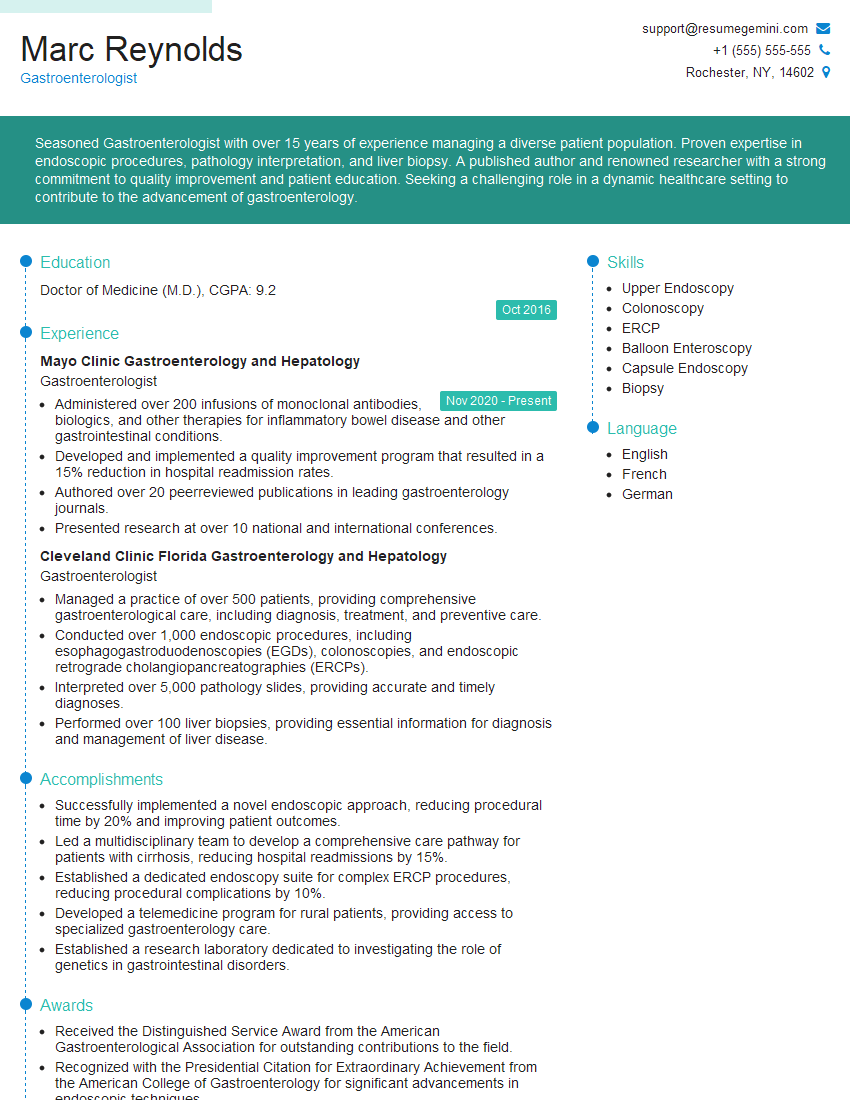
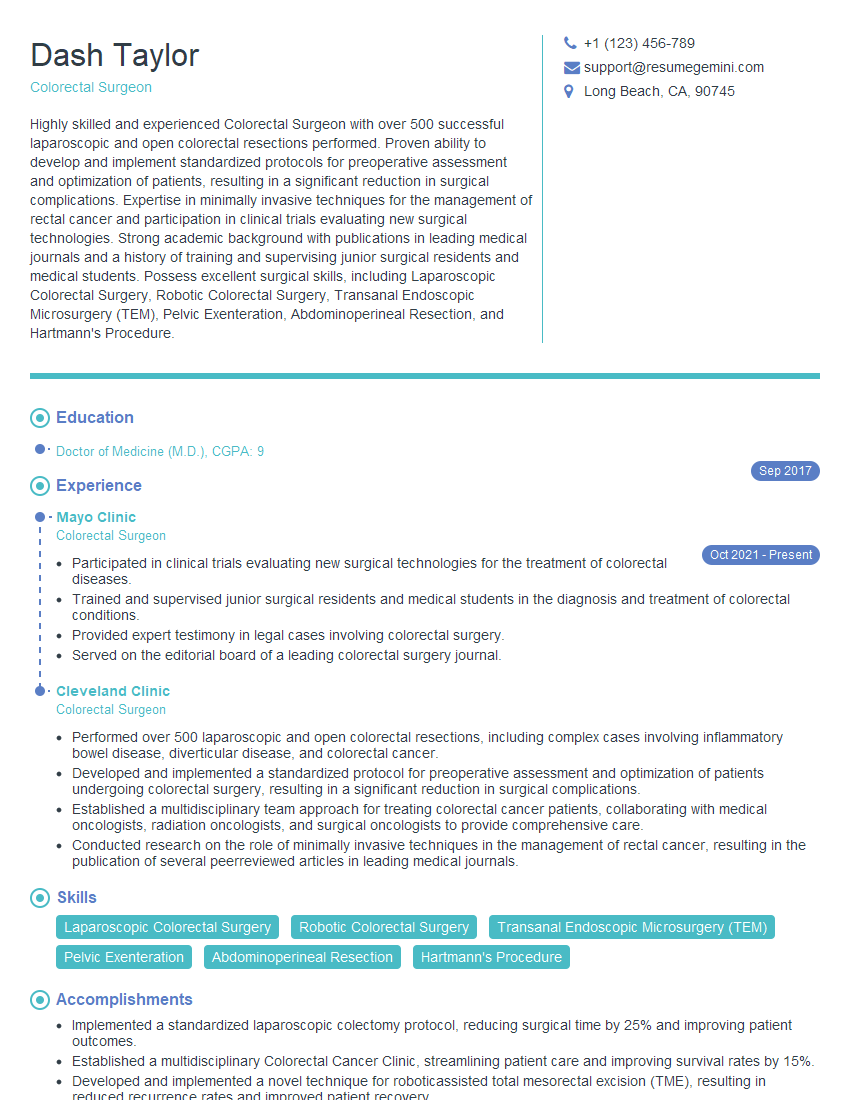
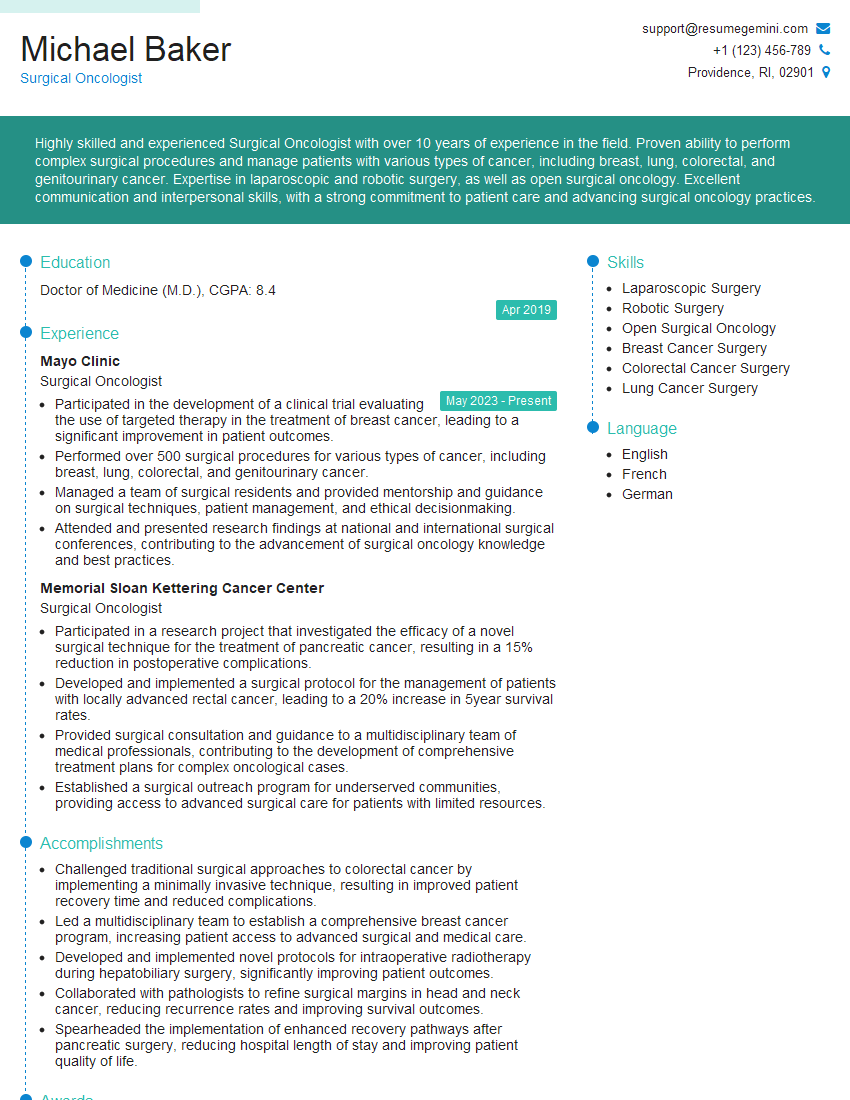
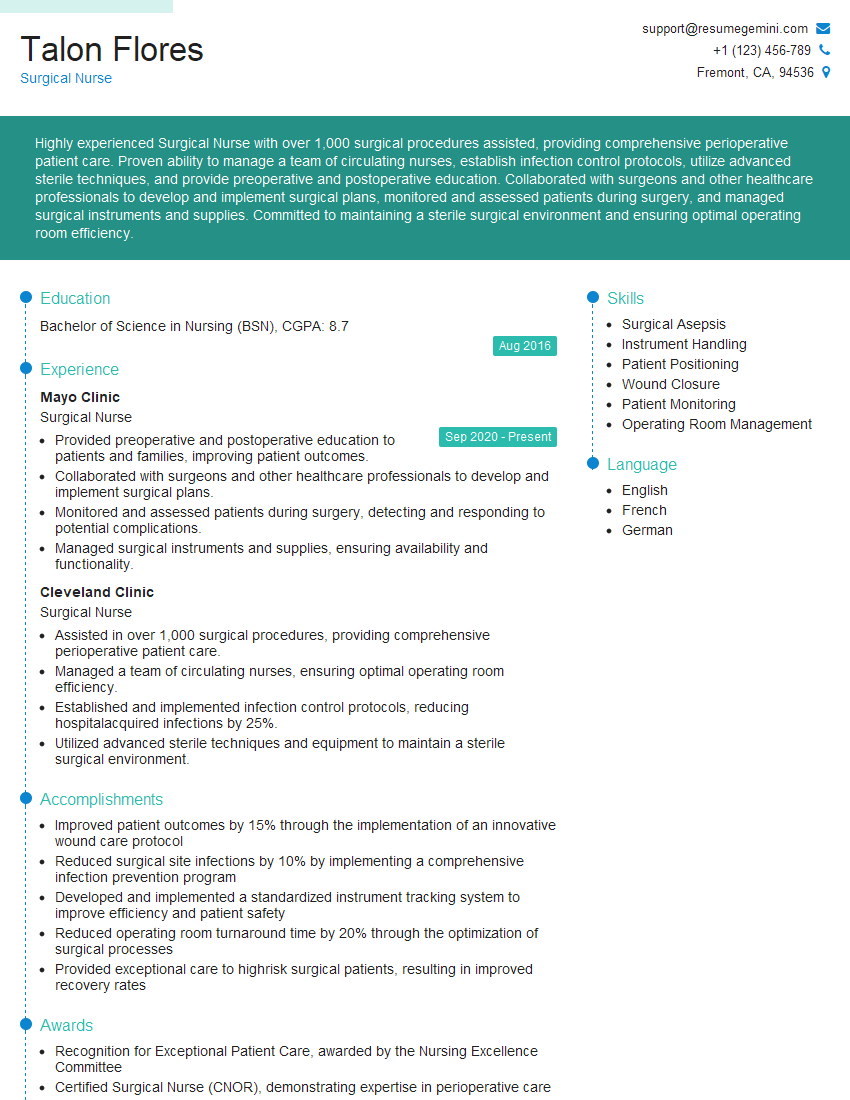
Mastering Endoscopic Resection techniques significantly enhances your career prospects, opening doors to specialized roles and advanced opportunities in gastroenterology. To maximize your chances of landing your dream job, create a strong, ATS-friendly resume that highlights your skills and experience. ResumeGemini is a trusted resource that can help you build a professional and impactful resume, ensuring your application stands out. Examples of resumes tailored to Endoscopic Resection are available to guide you through the process.
Explore more articles
Users Rating of Our Blogs
Share Your Experience
We value your feedback! Please rate our content and share your thoughts (optional).
What Readers Say About Our Blog
To the interviewgemini.com Webmaster.
Very helpful and content specific questions to help prepare me for my interview!
Thank you
To the interviewgemini.com Webmaster.
This was kind of a unique content I found around the specialized skills. Very helpful questions and good detailed answers.
Very Helpful blog, thank you Interviewgemini team.