Preparation is the key to success in any interview. In this post, we’ll explore crucial HUMINT and OSINT Analysis interview questions and equip you with strategies to craft impactful answers. Whether you’re a beginner or a pro, these tips will elevate your preparation.
Questions Asked in HUMINT and OSINT Analysis Interview
Q 1. Explain the difference between HUMINT and OSINT.
HUMINT (Human Intelligence) and OSINT (Open-Source Intelligence) are two distinct, yet often complementary, intelligence gathering methods. HUMINT relies on direct interaction with human sources to obtain information, often involving clandestine operations and relationship building. Think of it as the ‘boots on the ground’ approach. OSINT, on the other hand, leverages publicly available information from various sources, such as news articles, social media, government websites, and academic publications. It’s like conducting thorough research using publicly accessible resources.
The key difference lies in the source of information: HUMINT gets information directly from people, while OSINT gathers it from publicly available resources. HUMINT often involves a higher degree of risk and requires specialized skills in recruitment, handling sources, and maintaining secrecy. OSINT, while less risky, demands strong analytical skills to sift through vast amounts of data and identify relevant, credible information. In practice, both methods are frequently used together to corroborate findings and build a complete picture.
Q 2. Describe your experience with open-source intelligence gathering tools.
My experience with OSINT tools is extensive, encompassing both commercial and freely available platforms. I’m proficient in using search engines like Google and specialized search engines such as Shodan (for internet-connected devices) and Maltego (for link analysis) to gather information. I’m also skilled in using social media analytics tools to monitor public sentiment and identify key influencers. For example, during a recent project investigating a potential cyber threat, I used Shodan to identify vulnerable devices connected to the internet, providing valuable intelligence about potential entry points for malicious actors. My proficiency also extends to using web archives like the Wayback Machine to track changes in websites and uncover deleted content. Finally, I’m familiar with a variety of open-source intelligence databases and repositories, allowing me to quickly access a broad range of information.
Q 3. How do you verify the credibility of information found online?
Verifying online information is crucial for OSINT analysis. I employ a multi-layered approach. First, I assess the source’s credibility: Is it a reputable news organization, a government agency, or a known biased source? I look for indicators of bias, such as emotionally charged language or one-sided reporting. Second, I corroborate the information. Does the information align with findings from other independent sources? Triangulation, using at least three independent sources, significantly increases confidence in the accuracy of information. Third, I examine the evidence presented. Does the information contain verifiable data like dates, locations, and names? Are there supporting documents or links? Lastly, I evaluate the author’s expertise and potential motivations. Are they an expert in the subject matter, or do they have a clear agenda or bias?
For instance, if I find information about a political event, I would cross-reference it with reports from several international news agencies, fact-checking websites, and official government statements. Inconsistencies would raise red flags, prompting further investigation.
Q 4. What methods do you use to assess the reliability of human sources?
Assessing the reliability of human sources is a complex process that requires careful consideration of several factors. The ‘Five Ws and One H’ (Who, What, When, Where, Why, and How) provide a useful framework for evaluating information obtained from sources. I begin by assessing the source’s motivation. Are they providing information voluntarily or under duress? What do they stand to gain or lose by cooperating? Next, I evaluate their knowledge and access to information. Does their knowledge align with other evidence I have gathered? Is their level of detail and accuracy consistent? I then look for corroborating evidence from other sources to validate their information.
Furthermore, I evaluate their past reliability. Have they been reliable in the past? How many times has the source provided accurate information? Finally, I maintain a detailed record of interactions, including the context of the information provided. This helps me to track their reliability over time and ensure consistency. Building trust and rapport are critical to eliciting accurate information.
Q 5. Describe your experience with data analysis techniques relevant to intelligence analysis.
My data analysis skills are crucial for processing large volumes of OSINT and HUMINT data. I’m proficient in using various statistical and analytical techniques. For example, I frequently employ network analysis to identify relationships between individuals or entities, helping to uncover hidden connections and patterns. I utilize data visualization techniques like creating graphs and charts to effectively communicate my findings. Additionally, I am skilled in using text analysis tools to identify keywords, themes, and sentiments from unstructured data like transcripts of interviews (HUMINT) or social media posts (OSINT). This aids in identifying trends and patterns that may otherwise be missed. My experience also includes using quantitative methods to assess the credibility of information and identify potential biases.
During a recent investigation, I used network analysis to map out the communication patterns of a suspected criminal organization, revealing key players and their relationships.
Q 6. How would you handle conflicting information from different sources?
Handling conflicting information is a common challenge in intelligence analysis. I approach this systematically. First, I carefully review each source, assessing its credibility and potential biases as described previously. Next, I look for potential reasons for the discrepancies. Are the sources reporting on different aspects of the same event? Are there differing interpretations of the same facts? Are there any underlying biases or motivations? Finally, I prioritize information from more credible and reliable sources, and I actively seek additional information to resolve the conflict. It is often helpful to cross-reference the information with other evidence and consider the context within which the data was obtained.
Sometimes, resolving the conflict requires further investigation, potentially involving additional sources or techniques.
Q 7. Explain your understanding of the intelligence cycle.
The intelligence cycle is a cyclical process that guides the collection, analysis, and dissemination of intelligence information. It typically consists of the following phases:
- Planning and Direction: Identifying intelligence requirements and setting priorities.
- Collection: Gathering information using various methods, including HUMINT, OSINT, SIGINT (Signals Intelligence), IMINT (Imagery Intelligence), and MASINT (Measurement and Signature Intelligence).
- Processing: Transforming raw data into a usable format.
- Analysis and Production: Interpreting the processed information to produce intelligence assessments.
- Dissemination: Distributing the intelligence assessments to relevant decision-makers.
- Feedback: Evaluating the effectiveness of the intelligence and refining the process for future iterations.
Each phase is interdependent, and a weakness in one phase can compromise the entire process. Understanding and effectively managing each phase is vital for successful intelligence operations.
Q 8. Describe a time you had to analyze a large dataset to identify key insights.
Analyzing large datasets for key insights is a core part of HUMINT and OSINT analysis. It often involves sifting through mountains of unstructured and structured data to uncover patterns and connections. Imagine trying to find a specific needle in a massive haystack, only the needles are potentially related and the haystack is constantly changing.
In one project, I was tasked with identifying potential collaborators of a known criminal organization. The dataset consisted of hundreds of thousands of communications records, social media posts, financial transactions, and travel records. My approach involved several steps:
- Data Cleaning and Preprocessing: I first cleaned the data, handling missing values, correcting inconsistencies, and converting data into a usable format. This often involved scripting using Python libraries like Pandas.
- Data Reduction and Feature Engineering: Given the massive size, I reduced the dimensionality using techniques like principal component analysis (PCA) and then created new features (e.g., frequency of communication between individuals, financial transaction amounts) to highlight important patterns.
- Network Analysis: I used network analysis tools to visualize relationships between individuals in the dataset. This helped me identify key players and potential collaborative links within the criminal network. Nodes represented individuals, and the edges represented the strength of the connection between them (based on communication frequency, financial transactions, etc.).
- Machine Learning (Optional): While not always necessary, machine learning techniques such as anomaly detection or clustering could have been employed to pinpoint unusual activity or group similar individuals, further refining the analysis.
This multi-faceted approach allowed me to identify key individuals within the organization and uncover previously unknown connections, significantly contributing to the investigation.
Q 9. How do you prioritize information based on relevance and urgency?
Prioritizing information is crucial in intelligence analysis, where time is often of the essence. I use a system that combines relevance and urgency, similar to a risk matrix. I consider:
- Relevance: How closely does the information relate to the specific intelligence question being addressed? Information directly supporting the hypothesis gets top priority. For instance, if investigating a potential terrorist threat, information on weapons acquisition takes precedence over background information on a suspect’s family history (though the latter can be relevant in the broader context).
- Urgency: How time-sensitive is the information? Intelligence regarding an imminent attack warrants immediate attention, while less immediate threats can be analyzed later. This often involves assigning a time-sensitive rating – high, medium, or low urgency.
- Source Credibility: The reliability of the source significantly impacts priority. Information from a verified source is more valuable than anonymous tips. A credible source reporting imminent threat would take top priority.
These factors are often weighed using a simple matrix, allowing for a systematic prioritization of intelligence. Imagine a 3×3 matrix where relevance and urgency each have high, medium, and low ratings. Information with high relevance and high urgency gets prioritized over others.
Q 10. What techniques do you use to identify and mitigate biases in your analysis?
Bias is an inherent risk in human intelligence analysis. To mitigate bias, I employ several techniques:
- Awareness of Cognitive Biases: I am constantly aware of potential biases such as confirmation bias (favoring information supporting pre-existing beliefs), anchoring bias (over-reliance on initial information), and availability bias (overestimating the likelihood of easily recalled events). Regular self-reflection and critical thinking are key.
- Multiple Perspectives: I actively seek diverse perspectives to challenge my own assumptions. Discussing findings with colleagues from different backgrounds and expertise helps identify blind spots and biases. This often involves cross-referencing information from multiple independent sources.
- Structured Analytic Techniques: Employing structured methods like analysis of competing hypotheses (ACH) forces a systematic and unbiased evaluation of alternative explanations. ACH pushes one to consider not just confirming but also disconfirming evidence.
- Data Visualization: Visualizing data (e.g., using charts, graphs, and networks) can help identify patterns that may be missed through textual analysis. Visual representations minimize the influence of pre-existing biases.
By using these strategies, I strive to minimize the impact of bias and ensure the objectivity and accuracy of my analyses.
Q 11. How do you maintain source confidentiality?
Maintaining source confidentiality is paramount in HUMINT and OSINT analysis. It protects sources, ensures operational security, and maintains the trust needed for future intelligence gathering. I adhere to strict protocols:
- Strict Data Handling Procedures: Data is handled according to established security protocols, using encrypted storage and transmission methods. Access is restricted to authorized personnel only.
- Anonymization and Pseudonymization: When reporting or sharing information, I use anonymization and pseudonymization techniques to protect source identities whenever possible. This replaces names and other identifying information with unique codes.
- Need-to-Know Basis: Information is shared on a strict need-to-know basis only, limiting access to individuals directly involved in the relevant analysis or operation.
- Compartmentalization: Complex operations often require compartmentalization, where information is segregated to prevent the unauthorized release or combination of data that could reveal source identities.
Maintaining confidentiality is not merely a procedural matter; it’s a fundamental ethical responsibility. Failure to do so can severely compromise intelligence operations and put lives at risk.
Q 12. Describe your experience working with classified information.
I have extensive experience working with classified information, handling data up to the Top Secret level. This involved undergoing thorough security clearances, rigorous training in handling classified materials, and adhering to strict handling procedures. My experience includes:
- Secure Facilities and Systems: Working in secure facilities with access controlled by security systems and protocols.
- Handling Classified Documents: Managing and analyzing classified documents and electronic data, always ensuring their proper storage, dissemination, and destruction.
- Compliance with Regulations: Strictly following regulations governing the handling, storage, and transmission of classified information. This includes marking documents with appropriate classification levels and storing them in designated secure locations.
- Reporting Violations: Knowing how to report suspected security violations immediately and following established procedures.
This experience has honed my skills in maintaining the integrity and confidentiality of sensitive information while executing complex analytical tasks.
Q 13. How familiar are you with different data formats (e.g., JSON, XML, CSV)?
I am highly proficient in working with various data formats. This is crucial as data often comes in disparate formats from multiple sources. My experience includes:
- JSON (JavaScript Object Notation): I regularly parse and process JSON data, often using scripting languages like Python and Javascript. JSON is highly common in web-based OSINT sources.
- XML (Extensible Markup Language): Similar to JSON, XML is another structured format frequently used in data exchange. I’m familiar with parsing XML using various tools and libraries.
- CSV (Comma-Separated Values): CSV is a simpler, more easily handled format for tabular data. I use tools like Excel or scripting to import, process and analyze CSV data.
- Other Formats: My experience also extends to less common formats like databases (SQL, NoSQL), PDF, DOCX, and even unstructured data like text from news articles or social media posts. Adaptability to various formats is essential for effective intelligence analysis.
My proficiency allows me to seamlessly integrate data from diverse sources regardless of format, which is critical for comprehensive analysis.
Q 14. What are some ethical considerations in HUMINT and OSINT analysis?
Ethical considerations are paramount in HUMINT and OSINT analysis. The potential for misuse of information and the impact on individuals’ lives necessitate a strong ethical framework. Key ethical considerations include:
- Privacy and Confidentiality: Protecting the privacy and confidentiality of individuals and sources is paramount. Information should only be collected and used for legitimate purposes with appropriate authorization and consent where necessary.
- Accuracy and Objectivity: Analyses must be conducted with accuracy and objectivity, avoiding biases that can lead to inaccurate conclusions and potential harm.
- Legality: All activities must comply with relevant laws and regulations, including those relating to data privacy, surveillance, and international law.
- Transparency and Accountability: A degree of transparency is essential. While source protection is important, the methods and rationale behind intelligence assessments should be documented and subject to review. This ensures accountability and reduces the risk of bias or error.
- Proportionality and Necessity: Intelligence gathering and analysis should be proportionate to the threat or risk, and only the necessary information should be collected. Avoiding excessive intrusion into individuals’ lives is critical.
Operating within a robust ethical framework is not just a matter of compliance; it’s crucial for maintaining public trust and ensuring the integrity of the intelligence profession.
Q 15. How do you handle situations where information is incomplete or ambiguous?
Incomplete or ambiguous information is the bread and butter of intelligence analysis. We tackle this using a multi-pronged approach. First, triangulation is key. This means seeking corroboration from multiple independent sources. If one source says X, and another, seemingly unrelated source, hints at X, our confidence in X increases. Second, we employ contextual analysis. We examine the surrounding information – what else do we know about the situation, the actors involved, and the timeline? This often reveals hidden connections and clarifies ambiguities. Third, we use analytic reasoning – applying deductive, inductive, and abductive reasoning to make inferences based on the available evidence. Think of it like solving a puzzle with missing pieces. We might not have the complete picture, but we can still deduce likely scenarios and prioritize areas needing further investigation. Finally, we acknowledge uncertainty. We clearly state the limitations of our analysis and the degree of confidence we have in our conclusions. For instance, if we’re analyzing a potential terrorist threat based on incomplete intelligence, we’ll quantify the risk based on the evidence, rather than making definitive statements.
Example: Imagine we receive fragmented reports about a possible weapons shipment. One source mentions a specific type of vehicle, another mentions a particular route, and a third mentions a timeframe. By triangulating this information and mapping it geographically, we may be able to build a strong case, even with incomplete information about the ultimate destination or the exact nature of the cargo.
Career Expert Tips:
- Ace those interviews! Prepare effectively by reviewing the Top 50 Most Common Interview Questions on ResumeGemini.
- Navigate your job search with confidence! Explore a wide range of Career Tips on ResumeGemini. Learn about common challenges and recommendations to overcome them.
- Craft the perfect resume! Master the Art of Resume Writing with ResumeGemini’s guide. Showcase your unique qualifications and achievements effectively.
- Don’t miss out on holiday savings! Build your dream resume with ResumeGemini’s ATS optimized templates.
Q 16. Explain your understanding of geopolitical factors relevant to intelligence analysis.
Geopolitical factors are absolutely crucial in intelligence analysis. They form the backdrop against which all events unfold. Understanding these factors allows us to interpret information more accurately and predict future trends. This includes understanding power dynamics between nations, regional conflicts, economic interdependencies, ideological clashes, and the influence of international organizations. For example, analyzing a country’s resource dependence can shed light on its potential foreign policy decisions. A nation heavily reliant on oil imports may be more susceptible to pressure from oil-producing states. Similarly, understanding historical grievances and ethnic tensions within a region helps us anticipate potential flashpoints for conflict. We use geopolitical models and frameworks (e.g., realist, liberalist, constructivist perspectives) to structure our analysis and avoid biased interpretations.
Example: Analyzing the Russia-Ukraine conflict requires understanding NATO expansion, historical grievances between Russia and Ukraine, energy dependencies within Europe, and the role of international organizations like the UN. Ignoring these geopolitical contexts would lead to an incomplete and potentially inaccurate understanding of the situation.
Q 17. Describe your experience with different types of social media analysis.
My experience with social media analysis encompasses a wide range of techniques. This includes sentiment analysis (gauging public opinion toward specific events or individuals), network analysis (mapping relationships between individuals and groups), content analysis (examining the themes and narratives present in online discussions), and geospatial analysis (locating individuals or events based on social media posts with geolocation data). I use a variety of tools to collect and analyze data from various platforms – from Twitter and Facebook to specialized forums and encrypted messaging apps. I’m proficient in using both automated tools (for large-scale data collection and processing) and manual techniques (for in-depth analysis of specific cases or individuals). A crucial part of this is understanding the biases inherent in different social media platforms and the potential for misinformation and manipulation.
Example: During a public health crisis, social media analysis can be used to track the spread of misinformation, identify patterns in public anxieties, and assess the effectiveness of government communication strategies.
Q 18. How do you use mapping and visualization tools in your analysis?
Mapping and visualization tools are indispensable for organizing and interpreting complex data sets. I frequently use Geographic Information Systems (GIS) software such as ArcGIS or QGIS to visualize locations, movements, and relationships between different entities. For instance, mapping the locations of reported criminal activities can reveal patterns and potential hot spots. Similarly, visualizing social networks on a map helps uncover hidden connections and identify key influencers. Other visualization tools are used to represent more abstract data, such as network graphs to show relationships between individuals or timelines to illustrate events in chronological order. These tools not only enhance understanding but also aid in communicating findings to others effectively. They transform raw data into easily digestible, actionable insights.
Example: Mapping the movements of suspected smugglers using GPS data from their vehicles, combined with social media posts, can provide a more complete picture of their operations and potential targets.
Q 19. What are some common challenges in HUMINT and OSINT analysis?
HUMINT and OSINT analysis face numerous challenges. In HUMINT, these include building and maintaining trust with human sources, ensuring the reliability and validity of information received, managing risks to sources and analysts, and navigating ethical considerations. For example, recruiting and handling informants requires careful planning and risk assessment. The information received might be incomplete, biased, or deliberately misleading. OSINT challenges include the sheer volume of data available online, the need to filter through noise and misinformation, the identification of credible sources, and the potential for legal and ethical issues related to data scraping and privacy. The constant evolution of the online landscape and technological advancements also require continuous adaptation and learning.
Example: Verifying the authenticity of a document obtained through OSINT might require comparison with multiple sources, reverse image searches, and analysis of metadata to assess its origin and credibility.
Q 20. How do you stay current with emerging technologies and trends in the field?
Staying current in this field requires a multi-faceted approach. I regularly attend conferences and workshops to learn about new technologies and methodologies. I actively participate in professional networks and online communities to stay informed about the latest research and best practices. I subscribe to relevant journals and newsletters, and I regularly read industry blogs and publications. Crucially, I experiment with new tools and techniques through self-directed learning and hands-on practice. Continuous professional development is crucial for maintaining expertise in this rapidly evolving field. This also includes staying abreast of legal and ethical considerations surrounding data collection and analysis.
Example: Experimenting with new natural language processing (NLP) tools to analyze large volumes of text data from online forums can significantly improve the efficiency and effectiveness of OSINT analysis.
Q 21. Describe your experience with data mining and predictive modeling techniques.
My experience with data mining and predictive modeling involves using various techniques to extract meaningful insights from large datasets. I employ techniques like clustering to group similar data points, classification to categorize data into predefined classes, and regression analysis to model relationships between variables. These techniques are applied to various data types – from social media posts and news articles to sensor data and financial transactions. Predictive modeling involves building statistical models to forecast future events or trends based on historical data. For instance, we might use past patterns of conflict to predict the likelihood of future incidents or analyze social media data to anticipate shifts in public opinion. It’s important to note that predictive models are not crystal balls. They provide probabilities, not certainties, and their accuracy depends heavily on the quality and relevance of the data used to train the models.
Example: Analyzing past patterns of cyberattacks, combined with information on vulnerabilities in systems, can help us predict potential targets for future attacks and develop preventive measures. However, we must be cautious about over-reliance on these models and consider other factors that may influence future events.
Q 22. How would you identify and assess potential threats or risks based on intelligence data?
Identifying and assessing threats and risks from intelligence data involves a systematic process. It begins with data fusion – combining HUMINT (Human Intelligence) and OSINT (Open-Source Intelligence) to create a holistic picture. For example, a seemingly innocuous social media post (OSINT) might be corroborated by a confidential informant’s report (HUMINT) indicating a potential threat. This combined data is then analyzed through a structured framework like the DIAMOND model (which considers actors, infrastructure, capabilities, intentions, and effects) or a similar threat assessment matrix.
Next, we assess the likelihood and impact of each threat. Likelihood considers factors such as the probability of the threat occurring, while impact evaluates the potential consequences (e.g., financial loss, reputational damage, physical harm). This forms the basis for prioritizing threats. For instance, a low-likelihood but high-impact threat like a cyberattack on critical infrastructure requires a different response than a high-likelihood but low-impact threat like minor vandalism.
Finally, we develop mitigation strategies tailored to the specific threat. These strategies might involve increased security measures, intelligence gathering to gain further clarity, or collaboration with other agencies. The entire process is iterative, constantly refined as new intelligence emerges.
Q 23. What is your experience with report writing and presenting intelligence findings?
My experience in report writing and presenting intelligence findings spans over [Number] years. I’ve crafted numerous reports ranging from concise executive summaries to detailed analytical assessments. My reports always follow a clear structure: a concise introduction stating the main findings, a detailed analysis supporting those findings with evidence from HUMINT and OSINT sources, and a conclusion with actionable recommendations.
I’m proficient in various presentation techniques, adapting my style to the audience. For example, a briefing for senior executives would prioritize key findings and actionable insights, whereas a presentation for a technical team might delve into the specifics of data analysis and methodologies. I consistently prioritize clear, concise language, avoiding technical jargon whenever possible to ensure the information is easily understood. I frequently utilize visuals, such as charts and maps, to enhance understanding and engagement.
Q 24. Describe your experience working in a team environment.
I thrive in team environments. Collaboration is essential in intelligence analysis, where diverse perspectives and expertise are crucial for comprehensive analysis. In past roles, I’ve actively participated in teams, contributing my skills while valuing and incorporating the inputs of my colleagues. I’ve experienced success working within teams that leverage each member’s strengths—for example, one team member might excel at OSINT research while another specializes in HUMINT analysis. This division of labor allows for efficient and thorough intelligence gathering and analysis.
I actively participate in brainstorming sessions, offering constructive feedback and facilitating productive discussions. I also actively contribute to the team’s success by providing support and mentorship to junior analysts, sharing my knowledge and experience. Open communication and mutual respect are vital to our team’s success, allowing us to overcome obstacles and deliver effective results.
Q 25. How do you ensure the accuracy and completeness of your intelligence reports?
Ensuring accuracy and completeness in intelligence reports is paramount. This involves several key steps. Firstly, source validation is crucial. We rigorously verify the credibility and reliability of every source, considering factors like their track record, motivation, and potential biases. For example, information from an anonymous source needs thorough corroboration from multiple independent sources.
Secondly, we apply a process of triangulation, cross-referencing information from multiple sources to confirm its accuracy and consistency. This helps identify potential inaccuracies or misinformation. Thirdly, I implement quality control checks. My reports go through a review process involving other experienced analysts to identify any gaps in logic, inconsistencies in data, or potential biases. Finally, we maintain meticulous documentation of our sources and methodologies, ensuring transparency and traceability.
Q 26. How do you manage time effectively when working on multiple projects with tight deadlines?
Effective time management is crucial when working on multiple projects with tight deadlines. I utilize several strategies to prioritize tasks and optimize my workflow. I start with a detailed project plan, breaking down larger projects into smaller, manageable tasks with assigned deadlines. I then use a prioritization matrix to identify tasks based on their urgency and importance. I use tools like Kanban boards or project management software to track progress and ensure that all deadlines are met.
Another key strategy is effective delegation. When possible, I delegate tasks to other team members based on their skills and availability. This ensures efficient use of team resources and allows me to focus on higher-priority tasks. Regular communication and status updates help me stay informed about progress and address potential bottlenecks promptly. I also prioritize self-care; sufficient rest and breaks improve focus and productivity, reducing the chance of burnout.
Q 27. Explain your understanding of different intelligence methodologies and frameworks.
My understanding of intelligence methodologies and frameworks is comprehensive. I’m familiar with the intelligence cycle (planning and direction, collection, processing, analysis, dissemination, and feedback), which provides a structured approach to intelligence work. I have practical experience with various analytical techniques, including hypothesis generation, comparative analysis, trend analysis, and scenario planning.
I’m also proficient in different intelligence frameworks, such as the CIA’s analytic tradecraft and various threat assessment models. I’m experienced in utilizing both qualitative and quantitative analytical methods depending on the nature of the intelligence gathered and the type of analysis required. For example, network analysis might be used to visualize relationships between individuals or organizations, while statistical analysis could identify trends in data patterns.
Q 28. Describe your experience with using specialized intelligence databases and systems.
I possess extensive experience with various specialized intelligence databases and systems. My expertise includes using [List specific databases and systems, e.g., LexisNexis, open-source intelligence platforms, government-specific databases]. I’m proficient in searching and filtering large datasets to identify relevant information, using advanced search operators and Boolean logic. I understand the importance of data security and privacy, adhering to all relevant regulations and guidelines when accessing and handling sensitive information.
Furthermore, I’m capable of using data visualization tools to present complex data in an easily understandable format. This includes creating maps, charts, and networks to reveal patterns and trends in the data, which aids in communication and decision-making. My skills in data analysis extend to using statistical software and programming languages to clean, process, and analyze intelligence data.
Key Topics to Learn for HUMINT and OSINT Analysis Interview
- HUMINT: Source Recruitment & Management: Understanding the ethical and legal considerations, techniques for building rapport, and managing human intelligence sources effectively.
- HUMINT: Interviewing & Debriefing Techniques: Mastering active listening, questioning strategies, and the art of extracting reliable information during interviews and debriefings. Practical application includes role-playing scenarios to hone these skills.
- OSINT: Data Collection & Analysis Methods: Exploring various open-source intelligence platforms, techniques for identifying credible sources, and analyzing data for actionable insights. This includes understanding limitations and biases within open-source data.
- OSINT: Geospatial Intelligence (GEOINT) Integration: Understanding how to integrate mapping and geographic data analysis with other OSINT to enhance analysis and visualization.
- Data Analysis & Interpretation for both HUMINT & OSINT: Developing strong analytical skills to synthesize information from diverse sources, identify patterns and trends, and draw accurate conclusions. This includes understanding different analytical frameworks and methodologies.
- Report Writing & Presentation: Clearly and concisely communicating findings through well-structured reports and effective presentations. This includes understanding audience needs and tailoring communication accordingly.
- Ethical Considerations & Legal Frameworks: Understanding the legal and ethical implications of HUMINT and OSINT gathering and analysis, and the importance of maintaining operational security.
- Technological Proficiency: Demonstrating familiarity with relevant software and tools used in HUMINT and OSINT analysis (mention specific tools without giving specific names to encourage independent research).
Next Steps
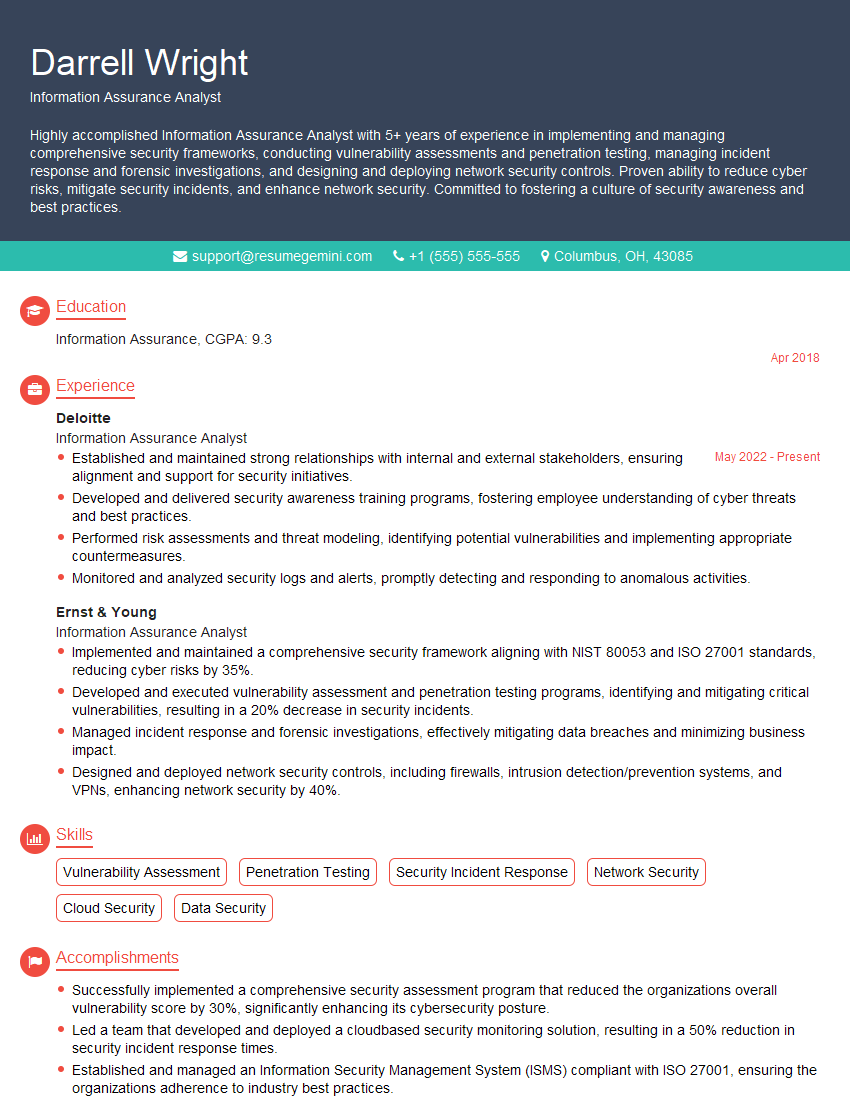
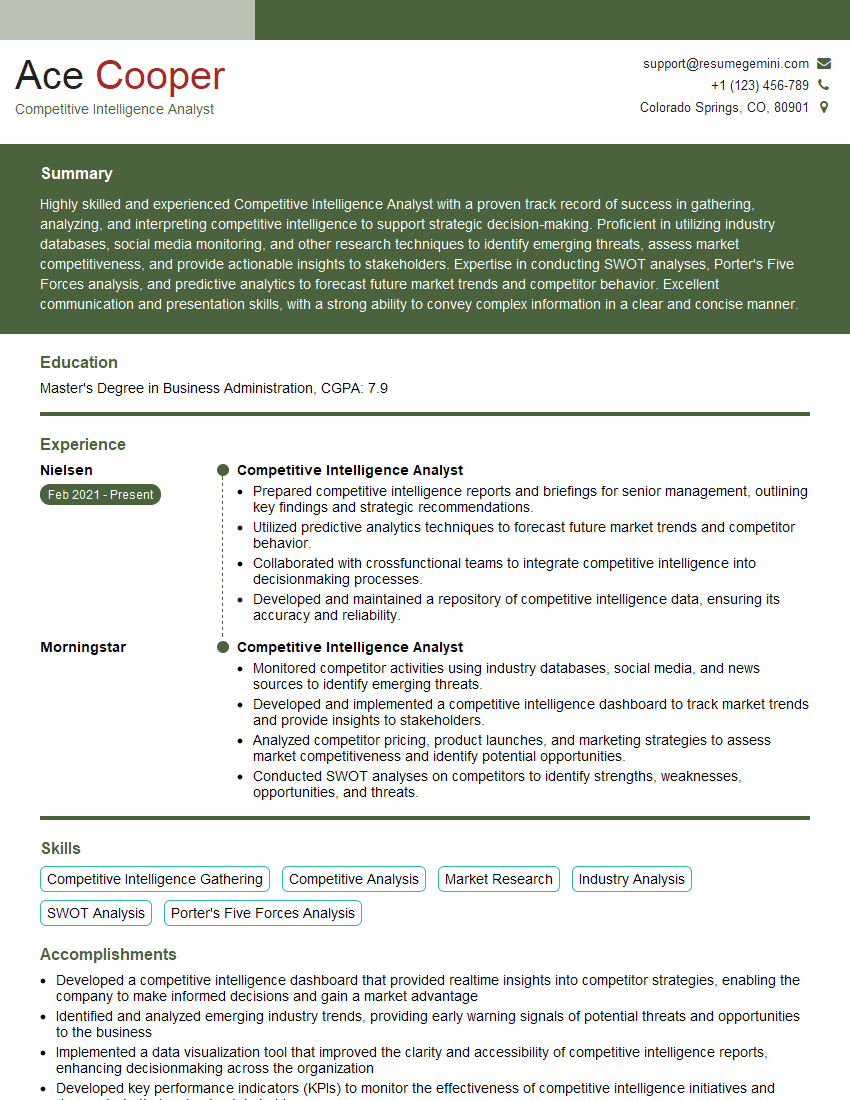
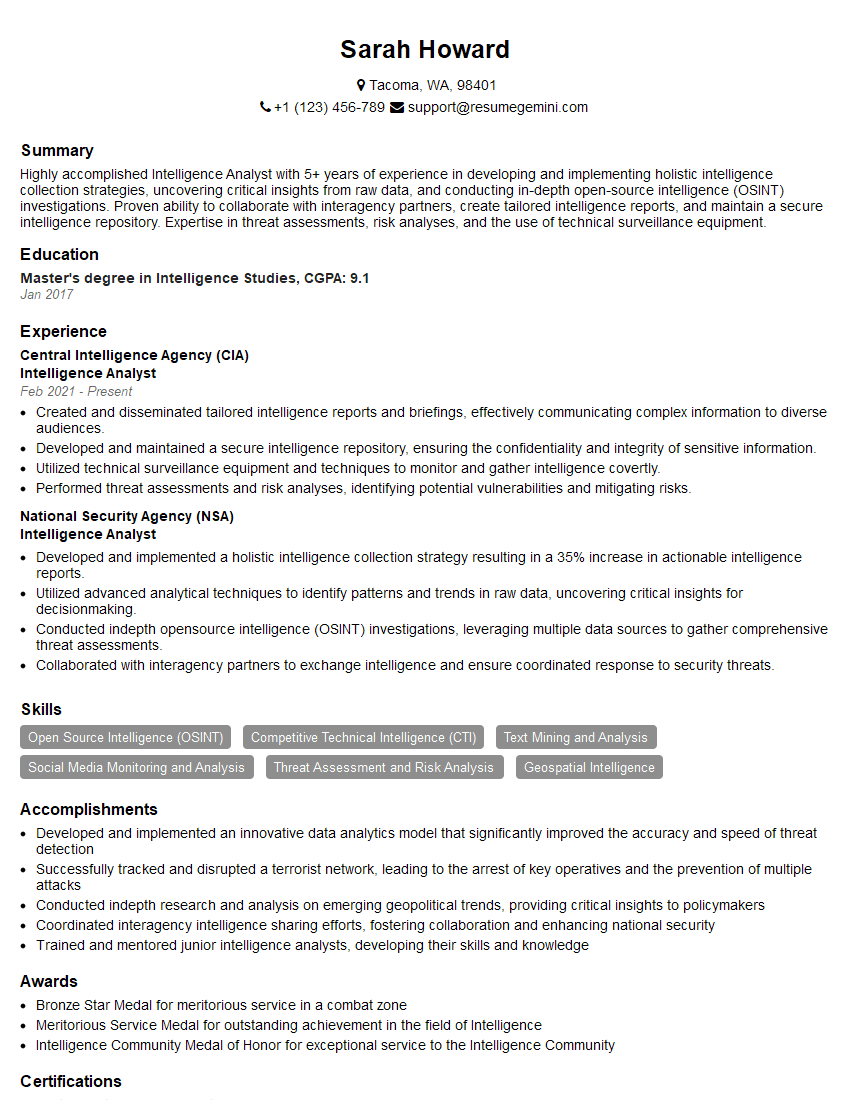
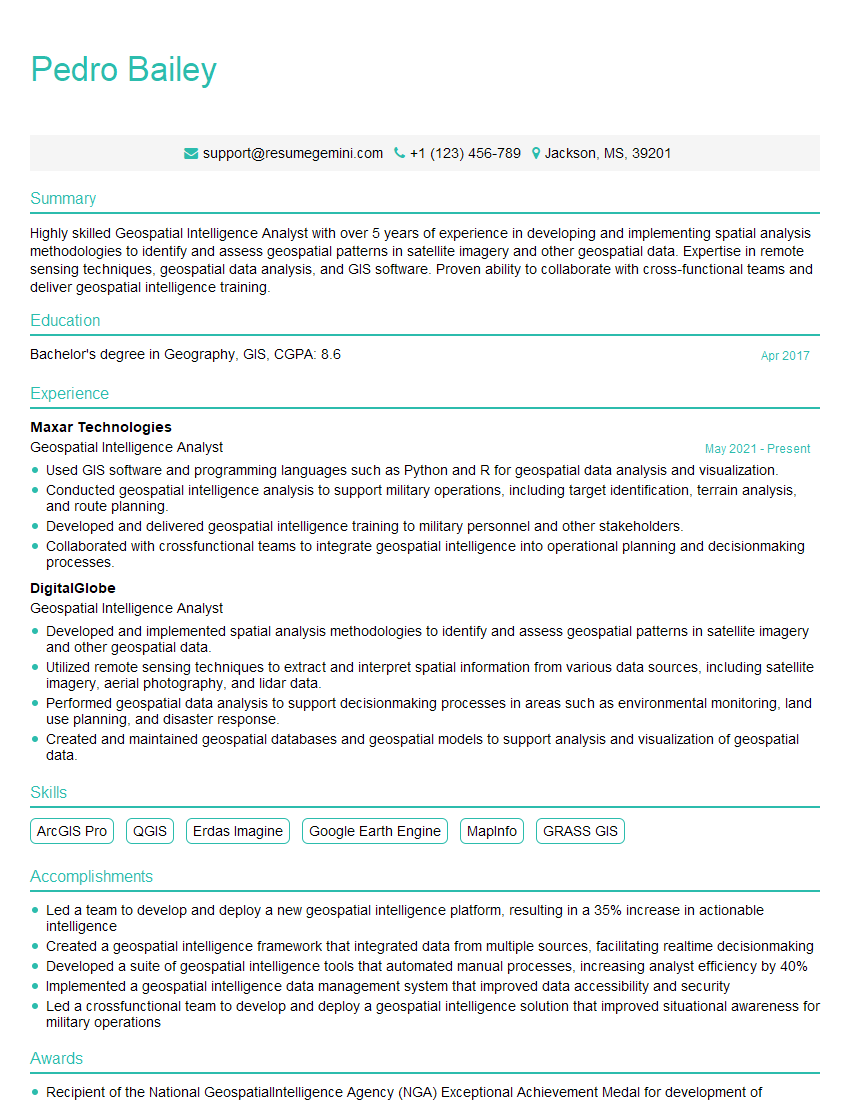
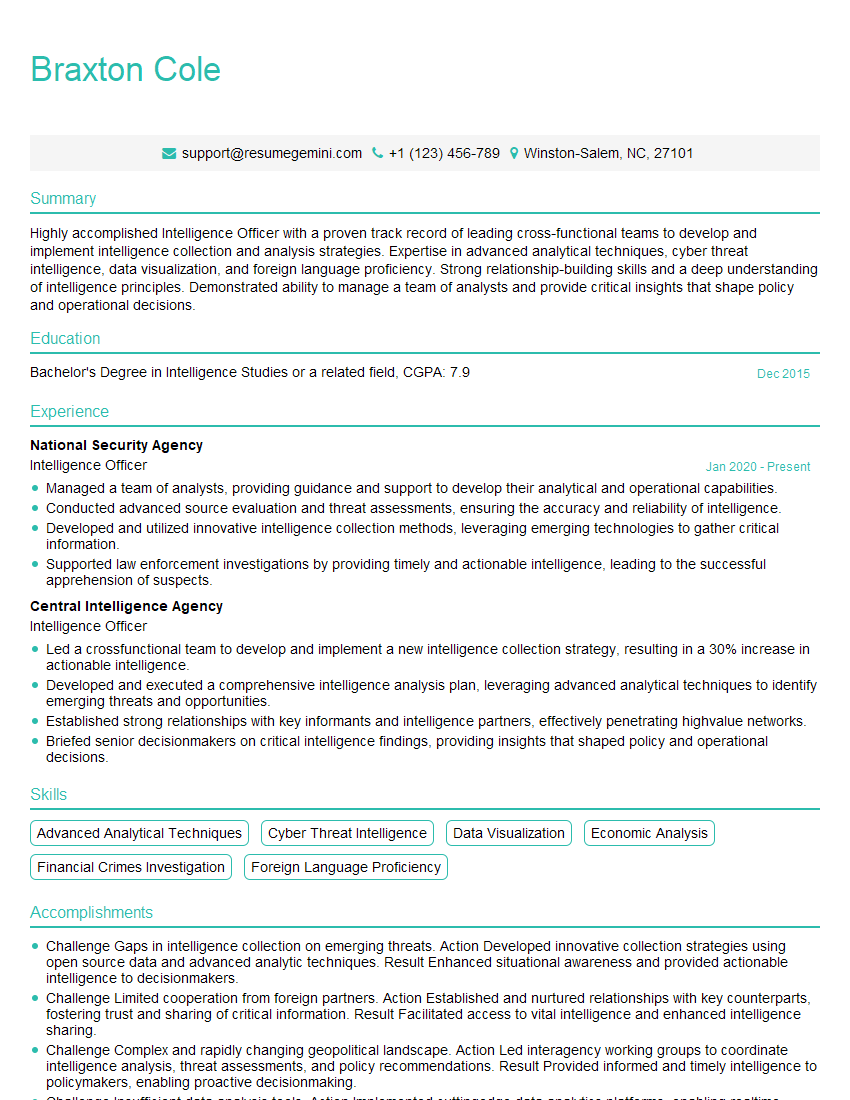
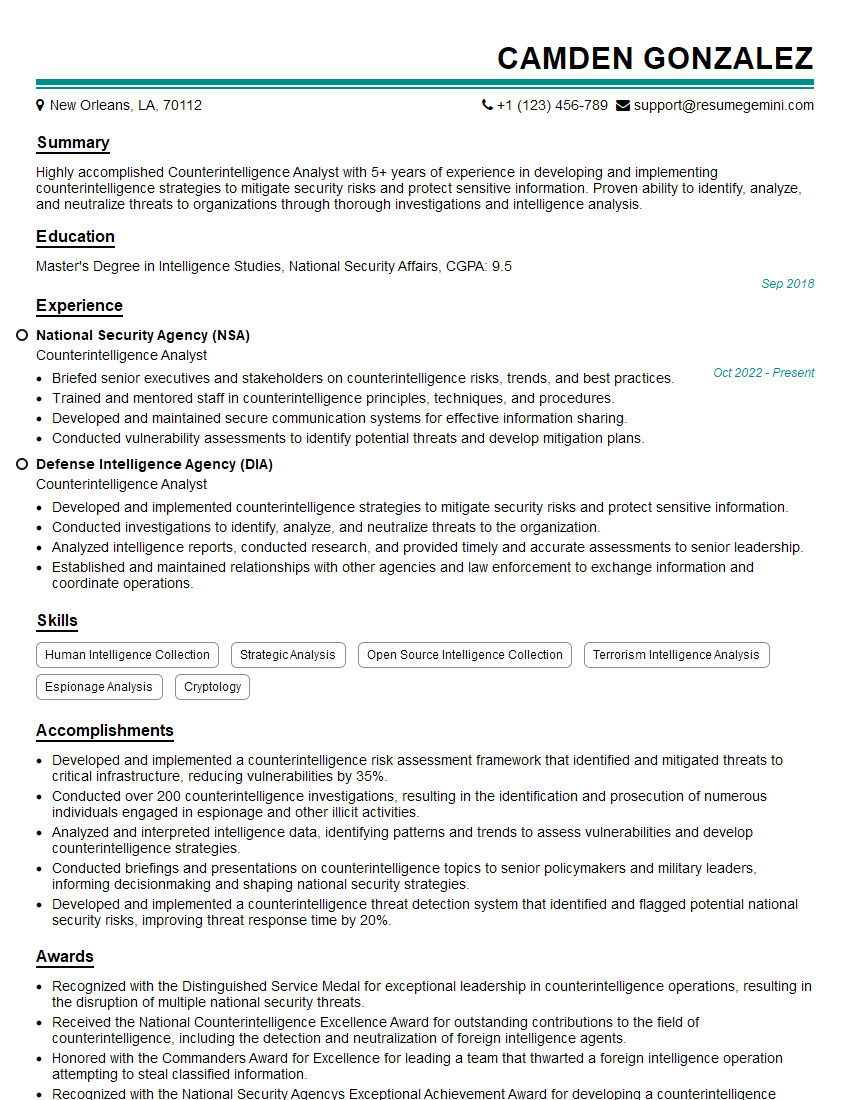
Mastering HUMINT and OSINT analysis skills opens doors to exciting and impactful careers in intelligence, security, and investigative fields. These roles demand critical thinking, strong analytical skills, and the ability to work effectively under pressure. To maximize your job prospects, a well-crafted, ATS-friendly resume is crucial. ResumeGemini is a trusted resource that can help you build a professional resume that showcases your skills and experience effectively. Examples of resumes tailored to HUMINT and OSINT Analysis are available to guide your process. Take the next step and invest in building a resume that truly reflects your potential.
Explore more articles
Users Rating of Our Blogs
Share Your Experience
We value your feedback! Please rate our content and share your thoughts (optional).
What Readers Say About Our Blog
To the interviewgemini.com Webmaster.
Very helpful and content specific questions to help prepare me for my interview!
Thank you
To the interviewgemini.com Webmaster.
This was kind of a unique content I found around the specialized skills. Very helpful questions and good detailed answers.
Very Helpful blog, thank you Interviewgemini team.