Interviews are more than just a Q&A session—they’re a chance to prove your worth. This blog dives into essential Environmental Radiological Monitoring interview questions and expert tips to help you align your answers with what hiring managers are looking for. Start preparing to shine!
Questions Asked in Environmental Radiological Monitoring Interview
Q 1. Describe the different types of radiation detectors used in environmental radiological monitoring.
Environmental radiological monitoring relies on a variety of radiation detectors, each suited to specific types of radiation and applications. The choice depends on factors like the type of radiation being measured (alpha, beta, gamma, or neutron), the energy levels, and the expected activity levels. Common detector types include:
- Gas-filled detectors: These include Geiger-Müller (GM) counters, proportional counters, and ionization chambers. GM counters are excellent for detecting a wide range of radiation, offering simplicity and robustness, although they lack energy discrimination. Proportional counters provide better energy resolution, while ionization chambers are used for high-radiation fields. Imagine them like different microphones – some pick up any sound (GM), others distinguish between high and low pitches (Proportional), and some are made to work in very loud environments (Ionization Chamber).
- Scintillation detectors: These detectors use scintillating materials that emit light when radiation interacts with them. The light is then detected by a photomultiplier tube (PMT), converting it into an electrical signal. Scintillation detectors offer good energy resolution and are used for various applications, including gamma spectroscopy. Think of them like a super-sensitive camera that converts invisible radiation into a visible signal.
- Semiconductor detectors: These detectors, like High-Purity Germanium (HPGe) detectors, are known for their excellent energy resolution, making them invaluable in identifying specific radionuclides. They’re more delicate and require cooling, but the detail they provide is unparalleled. They are like a very precise instrument that can tell you exactly what type of radiation you are dealing with.
- Thermoluminescent dosimeters (TLDs): These passive detectors store energy from radiation exposure, releasing it as light when heated. They are used for personnel monitoring and environmental dose assessment. They are like a ‘radiation storage device’ that records accumulated dose over time.
Q 2. Explain the principles of alpha, beta, and gamma radiation detection.
The principles of detecting alpha, beta, and gamma radiation are based on their different interactions with matter:
- Alpha detection: Alpha particles are relatively massive and heavily ionizing. They readily interact with matter, losing energy quickly. Detectors like ionization chambers and scintillation detectors are commonly used, taking advantage of the intense ionization they create.
- Beta detection: Beta particles are lighter and less ionizing than alpha particles, thus penetrating further. Various detectors, including GM counters, proportional counters, and scintillation detectors, are used for beta detection. The signal strength depends on the energy of the beta particle and the detector’s efficiency.
- Gamma detection: Gamma rays are high-energy photons that interact with matter through photoelectric absorption, Compton scattering, and pair production. Scintillation detectors (NaI(Tl) crystals are common) and semiconductor detectors (HPGe) are particularly effective for gamma detection due to their ability to detect the resulting energy depositions.
Think of it like this: alpha particles are like bowling balls, causing massive disruption; beta particles are like baseballs, causing less disruption but still traveling further; gamma rays are like tiny, fast bullets that can penetrate significant distances before interacting with an atom.
Q 3. What are the regulatory requirements for environmental radiological monitoring in your region?
Regulatory requirements for environmental radiological monitoring vary significantly depending on the region. However, common themes include:
- Licensing and permits: Operations involving radioactive materials often require licenses and permits, specifying monitoring requirements and reporting protocols.
- Monitoring frequency and locations: Regulations often mandate regular monitoring of air, water, soil, and biota, with frequencies and locations specified based on the potential risk.
- Reporting limits and thresholds: Specific limits and thresholds for radioactivity concentrations are established, triggering further investigation or remedial actions if exceeded. This helps to ensure that potential hazards are identified and addressed swiftly.
- Data quality assurance and quality control (QA/QC): Strict procedures are in place to ensure the accuracy and reliability of monitoring data. Calibration, intercomparison exercises, and proficiency testing are crucial components of a robust QA/QC program.
- Emergency response plans: Facilities handling radioactive materials must have well-defined emergency response plans in place, including procedures for environmental monitoring during incidents.
For specific details about regulations in a particular region, one must consult the relevant environmental protection agency or nuclear regulatory body.
Q 4. How do you calculate radiation dose from environmental sources?
Calculating radiation dose from environmental sources involves several factors, and it’s not a simple calculation. A qualified expert is required for proper assessment. The fundamental equation is:
Dose (Sv) = Absorbed dose (Gy) x Radiation weighting factor (Wr)Where:
- Absorbed dose (Gy) represents the energy absorbed per unit mass of tissue.
- Radiation weighting factor (Wr) accounts for the different biological effects of various types of radiation (e.g., alpha particles have a higher weighting factor than beta or gamma rays).
Determining the absorbed dose requires considering:
- The activity of the radionuclide(s): the amount of radioactive material present.
- The energy of the emitted radiation: different radiations have different energies and penetrating capabilities.
- The time of exposure: dose increases with exposure duration.
- The distance from the source: dose decreases with distance.
- Shielding: materials like lead or concrete reduce the dose.
Sophisticated computational models and Monte Carlo simulations are often employed to estimate the dose accurately, especially in complex scenarios. Environmental monitoring data provides the input parameters for these models.
Q 5. What are the common sources of environmental radiation?
Environmental radiation originates from various sources, both natural and man-made:
- Natural sources: These include cosmic radiation from space, terrestrial radiation from radioactive isotopes in soil and rocks (primarily uranium, thorium, and potassium), and internally deposited radionuclides from food and water (e.g., potassium-40).
- Man-made sources: These include fallout from past nuclear weapons testing, discharges from nuclear power plants, medical applications of radioactive materials, and industrial uses of radioactive isotopes. Accidents at nuclear facilities can also significantly contribute to environmental radiation.
The relative contribution of each source varies geographically. Areas with high concentrations of uranium or thorium in the soil will have naturally higher background radiation levels compared to other regions. Man-made contributions are generally more localized, concentrated around nuclear facilities or areas affected by accidents or past activities.
Q 6. Explain the concept of ALARA (As Low As Reasonably Achievable).
ALARA, which stands for “As Low As Reasonably Achievable,” is a fundamental principle in radiation protection. It emphasizes that radiation exposure should be kept as low as possible, taking into account economic and societal factors. It’s not about eliminating all radiation exposure, but about optimizing the balance between reducing risk and the practicality of implementing such reductions.
The ALARA principle is implemented through various strategies:
- Time minimization: Reducing the time spent in radiation areas.
- Distance maximization: Increasing the distance from radiation sources.
- Shielding: Using appropriate shielding materials to reduce radiation exposure.
- Engineering controls: Implementing engineering designs to minimize radiation releases.
- Administrative controls: Establishing procedures and regulations to limit exposure.
ALARA is not just a guideline; it’s a philosophy that permeates all aspects of radiation safety, from reactor design to waste management, ensuring a protective approach that is both effective and practical.
Q 7. Describe the process of conducting a radiological survey.
A radiological survey involves systematically measuring radiation levels in a specific area to assess the presence and distribution of radioactive materials. The process typically involves:
- Planning and preparation: This stage involves defining the survey objectives, identifying the area of interest, reviewing historical data (if available), selecting appropriate instruments, and implementing safety protocols.
- Field measurements: Radiation levels are measured using suitable detectors, following pre-defined survey patterns. Measurements are recorded along with metadata (time, location, instrument used, etc.). Direct measurements are made using instruments such as GM counters, scintillation detectors, or HPGe detectors depending on the expected levels and the type of radiation to be detected. For large areas, aerial surveys may be conducted.
- Data analysis and interpretation: The collected data is analyzed to identify areas of higher radiation levels, potential sources of contamination, and radiation dose rates. This may include mapping the results to visualize the distribution of radioactivity.
- Report generation: A comprehensive report is prepared summarizing the survey methodology, results, conclusions, and recommendations. This report includes details on the measured radiation levels, potential sources, and any necessary remediation measures.
For instance, before starting construction at a new site, a radiological survey might be conducted to check for naturally occurring radioactive materials in the soil. Similarly, after a suspected spill of radioactive material, a detailed survey is needed to map the contamination and inform cleanup efforts. These surveys are not only critical for worker safety but also for the protection of the environment.
Q 8. How do you interpret radiological survey results?
Interpreting radiological survey results involves a systematic approach that considers several factors. First, we must understand the context: What was the purpose of the survey? Were we looking for elevated background radiation, contamination from a specific source, or assessing compliance with regulatory limits? The results, typically presented as radiation levels (e.g., in microsieverts per hour or counts per minute), are then compared to established baseline levels for the area. Any significant deviations require further investigation. For instance, a reading consistently higher than background in a specific location might indicate a localized source of contamination, demanding detailed mapping and characterization.
We also need to consider the type of radiation detected (alpha, beta, gamma, or neutron). Each requires different detection methods and has varying penetration abilities. A high alpha reading might be concerning if it’s on a surface, indicating potential alpha-emitting contamination, but it won’t pose the same external radiation hazard as a high gamma reading due to alpha particles’ low penetration. Finally, uncertainty inherent in any measurement must be accounted for. Reporting includes uncertainties (e.g., ± 10%), acknowledging the limitations of the equipment and methodology employed. We might use statistical analysis to determine if a difference between readings is statistically significant, ruling out mere random fluctuations.
For example, during a site survey following a suspected spill of radioactive material, we might find elevated readings in a specific area. This would necessitate detailed mapping using a high-resolution instrument to pinpoint the source and estimate the extent of the contamination, guiding remediation efforts.
Q 9. What are the safety precautions for handling radioactive materials?
Safety precautions when handling radioactive materials are paramount and are dictated by the type and quantity of material. The ALARA principle – As Low As Reasonably Achievable – guides all practices. This means minimizing exposure time, maximizing distance from the source, and using shielding whenever possible. Specific precautions include:
- Personal Protective Equipment (PPE): This includes lab coats, gloves, respirators (for alpha and beta emitters), and protective eyewear. The specific PPE depends on the material and the potential exposure routes.
- Containment: Radioactive materials should be stored in appropriate containers designed to prevent leakage and limit radiation exposure. This might involve special shielded containers or glove boxes for handling highly active sources.
- Monitoring: Personal dosimeters (e.g., thermoluminescent dosimeters or electronic personal dosimeters) are worn to monitor individual radiation exposure. Area monitoring instruments help assess the radiation levels in the workspace.
- Training: Thorough training on the properties of the specific radioactive materials, safe handling procedures, emergency response protocols, and waste disposal methods is mandatory.
- Work Practices: Strict adherence to established procedures, such as using tongs or remote handling equipment for handling radioactive sources, is critical. All operations should be performed in designated controlled areas.
Failure to follow these procedures can lead to significant health risks, ranging from minor skin contamination to severe radiation sickness. A clear understanding of radiological safety principles is essential to protecting both the workers and the environment.
Q 10. What are the different types of radiation shielding?
Radiation shielding depends on the type of radiation. Different materials effectively attenuate different types of radiation.
- Lead: Highly effective against gamma rays and X-rays. Lead shielding is commonly used in medical imaging facilities and nuclear power plants. Think of the lead aprons worn during X-rays.
- Concrete: An excellent and cost-effective shield against gamma rays and neutrons. The thickness of the concrete barrier is crucial, determined by the energy level of the radiation source and the required level of attenuation.
- Water: Water is a relatively effective shield against beta particles and, to a lesser extent, gamma rays. Spent nuclear fuel is often stored in pools of water for shielding.
- Steel: Used for shielding against neutrons and beta particles. Often used in conjunction with other shielding materials.
- Plastics: Certain plastics are suitable for shielding alpha and low-energy beta particles due to their low atomic number. The effectiveness decreases with increasing energy of the radiation.
The choice of shielding material and its thickness is determined by a careful calculation considering the energy and type of radiation, the desired level of attenuation, and the safety regulations.
Q 11. Explain the concept of half-life in relation to radioactive decay.
Half-life refers to the time it takes for half of the atoms in a radioactive substance to decay into a more stable form. Imagine you have a pile of 100 radioactive candies. After one half-life, 50 candies remain radioactive, and 50 have decayed. After another half-life, only 25 radioactive candies are left, and so on. This decay process is exponential, not linear.
Each radioactive isotope has a characteristic half-life, ranging from fractions of a second to billions of years. This property is crucial in environmental radiological monitoring because it determines the persistence of the radioactive contamination and informs decisions about remediation and monitoring strategies. For example, a radioactive material with a short half-life will pose a significant radiation risk for only a relatively short period, while a substance with a long half-life requires long-term monitoring and management.
Understanding half-life is essential for calculating the decay of radioactive materials, predicting the environmental impact, and estimating the time required for the area to return to acceptable levels of radiation.
Q 12. How do you ensure the accuracy and reliability of radiological measurements?
Ensuring the accuracy and reliability of radiological measurements necessitates a multi-pronged approach involving:
- Calibration and Quality Control: Radiation detection instruments must be regularly calibrated using traceable standards to verify their accuracy. Regular quality control checks using certified reference materials are equally essential to ensure consistent performance.
- Instrument Selection: Choosing appropriate instruments for the specific type and energy of radiation being measured is vital. Using a gamma spectrometer for measuring gamma radiation is far superior than a Geiger counter in terms of detail and accuracy.
- Measurement Techniques: Adhering to established measurement protocols, including proper positioning of instruments, adequate measurement times, and background correction, is critical to minimizing errors.
- Data Analysis: Statistical analysis of the data helps identify outliers and assesses the uncertainties associated with measurements. This often involves comparing results to regulatory limits and establishing statistically significant differences from background levels.
- Chain of Custody: Maintaining a thorough chain of custody for samples and equipment ensures the integrity of the measurements and the traceability of the data.
A rigorous quality assurance program, along with experienced personnel, is crucial for generating reliable and defensible radiological data.
Q 13. Describe your experience with using different types of radiation monitoring equipment.
My experience encompasses a wide range of radiation monitoring equipment, including:
- Geiger-Müller counters: These are widely used for quick surveys, providing a general indication of radiation levels. However, they offer limited energy discrimination and accuracy.
- Scintillation detectors: These detectors offer better energy resolution and are used for more precise measurements, particularly when identifying specific radionuclides.
- High-purity germanium (HPGe) detectors: These are state-of-the-art detectors providing excellent energy resolution, essential for gamma spectroscopy and identifying multiple radionuclides present in a sample.
- Proportional counters: Used for measuring alpha and beta radiation. The type of proportional counter will depend on the specific application and energy range of interest.
- Neutron detectors: Essential for monitoring neutron radiation, often used in nuclear facilities. These can be based on different principles, such as scintillation or proportional counting.
Proficiency with these instruments includes understanding their operating principles, calibration procedures, data acquisition, and limitations. I am also adept at interpreting the data they generate and applying appropriate analytical techniques.
Q 14. How do you manage and dispose of radioactive waste?
Managing and disposing of radioactive waste is governed by strict regulations, designed to minimize environmental and human health risks. The approach is based on the principles of waste minimization, segregation, and appropriate disposal methods. Waste is categorized according to its activity level, physical form, and isotopic composition.
Management: This includes proper storage, packaging, labeling, and transportation to licensed disposal facilities. Low-level waste might be stored temporarily on-site, while higher-level waste requires specialized containers and transportation methods to prevent leakage or accidental exposure.
Disposal: Disposal methods depend on the waste type. Low-level waste can be disposed of in near-surface disposal facilities, usually specially engineered landfills. Intermediate-level waste may be solidified and disposed of in underground repositories. High-level waste (e.g., spent nuclear fuel) requires deep geological repositories for long-term storage and isolation from the biosphere. All aspects of management and disposal are closely monitored to ensure compliance with regulations and the protection of the environment.
For example, contaminated materials from a research lab might be disposed of by incineration, provided that the resulting gases are properly filtered to remove any airborne radioactivity. The ash from incineration would then be treated as low-level radioactive waste and landfilled accordingly.
Q 15. What are the health effects of radiation exposure?
The health effects of radiation exposure depend on several factors: the type of radiation, the dose received, the duration of exposure, and the individual’s age and health. Ionizing radiation, like that from nuclear sources or medical X-rays, can damage DNA, leading to a range of effects. Low doses may have no immediately noticeable effect, while high doses can cause acute radiation syndrome (ARS), characterized by nausea, vomiting, fatigue, and potentially death. Long-term exposure to even relatively low doses can increase the risk of cancer, genetic mutations, and other long-term health problems. For example, prolonged exposure to radon gas in homes can significantly increase the risk of lung cancer. The severity of health effects is typically categorized using dose measurements like Sieverts (Sv) or Gray (Gy), with higher doses associated with more severe effects.
It’s crucial to remember that the body has natural repair mechanisms for some radiation damage, but the capacity for repair is limited, and cumulative damage over time can lead to serious consequences.
Career Expert Tips:
- Ace those interviews! Prepare effectively by reviewing the Top 50 Most Common Interview Questions on ResumeGemini.
- Navigate your job search with confidence! Explore a wide range of Career Tips on ResumeGemini. Learn about common challenges and recommendations to overcome them.
- Craft the perfect resume! Master the Art of Resume Writing with ResumeGemini’s guide. Showcase your unique qualifications and achievements effectively.
- Don’t miss out on holiday savings! Build your dream resume with ResumeGemini’s ATS optimized templates.
Q 16. Describe the process of developing and implementing a radiological emergency response plan.
Developing and implementing a radiological emergency response plan (RERP) is a multi-stage process that requires careful planning and coordination. First, a thorough hazard assessment is conducted to identify potential radiological sources and assess their risks. This includes considering scenarios like accidents at nuclear facilities, transportation incidents involving radioactive materials, or even malicious acts. Based on the assessment, the plan defines roles and responsibilities for all involved parties—from emergency responders and healthcare professionals to government agencies and the public.
Next, the plan outlines procedures for monitoring radiation levels, evacuating people from affected areas, providing medical care to those exposed to radiation, and managing communication with the public. Regular training exercises and drills are essential to ensure personnel are prepared and familiar with the plan’s procedures. The plan should also include mechanisms for post-incident review and improvement to incorporate lessons learned from exercises or real-world events. Think of it like a fire drill, but for a much more complex and serious situation.
Finally, the RERP must be regularly reviewed and updated to reflect changes in regulations, technology, and the potential for new hazards. Effective communication is critical throughout the entire process, ensuring that all stakeholders understand their roles and responsibilities. A well-designed RERP is crucial for minimizing the impact of a radiological emergency.
Q 17. How do you maintain accurate records of radiological monitoring data?
Maintaining accurate radiological monitoring data is paramount for regulatory compliance and informed decision-making. We utilize a robust system combining electronic data logging and secure databases. Each measurement is meticulously documented, including date, time, location, instrument type, calibration details, and the identity of the person conducting the measurement. Data quality is ensured through strict quality control procedures— instruments are regularly calibrated and maintained according to manufacturer specifications, and personnel undergo rigorous training in data collection and handling. Chain-of-custody procedures are also followed to maintain the integrity of samples throughout the analysis process. We leverage validated software for data analysis and reporting, further enhancing accuracy and traceability. Data are regularly reviewed for inconsistencies or anomalies, and any discrepancies are investigated thoroughly. These comprehensive measures ensure the data’s reliability and support the integrity of our monitoring program.
Q 18. How familiar are you with radiation protection legislation and regulations?
I possess extensive knowledge of radiation protection legislation and regulations, including national and international standards. I’m familiar with regulations such as those set by the Nuclear Regulatory Commission (NRC) in the United States or the International Atomic Energy Agency (IAEA) globally. This includes understanding legal limits on exposure for workers and the public, regulations for the handling, transport, and disposal of radioactive materials, and reporting requirements for incidents or unusual findings. My understanding extends to the legal framework governing environmental monitoring programs, ensuring compliance with all applicable regulations and guidelines. I stay current with changes and updates in regulations through professional development activities and continuous monitoring of regulatory updates. This ensures our monitoring procedures remain compliant and effective. In practical terms, this means I can advise on licensing applications, ensure compliance with regulatory reporting, and contribute to the development of robust and legally sound monitoring programs.
Q 19. Explain your understanding of statistical analysis in environmental radiological monitoring.
Statistical analysis plays a vital role in environmental radiological monitoring, helping us understand patterns in data and make informed decisions. We use descriptive statistics to summarize data, for example, calculating average radiation levels or identifying the range of values measured. Inferential statistics allows us to draw conclusions about the population based on a sample of measurements. We utilize statistical tests, like t-tests or ANOVA, to determine if there are statistically significant differences between data sets or to evaluate the effectiveness of remediation efforts. For instance, we might use statistical methods to compare radiation levels before and after a cleanup operation to see if the intervention was successful. Furthermore, spatial statistical methods, such as kriging, allow us to create maps of radiation levels, visualizing areas with elevated concentrations to guide remediation strategies. The reliability and robustness of the statistical analysis are crucial for ensuring the accuracy and credibility of our findings.
Q 20. Describe your experience working with different types of radiation sources.
Throughout my career, I’ve worked with a wide variety of radiation sources, encompassing both natural and artificial sources. This includes experience with gamma emitters such as Cesium-137 and Cobalt-60, beta emitters such as Strontium-90, and alpha emitters like Plutonium-239. My work with natural sources includes measuring radon gas concentrations in buildings and assessing levels of naturally occurring radioactive materials in soil and water. I have also been involved in monitoring radiation levels around nuclear power plants, research facilities, and medical facilities utilizing radioactive isotopes. Each source presents unique challenges in terms of measurement techniques, safety precautions, and data interpretation. For example, the measurement of alpha particles requires specialized detection equipment and procedures due to their low penetration power compared to gamma radiation. This diverse experience ensures I can adapt my approach to different situations and apply the appropriate methods to measure and analyze radiation levels safely and accurately.
Q 21. How do you address discrepancies in radiological data?
Discrepancies in radiological data are addressed through a systematic and thorough investigation. The first step involves a careful review of the data to identify the source of the discrepancy. This may involve checking the original field measurements, reviewing calibration records for the instruments used, and examining the data processing steps. If the discrepancy is identified as a measurement error, for example due to instrument malfunction or incorrect calibration, then corrective actions are taken, and the data is re-evaluated or corrected. If the cause of the discrepancy is not immediately apparent, additional measurements may be taken to validate the initial findings. If the discrepancy remains unexplained after a thorough investigation, the results are reported transparently, highlighting the uncertainty and the steps taken to investigate the issue. Depending on the nature and magnitude of the discrepancy, this might include a detailed explanation in the final report, or additional analysis may be needed to better understand the source of the discrepancy. Transparency and rigorous documentation are essential in handling discrepancies, ensuring the reliability and integrity of our data.
Q 22. What are the challenges associated with environmental radiological monitoring?
Environmental radiological monitoring, while crucial for public safety, presents numerous challenges. One major hurdle is the inherent variability of environmental conditions. Rainfall, wind patterns, and soil composition can significantly affect the distribution and detection of radionuclides. Imagine trying to find a specific grain of sand on a vast beach – that’s similar to locating and quantifying low levels of radiation in the environment.
Another challenge lies in the detection limits of our instruments. We’re often dealing with extremely low levels of radiation, which require highly sensitive and specialized equipment. False positives and negatives are always a concern, requiring rigorous calibration and quality control procedures. This is particularly difficult in complex matrices like soil or water samples.
Finally, resource limitations, including budget constraints and the availability of skilled personnel, often restrict the scope and frequency of monitoring activities. This means we must carefully prioritize monitoring locations and methodologies based on risk assessments and available resources.
Q 23. How do you ensure the quality control of environmental radiological monitoring results?
Quality control in environmental radiological monitoring is paramount. We employ a multi-layered approach, starting with rigorous instrument calibration and maintenance. Each instrument is meticulously checked against certified standards, and calibration records are meticulously kept. Think of this as regularly tuning a musical instrument before a concert to ensure accuracy.
We also employ duplicate sampling and analysis. This means collecting multiple samples from the same location and processing them independently. Comparing the results allows us to assess the precision and reliability of our methods. Discrepancies trigger further investigation to pinpoint the source of the variation.
Blind samples – samples of known concentrations that are analyzed without the analyst’s knowledge – are routinely introduced to detect any potential bias in the analysis. Regular participation in inter-laboratory comparison exercises provides further assurance that our results are consistent with those of other reputable laboratories. This ensures that our findings are not only accurate but also comparable across different monitoring programs.
Q 24. Describe your experience with data analysis software used in radiation monitoring.
My experience encompasses a wide range of data analysis software used in radiation monitoring. I am proficient in using programs like R and MATLAB for statistical analysis of large datasets, including spatial statistical techniques to identify hotspots or trends. For example, I’ve used R to perform geostatistical analysis on soil samples to create maps showing the spatial distribution of cesium-137 following a nuclear accident.
I also have expertise in using dedicated radiation monitoring software packages such as GammaVision for spectral analysis of gamma-ray data obtained from high-purity germanium detectors. This software allows for precise identification and quantification of various radionuclides in environmental samples. Furthermore, I’m comfortable using database management systems like SQL to manage and query large environmental radiation datasets efficiently.
Q 25. How would you respond to a suspected radiation leak?
Responding to a suspected radiation leak involves a rapid, coordinated effort. The first step is to activate the established emergency response plan. This plan details roles and responsibilities, communication protocols, and procedures for containment and mitigation.
Next, we would immediately deploy radiation detection instruments to assess the extent and severity of the potential leak. This might involve using portable survey meters to map radiation levels, or deploying more sophisticated equipment depending on the circumstances. Simultaneously, we would initiate protective actions such as establishing a perimeter to limit access to the affected area.
Concurrently, we would notify relevant authorities, including emergency services and regulatory agencies. Clear and accurate communication is crucial during this phase. Finally, a thorough investigation would be conducted to identify the source of the leak, determine the extent of contamination, and implement remediation measures. This would involve careful documentation of all actions taken and detailed analysis of the collected data.
Q 26. What is your experience with using GIS software in environmental radiological monitoring?
GIS (Geographic Information Systems) software is indispensable in environmental radiological monitoring. I have extensive experience using ArcGIS and QGIS to visualize and analyze spatial patterns of radiation contamination. Imagine trying to understand the spread of a pollutant without a map; GIS provides that crucial spatial context.
I utilize GIS to create maps displaying radiation levels, overlaying them with geographical features like rivers, population centers, and land use classifications. This allows for informed decision-making regarding the prioritization of sampling locations, assessment of potential risk to human health, and development of effective remediation strategies. For example, I’ve used GIS to model the transport of radioactive material through a river system following a spill, helping to predict downstream contamination levels.
Q 27. Describe your understanding of different sampling methods used in radiological monitoring.
A variety of sampling methods are employed in radiological monitoring, each with its strengths and limitations. The choice of method depends on the specific radionuclide, the environmental medium (soil, water, air), and the objective of the monitoring program.
For soil sampling, we might use techniques like composite sampling (combining multiple soil cores) or grid sampling (collecting samples at regular intervals). Water sampling can involve grab sampling (single samples at a given time) or composite sampling (mixing samples collected over time). Air sampling utilizes specialized filters or samplers to collect airborne radioactive particles.
Each sampling method requires meticulous adherence to standardized protocols to ensure data quality and comparability. The sample preparation and handling procedures are equally crucial to prevent contamination and ensure accurate measurement results. For example, appropriate decontamination of equipment between sampling sites is critical to avoid cross-contamination.
Q 28. How do you communicate complex radiological information to non-technical audiences?
Communicating complex radiological information to non-technical audiences requires clear, concise, and relatable language. I avoid technical jargon whenever possible, preferring plain language explanations and using analogies to illustrate concepts. For instance, instead of saying ‘the dose rate was 1 µSv/h’, I might say ‘the radiation level was similar to that received from a chest X-ray over an hour’.
Visual aids such as maps, graphs, and infographics are powerful tools for conveying spatial and temporal trends in radiation levels. I often tailor my communication approach to the audience, considering their background knowledge and level of understanding. Simple and straightforward presentations, combined with opportunities for questions and answers, help ensure the audience comprehends the essential information.
Transparency and honesty are vital. It’s essential to acknowledge uncertainties and limitations associated with the data and to respond to concerns openly and truthfully. Building trust is key to effective risk communication in this field.
Key Topics to Learn for Environmental Radiological Monitoring Interview
- Radiation Detection and Measurement: Understanding various detection techniques (e.g., Geiger counters, scintillation detectors), their principles, limitations, and appropriate applications in environmental monitoring.
- Radioactive Decay and Half-life: Applying knowledge of radioactive decay processes and half-life calculations to predict and interpret environmental contamination levels.
- Environmental Sample Collection and Analysis: Mastering safe and effective sampling methodologies for various environmental matrices (soil, water, air) and understanding laboratory analytical techniques used for radionuclide quantification.
- Radiation Dosimetry and Risk Assessment: Calculating radiation doses and assessing potential health risks associated with environmental radiation exposure, including understanding relevant regulations and guidelines.
- Regulatory Compliance and Reporting: Familiarity with national and international regulations governing environmental radiological monitoring and the procedures for reporting monitoring results.
- Data Analysis and Interpretation: Proficiency in statistical analysis and interpretation of environmental radiological monitoring data to identify trends, anomalies, and potential sources of contamination.
- Emergency Response Planning: Understanding the role of environmental radiological monitoring in emergency response planning and procedures for dealing with radiological incidents.
- Health Physics Principles: A solid grasp of fundamental health physics concepts related to radiation protection and safety in environmental monitoring contexts.
- GIS and Spatial Analysis: Applying geographic information systems (GIS) to visualize and analyze spatial distributions of radionuclides in the environment.
- Quality Assurance and Quality Control (QA/QC): Understanding the importance of QA/QC procedures to ensure the accuracy and reliability of environmental radiological monitoring data.
Next Steps
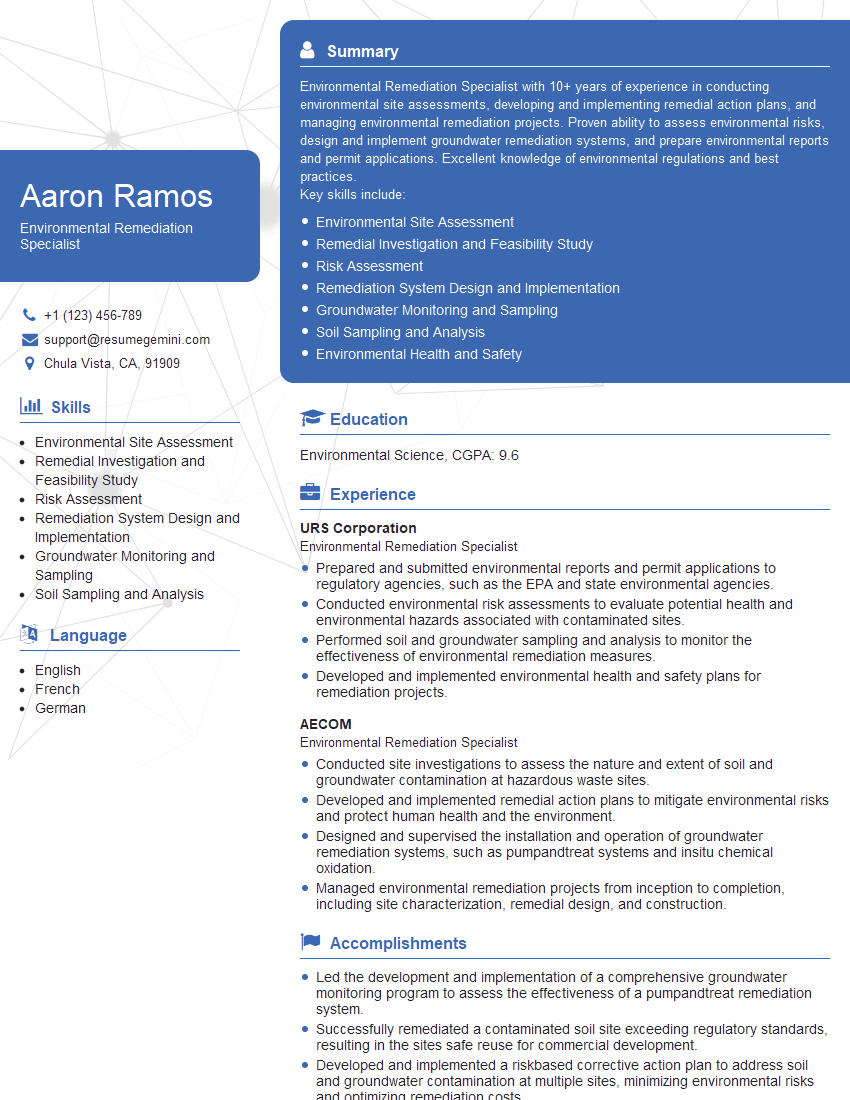
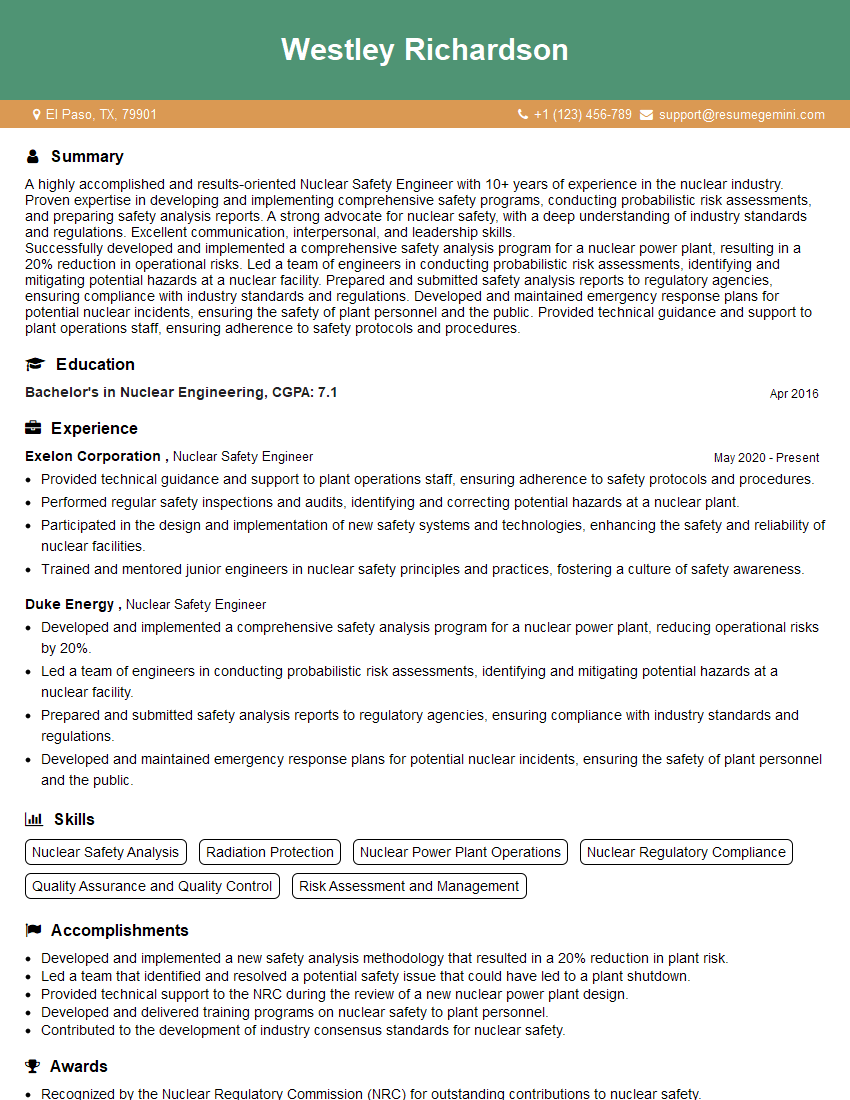
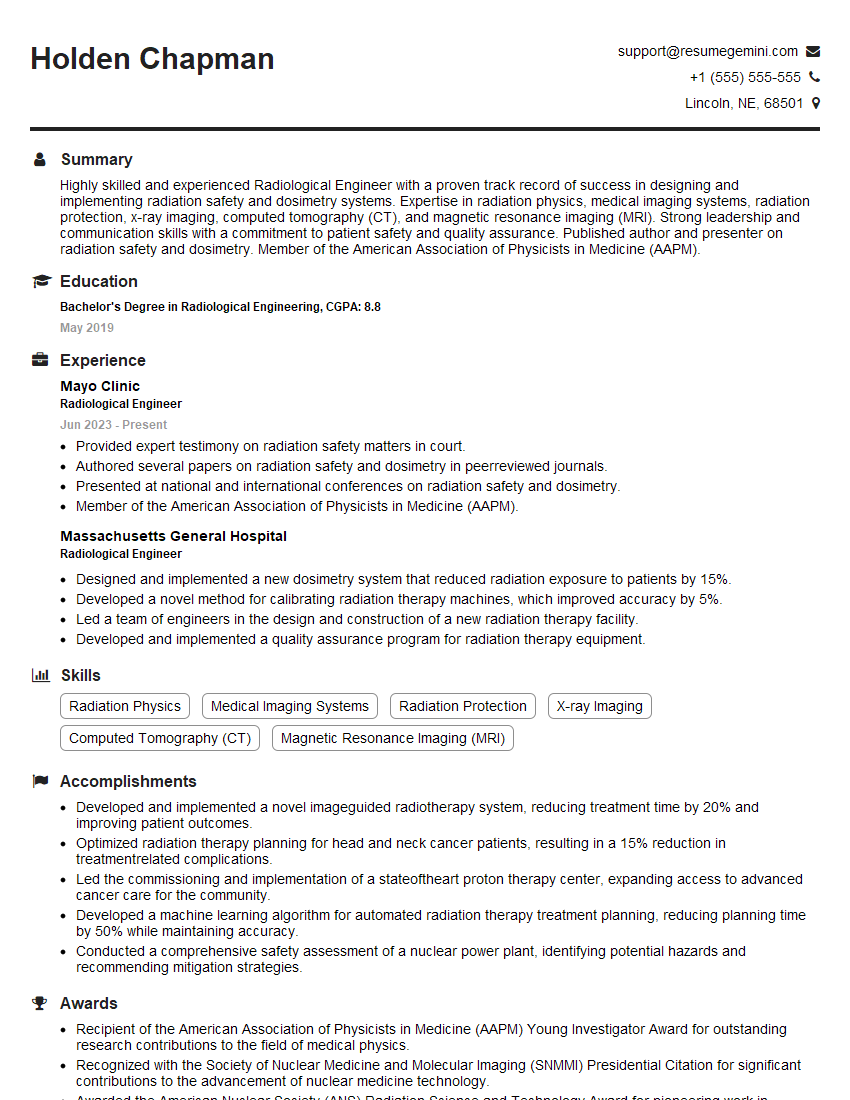
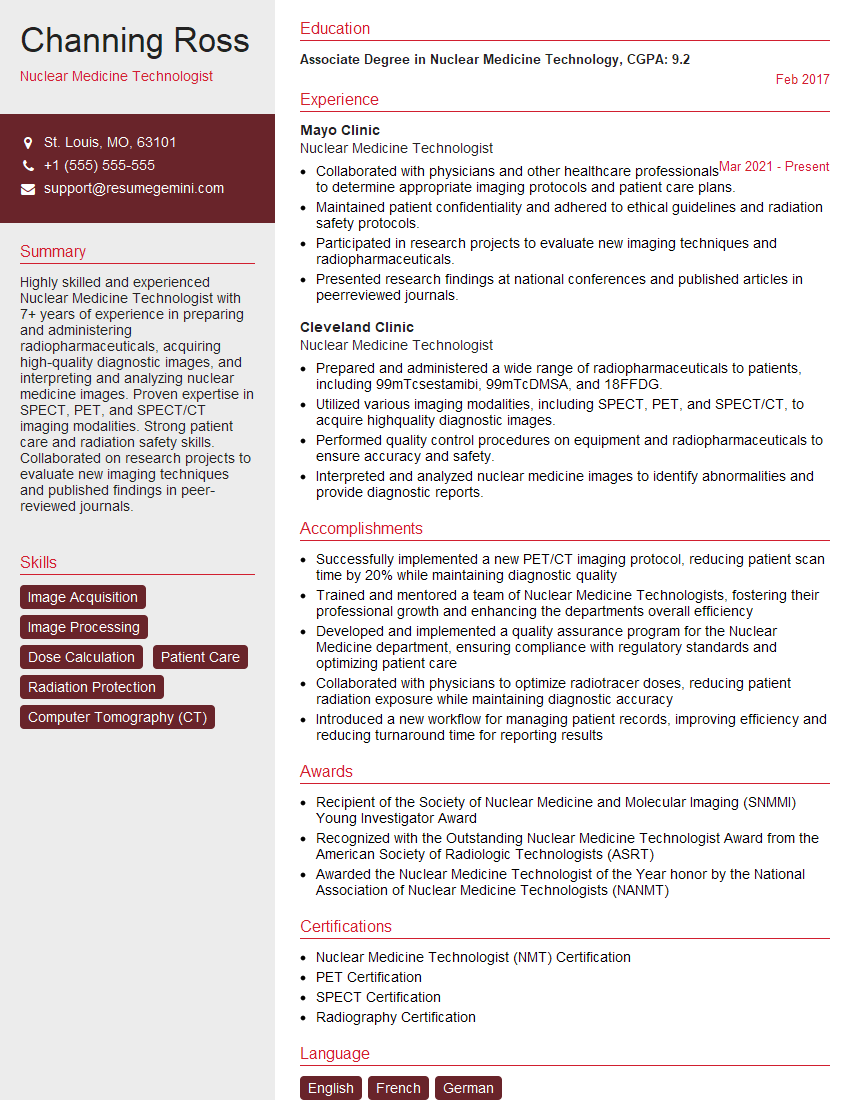
Mastering Environmental Radiological Monitoring opens doors to a rewarding career with significant impact. This specialized field offers excellent growth potential, especially with increasing global awareness of environmental protection and nuclear safety. To maximize your job prospects, focus on crafting an ATS-friendly resume that showcases your skills and experience effectively. ResumeGemini is a trusted resource that can help you build a professional and impactful resume. They provide examples of resumes tailored to Environmental Radiological Monitoring to give you a head start. Invest the time to create a strong resume—it’s your first impression on potential employers.



Explore more articles
Users Rating of Our Blogs
Share Your Experience
We value your feedback! Please rate our content and share your thoughts (optional).
What Readers Say About Our Blog
To the interviewgemini.com Webmaster.
Very helpful and content specific questions to help prepare me for my interview!
Thank you
To the interviewgemini.com Webmaster.
This was kind of a unique content I found around the specialized skills. Very helpful questions and good detailed answers.
Very Helpful blog, thank you Interviewgemini team.