The thought of an interview can be nerve-wracking, but the right preparation can make all the difference. Explore this comprehensive guide to EPA Emissions Monitoring interview questions and gain the confidence you need to showcase your abilities and secure the role.
Questions Asked in EPA Emissions Monitoring Interview
Q 1. Describe your experience with EPA Method 25A.
EPA Method 25A is a crucial method for determining the volumetric flow rate of a gas stream in stationary sources, often used in conjunction with other EPA methods to calculate emissions. My experience involves numerous field applications where I’ve used Method 25A’s standard pitot tube methodology to measure the velocity and pressure of the gas stream. This involves meticulously calibrating the pitot tube, carefully selecting measurement points across the stack’s cross-section (following a specific pattern to ensure representative sampling), and accounting for factors like stack temperature and pressure to determine the accurate volumetric flow rate. I’ve also utilized Method 25A in conjunction with other methods such as Method 5 (for particulate matter) or Method 7 (for mercury) to complete a comprehensive emission profile. In one specific project, we were investigating unexpectedly high particulate emissions from a cement kiln. Precise flow rate measurements via Method 25A were critical for accurately determining the emission concentration and compliance status.
I am proficient in interpreting the data generated by Method 25A, identifying potential sources of error, and addressing them accordingly. For example, I’m well-versed in the impact of flow disturbances on the accuracy of the velocity measurements. I have extensive experience in calculating the standard deviation of multiple measurements to ensure that the results are statistically sound.
Q 2. Explain the difference between continuous and periodic emissions monitoring.
Continuous emissions monitoring (CEM) and periodic emissions monitoring (PEM) represent two distinct approaches to tracking emissions from stationary sources. CEM systems, like Continuous Emission Monitoring Systems (CEMS), provide real-time, continuous data on emissions. Think of them as constantly monitoring the ‘pulse’ of the emissions, providing immediate feedback. This allows for prompt detection of emission excursions and immediate corrective actions, minimizing environmental impact. Examples of CEMS include those measuring SO2, NOx, CO, and O2. This constant stream of data is crucial for regulatory compliance and optimizing operational efficiency.
PEM, on the other hand, involves periodic, often less frequent, sampling and analysis of emissions. It’s like taking the temperature occasionally rather than continuously. This method is generally less expensive to implement than CEM but offers a less comprehensive picture of emissions over time. PEM is often used for pollutants which are not continuously monitored. The frequency of testing for PEM is often determined by the specific permit requirements. A great example of PEM is the method 5 test for particulate matter where the sampling is done for a specific duration and the overall concentration is then determined.
The choice between CEM and PEM often depends on factors like the pollutant of concern, the regulatory requirements, the cost of implementation and maintenance, and the level of real-time control desired. For critical pollutants or stricter regulatory environments, CEM is favored; for less critical pollutants, or where budgetary constraints are tighter, PEM might suffice.
Q 3. How do you ensure the accuracy and reliability of emissions monitoring data?
Ensuring the accuracy and reliability of emissions monitoring data is paramount. This involves a multi-faceted approach encompassing meticulous planning, precise execution, and rigorous quality control. It starts with proper equipment selection and calibration. All instruments used, from CEMS to sampling trains, need to be meticulously calibrated according to EPA-approved procedures. Calibration traces are essential for proving the instruments are functioning properly.
Another aspect involves proper sampling procedures. This includes adhering to the specific methodologies outlined in the relevant EPA methods, ensuring representative sampling across the stack’s cross-section, and minimizing any potential sources of bias or contamination. Proper sample handling, from collection to laboratory analysis, is equally crucial. Furthermore, quality assurance/quality control (QA/QC) measures are essential. This incorporates the use of calibration standards, blind samples (samples of known concentrations), and duplicate analyses to validate the data integrity. Regular audits and performance evaluations of the entire monitoring system are critical for ensuring long-term accuracy and reliability. For example, we regularly conduct proficiency testing programs to ensure that our analytical laboratory is performing reliably. Data validation, which looks for inconsistencies and outliers, plays a critical role in improving accuracy and reliability.
Q 4. What are the key regulations governing EPA emissions monitoring in your industry?
The key regulations governing EPA emissions monitoring in my industry (specify your industry here, for example, power generation) are primarily outlined in the Clean Air Act (CAA) and its associated regulations. This includes Title IV of the CAA concerning acid rain, and specific regulations for different pollutants (e.g., National Emission Standards for Hazardous Air Pollutants (NESHAP)). The CAA sets forth emission limits for various pollutants and mandates compliance monitoring programs. Specific regulations dictate the methods to be used for monitoring, reporting frequencies, and data submission requirements. The EPA publishes numerous documents, such as the 40 CFR part 60 and 40 CFR part 61, providing detailed guidance on emissions standards and testing procedures. These are critical references for ensuring compliance.
In addition, state-level regulations may also apply, potentially imposing stricter requirements than the federal standards. Staying abreast of both federal and state regulations is vital for maintaining compliance and avoiding penalties. Understanding the specific requirements for each source, pollutant, and regulatory agency within a given project is crucial. For example, an older power plant may be subject to different emission standards than a newly constructed one.
Q 5. Explain your experience with various emission monitoring technologies (e.g., CEMS, PEMS).
My experience encompasses various emission monitoring technologies, including both Continuous Emission Monitoring Systems (CEMS) and Portable Emission Monitoring Systems (PEMS). With CEMS, I’ve worked extensively with extractive systems that measure pollutants like SO2, NOx, CO, and O2. I understand the complexities of these systems, including calibration procedures, data acquisition, and data validation. I’m comfortable troubleshooting issues related to sensor drift, signal interference, and data anomalies.
Regarding PEMS, I have experience with various handheld analyzers used for periodic emissions testing, often for shorter-term, spot-check monitoring, or for specific pollutants not monitored by CEMS. This includes experience with both extractive and non-extractive measurement systems. I understand the limitations of PEMS compared to CEMS, particularly regarding the accuracy of emissions over long periods. For example, I have used PEMS to measure fugitive emissions from various process equipment in industrial facilities. I’m familiar with all the associated safety protocols and procedures for operating these tools.
In summary, my experience spans a range of monitoring technologies, allowing me to select and apply the most appropriate approach based on the specific needs of a project.
Q 6. How do you handle data discrepancies or inconsistencies in emissions monitoring?
Data discrepancies or inconsistencies in emissions monitoring require a systematic and thorough investigation. The first step involves identifying the nature of the discrepancy. Is it a single point outlier, a consistent bias, or a more complex pattern? Once identified, the source of the inconsistency is traced, This could involve reviewing calibration records, examining sampling procedures and documentation, checking the integrity of the data acquisition system, and evaluating potential sources of error, such as equipment malfunction, human error, or external influences. The investigation process should use a structured approach that considers the different possible sources of error.
If the source of error can be isolated and corrected, the data may be adjusted accordingly, always with proper documentation to justify the correction. In some cases, further testing or data analysis might be necessary. If the source cannot be identified, further investigation could involve repeating the sampling analysis, or comparing data from other sources. In cases where the data inconsistencies cannot be resolved, or when the error is significant, a full report outlining the issue and the steps taken should be presented. It’s crucial to maintain meticulous records throughout the entire process, ensuring transparency and accountability.
Q 7. Describe your experience with emissions reporting and compliance documentation.
My experience with emissions reporting and compliance documentation is extensive. I’m proficient in preparing accurate and comprehensive emissions reports in accordance with EPA guidelines and relevant regulations. This includes gathering and analyzing data from various sources, ensuring the data’s accuracy and completeness, and compiling this information into the required formats, using appropriate software for data management and report generation. For example, the preparation of reports for Title V permits which requires the summation of emission data from various sources over a specific period and is subject to several EPA rules.
I understand the importance of maintaining thorough documentation to support the reported data. This includes maintaining calibration records, chain-of-custody documentation for samples, operational logs, and any other relevant information. This ensures that all aspects of the monitoring process can be traced and verified by regulatory authorities. I am skilled in managing and storing this documentation, ensuring that it is readily accessible and auditable. I understand the legal implications of inaccurate reporting, hence the strict adherence to all applicable guidelines and regulations is strictly followed.
Q 8. Explain the role of quality control/quality assurance in emissions monitoring.
Quality Control/Quality Assurance (QC/QA) in emissions monitoring is paramount for ensuring the accuracy and reliability of the data collected. It’s like having a meticulous chef checking every step of a recipe to guarantee a delicious dish – except here, the ‘dish’ is accurate emissions data informing regulatory compliance and environmental protection.
A robust QC/QA program encompasses several key aspects:
- Calibration and Span Checks: Regular calibration of monitoring instruments against traceable standards is crucial. Think of it as regularly checking your kitchen scale to ensure it’s accurately measuring ingredients. Span checks verify the instrument’s response across its operating range.
- Data Validation: This involves checking for outliers, inconsistencies, and missing data. It’s like reviewing the cooking log to ensure no steps were missed or unusual events occurred.
- Audit Trails: Maintaining detailed records of all calibration, maintenance, and data handling activities is essential for traceability and accountability. This is like keeping a detailed recipe book, with notes on adjustments made during the cooking process.
- Performance Evaluation: Periodic performance evaluations of the entire monitoring system, including sampling, analysis, and data management, ensure optimal functionality. This involves a comprehensive check of the entire cooking process, not just individual components.
- Proficiency Testing: Participating in proficiency testing programs provides an independent assessment of laboratory and field performance. This is akin to having a food critic review your dish to ensure it meets quality standards.
By diligently implementing these QC/QA measures, we minimize errors and ensure the data reflects the true emissions profile, supporting informed decision-making and regulatory compliance.
Q 9. How do you troubleshoot malfunctioning emissions monitoring equipment?
Troubleshooting malfunctioning emissions monitoring equipment requires a systematic approach. It’s like diagnosing a car problem – you need to systematically check different systems until you find the source of the issue.
My troubleshooting process typically involves:
- Reviewing error messages and logs: Modern equipment provides valuable diagnostic information through error codes and logs. This is like reading the car’s diagnostic trouble codes (DTCs).
- Checking instrument calibration and span: Confirming that the instrument is properly calibrated and within its span is a crucial first step. This is like checking the fuel level and tire pressure in a car.
- Inspecting connections and cabling: Loose connections or damaged cabling are common causes of malfunctions. This is akin to checking for loose wires or damaged hoses in a car.
- Verifying sample flow and pressure: Ensuring proper sample flow and pressure is critical for accurate measurements. It’s like checking the fuel injectors and the engine’s airflow in a car.
- Analyzing sample composition and interferences: High concentrations of certain components can overwhelm or interfere with the sensor. This is similar to checking for fuel contaminants that might affect the engine.
- Testing sensor response: Testing the sensor using known concentrations can identify sensor drift or failure. This involves checking the car’s sensors using a diagnostic tool.
- Consult manuals and technical support: Manufacturer’s documentation and technical support can provide invaluable assistance. This is like consulting a car repair manual or calling a mechanic.
Often, a combination of these steps is required to pinpoint the problem. Thorough documentation of the troubleshooting process is crucial for future reference and regulatory compliance.
Q 10. What are the common sources of error in emissions monitoring and how can they be minimized?
Emissions monitoring is prone to several sources of error. Think of it like baking a cake – many factors can influence the final result. Understanding these errors and implementing preventative measures is crucial for accurate data.
- Sampling Errors: Incomplete or non-representative sampling can lead to significant errors. This can be caused by improper probe placement or insufficient sample volume, like using a small spoon to sample batter from a large bowl.
- Analytical Errors: Errors in the analytical method itself, such as instrument drift or reagent contamination, can affect accuracy. This is like using old or contaminated baking powder.
- Data Handling Errors: Transcription errors, calculation mistakes, or software glitches can introduce errors during data processing. This is analogous to making a mistake in calculating ingredients.
- Environmental Factors: Temperature, pressure, and humidity can all affect instrument performance and sample composition. It’s like how room temperature affects the consistency of your cake batter.
Minimizing errors involves a multi-faceted approach:
- Proper sampling techniques: Using appropriate sampling equipment and procedures ensures representative samples. This is like ensuring you use the correct measuring tools and follow the recipe.
- Regular calibration and maintenance: Maintaining instruments in top condition and performing regular calibrations reduces analytical errors. This is like cleaning your mixing bowls and using a clean oven.
- Data validation checks: Implementing automated data validation and quality control checks reduces errors. It’s like reviewing the recipe before you start baking.
- Controlled environmental conditions: Maintaining stable temperature, pressure, and humidity in the laboratory minimizes their influence. This is like baking in a temperature-controlled oven.
A comprehensive QC/QA program addresses these potential errors, ensuring accurate and reliable emission data.
Q 11. Describe your experience with different types of emission sources (e.g., boilers, engines, etc.).
My experience encompasses a wide range of emission sources, including:
- Boilers: I’ve worked extensively on emissions monitoring for various boiler types, from small industrial boilers to large utility boilers. This includes monitoring for NOx, SO2, particulate matter, and CO.
- Engines: My experience includes emissions testing for both stationary and mobile internal combustion engines – everything from heavy-duty diesel engines in power generation to smaller gasoline engines in backup power generators.
- Industrial Processes: I’ve been involved in monitoring emissions from various industrial processes, such as cement kilns, incinerators, and chemical manufacturing plants. This often involves specialized techniques to measure a wide range of pollutants.
- Wastewater Treatment Plants: I’ve also worked with emission monitoring from wastewater treatment facilities, focusing on the monitoring of odorous gases.
Each source presents unique challenges and requires tailored monitoring strategies. For example, the sampling and analysis techniques for a cement kiln are vastly different than those used for a small gasoline engine. My expertise lies in adapting my approach to the specific characteristics of each source to accurately capture emissions data.
Q 12. How do you stay updated on the latest EPA regulations and emission standards?
Staying current with EPA regulations and emission standards is critical in this field. It’s an ongoing process – like constantly updating a software application.
I utilize several strategies to remain informed:
- EPA Website and Publications: The EPA website is the primary source for official regulations, guidance documents, and updates. I regularly review relevant sections of the website, focusing on changes affecting my work.
- Industry Publications and Journals: Staying abreast of developments through industry-specific journals and newsletters keeps me informed about emerging technologies and best practices.
- Professional Organizations and Conferences: Active participation in professional organizations, such as the Air & Waste Management Association (AWMA), provides access to the latest information through conferences, workshops, and networking opportunities.
- Regulatory Newsletters and Email Alerts: Subscribing to relevant newsletters and setting up email alerts allows me to receive timely updates on regulatory changes.
- Training Courses and Webinars: Continuously enhancing my knowledge through professional development courses and webinars ensures I am up to date on current methods and technologies.
By combining these approaches, I maintain a comprehensive understanding of the constantly evolving landscape of EPA regulations and emission standards.
Q 13. Explain the process of obtaining and maintaining necessary permits for emissions.
The process of obtaining and maintaining emissions permits is complex and varies depending on the specific emission source and location. It’s like navigating a bureaucratic maze, but with clear steps to follow.
The process generally involves:
- Determining Permitting Requirements: The first step is to determine which permits are required based on the type of emission source, its location, and the applicable regulations. This often involves researching state and local regulations in addition to federal EPA regulations.
- Completing the Permit Application: The next step is to complete a detailed permit application, including information on the emission source, its emissions profile, and proposed control technologies. This process often requires specialized engineering expertise.
- Submitting the Application and Supporting Documentation: The completed application, along with all supporting documentation, must be submitted to the appropriate regulatory authority.
- Permit Review and Approval: The regulatory authority reviews the application and may request additional information or conduct an inspection before issuing the permit. This process can take several months.
- Permit Compliance Monitoring: Once the permit is issued, ongoing compliance monitoring is required. This involves regular reporting of emissions data and adhering to all permit conditions.
- Permit Renewal: Emissions permits usually have an expiration date and need to be renewed periodically.
Maintaining accurate records, demonstrating compliance, and proactively addressing any potential issues are essential to avoid penalties and ensure the continued operation of the emission source.
Q 14. What is your experience with data analysis and interpretation for emissions data?
Data analysis and interpretation of emissions data are fundamental to my role. It’s like being a detective, using the data to understand the ‘story’ of the emissions. This process requires both technical skills and critical thinking.
My experience includes:
- Data Cleaning and Preprocessing: This involves identifying and handling missing data, outliers, and inconsistencies. This is like cleaning up a crime scene before conducting the investigation.
- Statistical Analysis: Employing statistical methods to analyze trends, identify patterns, and assess the significance of observed emissions. This is like analyzing evidence to identify suspects.
- Data Visualization: Creating graphs, charts, and other visual representations to effectively communicate findings. This is like presenting the case to a jury.
- Emission Calculations and Reporting: Performing necessary calculations to determine emissions rates and prepare reports for regulatory compliance. This is like documenting the investigation and presenting the findings.
- Emission Inventory Development: Using emissions data to develop comprehensive emission inventories for facilities or regions. This is like creating a full picture of the crime scene.
I utilize various software packages, including statistical analysis software and specialized emissions modeling tools, to efficiently analyze and interpret the data. The ultimate goal is to provide clear, concise, and actionable insights that support informed decision-making regarding emission control and regulatory compliance.
Q 15. How do you communicate complex technical information to non-technical audiences?
Communicating complex technical information to non-technical audiences requires a shift in perspective. Instead of relying on jargon and technical details, I focus on using clear, concise language and relatable analogies. I start by identifying the audience’s level of understanding and tailor my communication accordingly. For example, when explaining air pollution regulations to a community group, I might use visuals like maps showing pollution hotspots and charts illustrating emission reductions achieved through different strategies. I also avoid technical terms unless absolutely necessary, and when I do use them, I provide simple definitions. Finally, interactive elements like Q&A sessions and visual aids are crucial to ensure understanding and engagement. I find storytelling to be incredibly effective; illustrating real-world examples of environmental impacts, and how emission control measures solved specific issues makes the information much more memorable and impactful.
Career Expert Tips:
- Ace those interviews! Prepare effectively by reviewing the Top 50 Most Common Interview Questions on ResumeGemini.
- Navigate your job search with confidence! Explore a wide range of Career Tips on ResumeGemini. Learn about common challenges and recommendations to overcome them.
- Craft the perfect resume! Master the Art of Resume Writing with ResumeGemini’s guide. Showcase your unique qualifications and achievements effectively.
- Don’t miss out on holiday savings! Build your dream resume with ResumeGemini’s ATS optimized templates.
Q 16. Describe your experience with emissions modeling and dispersion studies.
My experience with emissions modeling and dispersion studies is extensive. I’ve used various software packages like AERMOD and CALPUFF to conduct numerous dispersion modeling projects for industrial facilities, power plants, and urban areas. These studies typically involve inputting data on emission sources, meteorological conditions, and terrain features to predict pollutant concentrations downwind. For example, I recently used AERMOD to model the impact of a new manufacturing plant on ambient air quality. The model helped identify areas potentially exceeding regulatory limits, leading to the implementation of emission control measures and mitigating potential health risks. Understanding the limitations of models is vital; I always ensure that the model selection aligns with project requirements and carefully consider uncertainties associated with input data and model assumptions.
Q 17. Explain your experience with emissions reduction strategies and technologies.
My work has involved developing and implementing a wide range of emission reduction strategies and technologies. This includes recommending and overseeing the installation of pollution control equipment such as scrubbers, electrostatic precipitators, and selective catalytic reduction (SCR) systems. For instance, I worked with a cement plant to upgrade its existing kiln to incorporate a state-of-the-art SCR system, resulting in a significant reduction in NOx emissions. Beyond hardware, I’ve also implemented operational changes, such as optimizing combustion processes and improving fuel efficiency. This often involves a collaborative effort with plant engineers and operators to find cost-effective solutions that meet regulatory requirements. Furthermore, I possess experience with lifecycle assessments to evaluate the environmental footprint of different emission control options, ensuring that chosen solutions are both effective and sustainable.
Q 18. What is your familiarity with different stack sampling methods?
I’m familiar with several stack sampling methods used for emissions monitoring, including EPA Method 5 (for particulate matter), EPA Method 6 (for sulfur dioxide), and EPA Method 7 (for nitrogen oxides). The choice of method depends on the specific pollutants being measured and the characteristics of the emission source. Method 5, for example, involves isokinetic sampling – meaning the sampling rate is matched to the gas velocity in the stack – to accurately collect particulate matter. I understand the importance of quality assurance/quality control (QA/QC) procedures throughout the sampling process, including calibrations, field blanks, and sample analysis. In my experience, meticulous attention to detail during sampling and analysis is essential to ensure accurate and reliable emission data, which forms the foundation for regulatory compliance.
Q 19. How do you ensure compliance with EPA regulations related to record keeping and data retention?
Maintaining compliance with EPA regulations regarding record-keeping and data retention is paramount. This involves developing and implementing a comprehensive data management system that adheres to all applicable rules. This includes ensuring that all emission data is accurately recorded, stored securely (often electronically using validated software), and readily accessible for audits. We must maintain records for the legally required timeframes, typically several years. I regularly review and update our data management procedures to reflect any changes in EPA regulations or best practices. A robust system minimizes the risk of non-compliance, potential penalties, and facilitates efficient reporting to regulatory agencies. Data integrity is of utmost importance. To this end, I meticulously document any data corrections or amendments, ensuring transparency and maintaining an audit trail.
Q 20. Describe your experience with using emissions monitoring software and databases.
I have extensive experience using emissions monitoring software and databases, including continuous emission monitoring system (CEMS) data acquisition and analysis software, and regulatory reporting platforms. I am proficient in data analysis techniques, generating reports, and visualizing data for effective interpretation and decision-making. For example, I have used various software packages to analyze CEMS data from multiple sources, identifying trends and anomalies to optimize emissions control and ensure regulatory compliance. My experience also extends to using databases to manage and track emission data over time, facilitating long-term analysis and trend identification. Proficiency in data visualization tools helps me translate complex data into easily understandable reports and presentations for both technical and non-technical stakeholders.
Q 21. How would you handle an emergency situation involving an emissions exceedance?
In the event of an emissions exceedance, the immediate priority is to ensure the safety of personnel and the public. First, I would immediately investigate the cause of the exceedance, which might involve reviewing CEMS data, checking operating parameters, and inspecting equipment. Next, I would take corrective actions to mitigate the exceedance, such as adjusting process parameters, initiating repairs, or temporarily reducing operations. Simultaneously, I would promptly notify the appropriate regulatory agencies in accordance with established protocols. Detailed documentation of the event, including the cause, corrective actions, and subsequent monitoring data, is critical. A thorough root cause analysis is then conducted to prevent future exceedances. This might involve implementing improved operational procedures, upgrading equipment, or enhancing the preventative maintenance schedule. Transparency and open communication with the regulatory agencies and stakeholders are also vital throughout the entire process.
Q 22. What are the key performance indicators (KPIs) for effective emissions monitoring?
Effective emissions monitoring relies on several key performance indicators (KPIs) to ensure compliance and environmental protection. These KPIs track various aspects of the monitoring process, from data accuracy to overall program effectiveness.
- Accuracy and Precision of Measurements: This KPI assesses how closely measured emissions match the actual emissions. High accuracy and precision are crucial for reliable reporting. We use statistical methods like calculating mean, standard deviation, and percent error to evaluate this. For example, a target might be to maintain a 5% error margin or less on SO2 measurements.
- Data Completeness and Timeliness: Consistent and timely data collection is essential. This KPI measures the percentage of data collected within the required timeframe and the overall completeness of the dataset. Missing data can lead to incomplete assessments and potential non-compliance issues. A real-world example is ensuring at least 95% data capture for all required parameters within the regulatory reporting deadlines.
- Compliance with Regulatory Requirements: This KPI is critical. It tracks the percentage of compliance with all applicable environmental regulations and reporting requirements. This involves regularly reviewing and updating monitoring plans to reflect current regulations and technological advancements. Failure to meet these standards can result in significant penalties.
- Effectiveness of Emission Control Technologies: This KPI evaluates how well implemented emission control technologies are performing. Regular monitoring allows for early detection of equipment malfunctions and enables timely interventions, minimizing emissions and maximizing the efficiency of the control systems. For instance, we might track the efficiency of a scrubber system by analyzing the concentration of pollutants in the treated exhaust gas.
- Cost-Effectiveness of Monitoring Program: While compliance is paramount, we also need to ensure the monitoring program operates within budget. This KPI looks at the program’s overall cost against its effectiveness, allowing for optimizations and improvements in efficiency without compromising data quality.
Q 23. Describe your experience with working with different regulatory agencies.
Throughout my career, I’ve collaborated extensively with various regulatory agencies, including the EPA (Environmental Protection Agency), state environmental agencies, and local air quality management districts. My experience spans diverse sectors, from power generation to industrial manufacturing.
Working with these agencies involves understanding their specific requirements, reporting protocols, and enforcement strategies. For example, I’ve helped numerous clients navigate the complexities of Title V permits under the Clean Air Act, ensuring accurate and timely submission of emission monitoring data. I’ve also addressed agency inquiries, participated in compliance audits, and successfully resolved any discrepancies identified during inspections. Building strong relationships with regulatory personnel is paramount, fostering a collaborative approach to ensuring environmental protection.
I’ve also actively participated in stakeholder meetings, working alongside other companies and environmental groups to resolve pollution issues and advocate for improved emission control measures. This collaborative approach has proven successful in facilitating better outcomes for the environment and local communities.
Q 24. How do you prioritize tasks and manage your time effectively in a fast-paced environment?
In a fast-paced environment, effective time management and task prioritization are crucial. I use a combination of methods to stay organized and efficient.
- Prioritization Matrix: I employ an Eisenhower Matrix (Urgent/Important) to categorize tasks. This helps me focus on high-impact, urgent tasks first, while delegating or scheduling less critical items appropriately. For example, addressing an immediate emission exceedance reported by a monitoring system takes precedence over long-term planning activities.
- Project Management Software: Tools like Asana or MS Project are invaluable for tracking progress on multiple projects simultaneously. This ensures I can effectively manage deadlines, identify potential bottlenecks, and adjust my workflow as needed. I use these tools to create detailed project plans, including tasks, milestones, and dependencies.
- Time Blocking: I allocate specific time slots for different tasks. This structured approach helps me maintain focus and avoid getting sidetracked by less important activities. This helps prevent interruptions and promotes better concentration during critical tasks.
- Regular Review and Adjustment: I regularly review my schedule and prioritize tasks based on emerging priorities and new information. Flexibility is key, allowing for adjustments based on changing circumstances.
Furthermore, clear communication and proactive problem-solving are essential for efficient time management. By proactively addressing potential issues, I can prevent minor problems from escalating into major time-consuming setbacks.
Q 25. Explain your understanding of the Clean Air Act and its implications for emissions monitoring.
The Clean Air Act (CAA) is the cornerstone of US air pollution control. It establishes National Ambient Air Quality Standards (NAAQS) for criteria pollutants like ozone, particulate matter, sulfur dioxide, and nitrogen oxides. The CAA mandates emissions monitoring programs for numerous sources to ensure compliance with these standards.
The implications for emissions monitoring are significant. Facilities are required to install, operate, and maintain monitoring equipment that meets EPA-approved methods. This data is then used for compliance reporting, enforcement actions, and overall air quality assessments. The CAA also sets limits on the types and amounts of pollutants that can be released into the atmosphere, shaping the design and operation of emission control systems.
Understanding the specific requirements for different pollutants and emission sources under the CAA is crucial. For example, a large power plant will have far more stringent monitoring requirements than a small industrial facility. Furthermore, the CAA’s provisions for permits and enforcement actions emphasize the need for accurate and timely emissions data.
Q 26. What is your proficiency with relevant analytical techniques used in emissions analysis?
My proficiency in emissions analysis techniques is extensive. I’m well-versed in a range of analytical methods, both in-situ and laboratory-based.
- In-situ methods: I have extensive experience with continuous emissions monitoring systems (CEMS) for various pollutants (e.g., SO2, NOx, CO, O2). This includes understanding the principles of operation, calibration procedures, data validation, and troubleshooting techniques for different CEMS technologies like extractive and non-extractive systems. I can interpret the CEMS data to identify potential issues and assess the effectiveness of emission control technologies.
- Laboratory methods: I am proficient in various laboratory techniques used for analyzing emissions samples. This includes methods such as gas chromatography (GC), high-performance liquid chromatography (HPLC), and various spectroscopic techniques. I understand the quality control procedures, data interpretation, and reporting requirements for these methods.
- Data Analysis Software: I am adept at using various software packages for data analysis, including statistical software packages like R and specialized emissions modeling software. This allows me to effectively analyze large datasets, identify trends, and generate reports to demonstrate compliance and assist in process optimization.
My experience encompasses method development and validation to ensure accuracy and reliability, a critical aspect of ensuring the integrity of the monitoring program and its reported results.
Q 27. Explain your approach to problem-solving in a challenging emission monitoring situation.
My approach to problem-solving in challenging emission monitoring situations is systematic and data-driven.
- Problem Definition: First, I carefully define the problem, gathering all relevant information and data. This includes reviewing monitoring data, operation logs, and other relevant documentation. For example, a sudden increase in measured emissions would trigger a thorough investigation.
- Data Analysis: I then perform a detailed analysis of the available data, looking for patterns, anomalies, and potential causes. Statistical methods are crucial for identifying significant changes and trends.
- Hypothesis Generation: Based on the data analysis, I formulate potential hypotheses regarding the cause of the issue. This might include equipment malfunction, operational changes, or unforeseen environmental conditions.
- Hypothesis Testing: I systematically test these hypotheses through further data collection, site inspections, and equipment checks. For example, if a CEMS malfunction is suspected, I would inspect the system and conduct a thorough calibration check.
- Solution Implementation: Once the root cause is identified, I develop and implement appropriate solutions. This may involve repairing or replacing equipment, optimizing operational processes, or implementing additional control measures.
- Monitoring and Evaluation: Finally, I continuously monitor the situation to ensure the implemented solution is effective and sustainable. Regular monitoring and data analysis are crucial for verifying the effectiveness of implemented solutions and identifying any new potential problems.
Throughout this process, clear and open communication with stakeholders is crucial, ensuring everyone is aware of the problem, the investigation process, and the implemented solutions.
Key Topics to Learn for EPA Emissions Monitoring Interview
- Regulatory Compliance: Understanding the Clean Air Act, National Emission Standards for Hazardous Air Pollutants (NESHAP), and other relevant EPA regulations. This includes knowing how these regulations translate into practical monitoring procedures.
- Emission Monitoring Technologies: Familiarity with various monitoring methods, including Continuous Emission Monitoring Systems (CEMS), extractive and non-extractive sampling techniques, and data acquisition systems. Be prepared to discuss the strengths and weaknesses of different technologies and their application in various industrial settings.
- Data Analysis and Reporting: Mastering data interpretation, statistical analysis of emission data, and report generation in compliance with EPA requirements. This includes understanding potential sources of error and methods for quality assurance and quality control.
- Methodologies and Standards: Thorough understanding of EPA-approved methods (e.g., EPA Method 1 through 300) and their applications for specific pollutants. Knowing how to select the appropriate method based on the emission source and regulated pollutants is crucial.
- Calibration and Maintenance: Understanding the importance of proper calibration and routine maintenance of monitoring equipment to ensure accurate and reliable data. Be prepared to discuss troubleshooting common issues and preventative maintenance procedures.
- Problem-Solving and Troubleshooting: Demonstrate your ability to identify and resolve problems related to emission monitoring systems, including data anomalies, equipment malfunctions, and compliance issues. Be ready to discuss your approach to problem-solving using real-world examples.
- Health and Safety Regulations: Familiarize yourself with OSHA regulations and safety protocols relevant to emission monitoring activities, including personal protective equipment (PPE) and safe work practices.
Next Steps
Mastering EPA Emissions Monitoring opens doors to a rewarding career in environmental compliance and protection. This specialized knowledge is highly sought after, leading to excellent job prospects and career advancement opportunities. To significantly increase your chances of landing your dream role, creating an ATS-friendly resume is essential. ResumeGemini is a trusted resource to help you build a professional resume that highlights your skills and experience effectively. We provide examples of resumes tailored to EPA Emissions Monitoring to give you a head start. Invest in your future – craft a compelling resume that showcases your expertise and secures your next interview.
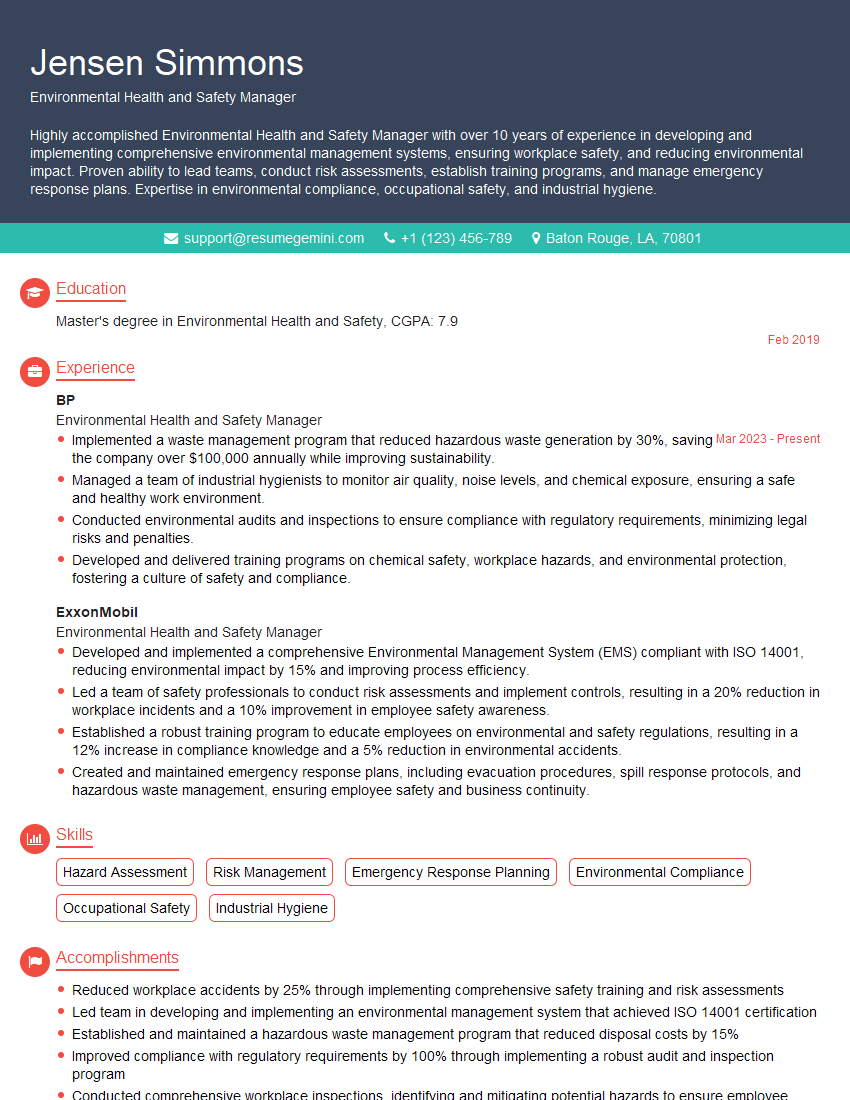
Environmental Health and Safety Manager Resume Sample
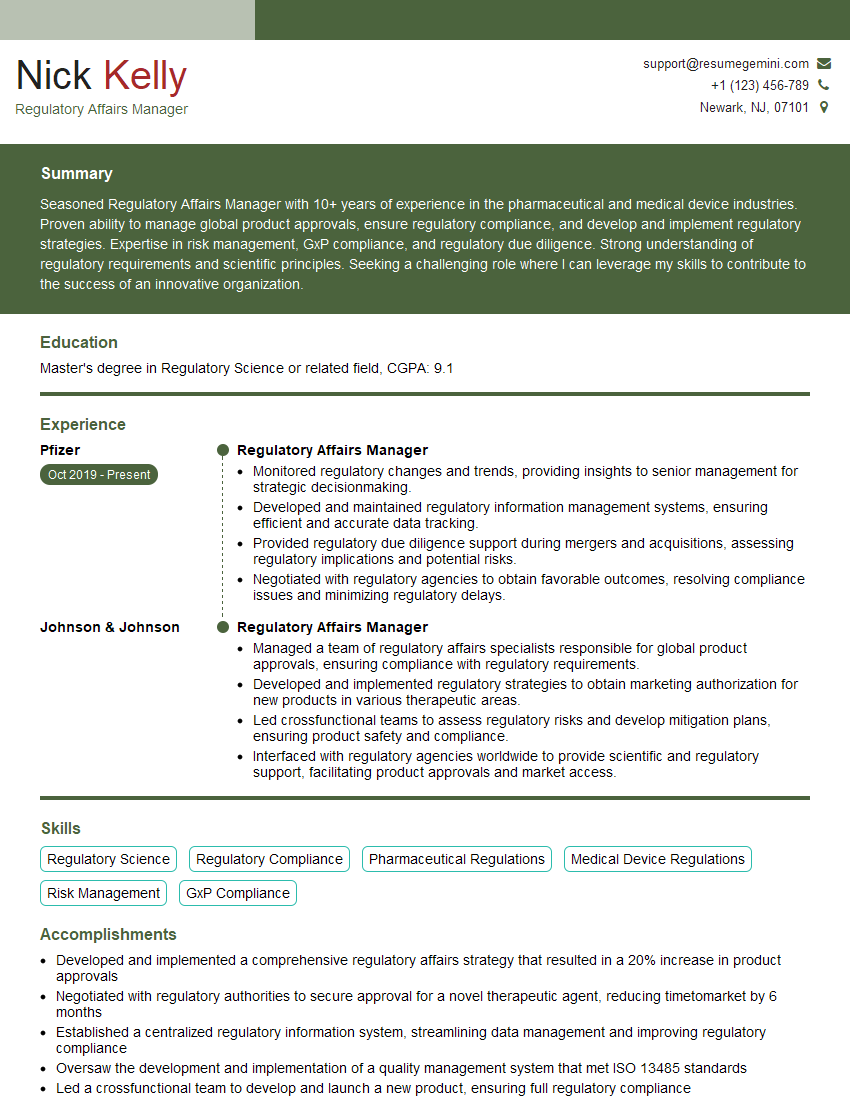
Regulatory Affairs Manager Resume Sample

Environmental Compliance Officer Resume Sample
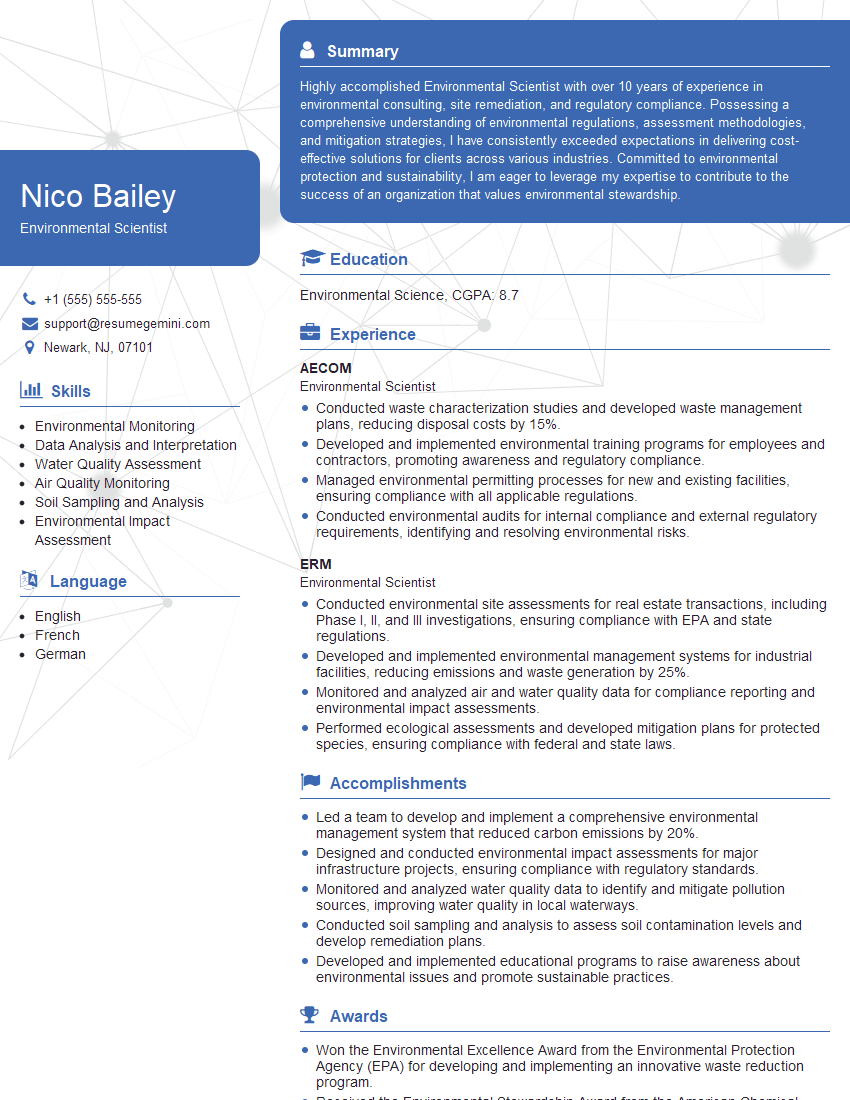
Environmental Scientist Resume Sample
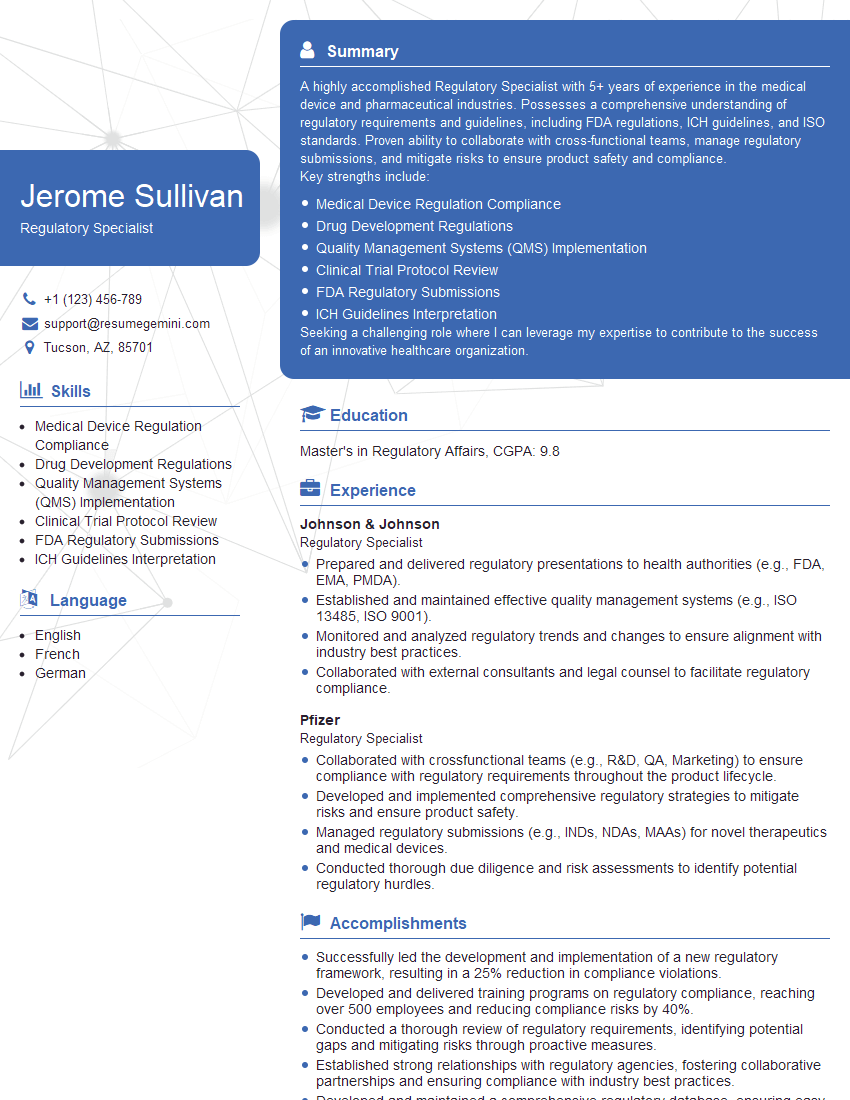
Regulatory Specialist Resume Sample

Compliance Auditor Resume Sample
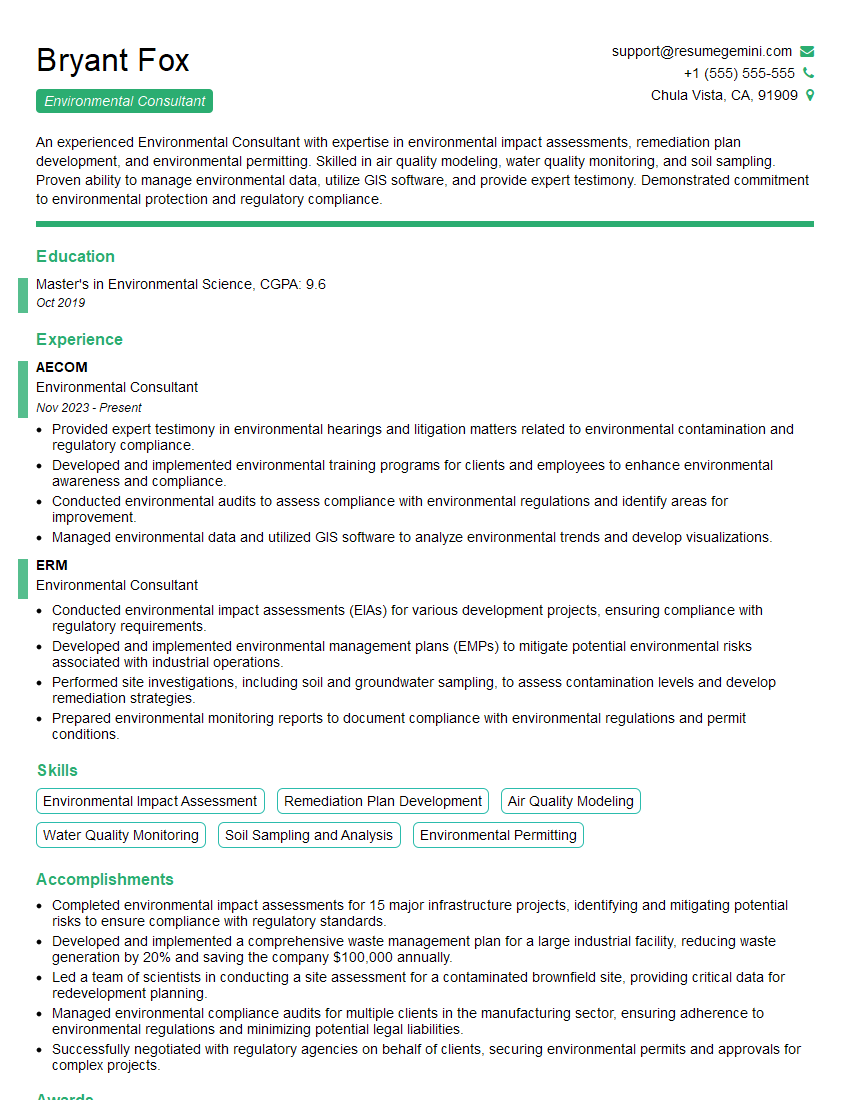
Environmental Consultant Resume Sample
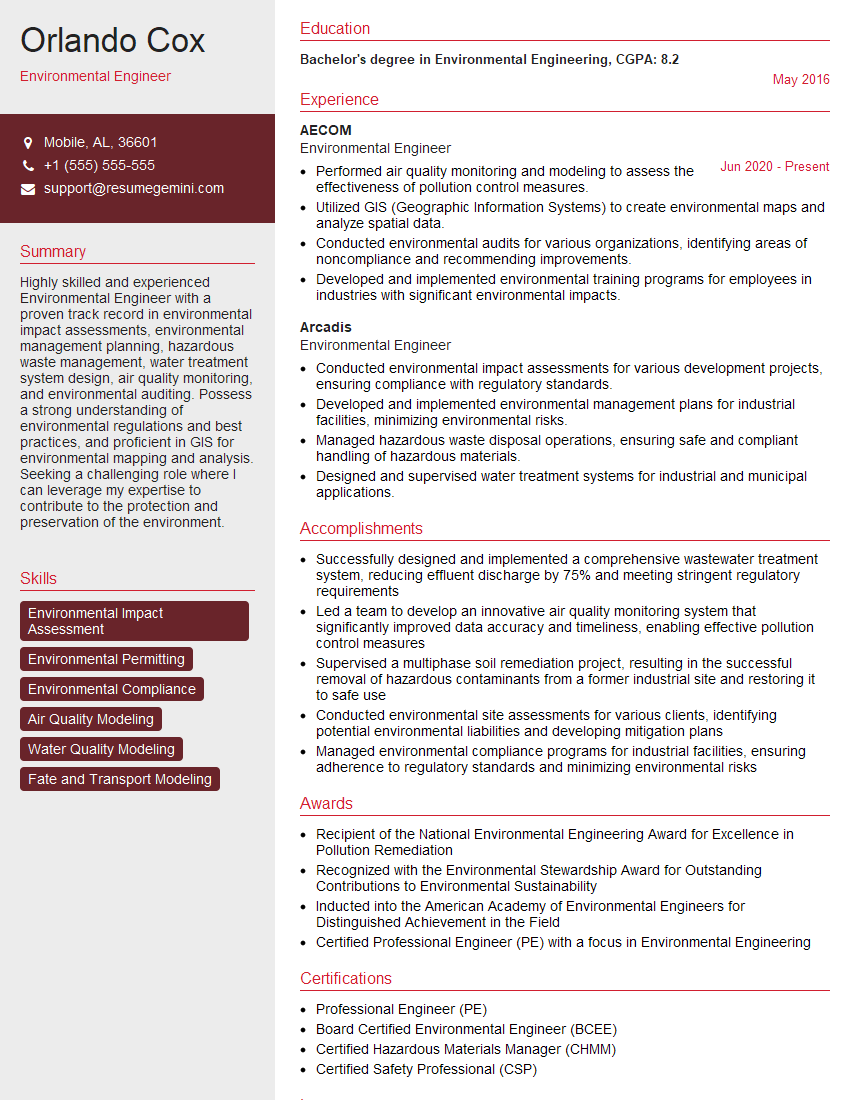
Environmental Engineer Resume Sample
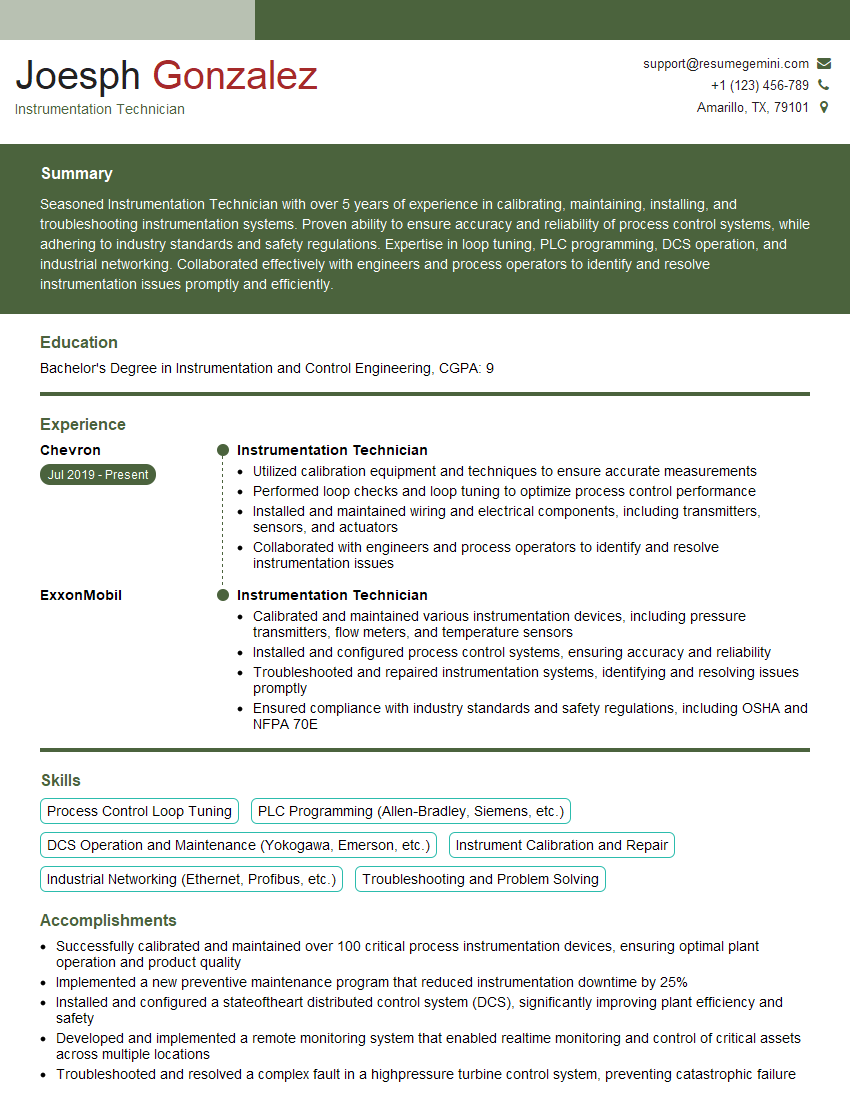
Instrumentation Technician Resume Sample
Explore more articles
Users Rating of Our Blogs
Share Your Experience
We value your feedback! Please rate our content and share your thoughts (optional).
What Readers Say About Our Blog
To the interviewgemini.com Webmaster.
Very helpful and content specific questions to help prepare me for my interview!
Thank you
To the interviewgemini.com Webmaster.
This was kind of a unique content I found around the specialized skills. Very helpful questions and good detailed answers.
Very Helpful blog, thank you Interviewgemini team.