Interviews are opportunities to demonstrate your expertise, and this guide is here to help you shine. Explore the essential Equipment Operation (Forklift, Scissor Lift) interview questions that employers frequently ask, paired with strategies for crafting responses that set you apart from the competition.
Questions Asked in Equipment Operation (Forklift, Scissor Lift) Interview
Q 1. What are the different types of forklifts?
Forklifts are categorized based on several factors, primarily their power source and mast type. Common types include:
- Counterbalance Forklifts: The most common type, using a counterweight to balance the load. These are further subdivided by fuel type: gasoline, propane (LPG), diesel, and electric.
- Reach Trucks: Ideal for narrow aisles, these forklifts extend the forks to access pallets. They are typically electric.
- Sit-down Rider Forklifts: The operator sits while operating the forklift, offering better control and comfort for extended use. They are available in various power sources.
- Stand-up Rider Forklifts: The operator stands while operating, often preferred for shorter tasks or in confined spaces. They are usually electric.
- Order Pickers: Designed for order fulfillment in warehouses, these forklifts lift the operator to the appropriate shelf level for picking items. Primarily electric.
- Side Loaders: These forklifts load and unload from the side, useful in spaces where traditional forklifts cannot maneuver effectively. Often electric or diesel.
The choice of forklift depends heavily on the application; a warehouse with narrow aisles would benefit from a reach truck, while outdoor construction might require a diesel counterbalance forklift.
Q 2. Describe the pre-operational checklist for a forklift.
A thorough pre-operational checklist for a forklift is crucial for safety. It should include:
- Visual Inspection: Check for any damage to the forklift, including tires, forks, mast, and body. Look for leaks, cracks, or loose parts.
- Fluid Levels: Ensure that engine oil, hydraulic fluid, coolant (if applicable), and battery water (for electric forklifts) are at the correct levels.
- Lights and Signals: Verify that all lights (headlights, brake lights, turn signals, backup lights) and warning horns are functioning correctly.
- Tires and Brakes: Inspect tire pressure and tread depth. Test the brakes to ensure they are responsive and effective.
- Steering and Controls: Test steering, lift and tilt controls, and horn to confirm smooth and accurate operation.
- Safety Features: Confirm that seatbelts, safety guards, and other safety features are in good working order.
- Load Capacity: Ensure the load capacity rating is understood and not exceeded.
Think of this checklist as a daily health check for your forklift—preventative maintenance is far better than costly repairs or accidents. For example, a worn tire could lead to a loss of control, so regular inspections are critical.
Q 3. Explain the proper procedure for loading and unloading a forklift.
Loading and unloading a forklift requires careful planning and execution to prevent accidents. The procedure should follow these steps:
- Assess the Load: Determine the weight and dimensions of the load and ensure it is within the forklift’s rated capacity. Center the load on the forks evenly for stability.
- Position the Forklift: Approach the load carefully and position the forks beneath it, ensuring a stable and secure placement.
- Lift the Load: Slowly raise the load to a safe height, checking for any obstructions or instability. Keep the load tilted back slightly to ensure stability during transport.
- Transport the Load: Maneuver the forklift carefully and smoothly, avoiding sudden movements or sharp turns. Maintain a safe speed, especially when carrying heavy loads.
- Unload the Load: Lower the load slowly and carefully to the designated area. Ensure a stable surface for placement and remove the forklift once the load is safely secured.
For example, loading a pallet of bricks requires extra care due to the weight and potential shifting. Always remember to prioritize safety by following the proper procedures.
Q 4. How do you ensure the stability of a load on a forklift?
Load stability on a forklift is paramount for safety. Key strategies include:
- Center of Gravity: Keep the center of gravity of the load as low as possible and centered on the forks. An unevenly distributed load can cause instability, leading to tipping.
- Load Securement: Use appropriate straps, chains, or other securing devices to prevent the load from shifting during transport. Think of it as seatbelts for your cargo.
- Fork Placement: Ensure that the forks are fully inserted under the load and evenly spaced. Proper placement helps distribute weight evenly.
- Travel Speed: Reduce travel speed, especially when turning or navigating obstacles. Slower speeds allow for better control and reaction time.
- Load Weight: Never exceed the forklift’s rated load capacity. This information is usually displayed on the forklift’s data plate. Overloading is a major cause of accidents.
Imagine trying to carry a large, awkwardly shaped box—you would instinctively try to keep it close to your body and move slowly. The same principles apply to operating a forklift.
Q 5. What are the safety regulations for operating a forklift?
Safety regulations for operating a forklift vary by location but generally include:
- Operator Training and Certification: Operators must receive proper training and certification before operating a forklift.
- Pre-operational Inspections: Daily inspections are mandatory to ensure the forklift is safe to operate.
- Load Capacity Limits: Operators must never exceed the forklift’s rated load capacity.
- Safe Operating Procedures: Operators must follow safe operating procedures, including proper lifting, transporting, and unloading techniques.
- Personal Protective Equipment (PPE): Operators should wear appropriate PPE, such as safety glasses, gloves, and steel-toed shoes.
- Speed Limits and Traffic Rules: Operators must follow speed limits and traffic rules within the operating area.
- Load Stability: Maintaining load stability is crucial to prevent tipping.
- Refueling and Maintenance Procedures: Proper procedures must be followed when refueling and performing maintenance on forklifts.
Strict adherence to these regulations is non-negotiable; failing to do so can result in serious accidents and injuries.
Q 6. What are the different types of scissor lifts?
Scissor lifts are categorized based on their power source and features:
- Electric Scissor Lifts: Powered by batteries, these are common in indoor settings due to their quiet operation and lack of emissions.
- Hydraulic Scissor Lifts: These use hydraulic systems for lifting and are often found both indoors and outdoors. They are generally more powerful than electric lifts.
- Rough Terrain Scissor Lifts: Designed for uneven surfaces, these lifts possess larger, more robust wheels and tires for better stability and maneuverability.
- Self-Propelled Scissor Lifts: These lifts can be maneuvered by the operator without the need for manual pushing or towing, offering greater efficiency.
- Push-Around Scissor Lifts: These smaller, lighter-duty lifts are manually pushed by the operator to their desired location.
The selection of a scissor lift depends on the specific requirements of the job, considering factors such as power source needs, ground conditions, and the weight capacity required.
Q 7. Describe the pre-operational checklist for a scissor lift.
A pre-operational checklist for a scissor lift should include:
- Visual Inspection: Inspect the lift for any visible damage to the structure, hydraulic components, or wheels.
- Fluid Levels: Check the hydraulic fluid level (if applicable) and ensure it’s within the recommended range.
- Battery Level (Electric): If electric, verify the battery level is sufficient and the charger is correctly connected.
- Controls and Safety Devices: Test all controls, including the lift and lower functions, emergency stop, and safety features.
- Wheels and Stability: Ensure the wheels are in good condition, properly inflated (if applicable), and that the lift is stable on level ground.
- Platform: Verify that the platform is secure and capable of supporting the intended weight capacity.
- Warning Devices: Confirm that all warning devices, such as lights and horns (if equipped), are functional.
Think of this checklist as a safety net, ensuring the lift is functioning as intended before operating at height. Regular maintenance contributes to safety and extends the life of the equipment.
Q 8. How do you inspect a scissor lift for safety hazards?
Inspecting a scissor lift for safety hazards is crucial before every use. Think of it like a pre-flight check for an airplane – you wouldn’t take off without one! A thorough inspection covers several key areas.
- Structural Integrity: Check for any visible damage to the platform, scissor mechanism, wheels, and frame. Look for cracks, bends, or missing parts. Imagine a small crack becoming a major fracture under load – safety is paramount.
- Hydraulic System: Inspect the hydraulic fluid level, look for leaks, and ensure the hydraulic cylinders operate smoothly. A leak could mean a loss of lifting power or a sudden collapse.
- Safety Devices: Verify the functionality of the emergency stop button, the guardrails, and the platform’s stability. These are your lifelines in case of emergencies.
- Wheels and Brakes: Check that the wheels are free from obstructions and that the brakes are functioning correctly. Imagine the lift rolling unexpectedly – a disaster waiting to happen.
- Electrical System (if applicable): Inspect wiring for damage, ensure the power cord is in good condition, and test the controls. A short circuit could cause a fire or electric shock.
Document any issues found and do not operate the lift until they are addressed by a qualified technician.
Q 9. What are the weight limits for a scissor lift?
Scissor lift weight limits vary significantly depending on the model and manufacturer. You will always find this information clearly displayed on a label affixed to the machine itself – usually a large, highly visible plate. Never exceed this limit. It’s like the maximum weight limit on an elevator – going over it is extremely dangerous.
Typically, the weight limit includes the weight of the lift itself, the operator, and any materials being lifted. For example, a small scissor lift might have a capacity of 500 lbs, while a larger industrial model could have a capacity of several tons. Always check the label on the specific scissor lift you are using.
Q 10. Explain the proper procedure for operating a scissor lift in confined spaces?
Operating a scissor lift in confined spaces requires extra caution. Think about working in a narrow hallway or a cluttered warehouse – the risks increase considerably. Here’s the procedure:
- Assess the Space: Before starting, carefully evaluate the area for obstructions, overhead hazards, and sufficient clearance for the lift to operate safely. Measure clearances to ensure the lift won’t hit anything when raised or lowered.
- Plan Your Movement: Determine the optimal path for maneuvering the scissor lift. A pre-planned route prevents collisions and reduces the risk of accidents.
- Use Spotters: If visibility is limited, use spotters to guide you. A second pair of eyes can prevent unseen obstacles from causing an accident.
- Lower Speed and Smooth Operation: Operate the lift slowly and smoothly to minimize the risk of sudden movements that could cause instability or collisions.
- Emergency Procedures: Have a clear plan for emergencies, ensuring you know the quickest escape route in the event of malfunction.
Always prioritize safety and proceed with extreme caution in confined areas.
Q 11. What are the emergency procedures for a forklift malfunction?
Forklift malfunctions can be serious. Your immediate response is critical. Imagine a sudden hydraulic failure – you need to react quickly and calmly.
- Stop Immediately: Engage the emergency stop and bring the forklift to a complete standstill. Safety is the absolute priority.
- Assess the Situation: Determine the nature of the malfunction – is it a hydraulic leak, engine trouble, or steering issue? Knowing the problem helps inform your next steps.
- Warn Others: Alert nearby workers and pedestrians about the malfunction to prevent accidents or injuries. Clearly signal the danger.
- Secure the Forklift: Apply the parking brake and, if necessary, use wheel chocks to prevent the forklift from rolling. It needs to be stable and safe.
- Report the Malfunction: Notify your supervisor or designated maintenance personnel immediately. Don’t attempt any repairs yourself.
Q 12. How do you handle a forklift malfunction during operation?
Handling a forklift malfunction during operation demands a calm and controlled response. Imagine your steering suddenly failing – panic will only make things worse.
- Maintain Control: The first step is to maintain control of the vehicle. Try to steer the forklift to a safe location, away from people and obstacles.
- Smooth Stops: Avoid jerky or sudden braking. This will help to minimize the impact of any unexpected movements.
- Lower the Load: Carefully lower any load you are carrying to the ground.
- Emergency Stop: If the situation is worsening, utilize the emergency stop immediately.
- Follow Emergency Procedures: Proceed according to your company’s established emergency procedures, informing your supervisor.
Remember, your safety and the safety of others is the most important concern.
Q 13. What is the proper procedure for refueling a forklift?
Refueling a forklift is not as simple as filling a car’s gas tank. It requires a careful and methodical approach to prevent fires and explosions.
- Turn Off the Engine: Always turn off the forklift’s engine and allow it to cool down before refueling.
- Ventilation: Ensure adequate ventilation in the area to prevent the buildup of flammable fumes.
- No Smoking: Strictly prohibit smoking or open flames near the refueling area.
- Proper Nozzle: Use the correct nozzle for the type of fuel used by your forklift.
- Avoid Spills: Refuel slowly and carefully to avoid spills, which could lead to fires.
- Clean Up Spills Immediately: If a spill occurs, clean it up immediately and properly ventilate the area.
Following these steps diligently minimizes the risk of a potentially catastrophic accident.
Q 14. What are the common causes of forklift accidents?
Forklift accidents, sadly, are common. Understanding their root causes is key to prevention. Think of it like detective work – you need to find the clues to prevent future incidents.
- Operator Error: This is the leading cause, including speeding, improper loading, failing to check surroundings, and inadequate training.
- Poor Maintenance: Neglecting regular maintenance, such as brake inspections and fluid checks, increases the chance of mechanical failure.
- Unsafe Working Conditions: Cluttered walkways, inadequate lighting, and obstructed views can lead to collisions and accidents.
- Inadequate Training: Operators lacking proper training on safe operating procedures are at a significantly higher risk of accidents.
- Improper Load Handling: Overloading, unstable loads, and incorrect load placement all contribute to accidents.
Addressing these root causes through training, maintenance, and a safe work environment significantly reduces the likelihood of accidents.
Q 15. How do you prevent forklift accidents?
Preventing forklift accidents requires a multi-faceted approach encompassing pre-operation checks, safe operating procedures, and a strong safety culture. Think of it like a three-legged stool – if one leg is weak, the whole thing collapses.
Pre-operation checks: Before every shift, a thorough inspection is crucial. This includes checking tire pressure, fluid levels (hydraulic fluid, engine oil), brakes, lights, horn, and load backrest. Imagine driving a car without checking the tires – risky! Any issues should be immediately reported.
Safe operating procedures: These should be strictly adhered to. This means always wearing a seatbelt, never exceeding the forklift’s rated capacity, maintaining a safe speed, and avoiding sharp turns, especially with a load. Think of it like following a recipe – deviating from the instructions can lead to disaster.
Training and awareness: Operators need proper training and regular refresher courses. This ensures everyone understands safe operating procedures, emergency protocols, and hazard recognition. Think of it as ongoing professional development – keeping skills sharp is paramount.
Workplace safety: A well-maintained and organized warehouse is essential. Clear pathways, proper storage of materials, and designated pedestrian areas minimize the risk of collisions. A cluttered warehouse is an accident waiting to happen.
Career Expert Tips:
- Ace those interviews! Prepare effectively by reviewing the Top 50 Most Common Interview Questions on ResumeGemini.
- Navigate your job search with confidence! Explore a wide range of Career Tips on ResumeGemini. Learn about common challenges and recommendations to overcome them.
- Craft the perfect resume! Master the Art of Resume Writing with ResumeGemini’s guide. Showcase your unique qualifications and achievements effectively.
- Don’t miss out on holiday savings! Build your dream resume with ResumeGemini’s ATS optimized templates.
Q 16. What are the different types of forklift attachments?
Forklifts are incredibly versatile, thanks to a wide array of attachments. These attachments adapt the forklift to handle various materials and tasks efficiently and safely. Some common examples include:
Clamps: Used for handling long, bulky items like lumber or metal sheets.
Sideshifters: Allow lateral movement of the load, improving precision and accessibility in tight spaces.
Rotators: Enable rotation of the load, which is useful for positioning items in specific orientations.
Carriage forks: Extend the reach of the forklift, allowing for better handling of larger loads or items in deep storage.
Paper roll clamps: Specifically designed for handling rolls of paper, preventing damage.
Bucket attachments: Used for lifting and moving loose materials like gravel, sand, or grain.
The choice of attachment depends entirely on the specific material handling needs. Using the wrong attachment could damage goods or create unsafe conditions.
Q 17. Describe your experience operating a forklift in a warehouse environment.
In my previous role at Acme Warehouse, I was responsible for operating a sit-down propane forklift for over three years. My daily tasks involved receiving shipments, moving pallets of goods within the warehouse, and loading outbound trucks. I consistently maintained a perfect safety record, adhering to all company regulations and safety protocols.
I’m proficient in navigating narrow aisles, efficiently stacking pallets to optimize space, and effectively managing inventory flow. One memorable instance was when a shipment of fragile ceramics arrived. I carefully adjusted my driving techniques, slowed my speed significantly, and used extra caution to ensure no damage occurred during the unloading and storage process. I pride myself on my ability to balance efficiency and safety.
Q 18. Describe your experience operating a scissor lift in a construction environment.
During a construction project for a new office building, I operated a 20-foot electric scissor lift for six months. My responsibilities included transporting construction workers and materials to different levels of the building. The construction environment presented unique challenges, like uneven ground, obstacles, and the constant presence of other heavy equipment.
My experience operating the scissor lift included pre-operation checks, ensuring a stable base before lifting, and maintaining awareness of surroundings. I communicated regularly with ground personnel to avoid collisions and hazards. One instance involved safely maneuvering the lift around a crane while transporting workers to a higher level. This required careful planning and precise control of the lift to maintain both safety and efficiency.
Q 19. How do you maintain a safe working distance from other equipment and personnel?
Maintaining a safe working distance is paramount for preventing collisions and accidents. This requires constant vigilance and awareness of surroundings. I employ several strategies:
Visual checks: Regularly scan the area before moving any equipment. This includes checking blind spots and anticipating the movement of other equipment and personnel.
Communication: Clear communication with co-workers and other equipment operators is vital, especially in busy environments. Hand signals, radios, or a designated communication system can help to prevent misunderstandings.
Safe distances: I always maintain a safe distance from other equipment and personnel. This distance varies depending on the situation, but the principle is to provide enough space to react safely to unexpected events.
Horn usage: Using the horn judiciously when approaching intersections or blind corners is important to alert others to my presence.
Thinking ahead and anticipating the movements of others is key to proactive safety.
Q 20. How do you handle uneven terrain while operating a forklift?
Uneven terrain presents a significant challenge when operating a forklift. The key is to proceed slowly and cautiously, adapting to the changing conditions. I follow these guidelines:
Assess the terrain: Before proceeding, I thoroughly assess the terrain to identify potential hazards such as holes, bumps, or slopes. If the terrain is too uneven, I’ll find an alternative route or use another method to move the load.
Slow speed: I always reduce my speed on uneven terrain, maintaining better control and reducing the risk of tipping or losing control of the load. Slow and steady wins the race, especially on rough surfaces.
Smooth movements: Avoid jerky movements and abrupt changes in direction. Smooth, controlled movements help to maintain stability on uneven ground.
Load distribution: Ensure the load is properly balanced and secured. An unbalanced load increases the risk of tipping, especially on uneven surfaces.
Q 21. How do you deal with a load that is too heavy or unbalanced?
Handling an overloaded or unbalanced load is extremely dangerous and should never be attempted. If I encounter such a situation, I take immediate action:
Stop immediately: Do not attempt to move the load. Stop the forklift in a safe location.
Assess the situation: Carefully evaluate the situation. Is the load too heavy for the forklift? Is it unbalanced?
Re-evaluate load: If the load is too heavy, it should be broken down into smaller, manageable loads. If it’s unbalanced, reposition items to achieve better weight distribution.
Seek assistance: If unable to resolve the issue independently, I seek assistance from a supervisor or a more experienced operator. Safety is a team effort.
Report the issue: Report the incident to ensure corrective action is taken to prevent future occurrences.
Safety should always be prioritized over speed or efficiency. It’s better to take extra time and ensure a safe operation than to risk an accident.
Q 22. Explain your understanding of load capacity and weight distribution.
Load capacity refers to the maximum weight a forklift or scissor lift can safely lift, while weight distribution focuses on how that weight is balanced on the machine’s forks or platform. Understanding both is crucial for preventing accidents. Exceeding the load capacity can lead to structural damage and tip-overs, while improper weight distribution can make the machine unstable even with a load within the capacity. Imagine trying to carry a heavy box – if all the weight is on one side, it’s much harder to balance than if it’s evenly distributed.
For example, a forklift with a 5,000-pound capacity doesn’t mean you can always lift 5,000 pounds. The load’s center of gravity significantly impacts its stability. A long, narrow object weighing 3,000 pounds could be more dangerous than a shorter, heavier object of the same weight because the center of gravity is higher and further from the forklift’s support points. Similarly, on a scissor lift, distributing the weight evenly across the platform prevents the lift from tilting.
Q 23. What are the different types of forklift tires and their applications?
Forklift tires come in various types, each suited for different applications. The most common are pneumatic, cushion, and solid tires.
- Pneumatic tires are filled with air, offering excellent traction and shock absorption, making them ideal for outdoor use on uneven terrain. However, they are prone to punctures and require more maintenance.
- Cushion tires are made of solid rubber, providing good traction on smooth surfaces and requiring less maintenance than pneumatic tires. They are more commonly used indoors in warehouses due to their reduced risk of punctures. They offer less shock absorption than pneumatics.
- Solid tires, composed of a single piece of resilient rubber, are extremely durable and puncture-resistant, perfect for harsh conditions or environments where punctures are a significant concern. They provide good traction but offer the least shock absorption and can be harder on the machine and the operator in the long run.
The choice depends on the working environment. A warehouse with smooth floors might use cushion tires, whereas outdoor construction sites would benefit from the better traction of pneumatic tires. Solid tires are a good option in environments with debris or sharp objects where punctures are a major concern.
Q 24. How do you perform a daily inspection of a forklift or scissor lift?
A thorough daily inspection is non-negotiable for safe forklift and scissor lift operation. It’s a critical step in preventing accidents. My checklist typically includes:
- Tires: Check for proper inflation, wear, and damage. Underinflated tires reduce stability and traction.
- Fluids: Inspect engine oil, hydraulic fluid, and coolant levels. Low levels can indicate leaks or other problems.
- Lights and Signals: Verify that all lights (headlights, brake lights, turn signals) and warning devices (horn, backup alarm) are functioning correctly.
- Brakes: Test the brakes for responsiveness and effectiveness. Malfunctioning brakes are a major safety hazard.
- Steering: Check for smooth and responsive steering. Any stiffness or binding could indicate a problem.
- Forks/Platform: Inspect for any cracks, bends, or damage. Ensure that forks are properly aligned and secured.
- Safety Devices: Confirm that all safety devices such as seat belts (for forklifts), guardrails (for scissor lifts), and emergency stops are functioning properly.
- Leaks: Look for any leaks of fluids – oil, hydraulic fluid, fuel – as these can indicate serious mechanical problems.
I document any issues found and report them immediately to my supervisor. No equipment is operated until all safety concerns are addressed.
Q 25. What is your experience with different types of load securing methods?
Secure load handling is paramount. My experience includes using various methods depending on the load’s type and characteristics:
- Straps: I’m proficient in using ratchet straps, web slings, and chain slings to secure loads, ensuring they are properly tensioned and fastened. The correct type of strap must be selected based on the load’s weight and characteristics.
- Shrink Wrap: This method is effective for palletized goods, preventing shifting during transport. It’s crucial to ensure complete coverage and proper sealing.
- Netting: Ideal for securing oddly shaped or loose items, preventing them from shifting or falling.
- Dunnage: Using wooden blocks or other materials to fill gaps and prevent shifting of loads within the confines of the transport medium.
I always follow the manufacturer’s recommendations for securement and ensure that the chosen method is suitable for the specific load and transport conditions. Safety is always the top priority.
Q 26. Describe your experience with using different types of hand signals for forklift operation?
Effective hand signals are essential for safe forklift operation, especially in areas with limited visibility or communication challenges. I’m familiar with standard hand signals, including:
- Stop: Raised hand with palm facing outward.
- Go Ahead/Slow Down: Open hand with palm facing forward (go ahead) or slowly closing fist (slow down).
- Turn Right/Left: Pointing right or left with an arm outstretched.
- Back Up: Arm extended downward with hand forming a fist and pointing in the desired direction.
- Lift/Lower: Arm extended upward (lift) or downward (lower).
Before commencing any operation involving hand signals, I always ensure the receiving party understands the signals to be used and we establish clear communication. I have also adapted and developed new signals for specific situations as needed, always prioritizing clarity and safety.
Q 27. How do you handle different types of warehouse or jobsite hazards?
Warehouse and jobsite hazards vary greatly, so I approach each situation with awareness and caution. My strategies include:
- Identifying Hazards: I carefully assess the work area for potential hazards like uneven surfaces, obstructions, spills, electrical hazards, and congested traffic areas.
- Safe Practices: I always follow established safety procedures, including wearing appropriate personal protective equipment (PPE) such as safety glasses, gloves, and steel-toe boots. I adhere strictly to speed limits and maintain a safe following distance.
- Communication: Maintaining constant communication with pedestrians and other equipment operators is crucial. This includes using two-way radios, hand signals, and audible warnings.
- Awareness: I am constantly aware of my surroundings and anticipate potential hazards, adjusting my operating techniques to mitigate risks.
- Reporting: Any unsafe conditions or near misses are reported immediately to my supervisor so that corrective actions can be taken.
For instance, if I encounter a spill, I would immediately secure the area, warn others, and report the incident, preventing accidents.
Q 28. What are your strategies for maintaining productivity while ensuring safety?
Maintaining productivity while ensuring safety is a delicate balance. My strategies include:
- Planning and Organization: Careful route planning, efficient load handling techniques, and optimal placement of materials help minimize travel time and maximize efficiency without compromising safety.
- Preventive Maintenance: Regular equipment inspections and prompt maintenance minimize downtime and prevent unexpected equipment failures that could lead to accidents. A well-maintained machine is a safer machine.
- Training and Competency: Ongoing training keeps my skills sharp and my knowledge of safety regulations up-to-date. I never operate equipment I’m not fully trained on.
- Ergonomics: Using proper lifting techniques and maintaining a comfortable working posture reduces operator fatigue and the risk of injury.
- Teamwork: Collaborating with co-workers enhances efficiency and mutual safety awareness. Everyone watching out for each other is essential.
For example, prioritizing efficient loading patterns and minimizing unnecessary movements can significantly improve productivity without taking shortcuts that compromise safety.
Key Topics to Learn for Equipment Operation (Forklift, Scissor Lift) Interview
- Pre-Operational Checks & Safety Procedures: Understanding daily inspection procedures, identifying potential hazards, and applying safe operating practices for both forklifts and scissor lifts. This includes knowing how to properly use personal protective equipment (PPE).
- Operational Techniques: Mastering the skills of maneuvering, lifting, lowering, and placing loads safely and efficiently with both machines. This includes understanding load capacity limitations and weight distribution principles.
- Maintenance & Troubleshooting: Familiarize yourself with basic maintenance tasks, recognizing common malfunctions, and understanding appropriate reporting procedures for equipment issues. Knowing when to report problems and the importance of preventative maintenance will be key.
- Regulations & Compliance: Understanding relevant safety regulations and industry best practices for operating both forklifts and scissor lifts. This will show your commitment to safety and adherence to company policies.
- Load Stability & Securement: Knowing how to properly secure loads to prevent accidents and damage, and understanding the principles of load stability and center of gravity for both types of equipment. This demonstrates your understanding of safe load handling.
- Emergency Procedures: Being prepared to handle emergency situations, such as equipment malfunctions or accidents, and knowing the proper steps to take to ensure safety. This shows your preparedness and ability to react calmly under pressure.
- Differences between Forklift and Scissor Lift operation: Highlighting the key operational differences, safety considerations, and applications for each type of equipment demonstrates a comprehensive understanding.
Next Steps
Mastering equipment operation for forklifts and scissor lifts is crucial for career advancement in logistics, warehousing, and construction. Proficiency in these areas opens doors to higher-paying roles and greater responsibility. To maximize your job prospects, create a compelling and ATS-friendly resume that highlights your skills and experience. ResumeGemini is a trusted resource that can help you build a professional resume that gets noticed. We provide examples of resumes tailored to Equipment Operation (Forklift, Scissor Lift) roles to guide you through the process. Invest time in creating a strong resume—it’s your first impression with potential employers.

Operations Manager Resume Sample

Logistics Manager Resume Sample
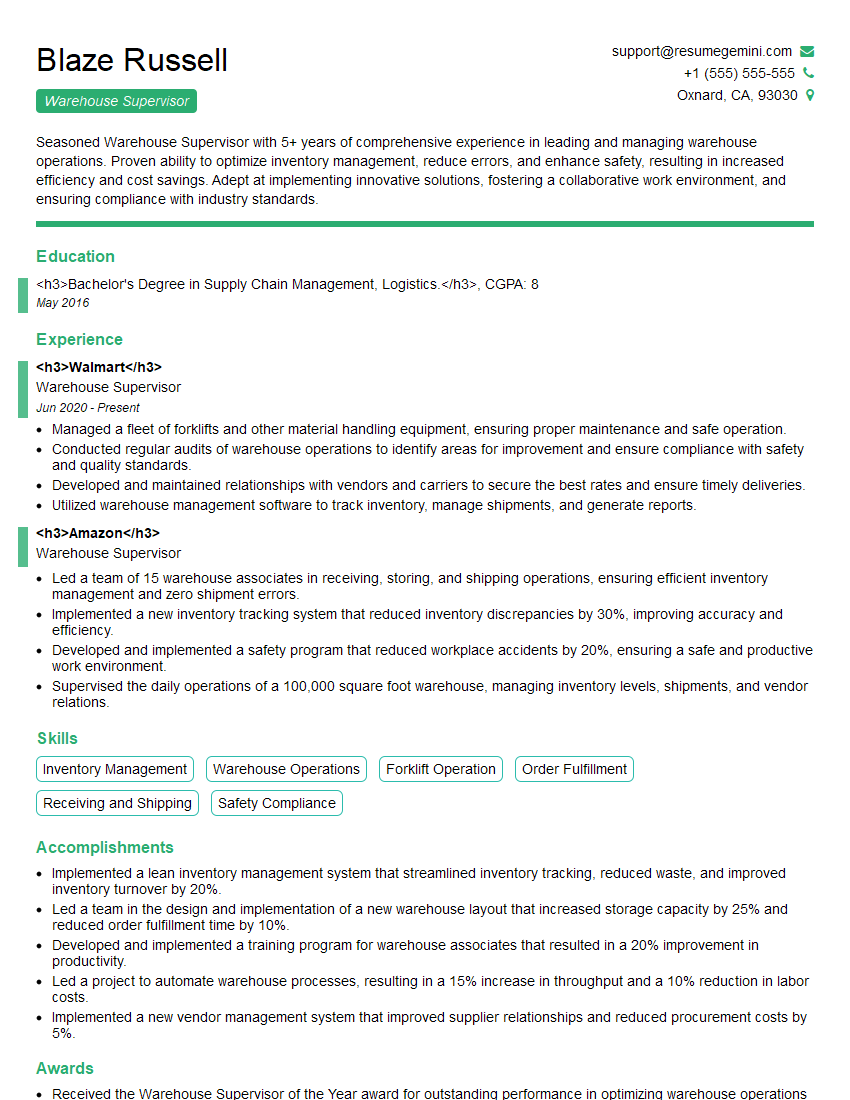
Warehouse Supervisor Resume Sample

Equipment Operator Resume Sample

Crane Operator Resume Sample
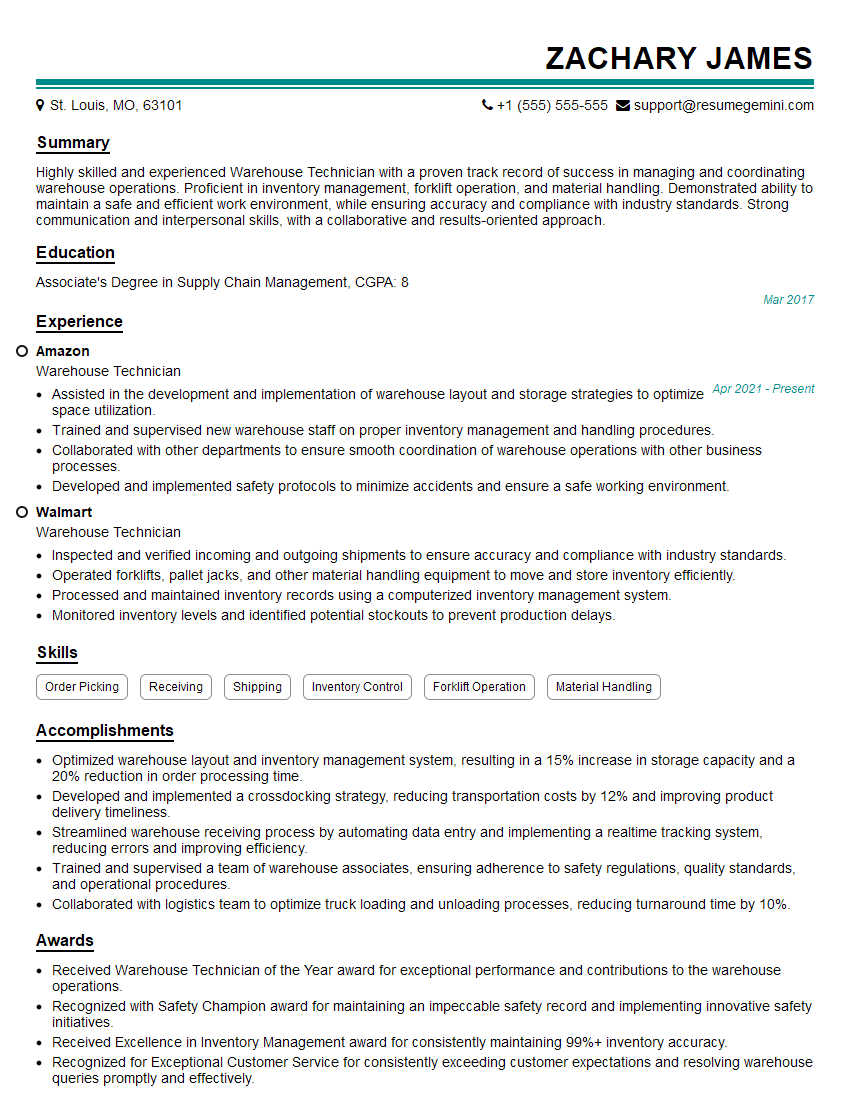
Warehouse Technician Resume Sample
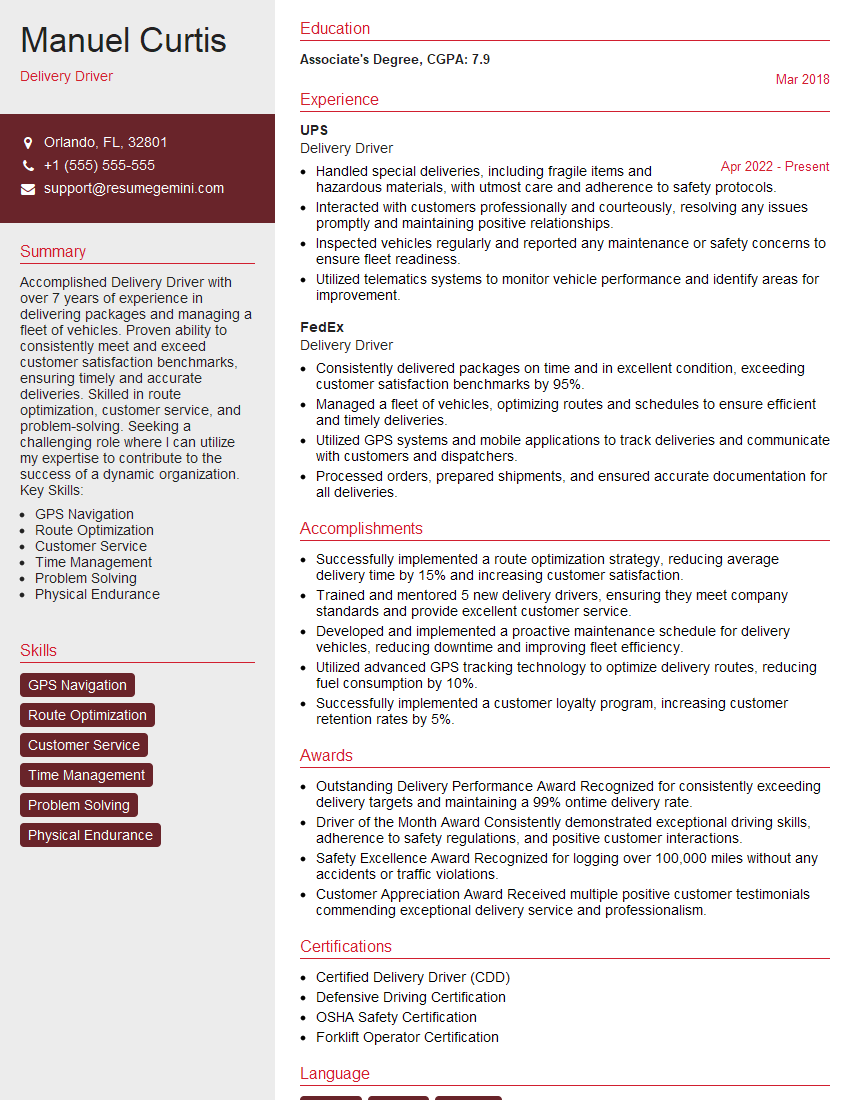
Delivery Driver Resume Sample
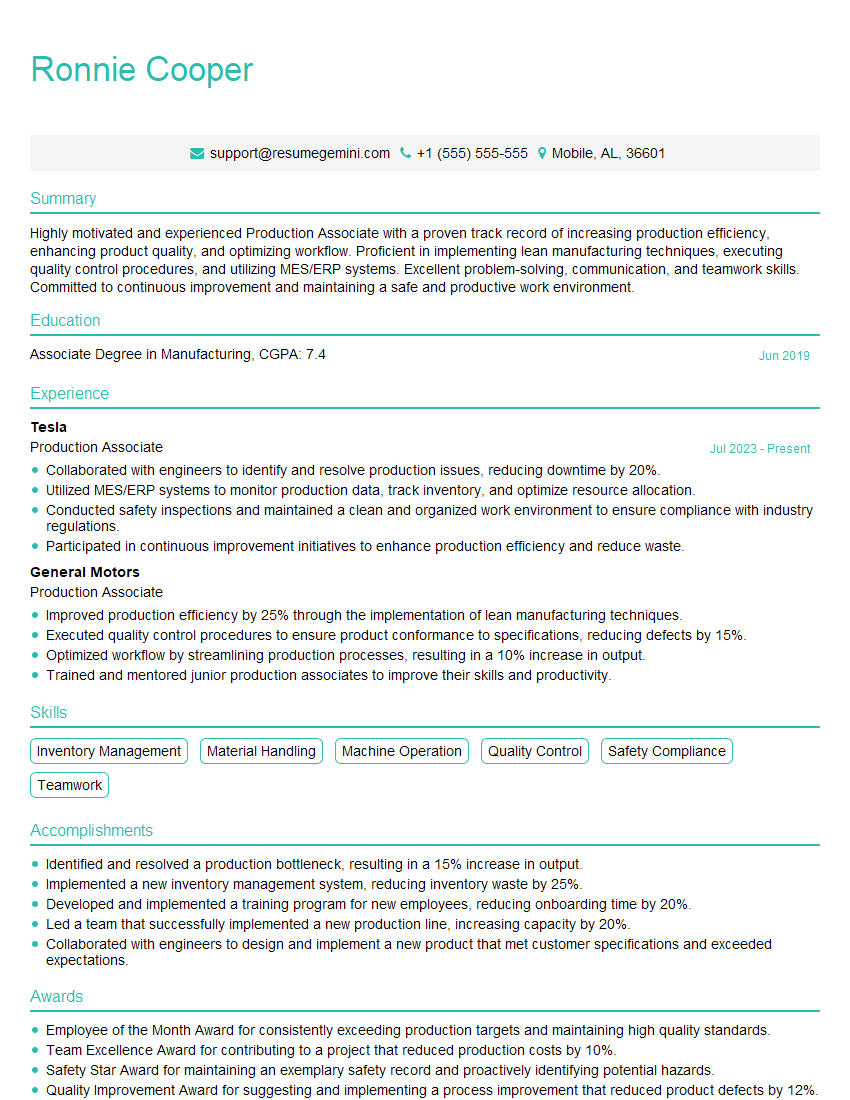
Production Associate Resume Sample

Shipping and Receiving Clerk Resume Sample
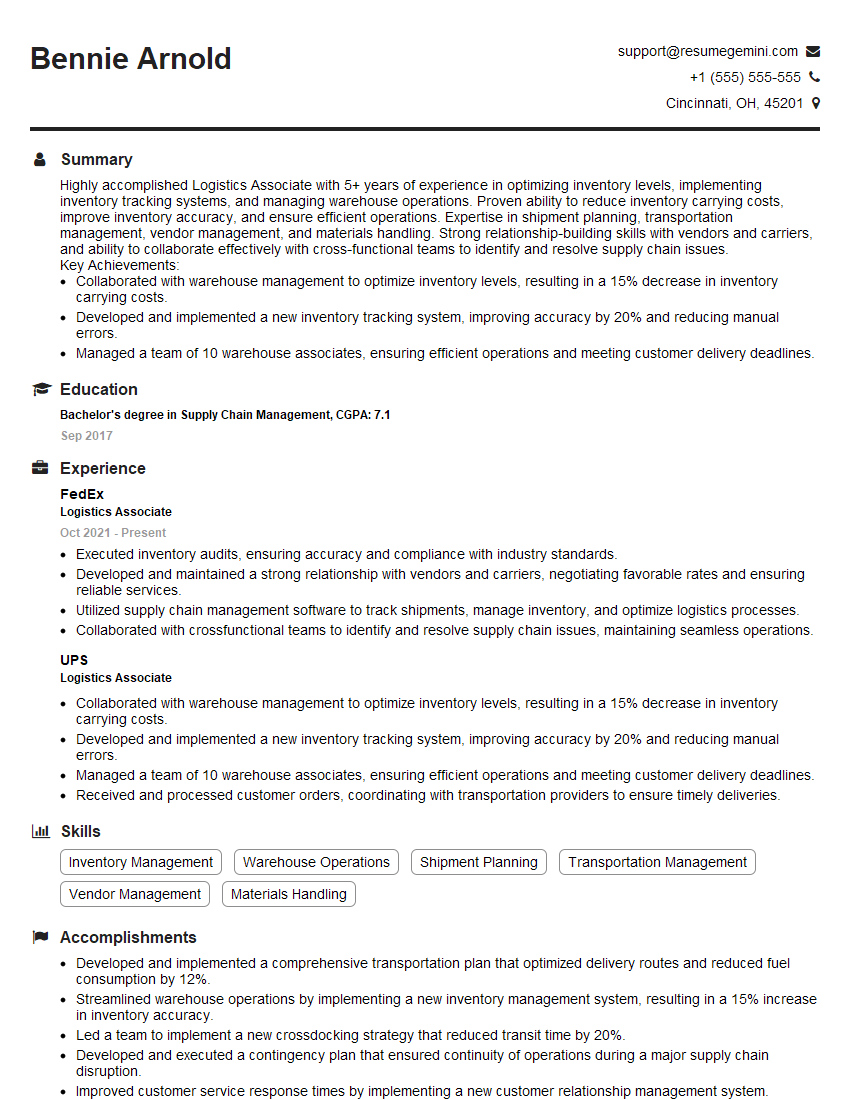
Logistics Associate Resume Sample
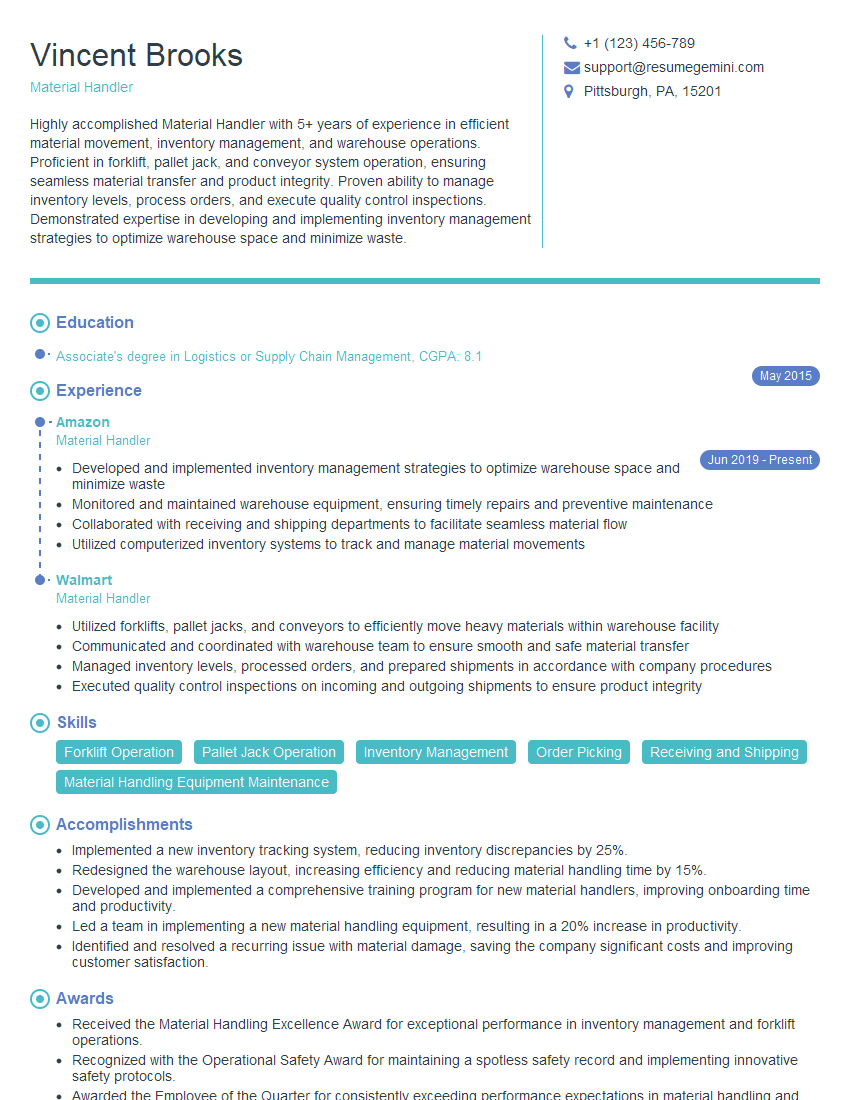
Material Handler Resume Sample
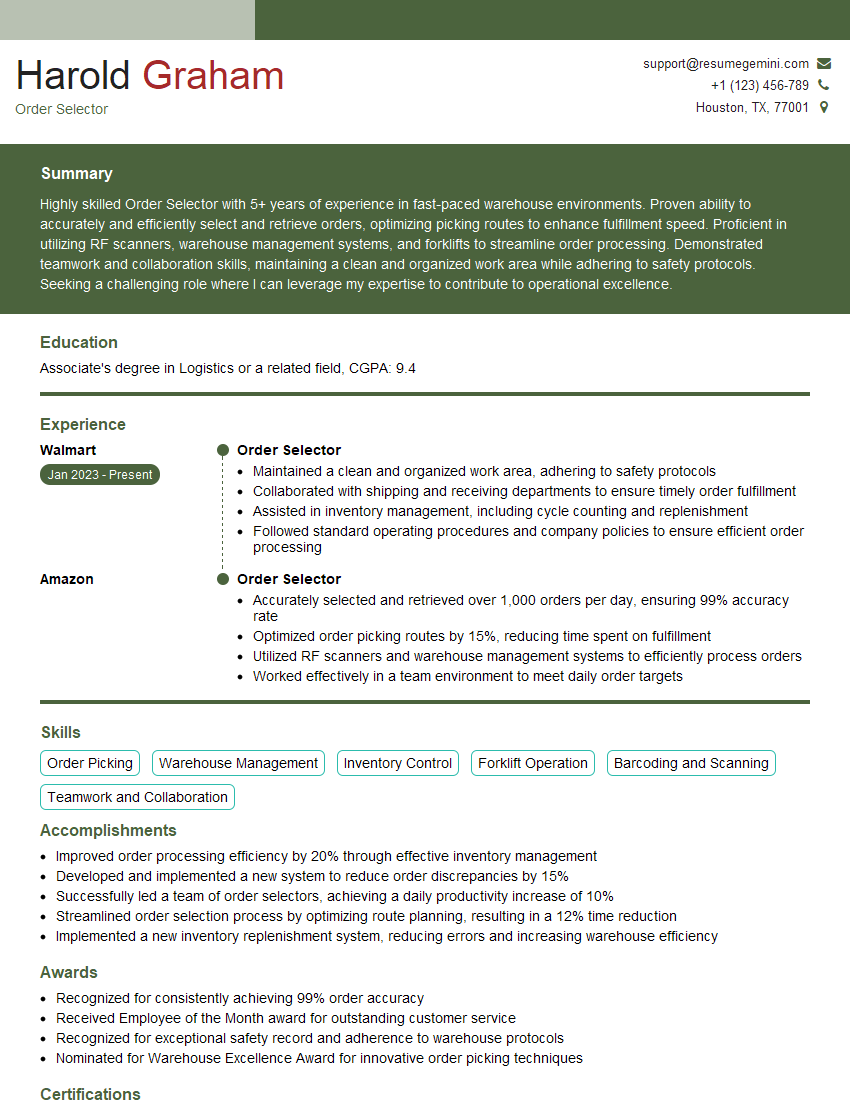
Order Selector Resume Sample
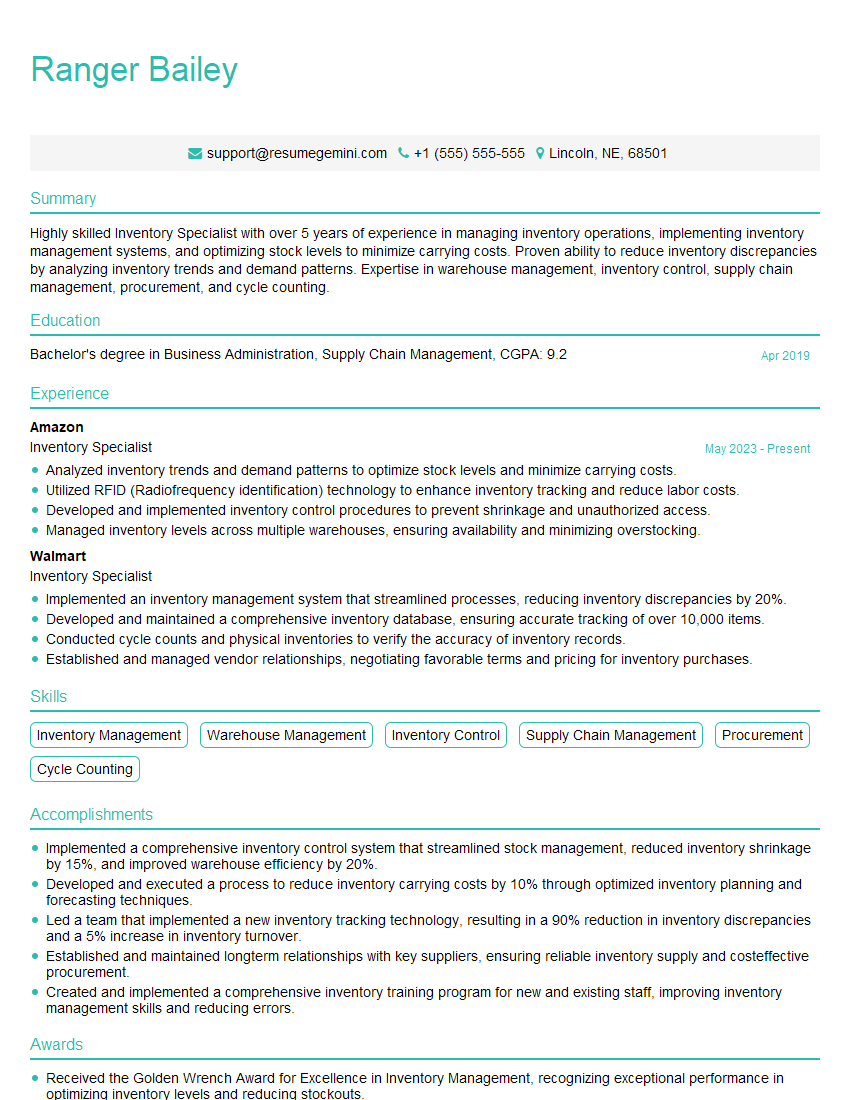
Inventory Specialist Resume Sample
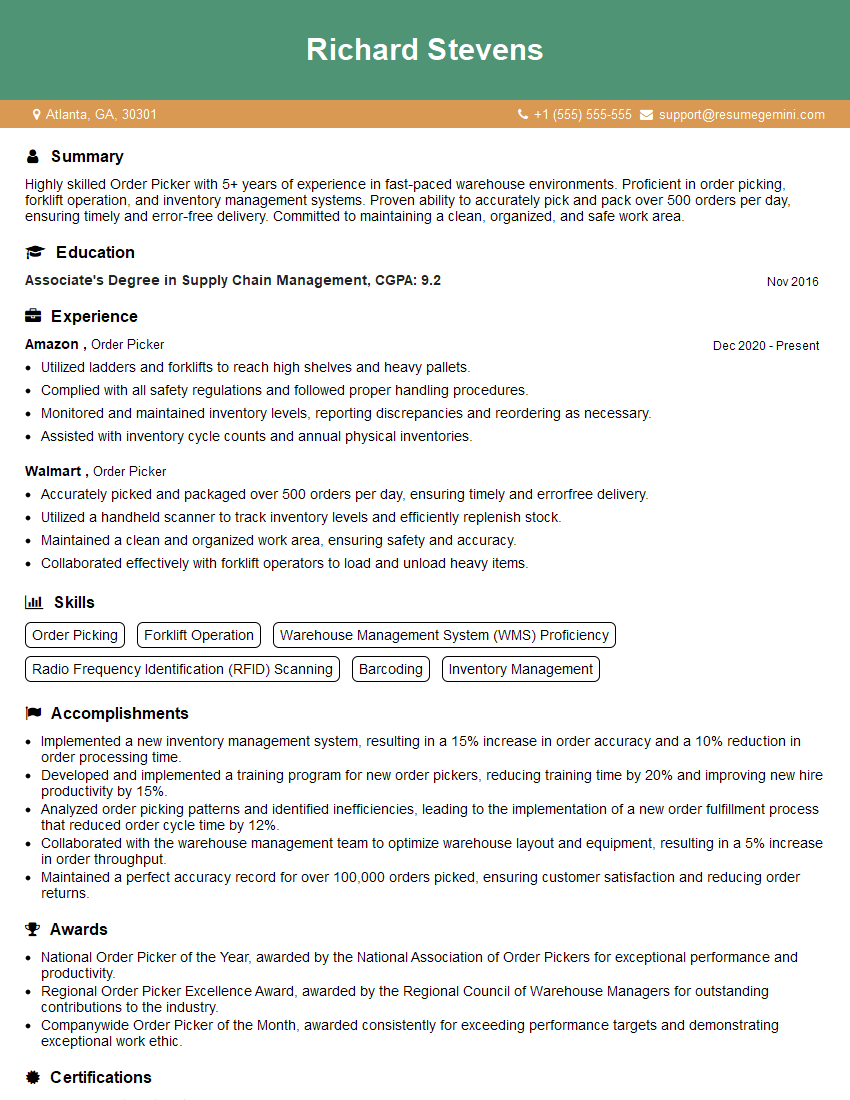
Order Picker Resume Sample

Heavy Equipment Operator Resume Sample
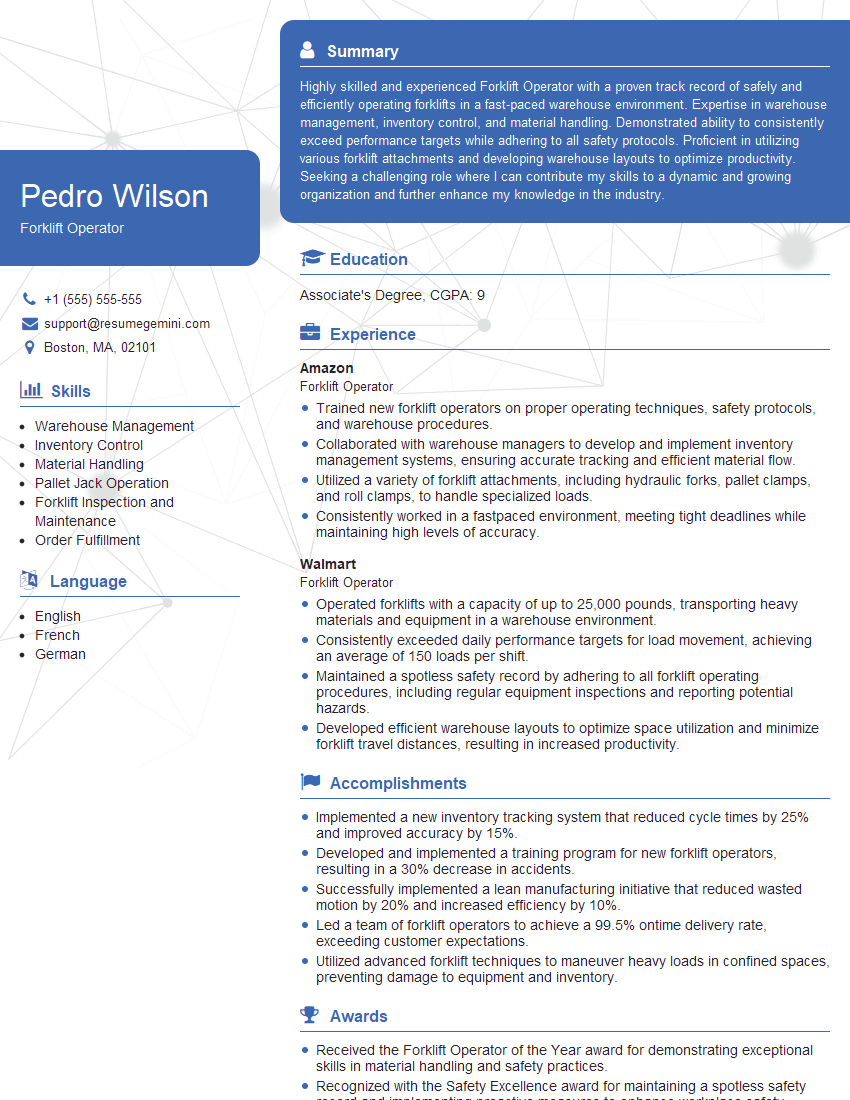
Forklift Operator Resume Sample
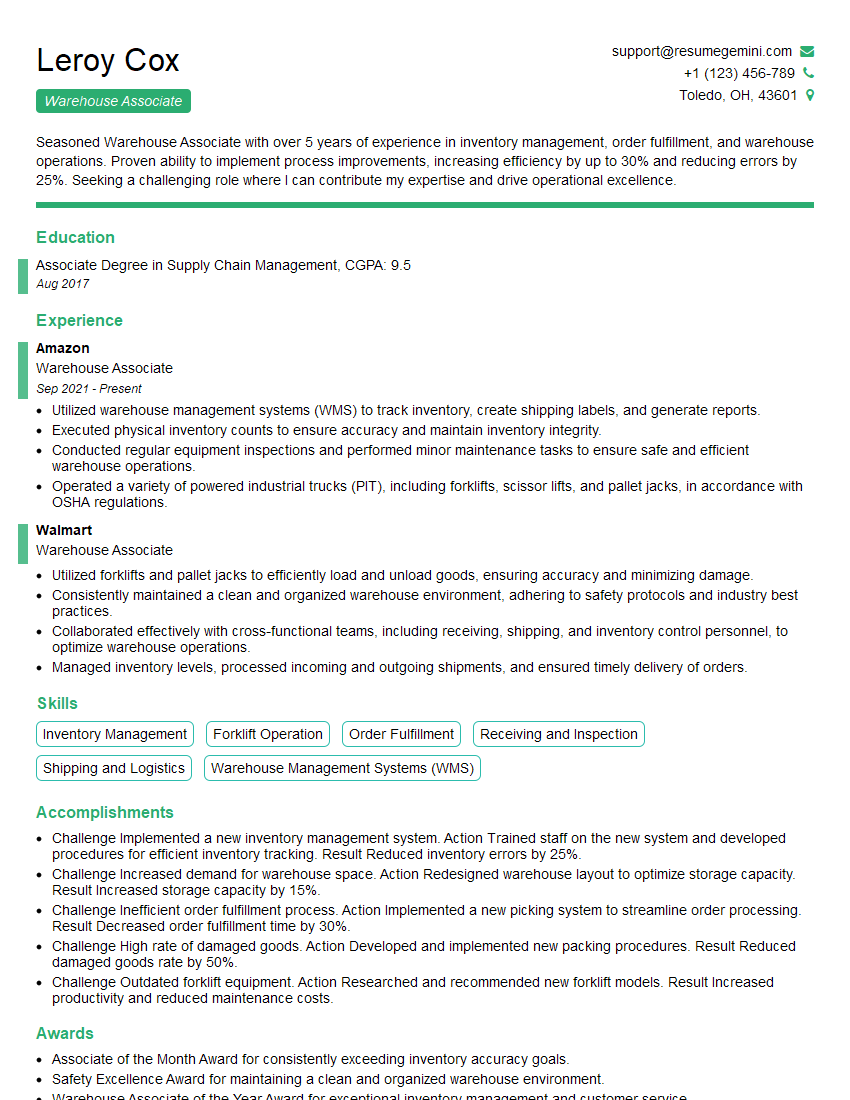
Warehouse Associate Resume Sample
- Operations Manager
- Logistics Manager
- Warehouse Supervisor
- Equipment Operator
- Crane Operator
- Warehouse Technician
- Delivery Driver
- Production Associate
- Shipping and Receiving Clerk
- Logistics Associate
- Material Handler
- Order Selector
- Inventory Specialist
- Order Picker
- Heavy Equipment Operator
- Forklift Operator
- Warehouse Associate
Explore more articles
Users Rating of Our Blogs
Share Your Experience
We value your feedback! Please rate our content and share your thoughts (optional).
What Readers Say About Our Blog
To the interviewgemini.com Webmaster.
Very helpful and content specific questions to help prepare me for my interview!
Thank you
To the interviewgemini.com Webmaster.
This was kind of a unique content I found around the specialized skills. Very helpful questions and good detailed answers.
Very Helpful blog, thank you Interviewgemini team.