Interviews are more than just a Q&A session—they’re a chance to prove your worth. This blog dives into essential Erectile Dysfunction Treatment interview questions and expert tips to help you align your answers with what hiring managers are looking for. Start preparing to shine!
Questions Asked in Erectile Dysfunction Treatment Interview
Q 1. What are the most common causes of erectile dysfunction?
Erectile dysfunction (ED), the inability to achieve or maintain an erection firm enough for satisfactory sexual intercourse, has a multitude of potential causes. These can be broadly categorized as physical or psychological.
- Vascular Disease: This is a leading cause, often stemming from conditions like atherosclerosis (hardening of the arteries), high blood pressure, and high cholesterol. These conditions reduce blood flow to the penis, hindering the ability to achieve an erection.
- Neurological Conditions: Neurological problems, such as diabetes, multiple sclerosis, and spinal cord injuries, can interfere with the nerve signals necessary for achieving and maintaining an erection. Damage to nerves can impair the brain’s ability to communicate with the penis.
- Hormonal Imbalances: Low testosterone levels, often associated with aging, can significantly impact erectile function. Other hormonal imbalances can also contribute.
- Medication Side Effects: Many medications, including antidepressants, antihypertensives, and some prostate medications, list ED as a possible side effect.
- Lifestyle Factors: Smoking, excessive alcohol consumption, obesity, and lack of exercise can all negatively impact vascular health and contribute to ED.
- Psychological Factors: Anxiety, stress, depression, and relationship issues can all play a significant role in causing ED. Performance anxiety is a common psychological contributor.
- Other Physical Conditions: Conditions like Peyronie’s disease (scar tissue in the penis), prostate cancer, and pelvic surgery can also contribute to ED.
It’s crucial to remember that ED often has multiple contributing factors. A comprehensive medical history and physical examination are essential for accurate diagnosis and tailored treatment.
Q 2. Describe the physiological mechanisms involved in achieving and maintaining an erection.
Achieving and maintaining an erection is a complex physiological process involving a coordinated interplay of the nervous system, vascular system, and endocrine system. It’s essentially a vascular event triggered by neurological and hormonal signals.
- Sexual Stimulation: The process begins with sexual stimulation, either physical or psychological, leading to nerve impulses in the brain.
- Neurological Signals: These signals travel through the nervous system to the penis.
- Nitric Oxide Release: Nerve impulses stimulate the release of nitric oxide (NO) in the penis.
- cGMP Production: NO triggers the production of cyclic guanosine monophosphate (cGMP), a crucial molecule that relaxes the smooth muscles in the corpora cavernosa (the two chambers within the penis).
- Increased Blood Flow: Relaxation of the smooth muscles allows increased blood flow into the corpora cavernosa, causing the penis to become engorged with blood and resulting in an erection.
- Trapped Blood: The blood is trapped within the corpora cavernosa by the compression of the veins against the tunica albuginea (the outer fibrous layer of the penis).
- Maintenance of Erection: The continued release of NO and cGMP maintains the erection until sexual stimulation ceases.
- Detumescence: Once stimulation stops, the cGMP is broken down by phosphodiesterase-5 (PDE5), allowing the blood to drain from the corpora cavernosa, and the penis returns to its flaccid state.
Understanding this process is vital for comprehending the mechanisms of action of various ED treatments.
Q 3. Explain the different types of erectile dysfunction and their associated risk factors.
While ED is often considered a single condition, it’s helpful to understand it can manifest in different ways, influenced by its underlying causes.
- Psychogenic ED: This type stems from psychological factors such as anxiety, stress, depression, or relationship problems. It might present as occasional or situational difficulty achieving an erection.
- Organic ED: This is caused by underlying physical conditions, like vascular disease, diabetes, or hormonal imbalances. It can lead to consistent difficulty with erections.
- Mixed ED: This is the most common type, combining both psychogenic and organic factors. A patient might experience occasional ED due to stress and more consistent difficulty due to underlying vascular issues.
Associated Risk Factors: Many risk factors overlap across these types. These include age, smoking, obesity, high blood pressure, high cholesterol, diabetes, cardiovascular disease, neurological disorders, certain medications, and hormonal imbalances. Identifying these risk factors is paramount in treatment planning.
Q 4. What are the key differences between phosphodiesterase-5 inhibitors (PDE5i) and other ED treatments?
Phosphodiesterase-5 inhibitors (PDE5i), like sildenafil (Viagra), tadalafil (Cialis), and vardenafil (Levitra), are the most common ED treatments. They work by inhibiting the enzyme PDE5, which breaks down cGMP. This prolongs the action of cGMP, allowing increased blood flow to the penis and facilitating an erection.
Other ED treatments include:
- Alprostadil: This medication can be injected directly into the penis or administered as a urethral suppository. It directly relaxes the smooth muscles of the penis, increasing blood flow.
- Vacuum Erection Devices (VEDs): These devices create a vacuum around the penis, drawing blood into the corpora cavernosa and causing an erection. They are often used temporarily.
- Penile Implants: This is a surgical option for men with severe ED. Inflatable or malleable implants are surgically placed within the penis to provide rigidity.
- Testosterone Replacement Therapy (TRT): This is used if low testosterone levels are a contributing factor to ED. It involves replacing testosterone through injections, patches, or gels.
The key difference lies in their mechanism of action. PDE5i’s indirectly affect blood flow by modulating a key enzyme, whereas other treatments either directly stimulate blood flow or provide mechanical assistance.
Q 5. How do you assess a patient’s suitability for various ED treatments?
Assessing a patient’s suitability for ED treatment is a multi-step process involving a thorough medical history, physical examination, and often, further investigations.
- Detailed Medical History: This includes exploring the nature, onset, and frequency of ED, as well as reviewing all medications, past and present medical conditions, and lifestyle factors.
- Physical Examination: This assesses overall cardiovascular health, neurological function, and the presence of any physical abnormalities affecting the penis.
- Diagnostic Testing: Depending on the patient’s history and physical findings, tests like blood tests (testosterone levels, fasting blood sugar), urinalysis, or Doppler ultrasound (to assess blood flow to the penis) might be necessary.
- Risk Factor Assessment: A comprehensive assessment of risk factors, such as cardiovascular disease, diabetes, and smoking, helps determine appropriate treatment options and potential contraindications.
- Patient Preferences: It’s crucial to discuss treatment options with the patient, considering their preferences, lifestyle, and potential side effects. Shared decision-making is paramount.
This comprehensive approach ensures that the chosen treatment is safe, effective, and tailored to the individual patient’s needs and circumstances.
Q 6. What are the potential side effects of common ED medications?
The side effects of common ED medications vary depending on the specific medication and the individual patient. It’s essential to have an open discussion with the patient regarding potential side effects before starting any treatment.
- PDE5 Inhibitors: Common side effects include headache, flushing, nasal congestion, visual disturbances (such as blurred vision or changes in color perception), and dyspepsia (indigestion). More serious but less common side effects include sudden vision or hearing loss.
- Alprostadil: Side effects can include pain, bruising, and prolonged erection (priapism), a serious medical emergency requiring immediate attention.
- Vacuum Erection Devices: Potential side effects include bruising, pain, and rarely, damage to the penis if used improperly.
- Penile Implants: Surgical risks include infection, mechanical malfunction, and scarring.
- Testosterone Replacement Therapy: Side effects can include acne, increased hair growth, enlarged prostate, and sleep disturbances.
The frequency and severity of these side effects vary greatly. Proper patient education and monitoring are crucial to minimize potential risks.
Q 7. How do you counsel patients about lifestyle modifications to improve erectile function?
Lifestyle modifications play a significant role in improving erectile function, particularly in cases of ED that have a vascular or metabolic component. Counseling patients on these changes is a key part of a holistic approach.
- Weight Management: Losing weight, if obese or overweight, can significantly improve overall health, including vascular function and erectile function.
- Diet: A balanced diet rich in fruits, vegetables, whole grains, and lean proteins can support cardiovascular health.
- Exercise: Regular physical activity improves cardiovascular health and increases blood flow throughout the body, benefiting erectile function. Aim for at least 30 minutes of moderate-intensity exercise most days of the week.
- Smoking Cessation: Smoking damages blood vessels and contributes to ED. Quitting smoking is crucial for improving vascular health and overall well-being.
- Alcohol Moderation: Excessive alcohol consumption can negatively impact erectile function. Limiting alcohol intake is important.
- Stress Management: Techniques like stress-reduction exercises, yoga, meditation, or therapy can help manage stress and anxiety, which can contribute to ED.
- Improved Sleep Hygiene: Getting sufficient, high-quality sleep improves overall health and can positively impact hormone regulation, contributing to better erectile function.
These lifestyle changes, when implemented consistently, can improve erectile function independently or synergistically with medical treatments. It’s important to emphasize that these changes are long-term investments in overall health and well-being.
Q 8. What are the contraindications for using PDE5 inhibitors?
Phosphodiesterase-5 (PDE5) inhibitors, like sildenafil (Viagra), tadalafil (Cialis), vardenafil (Levitra), and avanafil (Stendra), are highly effective for treating erectile dysfunction (ED), but they’re not suitable for everyone. Contraindications, meaning situations where the drug shouldn’t be used, are primarily centered around potential interactions or increased risk of adverse events.
- Recent heart attack or stroke: PDE5 inhibitors can lower blood pressure, posing a significant risk to individuals who have recently experienced cardiovascular events.
- Unstable angina: The increased cardiac workload associated with sexual activity, combined with the vasodilatory effects of PDE5 inhibitors, could trigger angina (chest pain).
- Severe hypotension (low blood pressure): The blood pressure-lowering effect of these drugs can be dangerously amplified in individuals with already low blood pressure.
- Concurrent use of nitrates: Nitrates, often prescribed for angina, interact dangerously with PDE5 inhibitors, potentially leading to a severe drop in blood pressure.
- Severe liver or kidney disease: These conditions can impair the body’s ability to metabolize PDE5 inhibitors, leading to increased side effects and toxicity.
- Retinitis pigmentosa: This rare inherited eye disease increases the risk of vision problems with PDE5 inhibitor use.
- Known hypersensitivity to PDE5 inhibitors: Allergic reactions, ranging from mild skin rashes to severe anaphylaxis, are possible.
It’s crucial for physicians to carefully review a patient’s medical history before prescribing a PDE5 inhibitor to ensure safety and efficacy. For example, a patient with a history of unstable angina would be an unsuitable candidate, requiring alternative treatment strategies.
Q 9. Explain the role of hormone therapy in the treatment of ED.
Hormone therapy plays a role in ED treatment, primarily when the underlying cause is hormonal deficiency, particularly low testosterone levels (hypogonadism). Testosterone is crucial for sexual function, influencing libido, erectile tissue health, and overall sexual response.
Hormone therapy involves replacing deficient hormones, typically through testosterone replacement therapy (TRT). This can be administered via injections, gels, patches, or implants. TRT can improve libido, improve erectile function in some men, and increase muscle mass and bone density. However, it’s not a first-line treatment for all ED cases and carries potential side effects such as prostate enlargement, increased red blood cell production (polycythemia), and sleep apnea.
Before initiating TRT, thorough evaluation is necessary to rule out other causes of ED. Blood tests are used to assess testosterone levels, and careful monitoring is crucial during treatment to manage potential side effects. TRT is generally reserved for cases where low testosterone is definitively identified as a primary contributor to ED, and other treatment options have proven ineffective.
Q 10. How do you manage patients with ED who also have cardiovascular disease?
Managing ED in patients with cardiovascular disease (CVD) requires a cautious and individualized approach due to the increased risk of adverse events associated with sexual activity and ED medications.
First, a thorough cardiovascular assessment is crucial. This includes reviewing the patient’s medical history, performing a physical examination, and potentially ordering tests like an electrocardiogram (ECG) and stress test to assess cardiac function and risk. The patient’s CVD severity and risk factors will dictate treatment options.
For patients with stable CVD, a careful trial of a low-dose PDE5 inhibitor might be considered after careful risk assessment. However, initiating treatment requires close monitoring for any adverse cardiovascular events, such as chest pain, hypotension, or arrhythmias.
For patients with unstable or severe CVD, non-pharmacological approaches, such as lifestyle modifications (diet, exercise), psychological counseling, and vacuum erection devices, are generally preferred over PDE5 inhibitors. Lifestyle changes can significantly improve both cardiovascular and erectile health.
Close collaboration between the cardiologist and urologist/andrologist is essential for optimal patient care in these complex cases. The goal is to improve erectile function while minimizing cardiovascular risks.
Q 11. Describe the process of diagnosing ED, including relevant diagnostic tests.
Diagnosing ED involves a multi-faceted approach that goes beyond simply asking about erectile difficulties. A detailed medical history, including current medications, past medical conditions, and lifestyle factors (smoking, alcohol, etc.), is crucial. A physical exam to assess overall health and potential contributing factors is also conducted.
Diagnostic tests may include:
- Blood tests: To assess testosterone levels, blood sugar, lipid profile, and other markers of overall health that could impact ED.
- Doppler ultrasound: This test evaluates blood flow in the penis to identify vascular causes of ED.
- Nocturnal penile tumescence (NPT) testing: This measures penile rigidity during sleep, helping to distinguish between organic and psychogenic causes of ED.
- Biothesiometry: This test assesses the sensitivity of the penis’ nerves, which can be affected in some forms of ED.
The diagnostic process aims to determine the underlying cause of ED, whether it’s primarily vascular, neurological, hormonal, psychological, or a combination. For example, low testosterone levels would point towards hormonal ED, while reduced blood flow in the penis suggests vascular ED. This accurate diagnosis guides the most effective treatment strategy.
Q 12. What are the psychological factors that can contribute to ED?
Psychological factors significantly contribute to ED, often interacting with or even causing organic (physical) factors. Stress, anxiety, depression, and relationship problems can all negatively impact sexual function.
Examples include:
- Performance anxiety: The fear of failing to achieve or maintain an erection can create a self-fulfilling prophecy, leading to ED.
- Relationship issues: Communication problems, lack of intimacy, or conflict within a relationship can negatively impact sexual desire and function.
- Depression and anxiety: These conditions often affect libido and sexual performance due to the impact on neurotransmitters and overall mental well-being.
- Past trauma or abuse: Past negative experiences can significantly affect a man’s ability to engage in sexual activity.
It’s important to recognize that psychological factors can be primary contributors to ED, or they can exacerbate underlying physical conditions. Addressing these psychological factors is a key component of comprehensive ED management.
Q 13. How do you address the psychological aspects of ED in your patients?
Addressing the psychological aspects of ED involves a multifaceted approach that often includes psychotherapy, relationship counseling, and lifestyle adjustments.
Psychotherapy: Cognitive-behavioral therapy (CBT) and other forms of psychotherapy can help patients identify and address negative thought patterns, anxieties, and beliefs that contribute to ED. For instance, CBT can teach coping mechanisms for performance anxiety and help patients reframe their thoughts about sex and intimacy.
Relationship counseling: When relationship problems contribute to ED, couples therapy can improve communication, enhance intimacy, and address underlying issues that affect sexual function.
Lifestyle changes: Stress management techniques such as exercise, meditation, and yoga can help reduce anxiety and improve overall well-being, positively impacting sexual function. Lifestyle changes, including improved diet and sufficient sleep, are also crucial for optimal health.
In some cases, referral to a psychiatrist or psychologist specializing in sexual health is necessary for more intensive psychological interventions. A holistic approach, combining medical treatments with psychological support, provides the best chance of successful ED management.
Q 14. What are the different surgical options available for ED?
Surgical options for ED are generally considered when other treatments have failed or are unsuitable. They aim to restore erectile function by addressing underlying anatomical or vascular problems.
- Penile implants: These are surgically implanted devices that provide rigidity for sexual intercourse. There are two main types: malleable (semi-rigid) and inflatable. Malleable implants are permanently semi-rigid, while inflatable implants can be inflated and deflated as needed.
- Penile vascular surgery: Procedures like arterial bypass grafting or venous ligation aim to improve blood flow to the penis by addressing vascular blockages or leaks. This is primarily considered for men with specific vascular causes of ED.
- Penile revascularization: This involves surgical repair of damaged blood vessels in the penis to restore normal blood flow.
Surgical interventions are not without risks and potential complications, such as infection, mechanical failure, and scarring. Pre-operative assessment, thorough patient counseling, and realistic expectations are critical before considering surgical options. Surgical intervention is generally a last resort after other conservative treatments have proven inadequate.
Q 15. What are the advantages and disadvantages of penile implants?
Penile implants are surgically placed devices that provide a rigid erection. They’re a permanent solution for erectile dysfunction (ED), offering a reliable and predictable outcome.
- Advantages: Provides a consistently firm erection suitable for intercourse, independent of psychological factors or medication. Relatively high patient satisfaction rates are reported.
- Disadvantages: It’s an invasive procedure with risks of infection, mechanical failure (implant malfunction), and scarring. There is also a risk of erosion (the implant working its way through the skin) and the possibility of penile shortening. The procedure is irreversible, and some men experience a diminished level of spontaneity.
For example, a patient with severe ED caused by Peyronie’s disease (scarring of the penis) or significant vascular damage might find a penile implant a better option than medication.
Career Expert Tips:
- Ace those interviews! Prepare effectively by reviewing the Top 50 Most Common Interview Questions on ResumeGemini.
- Navigate your job search with confidence! Explore a wide range of Career Tips on ResumeGemini. Learn about common challenges and recommendations to overcome them.
- Craft the perfect resume! Master the Art of Resume Writing with ResumeGemini’s guide. Showcase your unique qualifications and achievements effectively.
- Don’t miss out on holiday savings! Build your dream resume with ResumeGemini’s ATS optimized templates.
Q 16. How do you counsel patients regarding the risks and benefits of vacuum erection devices?
Vacuum erection devices (VEDs) are non-invasive devices that use a vacuum to draw blood into the penis, creating an erection. Counseling patients involves a thorough discussion of the benefits and limitations.
- Benefits: VEDs are relatively inexpensive, easy to use, and have few side effects. They provide a temporary erection, useful for intercourse. They can be a good option for men who want to avoid medication or surgery.
- Risks: Possible side effects include bruising, pain, and prolonged erections (priapism), a serious medical condition requiring immediate attention. They are not suitable for long-term use as the only treatment option. Some men find them inconvenient or not aesthetically pleasing.
I usually explain to patients that VEDs are a good option for occasional use but shouldn’t be considered a cure. If a patient experiences pain or a prolonged erection, they must seek immediate medical attention. We discuss realistic expectations about the firmness and duration of erections achievable with a VED.
Q 17. Describe your experience with managing ED in patients with diabetes.
Diabetes is a significant cause of ED due to nerve damage (neuropathy) and vascular complications. Managing ED in diabetic patients requires a multifaceted approach.
I begin with a thorough assessment of their diabetic control, including HbA1c levels and blood pressure. Lifestyle modifications are crucial – weight management, regular exercise, and a healthy diet can significantly improve vascular health and erectile function.
Next, I discuss pharmacological options. Phosphodiesterase-5 inhibitors (PDE5i), such as sildenafil (Viagra), tadalafil (Cialis), or vardenafil (Levitra), are frequently used, but careful monitoring is needed as they can interact with certain diabetic medications. If PDE5is are ineffective or contraindicated, I might consider alternative treatments such as alprostadil injections or a VED.
Regular follow-up appointments are vital to assess treatment effectiveness and adjust the approach as needed. Addressing psychological factors related to diabetes and ED is also important.
Q 18. How do you manage ED in patients with neurological conditions?
Neurological conditions such as multiple sclerosis, Parkinson’s disease, and spinal cord injury often lead to ED due to damage to the nerves involved in sexual function. Management focuses on addressing the underlying neurological condition and exploring suitable ED treatments.
In some cases, medication might be ineffective or contraindicated. Penile implants can be a good option for patients with severe neurological ED, offering a reliable and predictable outcome despite nerve damage. For less severe cases, a VED can be helpful.
Patient education is vital to managing expectations. For example, patients with spinal cord injuries need to understand the impact of their condition on erectile function and the available treatment options, considering that sensitivity and sensation might be affected.
Q 19. What is your approach to treating ED in older men?
ED is more prevalent in older men, often due to a combination of factors, including vascular disease, hormonal changes, and psychological factors. My approach is holistic.
I start with a thorough assessment of their overall health, including cardiovascular function and hormone levels. We discuss lifestyle changes such as regular exercise, a balanced diet, and stress management.
Pharmacological options are considered, starting with PDE5 inhibitors. However, dosage adjustments may be necessary depending on age and co-morbidities. Alternatives like alprostadil or a VED are options if PDE5is are not effective or tolerated. Open communication about concerns and expectations is key.
It’s important to remember that age does not automatically equate to the inability to have satisfying sexual function. Many older men can experience improvements with appropriate treatment and lifestyle changes.
Q 20. How do you differentiate between organic and psychogenic ED?
Differentiating between organic and psychogenic ED requires a thorough clinical evaluation.
Organic ED has a physical cause, such as vascular disease, diabetes, neurological conditions, or hormonal imbalances. A detailed medical history, physical exam, and potentially some diagnostic tests (e.g., blood tests to check hormone levels or nocturnal penile tumescence studies to assess nighttime erections) help in identifying these causes.
Psychogenic ED arises from psychological factors such as stress, anxiety, depression, or relationship problems. A thorough evaluation includes assessing the patient’s mental health, relationship dynamics, and overall psychological well-being.
Often, both organic and psychogenic factors play a role. For example, a man with underlying diabetes might experience anxiety about his ability to achieve an erection, exacerbating his ED. A comprehensive assessment allows for a tailored treatment plan that addresses both physical and psychological aspects.
Q 21. Explain the role of patient education in the management of ED.
Patient education is paramount in managing ED. It’s not just about prescribing medication; it’s about empowering patients to understand their condition, treatment options, and the potential impact on their lives.
My approach involves explaining the causes of ED in a clear and understandable way, addressing any misconceptions or myths surrounding the condition. I discuss the different treatment options, outlining their benefits and risks, ensuring patients actively participate in choosing the best approach.
We also discuss lifestyle changes that can positively influence ED management, such as regular exercise, healthy diet, stress reduction, and maintaining a healthy weight. Importantly, I encourage open communication, ensuring that patients feel comfortable asking questions and expressing their concerns. A supportive and understanding approach is key to successful management of ED.
Q 22. What are the current guidelines for the treatment of ED?
Current guidelines for Erectile Dysfunction (ED) treatment emphasize a patient-centered approach, starting with a thorough evaluation of the patient’s medical history, physical examination, and potentially diagnostic testing to identify underlying causes. Treatment selection considers the patient’s overall health, preferences, and the severity of ED.
- First-line treatment: Phosphodiesterase-5 (PDE5) inhibitors (e.g., sildenafil, tadalafil, vardenafil) are generally the first-line treatment for most men. These medications improve blood flow to the penis, facilitating an erection.
- Second-line options: If PDE5 inhibitors are ineffective or poorly tolerated, alternative options include intracavernosal injections (medications injected directly into the penis), vacuum erection devices, or penile implants.
- Addressing underlying causes: Treating underlying medical conditions like diabetes, hypertension, or hormonal imbalances is crucial. Lifestyle modifications, such as weight loss, exercise, and smoking cessation, are also highly recommended.
- Psychological factors: Addressing psychological factors contributing to ED, such as anxiety or depression, may require counseling or psychotherapy.
The choice of treatment is individualized and depends heavily on the patient’s specific circumstances and preferences. It’s a collaborative process where the patient’s input is highly valued.
Q 23. What are some emerging treatment options for ED?
The field of ED treatment is constantly evolving. Some emerging options include:
- Low-intensity shockwave therapy (Li-SWT): This non-invasive treatment uses low-intensity shockwaves to stimulate blood vessel growth in the penis. While promising, more large-scale studies are needed to confirm its long-term efficacy and optimal parameters.
- Gene therapy: Research is exploring the use of gene therapy to address the underlying causes of ED, such as endothelial dysfunction. This is still a very early stage of development.
- Stem cell therapy: This is another area of active research, exploring the potential of stem cells to regenerate damaged tissues in the penis and improve erectile function. Again, long-term effectiveness and safety require further investigation.
- Improved PDE5 inhibitors: Ongoing research focuses on developing new PDE5 inhibitors with enhanced efficacy, fewer side effects, and potentially longer duration of action.
It’s crucial to remember that many of these emerging treatments are still under investigation and not yet widely available or established as standard care.
Q 24. How do you stay current with the latest research and advancements in ED treatment?
Staying current requires a multi-pronged approach:
- Professional journals: I regularly read journals like the Journal of Sexual Medicine and The American Journal of Urology, focusing on articles about ED treatment advances.
- Medical conferences and workshops: Attending conferences and workshops on sexual medicine and urology keeps me abreast of the newest research and treatment strategies. Networking with other specialists is also invaluable.
- Professional organizations: Membership in organizations such as the American Urological Association (AUA) provides access to updated guidelines, research summaries, and continuing medical education (CME) opportunities.
- Online resources: Reputable online medical databases, such as PubMed, offer access to a vast collection of research articles and clinical trials.
Continuous learning is essential in this rapidly evolving field to ensure I provide my patients with the best possible care.
Q 25. Describe your experience with managing ED in diverse patient populations.
My experience managing ED spans a diverse patient population, including men of different ages, ethnicities, and socioeconomic backgrounds. I’ve encountered patients with various comorbidities, such as diabetes, heart disease, and neurological conditions, each requiring a tailored approach.
For example, a patient with diabetes might require more careful monitoring of potential side effects of certain medications, while a patient with heart disease may need a thorough cardiovascular evaluation before starting treatment with a PDE5 inhibitor. Cultural sensitivity is also paramount; I always take into account cultural beliefs and expectations related to sexuality when discussing treatment options. Each patient’s unique history and circumstances must guide the treatment plan.
Q 26. What are your preferred methods for documenting patient encounters in ED cases?
I use a comprehensive electronic health record (EHR) system for meticulous documentation. This includes:
- Detailed history: This covers the patient’s medical history, sexual history, current medications, and any relevant psychosocial factors.
- Physical examination findings: I record the findings from my physical examination, paying close attention to any vascular or neurological abnormalities.
- Diagnostic test results: If any tests were conducted (e.g., blood tests, nocturnal penile tumescence studies), the results are meticulously documented.
- Treatment plan: The chosen treatment, rationale for its selection, and any patient education provided are clearly documented.
- Follow-up appointments: The date and plan for future follow-up appointments are meticulously recorded to monitor progress and adjust treatment as necessary.
The EHR system ensures patient data confidentiality and allows for easy access to information during future consultations. The complete record aids in tracking the effectiveness of treatments and facilitates continuous quality improvement.
Q 27. Describe a challenging case of ED that you managed successfully.
One challenging case involved a 60-year-old patient with severe ED secondary to both vascular disease and diabetes. He had tried multiple PDE5 inhibitors without success, and was hesitant about more invasive options due to his fear of surgery and potential complications.
After a thorough discussion about the risks and benefits of various treatment options, and emphasizing his overall health, we decided on a combined approach. We began with lifestyle changes (diet, exercise), optimized his diabetes management, and initiated a low dose of a PDE5 inhibitor alongside vacuum erection device therapy. After a few months of consistent adherence, he experienced gradual improvement in his erectile function. This case highlighted the importance of patient education, personalized treatment strategies, and the necessity of a multi-faceted approach in managing complex cases of ED.
Q 28. How do you handle patient concerns or anxieties about ED treatment?
Addressing patient concerns and anxieties is crucial. I create a safe and non-judgmental environment where patients feel comfortable discussing their concerns openly. I begin by actively listening to their fears and validating their feelings.
For instance, if a patient expresses anxiety about side effects, I explain the likelihood and severity of these side effects in detail, and provide reassurance. If a patient feels embarrassed or ashamed, I emphasize that ED is a common condition and that effective treatments are available. I often use analogies and simple explanations to make complex medical information more accessible. If necessary, I refer the patient to a psychologist or counselor to address any underlying psychological issues.
The key is to build trust and rapport, empowering the patient to make informed decisions about their treatment.
Key Topics to Learn for Erectile Dysfunction Treatment Interview
- Physiological Mechanisms of Erection: Understanding the neurovascular, hormonal, and psychological factors involved in achieving and maintaining an erection. This includes a thorough grasp of the role of nitric oxide, cGMP, and other key signaling molecules.
- Diagnostic Approaches: Familiarize yourself with various diagnostic methods used to assess ED, including patient history taking, physical examination, and laboratory tests (e.g., hormone levels, blood tests). Understanding the limitations and strengths of each approach is crucial.
- Treatment Modalities: Gain a comprehensive understanding of different ED treatment options, including lifestyle modifications (diet, exercise, stress management), oral medications (phosphodiesterase-5 inhibitors), injections, vacuum erection devices, and surgical interventions. Be prepared to discuss the efficacy, side effects, and contraindications of each.
- Patient Counseling and Communication: Mastering effective communication skills is vital. This involves establishing rapport with patients, sensitively discussing intimate health concerns, managing patient expectations, and providing clear, concise information about treatment options.
- Risk Factors and Comorbidities: Understand the relationship between ED and other health conditions such as diabetes, hypertension, cardiovascular disease, and psychological factors like anxiety and depression. This knowledge is vital for accurate diagnosis and treatment planning.
- Ethical Considerations: Be prepared to discuss ethical considerations related to patient confidentiality, informed consent, and responsible prescribing practices within the context of ED treatment.
- Pharmacology of ED Medications: A deep understanding of the mechanisms of action, pharmacokinetics, and pharmacodynamics of common ED medications is essential for safe and effective prescribing.
- Recent Advances in ED Treatment: Stay updated on the latest research and advancements in ED treatment, including emerging therapies and technologies.
Next Steps
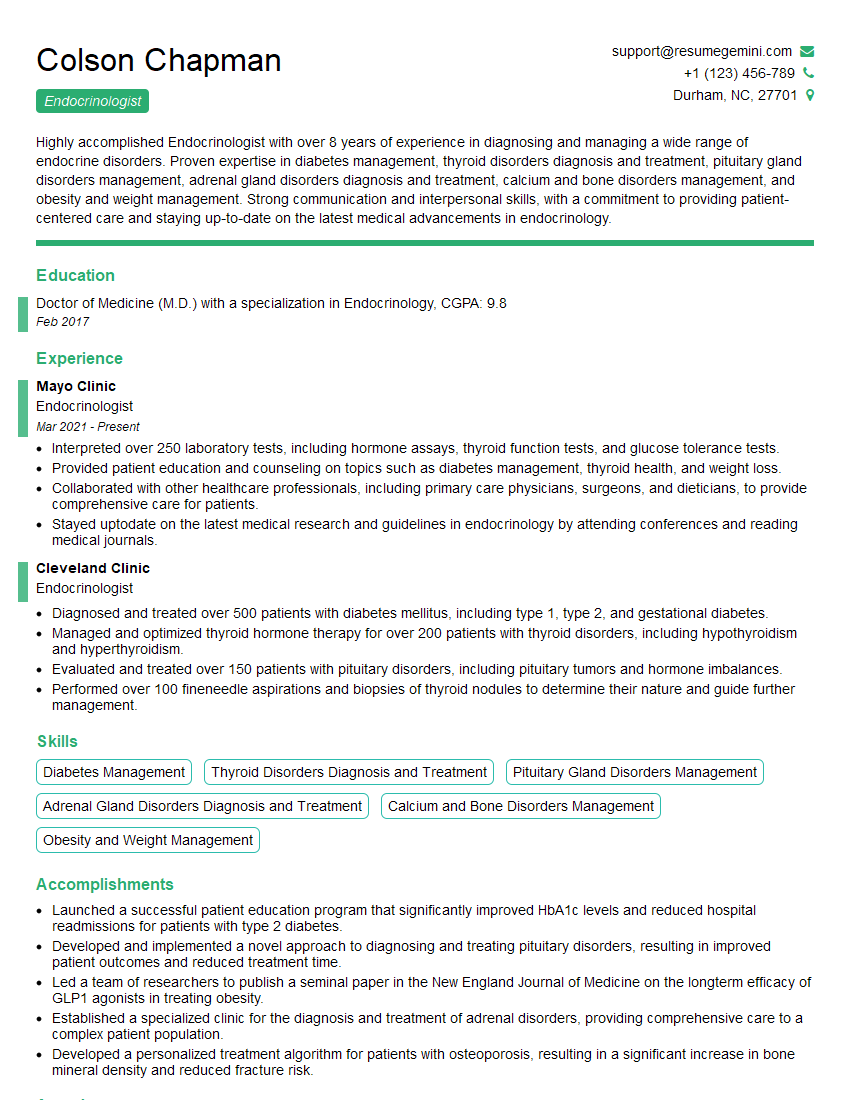
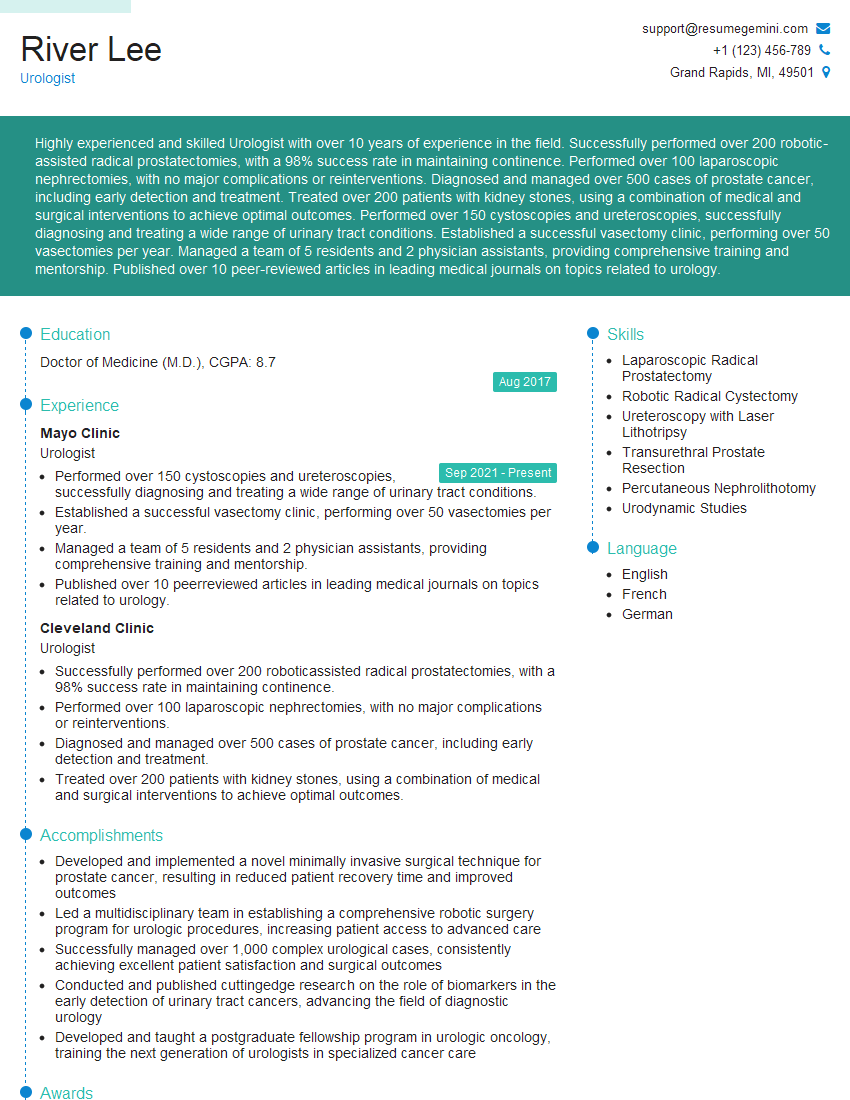
Mastering Erectile Dysfunction Treatment demonstrates a strong understanding of men’s health and positions you for advancement in a competitive field. A well-crafted resume is crucial for showcasing your expertise. Building an ATS-friendly resume is key to getting your application noticed. ResumeGemini is a trusted resource to help you create a professional and effective resume that highlights your skills and experience. Examples of resumes tailored to Erectile Dysfunction Treatment are available to guide your process.
Explore more articles
Users Rating of Our Blogs
Share Your Experience
We value your feedback! Please rate our content and share your thoughts (optional).
What Readers Say About Our Blog
To the interviewgemini.com Webmaster.
Very helpful and content specific questions to help prepare me for my interview!
Thank you
To the interviewgemini.com Webmaster.
This was kind of a unique content I found around the specialized skills. Very helpful questions and good detailed answers.
Very Helpful blog, thank you Interviewgemini team.