Interviews are opportunities to demonstrate your expertise, and this guide is here to help you shine. Explore the essential Generator Control and Synchronization interview questions that employers frequently ask, paired with strategies for crafting responses that set you apart from the competition.
Questions Asked in Generator Control and Synchronization Interview
Q 1. Explain the principles of generator synchronization.
Generator synchronization is the process of connecting two or more generators to a common electrical bus or grid, ensuring they operate in unison without causing disturbances. The fundamental principle lies in matching the voltage, frequency, and phase sequence of all generators before connecting them. Think of it like perfectly aligning two gears before meshing them – if they’re misaligned, you’ll have a clash. Mismatch in any of these parameters can lead to large circulating currents, potentially damaging the generators and the grid.
Specifically, we need to ensure:
- Voltage Magnitude: The voltage of the incoming generator must be very close to the bus voltage.
- Frequency: The frequency of the incoming generator must match the bus frequency.
- Phase Angle: The phase angle difference between the incoming generator’s voltage and the bus voltage must be near zero. This ensures smooth transition and avoids a sudden surge in current.
- Phase Sequence: The phase sequence (ABC or CBA) of the incoming generator must be the same as the bus.
Q 2. Describe the different methods for synchronizing generators.
Several methods exist for synchronizing generators, ranging from simple manual methods to sophisticated automatic systems. These include:
- Manual Synchronization: This traditional method uses synchroscopes (instruments displaying the phase relationship) and involves manually adjusting the incoming generator’s speed and voltage until the synchroscope indicates proper alignment before closing the breaker. This requires skilled operators and precise adjustments.
- Automatic Synchronization: Modern power plants employ automatic synchronizing systems. These systems use sensors to monitor voltage, frequency, and phase angle, automatically closing the breaker when conditions are met. These systems enhance speed and safety, reducing the risk of human error.
- Digital Synchronization Systems: These advanced systems use microprocessors and sophisticated algorithms to provide precise control and monitoring. They offer features like automatic load sharing and improved stability.
The choice of method depends on factors like the size of the generators, the complexity of the power system, and the desired level of automation.
Q 3. What are the safety precautions when synchronizing generators?
Safety is paramount during generator synchronization. Failure to follow proper procedures can lead to serious consequences, including equipment damage and potential injury. Key precautions include:
- Lockout/Tagout Procedures: Ensure that the generator and the bus are properly isolated and locked out before commencing synchronization.
- Proper Training: Operators must receive thorough training on synchronization procedures and safety protocols. This isn’t something you can just learn by reading a manual; practical experience is key.
- Use of Protective Relays: Overcurrent, differential, and distance relays should be in place to protect the system from faults during synchronization.
- Grounding: Ensure proper grounding of the generator and the bus to prevent electrical shocks.
- Supervision: Experienced personnel should supervise the synchronization process, particularly during manual synchronization.
- Personal Protective Equipment (PPE): Always use appropriate PPE, including safety glasses and insulated gloves.
A well-defined safety checklist, rigorously followed, is essential for safe synchronization.
Q 4. How do you ensure proper voltage and frequency matching during synchronization?
Ensuring proper voltage and frequency matching is crucial for seamless synchronization. This involves:
- Precise Voltage Regulation: Automatic Voltage Regulators (AVRs) are essential for maintaining the generator’s voltage within acceptable limits. They continuously adjust the generator’s excitation to regulate output voltage, matching the bus voltage.
- Governor Control: The governor regulates the generator’s speed, thereby controlling the frequency. It adjusts the fuel supply to match the desired frequency, ensuring synchronization with the bus frequency.
- Monitoring Equipment: Synchroscopes, digital displays, and protective relays provide real-time monitoring of voltage, frequency, and phase angle, allowing operators to make necessary adjustments.
Advanced systems employ sophisticated algorithms to automatically adjust voltage and frequency, minimizing the risk of mismatch. Imagine trying to tune two musical instruments – you need precise control to get them to play in harmony; the same applies here.
Q 5. Explain the role of automatic voltage regulators (AVRs) in generator control.
Automatic Voltage Regulators (AVRs) are crucial for maintaining stable voltage output from a generator. They continuously monitor the generator’s terminal voltage and adjust the excitation system (typically the field current) to maintain the desired voltage level. The excitation system provides the magnetic field necessary for the generator to produce electricity. Without AVRs, the voltage would fluctuate significantly with changes in load.
AVRs are vital for:
- Voltage Regulation: Maintaining constant output voltage despite variations in load.
- System Stability: Preventing voltage collapses and ensuring stable operation of the power system.
- Parallel Operation: Ensuring proper voltage matching during synchronization.
Think of the AVR as a precision thermostat for voltage – it continuously adjusts the generator’s ‘heat’ (excitation) to maintain a constant ‘temperature’ (voltage).
Q 6. What are the common types of generator control systems?
Various types of generator control systems exist, ranging from simple manual controls to complex, computer-based systems. Common types include:
- Electro-mechanical Systems: These older systems use mechanical governors and analog controls. They’re simpler but less precise than modern systems.
- Electronic Systems: These systems use electronic components and microprocessors for more precise control. They allow for more advanced features like automatic voltage regulation and load sharing.
- Digital Control Systems: These sophisticated systems use advanced algorithms and digital signal processors for precise control and monitoring. They offer features like remote monitoring and diagnostics.
- Distributed Control Systems (DCS): Large power plants typically use DCSs, which manage numerous generators and other plant equipment through a central control system. This offers centralized monitoring, control, and data acquisition.
The choice of system depends on factors such as generator size, power system complexity, and operational requirements. Modern trends favor digital and distributed control systems for their enhanced capabilities and reliability.
Q 7. Describe the function of a governor in generator control.
The governor in a generator control system is responsible for regulating the generator’s speed (and consequently, its frequency). It acts as a feedback control system, constantly monitoring the generator’s speed and adjusting the fuel supply (in diesel generators) or steam flow (in steam turbines) to maintain the desired speed. This is crucial for maintaining the correct frequency in the power system.
A governor’s function is analogous to the cruise control in a car – it maintains a consistent speed despite changes in road conditions (load changes in the case of a generator).
Key functions of a governor include:
- Speed Regulation: Maintaining the generator’s speed within a narrow tolerance.
- Load Sharing: Ensuring equitable load distribution among parallel generators.
- Frequency Control: Maintaining the system frequency at the nominal value.
Q 8. How do you troubleshoot a generator that fails to synchronize?
Troubleshooting a generator’s failure to synchronize involves a systematic approach focusing on the three essential synchronization parameters: voltage, frequency, and phase. Think of it like trying to perfectly merge two lanes of highway traffic – you need precise matching of speed (frequency), lane position (phase), and car height (voltage) to avoid a collision.
- Voltage Match: Check the generator’s voltage against the grid voltage using a voltmeter. A significant discrepancy prevents synchronization. Inspect the generator’s voltage regulator – it might be faulty or improperly set.
- Frequency Match: Use a frequency meter to compare the generator’s frequency with the grid frequency. A difference, even a small one, will prevent synchronization. Examine the governor – it’s responsible for controlling engine speed and thus frequency. Check its settings and for any mechanical issues.
- Phase Match: A phase angle difference signifies that the generator’s voltage waveform is not aligned with the grid’s waveform. This is crucial! Use a synchroscope (analog or digital) to observe the phase relationship. Issues might stem from incorrect wiring or problems within the synchronization circuitry.
- Other Checks: Examine the generator’s breaker status. Check for any alarms or error messages on the generator control panel. Verify proper connections of all the wiring and ensure the generator is properly grounded.
For example, if the frequency is off, adjusting the governor’s setpoint might be the solution. If the phase is incorrect, careful inspection of the wiring diagram and adjustments to the synchronizing relay might be required. A systematic approach, using appropriate measuring instruments and understanding the generator’s control system is key to resolving the issue quickly and safely.
Q 9. Explain the concept of load sharing between generators.
Load sharing among generators in a parallel operation ensures that each generator carries its fair share of the total load. This prevents overloading individual generators and maximizes efficiency. Think of it like a team lifting a heavy object – each member contributes equally to avoid strain on any single person. Proper load sharing requires precise control systems and appropriate equipment.
The key principles include:
- Droop Control: This is a common method where the governor’s setpoint is adjusted based on the generator’s frequency. As load increases on one generator, its frequency drops slightly, prompting it to share less load with the others. This maintains frequency stability across the system.
- Automatic Load Sharing Systems: More sophisticated systems use sophisticated electronic controls to automatically distribute the load based on various factors like generator capacity, efficiency, and maintenance schedules. These systems constantly monitor and adjust output to achieve optimal load sharing.
- Equal Power Sharing (Ideal Case): Ideally, each generator contributes power proportional to its rated capacity. This may require fine-tuning the governors and other control systems to ensure equal load distribution.
Unequal load sharing can lead to generator overloading, decreased efficiency, and potential damage. Regular monitoring and maintenance of the load-sharing system are vital for optimal generator performance.
Q 10. What are the different types of protective relays used in generator control?
Protective relays are essential safety devices in generator control systems, providing fast and reliable protection against various faults. These relays act as guardians, quickly isolating the faulty section to prevent cascading failures and damage to equipment.
- Overcurrent Relays: These detect excessive current flow, which can indicate short circuits or overload conditions.
- Differential Relays: These compare the current entering and leaving a protected zone. Any difference indicates an internal fault within the generator or transformer.
- Distance Relays: These measure the impedance to a fault, providing information on the location of the fault along a transmission line or within a generator’s components.
- Overvoltage/Undervoltage Relays: These protect against voltage variations outside safe operating ranges.
- Underfrequency Relays: These protect the system from instability and potentially catastrophic system collapse when the frequency drops below the acceptable limit.
- Loss-of-Excitation Relays: These detect the loss of excitation voltage to the generator, which can lead to instability and damage.
The choice of relays depends on the specific generator and system configuration, as well as the types of faults anticipated. Each relay has its own settings (e.g., tripping time, current threshold), optimized to protect the generator without unnecessary tripping.
Q 11. How do you prevent islanding in a generator system?
Islanding occurs when a generator continues to supply power to a localized section of the grid after it is disconnected from the main grid. This is extremely dangerous, as it can lead to injuries or fatalities for utility workers unknowingly working on the isolated part. Preventing islanding requires sophisticated detection and isolation mechanisms.
- Anti-Islanding Protection Relays: These relays constantly monitor the grid’s characteristics (frequency, voltage, phase) and detect deviations that indicate isolation from the main grid. Upon detection, these relays quickly trip the generator to prevent islanding.
- Passive Methods: These methods rely on the generator’s inherent characteristics. For example, generators with low impedance tend to have a greater likelihood of frequency drifts when operating in an islanded mode, hence triggering anti-islanding protective systems.
- Active Methods: More advanced techniques actively inject specific signals into the system that change depending on whether it’s connected to the grid. These methods may involve adding specific monitoring equipment to detect the presence of the grid and prevent islanding.
Regulatory compliance dictates stringent requirements for anti-islanding protection, emphasizing the importance of safety and the potential consequences of failure.
Q 12. Describe the importance of power factor correction in generator control.
Power factor correction is crucial in generator control because it improves the efficiency and performance of the entire system. A low power factor means that a significant portion of the current drawn by the load is not used for actual work but rather for magnetizing the inductive components (like motors). Think of it as carrying extra weight unnecessarily, reducing efficiency.
The benefits of power factor correction include:
- Reduced Apparent Power Demand: By improving the power factor, you reduce the apparent power demand on the generator, allowing it to supply more real power to the load.
- Improved Generator Efficiency: A higher power factor means the generator operates closer to its rated capacity, leading to better efficiency and lower fuel consumption.
- Reduced Line Losses: Lower current flow results in reduced losses in the transmission lines and other electrical equipment.
- Increased Capacity: The generator can serve a larger load without exceeding its current rating.
Power factor correction is typically achieved through the use of capacitor banks, which compensate for the inductive reactance of the load. The size of the capacitor bank is carefully calculated to achieve the desired power factor improvement.
Q 13. Explain the role of SCADA in monitoring and controlling generators.
Supervisory Control and Data Acquisition (SCADA) systems play a vital role in modern generator control and monitoring. They provide a centralized platform for monitoring various parameters, controlling operations, and responding to alarms. Think of it as the central nervous system of a power generation facility.
SCADA’s key roles include:
- Real-time Monitoring: SCADA systems continuously monitor various parameters (voltage, current, frequency, temperature, pressure) and display them on a user-friendly interface.
- Remote Control: Operators can remotely start, stop, and control the generator’s settings (e.g., voltage, frequency, power output) from a central location.
- Data Logging and Reporting: SCADA systems log all relevant data, providing valuable insights for performance analysis, predictive maintenance, and troubleshooting.
- Alarm Management: SCADA systems generate alerts when abnormal conditions occur, allowing operators to take prompt corrective actions.
- Data Integration: SCADA can integrate with other systems (e.g., energy management systems, weather forecasting systems) to provide a more holistic view of the power generation and distribution network.
SCADA systems enhance operational efficiency, safety, and reliability of the generator and the entire power system.
Q 14. What are the common causes of generator malfunctions?
Generator malfunctions can stem from a wide array of causes, spanning mechanical, electrical, and control system issues. Regular preventative maintenance is key to minimizing these issues.
- Mechanical Problems: These include wear and tear on engine components (e.g., bearings, piston rings, valves), fuel system problems (e.g., clogged filters, faulty injectors), and cooling system failures (e.g., leaks, inadequate cooling). These issues often manifest as reduced power output, abnormal noises, or overheating.
- Electrical Problems: These involve issues with the generator’s windings, stator, rotor, and excitation system. Short circuits, insulation failures, and faulty connections can all cause malfunctions. Symptoms may include unusual current readings, voltage fluctuations, or complete system shutdowns.
- Control System Failures: Faulty sensors, controllers, or relays can lead to incorrect operation or failure of the generator. For instance, a malfunctioning governor can cause erratic speed control, while problems with the voltage regulator will impact the generator’s voltage output.
- Environmental Factors: Exposure to extreme temperatures, humidity, or dust can significantly impact generator performance and lifespan. Regular inspections and appropriate environmental protection measures are essential.
Comprehensive diagnostic testing and regular scheduled maintenance are vital to identify and address potential issues before they escalate into major malfunctions.
Q 15. How do you perform preventative maintenance on generators?
Preventative maintenance on generators is crucial for ensuring reliable operation and preventing costly breakdowns. It’s a multi-faceted process focusing on both the mechanical and electrical components. Think of it like regularly servicing your car – you wouldn’t expect it to run forever without oil changes and tune-ups!
- Visual Inspections: Regularly check for leaks (oil, fuel, coolant), loose connections, corrosion, and signs of wear and tear on belts, hoses, and wiring. This is your first line of defense against potential problems.
- Lubrication: Proper lubrication is vital. Check oil levels and quality, grease bearings and moving parts according to the manufacturer’s recommendations. Using the correct type of lubricant is paramount.
- Fuel System Maintenance: Clean fuel filters regularly to prevent contamination. Inspect fuel lines for cracks or damage. For diesel generators, consider using fuel additives to prevent microbial growth and improve combustion.
- Cooling System Maintenance: Check coolant levels and condition. Flush the cooling system periodically to remove contaminants. Ensure the radiator fins are clean and free from debris to optimize cooling efficiency.
- Electrical System Checks: Inspect the generator’s wiring, terminals, and connections for tightness and corrosion. Test the insulation resistance of the windings to ensure they are not degrading.
- Load Bank Testing: Periodically run the generator under load using a load bank to simulate real-world operating conditions. This helps identify any performance issues before they become critical.
- Battery Maintenance: Regularly check and clean the batteries, ensuring the electrolyte levels are correct and the connections are tight. Consider replacing batteries at regular intervals based on their age and condition.
A well-defined preventative maintenance schedule, tailored to the specific generator model and operating environment, is essential. This schedule should include detailed tasks, frequencies, and responsible personnel.
Career Expert Tips:
- Ace those interviews! Prepare effectively by reviewing the Top 50 Most Common Interview Questions on ResumeGemini.
- Navigate your job search with confidence! Explore a wide range of Career Tips on ResumeGemini. Learn about common challenges and recommendations to overcome them.
- Craft the perfect resume! Master the Art of Resume Writing with ResumeGemini’s guide. Showcase your unique qualifications and achievements effectively.
- Don’t miss out on holiday savings! Build your dream resume with ResumeGemini’s ATS optimized templates.
Q 16. Describe your experience with different types of generator sets (diesel, gas, etc.)
My experience encompasses a wide range of generator sets, including diesel, natural gas, and even some experience with smaller gasoline generators for emergency backup systems. Each type presents unique characteristics and challenges.
- Diesel Generators: These are known for their robustness, high power density, and relatively long operating life. I’ve worked extensively with large diesel generators in industrial settings, including power plants and manufacturing facilities. Understanding their fuel injection systems, cooling systems, and emission control mechanisms is crucial for effective operation and maintenance.
- Natural Gas Generators: These are becoming increasingly popular due to their cleaner emissions and often lower fuel costs. I’ve worked with natural gas generators in both stationary and mobile applications. The key differences lie in the fuel delivery system and the potential need for specialized safety measures due to the nature of the fuel.
- Gasoline Generators: While generally less powerful and suitable for smaller-scale applications, these are still vital. I have experience troubleshooting and maintaining these in residential and small commercial settings. Proper carburetion and spark timing are important aspects to master.
In each case, understanding the specific manufacturer’s specifications and service manuals is paramount. I approach each generator type with a focus on safety, efficiency, and reliable operation. My experience allows me to quickly diagnose problems and implement effective solutions, minimizing downtime and ensuring consistent power supply.
Q 17. Explain your understanding of parallel operation of generators.
Parallel operation of generators involves connecting multiple generators to a common busbar to supply a shared load. This increases overall power capacity and provides redundancy – if one generator fails, the others can continue to supply power. Think of it like having multiple water pumps feeding a single reservoir; each pump contributes to the total flow.
Successful parallel operation requires precise synchronization of voltage, frequency, and phase angle between the generators. This synchronization is typically achieved using automatic synchronizing panels that monitor these parameters and automatically close the circuit breakers when conditions are met. If the synchronization is not perfect, it can lead to high circulating currents, damage to the generators, and even system instability.
Factors to consider during parallel operation include:
- Load Sharing: Ensuring each generator shares the load proportionally based on its capacity.
- Protection Schemes: Implementing appropriate protection relays to prevent damage from faults or malfunctions.
- Voltage and Frequency Regulation: Maintaining stable voltage and frequency even under varying load conditions.
My experience involves troubleshooting issues in parallel generator systems, including load imbalance, frequency deviations, and protection system malfunctions. I am proficient in using various monitoring and control systems to optimize the operation of parallel generator setups.
Q 18. How do you handle generator overload situations?
Generator overload situations can lead to serious damage if not handled correctly. An overload occurs when the generator’s output exceeds its rated capacity. The immediate priority is to prevent damage to the generator and protect the connected equipment.
My approach involves the following steps:
- Identify the Overload: Determine the cause of the overload. This might involve checking the load demand, verifying that all connected equipment is operating within its rated parameters, or inspecting the system for faults.
- Reduce the Load: The most effective immediate solution is to reduce the load demand on the generator. This might involve shedding non-critical loads or temporarily disconnecting equipment.
- Investigate and Correct the Root Cause: Once the overload is mitigated, investigate the root cause to prevent future occurrences. This might involve upgrading the generator, improving load management, or addressing underlying equipment issues.
- Monitor Generator Performance: Closely monitor the generator’s performance parameters (voltage, current, frequency, temperature) to ensure it is operating safely and efficiently after the overload event.
In some cases, specialized protection devices such as circuit breakers or overload relays may automatically trip to protect the generator. Understanding how these protection devices operate is essential for efficient recovery after an overload.
Q 19. What are the different types of generator excitation systems?
Generator excitation systems are responsible for providing the DC field current that generates the magnetic flux in the generator’s rotor, thereby inducing the AC voltage in the stator windings. The type of excitation system greatly impacts the generator’s performance and stability.
- DC Excitation: This older method uses a separate DC source (often a DC generator) to supply the field current. It is relatively simple but less efficient and requires more maintenance.
- Static Excitation: This uses a rectifier to convert the AC voltage to DC voltage for the field winding. It is more efficient and reliable than DC excitation, common in modern generators.
- Rotating Excitation (AC or DC): This uses a separate exciter generator mounted on the same shaft as the main generator, providing direct DC excitation. It offers good response speed and stability.
- Brushless Excitation: This utilizes a rotating rectifier, eliminating the need for slip rings and brushes. This enhances reliability and reduces maintenance requirements.
The choice of excitation system depends on factors like generator size, required response speed, and maintenance considerations. I have hands-on experience with various excitation systems, allowing me to diagnose and resolve issues related to voltage regulation, excitation control, and overall generator stability.
Q 20. Explain the concept of reactive power control in generator systems.
Reactive power control in generator systems is critical for maintaining voltage stability and efficient power delivery. Reactive power, unlike real power (which does useful work), is associated with the energy stored and released in the magnetic fields of inductive and capacitive elements in the system.
Generators can be equipped with automatic voltage regulators (AVRs) and power factor controllers to regulate the reactive power they supply. By controlling the field excitation, the generator can either generate or consume reactive power, effectively regulating the voltage at the point of connection. For instance, an inductive load (like a motor) consumes reactive power, causing voltage drop. The generator can compensate by producing reactive power, maintaining the voltage level.
Effective reactive power control helps to:
- Maintain Voltage Stability: Prevents voltage fluctuations and sags.
- Improve Power Factor: A higher power factor minimizes transmission losses and improves system efficiency.
- Enhance System Stability: Contributes to overall grid stability, preventing voltage collapses and blackouts.
My experience in reactive power control includes working with AVR systems, power factor correction capacitors, and reactive power compensation schemes. I understand the interplay between reactive power, voltage regulation, and overall system stability, and I can efficiently troubleshoot issues related to reactive power control to enhance system performance.
Q 21. How do you interpret generator performance data?
Interpreting generator performance data is key to ensuring efficient and reliable operation. This involves understanding various parameters and using them to diagnose potential issues or optimize performance.
Key parameters include:
- Voltage and Frequency: These should remain within acceptable tolerances as defined by the generator’s specifications. Deviations may indicate problems with the excitation system, prime mover, or load imbalances.
- Current and Power Output: Monitoring these helps track the generator’s load and efficiency. Consistent overload may require investigation into load management or generator upgrade.
- Temperature: High temperatures in various parts of the generator (engine, windings, bearings) can signify potential overheating problems, requiring prompt attention.
- Fuel Consumption: Tracking fuel consumption helps assess the generator’s efficiency and identify potential fuel system issues.
- Oil Pressure and Level: Consistent low oil pressure or level could indicate engine damage or leaks.
- Exhaust Gas Analysis: Analyzing the exhaust gases can reveal information about combustion efficiency and potential engine problems.
I use data from various monitoring systems – including digital displays, data acquisition systems, and SCADA (Supervisory Control and Data Acquisition) systems – to interpret this data. I use trend analysis to identify patterns and predict potential problems before they escalate, ensuring proactive maintenance and maximizing operational efficiency. For example, a gradual increase in fuel consumption over time might indicate developing wear and tear, warranting preventive maintenance to avoid an unexpected failure.
Q 22. What is your experience with generator control panels and their functionalities?
Generator control panels are the brains of a generator system, managing all aspects from startup to shutdown. My experience encompasses a wide range of panels, from simple, manually operated units to sophisticated, automated systems incorporating advanced features like PLC (Programmable Logic Controller) control and SCADA (Supervisory Control and Data Acquisition) integration. I’m familiar with the various functionalities these panels offer, including:
- Engine Control: Monitoring engine parameters like speed, temperature, and oil pressure, and adjusting fuel delivery to maintain optimal performance.
- Generator Control: Regulating voltage, frequency, and power factor to meet grid requirements or load demands. This often includes automatic voltage regulators (AVRs) and power factor correction (PFC) systems.
- Protection Systems: Implementing various protection schemes to safeguard the generator and connected equipment from overloads, short circuits, and other faults. This involves understanding and configuring overcurrent, overvoltage, undervoltage, and other protective relays.
- Synchronization: Managing the synchronization process of the generator with the utility grid or other generators, ensuring seamless and safe paralleling.
- Monitoring and Data Logging: Recording crucial parameters for performance analysis, troubleshooting, and maintenance scheduling. Many modern panels offer remote monitoring capabilities via communication protocols like Modbus.
- Alarming and Reporting: Generating alerts for abnormal conditions and providing detailed reports for operational review.
For example, I worked on a project where we upgraded an aging control panel to a modern system incorporating remote monitoring and predictive maintenance capabilities. This reduced downtime significantly and improved overall system reliability.
Q 23. Describe your experience with troubleshooting generator control system issues.
Troubleshooting generator control system issues requires a systematic approach. My experience involves utilizing a combination of diagnostic tools, technical knowledge, and problem-solving skills. I typically follow these steps:
- Gather Information: Identify the problem, collect relevant data from the control panel displays, alarms, and log files.
- Visual Inspection: Check for obvious issues such as loose connections, damaged wiring, or malfunctioning components.
- Diagnostic Testing: Utilize diagnostic tools, including multimeters, oscilloscopes, and specialized generator testing equipment, to pinpoint the source of the problem.
- Software Diagnostics: For PLC-controlled systems, I utilize programming software to diagnose software faults and make necessary code adjustments.
- Component Replacement: If necessary, replace faulty components, ensuring proper installation and testing.
- System Verification: After repairs, thoroughly test the system to ensure its proper functionality and safety.
In one instance, a generator experienced intermittent voltage drops. Through systematic troubleshooting, we identified a faulty AVR (Automatic Voltage Regulator) which was causing the issue and replaced it, restoring stable voltage.
Q 24. Explain your experience with different communication protocols used in generator control systems (e.g., Modbus, Profibus).
I have extensive experience with various communication protocols used in generator control systems, including Modbus, Profibus, and others. These protocols allow for seamless data exchange between the generator control panel, other equipment (like SCADA systems), and remote monitoring platforms.
- Modbus: A widely used serial communication protocol, particularly in industrial automation. I’ve used Modbus RTU and Modbus TCP/IP for data acquisition and control of generators, allowing remote monitoring of parameters and remote control of functions.
- Profibus: A fieldbus communication protocol offering high speed and reliability. I’ve worked with Profibus DP (Decentralized Peripherals) in complex generator systems, facilitating communication between numerous devices and the central control panel.
- Other Protocols: My experience extends to other protocols like Ethernet/IP, CAN bus, and proprietary protocols depending on the specific system’s architecture.
Understanding these protocols is crucial for integrating the generator system into a broader network, allowing centralized monitoring and control of multiple generators and other plant equipment. For example, we implemented a Modbus TCP/IP system to allow remote monitoring of a critical generator at a hospital, ensuring rapid response to any issues.
Q 25. How do you ensure the safety and reliability of generator operations?
Ensuring the safety and reliability of generator operations is paramount. This involves a multi-faceted approach:
- Regular Maintenance: Implementing a comprehensive maintenance schedule, including preventative maintenance and inspections, to identify potential problems before they lead to failures.
- Proper Installation: Ensuring that the generator is installed correctly, meeting all relevant safety standards and regulations.
- Operator Training: Providing thorough training to operators on safe operating procedures, emergency shutdown procedures, and troubleshooting techniques.
- Safety Interlocks: Implementing safety interlocks and safeguards to prevent accidents, such as automatic shutdowns in case of overspeed, overtemperature, or other hazardous conditions.
- Redundancy and Backup Systems: Employing redundant systems and backup power sources to ensure continued operation in case of primary system failure.
- Emergency Shutdown Systems: Implementing reliable and easily accessible emergency shutdown systems.
Think of it like a well-maintained car – regular checkups and preventative measures significantly reduce the chances of breakdowns and accidents.
Q 26. Describe your experience with generator commissioning and testing procedures.
Generator commissioning and testing are critical steps to ensure the generator system operates safely and efficiently. My experience includes conducting various tests, including:
- Pre-commissioning Inspection: Thoroughly inspecting the generator, control panel, and associated equipment before energizing the system.
- Functional Testing: Testing all control panel functions, verifying that the system starts, stops, and operates as intended.
- Performance Testing: Measuring the generator’s performance parameters such as voltage, frequency, power factor, and efficiency.
- Protection System Testing: Testing the generator’s protection relays and safety systems to ensure they function correctly.
- Synchronization Testing: Testing the synchronization process, ensuring seamless and safe paralleling with the grid or other generators.
- Load Testing: Applying different load levels to assess the generator’s performance under varying conditions.
A typical commissioning process involves detailed documentation and a sign-off by the client and regulatory bodies. A recent project involved commissioning a large-scale generator system for a data center, which required rigorous testing and adherence to strict safety protocols.
Q 27. What are your experience with different types of generator protection schemes?
I am familiar with a wide range of generator protection schemes designed to protect the generator and connected equipment from various faults. These include:
- Overcurrent Protection: Protects against excessive current flow caused by short circuits or overloads. This often involves using overcurrent relays with various settings (instantaneous, time-delayed).
- Overvoltage/Undervoltage Protection: Protects against abnormally high or low voltage levels that can damage equipment.
- Loss of Excitation Protection: Prevents generator damage due to loss of field excitation.
- Overfrequency/Underfrequency Protection: Prevents issues stemming from unstable grid frequency.
- Reverse Power Protection: Prevents power from flowing back into the generator, potentially damaging it.
- Differential Protection: Detects internal faults within the generator by comparing currents entering and leaving the machine.
The choice of protection scheme depends on various factors, including the generator’s size, application, and the type of connected load. I’ve designed and implemented custom protection schemes for specific applications based on risk assessments and safety requirements.
Q 28. Explain your familiarity with relevant safety standards and regulations for generator operation and maintenance.
My work consistently adheres to relevant safety standards and regulations for generator operation and maintenance. I am familiar with standards such as those published by organizations like the IEEE (Institute of Electrical and Electronics Engineers), NFPA (National Fire Protection Association), and relevant local codes. These standards cover aspects including:
- Electrical Safety: Ensuring proper grounding, isolation, and lockout/tagout procedures.
- Mechanical Safety: Safeguarding moving parts, ensuring proper guarding and lockout procedures.
- Environmental Regulations: Compliance with emission standards and other environmental regulations.
- Safety Training: Adherence to proper safety training programs for personnel.
- Documentation: Maintaining thorough documentation for maintenance records, inspections, and safety procedures.
Ignoring safety standards can lead to catastrophic events; therefore, meticulous adherence is a priority in every project I undertake. This includes staying updated on the latest code revisions and best practices to ensure optimal safety and regulatory compliance.
Key Topics to Learn for Generator Control and Synchronization Interview
- Generator Principles: Understanding the fundamental operating principles of synchronous generators, including voltage regulation, excitation systems, and power factor control. This forms the bedrock of your knowledge.
- Synchronization Techniques: Mastering the methods and procedures for safely synchronizing generators to the grid or a parallel busbar. Practice visualizing the process and troubleshooting potential issues.
- Protective Relaying: Familiarize yourself with the various protective relays used to safeguard generators and the power system during faults and abnormal operating conditions. Understanding their function is crucial.
- Automatic Voltage Regulators (AVRs): Deepen your understanding of AVR operation, including their role in maintaining stable voltage and responding to load changes. Be ready to discuss different AVR types and their characteristics.
- Governor Systems: Explore the function of governor systems in controlling generator speed and frequency, and their interaction with load demand. Understand the impact of different governor settings.
- Parallel Operation: Learn the intricacies of operating multiple generators in parallel, including load sharing, power factor control, and preventing instability. This is a highly practical and frequently tested area.
- Power System Stability: Gain an understanding of the factors influencing power system stability, and the role of generator control systems in maintaining stability during disturbances. This demonstrates a broader systems perspective.
- Troubleshooting and Diagnostics: Develop your ability to identify and troubleshoot common problems related to generator control and synchronization. Be prepared to discuss practical solutions.
- Modern Control Systems: Familiarize yourself with modern digital control systems used in generator control and synchronization, including their advantages and limitations. This showcases your awareness of industry advancements.
Next Steps
Mastering Generator Control and Synchronization opens doors to exciting career opportunities in power generation, transmission, and distribution. A strong understanding of these concepts is highly valued by employers and significantly increases your earning potential. To make yourself stand out, a well-crafted resume is essential. Creating an ATS-friendly resume is key to ensuring your application gets noticed. We recommend using ResumeGemini, a trusted resource for building professional and effective resumes. ResumeGemini provides examples of resumes tailored specifically to Generator Control and Synchronization roles, helping you showcase your skills and experience in the best possible light. Invest in your future – build a compelling resume that reflects your expertise.
Operations Manager Resume Sample
Plant Manager Resume Sample
Maintenance Manager Resume Sample
Chief Engineer Resume Sample
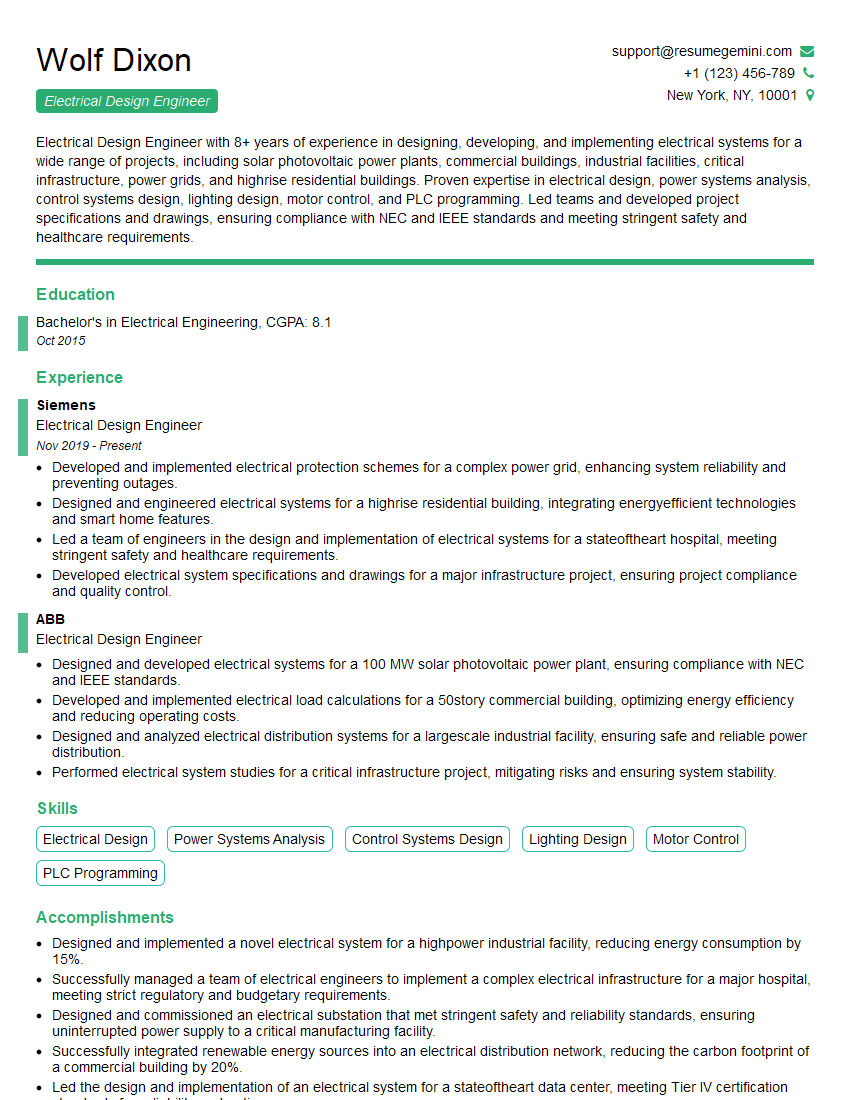
Electrical Design Engineer Resume Sample
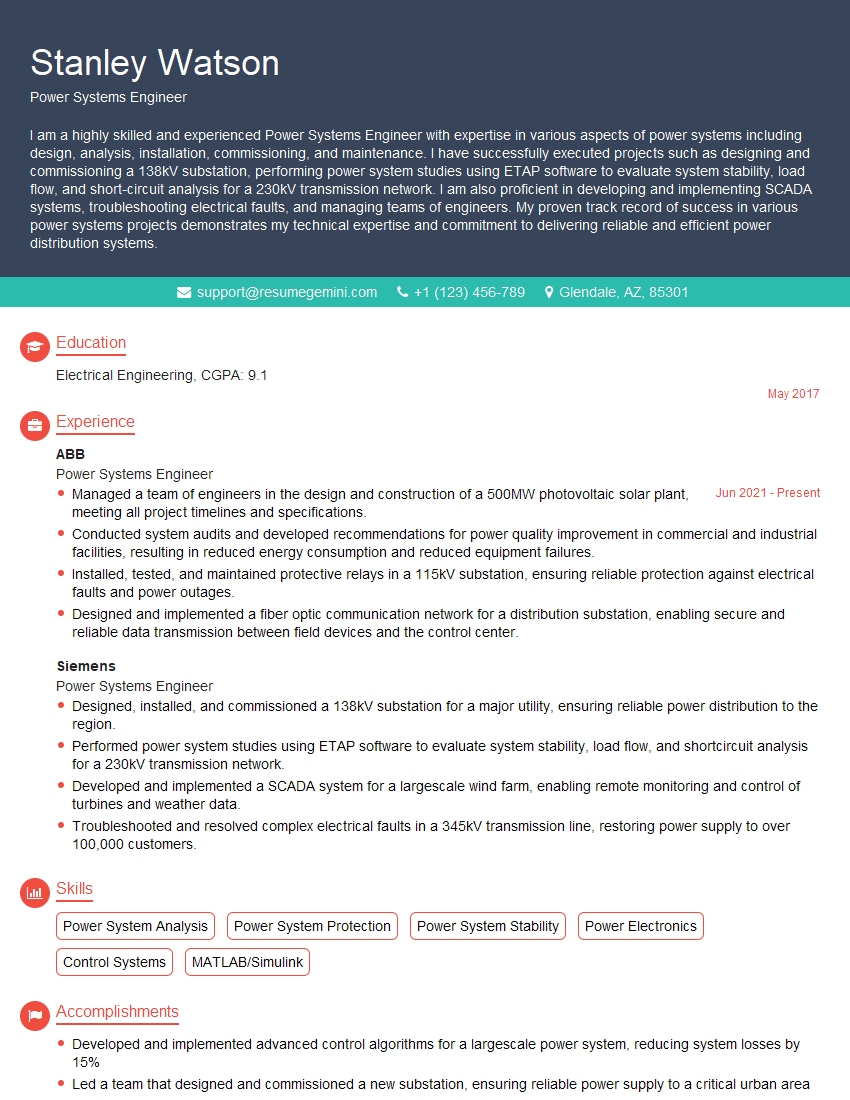
Power Systems Engineer Resume Sample
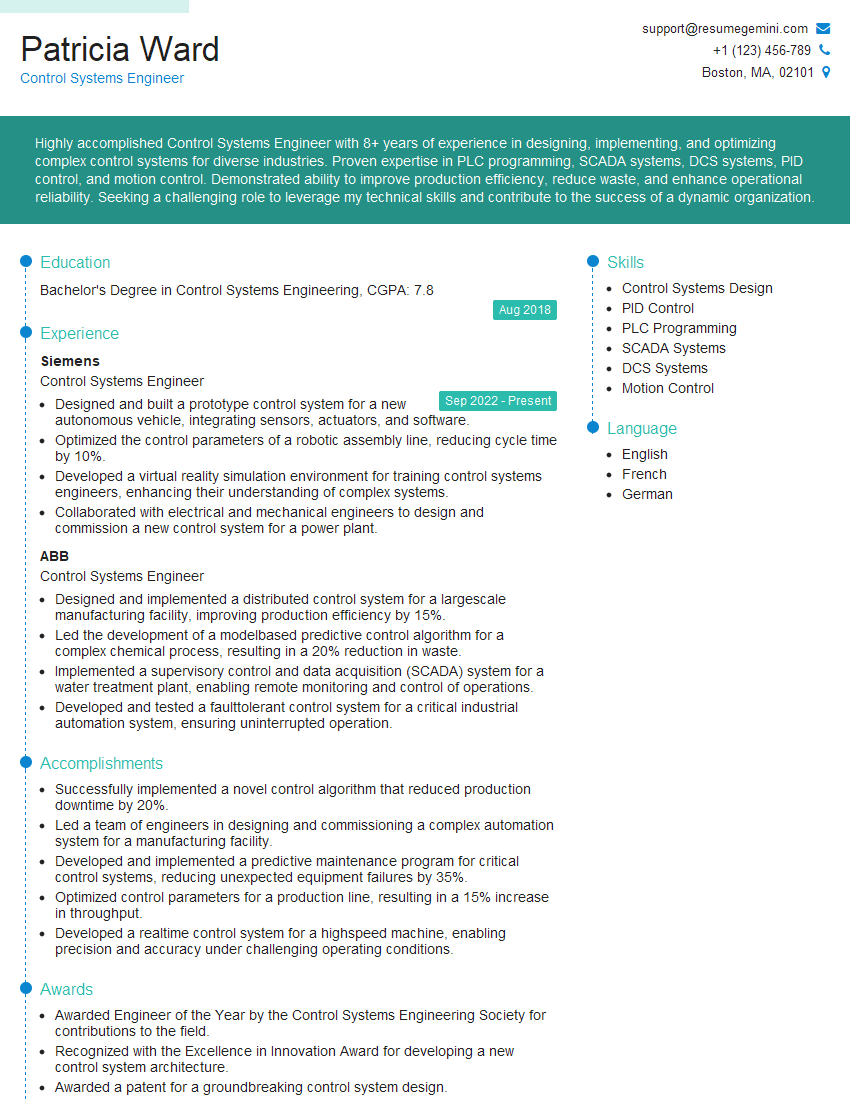
Control Systems Engineer Resume Sample
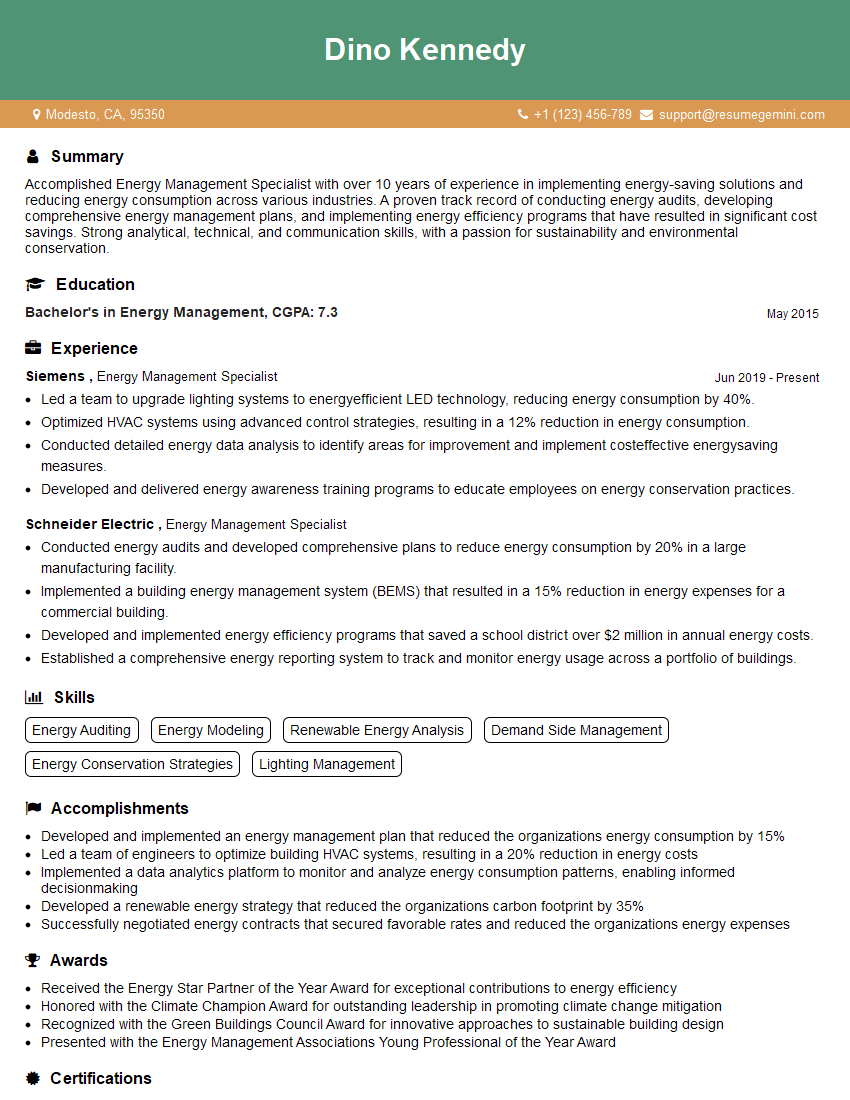
Energy Management Specialist Resume Sample
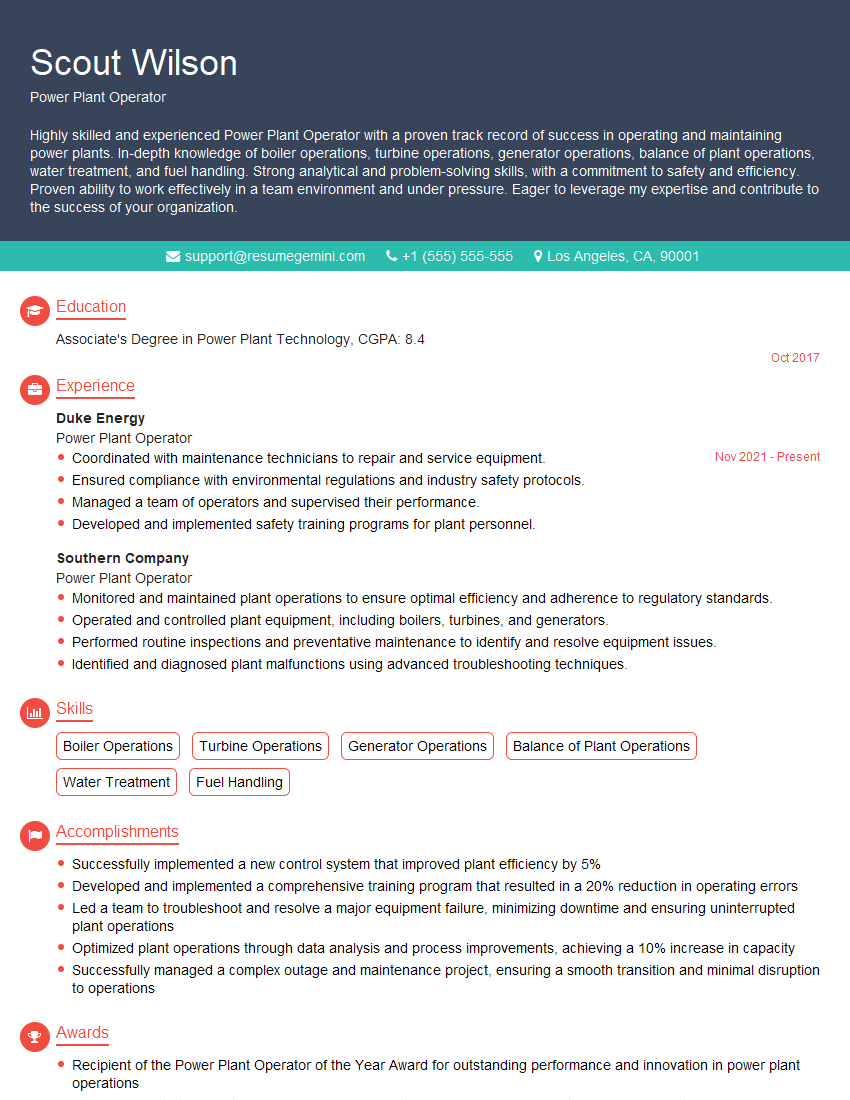
Power Plant Operator Resume Sample
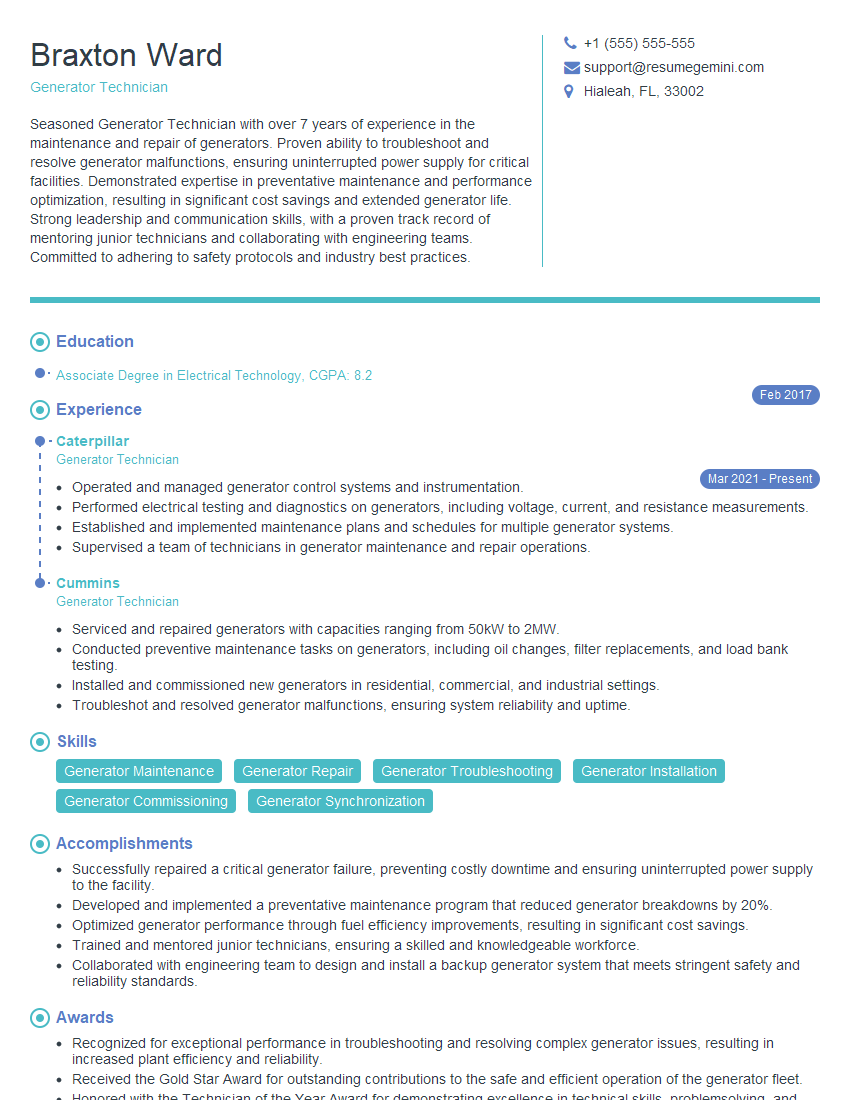
Generator Technician Resume Sample
Explore more articles
Users Rating of Our Blogs
Share Your Experience
We value your feedback! Please rate our content and share your thoughts (optional).
What Readers Say About Our Blog
To the interviewgemini.com Webmaster.
Very helpful and content specific questions to help prepare me for my interview!
Thank you
To the interviewgemini.com Webmaster.
This was kind of a unique content I found around the specialized skills. Very helpful questions and good detailed answers.
Very Helpful blog, thank you Interviewgemini team.