Cracking a skill-specific interview, like one for Exercise Prescription and Rehabilitation, requires understanding the nuances of the role. In this blog, we present the questions you’re most likely to encounter, along with insights into how to answer them effectively. Let’s ensure you’re ready to make a strong impression.
Questions Asked in Exercise Prescription and Rehabilitation Interview
Q 1. Explain the principles of exercise prescription, including FITT-VP.
Exercise prescription is the process of designing a safe and effective exercise program tailored to an individual’s needs and goals. It’s guided by several key principles, and a useful framework is the FITT-VP principle. FITT-VP stands for Frequency, Intensity, Time, Type, Volume, and Progression.
- Frequency: How often the exercise is performed (e.g., 3 times per week).
- Intensity: How hard the exercise is performed (e.g., moderate intensity, measured by heart rate or perceived exertion).
- Time: The duration of each exercise session (e.g., 30 minutes).
- Type: The mode of exercise (e.g., aerobic, resistance training, flexibility exercises).
- Volume: The total amount of exercise performed over a period (e.g., total number of sets and reps in a week).
- Progression: Gradually increasing the FITT-VP components over time to challenge the body and avoid plateaus. This is crucial to continue making progress.
For example, a beginner’s aerobic program might start with 3 sessions per week at a moderate intensity for 20 minutes each, using brisk walking. Over time, the frequency, intensity, and/or time could be increased to maintain the challenge. The type might also be varied (e.g., adding swimming or cycling).
Q 2. Describe the process of developing an individualized exercise program for a patient with hypertension.
Developing an individualized exercise program for a hypertensive patient requires a careful and phased approach. It begins with a thorough assessment of their current health status, including medical history, medication use, and any existing limitations. A physician’s clearance is essential.
- Assessment: This includes resting blood pressure measurement, cardiovascular risk assessment, functional capacity testing (e.g., 6-minute walk test), and a detailed review of their medical history. We’ll look for any potential contraindications to exercise.
- Goal Setting: Collaborative goal setting with the patient is crucial. Realistic and achievable goals might include improving blood pressure control, increasing endurance, and enhancing overall fitness.
- Exercise Prescription: Aerobic exercise is the cornerstone of hypertension management. We’d typically prescribe moderate-intensity aerobic activities like brisk walking, cycling, or swimming, aiming for at least 150 minutes per week. Resistance training is also beneficial for improving overall fitness and reducing blood pressure, but it needs to be carefully monitored to avoid excessive strain.
- Monitoring and Adjustment: Regular monitoring of blood pressure is vital, both before, during, and after exercise sessions. The program needs to be adjusted based on the patient’s response and any changes in their health status. We’ll regularly assess their progress and make modifications as needed.
- Education: Educating the patient about the importance of adherence, proper technique, and recognizing warning signs is critical to success. This includes information about self-monitoring blood pressure and recognizing symptoms like dizziness or chest pain.
An example program might start with 15 minutes of walking three times a week, gradually increasing the duration and intensity over several weeks. We will always focus on gradual progression, listening to the patient’s body, and adjusting based on response. The ultimate goal is to help the patient adopt a lifelong habit of regular exercise.
Q 3. How would you assess a patient’s functional capacity before starting an exercise program?
Assessing a patient’s functional capacity is essential before initiating an exercise program. This helps determine their baseline fitness level, identifies potential limitations, and guides the prescription of a safe and effective program. Several methods can be used:
- Submaximal exercise tests: These tests, such as the graded exercise test (GXT) or a cycle ergometer test, assess cardiovascular response to exercise while avoiding pushing the patient to exhaustion. This provides valuable data on heart rate response, blood pressure, and perceived exertion.
- 6-minute walk test: A simple and widely used test measuring the distance a patient can walk in 6 minutes, this assesses functional capacity and endurance. It’s particularly useful for individuals with lower functional capacity.
- Functional assessments: These assess a patient’s ability to perform everyday activities. This might include assessments of balance, gait, strength, range of motion, and activities of daily living (ADLs).
- Self-reported questionnaires: Questionnaires assessing physical activity levels, perceived exertion, and other relevant factors provide additional information.
For example, if a patient struggles to walk a short distance, the program might begin with very low-intensity activities, such as chair exercises or short walks, gradually progressing as their functional capacity improves.
Q 4. What are the contraindications for exercise in patients with cardiovascular disease?
Several contraindications exist for exercise in patients with cardiovascular disease. These are situations where exercise may be harmful or even life-threatening. It’s vital to consult with a physician before starting any exercise program for patients with cardiac issues.
- Unstable angina: Chest pain that occurs at rest or with minimal exertion.
- Uncontrolled hypertension: Severely elevated blood pressure that is not adequately managed with medication.
- Recent myocardial infarction (heart attack): Usually, a period of rest and cardiac rehabilitation is necessary before exercise is considered.
- Severe heart valve disease: This can place extra stress on the heart during exercise.
- Uncontrolled arrhythmias: Irregular heartbeats that are not well managed.
- Acute heart failure: This condition often requires medical management before exercise can be safely initiated.
- Severe aortic stenosis: Narrowing of the aortic valve, which can restrict blood flow.
It’s crucial to remember that this list isn’t exhaustive. The presence of any of these conditions doesn’t automatically exclude someone from exercise, but it necessitates careful assessment, medical clearance, and a closely monitored, modified exercise program under professional supervision.
Q 5. Explain the role of progressive overload in exercise programming.
Progressive overload is a fundamental principle in exercise programming. It involves gradually increasing the demands placed on the body over time to stimulate further adaptations and improvements in fitness. Without progressive overload, the body adapts to the current stimulus and plateaus.
This principle applies to all components of the FITT-VP model. For example, you might increase the duration or intensity of aerobic exercise, increase the weight, repetitions, or sets in resistance training, or increase the range of motion or duration of stretching exercises.
Think of it like this: if you always lift the same weight, your muscles will adapt and stop growing. Progressive overload ensures continued adaptation and improvement. It’s crucial to increase the workload gradually to allow the body time to adapt and reduce the risk of injury. A typical strategy is to increase the intensity or volume by 5-10% per week or every two weeks.
Q 6. How would you modify an exercise program for a patient with osteoarthritis?
Modifying an exercise program for a patient with osteoarthritis requires careful consideration of the affected joints and the patient’s pain levels. The goal is to maintain joint mobility, improve strength and function, and reduce pain.
- Joint-specific exercises: Focus on exercises that target the affected joints while avoiding movements that cause pain or exacerbate symptoms. Range-of-motion exercises are crucial to maintain flexibility.
- Low-impact activities: Prioritize low-impact activities such as swimming, cycling, or walking on flat surfaces to minimize stress on the joints.
- Strengthening exercises: Incorporate strengthening exercises targeting the muscles surrounding the affected joints to provide support and stability.
- Aquatic therapy: The buoyancy of water reduces stress on joints, making it a beneficial modality for patients with osteoarthritis.
- Pain management: If pain is a significant limiting factor, strategies like heat or cold therapy can be incorporated before exercise.
- Proper posture and body mechanics: Teach proper posture and body mechanics to minimize strain on joints during activities of daily living.
For example, a patient with knee osteoarthritis may benefit from water aerobics, cycling, and strengthening exercises focused on the quadriceps and hamstrings, while avoiding high-impact activities such as running or jumping.
Q 7. What are the signs and symptoms of exercise-induced asthma, and how would you manage them?
Exercise-induced asthma (EIA) is a condition where physical activity triggers bronchospasm, leading to airway narrowing and difficulty breathing. Symptoms usually appear during or immediately after exercise and can range in severity.
- Symptoms: These can include wheezing, coughing, shortness of breath, chest tightness, and increased mucus production.
- Management: Management involves a multifaceted approach:
- Pre-exercise warm-up: A thorough warm-up (10-15 minutes of light-to-moderate activity) can help reduce the risk of EIA.
- Medication: Inhaled bronchodilators (like albuterol) can be used prophylactically before exercise or to treat symptoms if they occur.
- Proper technique: Maintaining correct breathing techniques during exercise can help minimize airway irritation.
- Avoiding triggers: Identifying and avoiding environmental triggers such as cold, dry air can help reduce the risk of EIA. Exercising indoors in warm, humid air can sometimes help.
- Regular medication: For individuals with more frequent or severe EIA, a regular controller medication (like an inhaled corticosteroid) may be prescribed to prevent symptoms.
If a patient experiences symptoms of EIA during exercise, they should stop immediately and use their rescue inhaler. The severity of EIA should be assessed, and modifications to the exercise program, or medication, should be made accordingly under a physician’s guidance.
Q 8. Describe the benefits of resistance training for older adults.
Resistance training, often involving weights or resistance bands, offers numerous benefits for older adults. It’s crucial for maintaining and improving muscle mass, strength, and bone density – all of which naturally decline with age. This helps prevent falls, a significant risk factor for this population. Furthermore, resistance training improves balance, coordination, and functional fitness, enabling older adults to perform everyday activities with greater ease and independence. For example, an elderly individual struggling to lift groceries might find significant improvement in their ability to do so after a structured resistance training program.
Beyond the physical, resistance training can positively impact mental health. Studies show it boosts mood, reduces symptoms of depression and anxiety, and improves cognitive function. Think of it as a holistic approach – strengthening the body while simultaneously enhancing the mind. The improvements in confidence and self-esteem resulting from successfully completing a training program can also be transformative.
It’s vital to tailor resistance training programs to the individual’s specific needs and capabilities. Starting with lighter weights and gradually increasing resistance is essential to prevent injury. Proper form and technique are also paramount. A qualified healthcare professional or certified personal trainer can help design a safe and effective program.
Q 9. Explain the importance of proper warm-up and cool-down procedures.
Proper warm-up and cool-down procedures are crucial for injury prevention and optimal performance. A warm-up prepares the body for exercise by increasing blood flow to muscles, increasing heart rate and body temperature, and improving joint mobility. Think of it like warming up your car engine before a long drive; you wouldn’t start driving at full speed immediately, right?
A typical warm-up includes light cardio, such as brisk walking or jogging, followed by dynamic stretching—movements that take joints through their full range of motion, like arm circles or leg swings. This increases blood flow to muscles and enhances flexibility. A cool-down, on the other hand, gradually reduces heart rate and body temperature, allowing the body to recover. It typically involves light cardio and static stretching—holding a stretch for a prolonged period, like holding a hamstring stretch. This helps improve flexibility and reduce muscle soreness.
Failing to properly warm-up can increase the risk of muscle strains or tears, while neglecting a cool-down can lead to delayed onset muscle soreness (DOMS) and impaired recovery. A structured warm-up and cool-down routine, lasting about 10-15 minutes each, is integral to any exercise program.
Q 10. How do you monitor a patient’s response to exercise during a session?
Monitoring a patient’s response to exercise is crucial for ensuring safety and effectiveness. This involves a combination of subjective and objective measures. Subjective measures include asking the patient about their perceived exertion (using scales like the Borg scale), any pain or discomfort they’re experiencing, and their overall feeling during and after the exercise.
Objective measures include monitoring heart rate, blood pressure, and respiratory rate. We also observe the patient’s form and technique during exercises to ensure proper execution and prevent injuries. For example, if a patient reports chest pain or exhibits significant shortness of breath, the session is immediately stopped. Changes in blood pressure or heart rate outside of expected ranges also warrant attention and modification of the exercise program. Regular assessment allows for real-time adjustments to the exercise plan to optimize its effectiveness and reduce the risk of complications.
In addition to these physiological measures, we also assess the patient’s functional abilities. For instance, if a patient is undergoing rehabilitation for a knee injury, we monitor their ability to perform activities like walking, squatting, or stair climbing. Progress in these functional measures is a strong indicator of successful rehabilitation. This holistic approach to monitoring ensures the exercise program is both safe and effective.
Q 11. What are the different types of stretching techniques, and when would you use each one?
There are several types of stretching techniques, each serving a different purpose. Static stretching involves holding a stretch for a prolonged period (typically 15-30 seconds), lengthening the muscle to improve flexibility. This is best used after exercise or as part of a cool-down routine.
- Example: Holding a hamstring stretch by extending one leg straight out and reaching for your toes.
Dynamic stretching involves moving joints through their full range of motion, often in a repetitive manner. This improves flexibility and prepares the body for activity and is ideal for warm-ups.
- Example: Arm circles or leg swings.
Ballistic stretching involves bouncing or jerking movements to stretch the muscles. It’s generally less recommended than static or dynamic stretching, as the risk of injury is higher. Proprioceptive Neuromuscular Facilitation (PNF) stretching involves contracting and relaxing the muscles being stretched. It’s often used by physical therapists to improve flexibility and range of motion. This technique requires a skilled practitioner.
The choice of stretching technique depends largely on the context. Dynamic stretching is preferred for warm-ups, while static stretching is best suited for cool-downs and improving flexibility. PNF is a more specialized technique used in rehabilitation settings.
Q 12. Describe the role of plyometrics in exercise programming.
Plyometrics, or jump training, involves explosive movements that use the stretch-shortening cycle to generate power. Think of a vertical jump: you lower your body to stretch the muscles and then use that stored energy for a powerful jump. Plyometrics are generally incorporated into exercise programs to improve power, speed, agility, and explosive strength.
In rehabilitation, plyometrics are introduced cautiously and progressively, typically in the later stages of recovery. It’s crucial to ensure adequate strength and stability before incorporating plyometrics, as the high-impact nature of these exercises can increase the risk of re-injury if the patient isn’t fully prepared. A physiotherapist will carefully monitor the patient’s progress to ensure the exercises are appropriate and the patient is not overexerting themselves.
Examples of plyometric exercises include box jumps, jump squats, and medicine ball throws. These are not typically included in early-stage rehabilitation following injury but are gradually introduced as the patient’s strength and stability improve. The progression involves starting with low-impact variations and gradually increasing the intensity as tolerated.
Q 13. How would you assess a patient’s readiness to return to their normal activities after an injury?
Assessing a patient’s readiness to return to normal activities after an injury is a multi-faceted process. It’s not just about the absence of pain; it’s about ensuring the patient has regained sufficient strength, range of motion, and functional capacity to safely resume their activities.
This assessment involves several steps: Firstly, we evaluate the patient’s pain levels and range of motion, ensuring these are within acceptable limits. We also assess muscle strength and endurance using manual muscle testing and functional tests that replicate the demands of their normal activities. For instance, if the patient is an athlete, we might assess their ability to perform sport-specific movements. A runner might need to demonstrate adequate running mechanics and endurance.
Functional testing is vital. We observe the patient performing activities mimicking their daily routine—walking, climbing stairs, lifting objects—to assess their ability to do so without pain or excessive fatigue. We also consider the patient’s subjective reports—are they confident in their ability to perform these activities safely? If any doubts or concerns exist, we delay the return to normal activities until these issues are addressed.
The decision to return to normal activities is a collaborative one between the patient and the healthcare provider. It’s crucial to emphasize the importance of gradual progression and listening to one’s body. A phased return, with regular monitoring, minimizes the risk of re-injury.
Q 14. Explain the importance of patient education in exercise prescription and rehabilitation.
Patient education is paramount in exercise prescription and rehabilitation. Empowered patients are more likely to adhere to their exercise programs and achieve better outcomes. Effective education involves explaining the rationale behind the exercises, demonstrating proper techniques, and emphasizing the importance of consistency. We should also address any questions or concerns the patient may have and ensure they understand the potential benefits and risks.
For example, if a patient is prescribed a home exercise program, we need to ensure they understand the correct form for each exercise, the number of repetitions and sets, and the frequency of exercise. We might use visual aids, such as diagrams or videos, to reinforce instruction. Furthermore, we equip the patient with the knowledge to recognize signs of overtraining or potential complications and instruct them on when to modify their program or seek further medical advice.
Patient education extends beyond the technical aspects of the exercises. We also need to educate patients on the importance of a healthy lifestyle, including proper nutrition, hydration, and stress management. These factors are integral to the recovery process and long-term well-being. Regular follow-up sessions, providing opportunities for questions and feedback, enhance the effectiveness of the program and promotes patient engagement.
Q 15. How would you handle a patient who experiences unexpected pain during an exercise session?
Unexpected pain during exercise is a serious concern and requires immediate attention. My first step would be to stop the exercise immediately and assess the pain. This involves asking the patient to describe the pain – its location, intensity (using a pain scale of 0-10), type (sharp, dull, aching), and any aggravating or relieving factors. I would then visually inspect the area for any obvious signs of injury, such as swelling, redness, or deformity.
Depending on the severity and nature of the pain, my actions would vary. For mild pain, we might modify the exercise, reducing the intensity or repetitions, or substituting a different exercise altogether. Ice application might be recommended. For moderate to severe pain, the session would be terminated, and I’d advise the patient to rest and follow up with medical advice if necessary. If there’s suspicion of a serious injury, emergency medical services might be contacted. Detailed documentation of the incident, including the exercise performed, the patient’s response, and the subsequent actions taken, is crucial.
For example, if a patient experiences sharp pain in their knee during a squat, I would stop the squats immediately. After assessment, if the pain is mild and localized, I might suggest modifications like performing wall sits instead to reduce the stress on the knee. If the pain is severe, I would cease the workout and recommend seeking medical attention to rule out any serious injury like a meniscus tear.
Career Expert Tips:
- Ace those interviews! Prepare effectively by reviewing the Top 50 Most Common Interview Questions on ResumeGemini.
- Navigate your job search with confidence! Explore a wide range of Career Tips on ResumeGemini. Learn about common challenges and recommendations to overcome them.
- Craft the perfect resume! Master the Art of Resume Writing with ResumeGemini’s guide. Showcase your unique qualifications and achievements effectively.
- Don’t miss out on holiday savings! Build your dream resume with ResumeGemini’s ATS optimized templates.
Q 16. What are the key considerations for designing an exercise program for a patient with diabetes?
Designing an exercise program for a patient with diabetes requires careful consideration of several factors, primarily focusing on blood glucose control, cardiovascular health, and preventing complications. The program should be tailored to the individual’s specific needs and abilities, taking into account their type of diabetes, medication regimen, and overall health status.
- Blood Glucose Monitoring: Regular blood glucose monitoring before, during, and after exercise is essential to track its impact and adjust the program accordingly. Exercise can lower blood glucose levels, so it’s crucial to avoid hypoglycemia (low blood sugar).
- Timing of Exercise: The timing of exercise relative to meals and insulin administration should be carefully planned to minimize the risk of hypoglycemia. It is generally recommended to exercise at times when blood sugar levels are stable.
- Type and Intensity of Exercise: A combination of aerobic and resistance training is recommended. Aerobic exercise (e.g., brisk walking, cycling) improves insulin sensitivity and cardiovascular health, while resistance training helps build muscle mass, which is important for metabolic control. Intensity should be gradual and monitored carefully to prevent overexertion.
- Foot Care: Diabetic patients are at higher risk for foot complications, so proper footwear and attention to foot health during exercise are important. Regular foot inspections and appropriate footwear are essential to avoid injuries.
- Hydration: Adequate hydration is vital for preventing dehydration, which can worsen blood glucose control.
It is also important to educate the patient about the signs and symptoms of hypoglycemia and hyperglycemia (high blood sugar) and how to manage them appropriately. Regular check-ins with a healthcare provider are necessary to monitor progress and make adjustments to the exercise program as needed.
Q 17. How do you integrate patient goals into an exercise program?
Integrating patient goals is fundamental to successful exercise program design. It ensures the program is motivating and relevant to the individual, leading to better adherence and outcomes. The process starts with a thorough discussion with the patient to understand their aspirations and motivations.
For instance, a patient might want to improve their stamina for a hike, lose weight, or gain strength to manage daily activities. These goals are then translated into specific, measurable, achievable, relevant, and time-bound (SMART) objectives. If a patient wants to improve stamina, we might set a goal of being able to walk for 30 minutes without stopping in three months. We would then design an exercise program that gradually increases walking duration and intensity to achieve this goal.
Regular follow-up sessions are crucial to monitor progress, provide encouragement, and make any necessary adjustments to the program to ensure it aligns with the patient’s evolving goals and capabilities. This collaborative approach creates a sense of ownership and empowers the patient to actively participate in their rehabilitation journey.
Q 18. Explain the difference between aerobic and anaerobic exercise.
Aerobic and anaerobic exercise differ primarily in how they utilize oxygen. Aerobic exercise, also known as cardiovascular exercise, uses oxygen to produce energy. It involves sustained activities that increase heart rate and breathing, such as running, swimming, or cycling. The body efficiently uses oxygen to break down carbohydrates and fats for energy.
Anaerobic exercise, on the other hand, occurs in the absence of sufficient oxygen. This type of exercise involves short bursts of high-intensity activity, like sprinting or weightlifting. The body relies on stored energy sources like creatine phosphate and glycogen for energy production. This leads to the build-up of lactic acid, which can cause muscle fatigue and soreness.
Think of it this way: a marathon runner relies heavily on aerobic energy systems, while a weightlifter performing a maximal lift predominantly uses anaerobic energy systems. Most exercise programs benefit from a combination of both types to enhance overall fitness and health.
Q 19. Describe the role of flexibility training in rehabilitation.
Flexibility training plays a vital role in rehabilitation by improving joint range of motion, reducing muscle stiffness, and enhancing functional mobility. It helps to restore and maintain the flexibility needed for daily activities and prevents future injuries. Flexibility exercises, such as stretching and yoga, are often incorporated into rehabilitation programs to address musculoskeletal impairments following injury or surgery.
For example, after a knee replacement surgery, a patient might experience stiffness and limited range of motion. Flexibility exercises, like gentle knee flexion and extension stretches, are incorporated into the rehabilitation program to improve mobility and reduce pain. This increased flexibility reduces the risk of falls and improves the patient’s ability to perform everyday activities such as walking, climbing stairs, and getting in and out of chairs. In cases of back pain, flexibility training can alleviate muscle spasms and improve posture.
Q 20. What are the common side effects of medication that might affect exercise prescription?
Many medications can affect exercise prescription. Some common side effects that might impact exercise include:
- Cardiovascular effects: Beta-blockers, for example, can lower heart rate and blood pressure, potentially limiting the intensity of cardiovascular exercise. Some medications can also cause arrhythmias or increase the risk of cardiovascular events during exercise.
- Musculoskeletal effects: Certain medications, like corticosteroids, can weaken bones and muscles, increasing the risk of fractures and muscle strains. Other medications may cause muscle weakness or fatigue.
- Neurological effects: Medications affecting the nervous system can influence balance and coordination, making exercise potentially hazardous. Dizziness or lightheadedness are common side effects that could lead to falls.
- Gastrointestinal effects: Nausea, vomiting, or diarrhea can interfere with exercise tolerance and hydration.
It’s crucial to review the patient’s medication list and understand any potential side effects before prescribing an exercise program. Collaboration with the prescribing physician is often necessary to ensure the safety and effectiveness of the program.
For example, a patient on beta-blockers might need a modified cardio program that focuses on lower-intensity activities and emphasizes monitoring heart rate response. For someone experiencing muscle weakness from medication, the exercise program should focus on building strength gradually and avoiding overexertion.
Q 21. How would you adapt an exercise program for a patient with balance problems?
Adapting an exercise program for a patient with balance problems requires a multifaceted approach focused on improving balance, strength, and proprioception (awareness of body position in space). The program should start with exercises that are safe and gradually progress in difficulty as the patient’s balance improves.
- Start with simple exercises: Begin with exercises performed while seated or standing with support, such as seated leg lifts or standing with a hand on a stable surface. This minimizes the risk of falls.
- Progress gradually: Gradually reduce the amount of support, encouraging the patient to stand independently and perform exercises with minimal assistance.
- Incorporate balance-specific exercises: Include activities that challenge balance, such as standing on one leg, tandem walking (heel-to-toe walking), and exercises on unstable surfaces (e.g., balance boards).
- Focus on strengthening key muscle groups: Strengthening core muscles and leg muscles is crucial for improving balance. Exercises like planks, squats (with support if needed), and calf raises are beneficial.
- Use visual and tactile cues: Utilize visual aids, such as a mirror or markings on the floor, to assist with balance and alignment. Tactile cues, such as holding onto a sturdy object, can provide added stability.
For example, a patient with poor balance might start with seated exercises to build strength. Once they achieve a certain level of strength and confidence, I’d introduce simple standing exercises using assistive devices like a walker or parallel bars. Gradually, we’d transition to more challenging balance exercises, always prioritizing safety and monitoring closely for signs of instability.
Q 22. What are the ethical considerations when working with patients in exercise prescription and rehabilitation?
Ethical considerations in exercise prescription and rehabilitation are paramount. They revolve around patient autonomy, beneficence, non-maleficence, and justice. Autonomy means respecting the patient’s right to make informed decisions about their treatment. This includes obtaining informed consent before starting any program and ensuring they understand the risks and benefits. Beneficence requires us to act in the patient’s best interests, designing programs that are safe and effective, while non-maleficence means avoiding causing harm. We must carefully assess patients to identify potential risks and modify programs accordingly. Justice ensures fair and equitable access to services, regardless of the patient’s background or socioeconomic status.
For example, a patient might have a pre-existing condition that requires modifications to a standard exercise program. Failing to acknowledge this and proceeding with a potentially harmful routine would be a breach of non-maleficence. Similarly, if I were to recommend expensive treatments only accessible to affluent patients while neglecting patients with less financial means, it would represent a breach of justice.
Maintaining confidentiality is crucial and mandates careful handling of patient information, adhering to HIPAA regulations (or equivalent) to ensure patient privacy and data security.
Q 23. Describe your experience with using various exercise modalities (e.g., aquatic therapy, resistance bands).
I have extensive experience with diverse exercise modalities. Aquatic therapy is excellent for patients with joint pain or limited weight-bearing capacity because the buoyancy of water reduces stress on the joints while providing resistance for strengthening. I frequently use it for post-surgical rehabilitation, particularly for knee or hip replacements. I’ve successfully used it for patients recovering from strokes, to improve balance and mobility. I tailor the exercises, adjusting the water depth and resistance to meet individual needs.
Resistance bands are a versatile and cost-effective tool for strengthening exercises. I use them for building strength and improving range of motion across various populations. The versatility allows for targeted exercises, easily adjusted intensity levels, and portability for home exercise programs. For instance, I might use them with a patient recovering from a rotator cuff injury to strengthen the shoulder muscles gradually and safely.
Other modalities I frequently utilize include bodyweight training (for its accessibility and functionality), balance exercises (essential for fall prevention), and functional training (focussing on activities of daily living), depending on the patient’s specific needs and goals. The selection always depends on a thorough assessment of the patient’s physical capabilities and limitations.
Q 24. How do you assess and manage patient adherence to their exercise program?
Assessing and managing patient adherence is a critical aspect of successful rehabilitation. I employ a multi-faceted approach. First, I collaboratively develop individualized exercise programs with the patient, ensuring they understand the rationale behind each exercise and feel ownership of the process. This collaborative approach significantly boosts motivation and adherence.
Regular check-ins, both in-person and via phone or telehealth, allow me to monitor progress, address concerns, and provide ongoing support and encouragement. I track progress using various methods, including activity logs, wearable technology, and objective measurements like strength testing. Identifying and addressing barriers to adherence, like time constraints or lack of access to equipment, is also critical. For example, for patients with scheduling difficulties, I might suggest shorter, more frequent sessions or modify the program to be more easily integrated into their daily routines.
Positive reinforcement plays a key role. I celebrate successes, both big and small, to maintain motivation. For patients struggling with adherence, I might adjust the program’s intensity or frequency, providing modified alternatives while still achieving treatment goals. Sometimes simply changing the exercises to make them more enjoyable can significantly improve adherence.
Q 25. Explain the importance of documentation in exercise prescription and rehabilitation.
Documentation is essential for legal, ethical, and clinical reasons. It provides a comprehensive record of the patient’s condition, treatment plan, progress, and any complications encountered. Thorough documentation protects both the patient and the clinician. Legally, it’s critical in case of disputes or malpractice claims. It also facilitates communication among healthcare professionals involved in the patient’s care.
My documentation includes a detailed initial assessment, outlining the patient’s medical history, functional limitations, and goals. It also encompasses the prescribed exercise program, including specific exercises, sets, reps, and intensity levels. Progress notes document changes in the patient’s condition, response to treatment, any modifications to the program, and patient adherence. This consistent record-keeping allows me to track the effectiveness of the program and make necessary adjustments, ensuring optimal outcomes.
Accurate and timely documentation is vital for continuity of care, particularly if the patient sees other healthcare providers. For example, if a patient is referred to physical therapy after surgery, my documentation would need to clearly outline the surgical procedure, post-operative restrictions, and initial rehabilitation goals. Without this information, the physical therapist cannot effectively and safely commence treatment.
Q 26. Describe your knowledge of different types of exercise equipment and their appropriate use.
My knowledge encompasses a wide range of exercise equipment, from simple to sophisticated. I am proficient in using and selecting equipment appropriate to a patient’s needs, abilities, and goals. This includes free weights (dumbbells, barbells), resistance machines (allowing for isolation or compound exercises), stationary bikes, treadmills, and elliptical trainers for cardiovascular training.
I also utilize specialized equipment, such as balance boards, wobble boards, and medicine balls to improve balance, coordination, and core strength. For patients with specific needs, I might incorporate adaptive equipment such as hand cycles or specialized resistance bands. The selection is always patient-centric and risk-minimizing. For example, a patient with osteoporosis might be contraindicated from heavy weightlifting but could benefit from resistance band exercises or bodyweight training to maintain muscle mass and bone density.
Proper equipment use is crucial. I instruct patients on correct form and technique to prevent injuries. Regular equipment maintenance and safety checks are also integral to ensure safe and effective exercise sessions.
Q 27. How would you integrate technology (e.g., wearable devices) into your patient’s exercise program?
Technology can significantly enhance patient engagement and adherence to exercise programs. Wearable devices, such as fitness trackers and smartwatches, can monitor activity levels, heart rate, sleep patterns, and other relevant data. This objective data provides valuable feedback on the patient’s progress and helps identify areas for adjustment in the exercise program.
I use this data not just for monitoring but also for motivational purposes. Visualizing progress through apps connected to these devices can be incredibly empowering for patients. The data can provide concrete evidence of their achievements, which can be particularly motivating. For example, if a patient is struggling to maintain consistent exercise, seeing their step count increase over time can help them stay motivated.
Telehealth platforms can also be integrated to deliver remote exercise instruction, monitor progress remotely, and provide virtual support. This is particularly beneficial for patients with mobility limitations or those in remote areas.
However, it’s crucial to manage the use of technology responsibly. Over-reliance on data can be detrimental, and it’s important to remember that the technology is a tool to support, not replace, the human interaction crucial for effective rehabilitation.
Q 28. How do you stay current with the latest research and best practices in Exercise Prescription and Rehabilitation?
Staying current in this rapidly evolving field requires a multi-pronged approach. I regularly attend professional development workshops and conferences, which offer opportunities to learn about the latest research, treatment techniques, and technological advancements.
I actively participate in professional organizations such as the American College of Sports Medicine (ACSM) and the American Physical Therapy Association (APTA) to access their resources, publications, and continuing education programs. I also regularly read peer-reviewed journals to stay abreast of the latest research findings and evidence-based practices.
Engaging with colleagues through networking and case discussions fosters the exchange of knowledge and best practices. This professional community allows for sharing experiences and learning from different perspectives. Furthermore, I regularly review and update my clinical guidelines and protocols to ensure they align with the latest research evidence.
Key Topics to Learn for Exercise Prescription and Rehabilitation Interview
- Needs Analysis and Assessment: Understanding client history, conducting thorough physical assessments (including range of motion, strength, and functional capacity), and identifying specific needs and goals.
- Exercise Program Design: Developing individualized exercise programs incorporating principles of specificity, overload, progression, and individualization. This includes selecting appropriate exercises, setting appropriate intensity, duration, and frequency.
- Program Implementation and Monitoring: Safely and effectively implementing the exercise program, providing proper instruction and feedback, and closely monitoring client progress. This also includes modifications based on client response and achieving desired outcomes.
- Rehabilitation Principles: Understanding the principles of tissue healing, inflammation management, and pain control as they relate to the rehabilitation process. This includes application of modalities and techniques to facilitate recovery.
- Pathology and Injury Management: Understanding common musculoskeletal injuries, their pathophysiology, and appropriate exercise interventions for rehabilitation. Examples include ACL injuries, rotator cuff tears, and low back pain.
- Exercise Modification and Adaptation: Adapting exercises based on client limitations, contraindications, and progress. This showcases problem-solving skills and the ability to tailor programs to diverse populations.
- Communication and Client Education: Effectively communicating with clients, providing clear instructions, and educating them about their condition and the rehabilitation process. This demonstrates interpersonal and teaching skills.
- Safety and Risk Management: Identifying and mitigating potential risks associated with exercise and rehabilitation. This shows an understanding of safety protocols and client well-being.
- Legal and Ethical Considerations: Understanding professional scope of practice, legal liabilities, and ethical considerations related to exercise prescription and rehabilitation.
Next Steps
Mastering Exercise Prescription and Rehabilitation is crucial for career advancement in this dynamic field. A strong understanding of these principles opens doors to diverse and rewarding roles. To significantly boost your job prospects, invest time in creating a compelling and ATS-friendly resume that showcases your skills and experience effectively. ResumeGemini is a trusted resource to help you build a professional and impactful resume. We provide examples of resumes tailored specifically to Exercise Prescription and Rehabilitation to help you get started – use them as inspiration and a guide to build your own.

Rehabilitation Specialist Resume Sample
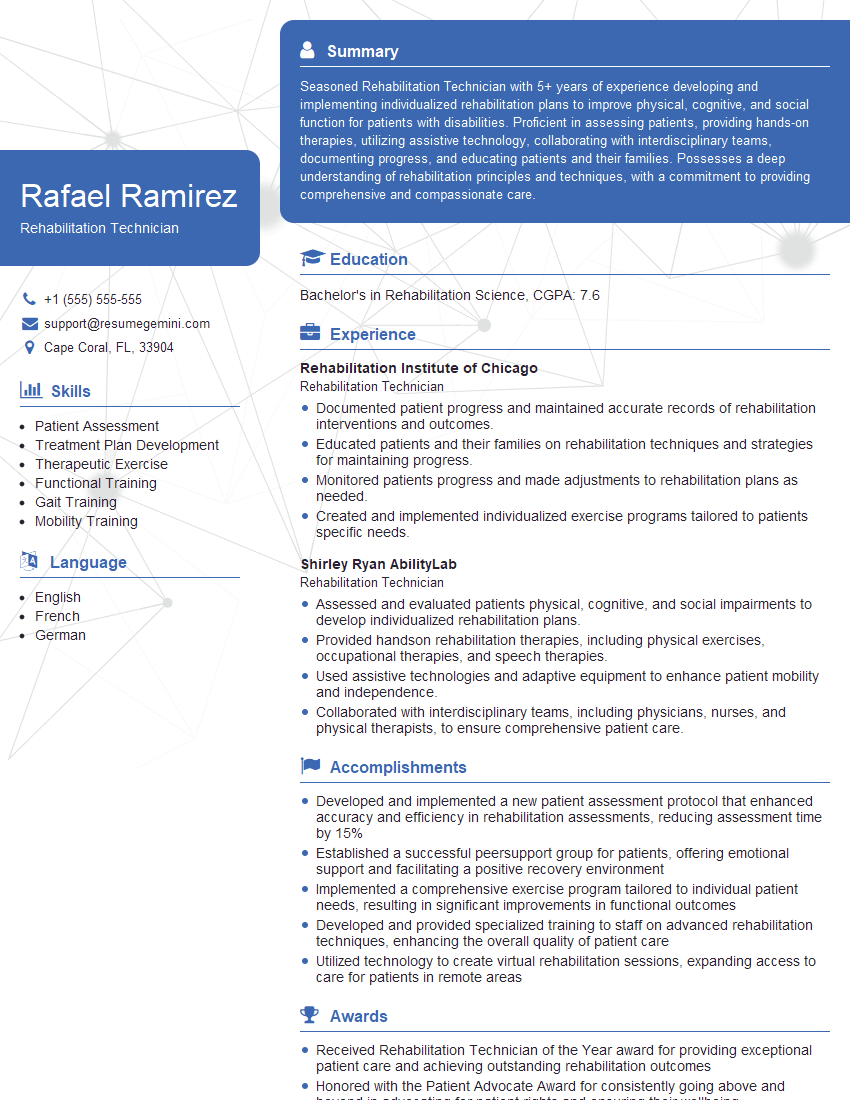
Rehabilitation Technician Resume Sample
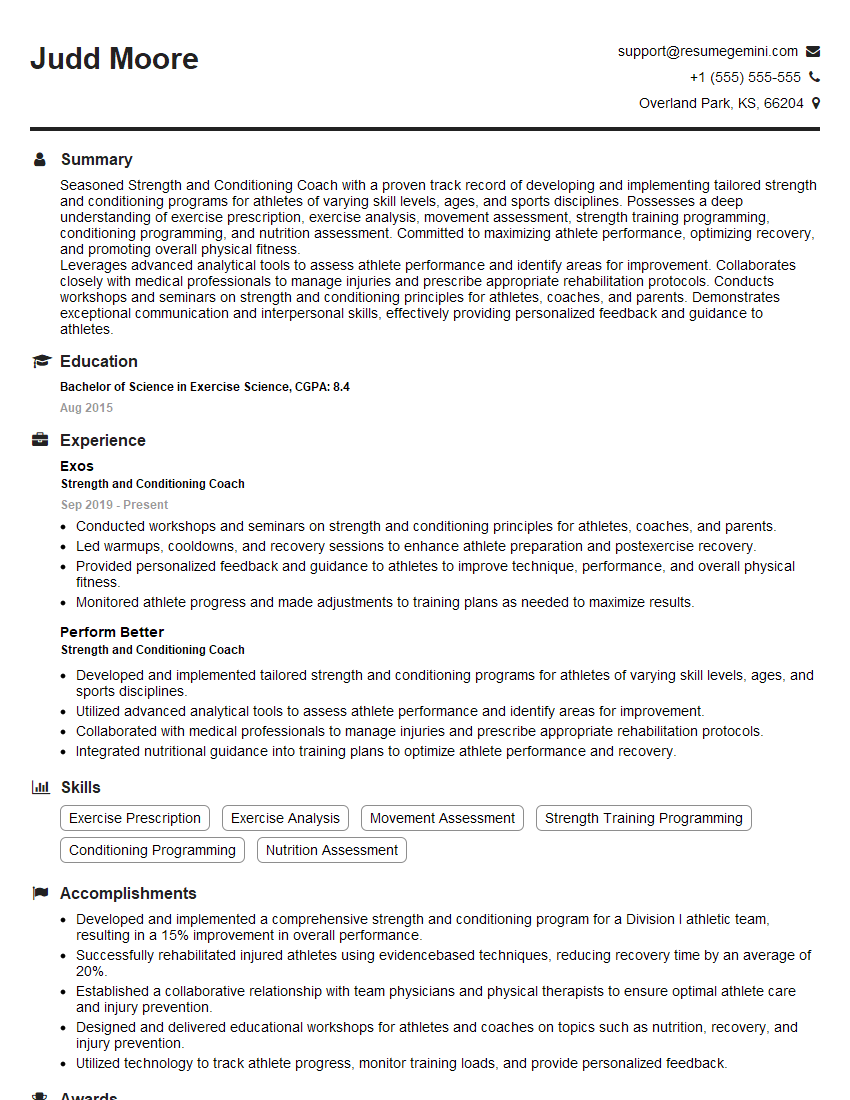
Strength and Conditioning Coach Resume Sample
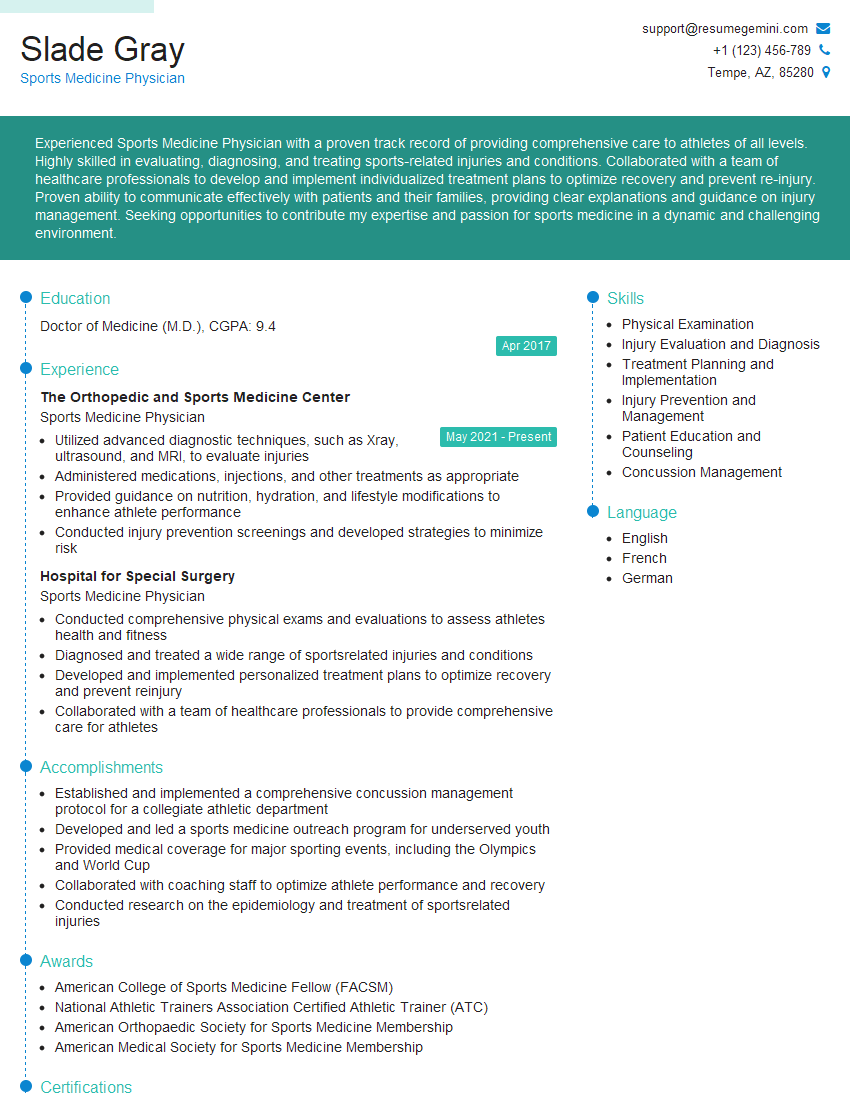
Sports Medicine Physician Resume Sample
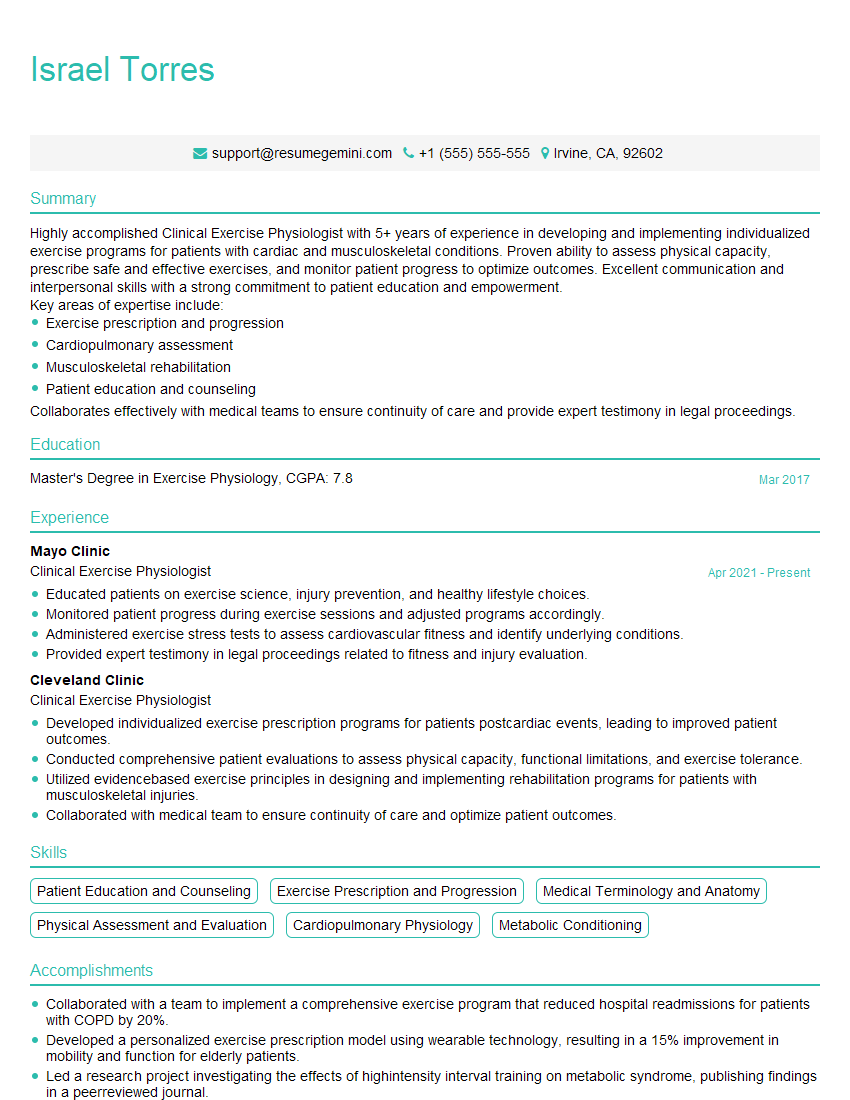
Clinical Exercise Physiologist Resume Sample
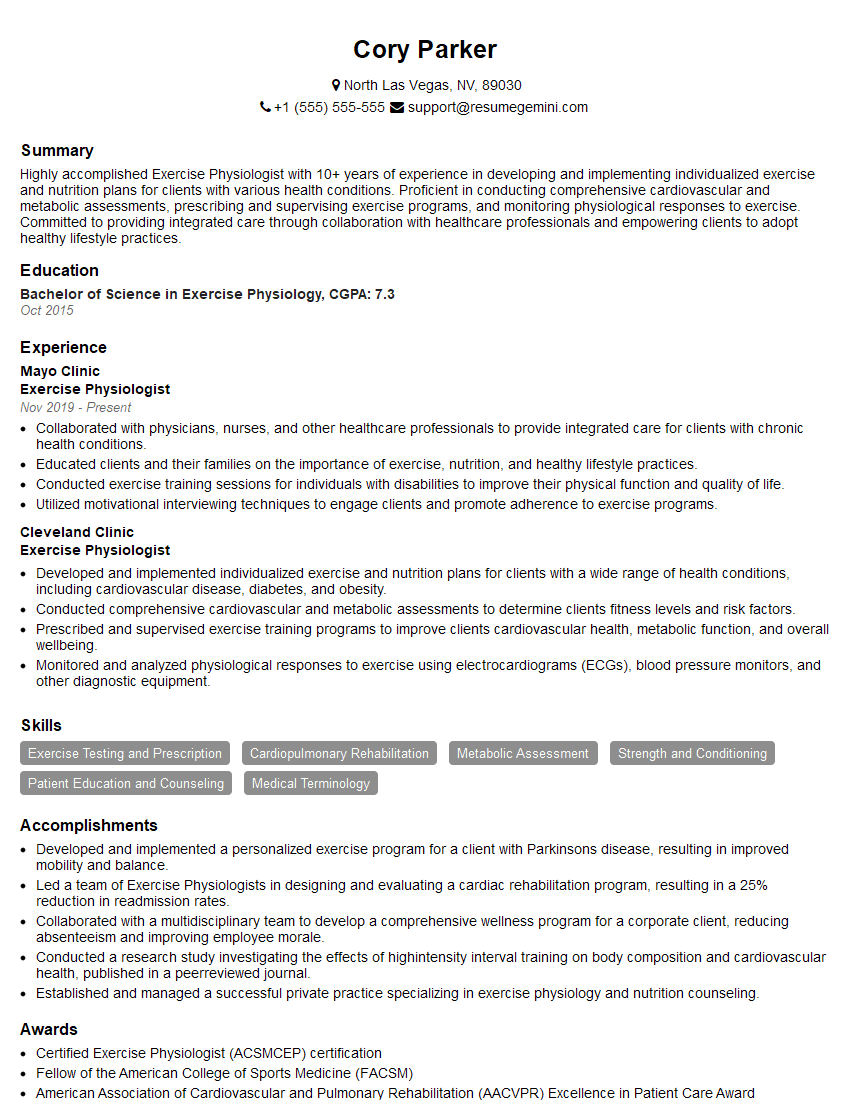
Exercise Physiologist Resume Sample
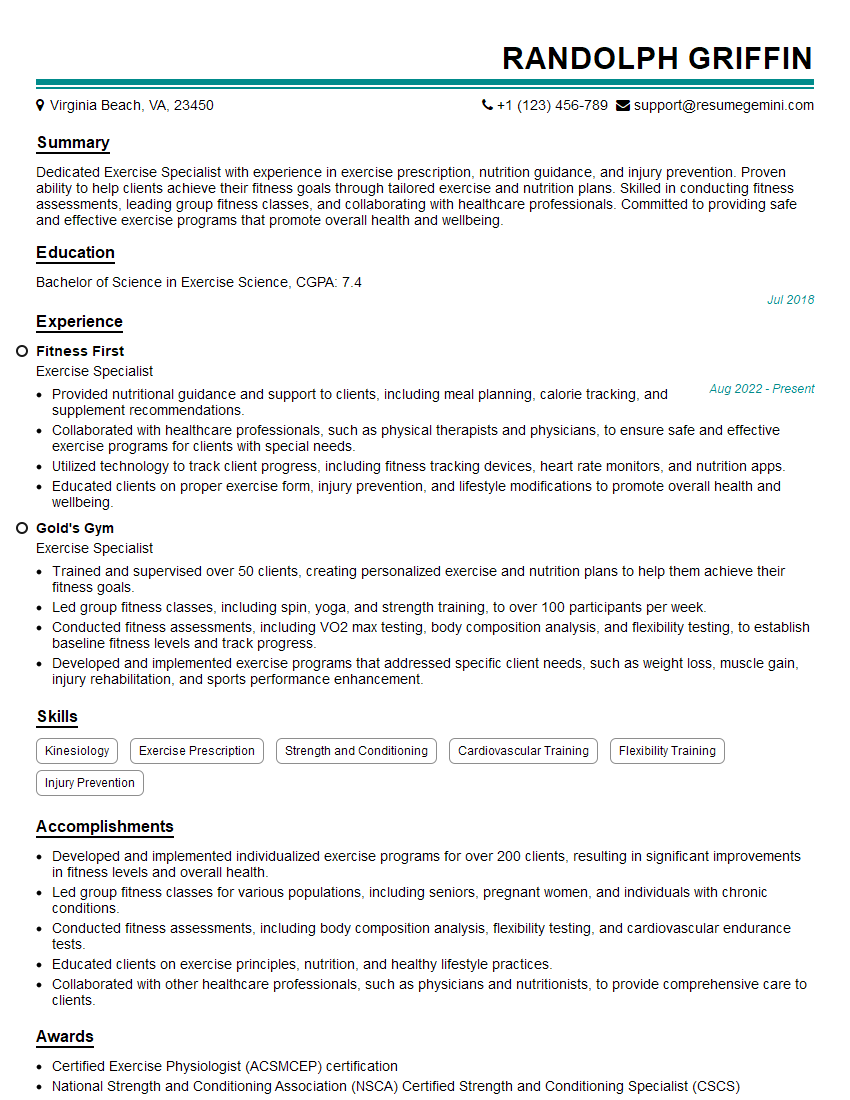
Exercise Specialist Resume Sample
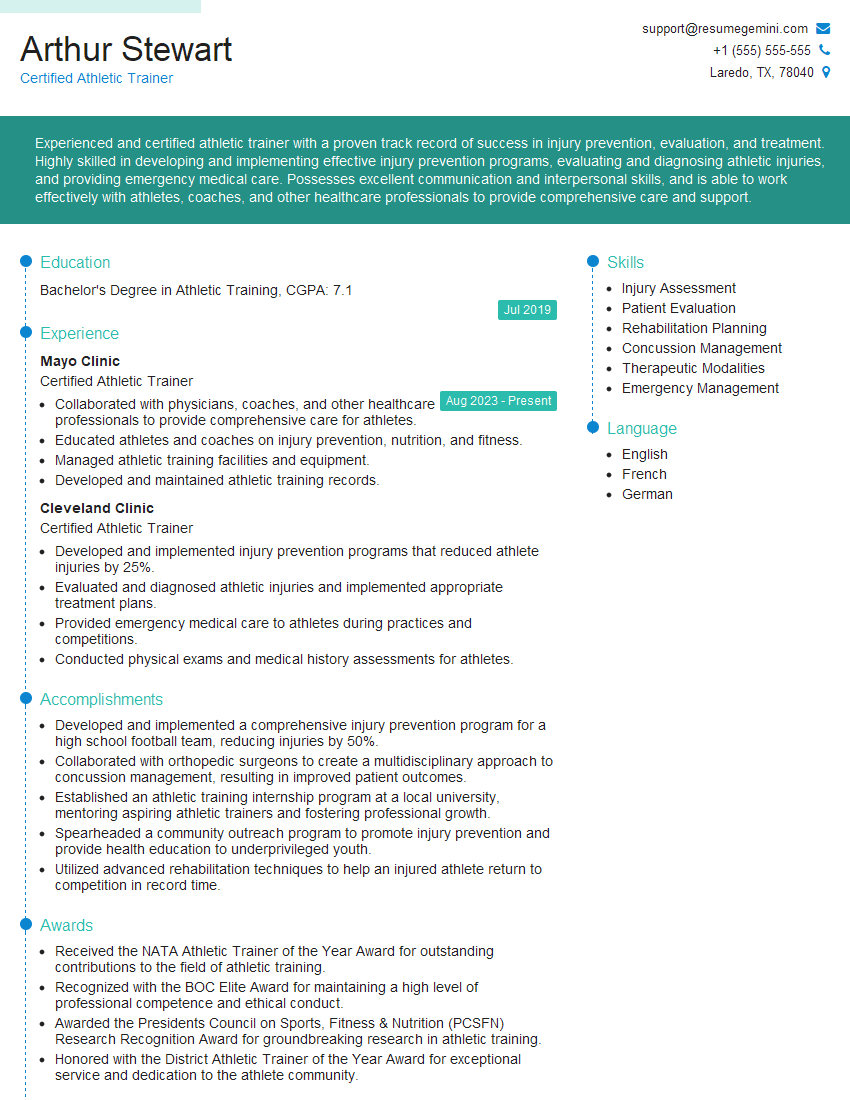
Certified Athletic Trainer Resume Sample
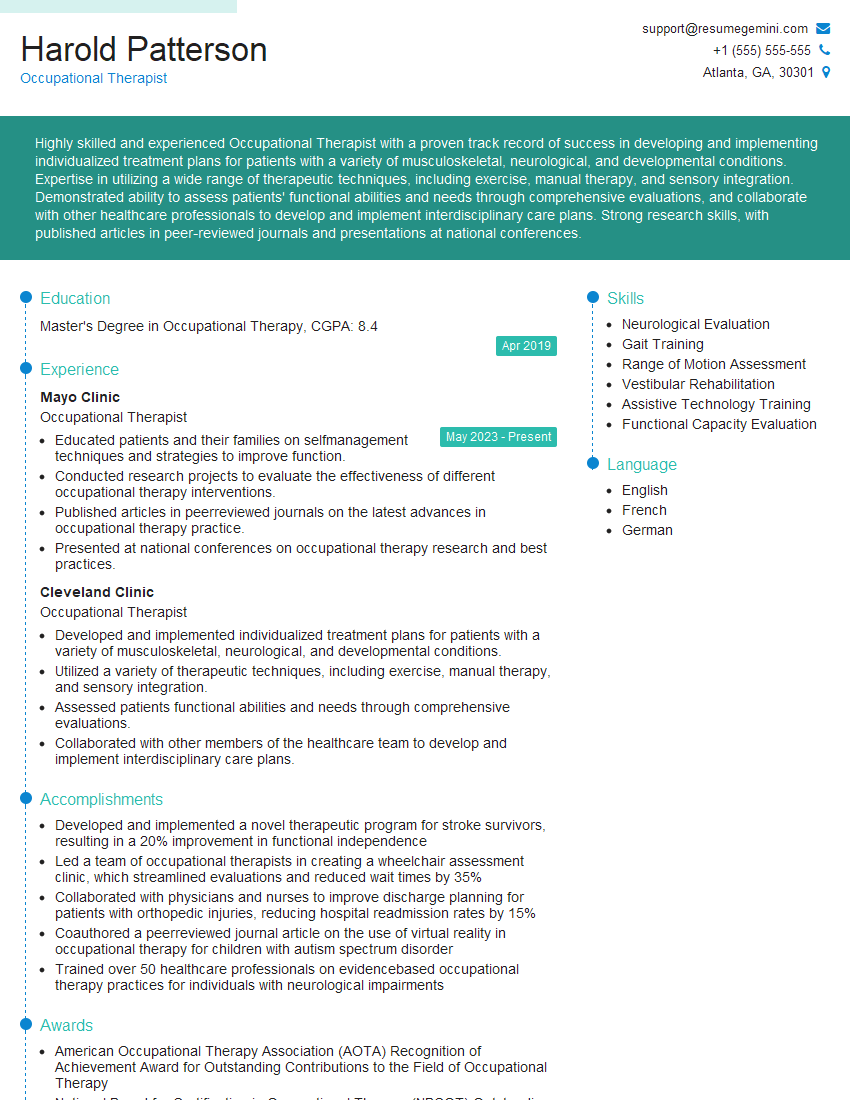
Occupational Therapist Resume Sample
Explore more articles
Users Rating of Our Blogs
Share Your Experience
We value your feedback! Please rate our content and share your thoughts (optional).
What Readers Say About Our Blog
To the interviewgemini.com Webmaster.
Very helpful and content specific questions to help prepare me for my interview!
Thank you
To the interviewgemini.com Webmaster.
This was kind of a unique content I found around the specialized skills. Very helpful questions and good detailed answers.
Very Helpful blog, thank you Interviewgemini team.