The right preparation can turn an interview into an opportunity to showcase your expertise. This guide to Pharmaceutical Manufacturing Environment Monitoring interview questions is your ultimate resource, providing key insights and tips to help you ace your responses and stand out as a top candidate.
Questions Asked in Pharmaceutical Manufacturing Environment Monitoring Interview
Q 1. Describe the different types of environmental monitoring performed in a pharmaceutical cleanroom.
Environmental monitoring in a pharmaceutical cleanroom is crucial for ensuring product quality and patient safety. It involves a multifaceted approach to detect and quantify various contaminants. The types of monitoring performed broadly fall into these categories:
- Microbial Monitoring: This focuses on detecting and quantifying airborne and surface microbial contamination (bacteria, fungi, yeasts). Methods include active and passive air sampling (using settle plates, air samplers), surface contact plates, and swabbing.
- Particulate Monitoring: This measures the number and size of airborne particles, which can act as carriers for microbes. Particle counters are used to assess cleanliness levels and ensure compliance with ISO classifications.
- Environmental Parameter Monitoring: This encompasses monitoring of temperature, humidity, pressure differentials, and airflow velocity. These parameters influence microbial growth and particle distribution. Deviations from pre-defined ranges indicate potential issues with cleanroom integrity.
- Gaseous Monitoring: This involves monitoring the presence of potentially harmful gases such as oxygen, carbon dioxide, and volatile organic compounds (VOCs). This is especially critical in specialized cleanrooms or those involving specific manufacturing processes.
Think of it like this: Imagine baking a cake. You wouldn’t want any unwanted ingredients or contaminants to spoil it! Cleanroom monitoring is like regularly checking your ingredients and equipment to ensure your ‘cake’ (drug product) is perfect.
Q 2. Explain the importance of microbial limit testing in pharmaceutical manufacturing.
Microbial limit testing is paramount in pharmaceutical manufacturing because it directly impacts product safety and efficacy. The presence of microorganisms above acceptable limits can lead to:
- Product Contamination: Microbes can degrade the active pharmaceutical ingredient (API) or introduce pyrogens (fever-causing substances) rendering the product ineffective or harmful.
- Spoilage: Microbial growth can alter the physical and chemical properties of the drug product, affecting its stability and shelf life.
- Patient Infections: Contamination can cause serious infections in patients, especially vulnerable populations. This carries significant legal and ethical implications.
Essentially, microbial limit testing acts as a gatekeeper, ensuring only sterile and safe products are released to the market. It is not merely a regulatory requirement but a fundamental aspect of Good Manufacturing Practices (GMP).
Q 3. What are the alert and action levels for microbial contamination in a Grade A cleanroom?
Alert and action levels for microbial contamination in a Grade A cleanroom (the strictest classification) are highly facility and product specific, and depend on regulatory guidance. However, a common approach uses a zero-tolerance policy for any viable microorganisms found.
Alert Level: This generally signifies a trend indicating a potential contamination issue. For example, consistently finding low levels of contamination or a slight increase over time in environmental monitoring could trigger an alert and require an investigation.
Action Level: This triggers an immediate response. Finding any viable microorganisms in Grade A areas often triggers an immediate investigation and corrective actions to identify and eliminate the contamination source.
It’s crucial to consult your internal SOPs and regulatory guidelines to define specific alert and action levels. These should be meticulously documented and regularly reviewed. The absence of any microbial growth is the ultimate goal in Grade A areas.
Q 4. How do you investigate an excursion (deviation) in environmental monitoring data?
Investigating an excursion (deviation) in environmental monitoring data is a systematic process that should follow a defined protocol. The steps typically involve:
- Immediate Containment: Isolate the affected area and prevent further contamination.
- Data Review and Confirmation: Verify the excursion with a review of all relevant data, including monitoring records, logbooks, and personnel records.
- Root Cause Analysis: Investigate potential sources of contamination, such as equipment malfunction, cleaning deficiencies, inadequate personnel training, or environmental factors.
- Corrective Actions: Implement measures to eliminate the root cause, such as equipment repair, retraining, improved cleaning procedures, and environmental modifications.
- Preventive Actions: Put measures in place to prevent recurrence, such as enhanced monitoring, improved SOPs, and operator training programs.
- Documentation: Meticulously document the entire investigation, including findings, corrective actions, and preventive measures.
Consider a scenario where a sudden increase in particle counts was detected. A thorough investigation might reveal a faulty HEPA filter requiring replacement or improper cleaning procedures were followed, leading to the generation of particles.
Q 5. What are the critical parameters for monitoring compressed gases used in pharmaceutical manufacturing?
Compressed gases used in pharmaceutical manufacturing require stringent monitoring to ensure product quality and safety. Critical parameters include:
- Purity: The gas must meet specified purity levels to avoid contamination of the drug product. This typically involves testing for various impurities, including water, oil, and other gases.
- Moisture Content: Excessive moisture can affect the stability and efficacy of the drug product, and even promote microbial growth.
- Particle Count: Monitoring the particle count in the gas stream ensures that particulate matter does not introduce contamination into the production process.
- Pressure and Flow Rate: Consistent pressure and flow rate are essential for process control and to prevent unexpected fluctuations that could affect the quality of the manufactured product.
- Temperature: Extreme temperatures can affect the properties of the gas, potentially impacting product quality and safety.
Think of it like providing the best, purest ingredients for your cake recipe. Impure gases, like impure ingredients, can have undesirable effects.
Q 6. Describe the process for validating an environmental monitoring program.
Validating an environmental monitoring program is a critical step to ensure it effectively monitors and controls contamination risks. The validation process generally involves:
- Establishing the Scope: Define the parameters to be monitored, the frequency of monitoring, the sampling methods, and the alert/action levels.
- Developing SOPs: Create standardized operating procedures (SOPs) for all aspects of the program, including sampling, testing, and data analysis.
- Qualification of Equipment: Ensure that all monitoring equipment is properly calibrated and qualified for its intended purpose.
- Performance Qualification: Demonstrate that the monitoring system is capable of accurately measuring the relevant parameters within the required ranges.
- Ongoing Monitoring and Review: Conduct regular monitoring of the environment and review the effectiveness of the program. This includes trending data, investigating excursions, and making adjustments as needed.
- Documentation: Maintain comprehensive documentation of all aspects of the validation process, including SOPs, test results, and review records.
Validation is not a one-time event but an ongoing process of continual improvement. Regular review and updates ensure the program remains fit for its purpose.
Q 7. What are the key differences between active and passive air sampling techniques?
Active and passive air sampling techniques are both used to monitor microbial contamination in cleanrooms, but they differ significantly in their methodology and application:
- Active Air Sampling: This method uses an air sampler that actively draws a known volume of air through a collection device, such as an agar plate or filter. This provides quantitative data on the number of microorganisms per cubic meter of air. It’s more sensitive than passive methods and is typically used in critical areas like Grade A cleanrooms.
- Passive Air Sampling: This involves exposing open petri dishes (settle plates) to the environment for a set period, allowing microorganisms to settle onto the agar surface. This method is less sensitive and provides qualitative data, indicating the presence or absence of microbial contamination rather than precise counts. It’s often used in less critical areas for general environmental monitoring.
Imagine using a vacuum cleaner (active) versus simply letting dust settle on a surface (passive). The vacuum cleaner collects more dust particles for a more accurate measure. Similarly, active air sampling provides a more precise assessment of microbial contamination.
Q 8. How do you interpret and report environmental monitoring data?
Interpreting environmental monitoring data involves a multi-step process that begins with data collection from various monitoring systems. This data, encompassing microbial counts, particulate matter levels, and other parameters, is then analyzed for trends and deviations from pre-established alert and action limits. We use statistical process control (SPC) charts, like Shewhart or CUSUM charts, to visualize these trends. Out-of-limit results trigger investigations. Reporting follows a standardized format, typically including a summary of results, any deviations, and the corresponding investigations and corrective actions. For example, a sudden increase in viable particle counts in a cleanroom might indicate a breach in aseptic technique, prompting a thorough review of personnel practices and equipment function. The report will detail the findings, the corrective actions taken (like retraining staff or replacing HEPA filters), and the verification that the corrective actions were effective.
A clear and concise report is crucial for transparency and regulatory compliance. It should be readily understandable to both technical and non-technical personnel. Key performance indicators (KPIs) are included in the report to offer a quick overview of the environmental status.
Q 9. Explain the role of environmental monitoring in maintaining GMP compliance.
Environmental monitoring plays a vital role in ensuring Good Manufacturing Practices (GMP) compliance within pharmaceutical manufacturing. GMP guidelines mandate that manufacturers maintain a controlled environment to prevent contamination of drug products. Environmental monitoring provides the data necessary to demonstrate this control. By regularly monitoring parameters like microbial bioburden, particulate matter, and temperature/humidity, manufacturers can verify that their cleanrooms and manufacturing processes consistently meet the required standards. Failure to maintain these standards can lead to product contamination, compromising product quality and patient safety, resulting in regulatory actions, recalls, and reputational damage.
For example, a consistent exceedance of particle counts in a Grade A cleanroom during aseptic processing could indicate a failure of the HEPA filtration system or a breach in aseptic technique. This data serves as evidence of a GMP deficiency and triggers an investigation to identify the root cause and implement corrective actions. Regular and documented monitoring is essential to prove continuous compliance to regulatory bodies.
Q 10. What are the common sources of microbial contamination in a pharmaceutical cleanroom?
Several sources contribute to microbial contamination in pharmaceutical cleanrooms. These sources can be broadly categorized as human-related, equipment-related, and environmental-related. Human sources are a significant contributor, including shedding of skin cells, hair, and respiratory droplets. Equipment sources include inadequately cleaned and sanitized equipment or the shedding of particles from equipment surfaces. Environmental sources such as air infiltration from the surrounding environment, water contamination, or even the materials used in construction and finishes of the cleanroom can all contribute.
- Personnel: The most common source; skin, hair, and respiratory flora.
- Equipment: Microbial biofilms on surfaces; poorly designed equipment.
- Air: Infiltration from the surrounding environment, HVAC system inadequacies.
- Water: Contamination in purified water systems; poorly designed plumbing.
- Materials: Contamination on raw materials and packaging.
Understanding these sources allows for the implementation of effective control strategies, such as rigorous personnel training in aseptic techniques, regular equipment sanitization, and implementation of robust HVAC systems with high-efficiency particulate air (HEPA) filters. Each source requires tailored preventative measures.
Q 11. Describe your experience with different types of microbial identification methods.
My experience encompasses various microbial identification methods, both traditional and modern. Traditional methods include culture-based techniques, using various agar plates to isolate and identify microorganisms based on their colony morphology and biochemical characteristics. This approach involves the use of selective and differential media to isolate specific types of microorganisms. For example, using Sabouraud dextrose agar for fungi or blood agar for bacteria.
Modern techniques, however, offer faster and more precise identification. These include:
- MALDI-TOF MS (Matrix-Assisted Laser Desorption/Ionization-Time of Flight Mass Spectrometry): This rapid method analyzes the protein profile of the microorganism for identification.
- 16S rRNA gene sequencing: This molecular technique targets a specific bacterial gene to determine the bacterial species.
- PCR (Polymerase Chain Reaction): This method amplifies specific DNA sequences for detection and identification of certain microorganisms.
The choice of method depends on factors such as the required turnaround time, the level of identification detail needed, and resource availability. Often, a combination of methods is utilized to enhance the accuracy of identification and ensure comprehensive results.
Q 12. How do you ensure the integrity and traceability of environmental monitoring data?
Ensuring the integrity and traceability of environmental monitoring data is paramount for GMP compliance. This is achieved through a robust system encompassing several key elements. Data integrity relies on validated systems with audit trails, where all changes and modifications are documented. This includes using electronic data capture systems that are validated and regularly audited. Traceability is achieved through unique identifiers assigned to samples, associated equipment, and personnel involved, throughout the entire sampling, testing, and reporting process. A comprehensive chain of custody is maintained, detailing the handling of samples from collection to analysis and archiving. This system allows for the full tracking of the data’s origin and all subsequent actions, preventing any ambiguity or discrepancies.
For example, a unique sample ID is assigned upon collection. This ID follows the sample through testing, and is associated with the results in the final report. This system ensures that the data’s origin and handling can be fully traced, enhancing the data’s credibility and reliability.
Q 13. What are your strategies for managing and resolving environmental monitoring discrepancies?
Environmental monitoring discrepancies, such as unexpected high microbial counts or particulate matter levels, require a systematic approach to investigation and resolution. The first step is to identify the discrepancy and verify its validity. This involves reviewing the data, confirming the accuracy of the sampling and testing procedures, and ensuring that there were no procedural errors. Once confirmed, a thorough investigation is launched to identify the root cause. This might involve reviewing environmental conditions, equipment functionality, personnel practices, and the cleaning and sanitization procedures.
Investigative tools include reviewing SOPs, environmental logs, personnel training records and conducting interviews with staff involved. Corrective actions are then implemented to address the root cause, which might include retraining staff, equipment repairs or replacement, or modifications to cleaning and sanitization procedures. The effectiveness of the corrective actions is then verified through repeat monitoring. The entire process, from discrepancy identification to corrective action verification, is meticulously documented and reviewed by designated personnel to prevent recurrences.
For instance, if an unexpectedly high microbial count is detected, we might investigate whether a specific piece of equipment was inadequately cleaned, or if a staff member inadvertently breached aseptic technique. Once the root cause is found, steps are taken to rectify the problem and prevent it in the future.
Q 14. What is the importance of regular equipment calibration and maintenance in environmental monitoring?
Regular calibration and maintenance of environmental monitoring equipment are essential for ensuring the accuracy and reliability of the collected data. This is critical for demonstrating GMP compliance. Uncalibrated or poorly maintained equipment can lead to inaccurate readings, potentially masking genuine contamination issues or falsely flagging clean areas as contaminated. This could lead to unnecessary investigations or, conversely, overlook potential contamination risks, compromising product quality and patient safety.
Calibration ensures that the equipment is functioning within its specified accuracy range, while maintenance prevents equipment malfunctions or breakdowns. A comprehensive calibration and maintenance program, with documented procedures and schedules, is crucial. This program should specify the frequency of calibration and maintenance, the acceptable tolerances, and the responsible personnel. The results of these activities are meticulously recorded, and any deviations are investigated and resolved. Think of it like regular checkups for your car – essential for reliable performance and preventing major problems down the road.
Q 15. Explain the difference between aseptic and non-aseptic environmental monitoring.
Aseptic and non-aseptic environmental monitoring differ fundamentally in their purpose and the level of sterility required. Aseptic monitoring focuses on environments where sterility is paramount, such as cleanrooms used for the production of sterile pharmaceuticals. It aims to detect the presence of any viable microorganisms, however low their levels may be, as even a single contaminant could compromise the product’s sterility. This involves frequent monitoring with highly sensitive techniques. Non-aseptic monitoring, on the other hand, is used in environments where complete sterility isn’t critical, such as the production of non-sterile pharmaceuticals. The focus is on controlling microbial levels to maintain product quality and prevent spoilage or contamination. This monitoring may be less frequent and use less sensitive methods, focusing more on identifying potential trends of increasing microbial load that might indicate a problem.
Think of it this way: aseptic monitoring is like having a highly sensitive smoke detector in a hospital operating room; even a tiny spark needs immediate attention. Non-aseptic monitoring is more like a general fire alarm in a warehouse; it alerts you to a problem, but the response might not be as immediate or stringent.
Career Expert Tips:
- Ace those interviews! Prepare effectively by reviewing the Top 50 Most Common Interview Questions on ResumeGemini.
- Navigate your job search with confidence! Explore a wide range of Career Tips on ResumeGemini. Learn about common challenges and recommendations to overcome them.
- Craft the perfect resume! Master the Art of Resume Writing with ResumeGemini’s guide. Showcase your unique qualifications and achievements effectively.
- Don’t miss out on holiday savings! Build your dream resume with ResumeGemini’s ATS optimized templates.
Q 16. How do you handle and investigate positive environmental monitoring results?
Handling positive environmental monitoring results requires a structured investigation to identify the root cause and implement corrective actions. My approach follows a well-defined protocol:
- Immediate Containment: Isolate the affected area to prevent further contamination. This might include stopping production in that area.
- Thorough Investigation: Analyze the data to pinpoint the location and type of contamination. Consider the environmental conditions, personnel practices, equipment, and materials involved. Is it consistently in one location, or does it indicate a larger issue?
- Root Cause Analysis: Using tools like 5 Whys or Fishbone diagrams, determine the underlying cause of the positive result. For example, a recurring positive result on a specific piece of equipment might indicate a cleaning or sanitization procedure needs improvement.
- Corrective and Preventive Actions (CAPA): Implement solutions to address the root cause. This may involve retraining staff, improving cleaning procedures, replacing equipment, or modifying the production process. These actions must be documented.
- Verification: Re-monitor the area after implementing CAPAs to verify their effectiveness.
- Documentation: Every step of the investigation, including the findings and actions taken, must be meticulously documented and reviewed for continuous improvement.
For example, if we found consistently high levels of a specific bacteria on a particular filling machine, we would investigate its cleaning process, potentially looking at contact time with the cleaning agent, temperature, or even the efficiency of the agent itself. We might also review operator training to ensure proper cleaning techniques are being followed.
Q 17. Describe your experience with environmental monitoring software and data systems.
I have extensive experience with various environmental monitoring software and data systems. I’m proficient in using systems that allow for data capture from different monitoring devices, such as rapid microbial methods, particle counters, and viable air samplers. I have worked with systems capable of data analysis and trend identification, allowing for proactive identification of potential problems before they lead to significant issues. These systems often include features like data visualization, reporting, and audit trails, crucial for regulatory compliance.
Specifically, I am familiar with [Software Name 1] and [Software Name 2]. I’m comfortable with data import, export, validation, and the generation of reports that meet regulatory requirements. My experience also includes the implementation and validation of new monitoring systems, ensuring seamless integration with existing infrastructure.
Q 18. What are the key regulatory requirements for environmental monitoring in pharmaceutical manufacturing?
Key regulatory requirements for environmental monitoring in pharmaceutical manufacturing vary slightly depending on the specific regulatory agency (e.g., FDA in the US, EMA in Europe) and the type of product. However, some common requirements include:
- Compliance with Good Manufacturing Practices (GMP): This overarching principle emphasizes maintaining a clean and controlled environment to ensure product quality and safety. Environmental monitoring is a critical aspect of GMP compliance.
- Defined Monitoring Programs: Companies must establish a comprehensive environmental monitoring program, specifying the parameters to be monitored (microbial counts, particulate matter, etc.), the frequency of monitoring, and the acceptable limits (action and alert levels).
- Sampling Methods and Techniques: These must be validated to ensure accurate and reliable results. The choice of sampling methods depends on the specific environment and the parameters being monitored.
- Alert and Action Levels: Clear thresholds must be established to trigger investigations and corrective actions when exceeded. These levels are based on risk assessment and should be regularly reviewed.
- Documentation and Record Keeping: All environmental monitoring data, investigations, and corrective actions must be meticulously documented and retained for regulatory inspections. This includes any deviations or out-of-specification results.
- Data Integrity: Ensuring the accuracy, completeness, consistency, and trustworthiness of the data is paramount. This includes validation of the monitoring systems and adherence to data handling procedures.
Failure to comply with these regulations can result in significant consequences, including regulatory actions, product recalls, and reputational damage.
Q 19. How do you ensure the effectiveness of cleaning and disinfection procedures?
Ensuring the effectiveness of cleaning and disinfection procedures involves a multi-faceted approach:
- Validation of Cleaning and Disinfection Procedures: This involves demonstrating that the chosen methods consistently reduce bioburden to acceptable levels. This often includes microbiological testing before and after cleaning to confirm effectiveness.
- Regular Monitoring: Environmental monitoring provides crucial data to evaluate the success of cleaning and disinfection. Consistent positive results in a specific area might highlight an inadequacy in the procedure.
- Personnel Training: Thoroughly trained personnel are essential to ensure that cleaning and disinfection procedures are followed correctly. Regular retraining and competency assessments are necessary.
- Use of Validated Cleaning Agents and Methods: Selection of appropriate cleaning agents and methods based on the type of contamination and the material being cleaned is important. Regular evaluation of cleaning agents is essential to maintain their effectiveness.
- Equipment Maintenance: Properly maintained equipment is crucial for effective cleaning. Equipment such as cleaning machines and sterilizers should be routinely inspected and calibrated.
- Environmental Control: Maintaining appropriate environmental conditions, such as temperature and humidity, can significantly influence the effectiveness of cleaning and disinfection.
For example, ATP bioluminescence testing can provide rapid feedback on the effectiveness of cleaning, allowing for immediate corrective action if needed. If the cleaning method consistently fails to reduce ATP levels to acceptable levels, then the method or agents need to be investigated and changed.
Q 20. What are the risks associated with inadequate environmental monitoring?
Inadequate environmental monitoring poses several significant risks:
- Product Contamination: Failure to detect microbial contamination can lead to the production of contaminated products, potentially causing harm to patients and resulting in product recalls.
- Regulatory Non-Compliance: Inadequate monitoring programs and data integrity issues can lead to regulatory scrutiny, warning letters, or even facility closure.
- Reputational Damage: Product contamination incidents and regulatory issues severely damage a company’s reputation, impacting customer trust and market share.
- Financial Losses: Product recalls, regulatory fines, and the costs associated with investigations and remediation efforts can lead to significant financial losses.
- Patient Safety Risks: The most critical risk is the potential for patients to be exposed to contaminated products, leading to adverse health effects.
Imagine a scenario where insufficient monitoring misses a contamination event. This could lead to widespread illness, resulting in costly recalls, lawsuits, and severe damage to the company’s reputation. The consequences far outweigh the investment in a robust environmental monitoring program.
Q 21. Describe your experience with different types of surface sampling techniques.
I have experience with various surface sampling techniques, including:
- Contact plates: These are simple, cost-effective methods involving pressing a sterile agar plate onto the surface to collect microorganisms. They are easy to use but may not be suitable for all surface types.
- Swabs: Using sterile swabs moistened with a suitable diluent to collect samples from surfaces. This is versatile and suitable for various surface types and shapes, but the technique requires careful execution and can introduce variability.
- Rodac plates: Replicate organism detection and counting plates – similar to contact plates but with a raised surface, providing a more consistent sampling area.
- Sponge sampling: Using a sterile sponge to wipe a defined area of a surface to collect microorganisms, often used for larger areas. This method requires careful control of the sponge’s moisture content.
The choice of technique depends on factors like surface type, area, and the desired sensitivity. For instance, contact plates might be suitable for smooth, flat surfaces, while swabs are better for textured or irregular surfaces. Sponge sampling is commonly used for larger areas such as floors, and proper validation is critical for all methods to ensure the results are reliable and representative.
Q 22. How do you assess the effectiveness of a cleanroom’s design in minimizing contamination?
Assessing a cleanroom’s design effectiveness in minimizing contamination involves a multi-faceted approach that goes beyond simply meeting regulatory requirements. It’s about understanding the principles of airflow, material selection, and human factors to create an environment that inherently discourages contamination.
Airflow Analysis: We analyze the cleanroom’s airflow patterns using computational fluid dynamics (CFD) modeling or physical measurements with particle counters and anemometers. This helps identify any dead zones or recirculation areas where contaminants could accumulate. For instance, a poorly designed unidirectional airflow system might create turbulent air pockets, hindering effective contaminant removal.
Material Selection: The choice of construction materials is crucial. Non-shedding materials are essential to minimize particle generation. For example, we’d prefer stainless steel over materials that easily crack or chip, and we would specify appropriate flooring materials that resist particle accumulation and are easy to clean.
Personnel Traffic & Access Control: The design should minimize personnel traffic and incorporate effective airlocks and gowning rooms to minimize the introduction of contaminants from outside. We might assess the efficiency of gowning procedures and look at the frequency of air changes per hour in the various rooms.
Cleaning & Decontamination Procedures: Finally, the design should facilitate easy cleaning and decontamination. Accessible surfaces, sloped floors, and appropriately sized equipment placement are key considerations. For example, the layout should allow efficient cleaning without obstacles.
By thoroughly evaluating these aspects, we can identify potential weaknesses in the cleanroom’s design and recommend improvements before contamination becomes a significant issue. This proactive approach is far more cost-effective than dealing with contamination problems after a product has been affected.
Q 23. Explain the concept of a microbial growth promotion test.
A microbial growth promotion test assesses the ability of a sample (e.g., a pharmaceutical product, packaging material, or even environmental swab) to support the growth of microorganisms. It’s a crucial test because some products or materials might inadvertently contain substances that inhibit or encourage microbial growth. This test helps determine if the product or material is suitable for its intended use and doesn’t pose a risk of microbial contamination.
The test typically involves inoculating a sample with a known strain of microorganisms (often Staphylococcus aureus or Pseudomonas aeruginosa) and observing the growth after an incubation period. A significant increase in microbial growth compared to a control sample would suggest that the sample promotes growth and might be a potential source of contamination. For example, a packaging material that promoted bacterial growth would need to be immediately changed as this is a significant risk to the sterility of a product.
The results are crucial for: identifying potential problems with a product’s sterility; assessing the suitability of materials used in manufacturing; and determining the effectiveness of preservation and sterilization methods.
Q 24. How do you handle environmental monitoring deviations related to particulate matter?
Handling environmental monitoring deviations related to particulate matter requires a systematic approach that focuses on investigation, corrective actions, and preventative measures. This isn’t simply about cleaning—it’s about understanding the *root cause* of the elevated particle counts.
Immediate Action: Upon detecting a deviation, we first initiate a thorough investigation. This includes reviewing the environmental monitoring data, checking associated batch records, and identifying any potential sources of contamination (e.g., equipment malfunction, personnel activity, maintenance activities).
Investigation & Root Cause Analysis: We use tools like root cause analysis (RCA), including the 5 Whys, to pinpoint the reason for the deviation. For example, if particle counts are high in a specific area, we might investigate if a piece of equipment is faulty or requires repair, or if a cleaning procedure was not followed correctly. We would also check if personnel were following the correct gowning procedures.
Corrective Actions: Once the root cause is identified, we implement immediate corrective actions, such as cleaning and sanitizing the affected area, repairing or replacing faulty equipment, or revising and improving standard operating procedures (SOPs). This is immediately documented and signed off by the relevant personnel.
Preventive Actions: To prevent recurrence, we put in place preventive measures. This could involve modifications to the equipment or processes, enhanced training for personnel, or the introduction of improved cleaning and sanitization protocols. Documentation of all changes and verification of these changes is crucial.
Documentation & Reporting: All actions taken—from the initial deviation to the corrective and preventive actions—are carefully documented in a deviation report. This report is reviewed by management and forms a basis for continuous improvement.
This approach ensures that the deviation is not only addressed but also prevents future occurrences, minimizing the risk of product contamination.
Q 25. What is your approach to continuous improvement of an environmental monitoring program?
Continuous improvement of an environmental monitoring program is an ongoing process, not a one-time event. It’s about constantly striving to enhance the program’s effectiveness and efficiency. My approach centers around several key elements:
Regular Review & Analysis: We regularly review historical environmental monitoring data, identifying trends and patterns. This helps to proactively address potential issues before they escalate into significant deviations. For example, a gradual increase in viable count in one cleanroom over several months may indicate a slow degrading of the cleaning and disinfection process.
Technology Integration: Leveraging modern technologies, such as real-time monitoring systems and data analytics, can greatly enhance the efficiency and insights gleaned from the environmental monitoring program. Real-time systems can provide immediate alerts for deviations, enabling swift response.
Benchmarking: We compare our program’s performance against industry best practices and other facilities, identifying areas for improvement. This helps to set aspirational goals and track progress.
Training & Competency: Regular training and competency assessment for personnel involved in environmental monitoring are crucial for maintaining consistency and adherence to SOPs. We use mock audits and regular retraining to ensure that staff are up-to-date and proficient.
Process Optimization: We constantly look for ways to optimize environmental monitoring processes, such as improving sampling techniques or streamlining data analysis workflows. This can improve efficiency and reduce operational costs.
By integrating these elements, the environmental monitoring program is not static; it evolves and adapts to improve environmental control and maintain product quality.
Q 26. Describe your experience with conducting environmental monitoring audits.
My experience with environmental monitoring audits is extensive. I’ve conducted numerous audits, both internal and external, across various pharmaceutical manufacturing facilities. My approach involves a combination of structured review and practical assessment:
Pre-audit Planning: I begin with thorough planning, including reviewing relevant documentation (SOPs, validation reports, historical monitoring data). This allows for focused auditing and efficient use of time.
On-site Assessment: During the on-site audit, I conduct visual inspections, review sampling methods, observe personnel techniques, and verify data integrity. This involves direct observation of practices, discussions with personnel to understand their roles and challenges, and a review of any deviations or investigations.
Data Analysis: I meticulously analyze the collected data, looking for trends, deviations, and gaps in the program. This may involve statistical process control (SPC) charts, and trending analysis of the data to identify patterns and anomalies.
Report & Recommendations: Following the audit, I prepare a comprehensive report detailing findings, observations, and recommendations for improvement. These recommendations are specific, actionable, and prioritized to address the most critical issues first.
Follow-up: A crucial aspect of the audit process is the follow-up. I verify that corrective and preventive actions are implemented effectively and that the environmental monitoring program continuously improves.
Through this rigorous approach, audits provide a valuable tool to identify areas needing attention and to enhance the effectiveness of environmental monitoring in maintaining a controlled manufacturing environment. For example, I have identified issues with insufficient sampling points, improper cleaning procedures, or inadequate staff training based on evidence found during these audits.
Q 27. What are the key metrics used to evaluate the effectiveness of an environmental monitoring program?
Key metrics used to evaluate the effectiveness of an environmental monitoring program are essential for assessing its performance and making data-driven improvements. These metrics offer insights into the program’s ability to maintain a clean and controlled environment, essential for protecting product quality and patient safety. These include:
Alert and Deviation Rates: The frequency of alerts (e.g., exceeding pre-defined limits) and the number of deviations are crucial indicators of the program’s effectiveness. A high rate may signal a need for process optimization or improved training.
Viable Microbial Counts: The number of viable microorganisms detected in environmental samples (air, surfaces, personnel) is a critical indicator of microbiological contamination control. Trends in these counts indicate whether the process controls are effectively preventing microbial growth.
Particulate Matter Counts: This measures the number of particles (of different sizes) present in the air. High particulate matter counts, particularly in critical areas, point towards potential issues with equipment or processes. Trends here are very important.
Timeliness of Investigations: How quickly deviations are identified and investigated is essential. A timely response can minimize the impact of contamination.
Effectiveness of Corrective and Preventive Actions: Whether corrective actions effectively resolve deviations and whether preventive actions prevent recurrence is a critical assessment. This involves evaluating the impact of changes and identifying areas for further improvement.
Compliance with Regulatory Requirements: The program’s adherence to regulatory guidelines is paramount. Metrics should track compliance with relevant standards.
By tracking these metrics over time, we can gain a clear picture of the program’s effectiveness and identify areas where improvements are needed. This data-driven approach ensures the environmental monitoring program is continually optimized for optimal performance.
Key Topics to Learn for Pharmaceutical Manufacturing Environment Monitoring Interview
- Cleanroom Classification and Standards: Understand ISO classifications, microbial limits, and particulate matter control. Practical application: Interpreting environmental monitoring data to ensure compliance with regulatory standards.
- Environmental Monitoring Techniques: Master the principles and applications of viable and non-viable sampling methods (e.g., air sampling, surface sampling, water sampling). Practical application: Troubleshooting sampling procedures and interpreting results to identify contamination sources.
- Data Analysis and Interpretation: Learn to analyze environmental monitoring data, identify trends, and interpret statistical significance. Practical application: Creating reports, presenting findings, and recommending corrective actions based on data analysis.
- Alert and Action Levels: Understand the establishment and application of alert and action levels for environmental monitoring parameters. Practical application: Determining appropriate responses to deviations from established limits.
- Regulatory Compliance (e.g., GMP, FDA guidelines): Familiarize yourself with relevant regulations and guidelines impacting environmental monitoring in pharmaceutical manufacturing. Practical application: Ensuring compliance with regulatory requirements through effective environmental monitoring programs.
- Aseptic Processing and Contamination Control: Understand the principles of aseptic processing and the critical role of environmental monitoring in maintaining sterility. Practical application: Evaluating the effectiveness of contamination control strategies within aseptic processing environments.
- Investigating Deviations and Out-of-Specification Results: Develop problem-solving skills to investigate deviations and out-of-specification results in environmental monitoring data. Practical application: Conducting root cause analyses and implementing corrective and preventive actions.
- Equipment Qualification and Calibration: Understand the importance of equipment qualification and calibration in ensuring the accuracy and reliability of environmental monitoring data. Practical application: Ensuring proper maintenance and calibration schedules for all monitoring equipment.
Next Steps
Mastering Pharmaceutical Manufacturing Environment Monitoring is crucial for career advancement in this highly regulated industry. It demonstrates a deep understanding of quality control, compliance, and critical manufacturing processes. To significantly improve your job prospects, focus on creating an ATS-friendly resume that effectively showcases your skills and experience. ResumeGemini is a trusted resource for building professional resumes, and we offer examples of resumes tailored to Pharmaceutical Manufacturing Environment Monitoring to help you get started. Investing time in crafting a compelling resume will significantly increase your chances of securing your dream role.

Quality Assurance Manager Resume Sample

Quality Control Manager Resume Sample

Compliance Officer Resume Sample
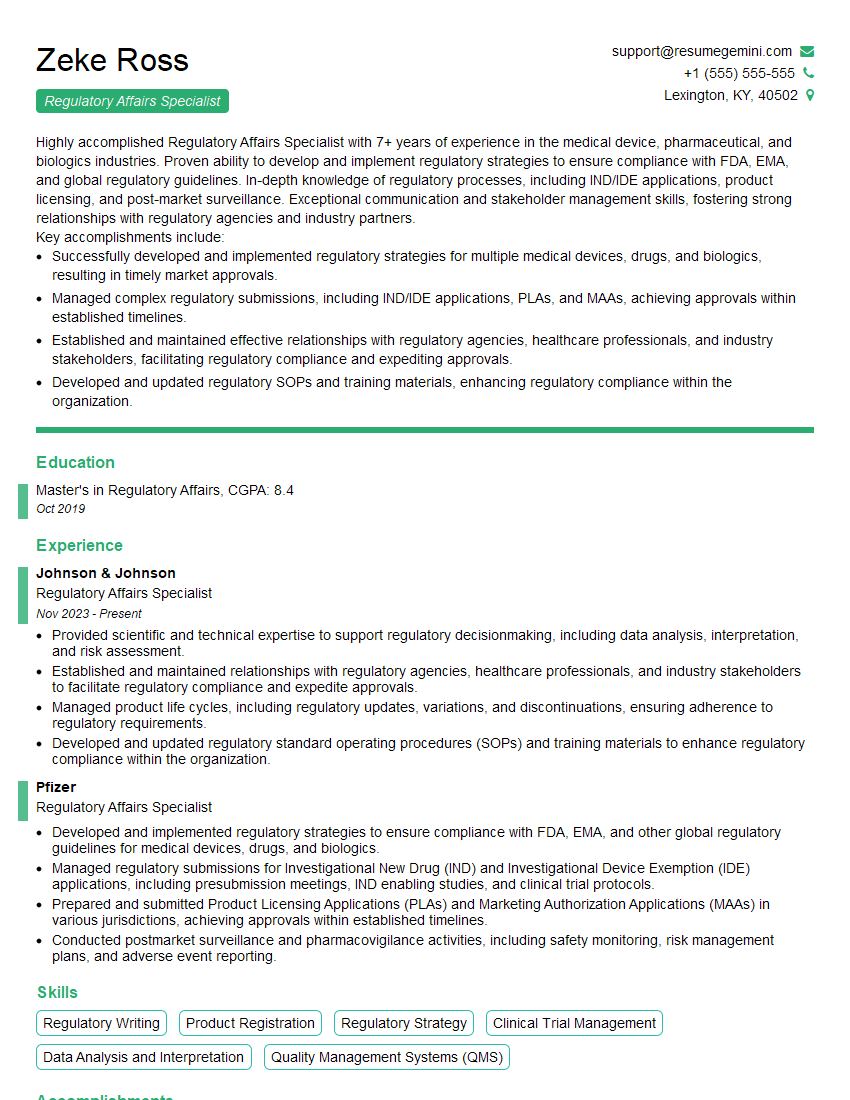
Regulatory Affairs Specialist Resume Sample
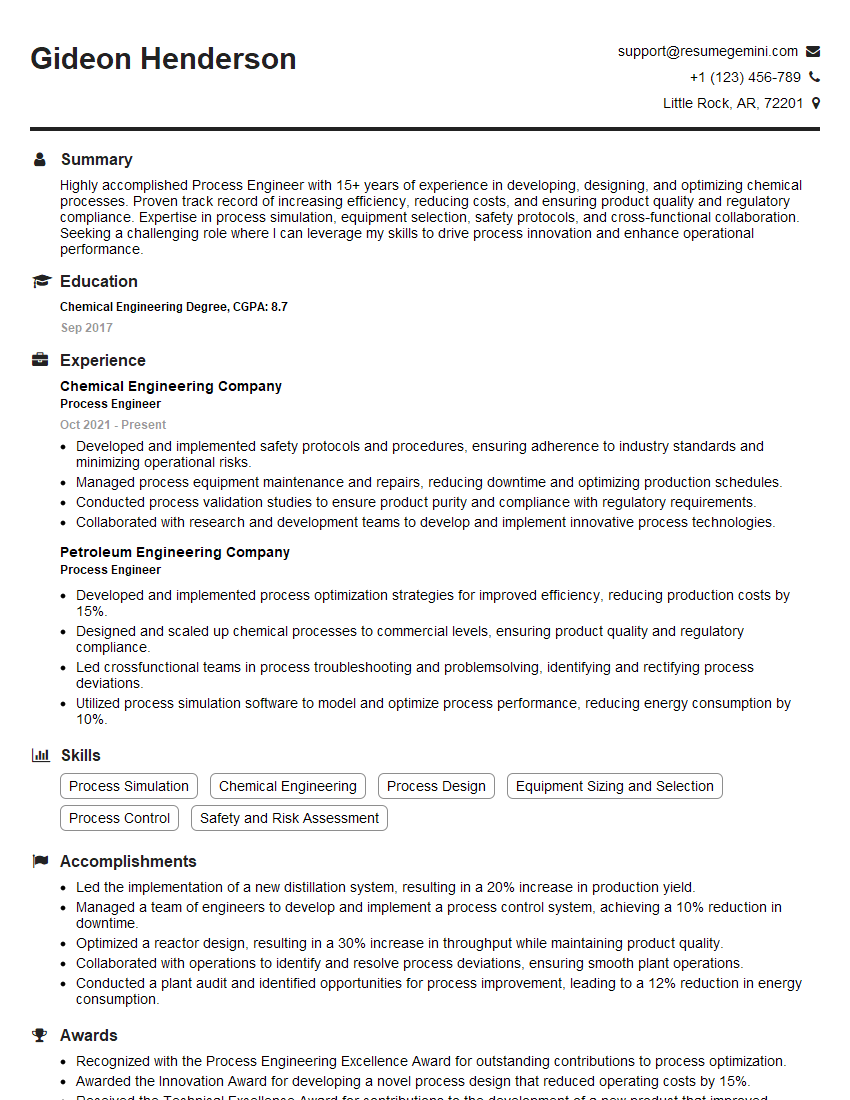
Process Engineer Resume Sample

Quality Control Specialist Resume Sample
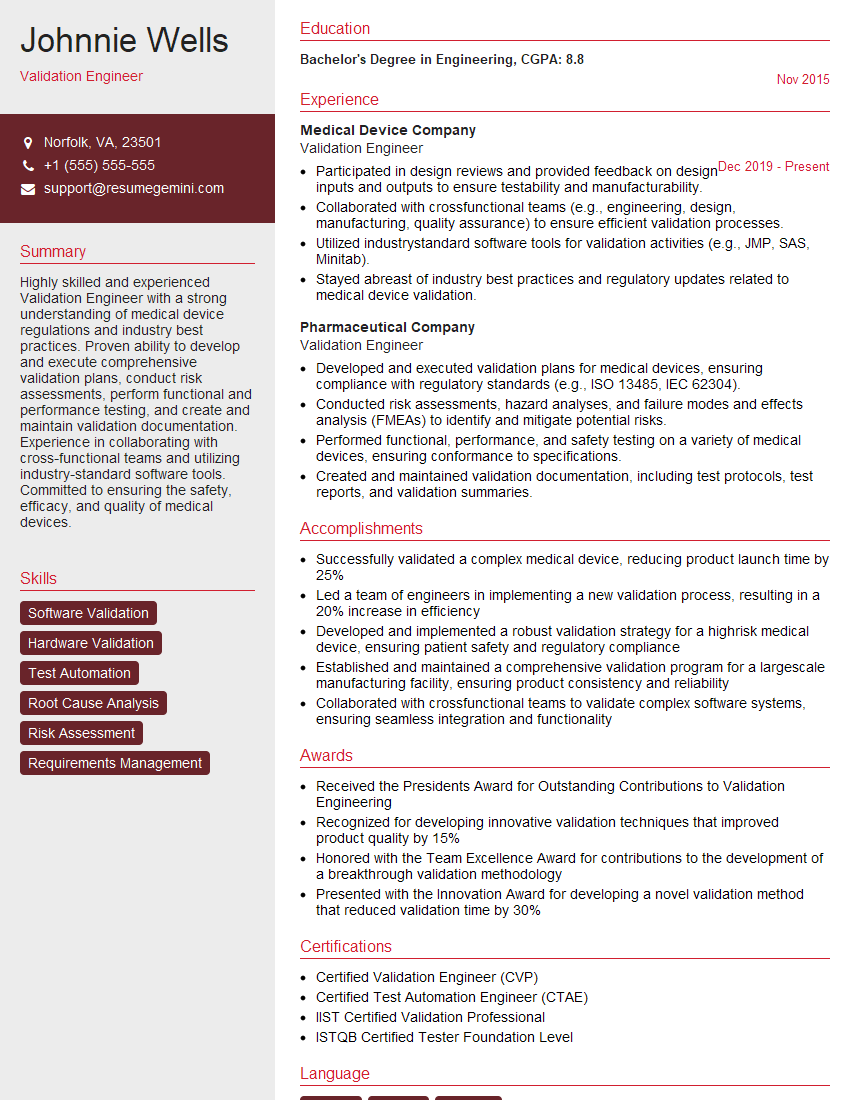
Validation Engineer Resume Sample
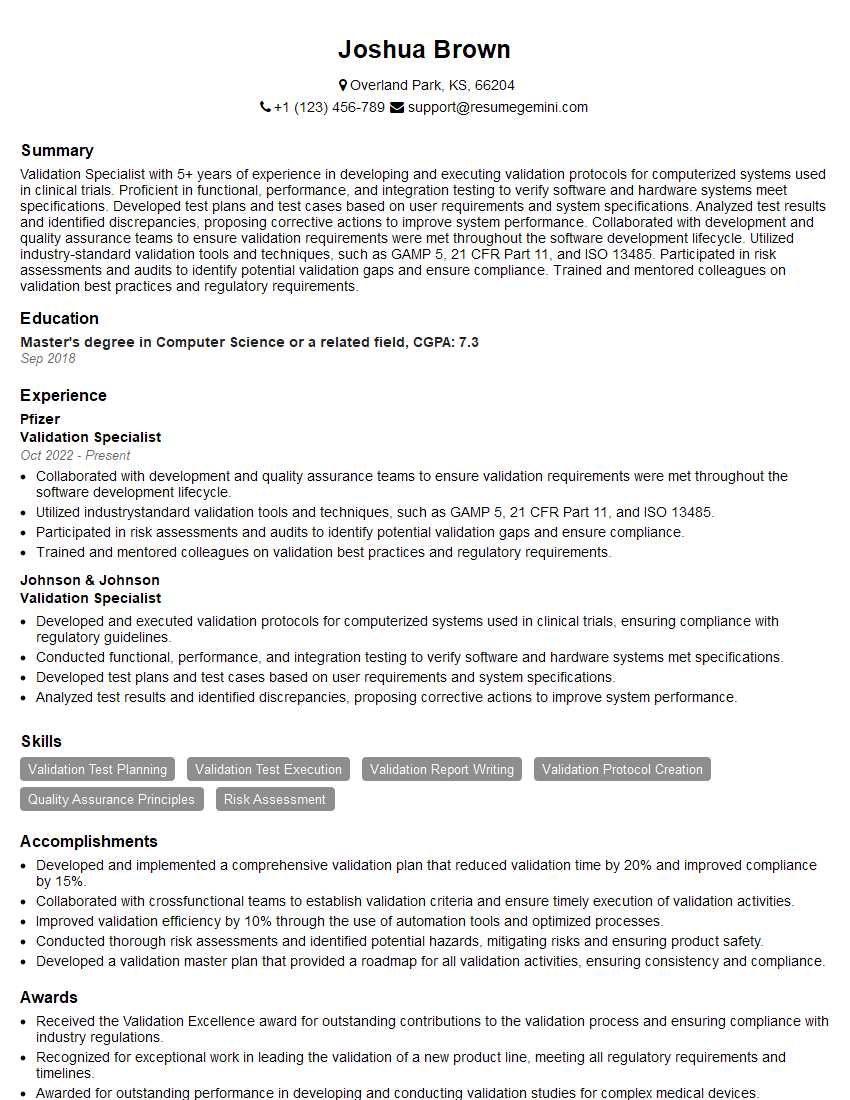
Validation Specialist Resume Sample
Facility Engineer Resume Sample

Laboratory Supervisor Resume Sample
Microbiology Analyst Resume Sample

Analytical Chemist Resume Sample
Explore more articles
Users Rating of Our Blogs
Share Your Experience
We value your feedback! Please rate our content and share your thoughts (optional).
What Readers Say About Our Blog
To the interviewgemini.com Webmaster.
Very helpful and content specific questions to help prepare me for my interview!
Thank you
To the interviewgemini.com Webmaster.
This was kind of a unique content I found around the specialized skills. Very helpful questions and good detailed answers.
Very Helpful blog, thank you Interviewgemini team.