The thought of an interview can be nerve-wracking, but the right preparation can make all the difference. Explore this comprehensive guide to Experience in providing consultation and training interview questions and gain the confidence you need to showcase your abilities and secure the role.
Questions Asked in Experience in providing consultation and training Interview
Q 1. Describe your experience designing and delivering training programs.
Designing and delivering training programs is a multifaceted process that requires careful planning and execution. It begins with a thorough understanding of the target audience’s needs and learning objectives. I typically follow a structured approach, starting with a needs analysis (which I’ll detail later), followed by curriculum design, material development (including presentations, handouts, and online modules), and finally, the delivery and evaluation of the training.
For example, I recently designed a training program for a tech company on agile methodologies. This involved researching the specific challenges their teams faced, crafting a curriculum that incorporated interactive exercises, real-world case studies, and hands-on coding assignments, and delivering the training in a blended learning format (online modules followed by in-person workshops). The feedback was overwhelmingly positive, with participants reporting significant improvements in their understanding and application of agile principles.
Another project involved developing a leadership training program for a non-profit. This required a more personalized approach, focusing on developing emotional intelligence and effective communication skills. This program utilized role-playing, group discussions, and coaching sessions to create a dynamic learning environment.
Q 2. Explain your approach to needs analysis for training development.
Needs analysis is the cornerstone of effective training development. It’s the process of systematically identifying the gap between current performance and desired performance. My approach involves a combination of methods to gather comprehensive data. This includes:
- Surveys: To understand the current knowledge, skills, and attitudes of the target audience.
- Interviews: To delve deeper into specific challenges and identify individual learning needs.
- Observations: To observe employees in their work environment and identify performance gaps directly.
- Document review: Examining existing performance data, job descriptions, and company documentation to identify performance standards.
Once the data is collected, I analyze it to pinpoint specific training needs and develop learning objectives that directly address those needs. For instance, if the needs analysis reveals a lack of proficiency in a particular software, the training program will focus on developing that specific skill. This ensures the training is targeted, relevant, and effective.
Q 3. How do you assess the effectiveness of a training program?
Assessing training effectiveness is crucial to ensure ROI and continuous improvement. I employ a multi-faceted approach involving both formative and summative evaluation methods.
- Formative evaluation: This happens during the training development and delivery phases. It includes gathering feedback through participant questionnaires, observations during training sessions, and informal discussions to make adjustments as needed.
- Summative evaluation: This takes place after the training is completed and focuses on measuring the impact of the training on participants’ performance. Methods include:
- Knowledge tests: To measure knowledge gain.
- Performance assessments: To observe the application of learned skills on the job.
- Surveys and interviews: To gauge changes in attitudes and behaviors.
- Return on Investment (ROI) analysis: To measure the financial benefits of the training.
By analyzing the data from these evaluations, I can identify areas for improvement in the training program and demonstrate its effectiveness to stakeholders. For example, if post-training performance assessments show no improvement, it indicates a need to revise the training content or delivery method.
Q 4. What methods do you use to engage learners in training sessions?
Engaging learners is critical to successful training. I use a variety of methods to keep participants actively involved and motivated.
- Interactive exercises: Including group discussions, case studies, role-playing, and simulations.
- Gamification: Incorporating game mechanics such as points, badges, and leaderboards to add a fun and competitive element.
- Technology integration: Utilizing interactive software, online quizzes, and collaborative platforms.
- Storytelling and real-world examples: To make the content relatable and memorable.
- Active questioning and feedback: To encourage participation and check for understanding.
For instance, in a customer service training, I might use a role-playing scenario where participants handle challenging customer interactions. This active learning experience is far more engaging and effective than simply lecturing on customer service best practices.
Q 5. How do you adapt your training style to different learning styles?
Recognizing that learners have different preferences and learning styles is essential for effective training. I adapt my style by incorporating a variety of teaching methods to cater to various learning preferences.
- Visual learners: I use diagrams, charts, and presentations with clear visuals.
- Auditory learners: I incorporate discussions, lectures, and audio materials.
- Kinesthetic learners: I include hands-on activities, simulations, and role-playing exercises.
For example, when teaching a technical skill, I might provide both a visual demonstration and a hands-on practice session to cater to both visual and kinesthetic learners. I also adjust the pace of the training and provide various materials to accommodate different learning speeds and preferences.
Q 6. Describe your experience using various training methodologies (e.g., blended learning, gamification).
I have extensive experience using various training methodologies to create engaging and effective learning experiences. Blended learning, which combines online and in-person instruction, is a frequently utilized approach. This allows flexibility and caters to different learning styles. For example, I might use online modules for self-paced learning, followed by in-person workshops for interactive discussions and hands-on activities.
Gamification is another powerful tool. I’ve successfully integrated game mechanics into training programs to increase engagement and motivation. For example, in a sales training program, I might use a point system to reward participants for completing modules and successfully completing sales simulations. This adds a fun and competitive element that encourages active participation and knowledge retention.
Other methodologies I’ve used include microlearning (short, focused learning modules), coaching, and mentoring, each chosen strategically based on the specific training needs.
Q 7. How do you handle difficult or disruptive participants in a training session?
Handling disruptive participants requires a calm and professional approach. My strategy involves a combination of proactive and reactive measures.
- Proactive measures: Setting clear expectations for behavior at the beginning of the training, creating a positive and inclusive learning environment, and designing engaging activities that keep participants involved.
- Reactive measures: Addressing disruptive behavior directly but respectfully. This might involve a private conversation to understand the root cause of the disruption, adjusting the training to address their concerns, or, in severe cases, asking the participant to leave the session if their behavior is impacting other learners.
The key is to maintain a balance between addressing the disruptive behavior and preserving a positive learning environment for all participants. I always aim to address the behavior, not the person, and focus on finding a solution that works for everyone involved. Sometimes a simple adjustment, like offering more individual attention, can defuse the situation. However, sometimes firmer action is necessary to ensure a productive learning experience for the rest of the group.
Q 8. Explain your experience creating training materials (e.g., presentations, workbooks, eLearning modules).
Creating effective training materials requires a blend of instructional design principles and creative flair. My approach begins with a thorough needs analysis to understand the target audience’s learning styles, prior knowledge, and desired outcomes. I then design materials that cater to diverse learning preferences, incorporating various media such as presentations, workbooks, and eLearning modules.
For example, when developing a training program on project management for a team of engineers, I created a blended learning experience. This involved interactive PowerPoint presentations with embedded videos and quizzes, a comprehensive workbook with practical exercises and case studies, and an eLearning module that simulated real-world project scenarios. The PowerPoint presentations used clear visuals, concise bullet points, and engaging storytelling techniques. The workbook provided structured activities for applying the learned concepts, and the eLearning module allowed for self-paced learning and immediate feedback. The variety ensured engagement and catered to different learning styles.
Another example involved creating an eLearning module using Articulate Storyline. This module incorporated branching scenarios, gamified elements, and interactive assessments to make the learning process more engaging and effective. The use of visuals, such as infographics and animations, simplified complex information. The tracking functionality within Articulate Storyline also allowed for monitoring learner progress and identifying areas requiring further support.
Q 9. How do you measure the ROI of a training program?
Measuring the ROI (Return on Investment) of a training program is crucial for demonstrating its value to stakeholders. It’s not simply about measuring attendance; it’s about quantifying the impact on business outcomes. My approach involves a multi-faceted strategy using both quantitative and qualitative data.
- Pre- and Post-Training Assessments: These measure changes in knowledge, skills, and attitudes. I use both objective tests and subjective evaluations. For instance, measuring improvement in sales performance after a sales training program.
- Performance Metrics: Tracking key performance indicators (KPIs) relevant to the training objectives, such as improved efficiency, reduced errors, increased sales, or enhanced customer satisfaction. Examples could include reduced call resolution time after customer service training or improved project completion rates after project management training.
- Surveys and Feedback: Gathering feedback from participants on their satisfaction with the training, its usefulness, and its applicability to their jobs. This helps identify areas for improvement in future programs.
- Cost-Benefit Analysis: Comparing the cost of the training program with the financial benefits achieved, such as increased productivity, improved quality, or reduced costs. For instance, calculating the return on investment by comparing the cost of the training against the increased revenue generated due to improved employee skills.
By combining these approaches, we obtain a comprehensive picture of the training’s effectiveness and its contribution to the organization’s bottom line. This ensures a strong justification for ongoing investment in training and development.
Q 10. Describe a time you had to adapt a training program due to unexpected challenges.
During a leadership development program for a multinational company, we faced an unexpected challenge: a key facilitator had to withdraw due to a family emergency just a week before the program started. This presented a significant hurdle, as the program was already planned and participants were confirmed.
My immediate response involved a two-pronged approach: first, I quickly identified and recruited a highly qualified replacement facilitator with similar experience and expertise. Second, I worked closely with the replacement facilitator to ensure a seamless transition. This involved carefully reviewing the existing training materials, conducting a thorough briefing on the program’s objectives, learning style and audience needs, and familiarizing them with the participants’ profiles.
To minimize disruption, I adjusted the training schedule slightly, focusing on the core modules that were most critical. The replacement facilitator skillfully integrated their own style while maintaining the integrity of the program’s objectives. We received positive feedback from the participants, who did not notice any significant disruptions and experienced a valuable leadership development experience. This situation highlighted the importance of having contingency plans, robust training materials, and a flexible approach to overcome unexpected challenges.
Q 11. How do you stay current with best practices in training and development?
Staying current with best practices in training and development requires a multifaceted approach. I actively engage in several key activities:
- Professional Development: Attending conferences, workshops, and webinars related to training and development, instructional design, and adult learning theories. These events allow me to network with other professionals and learn about emerging trends and technologies.
- Industry Publications and Research: Regularly reading industry publications, journals (like Training & Development, ATD magazine), and research reports to stay abreast of the latest innovations and best practices. I also actively follow industry influencers and thought leaders on social media and professional platforms.
- Membership in Professional Organizations: Maintaining membership in relevant professional organizations such as ATD (Association for Talent Development) provides access to resources, networking opportunities, and continuing education credits. This helps keep my knowledge and skills current and relevant to the industry standards.
- Experimentation and Continuous Improvement: Regularly evaluating the effectiveness of my training programs and implementing changes based on feedback from participants and stakeholders. This helps me constantly refine my methods and improve the quality of my training.
This approach enables me to adapt my strategies and incorporate innovative techniques into my work, ensuring that my training is always relevant, engaging, and effective.
Q 12. What software or technologies are you proficient in for training delivery and development?
My proficiency in training delivery and development encompasses a range of software and technologies. I am highly skilled in using:
- Authoring Tools: Articulate Storyline 360, Adobe Captivate, Lectora, allowing me to create engaging and interactive eLearning modules. This includes creating branching scenarios, assessments and using various multimedia elements for better comprehension.
- Presentation Software: Microsoft PowerPoint, Google Slides, Prezi – for creating visually appealing and informative presentations.
- Video Editing Software: Adobe Premiere Pro, iMovie – to create short, engaging instructional videos for training purposes. I am adept at creating both screen recordings and talking-head videos.
- Learning Management Systems (LMS): Moodle, Canvas, Blackboard – for managing training content, tracking learner progress, and delivering online courses. I’m familiar with the administrative and user-end functionalities of these platforms and can help set up or integrate training modules in them.
- Collaboration Tools: Microsoft Teams, Zoom, Google Meet – for facilitating virtual training sessions and collaborating with colleagues and stakeholders.
This combination of skills allows me to design and deliver training programs across various platforms and formats, catering to diverse learning needs and organizational requirements.
Q 13. Describe your experience working with stakeholders to define training needs and objectives.
Working with stakeholders to define training needs and objectives is a crucial step in ensuring the success of any training program. My approach involves a collaborative and iterative process. I begin by conducting a thorough needs analysis to understand the organization’s challenges and goals. This includes:
- Interviews and Surveys: Gathering information from various stakeholders, including managers, employees, and subject matter experts, to identify performance gaps, skill deficiencies, and training requirements. I tailor my questions to ensure clear understanding of the specific needs and objectives.
- Observation and Analysis: Directly observing employees in their work environments to identify areas for improvement. This provides firsthand insights into their challenges and workflow.
- Data Analysis: Examining performance data, such as productivity reports, error rates, and customer satisfaction surveys to identify specific areas where training can have the greatest impact.
- Stakeholder Meetings: Holding regular meetings with stakeholders to discuss the findings of the needs analysis, establish clear learning objectives, and agree upon evaluation criteria. I use collaborative tools to ensure transparency and facilitate participation from all stakeholders.
This participatory approach ensures alignment between training objectives and organizational goals. The entire process results in a clearly defined scope, a shared understanding among stakeholders, and a training program that addresses the specific needs of the organization and its employees.
Q 14. How do you manage the budget for a training program?
Budget management for a training program is essential for ensuring efficient resource allocation. My approach begins with a detailed cost-benefit analysis which informs the budget. I then develop a comprehensive budget plan encompassing all anticipated costs, including:
- Instructional Design and Development: Costs associated with creating training materials, including development tools, consultant fees, and authoring software licenses.
- Training Delivery: Costs associated with instructors, venue rental, catering, and equipment.
- Technology and Platforms: Costs for learning management systems (LMS), eLearning platforms, video conferencing software, and other relevant technologies.
- Materials and Resources: Costs for participant materials, such as workbooks, handouts, and online resources.
- Evaluation and Assessment: Costs for pre- and post-training assessments and evaluation tools.
Once the initial budget is drafted, I regularly monitor spending and report on progress to stakeholders. If unforeseen expenses arise, I proactively explore solutions such as negotiating with vendors, adjusting the scope of the training, or seeking additional funding. Throughout the process, I maintain transparent and detailed financial records to ensure accountability and facilitate decision-making.
This disciplined approach ensures that the training program stays within budget while maximizing its impact and delivering value to the organization.
Q 15. Explain your experience in developing and implementing a training evaluation plan.
Developing and implementing a training evaluation plan is crucial for measuring the effectiveness of a training program. It involves a systematic approach to assess participant learning, satisfaction, and ultimately, the impact on organizational performance.
My approach typically involves a Kirkpatrick Four-Level Model, assessing:
- Level 1: Reaction: This measures participant satisfaction and engagement through immediate feedback surveys focusing on aspects like content relevance, instructor effectiveness, and overall experience. For example, I might use a Likert scale questionnaire immediately after the training.
- Level 2: Learning: This assesses the knowledge and skills gained by participants. I use methods like pre- and post-tests, quizzes, or practical exercises to gauge knowledge retention and skill acquisition. For instance, a practical demonstration of learned skills could be a key element here.
- Level 3: Behavior: Here, we track whether the training resulted in changes in on-the-job behavior. This often involves observation, manager feedback, and performance reviews several weeks or months post-training. We might create a checklist for managers to observe the application of new skills.
- Level 4: Results: This focuses on the impact of the training on overall organizational goals – improved productivity, reduced errors, increased sales, etc. We would collect data on these key metrics before and after the training, showing a direct link between training and results. For example, we may analyze sales figures or customer satisfaction scores.
The plan is developed collaboratively with stakeholders, considering their specific needs and objectives, and the evaluation data is used iteratively to refine future training programs.
Career Expert Tips:
- Ace those interviews! Prepare effectively by reviewing the Top 50 Most Common Interview Questions on ResumeGemini.
- Navigate your job search with confidence! Explore a wide range of Career Tips on ResumeGemini. Learn about common challenges and recommendations to overcome them.
- Craft the perfect resume! Master the Art of Resume Writing with ResumeGemini’s guide. Showcase your unique qualifications and achievements effectively.
- Don’t miss out on holiday savings! Build your dream resume with ResumeGemini’s ATS optimized templates.
Q 16. How do you ensure the accessibility of your training materials and programs?
Ensuring accessibility of training materials and programs is paramount to inclusive learning. I consider accessibility from the outset of the design process, not as an afterthought. My strategies include:
- Alternative Text for Images: All images must have descriptive alt text to benefit visually impaired users who use screen readers.
- Captioning and Transcripts for Videos: All video content is captioned and full transcripts are provided to support deaf or hard-of-hearing individuals.
- Text-to-Speech and Speech-to-Text Functionality: We leverage technologies that allow participants to listen to text or dictate their responses.
- Keyboard Navigation: Websites and online training platforms should be fully navigable using only a keyboard, ensuring users without mice can participate fully.
- Color Contrast: The color contrast between text and background is optimized for readability, adhering to WCAG guidelines.
- Multiple Formats: Offering training materials in various formats such as audio, video, PDF, and interactive modules caters to different learning styles and abilities.
Regular testing with individuals with disabilities ensures the materials meet accessibility standards. I utilize tools like accessibility checkers and actively seek feedback to identify and address accessibility issues.
Q 17. What is your experience with performance improvement plans?
Performance improvement plans (PIPs) are a structured process to help employees improve their performance. My experience involves creating and implementing PIPs that are fair, supportive, and focused on achieving positive outcomes.
My approach involves:
- Clearly Defined Goals and Expectations: The PIP outlines specific, measurable, achievable, relevant, and time-bound (SMART) goals.
- Collaborative Development: The employee is actively involved in the creation of the PIP, fostering ownership and buy-in.
- Regular Check-ins and Support: Frequent meetings provide guidance, address challenges, and offer support, making it a collaborative process rather than a punitive one.
- Documented Progress: All progress and challenges are documented regularly to track the effectiveness of the plan.
- Resources and Training: Where skill gaps contribute to performance issues, I identify appropriate training or mentoring opportunities.
I always ensure that the PIP process is aligned with company policy and legal requirements. The ultimate goal is to help the employee improve and succeed, not to create a pathway for termination.
Q 18. How do you handle feedback from participants after a training session?
Handling feedback after a training session is crucial for improvement. I use a multi-faceted approach:
- Immediate Feedback: I often include a short, anonymous feedback form at the end of the session to capture immediate reactions and suggestions.
- Follow-up Surveys: A more detailed survey is sent a few days later to allow participants time to reflect on their learning experience. This often includes open-ended questions to gather richer insights.
- Focus Groups: For larger groups or more complex topics, focus groups can provide in-depth qualitative data.
- Data Analysis: All feedback is analyzed to identify recurring themes, positive aspects, and areas for improvement. This includes both quantitative and qualitative data.
- Actionable Steps: Based on the analysis, I create a plan to address the feedback and incorporate the learnings into future training sessions.
Transparency is key – I share the results of the feedback analysis with participants, demonstrating that their input is valued and acted upon.
Q 19. Describe your experience in conducting training needs analysis using surveys or interviews.
Conducting a training needs analysis is fundamental to creating effective training programs. My experience involves utilizing surveys and interviews to gather data on the knowledge, skills, and abilities (KSAs) required by employees to perform their jobs effectively.
Surveys offer a cost-effective method to gather data from a larger number of individuals. I design surveys using clear, concise questions, including both multiple-choice and open-ended questions to gather quantitative and qualitative data. The data is then analyzed to identify trends and common needs.
Interviews provide deeper insights into specific needs. I typically conduct semi-structured interviews with employees at different levels to gain perspectives on training gaps and preferences. The interview approach is more flexible, allowing for probing questions to uncover underlying needs.
I often combine both methods to get a comprehensive view of training requirements, ensuring the final training program directly addresses the identified needs. For instance, a survey might identify a need for software training, while follow-up interviews pinpoint specific software features requiring more attention.
Q 20. What is your preferred method for delivering feedback to trainees?
My preferred method for delivering feedback to trainees is a balanced approach that combines both written and verbal feedback, tailored to the individual’s learning style and the context of the training.
Verbal Feedback: I typically provide immediate, positive verbal reinforcement during training, praising successful attempts and offering constructive suggestions for improvement. This can be in the form of specific examples and encouragement.
Written Feedback: Following the training, I provide detailed, written feedback. This might include a formal evaluation based on assessments, specific comments on performance during exercises, and suggestions for future development. I ensure this feedback is clear, specific, actionable, and focuses on both strengths and areas for improvement.
The key is to make the feedback timely, relevant, and constructive, with a focus on helping the trainee grow and develop.
Q 21. How do you prioritize multiple training projects?
Prioritizing multiple training projects requires a strategic approach that considers various factors. I employ a prioritization framework that balances urgency, impact, and resources:
- Urgency: Projects with immediate deadlines or those addressing critical business needs take precedence.
- Impact: Projects with the potential for the highest return on investment (ROI) or that significantly impact organizational goals are prioritized higher.
- Resources: The availability of resources like budget, time, and personnel is a critical constraint. Projects that can be completed effectively with available resources are preferred.
- Dependency: Projects that are prerequisites for others are prioritized to ensure a smooth workflow.
- Risk: Projects with higher risk of failure or significant consequences are given appropriate attention and resource allocation.
I use tools like project management software to track progress, manage resources, and ensure efficient allocation of time and effort across all projects. Regular review and adjustment of priorities are necessary to respond to changing business needs and resource availability.
Q 22. Describe your experience collaborating with subject matter experts.
Collaborating effectively with subject matter experts (SMEs) is crucial for developing high-quality training programs. My approach involves establishing clear communication channels, actively listening to their expertise, and ensuring their input is integrated seamlessly into the training design. I begin by clearly defining the learning objectives and the target audience with the SMEs. This ensures we’re all on the same page from the outset. Then, I facilitate open discussions, encouraging the SMEs to share their knowledge and insights. This often involves brainstorming sessions and structured interviews where I ask targeted questions to elicit specific details, practical examples, and potential challenges. I document all of this meticulously, ensuring that the SMEs’ unique perspectives are captured accurately.
For example, when developing a training program on a new software system, I worked closely with the software developers and IT support team to understand its functionalities, common user challenges, and best practices. By incorporating their real-world experience, the training was much more relevant and effective than it would have been otherwise. I also ensure that SMEs are actively involved in reviewing drafts of the training materials and providing feedback throughout the development process, ensuring the final product reflects their expertise accurately.
Q 23. What is your approach to incorporating technology in training programs?
Incorporating technology in training programs isn’t just about using the latest gadgets; it’s about strategically enhancing the learning experience and making it more engaging and effective. My approach centers around identifying the learning objectives and then selecting the most appropriate technologies to achieve those goals. For instance, if the goal is to enhance practical skills, I might use interactive simulations or virtual reality. If the objective is to facilitate knowledge retention, spaced repetition software or microlearning modules might be more effective.
I always consider factors like the learners’ technical proficiency, access to technology, and the overall budget. A crucial step is to ensure that the technology seamlessly integrates into the learning process. It shouldn’t feel like an afterthought, but rather a powerful tool enhancing the experience. For example, I recently integrated a gamified learning platform into a sales training program, which resulted in a 25% increase in learner engagement and knowledge retention compared to the previous instructor-led approach. We used leaderboards, badges, and points to motivate learners and track progress.
Q 24. How do you ensure the consistency and quality of training across multiple locations or teams?
Maintaining consistency and quality across multiple locations or teams requires a robust framework and strong communication. This involves creating standardized training materials, using consistent delivery methods, and establishing clear quality control procedures. I use a centralized learning management system (LMS) to store and distribute all training materials, ensuring everyone has access to the same, up-to-date versions. This system also allows for tracking progress and learner performance across all locations.
Regular calibration sessions for trainers are crucial, ensuring that they deliver the content consistently and effectively. These sessions often involve reviewing training materials, discussing best practices, and role-playing scenarios. Additionally, post-training evaluations and feedback mechanisms help identify areas for improvement and ensure that the training remains relevant and effective. For example, when implementing a new customer service training program across five different branches, we utilized a combination of online modules and in-person workshops. Regular quality checks and feedback loops ensured that the quality of training remained consistent across all branches.
Q 25. Explain your experience in developing and implementing a knowledge management system.
Developing and implementing a knowledge management system (KMS) involves more than just creating a repository of documents; it’s about fostering a culture of knowledge sharing and continuous learning within the organization. My approach starts with conducting a thorough needs assessment, understanding the organization’s information flow, and identifying key knowledge assets. Then, I design a system that is user-friendly, intuitive, and easily accessible to all employees. This system must cater to different learning styles and preferences.
The KMS should include features such as a searchable knowledge base, collaborative workspaces, and mechanisms for capturing tacit knowledge (e.g., through interviews and expert sessions). For example, I once implemented a KMS for a large consulting firm, which included a centralized document repository, a forum for asking questions and sharing best practices, and a system for rating and reviewing documents to ensure quality. The result was a significant improvement in knowledge sharing and employee productivity. Regular monitoring and evaluation are crucial, allowing adjustments to improve user experience and relevance.
Q 26. Describe a time you had to manage conflict amongst training participants.
Conflict amongst training participants is sometimes inevitable, especially in diverse groups. My approach focuses on proactive conflict resolution, emphasizing open communication and creating a safe and respectful learning environment. I start by establishing clear ground rules at the beginning of the training, emphasizing respect for differing opinions and active listening.
During the training, if conflict arises, I typically facilitate a constructive dialogue, encouraging participants to express their concerns and perspectives respectfully. I act as a neutral mediator, helping them to understand each other’s viewpoints and find common ground. In some cases, I may need to intervene more directly, separating individuals if the conflict becomes too intense. For example, in a leadership training program, two participants with very different management styles clashed. I facilitated a conversation where each participant was able to explain their perspective, and we arrived at a consensus on the importance of flexibility and adaptability in leadership.
Q 27. How do you ensure that training aligns with organizational goals?
Aligning training with organizational goals is paramount. This requires a thorough understanding of the organization’s strategic objectives, business needs, and future plans. My approach begins with collaborating with key stakeholders, such as senior management and department heads, to identify the skills and knowledge gaps that need to be addressed to achieve these goals.
Once these gaps are identified, I design training programs that directly address them. I ensure that the training content is relevant, measurable, and aligned with the organization’s overall performance metrics. For example, if the organization’s goal is to increase sales revenue, the training programs might focus on improving sales techniques, product knowledge, and customer relationship management. Regular review and evaluation help ensure the training remains effective and continues to contribute to the achievement of organizational goals.
Q 28. What is your experience in using learning analytics to inform training decisions?
Learning analytics plays a crucial role in optimizing training effectiveness. I use learning analytics to gain insights into learner performance, identify areas of strength and weakness, and make data-driven decisions to improve the training program. The data collected through the LMS, including completion rates, quiz scores, and feedback, provides valuable information for improving future iterations of the training.
For example, by analyzing data on learner performance on specific modules, I can identify areas where learners are struggling and adjust the training content accordingly, perhaps adding more practice exercises or clarifying complex concepts. Analyzing learner engagement metrics can reveal areas where the training might be too long, too dry, or not engaging enough. This data-driven approach allows for continuous improvement and ensures that training resources are used effectively. I use this data to justify resource allocation decisions as well.
Key Topics to Learn for Experience in Providing Consultation and Training Interviews
- Needs Assessment & Analysis: Understanding client needs through effective communication and questioning techniques. Developing tailored solutions based on identified gaps.
- Curriculum Development & Design: Creating engaging and effective training materials, including presentations, workshops, and online modules. Incorporating diverse learning styles and methodologies.
- Delivery & Facilitation: Mastering presentation skills, adapting to diverse learning styles, and fostering a collaborative learning environment. Managing group dynamics and addressing participant questions effectively.
- Evaluation & Measurement: Defining clear learning objectives and implementing appropriate methods for evaluating training effectiveness. Analyzing data to inform future improvements.
- Client Management & Communication: Building strong client relationships through proactive communication and responsiveness. Managing expectations and addressing concerns professionally.
- Problem-Solving & Troubleshooting: Identifying and resolving challenges during the consultation and training process. Adapting strategies to overcome unexpected issues.
- Technology Integration: Utilizing technology effectively to enhance training delivery and engagement (e.g., online platforms, interactive tools). Staying current with relevant technologies.
- Legal and Ethical Considerations: Understanding and adhering to relevant regulations and ethical guidelines in training and consultation.
Next Steps
Mastering experience in providing consultation and training significantly boosts your career prospects, opening doors to leadership roles and higher earning potential. A well-crafted, ATS-friendly resume is crucial for getting your application noticed by recruiters. To maximize your chances of success, leverage the power of ResumeGemini to build a professional resume that highlights your skills and achievements effectively. ResumeGemini offers examples of resumes tailored to experience in providing consultation and training, providing you with valuable templates and guidance.

Knowledge Manager Resume Sample
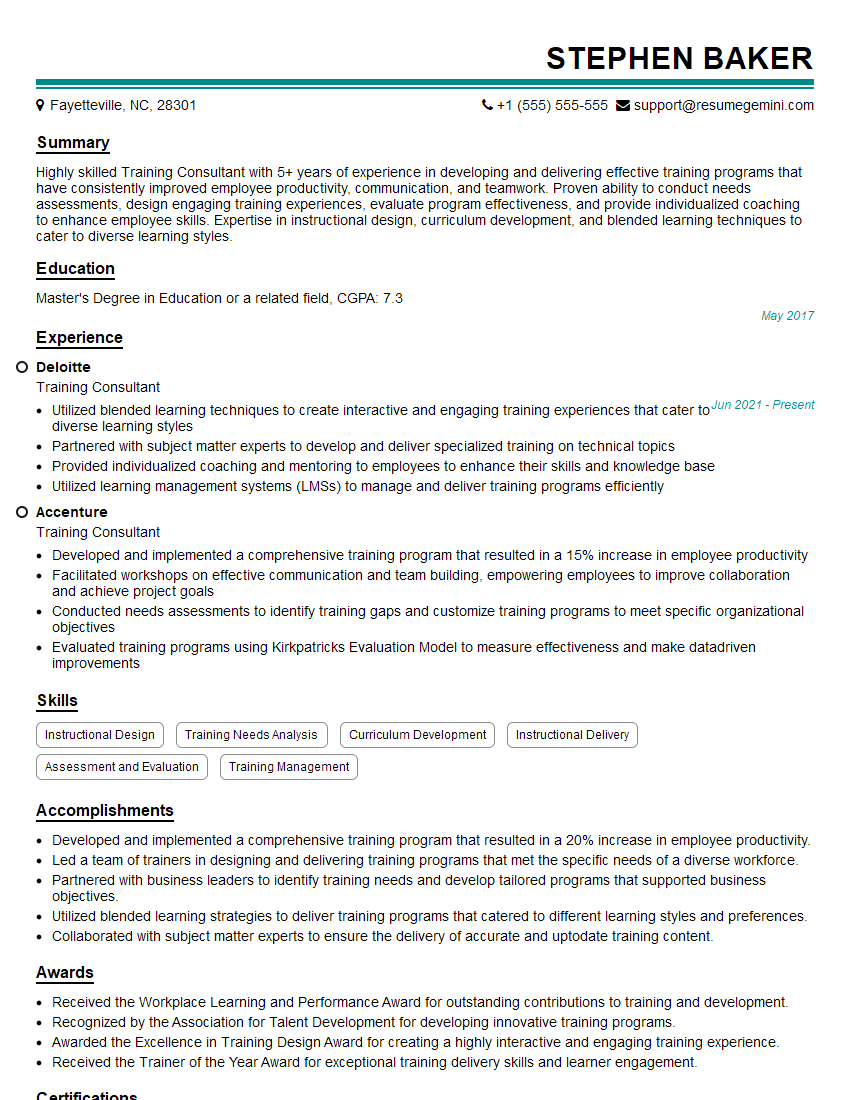
Training Consultant Resume Sample
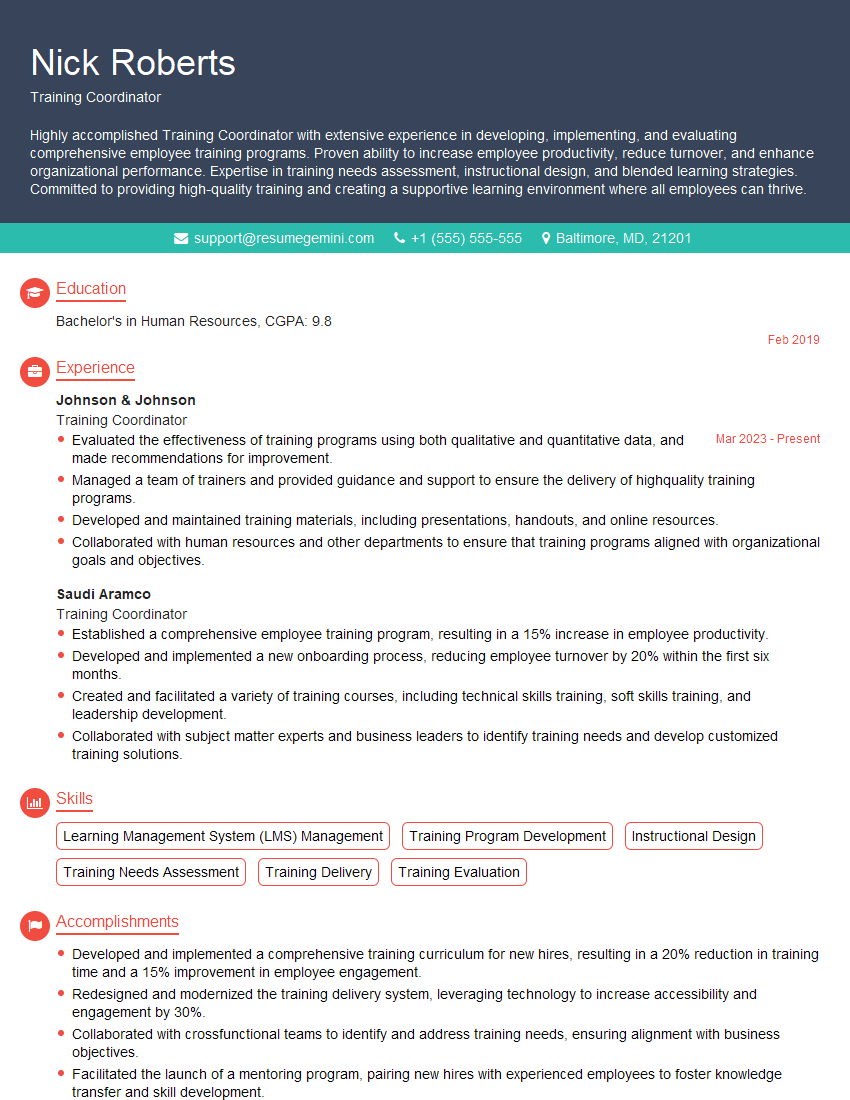
Training Coordinator Resume Sample
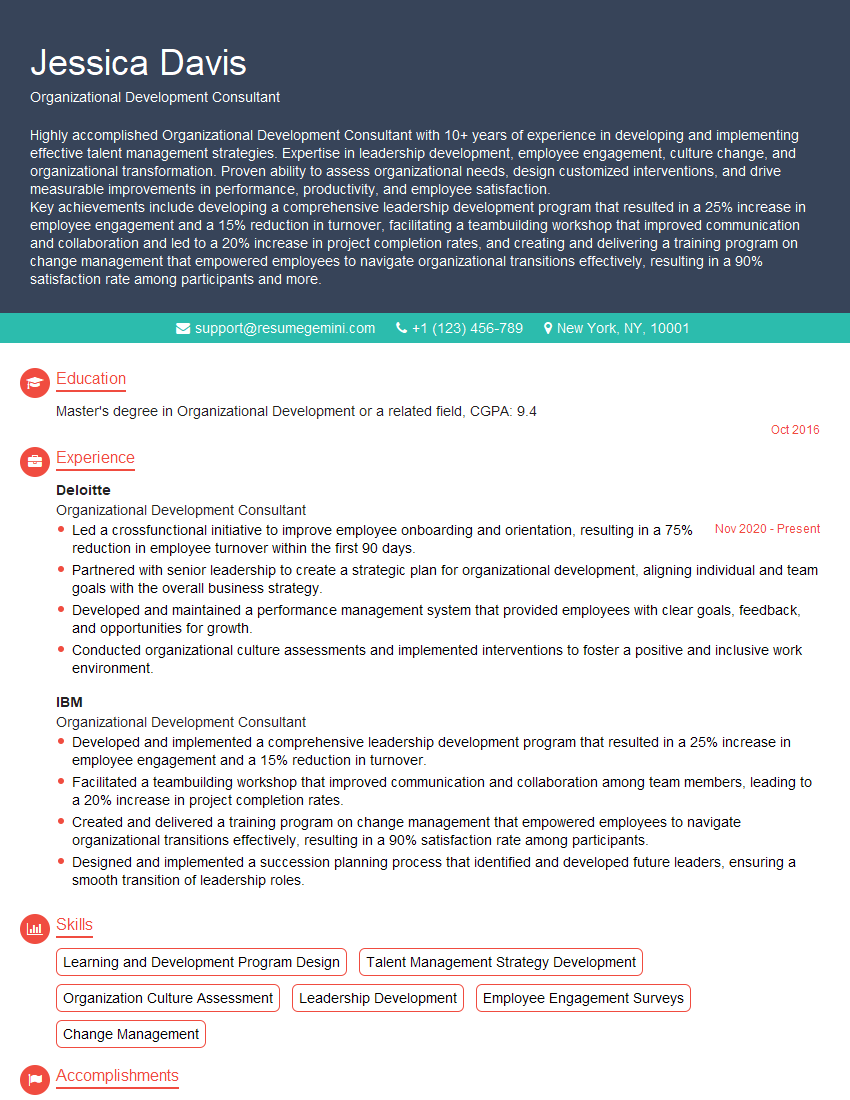
Organizational Development Consultant Resume Sample
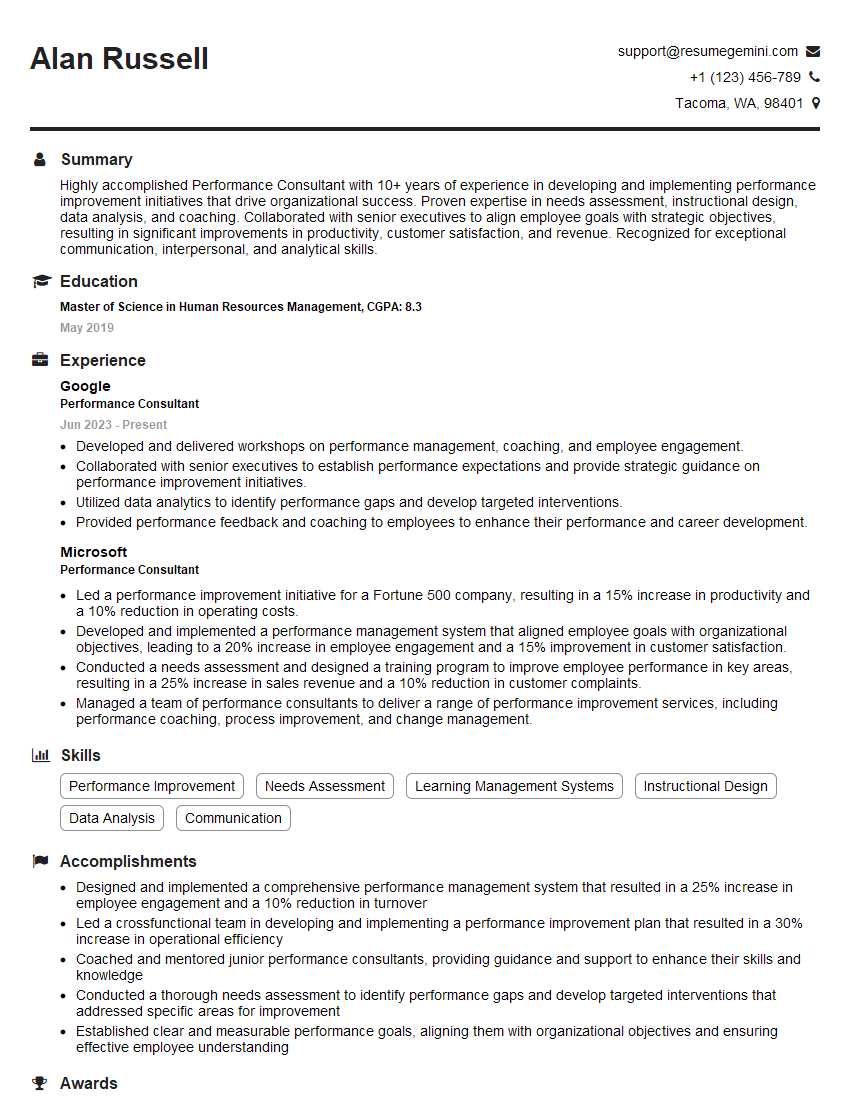
Performance Consultant Resume Sample

Curriculum Developer Resume Sample
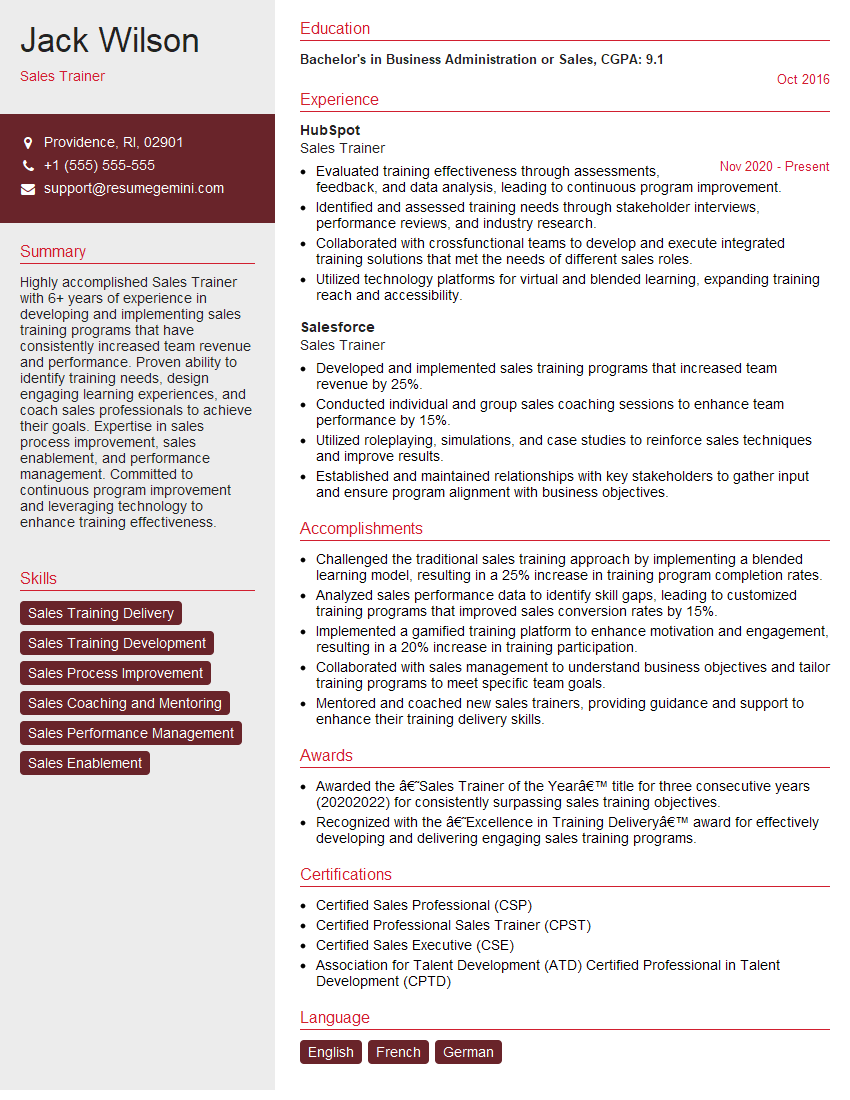
Sales Trainer Resume Sample
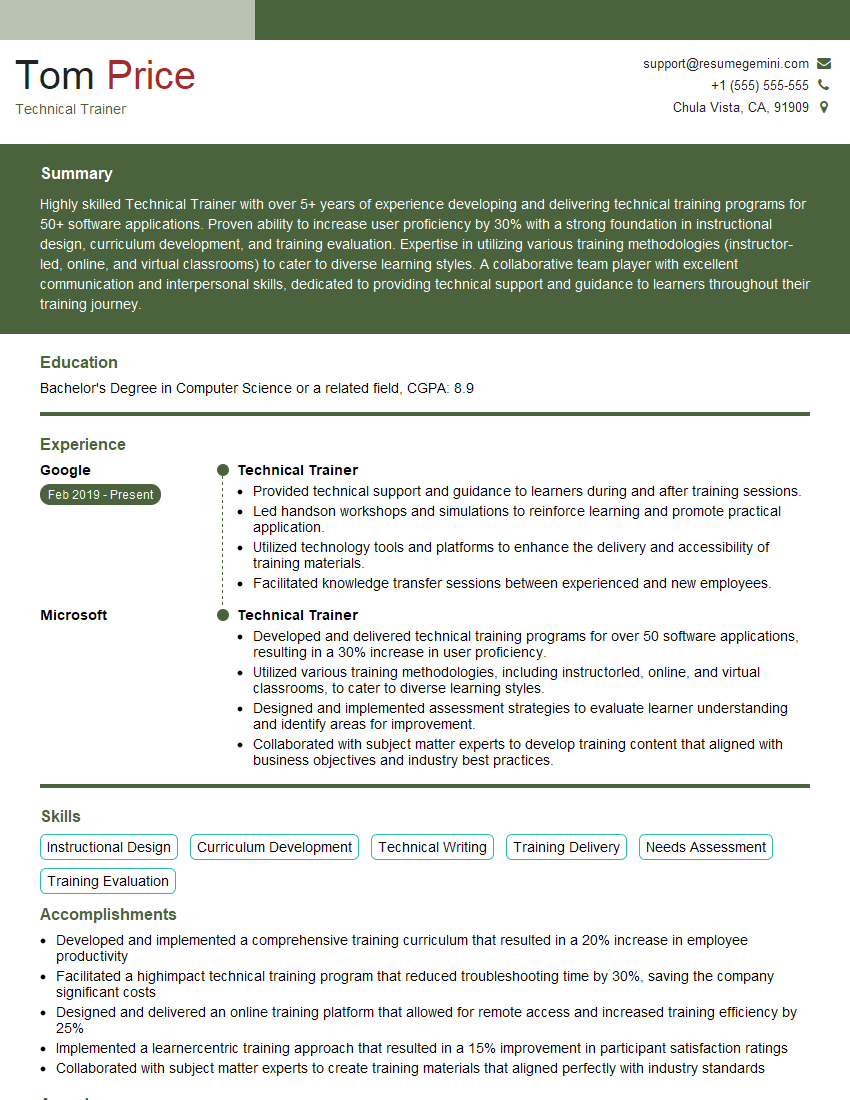
Technical Trainer Resume Sample

Training Specialist Resume Sample
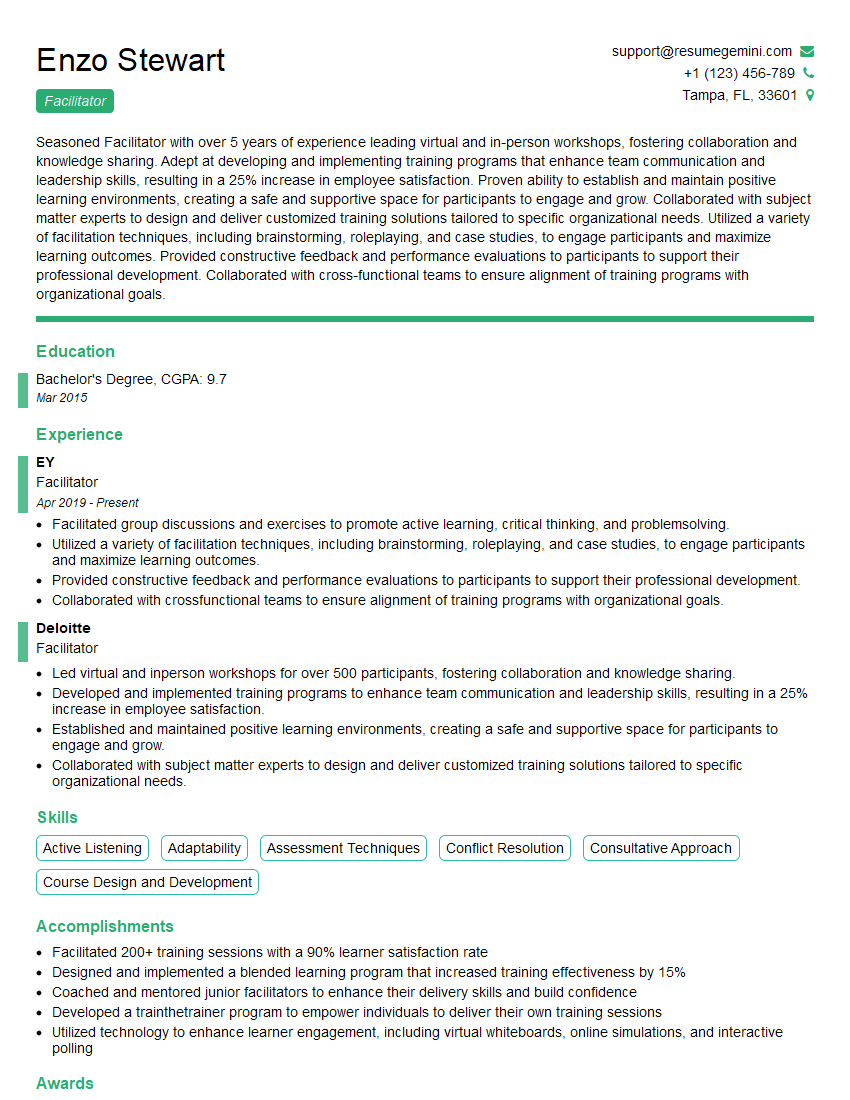
Facilitator Resume Sample
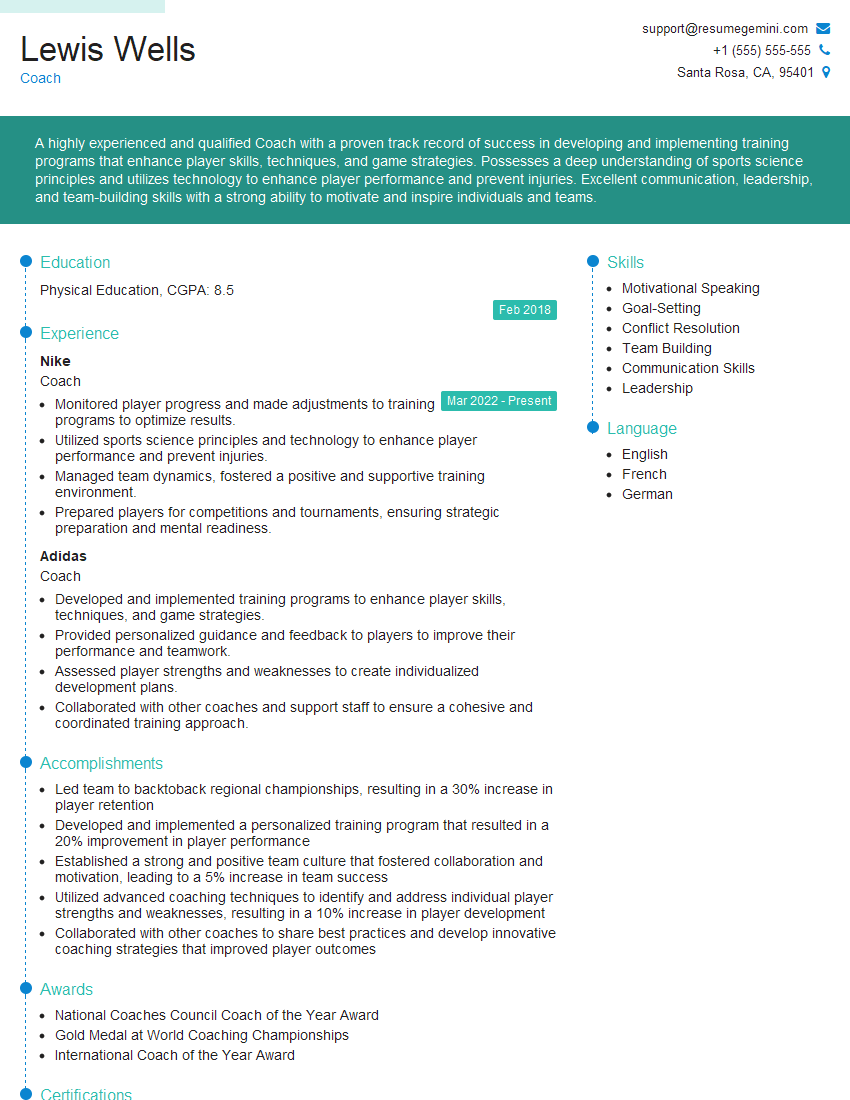
Coach Resume Sample
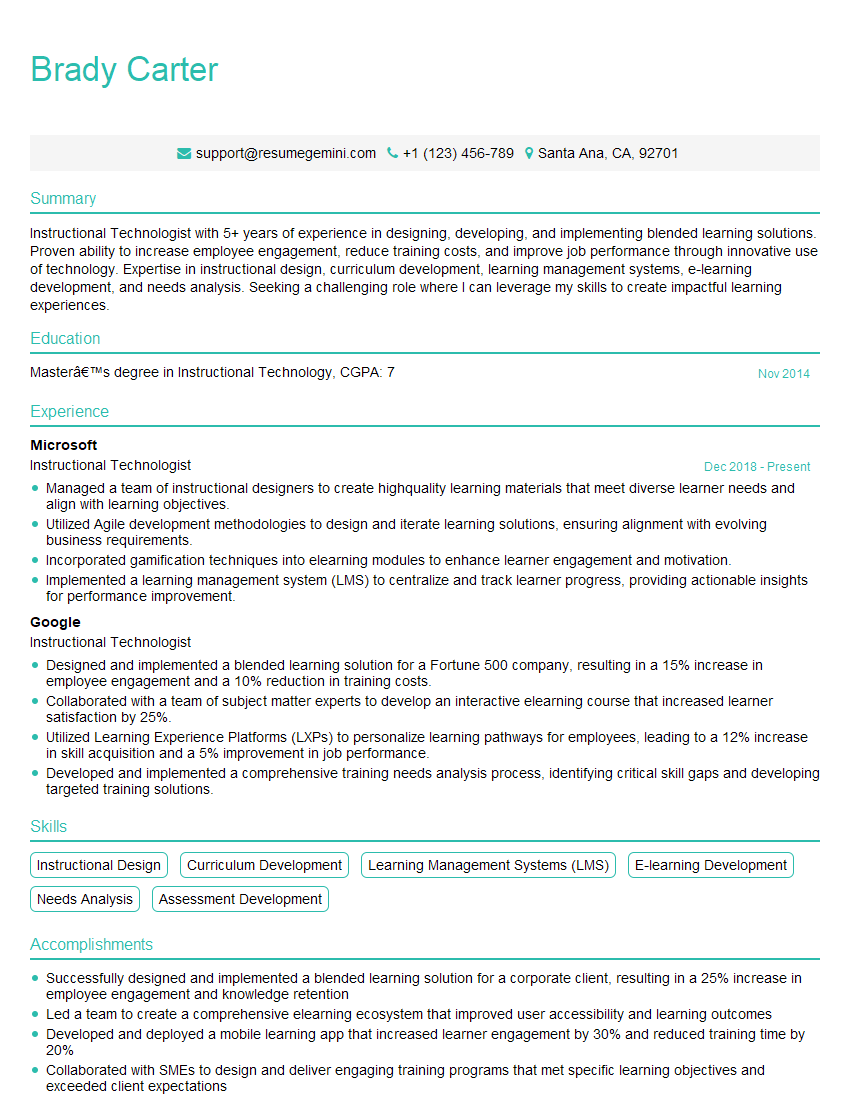
Instructional Technologist Resume Sample
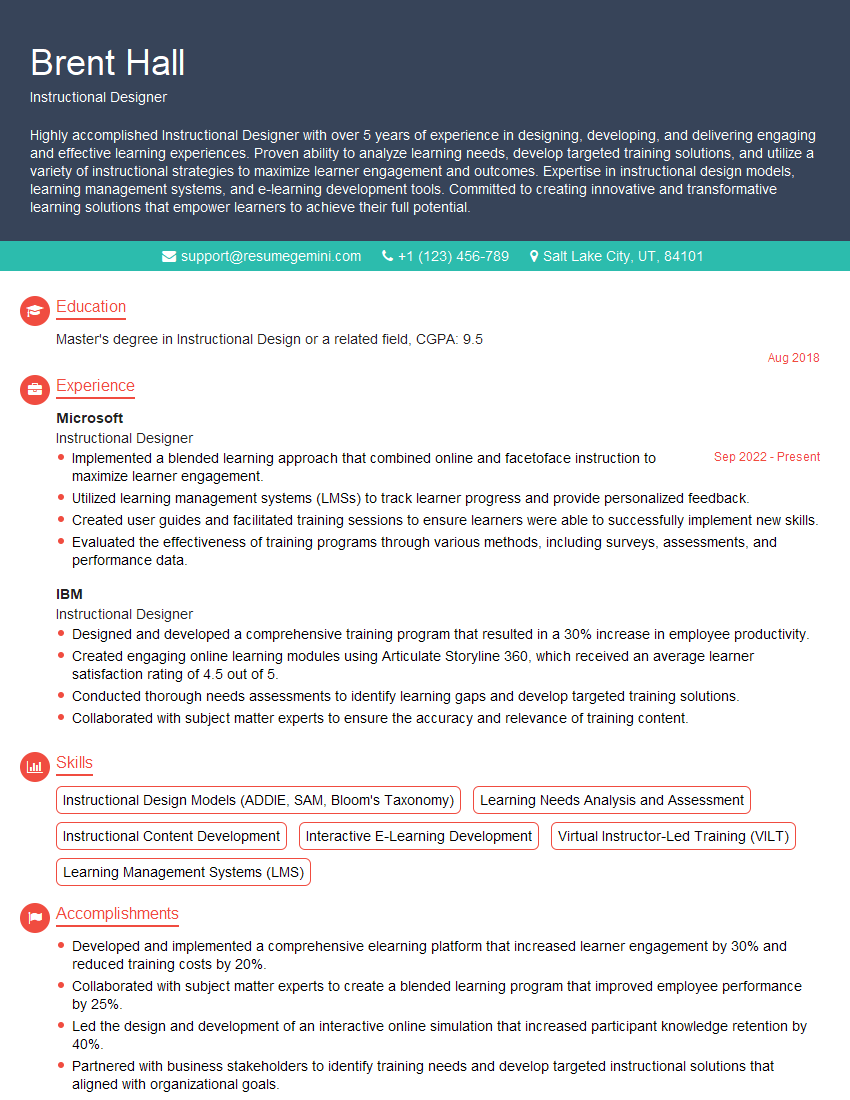
Instructional Designer Resume Sample
Explore more articles
Users Rating of Our Blogs
Share Your Experience
We value your feedback! Please rate our content and share your thoughts (optional).
What Readers Say About Our Blog
To the interviewgemini.com Webmaster.
Very helpful and content specific questions to help prepare me for my interview!
Thank you
To the interviewgemini.com Webmaster.
This was kind of a unique content I found around the specialized skills. Very helpful questions and good detailed answers.
Very Helpful blog, thank you Interviewgemini team.