Unlock your full potential by mastering the most common Experience in providing psychological consultation interview questions. This blog offers a deep dive into the critical topics, ensuring you’re not only prepared to answer but to excel. With these insights, you’ll approach your interview with clarity and confidence.
Questions Asked in Experience in providing psychological consultation Interview
Q 1. Describe your experience conducting psychological assessments.
Conducting psychological assessments is a crucial part of my practice. It involves a multifaceted approach designed to understand a client’s cognitive, emotional, and behavioral functioning. This process typically begins with a thorough intake interview, where I gather detailed information about the client’s history, presenting concerns, and current life circumstances. I then utilize various assessment tools, such as standardized questionnaires (like the MMPI-2-RF or Beck Depression Inventory), projective tests (in appropriate cases, such as the Rorschach or Thematic Apperception Test), and cognitive tests (like the Wechsler Adult Intelligence Scale). The choice of assessment instruments is tailored to the individual’s specific needs and presenting concerns. For example, if a client presents with suspected ADHD, I might utilize attention and concentration tests alongside behavioral rating scales. The results from these assessments, coupled with my clinical observations during the interviews, are then integrated to create a comprehensive profile of the individual’s strengths and challenges. This profile informs the diagnosis and treatment planning process.
For instance, I recently worked with a young adult struggling with academic performance and social anxiety. Using a combination of interviews, self-report measures, and performance-based cognitive tests, I was able to pinpoint their specific learning challenges and develop strategies for improving academic skills, alongside cognitive-behavioral therapy (CBT) to address their anxiety.
Q 2. Explain your approach to diagnosing mental health disorders.
Diagnosing mental health disorders requires a systematic and thorough approach. It’s not a simple process of ticking boxes; it’s about understanding the individual within their context. My approach aligns with the Diagnostic and Statistical Manual of Mental Disorders (DSM-5) criteria, but I emphasize a holistic perspective. I start by carefully listening to the client’s narrative, paying close attention to their subjective experience and the impact of their symptoms on their daily life. This involves exploring their history, family dynamics, social support, and cultural background. Then, I utilize the clinical information gathered from the assessment process (as described above) to determine if the symptoms meet the diagnostic criteria for a particular disorder. It’s essential to rule out other potential causes, consider comorbid conditions, and ensure the diagnosis accurately reflects the individual’s presentation. The diagnostic process is not static; it’s an ongoing evaluation that evolves as the therapeutic relationship progresses and new information emerges. It is also crucial to consider cultural factors and avoid misinterpreting behaviors that might be culturally appropriate as pathological.
For example, I might initially suspect depression based on a client’s reported low mood and loss of interest in activities, but further assessment might reveal that the symptoms are related to an underlying medical condition or grief reaction, requiring a different approach.
Q 3. How do you develop a therapeutic alliance with clients?
Developing a strong therapeutic alliance is the cornerstone of effective therapy. It’s built on trust, empathy, and mutual respect. I achieve this through active listening, demonstrating genuine care and understanding for the client’s experiences, and collaboratively setting goals. I create a safe and non-judgmental space where clients feel comfortable expressing themselves without fear of criticism. I strive to be transparent about the therapeutic process and involve clients in decision-making regarding their treatment. This collaborative approach reinforces the sense of partnership and empowers clients to take an active role in their recovery. Regularly checking in with clients about their comfort level and addressing any concerns they might have further strengthens the alliance. I also adapt my communication style to meet the client’s individual needs and preferences, ensuring that the therapy feels personalized and relevant.
Think of it like building a bridge—it requires careful construction, ongoing maintenance, and mutual understanding from both sides. A strong therapeutic alliance creates the foundation upon which positive change can occur.
Q 4. What treatment modalities are you proficient in?
My expertise spans a range of evidence-based treatment modalities. I’m proficient in Cognitive Behavioral Therapy (CBT), which focuses on identifying and modifying maladaptive thoughts and behaviors. I also utilize Dialectical Behavior Therapy (DBT), particularly effective for individuals struggling with emotional regulation and self-harm. Acceptance and Commitment Therapy (ACT) is another valuable tool in my repertoire, helping clients to accept difficult emotions and commit to valued actions. In addition, I am experienced in psychodynamic therapy, which explores unconscious patterns and past experiences to understand current difficulties, and in supportive therapy, which provides emotional support and guidance. My approach is integrative, meaning I tailor the treatment modality to the specific needs of each client, often drawing on elements from multiple approaches to create a personalized treatment plan.
Q 5. Describe your experience with crisis intervention.
Crisis intervention is a critical skill for any mental health professional. My approach focuses on immediate stabilization and safety planning. When working with a client in crisis, I prioritize assessing their level of risk, ensuring their immediate safety, and providing support to manage overwhelming emotions. This often involves active listening, validation of their feelings, and collaborating on practical steps to address the immediate situation. Safety planning might include identifying support systems, developing coping strategies, and creating a plan for accessing emergency services if needed. I am adept at de-escalation techniques, helping clients to regain control and reduce distress. The goal is not to ‘solve’ the problem immediately, but to help the client navigate the crisis, regain a sense of stability, and develop strategies for managing similar situations in the future. Post-crisis follow-up is essential to ensure ongoing support and prevent relapse.
For instance, I once worked with a client experiencing a severe panic attack. My immediate focus was on helping them regulate their breathing and ground themselves in the present moment. We then collaboratively developed a short-term safety plan, involving reaching out to their support network and scheduling a follow-up appointment.
Q 6. How do you handle ethical dilemmas in your practice?
Ethical dilemmas are inevitable in clinical practice. My approach involves careful consideration of the ethical principles of autonomy, beneficence, non-maleficence, and justice. I rely heavily on ethical decision-making frameworks, often involving consultation with colleagues or supervisors. I prioritize transparency and open communication with clients about potential conflicts of interest or ethical considerations. When faced with a dilemma, I thoroughly document the situation, my reasoning, and the steps taken to resolve it. I’m committed to continuous learning and staying updated on ethical guidelines and best practices in the field. I would never compromise my ethical obligations for personal gain or convenience. Maintaining the highest ethical standards is crucial for maintaining trust and providing responsible care.
An example might involve a situation where a client discloses information that could pose a risk to themselves or others. In this case, I would need to carefully balance the client’s right to confidentiality with the ethical obligation to protect them and others from harm. This may involve seeking legal consultation if needed.
Q 7. Explain your understanding of confidentiality and its limitations.
Confidentiality is paramount in the therapeutic relationship, fostering trust and allowing clients to openly share personal information. I explain the limits of confidentiality upfront, including situations where I’m legally obligated to breach confidentiality, such as suspected child abuse, elder abuse, or imminent harm to self or others. I also discuss the possibility of consultation with supervisors or colleagues for clinical supervision purposes, ensuring that client information is handled with utmost care and only shared with individuals who are directly involved in their care or are necessary for the sake of ethical practice and best care. While I strive to maintain absolute confidentiality, exceptions exist to protect the client and the community. This balance between protecting client privacy and fulfilling legal and ethical obligations requires careful judgment and adherence to professional guidelines.
It’s crucial to be transparent about these limitations from the outset so clients understand the boundaries of confidentiality and can make informed decisions about what they share.
Q 8. How do you manage challenging client behaviors?
Managing challenging client behaviors requires a multifaceted approach rooted in safety, empathy, and effective communication. It’s crucial to prioritize the safety of both the client and myself. This might involve setting firm, yet compassionate, boundaries. For example, if a client becomes verbally abusive, I would calmly but firmly state that I cannot continue the session if the behavior persists. I would then explain the reason behind this boundary, emphasizing that respect is essential for a therapeutic relationship.
Beyond boundary setting, understanding the underlying reasons for the behavior is key. Is the behavior stemming from anxiety, trauma, or a personality disorder? Different approaches are necessary for different situations. Cognitive Behavioral Therapy (CBT) techniques can be extremely effective in addressing maladaptive behaviors, teaching clients alternative coping mechanisms. For instance, if a client exhibits anger outbursts, we might work together to identify triggers and develop strategies for managing anger before it escalates. In some cases, referring the client to a psychiatrist for medication management or a more specialized therapeutic modality is essential.
Ultimately, a therapeutic alliance built on trust and respect is paramount. Regular check-ins with the client about their experience in therapy, and my own process of self-reflection, ensures that our approach remains ethically sound and tailored to the client’s needs.
Q 9. How do you ensure cultural sensitivity in your practice?
Cultural sensitivity is not merely an add-on; it’s the foundation of ethical and effective psychological practice. It involves recognizing that individuals’ experiences, values, and beliefs are deeply shaped by their cultural background, and that these factors significantly influence their mental health and well-being. This means going beyond surface-level awareness and engaging in continuous learning about various cultural groups, understanding nuances such as communication styles, family structures, and attitudes towards mental illness.
In practice, this translates into tailoring my therapeutic approach to resonate with the client’s cultural context. I strive to understand their worldview, using appropriate language and adapting techniques where necessary. For instance, when working with a client from a collectivist culture, I might focus more on family dynamics and the impact of their actions on others, as opposed to an individualistic approach that emphasizes personal autonomy. Similarly, I would be cautious about interpretations that might be culturally biased or insensitive.
I also strive to create a safe and inclusive space where clients feel comfortable expressing themselves authentically, without fear of judgment or misunderstanding. This includes utilizing interpreters if necessary and being aware of potential power imbalances inherent in the therapeutic relationship.
Q 10. Describe your experience working with diverse populations.
My experience working with diverse populations is extensive. I’ve had the privilege of working with clients from various ethnic and racial backgrounds, socioeconomic statuses, religious affiliations, sexual orientations, and gender identities. This has involved navigating a wide array of cultural nuances and presenting challenges, enriching my understanding of the human experience.
For instance, I worked with a refugee family who had experienced significant trauma. Their cultural background significantly influenced their communication styles and their understanding of mental health. Building rapport took time and involved actively listening to their stories, validating their experiences, and adapting my therapeutic approach to fit their needs, which included working with an interpreter and collaborating with community resources.
Another example involves working with LGBTQ+ individuals who have faced unique challenges related to discrimination and stigma. Understanding the systemic issues faced by this community is critical to providing effective support. My training has equipped me to address specific mental health concerns common within this population, such as anxiety, depression, and gender dysphoria. I frequently utilize affirmative and validating approaches in these situations.
Through these experiences, I’ve honed my skills in adapting to different communication styles, understanding diverse perspectives on mental health, and addressing systemic barriers that impact access to care.
Q 11. How do you maintain your own mental health and well-being?
Maintaining my own mental health and well-being is not a luxury; it’s a necessity for providing ethical and effective care. It’s crucial to remember that therapists are human beings, too, and we’re susceptible to burnout and compassion fatigue. I prioritize self-care through several strategies.
Regular self-reflection and supervision are vital. Supervision allows me to process challenging cases, discuss ethical dilemmas, and receive guidance from experienced colleagues. I also practice mindfulness and meditation regularly, which helps me to manage stress and maintain emotional balance.
Maintaining a healthy work-life balance is equally important. This means setting boundaries between work and personal life, engaging in hobbies and activities that bring me joy, and ensuring I get adequate sleep and exercise. Additionally, I have a strong support network of friends and family who understand the demands of my profession and provide valuable emotional support.
If I ever experience signs of burnout, I don’t hesitate to seek support from colleagues or mental health professionals. It’s a sign of strength, not weakness, to acknowledge that I need support.
Q 12. Explain your knowledge of evidence-based practices in psychology.
Evidence-based practice (EBP) is central to my work. EBP integrates the best available research with clinical expertise and client values to inform treatment decisions. I stay current with the latest research findings in psychology through journals, conferences, and continuing education opportunities.
For example, I regularly utilize Cognitive Behavioral Therapy (CBT) and Dialectical Behavior Therapy (DBT), both supported by substantial empirical evidence, to help clients manage anxiety, depression, and other mental health challenges. CBT focuses on identifying and modifying negative thought patterns and behaviors, while DBT integrates mindfulness techniques to regulate emotions and improve interpersonal skills.
However, I also recognize the importance of tailoring treatment to each individual client’s unique needs and preferences. While evidence-based treatments provide a strong foundation, I use my clinical judgment to adjust approaches based on the client’s cultural background, personality, and presenting problems. Simply put, I’m not a robotic application of techniques, but a clinician who uses research to guide best practice and adapt it for my client’s specific situation.
Q 13. Describe your experience with case management.
Case management involves coordinating and integrating services for clients who need support beyond individual therapy. My experience encompasses coordinating care with various professionals, including psychiatrists, social workers, and medical doctors, to ensure clients receive comprehensive care. It also involves linking clients with community resources like housing assistance, job training, and substance abuse treatment.
For example, I worked with a client who struggled with both depression and substance abuse. I coordinated their care with a psychiatrist for medication management, a substance abuse counselor for group therapy, and a social worker for housing assistance. Regular meetings with the client and the treatment team ensured that everyone was on the same page and working towards shared goals. I provided ongoing support and advocacy for the client, ensuring access to needed resources and services.
Effective case management requires strong communication, organizational skills, and a deep understanding of the available community resources. It involves not only coordinating services but also navigating bureaucratic hurdles and advocating for the client’s needs.
Q 14. How do you document client sessions?
Accurate and thorough documentation is crucial for ethical and legal reasons. My documentation adheres to HIPAA regulations and best practices in clinical record-keeping. I maintain detailed session notes that include the date, time, client’s presenting issues, interventions used, progress made, and any relevant observations.
My notes follow a structured format to ensure consistency and clarity. I avoid subjective opinions and instead use objective language, describing observable behaviors and client statements. For instance, instead of writing “The client was very angry,” I might write, “The client’s voice rose in volume, and he clenched his fists.” This approach maximizes accuracy and minimizes bias.
I use a secure electronic health record (EHR) system that ensures confidentiality and allows for easy access to client information when needed. Regularly reviewing and updating client records is also important, so the file is always current and reflects the progress of treatment. Good record-keeping allows for better continuity of care, supports treatment planning, and protects both the client and the therapist.
Q 15. How do you collaborate with other healthcare professionals?
Collaboration with other healthcare professionals is crucial for providing holistic care. I believe in a team-based approach, prioritizing open communication and shared decision-making. This involves regular consultations with psychiatrists, primary care physicians, social workers, and other relevant specialists to ensure a comprehensive understanding of the client’s needs and to coordinate treatment plans effectively. For example, if a client is experiencing both depression and a chronic physical illness, I would work closely with their physician to ensure their medication is appropriately managed and that the psychological treatment addresses the impact of their physical condition on their mental health. I utilize secure platforms for communication, such as HIPAA-compliant email and telehealth platforms, to ensure client confidentiality is maintained throughout the process.
- Regular Case Conferences: Participating in case conferences to discuss complex cases and coordinate care.
- Shared Treatment Plans: Collaboratively developing treatment plans that incorporate various professional perspectives.
- Information Sharing: Sharing relevant information in a timely and ethical manner, always adhering to client confidentiality and consent regulations.
Career Expert Tips:
- Ace those interviews! Prepare effectively by reviewing the Top 50 Most Common Interview Questions on ResumeGemini.
- Navigate your job search with confidence! Explore a wide range of Career Tips on ResumeGemini. Learn about common challenges and recommendations to overcome them.
- Craft the perfect resume! Master the Art of Resume Writing with ResumeGemini’s guide. Showcase your unique qualifications and achievements effectively.
- Don’t miss out on holiday savings! Build your dream resume with ResumeGemini’s ATS optimized templates.
Q 16. Explain your understanding of the DSM-5.
The DSM-5, or Diagnostic and Statistical Manual of Mental Disorders, Fifth Edition, is the standard classification of mental disorders used by mental health professionals in the United States. It provides a common language and standard criteria for diagnosing various mental health conditions. Understanding the DSM-5 is essential for accurate diagnosis, treatment planning, and communication within the healthcare system. I utilize the DSM-5 as a guide, not a rigid rulebook. I carefully consider the client’s individual presentation, cultural background, and developmental history, ensuring the diagnosis aligns with their lived experience, rather than solely relying on the criteria alone. The DSM-5’s categorical approach, while useful for insurance purposes and communication, doesn’t always capture the nuances of human experience. I also consider dimensional assessments which measure the severity of symptoms.
For instance, a client presenting with symptoms of sadness, loss of interest, and sleep disturbances might meet the criteria for Major Depressive Disorder according to the DSM-5. However, my assessment would also consider the intensity and duration of these symptoms, the client’s overall functioning, and any contributing factors to gain a complete picture before making a diagnosis and developing a tailored treatment plan.
Q 17. Describe your experience with different therapeutic techniques.
My experience encompasses a range of therapeutic techniques, tailored to the unique needs of each client. I am proficient in Cognitive Behavioral Therapy (CBT), which focuses on identifying and modifying negative thought patterns and behaviors. I also utilize Dialectical Behavior Therapy (DBT), particularly helpful for individuals struggling with emotional regulation and interpersonal difficulties. In addition, I’m skilled in psychodynamic therapy, exploring unconscious patterns and past experiences to understand present-day challenges, and Solution-Focused Brief Therapy (SFBT), which emphasizes identifying and building upon client strengths to achieve specific goals. The choice of technique isn’t a one-size-fits-all approach; instead, I often integrate elements from different modalities, creating a personalized therapeutic approach. For example, I might use CBT techniques to address anxiety symptoms while incorporating elements of psychodynamic therapy to explore the underlying causes of the anxiety.
Q 18. How do you integrate technology into your practice?
Technology plays a significant role in enhancing the effectiveness and accessibility of my practice. I utilize secure telehealth platforms for remote sessions, offering flexibility and convenience for clients. I also employ electronic health records (EHR) to maintain accurate and organized client records, ensuring efficient documentation and easy access to important information. Further, I use evidence-based apps and online resources to supplement therapy and provide clients with additional support tools between sessions. This might include mindfulness apps, mood tracking apps, or educational materials related to their specific concerns. However, I always prioritize ethical considerations and client privacy, ensuring all technology used adheres to HIPAA regulations and other relevant privacy laws.
Q 19. How do you handle client cancellations or no-shows?
Client cancellations or no-shows are addressed with a balance of understanding and professionalism. I have a clear cancellation policy that’s communicated upfront to clients. While I understand unforeseen circumstances can arise, consistent no-shows disrupt the flow of therapy and impact my practice’s scheduling. I typically attempt to contact the client to understand the reason for the missed appointment. If the cancellations are infrequent and legitimate, I aim to work collaboratively with the client to reschedule. However, for repeated or unexplained cancellations, I may need to discuss the impact on the therapeutic relationship and consider adjusting the treatment plan accordingly. This may involve revisiting the treatment goals or adjusting the frequency of sessions. In the case of frequent no-shows despite attempts to reach the client, I may need to discontinue services.
Q 20. Describe your experience with telehealth or remote consultations.
My experience with telehealth and remote consultations has been extensive and overwhelmingly positive. The shift towards telehealth has greatly expanded access to mental health services, particularly for individuals in rural areas or those with mobility challenges. I utilize secure video conferencing platforms that comply with HIPAA regulations to ensure client confidentiality. My approach to telehealth mirrors my in-person sessions, maintaining a focus on building rapport and providing a safe and supportive therapeutic environment. While some aspects of the therapeutic relationship, like nonverbal cues, might be subtly different in a virtual setting, I actively work to compensate for these nuances. It’s important to ensure a reliable internet connection and a quiet, private space for both the therapist and the client for optimal session quality. The successful integration of telehealth into my practice has demonstrated that effective therapeutic care can be delivered remotely, effectively bridging geographical and accessibility barriers.
Q 21. How do you maintain professional boundaries with clients?
Maintaining professional boundaries is paramount in therapeutic relationships. This involves adhering to ethical guidelines established by professional organizations like the American Psychological Association. Key aspects include avoiding dual relationships (e.g., becoming friends with a client), maintaining appropriate physical distance, and clearly defining the therapeutic relationship’s parameters. This includes setting clear boundaries around communication outside of scheduled sessions, ensuring that contact remains professional and within the established therapeutic context. I address any potential boundary issues directly and transparently with the client, seeking supervision or consultation when needed. For example, if a client unexpectedly shows up at my office outside of a scheduled appointment, I would respectfully redirect them and reaffirm the established boundaries of our therapeutic relationship. This proactive approach helps to ensure a healthy and productive therapeutic environment for both the client and the therapist.
Q 22. Explain your approach to termination of therapy.
Terminating therapy is a crucial, often emotionally charged, process requiring careful planning and sensitivity. It’s not simply about scheduling the last appointment; it’s about ensuring a smooth and supportive transition for the client. My approach involves a gradual process beginning well in advance of the final session.
Early Discussion: I introduce the concept of termination early in the therapeutic relationship, framing it not as an ending, but as a natural progression towards the client’s goals. This allows for open discussion and addresses potential anxieties.
Review of Progress: We collaboratively review the progress made, celebrating achievements and acknowledging any remaining challenges. This reinforces the client’s strengths and empowers them to move forward independently.
Skill Development: In the weeks leading up to termination, we focus on developing coping mechanisms and relapse prevention strategies. This equips clients with the tools to manage challenges independently. For example, a client struggling with anxiety might practice relaxation techniques or develop a self-soothing routine.
Preparation for Transition: We discuss potential challenges the client may face after therapy ends and plan for how to address these. This might include identifying support systems (friends, family, support groups), making referrals to other professionals, or developing a plan for managing potential setbacks.
Final Session: The final session is dedicated to summarizing the journey, expressing gratitude, and acknowledging the client’s growth and resilience. We collaboratively review action steps for the future and reinforce the client’s capacity for self-management.
For example, I once worked with a client struggling with depression who, after several months of therapy, was ready to transition. We spent the final few sessions focusing on identifying early warning signs of relapse and developing coping strategies for those moments. This proactive approach allowed her to feel confident and prepared as she concluded therapy.
Q 23. Describe your experience with providing consultation to other professionals.
I have extensive experience providing consultation to other professionals, primarily focusing on case conceptualization, treatment planning, and ethical considerations. My approach is collaborative and emphasizes a strengths-based perspective. I work closely with colleagues to understand their cases thoroughly, offering a fresh perspective and exploring alternative treatment strategies.
Case Conceptualization: I help clinicians develop comprehensive understandings of their clients’ presenting problems, exploring the interplay of biological, psychological, and social factors. We might use a variety of models, such as the biopsychosocial model or attachment theory, depending on the client’s needs.
Treatment Planning: Together, we create tailored treatment plans based on the best available evidence and the client’s specific needs and preferences. This includes identifying measurable goals, choosing appropriate interventions, and establishing a timeline for progress.
Ethical Considerations: I assist colleagues in navigating ethical dilemmas, ensuring adherence to professional standards and client well-being. This might involve discussing issues related to confidentiality, dual relationships, or boundary crossings.
For instance, I recently consulted with a colleague struggling with a client experiencing complex trauma. By reviewing the case together and exploring trauma-informed approaches, we developed a more comprehensive treatment plan focused on safety, stabilization, and processing trauma.
Q 24. How do you manage your caseload effectively?
Effective caseload management is crucial for providing high-quality care while maintaining professional well-being. My approach is based on several key strategies:
Prioritization and Time Management: I utilize a combination of electronic scheduling systems and personal planners to optimize my time. I prioritize urgent cases while ensuring adequate time for each client.
Delegation and Collaboration: When appropriate, I delegate tasks to administrative staff or collaborate with colleagues to manage complex cases or coordinate services.
Regular Review: I regularly review my caseload to ensure efficient scheduling, monitor client progress, and identify potential areas for improvement or adjustment.
Self-Care and Boundary Setting: I prioritize self-care activities and maintain clear boundaries to avoid burnout and maintain professional effectiveness. This includes regular exercise, mindfulness practices, and limiting my work hours.
For instance, I use a color-coded calendar system to distinguish between different appointment types, allowing me to easily prioritize appointments and allocate the appropriate amount of time for each session.
Q 25. What are your strengths and weaknesses as a psychological consultant?
My strengths as a psychological consultant include strong interpersonal skills, a collaborative approach, and a deep understanding of diverse theoretical frameworks. I excel at building rapport with clients and colleagues, creating a safe and trusting environment where individuals feel comfortable sharing their experiences and concerns. My ability to integrate different therapeutic approaches to tailor interventions to individual needs is a significant asset.
My areas for development include further refining my skills in managing particularly challenging cases involving severe personality disorders, and expanding my knowledge in the emerging field of digital therapeutics.
Q 26. Describe your experience with supervision or mentorship.
Throughout my career, supervision and mentorship have been integral to my professional development. I have actively sought out supervision from experienced clinicians throughout my career, benefiting from their expertise and guidance in challenging cases. I have participated in formal supervision groups, peer supervision, and individual supervision.
In my own practice, I value mentorship opportunities and provide informal mentorship to junior colleagues by sharing my experiences and knowledge. I believe that ongoing supervision and mentorship are essential for maintaining professional competency and ethical practice.
Q 27. How do you stay current with the latest research and developments in the field?
Staying current with the latest research and developments in the field is a critical aspect of my professional practice. I achieve this through several strategies:
Professional Journals and Publications: I regularly read peer-reviewed journals and relevant publications to stay informed about new research findings and treatment approaches.
Continuing Education: I actively participate in continuing education workshops, conferences, and seminars to expand my knowledge and skills in emerging areas.
Professional Organizations: I am a member of relevant professional organizations (e.g., APA) which provide access to resources, updates, and networking opportunities.
Online Resources and Databases: I utilize online databases and resources, such as PubMed and PsycINFO, to access the latest research findings and evidence-based practices.
For example, I recently completed a workshop on evidence-based treatments for PTSD, which has significantly enhanced my understanding of effective intervention strategies for clients experiencing trauma.
Q 28. Explain your understanding of informed consent.
Informed consent is a cornerstone of ethical practice in psychological consultation. It’s more than just having a client sign a form; it’s about ensuring that clients have a thorough understanding of the therapeutic process before they begin treatment. This includes comprehending the nature of the services offered, the risks and benefits involved, and their rights as clients.
Comprehensive Explanation: I provide clients with a clear and accessible explanation of the therapeutic process, including the goals of therapy, the methods used, and the potential outcomes. I make sure to explain these concepts in a way the client can easily understand, avoiding technical jargon.
Discussion of Risks and Benefits: I openly discuss potential risks and benefits associated with therapy, ensuring clients are fully aware of what to expect. This might include discussing the potential for emotional distress during the therapeutic process, or the possibility that therapy may not be effective for everyone.
Client Rights: I clearly articulate the client’s rights, such as their right to confidentiality, their right to refuse treatment, and their right to withdraw from therapy at any time.
Addressing Questions and Concerns: I encourage clients to ask questions and address any concerns or uncertainties they may have before beginning treatment. I ensure that all questions are answered thoroughly and honestly.
Documentation: I maintain careful documentation of the informed consent process, including the date and time of the discussion, the topics discussed, and the client’s agreement to proceed with therapy.
For example, I always provide clients with a written informed consent document outlining these key elements and encourage them to ask any questions they have before they sign the form.
Key Topics to Learn for Experience in providing psychological consultation Interview
- Ethical Considerations in Practice: Understanding and applying ethical guidelines, confidentiality, and professional boundaries in psychological consultation.
- Assessment Techniques: Proficiency in various assessment methods (e.g., interviews, questionnaires, psychological testing) and their appropriate application based on client needs and presenting concerns.
- Diagnosis and Differential Diagnosis: Familiarizing yourself with diagnostic criteria (e.g., DSM-5, ICD-11) and the process of accurately diagnosing mental health conditions while considering co-occurring disorders.
- Treatment Planning and Intervention: Developing individualized treatment plans based on assessment findings, incorporating evidence-based therapeutic approaches, and regularly evaluating treatment efficacy.
- Therapeutic Communication and Relationship Building: Mastering effective communication skills, including active listening, empathy, and building a strong therapeutic alliance to foster trust and collaboration.
- Crisis Intervention and Risk Assessment: Recognizing and responding to crises, conducting thorough risk assessments, and implementing safety plans when necessary.
- Documentation and Record Keeping: Maintaining accurate and comprehensive clinical records that adhere to legal and ethical standards.
- Collaboration and Consultation: Understanding the importance of working collaboratively with other professionals (e.g., physicians, social workers) and effectively utilizing consultation services when needed.
- Self-Care and Burnout Prevention: Strategies for maintaining personal well-being and preventing burnout in the demanding field of psychological consultation.
- Cultural Competence and Sensitivity: Understanding and addressing the impact of cultural factors on mental health and providing culturally sensitive care.
Next Steps
Mastering the art of providing psychological consultation significantly enhances your career prospects, opening doors to diverse and rewarding opportunities within the mental health field. A strong resume is crucial for showcasing your skills and experience effectively to potential employers. To maximize your chances, create an ATS-friendly resume that highlights your key accomplishments and qualifications. ResumeGemini is a trusted resource that can help you build a professional and impactful resume. Examples of resumes tailored to highlight experience in providing psychological consultation are available to guide your resume creation process. Invest time in creating a compelling resume – it’s your first impression and a vital step towards your career goals.
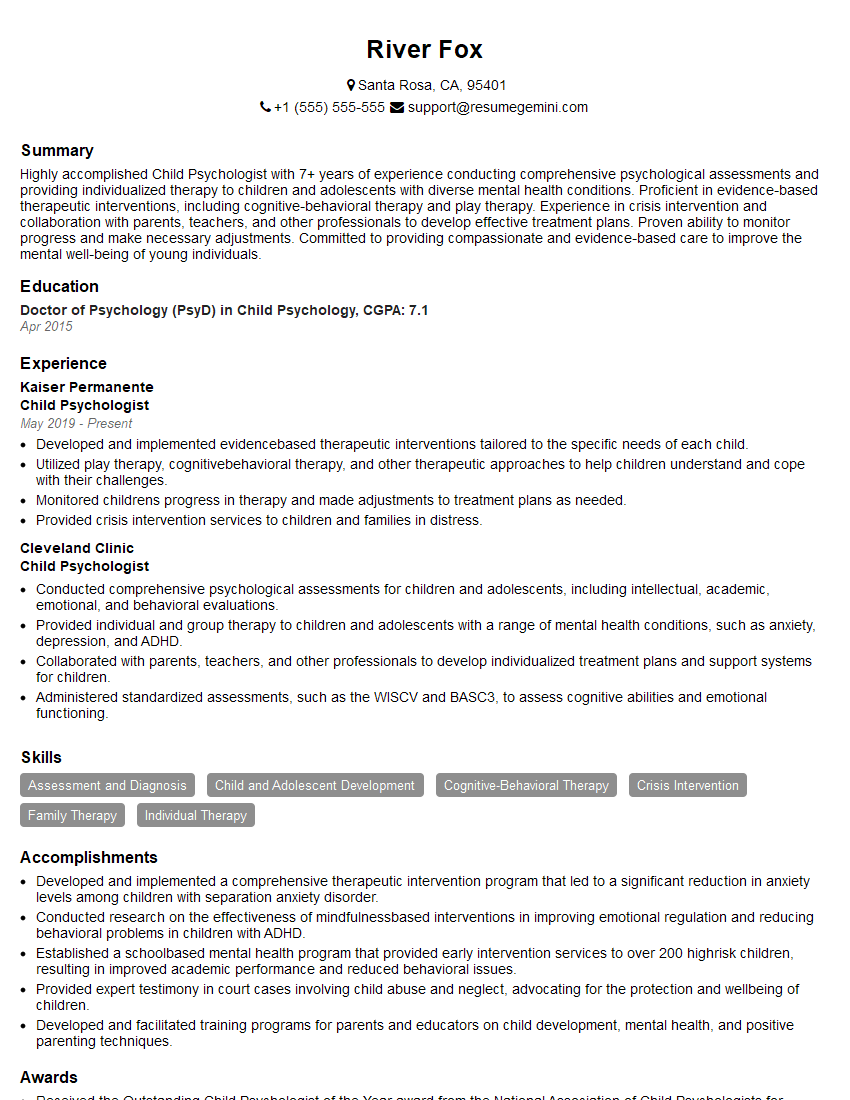
Child Psychologist Resume Sample
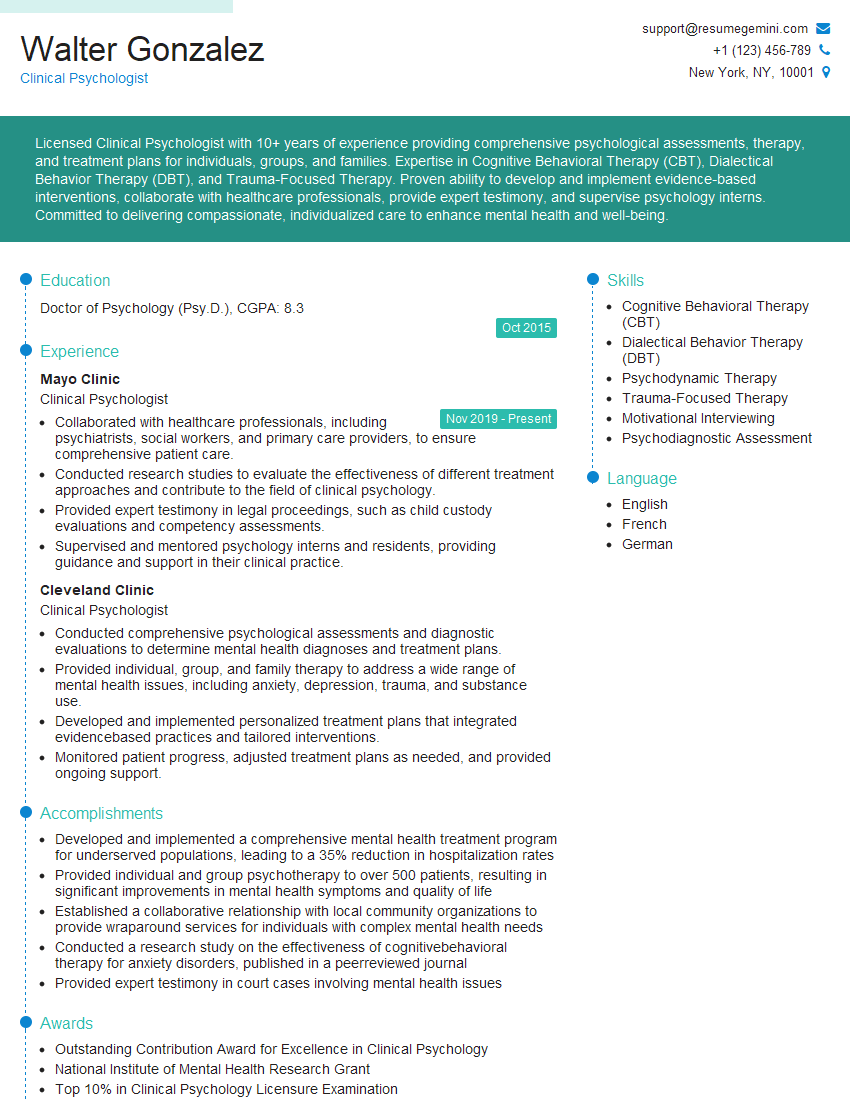
Clinical Psychologist Resume Sample
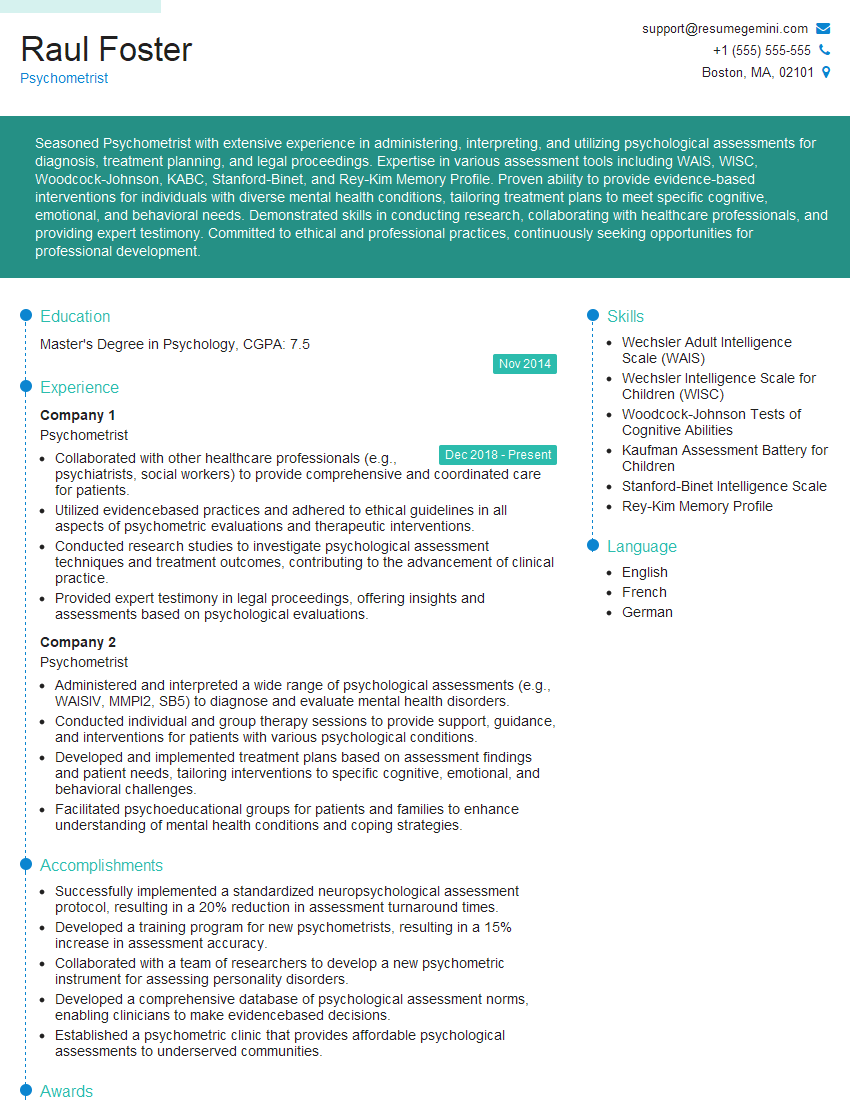
Psychometrist Resume Sample
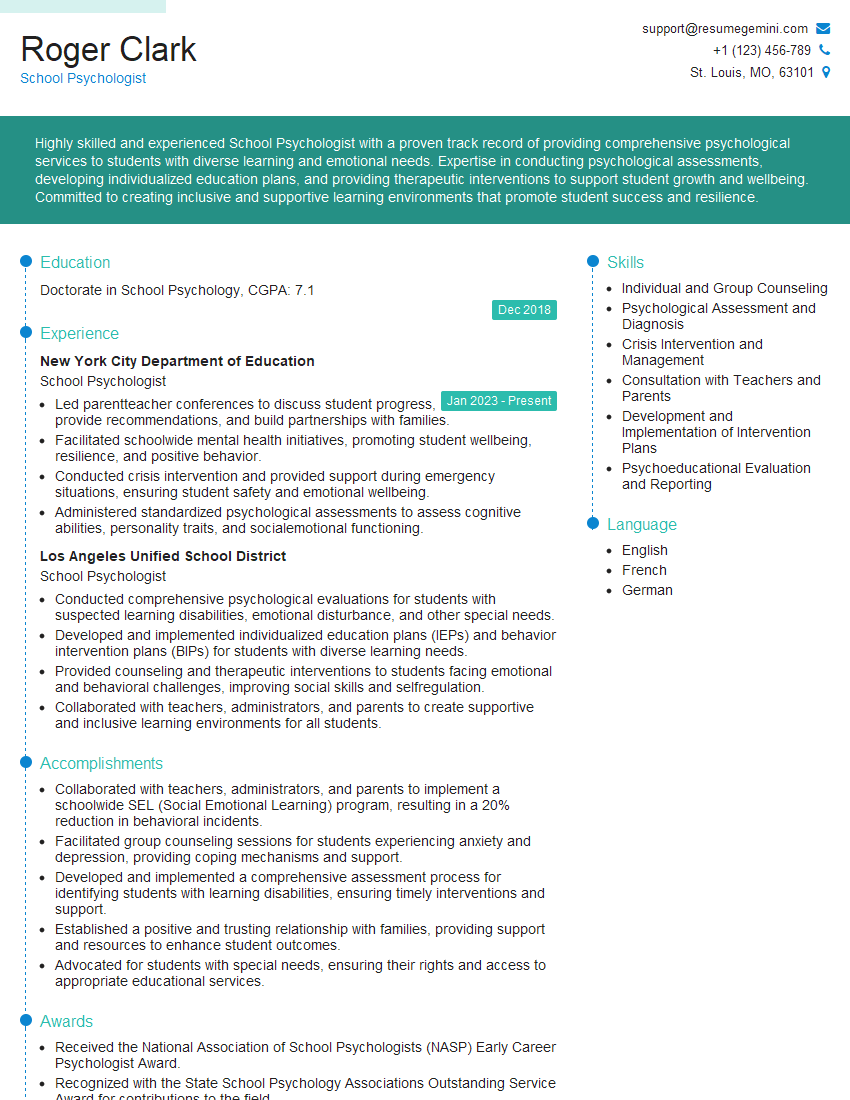
School Psychologist Resume Sample
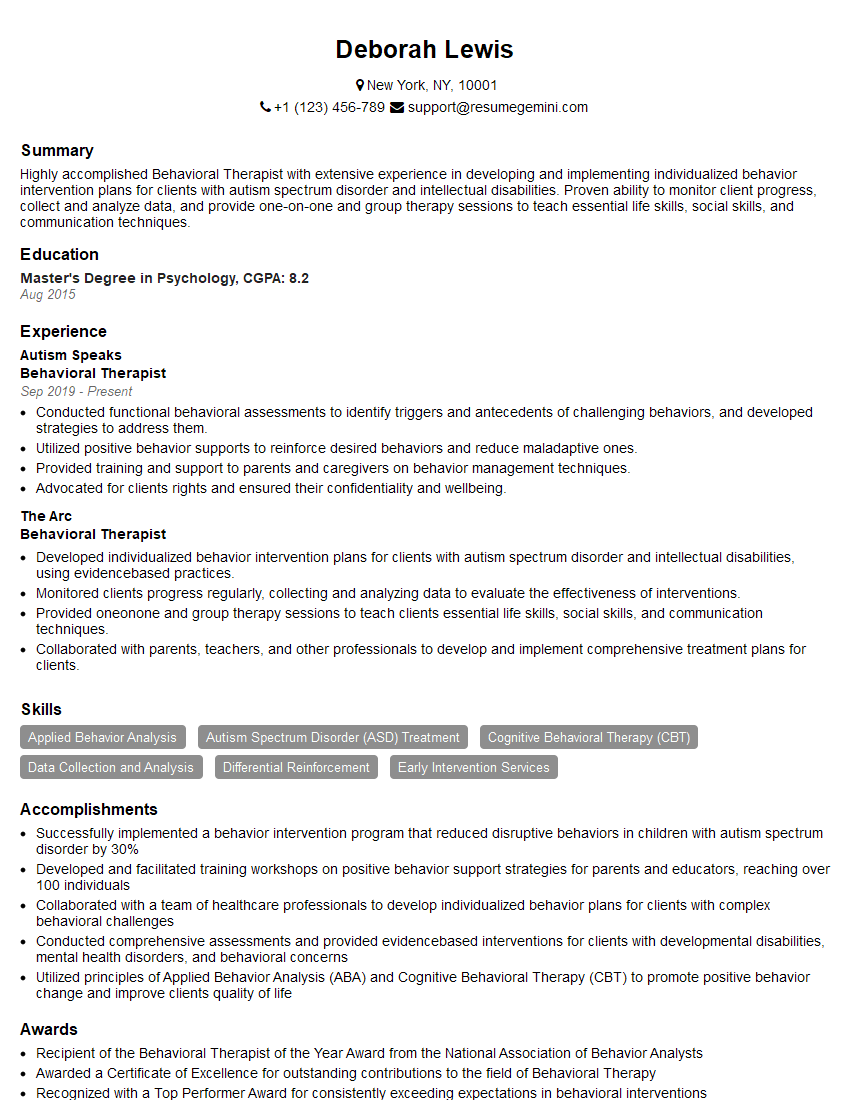
Behavioral Therapist Resume Sample
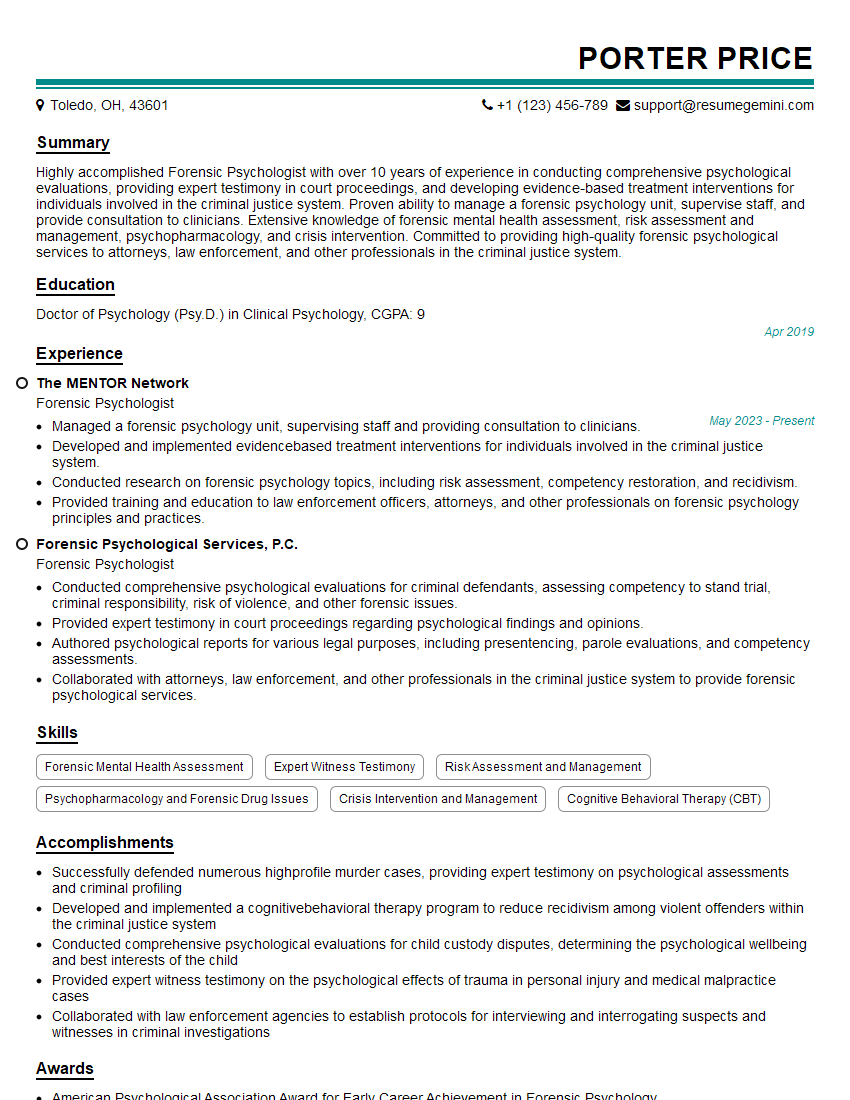
Forensic Psychologist Resume Sample
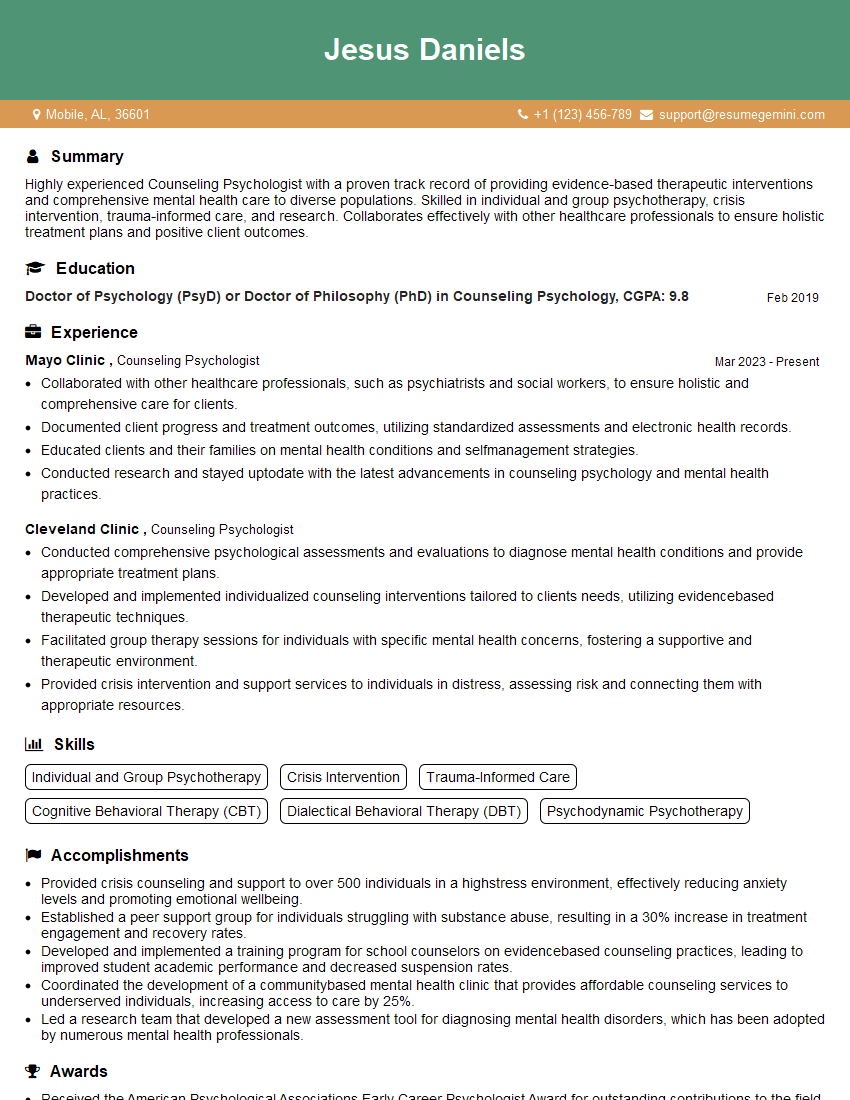
Counseling Psychologist Resume Sample
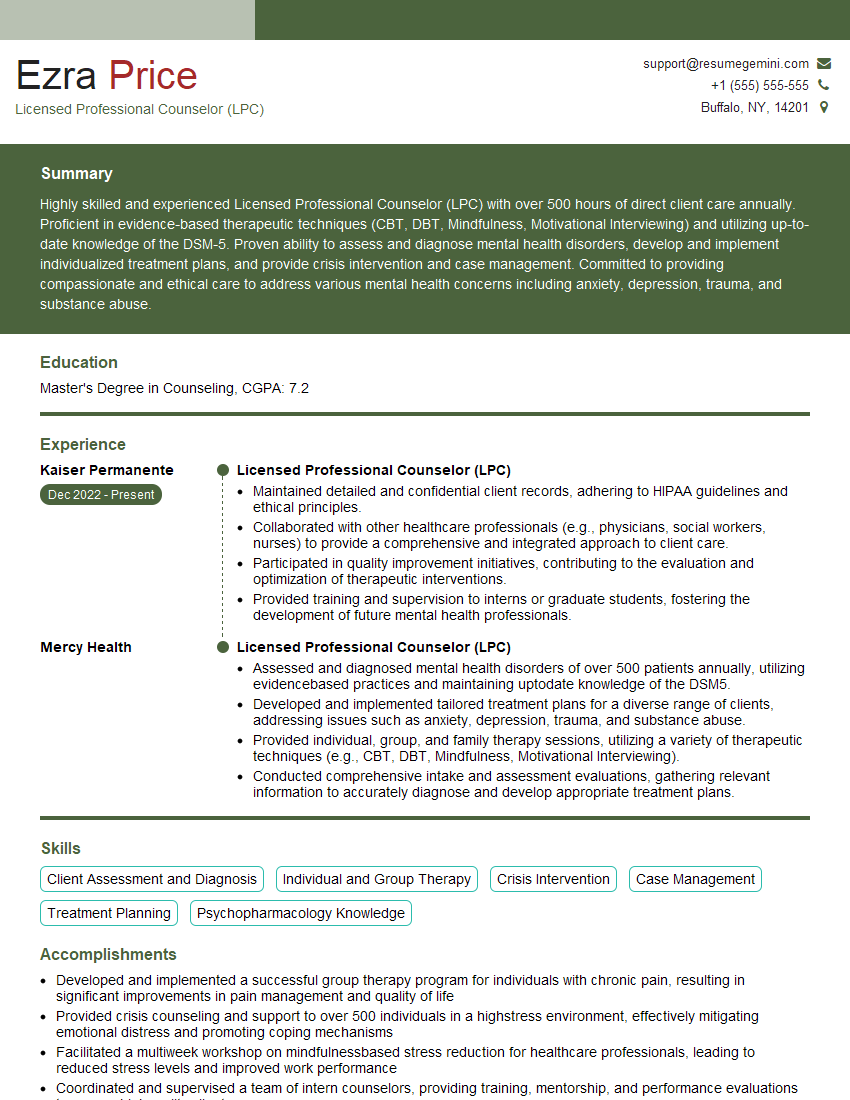
Licensed Professional Counselor (LPC) Resume Sample
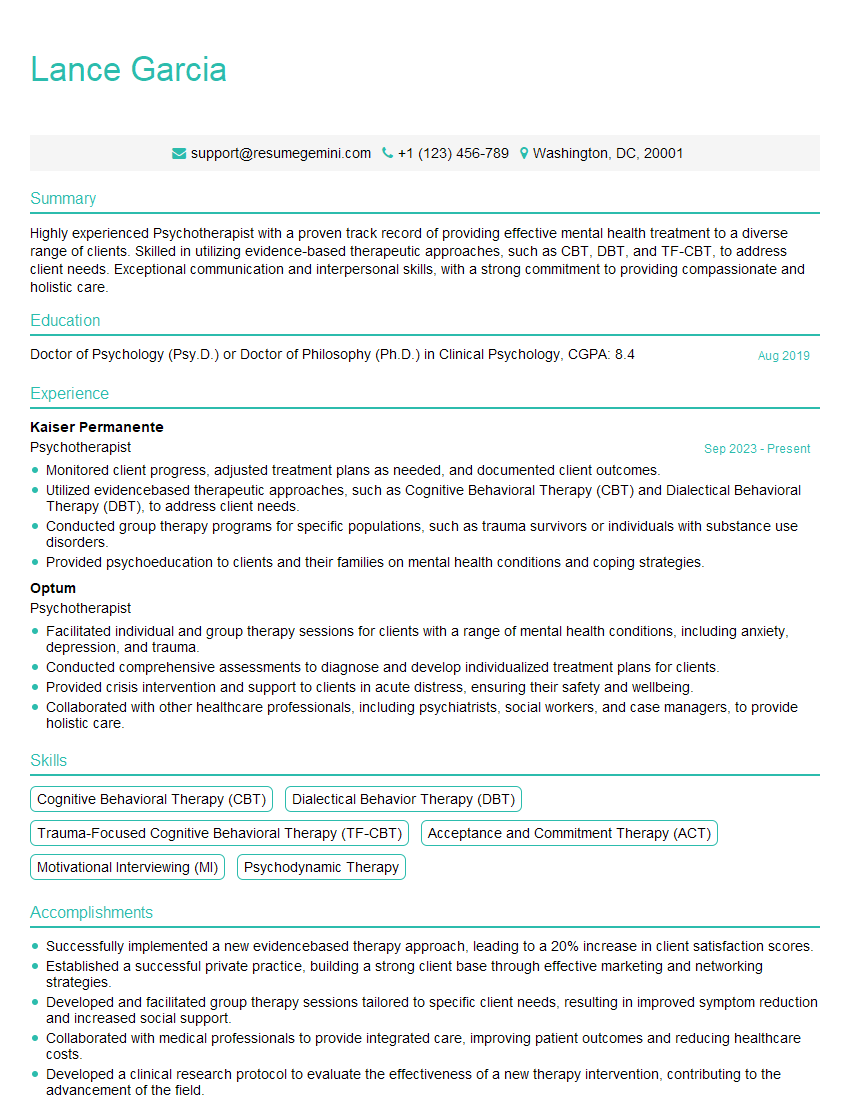
Psychotherapist Resume Sample
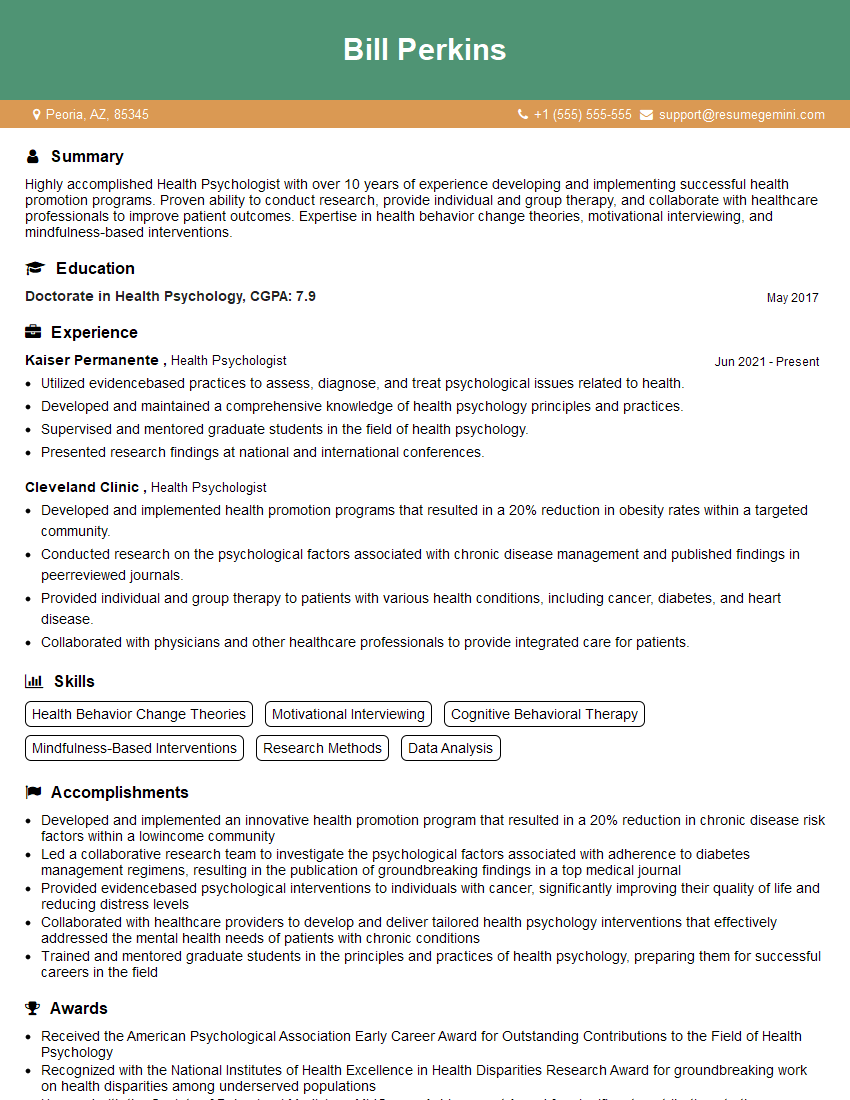
Health Psychologist Resume Sample
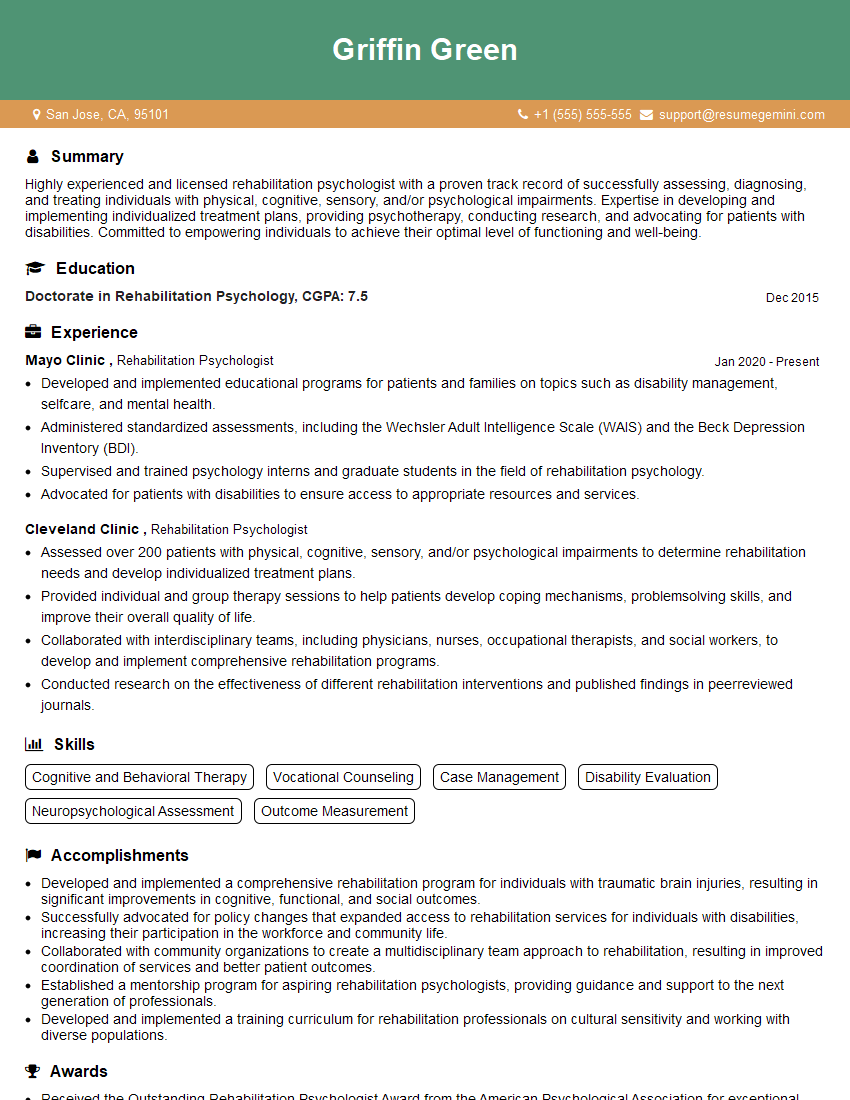
Rehabilitation Psychologist Resume Sample
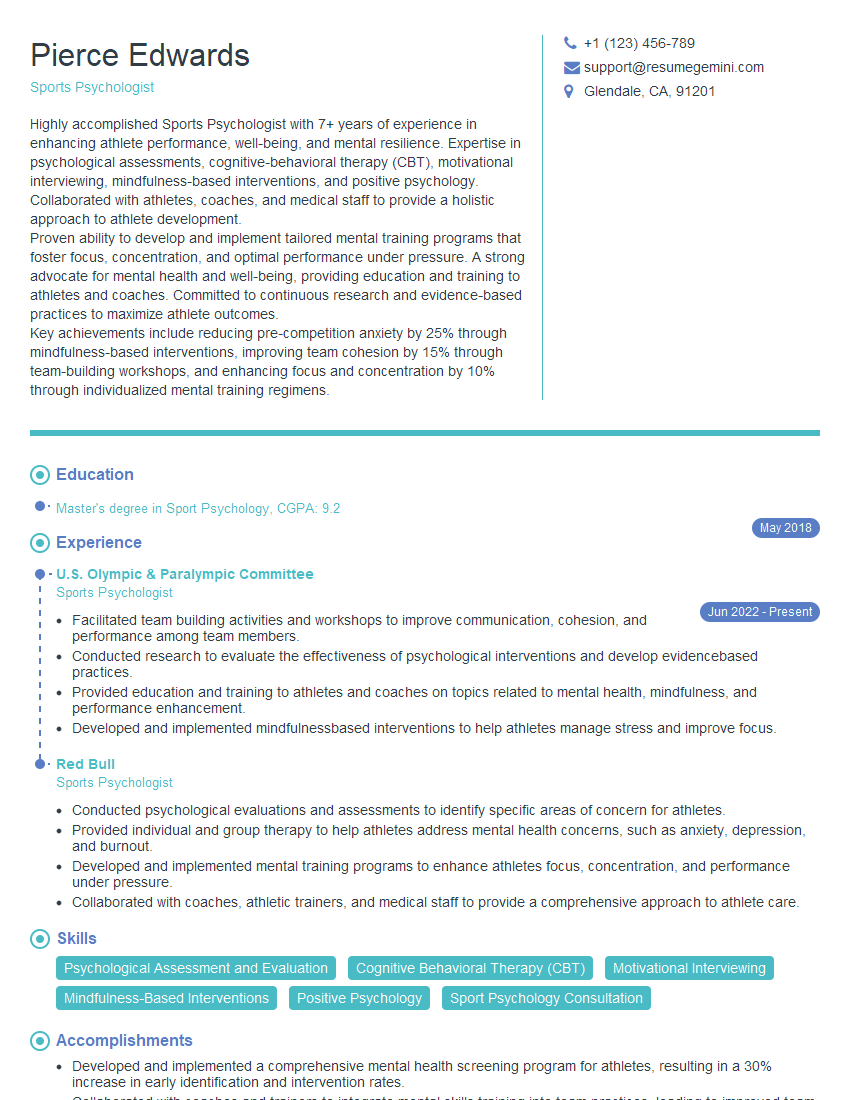
Sports Psychologist Resume Sample

Mental Health Counselor Resume Sample
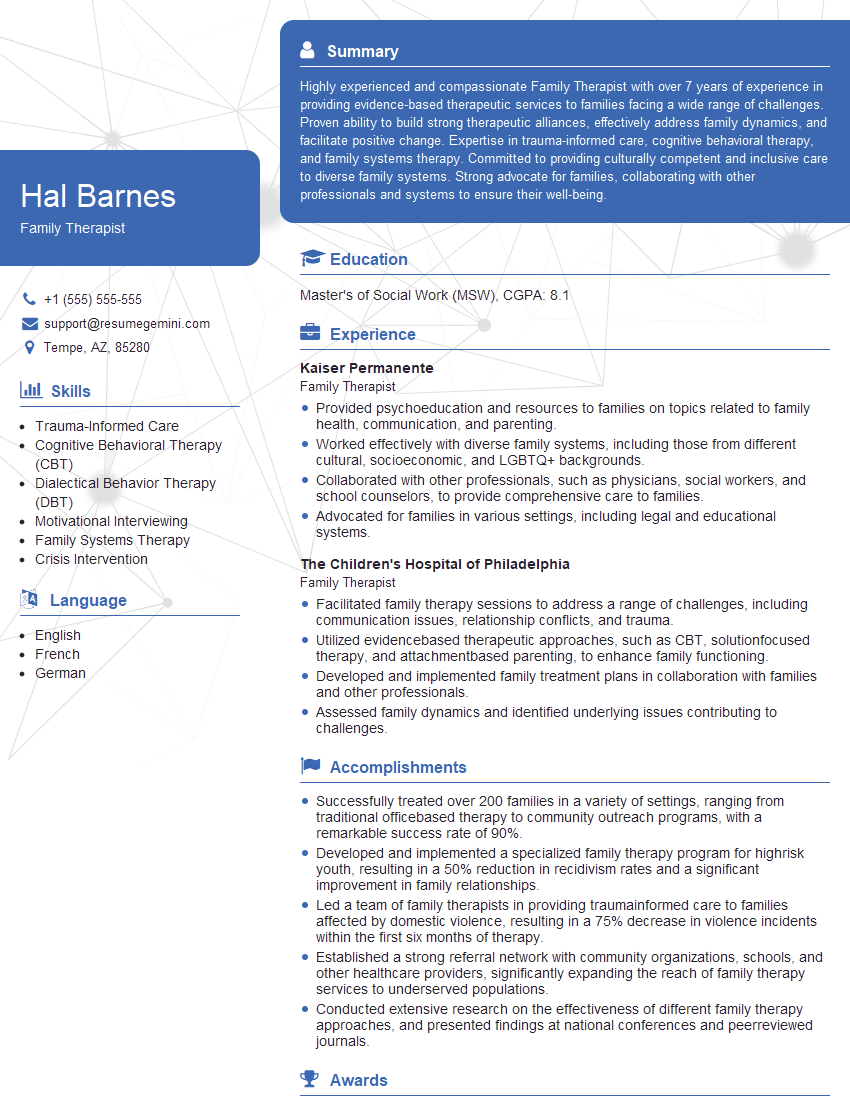
Family Therapist Resume Sample
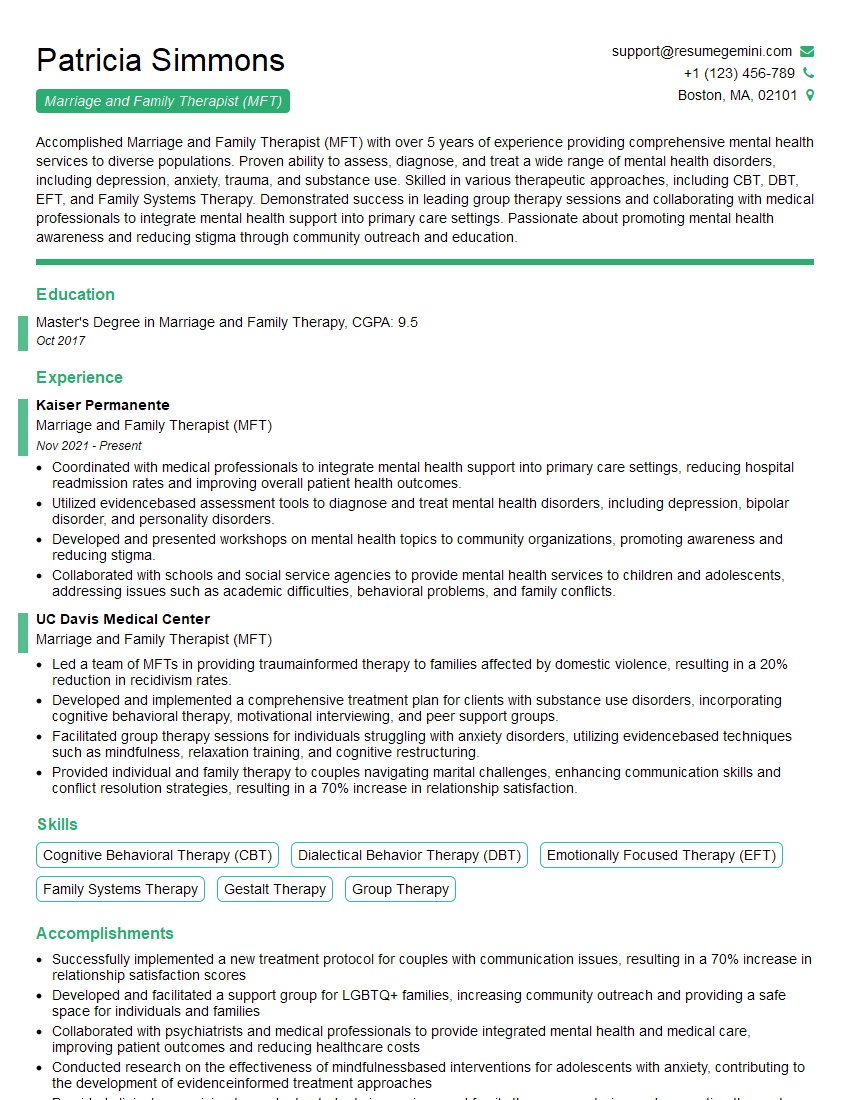
Marriage and Family Therapist (MFT) Resume Sample
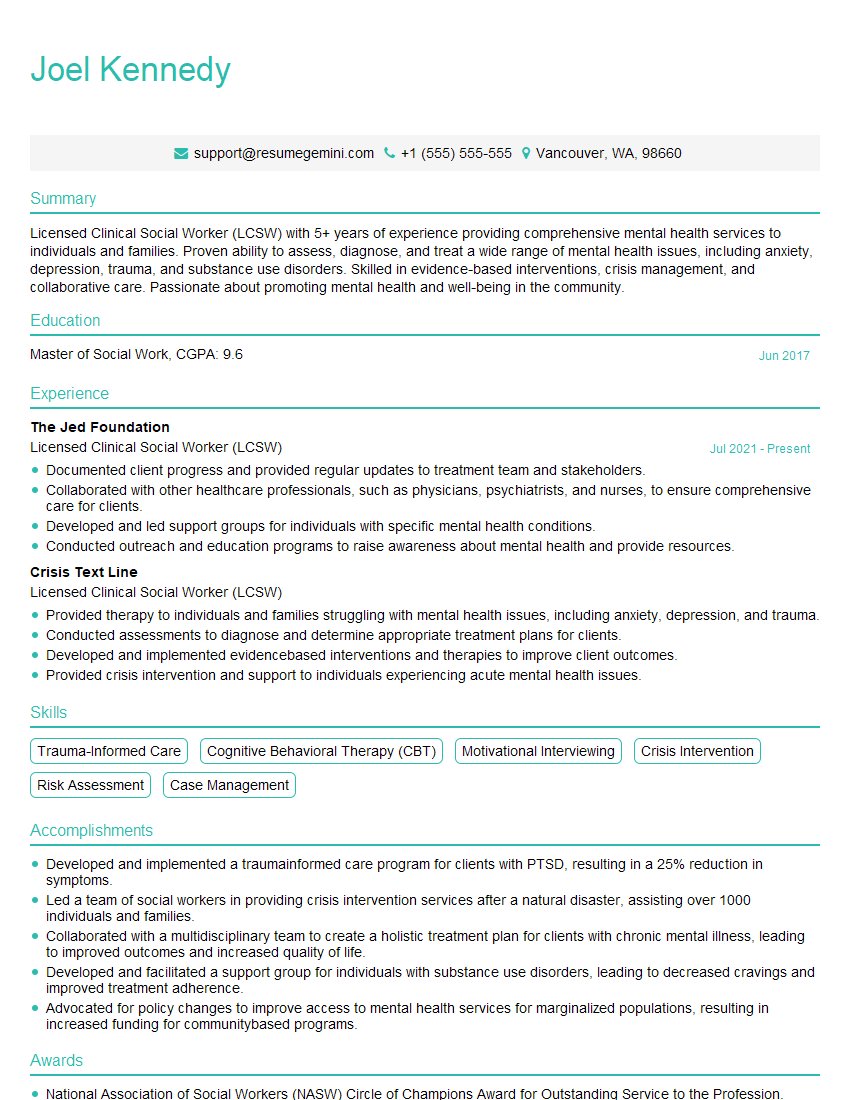
Licensed Clinical Social Worker (LCSW) Resume Sample
- Child Psychologist
- Clinical Psychologist
- Psychometrist
- School Psychologist
- Behavioral Therapist
- Forensic Psychologist
- Counseling Psychologist
- Licensed Professional Counselor (LPC)
- Psychotherapist
- Health Psychologist
- Rehabilitation Psychologist
- Sports Psychologist
- Mental Health Counselor
- Family Therapist
- Marriage and Family Therapist (MFT)
- Licensed Clinical Social Worker (LCSW)
Explore more articles
Users Rating of Our Blogs
Share Your Experience
We value your feedback! Please rate our content and share your thoughts (optional).
What Readers Say About Our Blog
To the interviewgemini.com Webmaster.
Very helpful and content specific questions to help prepare me for my interview!
Thank you
To the interviewgemini.com Webmaster.
This was kind of a unique content I found around the specialized skills. Very helpful questions and good detailed answers.
Very Helpful blog, thank you Interviewgemini team.