Interviews are opportunities to demonstrate your expertise, and this guide is here to help you shine. Explore the essential Experience in public speaking and event management interview questions that employers frequently ask, paired with strategies for crafting responses that set you apart from the competition.
Questions Asked in Experience in public speaking and event management Interview
Q 1. Describe your experience in managing event budgets.
Managing event budgets requires a meticulous approach, combining strategic planning with diligent tracking. It’s not just about allocating funds; it’s about optimizing resource utilization to achieve maximum impact within budgetary constraints. My process typically involves:
- Detailed Budgeting: I begin by creating a comprehensive budget outlining all anticipated expenses, categorized into distinct areas like venue rental, catering, marketing, speaker fees, technology, and staffing. This often uses spreadsheet software for easy tracking and analysis. I then build in contingency funds to account for unforeseen costs.
- Negotiation & Value Engineering: I actively negotiate with vendors to secure the best possible rates. This involves researching comparable prices and leveraging volume discounts where applicable. I also look for creative cost-saving solutions, such as exploring alternative venue options or utilizing in-house resources instead of outsourcing where possible.
- Regular Monitoring & Reporting: Throughout the event planning process, I closely monitor expenses against the budget. Regular reports are generated to highlight variances and inform any necessary adjustments. This allows for proactive problem-solving and prevents overspending.
- Post-Event Analysis: After the event, I conduct a thorough post-event analysis, comparing actual expenses against the budget. This process helps identify areas for improvement in future budget management and highlights successful cost-saving strategies.
For example, during a recent conference, I successfully negotiated a 15% discount on the venue rental by securing a mid-week booking and highlighting the anticipated positive media exposure for the venue.
Q 2. What strategies do you use to engage audiences during presentations?
Engaging audiences during presentations is crucial for impactful communication. It requires a multifaceted approach that goes beyond simply delivering information. I focus on:
- Interactive Elements: I incorporate interactive elements like polls, Q&A sessions, and group activities to actively involve the audience and foster a sense of participation. Think of it like a conversation, not a lecture.
- Storytelling: I use storytelling to connect with the audience on an emotional level. Relatable anecdotes and case studies make complex ideas easier to understand and remember.
- Visual Aids: High-quality visuals such as slides, videos, and props enhance engagement by providing a visual representation of the information. I ensure these aids are visually appealing and easy to follow.
- Varying Delivery: I vary my tone, pace, and delivery style to maintain audience interest. This could include incorporating humor, pauses for reflection, or changes in vocal inflection.
- Audience Connection: Making eye contact, using inclusive language, and adapting to the audience’s energy level are vital for establishing a strong connection. I always try to gauge their reactions and adjust my approach accordingly.
For instance, during a recent workshop, I used a quick poll to gauge audience familiarity with a specific topic, which allowed me to tailor the remaining content to their knowledge level.
Q 3. How do you handle unexpected challenges during an event?
Handling unexpected challenges is an inevitable part of event management. My approach emphasizes proactive planning, swift response, and effective communication. My strategy includes:
- Contingency Planning: I develop detailed contingency plans for potential problems, such as equipment malfunctions, speaker cancellations, or adverse weather conditions. This involves identifying potential risks and developing solutions in advance.
- Problem-Solving Skills: When an unexpected issue arises, I remain calm and assess the situation rationally. I prioritize addressing the most critical issues first, focusing on solutions rather than dwelling on the problem.
- Communication: I maintain open and transparent communication with all stakeholders, including attendees, speakers, vendors, and my team. This keeps everyone informed and fosters a sense of collaborative problem-solving.
- Adaptability: I am flexible and adaptable, able to adjust plans quickly to mitigate the impact of unexpected events. The key is to remain calm and resourceful.
For example, during a large outdoor event, a sudden rainstorm forced us to quickly relocate indoor activities. By effectively communicating the change and working with the venue staff, we were able to seamlessly transition activities with minimal disruption to attendees.
Q 4. Explain your process for selecting and booking speakers or vendors.
Selecting and booking speakers or vendors requires a thorough and systematic approach. I follow these steps:
- Defining Needs: I clearly define the event’s objectives and identify the specific skills, expertise, or services required from speakers or vendors.
- Research & Sourcing: I conduct extensive research to identify potential candidates, considering their experience, reputation, and alignment with the event’s theme. I use online databases, professional networks, and referrals to source options.
- Evaluation & Selection: I evaluate candidates based on their qualifications, availability, and fees. This often involves reviewing their portfolios, testimonials, and past event performances.
- Negotiation & Contracts: I negotiate contracts outlining the scope of work, fees, and payment terms. The contracts explicitly define deliverables and expectations to ensure mutual understanding.
- Relationship Management: I maintain a strong relationship with selected speakers and vendors throughout the process, ensuring clear communication and addressing any concerns promptly.
For instance, when selecting a keynote speaker for a technology conference, I prioritized candidates with relevant expertise, a strong speaking reputation, and an engaging presentation style. I carefully reviewed their past work and engaged in discussions to assess their suitability.
Q 5. What metrics do you use to measure the success of an event?
Measuring event success involves analyzing various metrics to gain a comprehensive understanding of the event’s impact. My approach incorporates both quantitative and qualitative data. Key metrics include:
- Attendance: The number of attendees serves as a primary measure of the event’s reach and appeal.
- Engagement: Metrics such as social media interactions, audience participation rates, and feedback surveys provide insights into audience engagement levels.
- Net Promoter Score (NPS): The NPS helps gauge attendee satisfaction and loyalty.
- Return on Investment (ROI): This evaluates the financial return relative to the event’s expenses, considering factors such as sponsorship revenue, ticket sales, and lead generation.
- Achieved Objectives: Did the event achieve its stated goals, such as raising brand awareness, generating leads, or promoting a specific product/service?
For example, a successful conference might exhibit high attendance rates, positive feedback scores, significant social media engagement, and a measurable increase in lead generation.
Q 6. How do you manage the logistics of a large-scale event?
Managing the logistics of a large-scale event requires meticulous planning and coordination. My approach uses a structured, phased methodology:
- Venue Selection: Choosing a suitable venue considering capacity, accessibility, amenities, and technical capabilities.
- Scheduling & Timelines: Creating detailed event schedules outlining all activities, including setup, presentations, breaks, and teardown.
- Technology Management: Ensuring appropriate audio-visual equipment, internet connectivity, and other technological needs are in place.
- Registration & Ticketing: Implementing a smooth registration process, whether online or on-site.
- On-Site Management: Providing clear signage, adequate staffing, and managing all on-site operations to ensure a seamless attendee experience.
- Transportation & Accommodation: Arranging transportation for speakers and attendees and managing accommodations where needed.
- Security & Safety: Establishing comprehensive security and safety protocols to ensure a secure environment for all participants.
For instance, in coordinating a large music festival, this involved securing permits, coordinating stage setup with multiple vendors, arranging security personnel, managing waste disposal, and coordinating with local authorities.
Q 7. Describe your experience with event marketing and promotion.
Event marketing and promotion aim to generate awareness and attract attendees. My strategies involve:
- Target Audience Definition: I clearly define the target audience to tailor marketing messages for maximum impact.
- Multi-Channel Approach: I utilize a multi-channel approach, combining digital marketing (social media, email, paid advertising) with traditional methods (print advertising, public relations).
- Content Marketing: Creating engaging content, such as blog posts, videos, and infographics, to attract and inform potential attendees.
- Social Media Engagement: Building an online community and using social media platforms to promote the event and interact with potential attendees.
- Email Marketing: Using email campaigns to reach out to potential attendees, provide updates, and drive registrations.
- Public Relations: Seeking media coverage through press releases and media outreach.
- Partnerships: Collaborating with relevant organizations or influencers to extend reach and promote the event.
For instance, during the marketing campaign for a recent conference, I used a targeted social media advertising campaign to reach potential attendees based on their professional interests and demographics. We also secured media coverage in several relevant publications, leading to increased awareness and attendance.
Q 8. How do you build and maintain relationships with clients and stakeholders?
Building and maintaining strong client and stakeholder relationships is paramount in event management. It’s a continuous process built on trust, communication, and understanding their needs. I begin by actively listening during initial consultations, understanding their vision, goals, and budget. This involves asking probing questions to uncover any unspoken expectations or potential challenges.
Throughout the planning process, I maintain transparent communication, providing regular updates and proactively addressing any concerns. I leverage various communication channels – email, phone calls, project management software – to ensure everyone is informed and engaged. Following the event, I send a detailed thank-you note and a post-event report, summarizing successes, areas for improvement, and key metrics.
For example, I worked with a non-profit organization whose primary concern was maximizing community engagement. By implementing a robust social media strategy and incorporating interactive elements into the event, we exceeded their participation goals and strengthened their community ties. This resulted in an ongoing relationship where they trust me to manage future events.
Q 9. What software or tools do you use for event planning and management?
Technology plays a crucial role in efficient event planning and management. I utilize a suite of software and tools, each tailored to a specific function. For project management, I rely heavily on Asana or Trello to track tasks, deadlines, and team responsibilities. These platforms facilitate collaboration and keep everything organized.
For registration and ticketing, I frequently use Eventbrite or Ticketmaster, depending on the scale and type of event. These platforms offer seamless registration, payment processing, and attendee management capabilities. Mailchimp or similar email marketing software is essential for communication with attendees and stakeholders before, during, and after the event. Finally, I use Canva for creating visually appealing marketing materials.
Beyond these specific tools, I’m proficient in using spreadsheets (Excel or Google Sheets) for budgeting, tracking expenses, and analyzing post-event data. The selection of tools often depends on the specific needs of each project.
Q 10. How do you handle conflict resolution within an event team?
Conflict resolution is an inevitable aspect of team work, especially in the high-pressure environment of event management. My approach is centered around proactive communication and a collaborative problem-solving mindset. I encourage open dialogue, creating a safe space where team members feel comfortable expressing their concerns without fear of retribution.
I start by actively listening to each party’s perspective, aiming to understand the root cause of the conflict, rather than just addressing the symptoms. Once I have a comprehensive understanding of the issue, I facilitate a structured discussion, guiding the team towards a mutually agreeable solution. This may involve brainstorming alternative solutions, identifying compromises, or mediating between conflicting viewpoints.
For instance, in a recent event, a disagreement arose between the design team and the marketing team regarding the event branding. By facilitating a discussion where both teams could present their perspectives and collaboratively modify the design, we arrived at a compromise that satisfied everyone’s needs. Documentation of the resolution helps prevent similar conflicts in the future.
Q 11. What is your experience in risk management for events?
Risk management is critical for ensuring the success and safety of any event. My approach involves a systematic process starting with identifying potential risks. This includes reviewing past event experiences, considering the event location, anticipated attendance, and relevant external factors (weather, political climate, etc.).
Once risks are identified, I assess their likelihood and potential impact. This allows me to prioritize mitigation strategies. For high-impact, high-likelihood risks, I develop detailed contingency plans, involving backup vendors, alternative venues, or emergency procedures. For example, if the event relies on technology, we will have a backup plan in case of internet outages. For lower-impact risks, we might have less detailed mitigation steps.
Regular monitoring throughout the event’s lifecycle is crucial to identify emerging risks and adjust strategies as needed. Thorough documentation of the risk assessment, mitigation strategies, and contingency plans are vital for transparency and accountability.
Q 12. Describe your approach to post-event analysis and reporting.
Post-event analysis is crucial for learning, improving future events, and demonstrating value to clients. My approach involves a multi-faceted process beginning with gathering data. This includes collecting feedback through surveys, analyzing attendance figures, reviewing financial reports, and assessing social media engagement.
I then synthesize this data to identify key performance indicators (KPIs) like attendance rates, customer satisfaction scores, and return on investment (ROI). A comprehensive report is created, summarizing the event’s performance against pre-set goals and objectives. This report also highlights areas of success and areas requiring improvement for future events.
For example, following a conference, we analyzed attendee feedback revealing a strong desire for more interactive workshops. This insight informed the design of future events, resulting in increased engagement and higher satisfaction scores.
Q 13. How do you ensure accessibility and inclusivity at your events?
Accessibility and inclusivity are fundamental considerations in event planning. My approach involves proactive steps throughout the event lifecycle to ensure that all attendees feel welcome and have equal opportunities to participate. This begins with the venue selection, ensuring it meets accessibility standards (wheelchair access, ramps, assistive listening devices).
Registration forms include questions regarding accessibility needs, allowing us to proactively arrange necessary accommodations. Event materials (brochures, presentations) are made available in accessible formats (large print, audio). During the event, clear signage, appropriate lighting, and designated quiet spaces are provided. We also work to ensure diverse representation in speakers, performers, and event staff.
For example, at a recent music festival, we partnered with local disability organizations to ensure accessible transportation, sensory-friendly areas, and sign language interpreters were available, creating a truly inclusive environment for all attendees.
Q 14. How do you adapt your communication style to different audiences?
Adapting communication style is key to effective public speaking and event management. My approach involves understanding my audience’s demographics, interests, and expectations before tailoring my message. This includes considering factors like age, profession, cultural background, and prior knowledge of the topic.
For a technical audience, I might use precise language and incorporate data-driven insights, while for a more general audience, I will employ simpler language and focus on storytelling and relatable examples. The tone of communication also shifts depending on the context. A formal presentation requires a different style than informal networking sessions. Nonverbal communication (body language, eye contact) is also adjusted to resonate with the specific audience.
For example, when presenting at a scientific conference, I used technical jargon and cited relevant research papers; however, when speaking at a community event, I simplified my language, used visual aids and real-life examples to engage a broader audience.
Q 15. Describe a time you had to overcome a significant obstacle during event planning.
One of the most challenging obstacles I faced was during the planning of a large-scale outdoor music festival. A week before the event, an unexpected severe weather forecast threatened to completely derail everything. We had already finalized contracts, secured permits, and thousands of tickets had been sold.
To overcome this, I immediately convened a crisis meeting with my team. We explored all possible scenarios, from postponing the event (which would have been incredibly costly) to finding an alternate indoor venue (logistically impossible at such short notice).
Ultimately, we developed a comprehensive contingency plan. This involved securing a large supply of waterproof tarps, setting up a robust drainage system, and devising a real-time weather monitoring and communication system to inform attendees of any changes. We also implemented a flexible ticket refund policy for those who wished to cancel. The festival went ahead, and despite the rain, it was a success due to our proactive and adaptable approach.
Career Expert Tips:
- Ace those interviews! Prepare effectively by reviewing the Top 50 Most Common Interview Questions on ResumeGemini.
- Navigate your job search with confidence! Explore a wide range of Career Tips on ResumeGemini. Learn about common challenges and recommendations to overcome them.
- Craft the perfect resume! Master the Art of Resume Writing with ResumeGemini’s guide. Showcase your unique qualifications and achievements effectively.
- Don’t miss out on holiday savings! Build your dream resume with ResumeGemini’s ATS optimized templates.
Q 16. What is your experience with virtual or hybrid events?
My experience with virtual and hybrid events is extensive. I’ve managed several fully virtual conferences using platforms like Zoom and Hopin, incorporating interactive features like breakout rooms, live Q&A sessions, and virtual networking opportunities to replicate the experience of an in-person event.
For hybrid events, which combine both in-person and online participation, I’ve focused on seamless integration. This involves ensuring high-quality live-streaming, real-time chat functionality for online attendees, and careful coordination between on-site and remote teams. For example, for a recent product launch, we used a dedicated team to manage the online engagement while another focused on the in-person audience. We ensured smooth transitions between both formats and the online content was professionally produced and engaging, mirroring the live event as much as possible.
Q 17. How do you handle last-minute changes or cancellations?
Handling last-minute changes requires a calm and decisive approach. My strategy is based on clear communication, flexible planning, and a well-defined escalation protocol.
First, I assess the impact of the change or cancellation. Then, I immediately communicate with all relevant stakeholders—vendors, speakers, attendees, and team members—to keep everyone informed. For example, if a speaker cancels, I have a backup plan ready, which might involve securing a replacement speaker or adjusting the schedule.
For cancellations, I follow established refund procedures efficiently and transparently, focusing on minimizing disruption and maintaining a professional image. I document all changes meticulously to avoid future errors. The key is to stay proactive, adaptable, and focused on mitigating any negative consequences.
Q 18. What is your experience with event registration and ticketing systems?
I’m proficient in various event registration and ticketing systems, including Eventbrite, Ticketmaster, and others. My experience encompasses everything from setting up registration forms and managing attendee databases to integrating these systems with CRM and payment gateways.
I understand the importance of choosing the right system based on the event’s size, complexity, and specific needs. For example, for a small-scale event, a simpler platform like Eventbrite might suffice. However, for larger, more complex events, a more robust system with advanced features like attendee tracking, analytics, and automated communications is necessary. I also have experience with customizing registration forms to collect specific data, ensuring a smooth and efficient registration process for attendees.
Q 19. How do you ensure the safety and security of attendees at an event?
Attendee safety and security are paramount. My approach involves a multi-layered strategy. First, a thorough risk assessment is conducted to identify potential hazards – such as crowd management issues, security threats, or health concerns.
Based on this assessment, I implement appropriate security measures. This can include hiring security personnel, implementing clear signage and emergency procedures, conducting bag checks, and working with local authorities to secure the venue. For health concerns, I might implement sanitization protocols, provide hand sanitizer, and promote social distancing measures, especially post pandemic. Clear communication with attendees before and during the event is essential, outlining safety procedures and emergency contact information.
Q 20. Explain your understanding of event sustainability and ethical practices.
Event sustainability and ethical practices are crucial aspects of my planning process. I incorporate sustainable practices wherever possible, such as reducing waste by using reusable materials, sourcing food locally, and minimizing energy consumption.
Ethical considerations include fair labor practices, ensuring inclusivity and accessibility for all attendees, and working with vendors who share the same values. For example, I prioritize vendors committed to ethical sourcing and environmentally friendly practices. We promote recycling programs during the event and donate surplus food to local charities to minimize environmental impact. Transparency in our processes is also important, ensuring that attendees are aware of our commitment to sustainability and ethical conduct.
Q 21. How do you prioritize tasks and manage your time effectively during event planning?
Effective time and task management is crucial in event planning, which can be a very high-pressure environment. I use a combination of methods. I start by creating a detailed project timeline, breaking down the entire event into smaller, manageable tasks. This timeline is then used to create a prioritized task list.
I utilize project management tools, like Trello or Asana, to track progress, assign tasks to team members, and set deadlines. Regular check-ins with the team are essential to monitor progress, address any issues promptly and ensure everyone remains on track. The Eisenhower Matrix (urgent/important) helps prioritize tasks, focusing first on high-impact, urgent items. Finally, I build buffer time into the schedule to accommodate unforeseen delays or challenges.
Q 22. What are your strengths and weaknesses as an event manager?
My greatest strength as an event manager lies in my ability to anticipate and proactively address potential challenges. I’m detail-oriented and possess exceptional organizational skills, allowing me to manage multiple tasks simultaneously and meet tight deadlines. I thrive in collaborative environments and excel at building strong relationships with clients, vendors, and team members. For example, during a recent conference, I identified a potential conflict with a venue’s sound system and secured a backup solution weeks in advance, preventing any disruption.
However, I acknowledge that my perfectionism can sometimes lead to overworking. I’m actively working on delegating more effectively and trusting my team’s capabilities to manage their assigned tasks. I’ve found techniques like time blocking and prioritizing tasks using the Eisenhower Matrix help me manage my time and energy more efficiently.
Q 23. What are your salary expectations for this role?
My salary expectations for this role are in the range of $80,000 to $100,000 annually, depending on the full scope of responsibilities and benefits package. This expectation is based on my experience, skills, and the prevailing market rates for similar roles in this region. I’m open to discussing this further based on a detailed job description and a comprehensive understanding of the role’s demands.
Q 24. How do you maintain a positive and professional demeanor under pressure?
Maintaining a positive and professional demeanor under pressure is paramount in event management. My approach is multifaceted. Firstly, I prioritize thorough planning and contingency planning. This reduces unexpected issues. Secondly, I focus on clear and consistent communication with my team and stakeholders, ensuring everyone is informed and aligned. Thirdly, I practice mindfulness and stress-management techniques to stay calm and focused. For instance, during a high-pressure event with a technical malfunction, I calmly addressed the issue, reassured attendees, and worked with the tech team to resolve it quickly and efficiently, minimizing disruption and maintaining a professional appearance throughout.
Q 25. Describe your experience in using data analytics to improve event outcomes.
Data analytics plays a crucial role in optimizing event outcomes. I utilize various tools to gather data on attendee demographics, engagement levels, and feedback. For instance, I use event registration platforms to collect demographic data, and I track social media engagement and website analytics to understand attendee interest. This data helps me refine the event’s content, marketing strategies, and overall experience for future events. I’ve used this data to identify underperforming sessions, optimize marketing campaigns based on audience segmentation, and improve attendee satisfaction. This iterative process of data collection, analysis, and refinement has consistently led to improved event performance.
Q 26. What is your approach to managing event sponsorships?
My approach to managing event sponsorships is built on strong relationship building and clear communication. I start by understanding the sponsor’s marketing goals and how the event can help them achieve those goals. I then develop a tailored sponsorship package that offers appropriate visibility and return on investment. Transparency is key; I provide regular updates and reports to my sponsors, showcasing the value they’re receiving. I also ensure that sponsor commitments are clearly outlined in contracts and that all agreements are fulfilled professionally and meticulously.
Q 27. How do you leverage technology to enhance the attendee experience?
Technology is integral to enhancing the attendee experience. I leverage event apps for registration, scheduling, networking, and providing real-time updates. I integrate QR codes for seamless check-in and interactive elements. Live-streaming capabilities can extend the reach of the event to a wider audience. For feedback, I use online surveys and polls to gather valuable information in real-time, which allows for immediate adjustments and improvements to the event. This tech integration ensures a more engaging, interactive, and convenient experience for attendees.
Q 28. Describe a time you had to make a difficult decision related to event planning.
During a large-scale conference, a major sponsor pulled out just three weeks before the event due to unforeseen circumstances. This created a significant budget shortfall. To address this, I immediately explored several options: securing alternative sponsorship, negotiating lower costs with vendors, and adjusting the event scale to fit the revised budget. After analyzing all options, I opted for a combination of renegotiating with vendors and implementing targeted cost-cutting measures without compromising the core event experience. The result was a successful event despite the initial setback, demonstrating my ability to make tough decisions under pressure and find creative solutions to unexpected problems.
Key Topics to Learn for Experience in Public Speaking and Event Management Interviews
- Audience Analysis & Engagement: Understanding your audience’s needs and tailoring your communication style for maximum impact. Practical application: Developing different presentation styles for diverse groups (e.g., academic, corporate, community).
- Presentation Skills: Mastering vocal delivery, body language, and visual aids to create a compelling and memorable presentation. Practical application: Practicing techniques to overcome stage fright and project confidence.
- Event Planning & Logistics: Managing budgets, timelines, venues, vendors, and logistics to ensure a smooth and successful event. Practical application: Developing detailed event plans and risk mitigation strategies.
- Marketing & Promotion: Effectively promoting events through various channels to maximize attendance and engagement. Practical application: Utilizing social media and other platforms to reach target audiences.
- Problem-Solving & Crisis Management: Handling unexpected challenges and setbacks with grace and efficiency. Practical application: Developing contingency plans for various potential problems (e.g., technical difficulties, speaker cancellations).
- Teamwork & Collaboration: Working effectively with diverse teams to achieve shared goals. Practical application: Demonstrating leadership and delegation skills in a team environment.
- Post-Event Analysis & Evaluation: Assessing the success of events and identifying areas for improvement. Practical application: Gathering feedback and using data to inform future planning.
Next Steps
Mastering public speaking and event management skills is crucial for career advancement across numerous fields, opening doors to leadership roles and high-impact opportunities. A strong, ATS-friendly resume is your key to unlocking these prospects. To significantly enhance your job search, we encourage you to leverage ResumeGemini, a trusted resource for crafting professional and effective resumes. Examples of resumes tailored to highlight experience in public speaking and event management are available to help guide you.
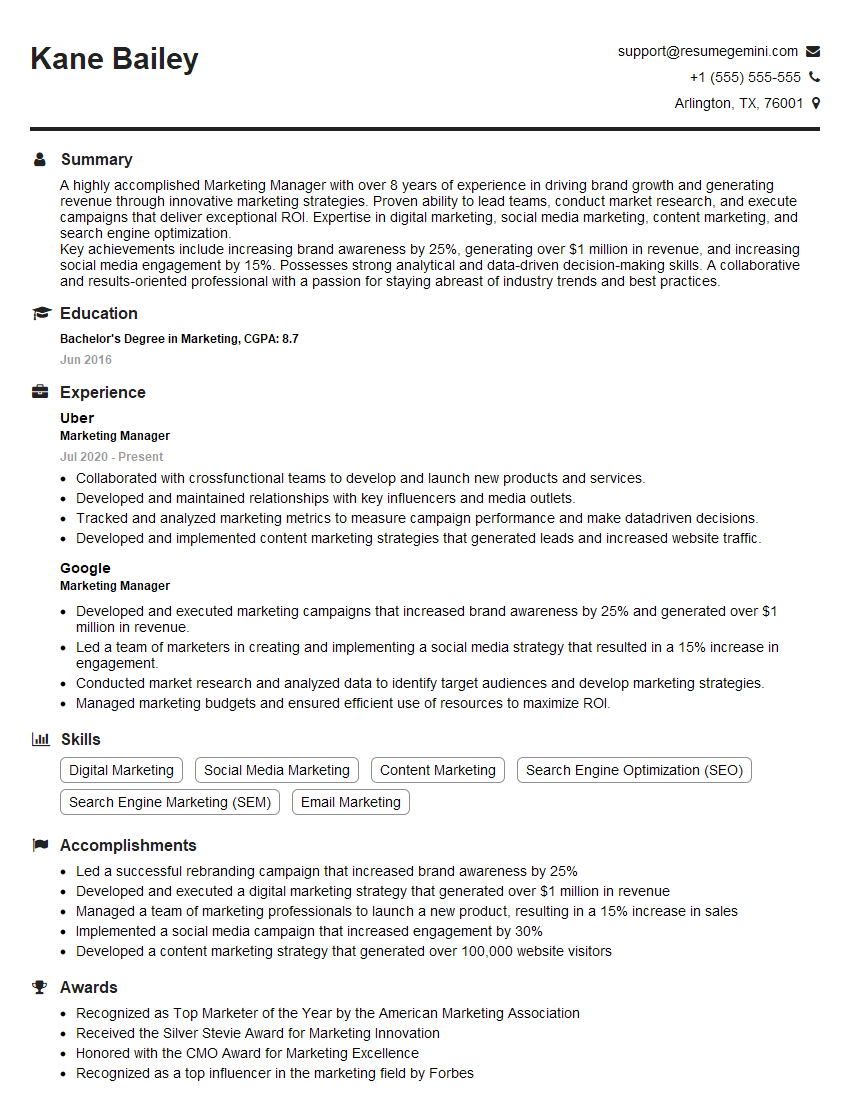
Marketing Manager Resume Sample

Communications Manager Resume Sample

Marketing Communications Manager Resume Sample
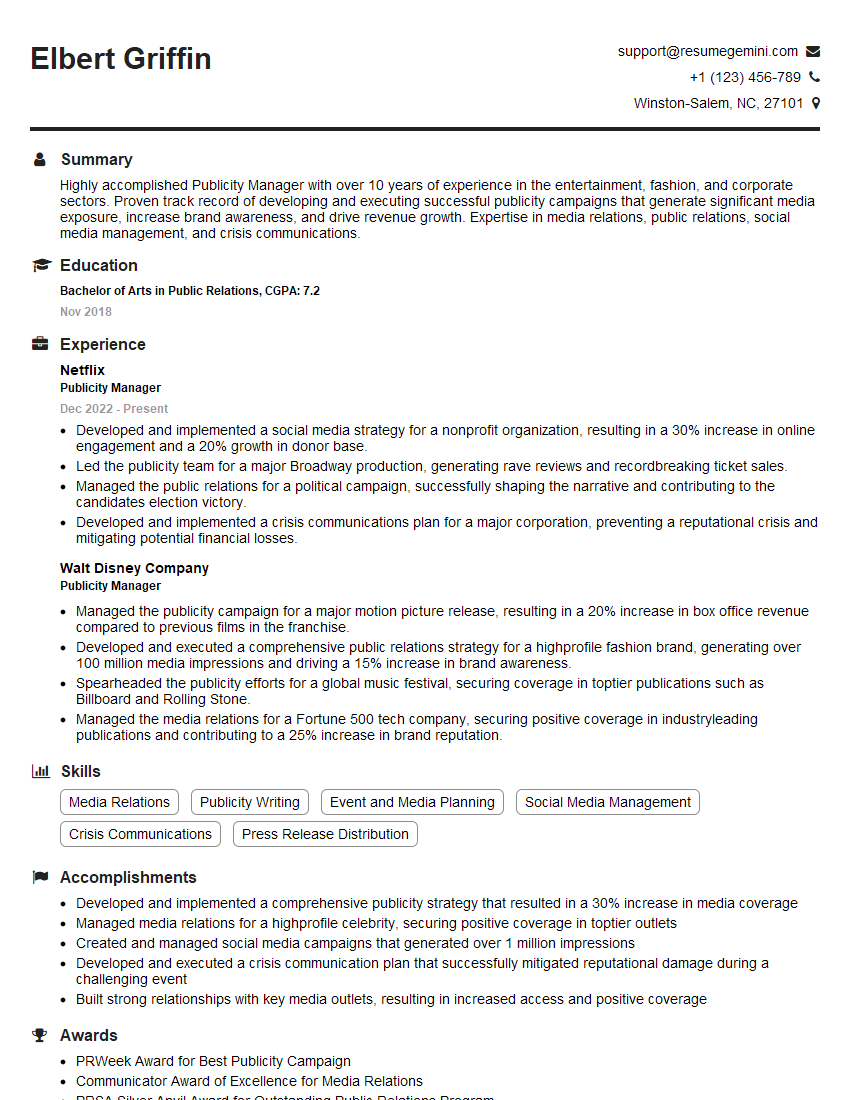
Publicity Manager Resume Sample
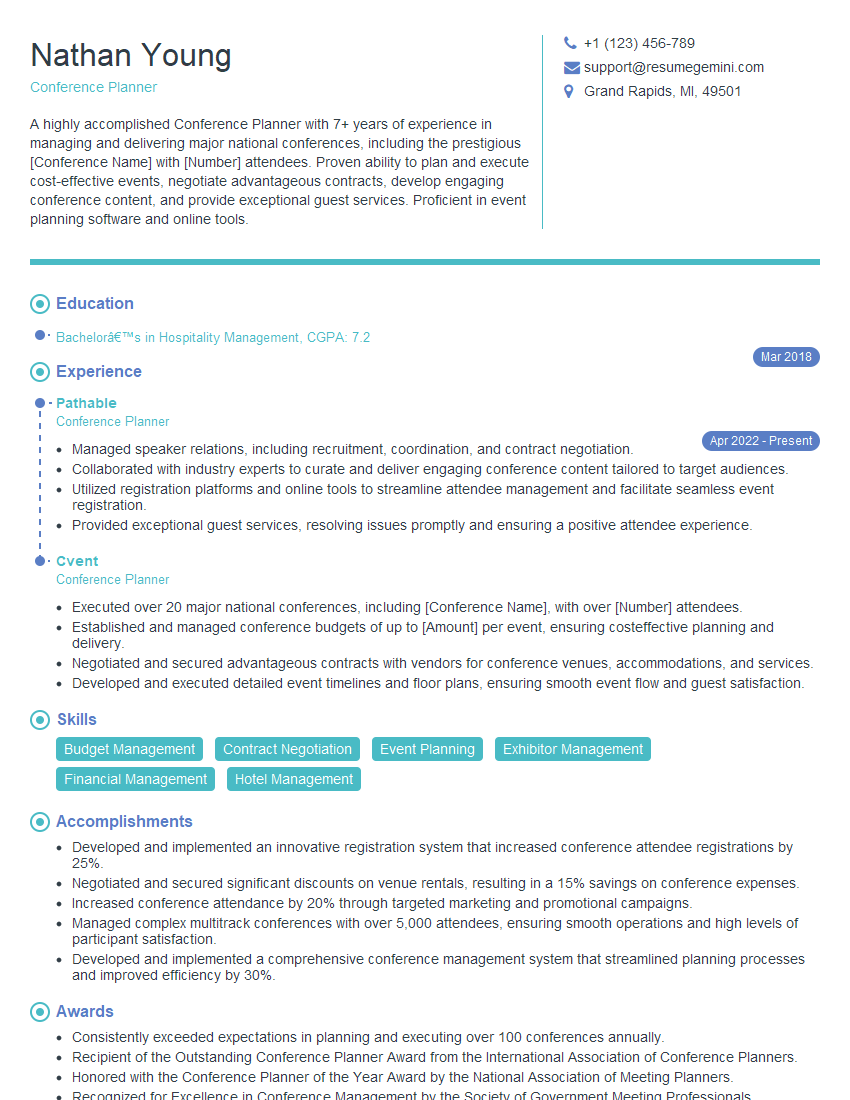
Conference Planner Resume Sample
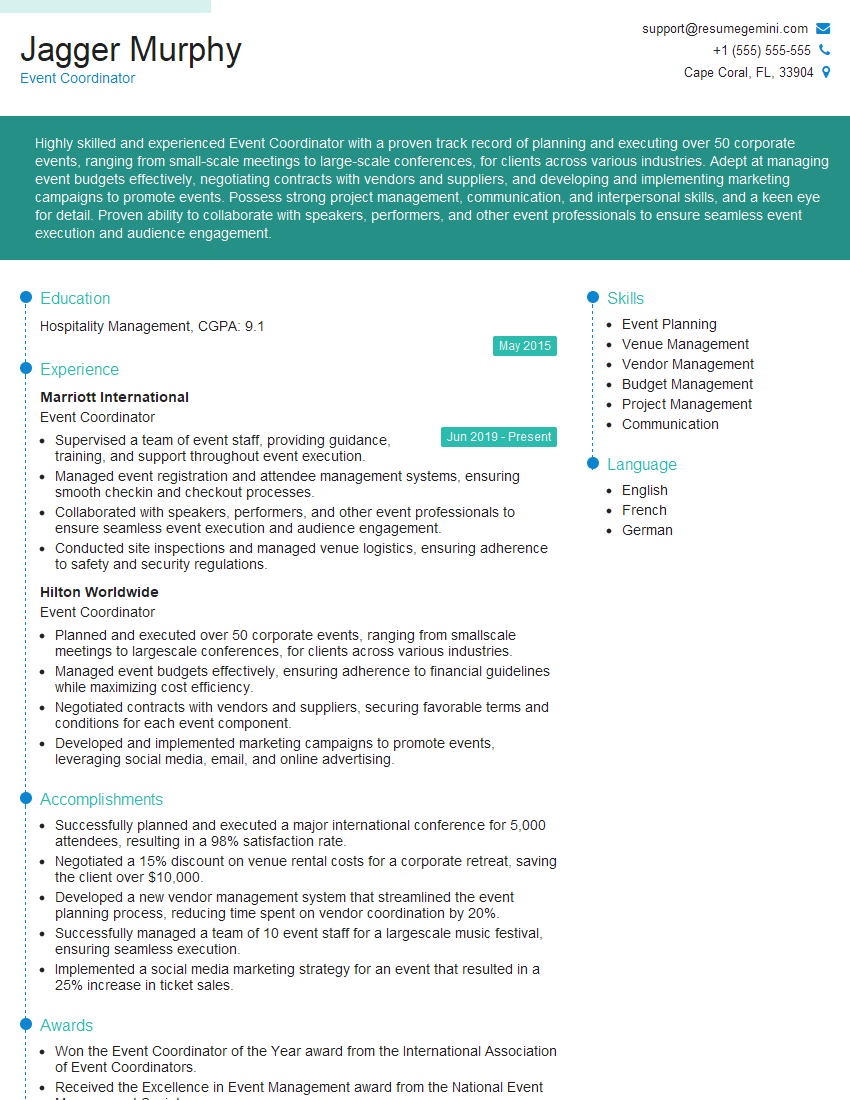
Event Coordinator Resume Sample
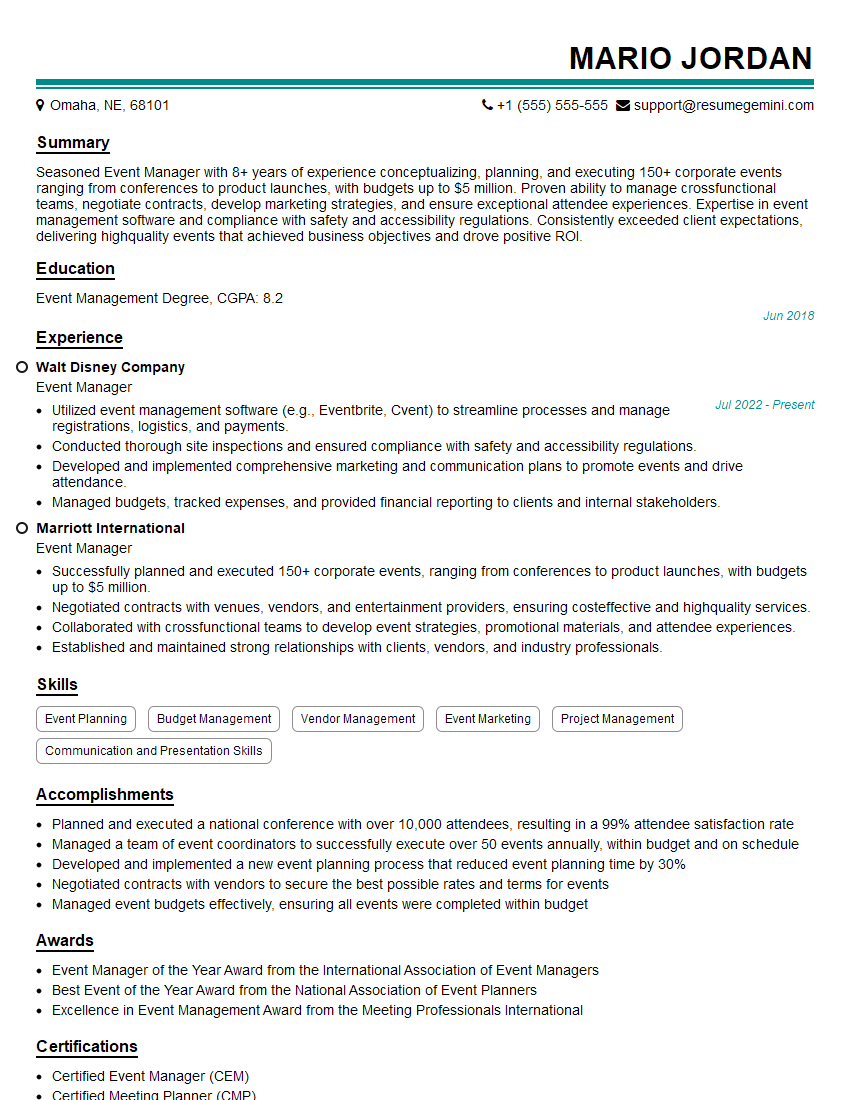
Event Manager Resume Sample
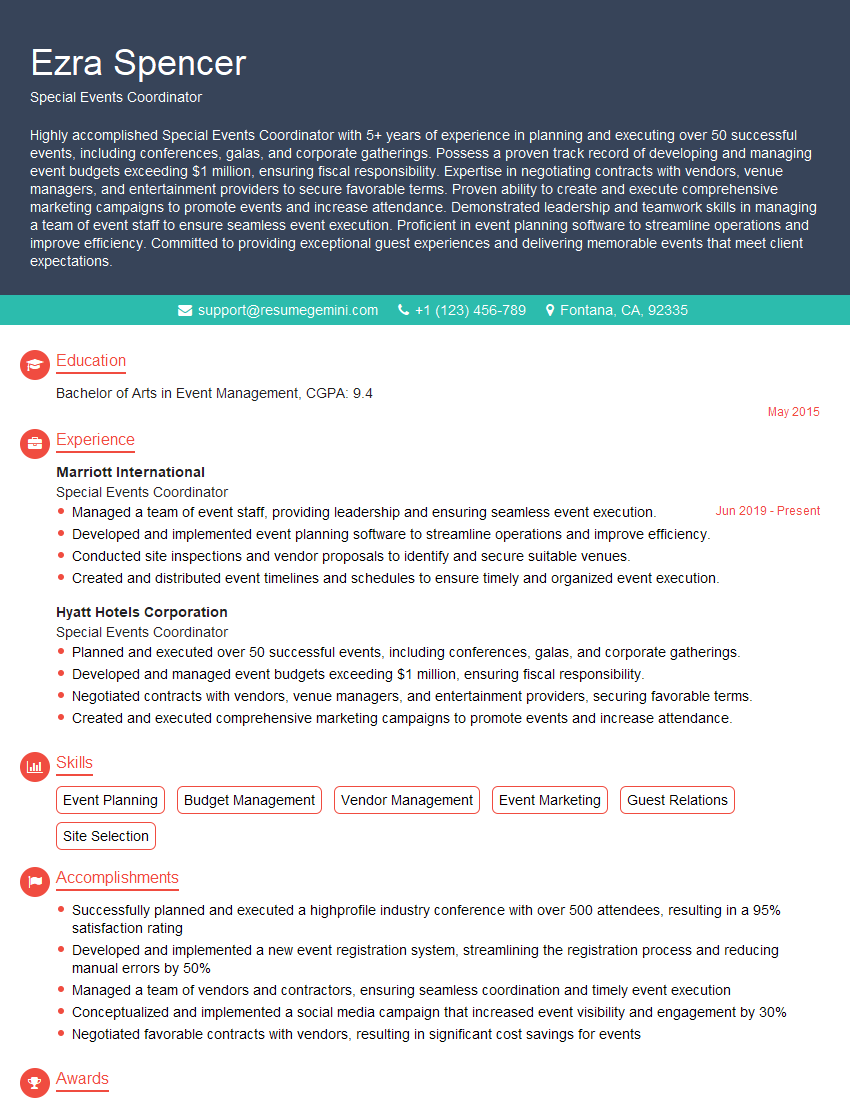
Special Events Coordinator Resume Sample
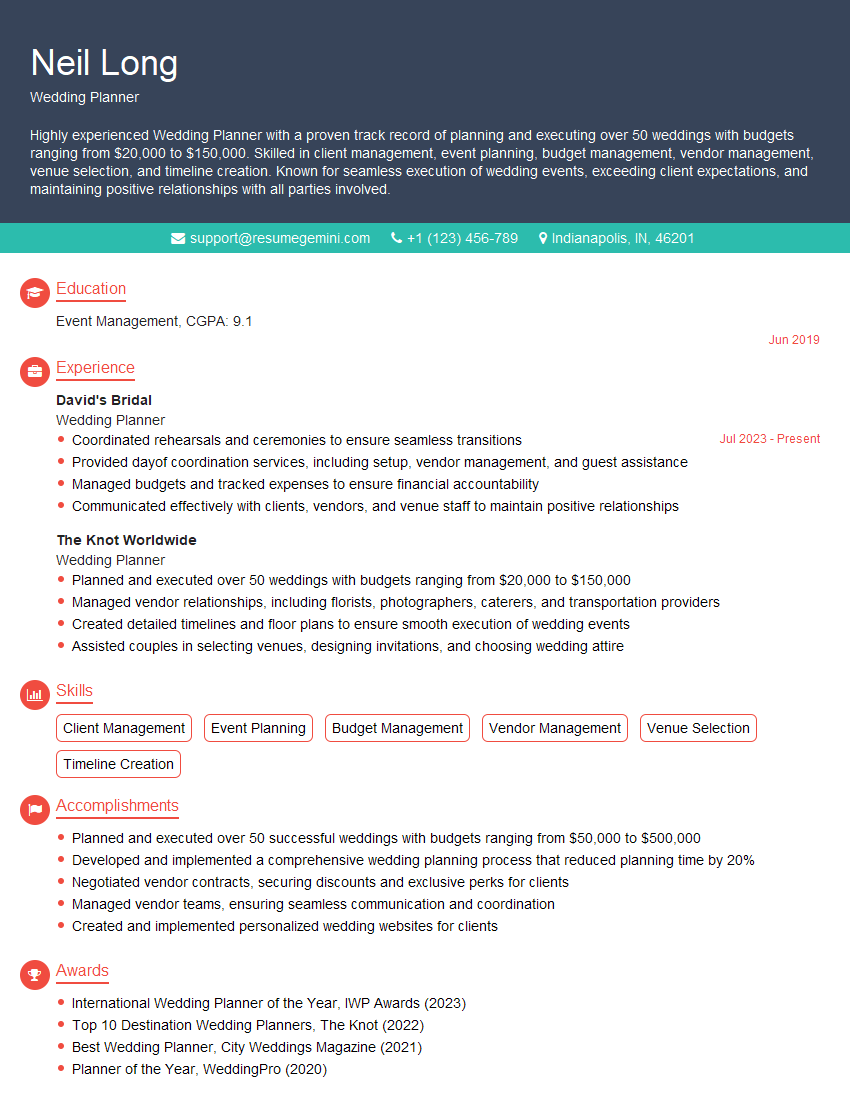
Wedding Planner Resume Sample
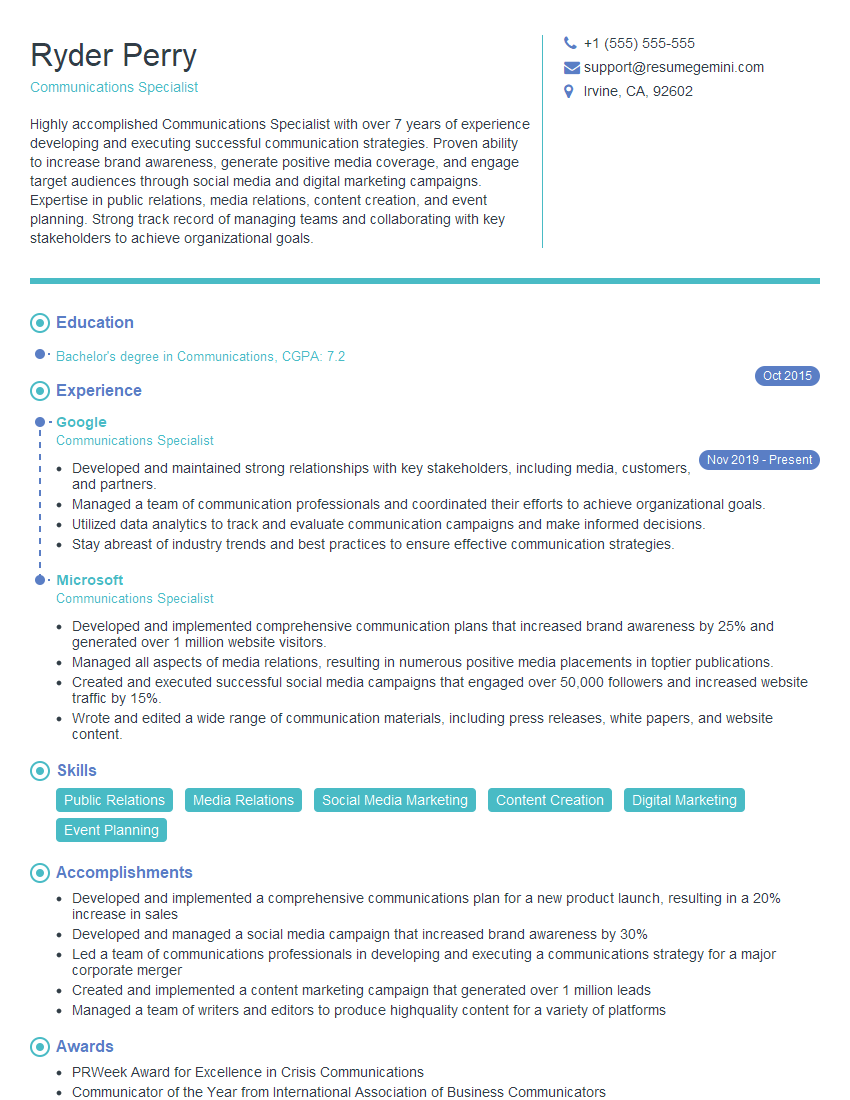
Communications Specialist Resume Sample
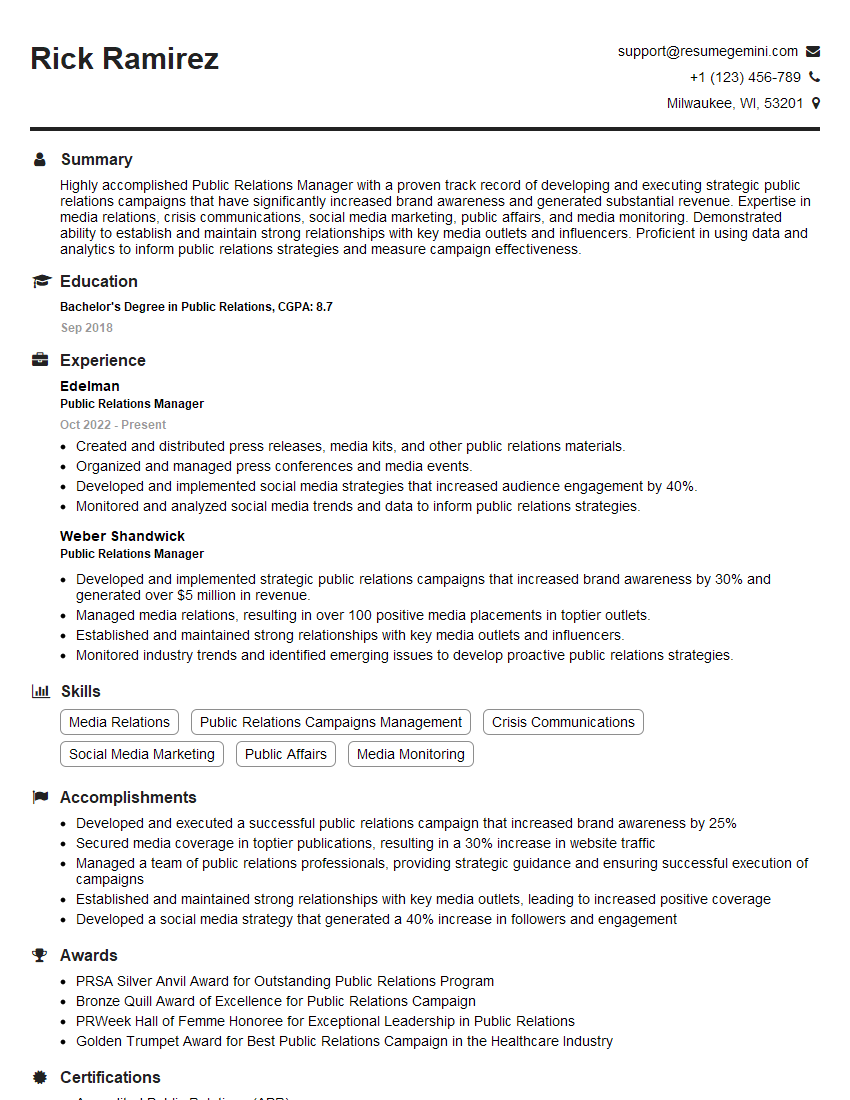
Public Relations Manager Resume Sample
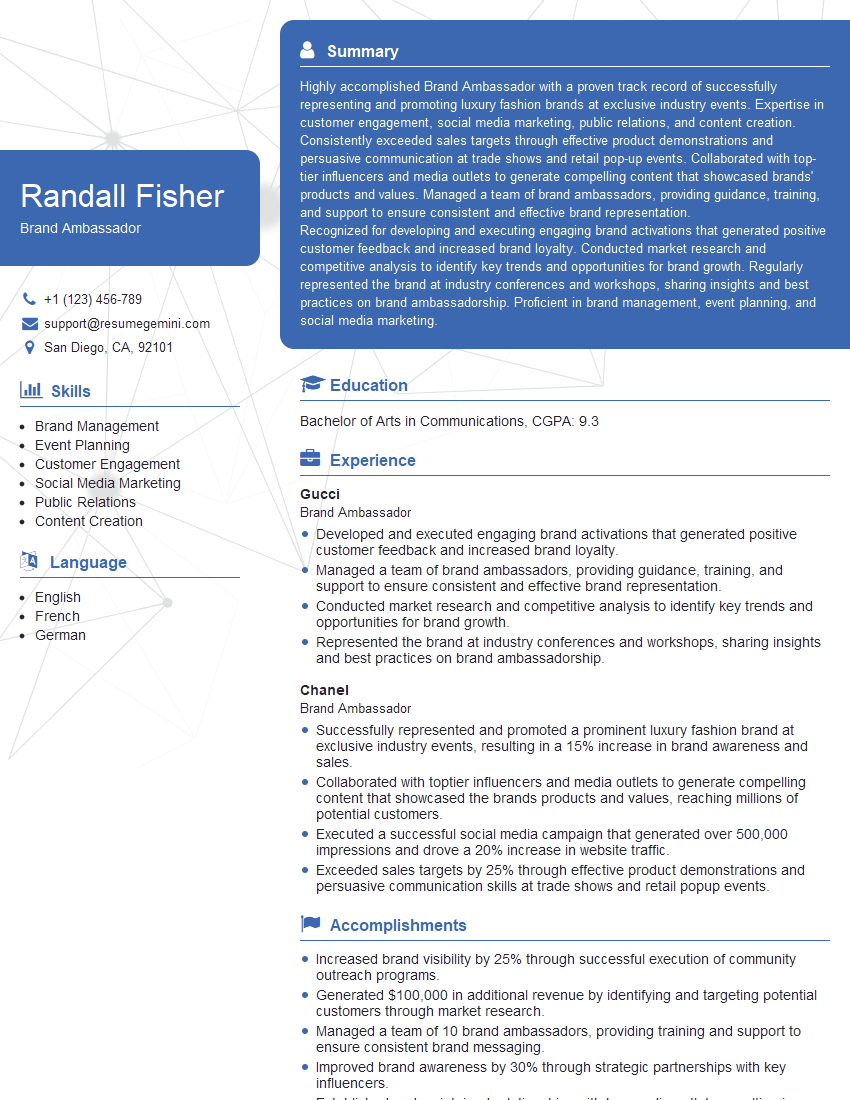
Brand Ambassador Resume Sample
Explore more articles
Users Rating of Our Blogs
Share Your Experience
We value your feedback! Please rate our content and share your thoughts (optional).
What Readers Say About Our Blog
To the interviewgemini.com Webmaster.
Very helpful and content specific questions to help prepare me for my interview!
Thank you
To the interviewgemini.com Webmaster.
This was kind of a unique content I found around the specialized skills. Very helpful questions and good detailed answers.
Very Helpful blog, thank you Interviewgemini team.