Are you ready to stand out in your next interview? Understanding and preparing for Procurement and Supplier Relationship Management interview questions is a game-changer. In this blog, we’ve compiled key questions and expert advice to help you showcase your skills with confidence and precision. Let’s get started on your journey to acing the interview.
Questions Asked in Procurement and Supplier Relationship Management Interview
Q 1. Explain your experience with different sourcing strategies (e.g., competitive bidding, negotiation, reverse auctions).
Sourcing strategies are crucial for securing the best possible goods and services at optimal prices. My experience encompasses a variety of approaches, each suited to different circumstances.
- Competitive Bidding: This involves inviting multiple suppliers to submit bids for a specific requirement. It’s ideal for standardized goods or services where price is the primary driver. For example, I’ve successfully used competitive bidding to procure office supplies, leveraging the volume to negotiate better rates across various vendors. The process involves clear specifications, a well-defined evaluation criteria, and robust bid management to ensure fairness and transparency.
- Negotiation: This is a more collaborative approach, focusing on building relationships and finding mutually beneficial agreements. It’s particularly useful for complex or customized products or services where factors beyond price, like quality and delivery timelines, are critical. I once negotiated a long-term contract for specialized software development, successfully incorporating performance-based incentives and flexibility clauses to align our interests with the vendor’s.
- Reverse Auctions: This is a dynamic, online bidding process where suppliers compete in real-time to lower their prices. It’s efficient for high-volume, commodity items. While effective for driving down costs, it’s crucial to consider potential risks such as compromising quality for price. I’ve used reverse auctions successfully for procuring raw materials, but always with a pre-qualification process to ensure vendor quality.
The choice of sourcing strategy depends on factors like the complexity of the requirement, market conditions, supplier landscape, and the overall risk tolerance. A well-defined sourcing strategy is always part of a broader procurement plan.
Q 2. Describe your process for evaluating and selecting suppliers.
Supplier selection is a critical process requiring a structured approach. My process typically involves these steps:
- Needs Assessment: Clearly define the requirements, including technical specifications, quality standards, delivery timelines, and payment terms. This forms the basis for evaluating potential suppliers.
- Supplier Identification: Identify potential suppliers through various methods like market research, online databases, industry directories, and referrals.
- Pre-qualification: Screen potential suppliers based on predetermined criteria like financial stability, operational capacity, quality certifications, and ethical compliance. This reduces risk and narrows down the pool.
- Supplier Evaluation: Evaluate shortlisted suppliers through detailed questionnaires, site visits, and presentations. This involves assessing factors like their track record, technology, capacity, and their understanding of our needs. Weighting is assigned to different criteria based on importance.
- Negotiation and Contract Award: Negotiate favorable terms and conditions with the selected supplier(s) and finalize the contracts, ensuring clear expectations and accountability.
For instance, when selecting a new logistics provider, we used a weighted scoring system focusing on on-time delivery (40%), damage rate (30%), and cost (30%). This ensured a fair and transparent evaluation. The chosen supplier then underwent a thorough due diligence process before contract signing.
Q 3. How do you manage supplier performance and address underperformance?
Managing supplier performance is ongoing and requires a proactive approach. It involves establishing clear Key Performance Indicators (KPIs), regularly monitoring performance, and addressing underperformance promptly.
- KPI Definition: Collaboratively define KPIs with suppliers that align with our business needs. These could include on-time delivery, quality conformance, response time, and cost adherence.
- Performance Monitoring: Regularly track KPIs using dashboards and reports. This provides visibility into performance and facilitates early identification of potential issues.
- Performance Reviews: Conduct regular performance reviews with suppliers to discuss achievements, challenges, and opportunities for improvement. This fosters open communication and collaborative problem-solving.
- Corrective Actions: Develop and implement corrective action plans for underperforming suppliers. This could involve providing support, implementing training, or imposing penalties depending on the severity and nature of the underperformance. In extreme cases, contract termination might be necessary.
For example, if a supplier consistently misses delivery deadlines, we might work with them to identify root causes, such as capacity constraints or process inefficiencies, and implement solutions together. We document these actions and track progress to ensure continuous improvement.
Q 4. What are your key negotiation tactics and strategies?
Negotiation is a crucial skill in procurement. My approach is collaborative and data-driven, aiming for win-win outcomes. Key tactics include:
- Preparation: Thorough research on the supplier’s market position, financial health, and capabilities is essential. Defining clear objectives, BATNA (Best Alternative to a Negotiated Agreement), and walk-away points is crucial.
- Building Rapport: Establishing a strong relationship with the supplier fosters trust and encourages collaboration. This involves understanding their perspective and working towards common goals.
- Value-Based Negotiation: Focusing on the value delivered instead of solely on price. Highlighting the benefits of our partnership and demonstrating the long-term value proposition.
- Strategic Concession: Making concessions strategically, not haphazardly. This shows flexibility while protecting your interests.
- Documentation: Maintaining detailed records of agreements and commitments ensures clarity and accountability.
In a recent negotiation for a new software license, I focused on the total value proposition—not just the initial cost, but the long-term savings from improved efficiency and reduced operational costs. This allowed me to justify a higher upfront cost while securing a better overall deal.
Q 5. How do you mitigate supply chain risks?
Mitigating supply chain risks is paramount. This requires a multi-faceted approach:
- Diversification: Reducing reliance on a single supplier by sourcing from multiple vendors. This mitigates risks associated with supplier bankruptcy, natural disasters, or geopolitical instability.
- Risk Assessment: Regularly assessing potential risks across the supply chain, identifying vulnerabilities, and prioritizing mitigation strategies. This can include political instability, natural disasters, or supplier financial difficulties.
- Inventory Management: Optimizing inventory levels to balance cost-effectiveness with the need to safeguard against supply disruptions.
- Contingency Planning: Developing backup plans to ensure business continuity in the event of unexpected disruptions. This might involve having alternative suppliers or stockpiles of essential materials.
- Supplier Relationship Management: Strong relationships with key suppliers provide better communication, collaboration, and early warning of potential problems.
For example, during the recent chip shortage, we diversified our sourcing of key components and built stronger relationships with our suppliers to secure a steady supply, even at a slightly higher cost.
Q 6. Explain your understanding of Total Cost of Ownership (TCO).
Total Cost of Ownership (TCO) encompasses all direct and indirect costs associated with acquiring, using, and disposing of a product or service throughout its lifecycle. It’s more than just the initial purchase price.
TCO includes costs such as:
- Acquisition Costs: Purchase price, taxes, shipping, and handling.
- Operating Costs: Maintenance, repairs, energy consumption, and staffing.
- Downtime Costs: Lost production, revenue, and customer satisfaction due to equipment failure or service disruption.
- Disposal Costs: Recycling, waste disposal, and environmental remediation.
Understanding TCO helps make informed procurement decisions. For instance, choosing a cheaper product initially might lead to higher operating costs and more downtime in the long run, ultimately increasing the overall TCO. By considering TCO, we can select the option that provides the best value for money over the product’s entire lifespan.
Q 7. How do you build and maintain strong supplier relationships?
Strong supplier relationships are essential for achieving mutual success. My approach involves:
- Collaboration and Communication: Open and frequent communication is key. Regular meetings, joint problem-solving, and sharing of information build trust and mutual understanding.
- Fair and Equitable Practices: Treating suppliers fairly and ethically, fostering a collaborative environment rather than an adversarial one.
- Long-Term Partnerships: Focusing on building long-term relationships rather than short-term transactions. This provides stability and predictability for both parties.
- Performance Recognition: Acknowledging and rewarding suppliers for good performance. This reinforces positive behaviors and strengthens the relationship.
- Feedback Mechanisms: Establishing systems for providing constructive feedback to suppliers, enabling them to improve their offerings and processes.
I once fostered a strong relationship with a key supplier by involving them in the design phase of a new product. This collaboration led to cost savings and improvements in product quality, benefitting both parties. This exemplifies a long-term, win-win strategy.
Q 8. Describe your experience with contract negotiation and management.
Contract negotiation and management are crucial for securing favorable terms and ensuring successful project execution. My approach is collaborative yet assertive, focusing on building strong relationships with suppliers while protecting my organization’s interests. This involves a thorough understanding of market conditions, competitor analysis, and the specific needs of the project.
I begin by clearly defining requirements and desired outcomes. This includes specifying deliverables, timelines, payment terms, and key performance indicators (KPIs). Then, I engage in a structured negotiation process, exploring various scenarios and proactively addressing potential risks. For example, in a recent negotiation for software licensing, I successfully secured a significant discount by leveraging competitive bids and negotiating volume-based pricing. I also carefully review and redline contracts, ensuring all clauses align with our legal and operational needs. Post-contract award, I actively monitor performance against agreed-upon KPIs, using regular progress meetings and performance reviews to manage any potential issues proactively.
My experience extends to various negotiation styles – from competitive bidding to collaborative approaches, tailored to the specific supplier and context. For instance, with long-term strategic partners, a collaborative approach fosters mutual trust and reduces friction. In contrast, with less established suppliers, a more formal and structured approach is necessary.
Q 9. How do you ensure compliance with procurement regulations?
Compliance with procurement regulations is paramount. My approach involves a multi-layered strategy. Firstly, I maintain a deep understanding of all applicable laws and regulations, including those related to public procurement, anti-bribery, and data protection. I stay updated through professional development, attending relevant training, and subscribing to regulatory updates. Secondly, I implement robust internal controls and processes to ensure compliance at every stage of the procurement cycle, from requisition to payment. This includes clear documentation, approval workflows, and regular audits.
Thirdly, I engage with legal and compliance teams throughout the procurement process to seek advice and ensure that all activities align with regulatory frameworks. For example, before engaging with any new supplier, we conduct thorough due diligence to assess their compliance with relevant laws, especially concerning ethical sourcing and labor practices. Finally, I foster a culture of compliance within the procurement team, encouraging open communication and reporting of any potential compliance issues. We use a combination of training programs, internal guidelines, and regular monitoring to ensure that all team members are aware of and adhere to regulatory requirements. We conduct regular mock audits to test our processes and identify areas for improvement.
Q 10. What experience do you have with different types of contracts (e.g., fixed-price, cost-plus)?
I have extensive experience working with various contract types, each suited to different procurement scenarios.
- Fixed-price contracts: These are ideal for projects with well-defined scopes and minimal uncertainty. The price is fixed upfront, minimizing financial risk for the buyer. For example, I’ve used fixed-price contracts successfully for the procurement of standard office supplies where the specifications are clear and quantities are predictable.
- Cost-plus contracts: These are more suitable for projects with uncertain scopes or requirements, often involving research and development. The buyer pays the supplier’s costs plus a predetermined fee or profit margin. I’ve used this type of contract for complex IT development projects where requirements may evolve during the project lifecycle.
- Time and materials contracts: These are useful for projects with variable workloads or unexpected issues. The buyer pays for the supplier’s time and materials used, often with a pre-agreed hourly or daily rate. A good example is using a consultant for ad-hoc technical support where the amount of time needed can’t be easily predicted.
- Performance-based contracts: These incentivize the supplier to achieve specific performance targets. Payment is linked to the achievement of pre-defined outcomes. A recent example involves a contract with a logistics provider where their payment was partially based on on-time delivery rates.
My ability to select and negotiate the appropriate contract type ensures alignment between project needs, supplier capabilities, and risk management. The choice is not just a technical decision but also involves understanding the supplier’s capacity and motivation.
Q 11. How do you manage supplier diversity initiatives?
Supplier diversity is not just a matter of compliance; it’s a strategic initiative that enriches our supply chain. My approach focuses on proactively identifying and engaging with diverse suppliers, including those owned by women, minorities, veterans, and individuals with disabilities. We achieve this through several strategies:
- Targeted outreach: We actively participate in events and networking opportunities specifically designed to connect with diverse suppliers.
- Supplier registration portals: We use online portals that allow diverse suppliers to register their businesses and showcase their capabilities.
- Mentorship programs: We offer mentorship opportunities to help diverse suppliers develop their business skills and improve their competitiveness.
- Collaboration with diversity organizations: We partner with organizations that specialize in supporting and promoting diverse businesses.
- Setting diversity goals and tracking progress: We establish specific targets for the percentage of procurement spend allocated to diverse suppliers and regularly monitor progress towards these goals.
The benefits are multifaceted – it improves our company’s reputation, expands our access to innovative solutions, strengthens our relationships within the community, and promotes a more inclusive and equitable business environment. We track our progress rigorously, reporting on key metrics such as spending with diverse suppliers and the overall diversity of our supplier base.
Q 12. Describe your experience with e-procurement systems.
E-procurement systems are integral to modern procurement processes. My experience spans several systems, from basic purchase order systems to sophisticated solutions integrating supplier relationship management (SRM) and analytics capabilities. I’ve been involved in the selection, implementation, and ongoing management of these systems, ensuring they meet our organization’s specific needs and enhance efficiency.
My responsibilities included streamlining the requisition process, automating purchase order generation, improving visibility into spending patterns, and facilitating electronic communication with suppliers. For instance, we implemented a system that automated the process of creating and sending purchase orders, reducing processing time by approximately 60%. This system also facilitated electronic invoice processing, significantly reducing invoice processing time and improving payment accuracy. Furthermore, the system’s reporting capabilities provided invaluable insights into our spending, enabling us to identify cost-saving opportunities and optimize our sourcing strategies.
I’m proficient in configuring and utilizing the various features of these systems, including catalog management, supplier onboarding, contract management modules, and performance dashboards. I’m also familiar with integrating e-procurement systems with other enterprise systems, such as ERP and CRM, to ensure seamless data flow and operational efficiency.
Q 13. How do you track and measure key procurement metrics (e.g., cost savings, supplier performance)?
Tracking and measuring key procurement metrics is essential for demonstrating the value of procurement and identifying areas for improvement. I utilize a range of metrics to monitor performance across various aspects of the procurement process. These include:
- Cost savings: We track cost savings achieved through competitive bidding, negotiation, and process optimization. This is expressed as a percentage reduction in costs compared to previous periods or market benchmarks.
- Supplier performance: Key performance indicators (KPIs) such as on-time delivery, quality compliance, and lead times are tracked to assess supplier performance. This often uses a scoring system or a balanced scorecard approach.
- Cycle time: We monitor the time taken to complete various stages of the procurement process, from requisition to payment, identifying bottlenecks and areas for improvement.
- Spend under management: We track the percentage of total procurement spend managed through our systems to ensure comprehensive oversight.
- Compliance: We measure compliance with procurement policies and regulations.
We utilize dashboards and reporting tools to visualize these metrics, enabling us to identify trends and patterns. This data-driven approach allows us to make informed decisions about optimizing our procurement strategies, negotiating better terms with suppliers, and improving overall efficiency. Regular reporting to stakeholders keeps them informed of progress and showcases the value generated by the procurement function.
Q 14. How do you handle supplier disputes or conflicts?
Supplier disputes are inevitable, but proactive management can minimize their impact. My approach involves a structured and collaborative process. I begin by clearly identifying the issue, gathering all relevant information, and documenting the situation thoroughly. Then, I initiate communication with the supplier to understand their perspective and seek a mutually agreeable solution. I strive to maintain open and respectful communication throughout the process.
If direct communication fails to resolve the issue, I might escalate the matter to senior management or involve legal counsel. In some cases, mediation or arbitration might be necessary to facilitate a resolution. For instance, I once successfully resolved a dispute over a delayed shipment by working closely with the supplier to identify the root cause of the delay and implement corrective actions. This involved collaborating with their logistics team to develop a revised delivery plan and securing a partial refund to compensate for the inconvenience. The key to resolving disputes is proactive communication, a clear understanding of contractual obligations, and a commitment to finding a fair and equitable outcome for all parties involved. Formal documentation at each stage protects both parties and prevents misunderstandings.
Q 15. Explain your experience with strategic sourcing projects.
Strategic sourcing goes beyond simply finding the cheapest supplier; it’s a holistic approach to optimizing the entire procurement process to achieve long-term value. It involves analyzing the market, identifying potential risks and opportunities, and developing strategies to secure the best possible terms and conditions.
In my previous role at Acme Corp, we undertook a strategic sourcing project for our raw materials. We started by segmenting our spend into categories and prioritizing those with the highest potential for savings or risk. We then performed a thorough market analysis, identifying potential alternative suppliers and assessing their capabilities and financial stability. This involved detailed negotiations with suppliers, leveraging our consolidated purchasing power to negotiate better prices, longer contract terms, and improved payment terms. The result was a 15% reduction in raw material costs over a three-year period.
Another example involved leveraging technology. We used an e-procurement system to automate the bidding process, increasing transparency and attracting a wider range of suppliers. This improved competition and allowed us to secure more favorable terms.
Career Expert Tips:
- Ace those interviews! Prepare effectively by reviewing the Top 50 Most Common Interview Questions on ResumeGemini.
- Navigate your job search with confidence! Explore a wide range of Career Tips on ResumeGemini. Learn about common challenges and recommendations to overcome them.
- Craft the perfect resume! Master the Art of Resume Writing with ResumeGemini’s guide. Showcase your unique qualifications and achievements effectively.
- Don’t miss out on holiday savings! Build your dream resume with ResumeGemini’s ATS optimized templates.
Q 16. What is your experience with supplier relationship mapping?
Supplier relationship mapping is a visual representation of your organization’s relationships with its suppliers. Think of it as a detailed roadmap, showing the connections, dependencies, and influence each supplier holds within your supply chain. This map isn’t static; it evolves as relationships change and new suppliers emerge.
My experience involves creating these maps using both qualitative and quantitative data. This includes assessing the financial health, technological capabilities, geographical location, and strategic importance of each supplier. We use this information to categorize suppliers into tiers based on risk and importance, enabling us to focus our relationship-building efforts strategically. For instance, we might focus on building strong partnerships with our critical suppliers, while maintaining a more transactional relationship with less critical vendors. This allows for efficient resource allocation and proactive risk management.
A practical application is identifying single points of failure. If a critical supplier has limited capacity or faces significant risk, the map highlights the vulnerability, allowing us to implement mitigation strategies such as supplier diversification or developing backup plans.
Q 17. How do you identify and implement cost reduction strategies?
Cost reduction strategies are multifaceted and require a systematic approach. It’s not simply about slashing prices; it’s about optimizing the total cost of ownership (TCO).
- Negotiation and leverage: Consolidating purchases, leveraging market conditions, and negotiating volume discounts can yield significant savings.
- Supply chain optimization: Streamlining processes, reducing lead times, and improving inventory management can minimize costs associated with storage, transportation, and potential stockouts.
- Total cost of ownership (TCO) analysis: Looking beyond the initial price to consider factors like maintenance, transportation, and potential downtime.
- Supplier collaboration: Working with suppliers to identify areas for joint cost reduction initiatives, such as improving production efficiency or reducing waste.
- Value engineering: Examining specifications to see if there are cheaper alternatives that meet the same performance requirements.
For example, at Beta Industries, we identified an opportunity to reduce the cost of packaging. By collaborating with our packaging supplier and exploring alternative materials, we reduced packaging costs by 10% without compromising product quality. This was achieved through a collaborative value engineering workshop.
Q 18. Describe your understanding of risk management in procurement.
Risk management in procurement is crucial for ensuring business continuity and protecting financial stability. It’s about identifying, assessing, and mitigating potential risks throughout the entire procurement lifecycle.
My approach involves a proactive risk assessment framework. This includes identifying potential risks such as supplier default, geopolitical instability, supply chain disruptions, quality issues, and regulatory changes. We assign a probability and impact score to each risk to prioritize mitigation efforts. Mitigation strategies can include supplier diversification, contract clauses addressing potential risks, insurance, and robust contingency plans.
For example, during a period of geopolitical uncertainty, we identified a high risk of disruption to our supply of raw materials from a specific region. To mitigate this risk, we diversified our sourcing by identifying and onboarding alternative suppliers from different geographical locations. This ensured business continuity and minimized the impact of potential supply chain disruptions. We also built into contracts stipulations around force majeure and penalties for late delivery.
Q 19. What is your experience with global sourcing?
Global sourcing expands the pool of potential suppliers, offering access to lower costs, specialized expertise, and unique resources not available domestically. However, it also introduces complexities such as logistical challenges, cultural differences, and increased regulatory hurdles.
My experience in global sourcing involves managing suppliers across multiple continents. This requires a deep understanding of international trade regulations, cultural nuances, and logistical complexities associated with managing a global supply chain. It is crucial to establish strong communication channels, implement robust quality control processes, and navigate international legal frameworks effectively. I have worked with suppliers in Asia, Europe, and South America. Successful global sourcing requires meticulous planning, careful supplier selection, and effective risk management to account for currency fluctuations, geopolitical risks, and logistical constraints.
For example, to mitigate the risk of currency fluctuations, we implemented hedging strategies to protect against losses. Similarly, we worked closely with our international suppliers to establish clear communication protocols and quality control measures to ensure that goods are delivered on time and meet the required specifications.
Q 20. How do you leverage technology to improve procurement processes?
Technology plays a transformative role in enhancing procurement processes. E-procurement systems, spend analytics tools, and supplier relationship management (SRM) platforms offer significant improvements in efficiency, transparency, and control.
- E-procurement systems: Automate requisitioning, purchase order creation, and invoice processing, reducing manual effort and errors.
- Spend analytics: Provide insights into spending patterns, identifying areas for cost reduction and optimization. This can uncover hidden savings, and improve negotiation leverage.
- SRM platforms: Facilitate communication and collaboration with suppliers, improving supplier performance and managing relationships effectively.
- AI-powered tools: Can automate tasks like contract review and supplier risk assessment.
In a previous role, we implemented an e-procurement system that reduced our processing time for purchase orders by 50% and minimized errors significantly. Spend analysis revealed hidden cost savings, which we leveraged during contract negotiations. The use of data and analytics gave our team a strong foundation for improved decision-making.
Q 21. Describe your experience with sustainable procurement practices.
Sustainable procurement incorporates environmental, social, and governance (ESG) factors into the procurement process, aiming to minimize negative impacts and maximize positive contributions. This includes sourcing from ethical suppliers, reducing carbon emissions, conserving resources, and promoting fair labor practices.
My experience involves integrating sustainability criteria into supplier selection processes. This includes evaluating suppliers’ environmental performance, social responsibility initiatives, and governance practices. We work with suppliers to develop sustainable sourcing strategies, such as promoting the use of recycled materials, reducing packaging waste, and improving energy efficiency. Sustainability is not just a trend but a critical component of long-term business success. It mitigates risks associated with environmental regulations, improves brand reputation, and enhances stakeholder relationships.
For example, we partnered with a supplier who committed to using recycled materials in their manufacturing process. This resulted in a reduction in our environmental footprint and aligned our company with its commitment to sustainable practices. We also incorporated ethical sourcing considerations into our supplier selection process, ensuring fair wages and safe working conditions for workers involved in our supply chain.
Q 22. How do you prioritize conflicting priorities in procurement?
Prioritizing conflicting priorities in procurement requires a structured approach. Think of it like a skilled air traffic controller managing numerous planes – each with its own destination and urgency. I use a combination of techniques, primarily a weighted scoring system based on factors like business criticality, financial impact, and contractual obligations.
- Step 1: Define Criteria: I clearly outline the key criteria for evaluating each priority. For instance, a critical project might score higher on business criticality, while a contract renewal might weigh more heavily on financial impact.
- Step 2: Assign Weights: I assign weights to each criterion reflecting its relative importance. For example, business criticality might receive a 40% weight, financial impact 30%, and contractual obligations 30%.
- Step 3: Score Each Priority: I then objectively score each competing priority based on each criterion. This requires careful consideration and may involve discussions with stakeholders.
- Step 4: Calculate Weighted Scores: I multiply the score for each criterion by its weight and sum the results to obtain a weighted score for each priority.
- Step 5: Prioritize: Priorities with the highest weighted scores are tackled first. This allows for a data-driven and transparent prioritization process, minimizing subjectivity.
For example, if we have a critical project requiring immediate raw materials and a less critical contract renewal, the weighted scoring system might prioritize securing the raw materials due to higher business criticality and potential financial loss from project delays.
Q 23. How do you ensure data accuracy and integrity in procurement?
Data accuracy and integrity are paramount in procurement. Think of it as the foundation of a skyscraper – if the foundation is weak, the entire structure is at risk. I ensure data accuracy through a multi-pronged approach:
- Data Validation Rules: Implementing robust data validation rules within our procurement systems ensures that data entered is consistent, accurate, and conforms to pre-defined standards. For example, mandatory fields, data type checks, and range checks prevent inaccurate entries.
- Regular Data Audits: We conduct regular audits to identify and correct inconsistencies. This might involve comparing procurement data with other systems (e.g., inventory management, finance) to identify discrepancies.
- Data Governance Policy: A well-defined data governance policy sets clear responsibilities for data accuracy, defining roles and access levels, and enforcing data quality standards.
- Training and Awareness: Regular training for procurement staff on data entry best practices is crucial. This includes highlighting the importance of accuracy and the consequences of errors.
- Data Cleansing Processes: Establishing processes for identifying and correcting inaccurate or incomplete data is essential. This might include using data cleansing tools or manual review and correction.
For instance, if we discover inconsistencies in pricing data between our procurement system and supplier invoices, we launch an investigation, implement corrective actions, and update our internal processes to prevent similar occurrences.
Q 24. Describe your experience with forecasting and demand planning.
Forecasting and demand planning are crucial for optimizing procurement strategies. Imagine a retail store – accurately predicting demand helps them avoid stockouts and overstocking. My experience involves utilizing various techniques:
- Time Series Analysis: I leverage historical data (e.g., past purchases, sales figures) to identify trends and seasonality using statistical models.
- Causal Forecasting: I consider external factors (e.g., economic conditions, market trends, promotions) that might influence demand.
- Qualitative Forecasting: I incorporate expert opinions and market research to refine forecasts, especially for new products or uncertain market conditions.
- Collaborative Planning, Forecasting, and Replenishment (CPFR): I have experience working with suppliers to collaboratively develop forecasts, improving accuracy and coordination.
In a previous role, I used a combination of time series analysis and causal forecasting to predict demand for seasonal products. By incorporating external factors like weather patterns and marketing campaigns, we improved forecast accuracy by 15%, resulting in reduced inventory holding costs and improved customer service levels.
Q 25. How do you manage the procurement lifecycle from initiation to closure?
Managing the procurement lifecycle involves a structured process, from identifying a need to closing the contract. I follow a five-stage approach:
- 1. Initiation: Clearly defining the need, specifying requirements, and obtaining approval for procurement.
- 2. Planning: Developing a sourcing strategy (e.g., competitive bidding, negotiation), identifying potential suppliers, and creating a detailed procurement plan.
- 3. Execution: Issuing requests for proposals (RFPs) or quotations, evaluating bids, negotiating contracts, and placing orders.
- 4. Monitoring & Evaluation: Tracking supplier performance, managing contracts, and resolving any issues or discrepancies. Regular performance reviews with suppliers are critical here.
- 5. Closure: Completing the contract, settling payments, and documenting the procurement process. This includes conducting a post-project review to identify areas for improvement.
For example, in a recent project, we used a competitive bidding process for a large IT infrastructure upgrade. Following a rigorous evaluation of bids, we negotiated favorable terms with the selected vendor, resulting in significant cost savings. The project closure included a detailed review of the procurement process to refine our strategies for future projects.
Q 26. What are your key strengths as a procurement professional?
My key strengths as a procurement professional include:
- Strategic Sourcing: I excel at developing and implementing strategic sourcing plans that optimize cost, quality, and supplier relationships.
- Negotiation Skills: I am a skilled negotiator who can secure favorable terms and conditions in contracts. I always strive for win-win outcomes.
- Supplier Relationship Management: I build and maintain strong relationships with suppliers, fostering collaboration and trust.
- Data Analysis & Reporting: I effectively utilize data to track key performance indicators (KPIs), identify areas for improvement, and make data-driven decisions.
- Process Improvement: I am adept at identifying inefficiencies in procurement processes and implementing improvements to enhance efficiency and effectiveness.
I am also a proactive problem-solver, always striving to find creative solutions to challenges. I believe in continuous learning and staying updated on industry best practices.
Q 27. What are some common challenges in procurement and how have you overcome them?
Common procurement challenges include:
- Supplier Risk Management: Managing risks associated with supplier performance, financial stability, and geopolitical factors.
- Cost Pressures: Balancing the need for cost savings with maintaining quality and service levels.
- Compliance Requirements: Ensuring adherence to regulatory requirements and internal policies.
- Lack of Visibility: Limited visibility into the supply chain can lead to delays and disruptions.
- Data Silos: Information stored across multiple systems can hinder effective decision-making.
To overcome these challenges, I utilize a variety of strategies, including proactive risk assessments, implementing robust supplier performance management systems, leveraging technology for improved visibility, and fostering collaboration across different departments to break down data silos. For example, to address supplier risk, I’ve implemented a supplier scoring system that ranks suppliers based on various factors including financial stability and compliance history.
Q 28. Describe a time you had to negotiate a difficult contract. What was the outcome?
In one instance, I had to negotiate a contract with a critical supplier who was demanding a significant price increase. This was challenging because the increase would significantly impact our budget. My approach was:
- Preparation: I thoroughly researched market prices, analyzed our spending patterns, and prepared alternative sourcing options.
- Collaboration: I engaged with the supplier to understand the reasons behind the price increase and sought collaborative solutions.
- Value-Based Negotiation: Instead of solely focusing on price, I emphasized the long-term value of our relationship and highlighted the volume of our business.
- Leveraging Alternatives: I subtly hinted at our readiness to explore other suppliers if a mutually agreeable solution wasn’t found.
The outcome was a negotiated price increase that was significantly lower than the initial demand, while still ensuring a mutually beneficial agreement. We also agreed on a performance-based incentive structure to drive further cost efficiencies in the future. This required a flexible and collaborative approach that prioritized a long-term partnership rather than solely a short-term cost reduction.
Key Topics to Learn for Procurement and Supplier Relationship Management Interview
- Strategic Sourcing: Understand the process of identifying, evaluating, and selecting suppliers based on strategic business needs. Consider the impact of different sourcing strategies (e.g., single sourcing, multiple sourcing) on risk and cost.
- Supplier Selection & Evaluation: Learn how to develop robust criteria for evaluating potential suppliers, including financial stability, quality management systems, and ethical practices. Practice applying these criteria in a case study scenario.
- Contract Negotiation & Management: Master the art of negotiating favorable contracts, understanding key contractual terms, and managing supplier performance throughout the contract lifecycle. Think about strategies for mitigating risk within contracts.
- Supplier Relationship Management (SRM): Explore building and maintaining strong relationships with key suppliers. Consider how collaboration and communication impact overall supply chain efficiency and innovation.
- Risk Management in Procurement: Understand the various risks associated with procurement (e.g., supply chain disruptions, quality issues, ethical concerns) and develop strategies for mitigating these risks. Practice identifying potential risks in hypothetical scenarios.
- Procurement Technology & Analytics: Familiarize yourself with various procurement software and tools, and understand how data analytics can be used to optimize procurement processes and improve decision-making. Consider how technology improves efficiency and transparency.
- Cost Management & Savings Strategies: Develop a strong understanding of cost analysis techniques and strategies for identifying cost savings opportunities within the procurement process. Practice calculating cost savings based on different scenarios.
- Ethical and Sustainable Procurement: Explore the importance of ethical and sustainable practices in procurement, including considerations for fair labor practices, environmental impact, and corporate social responsibility. Understand how to integrate these considerations into sourcing decisions.
Next Steps
Mastering Procurement and Supplier Relationship Management opens doors to exciting career opportunities with significant growth potential. A strong understanding of these principles allows you to contribute strategically to an organization’s success, impacting bottom lines and fostering long-term value. To significantly increase your job prospects, it’s crucial to create a resume that effectively communicates your skills and experience to Applicant Tracking Systems (ATS). ResumeGemini is a trusted resource to help you build a professional, ATS-friendly resume that showcases your expertise. We provide examples of resumes tailored to Procurement and Supplier Relationship Management to help you get started. Take the next step in your career journey today!
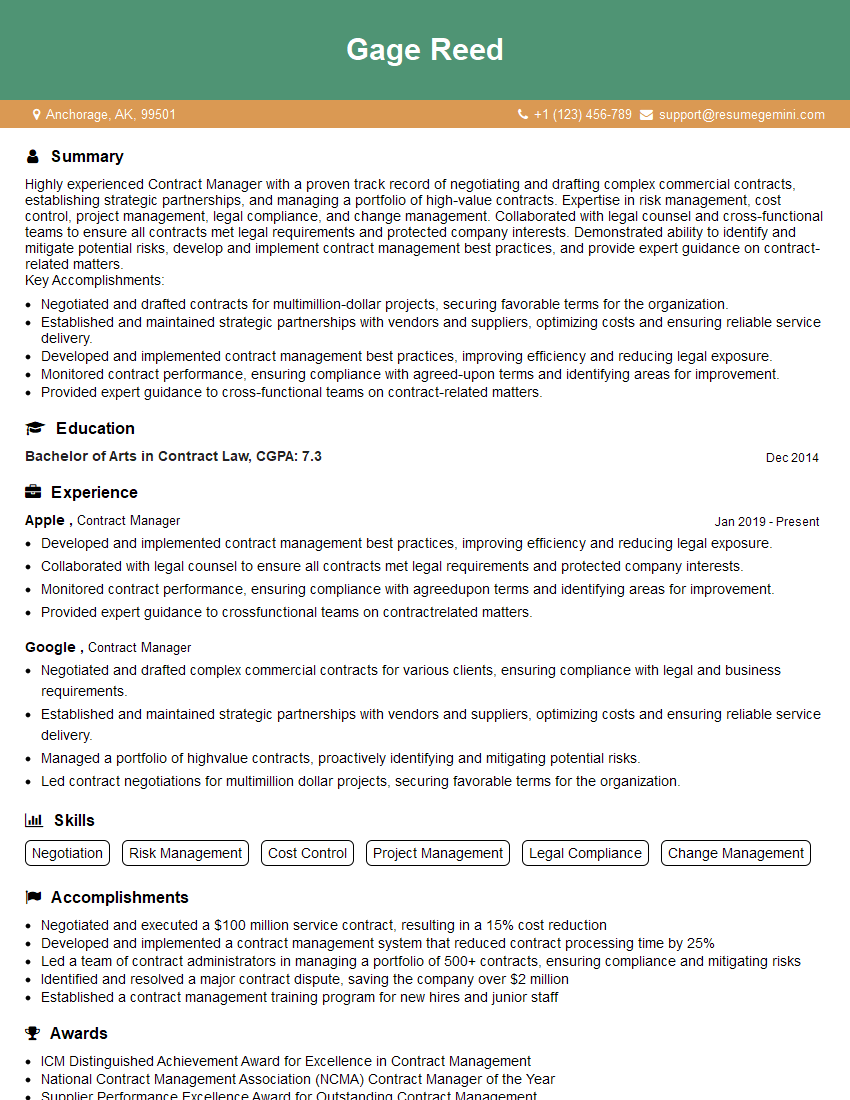
Contract Manager Resume Sample

Procurement Manager Resume Sample
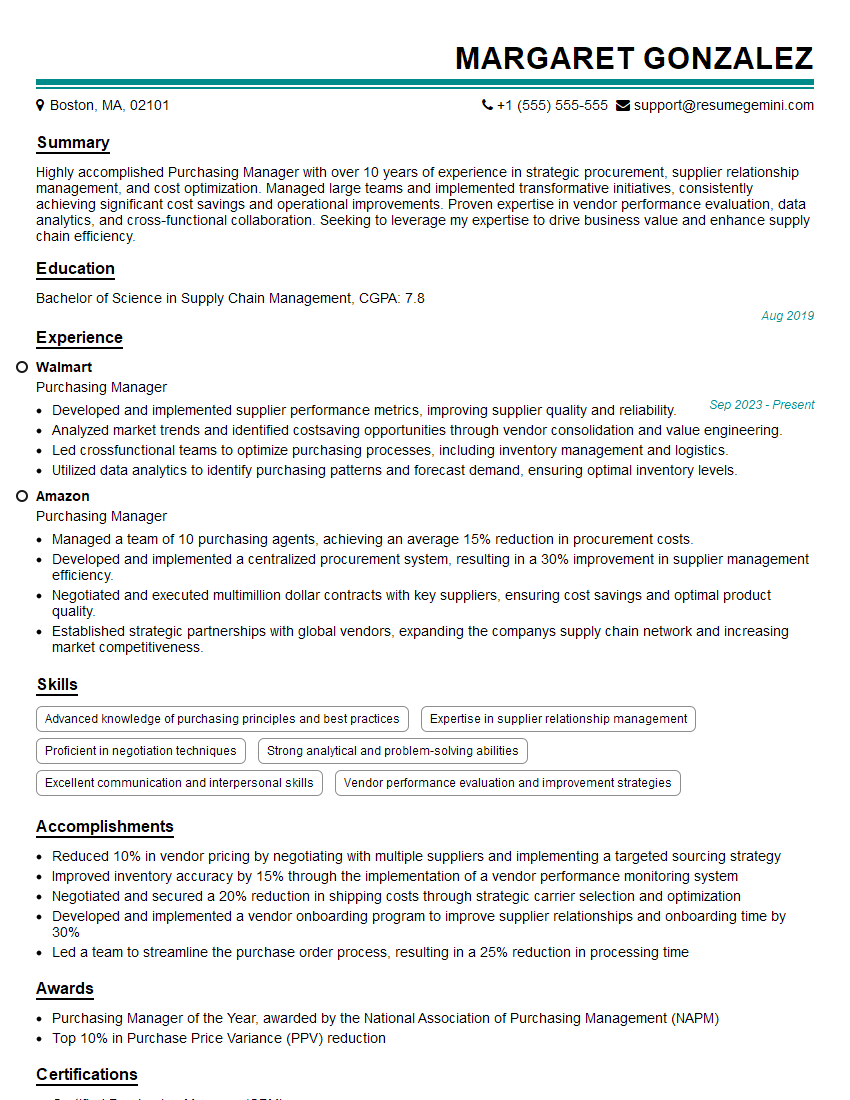
Purchasing Manager Resume Sample
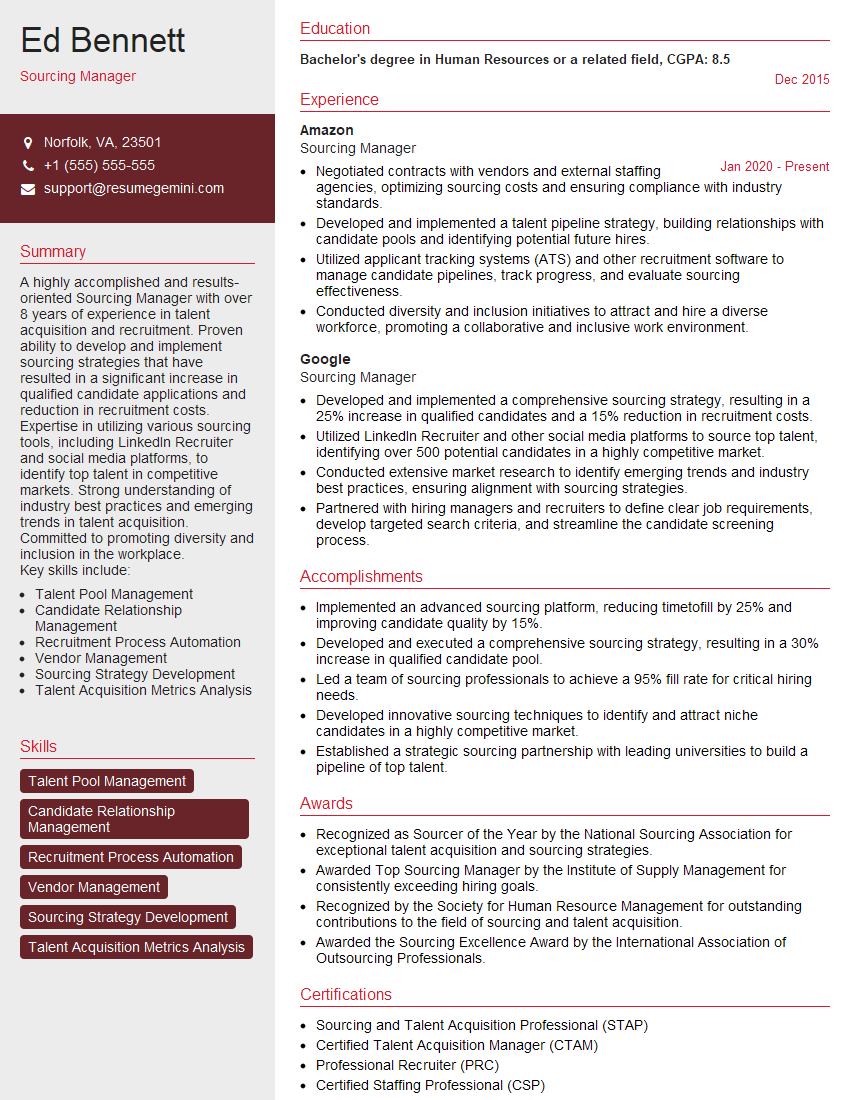
Sourcing Manager Resume Sample

Sourcing Specialist Resume Sample
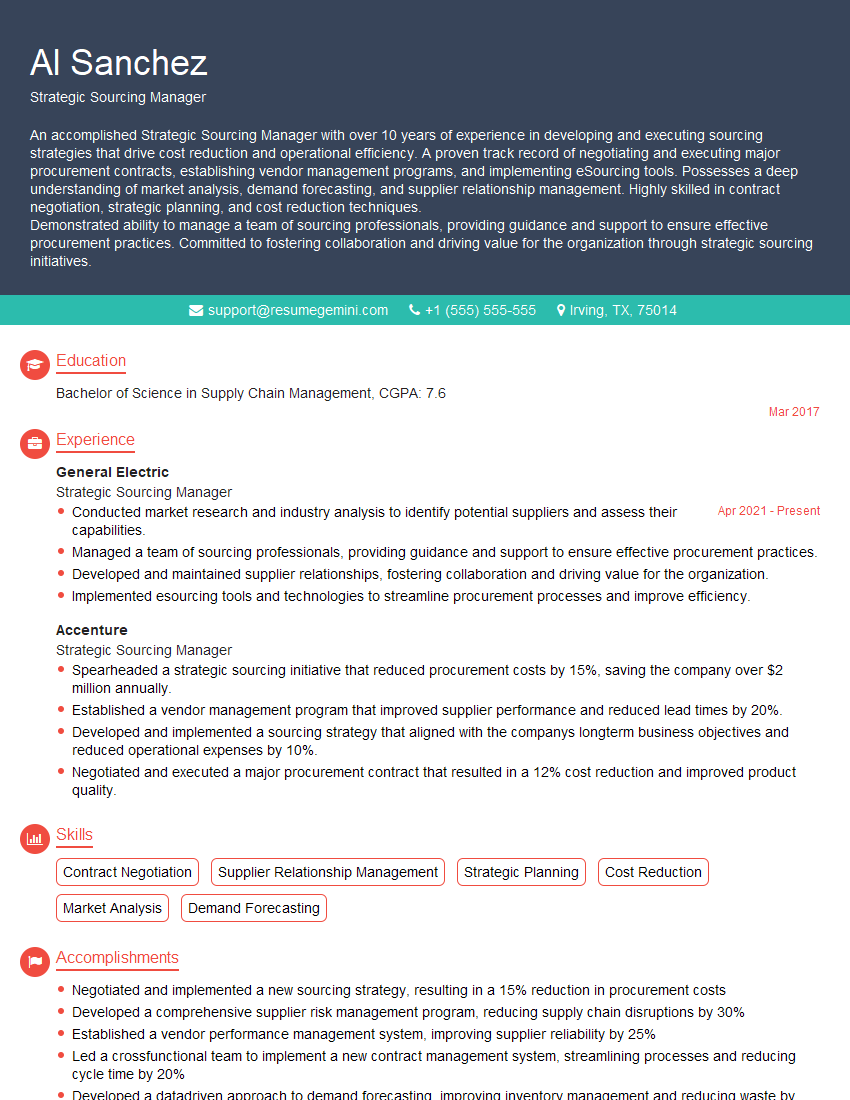
Strategic Sourcing Manager Resume Sample
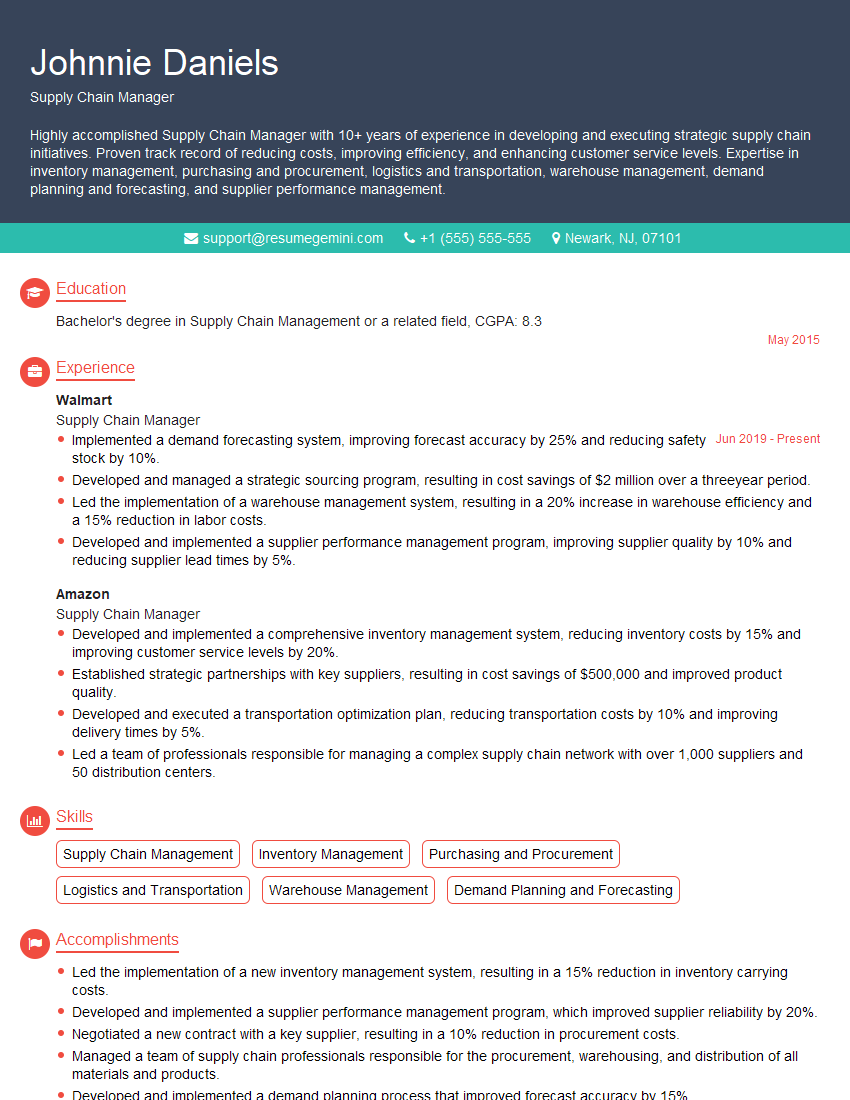
Supply Chain Manager Resume Sample
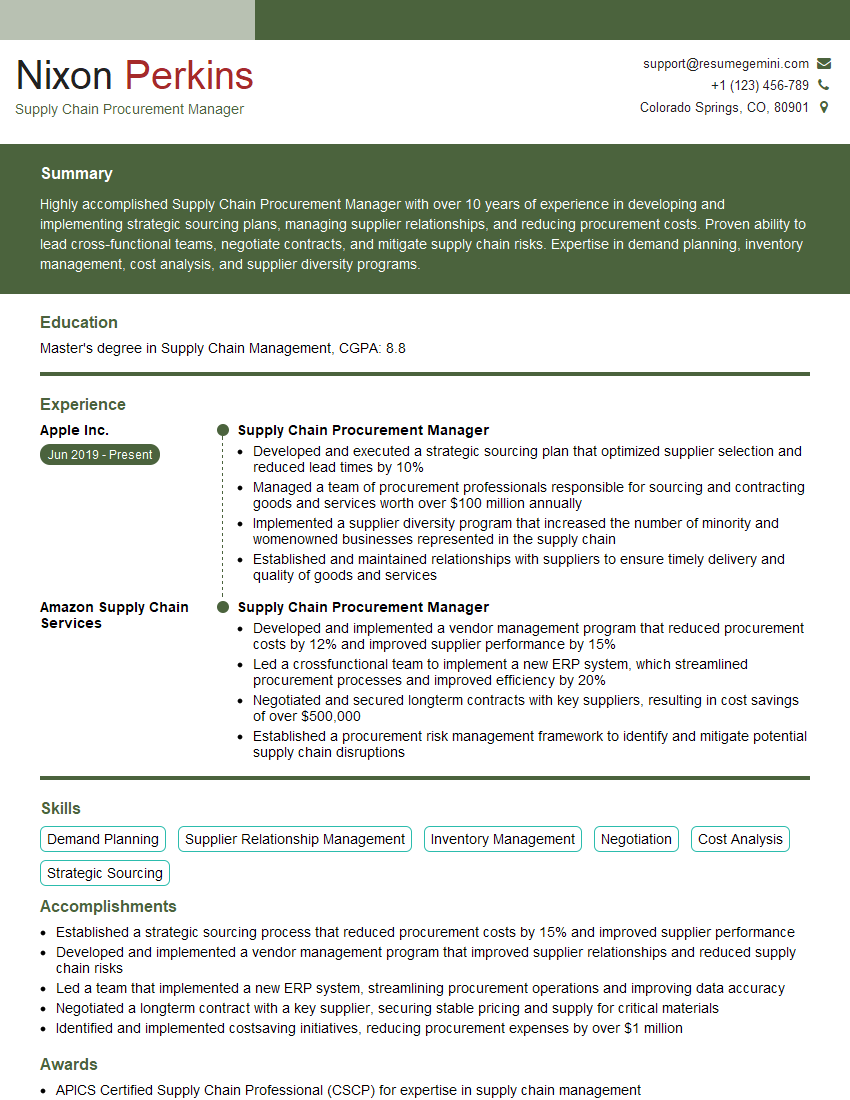
Supply Chain Procurement Manager Resume Sample
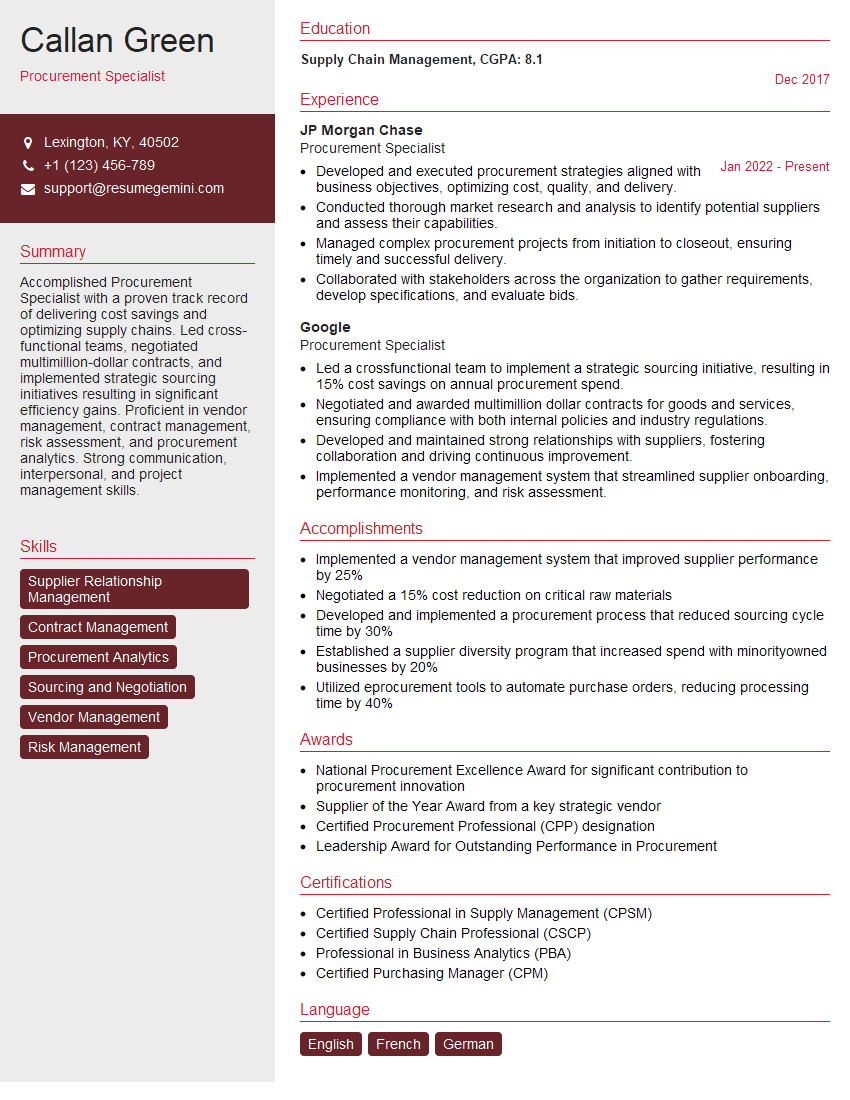
Procurement Specialist Resume Sample
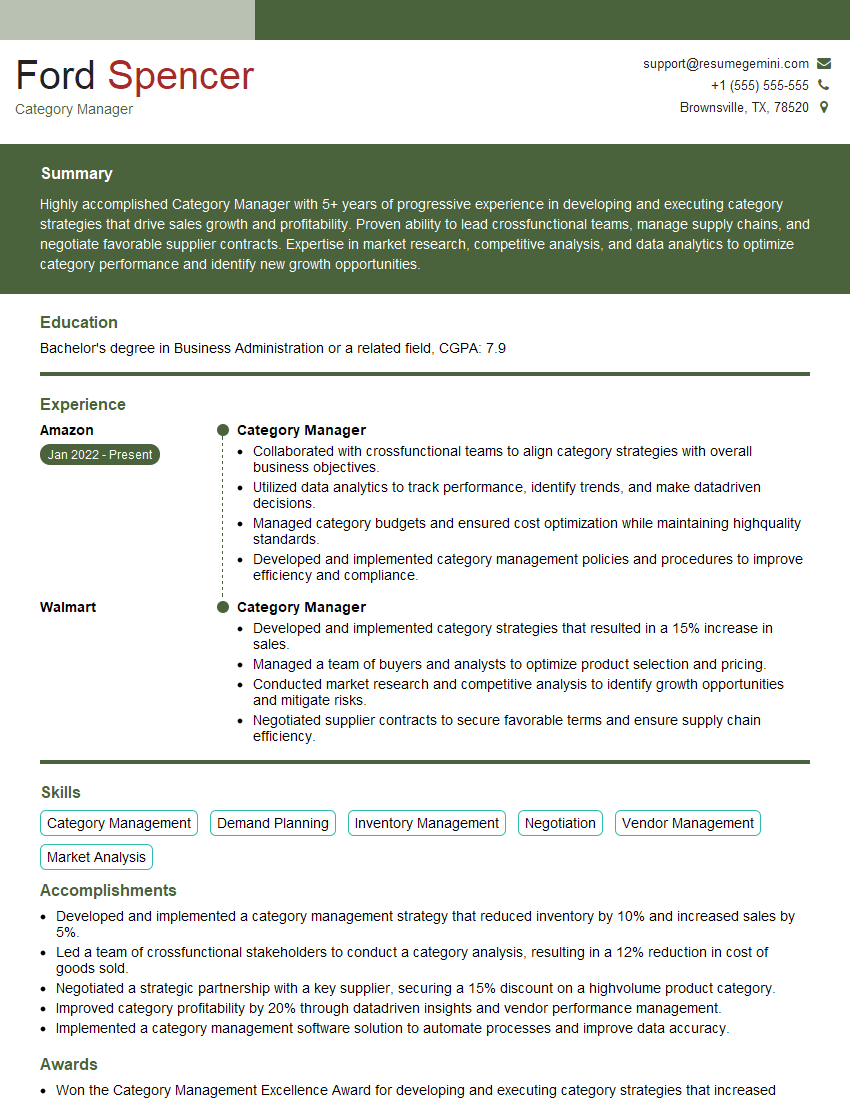
Category Manager Resume Sample
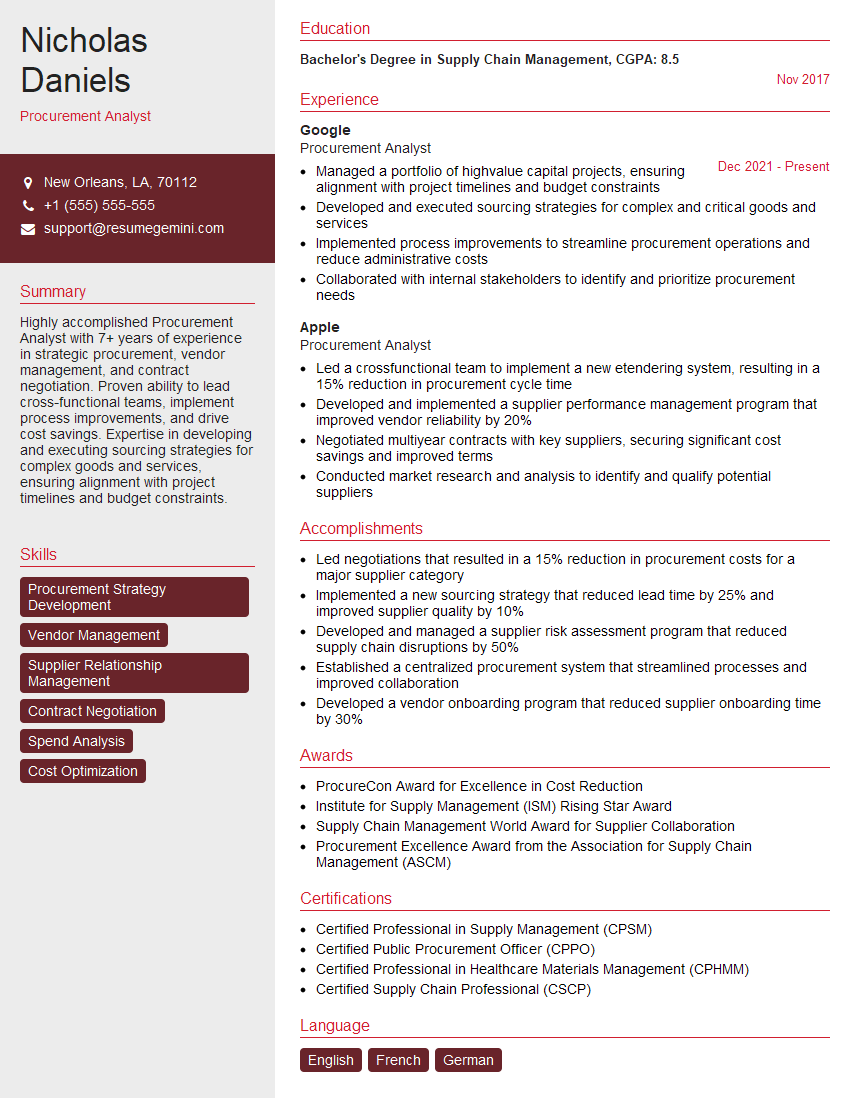
Procurement Analyst Resume Sample
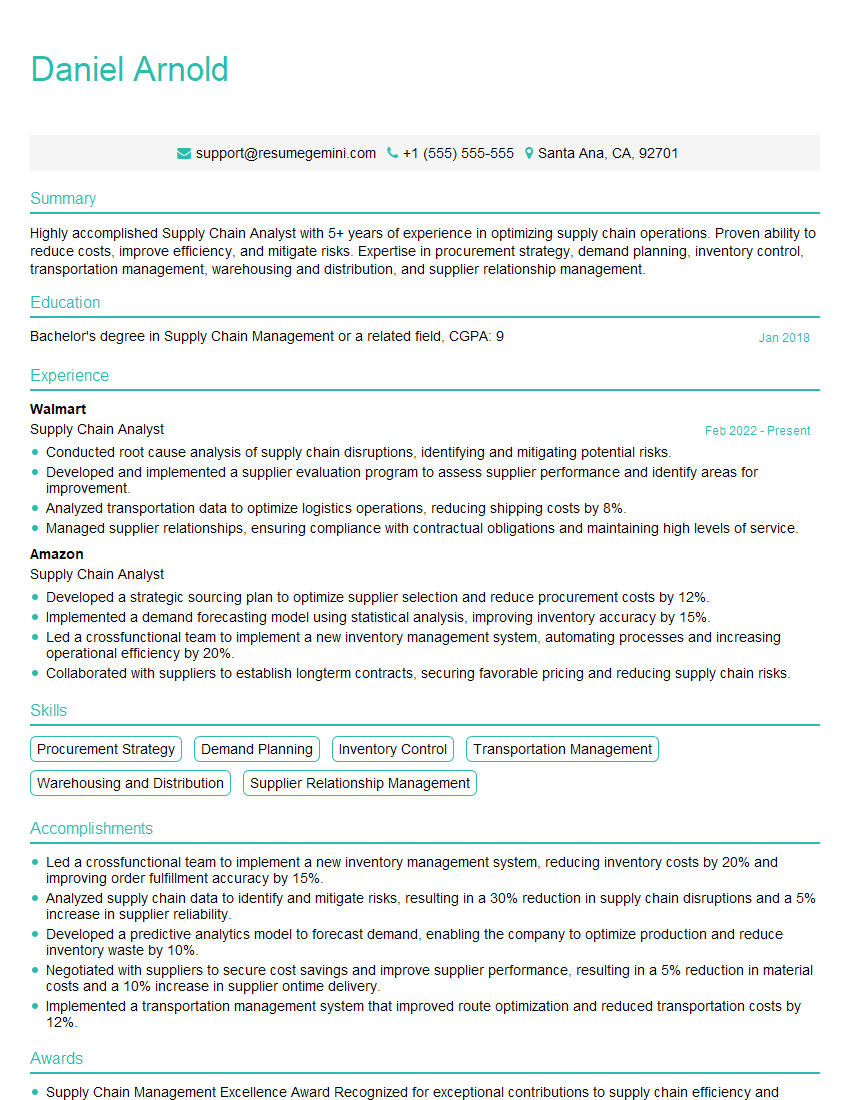
Supply Chain Analyst Resume Sample
Explore more articles
Users Rating of Our Blogs
Share Your Experience
We value your feedback! Please rate our content and share your thoughts (optional).
What Readers Say About Our Blog
To the interviewgemini.com Webmaster.
Very helpful and content specific questions to help prepare me for my interview!
Thank you
To the interviewgemini.com Webmaster.
This was kind of a unique content I found around the specialized skills. Very helpful questions and good detailed answers.
Very Helpful blog, thank you Interviewgemini team.