The thought of an interview can be nerve-wracking, but the right preparation can make all the difference. Explore this comprehensive guide to Experience in working with children and adolescents interview questions and gain the confidence you need to showcase your abilities and secure the role.
Questions Asked in Experience in working with children and adolescents Interview
Q 1. Describe your experience managing challenging behaviors in children/adolescents.
Managing challenging behaviors in children and adolescents requires a multifaceted approach that prioritizes understanding the underlying cause of the behavior. It’s rarely about simply punishing the behavior; instead, it’s about identifying and addressing the needs that are driving it.
My approach involves several key strategies:
- Functional Behavioral Assessment (FBA): This involves systematically observing the child’s behavior to identify the triggers, antecedents, and consequences. For example, a child might act out (behavior) when they are overwhelmed by a classroom task (antecedent) because they haven’t developed effective coping mechanisms (underlying need). By understanding this chain, we can develop interventions to address the antecedent or teach coping skills.
- Positive Behavior Support (PBS): This focuses on reinforcing positive behaviors rather than solely punishing negative ones. This might involve a reward system, positive reinforcement, or teaching replacement behaviors. Instead of punishing a child for interrupting, we teach them to raise their hand and wait for their turn.
- Collaboration with Parents/Guardians: Consistent strategies at home and school are crucial. I actively involve parents/guardians in developing and implementing behavior management plans, ensuring a unified approach.
- Individualized Interventions: Each child is unique. Interventions must be tailored to the individual’s specific needs, developmental stage, and the nature of their behavior challenges. What works for one child may not work for another.
For example, I once worked with a teenager who exhibited disruptive behavior in class. Through FBA, we discovered it stemmed from anxiety related to academic pressure. We implemented a plan combining stress-reduction techniques, academic support, and positive reinforcement, which significantly improved his behavior.
Q 2. Explain your approach to conflict resolution with young people.
My approach to conflict resolution with young people emphasizes restorative justice and focuses on building relationships and problem-solving skills. I avoid power struggles and instead aim for collaborative solutions.
- Active Listening: I ensure both parties feel heard and understood before attempting to mediate.
- Empathy and Validation: I acknowledge the feelings of each involved party, even if I don’t agree with their actions.
- Collaborative Problem-Solving: We work together to brainstorm solutions that are acceptable to everyone involved. This might include identifying compromises, establishing clear expectations, and developing action plans.
- Restorative Practices: When appropriate, I focus on repairing harm caused by the conflict. This could involve apologies, making amends, or reflecting on the impact of their actions.
- Setting Clear Boundaries: While fostering collaboration, I maintain clear boundaries and expectations for behavior.
For instance, if two children are arguing over a toy, I wouldn’t simply take the toy away. Instead, I would help them understand each other’s perspectives, explore ways to share the toy, or find alternative solutions, such as taking turns or finding another toy.
Q 3. How do you adapt your communication style to different age groups?
Adapting my communication style to different age groups is essential for effective interaction. I adjust my language, tone, and approach based on the child’s or adolescent’s developmental stage and cognitive abilities.
- Young Children (Preschool – Early Elementary): I use simple language, visual aids, and playful interactions. I focus on concrete explanations and positive reinforcement.
- Older Children (Late Elementary – Middle School): I use more complex language, engage in discussions, and incorporate their input into decision-making processes. I emphasize collaboration and problem-solving.
- Adolescents (High School): I treat them with respect and autonomy. I use open-ended questions to encourage critical thinking and self-reflection. I also acknowledge their developmental need for independence and self-expression.
For example, when explaining a rule to a preschooler, I might use puppets or drawings to illustrate the concept. With a teenager, I would engage in a discussion about the rationale behind the rule and allow them to express their thoughts and feelings.
Q 4. What strategies do you use to create a safe and supportive environment?
Creating a safe and supportive environment is fundamental to my work. It involves establishing clear boundaries, fostering trust, and promoting a sense of belonging.
- Physical Safety: Ensuring a clean, organized, and physically safe space free from hazards.
- Emotional Safety: Creating a non-judgmental and accepting space where children feel comfortable expressing their feelings without fear of ridicule or punishment.
- Clear Expectations and Rules: Establishing and consistently enforcing clear, age-appropriate rules and expectations, communicated positively and collaboratively.
- Positive Relationships: Building strong, trusting relationships with children and adolescents through consistent interaction, empathy, and respect.
- Consistency and Predictability: Providing a consistent routine and predictable environment can help reduce anxiety and increase a sense of security.
For example, I create a ‘feelings chart’ where children can identify and label their emotions. This encourages open communication and self-awareness in a safe and non-threatening way.
Q 5. Describe a time you had to de-escalate a stressful situation with a child or adolescent.
I once had a 10-year-old boy who became extremely agitated and verbally aggressive during a session after learning about his parents’ impending divorce.
My de-escalation strategy involved:
- Maintaining Calmness: I remained calm and spoke in a quiet, reassuring tone.
- Validating His Feelings: I acknowledged his anger and sadness, letting him know his feelings were valid.
- Providing a Safe Space: I offered him the option to sit quietly or move to a different, more comfortable area.
- Active Listening: I listened attentively without interruption, allowing him to express his emotions.
- Offering Coping Strategies: Once he calmed down somewhat, I offered him strategies such as deep breathing exercises to manage his feelings.
- Reframing the Situation: We talked about the situation in a more constructive way, emphasizing the love and support he still had from his parents.
This approach allowed him to gradually regain control and process his emotions. The session concluded with a plan to address his feelings further in the following sessions.
Q 6. How do you incorporate play therapy into your work with children?
Play therapy is a powerful tool for children, providing a non-threatening way to express their thoughts and feelings. I integrate it into my work in several ways:
- Sand Tray Therapy: Children use miniature figures and objects to create scenes representing their inner world, allowing them to explore their emotions and experiences symbolically.
- Art Therapy: Drawing, painting, or sculpting can be therapeutic outlets for expressing feelings that are difficult to articulate verbally.
- Role-Playing: Acting out scenarios helps children process difficult situations and practice problem-solving skills.
- Playful Activities: Games and activities can be used to build rapport, assess developmental skills, and address specific therapeutic goals.
For example, a child struggling with separation anxiety might use dolls to reenact the separation from their parent, allowing them to process their emotions and develop coping mechanisms in a safe and playful environment.
Q 7. What are some common developmental milestones you are familiar with?
I am familiar with a wide range of developmental milestones across various domains. Here are some examples:
- Gross Motor Skills: Crawling, walking, running, jumping, hopping, skipping (age-appropriate variations).
- Fine Motor Skills: Grasping objects, using utensils, drawing, writing (age-appropriate variations).
- Language Development: Babbling, first words, sentence construction, vocabulary expansion (age-appropriate variations).
- Cognitive Development: Problem-solving skills, memory, attention span, understanding concepts (age-appropriate variations).
- Social-Emotional Development: Attachment, self-regulation, emotional expression, social interaction skills (age-appropriate variations).
My knowledge of these milestones allows me to assess a child’s development, identify potential delays or challenges, and tailor interventions to support their growth. For instance, if a child is significantly behind in language development, I can work with them on vocabulary building, communication skills, and early literacy.
Q 8. How do you assess the emotional and social needs of children/adolescents?
Assessing the emotional and social needs of children and adolescents is a multifaceted process requiring a combination of observation, interaction, and formal assessment tools. It’s crucial to remember that every child is unique, and what constitutes a ‘need’ can vary significantly based on developmental stage, cultural background, and individual experiences.
My approach typically begins with observation. I pay close attention to their nonverbal cues – body language, facial expressions, and interactions with peers and adults. I look for signs of anxiety, depression, social isolation, or aggression. For example, a child consistently withdrawing during group activities might indicate social anxiety or feelings of inadequacy.
Next, I engage in direct interaction. I use open-ended questions to encourage them to express themselves freely. This might involve informal conversations, structured interviews, or play-based assessments, depending on the child’s age and comfort level. With adolescents, I often employ reflective listening techniques to validate their feelings and encourage further disclosure. For instance, I might say, ‘It sounds like you’re feeling really frustrated about this situation,’ mirroring their emotions to build trust.
Finally, I might use formal assessment tools, such as standardized questionnaires or projective techniques, to gain a more objective understanding of their emotional and social functioning. The choice of tools depends on the specific concerns and the child’s developmental stage. This might involve using age-appropriate scales measuring anxiety, depression, or social skills.
Integrating these methods gives me a comprehensive picture of the child’s or adolescent’s emotional and social landscape, allowing for tailored interventions.
Q 9. How do you build rapport and trust with children/adolescents from diverse backgrounds?
Building rapport and trust with children and adolescents from diverse backgrounds requires cultural sensitivity, empathy, and a genuine desire to understand their unique perspectives. It goes beyond simply acknowledging their differences; it involves actively seeking to learn about their cultural values, beliefs, and communication styles.
My strategy begins with active listening. I make a conscious effort to hear, not just listen, to what they say. This means paying attention to both their verbal and nonverbal cues. It is critical to avoid making assumptions and instead ask open-ended questions to gain an accurate understanding of their individual experiences.
I also believe in building relationships based on mutual respect. This involves demonstrating genuine interest in their lives, their interests, and their perspectives. I ensure that my language and communication style is culturally appropriate. For instance, I might use non-verbal gestures to convey understanding or adapt my speech to better match their comfort level. This approach is particularly essential when working with children from families that have differing communication or cultural norms.
Finally, I make it clear that I am there to support and empower them, not judge them. This creates a safe space for vulnerability and allows them to share their experiences without fear of criticism. Building trust is an ongoing process, requiring patience, consistency, and a commitment to demonstrating respect and understanding.
Q 10. Describe your experience working with children/adolescents with special needs.
I have extensive experience working with children and adolescents with diverse special needs, including those with autism spectrum disorder (ASD), ADHD, learning disabilities, and emotional and behavioral disorders. My approach is always individualized and tailored to the specific needs of each child.
For children with ASD, I utilize structured and predictable routines, visual supports, and positive reinforcement to enhance communication and social skills. For example, I might create a social story to help a child understand and navigate social situations.
With children with ADHD, I employ strategies to improve attention and focus, such as breaking down tasks into smaller, manageable steps, providing frequent positive feedback, and incorporating movement breaks. I also collaborate closely with parents and educators to ensure consistency across different settings.
In working with children with learning disabilities, I focus on providing differentiated instruction and accommodations to support their academic success. This might involve modifying assignments, using assistive technology, and providing extra time for testing.
For children with emotional and behavioral disorders, I often use therapeutic interventions, such as cognitive behavioral therapy (CBT) or play therapy, to help them manage their emotions, develop coping skills, and improve their behavior. I focus on building a therapeutic alliance to help them feel safe and supported. Each case requires a unique approach based on the specific diagnosis and needs of the child, but collaboration with specialists and a consistent, supportive approach are fundamental.
Q 11. What methods do you use to document progress and observations?
Accurate and thorough documentation is essential for tracking progress, informing treatment decisions, and ensuring accountability. I utilize a variety of methods to document my observations and interactions with children and adolescents.
I maintain detailed progress notes in a secure electronic health record (EHR) system. These notes include observations of the child’s behavior, emotional state, and responses to interventions. I use clear, objective language, avoiding subjective interpretations. For example, instead of writing ‘Sarah was disruptive today,’ I might write, ‘Sarah interrupted the group activity three times, each time requiring redirection back to the task.’
Beyond progress notes, I use other tools such as data collection sheets for tracking specific behaviors or skills. If working on a specific goal, I use visual tracking tools like charts to showcase the progress, which can be motivating for the child. I also keep anecdotal records of significant events or observations, offering a narrative context to quantifiable data. This provides a rich picture of the child’s journey.
Regularly reviewing this documentation allows me to monitor progress, adjust my strategies as needed, and ensure that I am providing the most effective interventions. Confidentiality is paramount, and the methods I use are compliant with all applicable privacy regulations.
Q 12. How do you collaborate with parents or guardians?
Collaboration with parents or guardians is crucial for effective intervention. I believe in a collaborative partnership where I work alongside the family, not in isolation from them. My approach emphasizes open communication, mutual respect, and a shared understanding of the child’s needs.
I establish regular communication channels with parents or guardians, such as regular meetings or phone calls. These are opportunities to share observations, discuss progress, and collaborate on treatment plans. I share information in a clear, concise, and non-judgemental way, ensuring that they fully understand the interventions being implemented and their rationale.
I also encourage active participation from parents in the child’s therapy. This might involve assigning homework, providing support at home, or implementing strategies learned in therapy. I provide parents with resources and education about the child’s diagnosis and treatment. I find it beneficial to consider the parents’ strengths and resources when planning interventions.
By working together as a team, we create a supportive and consistent environment for the child, maximizing the chances of successful outcomes. I believe that building strong parent-professional relationships is foundational to positive therapeutic experiences.
Q 13. How do you ensure confidentiality in your work with children/adolescents?
Confidentiality is paramount in my work with children and adolescents. I adhere strictly to ethical guidelines and legal requirements regarding the protection of sensitive information. This includes understanding and complying with laws such as HIPAA (in the US) or similar regulations.
I obtain informed consent from parents or guardians before beginning any services, ensuring they fully understand the limits of confidentiality. I explain that while I will strive to maintain confidentiality, there are exceptions, such as mandated reporting of child abuse or neglect. I clearly explain these limitations in accessible terms, in compliance with best practice guidelines.
All client information, including progress notes and assessment results, is stored securely in a password-protected electronic health record (EHR) system that adheres to the highest security standards. Physical files, if used, are locked away securely. I take every precaution to prevent unauthorized access or disclosure of information.
I also prioritize responsible use of technology. I refrain from discussing clients on social media or other public platforms and ensure all electronic communication is secure. In addition, I am always careful about the conversations I have in public or shared spaces.
Q 14. What are your strategies for engaging children/adolescents in learning activities?
Engaging children and adolescents in learning activities requires understanding their developmental stage, interests, and learning styles. A ‘one-size-fits-all’ approach rarely works; it is crucial to differentiate activities to keep them meaningfully engaged.
I use a variety of techniques to make learning fun and relevant. This includes incorporating games, interactive activities, technology, and creative projects. For example, I might use a board game to practice social skills, a computer program to enhance literacy skills, or a creative arts project to express emotions.
I also incorporate choice and autonomy into learning activities, allowing children and adolescents to select activities that align with their interests. This fosters a sense of ownership and increased motivation. This might involve offering a menu of activities for them to choose from.
Furthermore, I provide positive reinforcement and celebrate their successes to build confidence and encourage continued engagement. I provide specific feedback, both positive and constructive, focused on the child’s effort and progress. The strategies employed will depend on their age and developmental level. Ultimately, tailoring the approach to the individual’s needs is key to fostering a positive learning environment.
Q 15. How do you handle ethical dilemmas related to child/adolescent care?
Ethical dilemmas in child and adolescent care are complex and require careful consideration. My approach involves a multi-step process grounded in ethical principles like beneficence (acting in the best interest of the child), non-maleficence (avoiding harm), autonomy (respecting the child’s rights), and justice (fair and equitable treatment).
Step 1: Identify the Dilemma: Clearly define the ethical conflict. For example, a parent might be withholding information crucial to a child’s treatment, creating a conflict between confidentiality and the child’s well-being.
Step 2: Gather Information: Collect all relevant facts and perspectives. This includes speaking with the child (age-appropriately), parents, other professionals, and reviewing relevant documentation.
Step 3: Consult Ethical Guidelines and Resources: Refer to professional codes of conduct (e.g., those provided by relevant professional organizations), relevant laws, and ethical decision-making frameworks.
Step 4: Explore Options and Potential Consequences: Brainstorm different courses of action and carefully consider the potential positive and negative consequences of each. This may involve consulting with supervisors or ethics committees.
Step 5: Choose a Course of Action and Document: Select the option that best aligns with ethical principles and legal requirements, justifying the decision in writing. Thorough documentation protects both the child and the professional.
Example: If a teenager discloses plans for self-harm, confidentiality must be balanced with the need to ensure their safety. This would involve a careful conversation, assessing the risk level, and potentially involving parents or seeking professional intervention, while respecting the teenager’s autonomy as much as possible.
Career Expert Tips:
- Ace those interviews! Prepare effectively by reviewing the Top 50 Most Common Interview Questions on ResumeGemini.
- Navigate your job search with confidence! Explore a wide range of Career Tips on ResumeGemini. Learn about common challenges and recommendations to overcome them.
- Craft the perfect resume! Master the Art of Resume Writing with ResumeGemini’s guide. Showcase your unique qualifications and achievements effectively.
- Don’t miss out on holiday savings! Build your dream resume with ResumeGemini’s ATS optimized templates.
Q 16. Describe your experience using different assessment tools with children/adolescents.
I have extensive experience using various assessment tools tailored to the developmental stage of the child or adolescent. These tools help me gain a comprehensive understanding of their strengths, challenges, and needs.
- Developmental Screening Tools: For younger children, I utilize tools like the Ages & Stages Questionnaires (ASQ) to assess developmental milestones in areas such as communication, gross motor skills, and social-emotional development.
- Cognitive Assessments: For older children and adolescents, I employ standardized tests like the Wechsler Intelligence Scales for Children (WISC) to evaluate cognitive abilities and identify learning disabilities.
- Behavioral Assessments: Tools like the Child Behavior Checklist (CBCL) and the Conners’ Rating Scales help assess behavioral problems, emotional regulation, and social skills.
- Projective Tests: In appropriate cases, I may use projective tests like the Rorschach Inkblot Test or the Thematic Apperception Test (TAT), which are valuable in understanding unconscious processes and emotional dynamics. However, interpretation of these tests requires specialized training and should be integrated with other assessments.
- Clinical Interviews: Structured and unstructured interviews are crucial to obtain a detailed history, understand the child’s perspective, and build rapport. The approach varies depending on the child’s age and cognitive abilities.
The selection of assessment tools is crucial and depends on the specific referral question, the child’s age, and cognitive abilities. Results are always interpreted within the context of the child’s overall development, family dynamics, and cultural background.
Q 17. What are your strategies for promoting positive mental health in children/adolescents?
Promoting positive mental health in children and adolescents is a multifaceted approach that focuses on building resilience, fostering self-esteem, and teaching coping skills.
- Building Resilience: This involves helping children and adolescents develop problem-solving skills, learn to manage stress, and cultivate a sense of self-efficacy (belief in their ability to succeed). Activities such as mindfulness exercises, stress-reduction techniques, and goal-setting are helpful.
- Fostering Self-Esteem: Creating a supportive and encouraging environment is crucial. This includes providing positive feedback, celebrating achievements, and helping children identify and appreciate their strengths.
- Teaching Coping Skills: Equipping children with strategies to manage difficult emotions and challenging situations is essential. This involves teaching relaxation techniques, emotional regulation skills, and conflict-resolution strategies.
- Promoting Social-Emotional Learning (SEL): Incorporating SEL programs in schools and communities helps children develop crucial social and emotional competencies, such as empathy, self-awareness, and responsible decision-making.
- Strong Family and Community Support: Positive family relationships and strong community connections provide essential support and buffer against mental health challenges. Working with families to improve communication and parenting skills is often a crucial part of promoting positive mental health.
It’s important to remember that promoting positive mental health is an ongoing process, requiring consistent effort and a holistic approach.
Q 18. How do you recognize signs of child abuse or neglect?
Recognizing signs of child abuse or neglect requires a keen awareness and a systematic approach. It’s crucial to remember that no single sign definitively proves abuse, but a cluster of indicators warrants further investigation.
Physical Abuse: Unexplained bruises, burns, fractures, or injuries; inconsistent explanations for injuries; fear of physical contact with adults; wearing inappropriate clothing to conceal injuries.
Neglect: Poor hygiene, malnutrition, untreated medical conditions, consistent lack of supervision, inappropriate clothing for the weather, frequent absences from school.
Sexual Abuse: Age-inappropriate sexual knowledge or behavior; sexually transmitted infections; physical complaints in the genital area; unusual fear of certain individuals; sudden changes in behavior or personality.
Emotional Abuse: Low self-esteem, extreme anxiety or depression, withdrawal or isolation, difficulty concentrating, delayed development, overly compliant or aggressive behavior.
Behavioral Indicators (across all types of abuse): Changes in school performance, sleep disturbances, bedwetting, aggression, self-harm behaviors, sudden changes in personality or behavior.
Reporting Suspicions: When I suspect abuse or neglect, I am mandated reporter and must report my concerns to the relevant child protection agency. This involves documenting all observations and interactions with the child and family, and following agency protocols for reporting. This process protects the child while upholding legal and ethical obligations.
Q 19. What is your experience with crisis intervention with children/adolescents?
Crisis intervention with children and adolescents requires a calm, empathetic, and decisive approach. My experience involves assessing the immediate danger, providing support, and connecting the individual with appropriate resources.
Assessment: First, I carefully assess the nature and severity of the crisis, including the child’s emotional state, risk of self-harm or harm to others, and available support systems.
Support and Stabilization: I provide a safe and supportive environment, using active listening and validation techniques to help the child or adolescent feel heard and understood. I may employ de-escalation strategies to manage emotional distress.
Connecting Resources: Depending on the situation, I might connect the child or adolescent with immediate mental health services, such as a crisis hotline, mobile crisis team, or emergency room. If appropriate, I may involve family members or other support networks in a way that is helpful and safe.
Follow-up: After the immediate crisis has subsided, I ensure that the child or adolescent has access to ongoing support and appropriate treatment. This might involve referrals to therapy, counseling, or other relevant services.
Example: If a student experiences a panic attack at school, my immediate response involves creating a safe space, calming techniques (deep breathing, etc.), and connecting them with the school counselor or nurse. If the anxiety persists, or if there are other risk factors, a referral to a mental health professional would be recommended.
Q 20. Describe your understanding of child development theories.
My understanding of child development theories is foundational to my practice. I integrate principles from various perspectives to inform my assessment, intervention, and therapeutic approaches.
- Psychoanalytic Theory (Freud): While less prominent in contemporary practice, understanding the unconscious and early childhood experiences influences my approach to understanding the roots of behavioral and emotional difficulties.
- Cognitive-Developmental Theory (Piaget): This theory highlights the stages of cognitive development and helps me tailor my communication and interventions to the child’s cognitive abilities. For instance, a 5-year-old’s understanding of death differs greatly from that of a 15-year-old.
- Social-Learning Theory (Bandura): This theory emphasizes the role of observation and imitation in learning. It helps me understand how children learn behaviors and coping mechanisms from their environment, including parents, peers, and media.
- Attachment Theory (Bowlby): Attachment theory underscores the importance of early relationships in shaping emotional development and social skills. Understanding the quality of a child’s attachment relationships is crucial in assessing their mental health and well-being.
- Erikson’s Psychosocial Stages: Erikson’s theory highlights the psychosocial challenges faced at different developmental stages. This framework helps me understand the developmental tasks and potential conflicts at each age, providing a context for emotional and behavioral issues.
It’s important to note that these theories are not mutually exclusive; they provide complementary frameworks for understanding child development, and I integrate them flexibly depending on the individual case.
Q 21. How do you maintain boundaries in your professional relationships with children/adolescents?
Maintaining professional boundaries is crucial in working with children and adolescents. It protects the child’s well-being and ensures the integrity of the therapeutic relationship. My approach emphasizes clarity, consistency, and adherence to professional ethical guidelines.
- Physical Boundaries: Appropriate physical touch is limited to what’s necessary for comfort, such as a comforting hand on the shoulder in moments of distress, while adhering to strict professional codes regarding physical contact.
- Emotional Boundaries: I avoid becoming overly emotionally involved in the child’s life, avoiding sharing personal information or forming close friendships outside of the professional context.
- Time Boundaries: I maintain clear session times, adhere to scheduled appointments, and respect the child’s time and energy levels, avoiding prolonged or unnecessary sessions.
- Confidentiality: I clearly explain confidentiality guidelines, specifying limitations (such as mandated reporting). I discuss the importance of maintaining a safe and trusting relationship, which necessitates appropriate boundaries.
- Dual Relationships: I avoid any form of dual relationships, such as social engagements, business dealings, or family involvement outside of professional responsibilities, ensuring strict separation.
Regular supervision, self-reflection, and adhering to ethical guidelines help ensure professional boundaries are maintained effectively, both protecting the child and ensuring ethical professional practice.
Q 22. What are your strategies for addressing bullying and peer conflict?
Addressing bullying and peer conflict requires a multifaceted approach focusing on prevention, intervention, and restorative justice. Prevention involves creating a positive school or community climate where empathy and respect are valued. This includes implementing anti-bullying programs, promoting positive social skills training, and fostering a sense of belonging among students.
Intervention strategies are crucial when bullying or conflict occurs. This involves immediate action to stop the harmful behavior, separating the involved parties, and providing support to the victim. A key aspect is investigating the incident thoroughly and fairly, gathering accounts from all involved parties. We often utilize restorative justice circles where everyone involved has a chance to share their perspectives and work towards a resolution. This fosters empathy and accountability.
For example, I once worked with a group of students involved in a prolonged conflict. Instead of focusing on punishment, we used a restorative circle. Each student had the opportunity to explain their perspective and listen to the experiences of others. This process helped them understand the impact of their actions and develop strategies for future conflict resolution. The result was a significant reduction in conflict and an improved classroom climate.
Q 23. Explain your understanding of trauma-informed care.
Trauma-informed care is a strengths-based approach that recognizes the pervasive impact of trauma on individuals and prioritizes safety, trustworthiness, choice, collaboration, and empowerment. It’s about understanding that a child’s behavior might stem from past experiences of abuse, neglect, or other adverse events. Instead of simply addressing the behavior, a trauma-informed approach focuses on understanding the root causes and providing support to heal from trauma.
For instance, a child who constantly exhibits disruptive behavior in class may be doing so as a result of an insecure attachment style stemming from early childhood trauma. A trauma-informed approach would involve creating a safe and predictable classroom environment, building a trusting relationship with the child, and offering coping mechanisms to manage their emotional regulation challenges. This might include providing sensory tools, mindfulness exercises, and individual or group therapy.
Practical applications include using calm and predictable routines, offering choices whenever possible, ensuring the child feels heard and validated, and collaborating with parents or guardians to provide consistent support.
Q 24. What is your approach to addressing substance abuse issues in adolescents?
Addressing substance abuse in adolescents requires a collaborative, multi-pronged strategy. It begins with early identification, often through careful observation and open communication. A critical component is building trust and rapport with the adolescent to encourage honest disclosure. Confidentiality is paramount, and maintaining a non-judgmental approach is crucial for successful intervention.
Next, a thorough assessment is vital. This involves understanding the type of substance used, the frequency of use, and the underlying reasons for substance abuse. Often, co-occurring mental health issues such as anxiety or depression need to be addressed concurrently. I would collaborate with parents/guardians, school counselors, and potentially external specialists like addiction counselors or psychiatrists to create a comprehensive care plan.
The care plan might include individual or group therapy, family therapy, and participation in support groups like Alcoholics Anonymous (AA) or Narcotics Anonymous (NA). In severe cases, medical detoxification and residential treatment may be necessary. The focus is always on promoting long-term recovery and relapse prevention strategies.
Q 25. How do you differentiate between typical and atypical behavior in children/adolescents?
Differentiating between typical and atypical behavior in children and adolescents requires a developmental lens and a thorough understanding of age-appropriate norms. What might be considered typical behavior at one age may be a cause for concern at another. Developmental milestones are essential in this assessment.
For example, occasional temper tantrums are common in toddlers, but frequent, intense outbursts in an older child may suggest an underlying emotional or behavioral issue. Similarly, mild social anxiety is common in adolescents, but significant social withdrawal and impairment in daily functioning could indicate a more serious condition.
Several factors inform this differentiation: frequency, intensity, duration, context, and impact on daily functioning. If behaviors are significantly impacting academic performance, social relationships, or daily routines, further investigation is warranted. I would utilize standardized assessment tools and consider referring the child or adolescent to a specialist if necessary.
Q 26. Describe your experience implementing behavior modification techniques.
Behavior modification techniques, based on principles of operant conditioning, involve shaping behavior through reinforcement and consequences. Positive reinforcement focuses on rewarding desired behaviors to increase their frequency, while extinction involves ignoring undesirable behaviors to decrease their frequency. Punishment, while sometimes necessary, is used sparingly and judiciously.
For example, I’ve successfully used a token economy system with students exhibiting disruptive behaviors. Students earned tokens for positive behaviors like following classroom rules and completing assignments. These tokens could be exchanged for privileges like extra recess time or choosing a classroom activity. This system clearly defined expectations, provided positive reinforcement, and significantly reduced disruptive behaviors.
It is crucial to tailor behavior modification plans to the individual child or adolescent. Collaboration with parents and educators is key to ensuring consistency and effectiveness across various settings.
Q 27. How do you ensure the safety and well-being of children/adolescents in your care?
Ensuring the safety and well-being of children and adolescents in my care is my paramount concern. This involves establishing clear boundaries, implementing robust safety protocols, and fostering a supportive and nurturing environment. Mandatory reporting of any suspected abuse or neglect is essential.
Safety protocols include maintaining a safe physical space, creating clear rules and expectations, implementing appropriate supervision levels based on age and developmental needs, and establishing emergency procedures. Building strong relationships with children and adolescents is also vital. When children and adolescents trust their caregivers, they are more likely to report concerns or incidents. I prioritize open communication and create an environment where they feel comfortable expressing themselves.
Ongoing professional development in child protection and trauma-informed care is a constant priority to ensure that my skills and knowledge remain up-to-date and enhance my ability to protect those in my care.
Q 28. What are your professional development goals related to working with children/adolescents?
My professional development goals focus on enhancing my expertise in working with children and adolescents with complex needs. I aim to deepen my knowledge of trauma-informed practices, particularly in relation to working with children who have experienced adverse childhood experiences (ACEs). I plan to pursue advanced training in evidence-based therapeutic interventions such as dialectical behavior therapy (DBT) and cognitive behavioral therapy (CBT) for adolescents.
Additionally, I’m committed to expanding my understanding of cultural competency and working effectively with diverse populations. This includes learning more about cultural differences in communication styles, family dynamics, and beliefs about mental health. Finally, staying updated on the latest research and best practices in child and adolescent mental health is a continuous process, and I plan to actively participate in conferences and workshops to achieve this.
Key Topics to Learn for Experience in working with children and adolescents Interview
- Child and Adolescent Development: Understanding the key developmental stages, milestones, and challenges faced by children and adolescents across different age groups. Consider theoretical frameworks like Erikson’s stages of psychosocial development or Piaget’s stages of cognitive development.
- Communication and Rapport Building: Practical application of effective communication techniques tailored to different age groups and developmental needs. This includes active listening, empathetic responses, and age-appropriate language.
- Behavioral Management Strategies: Exploring positive reinforcement techniques, de-escalation strategies, and conflict resolution methods appropriate for working with children and adolescents exhibiting challenging behaviors. Consider the ethical implications of various approaches.
- Safety and Well-being: Understanding child protection policies and procedures, recognizing signs of abuse or neglect, and implementing safety protocols in various settings (e.g., school, camp, healthcare).
- Individualized Approaches: Recognizing the unique needs and learning styles of individual children and adolescents. Discuss adapting your approach based on diverse learning abilities, cultural backgrounds, and individual personalities.
- Collaboration and Teamwork: Highlighting the importance of effective collaboration with parents, guardians, teachers, and other professionals involved in the child’s or adolescent’s life. Discuss strategies for successful teamwork and information sharing.
- Ethical Considerations: Understanding and applying ethical principles related to confidentiality, informed consent, and professional boundaries when working with children and adolescents.
Next Steps
Mastering the nuances of working with children and adolescents significantly enhances your career prospects in education, healthcare, social work, and many other fields. A well-crafted resume is crucial for showcasing your skills and experience to potential employers. Building an ATS-friendly resume increases your chances of getting noticed by recruiters and landing interviews. ResumeGemini is a trusted resource to help you create a professional and impactful resume that highlights your unique qualifications. Examples of resumes tailored to experience in working with children and adolescents are available to help guide you.
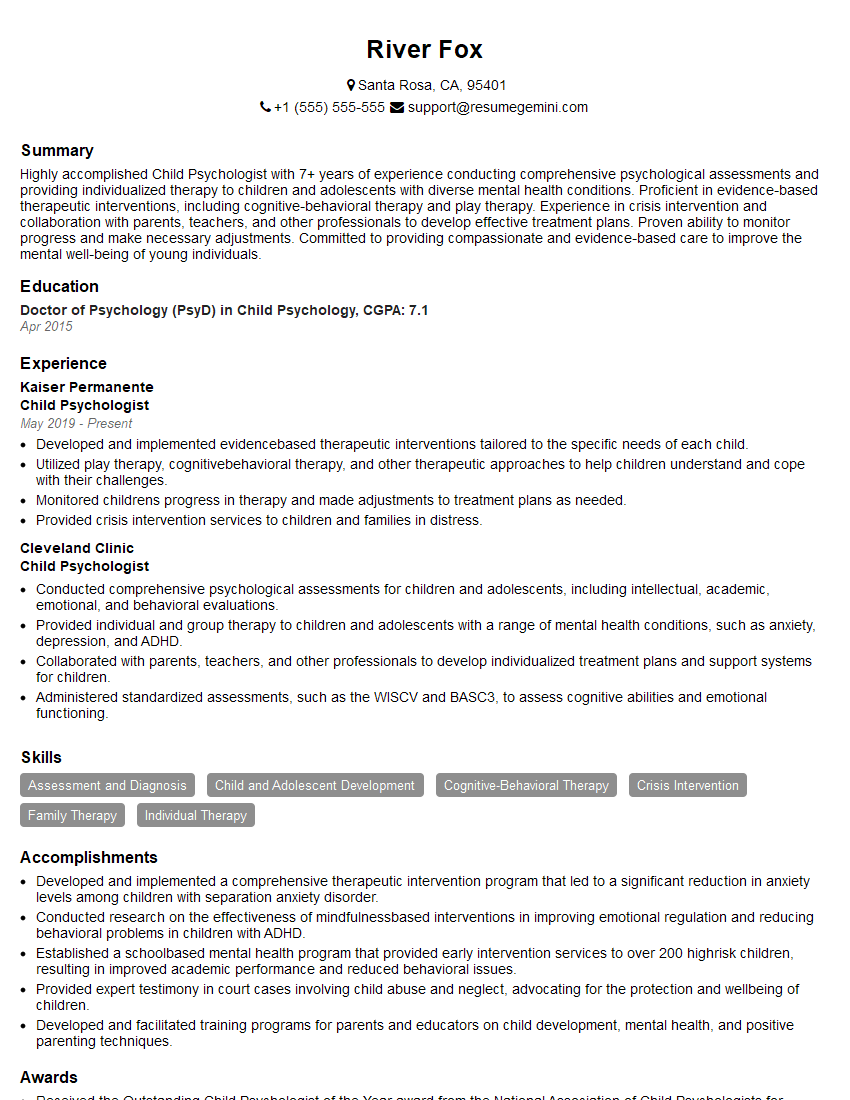
Child Psychologist Resume Sample
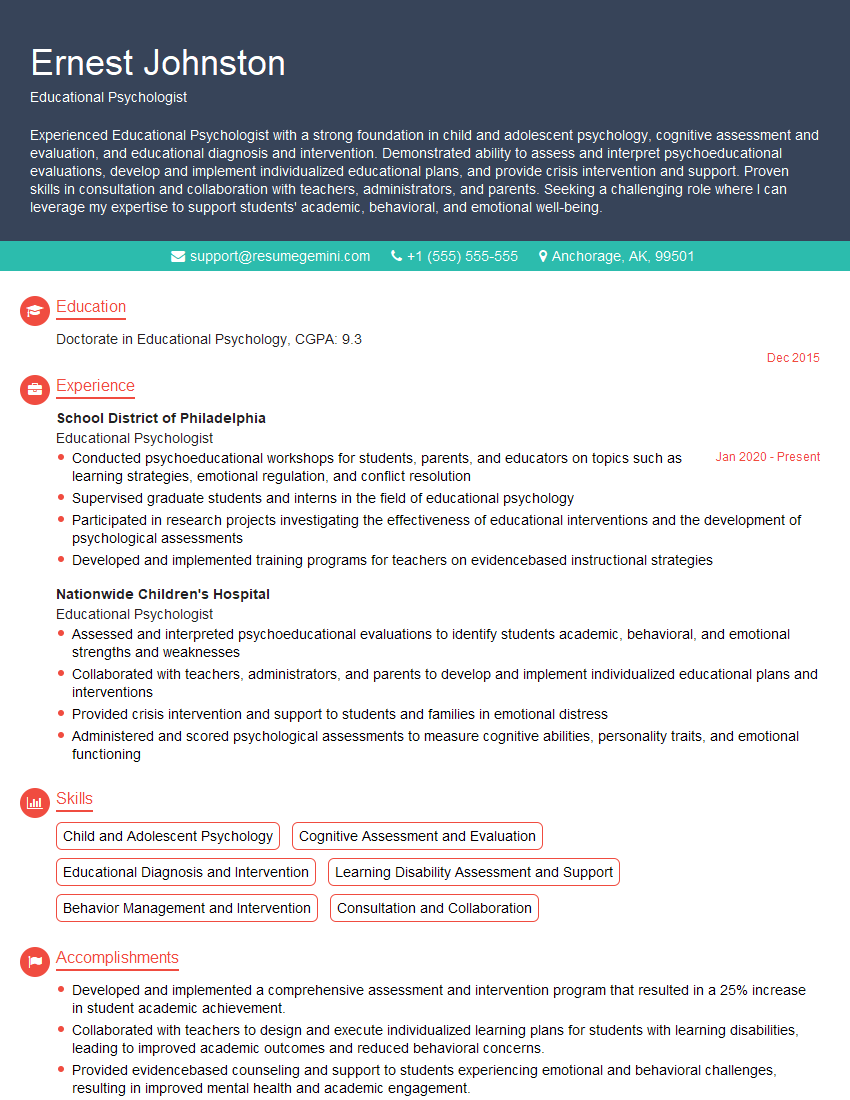
Educational Psychologist Resume Sample
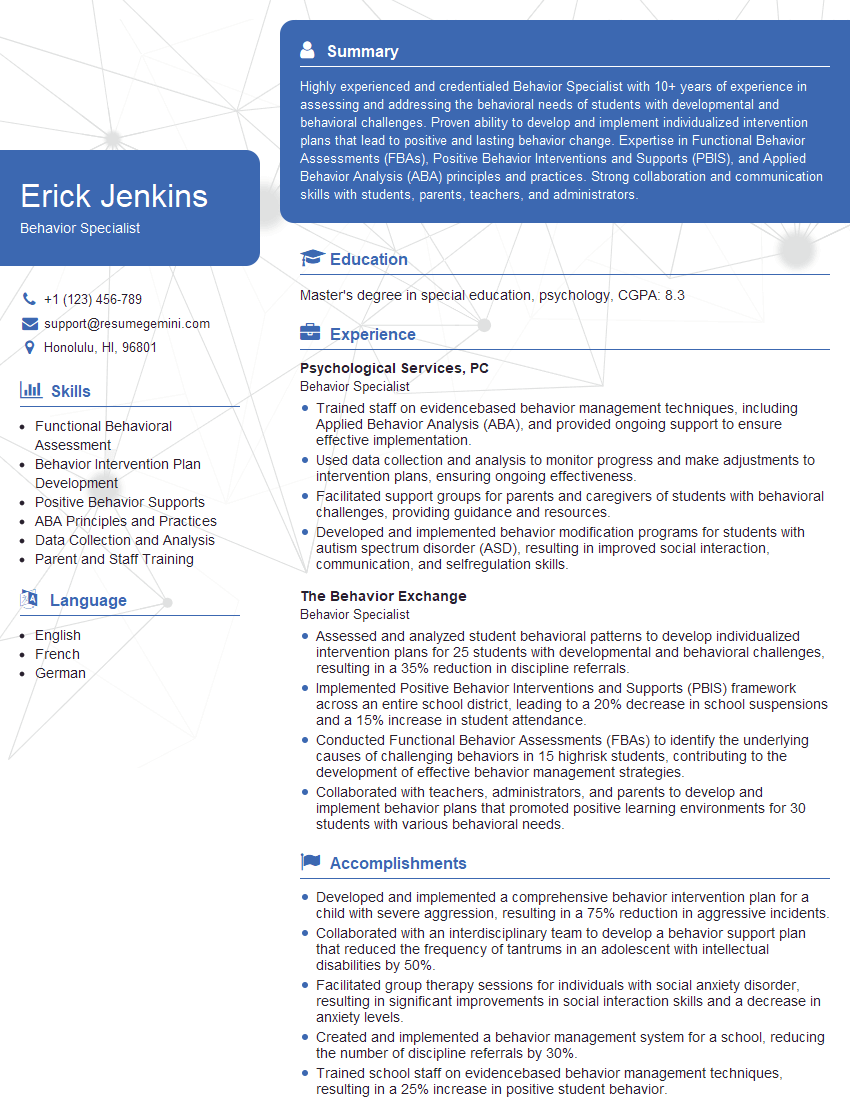
Behavior Specialist Resume Sample
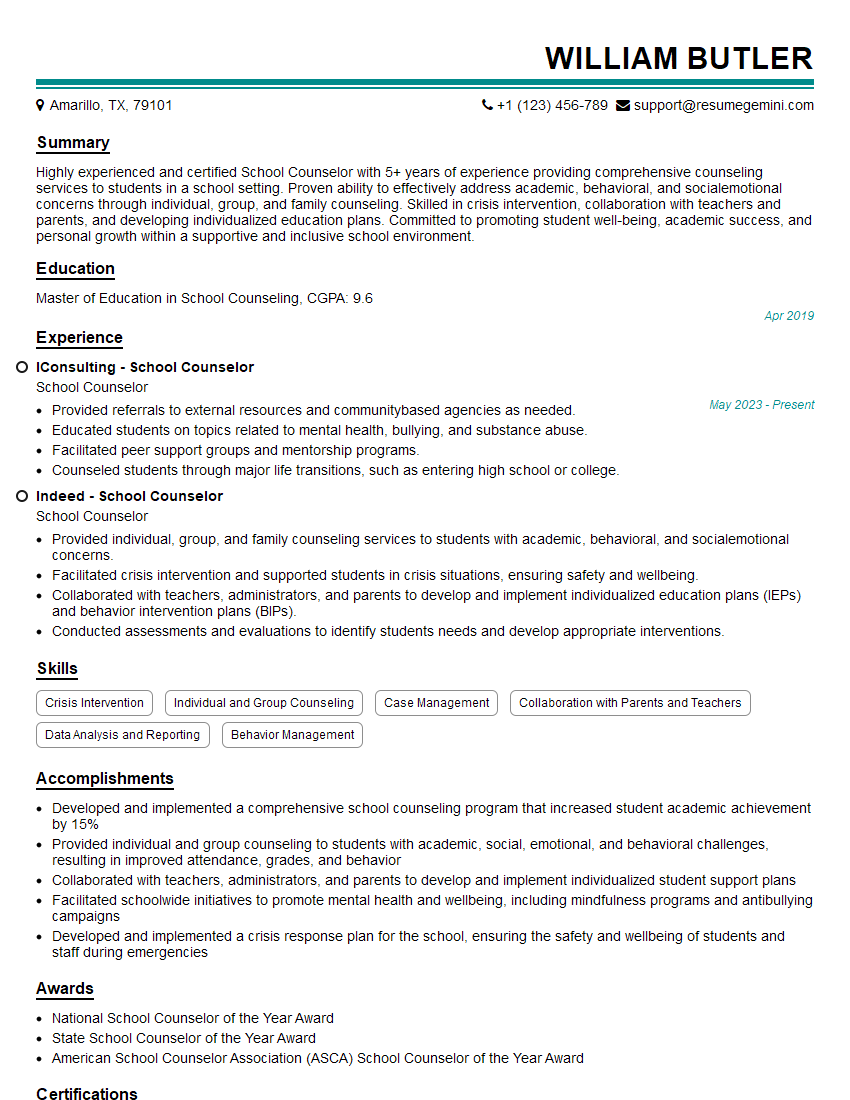
School Counselor Resume Sample
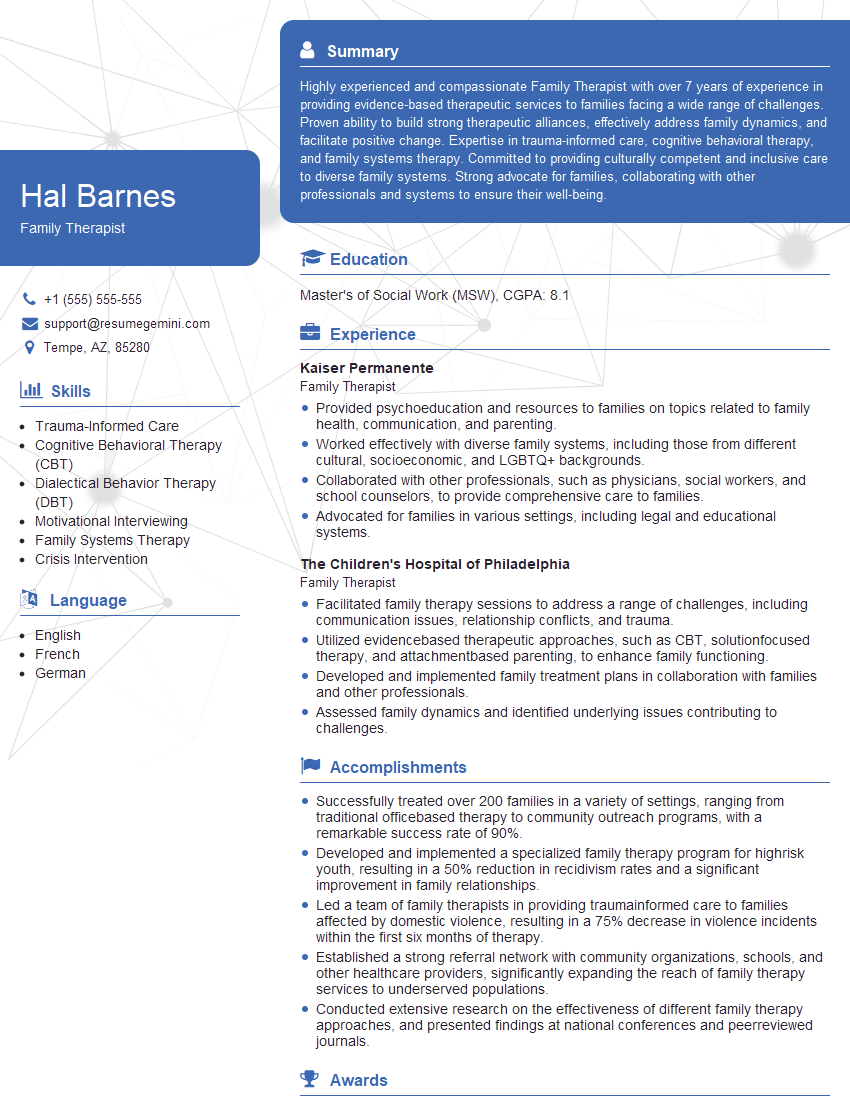
Family Therapist Resume Sample
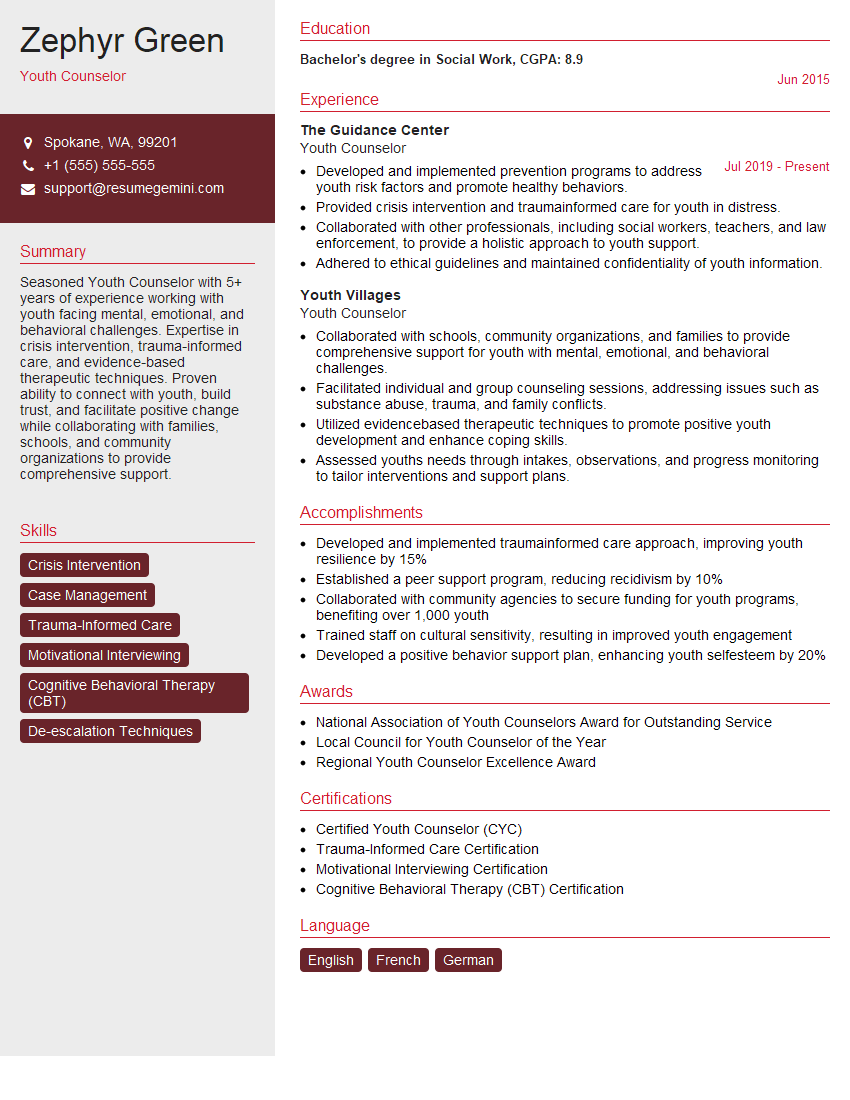
Youth Counselor Resume Sample
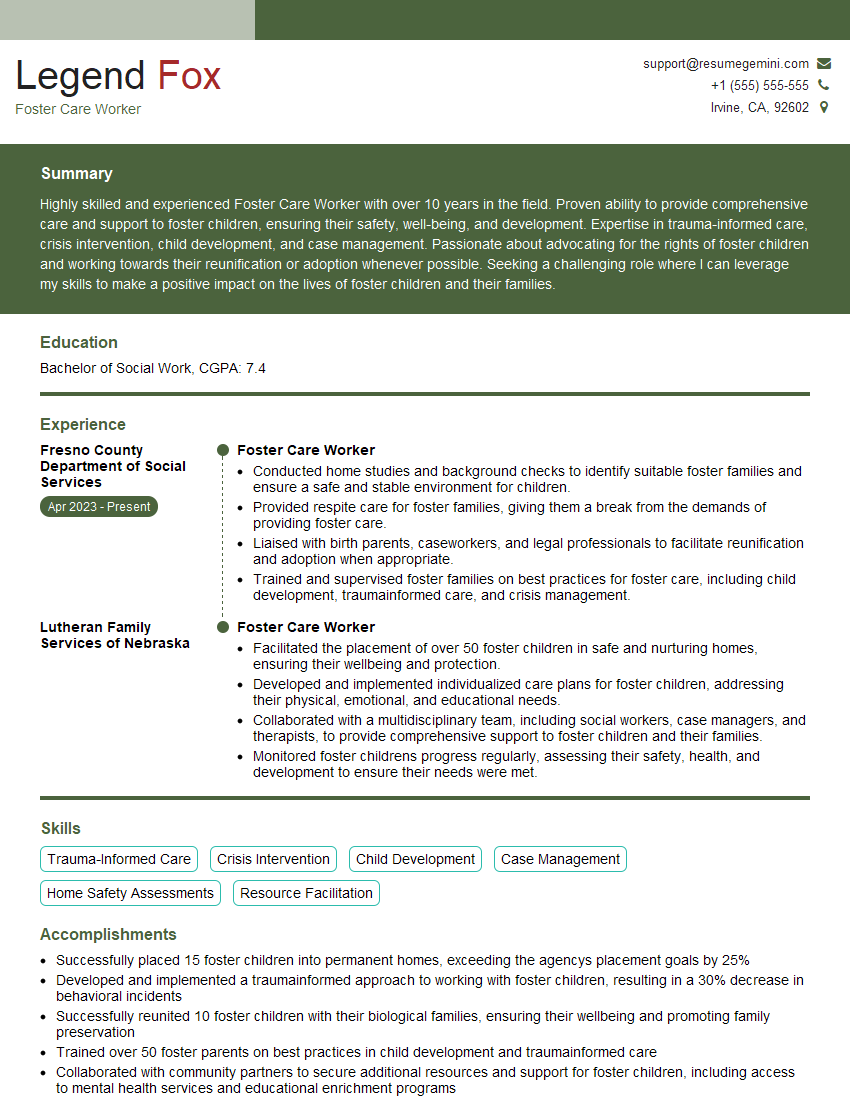
Foster Care Worker Resume Sample
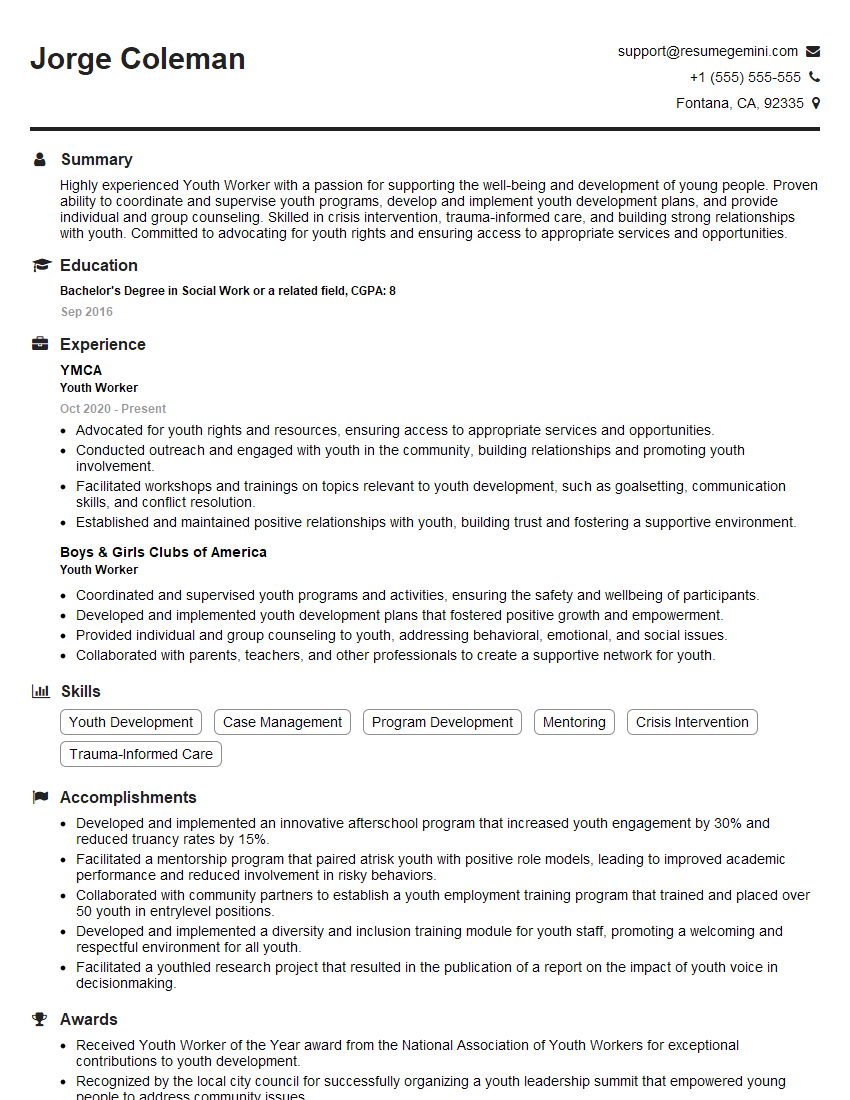
Youth Worker Resume Sample
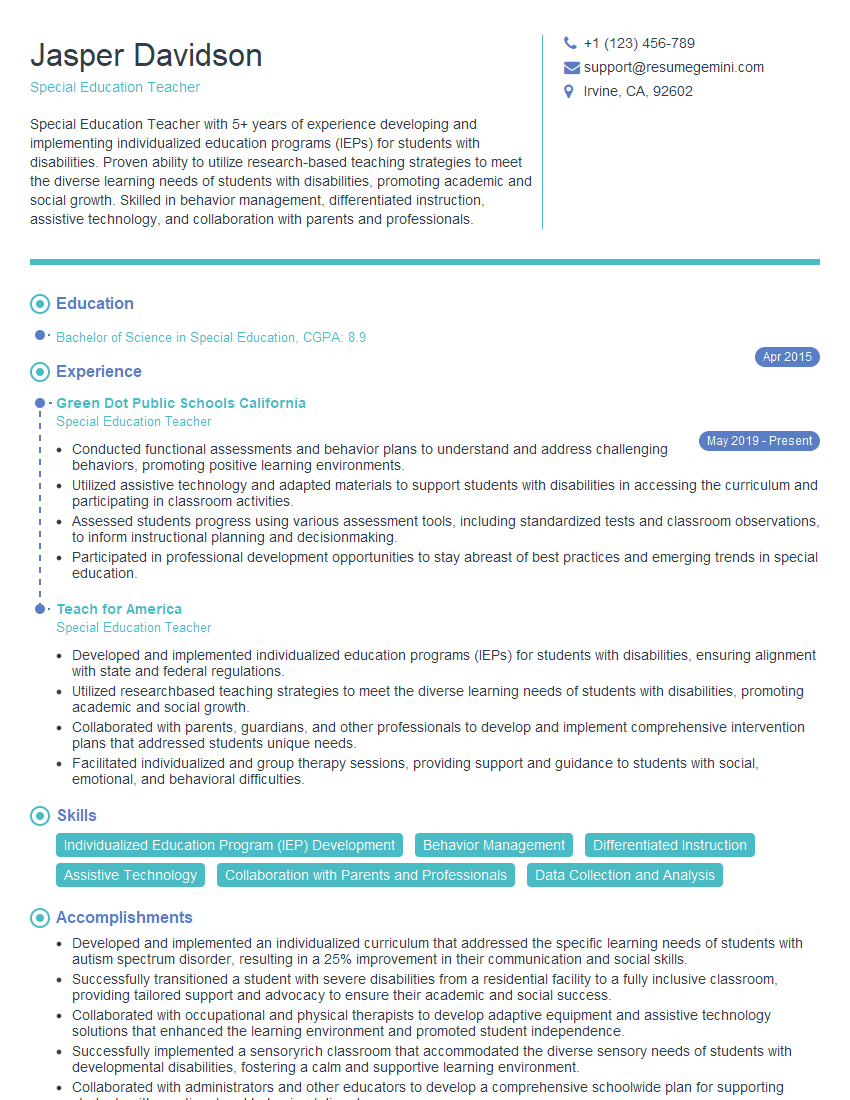
Special Education Teacher Resume Sample
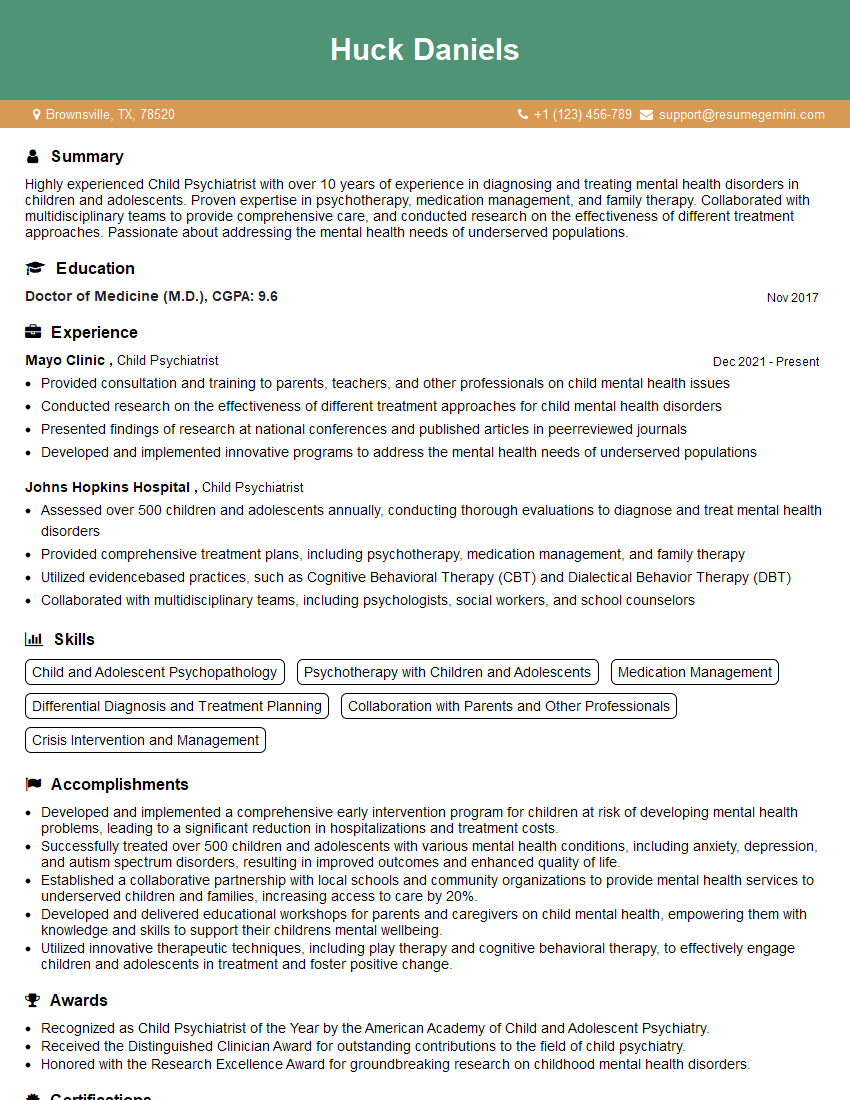
Child Psychiatrist Resume Sample
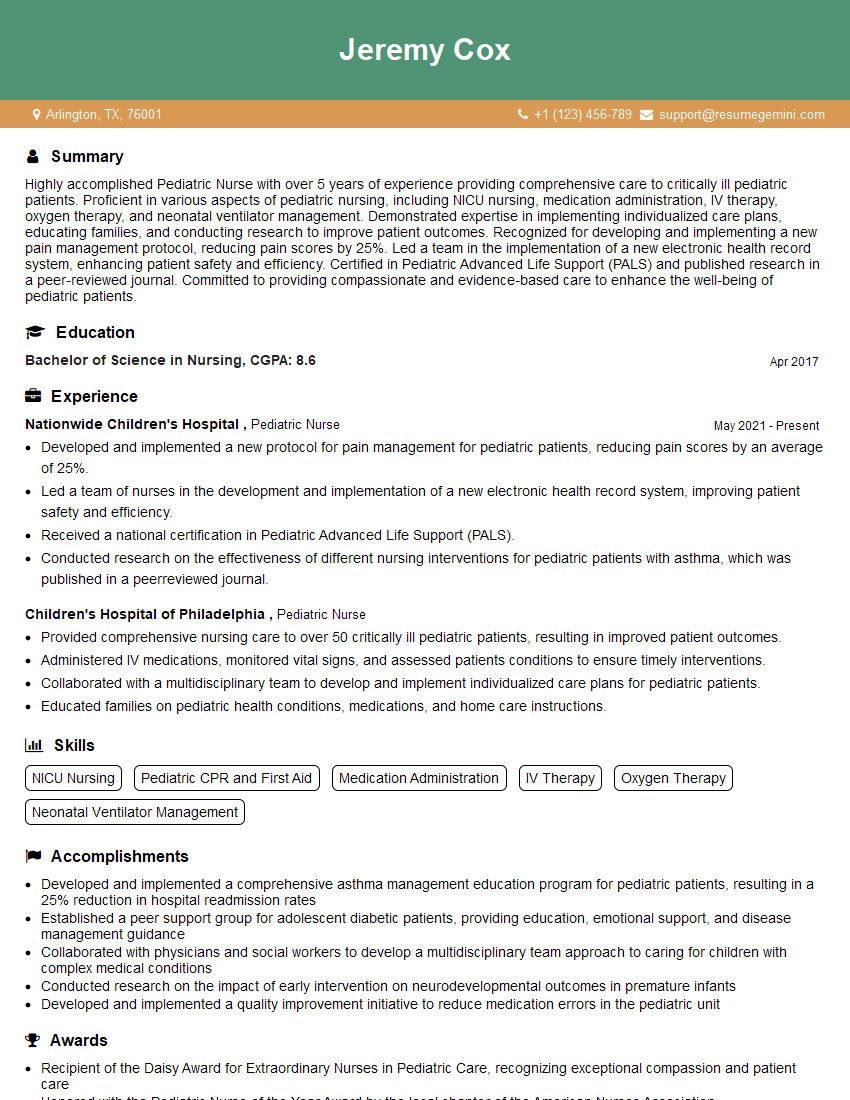
Pediatric Nurse Resume Sample
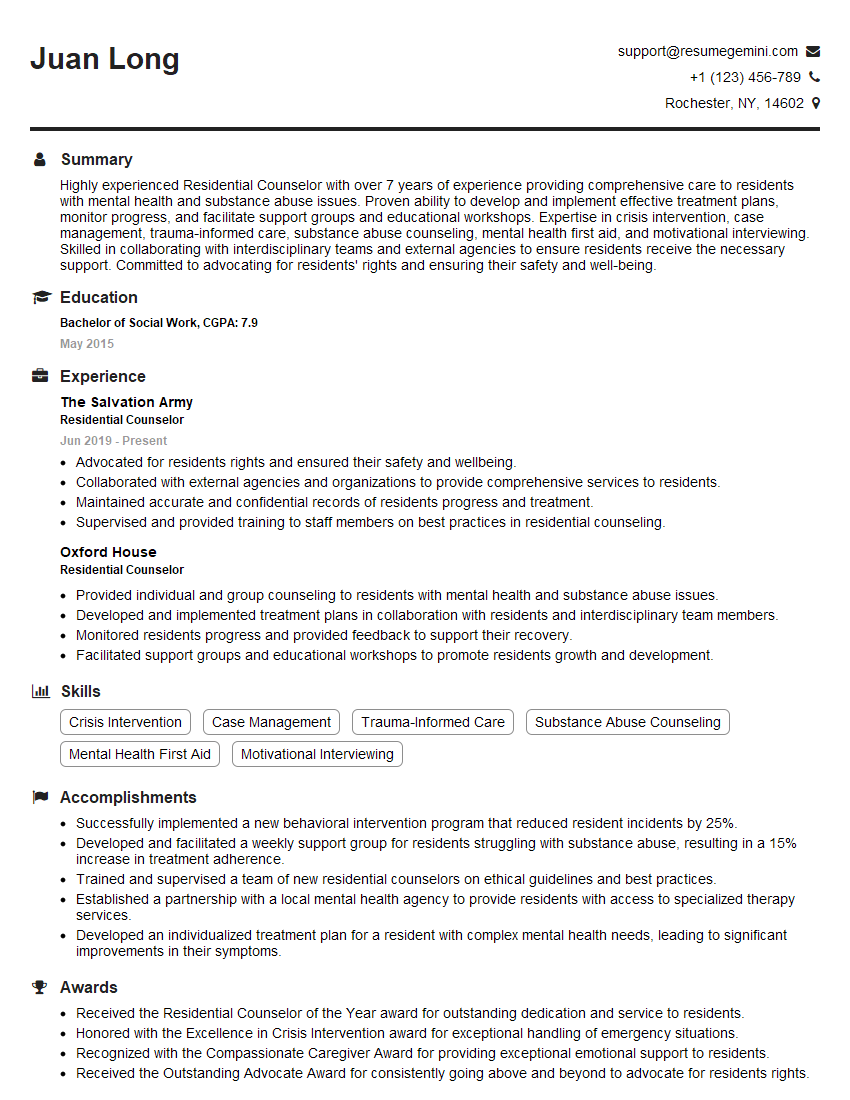
Residential Counselor Resume Sample
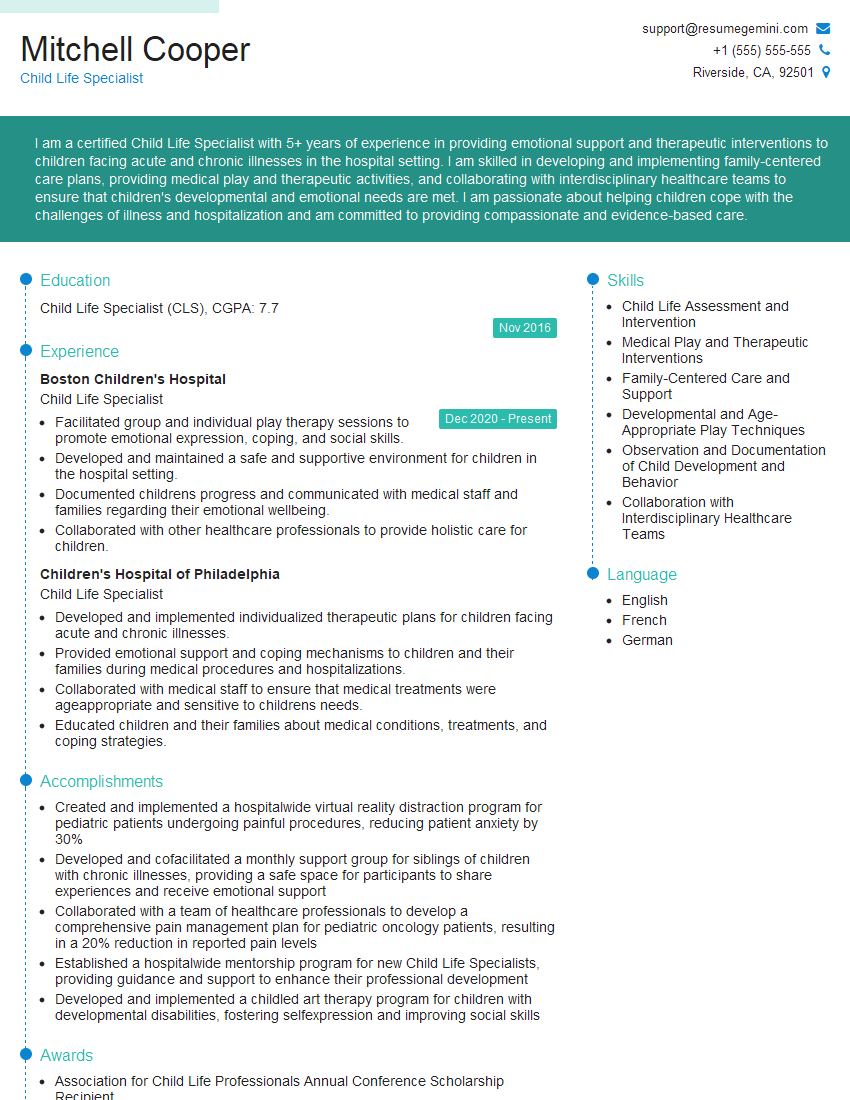
Child Life Specialist Resume Sample
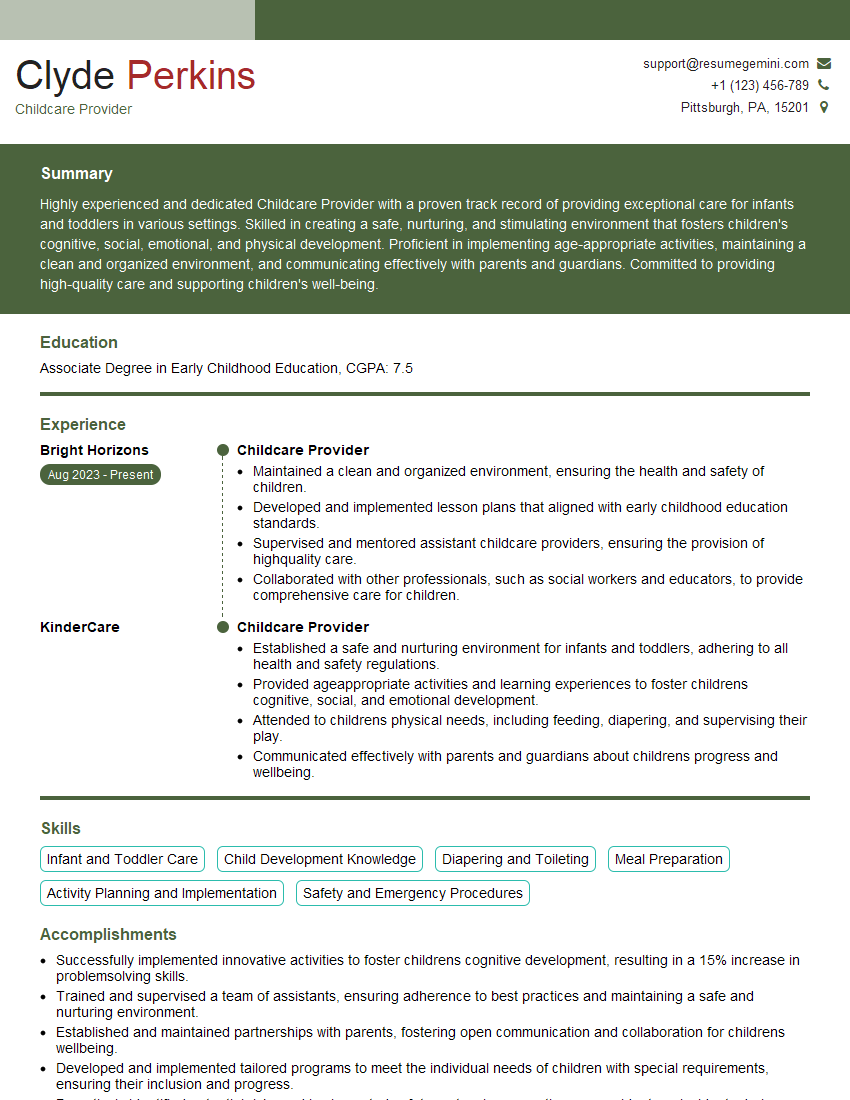
Childcare Provider Resume Sample
Explore more articles
Users Rating of Our Blogs
Share Your Experience
We value your feedback! Please rate our content and share your thoughts (optional).
What Readers Say About Our Blog
To the interviewgemini.com Webmaster.
Very helpful and content specific questions to help prepare me for my interview!
Thank you
To the interviewgemini.com Webmaster.
This was kind of a unique content I found around the specialized skills. Very helpful questions and good detailed answers.
Very Helpful blog, thank you Interviewgemini team.