Every successful interview starts with knowing what to expect. In this blog, we’ll take you through the top Experience with group management and risk assessment interview questions, breaking them down with expert tips to help you deliver impactful answers. Step into your next interview fully prepared and ready to succeed.
Questions Asked in Experience with group management and risk assessment Interview
Q 1. Describe your experience leading and motivating diverse teams.
Leading diverse teams effectively requires understanding individual strengths, communication styles, and motivations. My approach centers around building trust, fostering open communication, and creating a collaborative environment. I believe in empowering team members, providing clear expectations, and recognizing individual contributions. For example, when leading a team on a complex software development project with members from various cultural backgrounds and technical expertise, I started by conducting a team-building exercise to understand their individual strengths and working styles. This helped me create smaller, cross-functional teams, each focusing on a specific module. Regular check-ins, both individually and as a group, allowed me to address any challenges early on and ensure everyone felt heard and valued. I also implemented a system for recognizing and rewarding individual and team accomplishments, further boosting morale and productivity.
Q 2. Explain your process for identifying and assessing potential risks in a project.
My risk assessment process follows a structured approach. It begins with a thorough project scoping phase, where we identify all potential project components and stakeholders. Next, we brainstorm potential risks associated with each component, considering factors like technical challenges, resource constraints, market volatility, and regulatory changes. We then utilize a risk register to document each risk, assigning it a descriptive name, a brief description, the likelihood of occurrence, and the potential impact if it were to materialize. This register is a living document, regularly updated throughout the project lifecycle. To illustrate, during a recent marketing campaign launch, we identified risks such as website crashes, negative social media reactions, and unexpected delays in third-party vendor deliverables. We meticulously assessed the likelihood and impact of each risk, using a scoring system (e.g., a scale of 1-5 for both likelihood and impact) to prioritize them.
Q 3. How do you prioritize risks based on likelihood and impact?
Risk prioritization hinges on a clear understanding of both the likelihood and impact of each potential risk. I typically employ a risk matrix, visually representing likelihood against impact. Risks are categorized into high, medium, and low priority based on their positions within the matrix. For instance, a risk with a high likelihood and high impact (e.g., a critical system failure) would be categorized as high priority, requiring immediate attention. Conversely, a risk with low likelihood and low impact (e.g., minor cosmetic changes needed) would be classified as low priority, potentially handled later or during project maintenance. A numerical scoring system, as mentioned earlier, can facilitate this process objectively. This approach allows for efficient resource allocation, concentrating efforts on the most pressing issues first.
Q 4. What risk mitigation strategies have you successfully implemented?
I’ve successfully implemented several risk mitigation strategies. One example involves developing contingency plans for high-priority risks. In a recent project, we anticipated potential delays in obtaining necessary regulatory approvals. Therefore, we developed a detailed contingency plan involving alternative approval pathways and a timeline adjustment strategy. This minimized the impact of the delay when it occurred. Another effective strategy is proactive communication. Keeping stakeholders informed about potential risks and the mitigation strategies in place builds confidence and trust, lessening the impact of unexpected challenges. Further, risk transfer, where appropriate, involves working with insurance providers or outsourcing certain high-risk tasks to specialized vendors to limit our exposure.
Q 5. Describe a time you had to manage conflicting priorities within a team.
In a past project, the team faced conflicting priorities: completing a critical feature release by a tight deadline while simultaneously addressing urgent client feedback on another feature. To manage this, I convened a team meeting to collaboratively prioritize tasks. We used a decision-making framework, weighing the urgency and business impact of each requirement. The team determined that delivering the core functionality of the new feature by the deadline was paramount, while addressing client feedback could be streamlined and partially postponed. This required transparent communication about the trade-offs and adjustments to the project timeline, but successfully managed expectations and delivered both features while maintaining a high level of client satisfaction.
Q 6. How do you facilitate effective communication and collaboration within a group?
Effective communication and collaboration are crucial for successful team management. I foster this by employing various techniques. Regular team meetings, using agendas and clear communication channels, ensure everyone stays informed. I encourage open dialogue and active listening, enabling team members to share ideas freely. Utilizing collaborative tools, such as project management software and shared documents, promotes transparency and facilitates real-time updates. For example, using a project management tool such as Jira allowed for transparent tracking of tasks, progress updates and clear communication of dependencies among team members, leading to improved collaboration and project efficiency.
Q 7. How do you handle disagreements or conflicts among team members?
Disagreements are inevitable in teamwork. My approach focuses on constructive conflict resolution. I create a safe space for open discussion, encouraging team members to express their perspectives respectfully. I actively listen to understand all viewpoints before facilitating a collaborative solution. Focusing on the problem rather than the individuals involved is crucial. If necessary, I act as a mediator, helping team members find common ground and reach a compromise. In some instances, a structured approach such as the 5 Whys technique may be necessary to get to the root of a conflict. The key is to ensure that the resolution process is fair, transparent, and results in a win-win outcome for all involved.
Q 8. Describe your approach to delegating tasks and responsibilities.
My approach to delegation is built on trust, clear communication, and a focus on individual strengths. I don’t simply assign tasks; I empower individuals by providing the necessary context, resources, and authority to succeed. This begins with a thorough understanding of each team member’s skills and experience. I then match tasks to individual capabilities, aiming for a balance between challenge and competence. For instance, I might assign a complex task to a senior team member who needs a stretch goal, while a more straightforward task might be ideal for someone developing their skills. This involves a two-way conversation; I explain the task’s purpose, expected outcomes, and deadlines, but I also encourage team members to offer input and propose alternative approaches. This collaborative approach ensures buy-in and a shared understanding of the project’s goals. Finally, I establish clear communication channels and regular check-in points to monitor progress and offer support, fostering a culture of open communication and proactive problem-solving.
Q 9. How do you monitor team progress and identify potential roadblocks?
Monitoring team progress and identifying potential roadblocks requires a multi-faceted approach. I use a combination of regular project meetings, progress reports (both formal and informal), and visual project management tools like Kanban boards. These methods offer diverse perspectives on the project’s health. Project meetings provide a forum for open discussion, allowing team members to flag concerns early and proactively address potential issues. Progress reports, both formal and informal, provide quantitative and qualitative data on task completion, milestones reached, and overall project trajectory. Visual tools like Kanban boards offer a visual representation of workflow, highlighting bottlenecks and delays, providing a simple, at-a-glance view of task progress. If I identify a roadblock, I work with the team member to determine the root cause, find a solution, and implement corrective actions. This might involve providing additional resources, clarifying instructions, removing obstacles, or rescheduling deadlines. Open communication is key in this process, fostering a culture where team members feel comfortable voicing their concerns.
Q 10. What metrics do you use to measure the effectiveness of risk management strategies?
Measuring the effectiveness of risk management strategies requires a blend of quantitative and qualitative metrics. Quantitative metrics include the number of identified risks, the number of risks mitigated or avoided, the cost of risk mitigation, and the number of incidents or near misses. For example, a reduction in the number of safety incidents would strongly suggest that the risk management strategy is effective. Qualitative metrics include stakeholder satisfaction with the risk management process, the level of confidence in the effectiveness of the mitigation strategies, and the overall impact on project objectives. For example, conducting regular surveys and holding post-project reviews, assessing the process and effectiveness of our approach is crucial for future improvements. Combining both helps paint a complete picture of performance.
Q 11. How do you incorporate risk assessment into project planning?
Incorporating risk assessment into project planning is crucial for proactive risk management. It’s not an afterthought; it’s a foundational element. The process begins early, during the initial project definition phase, with a comprehensive risk identification exercise. We use brainstorming sessions, checklists, and historical data to identify potential risks. These identified risks are then analyzed, considering their likelihood and potential impact on project objectives. This allows us to prioritize risks based on their severity (likelihood x impact). Next, we develop mitigation strategies for high-priority risks, establishing contingency plans to address potential disruptions. These strategies are integrated directly into the project plan, ensuring that risk management is not a separate activity, but an integral part of the overall project execution. Finally, we regularly monitor and review the risk register, updating it as the project progresses and new information becomes available. This dynamic approach ensures that risk management remains adaptive and responsive to evolving circumstances.
Q 12. Describe a time you had to make a difficult decision under pressure involving risk.
During a large-scale software launch, we faced a critical bug just days before the release date. The bug could potentially lead to significant data loss for users and major reputational damage for the company. The decision was whether to postpone the launch, which would incur significant financial and opportunity costs, or proceed with the launch and risk the negative consequences of the bug. Under immense pressure, I convened a meeting with the development, QA, and marketing teams. We carefully weighed the pros and cons of each option, analyzing the likelihood and potential impact of the bug, and assessing our capabilities for quick mitigation. We opted for a phased rollout, releasing the software to a smaller subset of users initially. This allowed us to quickly identify and address the bug before a full-scale launch, minimizing the risk. It was a high-stakes decision, but a thorough risk assessment and a collaborative decision-making process enabled us to navigate the challenge successfully.
Q 13. How do you ensure that your team understands and adheres to safety regulations?
Ensuring team understanding and adherence to safety regulations is paramount. We start with comprehensive training that includes both classroom sessions and practical demonstrations. We use a variety of training methods to suit different learning styles. The training covers all relevant safety procedures, regulations, and emergency response plans, leaving no room for misinterpretations. Regular refresher courses and toolbox talks reinforce these learnings and address any updates in regulations. We also maintain open communication channels where team members can comfortably report safety concerns or near misses without fear of retribution. We investigate all incidents thoroughly, identifying root causes and implementing corrective actions to prevent recurrence. Finally, we use visual aids, checklists, and other tools to make safety regulations easily accessible and understandable, fostering a safety-conscious culture where adherence is not just a requirement but a shared value.
Q 14. How do you conduct a risk assessment using a structured methodology (e.g., FMEA, HAZOP)?
I frequently utilize Failure Mode and Effects Analysis (FMEA) for risk assessment. FMEA is a systematic approach to identifying potential failure modes, their causes, and their effects. It involves a structured process:
- Define the system or process: Clearly define the scope of the risk assessment.
- Identify potential failure modes: Brainstorm all possible ways the system or process could fail.
- Assess severity (S): Rate the seriousness of each failure mode’s effect (e.g., using a scale of 1 to 10).
- Assess occurrence (O): Estimate the likelihood of each failure mode occurring (e.g., using a scale of 1 to 10).
- Assess detection (D): Determine the likelihood of detecting the failure mode before it causes harm (e.g., using a scale of 1 to 10).
- Calculate Risk Priority Number (RPN): RPN = S x O x D. Higher RPN values indicate higher-risk failure modes.
- Develop mitigation strategies: Develop plans to reduce the severity, occurrence, or detectability of high-risk failure modes.
- Implement and monitor: Implement the mitigation strategies and monitor their effectiveness.
For example, in a manufacturing process, we might use FMEA to assess the risk of a machine malfunction. We would identify potential failure modes (e.g., motor failure, sensor malfunction), assess their severity, occurrence, and detectability, calculate the RPN, and develop mitigation strategies (e.g., regular maintenance, backup systems).
Q 15. What are your preferred methods for documenting and communicating risks?
Effective risk documentation and communication are crucial for proactive risk management. My preferred methods involve a multi-pronged approach combining qualitative and quantitative data. I typically utilize a structured risk register, a living document updated throughout the project lifecycle. This register includes details like risk ID, description, probability, impact, owner, mitigation strategies, and status.
For communication, I favor a tiered approach. High-priority risks are communicated immediately to relevant stakeholders through direct channels like email or meetings, often using clear, concise visuals such as heatmaps or dashboards illustrating risk levels. Less critical risks are summarized in regular reports distributed to broader audiences. Transparency and clear, consistent language are paramount to avoid misinterpretations. For instance, instead of saying “high risk,” I might specify “a 70% probability of a cost overrun exceeding $100,000.” This adds concrete context and actionable information.
Beyond the risk register and reports, I often use visual tools like flowcharts or process maps to highlight where risks originate within a workflow, making it easier for everyone to understand the overall picture and their individual contributions to risk mitigation.
Career Expert Tips:
- Ace those interviews! Prepare effectively by reviewing the Top 50 Most Common Interview Questions on ResumeGemini.
- Navigate your job search with confidence! Explore a wide range of Career Tips on ResumeGemini. Learn about common challenges and recommendations to overcome them.
- Craft the perfect resume! Master the Art of Resume Writing with ResumeGemini’s guide. Showcase your unique qualifications and achievements effectively.
- Don’t miss out on holiday savings! Build your dream resume with ResumeGemini’s ATS optimized templates.
Q 16. How do you manage stakeholder expectations regarding risk?
Managing stakeholder expectations regarding risk requires proactive communication and a collaborative approach. I begin by clearly defining roles and responsibilities for risk management, outlining each stakeholder’s involvement. Regular updates, tailored to each stakeholder’s level of understanding and interest, are key. Executive summaries for senior leadership might focus on high-level risks and their potential impact on strategic goals, while more detailed reports are provided to project teams.
I foster transparency by openly discussing potential risks and uncertainties, emphasizing that risk is inherent in any undertaking, and focusing on how we will actively manage it. I find that emphasizing proactive risk management – identifying and addressing potential problems before they become crises – helps alleviate concerns and builds confidence. It’s about managing expectations, not necessarily eliminating them completely. Finally, establishing clear escalation procedures for critical risks ensures rapid responses and keeps everyone informed.
Q 17. Describe your experience with quantitative and qualitative risk analysis.
My experience encompasses both quantitative and qualitative risk analysis methods. Quantitative analysis utilizes numerical data to assess risk probability and impact. This can involve techniques like Monte Carlo simulations to model uncertain variables and predict potential outcomes, or decision tree analysis to evaluate various scenarios and their associated probabilities. For example, in a construction project, we might use Monte Carlo simulation to estimate the probability of cost overruns given uncertain factors like material prices and labor costs.
Qualitative analysis, on the other hand, relies on expert judgment and subjective assessments. Methods such as SWOT analysis (Strengths, Weaknesses, Opportunities, Threats) or brainstorming sessions help identify potential risks and assess their likelihood and impact based on experience and intuition. For instance, a SWOT analysis might reveal a project’s vulnerability to competitor actions (threat) or its strength in a particular technological area (strength).
I often use a blended approach, combining both quantitative and qualitative methods for a more comprehensive risk assessment. Quantitative analysis provides a numerical basis for decision-making, while qualitative analysis adds context and captures less easily quantifiable factors.
Q 18. How do you ensure that risk assessments are regularly reviewed and updated?
Regular review and updating of risk assessments is essential to ensure their continued relevance. I typically schedule regular reviews, typically monthly or quarterly, depending on the project’s complexity and dynamism. These reviews involve revisiting the risk register, verifying the accuracy of risk probabilities and impacts based on recent events or new information, and evaluating the effectiveness of implemented mitigation strategies.
The process often includes a combination of formal meetings and informal discussions with stakeholders, allowing for feedback and adjustments. Any significant changes, such as the emergence of new risks or a shift in the likelihood of existing ones, trigger immediate updates to the risk register and communication to stakeholders. Additionally, post-project reviews provide valuable insights into the accuracy of the initial risk assessment and can inform future projects.
Q 19. What tools and techniques do you use for risk management?
My risk management toolkit includes a variety of tools and techniques. For documentation and communication, I rely on software like spreadsheets (for risk registers), project management tools (for tracking risks and tasks), and presentation software (for communicating risk information to stakeholders). I use probabilistic modeling software for quantitative analysis.
Techniques I frequently employ include: SWOT analysis, PESTLE analysis (Political, Economic, Social, Technological, Legal, Environmental), Failure Mode and Effects Analysis (FMEA), and decision trees. My choice of tools and techniques depends on the specific context and the nature of the risks involved. For instance, FMEA is especially useful for identifying potential failures in complex systems, while a decision tree is effective for evaluating various decision options under uncertainty. The key is adapting my approach to the specific situation.
Q 20. How do you ensure that risk management is integrated into organizational culture?
Integrating risk management into organizational culture requires a multifaceted approach that goes beyond simply implementing procedures. It starts with leadership buy-in and commitment, where senior management actively champions risk management and fosters a culture of open communication and accountability. Training programs educating employees on risk identification, assessment, and mitigation are also essential.
Incentivizing proactive risk identification through rewards and recognition programs can further promote a risk-aware culture. Furthermore, incorporating risk management into performance reviews and promoting individuals who demonstrate strong risk management skills reinforces its importance within the organization. Ultimately, a culture of risk awareness is one where employees feel empowered to identify and report potential risks without fear of retribution, knowing that these concerns will be addressed effectively and collaboratively.
Q 21. Describe a time you successfully identified and mitigated a significant risk.
In a previous project involving the launch of a new software application, we identified a significant risk: the potential for a critical system failure during peak usage. Our initial risk assessment, based on testing with a small sample, indicated a low probability of failure. However, through a qualitative risk analysis utilizing brainstorming sessions with developers, we identified a previously overlooked dependency on a third-party service that could become overwhelmed under heavy load.
To mitigate this risk, we implemented a multi-pronged strategy. First, we conducted more rigorous stress testing using simulated peak loads. Second, we negotiated a service level agreement with the third-party vendor to ensure their system could handle anticipated traffic. Third, we developed a contingency plan including a phased rollout and a readily available fallback system. The combination of these proactive measures ensured the successful launch of the application without major system failures, demonstrating the importance of continuous risk monitoring and adaptation.
Q 22. How do you balance risk mitigation with opportunity maximization?
Balancing risk mitigation and opportunity maximization is a core tenet of effective risk management. It’s not about eliminating risk entirely – a risk-free environment is often stagnant and devoid of growth – but about strategically managing it to achieve optimal outcomes. Think of it like driving: you don’t avoid driving to avoid accidents, you learn to drive safely and responsibly, managing speed, distance, and conditions to minimize risks while maximizing the opportunity to reach your destination.
The key is to assess both the potential upside (opportunity) and downside (risk) of any action. A robust risk assessment will quantify both, allowing for a cost-benefit analysis. For instance, launching a new product might carry significant market risk (failure) but also offer substantial reward (high market share). A well-structured risk response plan will involve strategies to mitigate the potential market failure (e.g., thorough market research, phased rollouts) while simultaneously maximizing the chances of success (e.g., strong marketing campaign, competitive pricing).
Ultimately, the balance is achieved through informed decision-making, where the potential benefits clearly outweigh the managed risks. This requires ongoing monitoring and adjustment of the risk response plan as new information becomes available or circumstances change.
Q 23. How do you develop and implement a risk response plan?
Developing and implementing a risk response plan involves a structured process. It begins with identifying and assessing risks, as outlined in the previous answer. Once risks are understood (likelihood and impact), we develop appropriate responses. These responses typically fall into four categories:
- Avoidance: Eliminating the risk altogether by not engaging in the activity. For example, not investing in a particular market due to excessive political instability.
- Mitigation: Reducing the likelihood or impact of the risk. For example, implementing robust cybersecurity measures to reduce the risk of a data breach. This often involves investing in controls or developing processes to reduce exposure.
- Transfer: Shifting the risk to a third party. For example, purchasing insurance to transfer financial risk associated with potential damages.
- Acceptance: Accepting the risk and its potential consequences, perhaps because the potential upside outweighs the downside. This is usually for low-likelihood, low-impact risks.
Once responses are defined, a plan is documented, including roles, responsibilities, timelines, and budget. Regular reviews and updates are crucial, ensuring the plan remains relevant and effective as circumstances evolve.
Q 24. How do you communicate risk information effectively to different audiences?
Effective communication of risk information is paramount. The key is tailoring the message to the audience’s understanding and needs. For example, a highly technical risk assessment report is inappropriate for a board of directors. Instead, focus on concise summaries and high-level implications.
Here’s a structured approach:
- Identify your audience: Executives need high-level summaries; operational staff require detailed action plans; external stakeholders may need only reassurance of responsible risk management.
- Choose the right medium: Use presentations for executives, written reports for detailed information, and regular briefings for operational updates.
- Use clear and concise language: Avoid jargon and technical terms where possible. Illustrate complex concepts with simple analogies and visual aids.
- Focus on the key messages: Don’t overwhelm the audience with unnecessary details. Prioritize the most important risks and their associated actions.
- Establish a feedback mechanism: Encourage questions and provide opportunities for discussion.
Regular communication builds trust and ensures everyone is informed and aligned on risk management priorities.
Q 25. What are the key elements of a successful risk management program?
A successful risk management program is characterized by several key elements:
- Leadership commitment: Risk management must be championed from the top. Leaders need to demonstrate a visible commitment to the process and allocate the necessary resources.
- Integrated approach: Risk management shouldn’t be a siloed activity but integrated into all aspects of the organization’s operations.
- Proactive approach: Identify and assess risks before they materialize. Don’t wait for problems to occur.
- Clear roles and responsibilities: Define who is responsible for identifying, assessing, and responding to risks.
- Effective communication: Regular and transparent communication across all levels of the organization is vital.
- Continuous improvement: Regularly review and update the risk management process based on lessons learned and changing circumstances.
- Defined methodology: Adopt a standardized risk management methodology (e.g., COSO framework) to ensure consistency and best practices.
These elements, working together, create a robust and effective risk management program that fosters a culture of risk awareness and responsible decision-making.
Q 26. How do you ensure the accuracy and reliability of risk data?
Ensuring the accuracy and reliability of risk data is critical. This requires a multifaceted approach:
- Data sources: Use multiple, reliable sources of data to avoid bias and ensure completeness. This might involve internal data, external market research, industry reports, and expert opinions.
- Data validation: Implement robust processes to validate and verify the accuracy of collected data. Cross-check data against multiple sources and use data quality checks.
- Data management: Maintain a centralized system for managing risk data to ensure consistency and ease of access. This may involve a dedicated risk management software or database.
- Regular updates: Risk data is dynamic; regularly update it to reflect changes in the internal and external environment.
- Auditing: Regularly audit the risk data collection and management processes to identify areas for improvement and ensure data quality.
- Documentation: Maintain detailed documentation of the data sources, validation methods, and any assumptions made during the risk assessment process.
By employing these techniques, organizations can significantly improve the accuracy and reliability of their risk data, leading to more informed and effective risk management decisions.
Q 27. Describe your experience with different types of risks (e.g., operational, financial, reputational).
My experience spans various risk types, each requiring a unique approach. For instance:
- Operational risks: These stem from internal processes, systems, or human error. I’ve worked with organizations to implement process improvements, technology upgrades, and staff training to mitigate operational risks such as production downtime, supply chain disruptions, and data breaches. For example, I helped a manufacturing company implement a new inventory management system to reduce stockouts and overstocking, thereby mitigating operational risks associated with lost sales and excess inventory costs.
- Financial risks: These relate to financial losses due to market fluctuations, credit risk, liquidity issues, or fraud. I’ve developed financial risk models, stress tests, and implemented internal controls to mitigate these risks. For example, I worked with a bank to improve its credit scoring model to reduce the risk of loan defaults, minimizing financial losses.
- Reputational risks: These involve damage to an organization’s reputation due to negative publicity, ethical lapses, or regulatory violations. I’ve advised on crisis management plans, ethical guidelines, and proactive communication strategies to manage reputational risk. For example, I supported a company through a product recall by helping them craft and communicate a transparent and empathetic response to the public, ultimately limiting the damage to their reputation.
My experience handling these diverse risks highlights my ability to adapt my approach based on the specific context and potential impact. Each risk requires tailored mitigation strategies.
Q 28. How do you adapt your risk management approach to different contexts and industries?
Adaptability is crucial in risk management. My approach is tailored to the specific context and industry. For example, the risks faced by a financial institution are vastly different from those of a healthcare provider. A financial institution might prioritize financial and regulatory risks, while a healthcare provider would focus on patient safety, data privacy (HIPAA), and operational risks related to equipment failure.
My adaptation involves:
- Understanding the industry landscape: Thoroughly researching the specific regulations, industry best practices, and common risks within the target industry.
- Identifying key risk drivers: Focusing on the unique factors that drive risk within a specific industry or context. For instance, a tech startup might focus on technology risks and market competition, whereas a government agency would prioritize regulatory compliance and cybersecurity risks.
- Tailoring risk assessment methodologies: Selecting the appropriate methodologies and frameworks for assessing and responding to risks within the specific industry. For example, using different frameworks like NIST for cybersecurity or ISO for quality management.
- Adjusting communication strategies: Tailoring communication of risk information to the specific audience and their level of risk literacy.
Through this adaptable approach, I ensure the risk management program is effective and relevant to the specific environment, maximizing its value and impact.
Key Topics to Learn for Experience with Group Management and Risk Assessment Interviews
- Team Dynamics and Leadership Styles: Understanding different team structures, leadership approaches (transformational, transactional, etc.), and conflict resolution strategies. Practical application: Describe a situation where you successfully navigated a team conflict and the outcome.
- Risk Identification and Assessment Methodologies: Familiarize yourself with various risk assessment frameworks (e.g., FMEA, HAZOP) and their practical application in different contexts. Practical application: Explain your experience using a specific risk assessment methodology and the results achieved.
- Mitigation Strategies and Contingency Planning: Develop your ability to articulate effective mitigation strategies and contingency plans for identified risks. Practical application: Detail a scenario where you developed and implemented a risk mitigation plan.
- Communication and Collaboration: Mastering effective communication techniques for conveying risk information to diverse stakeholders (technical and non-technical audiences). Practical application: Describe a situation where you effectively communicated complex risk information to a non-technical audience.
- Decision-Making Under Pressure: Highlight your experience in making critical decisions in high-pressure situations involving risk assessment and group management. Practical application: Discuss a decision you made regarding risk that involved significant pressure or consequence.
- Regulatory Compliance and Best Practices: Demonstrate awareness of relevant industry regulations and best practices related to risk management and group operations. Practical application: Provide examples of how you’ve ensured compliance within previous roles.
Next Steps
Mastering group management and risk assessment is crucial for career advancement in many fields, opening doors to leadership roles and greater responsibility. A strong, ATS-friendly resume is essential for showcasing your skills and experience to potential employers. ResumeGemini can help you create a compelling resume that highlights your achievements and expertise in this area. We provide examples of resumes tailored to highlight experience with group management and risk assessment to help you get started. Invest time in crafting a powerful resume – it’s your first impression and a key to unlocking your career potential.
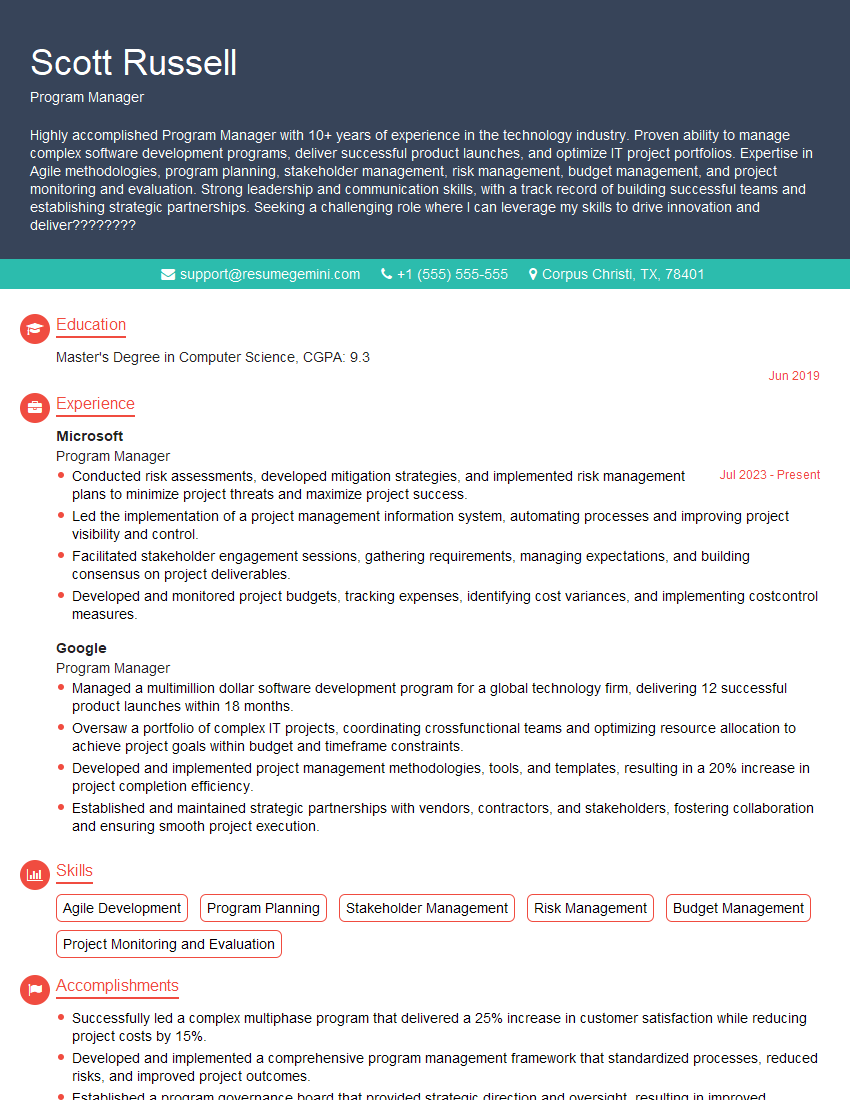
Program Manager Resume Sample
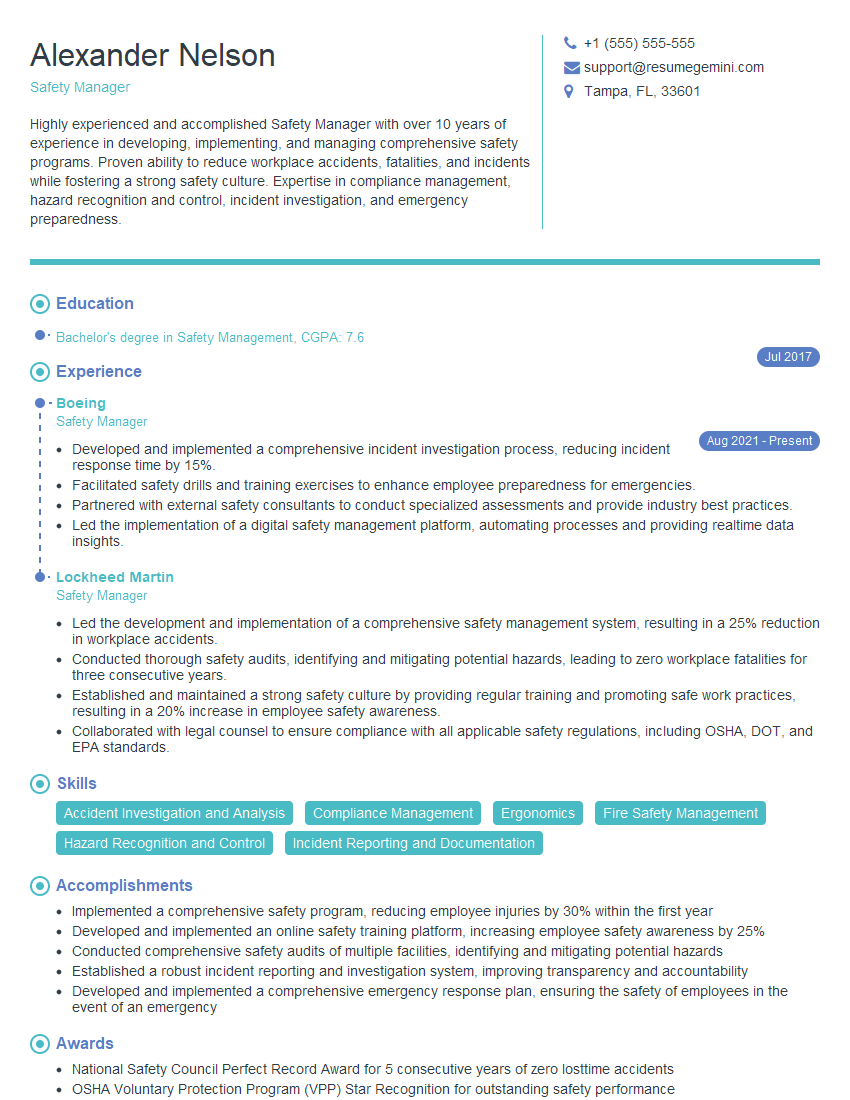
Safety Manager Resume Sample
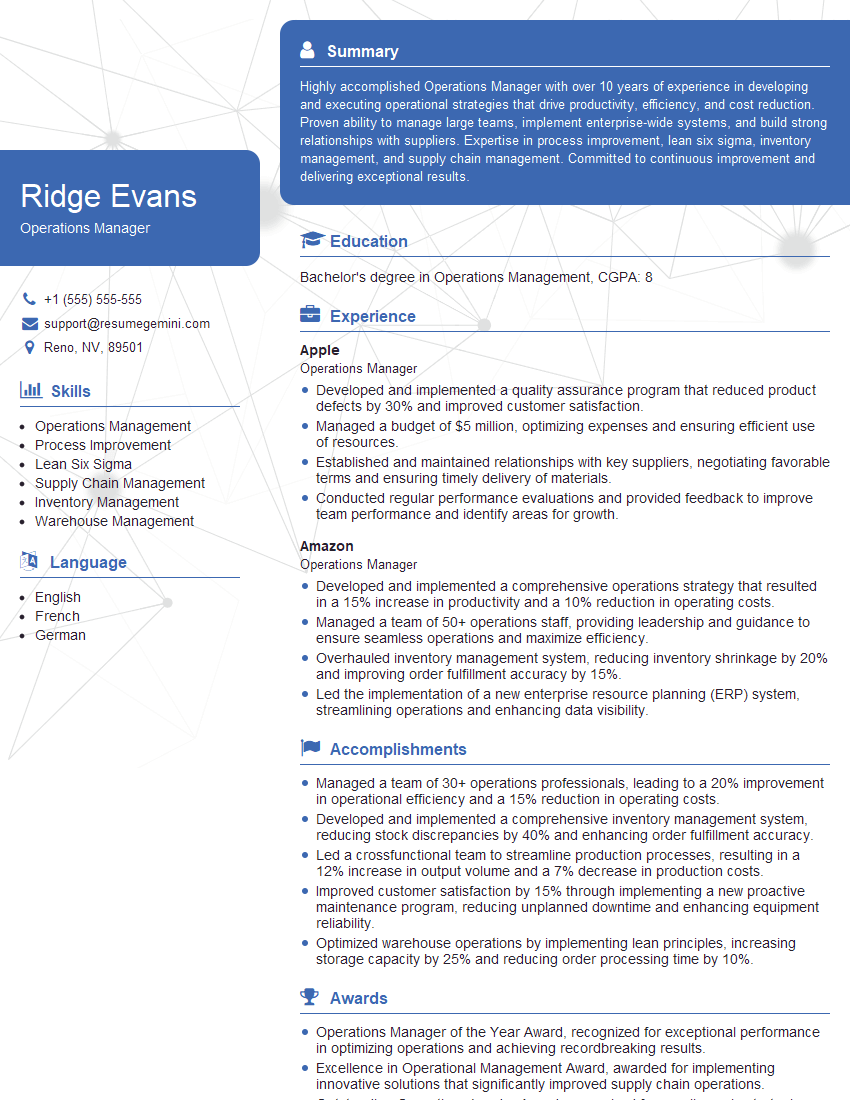
Operations Manager Resume Sample

Division Head Resume Sample
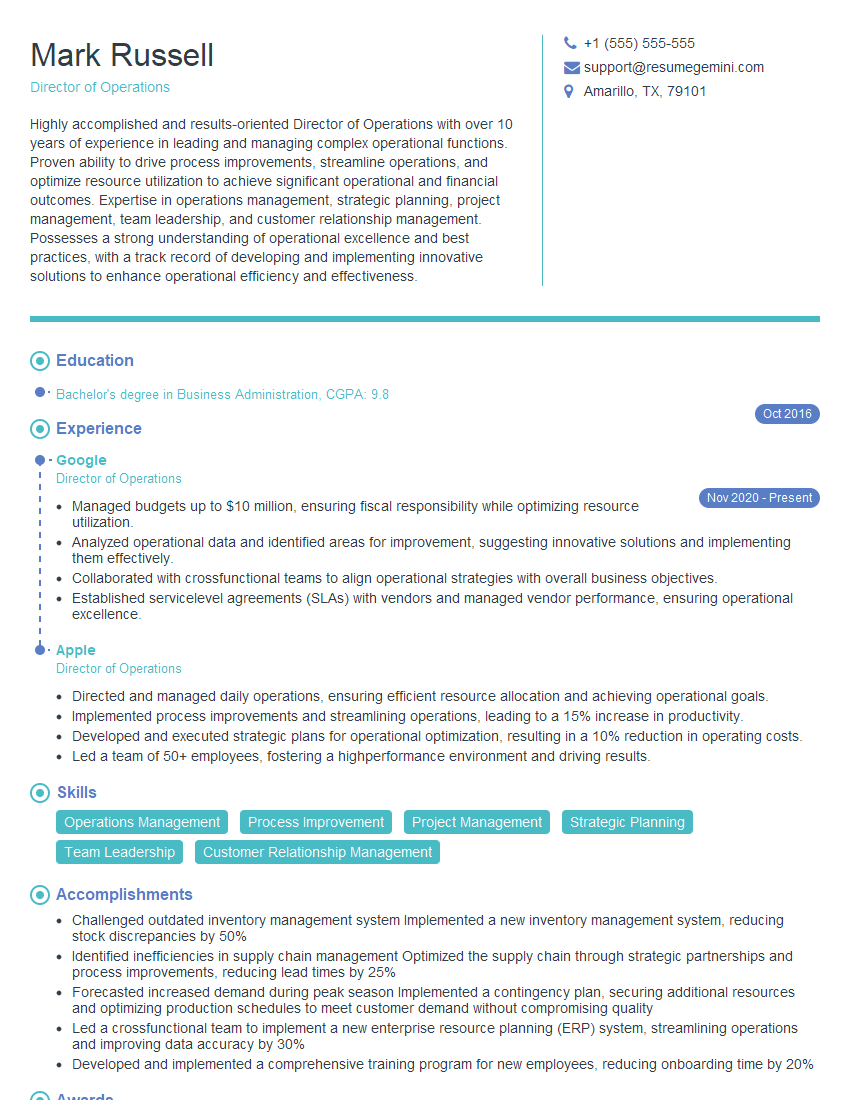
Director of Operations Resume Sample
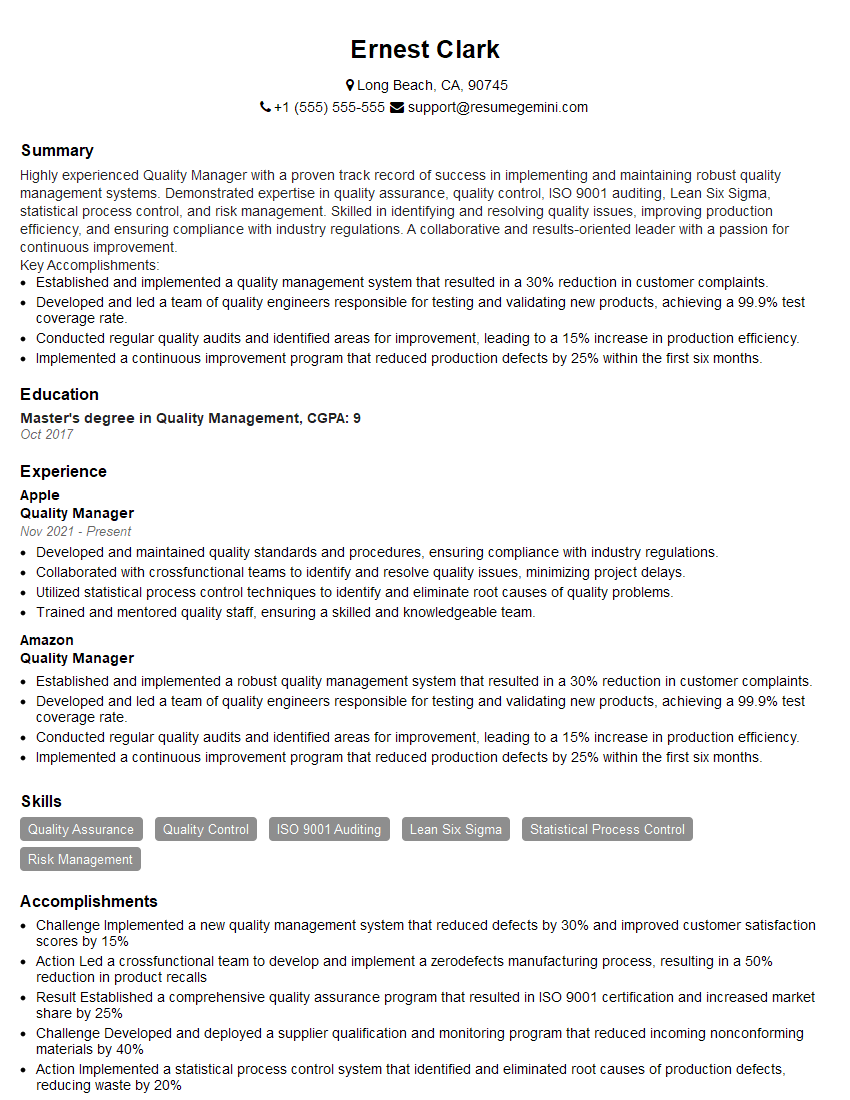
Quality Manager Resume Sample
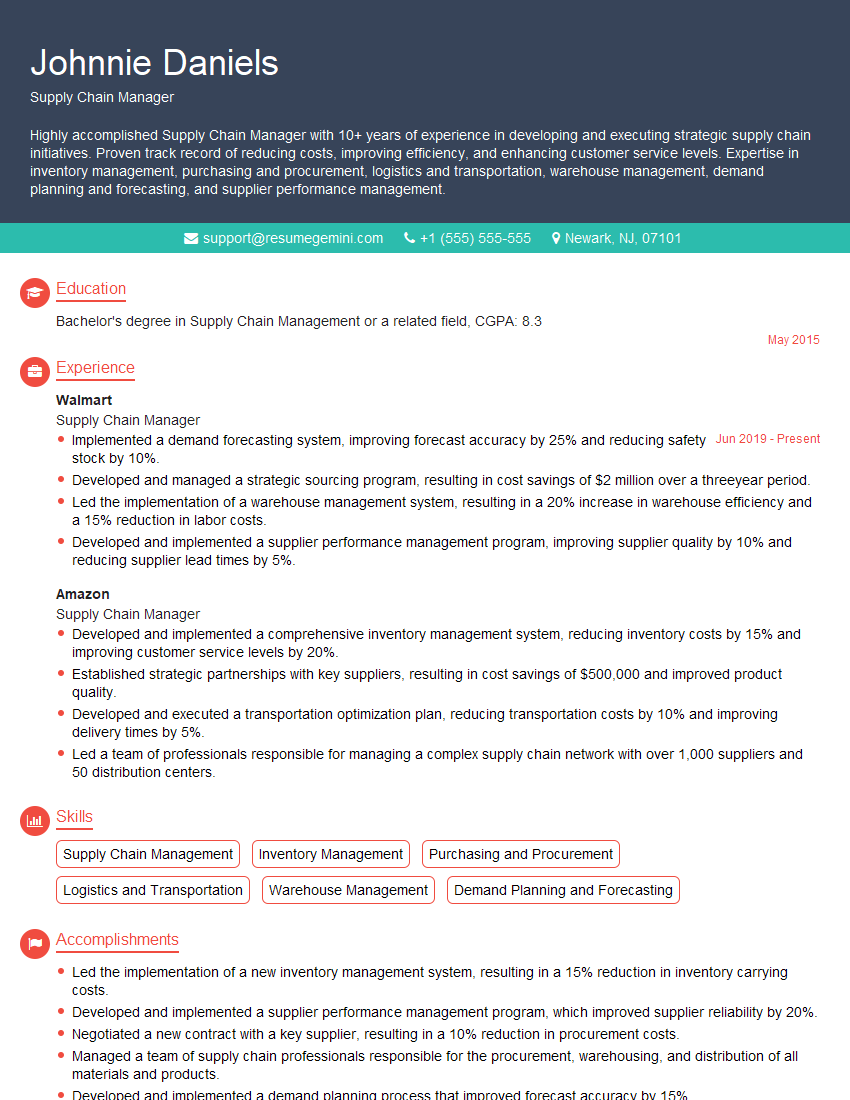
Supply Chain Manager Resume Sample
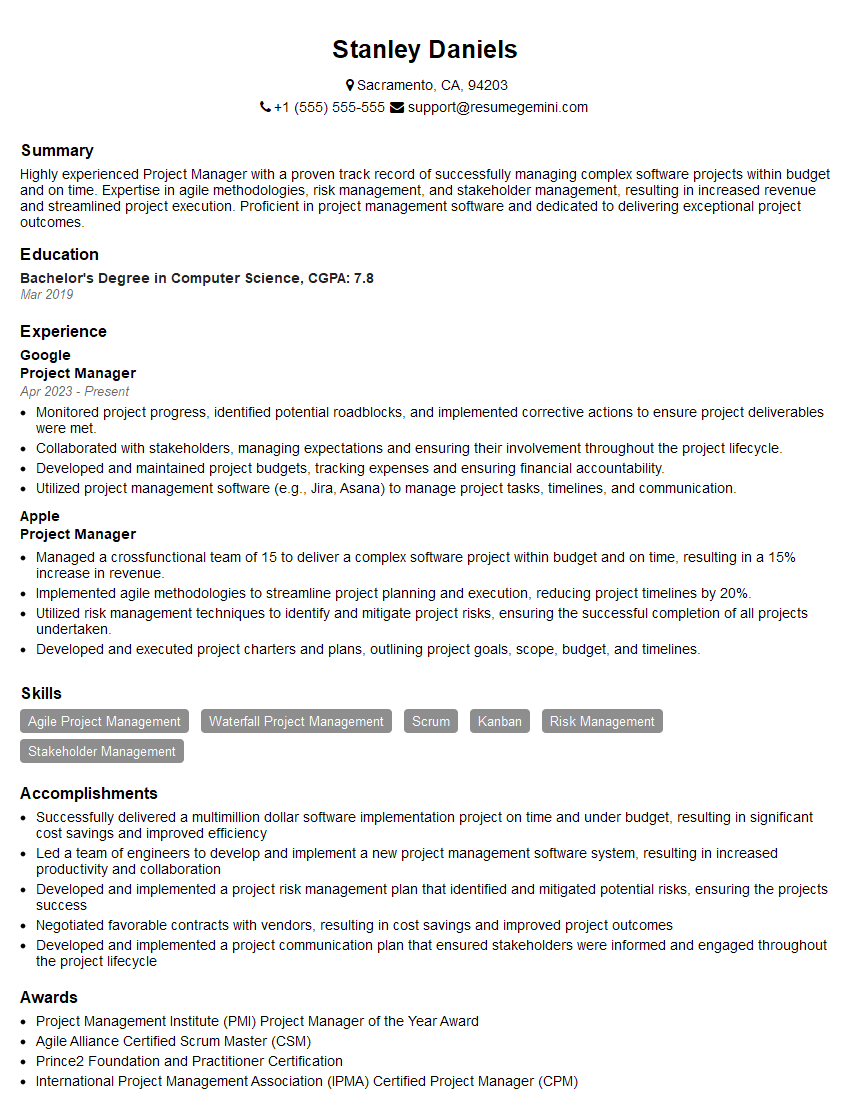
Project Manager Resume Sample
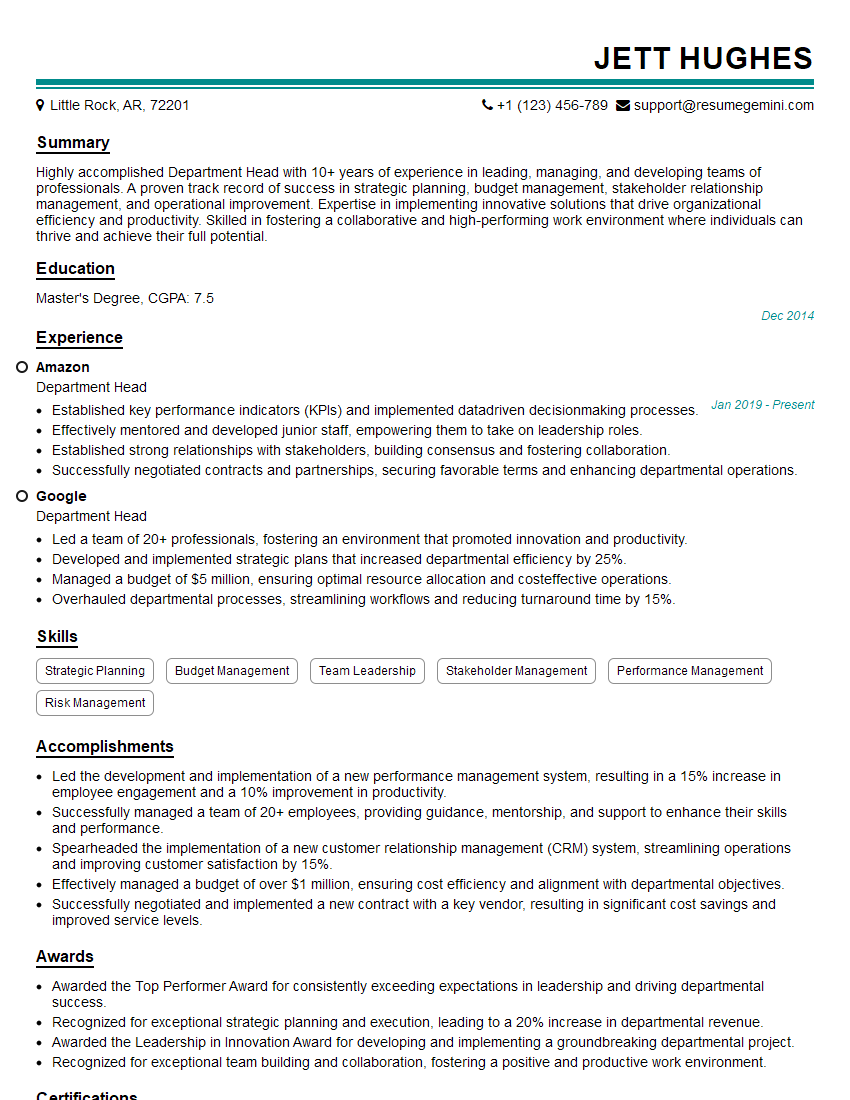
Department Head Resume Sample
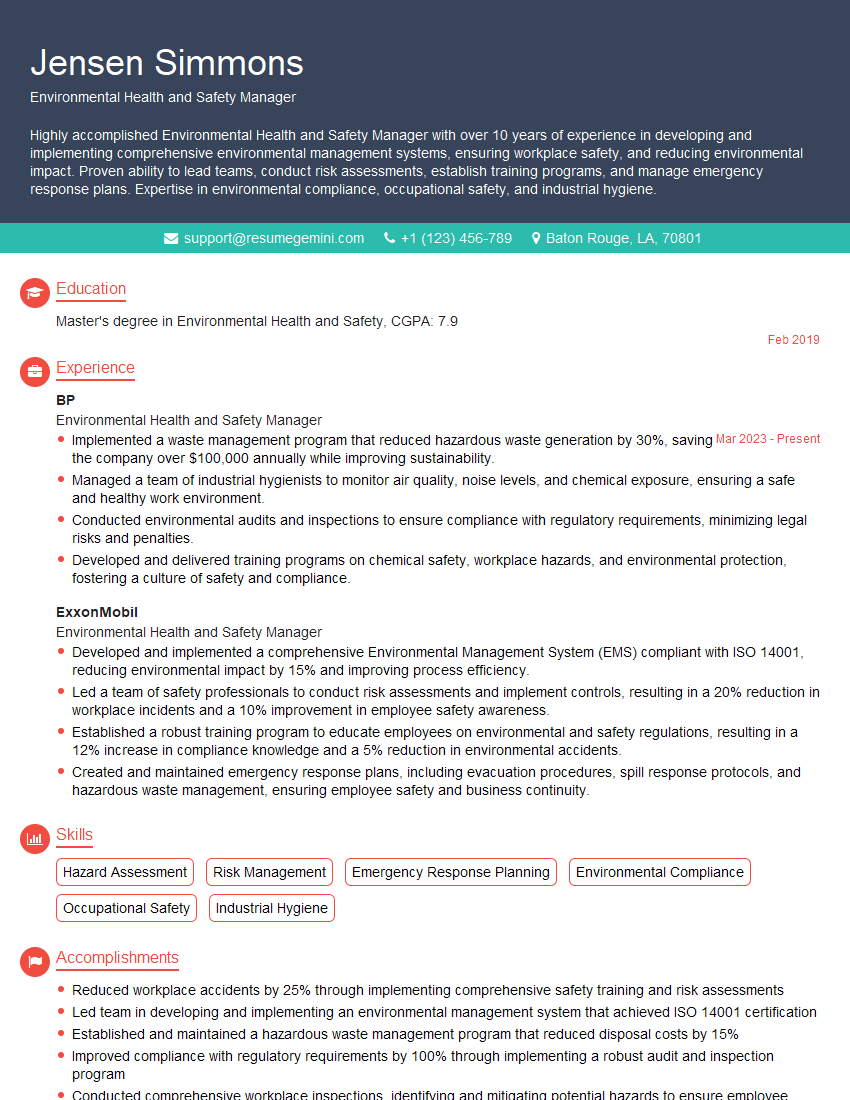
Environmental Health and Safety Manager Resume Sample
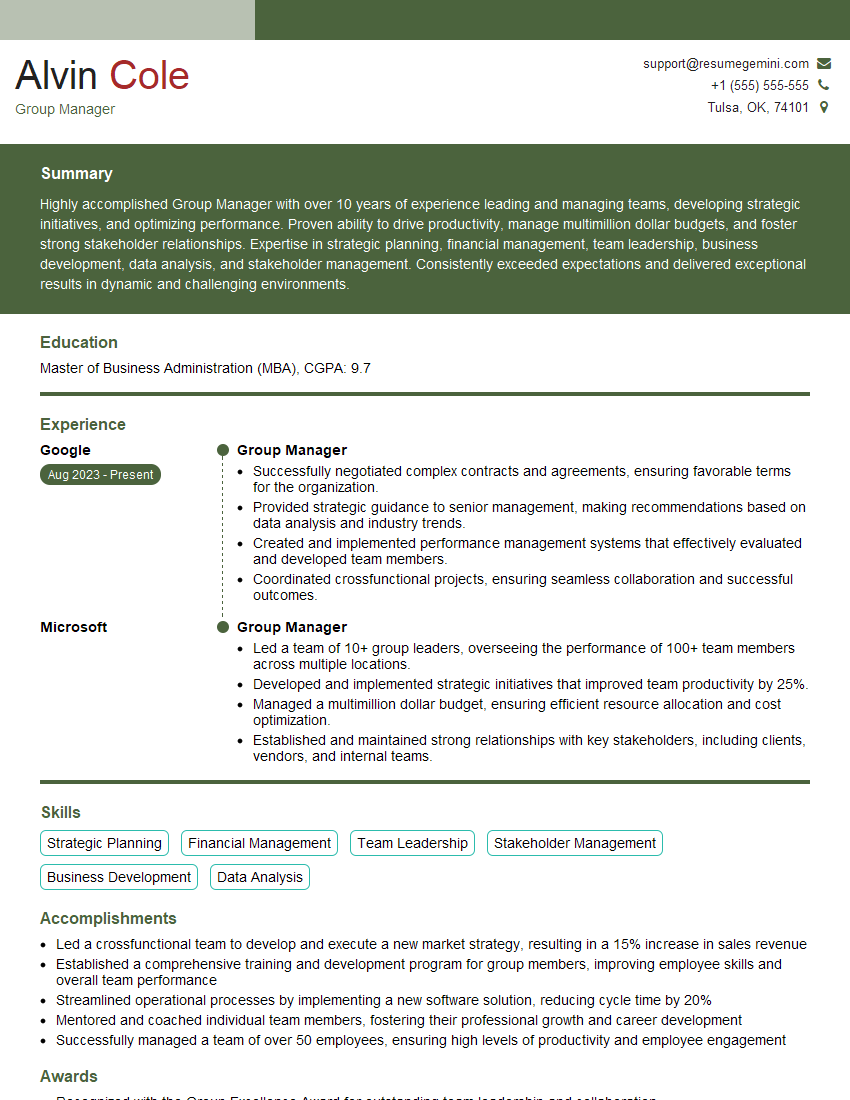
Group Manager Resume Sample
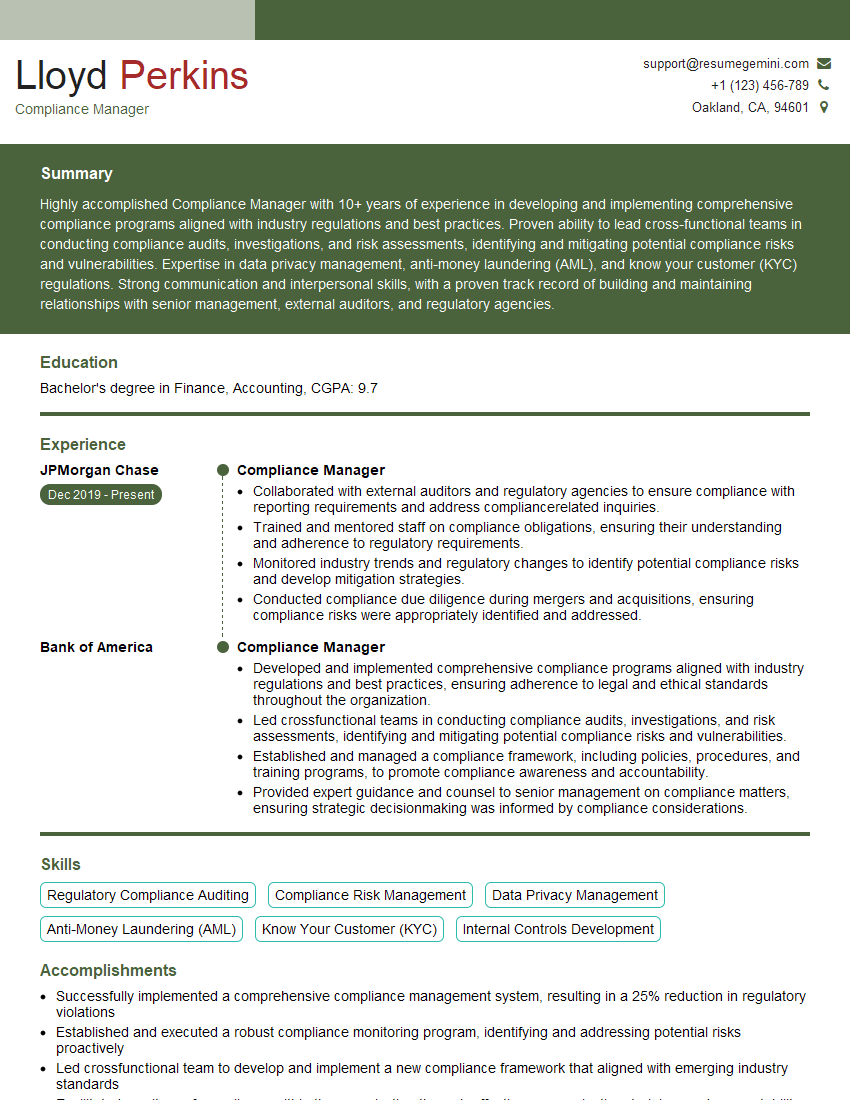
Compliance Manager Resume Sample
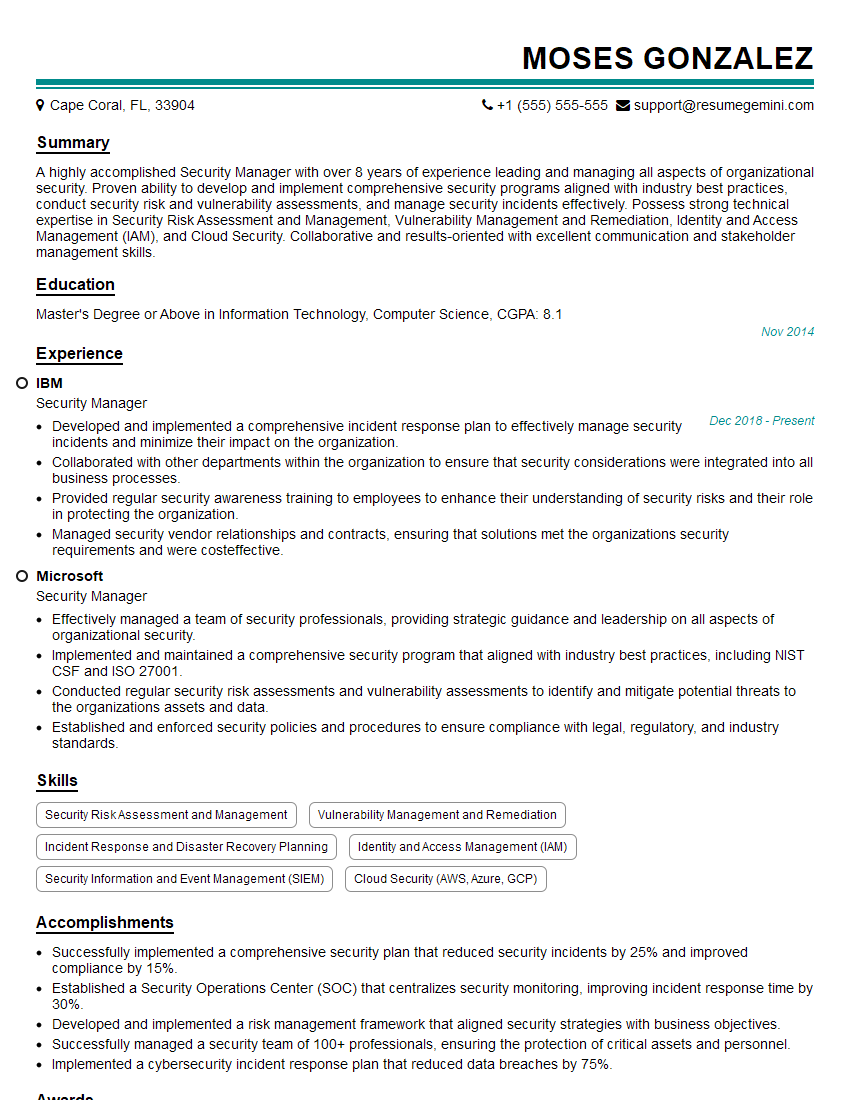
Security Manager Resume Sample
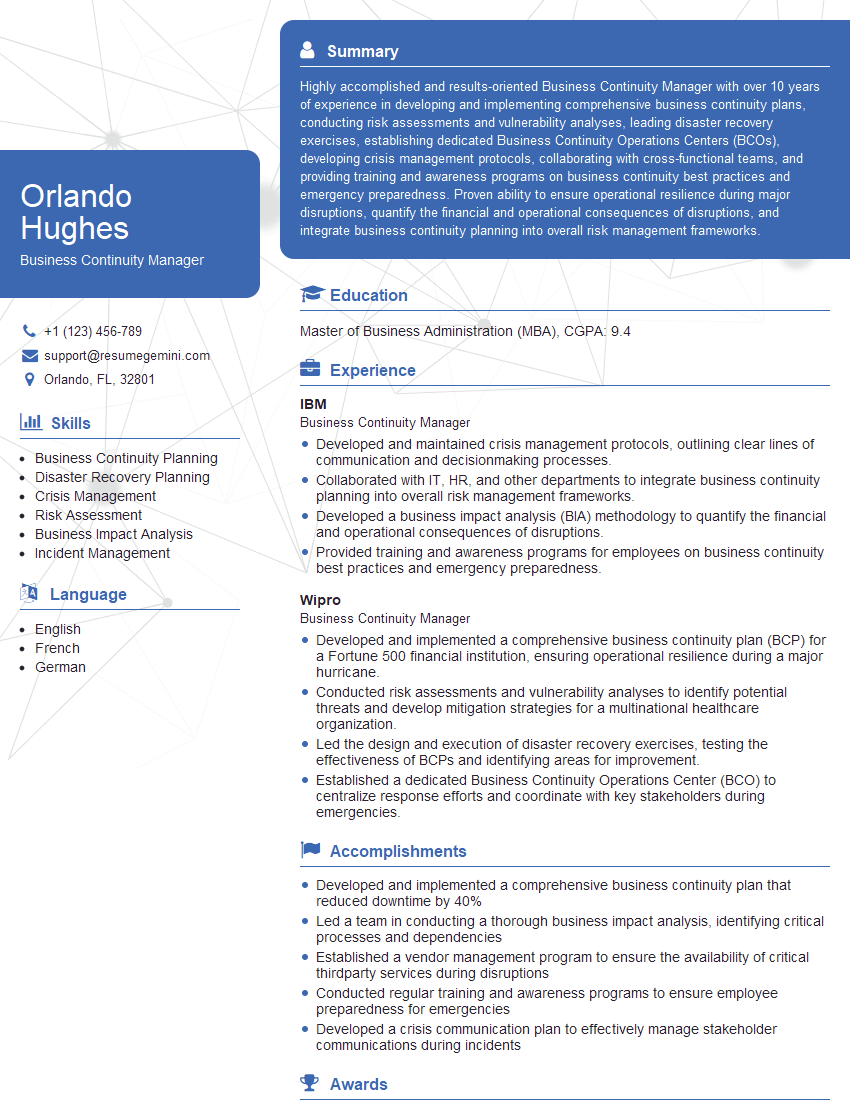
Business Continuity Manager Resume Sample
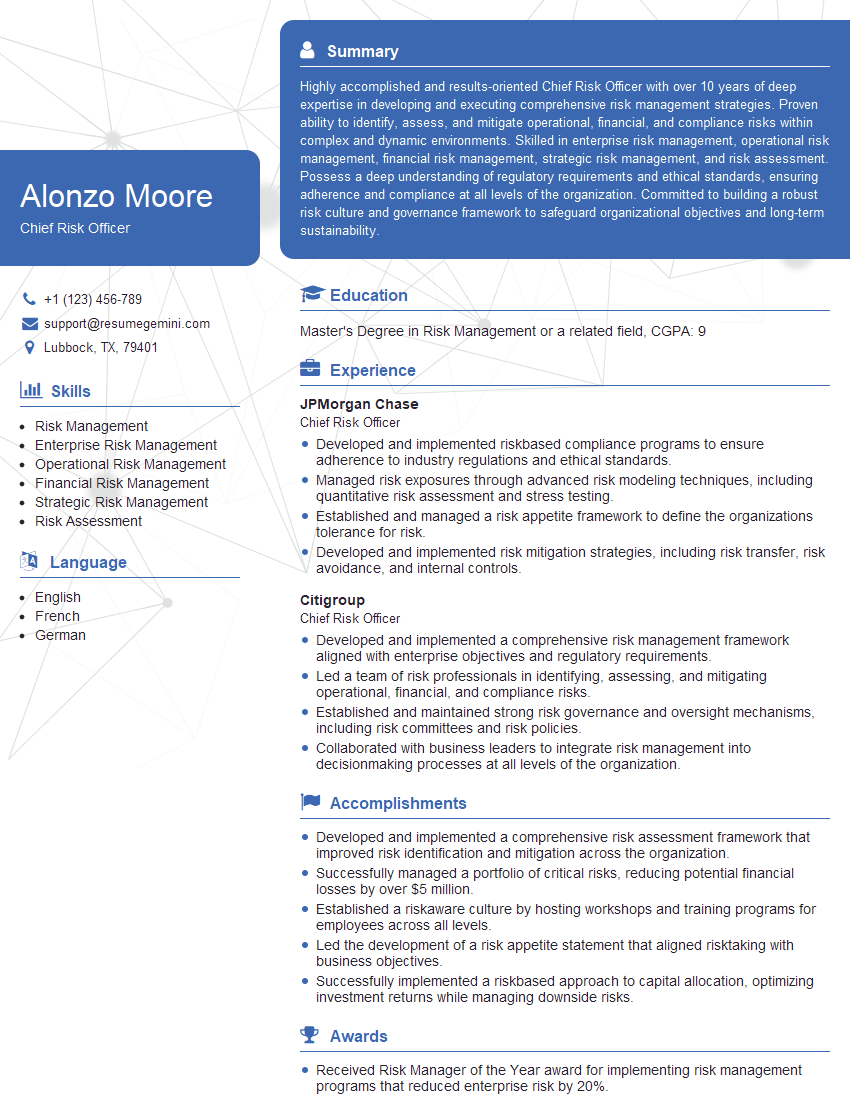
Chief Risk Officer Resume Sample
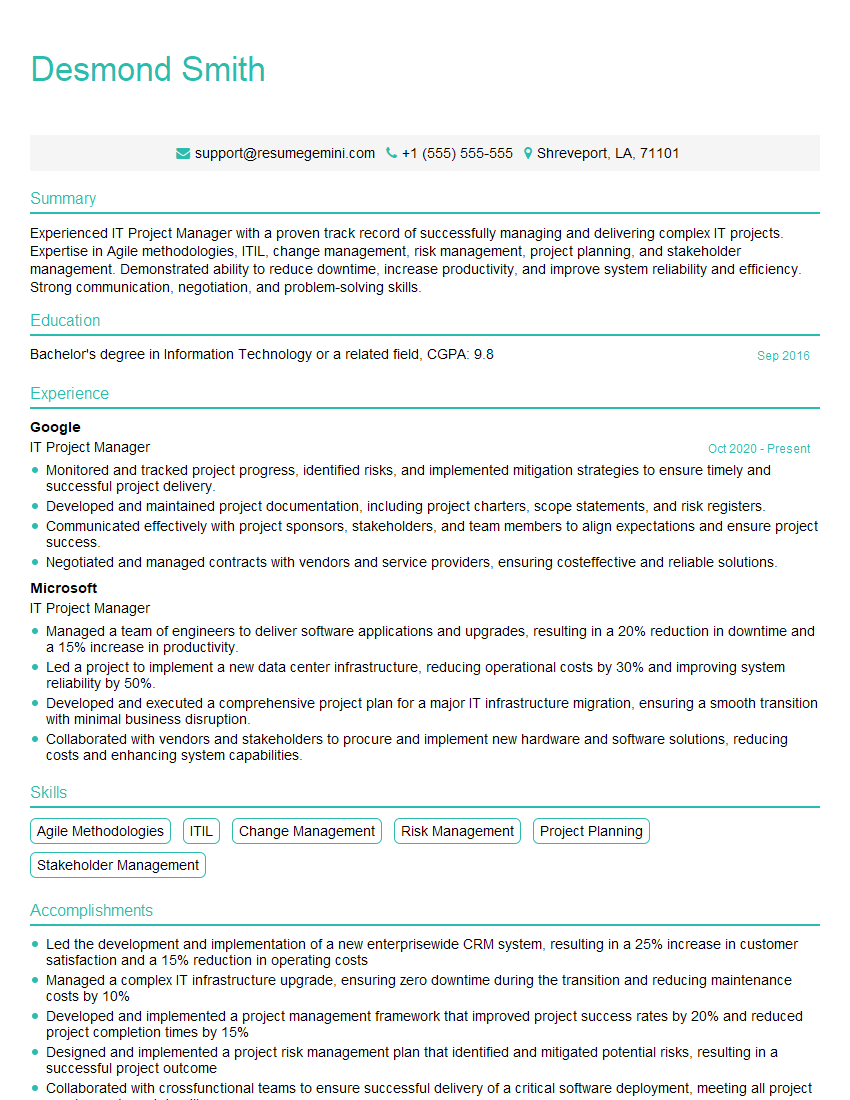
IT Project Manager Resume Sample
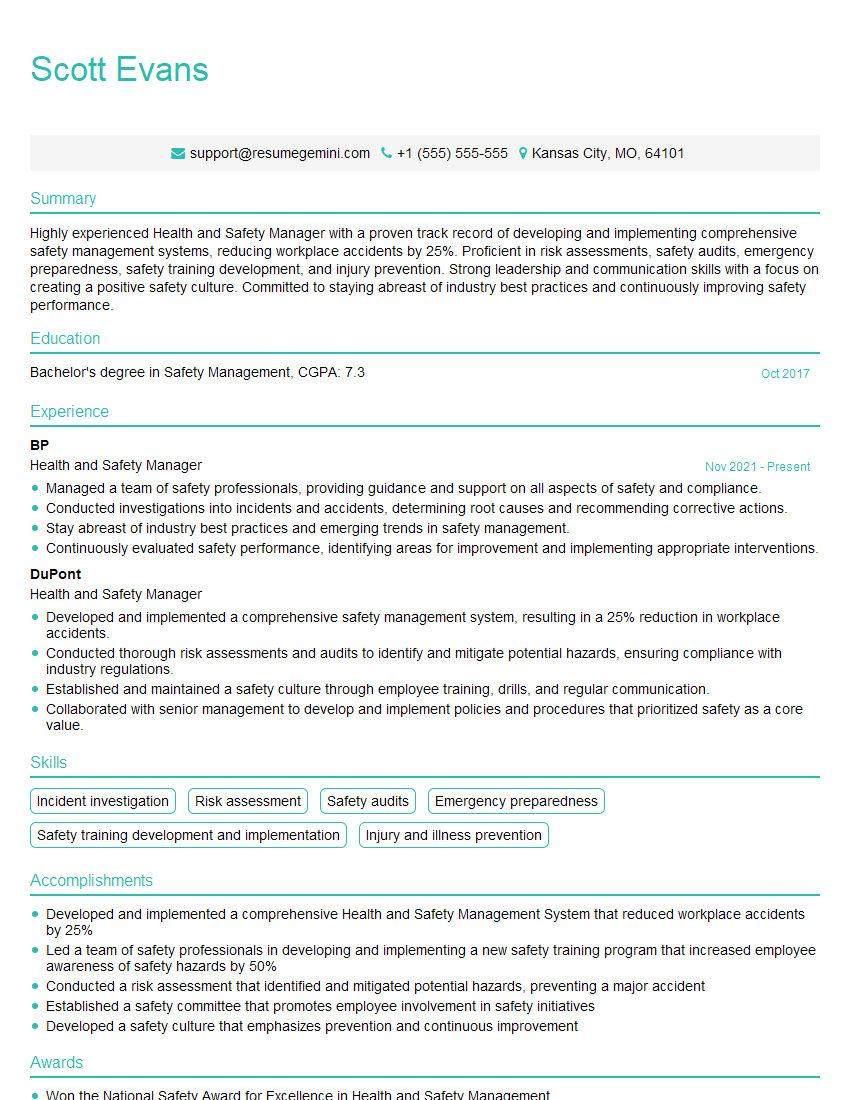
Health and Safety Manager Resume Sample
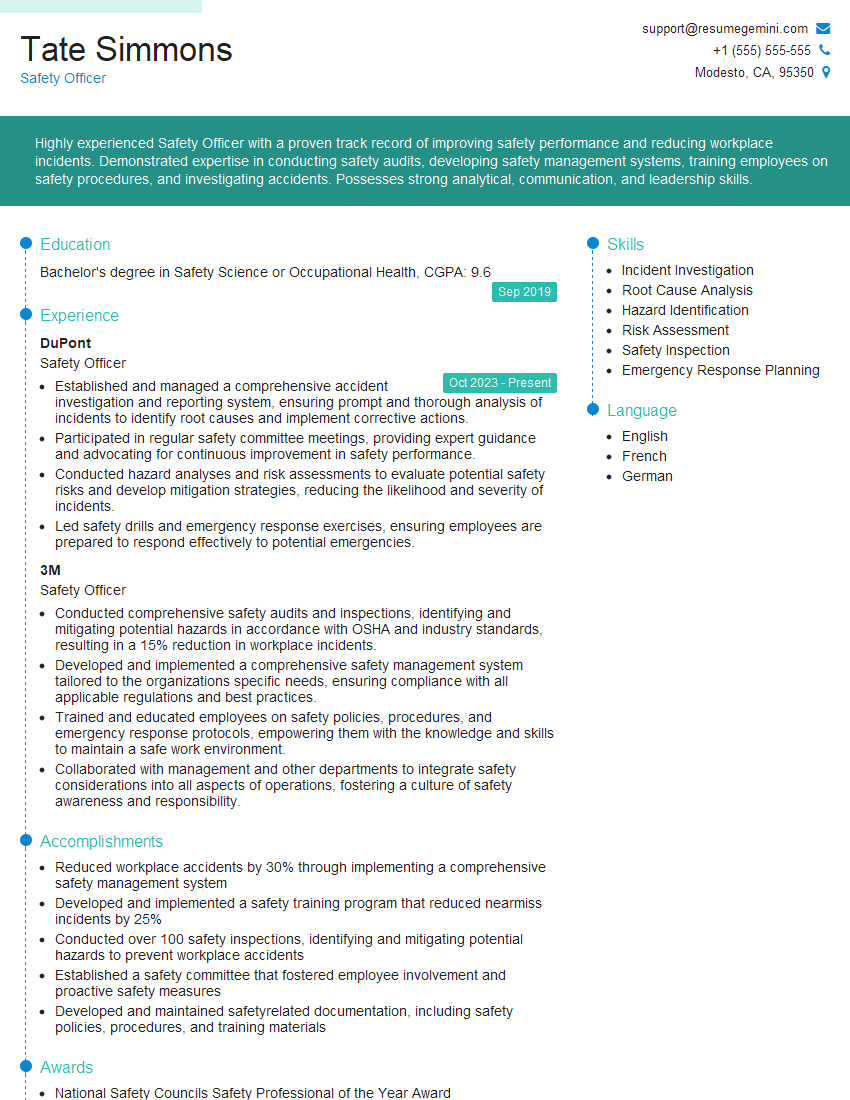
Safety Officer Resume Sample
- Program Manager
- Safety Manager
- Operations Manager
- Division Head
- Director of Operations
- Quality Manager
- Supply Chain Manager
- Project Manager
- Department Head
- Environmental Health and Safety Manager
- Group Manager
- Compliance Manager
- Security Manager
- Business Continuity Manager
- Chief Risk Officer
- IT Project Manager
- Health and Safety Manager
- Safety Officer
Explore more articles
Users Rating of Our Blogs
Share Your Experience
We value your feedback! Please rate our content and share your thoughts (optional).
What Readers Say About Our Blog
To the interviewgemini.com Webmaster.
Very helpful and content specific questions to help prepare me for my interview!
Thank you
To the interviewgemini.com Webmaster.
This was kind of a unique content I found around the specialized skills. Very helpful questions and good detailed answers.
Very Helpful blog, thank you Interviewgemini team.