Are you ready to stand out in your next interview? Understanding and preparing for Experience with using specialized equipment interview questions is a game-changer. In this blog, we’ve compiled key questions and expert advice to help you showcase your skills with confidence and precision. Let’s get started on your journey to acing the interview.
Questions Asked in Experience with using specialized equipment Interview
Q 1. Describe your experience with operating [Specific Equipment Type].
My experience with operating Gas Chromatograph-Mass Spectrometers (GC-MS) spans over seven years. I’ve worked extensively with various models, including Agilent 7890B GC coupled with a 5977B MSD and a Thermo Scientific Trace 1300 GC coupled with a TSQ 8000 Evo triple quadrupole MS. My expertise includes sample preparation, instrument operation, data acquisition, and data analysis using software such as Agilent MassHunter and Thermo Xcalibur. I’m proficient in method development and optimization, and I’ve successfully used GC-MS for a wide range of applications, from environmental monitoring to food safety analysis.
For example, in a recent project analyzing pesticide residues in fruits, I developed a new GC-MS method that significantly improved the sensitivity and accuracy of the analysis compared to existing methods. This involved optimizing the GC column, the injection parameters, and the mass spectrometer settings.
Q 2. Explain the safety procedures you follow when using [Specific Equipment Type].
Safety is paramount when operating a GC-MS. My procedures always begin with a thorough inspection of the instrument and its surroundings to ensure there are no gas leaks. I meticulously check all connections for proper sealing and visually inspect the tubing for any cracks or damage. Before starting any analysis, I verify the carrier gas (typically Helium) supply and pressure. I always wear appropriate personal protective equipment (PPE), including safety glasses and gloves. When handling volatile solvents, I work under a fume hood to prevent inhalation. Furthermore, I regularly check the waste containers for appropriate levels. In case of any malfunction or emergency (like a gas leak), I’m trained to follow the facility’s emergency protocols, including immediate evacuation and reporting to the safety officer.
Q 3. What are the common malfunctions of [Specific Equipment Type], and how do you troubleshoot them?
Common malfunctions in GC-MS include carrier gas leaks, column issues (e.g., bleed, blockage), detector malfunctions (e.g., low sensitivity), and software errors. Troubleshooting starts with a systematic approach. For gas leaks, I use a leak detector to pinpoint the source and then replace any damaged fittings or tubing. Column issues are often addressed by inspecting the column for damage, performing a column conditioning, or replacing the column if necessary. Detector malfunctions often require deeper investigation, potentially involving checking the detector’s voltage settings, adjusting the filament current, and in some cases, requesting specialized technical support. Software errors are usually resolved by restarting the system, reinstalling the software, or contacting the vendor’s support team for troubleshooting.
For instance, I once encountered unexpectedly low sensitivity in the mass spectrometer. By systematically checking the detector settings and performing a thorough instrument tune, I identified that the electron multiplier’s voltage had drifted, causing the low signal. Adjusting the voltage resolved the issue.
Q 4. How do you perform preventative maintenance on [Specific Equipment Type]?
Preventative maintenance is crucial for ensuring the accuracy and longevity of a GC-MS. This includes daily checks of gas pressures and flow rates, weekly cleaning of the injection port liner and septum, monthly checking and cleaning of the detector, and quarterly or semi-annual preventive maintenance checks conducted by qualified technicians. I meticulously document all maintenance activities, including date, time, actions performed, and any observations.
A typical example of preventative maintenance involves replacing the septum in the injection port to prevent leaks and ensure consistent injections. This involves turning off the instrument, properly disposing of the old septum, and carefully installing a new one.
Q 5. What are the key performance indicators (KPIs) for [Specific Equipment Type]?
Key Performance Indicators (KPIs) for a GC-MS include the instrument’s uptime, the number of samples analyzed per day or week, the limit of detection (LOD) and limit of quantitation (LOQ) for different analytes, the precision and accuracy of the measurements (expressed as %RSD and %recovery), and the number of successful runs vs. failed runs. These KPIs provide insights into the instrument’s performance, efficiency, and reliability.
Q 6. How do you ensure the accuracy and precision of measurements taken with [Specific Equipment Type]?
Ensuring accurate and precise measurements involves several steps. First, proper sample preparation is essential to minimize matrix effects and ensure analyte stability. Second, meticulously following the established analytical method, including injection volume, column temperature program, and mass spectrometer settings, is crucial. Third, using appropriate quality control (QC) samples, such as blanks, standards, and spiked samples, helps validate the method and assess its performance. Regular calibration using certified standards is paramount to correct for any instrument drift.
For example, using internal standards helps correct for variations in injection volume and other factors that may affect the quantification. By carefully monitoring the response ratios between the analyte and the internal standard, we can minimize errors and improve the accuracy of the measurements.
Q 7. Describe your experience calibrating [Specific Equipment Type].
Calibrating a GC-MS involves tuning the mass spectrometer to optimize its performance. This includes optimizing the ion source parameters, mass calibration using a calibration standard (e.g., perfluorotributylamine, PFTBA), and verifying the mass accuracy and resolution. I follow the manufacturer’s instructions and use certified calibration standards to ensure traceability and accuracy. The calibration process is usually performed before each analytical batch or at regular intervals, depending on the instrument’s stability and the application’s requirements. Detailed records of the calibration procedure and results are meticulously maintained.
For instance, a typical calibration procedure involves introducing a known amount of PFTBA into the mass spectrometer and adjusting the parameters to ensure that the mass peaks are centered at their expected values. Post-calibration, I perform a quality control run to verify the calibration.
Q 8. How do you handle emergency situations related to malfunctioning [Specific Equipment Type]?
Handling emergencies with malfunctioning high-pressure liquid chromatography (HPLC) systems requires a calm and methodical approach. Safety is paramount. First, I immediately shut down the instrument using the emergency stop button, ensuring all power is disconnected. This prevents further damage or potential hazards like leaks or electrical shocks. Next, I assess the situation: What is the specific malfunction? Is there a leak? Are there any error messages displayed?
Based on the assessment, I’ll follow established protocols. For instance, if it’s a solvent leak, I’ll contain the spill using absorbent material, ventilate the area, and notify the appropriate personnel. If it’s an electrical issue, I’ll avoid contact and call a qualified technician. A common issue is pump failure; in this case, I’d check for blockages and air bubbles in the lines following manufacturer guidelines. Detailed documentation of the malfunction, steps taken, and any observations is critical for troubleshooting and future preventative maintenance. Regular preventative maintenance significantly reduces the frequency of these emergency situations.
Q 9. What software or systems are you familiar with in relation to [Specific Equipment Type]?
My experience with HPLC encompasses several software and systems. I’m proficient in using instrument control software like Chromeleon and Empower, both widely used in pharmaceutical and analytical chemistry settings. These systems allow me to control instrument parameters (flow rate, gradient, temperature, wavelength), collect data, and process chromatograms. Furthermore, I have experience working with LIMS (Laboratory Information Management Systems) to integrate HPLC data with other laboratory processes, such as sample tracking and reporting. My understanding extends to data analysis software like OpenOffice Calc and Microsoft Excel for processing and visualizing the results. This software proficiency is crucial to ensuring data integrity and efficient workflow.
Q 10. Describe a time you had to repair or replace a part on [Specific Equipment Type].
During a routine analysis, the HPLC’s UV detector lamp failed, resulting in a loss of signal. The error message clearly indicated the lamp’s malfunction. The first step was to safely power down the instrument. Then, following the manufacturer’s instructions and safety guidelines, I carefully replaced the lamp. This involved switching off the UV lamp, disconnecting the power cable, and then using appropriate tools to gently remove and replace the faulty lamp with a new one. After reinstalling the lamp, I performed a thorough system check to ensure there was no further damage. We verified the new lamp’s functionality by performing several calibration runs and comparing the results to known standards. Detailed records of the replacement, including the date, time, part number, and test results, were meticulously documented in the equipment logbook to aid future maintenance and troubleshooting.
Q 11. How do you interpret the data generated by [Specific Equipment Type]?
Interpreting HPLC data involves more than just looking at peaks. I use my understanding of chromatographic principles to analyze retention times, peak areas, and peak shapes. Retention time identifies the analyte, peak area correlates to concentration, and peak shape indicates column efficiency and potential sample contamination or co-elution. I compare the results against known standards or reference chromatograms to confirm analyte identity and quantify its concentration. The integration process, which involves determining the peak area, is crucial and must be performed carefully and accurately. This might require adjusting baseline correction or peak boundaries for optimal results. Software like Chromeleon and Empower assists greatly in this process, but careful manual review is essential. Furthermore, I’m well-versed in interpreting qualitative data; a lack of a peak can indicate a sample issue, and peak broadening or tailing might highlight column problems or sample matrix effects.
Q 12. What are the limitations of [Specific Equipment Type], and how do you work around them?
HPLC, while powerful, has limitations. One key limitation is the sensitivity of the detector, which may not be able to detect trace analytes. To overcome this, I can utilize techniques like pre-concentration or more sensitive detectors. Another limitation is potential column degradation over time, leading to reduced resolution and peak broadening. Regular maintenance, including column equilibration and proper cleaning, and replacing columns as needed, is essential. Sample matrix effects, where components in the sample interfere with analyte detection, are another common challenge. I address these by using sample preparation techniques like filtration, extraction, or derivatization to clean the sample prior to analysis. Sometimes method development is required, tailoring the chromatographic conditions to mitigate specific limitations for a particular analyte or sample type.
Q 13. How do you ensure the safety of yourself and others when operating [Specific Equipment Type]?
Safety is paramount when operating HPLC systems. Before operating the instrument, I ensure I’ve thoroughly read and understood the manufacturer’s safety guidelines. I always wear appropriate personal protective equipment (PPE), including safety glasses and gloves, to protect against solvent splashes or potential exposure to hazardous chemicals. I handle solvents and samples carefully, avoiding spills or inhalation of vapors. I regularly inspect the instrument for leaks or other potential hazards, and I never work with faulty equipment without notifying the appropriate personnel. Proper grounding of the instrument is crucial to prevent electrical shocks. Additionally, regular training and refresher courses reinforce safe operating procedures and emergency response measures.
Q 14. What are the environmental considerations associated with using [Specific Equipment Type]?
Environmental considerations are significant when using HPLC. The solvents used are often volatile organic compounds (VOCs) that can contribute to air pollution. Therefore, I always work in a well-ventilated area or use a fume hood when handling solvents. Proper waste disposal is crucial. We use designated waste containers for different solvent types and ensure they are handled according to environmental regulations. The disposal of columns also requires careful attention, as they may contain hazardous materials. Energy consumption is also a factor. I always switch off the instrument when not in use to minimize energy waste. We strive to optimize the analysis process, minimizing solvent usage and selecting environmentally friendly solvents whenever possible. Regular maintenance ensures the instrument functions optimally, reducing the risk of solvent leaks and waste.
Q 15. Explain your experience with different types of [Specific Equipment Component].
My experience with various types of high-pressure pumps spans over eight years. I’ve worked extensively with centrifugal pumps, positive displacement pumps (like gear pumps and piston pumps), and diaphragm pumps. Each type has its strengths and weaknesses. Centrifugal pumps are best for high-flow, low-pressure applications, like circulating coolant in a manufacturing process. I’ve used these extensively in chemical processing plants. Positive displacement pumps excel at delivering high pressure at lower flow rates, ideal for applications like injecting chemicals into pipelines; I’ve had success trouble-shooting problems in these pumps in oil and gas refineries. Diaphragm pumps handle abrasive or viscous fluids exceptionally well, a crucial aspect in managing slurries in wastewater treatment facilities which I’ve also worked in. My experience encompasses not just operation but also selection based on the specific demands of the application, considering factors like fluid viscosity, required pressure, and flow rate. I’ve even been involved in selecting the appropriate seals and materials for different pump types based on fluid compatibility.
Career Expert Tips:
- Ace those interviews! Prepare effectively by reviewing the Top 50 Most Common Interview Questions on ResumeGemini.
- Navigate your job search with confidence! Explore a wide range of Career Tips on ResumeGemini. Learn about common challenges and recommendations to overcome them.
- Craft the perfect resume! Master the Art of Resume Writing with ResumeGemini’s guide. Showcase your unique qualifications and achievements effectively.
- Don’t miss out on holiday savings! Build your dream resume with ResumeGemini’s ATS optimized templates.
Q 16. How do you ensure the equipment is compliant with all relevant safety regulations?
Ensuring equipment compliance with safety regulations is paramount. My approach is multi-faceted. Firstly, I rigorously follow all manufacturer’s instructions and safety data sheets (SDS) for each piece of equipment. This includes understanding the safety interlocks, emergency shut-off procedures, and personal protective equipment (PPE) requirements. Secondly, I regularly inspect the equipment for any wear and tear, loose connections, or potential hazards, documenting these inspections meticulously. Thirdly, I participate in all required safety training and maintain up-to-date certifications for operating the specific equipment. For instance, I hold a valid certification for operating the high-pressure water jetting system, involving regular refresher courses to stay informed about safety protocols. Finally, I actively participate in safety audits and contribute to identifying and mitigating potential risks within the workplace. Reporting any non-compliance is an immediate priority.
Q 17. Describe your experience with diagnosing and resolving equipment failures.
Diagnosing equipment failures involves a systematic approach. I start with a thorough visual inspection, checking for obvious signs like leaks, unusual noises, or visible damage. I then consult operational logs and historical data to identify any trends or anomalies. For example, a sudden drop in pump pressure might indicate a problem with the impeller or a blockage in the pipeline. Next, I use diagnostic tools such as pressure gauges, temperature sensors, and vibration analyzers to collect more data. On one occasion, a seemingly minor vibration in a centrifugal pump ultimately revealed a critical bearing failure that was detected early thanks to the vibration analyzer. Addressing this promptly prevented a catastrophic breakdown. Once the root cause is identified, I develop a repair strategy, ensuring all safety precautions are followed before attempting any repairs or replacements. Accurate record-keeping is crucial, detailing the fault, repair process, and any preventative measures implemented.
Q 18. Explain the process you follow for performing routine maintenance tasks.
Routine maintenance involves a precise schedule and checklist. This typically includes regular visual inspections, lubrication of moving parts, cleaning of filters and strainers, and checking fluid levels. For example, I’ve developed standardized checklists for the weekly maintenance of our high-pressure pumps, which include checking the oil levels, greasing the bearings, and inspecting the seals for any signs of leakage. The frequency of these tasks depends on the equipment’s usage and the manufacturer’s recommendations. I also ensure that all maintenance tasks are properly documented. This detailed record-keeping helps identify potential problems early on and contributes to predictive maintenance strategies, allowing for proactive repairs rather than reactive troubleshooting. For our specialized gas analyzers, we have a monthly calibration check and a yearly preventative maintenance check that’s crucial to ensure the equipment’s reliability.
Q 19. What is your experience with troubleshooting complex equipment problems?
Troubleshooting complex equipment problems requires a methodical approach. I utilize a structured problem-solving methodology – starting with clearly defining the problem, gathering data through observation and diagnostic tools, developing hypotheses, testing those hypotheses, and then implementing the solution. One memorable challenge involved a sudden and inexplicable drop in output from a complex multi-stage pump system. Using logic diagrams and a structured analysis of the process data, I eliminated various possibilities step-by-step. Eventually, it came down to a faulty pressure sensor in the control system which provided inaccurate readings to the system, causing incorrect adjustments and affecting overall pump performance. Replacing the faulty sensor resolved the issue. This highlighted the importance of not jumping to conclusions and systematically narrowing down possibilities. Accurate data collection is key.
Q 20. Describe a time you had to improve the efficiency of [Specific Equipment Type].
In a previous role, we were facing significant downtime due to frequent blockages in the filtration system of a large-scale water treatment plant. This impacted overall efficiency and incurred considerable costs. I initiated a project to improve the system’s efficiency. This involved analyzing the types of blockages, researching improved filtration methods, and presenting a cost-benefit analysis to management. We opted for a new, automated backwash system with self-cleaning filters, significantly reducing downtime and maintenance requirements. This not only improved efficiency by 25% but also lowered operational costs. The project demonstrated the value of applying analytical thinking and proposing innovative solutions to optimize operational processes and equipment performance. Post-implementation, I developed training modules for our team which allowed for better preventative maintenance and quicker responses to future issues.
Q 21. How do you stay updated on the latest advancements in [Specific Equipment Type] technology?
Staying updated on advancements in pump technology is crucial. I achieve this through several avenues. I actively participate in industry conferences and workshops, attending seminars and presentations on the latest innovations. I also subscribe to industry journals and publications, reading articles and research papers on new materials, designs, and control systems. Online resources and manufacturer websites are invaluable sources of information; many manufacturers offer training courses and webinars. Furthermore, networking with colleagues and other professionals at conferences and through professional organizations provides insights into practical applications and real-world experiences. This multifaceted approach ensures that my knowledge remains current, allowing me to leverage the latest technologies to enhance equipment performance and safety.
Q 22. What is your understanding of the different types of [Specific Equipment Type] available?
My understanding of different types of CNC milling machines is extensive. I’ve worked with everything from small, benchtop models ideal for prototyping and detailed work, to large, industrial machines capable of handling heavy-duty materials and complex geometries. Key distinctions lie in size, power, axes of movement, and control systems.
- Benchtop CNC Mills: These are compact, affordable, and suitable for hobbyists and small-scale production. They typically have a limited work envelope and lower power output.
- Vertical Milling Machines (VMC): These are the most common type, characterized by a vertical spindle that rotates to perform cutting operations. They come in a wide range of sizes and capabilities.
- Horizontal Milling Machines (HMC): In these machines, the spindle is horizontal, offering advantages in certain machining processes and allowing for larger workpieces.
- 5-Axis Milling Machines: These machines provide significantly greater flexibility in tool positioning, enabling the creation of complex, multi-faceted parts. They often incorporate rotary tables to provide additional axes of control.
Each type has its own strengths and weaknesses, making the selection process highly dependent on the specific application and project requirements. For example, a benchtop mill is perfect for intricate detailing on small parts, while a 5-axis HMC is necessary for complex aerospace components.
Q 23. How do you determine the appropriate operating parameters for [Specific Equipment Type]?
Determining appropriate operating parameters for CNC milling machines requires a thorough understanding of the material being machined, the desired surface finish, and the capabilities of the machine itself. It’s a multifaceted process that involves several key considerations.
- Material Selection: Different materials require different cutting speeds, feed rates, and depths of cut. Harder materials necessitate lower speeds and feeds to prevent tool breakage. For example, machining aluminum requires higher speeds than machining steel.
- Tool Selection: The type of cutting tool significantly impacts the machining process. The tool’s geometry, material, and size must be appropriately selected based on the material and desired finish.
- Cutting Parameters: These include spindle speed (RPM), feed rate (mm/min), and depth of cut (mm). These parameters are often optimized through experimentation and utilizing CAM software. Incorrect parameters can lead to poor surface finish, tool wear, or even machine damage.
- Coolant Selection: Coolant helps to lubricate the cutting process, prevent overheating, and improve surface finish. The correct coolant should be chosen based on the material being machined.
I typically begin by consulting material-specific machining datasheets and utilize CAM software to simulate and optimize cutting parameters. Fine-tuning is often necessary based on real-time observations of the cutting process.
Q 24. Describe your experience with working with different types of materials using [Specific Equipment Type].
My experience spans a wide range of materials, including aluminum alloys, various steels (stainless, mild, tool steels), plastics (ABS, acrylic), and composites. Each material presents unique challenges and requires different machining strategies.
- Aluminum: Relatively easy to machine, allowing for higher speeds and feeds. However, it’s prone to chip welding, so proper coolant selection is critical.
- Steels: Require lower speeds and feeds due to their hardness. Tool wear is a significant concern. Different steel alloys require specialized tooling and cutting parameters.
- Plastics: Can be easily machined, but care must be taken to avoid excessive heat buildup which can lead to melting or deformation. Sharp tools are crucial for a clean cut.
- Composites: Often require specialized tooling and careful consideration of fiber orientation to prevent damage to the material and the tool.
For instance, when machining hardened steel, I’d utilize carbide tooling with optimized cutting parameters to prevent tool breakage, while when machining aluminum, I’d select a high-speed steel tool and higher cutting parameters to improve efficiency. Understanding these material-specific characteristics is fundamental to successful CNC milling.
Q 25. How do you manage your time effectively while operating multiple pieces of equipment?
Effectively managing time when operating multiple pieces of equipment hinges on careful planning, prioritization, and efficient workflow. My approach involves a combination of techniques:
- Prioritization: I identify urgent tasks and prioritize them based on deadlines and project importance. This ensures that critical jobs are completed first.
- Batching Similar Tasks: Grouping similar tasks together reduces setup time and improves efficiency. For example, I might machine all aluminum parts at once before switching to steel.
- Preemptive Scheduling: I plan ahead by anticipating potential delays or bottlenecks and adjust the schedule accordingly. This helps prevent downtime and maintain a consistent workflow.
- Automation Where Possible: I leverage automated features on the machines to optimize processes. This includes setting up automatic tool changes or utilizing machine-integrated software to manage the workflow.
Essentially, it’s about being proactive, anticipating potential issues, and having a clear plan of action. This approach allows me to maximize throughput while maintaining high quality and safety standards.
Q 26. What are the most common causes of downtime for [Specific Equipment Type]?
Downtime for CNC milling machines is typically caused by a combination of factors. The most common include:
- Tool Breakage: Improperly selected or worn tools are a major culprit. This is often preventable through proper tool selection and monitoring.
- Spindle Issues: Problems with the spindle, such as bearing wear or motor failure, can lead to significant downtime. Regular maintenance is key.
- Coolant System Malfunctions: Issues with coolant delivery or temperature control can affect machining performance and may even lead to damage.
- Control System Problems: Software glitches, communication errors, or hardware failures within the machine’s control system can halt operations. Regular software updates and preventative maintenance are crucial.
- Material Handling Issues: Problems with workpiece clamping or material loading/unloading can disrupt the workflow.
Addressing these issues through regular preventative maintenance, proper operator training, and a well-structured maintenance schedule significantly minimizes downtime and improves overall efficiency.
Q 27. Describe your experience with preventative maintenance scheduling for [Specific Equipment Type].
Preventative maintenance scheduling is crucial for maximizing uptime and preventing catastrophic failures. My approach incorporates a combination of scheduled maintenance and condition monitoring.
- Scheduled Maintenance: This involves regular inspections and servicing of key components such as the spindle, coolant system, and control system, based on manufacturer recommendations and historical data. I maintain detailed logs of all maintenance activities.
- Condition Monitoring: This involves monitoring key parameters like spindle temperature, vibration levels, and coolant pressure. Abnormal readings can indicate potential problems before they escalate into major failures. I use a combination of visual inspection and machine-integrated diagnostics.
- Predictive Maintenance: Analyzing historical data and using algorithms to predict when maintenance is likely to be required. This approach minimizes unexpected downtime.
A well-documented schedule ensures all preventative tasks are completed on time. This proactive approach reduces the risk of unexpected equipment failures, minimizes costly repairs, and ensures consistent production.
Q 28. How do you handle unexpected equipment malfunctions during critical operations?
Handling unexpected malfunctions during critical operations requires a calm, methodical approach. My strategy is based on a few key steps:
- Assess the Situation: First, I immediately assess the nature and severity of the malfunction. Is it a minor issue, or does it require immediate shutdown?
- Safety First: Ensure the safety of myself and anyone else in the vicinity. This might involve immediately powering down the machine if necessary.
- Troubleshooting: Based on the assessment, I attempt to troubleshoot the issue using my knowledge and available resources. This might involve checking error codes, reviewing machine logs, or consulting technical manuals.
- Seek Assistance: If I can’t resolve the issue independently, I immediately seek assistance from maintenance personnel or experienced colleagues.
- Document Everything: Thorough documentation of the malfunction, troubleshooting steps, and resolution is crucial for future reference and to prevent similar issues from occurring.
In one instance, a sudden power surge caused a control system error. By systematically checking the system logs and power supply, I quickly identified the root cause, resolved the error, and minimized downtime. A well-documented solution also prevented the problem from recurring.
Key Topics to Learn for Experience with using specialized equipment Interview
- Understanding Equipment Functionality: Thoroughly grasp the theoretical principles behind the operation of the specialized equipment you’ve used. This includes understanding its components, how they interact, and the underlying technology.
- Practical Application and Troubleshooting: Be prepared to discuss specific instances where you utilized this equipment. Detail your workflow, the challenges you encountered, and how you successfully overcame them. Highlight your problem-solving skills.
- Safety Procedures and Regulations: Demonstrate a strong understanding of the safety protocols and regulations associated with the equipment. This showcases your responsible and conscientious approach to your work.
- Maintenance and Calibration: Describe your experience with routine maintenance, calibration procedures, and any troubleshooting you performed to ensure optimal equipment performance.
- Data Acquisition and Analysis: If applicable, explain how you acquired, processed, and analyzed data generated by the equipment. Highlight your proficiency in relevant software or techniques.
- Adaptability and Learning: Showcase your ability to learn new equipment quickly and adapt your skills to different technologies or situations. Interviewers value adaptable individuals.
Next Steps
Mastering your experience with specialized equipment is crucial for career advancement in today’s competitive job market. It demonstrates valuable technical skills and problem-solving abilities highly sought after by employers. To maximize your job prospects, create an ATS-friendly resume that effectively highlights these skills. ResumeGemini can help you craft a professional and compelling resume tailored to your experience. We provide examples of resumes specifically designed for candidates with experience in using specialized equipment, enabling you to showcase your qualifications in the best possible light.
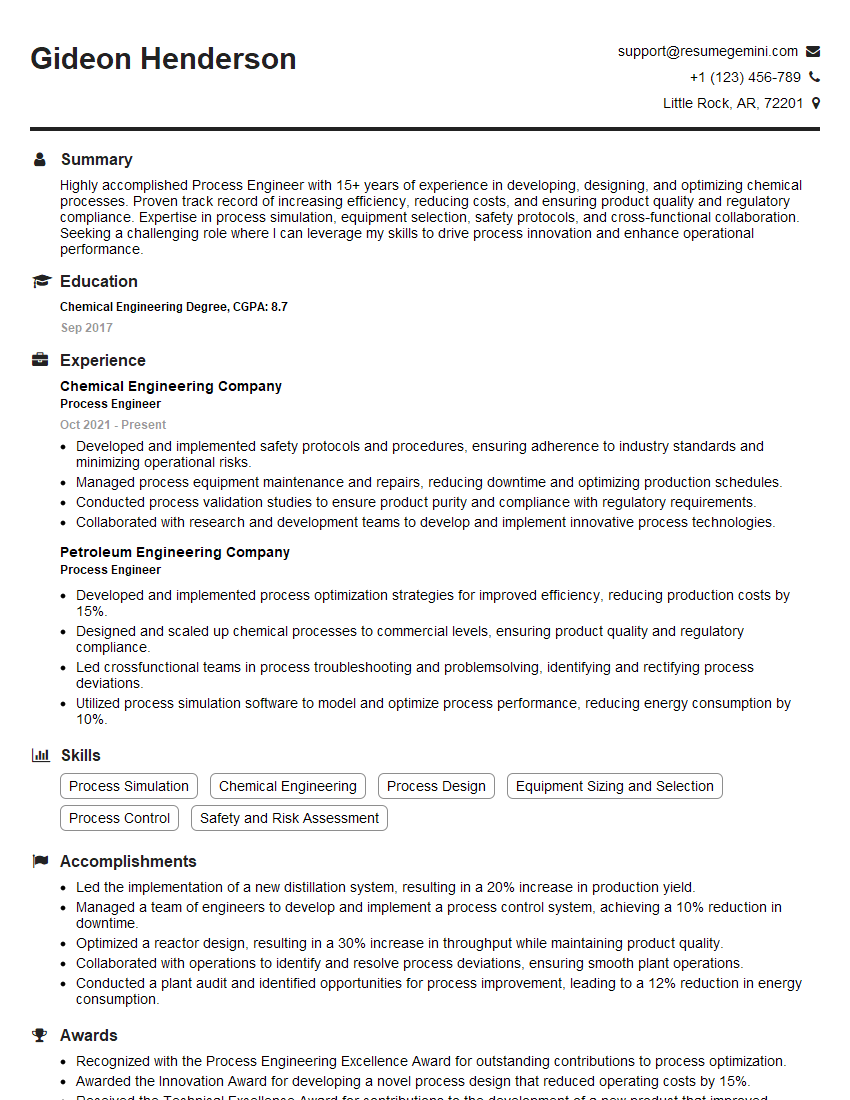
Process Engineer Resume Sample
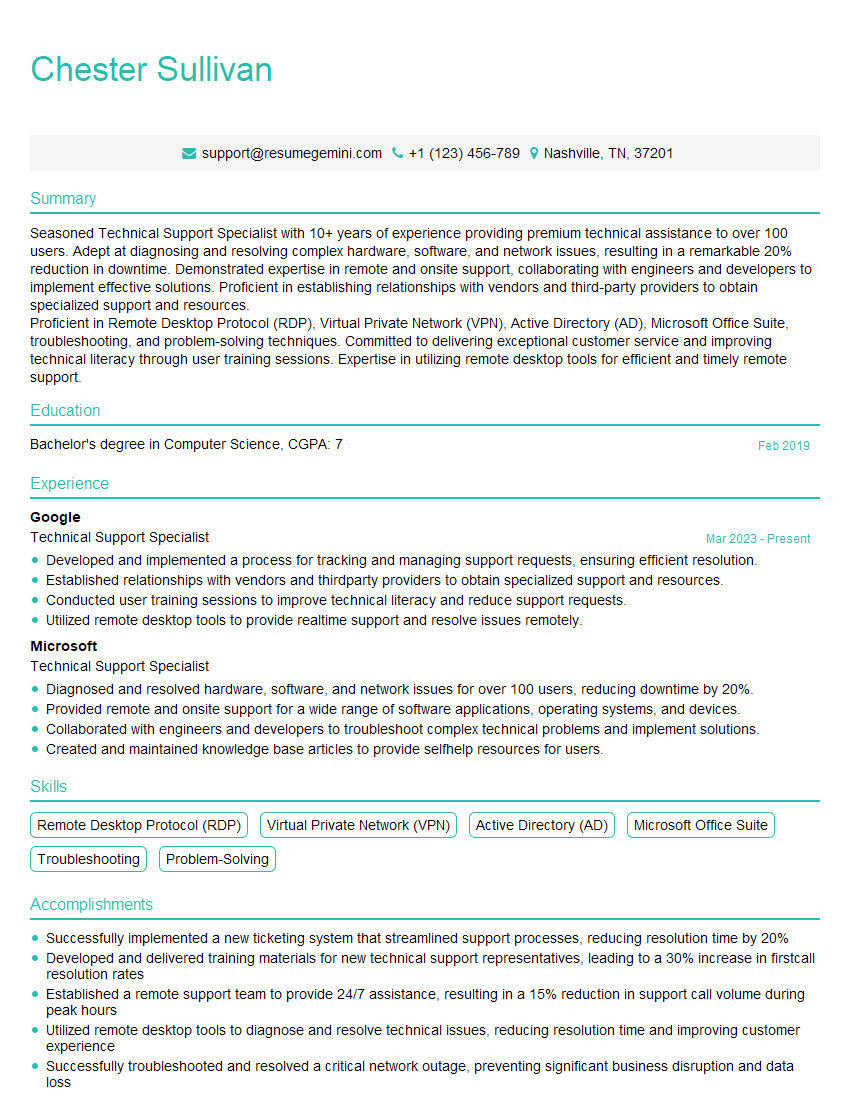
Technical Support Specialist Resume Sample
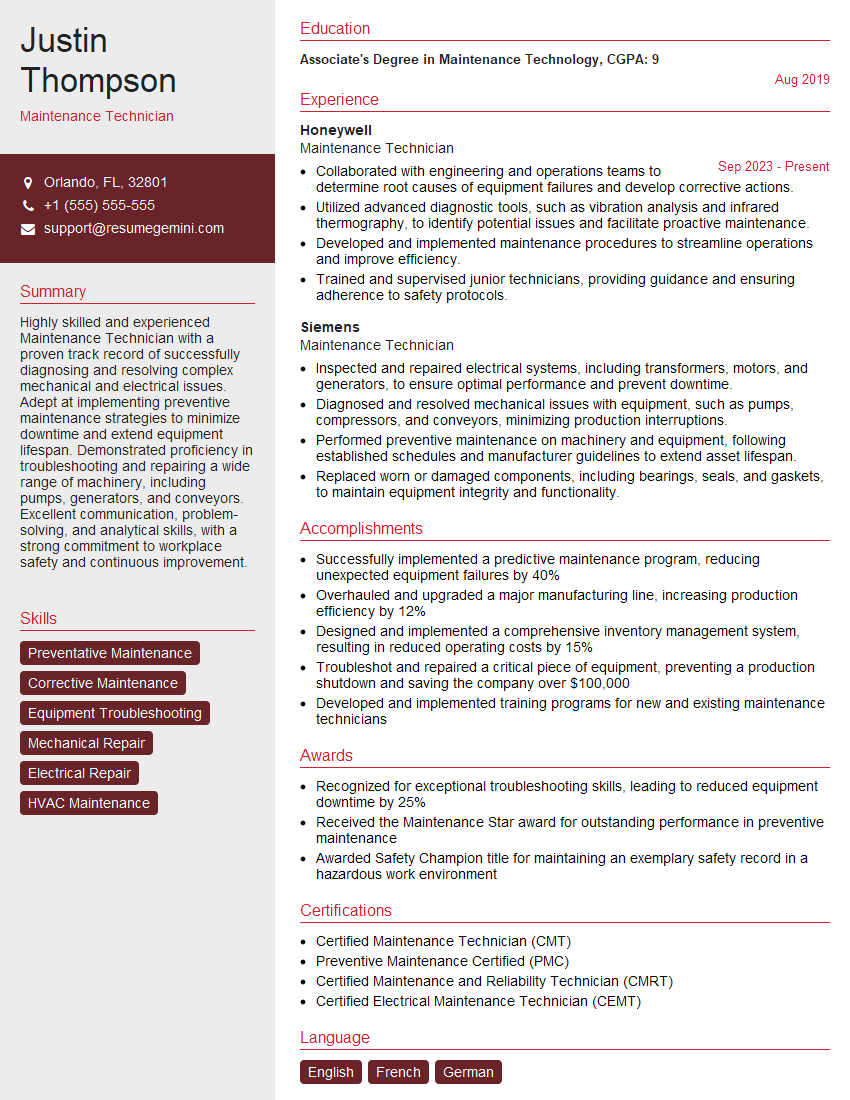
Maintenance Technician Resume Sample
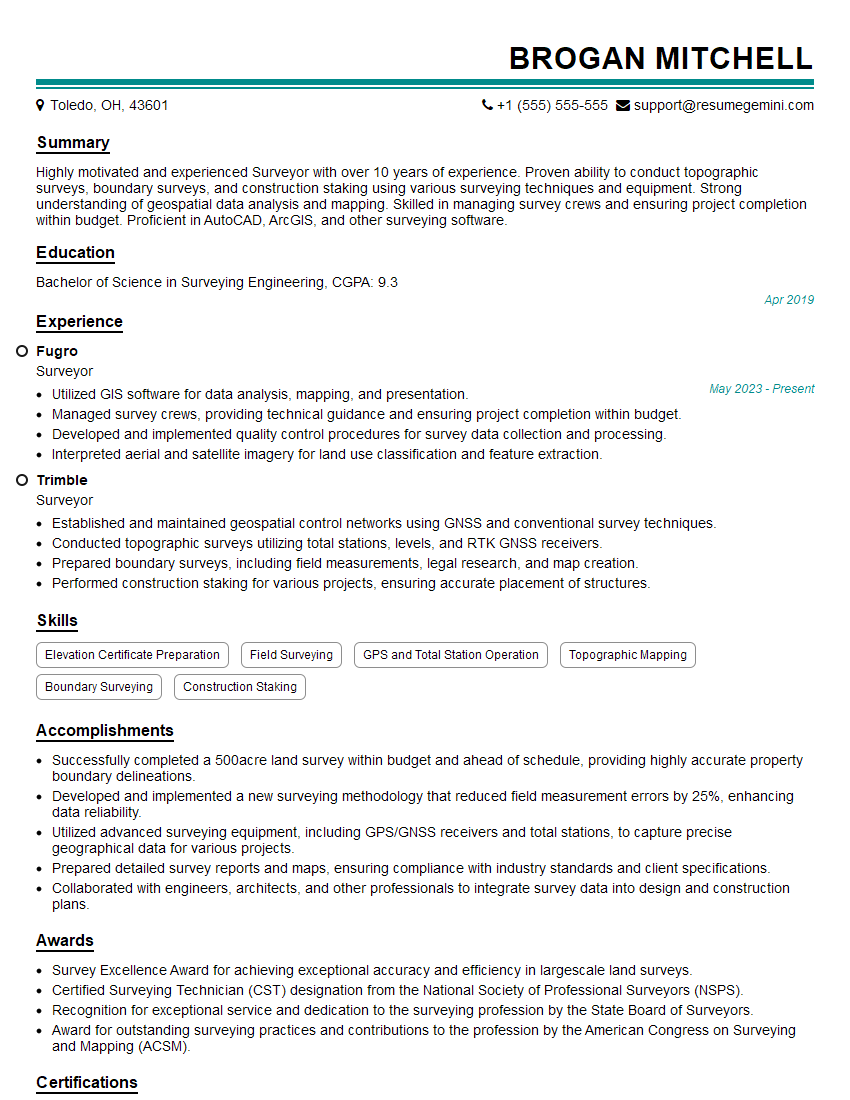
Surveyor Resume Sample
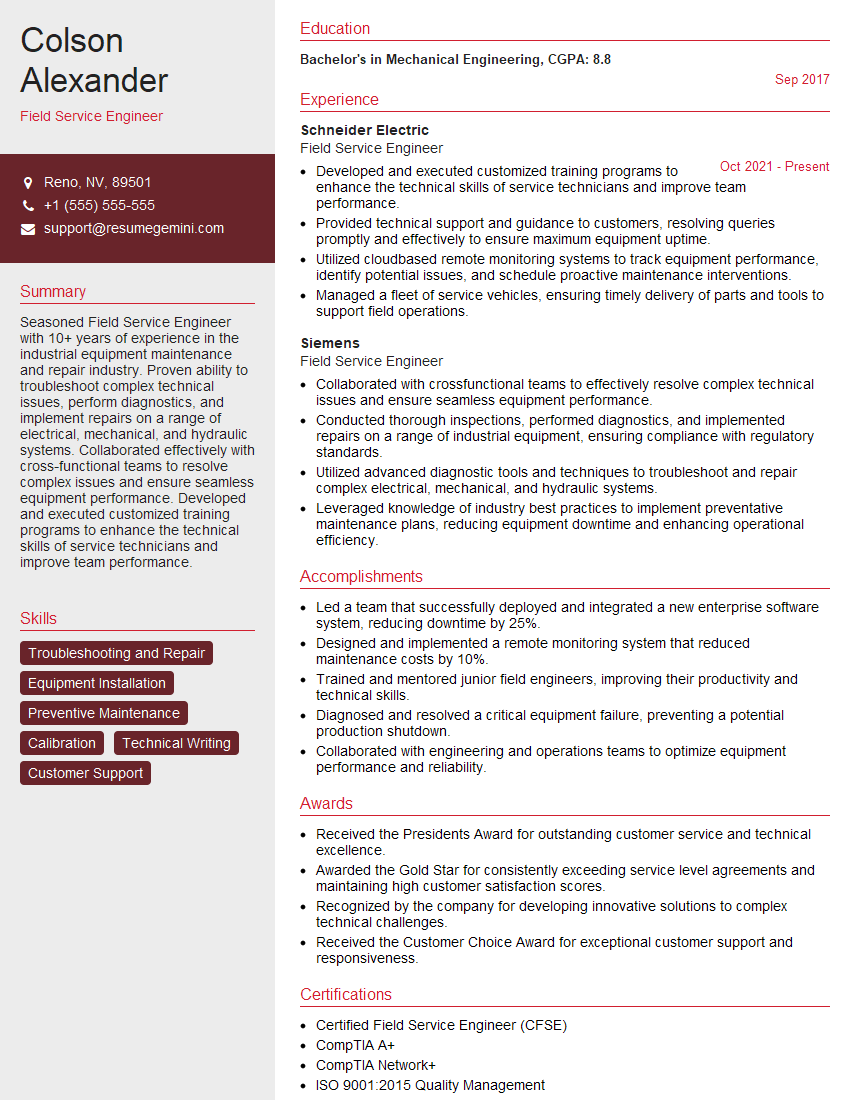
Field Service Engineer Resume Sample
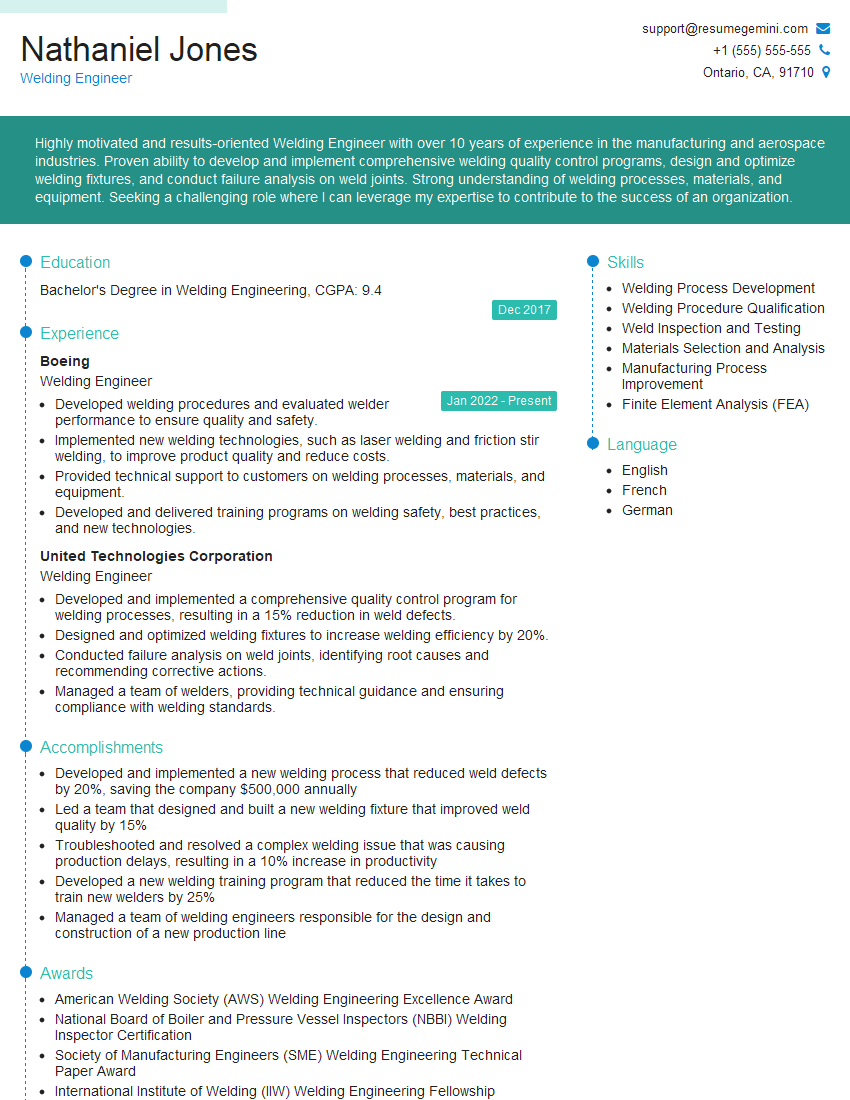
Welding Engineer Resume Sample
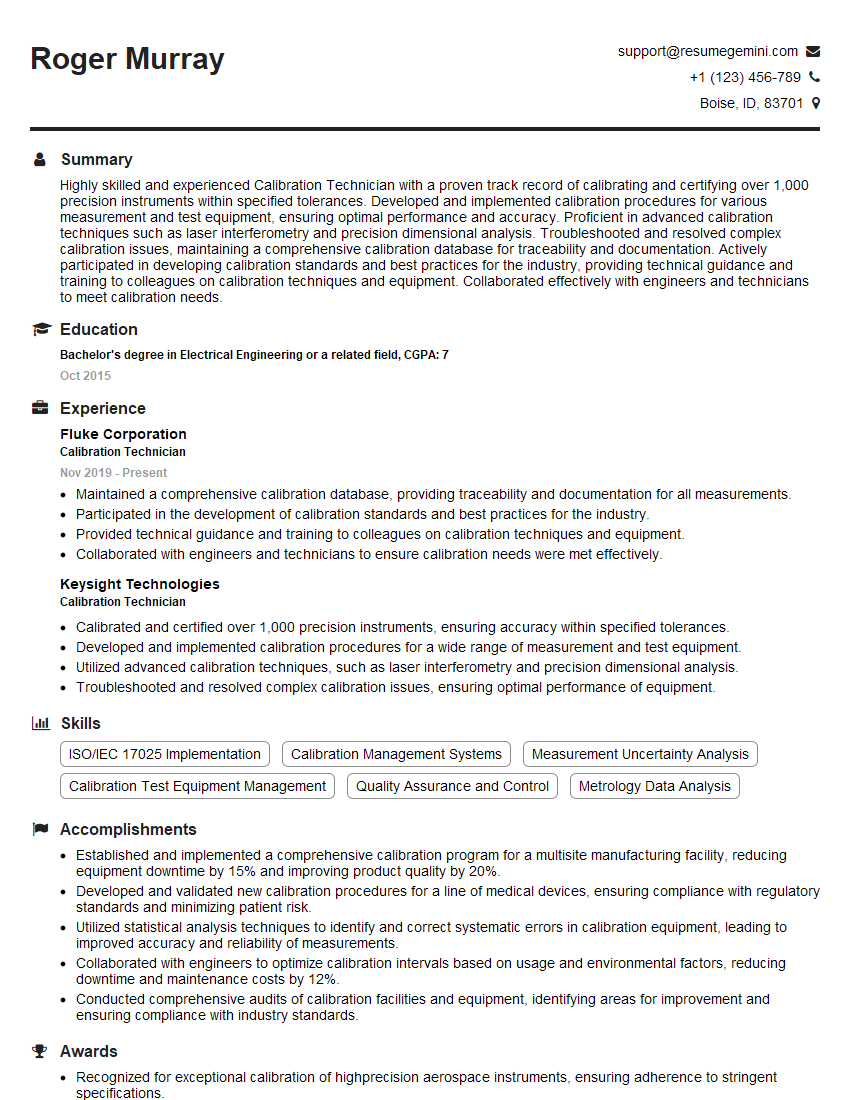
Calibration Technician Resume Sample
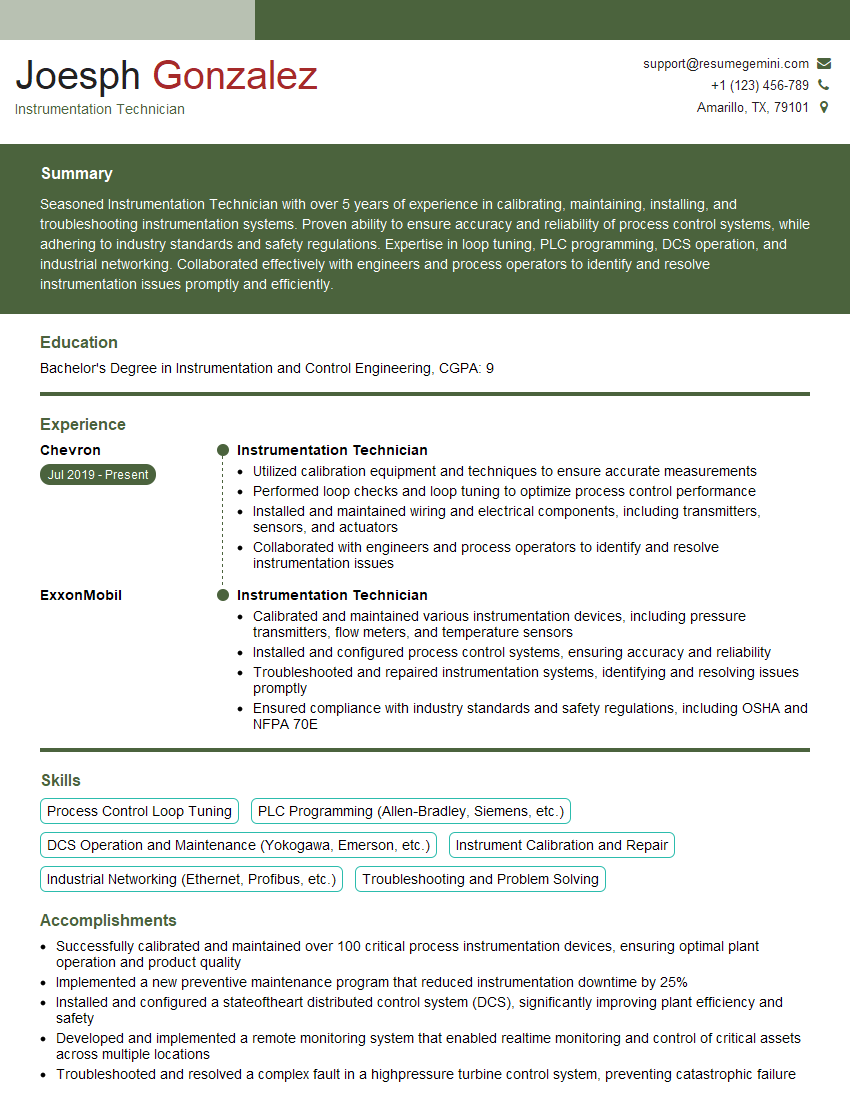
Instrumentation Technician Resume Sample
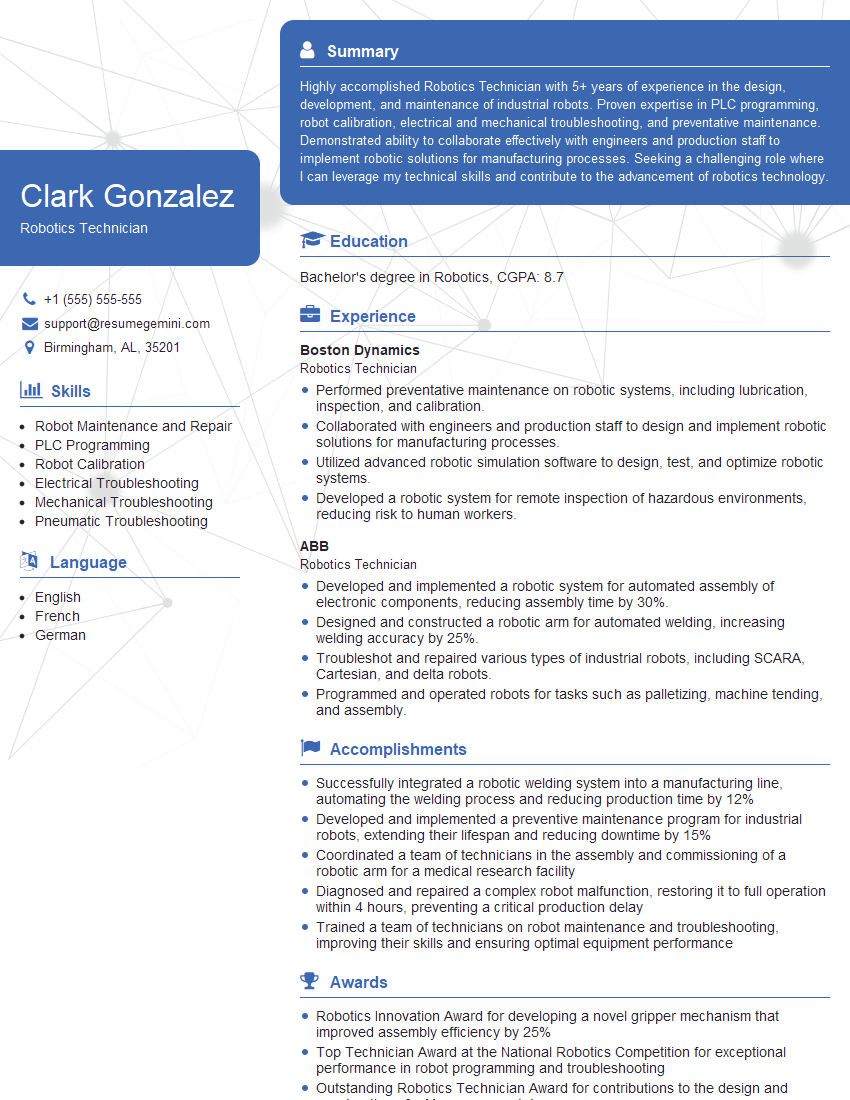
Robotics Technician Resume Sample
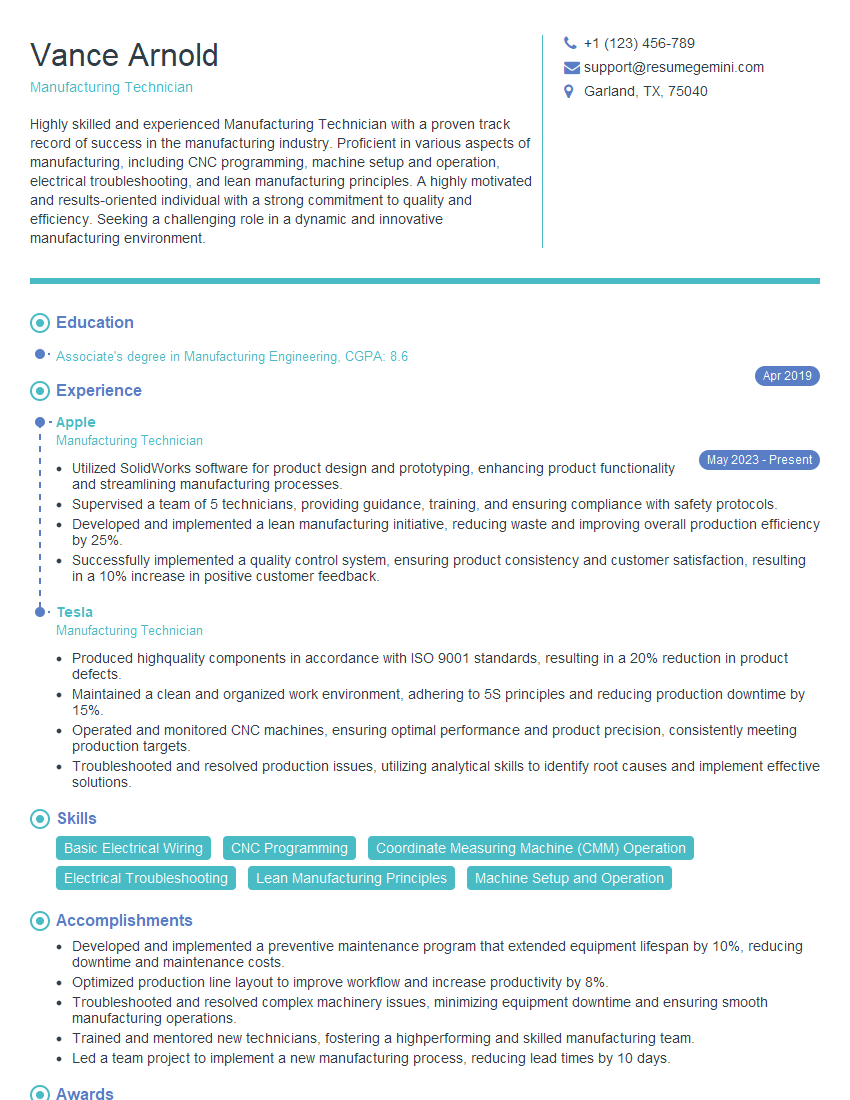
Manufacturing Technician Resume Sample
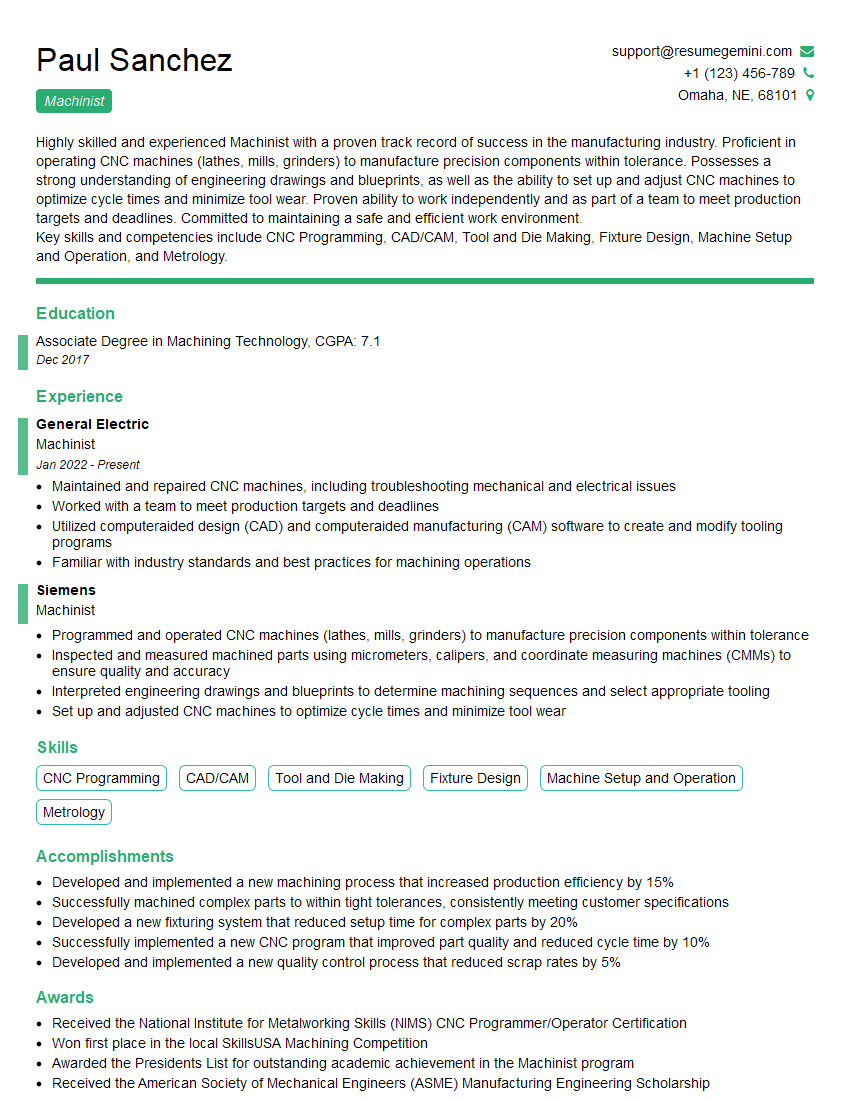
Machinist Resume Sample
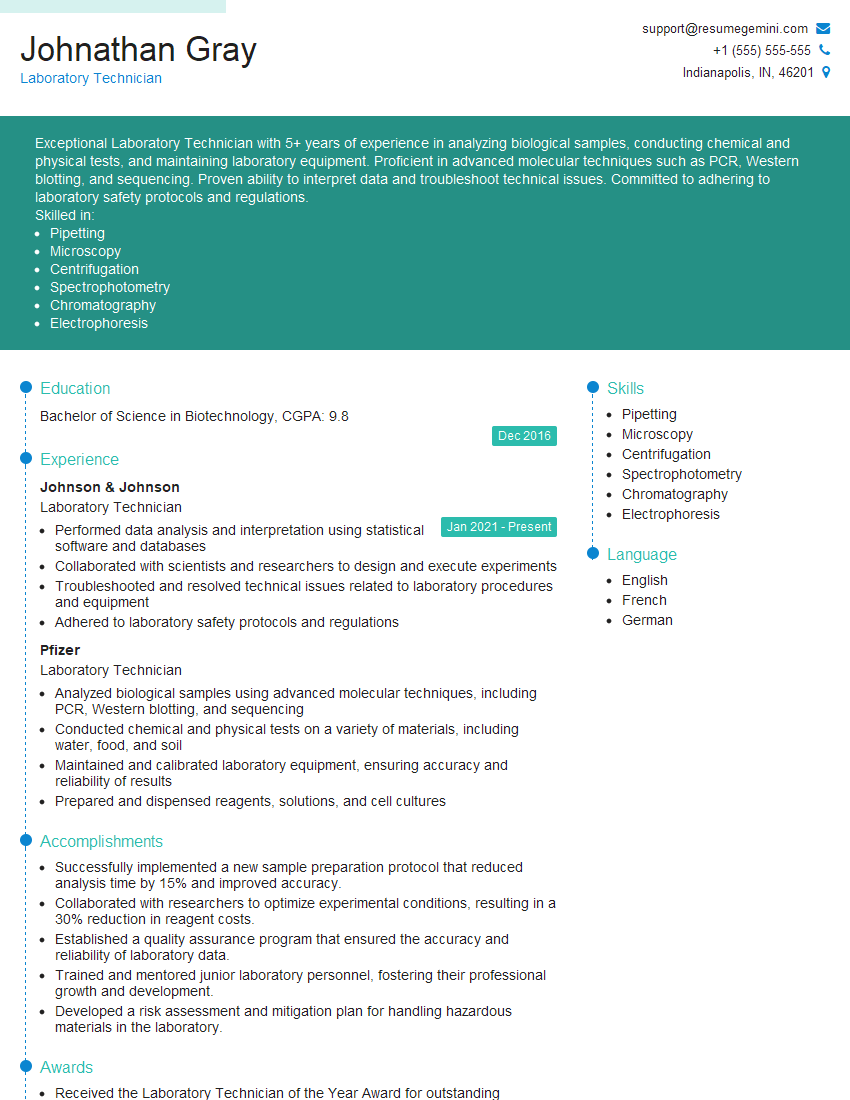
Laboratory Technician Resume Sample
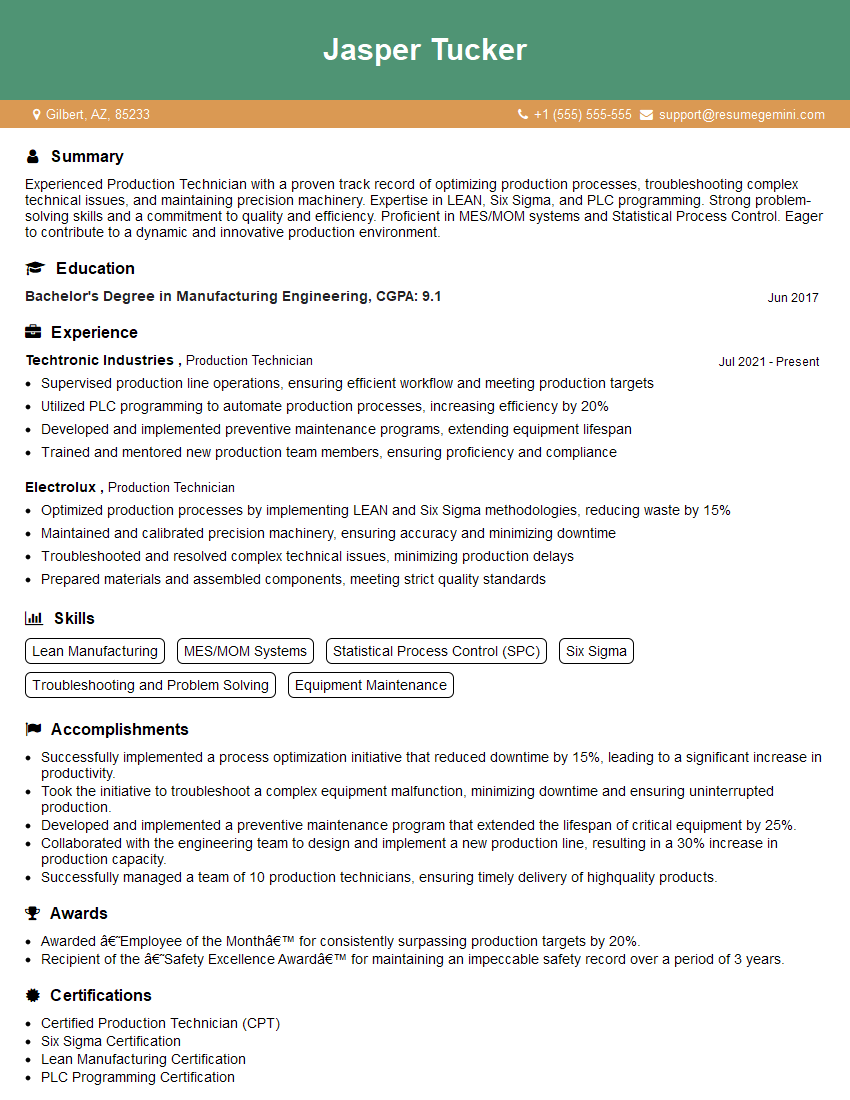
Production Technician Resume Sample
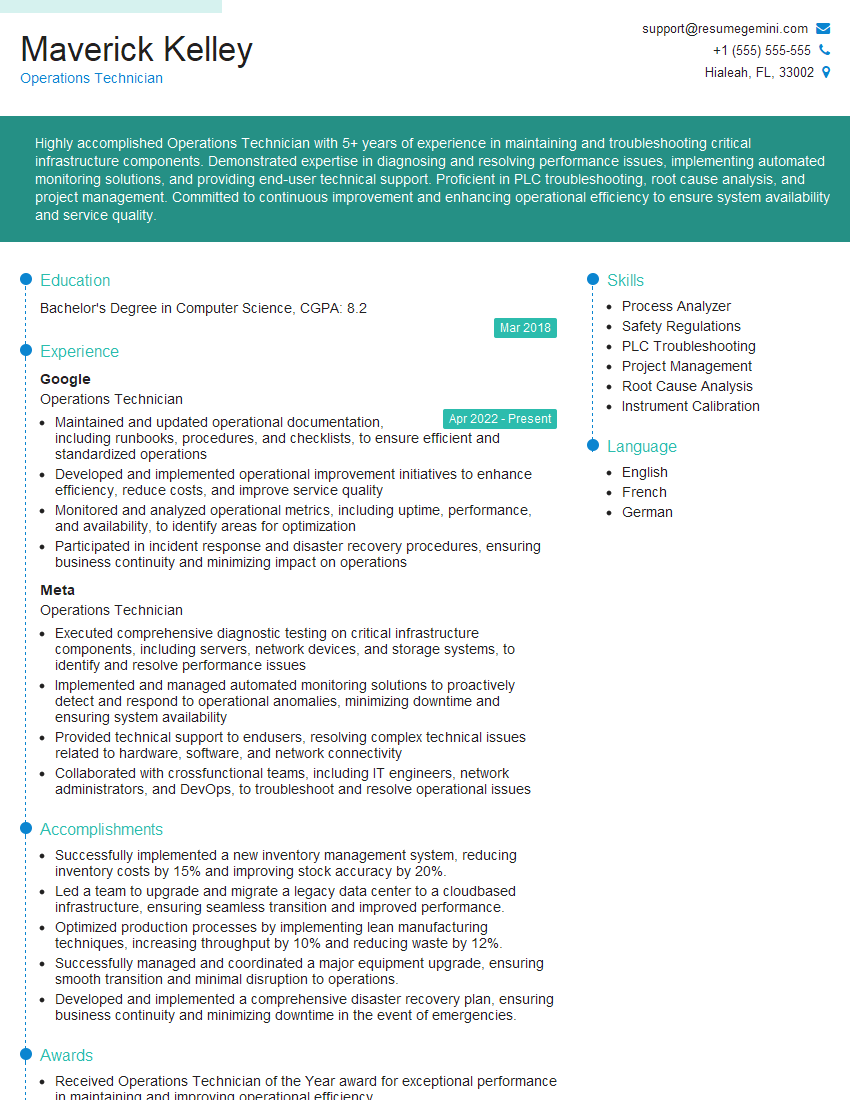
Operations Technician Resume Sample
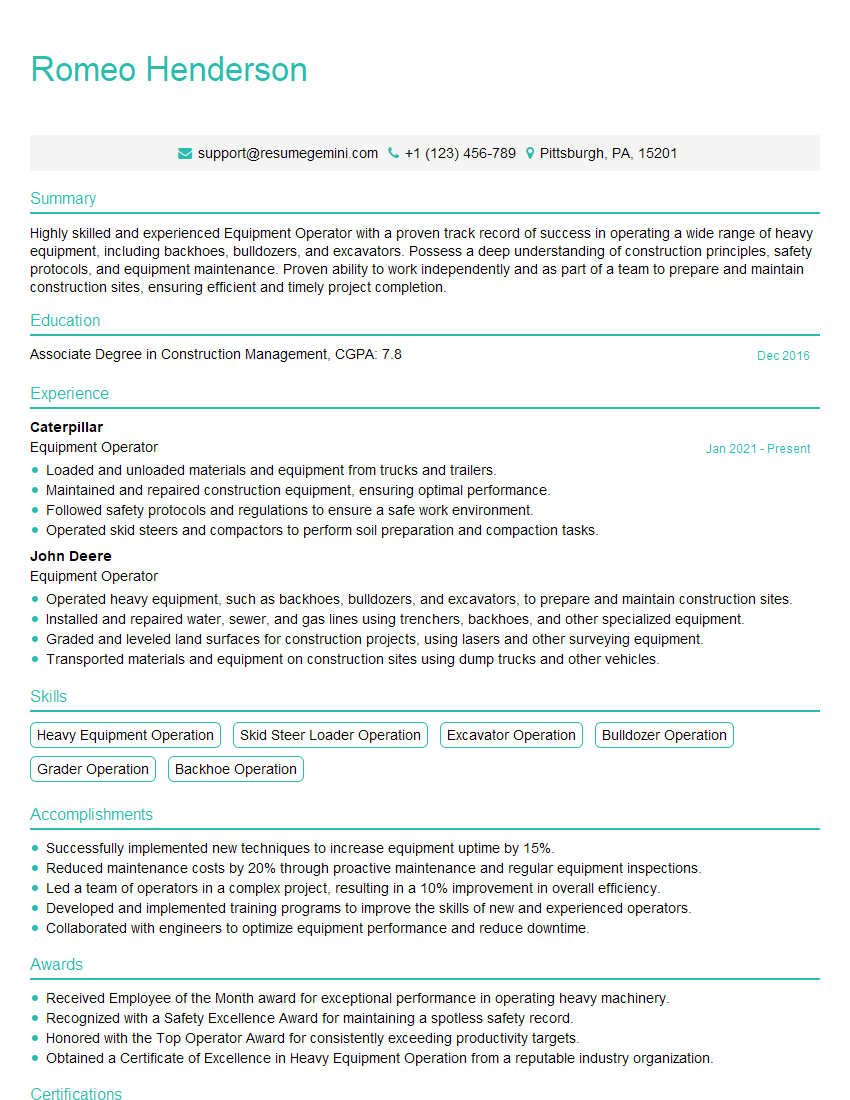
Equipment Operator Resume Sample
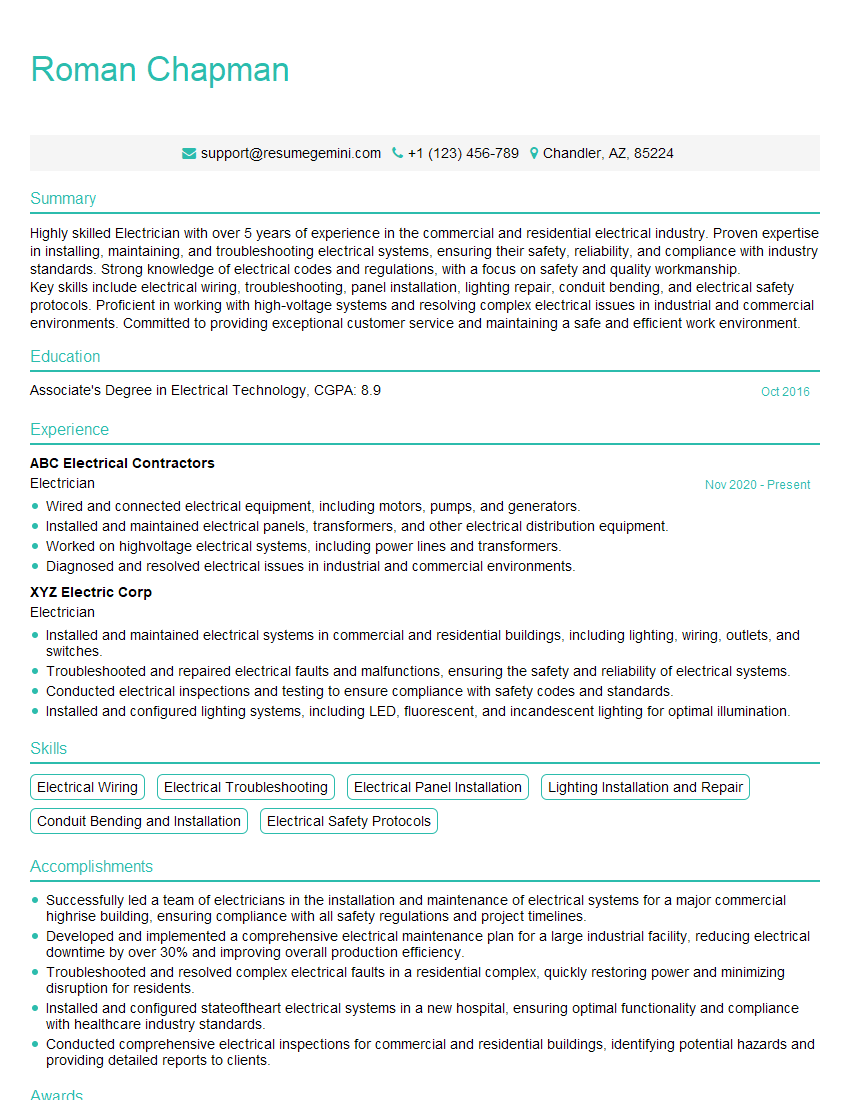
Electrician Resume Sample
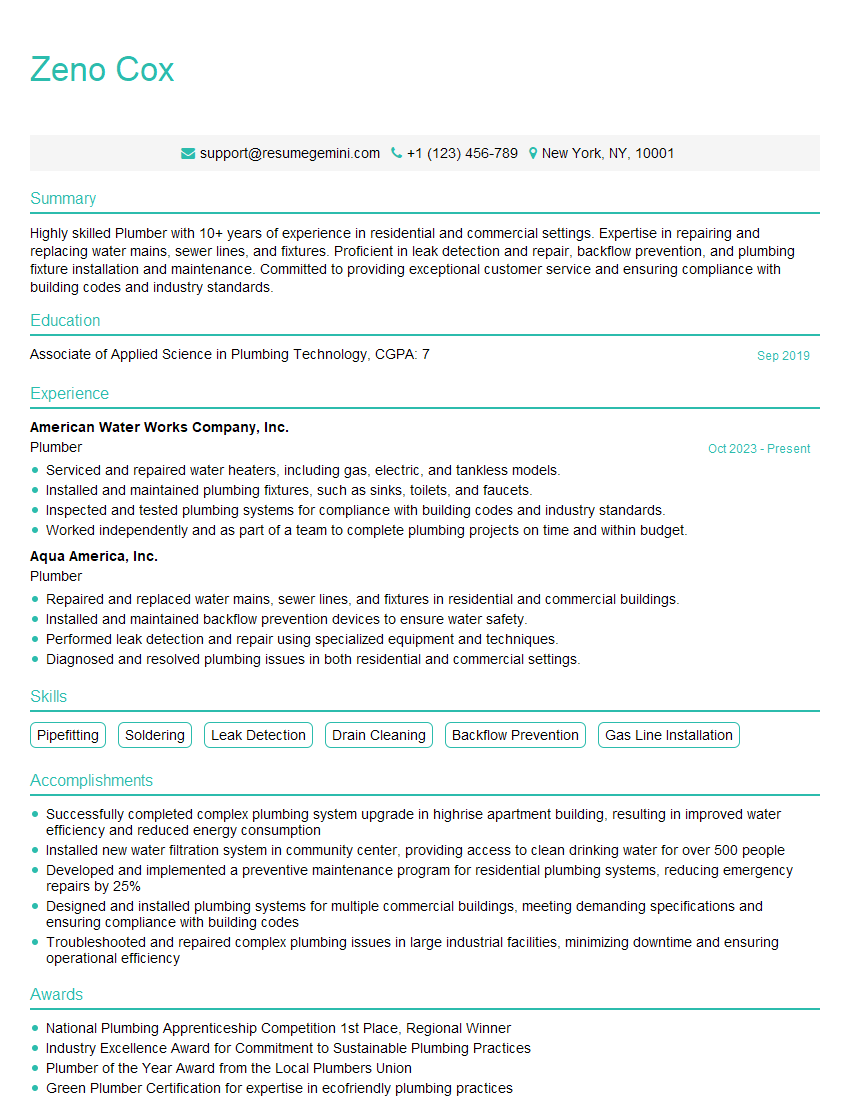
Plumber Resume Sample
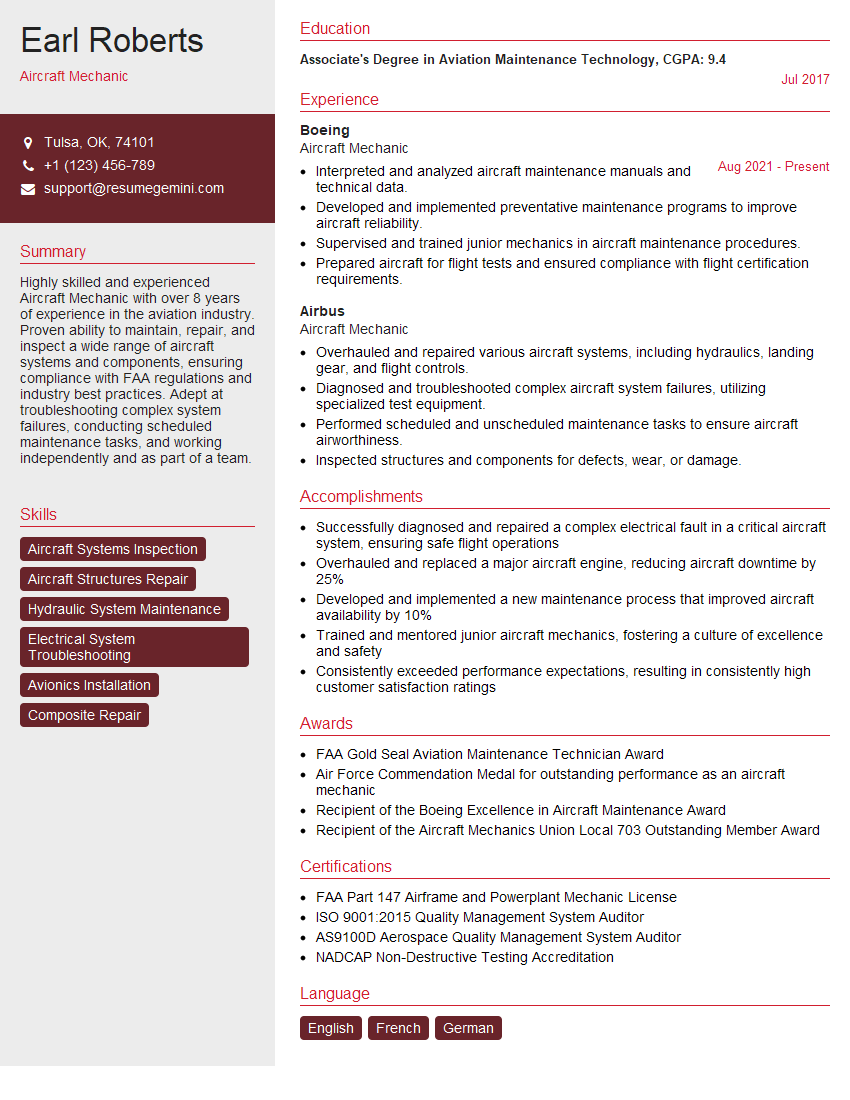
Aircraft Mechanic Resume Sample
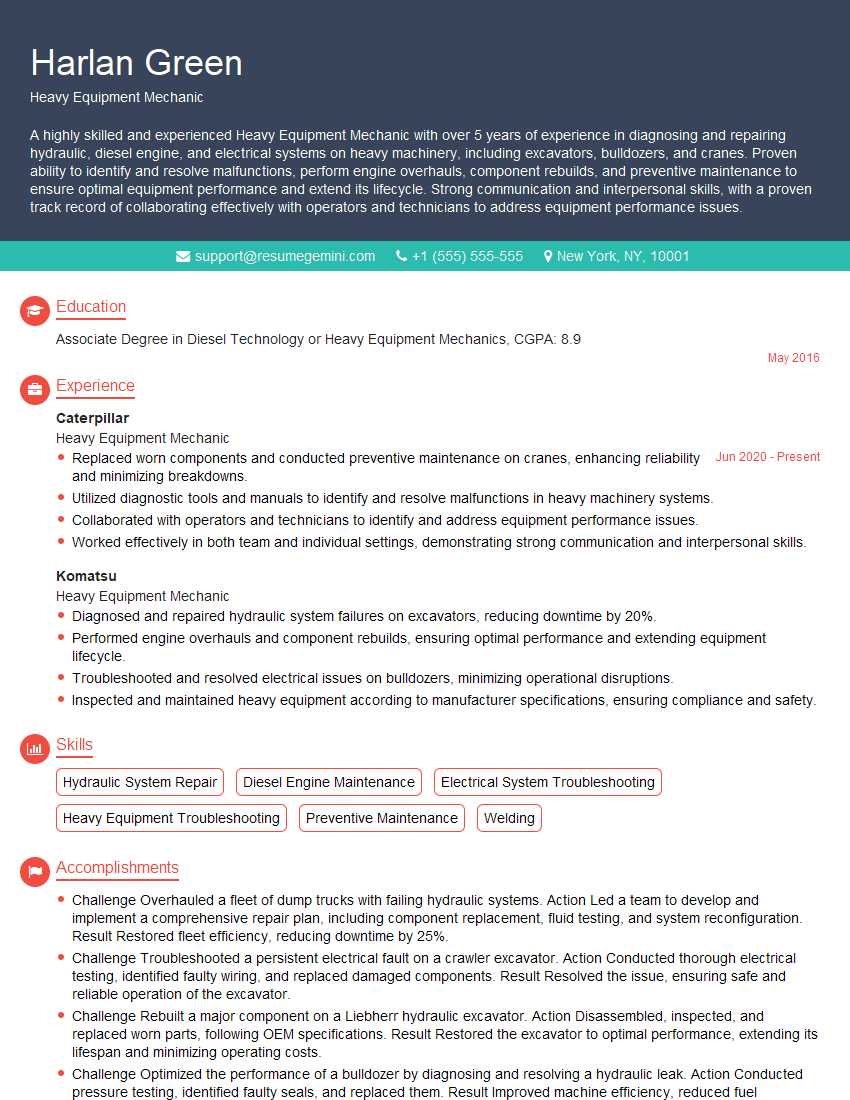
Heavy Equipment Mechanic Resume Sample
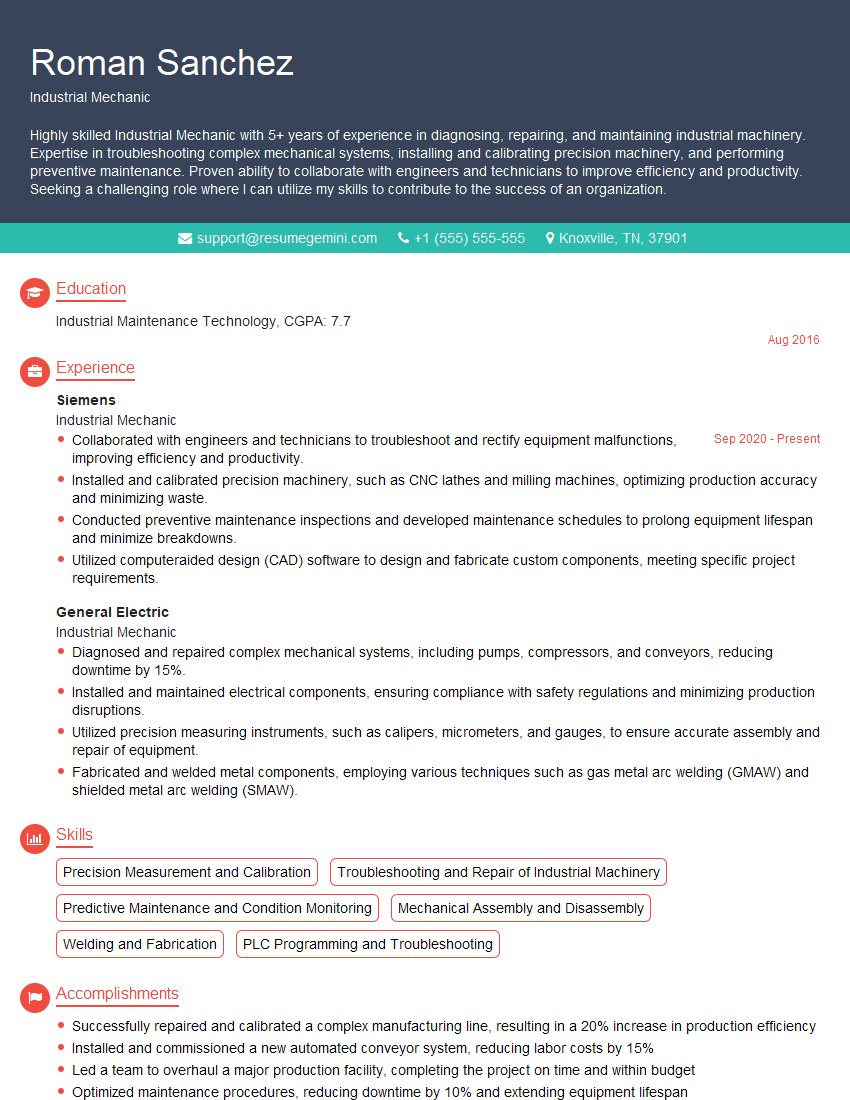
Industrial Mechanic Resume Sample
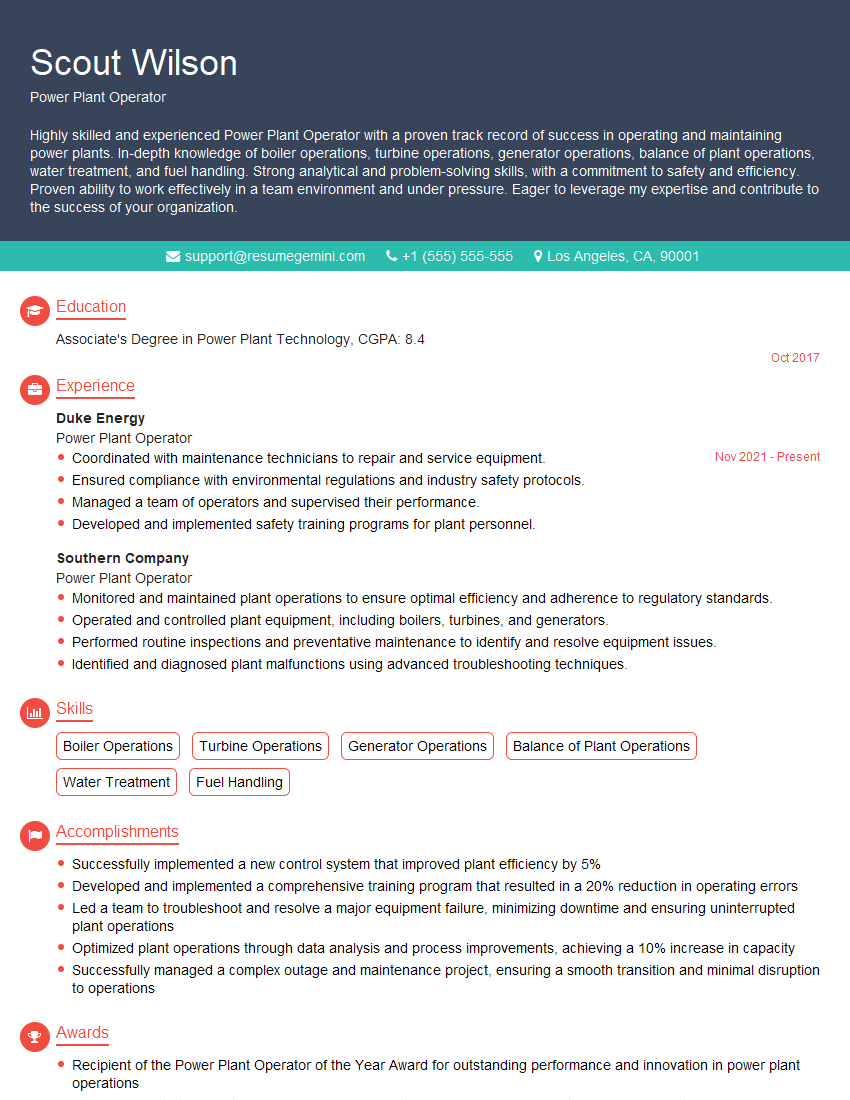
Power Plant Operator Resume Sample
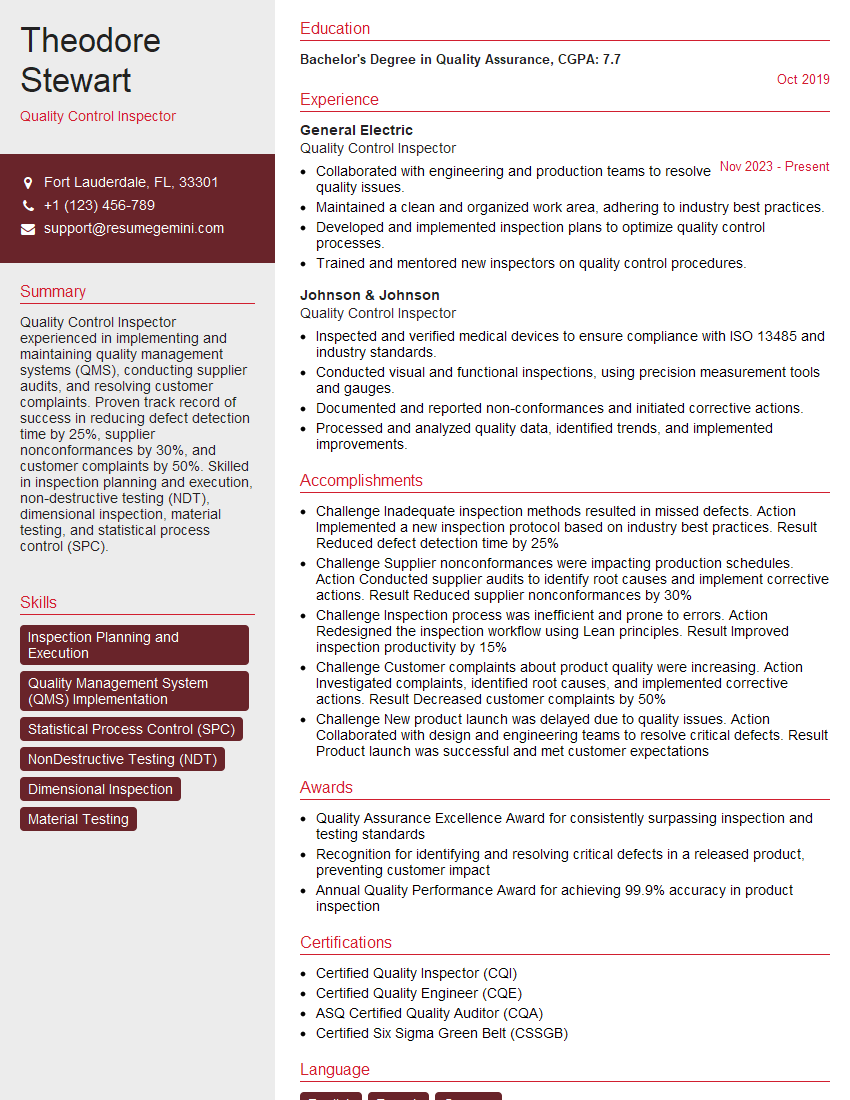
Quality Control Inspector Resume Sample
- Process Engineer
- Technical Support Specialist
- Maintenance Technician
- Surveyor
- Field Service Engineer
- Welding Engineer
- Calibration Technician
- Instrumentation Technician
- Robotics Technician
- Manufacturing Technician
- Machinist
- Laboratory Technician
- Production Technician
- Operations Technician
- Equipment Operator
- Electrician
- Plumber
- Aircraft Mechanic
- Heavy Equipment Mechanic
- Industrial Mechanic
- Power Plant Operator
- Quality Control Inspector
Explore more articles
Users Rating of Our Blogs
Share Your Experience
We value your feedback! Please rate our content and share your thoughts (optional).
What Readers Say About Our Blog
To the interviewgemini.com Webmaster.
Very helpful and content specific questions to help prepare me for my interview!
Thank you
To the interviewgemini.com Webmaster.
This was kind of a unique content I found around the specialized skills. Very helpful questions and good detailed answers.
Very Helpful blog, thank you Interviewgemini team.