Cracking a skill-specific interview, like one for Public Opinion Analysis, requires understanding the nuances of the role. In this blog, we present the questions you’re most likely to encounter, along with insights into how to answer them effectively. Let’s ensure you’re ready to make a strong impression.
Questions Asked in Public Opinion Analysis Interview
Q 1. Explain the difference between quantitative and qualitative methods in public opinion analysis.
Public opinion analysis employs both quantitative and qualitative methods to understand societal views. Quantitative methods emphasize numerical data and statistical analysis to identify trends and patterns. Think of it like measuring the temperature – you get a precise number. Qualitative methods, on the other hand, delve into the richness and depth of individual experiences and perspectives, exploring the ‘why’ behind opinions. This is like understanding the nuances of weather beyond just temperature; you consider wind, humidity, and cloud cover.
Quantitative examples include surveys with closed-ended questions (e.g., multiple-choice, Likert scales), analyzing social media sentiment using algorithms, and analyzing election results. These methods allow for broad generalizations and statistically significant findings.
Qualitative examples include focus groups, in-depth interviews, and content analysis of open-ended survey responses. These provide rich insights into underlying motivations and beliefs but are less generalizable to larger populations.
Often, a mixed-methods approach combining both quantitative and qualitative techniques offers the most comprehensive understanding of public opinion.
Q 2. Describe various sampling techniques used in public opinion research and their limitations.
Sampling techniques are crucial for obtaining representative data in public opinion research. Several methods exist, each with its own strengths and limitations:
- Probability Sampling: Every member of the population has a known, non-zero chance of being selected. This ensures a more representative sample. Examples include:
- Simple Random Sampling: Every individual has an equal chance of selection. However, it can be impractical for large populations.
- Stratified Random Sampling: The population is divided into strata (e.g., age groups, demographics), and random samples are drawn from each stratum. This ensures representation across different groups but requires prior knowledge of the population’s characteristics.
- Cluster Sampling: The population is divided into clusters (e.g., geographic areas), and a random sample of clusters is selected. This is cost-effective for large geographical areas but may lead to less precise results.
- Non-probability Sampling: The probability of selection is unknown. These are often used when probability sampling is impractical or impossible, but results are less generalizable.
- Convenience Sampling: Selecting readily available participants (e.g., surveying people at a mall). This is easy but likely to introduce bias.
- Quota Sampling: Similar to stratified sampling, but the selection within strata is not random. It ensures representation of certain characteristics but may still be biased.
- Snowball Sampling: Participants recruit other participants. This is useful for hard-to-reach populations but can lead to biased samples.
Limitations: Sampling error is inherent in any sampling method. Non-response bias occurs when selected individuals don’t participate, skewing the results. Sampling bias arises from flawed sampling techniques, leading to an unrepresentative sample.
Q 3. How do you ensure the reliability and validity of survey instruments?
Ensuring reliability and validity is paramount in survey research. Reliability refers to the consistency of the measurement; a reliable instrument produces similar results under similar conditions. Validity refers to whether the instrument measures what it is intended to measure.
Several strategies enhance reliability and validity:
- Pilot testing: Administering the survey to a small group before the main study identifies problems and allows for revisions.
- Using established scales: Employing pre-tested and validated scales (e.g., Likert scales) ensures reliability and known validity.
- Clear and unambiguous questions: Avoiding jargon and double-barreled questions ensures respondents understand the questions and answer consistently.
- Content validity: Ensuring the questions comprehensively cover the topic of interest.
- Criterion validity: Correlating survey results with other established measures of the same construct.
- Construct validity: Demonstrating that the survey measures the intended theoretical construct.
- Inter-rater reliability (for qualitative data): Ensuring multiple coders agree on the interpretation of open-ended responses.
For example, a poorly worded question about political affiliation might yield unreliable and invalid data if respondents interpret the question differently. Thorough instrument design and testing are essential for minimizing such errors.
Q 4. What are some common biases that can affect public opinion data, and how can they be mitigated?
Several biases can influence public opinion data:
- Sampling bias: A non-representative sample leads to skewed results.
- Social desirability bias: Respondents answer questions in a way they believe is socially acceptable, even if it’s not their true opinion.
- Response bias: Systematic errors in how respondents answer questions, such as acquiescence bias (agreeing with statements regardless of content).
- Interviewer bias: The interviewer’s behavior or characteristics influence the respondent’s answers.
- Question wording bias: The way questions are phrased can influence responses.
- Measurement bias: Inaccuracies in the measurement instruments themselves.
- Confirmation bias: Interpreting data to confirm pre-existing beliefs.
Mitigation strategies include careful sampling design, using anonymous surveys, training interviewers to avoid bias, pre-testing questions, using neutral language, employing multiple measures to validate findings, and being mindful of potential biases during data analysis and interpretation.
For instance, a question like ‘Do you support the unpopular tax increase?’ is likely to produce biased results compared to a neutral question about tax policies.
Q 5. How do you interpret and present findings from public opinion research to different audiences?
Interpreting and presenting findings depends heavily on the audience. For academic audiences, detailed methodological descriptions, statistical analyses, and nuanced interpretations are necessary. Reports should include limitations of the study. For policymakers, a concise summary of key findings, their implications, and policy recommendations are crucial. For the general public, clear, simple language, visuals (charts, graphs), and avoidance of jargon are essential. The message should be tailored to the audience’s knowledge level and interest.
Examples:
- Academic audience: A peer-reviewed journal article with detailed methodology and statistical analysis.
- Policymakers: A policy brief summarizing key findings and policy recommendations.
- General public: A news article or infographic presenting key findings in a clear and accessible manner.
Adapting the communication style and content to the audience’s needs ensures that findings are understood and used effectively.
Q 6. Explain the concept of margin of error in public opinion polls.
The margin of error in public opinion polls indicates the uncertainty associated with the estimate of the population parameter. It represents the range within which the true population value likely falls, given the sample size and sampling method. A larger margin of error indicates greater uncertainty.
For example, a poll might report that 60% of voters support a candidate, with a margin of error of ±3%. This means the true percentage of voters supporting the candidate likely lies between 57% (60% – 3%) and 63% (60% + 3%). The margin of error is typically calculated using statistical formulas that consider sample size and the sampling distribution. Larger sample sizes generally result in smaller margins of error.
Q 7. Describe the process of designing a survey questionnaire for a specific research question.
Designing a survey questionnaire requires a systematic approach:
- Define the research question: Clearly articulate the specific question the survey aims to answer. What information needs to be gathered?
- Identify the target population: Who is the survey intended for? This informs sampling strategy.
- Develop questions: Choose question types (open-ended, closed-ended, Likert scales) appropriate to the research question and target audience. Avoid leading questions, jargon, and double-barreled questions. Pilot test questions to ensure clarity.
- Determine the survey mode: Online, phone, mail, in-person? Each has advantages and disadvantages.
- Develop a questionnaire layout: Organize questions logically, use clear instructions, and include demographic information as needed.
- Pre-test the questionnaire: Administer the survey to a small test group to identify and correct any problems.
- Refine the questionnaire: Based on pre-test results, make any necessary revisions to improve clarity, flow, and accuracy.
- Obtain ethical approval (if required): Ensure the study complies with ethical guidelines.
Example: If the research question is ‘What are the public’s opinions on a proposed new park?’, the questionnaire would include questions about park features (e.g., playgrounds, walking trails), usage frequency, willingness to pay for park upkeep, and demographic information.
Q 8. How do you analyze open-ended survey responses?
Analyzing open-ended survey responses requires a multi-step approach that blends qualitative and quantitative techniques. It’s not simply about counting word frequencies; it’s about uncovering underlying themes and sentiments. The process typically involves:
Data Cleaning: This initial step involves removing irrelevant data, such as incomplete or unintelligible responses. We might use regular expressions (regex) to standardize certain inputs.
Coding: Here, we identify recurring themes and assign codes to categorize responses. For example, in a survey about customer satisfaction, responses expressing dissatisfaction with customer service might be coded under the theme “Customer Service Issues.” This coding scheme might be developed using a priori categories based on the research objectives or through iterative thematic analysis, allowing new categories to emerge from the data itself.
Frequency Analysis: Once responses are coded, we count the frequency of each code. This helps to understand which themes are most prevalent. For instance, a high frequency of responses coded under “Long wait times” indicates that customers are particularly concerned about wait times.
Qualitative Analysis: Beyond frequencies, we examine the nuances within responses for each code. This involves reading a representative sample of responses belonging to each code category to understand the different perspectives and contexts. For example, while many responses fall under “Customer Service Issues,” some might express frustration with specific staff, while others might point to systemic issues.
Reporting: The findings are presented in a clear and concise manner, often using visuals like charts and graphs showing the distribution of codes and providing representative quotes from the survey responses illustrating the themes.
Software like NVivo or Atlas.ti can greatly assist with this process, enabling efficient coding, searching, and analysis of qualitative data.
Q 9. What are the ethical considerations in conducting public opinion research?
Ethical considerations in public opinion research are paramount. Maintaining integrity and respecting participants are crucial. Key ethical aspects include:
Informed Consent: Participants must understand the purpose of the research, how their data will be used, and their right to withdraw at any time. This requires clear and accessible communication, especially with vulnerable populations.
Anonymity and Confidentiality: Protecting the identity and privacy of respondents is critical. Data should be anonymized wherever possible and stored securely, adhering to relevant data protection regulations.
Avoiding Bias: Researchers should strive for objectivity in questionnaire design, sampling methods, and data analysis. Bias can influence results and lead to misinterpretations of public opinion.
Transparency and Replication: Research methods and results should be transparent and clearly documented to allow for potential replication by other researchers. This promotes accountability and validation.
Data Security: Implementing appropriate security measures to protect the collected data from unauthorized access and breaches is crucial. This includes secure storage, access control, and data encryption.
Responsible Reporting: Findings should be interpreted and reported accurately and responsibly, avoiding sensationalism or misrepresentation.
Ignoring these ethical considerations can damage trust, lead to inaccurate conclusions, and have serious consequences for individuals and communities.
Q 10. How do you use statistical software (e.g., SPSS, R) to analyze public opinion data?
Statistical software like SPSS and R are indispensable tools for analyzing public opinion data. They enable efficient management, cleaning, and analysis of large datasets.
SPSS: Offers a user-friendly interface, making it ideal for those new to statistical analysis. It’s particularly strong in descriptive statistics, such as calculating means, standard deviations, and frequencies. For example, you can easily create cross-tabulations to examine the relationship between different variables.
CROSSTABS gender BY political_affiliationis a basic SPSS command to see the relationship between gender and political affiliation.R: A more powerful and flexible open-source program, R provides greater control and allows for more complex statistical models. Its strength lies in its extensive libraries (packages) providing advanced statistical techniques like regression analysis, factor analysis, and text mining. For instance, the
ggplot2package is invaluable for creating high-quality visualizations.
Both SPSS and R can handle various data formats, including survey data exported from platforms like Qualtrics or SurveyMonkey. The choice depends on the complexity of analysis required and user expertise. For simple descriptive analyses, SPSS might suffice, while for advanced modelling and custom analyses, R is often preferred.
Q 11. Discuss the impact of social media on public opinion formation.
Social media has profoundly impacted public opinion formation, both positively and negatively. Its influence stems from its ability to rapidly disseminate information and facilitate communication on an unprecedented scale.
Echo Chambers and Filter Bubbles: Algorithms often curate content based on user preferences, creating echo chambers where individuals are primarily exposed to information reinforcing their existing beliefs. This can limit exposure to diverse perspectives and polarize opinions.
Spread of Misinformation: The speed and reach of social media make it a breeding ground for misinformation and propaganda. False or misleading information can quickly spread widely, influencing public perception and potentially impacting policy decisions.
Increased Political Polarization: Social media can amplify existing divisions within society, fostering polarization and making constructive dialogue more difficult.
Mobilization and Social Movements: Conversely, social media can also be a powerful tool for mobilizing support for social movements and causes. It allows for quick dissemination of information and enables rapid organization of protests and demonstrations.
Direct Engagement with Political Figures: Social media allows citizens to directly engage with political leaders and candidates, providing a platform for feedback and public scrutiny.
Understanding the complex interplay between social media and public opinion requires careful analysis of the information landscape, algorithms, and user behavior.
Q 12. Explain the difference between descriptive and inferential statistics in the context of public opinion research.
In public opinion research, descriptive and inferential statistics serve distinct but complementary purposes:
Descriptive Statistics: These summarize and describe the characteristics of a dataset. They don’t make inferences about a larger population. Examples include measures of central tendency (mean, median, mode), measures of dispersion (standard deviation, variance), and frequencies. For example, descriptive statistics might tell us the average age of respondents or the percentage of respondents supporting a particular policy.
Inferential Statistics: These go beyond describing the sample data and allow researchers to make inferences about a larger population from which the sample was drawn. This involves techniques like hypothesis testing, confidence intervals, and regression analysis. For example, inferential statistics could be used to determine if the level of support for a policy in the sample is statistically significant, and can be generalized to the whole population.
Imagine a survey about public opinion on a new law. Descriptive statistics might show that 60% of the respondents in the sample support the law. Inferential statistics would help determine the margin of error and whether this 60% represents a truly significant level of support in the wider population.
Q 13. How do you identify and address potential response bias in surveys?
Response bias in surveys refers to systematic errors introduced due to the way questions are asked, the way respondents answer, or the sampling methods employed. Identifying and addressing these biases is critical for obtaining accurate results.
Sampling Bias: Occurs when the sample doesn’t accurately represent the population. For example, an online survey may overrepresent younger internet users.
Question Bias: Leading questions or poorly worded questions can influence responses. For example, a question like “Don’t you agree that…” subtly encourages agreement.
Response Bias: Respondents may give socially desirable answers or tend to answer in a particular way (e.g., always agreeing).
Non-response Bias: Occurs when certain segments of the population are less likely to participate, leading to unrepresentative samples.
Addressing response bias requires careful survey design, including:
Probability Sampling: Techniques like random sampling ensure every member of the population has an equal chance of being selected, minimizing sampling bias.
Neutral Question Wording: Questions should be clear, concise, and unbiased, avoiding leading questions or loaded language.
Pre-testing: Pilot testing the survey on a small group helps identify and correct potential problems with question wording or survey flow.
Weighting: Adjusting the sample data to account for differences in representation of population subgroups can mitigate sampling biases.
Multiple Methods: Combining survey data with other data sources (e.g., observational data) can help validate findings and identify potential biases.
Q 14. What are some common challenges in conducting cross-cultural public opinion research?
Cross-cultural public opinion research presents unique challenges due to differences in language, culture, and societal norms. These challenges include:
Language Barriers: Accurate translation of survey instruments is crucial to avoid misinterpretations and ensure the meaning is consistent across languages. Back-translation (translating back to the original language) is often used to check accuracy.
Cultural Differences: Concepts and attitudes may differ across cultures, making it challenging to develop universally applicable survey questions. What’s considered acceptable behavior or opinion in one culture might not be in another. For instance, levels of political engagement differ greatly among nations.
Sampling Difficulties: Access to representative samples can be more challenging in some cultures, particularly in less developed countries or regions with limited infrastructure.
Response Rates: Cultural norms might affect response rates. For example, some cultures might be more hesitant to participate in surveys or share personal opinions.
Interpreting Results: Cultural context is crucial when interpreting results. Statistical significance doesn’t always equate to practical or cultural significance.
Overcoming these challenges requires careful planning, collaboration with local researchers, and sensitivity to cultural nuances. Employing qualitative methods alongside quantitative methods can provide richer insights.
Q 15. How do you measure public opinion on complex or controversial issues?
Measuring public opinion on complex issues requires a multi-faceted approach. We can’t simply ask a single question and expect a nuanced understanding. Instead, we use a combination of techniques to capture the complexity.
- Structured Surveys: These use carefully worded questions with pre-defined response options (e.g., Likert scales) to gauge intensity of feeling. For complex topics, we might employ multiple questions to explore different facets of the issue. For example, to understand opinion on climate change, we might ask about the reality of climate change, its severity, and preferred solutions separately.
- Qualitative Methods: Focus groups and in-depth interviews allow for exploration of underlying reasons and beliefs. This helps unpack the ‘why’ behind survey responses. We can probe for deeper understanding of why someone holds a particular opinion on, say, healthcare reform.
- Text Analysis: Analyzing social media posts, news articles, and online forums can reveal public sentiment. Natural Language Processing (NLP) techniques help categorize and quantify opinions expressed in unstructured text data. We might analyze Twitter feeds to gauge public reaction to a new policy announcement.
- Experimental Designs: These manipulate information presented to participants to understand how different frames or messages influence opinion. For instance, we might test different communication strategies to see which most effectively motivates support for a public health campaign.
Combining these methods allows for a richer, more complete picture of public opinion than any single method alone.
Career Expert Tips:
- Ace those interviews! Prepare effectively by reviewing the Top 50 Most Common Interview Questions on ResumeGemini.
- Navigate your job search with confidence! Explore a wide range of Career Tips on ResumeGemini. Learn about common challenges and recommendations to overcome them.
- Craft the perfect resume! Master the Art of Resume Writing with ResumeGemini’s guide. Showcase your unique qualifications and achievements effectively.
- Don’t miss out on holiday savings! Build your dream resume with ResumeGemini’s ATS optimized templates.
Q 16. Describe your experience with different data visualization techniques for public opinion data.
Data visualization is crucial for communicating findings effectively. I’ve extensive experience with various techniques, tailored to the specific data and audience.
- Bar Charts and Pie Charts: Excellent for showing proportions of opinion on specific issues. For example, a pie chart could effectively display the percentage of people supporting, opposing, or being neutral on a particular political candidate.
- Line Graphs: Illustrate changes in opinion over time, perhaps tracking public sentiment on an issue before and after a major event.
- Word Clouds: Visually represent the most frequently used words or phrases in qualitative data, highlighting key themes and sentiments. This is useful to quickly grasp the core concepts discussed in focus group transcripts.
- Network Graphs: Can map relationships between different opinions or actors. This might be used to understand how different groups are clustered based on their views on a societal issue.
- Interactive Dashboards: Allow users to explore data dynamically, filtering and drilling down to specific segments of the population. These dashboards are beneficial for presenting complex data in an accessible manner for a non-technical audience.
The choice of visualization technique depends entirely on the research question and the nature of the data. I always prioritize clarity and accessibility in my visualizations, aiming to convey insights quickly and accurately.
Q 17. How do you evaluate the credibility and trustworthiness of different public opinion sources?
Evaluating the credibility of public opinion sources is paramount. I follow a rigorous process:
- Methodology Transparency: A reputable source will clearly explain its sampling methods, survey questions, and data analysis techniques. Vague or missing information should raise red flags.
- Sample Representativeness: The sample should accurately reflect the population being studied. A biased sample (e.g., oversampling a particular demographic) will lead to inaccurate conclusions. I always examine sample size and weighting techniques.
- Source Reputation and Funding: The reputation of the organization conducting the poll and its funding sources are crucial. Organizations known for political bias should be treated with caution.
- Margin of Error and Confidence Interval: Every reputable poll includes these metrics, indicating the accuracy of the results. A large margin of error suggests less precision.
- Peer Review and Replication: Studies published in peer-reviewed journals have undergone scrutiny, strengthening their credibility. The possibility of replicating a study enhances confidence in its findings.
By systematically examining these factors, I can make informed judgments about the trustworthiness of different public opinion sources, avoiding potential biases and inaccuracies.
Q 18. Explain the concept of framing effects in public opinion.
Framing effects refer to how the way an issue is presented (the ‘frame’) influences public opinion. Even seemingly minor changes in wording can significantly affect responses.
For example, consider the issue of gun control. A frame emphasizing public safety might focus on the number of gun-related deaths, potentially leading to greater support for stricter regulations. Conversely, a frame emphasizing individual rights might focus on the Second Amendment, potentially leading to less support for restrictions.
Understanding framing effects is critical because it highlights the malleability of public opinion and the potential for manipulation. Researchers should carefully consider the potential impact of framing on their study design and interpretation of results. This often involves testing multiple frames to see how they impact public opinion.
Q 19. How do you account for non-response bias in public opinion surveys?
Non-response bias occurs when those who respond to a survey differ systematically from those who don’t. This can skew results, leading to inaccurate conclusions.
Several strategies mitigate non-response bias:
- Maximize Response Rates: Employing multiple modes of contact (e.g., phone, mail, online), offering incentives, and keeping surveys short and easy to complete can increase response rates, thereby reducing the potential for bias.
- Weighting: Statistically adjusting the data to account for differences between respondents and the broader population. This requires having access to population data to compare against the characteristics of those who responded to the survey.
- Non-response Analysis: Investigating the characteristics of non-respondents to understand potential sources of bias. For example, if we discover that a particular age group has a lower response rate, we can explore reasons for this and assess the impact on our analysis.
- Imputation: Using statistical techniques to estimate values for missing data, but this must be done carefully to avoid introducing further bias.
By combining these techniques, researchers can reduce the impact of non-response bias and produce more accurate estimates of public opinion.
Q 20. Describe the importance of data cleaning and pre-processing in public opinion analysis.
Data cleaning and pre-processing are essential for ensuring the accuracy and reliability of public opinion analysis. It’s like preparing ingredients before cooking a meal – you need the right ingredients in the right state to create a quality outcome.
Key steps include:
- Handling Missing Data: Identifying and addressing missing values, either by removing incomplete cases or using imputation techniques. Simple removal might create bias if missingness is not random.
- Outlier Detection and Treatment: Identifying and dealing with extreme values that might distort results. These might be genuine responses or data entry errors, so careful investigation is required before removal or replacement.
- Data Transformation: Modifying variables to improve their suitability for analysis. This might involve recoding categorical variables or transforming skewed continuous variables.
- Consistency Checks: Verifying data for inconsistencies or errors, for instance, checking for age entries that are biologically impossible or comparing responses across related questions for incongruities.
- Data Validation: Cross-checking data against external sources to confirm accuracy and consistency. This could involve comparing survey results with official census data to check for discrepancies.
Thorough data cleaning and pre-processing are crucial for ensuring that the subsequent analysis produces reliable and meaningful results.
Q 21. How do you develop a research proposal for a public opinion study?
Developing a strong research proposal is the foundation of any successful public opinion study. It needs to clearly articulate the research question, methodology, and anticipated outcomes.
My approach involves:
- Defining the Research Question: Clearly state the specific question(s) the study aims to answer. The question should be focused and measurable. For example, instead of asking broadly about public support for education, a better question would be, ‘What is the level of support among parents in urban areas for increased funding of public schools?’
- Literature Review: Summarize existing research on the topic, identifying gaps in knowledge that the study will address. This demonstrates that the research is relevant and builds on prior work.
- Methodology: Detail the data collection methods (e.g., surveys, experiments, text analysis), sampling strategy, and data analysis plan. This section must explicitly justify the methodological choices.
- Timeline and Budget: Provide a realistic timeline for completing the research, including data collection, analysis, and report writing. A detailed budget outlining all anticipated expenses is also crucial.
- Ethical Considerations: Address any ethical concerns related to the research, such as informed consent, data privacy, and potential biases. This is particularly relevant when dealing with sensitive topics.
- Dissemination Plan: Outline how the research findings will be disseminated, whether through publications, presentations, or reports. This plan shows that the work has intended impact beyond the research itself.
A well-written research proposal increases the likelihood of securing funding and ensures that the study is well-designed and ethically sound.
Q 22. How do you interpret correlation and causation in public opinion data?
In public opinion analysis, it’s crucial to differentiate between correlation and causation. Correlation simply means two variables move together – when one changes, the other tends to change as well. Causation, however, implies that one variable directly *causes* a change in the other. Just because two things correlate doesn’t mean one causes the other; there could be a third, unseen factor influencing both.
Example: Imagine a poll shows a strong correlation between ice cream sales and crime rates. It might seem like ice cream causes crime, but this is unlikely. The real cause is likely the summer heat; higher temperatures lead to increased ice cream sales *and* increased opportunities for crime.
To establish causation, we need more than correlation. We need to demonstrate a plausible mechanism linking the variables, control for other factors (confounding variables), and ideally, conduct experiments to isolate the effect of one variable on another. In public opinion research, this often involves sophisticated statistical techniques and careful consideration of context.
Q 23. Explain the limitations of using public opinion polls to predict future events.
Public opinion polls are snapshots in time, and predicting the future based solely on them is inherently risky. Several limitations exist:
- Sampling Error: Polls are based on samples of the population, not the entire population. Even with careful sampling techniques, there’s always a margin of error.
- Response Bias: People may not answer honestly, or certain groups may be underrepresented in the sample, leading to biased results.
- Question Wording: Slight changes in question wording can dramatically affect responses. This is why survey design is crucial.
- Unforeseen Events: Major events (e.g., a natural disaster, a political scandal) can dramatically shift public opinion between the time of the poll and the future event being predicted.
- Changes in Public Opinion: Public opinion is dynamic; it’s not static and can change rapidly due to various factors.
While polls can be valuable indicators of current sentiment, they should be used cautiously when predicting future outcomes. It’s best to consider them in conjunction with other forms of data and analysis.
Q 24. Discuss the role of public opinion analysis in policy making.
Public opinion analysis plays a vital role in policy-making by providing policymakers with insights into what the public thinks, feels, and wants. This information helps to:
- Shape Policy Agendas: Understanding public priorities guides policymakers in determining which issues to focus on.
- Develop Effective Policies: Knowing public preferences can help craft policies that are more likely to be accepted and supported.
- Assess Policy Impacts: Tracking public opinion before, during, and after a policy is implemented helps evaluate its success and make necessary adjustments.
- Enhance Public Engagement: Transparency in using public opinion data can increase public trust and improve the effectiveness of government communication.
Example: Before implementing a new environmental regulation, policymakers might conduct surveys to gauge public support for the policy and identify potential concerns. This can help tailor the policy to achieve better public acceptance and cooperation.
Q 25. How do you use regression analysis to examine relationships between variables in public opinion data?
Regression analysis is a powerful statistical technique used to examine relationships between variables. In public opinion data, it helps us understand how changes in one variable are associated with changes in another. For example, we might use regression to explore the relationship between age and support for a particular political candidate.
The simplest form is linear regression, where we model the relationship as a straight line. The equation is typically represented as: Y = β0 + β1X + ε, where:
Yis the dependent variable (e.g., level of support).Xis the independent variable (e.g., age).β0is the intercept (the value of Y when X is 0).β1is the slope (the change in Y for a one-unit change in X).εis the error term (accounts for variation not explained by X).
More complex regression models (multiple regression) can include multiple independent variables, allowing us to control for confounding factors and gain a more nuanced understanding of the relationships.
Statistical software packages like R or SPSS are typically used to perform these analyses.
Q 26. Describe the different types of survey modes (e.g., phone, online, in-person) and their strengths and weaknesses.
Different survey modes have varying strengths and weaknesses:
- Phone Surveys:
- Strengths: Relatively high response rates compared to online surveys, ability to use more complex questions, can verify respondent identity.
- Weaknesses: Expensive, time-consuming, declining participation rates, geographic limitations.
- Online Surveys:
- Strengths: Cost-effective, fast data collection, large geographic reach, use of visual aids.
- Weaknesses: Potential for sampling bias (limited access to internet), lower response rates, difficulty in verifying respondent identity.
- In-Person Surveys:
- Strengths: High response rates, opportunity for probing and clarification, ability to observe nonverbal cues.
- Weaknesses: Most expensive and time-consuming, geographic limitations, potential for interviewer bias.
The choice of survey mode depends on budget, research objectives, target population, and the desired level of accuracy.
Q 27. How do you manage large datasets in public opinion research?
Managing large public opinion datasets requires efficient data management strategies:
- Data Cleaning: Addressing missing data, inconsistencies, and errors is crucial before analysis.
- Data Storage: Utilizing database management systems (e.g., SQL) or specialized statistical software is essential for efficient storage and retrieval.
- Data Transformation: This involves cleaning, converting, and recoding variables to prepare them for analysis.
- Data Visualization: Using software like R or Python with libraries like ggplot2 or matplotlib allows for clear and concise representation of complex datasets.
- Statistical Software: R, SPSS, STATA, and SAS are commonly used for analysis of large datasets, offering various tools for managing and analyzing the data effectively.
Often, a combination of these strategies is employed for optimal results.
Q 28. Explain the importance of using clear and concise language when communicating public opinion findings.
Clear and concise communication of public opinion findings is crucial for ensuring the information is understood and used effectively by policymakers, the media, and the public. Using jargon-free language, focusing on key findings, and using effective visualizations are essential.
Example: Instead of saying, “The results indicate a statistically significant positive correlation between respondent age and support for the proposed legislation (p < 0.05),” it's better to say, “Older people are more likely to support the proposed law.”
Effective communication requires careful consideration of the audience and the context. It’s crucial to avoid misinterpretations and present the information in a way that is accessible and engaging for everyone.
Key Topics to Learn for Your Public Opinion Analysis Interview
- Survey Methodology: Understand sampling techniques, questionnaire design, data collection methods, and potential biases influencing results. Consider the practical application of different sampling methods in various contexts (e.g., online vs. in-person surveys).
- Data Analysis Techniques: Master descriptive statistics, inferential statistics, and data visualization methods used to interpret public opinion data. Practice applying these techniques to identify trends, correlations, and significant findings.
- Qualitative Data Analysis: Explore methods for analyzing qualitative data like focus group transcripts or open-ended survey responses, including thematic analysis and content analysis. Consider how qualitative data can enrich quantitative findings.
- Public Opinion Formation Theories: Familiarize yourself with key theories such as the spiral of silence, agenda-setting, framing effects, and cultivation theory. Understand how these theories explain the formation and evolution of public opinion.
- Ethical Considerations: Understand the ethical implications of conducting public opinion research, including informed consent, data privacy, and responsible reporting of findings. Be prepared to discuss scenarios requiring ethical decision-making.
- Political Communication & Public Opinion: Explore the relationship between political messaging and shifts in public opinion. Consider the role of media, social media, and political campaigns in shaping public discourse.
- Predictive Modeling & Forecasting: If applicable to the specific role, explore the use of statistical modeling to predict future trends in public opinion based on past data and current events.
Next Steps: Unlock Your Career Potential
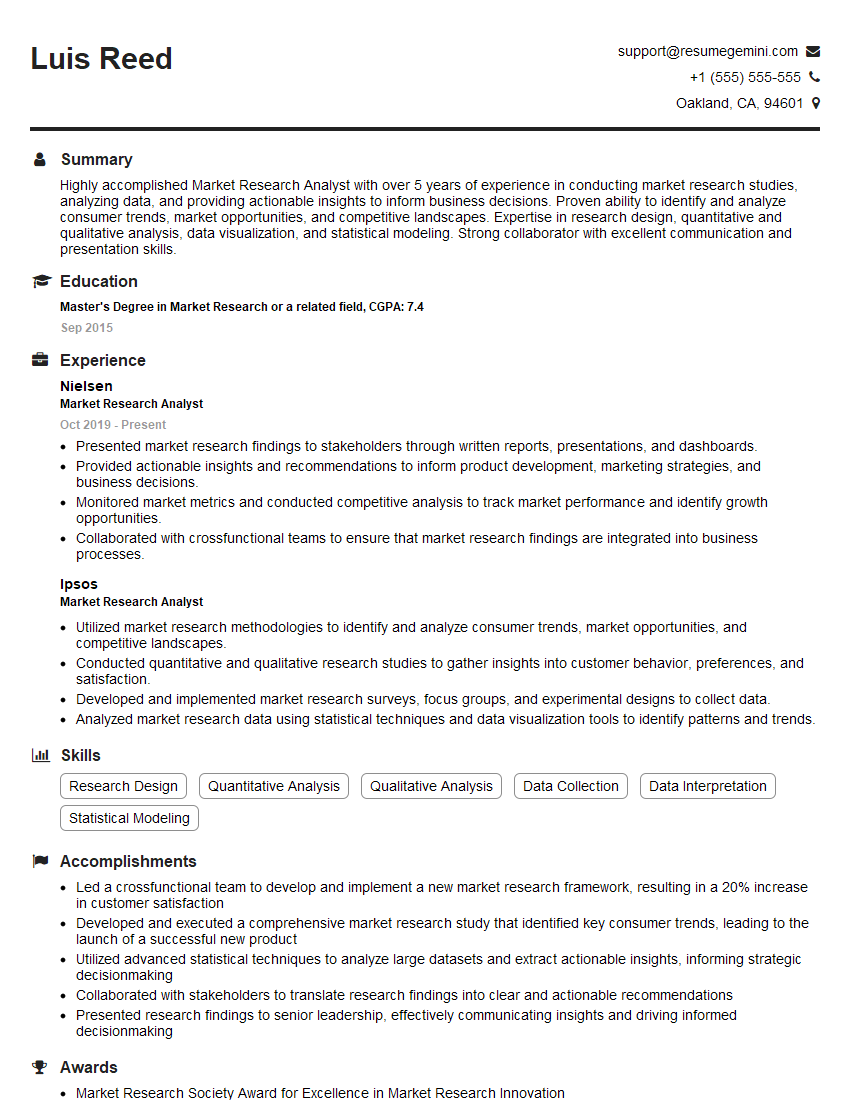
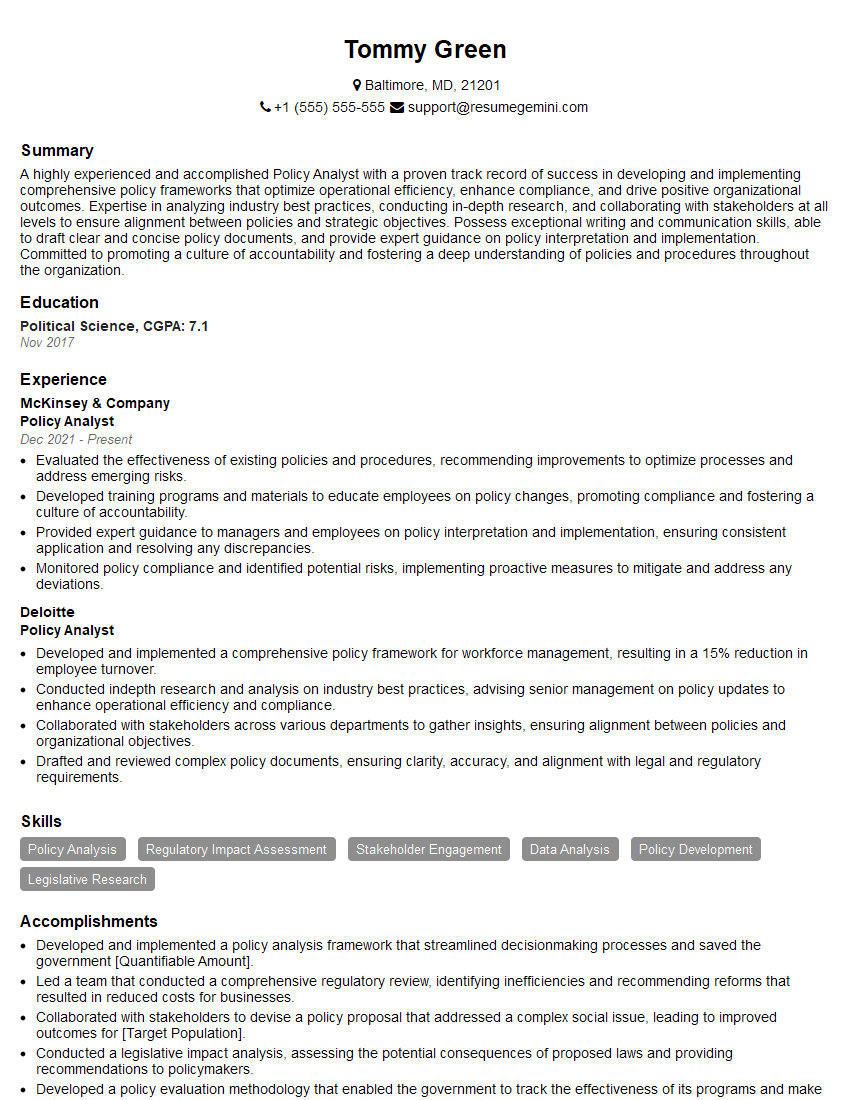
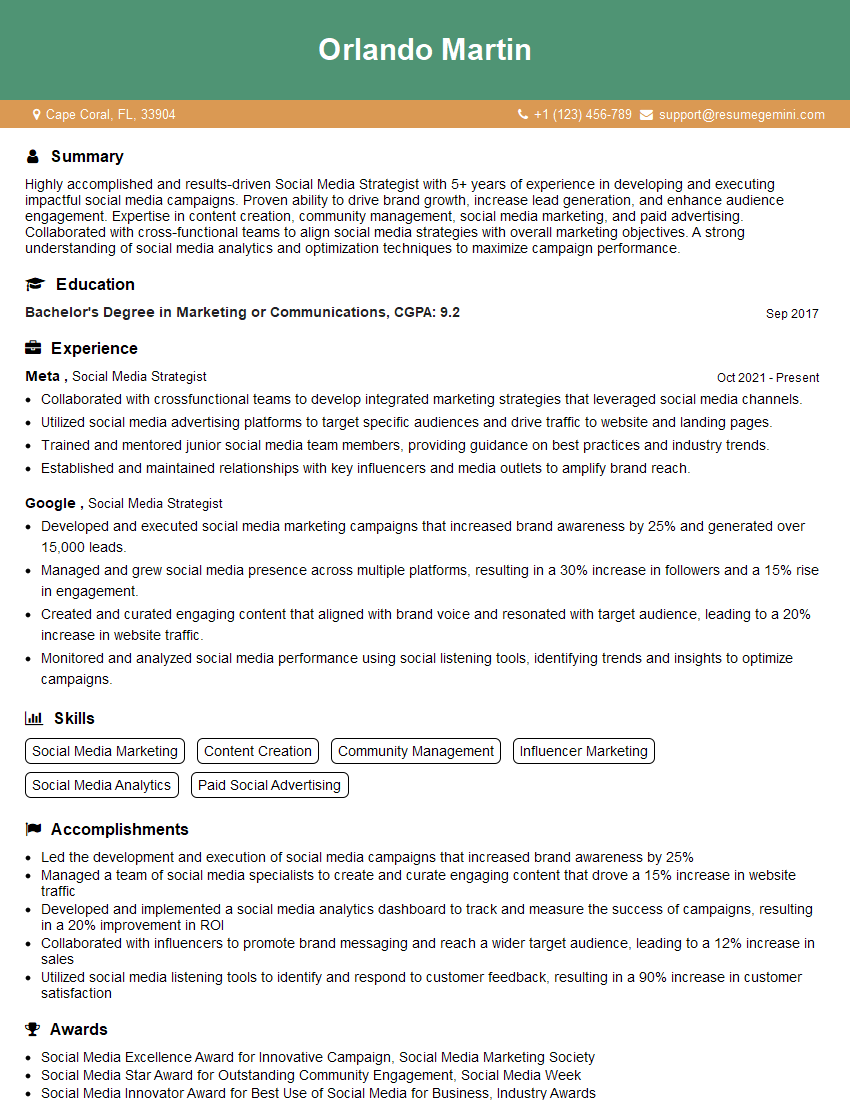
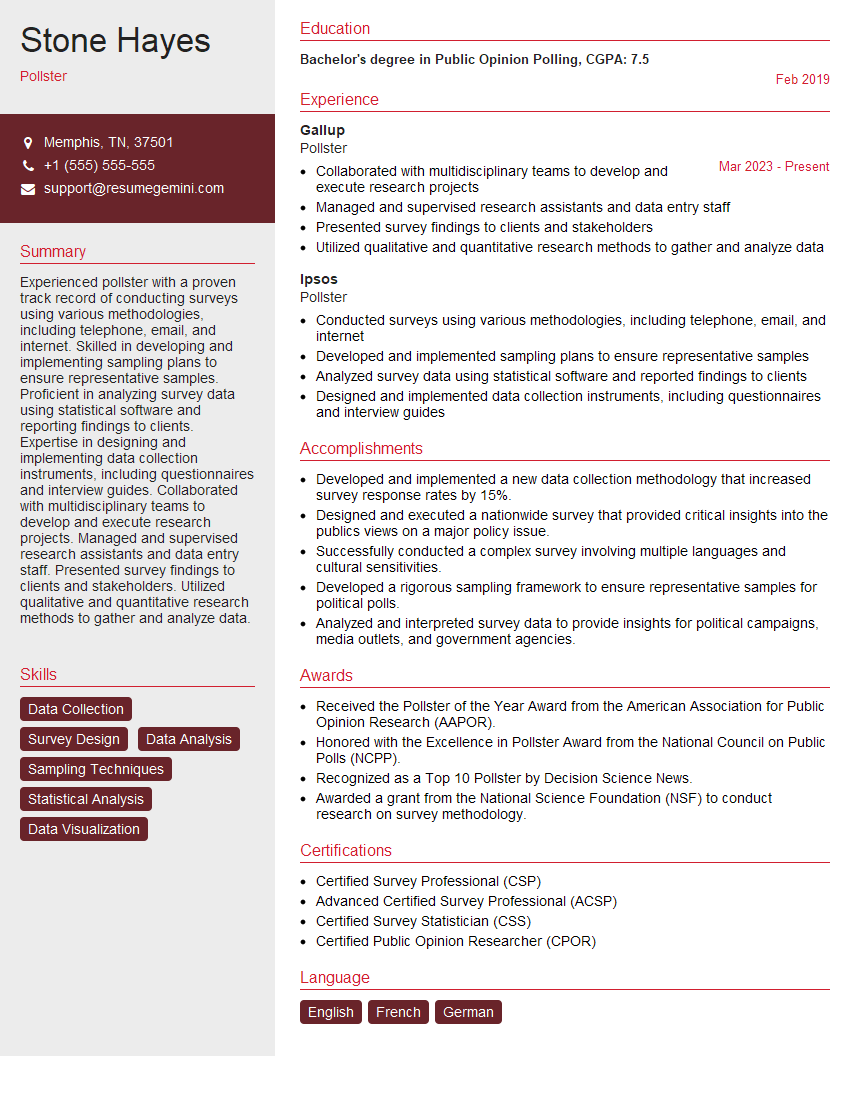
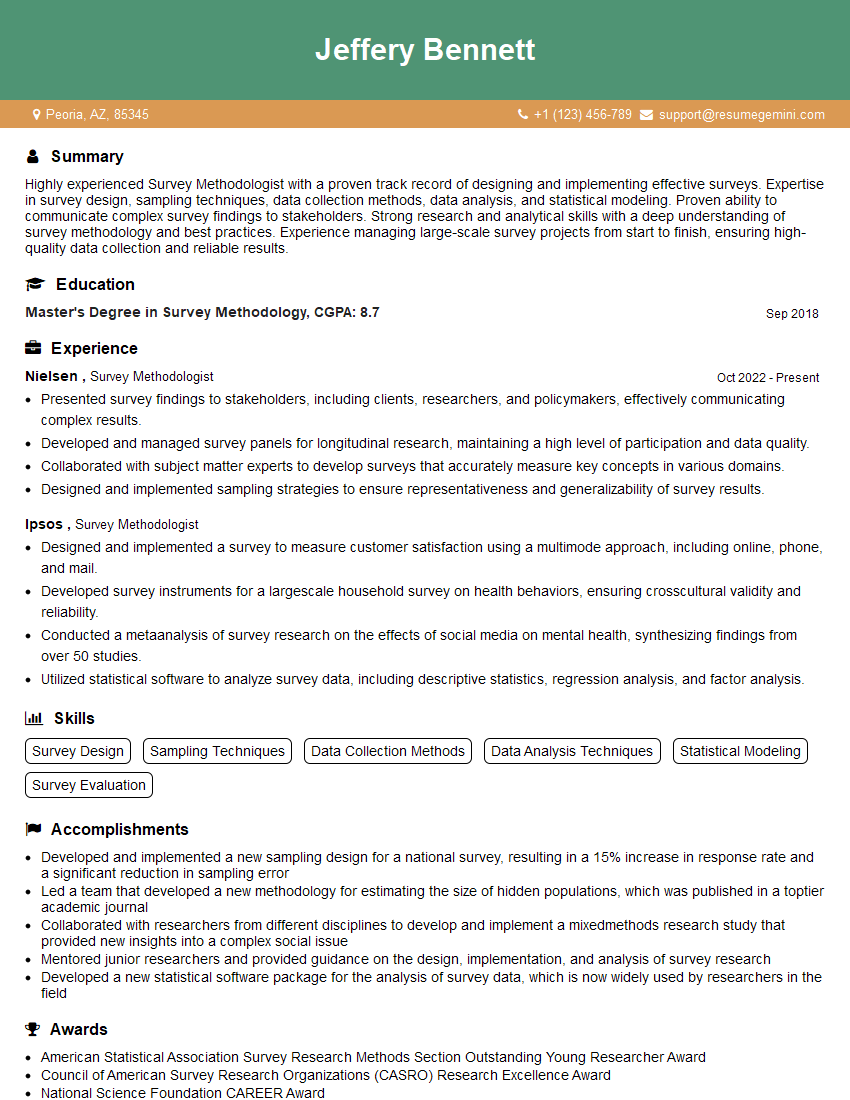
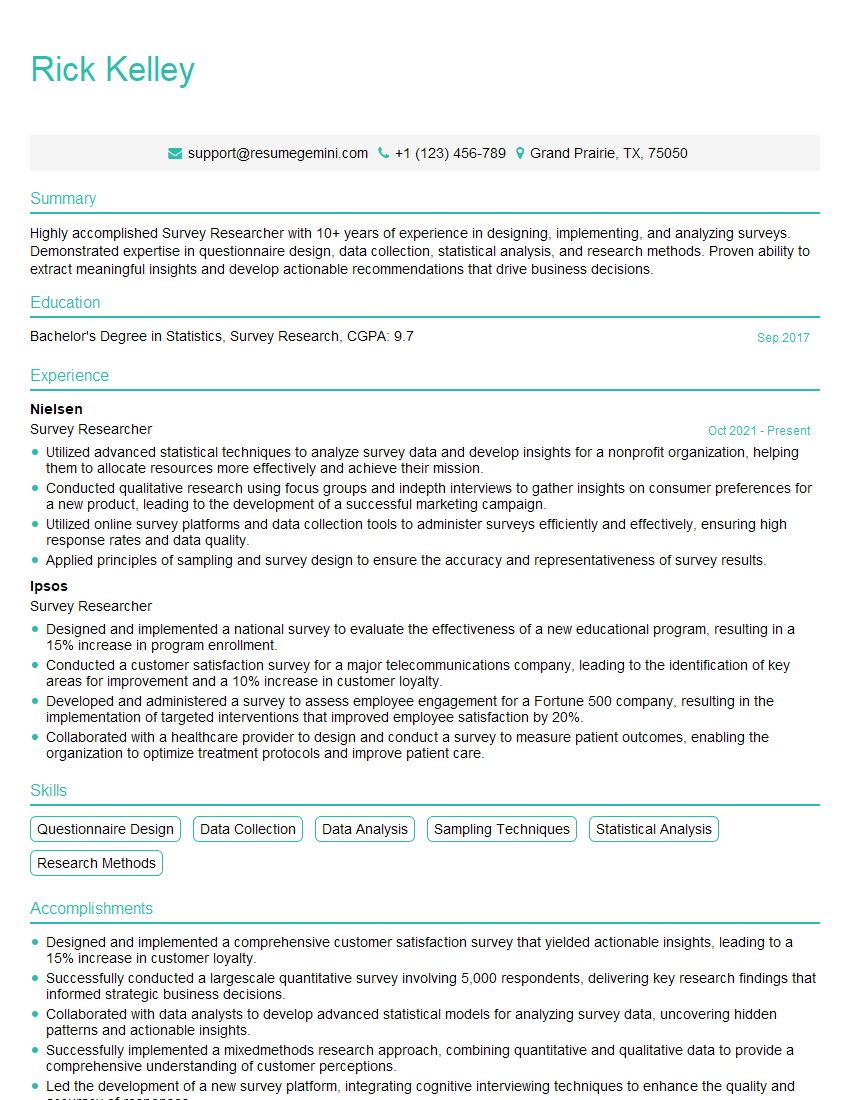
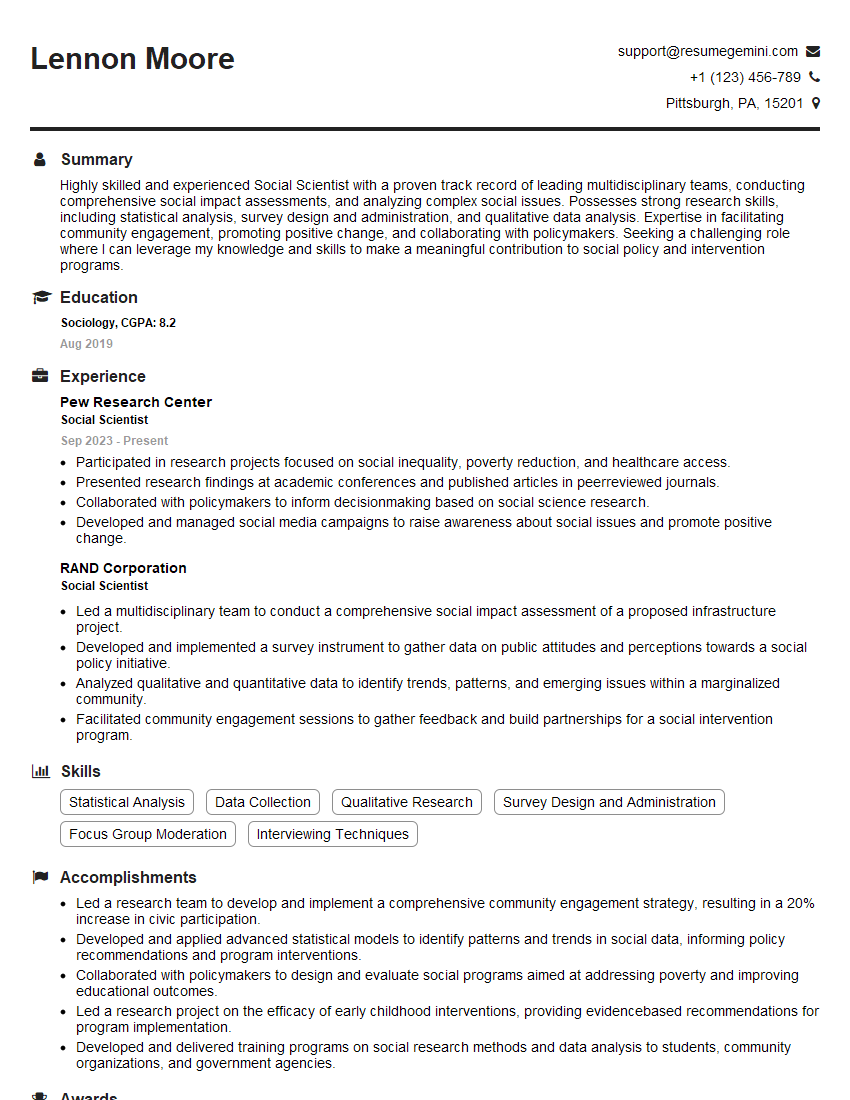
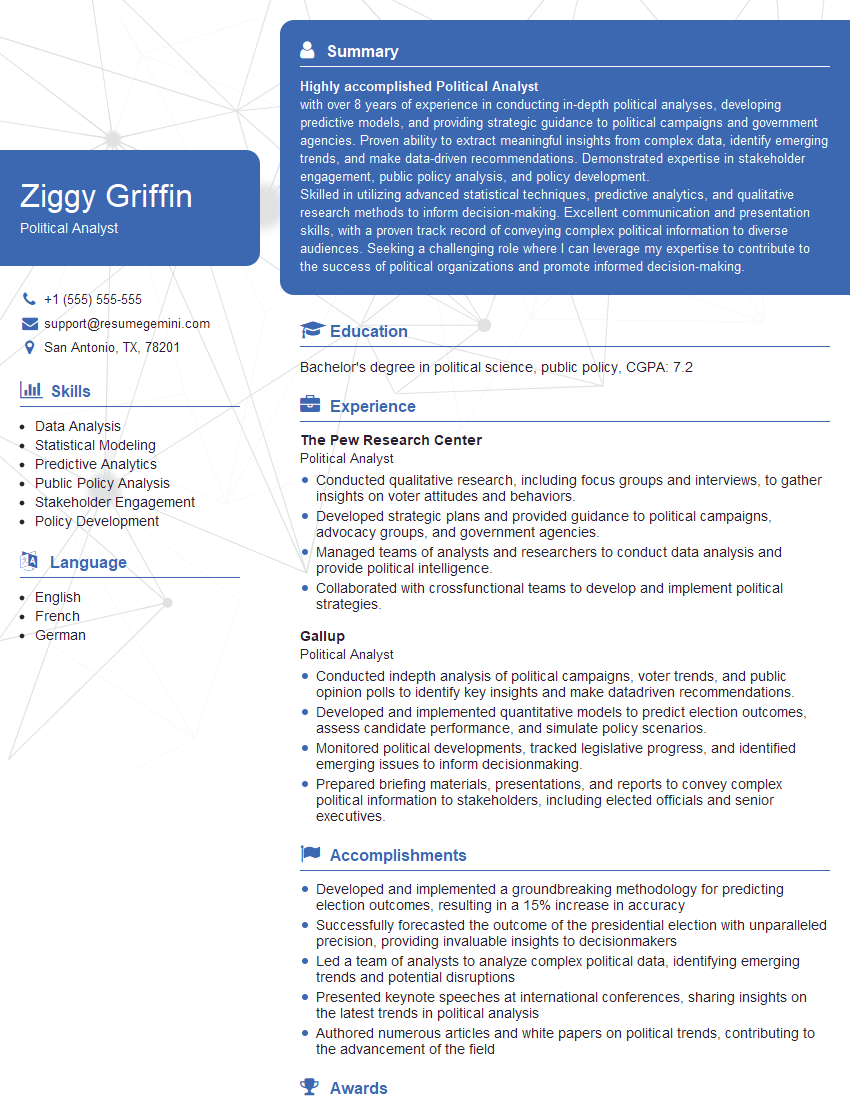
Mastering Public Opinion Analysis opens doors to exciting and impactful careers in research, consulting, political analysis, and more. To maximize your job prospects, it’s crucial to present your skills and experience effectively. Crafting an ATS-friendly resume is paramount. ResumeGemini can significantly enhance your resume-building experience, providing you with the tools and resources to create a compelling document that highlights your expertise. We provide examples of resumes tailored specifically to Public Opinion Analysis to guide you. Invest in your future – invest in a strong resume with ResumeGemini.
Explore more articles
Users Rating of Our Blogs
Share Your Experience
We value your feedback! Please rate our content and share your thoughts (optional).
What Readers Say About Our Blog
To the interviewgemini.com Webmaster.
Very helpful and content specific questions to help prepare me for my interview!
Thank you
To the interviewgemini.com Webmaster.
This was kind of a unique content I found around the specialized skills. Very helpful questions and good detailed answers.
Very Helpful blog, thank you Interviewgemini team.