Interviews are opportunities to demonstrate your expertise, and this guide is here to help you shine. Explore the essential Expertise in sample preparation, specimen collection, and analysis interview questions that employers frequently ask, paired with strategies for crafting responses that set you apart from the competition.
Questions Asked in Expertise in sample preparation, specimen collection, and analysis Interview
Q 1. Describe your experience with various sample preparation techniques.
My experience encompasses a wide range of sample preparation techniques, tailored to the specific analytical method and sample matrix. For instance, in preparing soil samples for heavy metal analysis, I’ve extensively used techniques like microwave digestion, which accelerates the dissolution of the sample using high temperatures and pressure, ensuring complete extraction of target analytes. This is particularly efficient compared to traditional methods like acid digestion on a hot plate which can be time-consuming and prone to sample loss. For biological samples, I frequently employ techniques like homogenization, using instruments like bead mills or sonication, to create a uniform sample suitable for analysis. Protein extraction often involves processes including centrifugation and filtration to isolate the desired protein fraction. Furthermore, I’m adept at solid-phase extraction (SPE) and liquid-liquid extraction (LLE) for clean-up and pre-concentration of analytes from complex matrices, crucial for improving sensitivity and accuracy of downstream analysis. Finally, I have experience preparing samples for chromatographic techniques such as HPLC and GC, including derivatization where needed to improve analyte detection.
- Microwave Digestion: Used for efficient and rapid sample dissolution, particularly for metals in environmental samples.
- Homogenization: Used for creating uniform biological samples.
- Solid-Phase Extraction (SPE): Used for sample cleanup and enrichment.
- Liquid-Liquid Extraction (LLE): Another method for sample cleanup and enrichment.
Q 2. Explain the importance of proper specimen collection in ensuring accurate results.
Proper specimen collection is paramount to ensuring accurate and reliable analytical results. Errors introduced at this initial stage can significantly impact the integrity of the entire analysis, leading to misleading conclusions. Think of it like building a house – a weak foundation will inevitably compromise the entire structure. Imagine analyzing a blood sample for glucose levels. If the sample is not collected properly – for instance, using a contaminated collection tube or improper handling techniques – the resulting glucose levels will be inaccurate, potentially leading to misdiagnosis or inappropriate treatment. To prevent this, rigorous protocols must be followed, including using sterile collection containers, employing appropriate anticoagulants, maintaining the sample’s temperature and preventing contamination. Detailed chain of custody documentation is crucial, tracing the sample from collection to analysis, and ensuring its integrity is maintained throughout the process. This includes proper labeling, storage, and transport conditions, minimizing degradation and alteration of the sample composition.
Q 3. What quality control measures do you implement during sample preparation?
Quality control (QC) is woven into every aspect of sample preparation. We employ several measures to ensure accuracy and reproducibility. We use certified reference materials (CRMs) – samples with known analyte concentrations – to check the accuracy of our methods. For example, we might analyze a CRM alongside our unknown samples, and compare our results to the known values, assessing the accuracy and precision of our measurements. We also incorporate blank samples (samples devoid of the analyte) to identify any background contamination during the preparation process. Duplicate analysis, processing the same sample twice, helps to check the precision of our methods. Regular instrument calibration and maintenance are crucial, ensuring the equipment functions within specified tolerances. Finally, we maintain meticulous records of all reagents, equipment used, and procedural steps, enabling traceability and facilitating troubleshooting if unexpected results occur.
Q 4. How do you handle contaminated samples?
Handling contaminated samples requires a rigorous approach to prevent cross-contamination and ensure accurate results. First, the level of contamination needs to be assessed. If the contamination is minor and doesn’t impact the analysis, appropriate cleaning steps might be undertaken. However, for significant contamination, the sample might be rejected. If the contamination is known, a correction factor might be applied, but only after careful validation. In many cases, a repeat collection of the sample would be the preferred solution. When handling contaminated samples, strict adherence to safety procedures is essential to prevent exposure to harmful substances. Dedicated equipment and designated workspaces should be used. Appropriate personal protective equipment (PPE), including gloves, lab coats, and eye protection, is crucial. Decontamination procedures for work surfaces and equipment are essential to prevent cross-contamination to other samples or subsequent experiments.
Q 5. What are the common errors in sample preparation and how to prevent them?
Common errors in sample preparation can significantly impact analysis accuracy. One frequent error is contamination, which can be from reagents, glassware, or the environment. This is prevented by using high-purity reagents, clean glassware, and working in a clean environment. Another common error is incomplete sample dissolution, particularly with solid samples. This can lead to inaccurate measurements. This is prevented by optimizing the digestion procedure and verifying complete dissolution. Improper sample storage can lead to degradation or analyte loss. Proper storage conditions, including temperature and light protection, are essential to prevent this. Finally, inaccurate sample weighing or volumetric measurements can also lead to significant errors. Employing calibrated balances and accurate pipettes, as well as using proper techniques for measurements, is crucial to avoid errors. Regular calibration and maintenance of equipment are key in preventing errors related to instrumentation.
Q 6. Describe your experience with different types of analytical instruments.
My experience with analytical instruments is extensive. I’m proficient in using various chromatographic techniques such as High-Performance Liquid Chromatography (HPLC) and Gas Chromatography (GC), coupled with various detectors like UV-Vis, Mass Spectrometry (MS), and Flame Ionization Detectors (FID). I’m also experienced with spectroscopic techniques such as Atomic Absorption Spectroscopy (AAS), Inductively Coupled Plasma Optical Emission Spectrometry (ICP-OES), and Inductively Coupled Plasma Mass Spectrometry (ICP-MS) for elemental analysis. Furthermore, I have experience with other techniques including X-ray fluorescence (XRF) and different types of microscopy for characterizing materials. My expertise extends beyond instrument operation to method development and optimization, ensuring that we select the most appropriate instrument and methodology for each specific analysis, maximizing accuracy and efficiency.
Q 7. Explain your understanding of method validation in sample analysis.
Method validation is a crucial process in ensuring the reliability and accuracy of analytical methods used in sample analysis. It’s a systematic process that verifies that a particular method is fit for its intended purpose. This involves establishing parameters including specificity, linearity, accuracy, precision, limit of detection (LOD), limit of quantification (LOQ), and robustness. Specificity ensures the method measures only the target analyte. Linearity demonstrates a consistent response over a range of concentrations. Accuracy reflects how close measured values are to the true values. Precision assesses the reproducibility of the measurements. LOD and LOQ define the lowest detectable and quantifiable analyte concentrations. Robustness assesses the method’s ability to withstand small variations in parameters. Validation involves following a strict protocol, including the use of reference standards, proper quality control, and statistical analysis of results. Without method validation, the reliability of analytical results is questionable, potentially impacting decision-making in various fields, such as healthcare, environmental monitoring, and food safety.
Q 8. How do you ensure the traceability and chain of custody of samples?
Maintaining sample traceability and chain of custody is paramount for the validity and reliability of any analytical result. It’s like a meticulous game of ‘telephone’ – we need to ensure the message (sample information) remains unaltered throughout the entire process.
We achieve this through a multi-layered approach. First, every sample receives a unique identification number at the point of collection, documented in a dedicated logbook. This number accompanies the sample through every stage, from collection and preparation to analysis and archiving. We use tamper-evident seals and secure containers to prevent unauthorized access or manipulation. Detailed documentation, including dates, times, personnel involved, and any procedural deviations, are meticulously recorded in chain-of-custody forms. This creates an unbroken audit trail, making it easy to trace the sample’s journey and identify any potential breaches in integrity. For instance, if a blood sample is collected for a drug test, every step of its handling – from the phlebotomist drawing the blood to its analysis in the laboratory – is documented, guaranteeing the integrity of the results used in court or other critical situations.
Digital systems also play a crucial role. We employ laboratory information management systems (LIMS) that track samples electronically, providing real-time visibility into their location and status. This eliminates the risk of manual errors and significantly improves efficiency. In essence, it’s a system of checks and balances ensuring that the sample analyzed is indeed the sample collected and that its integrity has been maintained throughout.
Q 9. What are the safety protocols you follow during specimen collection and handling?
Safety is paramount in specimen collection and handling. We adhere to strict protocols to protect both the personnel and the sample integrity. Think of it as a layered defense against potential hazards.
- Personal Protective Equipment (PPE): Gloves, lab coats, eye protection, and face masks are mandatory, depending on the nature of the sample (e.g., infectious materials require more stringent PPE).
- Aseptic Techniques: For microbiological samples, sterile techniques are crucial to prevent contamination. This involves using sterile equipment and working in a laminar flow hood or other controlled environment.
- Sharps Disposal: Needles and other sharp objects are disposed of immediately in designated sharps containers to prevent accidental injury.
- Biohazard Handling: Infectious samples are handled in biological safety cabinets (BSCs) and decontaminated according to established procedures. Spill kits are readily available for immediate response to any accidents.
- Chemical Safety: When working with chemicals, appropriate safety data sheets (SDS) are consulted, and proper ventilation and personal protective equipment are used.
Regular safety training is mandatory for all personnel. We conduct drills and refreshers to ensure everyone understands and practices the protocols diligently. For instance, we might conduct mock spills to reinforce proper response procedures, ensuring everyone is prepared for unexpected events and can react safely and effectively.
Q 10. How do you deal with unexpected results or inconsistencies in your data?
Unexpected results or inconsistencies require a systematic and thorough investigation, a sort of scientific detective work. We employ a structured approach to identify and resolve the issue.
- Data Review: We first carefully examine the data for any obvious errors, such as transcription mistakes or outliers. This is like double-checking our calculations.
- Sample Re-analysis: If the inconsistencies persist, we re-analyze a portion of the original sample or, if available, a replicate sample. This helps to rule out analytical errors.
- Procedural Check: We meticulously review all steps involved in the sample preparation and analysis process to identify any procedural deviations or potential errors. We’ll look for any problems with the equipment or reagents.
- Equipment Calibration/Maintenance: We verify the calibration and proper functioning of all equipment used. Regular maintenance is crucial to prevent unexpected results.
- External Validation (if necessary): In some cases, we might send a portion of the sample to an external laboratory for independent analysis to confirm our findings. This is like getting a second opinion from a specialist.
Throughout this process, detailed documentation is maintained to fully track the investigation and its outcome. This rigorous approach ensures the integrity of our results and helps us to improve our procedures to prevent similar issues in the future.
Q 11. Explain your proficiency in using different laboratory equipment.
My experience encompasses a broad range of laboratory equipment, from basic tools to sophisticated instruments. I’m proficient in operating and maintaining various types of equipment, including:
- Spectrophotometers: Used for measuring the absorbance or transmission of light through a sample, crucial for quantitative analysis.
- Chromatography systems (HPLC, GC): Essential for separating and analyzing complex mixtures. I’m familiar with various chromatographic techniques and their applications.
- Mass spectrometry (MS): Provides information about the mass-to-charge ratio of ions, allowing for the identification and quantification of compounds.
- Microscopes (optical, electron): Used for visualizing samples at different magnifications, allowing for detailed morphological examination.
- Balances (analytical, precision): Essential for accurate mass measurements in sample preparation and analysis.
- Centrifuges: Used for separating components of a sample based on density.
- pH meters, conductivity meters: For measuring solution properties.
Beyond operation, I understand the principles behind these instruments, their limitations, and how to troubleshoot common issues. For instance, I know how to diagnose a clogged column in an HPLC system or how to perform a baseline correction on a spectrophotometer. This combination of practical skills and theoretical knowledge is essential for producing accurate and reliable data.
Q 12. Describe your experience with data analysis and interpretation in the context of sample analysis.
Data analysis and interpretation are integral parts of sample analysis. It’s not just about generating numbers; it’s about extracting meaningful insights from them. This involves more than just looking at graphs; it’s about critically evaluating the results in the context of the experimental design and the underlying scientific principles.
My experience includes proficiency in using statistical software packages (e.g., R, SPSS) to perform data analysis, including descriptive statistics, hypothesis testing, regression analysis, and ANOVA. I’m also skilled in using specialized software for instrument data processing, such as chromatography data systems. I’m adept at identifying trends, outliers, and patterns within datasets, correlating results with experimental variables, and making scientifically sound conclusions.
For instance, in a study investigating the effects of a new drug on blood glucose levels, I would perform statistical analysis to determine if the observed changes are statistically significant and to understand the magnitude of the effect. I would also consider potential confounding factors and interpret the results within the context of existing literature. I would then prepare detailed reports summarizing the data analysis and conclusions, communicating my findings clearly and concisely to both technical and non-technical audiences.
Q 13. What are the challenges faced during sample preparation in your field?
Sample preparation is often the most challenging aspect of the analysis process. It’s the foundation upon which the reliability of the results rests. The challenges vary depending on the sample type and the analytical technique being employed.
- Sample Heterogeneity: Many samples are not homogenous, meaning the composition varies from one part to another. This requires careful sampling and mixing to ensure a representative sample is analyzed. For example, soil samples need to be thoroughly homogenized before analysis to ensure uniformity.
- Matrix Effects: The matrix, or the background components of the sample, can interfere with the analysis. Sample preparation techniques such as extraction or cleanup are often needed to isolate the analyte of interest and minimize these interferences. This is particularly crucial in environmental or food analysis.
- Sample Stability: Some samples are unstable and degrade over time. Appropriate storage conditions and rapid sample preparation are essential to prevent changes in the sample composition. For example, rapidly freezing biological samples prevents degradation.
- Contamination: Preventing contamination of the sample is critical, particularly in trace analysis. Clean laboratory practices and the use of ultrapure reagents are crucial.
- Sample Size Limitations: Sometimes, only a small amount of sample is available, which can limit the analytical options and the type of preparation that can be done.
Overcoming these challenges often requires creativity and a deep understanding of both chemistry and the analytical technique being employed. It’s about finding the optimal balance between sample preparation efficiency, sample integrity, and the ultimate analytical requirements.
Q 14. How do you maintain the integrity of samples during transport and storage?
Maintaining sample integrity during transport and storage is crucial. It’s like protecting a delicate artifact during a long journey. We use various strategies to safeguard the samples:
- Appropriate Containers: Samples are stored in appropriate containers that prevent leakage, evaporation, and contamination. This might include sealed vials, bags, or specialized containers for hazardous materials.
- Temperature Control: Temperature-sensitive samples are transported and stored at the appropriate temperature, often using refrigerated containers, dry ice, or liquid nitrogen. This is essential for biological samples or volatile compounds.
- Protection from Light: Light-sensitive samples are shielded from light using opaque containers or foil wraps. This is particularly important for certain chemicals or biological samples.
- Proper Labeling: All samples are clearly labeled with a unique identifier, date, time of collection, and any relevant information. This allows for easy tracking and prevents mix-ups.
- Transport Conditions: During transport, we use insulated containers and track the temperature and other parameters to ensure that the samples remain within their specified conditions. We might use GPS trackers to monitor the location of samples and ensure prompt delivery.
- Storage Conditions: Samples are stored in appropriate facilities that maintain the required temperature and humidity, and are protected from light and contamination. This might include refrigerated storage, freezers, or even specialized cryogenic storage.
Each sample’s specific storage requirements are carefully considered and documented, ensuring that optimal conditions are maintained throughout the process. This diligent approach prevents degradation and ensures the quality of the analytical data.
Q 15. Describe your experience with different types of sample matrices (e.g., blood, tissue, soil).
My experience spans a wide range of sample matrices, encompassing biological samples like blood and tissue, as well as environmental samples such as soil and water. Working with blood samples often involves careful collection to avoid clotting and hemolysis, employing techniques like vacutainer tubes with appropriate anticoagulants. Tissue samples require meticulous dissection and preservation to maintain integrity, often using techniques like snap-freezing in liquid nitrogen or fixation in formalin. Soil sampling necessitates careful consideration of spatial heterogeneity, requiring representative subsampling and rigorous documentation of sampling location and depth. Each matrix presents unique challenges; for instance, the high lipid content in some tissue samples can interfere with certain analytical methods, while the complex composition of soil requires specialized extraction techniques to isolate the target analytes. I’ve worked extensively with all three, adapting my approach to the specific needs of each project.
For example, in a recent study analyzing pesticide residues in soil, we employed a rigorous sampling protocol to account for potential variations across the field. Similarly, in a clinical research project, we had to carefully control for pre-analytical variables when processing blood samples to ensure reliable biomarker measurements.
Career Expert Tips:
- Ace those interviews! Prepare effectively by reviewing the Top 50 Most Common Interview Questions on ResumeGemini.
- Navigate your job search with confidence! Explore a wide range of Career Tips on ResumeGemini. Learn about common challenges and recommendations to overcome them.
- Craft the perfect resume! Master the Art of Resume Writing with ResumeGemini’s guide. Showcase your unique qualifications and achievements effectively.
- Don’t miss out on holiday savings! Build your dream resume with ResumeGemini’s ATS optimized templates.
Q 16. What are your preferred methods for sample homogenization?
My preferred homogenization methods depend heavily on the sample matrix and the analyte of interest. For soft tissues, gentle homogenization using a Teflon homogenizer is often sufficient to prevent cellular damage and release intracellular components. For tougher tissues, I might utilize a high-speed rotor-stator homogenizer, but I’m mindful of potential heat generation, which can denature proteins or degrade sensitive analytes. For soil samples, I often employ a combination of techniques, such as sieving to remove large debris, followed by bead beating using a high-throughput homogenizer to effectively break down the soil particles and release bound analytes.
Choosing the right method requires understanding the trade-offs between sample disruption efficiency and potential for introducing artifacts. Over-homogenization can lead to sample degradation or the generation of interfering compounds, so a delicate balance is crucial. For instance, in studies involving RNA extraction from tissue, gentle homogenization is critical to preserve the RNA integrity.
Q 17. How do you select the appropriate analytical method for a given sample?
Selecting the appropriate analytical method involves careful consideration of several factors, including the nature of the sample matrix, the analyte of interest, the required sensitivity and specificity, the available resources (instrumentation, reagents, time), and the desired throughput. For example, if I’m analyzing trace levels of heavy metals in soil, I might choose inductively coupled plasma mass spectrometry (ICP-MS) due to its high sensitivity and ability to analyze multiple elements simultaneously. However, for a large-scale screening of pesticides in food samples, a high-throughput method like liquid chromatography-tandem mass spectrometry (LC-MS/MS) would be more appropriate.
The decision-making process is iterative. I might start by considering the properties of the analyte (e.g., volatility, polarity, stability) and then narrow down the options based on sensitivity and specificity requirements and budget constraints. It often involves consulting relevant literature and validating the chosen method against established quality control procedures.
Q 18. Explain your understanding of different types of laboratory errors (random, systematic).
Laboratory errors can be broadly classified into random and systematic errors. Random errors are unpredictable variations that occur due to inherent limitations in the measurement process. They are often normally distributed and can be reduced by increasing the number of replicates and improving measurement precision. Examples include slight variations in pipetting volumes or small fluctuations in instrument readings.
Systematic errors, on the other hand, are consistent biases that affect all measurements in a predictable way. They are typically caused by flaws in the analytical method, instrumentation, or calibration. Examples include a faulty balance or a contaminated reagent. These errors are much harder to detect and correct but can be minimized through proper calibration, use of quality control samples, and rigorous method validation.
Q 19. How do you ensure the accuracy and precision of your analytical results?
Ensuring the accuracy and precision of analytical results requires a multi-faceted approach. First, meticulous attention to detail is paramount during sample collection, handling, and preparation to minimize pre-analytical errors. This includes using standardized procedures, appropriate personal protective equipment, and adhering to strict chain-of-custody protocols. Secondly, rigorous quality control measures, including the use of positive and negative controls, calibration standards, and duplicate samples, are essential to assess the accuracy and precision of the analytical method. Finally, regular instrument maintenance and calibration are vital to ensure consistent performance. Data analysis should involve appropriate statistical methods to assess the uncertainty of measurements and report results with confidence intervals.
I’ve found that the implementation of a robust quality management system, along with ongoing training and proficiency testing, significantly improves the reliability and credibility of the analytical results.
Q 20. Describe your experience with laboratory information management systems (LIMS).
I have extensive experience using laboratory information management systems (LIMS) to manage samples, track data, and generate reports. I’m proficient in using LIMS for sample registration, assigning unique identification numbers, tracking sample movement, recording analytical results, and generating comprehensive reports. My experience includes working with various LIMS platforms and customizing workflows to meet specific project needs. This proficiency simplifies the management of large datasets and ensures data integrity and traceability, particularly crucial in regulatory environments. For example, in my previous role, we utilized a LIMS to manage thousands of environmental samples, ensuring timely processing and accurate reporting of results to regulatory agencies.
Q 21. What are your troubleshooting skills when faced with instrument malfunctions?
My troubleshooting approach to instrument malfunctions is systematic and begins with a thorough review of the instrument’s error messages and operational logs. I then check for simple issues such as power supply problems, reagent depletion, and clogged tubing or flow paths. If the problem persists, I follow the manufacturer’s troubleshooting guides and potentially consult with instrument specialists or technical support. Depending on the complexity of the issue, this could involve checking instrument calibrations, performing routine maintenance, or replacing faulty components. Documenting each step of the troubleshooting process is crucial for future reference and troubleshooting similar problems. Preventing malfunctions in the first place, through regular preventative maintenance, is just as important as reactive problem solving.
For example, when our HPLC system experienced unexpected peak broadening, I systematically investigated each potential source: the mobile phase, the column, the injector, and the detector. Through this process of elimination, we eventually identified a deteriorated HPLC column as the culprit.
Q 22. Describe a situation where you had to solve a complex problem related to sample preparation.
One particularly challenging sample preparation problem involved analyzing trace levels of pesticides in highly complex environmental matrices like soil. The challenge wasn’t just the low concentration of the target analytes, but the presence of interfering compounds that co-eluted with the pesticides during chromatographic analysis, leading to inaccurate results.
To overcome this, I implemented a multi-step approach. First, we optimized a solid-phase extraction (SPE) method, carefully selecting a sorbent material with high selectivity for the target pesticides while minimizing the retention of interfering substances. We also optimized the elution solvent system to ensure efficient recovery of the pesticides. Next, we incorporated a clean-up step using a dispersive solid-phase extraction (dSPE) to remove remaining interferences. Finally, we validated the entire method using quality control samples, ensuring accuracy and precision throughout the process. This involved analyzing certified reference materials and calculating recovery rates to confirm the reliability of our results. The improved method significantly reduced background noise and improved the sensitivity of our analysis, allowing us to accurately quantify pesticide residues even at very low concentrations.
Q 23. How do you ensure compliance with relevant regulations (e.g., GLP, GMP)?
Compliance with regulations like Good Laboratory Practice (GLP) and Good Manufacturing Practice (GMP) is paramount in my work. I ensure compliance through meticulous adherence to standard operating procedures (SOPs), detailed record-keeping, and regular audits.
For GLP compliance, I meticulously document every step of the analytical process, including sample receipt, preparation, analysis, and data interpretation. This includes maintaining detailed logs of instrument calibrations, maintenance, and reagent usage. We regularly conduct internal audits to ensure our practices align with GLP guidelines. For GMP, where applicable, we focus on the quality and consistency of our analytical methods and the accuracy of our results. This involves validation studies to demonstrate the reliability and robustness of our methods, as well as participating in proficiency testing programs to assess our performance against external benchmarks.
Think of it like baking a cake: a GLP-compliant process would include a detailed recipe (SOP), precise measurements (data logging), and regular checks to ensure the oven temperature is correct (instrument calibration). GMP would focus on the quality of the ingredients and ensure the cake is consistently good.
Q 24. What are your experience with different extraction methods?
My experience with extraction methods is extensive, encompassing a wide range of techniques tailored to different sample types and target analytes. I’m proficient in liquid-liquid extraction (LLE), solid-phase extraction (SPE), including both traditional cartridge and 96-well formats, and microwave-assisted extraction (MAE).
- LLE: I’ve used LLE for extracting organic compounds from aqueous samples. This involves partitioning the analyte between two immiscible solvents based on their relative solubilities. It’s simple but can be time-consuming and use significant solvent volumes.
- SPE: SPE is my preferred method for many applications because it’s efficient, uses less solvent, and allows for better sample clean-up. I’ve worked extensively with various sorbent materials, selecting the appropriate one based on the analyte’s properties and the sample matrix.
- MAE: MAE is a powerful technique for extracting analytes from solid samples. It uses microwave energy to heat the sample, accelerating the extraction process and improving analyte recovery. I’ve used this technique for extracting pesticides from soil and environmental samples.
The choice of method always depends on the specific analytical challenge. For example, if I’m working with a complex sample matrix, like soil, I’d likely opt for SPE or MAE to achieve better selectivity and recovery. If the sample is relatively clean and the analyte is easily soluble, LLE may be sufficient.
Q 25. How familiar are you with statistical analysis of laboratory data?
I have a strong understanding of statistical analysis for laboratory data. This includes descriptive statistics (mean, standard deviation, etc.), hypothesis testing (t-tests, ANOVA), regression analysis, and method validation parameters like linearity, accuracy, precision, and limit of detection (LOD) and quantification (LOQ).
I’m adept at using statistical software packages like R and GraphPad Prism to analyze data, assess method performance, and draw meaningful conclusions from the results. For example, I use ANOVA to compare the performance of different extraction methods, and regression analysis to determine the linearity of a calibration curve. Understanding statistical concepts is crucial for ensuring the reliability and validity of the data we generate.
Q 26. What are your skills in using different types of software for data analysis?
My skills encompass a range of software for data analysis, including:
- Chromatographic Data Systems (CDS): I’m proficient with various CDS software packages (e.g., Agilent OpenLab, Waters Empower) for processing and analyzing data from HPLC and GC systems. This involves integrating peak areas, calculating concentrations, and creating reports.
- Spectroscopy Software: I’m familiar with software for processing data from different spectroscopic techniques (e.g., UV-Vis, FTIR, NMR).
- Statistical Software: As mentioned earlier, I’m proficient in R and GraphPad Prism for statistical analysis and data visualization.
- Spreadsheet Software: I’m highly proficient in Microsoft Excel and Google Sheets for data manipulation, calculation, and report generation.
I’m always eager to learn new software and adapt to evolving technologies in data analysis.
Q 27. Describe your proficiency in documentation and record-keeping in a laboratory setting.
Documentation and record-keeping are fundamental aspects of my work, reflecting my commitment to data integrity and regulatory compliance. I maintain detailed laboratory notebooks, electronic data files, and chain-of-custody documentation for all samples and experiments.
My documentation includes all relevant information: sample IDs, dates, times, instrument parameters, reagents used, calculations, raw data, and interpretations. This is meticulously organized to facilitate traceability and ensure data integrity. I am proficient in using electronic laboratory notebooks (ELNs) to streamline the documentation process and ensure data security. Accurate and complete documentation is essential for troubleshooting, auditing, and ensuring the reproducibility of my work. It’s the cornerstone of a successful and trustworthy laboratory.
Key Topics to Learn for Expertise in Sample Preparation, Specimen Collection, and Analysis Interview
- Sample Preparation Techniques: Understanding various methods like homogenization, centrifugation, extraction, and their applications across different sample types (e.g., biological tissues, environmental samples, etc.). Consider the impact of different techniques on sample integrity and results.
- Specimen Collection Protocols: Mastering aseptic techniques, proper labeling and chain-of-custody procedures, and the importance of minimizing contamination or degradation. Explore different collection devices and their suitability for specific specimens.
- Analytical Techniques: Familiarity with relevant analytical methods (e.g., chromatography, spectroscopy, microscopy) used for analyzing prepared samples. Understand the principles behind these techniques and their limitations.
- Quality Control and Assurance: Deep understanding of quality control measures throughout the entire process, from sample collection to data analysis, including calibration, validation, and internal standards. Be prepared to discuss potential sources of error and strategies for minimizing them.
- Data Analysis and Interpretation: Proficiency in data analysis techniques, including statistical methods and the ability to interpret results in the context of the experiment or study. Be ready to discuss how you would present and communicate findings.
- Regulatory Compliance: Knowledge of relevant regulations and guidelines (e.g., GLP, GMP) pertaining to sample handling, analysis, and data management within the specific industry (e.g., pharmaceutical, environmental, clinical).
- Troubleshooting and Problem-Solving: Prepare examples demonstrating your ability to identify and resolve issues related to sample preparation, collection, or analysis. Highlight your critical thinking and problem-solving skills.
- Safety Procedures and Regulations: Understanding and adherence to safety protocols and regulations related to handling potentially hazardous materials and ensuring a safe working environment.
Next Steps
Mastering expertise in sample preparation, specimen collection, and analysis is crucial for career advancement in many scientific fields. A strong foundation in these areas opens doors to exciting opportunities and higher responsibilities. To significantly boost your job prospects, create an ATS-friendly resume that highlights your skills and experience effectively. ResumeGemini is a trusted resource that can help you build a professional and impactful resume. We provide examples of resumes tailored to expertise in sample preparation, specimen collection, and analysis to help you craft a winning application.
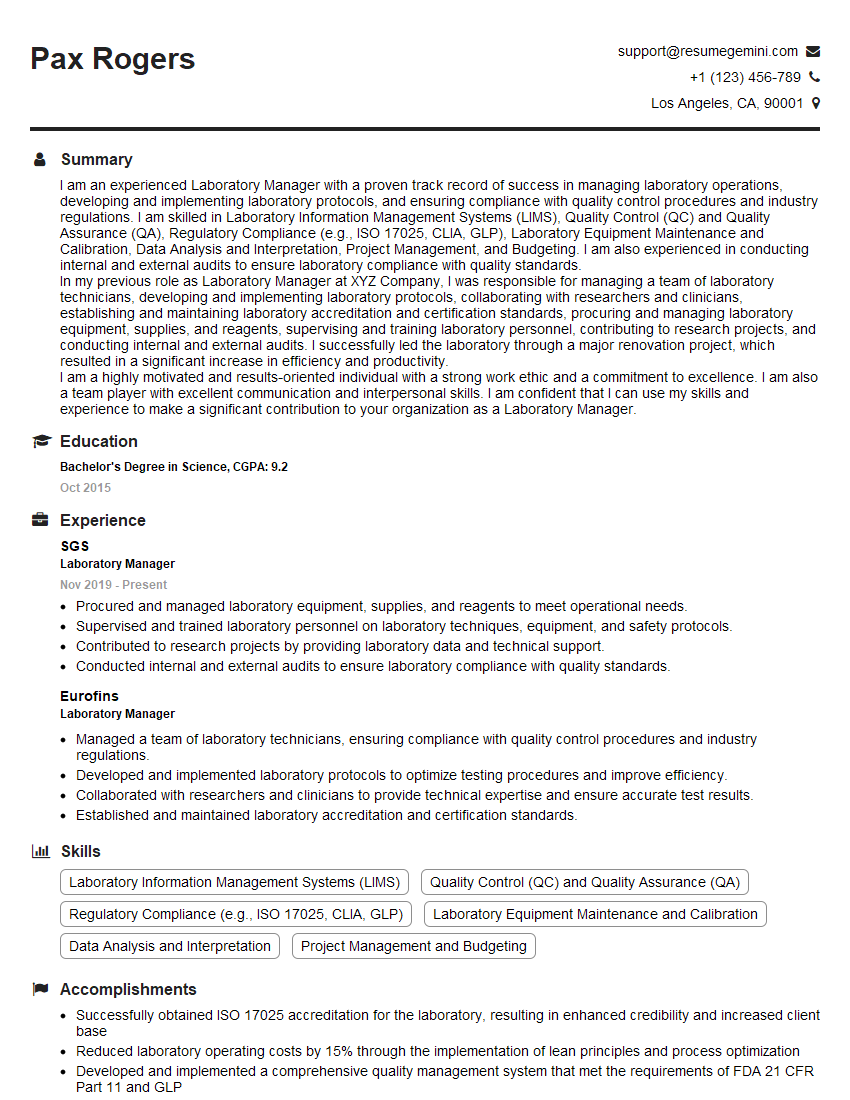
Laboratory Manager Resume Sample
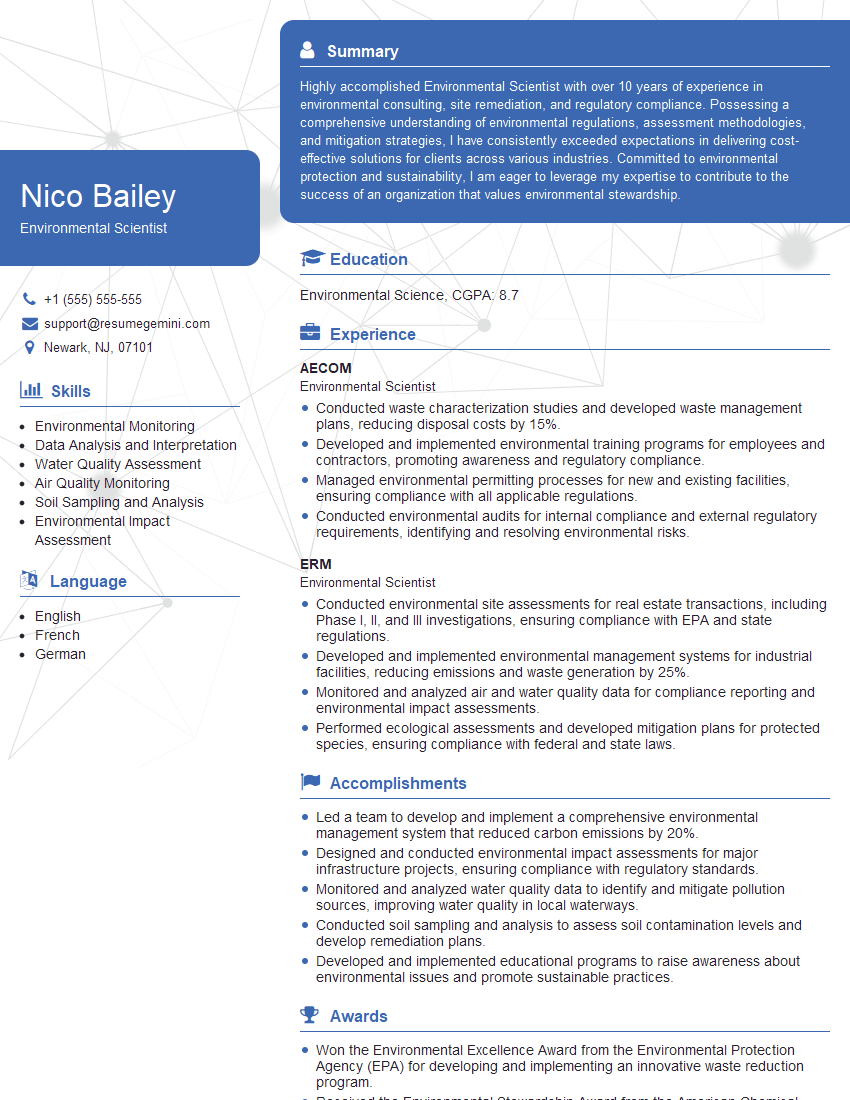
Environmental Scientist Resume Sample
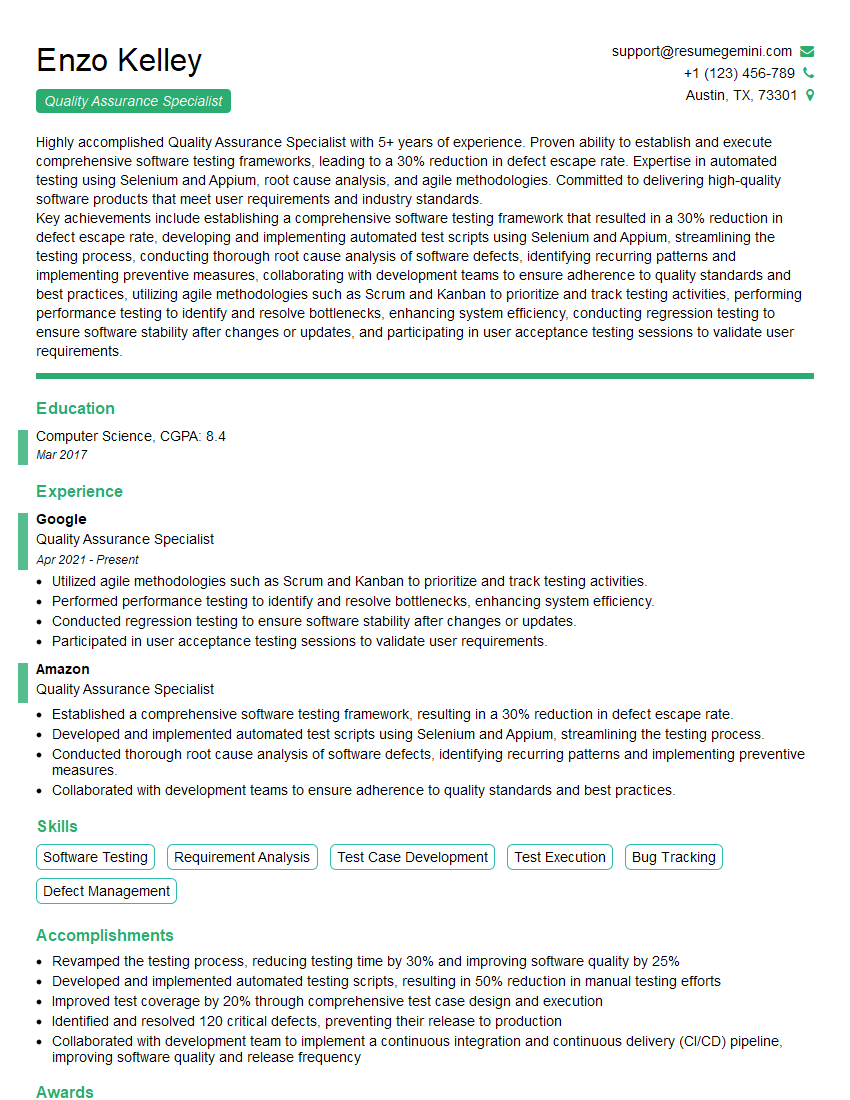
Quality Assurance Specialist Resume Sample
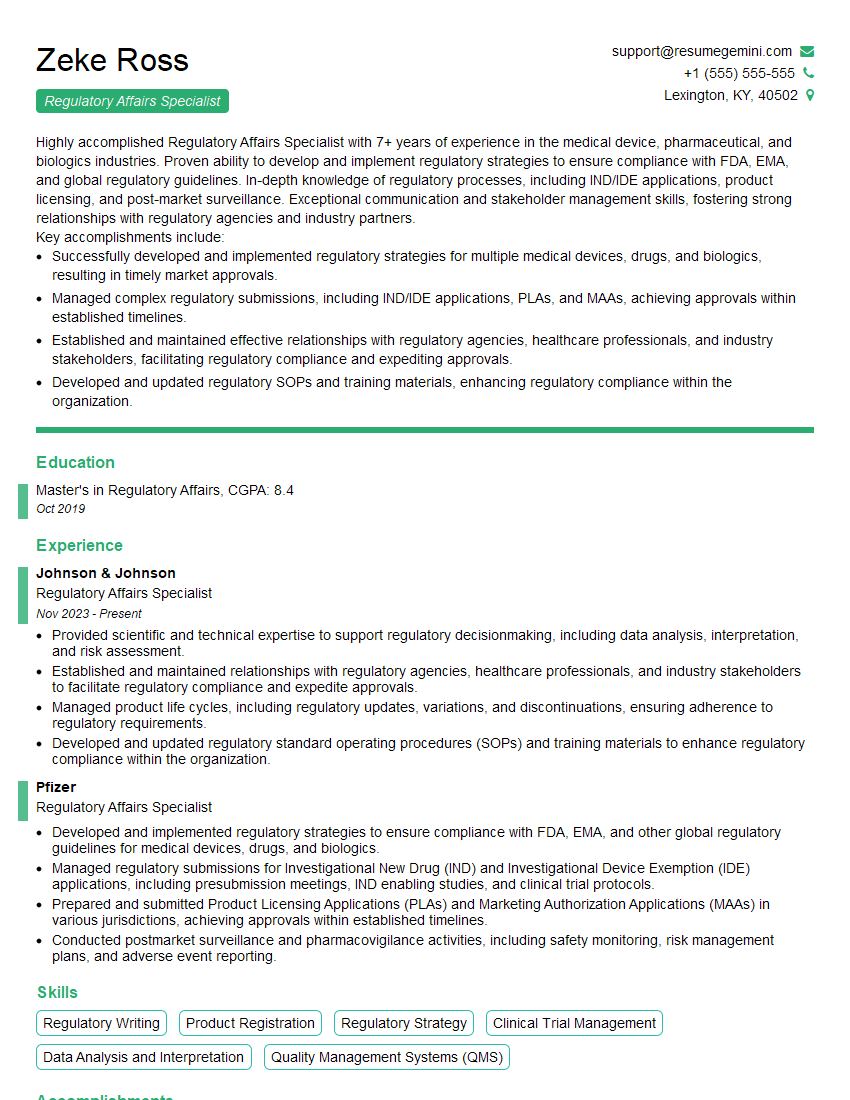
Regulatory Affairs Specialist Resume Sample
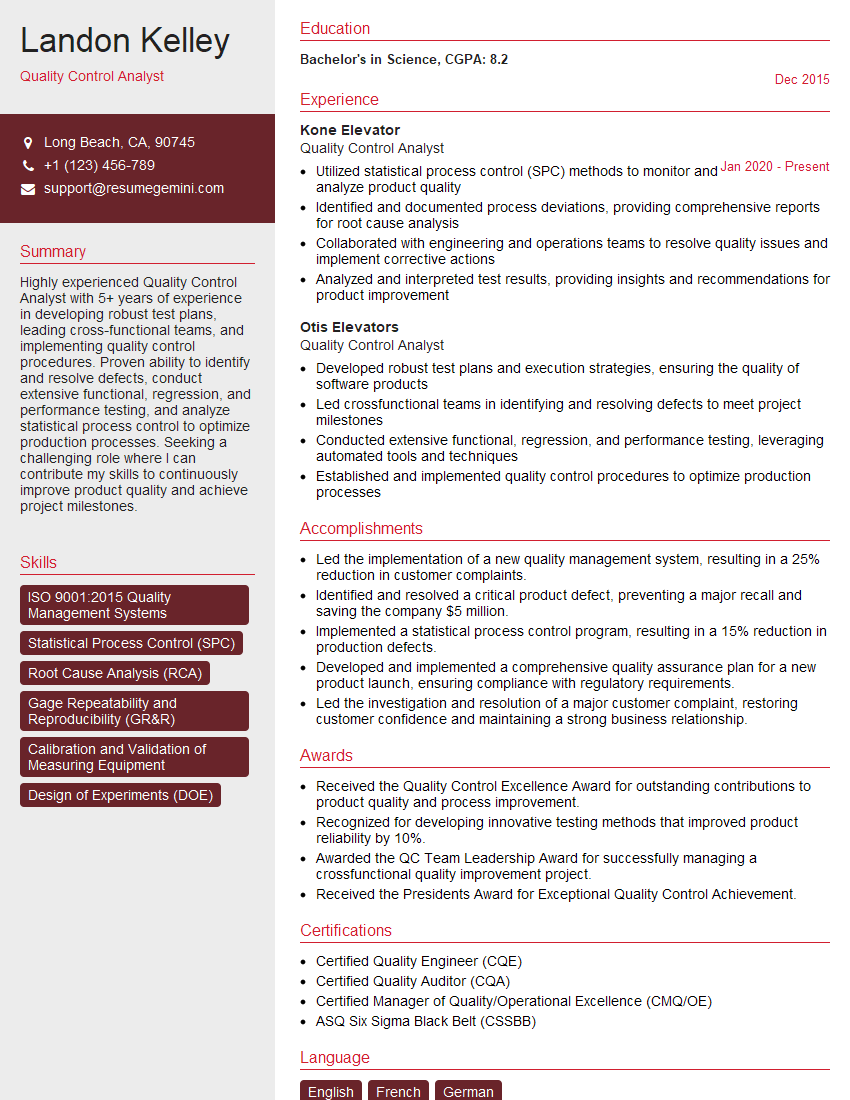
Quality Control Analyst Resume Sample
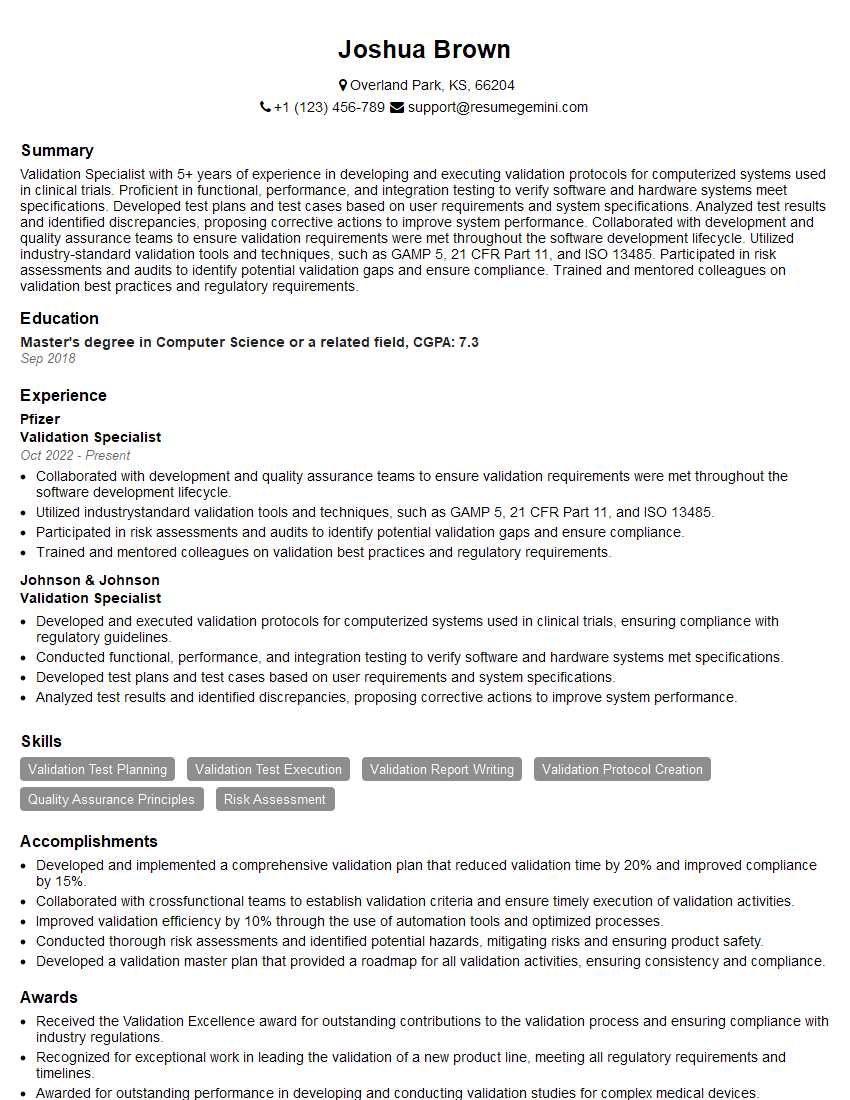
Validation Specialist Resume Sample
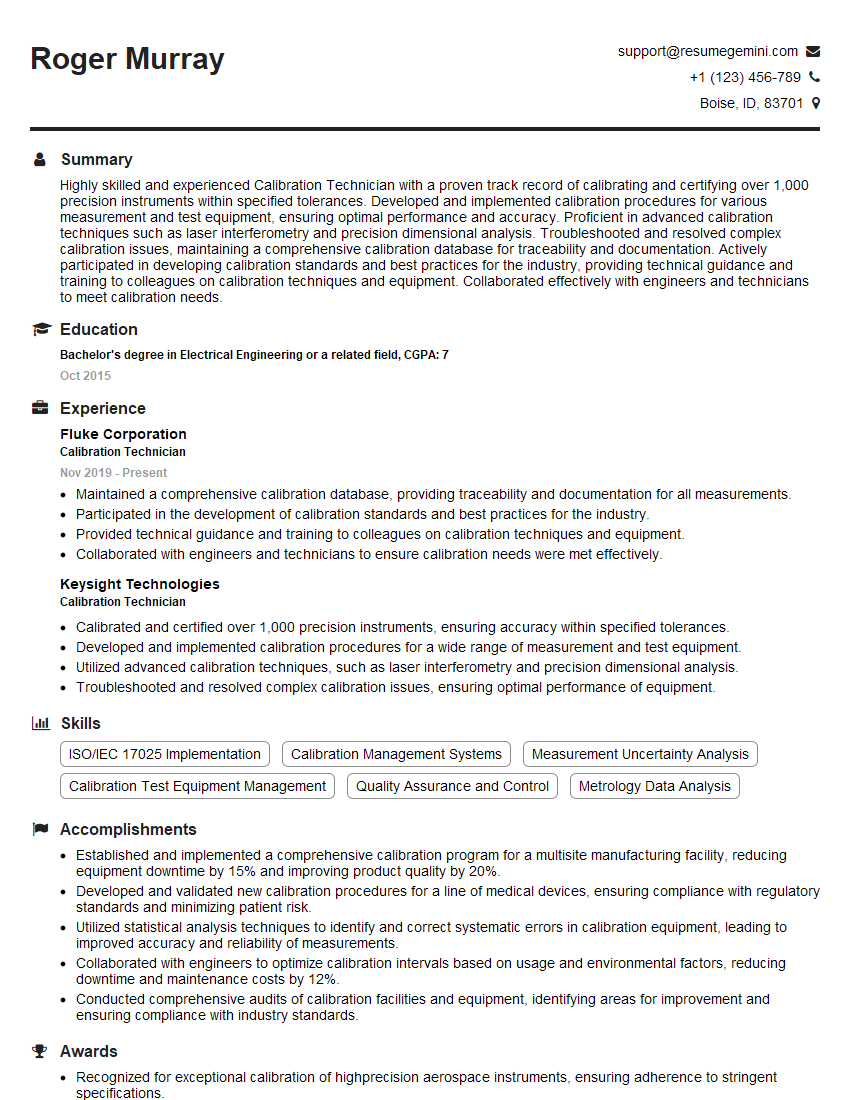
Calibration Technician Resume Sample
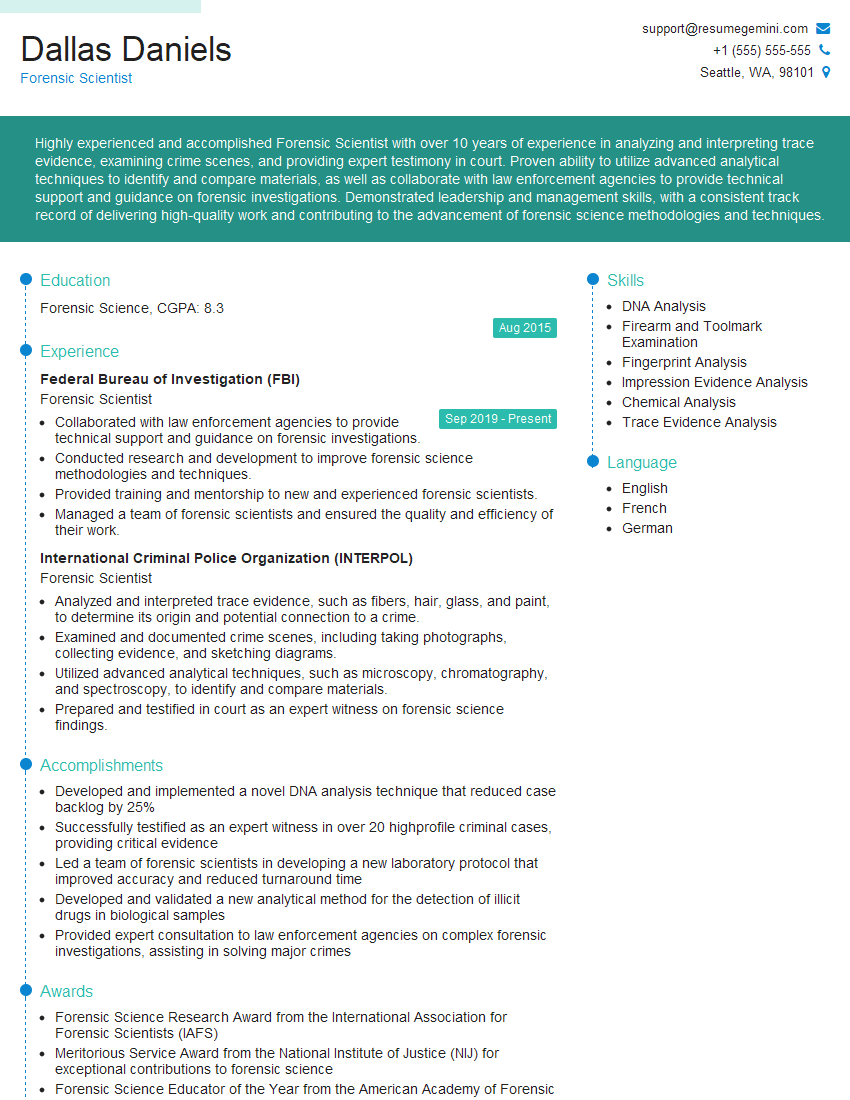
Forensic Scientist Resume Sample

Analytical Chemist Resume Sample
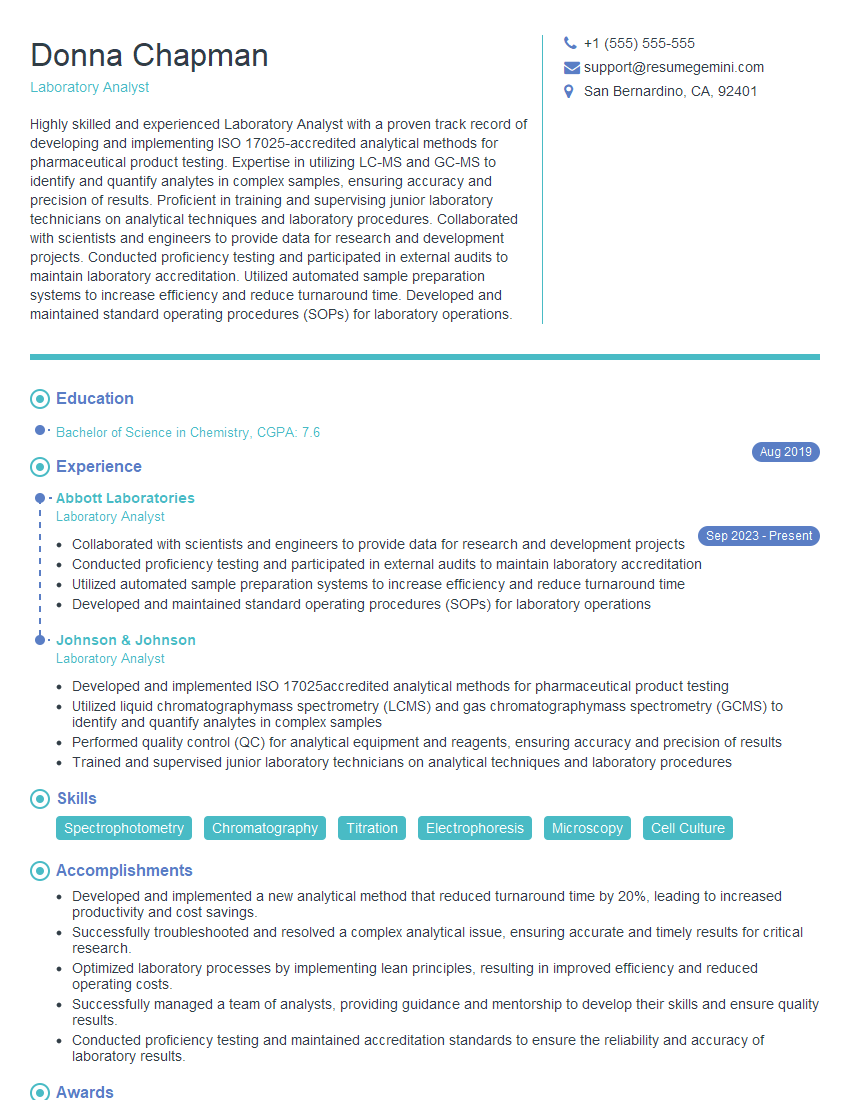
Laboratory Analyst Resume Sample

Cytotechnologist Resume Sample
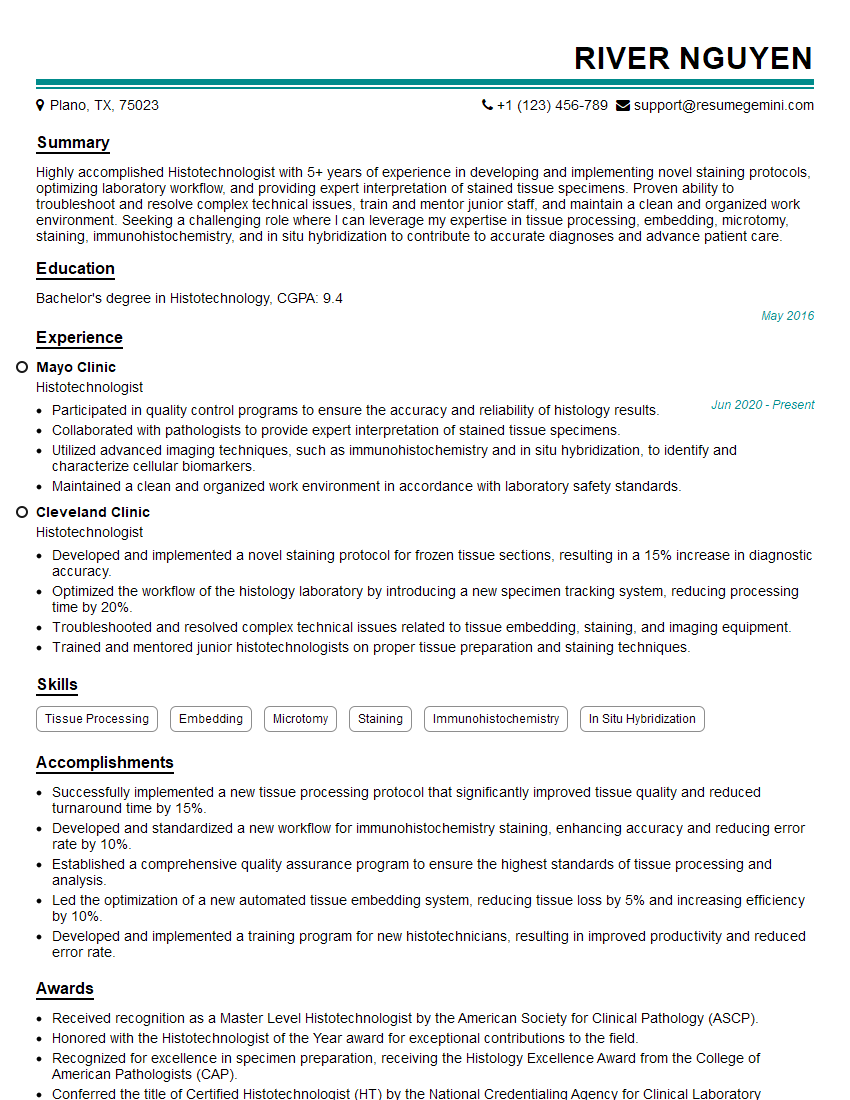
Histotechnologist Resume Sample

Metrology Technician Resume Sample
Explore more articles
Users Rating of Our Blogs
Share Your Experience
We value your feedback! Please rate our content and share your thoughts (optional).
What Readers Say About Our Blog
To the interviewgemini.com Webmaster.
Very helpful and content specific questions to help prepare me for my interview!
Thank you
To the interviewgemini.com Webmaster.
This was kind of a unique content I found around the specialized skills. Very helpful questions and good detailed answers.
Very Helpful blog, thank you Interviewgemini team.