Interviews are opportunities to demonstrate your expertise, and this guide is here to help you shine. Explore the essential Exstrophy Bladder Repair interview questions that employers frequently ask, paired with strategies for crafting responses that set you apart from the competition.
Questions Asked in Exstrophy Bladder Repair Interview
Q 1. Describe the different surgical approaches for primary closure of bladder exstrophy.
Primary closure of bladder exstrophy aims to create a functional bladder within the abdominal wall. Several surgical approaches exist, each with its nuances. The choice depends on factors like the child’s age, the severity of the exstrophy, and the surgeon’s expertise.
The classic technique: This involves meticulously closing the bladder in layers, often requiring multiple staged procedures. It’s less commonly used now due to challenges with achieving adequate bladder capacity.
The modified Young-Dees-Leadbetter procedure: This is a more modern approach focusing on creating a more robust bladder closure, often using tissue grafts to augment the bladder wall. This helps increase the likelihood of sufficient bladder capacity. The procedure aims for a more anatomical reconstruction.
The use of osteotomies: In some cases, cutting and repositioning of the pubic bones (osteotomy) helps to create a better anatomical alignment and improve the chances of successful closure.
Imagine building a house – the classic approach is like using only basic materials, whereas the modified approach is like using reinforced concrete and better architectural design to create a stronger, more durable structure. Each approach is a complex surgical undertaking requiring precise anatomical understanding and meticulous surgical technique.
Q 2. Explain the principles of the augmented bladder repair.
Augmented bladder repair addresses the limitations of primary closure by increasing the bladder capacity. Often, the native bladder is too small to function properly after closure. Augmentation uses tissue grafts to expand the bladder’s size. This allows for improved urinary continence and less frequent voiding.
The principles involve selecting appropriate tissue – commonly bowel segments (ileum, sigmoid colon) or even synthetic materials. The chosen tissue is meticulously prepared and anastomosed (surgically connected) to the existing bladder wall, effectively enlarging its volume. The surgeon must carefully consider factors like vascular supply, and tissue compatibility to prevent complications like leak or infection.
Think of it like adding an extension to a small room – the augmentation significantly increases the usable space. This leads to a better functional outcome for the patient.
Q 3. What are the common complications associated with exstrophy bladder repair?
Exstrophy repair, while significantly advanced, carries inherent risks. Complications can range from minor to life-threatening and may necessitate further interventions.
Urinary incontinence: This is a very common complication, even with successful bladder closure. It’s often managed with medication, behavioral therapy or further surgery.
Bladder dysfunction: This includes issues like reduced bladder capacity, difficulty emptying the bladder (retention), or frequent infections (cystitis).
Wound complications: Infection, dehiscence (wound separation), and fistula formation (abnormal connections) are possible risks, especially in complex cases.
Renal complications: Vesicoureteral reflux (urine flowing back into the kidneys) can lead to kidney damage. Regular monitoring is crucial.
Bowel and sexual dysfunction: These complications can arise depending on the surgical approach and associated anatomical changes. These can be subtle or significant depending on the individual case.
Each case is unique, and the risk profile varies based on numerous factors. Careful preoperative assessment, meticulous surgical technique, and vigilant postoperative care can significantly minimize the occurrence of complications.
Q 4. How do you manage urinary incontinence post-exstrophy repair?
Managing urinary incontinence post-exstrophy repair is a multi-faceted approach, tailored to each individual’s needs. The goal is to achieve optimal continence and reduce the frequency of accidents.
Medication: Anticholinergics can help relax the bladder muscle and increase bladder capacity, reducing the urge to urinate frequently.
Behavioral therapy: Bladder training techniques, such as timed voiding and pelvic floor exercises, can help improve bladder control.
Surgical interventions: If conservative measures fail, surgical options may be considered. These might include bladder neck reconstruction, augmentation cystoplasty (as described earlier), or the placement of an artificial urinary sphincter to help improve continence.
Clean intermittent catheterization (CIC): In some cases, regularly self-catheterizing the bladder might be necessary to completely empty it, preventing overflow incontinence.
A multidisciplinary team approach is essential, involving urologists, nurses, physiotherapists, and psychologists to provide comprehensive care and support.
Q 5. Discuss the role of robotics in exstrophy bladder repair.
Robotics is increasingly used in complex reconstructive surgeries like exstrophy repair. The benefits are primarily centered around enhanced precision and dexterity.
Robotic surgery allows for smaller incisions, leading to reduced blood loss, less pain, and faster recovery times. The instruments provide magnified, three-dimensional visualization, enabling the surgeon to perform delicate maneuvers with increased accuracy. This is particularly beneficial in the precise reconstruction of the bladder and surrounding structures.
However, robotics isn’t a universal solution; it requires specialized training and equipment. The decision to use robotic assistance is based on several factors, including surgeon expertise and the patient’s specific needs.
Q 6. Explain the principles of enterocystoplasty.
Enterocystoplasty, a type of bladder augmentation, uses segments of the bowel (usually ileum or sigmoid colon) to increase bladder capacity. This technique is often employed when the native bladder is insufficient after primary closure or is too severely damaged for other augmentation options.
The principles involve carefully selecting a healthy bowel segment, preparing it, and then suturing it to the existing bladder. It’s essential to ensure adequate blood supply to the bowel segment to prevent necrosis (tissue death). The surgeon meticulously constructs the anastomosis (connection) to minimize leaks and maintain the integrity of the augmented bladder.
While effective, enterocystoplasty carries risks, including bowel dysfunction, metabolic changes (due to absorption of urine components through the bowel segment), and increased risk of infection. The decision to use this approach requires careful consideration of the potential benefits against the potential risks.
Q 7. What are the long-term follow-up considerations for patients post-exstrophy repair?
Long-term follow-up is crucial for patients post-exstrophy repair due to the potential for late complications and the need for ongoing management.
Regular urological check-ups: These involve assessing bladder function, checking for infections, and monitoring kidney health.
Urodynamic studies: These tests measure bladder pressure and function to detect any abnormalities.
Imaging studies: Ultrasound or cystography are used to visualize the bladder and kidneys.
Monitoring for complications: Ongoing surveillance for urinary incontinence, bladder stones, and other complications is necessary.
Psychosocial support: Addressing the emotional and psychological aspects associated with living with exstrophy is vital, as it can significantly impact quality of life.
The goal of long-term follow-up is to optimize bladder function, manage complications promptly, and provide comprehensive support to ensure the best possible quality of life for the patient.
Q 8. Describe the psychological impact of exstrophy on children and families.
Exstrophy bladder, a rare birth defect, significantly impacts the psychological well-being of both children and their families. Imagine the emotional toll of having a child born with a visibly different anatomy. For the child, this can lead to body image issues, feelings of isolation, and difficulties with self-esteem, particularly as they grow and become more aware of their differences. They might face bullying or teasing from peers. For the parents, the initial shock and grief can be profound. The constant medical appointments, surgeries, and potential complications create significant stress and anxiety. Parents may experience guilt, worry about their child’s future, and struggle with the financial burden associated with long-term care. Support groups and psychological counseling play a vital role in helping both children and their families cope with these challenges, fostering a sense of community and providing emotional support through the journey.
Early intervention, involving psychological support alongside medical treatment, is crucial. This can involve play therapy to help children process their feelings, family therapy to address communication and coping mechanisms, and individual counseling for both parents and children to address specific emotional needs. A multidisciplinary team approach is essential, encompassing medical professionals, psychologists, and social workers.
Q 9. How do you manage epispadias in the context of exstrophy repair?
Epispadias, a condition where the urethra opens on the upper surface of the penis, is almost always present in cases of bladder exstrophy. Managing epispadias during exstrophy repair is integral to the overall success of the reconstruction. The surgical approach to epispadias repair is often staged, starting with early procedures to close the urethra and then subsequent procedures to improve cosmetic appearance and urinary function. The techniques used vary depending on the severity of the epispadias and the age of the patient. For instance, in a young child, the initial focus might be on creating a functional urethra, whereas later procedures may address the cosmetic aspects and optimize urinary continence. Careful planning and execution of these procedures are essential to minimize complications and achieve optimal outcomes. We often utilize various reconstructive techniques that include tubularized incised plate urethroplasty or a more extensive reconstruction involving grafting.
Q 10. Discuss the use of different types of catheters in post-operative care.
Post-operative catheterization is crucial in exstrophy repair, facilitating bladder drainage and preventing complications. The type of catheter used depends on several factors, including the patient’s age, the surgical procedure, and the presence of any complications. Commonly used catheters include:
- Foley catheters: These are indwelling catheters, remaining in place for a specific period. They are readily available and relatively easy to manage but can increase the risk of infection if not carefully maintained.
- Suprapubic catheters: Inserted directly into the bladder through the abdominal wall, these offer an alternative when urethral catheterization is challenging. They reduce the risk of urethral irritation and infection.
- Intermittent catheters: Used periodically to drain the bladder, these are particularly helpful in promoting bladder training and reducing the risk of long-term catheter-associated complications. However, they require more patient cooperation and training.
The choice of catheter is always a collaborative decision between the surgeon and the urology nurse, considering the individual patient’s needs and circumstances. Regular catheter care and monitoring are essential to prevent infection and complications.
Q 11. Explain the importance of early intervention in exstrophy management.
Early intervention is paramount in exstrophy management. The sooner the bladder is closed, the better the chances of preserving bladder function and reducing the need for extensive reconstructive surgeries later in life. Early closure also minimizes the risk of complications such as infection, stones, and upper urinary tract damage. Think of it like building a house – the foundation needs to be strong and stable. Similarly, early surgical intervention in exstrophy lays the groundwork for a healthier urinary system and reduces the need for major repairs down the line. Furthermore, early psychological intervention is also crucial, providing the family and child with the emotional support needed to navigate this challenging journey. Early intervention programs often involve a multidisciplinary team including pediatric urologists, nurses, surgeons, psychologists, physical therapists, and social workers to provide holistic care.
Q 12. Describe your experience with different types of bladder augmentation materials.
Bladder augmentation is a common procedure in exstrophy management, where a portion of the bowel is used to increase bladder capacity. The choice of material depends on several factors including patient age, surgical expertise and the availability of materials. Common materials include:
- Ileum: A segment of the small intestine is frequently used due to its readily available length and low risk of complications. However, it can lead to electrolyte imbalances if significant segments are resected.
- Stomach: In selected cases, stomach tissue may be used, but it carries a higher risk of complications such as metabolic abnormalities and acid reflux.
- Cecum: The cecum, the beginning of the large intestine, has also been utilized. However, its use is less common compared to ileum.
Careful patient selection and surgical technique are essential to minimize complications. Post-operative monitoring for complications such as leak, infection, or metabolic changes is crucial. The choice of material is a critical decision often made through collaboration and a discussion of the relative risks and benefits.
Q 13. How do you counsel patients and families about the potential risks and benefits of surgery?
Counseling patients and families about exstrophy repair involves a sensitive and thorough discussion of the potential risks and benefits. It’s crucial to create a safe space for open communication and address the family’s concerns. I explain the surgical procedures in detail, using clear and simple language avoiding medical jargon as much as possible. The discussion invariably includes the potential benefits, such as improved urinary continence, better cosmetic outcome and improved self-esteem. However, we also meticulously address potential complications, such as infection, bladder dysfunction, recurrent urinary tract infections, and the need for future surgeries. We discuss each surgical stage individually and explain how it contributes to the overall goal. A realistic timeline and expectations are established to prevent disappointments. The process involves not just imparting information but also actively listening to and empathizing with their anxieties. We emphasize the importance of ongoing follow-up and provide resources to support the family. In addition, I regularly involve a psychologist or social worker to provide additional support and guidance for families.
Q 14. What are the indications and contraindications for different surgical techniques?
The choice of surgical technique in exstrophy repair depends on several factors, including the patient’s age, the severity of the defect, and the surgeon’s expertise. Several techniques exist, each with its own set of indications and contraindications. For instance, primary closure is often attempted in newborns, aiming to close the bladder and abdominal wall defects in a single stage. However, this may not be suitable for all cases, particularly if the bladder is severely deficient or the patient has significant associated anomalies. For older children or those with severe bladder abnormalities, staged procedures are often preferred, involving multiple surgeries to gradually reconstruct the bladder and achieve continence. In some cases, bladder augmentation may be necessary to increase bladder capacity and improve function. Factors such as the presence of associated anomalies, patient health, and available resources will also play a role in making the best treatment choice. Ultimately, the optimal surgical approach is determined on a case-by-case basis through careful consideration of the individual patient’s characteristics and circumstances.
Q 15. Describe your experience with managing post-operative infections.
Post-operative infections are a significant concern in exstrophy bladder repair, given the extensive surgical manipulation and the inherent vulnerability of the repaired bladder. Management begins with meticulous surgical technique, aiming for minimal tissue trauma and precise closure. Prophylactic antibiotics are routinely administered, often broad-spectrum to cover a range of potential pathogens. Post-operatively, close monitoring of vital signs, urine cultures, and wound assessment are crucial. Any signs of infection, such as fever, leukocytosis (elevated white blood cell count), or purulent drainage, trigger immediate action. This might involve targeted antibiotic therapy guided by culture and sensitivity results, surgical drainage of abscesses if present, and close monitoring of fluid balance and electrolyte levels. For example, a patient presenting with fever and localized tenderness around the surgical site might necessitate an immediate ultrasound to rule out abscess formation, followed by appropriate antibiotic administration and potentially surgical intervention.
We utilize a multidisciplinary approach, collaborating closely with infectious disease specialists to optimize antibiotic selection and duration. Pain management also plays a vital role, as pain can compromise a patient’s ability to cough effectively, potentially leading to atelectasis (lung collapse) and increased risk of infection. We emphasize patient education on recognizing early signs of infection, promoting adherence to antibiotic regimens, and maintaining good hygiene practices.
Career Expert Tips:
- Ace those interviews! Prepare effectively by reviewing the Top 50 Most Common Interview Questions on ResumeGemini.
- Navigate your job search with confidence! Explore a wide range of Career Tips on ResumeGemini. Learn about common challenges and recommendations to overcome them.
- Craft the perfect resume! Master the Art of Resume Writing with ResumeGemini’s guide. Showcase your unique qualifications and achievements effectively.
- Don’t miss out on holiday savings! Build your dream resume with ResumeGemini’s ATS optimized templates.
Q 16. How do you assess the success of an exstrophy repair?
Assessing the success of an exstrophy repair is a multi-faceted process extending far beyond immediate post-operative outcomes. It involves evaluating several key aspects over the long-term. Anatomically, we assess the integrity of the bladder closure, the presence or absence of fistulas (abnormal connections between structures), and the overall urinary tract configuration. Functionally, we evaluate continence, both daytime and nighttime, assessing the patient’s ability to control voiding. Urinary tract infections (UTIs), a common complication, are tracked. We also measure renal function, ensuring the kidneys are not compromised by any ongoing issues. Urodynamic studies, which measure bladder pressure and flow, are critical in identifying and managing potential problems like bladder instability or outflow obstruction. Long-term success is defined not just by anatomical correction, but by the child’s ability to achieve functional continence, appropriate kidney function, and a reasonable quality of life.
For example, a patient achieving anatomical repair with good continence, normal renal function, and minimal UTIs would be considered a successful outcome. Conversely, a patient requiring repeated surgical intervention due to persistent fistulas or significant urinary incontinence would represent a less favorable outcome. It’s a journey, not a single point in time.
Q 17. What are the challenges in managing patients with complex anatomical variations?
Managing patients with complex anatomical variations in exstrophy presents significant challenges. These variations can range from incomplete closure of the abdominal wall to severe skeletal abnormalities affecting the pelvis and hips. Pre-operative planning requires detailed imaging, often involving 3D reconstructions, to fully understand the extent of the anomaly. Surgical techniques need to be individualized, adapting established approaches to address unique anatomical issues. For instance, a patient with significant pelvic instability might require staged procedures, with initial focus on skeletal stabilization before bladder reconstruction. Post-operative complications can be more frequent and severe in these complex cases, demanding close monitoring and often prolonged hospital stays. Long-term follow-up is essential, as these patients are at higher risk of developing functional issues like incontinence, recurrent UTIs, and renal impairment. Multidisciplinary collaboration involving surgeons, urologists, orthopedists, and other specialists is critical for optimal patient management.
For example, a patient with a severe form of cloacal exstrophy (a more complex anomaly involving the rectum and anus as well) necessitates a coordinated surgical plan involving multiple surgical teams, often spanning years, to address the various aspects of this condition.
Q 18. Explain the role of imaging in the diagnosis and management of exstrophy.
Imaging plays a vital role in both the diagnosis and management of exstrophy. Prenatal ultrasound often reveals the diagnosis in utero, allowing for anticipatory management and planning. Postnatally, imaging is used to assess the extent of the bladder and abdominal wall defects, identify associated anomalies, and evaluate the status of the kidneys and ureters. Plain radiographs can provide an initial assessment of bony structures. Ultrasound is useful for evaluating bladder volume and function, and for detecting any hydronephrosis (swelling of the kidneys due to fluid buildup). CT scans offer detailed anatomical views, helpful in pre-operative planning, particularly in complex cases. Magnetic resonance imaging (MRI) can provide additional soft tissue detail. Voiding cystourethrography (VCUG) is a crucial technique that visualizes the bladder and urethra during voiding, helping to identify any reflux (backward flow of urine) or obstruction. Regular post-operative imaging is used to monitor the success of repair, detect any complications, and assess long-term function.
For instance, a VCUG might reveal vesicoureteral reflux (VUR), where urine flows back from the bladder into the ureters, requiring further intervention.
Q 19. Describe your experience with different types of urinary diversion procedures.
My experience encompasses various urinary diversion procedures used in exstrophy management, each with its advantages and disadvantages. In the past, techniques like cutaneous vesicostomy (creating a direct opening from the bladder to the skin) were common for temporary diversion, allowing the bladder to heal. However, this approach leads to long-term incontinence. In recent years, there’s been a shift towards more continent diversions where possible. Mitrofanoff procedures, using a segment of bowel to create a conduit for catheterization, are frequently employed. The creation of a neobladder, using intestinal segments to reconstruct a functional bladder, represents a more complex approach aiming to restore voiding through the urethra, although it’s not always feasible. The selection of the most suitable procedure depends on several factors, including the patient’s age, the overall health, the complexity of the anomaly, and the anticipated functional outcome. Each option involves specific surgical techniques, postoperative management strategies, and long-term considerations for patient care.
The choice between a Mitrofanoff and a neobladder, for example, would be influenced by the age of the patient and the potential for achieving continence.
Q 20. How do you address the potential for future bladder dysfunction?
Addressing the potential for future bladder dysfunction is a cornerstone of exstrophy management. Even with successful surgical repair, many patients experience ongoing challenges with bladder control, frequency, urgency, and infections. Regular urological follow-up is crucial, involving clinical examinations, urodynamic studies, and close monitoring for UTIs. Behavioral interventions, such as bladder training and timed voiding, are often helpful in improving continence and reducing symptoms. Pharmacological management may be needed to treat bladder spasms or overactive bladder. In some cases, surgical intervention may be necessary to address persistent issues like obstruction or bladder instability. Regular monitoring of renal function is also critical, as any ongoing bladder dysfunction can affect kidney health. The long-term goal is to minimize urinary symptoms, maintain renal function, and optimize the patient’s quality of life.
For instance, a patient experiencing frequent urinary tract infections might be treated with prophylactic antibiotics, while a patient with significant bladder instability might require medication to relax the bladder muscles.
Q 21. What are the ethical considerations surrounding exstrophy management?
Ethical considerations in exstrophy management are multifaceted and require careful attention. Informed consent is paramount, particularly given the complexity of the condition and the potential for long-term complications. Parents need to fully understand the risks and benefits of different surgical options, and the potential need for multiple interventions. Shared decision-making between the healthcare team and the family is crucial. Resource allocation is also an ethical consideration, as managing exstrophy can be expensive, requiring extensive surgical care, long-term follow-up, and ongoing rehabilitation. Equitable access to high-quality care should be ensured for all patients, irrespective of socioeconomic status. The potential impact of the condition on the child’s psychosocial development needs to be considered, and appropriate support services should be provided to aid the child and family in adapting to the unique challenges presented by exstrophy. It’s vital to balance the pursuit of anatomical correction with the overarching goal of improving the patient’s quality of life.
For example, the decision to pursue a complex reconstructive surgery versus a simpler diversion procedure requires careful ethical deliberation, weighing the potential benefits against the risks and the patient’s preferences.
Q 22. Discuss the role of multidisciplinary teams in the care of exstrophy patients.
Managing exstrophy, a complex congenital anomaly, necessitates a multidisciplinary approach. Think of it like an orchestra – each instrument (specialist) is crucial for a harmonious outcome. Our team typically includes pediatric urologists, pediatric surgeons, nurses specializing in ostomy care, plastic surgeons, orthopedic surgeons (to address hip dysplasia, a common complication), psychologists, and geneticists.
The pediatric urologist leads the surgical reconstruction, while the plastic surgeon focuses on the cosmetic aspects of the abdominal wall closure and creation of a neourethra. The orthopedic surgeon may address any hip issues present since babies with bladder exstrophy often have associated hip abnormalities. The nurses provide critical education and support related to stoma care pre- and post-operatively. The psychologist’s role is paramount in providing support to the family and child in coping with the physical and emotional challenges of this condition. Finally, the geneticist helps to assess for other genetic abnormalities that may be present along with exstrophy.
For example, in one case, our team coordinated the surgical repair of the bladder and abdominal wall, followed by a tailored postoperative plan involving physical therapy to improve mobility and psychological counseling to help the family adjust to the ongoing medical needs.
Q 23. Explain your experience with different types of urethral reconstruction techniques.
Urethral reconstruction in exstrophy is a challenging aspect of the surgery. The goal is to create a functional urethra that allows for normal urination. Several techniques are employed, each with its own advantages and disadvantages.
The detrusor flap urethroplasty is a common technique. In this procedure, a flap of bladder muscle is used to create the urethra. It’s reliable, yet complications like urethral strictures may occur.
We also utilize the transpubic urethroplasty where the urethra is constructed using tissue from the pubic area. This offers a longer urethral length.
Finally, techniques using intestinal segments are sometimes necessary, especially in cases of severe urethral deficiency, providing a more robust substitute for a urethra. The choice of technique depends on the patient’s age, the severity of the exstrophy, and other anatomical factors. Careful assessment is critical for selecting the most appropriate method for each individual case.
For instance, a younger patient with a relatively less severe exstrophy might be a suitable candidate for the detrusor flap approach. In contrast, an older child or one with a more significant urethral defect may require a transpubic approach or intestinal augmentation.
Q 24. How do you address the psychological and emotional needs of patients and families?
The psychological and emotional well-being of both the patient and their family is a cornerstone of our care. Exstrophy is not just a physical challenge; it’s an emotional journey that requires comprehensive support. We address these needs through several avenues.
- Early and ongoing counseling: We offer regular sessions for parents and the child (age-appropriately) to help them process their feelings, cope with anxieties, and learn adaptive strategies for managing the condition.
- Support groups: Connecting families with other families facing similar challenges is immensely helpful. Shared experiences, advice, and mutual support can significantly reduce feelings of isolation.
- Educational resources: Providing detailed information about the condition, treatment plan, and potential long-term outcomes equips families with the knowledge to make informed decisions and manage expectations.
- Collaboration with child life specialists: Specialists are involved in making the hospital experience less stressful, focusing on age-appropriate play and educational activities.
In practice, we have found that creating a space for open communication, active listening, and individualized support is key. One instance where this proved particularly crucial was with a family who experienced significant emotional distress following an initial surgery. Through consistent support and counseling, their anxiety reduced and they actively participated in the child’s further care and development.
Q 25. Describe your approach to perioperative pain management.
Perioperative pain management is crucial for exstrophy patients due to the extensive surgical procedures involved. A multimodal approach is necessary to achieve optimal pain control while minimizing side effects.
Our strategy involves:
- Regional anesthesia: Spinal or epidural anesthesia is commonly used to provide effective analgesia during and after surgery, reducing the need for systemic opioids.
- Opioid analgesics: These are used judiciously, starting with low doses and gradually tapering off as pain subsides, to minimize risks of adverse events.
- Non-opioid analgesics: NSAIDs (Nonsteroidal anti-inflammatory drugs) are integrated to manage inflammation and pain.
- Adjuvant analgesics: Medications like gabapentin or amitriptyline are used to treat neuropathic pain associated with surgery.
- Patient-controlled analgesia (PCA): PCA pumps empower patients to self-administer pain medication, providing a sense of control and facilitating better pain management.
We carefully monitor patients’ pain levels using validated pain scales and adjust the analgesia plan accordingly, striving for a balance between pain relief and minimizing side effects.
Q 26. What are the latest advancements in exstrophy bladder repair?
Advancements in exstrophy repair are constantly evolving. Minimally invasive techniques, such as robotic surgery, are being explored to reduce trauma, blood loss, and potentially shorten hospital stays.
There’s growing focus on tissue engineering and regenerative medicine to potentially grow functional bladder tissue, which could minimize the need for extensive reconstruction. Although still experimental, these show promise in the long term.
Improved surgical techniques and imaging technologies, such as 3D-printed models, are improving precision and accuracy in surgical planning and execution. Better understanding of the underlying genetic factors involved in exstrophy is also paving the way for potential gene therapies in the future. These advances aim to create better functional outcomes with reduced complications and improved quality of life for patients.
Q 27. How do you stay current with the evolving literature and techniques in this field?
Staying updated in this rapidly advancing field is paramount. I actively participate in professional organizations like the American Urological Association and the Society for Fetal Urology. Attending national and international conferences and workshops provides firsthand exposure to cutting-edge research and surgical techniques.
I routinely review peer-reviewed journals like the Journal of Urology and the Journal of Pediatric Surgery to stay abreast of the latest published research findings and clinical trials. Collaborations with other experts in the field through presentations, workshops, and discussions enrich my understanding and refine my approach to patient care.
Moreover, continuing medical education (CME) courses and online resources keep me updated on new guidelines and best practices in exstrophy management.
Key Topics to Learn for Exstrophy Bladder Repair Interview
- Embryology and Pathophysiology of Bladder Exstrophy: Understanding the developmental anomalies leading to exstrophy, including associated anomalies like epispadias and omphalocele.
- Surgical Techniques: Familiarize yourself with various surgical approaches for bladder exstrophy repair, including the classic staged repair and the more contemporary techniques like primary closure and augmented cystoplasty. Consider the advantages and disadvantages of each.
- Preoperative and Postoperative Management: Master the crucial aspects of patient preparation, including imaging interpretation and risk assessment. Understand potential complications and their management in the postoperative period.
- Anesthesia Considerations: Understand the unique anesthetic challenges presented by patients with bladder exstrophy and the necessary modifications to anesthetic protocols.
- Reconstruction of the Urethra and Genitalia: Be prepared to discuss the surgical techniques used to reconstruct the urethra and genitalia in patients with exstrophy, including the management of epispadias.
- Long-Term Follow-up and Complications: Discuss the long-term implications of exstrophy repair, including potential complications like incontinence, recurrent UTIs, and renal dysfunction. Be ready to address how these are managed.
- Advanced Imaging and Monitoring: Understand the role of advanced imaging techniques (e.g., ultrasound, MRI) in the diagnosis and management of exstrophy and associated conditions.
- Ethical and psychosocial considerations: Be aware of the emotional and social challenges faced by patients and their families. Consider the ethical implications of different surgical choices.
Next Steps
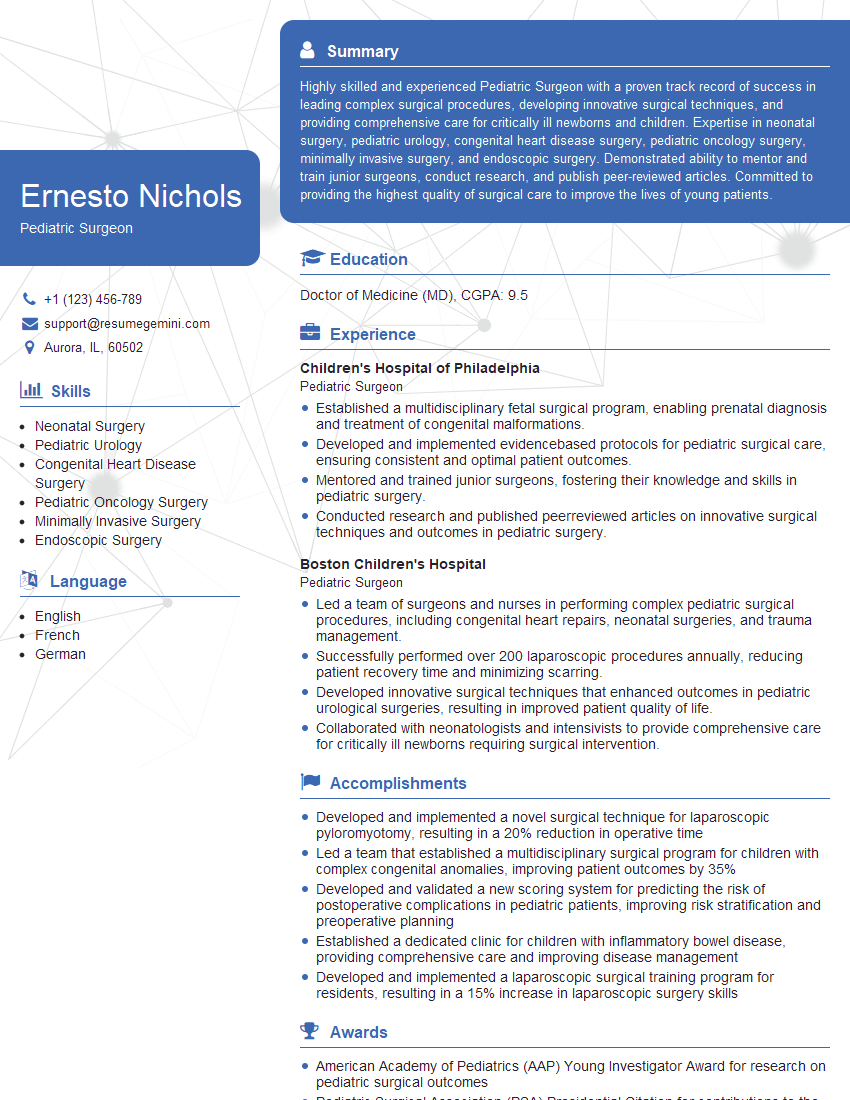
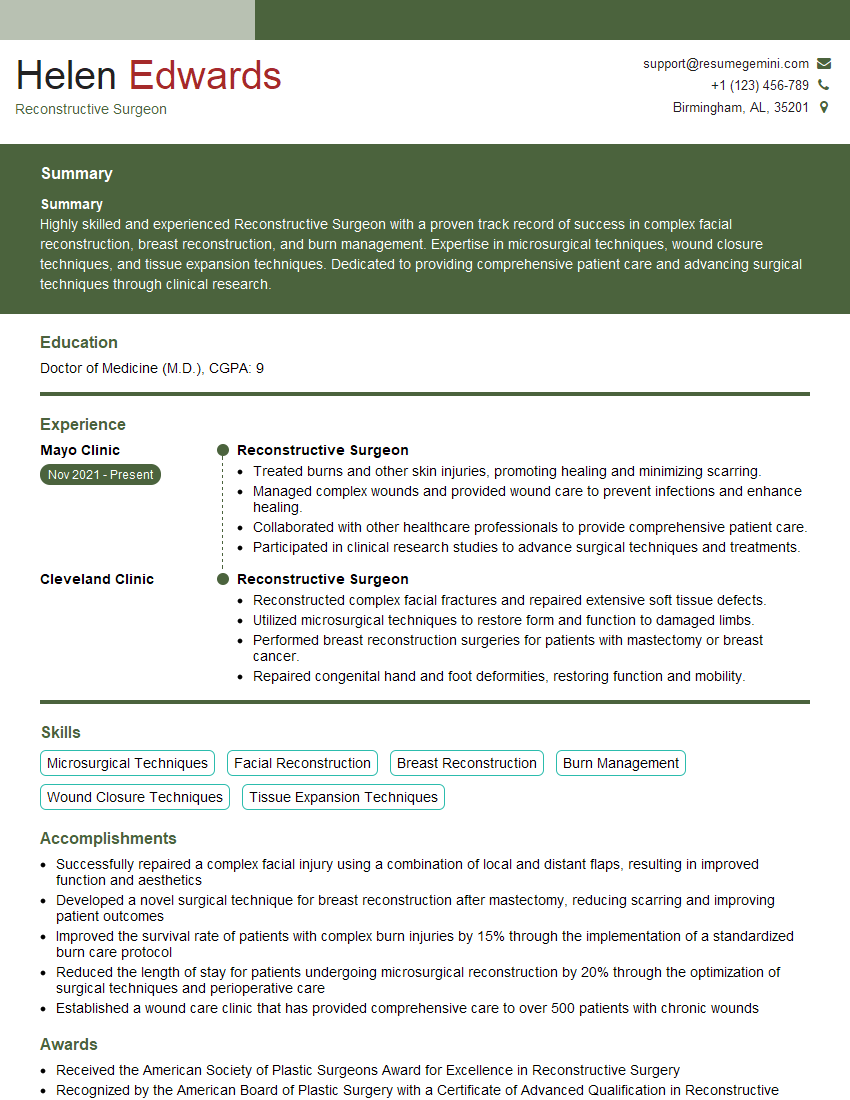
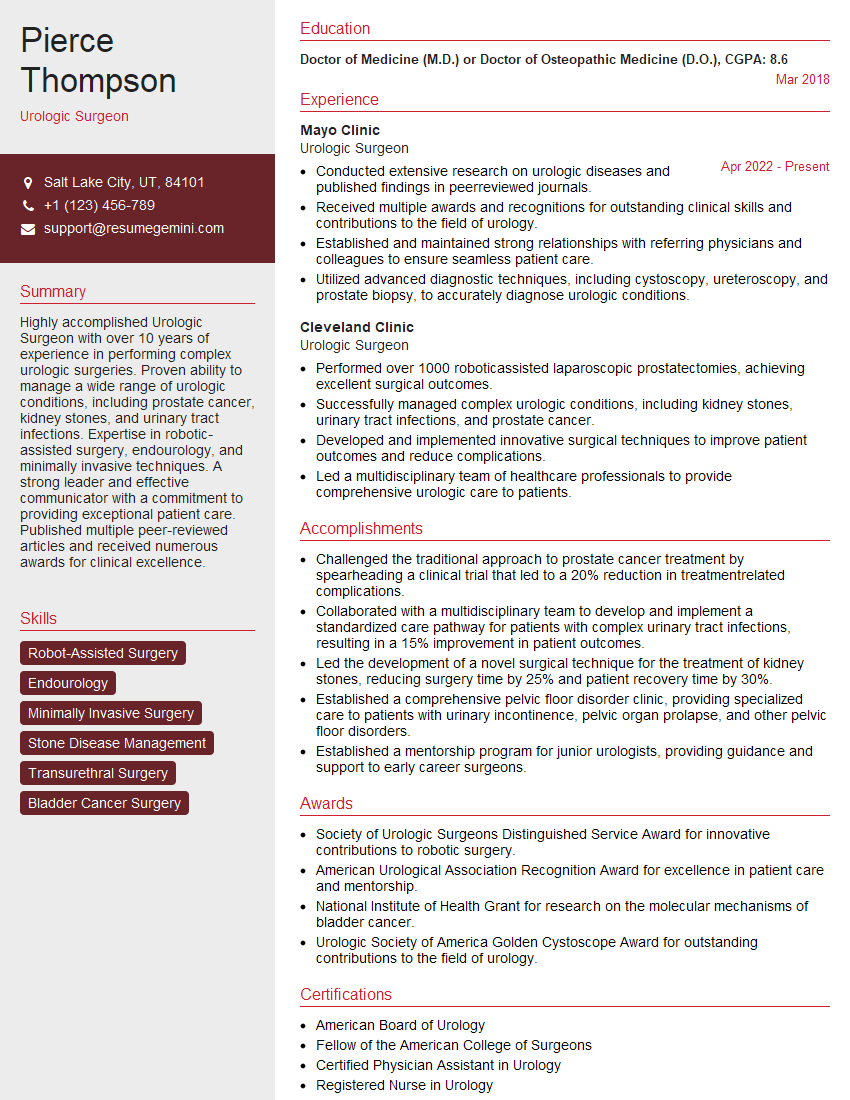
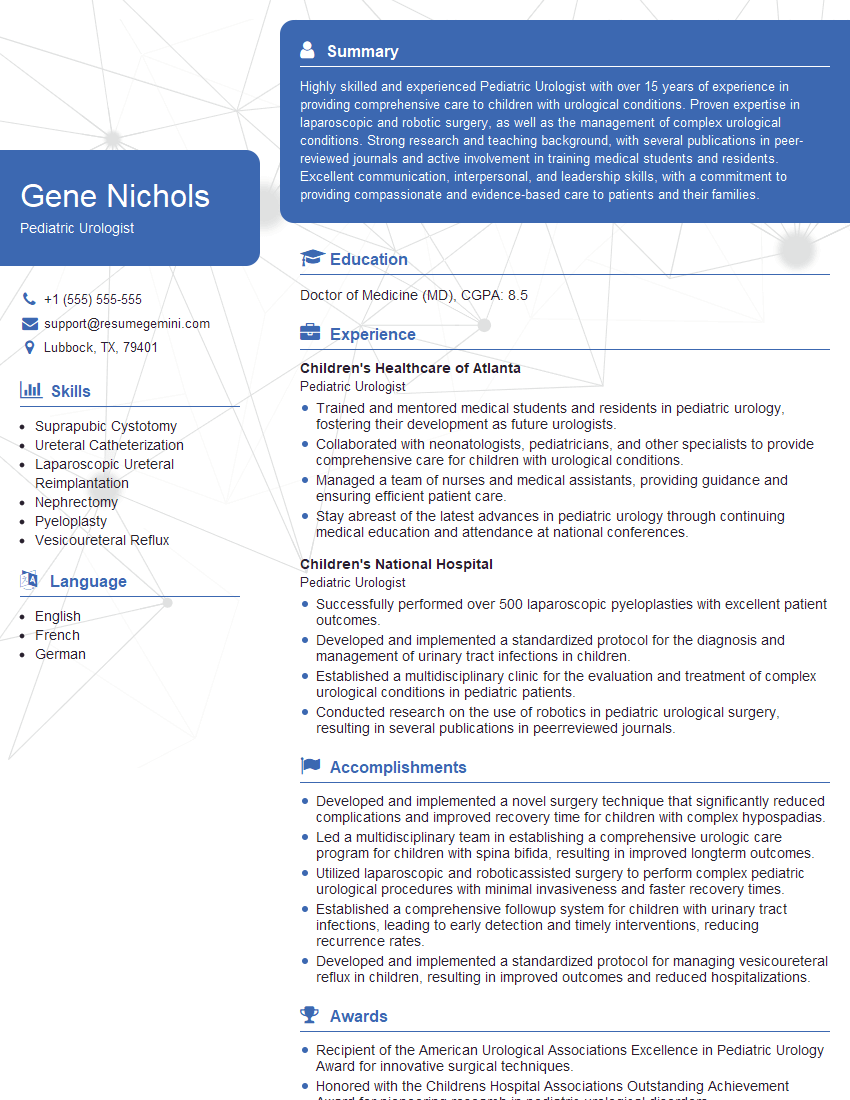
Mastering Exstrophy Bladder Repair positions you for significant career advancement in pediatric urology or reconstructive surgery. A strong understanding of these concepts demonstrates your expertise and commitment to patient care. To further enhance your job prospects, crafting an ATS-friendly resume is crucial. ResumeGemini is a trusted resource that can help you build a professional and impactful resume, ensuring your qualifications stand out. Examples of resumes tailored to Exstrophy Bladder Repair are available within ResumeGemini to help you get started.

Explore more articles
Users Rating of Our Blogs
Share Your Experience
We value your feedback! Please rate our content and share your thoughts (optional).
What Readers Say About Our Blog
To the interviewgemini.com Webmaster.
Very helpful and content specific questions to help prepare me for my interview!
Thank you
To the interviewgemini.com Webmaster.
This was kind of a unique content I found around the specialized skills. Very helpful questions and good detailed answers.
Very Helpful blog, thank you Interviewgemini team.