The right preparation can turn an interview into an opportunity to showcase your expertise. This guide to Fitness Testing interview questions is your ultimate resource, providing key insights and tips to help you ace your responses and stand out as a top candidate.
Questions Asked in Fitness Testing Interview
Q 1. Explain the difference between maximal and submaximal fitness testing.
Maximal fitness testing pushes the individual to their absolute limit, aiming to measure their peak performance capabilities. Think of it like running a marathon as fast as humanly possible – you’re measuring your absolute best. Submaximal testing, on the other hand, involves exercising at a lower intensity, below the point of exhaustion. It’s like running a 5k at a comfortably hard pace – you’re measuring your performance at a sustainable level. The primary difference lies in the intensity and the goal: maximal tests aim to find the absolute peak, while submaximal tests estimate peak performance based on responses at lower intensities. This distinction is crucial because maximal tests are more strenuous and potentially risky, requiring stringent safety protocols, while submaximal tests are generally safer and more practical for larger groups or individuals with health concerns.
Q 2. Describe the procedures for administering a VO2 max test.
Administering a VO2 max test, which measures the maximum amount of oxygen your body can utilize during intense exercise, is a complex procedure usually conducted in a clinical or laboratory setting. It typically involves:
- Graded Exercise Test (GXT): The individual begins exercising at a low intensity on a treadmill or cycle ergometer. The intensity gradually increases at set intervals (e.g., every 3 minutes), usually by increasing the speed or resistance.
- Continuous Monitoring: Throughout the test, heart rate, blood pressure, and respiratory gas exchange (oxygen consumption and carbon dioxide production) are continuously monitored using electrocardiogram (ECG), blood pressure cuff, and metabolic cart.
- Endpoint Determination: The test continues until the individual reaches volitional exhaustion (they can’t continue) or predetermined physiological criteria are met (e.g., a plateau in oxygen uptake despite increased workload, or reaching a pre-determined heart rate).
- Data Analysis: The data collected, particularly the peak oxygen uptake (VO2 max), is analyzed to provide a measure of cardiorespiratory fitness.
Safety is paramount; qualified personnel, including a medical professional, are always present to monitor for any adverse events. This procedure is very demanding, and isn’t suitable for everyone. Pre-test screening is crucial to identify any risks.
Q 3. What are the key considerations for selecting appropriate fitness tests for a specific population (e.g., elderly, athletes)?
Selecting appropriate fitness tests is critical and depends heavily on the specific population. For example:
- Elderly: Tests must be modified to accommodate age-related limitations. High-intensity exercises are generally avoided, and tests assessing functional fitness, like the timed chair stand or 6-minute walk test, are often preferred. Focus is on mobility and balance rather than peak performance.
- Athletes: Athletes require more sophisticated tests that can precisely measure their specific performance parameters. For example, a basketball player might undergo tests measuring agility, vertical jump height, and anaerobic capacity, whereas a marathon runner might focus on VO2 max, lactate threshold, and endurance tests.
Considering factors like health status, physical limitations, and the goals of the testing are paramount. Always prioritize safety and choose tests that are reliable and valid for the target population. For example, a shuttle run test might be appropriate for assessing agility in young, healthy adults but completely unsuitable for an elderly person with mobility issues.
Q 4. How do you interpret and explain fitness test results to clients or athletes?
Interpreting and explaining fitness test results requires careful communication. I would start by summarizing the key findings in a clear, concise manner, avoiding jargon. For example, instead of saying “Your VO2 max is 45 ml/kg/min,” I might say, “Your aerobic fitness is above average for your age and gender.”
I then explain what the results mean in terms of their health and fitness levels. If the results are below expectations, I collaborate with the client or athlete to develop a plan to improve. If the results are excellent, we discuss how to maintain the current fitness level and possibly set new, more challenging goals. Visual aids like graphs and charts are incredibly helpful in illustrating the data and conveying the message effectively. Finally, I emphasize that fitness testing is just one piece of the puzzle, and lifestyle factors like diet and sleep also play significant roles.
It’s crucial to maintain a positive and encouraging tone, fostering a collaborative relationship built on trust and mutual understanding.
Q 5. What are the limitations and potential errors associated with common fitness tests?
Many common fitness tests have limitations and potential errors. For example:
- Skinfold Calipers: The accuracy depends heavily on the technician’s skill and experience. Inconsistent measurement techniques can lead to significant errors.
- VO2 Max Tests: These tests are expensive, time-consuming, and require specialized equipment. Motivation and exertion levels of the participant can influence results.
- Field Tests (e.g., 1-mile run): Environmental factors like temperature and wind can affect performance and introduce error. Individual variations in running technique also play a role.
Understanding these limitations is crucial for interpreting the results appropriately. It’s important to consider the context and the potential sources of error when making conclusions based on these tests. For instance, if a client’s skinfold measurements are slightly elevated compared to their previous reading, it doesn’t necessarily mean a significant change in body composition has occurred, but rather could be due to changes in hydration status or technique of measurement.
Q 6. Describe the role of reliability and validity in fitness testing.
Reliability and validity are essential aspects of any fitness test. Reliability refers to the consistency of the test. A reliable test will produce similar results when administered repeatedly under the same conditions. Think of it like a reliable scale – if you weigh yourself multiple times, you should get roughly the same weight each time. Validity, on the other hand, refers to the test’s accuracy in measuring what it intends to measure. A valid test accurately reflects the true fitness level. An example of a valid test for cardiorespiratory fitness would be a VO2 max test, as it directly measures the maximum oxygen uptake. A test can be reliable but not valid (e.g., a test consistently produces the same incorrect measurement), and a test can be valid but not reliable (e.g., a test produces a true value but with inconsistent measurements).
High reliability and validity are crucial for making informed decisions based on fitness test results. Choosing tests that have established reliability and validity coefficients is essential.
Q 7. Explain different methods for assessing body composition (e.g., DEXA, skinfold calipers).
Several methods are used to assess body composition, each with its advantages and disadvantages:
- DEXA (Dual-Energy X-ray Absorptiometry): This is considered the gold standard. It uses low-dose X-rays to measure bone mineral density, lean mass, and fat mass. It’s highly accurate but expensive and requires specialized equipment.
- Skinfold Calipers: This involves measuring subcutaneous fat thickness at multiple sites using calipers. It’s relatively inexpensive and portable, but the accuracy is highly dependent on the technician’s skill and the equations used to estimate body composition.
- Bioelectrical Impedance Analysis (BIA): This method passes a small electrical current through the body to estimate body composition. It’s convenient and readily available, but it’s susceptible to error due to hydration status, recent food consumption, and other factors.
- Underwater Weighing (Hydrostatic Weighing): This method measures body density by determining the difference in weight in air and underwater. It’s highly accurate but less accessible and may be uncomfortable for some individuals.
The choice of method depends on factors like cost, availability of equipment, and the desired level of accuracy. When interpreting results, it’s important to be aware of the limitations of each method and the potential sources of error.
Q 8. How do you ensure the safety of clients during fitness testing?
Ensuring client safety during fitness testing is paramount. It begins with a thorough pre-participation health screening, including a detailed health history questionnaire and, ideally, physician clearance, particularly for individuals with pre-existing conditions. This helps identify potential risks and contraindications to specific tests. During the testing process itself, continuous monitoring of vital signs (heart rate, blood pressure) is crucial. We need to pay close attention to the client’s verbal and non-verbal cues – signs of fatigue, dizziness, or pain should immediately halt the test. Having readily available emergency response protocols and equipment, including an AED (Automated External Defibrillator) and trained personnel, is non-negotiable. Proper warm-up and cool-down periods are essential to minimize the risk of injury. Finally, choosing appropriate tests based on the individual’s fitness level and goals is key. For instance, a high-intensity test might be inappropriate for a sedentary individual. We should always prioritize safety over pushing limits.
Q 9. What are the ethical considerations involved in fitness testing?
Ethical considerations in fitness testing are central to maintaining professional integrity. Informed consent is fundamental – clients must fully understand the purpose, procedures, risks, and benefits of the testing before participating. Confidentiality of the data collected is crucial, ensuring client privacy and adhering to relevant data protection regulations. Objectivity and impartiality are also critical; we must avoid bias in interpreting results and provide unbiased feedback. Professional competence and continuing education are vital to maintain the highest standard of practice. For example, we need to use validated tests and interpret the results accurately, avoiding over-interpreting or misrepresenting the findings. Finally, avoiding any conflict of interest is essential. For instance, we should not recommend products or services solely based on financial incentives.
Q 10. How would you modify a fitness test protocol for an individual with a specific medical condition?
Modifying a fitness test protocol for someone with a specific medical condition requires careful consideration. For instance, for a client with hypertension, we might substitute the maximal treadmill test with a submaximal test, such as a bike ergometer test, reducing the risk of sudden blood pressure spikes. If a client has asthma, we would need to ensure adequate warm-up and cool-down periods and have a rescue inhaler readily available. For individuals with orthopedic limitations, we may need to modify or substitute certain movement assessments, potentially using alternative exercises that minimize stress on affected joints. Collaboration with the individual’s physician or physical therapist is often necessary to ensure the safety and appropriateness of any modifications. For example, a client with a history of knee injuries might require us to replace the squat test with a chair sit-to-stand test.
Q 11. What are some common cardiovascular fitness tests and their relative advantages and disadvantages?
Several cardiovascular fitness tests exist, each with advantages and disadvantages:
- Maximal Oxygen Consumption (VO2 max) Test: This gold standard directly measures the body’s ability to utilize oxygen. Advantages: Highly accurate and provides a comprehensive picture of cardiovascular fitness. Disadvantages: Requires expensive equipment, highly demanding, and may not be suitable for all individuals.
- Submaximal Exercise Tests: These tests estimate VO2 max based on submaximal heart rate and workload. Advantages: Less demanding, easier to administer, and more accessible. Disadvantages: Less accurate than VO2 max testing and relies on assumptions.
- Step Tests: Involve stepping up and down on a platform at a set pace. Advantages: Simple, inexpensive, and requires minimal equipment. Disadvantages: Less accurate than other tests and may not be suitable for individuals with joint problems.
- Field Tests (e.g., 1.5-mile run): These time-based tests assess cardiovascular endurance in a real-world setting. Advantages: Simple, inexpensive, and suitable for large groups. Disadvantages: Highly dependent on individual pacing and may not accurately reflect cardiovascular fitness in individuals with different running abilities.
Q 12. Describe various muscular strength and endurance assessments.
Muscular strength and endurance are assessed through various methods:
- Strength Assessments:
- 1-repetition maximum (1RM): This measures the maximum weight that can be lifted for one repetition. It’s highly effective but requires careful supervision and proper technique.
- Isometric Strength Testing: Measures muscle force output without movement, such as using a hand dynamometer for grip strength.
- Isokinetic Dynamometry: Measures force output at constant velocity, providing a more precise assessment of muscle performance.
- Endurance Assessments:
- Repetition-to-failure tests: Individuals perform repetitions of an exercise until they can no longer maintain proper form. Examples include push-up tests and sit-up tests.
- Timed endurance tests: These tests assess how long an individual can perform a given exercise, such as a plank hold or wall sit.
Q 13. How do you assess flexibility and range of motion?
Flexibility and range of motion (ROM) are assessed using both active and passive techniques:
- Goniometry: Uses a goniometer to measure joint angles, providing a quantitative measure of ROM. It’s precise but requires proper training.
- Sit-and-reach test: A common measure of hamstring flexibility.
- Active ROM tests: The client moves the joint through its full ROM, demonstrating their active flexibility.
- Passive ROM tests: The assessor moves the client’s joint through its ROM, indicating the total potential range, which can be greater than active ROM.
- Functional movement screens: Assess overall flexibility and mobility relevant to daily activities and specific sports.
Combining various methods provides a comprehensive assessment of flexibility.
Q 14. Explain the principles of training adaptation relevant to test interpretation.
Understanding the principles of training adaptation is crucial for interpreting fitness test results. Training adaptations refer to the physiological changes that occur in response to exercise. These changes are highly individual and depend on factors like training intensity, volume, frequency, and the individual’s genetics. When interpreting test results, we must consider the individual’s training history. For example, a client with a consistent strength training program will likely show greater strength gains than a sedentary individual. Similarly, someone who has been engaged in endurance training will show improved cardiovascular fitness scores. We must also account for the principle of specificity, meaning improvements are often specific to the type of training performed. A runner might not show significant improvements in upper body strength. Analyzing the test results in light of the client’s training program provides a more accurate assessment of their progress and informs the design of future training plans. We need to consider factors like plateaus, overtraining, and detraining to interpret changes accurately.
Q 15. What software or technologies are you familiar with for data collection and analysis in fitness testing?
Data collection and analysis in fitness testing are crucial for tracking progress and tailoring interventions. I’m proficient in using several software and technologies, including:
- Specialized Fitness Software: Such as Omnia, Trainerize, or TrueCoach. These platforms allow for streamlined data entry, client tracking, program design, and report generation. For instance, I can easily input data from a VO2 max test into Omnia, and it will automatically calculate training zones and generate personalized reports for the client.
- Spreadsheet Software (Excel, Google Sheets): These are invaluable for organizing raw data, performing basic calculations (like averages and percentages), and creating charts to visualize trends. I often use Excel to create custom graphs to show clients their progress over time in different fitness metrics.
- Statistical Software (SPSS, R): For more complex analyses, including correlations and regressions, I leverage statistical software to uncover deeper insights from the data, potentially revealing hidden patterns in client performance or identifying predictors of success.
- Wearable Technology Integration: Many fitness trackers and smartwatches (Fitbit, Apple Watch, Garmin) provide valuable data. I can integrate this data – such as sleep patterns, step counts, and heart rate variability – to gain a more holistic view of the client’s health and fitness levels. This provides a more complete picture than relying solely on traditional fitness testing.
The choice of software depends on the specific needs of the assessment and the client. My approach is always to select the tools that provide the most accurate, efficient, and insightful data analysis.
Career Expert Tips:
- Ace those interviews! Prepare effectively by reviewing the Top 50 Most Common Interview Questions on ResumeGemini.
- Navigate your job search with confidence! Explore a wide range of Career Tips on ResumeGemini. Learn about common challenges and recommendations to overcome them.
- Craft the perfect resume! Master the Art of Resume Writing with ResumeGemini’s guide. Showcase your unique qualifications and achievements effectively.
- Don’t miss out on holiday savings! Build your dream resume with ResumeGemini’s ATS optimized templates.
Q 16. How do you maintain the accuracy and calibration of fitness testing equipment?
Maintaining the accuracy and calibration of fitness testing equipment is paramount to ensure reliable results. My approach involves a multi-faceted strategy:
- Regular Calibration: I schedule regular calibrations for all equipment, following manufacturer guidelines. This usually involves sending equipment to a specialized service center or using certified calibration tools. For example, I have my metabolic cart professionally calibrated annually and my force plates calibrated every six months.
- Pre-Test Checks: Before each testing session, I conduct thorough pre-test checks of all equipment. This includes verifying functionality, checking for any damage, and ensuring proper zeroing or baseline settings. For instance, I always zero the scale before each weight measurement and verify the proper alignment of the treadmill prior to conducting a graded exercise test.
- Quality Control: I use quality control measures, like using a standardized protocol and performing regular test-retests on myself or trusted colleagues, to assess the consistency and reliability of the equipment and my own testing procedures.
- Proper Maintenance: I follow manufacturer instructions for proper maintenance and cleaning, reducing wear and tear to extend the lifespan and accuracy of the equipment.
- Documentation: I maintain meticulous records of all calibrations, maintenance, and quality control checks, ensuring traceability and accountability.
By adhering to these practices, I can confidently rely on the accuracy of the data collected, ensuring the validity and reliability of the assessments I conduct.
Q 17. Describe your experience with interpreting and using normative data in fitness assessments.
Normative data is essential for interpreting fitness test results and placing them within a meaningful context. It provides a benchmark for comparison against a larger population, allowing for a more nuanced understanding of an individual’s performance.
My experience involves using normative data from established sources like ACSM (American College of Sports Medicine) guidelines, peer-reviewed research articles, and manufacturer-provided data. I understand that normative data can vary across demographics (age, gender, ethnicity) and therefore it’s crucial to select the most appropriate reference group for comparison. For example, I would use age- and sex-specific normative data from ACSM for interpreting a client’s maximal oxygen uptake (VO2 max) score.
I use this data not just to determine a client’s fitness level (above average, average, below average), but also to set realistic and achievable goals. If a client’s score is below average, for example, I can use the normative data to establish realistic incremental goals towards the average range rather than striving for an immediate, possibly unattainable, top percentile.
Interpreting normative data is not just about numbers; it’s about context. I consider factors such as training history, lifestyle, and medical history when interpreting results and creating a suitable fitness plan.
Q 18. How do you handle situations where a client’s results are unexpected or concerning?
Unexpected or concerning results demand a thoughtful and responsible approach. My first step is to carefully review the data and the testing procedure to rule out any errors in technique, equipment malfunction, or data entry.
If the results persist after a thorough review, I would initiate the following steps:
- Open Communication with the Client: I discuss the results with the client in a calm, empathetic, and supportive manner, avoiding judgmental language. I would explain the findings in clear, non-technical terms, focusing on what the results indicate about their current health and fitness levels.
- Referral if Necessary: If the results suggest a potential underlying health issue (e.g., abnormally high blood pressure, resting heart rate), I immediately refer the client to their physician or other relevant healthcare professional for medical evaluation. This is a crucial aspect of my responsibility, prioritizing the client’s well-being above all else.
- Re-evaluation if Appropriate: Depending on the nature of the concerning result, a re-test might be warranted after a sufficient time period, allowing for potential adaptation or changes in training.
- Adjusted Programming: Based on the results, I carefully adapt the exercise program to better suit the client’s needs and capabilities. This might include modifying intensity, duration, or exercise selection, emphasizing safety and gradual progression.
The key is to prioritize the client’s health and safety, using my expertise to guide them towards achieving their fitness goals in a responsible and effective manner.
Q 19. Explain the importance of pre-test and post-test instructions for clients.
Pre-test and post-test instructions are vital for ensuring the accuracy and reliability of the fitness assessment and maximizing the client’s safety and comfort. These instructions are crucial because they ensure the client provides their best effort, understands what is expected of them and helps minimize potential risks.
Pre-test instructions typically include:
- Hydration and Nutrition: Clients are advised to hydrate properly and avoid heavy meals or intense exercise in the hours leading up to the test.
- Clothing and Footwear: Appropriate attire and comfortable footwear are crucial for optimal performance and safety.
- Medication: Clients should disclose any medications they are taking, as these can influence test results.
- Medical History: A thorough review of their medical history is vital for identifying any potential contraindications or precautions for testing.
- Test Explanation: I explain the purpose of each test, the procedure, and what will be expected of them during the assessment.
Post-test instructions focus on recovery and the follow-up process:
- Cool-down: A proper cool-down period is essential for preventing dizziness or injury.
- Hydration and Nutrition: Adequate hydration and nutrition replenishment are stressed.
- Rest: Clients are instructed to allow their body to recover appropriately before engaging in further intense physical activity.
- Next Steps: I inform the client of when to expect the results and how to schedule a follow-up session to discuss their fitness program.
Providing clear and concise instructions reduces confusion, promotes safety, and ultimately improves the overall quality of the assessment.
Q 20. How do you create a customized fitness program based on fitness test results?
Creating a customized fitness program requires a comprehensive understanding of the client’s needs, capabilities, and goals, and using the fitness test results as a foundation. It’s more than just looking at numbers; it’s about integrating that data with other client factors.
My process involves:
- Reviewing the Test Results: This includes analyzing all collected data, noting strengths and weaknesses in various fitness components (cardiovascular fitness, muscular strength, flexibility, etc.).
- Considering Client Goals and Preferences: I discuss the client’s aspirations and preferences, such as weight loss, improved endurance, increased strength, or enhanced overall fitness. I also take into account their lifestyle, time constraints, and access to facilities (home gym, commercial gym, etc.).
- Setting Realistic and Achievable Goals: Based on the test results and client preferences, I set specific, measurable, achievable, relevant, and time-bound (SMART) goals. The baseline fitness level derived from the test results is key to setting realistic expectations.
- Designing the Program: This involves selecting exercises, sets, reps, rest periods, and intensity levels tailored to the client’s fitness level and goals. For example, if someone is weak in lower-body strength, I’d program more exercises that target those muscle groups.
- Progress Monitoring and Adjustments: I schedule regular follow-up sessions to monitor progress, assess adherence to the plan, and make adjustments as needed to ensure the program remains effective and safe. I utilize feedback from the client about their experiences with the program to determine what modifications may be necessary.
The fitness test results act as a roadmap, guiding the design and progression of the program, ensuring that it is both challenging and appropriate for the individual.
Q 21. What are the key components of a comprehensive fitness assessment?
A comprehensive fitness assessment should encompass various components to provide a holistic view of an individual’s health and fitness status. It shouldn’t just focus on one area but assess different aspects of physical functioning.
Key components typically include:
- Resting Measurements: This includes height, weight, body mass index (BMI), body composition (e.g., using skinfold calipers or bioelectrical impedance analysis), and resting heart rate and blood pressure.
- Cardiovascular Fitness Assessment: This evaluates the efficiency of the cardiovascular system and can involve tests such as a graded exercise test (GXT) on a treadmill or cycle ergometer, assessing VO2 max or other indicators of cardiovascular endurance.
- Muscular Strength and Endurance Assessment: These tests measure the ability of muscles to generate force (strength) and sustain repeated contractions (endurance). Examples include 1-repetition maximum (1RM) tests for various muscle groups, push-up or sit-up tests, and isometric strength testing.
- Flexibility Assessment: This evaluates the range of motion at various joints, often using tests such as sit-and-reach or goniometry.
- Body Composition Analysis: Accurate body fat percentage determination is crucial, and various techniques are used including skinfold calipers, DEXA scans, or bioelectrical impedance analysis (BIA).
- Balance and Functional Movement Assessments: These provide insights into the client’s ability to perform daily activities and can help identify potential risks of falls or injuries. Tests include the single-leg stance test, functional reach test, or movement screens such as the FMS (Functional Movement Screen).
- Health History and Lifestyle Questionnaire: This is essential for gathering information on medical history, current medications, exercise habits, sleep patterns, diet, and other lifestyle factors that can influence fitness levels. A thorough client intake is key to understanding their situation.
By combining these components, a comprehensive fitness assessment provides a robust foundation for designing a safe and effective individualized exercise program.
Q 22. Describe your experience with different types of field tests versus lab-based tests.
Field tests and lab-based tests both assess fitness, but differ significantly in their settings and precision. Field tests are conducted in natural environments, using readily available equipment, offering convenience and practicality but often sacrificing precision. Lab-based tests, conversely, take place in controlled environments using sophisticated equipment, leading to more accurate and detailed results, though they can be more expensive and less accessible.
- Field Tests: Examples include the 1.5-mile run to assess cardiovascular fitness, the sit-and-reach test for flexibility, or a timed agility course. These tests are easily adaptable for large groups and require minimal equipment.
- Lab-based Tests: Examples include VO2 max testing (measuring maximal oxygen uptake) on a treadmill with gas analysis, body composition analysis using DEXA scans (dual-energy X-ray absorptiometry), or isokinetic dynamometry for assessing muscle strength and power. These offer highly specific data but require specialized equipment and trained personnel.
- Practical Application: I often use field tests for large group assessments or initial screenings due to their practicality and cost-effectiveness. For athletes or clients needing in-depth analysis, lab-based tests are invaluable in developing precise training programs and monitoring progress.
Q 23. Explain the differences between various types of muscle testing (e.g., isometric, isotonic, isokinetic).
Muscle testing methods differ based on the type of muscle contraction involved. Understanding these differences is critical for selecting appropriate tests and interpreting results.
- Isometric Contractions: Involve muscle activation without a change in muscle length. Think of holding a plank. Testing often involves measuring the force produced against an immovable object. Examples include handgrip dynamometry or testing the maximal force produced during an isometric leg press.
- Isotonic Contractions: Involve muscle activation with a change in muscle length, maintaining a relatively constant force. Think of bicep curls with a fixed weight. Testing involves measuring the amount of weight lifted through a specific range of motion. Examples include weightlifting exercises (e.g., bench press, squats).
- Isokinetic Contractions: Involve muscle activation at a constant speed, regardless of the force applied. Specialized equipment (isokinetic dynamometers) controls the speed of movement while measuring the force produced. This provides detailed information on muscle performance at various speeds, crucial for rehabilitation and athletic performance analysis. Examples include knee extension or flexion tests on an isokinetic machine.
Choosing the right type of muscle test depends entirely on the client’s goals and the specific information needed. For example, isometric testing might be useful for assessing core stability, while isokinetic testing is often used in injury rehabilitation to track recovery progress.
Q 24. How do you incorporate fitness testing into a broader health and wellness plan?
Fitness testing is a fundamental component of a comprehensive health and wellness plan. It forms the baseline for creating personalized exercise programs and nutritional plans, offering a data-driven approach to achieving health goals.
- Assessment: Fitness testing provides objective data on strength, endurance, flexibility, and body composition, offering a clear picture of the client’s current fitness level. This helps identify areas for improvement and establish realistic goals.
- Goal Setting: Based on the assessment, we collaboratively set specific, measurable, achievable, relevant, and time-bound (SMART) goals. This data-driven approach increases client motivation and tracks progress effectively.
- Program Design: The test results guide the creation of a tailored exercise program, ensuring that it is appropriately challenging and safe for the client. Regular re-testing helps monitor progress and adjust the program as needed.
- Motivation and Tracking: Observing improvements in fitness scores over time provides strong positive reinforcement and helps maintain client motivation throughout the wellness journey. This data-driven approach keeps the client engaged.
For example, a client aiming for improved cardiovascular health might begin with a field test like a 1.5-mile run. Their initial time establishes a baseline. Subsequent tests throughout the program track improvements and motivate the client as they achieve faster times.
Q 25. What are some emerging trends or technologies in fitness testing?
The field of fitness testing is constantly evolving with new technologies and approaches improving accuracy, efficiency, and accessibility.
- Wearable Technology: Smartwatches and fitness trackers provide continuous monitoring of activity levels, heart rate, sleep patterns, and other relevant data. This offers a broader understanding of a client’s daily activity beyond structured testing sessions.
- Advanced Body Composition Analysis: Techniques like bioelectrical impedance analysis (BIA) and near-infrared spectroscopy (NIRS) provide more accurate and convenient assessments of body fat percentage compared to traditional methods.
- AI-Powered Analysis: Artificial intelligence is used to analyze data from various sources (wearables, tests, etc.) to create highly personalized training plans and provide more insightful feedback.
- Virtual Reality (VR) and Gamification: VR technology is enhancing fitness testing by creating engaging and interactive experiences. Gamification techniques are also motivating clients to participate more actively in testing and training programs.
These technologies are enhancing the client experience, increasing accuracy, and ultimately improving the effectiveness of health and fitness interventions.
Q 26. Describe a time you had to troubleshoot a problem during a fitness testing session.
During a VO2 max test, the client experienced unexpected dizziness midway through the protocol. This immediately halted the test. I suspected it was related to dehydration or hyperventilation.
My troubleshooting steps included:
- Safety First: I immediately stopped the treadmill and assessed the client’s condition. They were able to sit and regain their composure fairly quickly, which was relieving.
- Hydration Check: I checked their hydration level by inquiring about their recent water intake. They admitted to minimal water consumption before the session.
- Breathing Techniques: I guided the client in controlled breathing exercises to help regulate their breathing and reduce the dizziness.
- Postponement: After a brief rest, their symptoms subsided. We decided to postpone the test to another day, recommending they stay well-hydrated beforehand.
- Client Communication: I explained the potential causes of the dizziness and emphasized the importance of proper hydration and preparation before future testing sessions.
This experience reinforced the importance of careful client monitoring, prompt response to unexpected situations, and clear communication.
Q 27. How do you ensure client confidentiality when handling fitness test data?
Client confidentiality is paramount. I strictly adhere to relevant data protection regulations and best practices when handling fitness test data.
- Data Storage: All data is stored securely in password-protected electronic files, often using encryption for enhanced security. Physical files, if used, are kept in locked cabinets.
- Access Control: Access to client data is limited to authorized personnel only. I use secure access controls and maintain detailed records of data access.
- Anonymization: Where possible, I anonymize data when sharing information for research or aggregated reporting, removing any personally identifiable information.
- Informed Consent: Clients provide informed consent before any testing, clearly outlining how their data will be used and stored. They have the right to access and request changes to their data.
- Compliance: I stay updated with current data protection regulations, ensuring compliance with all relevant laws and standards.
Maintaining client trust is crucial; thus, transparent data handling practices are fundamental to my professional approach.
Q 28. What are your strategies for motivating clients to participate in and adhere to a fitness testing protocol?
Motivating clients to participate actively in fitness testing requires a multi-faceted approach emphasizing the benefits, minimizing anxiety, and fostering a collaborative relationship.
- Education: I clearly explain the purpose, process, and benefits of each test. Clients understand how the results will inform their personalized plans, increasing their engagement.
- Positive Reinforcement: I focus on celebrating achievements and progress, rather than dwelling on areas needing improvement. Positive reinforcement helps build confidence and encourage adherence.
- Personalized Approach: I tailor the testing protocol to each client’s individual needs and fitness level, ensuring the experience is manageable and not overly challenging.
- Clear Communication: I maintain open and honest communication, answering questions thoroughly and addressing any concerns. A collaborative approach increases client buy-in.
- Gamification: Incorporating elements of gamification, like setting small, achievable goals or tracking progress visually, can enhance motivation and make the process more enjoyable.
For example, I might use a simple chart to track improvements in a client’s run time, making their progress visually apparent. This helps reinforce their effort and motivation to continue.
Key Topics to Learn for Fitness Testing Interview
- Physiological Principles of Fitness: Understanding cardiorespiratory fitness, muscular strength and endurance, flexibility, and body composition. Consider the theoretical basis for each component and how they interrelate.
- Test Selection and Administration: Learn to choose appropriate fitness tests based on client population, goals, and available resources. Practice administering tests accurately and safely, understanding the limitations of each test.
- Data Analysis and Interpretation: Master the skills of interpreting fitness test results, identifying strengths and weaknesses, and using this data to create personalized training programs. Consider different methods of data presentation and their implications.
- Test Validity and Reliability: Critically evaluate the validity and reliability of different fitness tests. Understand the factors that can influence test results and how to minimize error.
- Risk Stratification and Safety Procedures: Learn to identify individuals at risk for exercise-related complications and implement appropriate safety precautions. Understand pre-exercise screening processes and the importance of informed consent.
- Exercise Prescription and Programming: Explore how to design safe and effective exercise programs based on fitness test results, considering individual needs and goals. Understand the principles of progressive overload and specificity.
- Technology in Fitness Testing: Familiarize yourself with common technologies used in fitness testing, such as wearable sensors and software for data analysis. Understand the advantages and limitations of different technologies.
- Ethical Considerations in Fitness Testing: Understand the ethical responsibilities of fitness professionals, including confidentiality, informed consent, and professional boundaries.
Next Steps
Mastering fitness testing is crucial for career advancement in the health and fitness industry, opening doors to diverse and rewarding opportunities. A strong resume is your key to unlocking these opportunities. An ATS-friendly resume, optimized for applicant tracking systems, significantly increases your chances of getting your application noticed. To build a compelling and effective resume, we highly recommend using ResumeGemini. ResumeGemini provides a user-friendly platform to craft professional resumes, and we offer examples of resumes tailored specifically to the Fitness Testing field to help you get started.
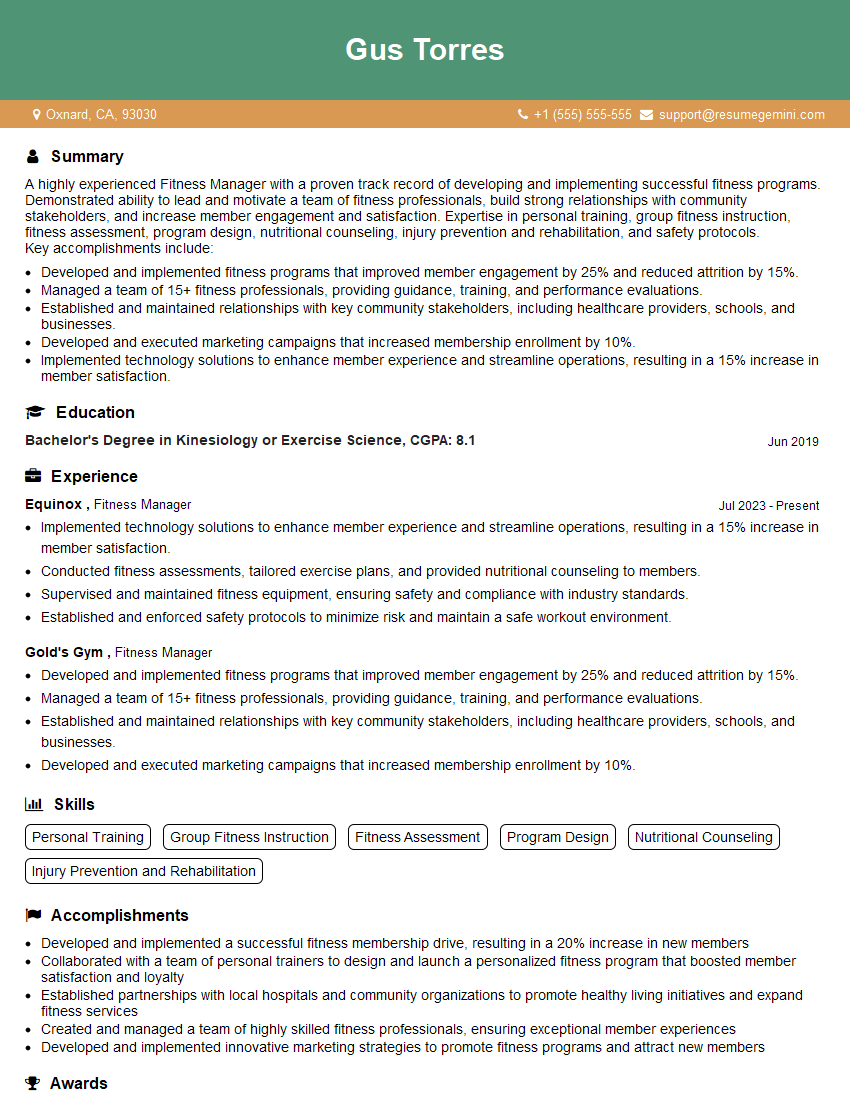
Fitness Manager Resume Sample
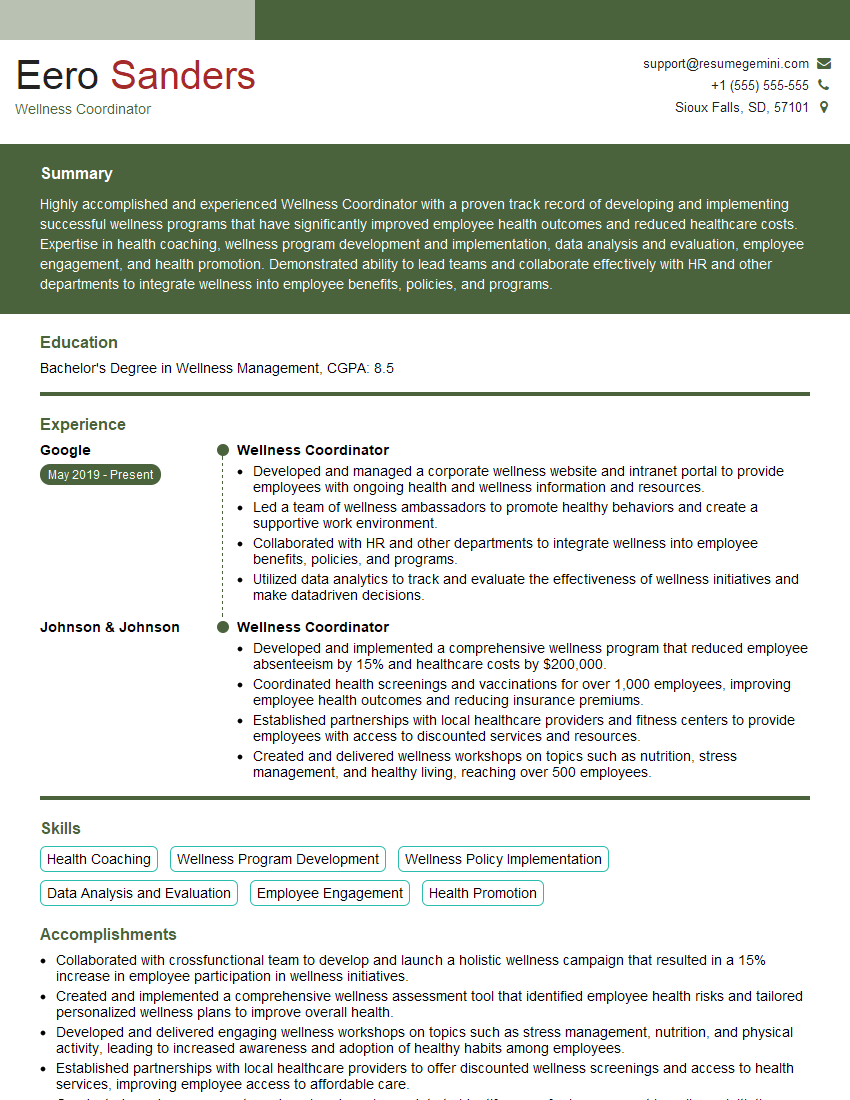
Wellness Coordinator Resume Sample
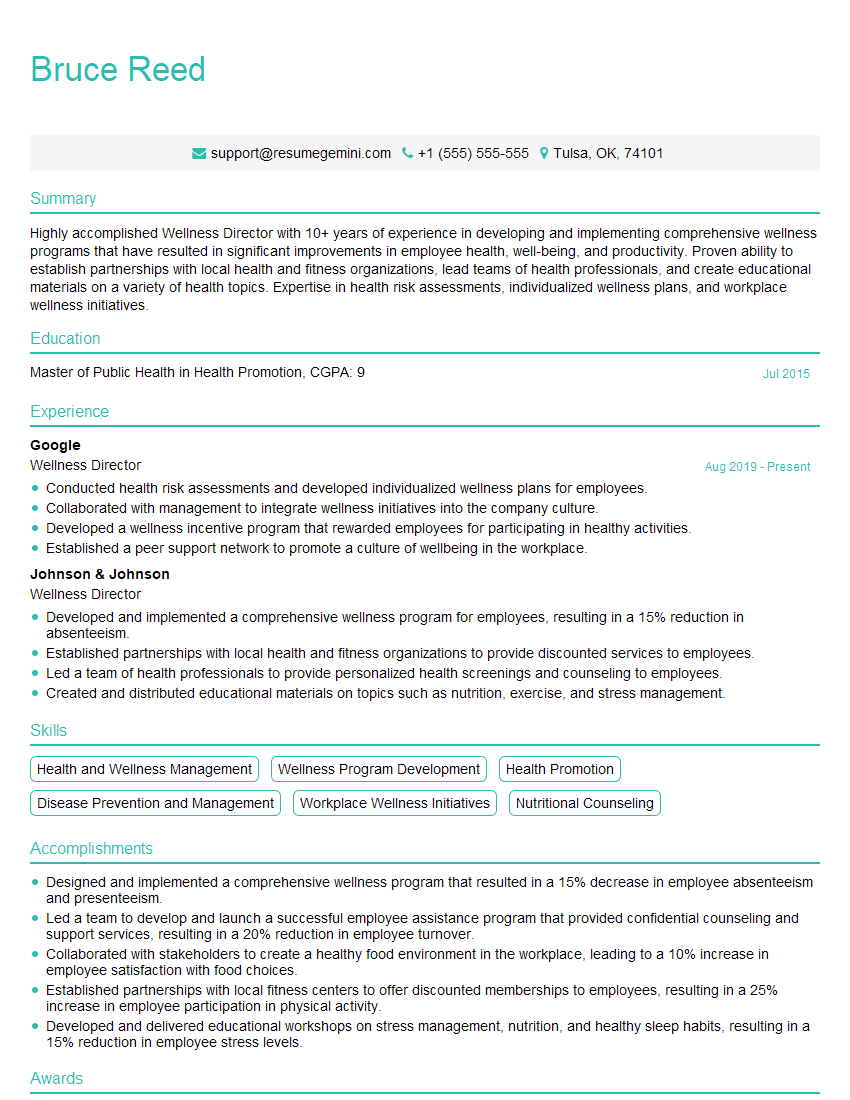
Wellness Director Resume Sample
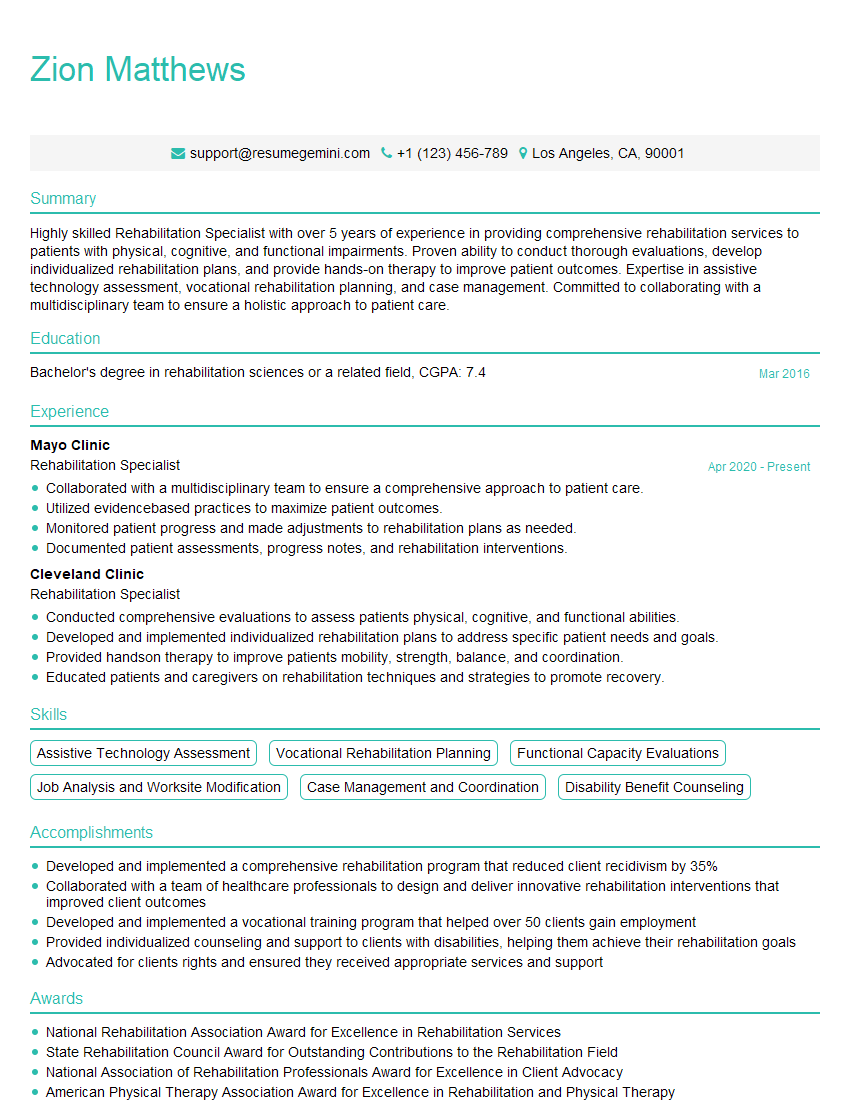
Rehabilitation Specialist Resume Sample
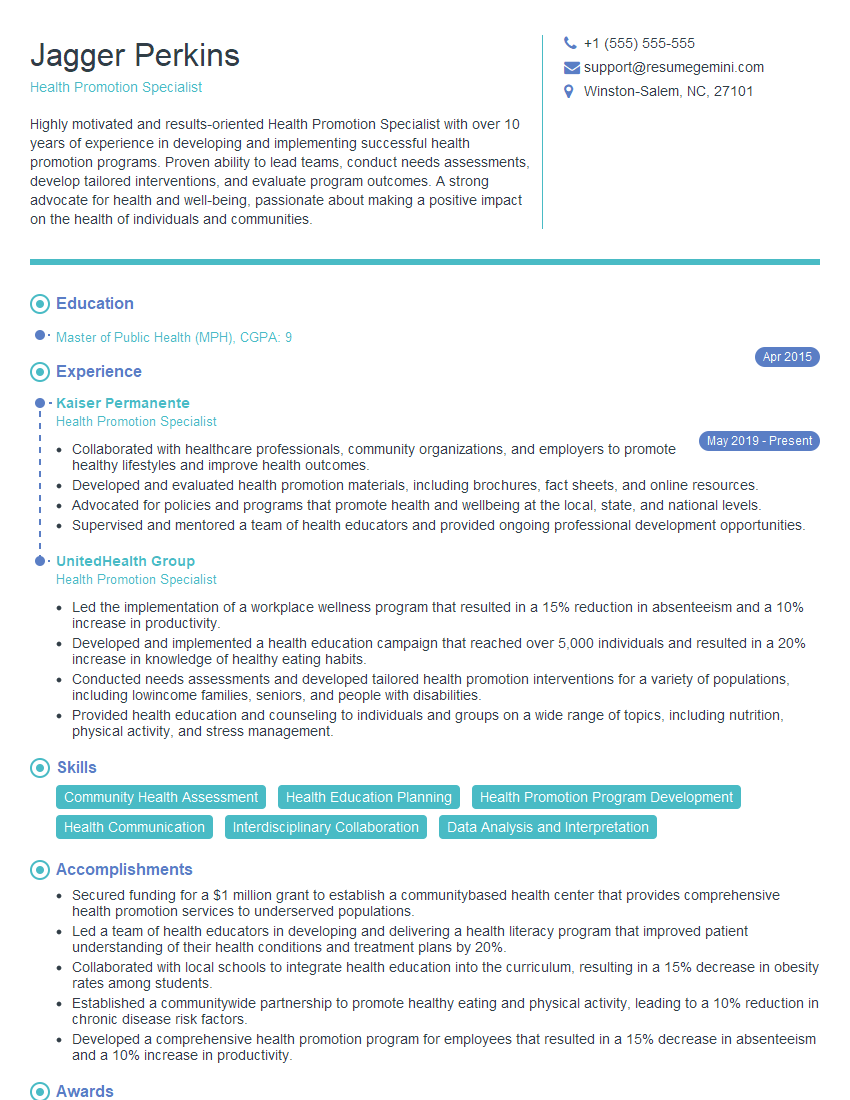
Health Promotion Specialist Resume Sample
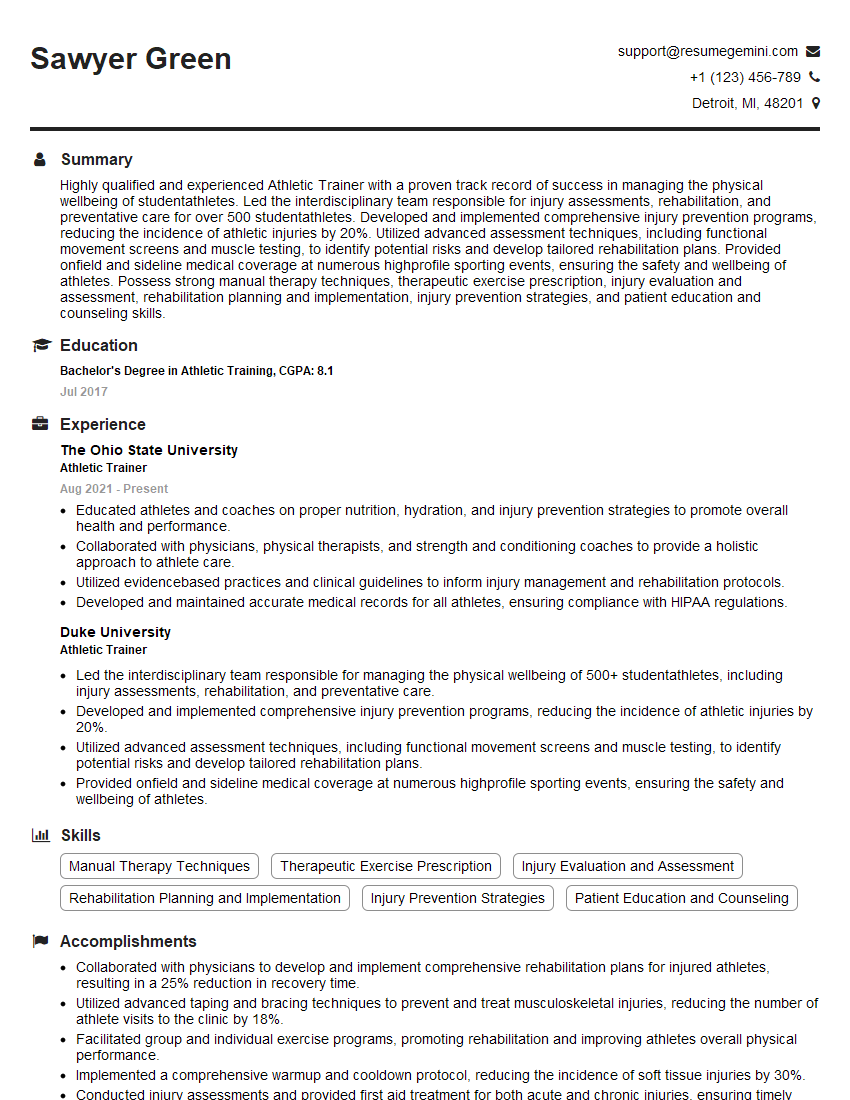
Athletic Trainer Resume Sample
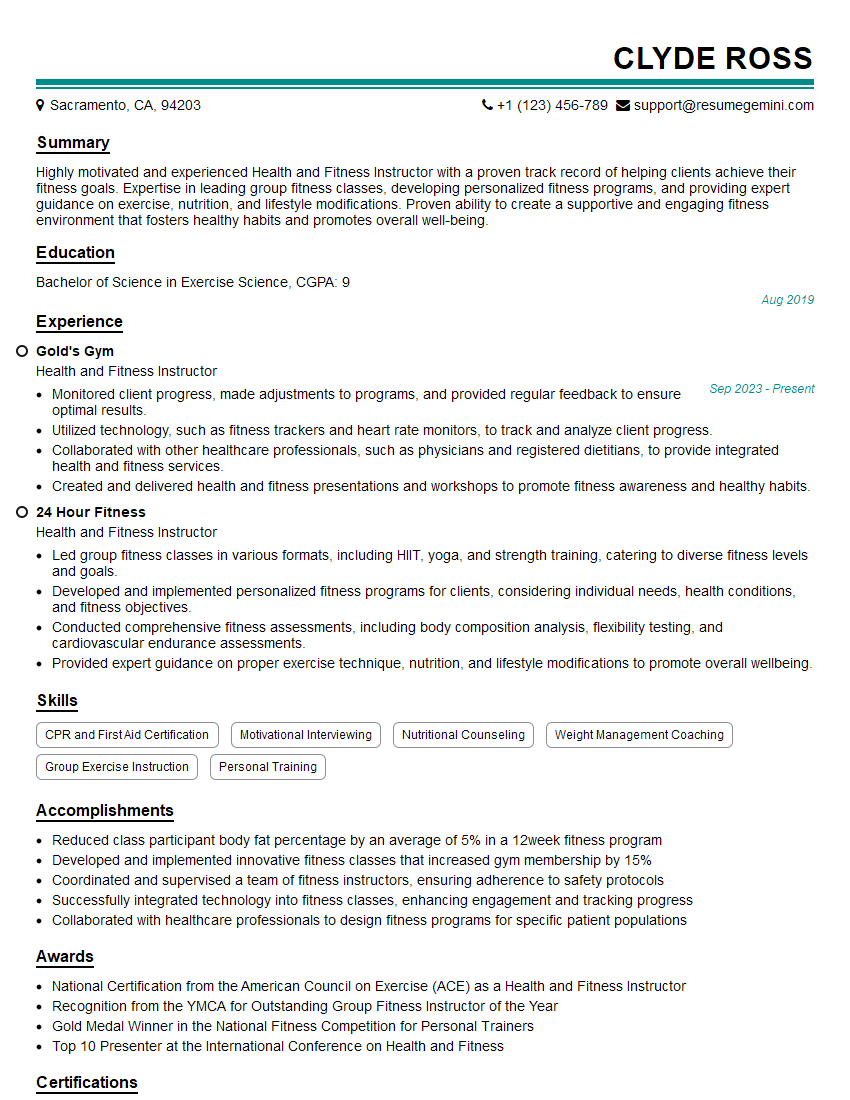
Health and Fitness Instructor Resume Sample
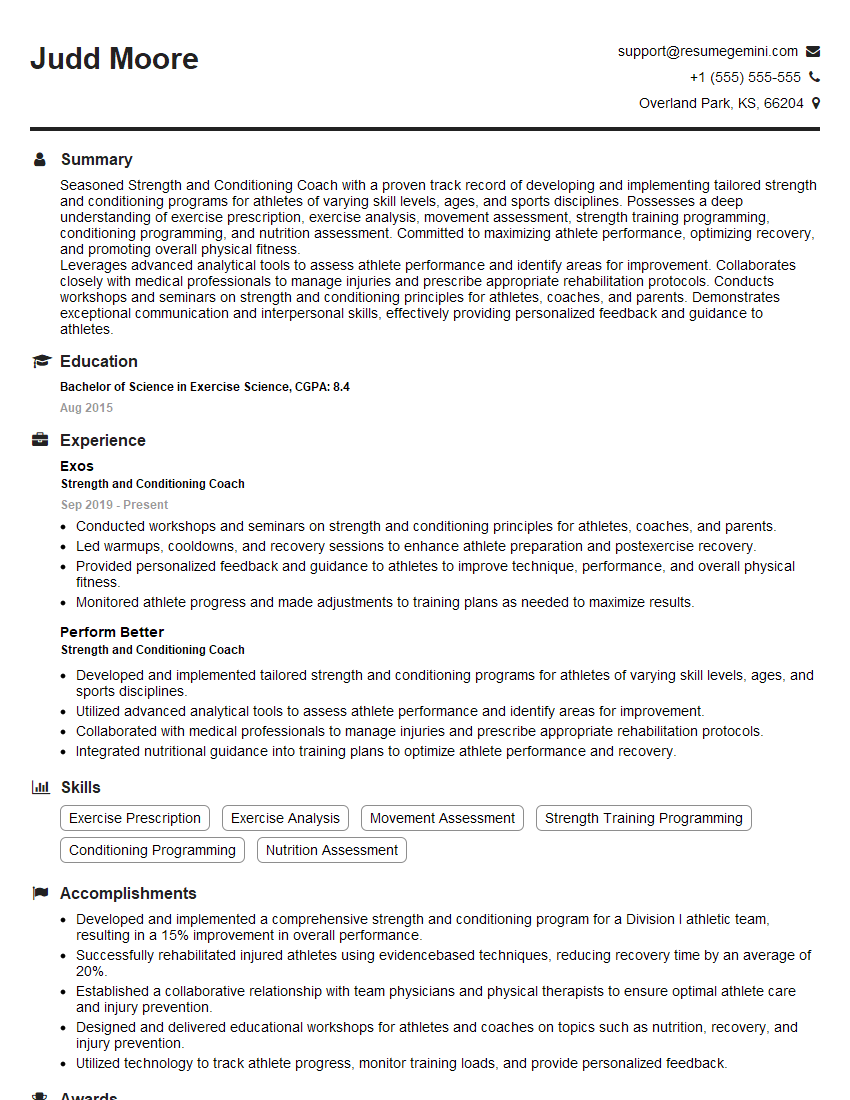
Strength and Conditioning Coach Resume Sample
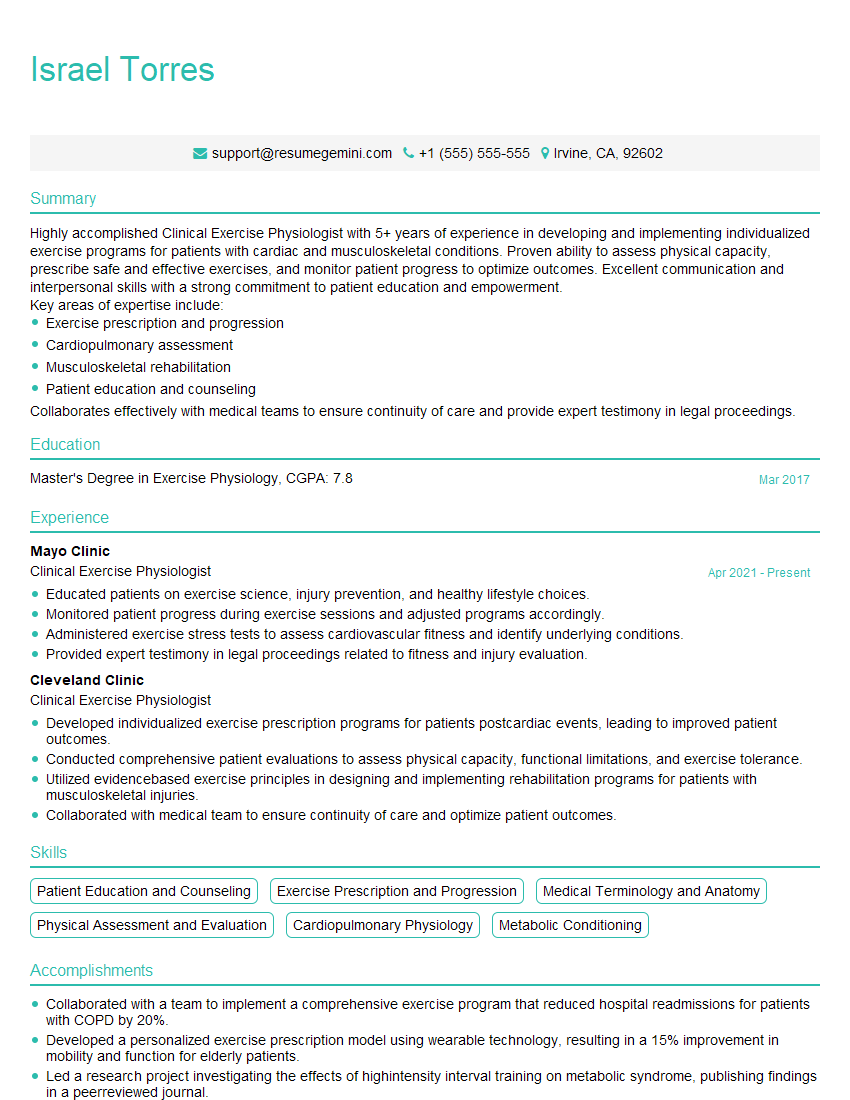
Clinical Exercise Physiologist Resume Sample
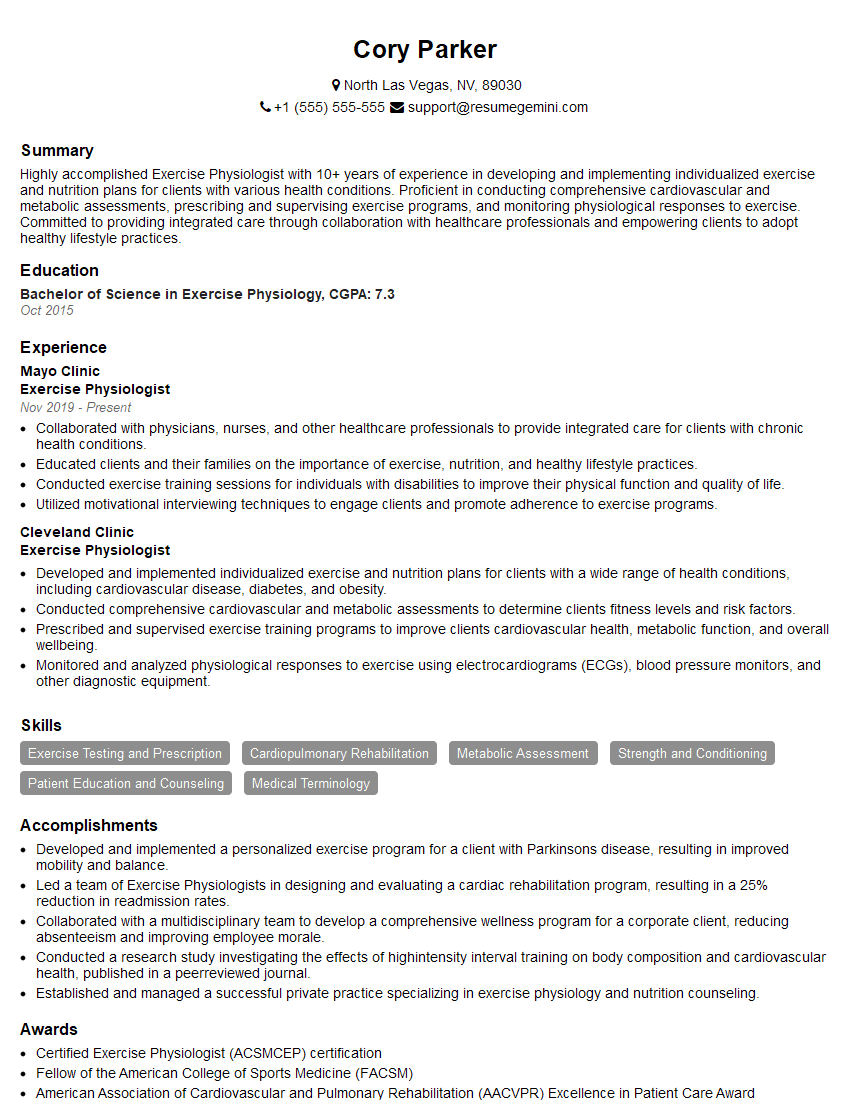
Exercise Physiologist Resume Sample
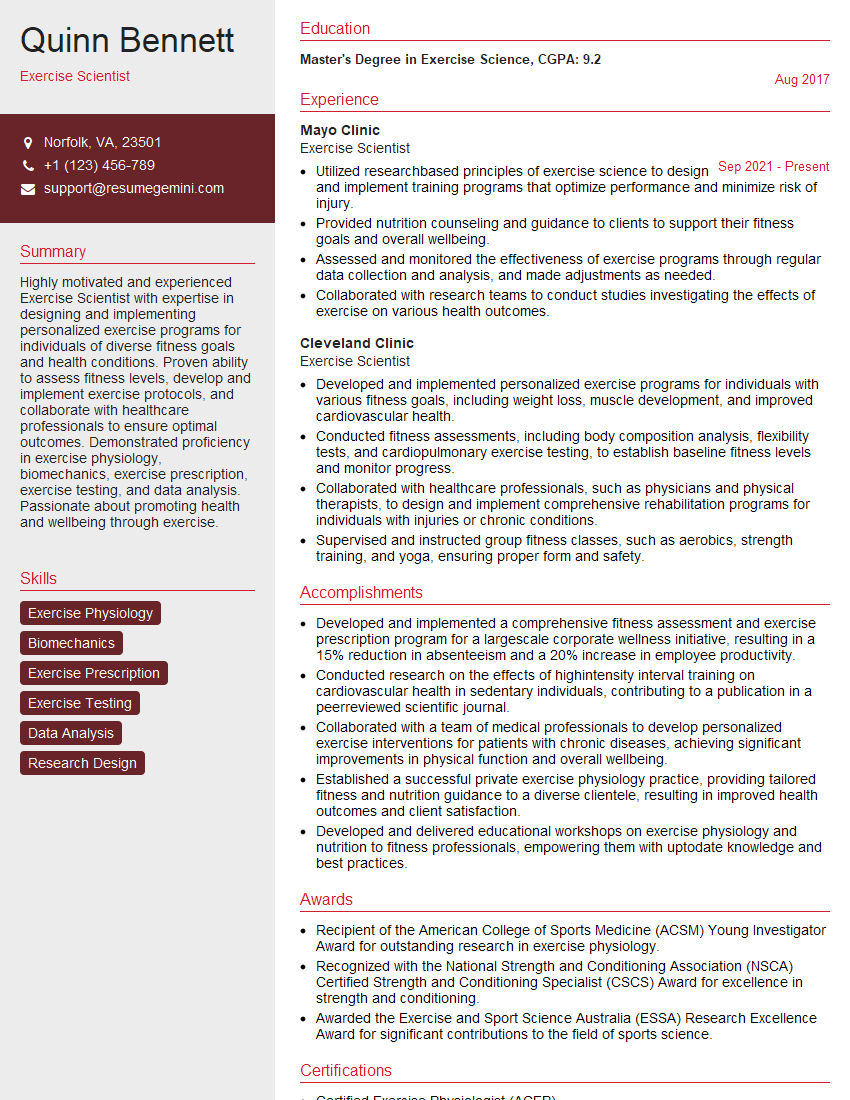
Exercise Scientist Resume Sample
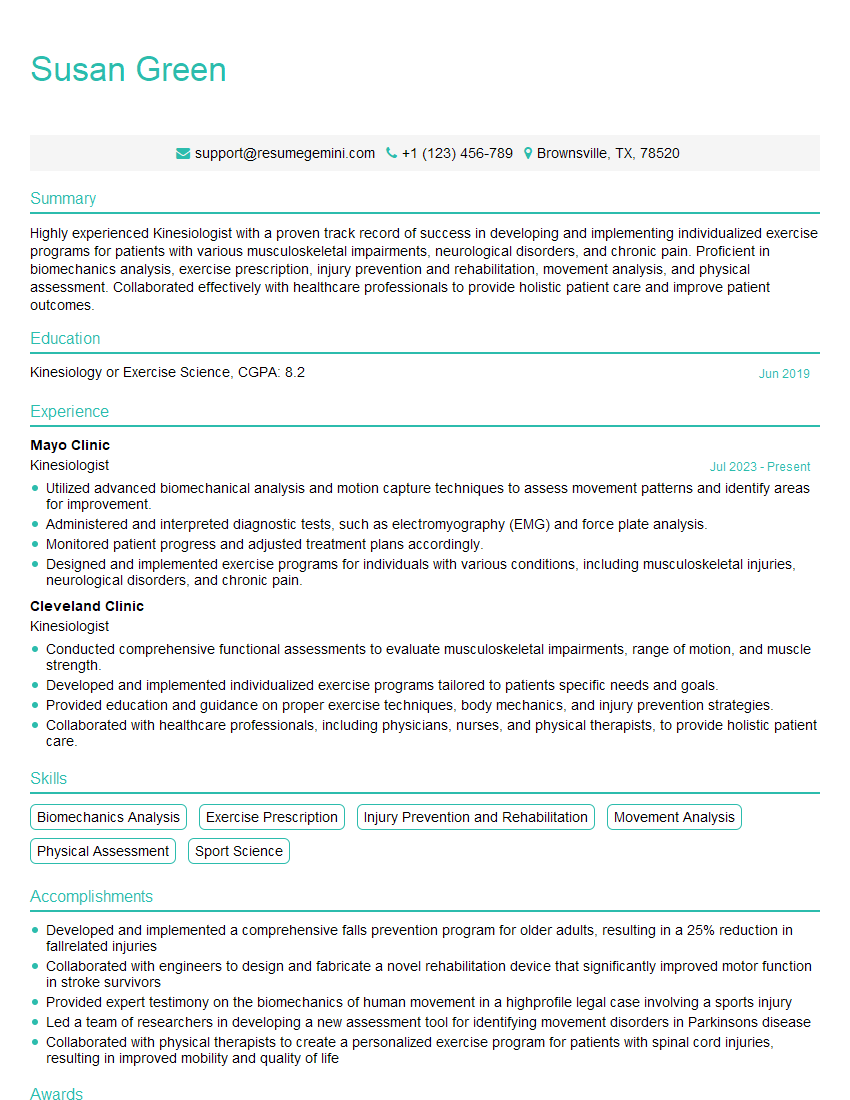
Kinesiologist Resume Sample
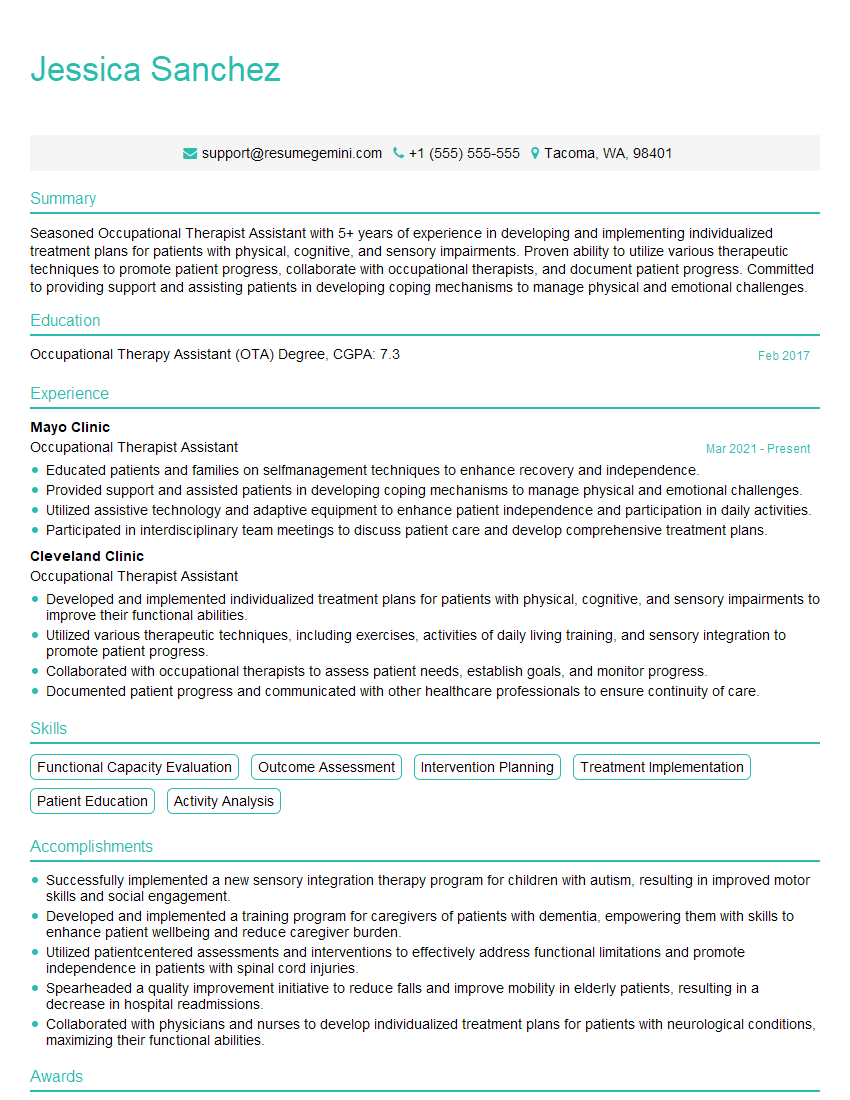
Occupational Therapist Assistant Resume Sample
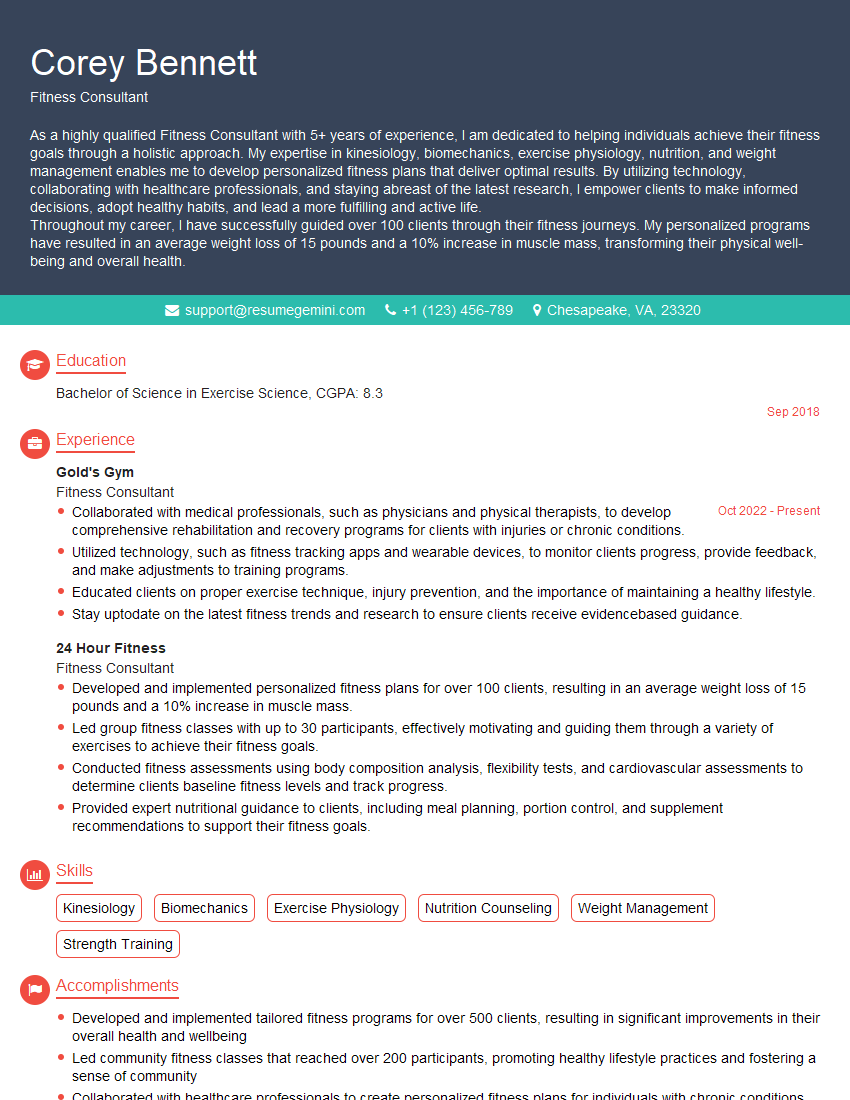
Fitness Consultant Resume Sample
- Fitness Manager
- Wellness Coordinator
- Wellness Director
- Rehabilitation Specialist
- Health Promotion Specialist
- Athletic Trainer
- Health and Fitness Instructor
- Strength and Conditioning Coach
- Clinical Exercise Physiologist
- Exercise Physiologist
- Exercise Scientist
- Kinesiologist
- Occupational Therapist Assistant
- Fitness Consultant
Explore more articles
Users Rating of Our Blogs
Share Your Experience
We value your feedback! Please rate our content and share your thoughts (optional).
What Readers Say About Our Blog
To the interviewgemini.com Webmaster.
Very helpful and content specific questions to help prepare me for my interview!
Thank you
To the interviewgemini.com Webmaster.
This was kind of a unique content I found around the specialized skills. Very helpful questions and good detailed answers.
Very Helpful blog, thank you Interviewgemini team.