The right preparation can turn an interview into an opportunity to showcase your expertise. This guide to Following safety guidelines interview questions is your ultimate resource, providing key insights and tips to help you ace your responses and stand out as a top candidate.
Questions Asked in Following safety guidelines Interview
Q 1. Describe your experience in implementing safety protocols.
Implementing safety protocols involves a multifaceted approach encompassing planning, execution, monitoring, and improvement. My experience spans various industries, including manufacturing and construction, where I’ve been directly responsible for developing and enforcing safety procedures. This includes everything from creating comprehensive safety manuals and conducting regular inspections to investigating accidents and implementing corrective actions. For instance, in a manufacturing setting, I successfully implemented a new lockout/tagout procedure, resulting in a 30% reduction in near-miss incidents related to machine operation. Another example involves developing and delivering training programs on proper use of personal protective equipment (PPE), leading to a significant increase in PPE usage and a decrease in workplace injuries.
Q 2. How do you identify and assess workplace hazards?
Identifying and assessing workplace hazards requires a systematic approach, often employing methods like job hazard analysis (JHA) and workplace inspections. A JHA involves breaking down a task into smaller steps to identify potential hazards at each stage. Workplace inspections, on the other hand, involve a physical walkthrough of the workspace to identify existing hazards. This process often includes observation, interviews with employees, and review of incident reports. For example, during a recent inspection, I identified a tripping hazard due to loose cabling. After assessment, I prioritized its mitigation by implementing a cable management system.
Assessment involves evaluating the severity and likelihood of each identified hazard. This can be done using a risk matrix that categorizes hazards based on their risk level (low, medium, high). This allows for prioritizing mitigation efforts towards higher-risk hazards.
Q 3. Explain your approach to risk assessment and mitigation.
My approach to risk assessment and mitigation follows a hierarchical control model, prioritizing elimination, substitution, engineering controls, administrative controls, and finally, personal protective equipment (PPE). This means I first try to eliminate the hazard altogether. If that’s not feasible, I look for ways to substitute a hazardous material or process with a safer alternative. If neither is possible, I implement engineering controls such as machine guarding or ventilation systems. Administrative controls like work procedures and training follow. PPE is considered the last resort.
For example, in a situation involving exposure to hazardous chemicals, I would first explore if the process can be altered to eliminate the need for the chemical. If not, I’d investigate less hazardous substitutes. If substitution isn’t possible, I’d implement engineering controls like a local exhaust ventilation system. Finally, if all else fails, appropriate PPE such as respirators would be provided and used.
Q 4. What safety regulations are you most familiar with?
I’m familiar with a broad range of safety regulations, including OSHA (Occupational Safety and Health Administration) standards in the US, and equivalent regulations in other regions. This includes regulations concerning hazard communication (e.g., SDS sheets), lockout/tagout procedures, personal protective equipment (PPE) requirements, confined space entry procedures, machine guarding, and emergency response planning. My understanding extends to specific industry-specific regulations and best practices, which I adapt based on the working environment.
Q 5. Describe a time you had to enforce safety rules.
I once had to enforce safety rules when an employee was operating a forklift without the required training and certification. After observing this violation, I immediately stopped the operation, explained the risks involved, and reinforced the company’s safety policy on forklift operation. I then arranged for the employee to receive the necessary training before they were allowed to operate the forklift again. This incident led to a review of our training procedures to ensure all employees understand and comply with relevant safety rules. A key aspect was to create a culture of safety where reporting violations wasn’t seen as negative, but a positive step toward preventing accidents.
Q 6. How do you conduct safety training for employees?
Safety training for employees should be comprehensive, engaging, and tailored to their specific roles and responsibilities. I typically utilize a blended approach, combining classroom instruction with hands-on training and practical demonstrations. This ensures that employees not only understand the theory behind safety procedures, but also have the practical skills to apply them. The training is regularly reviewed and updated to reflect any changes in regulations or best practices. For example, I recently developed a VR-based training module for confined space entry, which enhanced employee understanding and retention compared to traditional methods.
Q 7. How do you ensure compliance with safety regulations?
Ensuring compliance with safety regulations requires a proactive and multi-pronged approach. This includes regular inspections and audits to identify potential hazards and non-compliance issues. Data analysis of safety metrics, such as incident rates and near-miss reports, helps pinpoint areas needing improvement. Providing regular safety training and reinforcing safety rules through communication and leadership commitment is crucial. Furthermore, an effective reporting system, where employees feel comfortable reporting incidents and near-misses without fear of reprisal, is vital. Continuous improvement is a key element; we regularly review our safety programs to ensure effectiveness and update them as needed. Regular communication with regulatory agencies and staying up-to-date on changing legislation is also paramount.
Q 8. What is your experience with accident investigation?
My experience with accident investigation is extensive, encompassing a wide range of incidents across diverse industrial settings. I’ve followed a structured approach, consistently employing the five Ws and one H (who, what, where, when, why, and how) to thoroughly examine the circumstances surrounding each event. This includes collecting evidence – witness statements, photographic and video documentation, equipment logs, and analyzing safety data – to determine the root cause(s). I’m proficient in using various investigative techniques, such as fault tree analysis and fishbone diagrams, to identify contributing factors and prevent recurrence. For example, in one investigation involving a near-miss during crane operation, meticulous examination of the crane’s maintenance logs revealed a previously overlooked mechanical issue that, if not addressed, could have led to a catastrophic accident.
Beyond identifying the immediate causes, I focus on understanding the underlying systemic issues that contributed to the incident. This often involves reviewing safety procedures, training effectiveness, and the overall safety culture of the workplace. My goal isn’t just to assign blame but to implement lasting solutions that improve safety performance and prevent future occurrences.
Q 9. Describe your familiarity with OSHA regulations (or relevant regional regulations).
My familiarity with OSHA regulations is comprehensive. I possess a deep understanding of OSHA’s General Industry Standards (29 CFR 1910), including requirements for hazard communication, personal protective equipment (PPE), lockout/tagout procedures, and emergency action plans. I’m also knowledgeable about specific standards relevant to various industries, such as construction (29 CFR 1926) and maritime (29 CFR 1915-1918). I regularly stay updated on OSHA changes and interpretations through continuing education and participation in industry safety conferences. For instance, I recently completed a training course on the updated standards regarding silica dust exposure, ensuring that my knowledge is always current and aligned with best practices. This allows me to confidently advise organizations on complying with all relevant regulations and to proactively mitigate potential risks.
Q 10. How do you handle employee resistance to safety protocols?
Handling employee resistance to safety protocols requires a multifaceted approach centered on understanding and communication. It’s crucial to avoid a confrontational stance. Instead, I strive to build rapport, actively listening to employees’ concerns and addressing their anxieties. Sometimes, resistance stems from a lack of understanding of the protocols’ importance or from practical difficulties in implementing them. In these cases, clear, concise training, and demonstrations are vital. I focus on explaining *why* a protocol is necessary, emphasizing the benefits to both individual and team safety.
If resistance persists, I work collaboratively to find alternative solutions that are both safe and practical. For example, if workers find a particular piece of PPE uncomfortable, we might explore different models or suggest modifications. Ultimately, the goal is to foster a culture of shared responsibility, where employees feel valued and empowered to contribute to a safe work environment. Open communication channels, including anonymous feedback mechanisms, are essential for addressing underlying issues and preventing resistance from escalating.
Q 11. What is your experience with using safety equipment?
My experience with safety equipment spans a broad spectrum, from basic PPE like safety glasses, gloves, and hard hats to more specialized equipment such as respirators, harnesses, and fall protection systems. I’m well-versed in the selection, proper use, maintenance, and inspection of this equipment, including understanding the limitations and potential hazards associated with each type. I’ve personally trained employees on the correct usage of various pieces of equipment, ensuring that they understand the importance of regular inspection and the procedures to follow in the event of malfunction.
I am also familiar with various industry standards and regulations relating to PPE, including those outlined by ANSI and OSHA. For instance, my experience includes fitting testing respirators to guarantee a proper seal, reducing the risk of exposure to airborne hazards. This practical experience emphasizes safety not just as a set of rules, but as a demonstrable commitment to employee well-being.
Q 12. Describe your experience in creating safety reports.
Creating safety reports is an integral part of my work. My reports are structured, concise, and fact-based, avoiding subjective interpretations. They include detailed descriptions of the incident, including date, time, location, and individuals involved. A critical component is a thorough analysis of the root cause(s), identifying contributing factors and outlining recommendations for corrective actions. I utilize data visualizations, such as charts and graphs, to effectively present key findings and trends. For example, if a pattern of near misses emerges related to a specific task, I would visually represent this trend in the report to underscore the need for immediate attention.
Beyond factual details, my reports also include implementation timelines and assigned responsibilities for corrective actions. This ensures accountability and facilitates proactive management of safety risks. Finally, I ensure that reports are distributed to relevant stakeholders in a timely manner, enabling informed decision-making and promoting a culture of continuous improvement.
Q 13. How do you manage safety incidents and near misses?
Managing safety incidents and near misses requires a prompt and systematic approach. Upon learning of an incident, regardless of severity, I initiate a thorough investigation following established protocols. This includes securing the scene, providing any necessary first aid, and documenting the details. Near misses are equally important, as they often represent opportunities to prevent more serious incidents. Each event is analyzed using root cause analysis techniques to identify underlying issues. This involves interviewing witnesses, reviewing records, and examining equipment involved.
Once the root cause is identified, I develop and implement corrective actions to mitigate the risk of recurrence. This might involve modifying procedures, improving training, or replacing faulty equipment. Regular follow-up is crucial to ensure the effectiveness of the corrective actions and make necessary adjustments. The key is to view incidents and near misses not as isolated events, but as learning opportunities to improve overall safety performance. Each incident provides valuable insights to prevent future occurrences.
Q 14. What is your experience with emergency response planning?
My experience in emergency response planning is grounded in developing comprehensive plans tailored to specific workplace hazards and operational needs. These plans typically include procedures for evacuation, emergency communication, first aid, and post-incident response. I’m proficient in conducting risk assessments to identify potential emergency scenarios and determine the appropriate response strategies. For example, for a manufacturing facility, the plan might include procedures for handling chemical spills, fire emergencies, and equipment malfunctions.
These plans aren’t static documents; they require regular review and updates to ensure their effectiveness. This involves conducting drills and simulations to test the plan’s efficacy and identify areas for improvement. Collaboration with local emergency services is critical, ensuring seamless coordination during a real emergency. I believe effective emergency response planning is about more than just having a written plan; it’s about creating a culture of preparedness, ensuring everyone is informed, trained, and ready to respond effectively in the event of an emergency.
Q 15. How would you address a safety violation?
Addressing a safety violation requires a systematic approach prioritizing immediate corrective action and preventing recurrence. First, I’d ensure the immediate safety of everyone involved. If there’s an ongoing hazard, I’d take steps to mitigate it immediately, perhaps by stopping work or evacuating the area. Then, I’d investigate the root cause of the violation, interviewing witnesses and reviewing documentation. This is not about assigning blame, but understanding the contributing factors. For example, if someone wasn’t using proper PPE, I’d explore why – was the PPE unavailable, uncomfortable, poorly explained, or was there simply a lack of enforcement? Once the root cause is identified, I’d implement corrective actions, which might involve retraining, improved equipment, updated procedures, or disciplinary measures if intentional disregard for safety was involved. Finally, I’d document the entire process, from the initial violation to the corrective actions taken, to prevent similar incidents in the future. This documentation would be crucial for continuous improvement.
Example: Let’s say I observe a worker operating a forklift without a seatbelt. I’d immediately stop the operation. My investigation would look at whether the seatbelt was functional, if the worker had received training on its use and importance, and whether supervisors were enforcing the seatbelt policy. Corrective actions might include forklift maintenance, retraining the worker, and reinforcing the safety policy among all forklift operators.
Career Expert Tips:
- Ace those interviews! Prepare effectively by reviewing the Top 50 Most Common Interview Questions on ResumeGemini.
- Navigate your job search with confidence! Explore a wide range of Career Tips on ResumeGemini. Learn about common challenges and recommendations to overcome them.
- Craft the perfect resume! Master the Art of Resume Writing with ResumeGemini’s guide. Showcase your unique qualifications and achievements effectively.
- Don’t miss out on holiday savings! Build your dream resume with ResumeGemini’s ATS optimized templates.
Q 16. Explain your understanding of lockout/tagout procedures.
Lockout/Tagout (LOTO) procedures are critical for preventing accidental energy release during maintenance or repair work on equipment. It’s a process that ensures all energy sources – electrical, mechanical, hydraulic, pneumatic, etc. – are isolated and rendered incapable of unexpected activation. Think of it as a crucial safety checkpoint before anyone can work on potentially hazardous machinery. The process typically involves identifying the energy sources, isolating them using lockout devices (locks), applying tags clearly indicating the lockout, verifying the isolation, and then releasing the lockout only after the work is complete and verified as safe.
- Identify Energy Sources: Determine all potential energy sources connected to the equipment.
- Isolate Energy Sources: Disconnect the equipment from its energy sources using appropriate procedures. This may involve turning off breakers, closing valves, or disconnecting lines.
- Lockout/Tagout: Attach lockout devices (locks) and tags to the energy isolation devices. Tags clearly identify the worker responsible for the lockout and the reason for it.
- Verify Isolation: Before beginning work, verify that the energy source is truly isolated using appropriate testing methods.
- Release Lockout/Tagout: Only the person who applied the lockout/tagout may remove it after the work is complete and the equipment has been inspected and deemed safe.
Example: Before working on a power saw, the electrician would need to turn off the circuit breaker, lock it in the off position, and tag it with their name and the task they’re performing. Only after confirming the saw is off and cannot be accidentally restarted would the electrician be permitted to start the repair.
Q 17. How do you ensure a safe working environment for all employees?
Ensuring a safe working environment involves a multifaceted approach, starting with a strong safety culture. This means fostering open communication, actively encouraging employees to report hazards, and ensuring that safety is not just a policy but a priority at all levels. It involves proactively identifying and mitigating hazards through regular safety inspections, risk assessments, and the implementation of appropriate control measures. Providing comprehensive safety training tailored to the specific job roles is essential, and this training should be regularly reviewed and updated. Furthermore, maintaining proper equipment, ensuring adequate lighting and ventilation, and enforcing safety procedures are all crucial elements. Finally, it’s important to remember that a safe work environment is also a comfortable one, taking into account factors like ergonomics and employee well-being.
Example: In a manufacturing plant, a comprehensive approach might include regular equipment inspections, providing safety training on machine operation, establishing clear procedures for material handling, maintaining good housekeeping, and providing regular opportunities for employee feedback on safety concerns.
Q 18. What is your experience with PPE (Personal Protective Equipment)?
My experience with PPE (Personal Protective Equipment) is extensive, encompassing selection, fitting, training, and enforcement. I understand that the appropriate PPE varies greatly depending on the task and potential hazards. I’m familiar with the different types of PPE, including eye protection (safety glasses, goggles, face shields), hearing protection (earplugs, earmuffs), respiratory protection (masks, respirators), hand protection (gloves), head protection (helmets), and foot protection (safety shoes, boots). My experience goes beyond simply providing PPE; it includes ensuring the proper fit and function of each piece of equipment, providing thorough training on its use and limitations, and enforcing the consistent use of appropriate PPE in accordance with established safety protocols. I’ve also been involved in the selection and procurement of PPE, ensuring it meets regulatory standards and employee needs.
Example: In a construction environment, I would ensure workers are provided with and trained on the proper use of hard hats, safety glasses, high-visibility vests, and steel-toe boots, depending on their task and the potential hazards they may encounter.
Q 19. How do you communicate safety information effectively?
Effective communication of safety information requires tailoring the message to the audience, employing various methods, and reinforcing the message consistently. I use a multi-pronged approach, employing toolbox talks, safety training sessions (both online and in-person), posters and signage, regular safety bulletins, and open forums for employees to share their concerns. I prioritize clear, concise language, avoiding jargon and using visual aids wherever possible to enhance understanding. For multilingual workforces, I ensure that safety information is provided in multiple languages. Feedback mechanisms are vital; regular surveys and discussions with employees help gauge the effectiveness of communication and identify areas for improvement.
Example: Instead of simply posting a complex safety procedure, I would create a short video explaining it clearly, with visual aids and demonstrations, and then conduct a follow-up quiz to ensure understanding. I would also incorporate regular toolbox talks to discuss real-world scenarios and answer employee questions.
Q 20. Describe your experience in developing safety policies.
My experience in developing safety policies involves collaborating with stakeholders to ensure that policies are comprehensive, practical, and aligned with both regulatory requirements and the specific needs of the workplace. This starts with a thorough risk assessment, identifying all potential hazards and then establishing control measures. Policies must be clear, concise, and easily understandable. The language must be free of ambiguity. They should also outline procedures for reporting incidents, conducting investigations, and addressing corrective actions. Once drafted, policies must be communicated effectively, and employees need training on their implementation. Regular review and updates are crucial to ensure they remain current and relevant.
Example: When developing a policy on the use of forklifts, I would collaborate with forklift operators, supervisors, and maintenance personnel to understand their practical needs and concerns. The policy would then address operating procedures, maintenance requirements, safety checks, and reporting procedures in a way that’s clear, unambiguous, and easily understood by all parties.
Q 21. How do you stay up-to-date on safety regulations and best practices?
Staying current on safety regulations and best practices requires a proactive and multi-faceted approach. I regularly consult with relevant regulatory bodies and professional organizations to stay abreast of any changes or updates. I subscribe to industry publications and journals, attend safety conferences and workshops, and actively participate in online safety forums and communities. I also maintain a network of colleagues and experts in the field to share knowledge and best practices. Regular review and updates of our internal safety policies and procedures ensure compliance with the latest standards and practices. This ongoing learning ensures that our safety measures are always robust and effective.
Example: I regularly monitor updates from OSHA (Occupational Safety and Health Administration) and participate in webinars and training sessions offered by professional safety organizations to keep my knowledge of regulations and best practices up-to-date.
Q 22. Describe your experience with safety audits.
Safety audits are systematic evaluations of an organization’s safety practices and performance. My experience encompasses conducting both planned and unplanned audits, covering a wide range of industries, including construction, manufacturing, and healthcare. This involves reviewing safety documentation, observing workplace activities, interviewing employees at all levels, and identifying areas for improvement.
For example, during a recent audit at a construction site, I reviewed their safety program documentation, ensuring compliance with OSHA regulations. I also conducted physical inspections to assess the condition of safety equipment, the implementation of fall protection measures, and the overall site organization. This led to the identification of several critical deficiencies, such as inadequate lockout/tagout procedures and insufficient training on the use of certain machinery. Subsequently, I provided detailed recommendations for corrective actions, including updating their safety manual, providing additional training, and implementing stricter inspection procedures.
Another example involved auditing a manufacturing facility’s emergency response plan. This included reviewing the plan’s content, observing the emergency drills, and assessing the overall preparedness of the employees. This audit revealed shortcomings in their evacuation procedures, which were subsequently addressed through revised training and simulated emergency drills. My audit reports always include a comprehensive list of findings, prioritized by risk level, and propose corrective actions with recommended timelines for implementation.
Q 23. How do you use data to improve safety performance?
Data is crucial for improving safety performance. I utilize data analysis to identify trends, pinpoint high-risk areas, and measure the effectiveness of safety interventions. This involves collecting data from various sources, including incident reports, near-miss reports, safety inspections, and employee surveys.
For instance, analyzing incident reports can reveal common contributing factors, such as unsafe behaviors or equipment malfunctions. We might find that a significant number of incidents involve slips, trips, and falls. This data would then drive targeted interventions, such as improved housekeeping procedures, enhanced training on fall prevention, and the implementation of ergonomic solutions.
Data visualization tools, such as dashboards and charts, are essential for effectively communicating safety performance and progress. For example, a chart showing the number of incidents over time can highlight areas of improvement or deterioration. This enables proactive risk management and provides concrete evidence of the success or failure of implemented safety initiatives. Data-driven decision-making allows for a more targeted and effective approach to safety management.
Q 24. What are some common safety hazards in your field?
Common safety hazards vary depending on the specific industry, but some prevalent ones include:
- Slips, trips, and falls: These are consistently among the leading causes of workplace injuries across various sectors.
- Struck-by hazards: Being struck by falling objects, vehicles, or swinging loads is a significant risk in construction and manufacturing.
- Caught-in/between hazards: Workers can be caught or crushed between machinery, equipment, or objects.
- Electrocution: Exposure to electrical hazards can lead to severe injury or death.
- Fire hazards: Improper handling of flammable materials or inadequate fire prevention measures can lead to devastating consequences.
- Chemical exposures: Handling hazardous chemicals without proper protective equipment or training can cause severe health problems.
The specific hazards encountered depend heavily on the working environment. A construction site will have different hazards than a chemical plant or an office environment. A thorough risk assessment is crucial for identifying specific hazards and implementing tailored mitigation strategies.
Q 25. How do you prioritize safety risks?
Prioritizing safety risks involves a systematic approach using risk assessment methodologies. A common approach is to use a risk matrix that considers both the likelihood and severity of potential hazards. This usually involves a qualitative or quantitative analysis of each identified hazard.
For example, a hazard with a high likelihood and high severity (e.g., working at heights without proper fall protection) would be given top priority. Conversely, a hazard with low likelihood and low severity (e.g., minor cuts from office supplies) might receive lower priority. This prioritization allows resources to be focused on the most critical hazards first.
Often, a combination of qualitative and quantitative assessments are used. Qualitative assessments might involve expert judgment and historical incident data. Quantitative assessments might involve using statistical models to estimate the frequency and consequences of specific events. The result is a prioritized list of hazards that guides resource allocation and safety intervention planning.
Q 26. How do you measure the effectiveness of your safety programs?
Measuring the effectiveness of safety programs relies on key performance indicators (KPIs). These are quantifiable metrics that track progress towards safety goals. Common KPIs include:
- Incident rate: The number of incidents per employee hours worked.
- Near-miss rate: The number of near misses reported.
- Lost time injury frequency rate (LTIFR): The number of lost-time injuries per 1,000,000 hours worked.
- Employee safety training participation rates: Percentage of employees who have completed required safety training.
- Safety observation scores: Scores achieved during regular safety inspections.
Tracking these KPIs over time allows for monitoring program effectiveness and identifying areas needing improvement. Regular reporting and analysis of these KPIs helps to assess the effectiveness of interventions and ensures that safety programs are continuously evolving to improve performance. A decrease in incident rates or near misses indicates a positive impact; however, an increase would signal a need to reassess the programs and find areas for improvement.
Q 27. What is your experience with safety inspections?
Safety inspections are crucial for proactive hazard identification. My experience encompasses conducting both routine and targeted inspections, often using checklists to ensure comprehensive coverage of key areas. These inspections involve observing work practices, inspecting equipment, and checking for compliance with safety regulations.
For instance, a routine inspection of a warehouse might focus on aisle widths, stacking procedures, and the condition of forklifts. A targeted inspection might follow an incident to determine root causes and prevent recurrence. During inspections, I document all findings, including both compliant and non-compliant observations, with photographs and detailed descriptions. This comprehensive documentation forms the basis for corrective actions and helps prevent future incidents.
Inspections aren’t merely about identifying problems; they also serve to reinforce safe work practices and improve employee engagement in safety. It’s important to offer positive feedback for safe practices observed, in addition to addressing areas of non-compliance. This collaborative approach fosters a strong safety culture.
Q 28. Describe a time you had to make a difficult decision regarding safety.
I once faced a situation where a critical piece of equipment malfunctioned, posing a significant safety risk. The repair required specialized expertise and would cause a production slowdown. The decision was whether to continue operation with the risk of a potentially catastrophic incident or halt production, incurring significant financial losses.
After careful consideration, including risk assessment and consultation with engineers and management, I recommended immediate cessation of operations. The risk of an incident far outweighed the short-term financial impact. This decision was not easy due to the potential financial repercussions, but employee safety was the absolute priority. The equipment was repaired correctly, and the subsequent review process led to better preventative maintenance procedures, reducing similar future risks. This experience underscored the importance of a proactive safety culture, where financial considerations are secondary to employee well-being.
Key Topics to Learn for Following Safety Guidelines Interview
- Understanding Safety Regulations: Learn the fundamental principles behind relevant safety regulations and standards in your industry. This includes understanding the legal and ethical implications of adhering to these guidelines.
- Hazard Identification and Risk Assessment: Develop your ability to identify potential hazards in various work environments and perform thorough risk assessments. Practice applying different risk mitigation strategies.
- Personal Protective Equipment (PPE): Master the selection, use, and maintenance of appropriate PPE for different situations. Be prepared to discuss the limitations of various PPE and when alternative safety measures might be necessary.
- Emergency Procedures and Response: Familiarize yourself with standard emergency procedures, including evacuation plans, first aid protocols, and reporting mechanisms. Practice describing your actions in hypothetical emergency scenarios.
- Safety Training and Communication: Understand the importance of ongoing safety training and effective communication within a team. Consider how to contribute to a strong safety culture.
- Accident Investigation and Reporting: Learn about the process of investigating workplace accidents, identifying root causes, and implementing corrective actions to prevent future incidents. Practice analyzing case studies.
- Safety Audits and Inspections: Understand how safety audits and inspections are conducted and the importance of proactive safety measures. Be prepared to discuss your role in maintaining a safe work environment.
Next Steps
Mastering safety guidelines is crucial for career advancement in any industry. It demonstrates your commitment to responsibility, professionalism, and the well-being of yourself and your colleagues. To increase your job prospects, focus on creating an ATS-friendly resume that effectively highlights your safety-related skills and experience. ResumeGemini is a trusted resource to help you build a professional resume that stands out. We provide examples of resumes tailored to emphasizing experience in following safety guidelines, helping you present your qualifications in the best possible light.
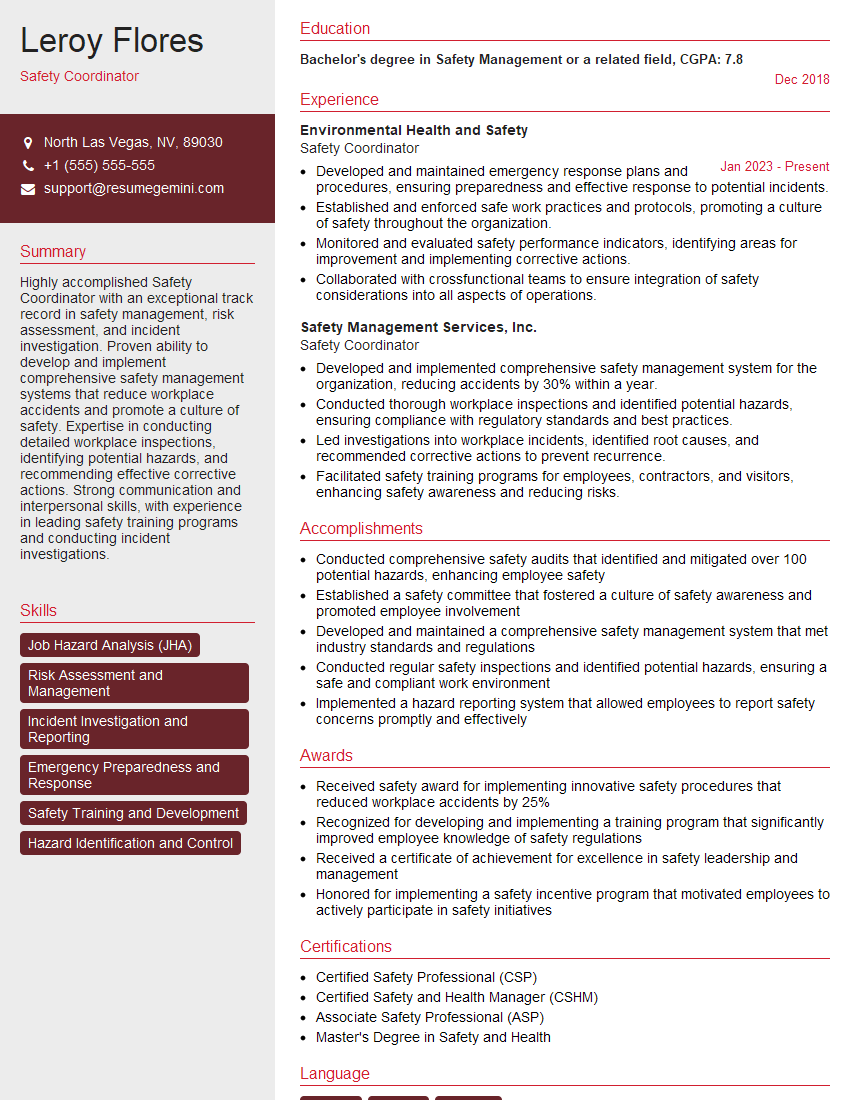
Safety Coordinator Resume Sample

Compliance Officer Resume Sample
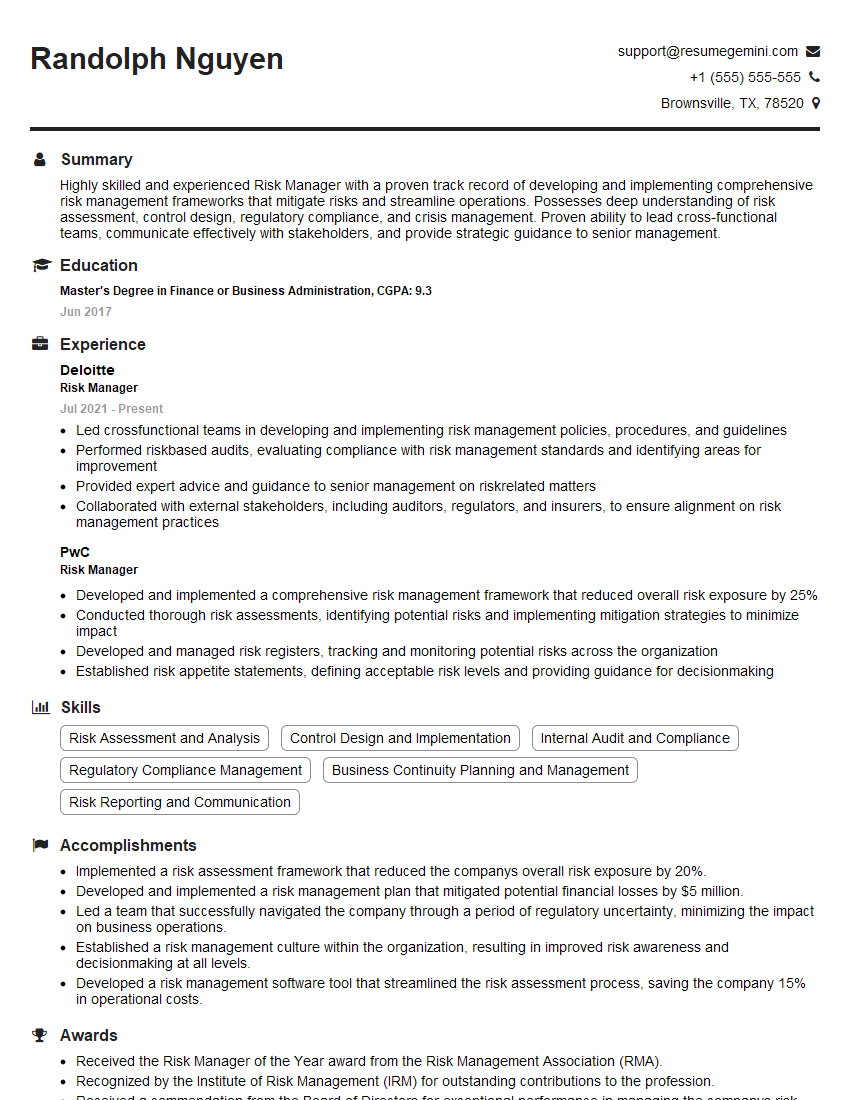
Risk Manager Resume Sample
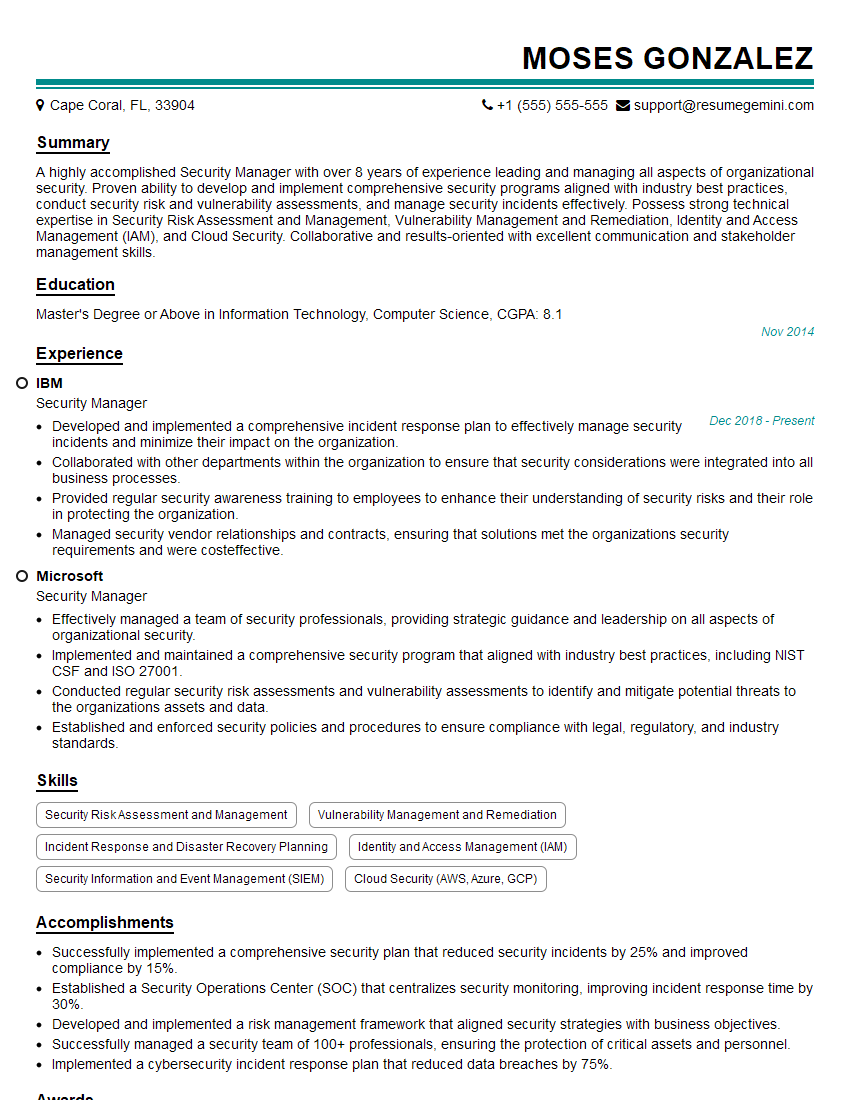
Security Manager Resume Sample
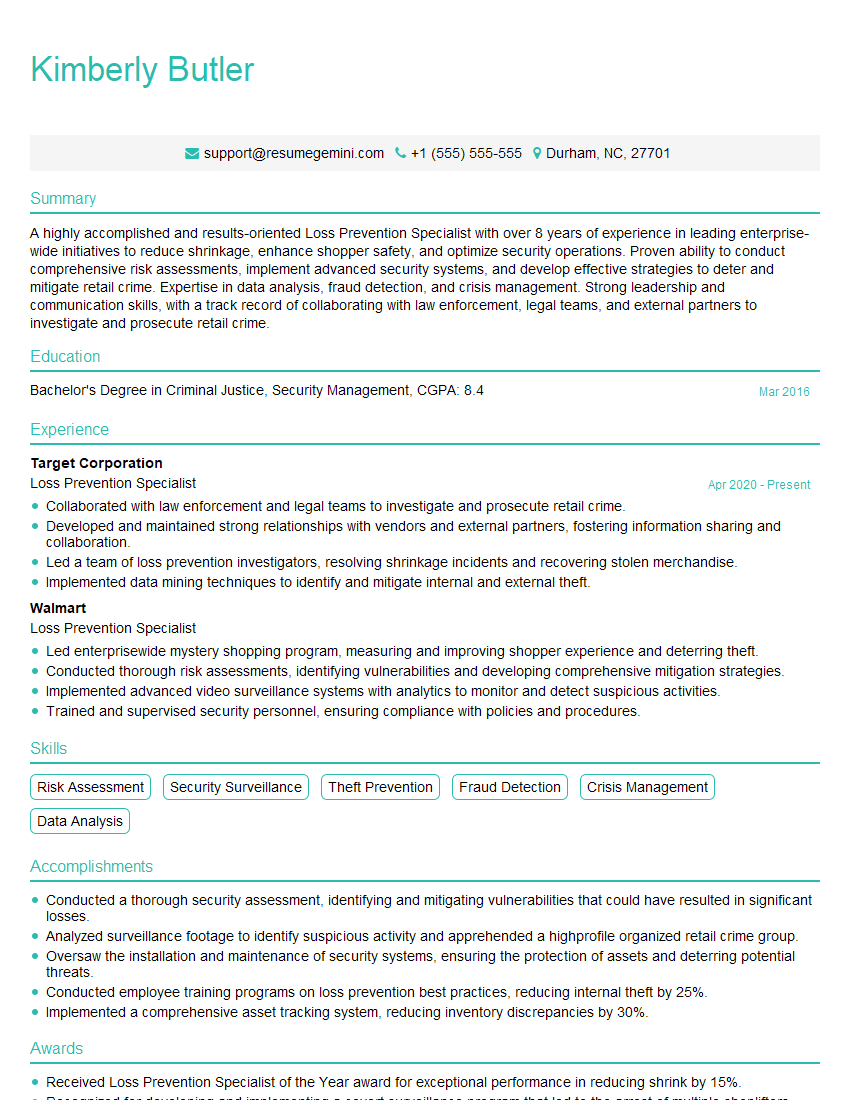
Loss Prevention Specialist Resume Sample
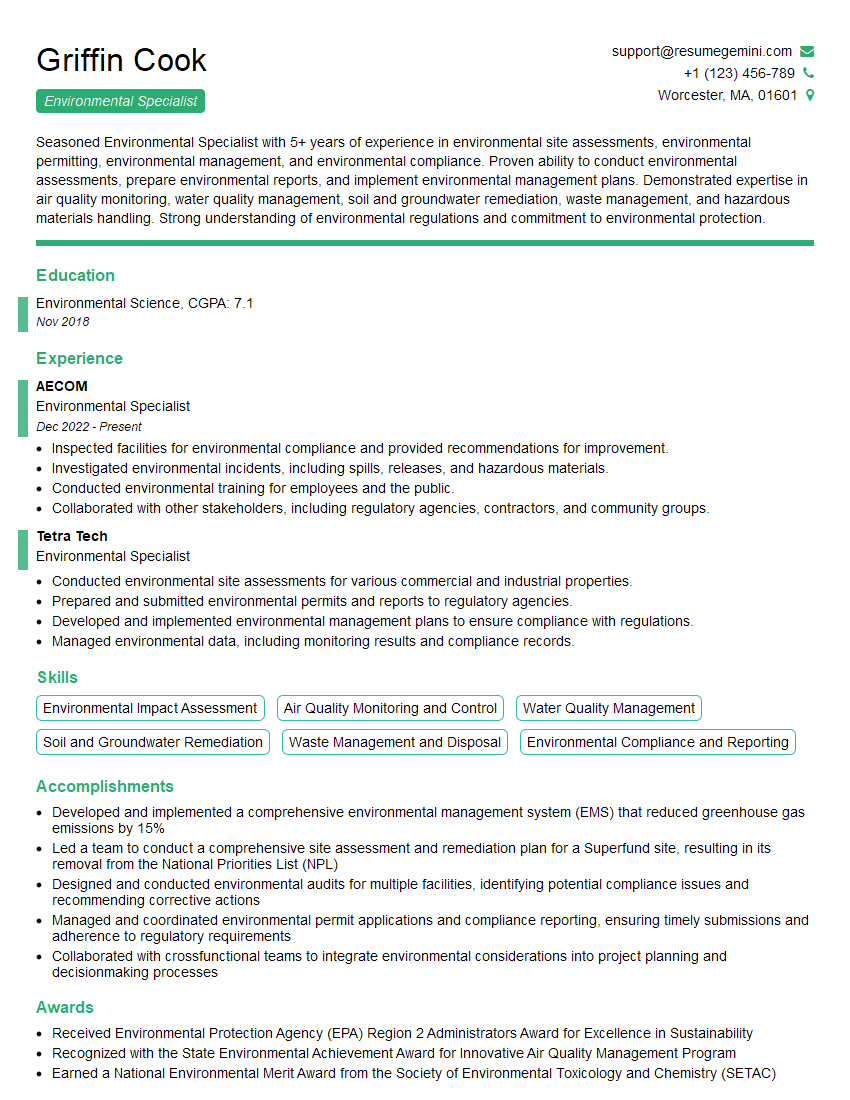
Environmental Specialist Resume Sample
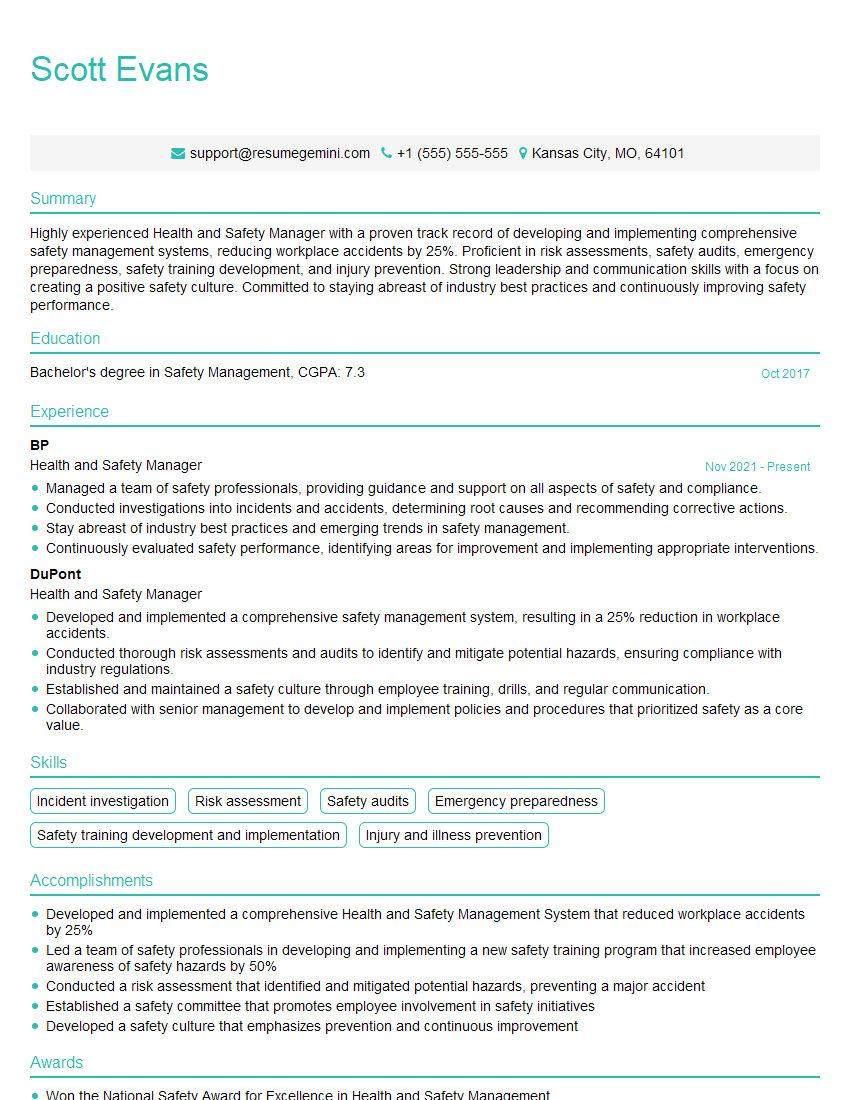
Health and Safety Manager Resume Sample
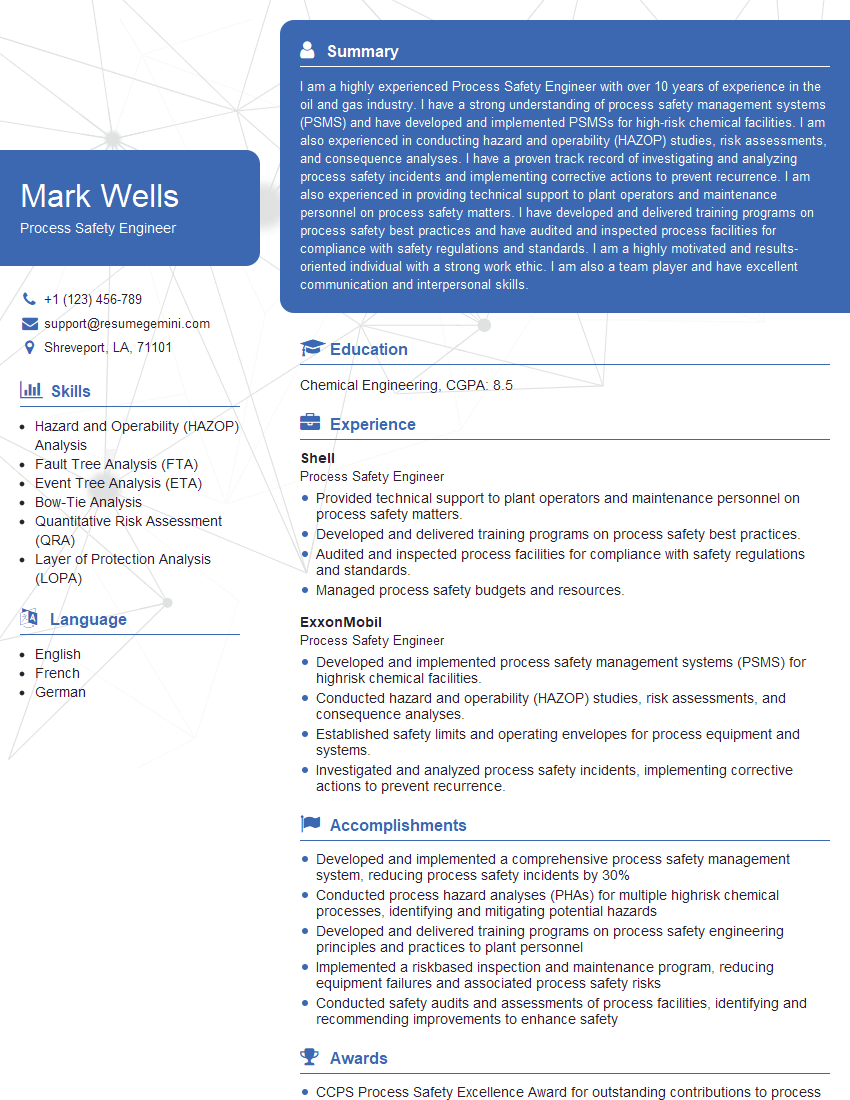
Process Safety Engineer Resume Sample
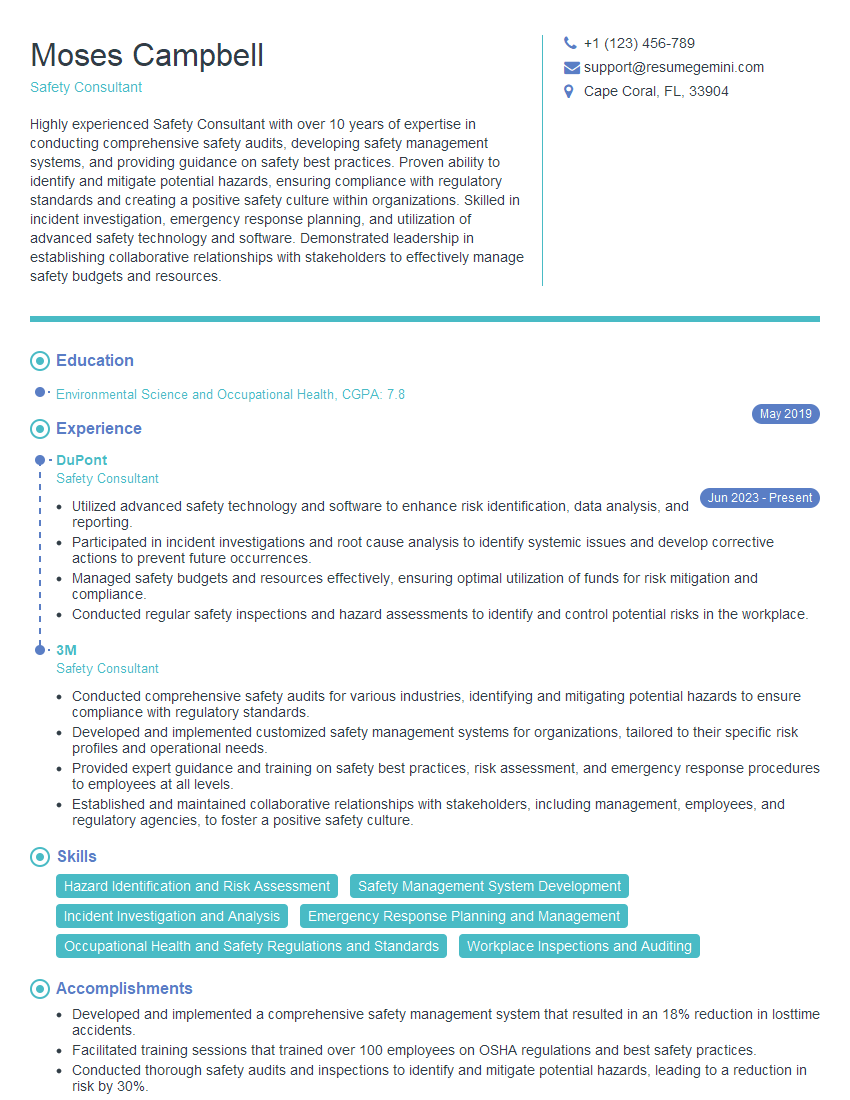
Safety Consultant Resume Sample
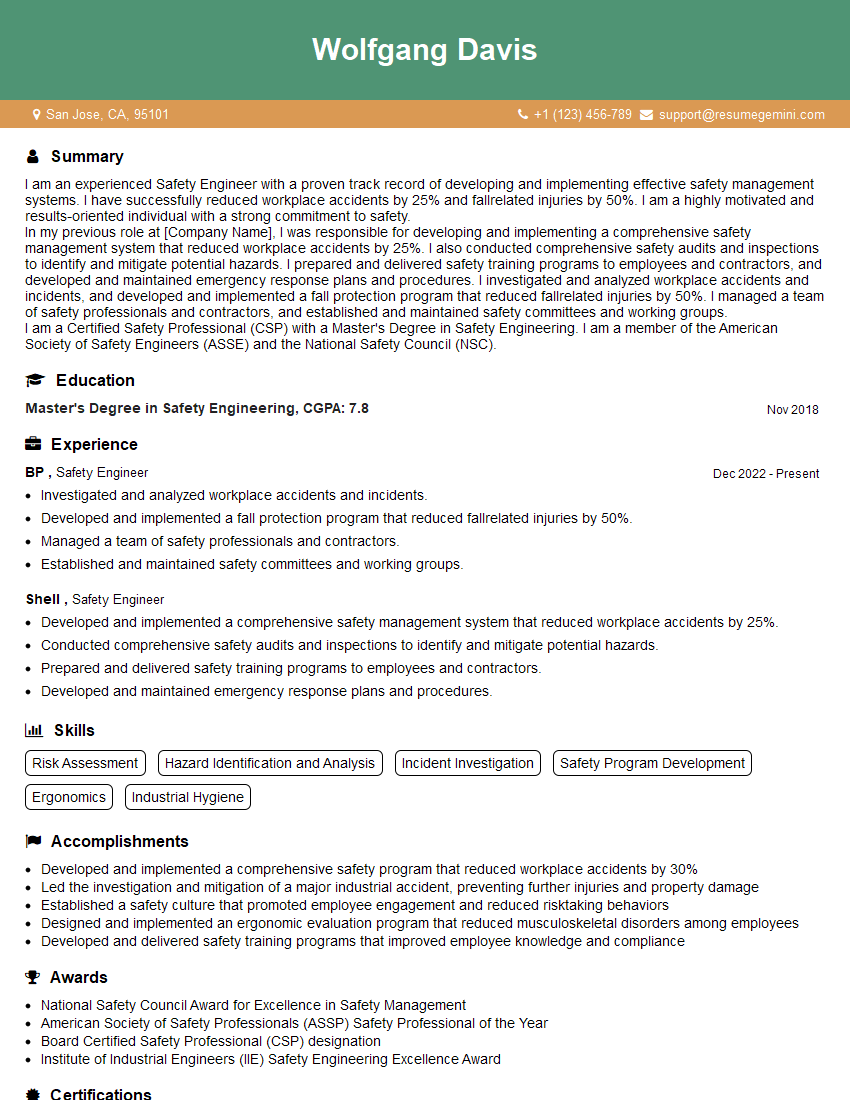
Safety Engineer Resume Sample
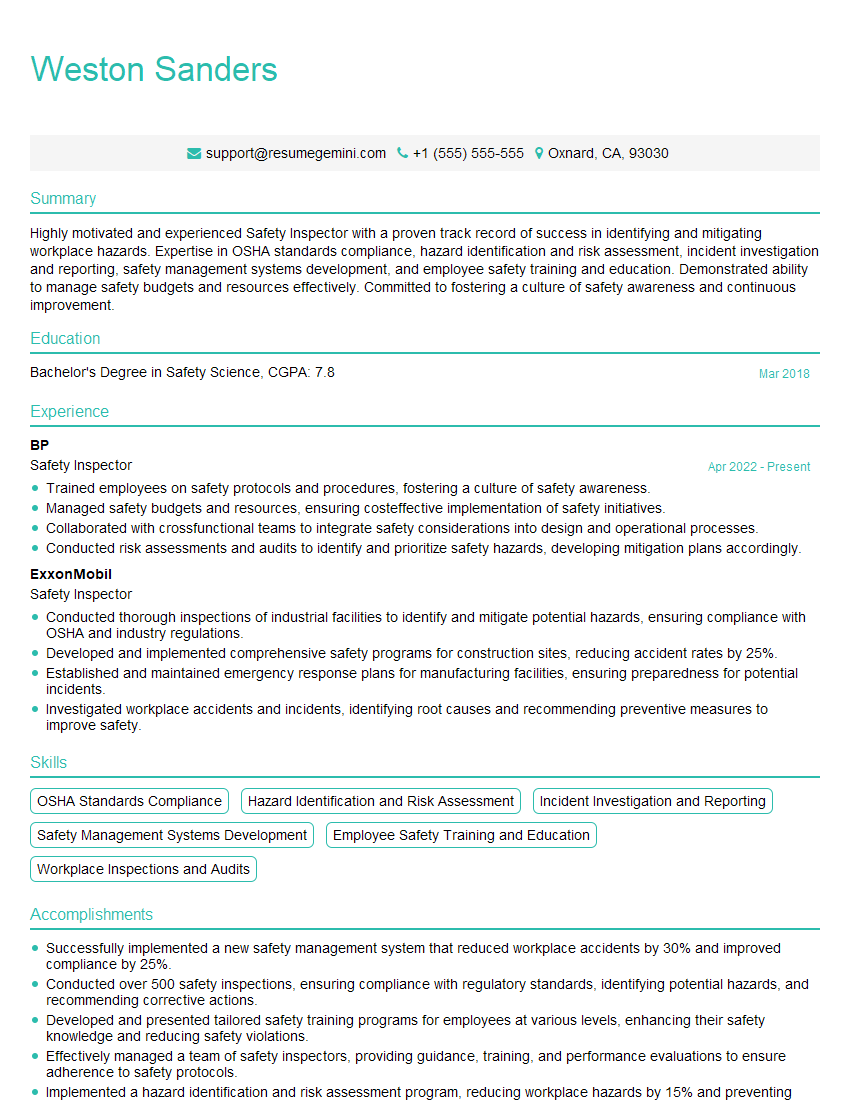
Safety Inspector Resume Sample
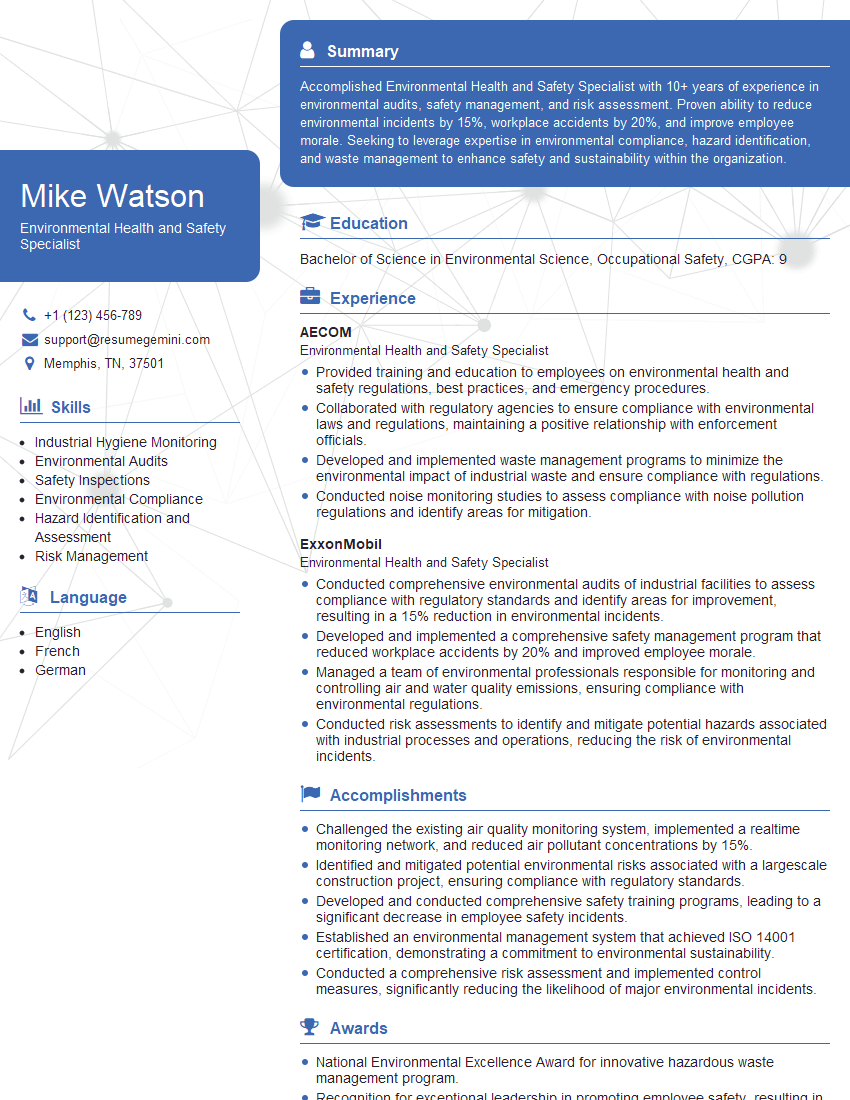
Environmental Health and Safety Specialist Resume Sample
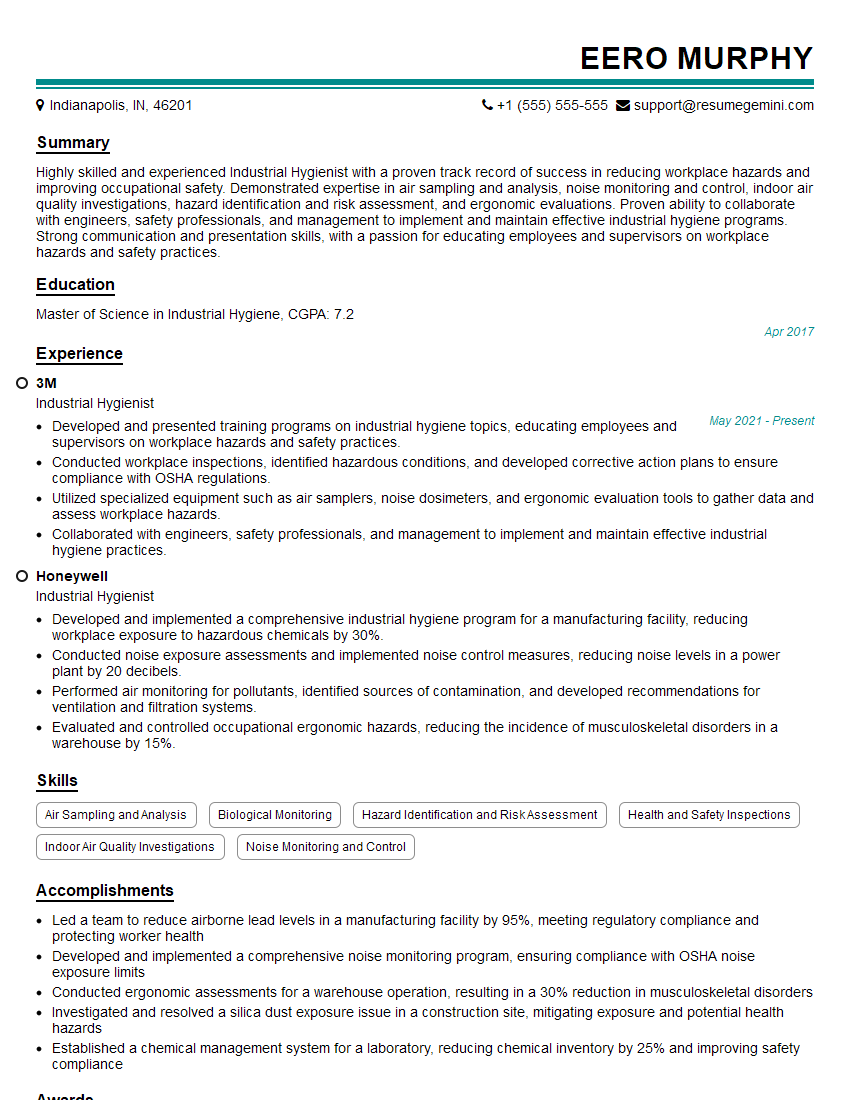
Industrial Hygienist Resume Sample
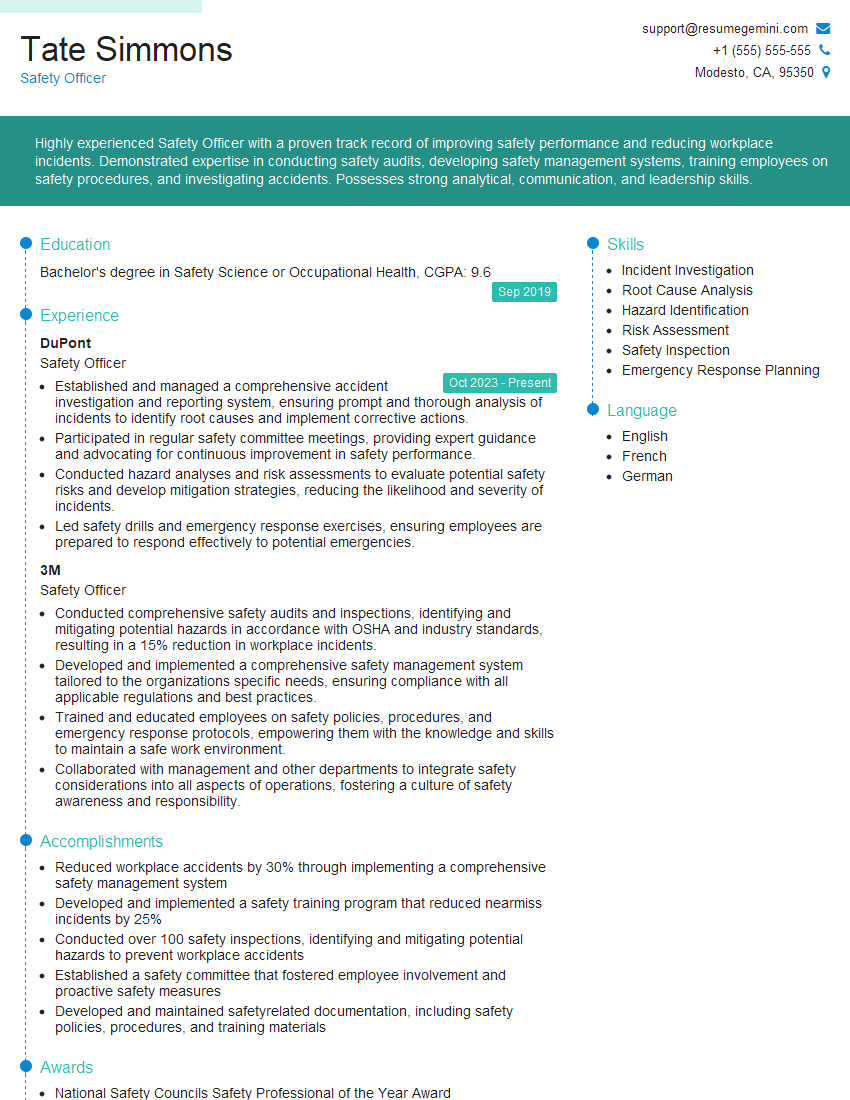
Safety Officer Resume Sample
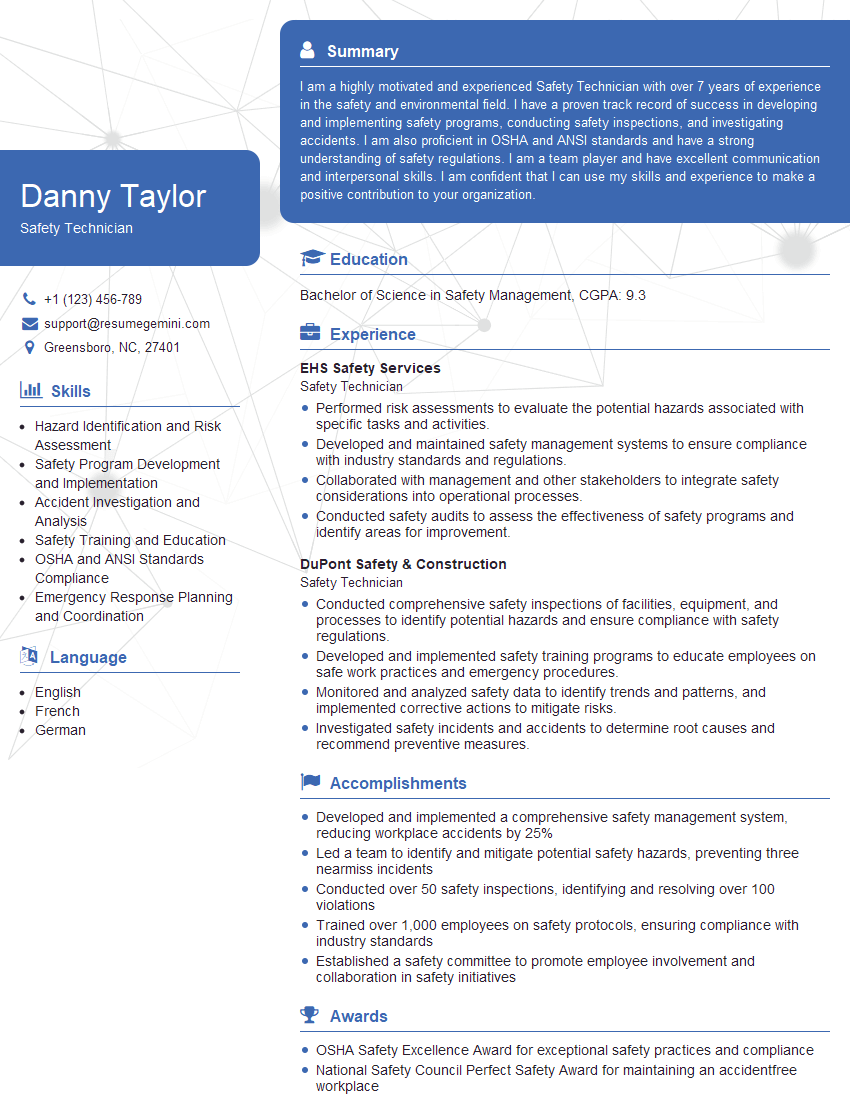
Safety Technician Resume Sample
- Safety Coordinator
- Compliance Officer
- Risk Manager
- Security Manager
- Loss Prevention Specialist
- Environmental Specialist
- Health and Safety Manager
- Process Safety Engineer
- Safety Consultant
- Safety Engineer
- Safety Inspector
- Environmental Health and Safety Specialist
- Industrial Hygienist
- Safety Officer
- Safety Technician
Explore more articles
Users Rating of Our Blogs
Share Your Experience
We value your feedback! Please rate our content and share your thoughts (optional).
What Readers Say About Our Blog
To the interviewgemini.com Webmaster.
Very helpful and content specific questions to help prepare me for my interview!
Thank you
To the interviewgemini.com Webmaster.
This was kind of a unique content I found around the specialized skills. Very helpful questions and good detailed answers.
Very Helpful blog, thank you Interviewgemini team.