Feeling uncertain about what to expect in your upcoming interview? We’ve got you covered! This blog highlights the most important Foodborne Pathogen Control interview questions and provides actionable advice to help you stand out as the ideal candidate. Let’s pave the way for your success.
Questions Asked in Foodborne Pathogen Control Interview
Q 1. Describe the Hazard Analysis and Critical Control Points (HACCP) system and its application in preventing foodborne illnesses.
HACCP, or Hazard Analysis and Critical Control Points, is a preventative food safety system. Instead of simply reacting to contamination, HACCP proactively identifies potential hazards and establishes controls to minimize or eliminate risks. Think of it like building a house – you wouldn’t wait for the roof to collapse before fixing a faulty support beam; you’d identify and address the weakness beforehand. In food safety, this means identifying points in the food production process where contamination is most likely to occur and implementing measures to prevent it.
Its application in preventing foodborne illnesses is profound. By systematically analyzing each step – from raw material sourcing to final product distribution – HACCP allows businesses to pinpoint critical control points (CCPs) where hazards can be effectively controlled. This reduces the chances of pathogens like Salmonella or E. coli contaminating food and causing illness.
For example, in a meat processing plant, a CCP might be the cooking temperature of patties. If the temperature isn’t high enough to kill pathogens, it’s a failure of the CCP and could lead to illness. HACCP ensures these points are monitored, controlled, and documented, significantly improving food safety.
Q 2. Explain the difference between a critical limit and a critical control point (CCP).
While both terms are crucial parts of HACCP, they are distinct. A Critical Control Point (CCP) is a step in the food production process where control can prevent, eliminate, or reduce a food safety hazard to an acceptable level. Think of it as a specific point in the process that’s particularly vulnerable to contamination.
A Critical Limit, on the other hand, is a specific value that must be met at a CCP to ensure safety. It’s the boundary between safe and unsafe. For example, if a CCP is the cooking temperature of chicken, the critical limit might be 165°F (74°C). Anything below that temperature is considered unsafe.
Essentially, the CCP is the *where* and the critical limit is the *how much* or *how well* – the specific parameter that must be met at that point to control the hazard.
Q 3. What are the seven principles of HACCP?
The seven principles of HACCP provide a structured framework for building a food safety plan. They are:
- Conduct a hazard analysis: Identify potential biological, chemical, and physical hazards.
- Determine CCPs: Identify steps where control can prevent or eliminate hazards.
- Establish critical limits: Set specific values that must be met at each CCP.
- Establish monitoring procedures: Regularly check if critical limits are being met.
- Establish corrective actions: Define what to do if a critical limit is not met.
- Establish verification procedures: Confirm that the HACCP plan is working effectively.
- Establish record-keeping and documentation procedures: Maintain detailed records of all aspects of the plan.
These principles, when implemented effectively, provide a robust system for ensuring food safety throughout the entire production chain.
Q 4. List five common foodborne pathogens and their associated symptoms.
Five common foodborne pathogens and their associated symptoms are:
- Salmonella: Causes salmonellosis, characterized by diarrhea, fever, abdominal cramps, and vomiting. Onset is typically 6-72 hours after consumption of contaminated food.
- E. coli (e.g., E. coli O157:H7): Can cause hemorrhagic colitis, with symptoms including bloody diarrhea, abdominal cramps, and vomiting. Severe cases can lead to hemolytic uremic syndrome (HUS).
- Listeria monocytogenes: Causes listeriosis, which can manifest as mild flu-like symptoms in healthy individuals but can be life-threatening for pregnant women, newborns, and those with weakened immune systems. Symptoms can include fever, muscle aches, and sometimes neurological symptoms.
- Campylobacter: Causes campylobacteriosis, resulting in diarrhea (often bloody), abdominal cramps, and fever. It’s a common cause of bacterial diarrhea worldwide.
- Staphylococcus aureus: Produces toxins that cause staphylococcal food poisoning. Symptoms include nausea, vomiting, and diarrhea, usually starting within 1-6 hours of consuming contaminated food.
Q 5. Describe the methods used for detecting Listeria monocytogenes in food products.
Detecting Listeria monocytogenes requires sophisticated laboratory techniques because it can survive and grow under various conditions. Methods include:
- Culture-based methods: This involves enriching the food sample to increase the number of Listeria cells, followed by plating on selective agar media to isolate and identify the bacteria. This is a standard and widely used approach.
- Immunological methods: These utilize antibodies to detect Listeria antigens in food samples. Enzyme-linked immunosorbent assays (ELISAs) are common examples. They are faster than culture methods but might require confirmation by culture.
- Molecular methods: Techniques like Polymerase Chain Reaction (PCR) can detect specific Listeria DNA sequences in food samples, offering high sensitivity and specificity. This is particularly useful for detecting low levels of the pathogen.
The choice of method depends on factors like the type of food, the expected level of contamination, and the available resources. Often, a combination of methods is employed for better accuracy and confirmation.
Q 6. Explain the importance of proper sanitation and hygiene practices in preventing foodborne illness.
Proper sanitation and hygiene are cornerstones of food safety. They significantly reduce the risk of foodborne illnesses by preventing the contamination of food with pathogens. Imagine a kitchen – if surfaces are dirty and hands are unwashed, it’s like creating a breeding ground for bacteria. This can lead to cross-contamination, where pathogens from one food item spread to another.
Effective sanitation involves thoroughly cleaning and sanitizing all food contact surfaces, equipment, and utensils. Hygiene practices include handwashing, wearing appropriate protective clothing, and maintaining good personal hygiene. These practices prevent pathogens from being transferred from people, equipment, or the environment to food. A simple example is handwashing – washing your hands thoroughly before preparing food dramatically reduces the risk of transferring bacteria from your hands to the food.
Regular cleaning and sanitation, combined with appropriate hygiene practices, create a clean and safe food production environment, substantially reducing the likelihood of foodborne illnesses.
Q 7. What are the key elements of a good food safety management system (FSMS)?
A good Food Safety Management System (FSMS) encompasses several key elements, ensuring all aspects of food safety are systematically addressed. These include:
- HACCP plan: A comprehensive plan identifying hazards, CCPs, and control measures.
- Good Manufacturing Practices (GMPs): A set of guidelines for maintaining sanitary conditions and preventing contamination throughout the food production process. This includes things like proper storage, temperature control, and pest control.
- Supplier control: Verifying the safety and quality of raw materials and ingredients from suppliers.
- Personnel training: Providing staff with adequate training on food safety procedures and hygiene practices.
- Traceability system: Maintaining records to track food products through the entire supply chain, facilitating recalls if necessary.
- Internal audits and monitoring: Regularly assessing the effectiveness of the FSMS through internal audits and monitoring of CCPs.
- Corrective actions: Implementing procedures to address any deviations from the FSMS.
- Documentation and record keeping: Maintaining comprehensive documentation of all aspects of the FSMS.
A robust FSMS is not a static entity but a dynamic system that continuously adapts to evolving risks and regulations, ensuring the safety of food products from farm to table.
Q 8. Describe various methods for controlling Salmonella in poultry processing.
Controlling Salmonella in poultry processing requires a multi-hurdle approach, targeting the bacteria at various stages. Think of it like setting up a series of checkpoints to prevent Salmonella from reaching the consumer.
Pre-slaughter control: This involves ensuring healthy flocks through vaccination and proper feed and water management on the farm. Reducing the initial bacterial load is crucial.
Processing plant sanitation: Rigorous cleaning and sanitation of equipment and facilities are paramount. We use high-pressure washing, sanitizers (like chlorine or peracetic acid), and effective cleaning protocols to eliminate Salmonella from surfaces.
Scalding and defeathering: Careful control of water temperature and time during scalding is vital. Too hot, and the bacteria are spread further; too cold, and they survive. This stage demands precise temperature monitoring and quick processing.
Chilling: Rapid chilling is critical to slow bacterial growth. Immersion chilling or air chilling systems need regular maintenance to ensure efficient cooling.
Post-chill interventions: These include treatments like irradiation, ozone washing, or antimicrobial washes that target surviving Salmonella. These offer additional protection.
Imagine a conveyor belt system in a poultry processing plant. Each step (pre-slaughter, processing, chilling) acts as a hurdle to reduce the Salmonella count, making the final product safer.
Q 9. How is E. coli contamination prevented in meat processing?
Preventing E. coli contamination in meat processing focuses on hygiene, temperature control, and careful handling throughout the process. The goal is to create a barrier against contamination.
Pre-harvest practices: Healthy animals, proper stunning, and minimizing stress during slaughter reduce fecal contamination.
Hygiene during processing: Strict adherence to sanitation protocols, including regular cleaning and sanitization of equipment and work surfaces, is crucial. This minimizes the spread of bacteria.
Temperature control: Maintaining appropriate temperatures throughout processing, including rapid chilling after slaughter, inhibits E. coli growth. This is especially important for ground meat which has a larger surface area for bacterial growth.
Cross-contamination prevention: Strict separation of raw and cooked meat, using dedicated equipment and utensils, and employing good hand hygiene practices are vital to avoid cross-contamination.
Testing and verification: Regular microbiological testing of meat samples throughout the process helps identify potential contamination early on and allows for corrective actions.
Think of a surgical operation: precision and hygiene are paramount. Every step in meat processing needs the same attention to detail to prevent E. coli contamination.
Q 10. Explain the role of temperature control in preventing bacterial growth.
Temperature control is a cornerstone of food safety. It directly affects bacterial growth. Bacteria thrive in a specific temperature range, known as the ‘danger zone’.
The danger zone is typically between 40°F (4°C) and 140°F (60°C). Below 40°F, bacterial growth is significantly slowed, while above 140°F, most pathogens are killed. Outside this zone, we control bacterial growth.
Cooling: Rapid cooling of cooked food prevents bacteria from multiplying. Imagine leaving a cooked stew at room temperature – the bacteria would rapidly multiply.
Freezing: Freezing slows bacterial growth to almost a standstill, providing long-term preservation. However, freezing doesn’t kill bacteria; they simply become dormant.
Heating: Cooking food to the proper internal temperature eliminates most pathogens. A thermometer is essential to verify that the temperature has reached the required level to kill potential pathogens.
Think of it like a thermostat in your house: you control the temperature to maintain a comfortable environment. Similarly, we control the temperature of food to inhibit bacterial growth and ensure food safety.
Q 11. Describe the different types of food preservation methods and their effectiveness against foodborne pathogens.
Various food preservation methods effectively combat foodborne pathogens. Each method has its strengths and limitations.
High-temperature processing: Canning, pasteurization, and sterilization use heat to kill pathogens. Canning involves heating food to high temperatures to eliminate all microorganisms. Pasteurization uses milder heat to reduce pathogen numbers, extending shelf life. Sterilization eliminates all microorganisms, including spores.
Low-temperature preservation: Refrigeration and freezing slow bacterial growth, extending shelf life. Refrigeration slows growth, while freezing essentially stops it. However, freezing does not kill pathogens.
Water activity reduction: Dehydration, drying, and adding salt or sugar reduces the water available for bacterial growth. These methods inhibit bacterial growth, but do not eliminate all pathogens.
Chemical preservation: Using preservatives like salt, sugar, nitrates, and organic acids inhibits microbial growth. These methods have been used for centuries to extend food shelf life.
Modified atmosphere packaging (MAP): Altering the atmosphere inside a package (reducing oxygen and increasing carbon dioxide) can inhibit the growth of aerobic bacteria. This is often seen in packaging of meats and fresh produce.
Irradiation: Exposure to ionizing radiation kills or inactivates pathogens and extends shelf life. This is a less common method but offers a good shelf-life extension.
Each method is chosen based on the type of food, desired shelf life, and target pathogens. Often, a combination of methods is used for optimal preservation.
Q 12. What are the legal requirements for food safety in your region (or specify a region)?
I will answer this question using the example of the United States. Food safety regulations in the US are complex and involve several federal and state agencies. The primary agency is the Food and Drug Administration (FDA), which regulates most foods except meat, poultry, and eggs.
The US Department of Agriculture (USDA) regulates meat, poultry, and eggs, overseeing processing plants and enforcing safety standards. These regulations cover various aspects, including:
Hazard Analysis and Critical Control Points (HACCP): This system requires businesses to identify potential hazards and establish controls to prevent contamination. It is mandatory for many food processing facilities.
Good Manufacturing Practices (GMPs): These are guidelines for maintaining sanitary conditions and preventing contamination throughout the food production process. These help in preventing cross-contamination and maintain a cleaner environment
Food labeling requirements: Accurate labeling of ingredients, nutritional information, and allergen warnings is crucial for consumer protection.
Traceability requirements: Companies must maintain records to trace food products back to their source in case of outbreaks.
Violations can result in warnings, fines, product recalls, and even facility closures. The regulations are designed to ensure safe and wholesome food for consumers.
Q 13. How would you investigate a foodborne illness outbreak?
Investigating a foodborne illness outbreak involves a systematic approach, combining epidemiological investigation with laboratory analysis. It’s like solving a detective mystery.
Case identification and confirmation: Identify individuals with similar symptoms and illnesses through surveillance systems, reporting from healthcare providers, or directly from the affected individuals. Laboratory confirmation of the pathogen is crucial.
Descriptive epidemiology: Characterize the outbreak by collecting data on case demographics (age, gender, location), onset of symptoms, and exposure history. This helps identify potential patterns and common links.
Hypothesis generation: Based on the descriptive epidemiology, formulate hypotheses about the potential source of the outbreak. This may involve suspecting a particular food item, restaurant, or event.
Analytical epidemiology: Use statistical methods to test the hypotheses. This may involve comparing the exposure history of cases and controls (individuals without the illness) to determine the association between a food item and the illness.
Trace back investigation: Once a potential source is identified, trace the food item back through the supply chain to determine its origin and distribution. This involves talking to suppliers and analyzing records.
Environmental investigation: If necessary, conduct environmental investigations of food processing plants, restaurants, or other facilities suspected to be involved to identify the source of contamination.
Laboratory confirmation: Conduct laboratory analyses of food samples and environmental swabs to confirm the presence of the pathogen and match it to the outbreak strain. This step is crucial to definitively determine the source.
The goal is to identify the source of the outbreak, implement control measures to prevent further illness, and inform public health interventions.
Q 14. Explain the concept of cross-contamination and how to prevent it.
Cross-contamination refers to the transfer of pathogens from one food item or surface to another. Think of it as spreading germs from one place to another. It’s a major cause of foodborne illness.
Preventing cross-contamination is achieved through careful food handling practices:
Separate raw and cooked foods: Use separate cutting boards, utensils, and containers for raw and cooked foods. Never place cooked food on a surface previously used for raw food.
Proper hand hygiene: Wash hands thoroughly with soap and water before and after handling food, especially raw meat. Hands are a primary vector for spreading pathogens.
Effective cleaning and sanitizing: Clean and sanitize all surfaces, utensils, and equipment thoroughly after use. Use appropriate sanitizers and follow manufacturer instructions.
Temperature control: Maintain appropriate temperatures to prevent bacterial growth. Rapid chilling of cooked food and proper refrigeration are crucial.
Proper storage: Store food properly to prevent cross-contamination. Keep raw meats below other foods to prevent dripping.
Imagine you’re preparing a salad and a burger. You must carefully wash your hands and use separate utensils to prevent cross-contamination from the raw meat contaminating the salad.
Q 15. What are the different types of food testing methods used to detect pathogens?
Detecting foodborne pathogens requires a multi-pronged approach utilizing various testing methods. These methods can be broadly categorized into culture-based methods and molecular methods.
Culture-based methods: These traditional methods involve isolating and growing pathogens in a laboratory setting. This often includes plating samples onto selective and differential media that encourage the growth of specific pathogens while inhibiting the growth of others. After incubation, colonies are identified based on their morphology and biochemical characteristics. Examples include the use of Petrifilms for E. coli detection or enrichment broths followed by plating on selective agar for Salmonella. This is a time-consuming but often reliable method.
Molecular methods: These newer techniques are faster and more sensitive, utilizing DNA or RNA to identify pathogens directly. Examples include:
- PCR (Polymerase Chain Reaction): Amplifies specific DNA sequences of the target pathogen, allowing for detection even at very low concentrations. Real-time PCR offers quantitative results.
- ELISA (Enzyme-Linked Immunosorbent Assay): Detects the presence of specific pathogen antigens using antibodies. It is a relatively rapid and cost-effective technique.
- Next-Generation Sequencing (NGS): This powerful technique allows for identification of a wide range of pathogens simultaneously, including novel or unknown organisms. It provides comprehensive microbial profiling.
The choice of method depends on factors like the type of pathogen suspected, the sample matrix, the required sensitivity, and the available resources. Often, a combination of methods is employed to ensure accuracy and reliability.
Career Expert Tips:
- Ace those interviews! Prepare effectively by reviewing the Top 50 Most Common Interview Questions on ResumeGemini.
- Navigate your job search with confidence! Explore a wide range of Career Tips on ResumeGemini. Learn about common challenges and recommendations to overcome them.
- Craft the perfect resume! Master the Art of Resume Writing with ResumeGemini’s guide. Showcase your unique qualifications and achievements effectively.
- Don’t miss out on holiday savings! Build your dream resume with ResumeGemini’s ATS optimized templates.
Q 16. Describe the importance of proper handwashing techniques in food handling.
Proper handwashing is paramount in preventing the cross-contamination of pathogens in food handling. Think of your hands as potential vectors for disease—they can easily transfer harmful bacteria from raw ingredients, contaminated surfaces, or even your nose and mouth to ready-to-eat foods.
Effective handwashing involves a methodical approach: Wet your hands with warm water, apply soap, and rub vigorously for at least 20 seconds, covering all surfaces including the backs of your hands, between your fingers, and under your nails. Rinse thoroughly under running water and dry your hands with a clean towel or air dryer. This seemingly simple procedure is a cornerstone of food safety, greatly reducing the risk of illness. It’s vital to wash hands frequently throughout the food handling process, especially after handling raw meat, poultry, or seafood, using the restroom, or touching your face.
Imagine a scenario where a chef prepares a salad without properly washing their hands after handling raw chicken. The Salmonella present on the chicken can easily contaminate the salad, leading to a serious foodborne illness outbreak.
Q 17. How do you ensure the effectiveness of sanitation procedures?
Sanitation procedures must be meticulously planned and implemented to guarantee effectiveness. This goes beyond simply cleaning; it involves removing food debris and then eliminating or reducing the number of pathogens to safe levels. To ensure effectiveness:
Proper cleaning: This involves physically removing food residues from surfaces using appropriate detergents and tools (e.g., brushes, cloths). This step prepares the surface for effective disinfection.
Effective disinfection: This is the process of killing or inactivating microorganisms. This can be achieved through various methods:
- Chemical sanitizers: Chlorine-based solutions, quaternary ammonium compounds (quats), and iodophors are commonly used. The concentration, contact time, and water temperature are crucial factors.
- Heat sanitization: High-temperature washing (e.g., using a dishwasher) effectively kills most pathogens.
Verification and validation: Regular monitoring is essential. This can include visual inspections, ATP bioluminescence testing (measuring the level of organic matter), and microbiological testing to confirm the effectiveness of sanitation processes. Maintaining accurate records of sanitation procedures and test results is critical.
For example, a restaurant might use chlorine solution to sanitize cutting boards after preparing raw meat, following it with visual inspection for cleanliness. They’d also regularly check the chlorine solution concentration to ensure it remains effective.
Q 18. What is the role of personal protective equipment (PPE) in food safety?
Personal Protective Equipment (PPE) plays a crucial role in safeguarding food handlers from hazards and preventing cross-contamination. The appropriate PPE depends on the specific task but commonly includes:
Gloves: Prevent direct contact with food and potentially contaminated surfaces. Different types of gloves (e.g., disposable nitrile gloves) are used depending on the task. Regular changing of gloves is essential.
Aprons: Protect clothing from spills and splatters, preventing contamination.
Hairnets or hats: Prevent hair from falling into food.
Protective eyewear: Shields eyes from splashes and irritants, particularly important when handling chemicals.
Protective footwear: Closed-toe shoes prevent foot injuries and keep feet clean.
In a butcher shop, for example, employees would wear cut-resistant gloves, aprons, and protective footwear to minimize the risk of injury and contamination.
Q 19. Explain the significance of food recall procedures.
Food recall procedures are critical for protecting public health. They are a systematic process for removing potentially contaminated or mislabeled food products from the market. A swift and effective recall prevents widespread illness and minimizes economic losses. These procedures typically involve:
Identification of the hazard: Determining the nature and extent of the contamination (e.g., presence of pathogens, undeclared allergens).
Notification: Alerting relevant authorities (e.g., the Food and Drug Administration in the US) and initiating communication with consumers through various channels (e.g., media announcements, website updates).
Tracing and retrieval: Locating and removing contaminated products from distribution channels, retail outlets, and consumers’ homes.
Communication and consumer support: Providing clear instructions to consumers about what to do with the recalled product, and offering potential compensation or support.
Root cause analysis: Investigating the reasons behind the contamination or mislabeling to prevent future incidents.
Effective recall procedures are crucial for building consumer trust and mitigating the risks associated with contaminated food.
Q 20. How would you manage a situation where a food safety violation occurs?
Responding to a food safety violation requires a calm and systematic approach. The priority is to immediately mitigate the risk to consumers and prevent further contamination.
Isolate the affected area: Prevent further contamination by isolating the area where the violation occurred. This may involve temporarily closing the affected section of a production line or removing contaminated products from shelves.
Identify and correct the problem: Pinpoint the source of the violation. This may involve investigating employee practices, equipment malfunctions, or supply chain issues. Implement corrective actions immediately.
Thorough sanitation: Deep clean and sanitize the affected area. Verify the effectiveness of sanitation measures.
Employee training and retraining: Assess if training deficiencies contributed to the violation and provide appropriate retraining to staff involved.
Documentation and reporting: Thoroughly document the violation, corrective actions taken, and any subsequent findings. Report the incident to the appropriate regulatory authorities.
Investigation and root cause analysis: Carry out a comprehensive investigation to determine the root cause of the violation to prevent future occurrences.
Imagine a situation where improperly cooked chicken is served at a restaurant. The immediate action would be to remove the contaminated chicken, inform affected customers, and thoroughly clean and sanitize the kitchen area. Then, staff retraining on proper cooking temperatures would be implemented.
Q 21. Describe your experience with implementing and maintaining food safety programs.
Throughout my career, I’ve been actively involved in developing, implementing, and maintaining comprehensive food safety programs across various food-handling settings, including restaurants and food processing facilities. My experience covers all aspects of food safety management, from hazard analysis and critical control points (HACCP) implementation to sanitation procedures, employee training, and regulatory compliance. I have a strong track record of success in reducing foodborne illness risks.
In one instance, I worked with a restaurant chain to implement a comprehensive HACCP plan that significantly reduced the incidence of foodborne illnesses by 60%. This involved conducting thorough hazard analyses, establishing critical control points (CCPs), implementing monitoring and corrective action procedures, and providing regular employee training. I also worked on implementing a new sanitation protocol which involved improved cleaning, disinfection and verification methods, achieving a 75% decrease in microbial counts on food contact surfaces.
My approach always focuses on a proactive, preventative strategy, emphasizing continuous improvement and adherence to best practices, including adherence to national food safety standards and regular internal and external audits.
Q 22. Explain your understanding of food allergen control.
Food allergen control is crucial for preventing allergic reactions in consumers. It involves identifying, managing, and minimizing the risk of allergens in food products throughout the entire supply chain, from farm to table. This includes proactive measures to prevent cross-contamination and clear labeling to inform consumers about potential allergens.
- Identification: Knowing which ingredients are common allergens (e.g., milk, eggs, peanuts, tree nuts, soy, wheat, fish, shellfish) is paramount. This requires careful ingredient sourcing and thorough ingredient lists.
- Control Measures: Implementing strict procedures to prevent cross-contamination is critical. This involves dedicated equipment for allergen-free products, thorough cleaning and sanitization between production runs, and employee training on proper handling procedures. For example, a facility processing peanuts should have separate areas and equipment entirely dedicated to peanut-free products.
- Labeling: Accurate and clear labeling is mandatory. Regulations dictate which allergens must be declared and how this information must be presented on the product label. This empowers consumers to make informed choices based on their allergies.
- Traceability: Maintaining detailed records of all ingredients and their origins allows for rapid identification and removal of contaminated products in case of a recall.
For example, in a bakery, separate mixers and work surfaces are needed for gluten-free products to avoid cross-contamination. Similarly, meticulous cleaning protocols, including using allergen-specific cleaning solutions, are essential for maintaining allergen control.
Q 23. How do you stay updated on current food safety regulations and best practices?
Staying updated in the dynamic field of food safety requires a multi-pronged approach. I regularly engage with several resources:
- Government Agencies: I closely follow updates from organizations like the FDA (Food and Drug Administration) and USDA (United States Department of Agriculture) for changes in regulations and guidelines. I subscribe to their newsletters and alerts.
- Professional Organizations: Membership in organizations like the International Association for Food Protection (IAFP) provides access to publications, conferences, and networking opportunities with other food safety professionals. These events often feature presentations on the latest research and best practices.
- Industry Publications and Journals: I regularly read trade journals and scientific publications to stay abreast of emerging issues and research findings. This includes peer-reviewed journals focusing on food microbiology and food safety.
- Online Resources: Reliable online resources, such as reputable food safety websites and databases, provide up-to-date information on emerging pathogens, outbreaks, and best practices.
- Training and Workshops: I actively participate in food safety training courses and workshops to maintain my professional certification and enhance my knowledge.
This continuous learning ensures I’m always equipped with the latest knowledge and best practices for maintaining high food safety standards.
Q 24. Describe your experience with different types of food processing equipment and their sanitation needs.
My experience encompasses a wide range of food processing equipment, from simple hand tools to highly automated systems. Each piece of equipment has unique sanitation requirements to prevent pathogen growth and cross-contamination.
- Conveyor Belts: These require regular cleaning, possibly with automated cleaning systems, to remove food residues that could harbor pathogens. Sanitizers and detergents are crucial.
- Mixing Vessels: Thorough cleaning and sanitization are critical, often involving disassembly for deep cleaning. CIP (Clean-in-Place) systems automate this process.
- Slicers and Cutters: These require meticulous cleaning and sanitization, paying attention to crevices and hard-to-reach areas. Disassembly and reassembly may be needed for effective cleaning.
- Packaging Machines: Proper sanitization prevents cross-contamination from previous products. Regular lubrication and maintenance also play a role in preventing pathogen build-up.
Understanding the material composition of the equipment is vital; different materials necessitate different cleaning and sanitizing agents. For instance, stainless steel requires different treatment compared to plastic. Documenting sanitation procedures and conducting regular audits ensure compliance with food safety regulations.
Q 25. What are the challenges associated with controlling foodborne pathogens in ready-to-eat foods?
Controlling foodborne pathogens in ready-to-eat (RTE) foods presents unique challenges because these foods are consumed without further cooking, leaving no opportunity to kill pathogens that may be present.
- Lack of a Lethal Step: RTE foods bypass the usual cooking or heating step that would eliminate many pathogens, increasing the risk of contamination.
- Extended Shelf Life: RTE foods are often designed for longer shelf life, which can create a favorable environment for pathogen growth if proper control measures are not followed.
- Temperature Abuse: Improper temperature control during storage, transportation, and handling is a major concern. RTE foods require strict temperature control to prevent pathogen proliferation.
- Cross-Contamination: Cross-contamination during handling and processing is a significant risk. Strict hygiene practices, including handwashing and proper sanitation of equipment, are crucial.
- High Moisture Content: Many RTE foods have a high moisture content, making them a prime environment for microbial growth.
Implementing Hazard Analysis and Critical Control Points (HACCP) principles, using appropriate preservation methods (e.g., refrigeration, high-pressure processing, irradiation), and strict adherence to sanitation protocols are key to mitigating these risks.
Q 26. Explain the concept of microbial load and its significance in food safety.
Microbial load refers to the total number of microorganisms (bacteria, viruses, fungi, etc.) present in a food sample. It’s a crucial indicator of food safety because a high microbial load significantly increases the risk of foodborne illness.
The significance of microbial load in food safety lies in its direct correlation with the potential for spoilage and the presence of pathogens. A high microbial load indicates a higher probability of harmful bacteria reaching levels that can cause illness. For instance, a high Salmonella load in poultry increases the likelihood of foodborne illness if not properly cooked.
Measuring microbial load involves various microbiological tests, including plate counts and other methods like PCR (Polymerase Chain Reaction) for detecting specific pathogens. Establishing acceptable limits for microbial load in different food products is vital for ensuring safety and quality. These limits are often specified in food safety regulations and industry standards. Monitoring microbial load throughout the food production process allows for timely intervention to prevent contamination and outbreaks.
Q 27. How would you train employees on proper food safety practices?
Training employees on proper food safety practices is essential for preventing foodborne illnesses. My approach involves a multi-faceted strategy:
- Interactive Training Sessions: I conduct interactive training sessions that go beyond simple lectures. These sessions include hands-on demonstrations, practical exercises, and group discussions to enhance engagement and knowledge retention.
- HACCP Principles: Training incorporates the principles of HACCP, focusing on identifying hazards, critical control points, and monitoring procedures. Employees learn how to prevent and control contamination at each stage of food production.
- Good Manufacturing Practices (GMP): Training emphasizes the importance of GMPs, covering hygiene practices like handwashing, proper use of personal protective equipment (PPE), and preventing cross-contamination.
- Allergen Awareness: Specific training on allergen awareness and control is paramount, including how to prevent cross-contamination and properly label products.
- Regular Assessments and Refresher Courses: Regular quizzes, practical tests, and refresher courses reinforce learning and ensure continued compliance.
- Documentation and Record Keeping: Employees are trained on proper documentation and record-keeping procedures related to food safety, crucial for traceability and audits.
Using a combination of classroom instruction, practical demonstrations, and regular assessments ensures employees are fully equipped with the knowledge and skills to maintain the highest food safety standards.
Q 28. Describe your experience with auditing food safety programs.
I have extensive experience auditing food safety programs, ensuring compliance with regulatory requirements and industry best practices. My approach is thorough and objective, focusing on identifying areas for improvement and ensuring the effectiveness of implemented controls.
- Pre-Audit Planning: I begin with careful planning, reviewing existing documentation, and outlining the scope of the audit. This includes defining the areas to be examined and the relevant regulatory standards and industry guidelines.
- On-Site Assessment: The on-site assessment involves a detailed review of processes, documentation, and facilities. This includes observing practices, interviewing staff, and reviewing records, such as temperature logs and sanitation records.
- Data Analysis: Collected data undergoes thorough analysis to identify gaps, inconsistencies, or areas needing improvement. The analysis helps to pinpoint areas of non-compliance and potential risks.
- Report Generation: A comprehensive report is generated, detailing audit findings, areas of compliance, and recommendations for corrective actions. The report highlights any significant issues and offers practical solutions.
- Follow-up: Follow-up visits may be conducted to verify that corrective actions have been implemented effectively and to assess overall program improvement.
My audit reports provide clear, actionable recommendations to enhance food safety programs, contributing to a safer food supply for consumers. For example, I might recommend improvements to cleaning procedures, employee training programs, or temperature monitoring systems based on the audit’s findings.
Key Topics to Learn for Foodborne Pathogen Control Interview
- Hazard Analysis and Critical Control Points (HACCP): Understanding the principles, implementation, and documentation of HACCP plans in food production environments.
- Good Manufacturing Practices (GMPs) and Sanitation: Practical application of GMPs, including sanitation procedures, cleaning validation, and preventative maintenance to minimize pathogen growth.
- Foodborne Pathogen Identification and Characterization: Knowledge of common foodborne pathogens (e.g., *Salmonella*, *E. coli*, *Listeria*), their characteristics, and methods for detection and identification.
- Preventive Controls for Human Food: Understanding and applying the principles of the Preventive Controls for Human Food rule (PCFH), including preventative controls, supply-chain programs, and recall plans.
- Food Safety Management Systems (FSMS): Familiarity with various FSMS frameworks (e.g., ISO 22000) and their implementation in maintaining food safety.
- Allergen Control: Strategies for preventing cross-contamination and managing allergens throughout the food production process.
- Microbial Ecology and Growth Kinetics: Understanding the factors influencing microbial growth (temperature, pH, water activity) and their application in controlling pathogen proliferation.
- Outbreak Investigation and Response: Practical approaches to investigating foodborne illness outbreaks, including trace-back investigations and corrective actions.
- Regulatory Compliance: Knowledge of relevant food safety regulations (local, national, and international) and their impact on food production.
- Problem-solving and Critical Thinking: Applying your knowledge to analyze food safety challenges, propose solutions, and implement effective control measures. This includes root cause analysis and risk assessment skills.
Next Steps
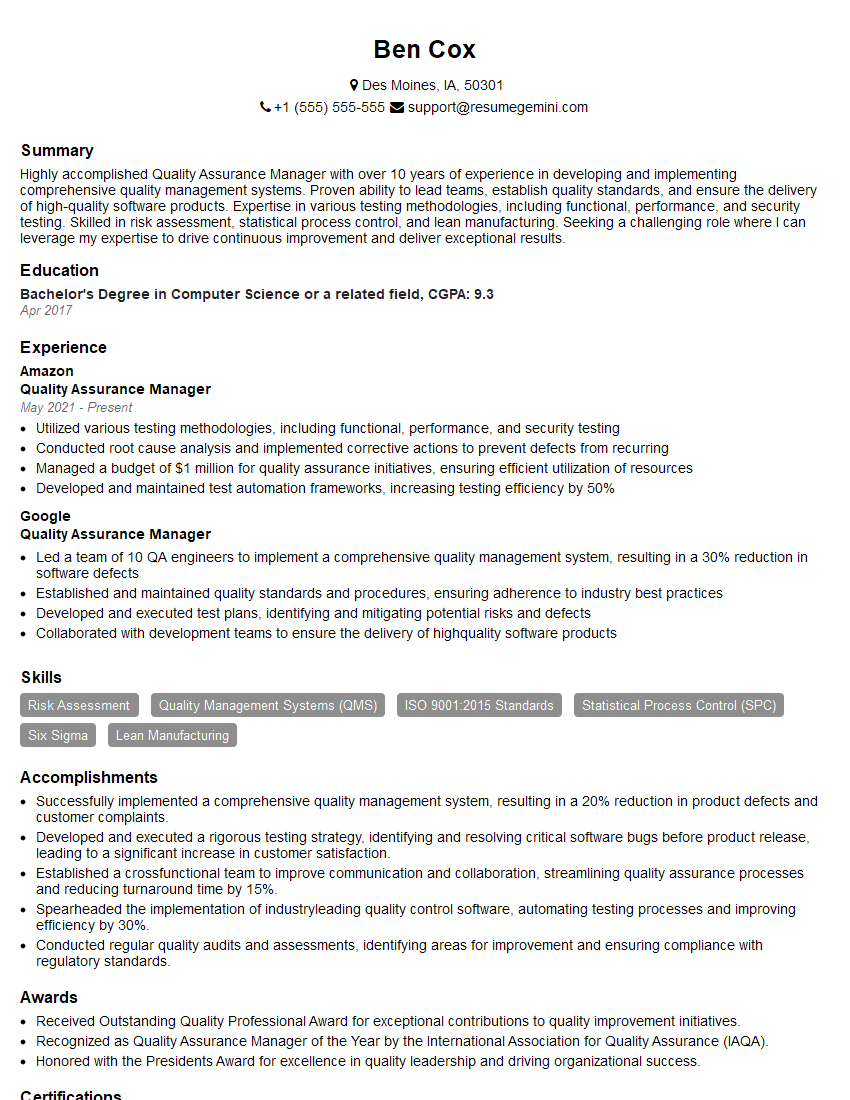
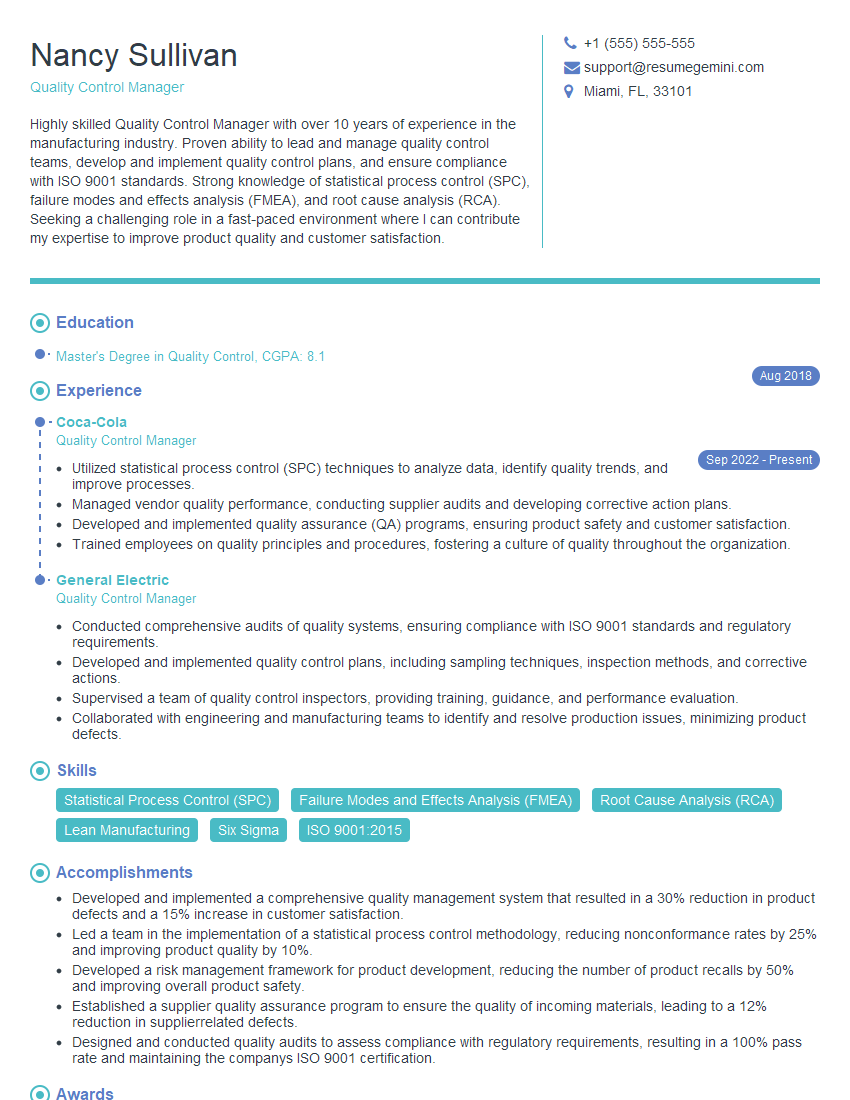
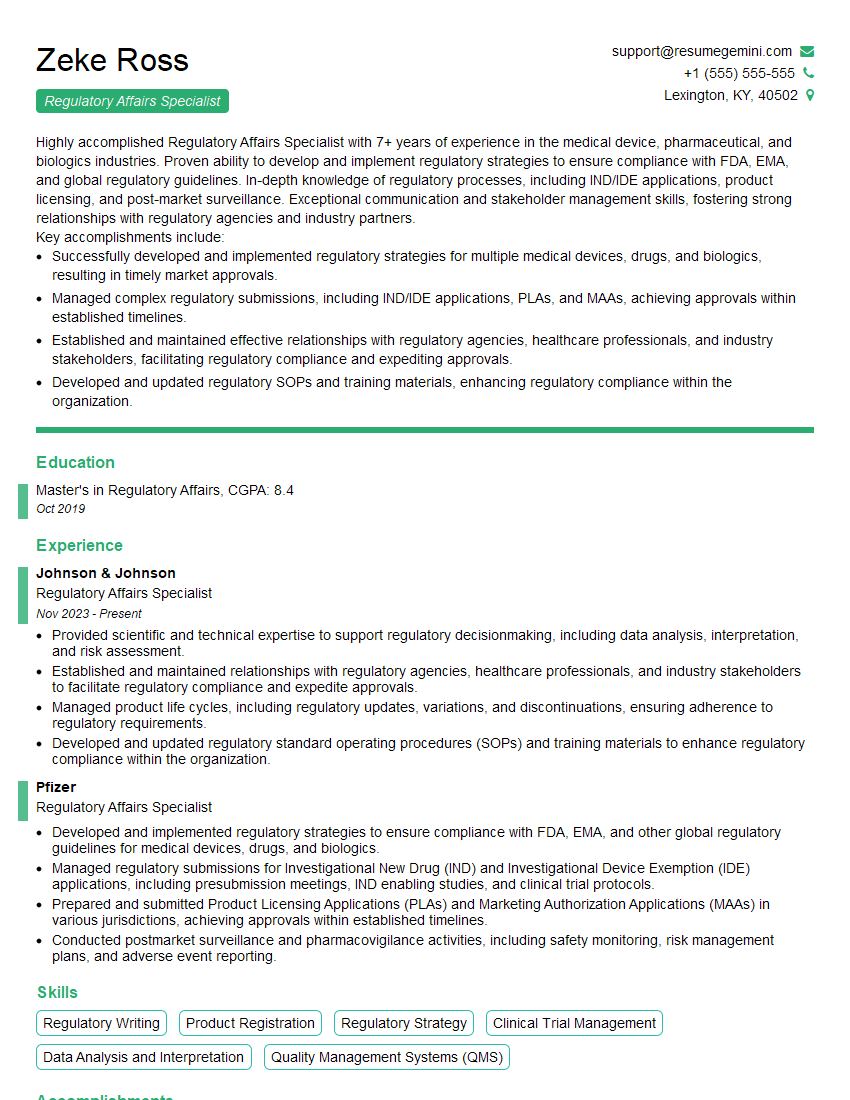
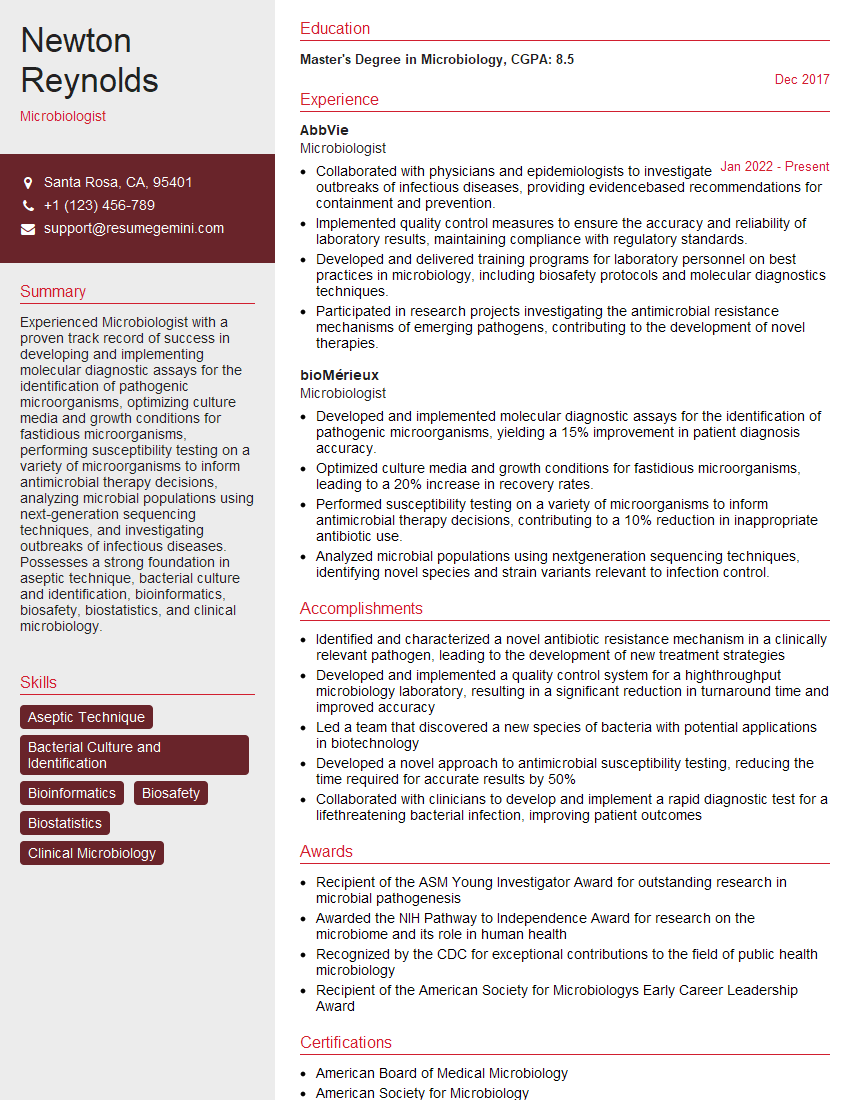
Mastering Foodborne Pathogen Control is crucial for a successful and rewarding career in the food industry, opening doors to leadership roles and specialized positions. To maximize your job prospects, focus on creating a strong, ATS-friendly resume that highlights your skills and experience. ResumeGemini is a trusted resource that can help you build a compelling and effective resume. They provide examples of resumes specifically tailored to Foodborne Pathogen Control roles, ensuring your application stands out.

Explore more articles
Users Rating of Our Blogs
Share Your Experience
We value your feedback! Please rate our content and share your thoughts (optional).
What Readers Say About Our Blog
To the interviewgemini.com Webmaster.
Very helpful and content specific questions to help prepare me for my interview!
Thank you
To the interviewgemini.com Webmaster.
This was kind of a unique content I found around the specialized skills. Very helpful questions and good detailed answers.
Very Helpful blog, thank you Interviewgemini team.