Are you ready to stand out in your next interview? Understanding and preparing for Gallery Operations Management interview questions is a game-changer. In this blog, we’ve compiled key questions and expert advice to help you showcase your skills with confidence and precision. Let’s get started on your journey to acing the interview.
Questions Asked in Gallery Operations Management Interview
Q 1. Describe your experience managing gallery budgets and finances.
Gallery budget management requires a multifaceted approach encompassing forecasting, tracking, and analysis. I begin by creating a detailed budget, breaking down expenses into categories such as salaries, rent, utilities, marketing, insurance (crucial for artwork!), shipping, and exhibition costs. This budget is then regularly reviewed and adjusted based on actual spending and projected income. I utilize budgeting software to track expenses, generate reports, and analyze variances from the initial projections. For example, at my previous gallery, we successfully reduced operational costs by 15% in one fiscal year by renegotiating vendor contracts and implementing energy-efficient practices. I’m adept at identifying areas for cost savings without compromising the quality of exhibitions or services.
Furthermore, I’m experienced in securing funding through grant applications, sponsorships, and fundraising events. I carefully track all income streams, ensuring accurate financial reporting, and producing regular financial statements for the board of directors or gallery owners. Accurate forecasting and proactive financial management are key to sustaining the gallery’s operations and enabling future growth.
Q 2. How do you handle artwork shipping and receiving procedures?
Artwork shipping and receiving is a critical area requiring meticulous attention to detail and adherence to strict procedures to prevent damage. I implement a standardized system that begins with choosing reputable art shippers with experience handling delicate and valuable items. The process involves confirming the artwork’s dimensions and weight, obtaining appropriate insurance coverage, and selecting the most suitable packaging materials – often custom-designed crates. A detailed packing list is created and accompanies the shipment, along with any special handling instructions. Upon receiving the artwork, I conduct a thorough inspection, documenting any pre-existing damage before signing the delivery receipt. Any damage discovered during transit is immediately reported to the shipper and the insurance company. I maintain detailed records of all incoming and outgoing shipments, including tracking numbers, insurance policies, and inspection reports. This rigorous process ensures the artwork’s safe arrival and minimizes risks associated with transit.
Q 3. Explain your process for inventory management and tracking.
Efficient inventory management is paramount in gallery operations. My approach involves using a dedicated inventory management system (either software-based or a meticulously maintained spreadsheet) to track every piece of artwork. Each artwork receives a unique ID number, and its details – artist’s name, title, medium, dimensions, acquisition date, insurance value, and current location – are recorded. I regularly update the inventory to reflect the movement of artwork, including loans, sales, and changes in storage location. This system allows me to generate reports on artwork availability, track sales performance, and manage insurance coverage effectively. For instance, using a barcode system makes physical inventory checks much faster and more accurate, minimizing the risk of errors. This robust system ensures transparency and accountability in managing the gallery’s valuable assets.
Q 4. What security measures would you implement to protect artwork?
Protecting the artwork is my top priority. I implement a layered security approach incorporating physical and technological measures. This includes a robust alarm system with motion detectors, strategically placed CCTV cameras providing comprehensive coverage, and secure storage facilities with climate control to preserve the artwork’s condition. Access to these areas is restricted, with only authorized personnel having keys or access codes. Furthermore, we conduct regular security audits and staff training to identify and address potential vulnerabilities. Insurance coverage is vital, with policies tailored to cover theft, damage, and loss. I’ve also implemented procedures for handling emergency situations, including fire safety protocols and procedures for dealing with theft or vandalism. In short, a proactive and multi-layered approach is essential to ensuring the safety and security of the gallery’s collection.
Q 5. Describe your experience with art handling and installation.
I have extensive experience in art handling and installation, including the safe transport, careful unpacking, and precise hanging of artworks. This involves understanding the various materials and techniques used in art creation, and having the skills to handle different types of artwork (paintings, sculptures, installations) with care. I am knowledgeable about appropriate handling equipment like art gloves, acid-free materials, and specialized lifting equipment. I always prioritize the artist’s instructions for installation and preservation. At one gallery, we installed a large-scale sculpture using a specially designed crane and custom-built supports, successfully avoiding any damage to the artwork or the gallery space. My process involves meticulous planning, appropriate equipment use, and a keen eye for detail to ensure that each artwork is displayed correctly and safely.
Q 6. How do you ensure the smooth running of gallery events?
Ensuring the smooth running of gallery events involves meticulous planning and coordination. I start by developing a detailed event plan that outlines objectives, timelines, budgets, and responsibilities. This includes selecting appropriate venue, catering, entertainment, and staffing. I work closely with various stakeholders – artists, sponsors, vendors, and staff – to ensure effective communication and coordination. I carefully manage logistics, including guest registration, seating arrangements, and providing clear directional signage. During the event, I oversee the smooth execution of the plan, addressing any unforeseen issues promptly. For instance, at a large opening reception, I coordinated the timing of speeches, catering service, and the flow of guests to ensure a seamless and enjoyable experience. Post-event, I conduct a thorough evaluation to identify areas for improvement in future events.
Q 7. What is your experience with managing gallery staff and volunteers?
Managing gallery staff and volunteers requires strong leadership, communication, and organizational skills. I create a positive and productive work environment by setting clear expectations, providing regular training, and fostering teamwork. I delegate responsibilities effectively, ensuring everyone understands their roles and responsibilities. Regular meetings are held to discuss progress, address concerns, and share updates. I am adept at motivating and inspiring staff members, fostering a sense of ownership and commitment. I recognize and reward good work, creating a supportive and encouraging atmosphere. With volunteers, I provide clear instructions, appropriate training, and regular supervision to ensure their tasks are carried out efficiently and correctly. I believe in open communication and feedback to foster a positive and productive team environment.
Q 8. How do you handle customer inquiries and complaints?
Handling customer inquiries and complaints effectively is crucial for maintaining a positive gallery experience. My approach is multifaceted, prioritizing promptness, empathy, and a solution-oriented mindset.
Immediate Response: I believe in acknowledging inquiries within 24 hours, ensuring customers feel valued and heard. This often involves a personalized email or phone call, depending on the communication method used.
Active Listening: I prioritize understanding the customer’s perspective completely before offering solutions. This involves asking clarifying questions and summarizing their concerns to ensure mutual understanding.
Problem-Solving: Once I understand the issue, I work to find a practical solution. This might involve addressing a billing error, providing further information about an artwork, or mediating a dispute. For example, if a customer complained about a damaged artwork during delivery, I would immediately initiate a claim with the insurance provider and work to either repair or replace the piece.
Follow-up: After resolving the issue, I always follow up with the customer to ensure their satisfaction and to gather feedback on the process. This demonstrates a commitment to continuous improvement.
Q 9. Explain your approach to marketing and promoting gallery exhibitions.
Marketing and promoting gallery exhibitions requires a strategic approach blending traditional and digital methods. My strategy focuses on creating a compelling narrative around each exhibition and reaching the target audience through multiple channels.
Targeted Marketing: I identify the key demographic for each exhibition and tailor marketing materials accordingly. For example, a modern art exhibition might target younger audiences through social media, while a classical art show might utilize print advertising in art magazines and local newspapers.
Public Relations: Building relationships with art critics, journalists, and bloggers is crucial for generating positive press coverage and driving public interest. Press releases, invitations to previews, and exclusive interviews all play a role here.
Social Media Marketing: Platforms like Instagram, Facebook, and Twitter are essential for reaching a wider audience. High-quality images, engaging captions, and behind-the-scenes content can build community and anticipation.
Website and Email Marketing: A well-designed website acts as the central hub for information about exhibitions, artists, and events. Email marketing is used for targeted promotions, newsletters, and membership updates.
Collaborations: Partnering with other galleries, art institutions, or local businesses can expand reach and create synergistic marketing opportunities. A recent successful campaign involved collaborating with a local hotel to offer exclusive discounts to gallery visitors.
Q 10. Describe your experience with managing gallery memberships.
Managing gallery memberships involves more than just collecting dues; it’s about building a loyal community of art enthusiasts. My experience includes implementing and managing membership programs that offer tiered benefits and foster engagement.
Membership Tiers: I create different membership levels, each offering a unique set of perks, such as discounts on artwork, invitations to exclusive events, early access to exhibitions, or complimentary catalog subscriptions. This caters to various levels of commitment and financial capabilities.
Member Database Management: Utilizing CRM software, I maintain accurate member records, ensuring timely renewal notifications and personalized communication. Data analysis helps identify member preferences and tailor future benefits.
Member Engagement: Regular newsletters, invitations to member-only events (e.g., artist talks, curator tours), and feedback mechanisms contribute to fostering a sense of community and loyalty. For instance, I organized a members-only reception with the exhibiting artist, which resulted in increased membership renewals.
Membership Benefits Tracking: I meticulously track membership benefits utilization and analyze the data to refine the program and ensure it provides value to members.
Q 11. How familiar are you with art insurance and risk management?
Art insurance and risk management are crucial aspects of gallery operations. My understanding extends to selecting appropriate insurance policies, implementing security measures, and handling claims.
Insurance Coverage: I’m proficient in selecting comprehensive insurance policies covering artwork against damage, theft, and loss during transit, display, and storage. This involves working closely with insurance brokers to understand policy terms and ensure adequate coverage.
Security Measures: Implementing robust security protocols, including alarm systems, CCTV monitoring, climate control, and appropriate handling procedures, is vital to minimizing risk. I ensure regular security assessments to identify and address potential vulnerabilities.
Risk Assessment: I conduct regular risk assessments to identify potential threats and implement mitigation strategies. This might include reviewing handling procedures, assessing environmental conditions, and training staff on proper security protocols.
Claims Management: In the event of a claim, I have experience in documenting the incident, gathering evidence, and working with the insurance provider to ensure a fair and efficient settlement.
Q 12. How would you handle a damaged artwork during transit or installation?
Handling damaged artwork requires a systematic and documented approach. My priority is preserving evidence, protecting the artwork further, and initiating a claim.
Documentation: I meticulously document the damage, including taking photographs and creating a detailed report outlining the extent of the damage, the circumstances of the incident, and any witnesses. This documentation is crucial for insurance claims.
Preservation: I take immediate steps to prevent further damage, which might include carefully stabilizing the artwork, protecting it from environmental factors, or seeking expert advice for specialized handling.
Insurance Claim: I file a comprehensive insurance claim promptly, providing all relevant documentation. This involves coordinating with the insurance company, appraisers, and potentially restoration specialists.
Communication: I maintain open communication with all relevant parties, including the artist, the insurer, and the client (if applicable), keeping everyone informed of progress and next steps.
Restoration: I coordinate with reputable art conservators for restoration, ensuring the artwork is handled with utmost care and expertise.
Q 13. What software or systems are you proficient in for gallery operations?
Proficiency in gallery management software is essential for efficient operations. My experience includes utilizing various systems for inventory management, sales tracking, and customer relationship management.
Inventory Management Systems: I’m proficient in using software such as
[Specific Software Name, e.g., Artlogic]for managing artwork inventory, tracking provenance, and generating reports. This includes accurately recording artwork details, condition reports, and location.Sales and Point of Sale (POS) Systems: I have experience using POS systems to track sales, process transactions, manage commissions, and generate financial reports. This ensures accurate financial record-keeping and streamlined sales processes.
[Specific Software Name, e.g., Square]is an example.Customer Relationship Management (CRM): I utilize CRM software, such as
[Specific Software Name, e.g., Salesforce]to manage customer interactions, track communications, and maintain detailed contact information for improved customer service and targeted marketing.Database Management: I’m proficient in database management principles and can adapt to different software solutions to ensure data integrity and efficient information retrieval.
Q 14. What is your experience with conservation and preservation of artwork?
Conservation and preservation of artwork is paramount to ensuring its longevity and value. My experience involves understanding environmental factors, proper handling techniques, and collaboration with conservation professionals.
Environmental Control: I understand the importance of maintaining stable environmental conditions (temperature, humidity, light levels) to minimize artwork deterioration. This involves implementing and monitoring climate control systems within the gallery.
Proper Handling Techniques: I’m trained in proper handling and storage techniques, including using appropriate gloves, supports, and archival materials to prevent damage. I’ve overseen training for gallery staff on these practices.
Collaboration with Conservators: I recognize the need to collaborate with professional art conservators for any significant restoration or preservation needs. This includes arranging consultations, obtaining quotes, and overseeing the conservation process.
Preventive Conservation: I implement preventive conservation measures such as regular cleaning, pest control, and monitoring of environmental conditions to minimize the risk of damage or deterioration. For instance, we’ve implemented a regular inspection schedule and a humidity control system to protect artworks vulnerable to mold growth.
Q 15. Explain your understanding of legal compliance in gallery operations.
Legal compliance in gallery operations is paramount, encompassing a wide range of regulations designed to protect artwork, artists’ rights, and the gallery itself. This includes copyright law, ensuring proper attribution and permissions for artwork reproduction and display; contract law, covering agreements with artists, lenders, insurers, and collectors; and tax law, relating to sales, donations, and import/export regulations. Further considerations involve health and safety regulations for staff and visitors, accessibility laws for people with disabilities, and data privacy laws concerning visitor information and online sales. For example, failing to secure proper copyright permissions for a reproduced image in a catalogue could result in costly legal action. Similarly, improper handling of artwork loans could breach contract law, leading to financial and reputational damage. Maintaining meticulous records and seeking legal counsel when needed are crucial for ensuring complete legal compliance.
Career Expert Tips:
- Ace those interviews! Prepare effectively by reviewing the Top 50 Most Common Interview Questions on ResumeGemini.
- Navigate your job search with confidence! Explore a wide range of Career Tips on ResumeGemini. Learn about common challenges and recommendations to overcome them.
- Craft the perfect resume! Master the Art of Resume Writing with ResumeGemini’s guide. Showcase your unique qualifications and achievements effectively.
- Don’t miss out on holiday savings! Build your dream resume with ResumeGemini’s ATS optimized templates.
Q 16. How would you prioritize tasks during a busy exhibition period?
Prioritizing tasks during a busy exhibition period requires a structured approach. I would utilize a project management methodology, such as a Kanban system, to visualize and manage tasks. High-priority tasks, like artwork installation, security checks, and opening night preparations, would be given immediate attention. I would then categorize tasks by urgency and importance using a matrix, ensuring that crucial tasks, such as publicity and marketing, are completed on time. Delegation of tasks to team members based on their expertise is also key. Regular team meetings would facilitate communication, identify potential bottlenecks, and allow for dynamic adjustment of the schedule. A crucial component is proactive risk management; identifying and mitigating potential issues before they escalate into crises. For instance, ensuring sufficient staffing for peak visitor hours helps prevent long lines and dissatisfied visitors. This systematic approach ensures that all essential tasks are completed efficiently and effectively.
Q 17. Describe your experience with managing gallery collections.
My experience with managing gallery collections encompasses all aspects of care, from acquisition and cataloguing to conservation and display. This includes developing and implementing comprehensive collection management policies and procedures, ensuring the safe storage and handling of artwork according to environmental guidelines. I’ve personally overseen the creation and maintenance of digital databases for artwork, incorporating detailed information on provenance, condition reports, and insurance valuations. A key aspect of my work has been the collaborative effort with conservators to address any issues related to artwork deterioration and preservation. For example, I coordinated the restoration of a significant piece that had suffered water damage, a project that involved meticulous documentation, communication with the conservator, and careful monitoring of the process. This ensures the long-term preservation of the gallery’s valuable assets and enhances their accessibility for research and display.
Q 18. How would you address conflicts between staff or volunteers?
Addressing staff or volunteer conflicts requires a prompt and impartial approach. My strategy involves fostering open communication and establishing a clear framework for conflict resolution from the outset. I would initiate a private meeting with the involved parties, providing a safe space to express their concerns without interruption. Active listening is key—understanding each person’s perspective is essential before suggesting solutions. If the conflict stems from a misunderstanding, clarifying roles and responsibilities often resolves the issue. However, if the conflict is more serious, mediation or a formal disciplinary process may be necessary, following established gallery procedures. The goal is to resolve the conflict fairly, preserve working relationships, and ensure a positive and productive work environment. In one instance, I successfully mediated a disagreement between two volunteers regarding exhibition layout by involving them both in a revised collaborative design process, ultimately enhancing teamwork and the exhibition itself.
Q 19. What metrics would you use to measure the success of gallery operations?
Measuring the success of gallery operations requires a multi-faceted approach, using both quantitative and qualitative metrics. Quantitative metrics include visitor numbers, exhibition attendance, membership growth, sales figures, and fundraising totals. These provide concrete data on the gallery’s reach and financial performance. Qualitative metrics are equally important, such as visitor satisfaction surveys, staff feedback, media coverage, and social media engagement. These offer insights into the gallery’s impact on the community and its overall reputation. Furthermore, I’d analyze metrics related to conservation efforts, such as the number of artworks conserved and the improvements in their condition. Analyzing these data points together gives a comprehensive view of operational effectiveness and reveals areas for improvement. For instance, a high visitor count combined with positive feedback from surveys suggests a successful exhibition while low sales coupled with negative reviews signals a need for strategic adjustments.
Q 20. How do you ensure the accurate documentation of artwork provenance?
Accurate documentation of artwork provenance is crucial for establishing authenticity, preventing disputes, and maintaining the integrity of the collection. My approach involves building a comprehensive provenance research system. This begins with meticulous record-keeping during acquisition, including documenting the seller, purchase date, and any relevant historical information. Subsequently, thorough research is undertaken to trace the artwork’s history back as far as possible, using various sources like auction records, exhibition catalogues, archival materials, and scholarly publications. All documentation is digitally archived, ensuring easy access and efficient record management. Furthermore, high-resolution images and detailed condition reports are maintained, adding further layers of verification and transparency. This process not only meets legal and ethical obligations but also enhances the artwork’s value and the gallery’s reputation. For example, tracing the provenance of a painting to a renowned collection not only authenticated its history but also increased its insurance value and boosted visitor interest in the exhibition.
Q 21. Describe your experience with handling artwork loans and exhibitions.
My experience with handling artwork loans and exhibitions is extensive. This involves negotiating loan agreements, ensuring that all conditions—including insurance, transportation, and handling—are clearly defined and mutually agreed upon. I oversee the entire process, from initial contact with lenders to the safe return of the artworks after the exhibition. This includes coordinating the logistics of transportation, employing reputable art handlers, and managing the insurance process to mitigate risks. Furthermore, I ensure the artwork is displayed according to the lender’s specifications and environmental conditions are meticulously maintained. A detailed condition report is documented before and after the loan period. Effective communication with lenders throughout the process is crucial, building trust and ensuring a smooth and successful collaboration. One example involved securing a high-profile loan, navigating complex legal frameworks and insurance requirements to ensure the artwork was successfully exhibited, returned safely and the lender was fully satisfied.
Q 22. How would you improve the efficiency of gallery operations?
Improving gallery operations efficiency involves streamlining processes and leveraging technology. Think of it like optimizing a well-oiled machine – each part needs to work smoothly and contribute to the overall output.
- Inventory Management: Implementing a robust database system for artwork tracking, from acquisition to loan, significantly reduces time spent searching for pieces and minimizes the risk of loss or damage. For example, I used a custom-built database in my previous role that allowed us to quickly locate artwork based on various criteria, including artist, medium, and loan status. This system saved us countless hours and reduced errors.
- Visitor Flow Management: Analyzing visitor patterns helps optimize gallery layout and staffing to minimize congestion and improve the visitor experience. Observing peak hours and strategically placing staff can greatly improve the flow.
- Staff Training & Scheduling: Investing in comprehensive training for staff on handling artwork, customer service, and emergency procedures is crucial. Efficient scheduling software can optimize staff allocation to meet visitor demand while ensuring adequate coverage.
- Digitalization: Utilizing online ticketing systems, virtual tours, and digital archives streamlines operations, improves accessibility, and reduces paperwork.
By focusing on these key areas, you can create a more efficient and effective gallery operation, increasing both productivity and visitor satisfaction.
Q 23. What is your experience with developing and implementing gallery policies?
Developing and implementing gallery policies requires a thorough understanding of legal requirements, ethical considerations, and best practices. It’s essentially creating a rulebook for smooth operations while protecting both the gallery and its stakeholders.
- Legal Compliance: Policies must adhere to copyright laws, accessibility regulations (ADA compliance), and relevant health and safety standards. For instance, clear policies regarding photography and artwork handling are crucial.
- Artist Agreements: I have extensive experience drafting and negotiating contracts with artists that clearly outline ownership, commission rates, exhibition terms, and dispute resolution mechanisms. A well-written contract prevents misunderstandings and potential conflicts.
- Visitor Conduct: Policies addressing visitor behavior, such as food and drink restrictions, photography guidelines, and emergency procedures, are essential for maintaining a safe and enjoyable environment. I’ve found that clear signage and readily available staff members are invaluable in enforcing these policies.
- Internal Procedures: Establishing clear procedures for handling artwork, finances, security, and staff conduct ensures consistency and accountability within the gallery. This includes regular audits and reviews of these procedures to maintain their efficacy.
I’ve successfully implemented these types of policies in several galleries, leading to a more organized and legally compliant environment.
Q 24. How familiar are you with different display and lighting techniques for artwork?
Display and lighting techniques are fundamental to presenting artwork effectively. It’s about creating the right atmosphere and highlighting the artwork’s nuances, much like a skilled chef presents a beautifully plated dish.
- Lighting: Different lighting types (natural, LED, halogen) have varying effects on artwork. For example, LED lights are energy-efficient and offer precise color temperature control, minimizing UV damage. Knowing which type is most suitable for different mediums is key.
- Wall Color: Wall color significantly impacts how artwork is perceived. A neutral background allows the artwork to stand out, while bolder colors can create a specific mood or complement the artwork’s palette.
- Placement and Grouping: The placement and grouping of artworks are crucial for creating a coherent visual narrative. Considering scale, subject matter, and artistic style when arranging pieces can greatly enhance the viewing experience.
- Framing and Matting: Proper framing and matting protect artwork and enhance its aesthetic presentation. Selecting appropriate materials considering the artwork’s medium and the gallery’s overall aesthetic is crucial.
I’ve had extensive hands-on experience with these techniques, working with various art forms and gallery settings to optimize the visual impact of each exhibition.
Q 25. Explain your experience with managing relationships with artists.
Managing relationships with artists requires building trust, clear communication, and mutual respect. It’s about fostering a collaborative partnership that benefits both the artist and the gallery. This is not just a business relationship, but a crucial part of a creative ecosystem.
In my experience, I prioritize open and honest communication with artists at every stage of the process—from initial discussions about exhibitions to finalizing sales and handling artwork returns. I ensure they have a voice and feel involved in the presentation of their work. I’ve successfully managed relationships with both emerging and established artists, understanding that each requires a slightly different approach based on their needs and experience.
For instance, I built a strong relationship with a young sculptor by providing constructive feedback on their work and actively promoting their pieces to collectors. This led to several successful sales and a long-term exhibition schedule.
Q 26. How would you handle a situation with a dissatisfied artist?
Handling a dissatisfied artist requires diplomacy, empathy, and a willingness to find a solution. It’s about understanding their concerns and addressing them professionally, even if it requires compromise or tough decisions.
My approach is to:
- Listen Empathetically: First, I carefully listen to the artist’s concerns without interruption, showing that their feelings are validated.
- Identify the Issue: I then attempt to identify the root cause of their dissatisfaction—whether it’s related to the exhibition setup, marketing efforts, sales figures, or contract terms.
- Offer Solutions: I collaborate with the artist to explore possible solutions. This could include adjustments to the display, additional marketing efforts, or renegotiating contract terms, depending on the specific problem.
- Document Everything: Maintaining detailed records of the conversation and any agreed-upon solutions is crucial.
- Follow Up: I follow up with the artist regularly to monitor their satisfaction and ensure the implemented solution is effective.
While not all situations can be perfectly resolved, a proactive and communicative approach usually leads to a positive outcome and preserves the artist-gallery relationship.
Q 27. Describe your experience with managing gallery facilities and maintenance.
Managing gallery facilities and maintenance is about ensuring a safe, functional, and aesthetically pleasing environment. Think of it as being a responsible landlord for the gallery space.
- Preventive Maintenance: I establish and maintain a robust preventive maintenance schedule, including regular cleaning, HVAC checks, security system monitoring, and inspections of electrical systems and plumbing. This minimizes the risk of major repairs and ensures consistent functionality.
- Emergency Preparedness: Developing and regularly practicing emergency procedures for fire, flood, and security breaches is crucial. This includes having clear evacuation plans, emergency contacts, and appropriate insurance coverage.
- Security Systems: Implementing and managing robust security systems, including alarm systems, CCTV cameras, and access control, is crucial to protecting artwork and preventing theft or vandalism.
- Climate Control: Maintaining appropriate temperature and humidity levels is vital for preserving artwork. This often requires specialized HVAC systems and regular monitoring.
My experience includes managing various gallery facilities from small intimate spaces to large multi-floor venues, always prioritizing the safety and preservation of the artwork and the visitor experience.
Q 28. How would you prepare a gallery for a major exhibition?
Preparing a gallery for a major exhibition involves meticulous planning and coordination. It’s like staging a large-scale production—every detail matters to ensure a flawless presentation.
- Exhibition Planning: Work closely with the artist or curator to develop a detailed plan outlining the exhibition’s theme, artwork selection, layout, and installation schedule. This includes reviewing the artist’s technical requirements and creating a detailed budget.
- Gallery Preparation: This involves cleaning the gallery space, repairing any damage, and ensuring adequate lighting, climate control, and security measures are in place.
- Artwork Installation: This requires careful handling of the artwork, employing appropriate hanging systems, and ensuring the pieces are displayed according to the plan. This phase may require specialized art handlers and the utilization of appropriate equipment.
- Marketing & Promotion: Develop and implement a comprehensive marketing and publicity strategy to promote the exhibition. This includes creating press releases, coordinating media coverage, and utilizing social media platforms.
- Opening Reception: Plan and manage the opening reception, including invitations, catering, security, and staffing. It’s essentially managing a well-orchestrated event to showcase the exhibit.
I have extensive experience managing all aspects of major exhibitions, successfully launching numerous shows that have garnered critical acclaim and significant attendance. This involves juggling many moving parts, from artist relations to marketing, ensuring a smooth and impactful opening.
Key Topics to Learn for Gallery Operations Management Interview
- Collection Management: Understanding principles of art handling, storage, preservation, and documentation. Practical application includes developing and implementing inventory management systems.
- Exhibition Planning & Installation: Knowledge of exhibition design, logistics, and coordination with artists and curators. This includes problem-solving related to timelines, budgets, and unexpected issues during installation.
- Visitor Services & Engagement: Strategies for creating positive visitor experiences, managing staff, and handling visitor inquiries. Practical application includes designing effective visitor flows and developing engaging educational materials.
- Budgeting & Financial Management: Understanding gallery finances, including budgeting, expense tracking, and revenue generation. Problem-solving might involve optimizing spending while maintaining high standards of operation.
- Security & Risk Management: Implementing and overseeing security protocols to protect the collection and visitors. This includes developing emergency response plans and addressing potential risks.
- Staff Management & Training: Understanding team dynamics, effective communication, and training methodologies for gallery staff. Practical application includes developing training programs and fostering a positive work environment.
- Technology & Digital Platforms: Utilizing technology for collection management, visitor engagement, and marketing. This includes familiarity with database systems, ticketing platforms, and digital asset management.
- Compliance & Legal Issues: Understanding relevant laws and regulations related to art handling, copyright, and accessibility. This includes ensuring the gallery’s operations are compliant with all applicable regulations.
Next Steps
Mastering Gallery Operations Management opens doors to exciting career advancements, from leading teams to shaping the visitor experience within prestigious institutions. A strong resume is crucial in showcasing your skills and experience to potential employers. Creating an ATS-friendly resume significantly increases your chances of getting your application noticed. We strongly encourage you to leverage ResumeGemini as a trusted resource to build a professional and impactful resume tailored to the specific demands of Gallery Operations Management roles. Examples of resumes tailored to this field are available to help guide you.
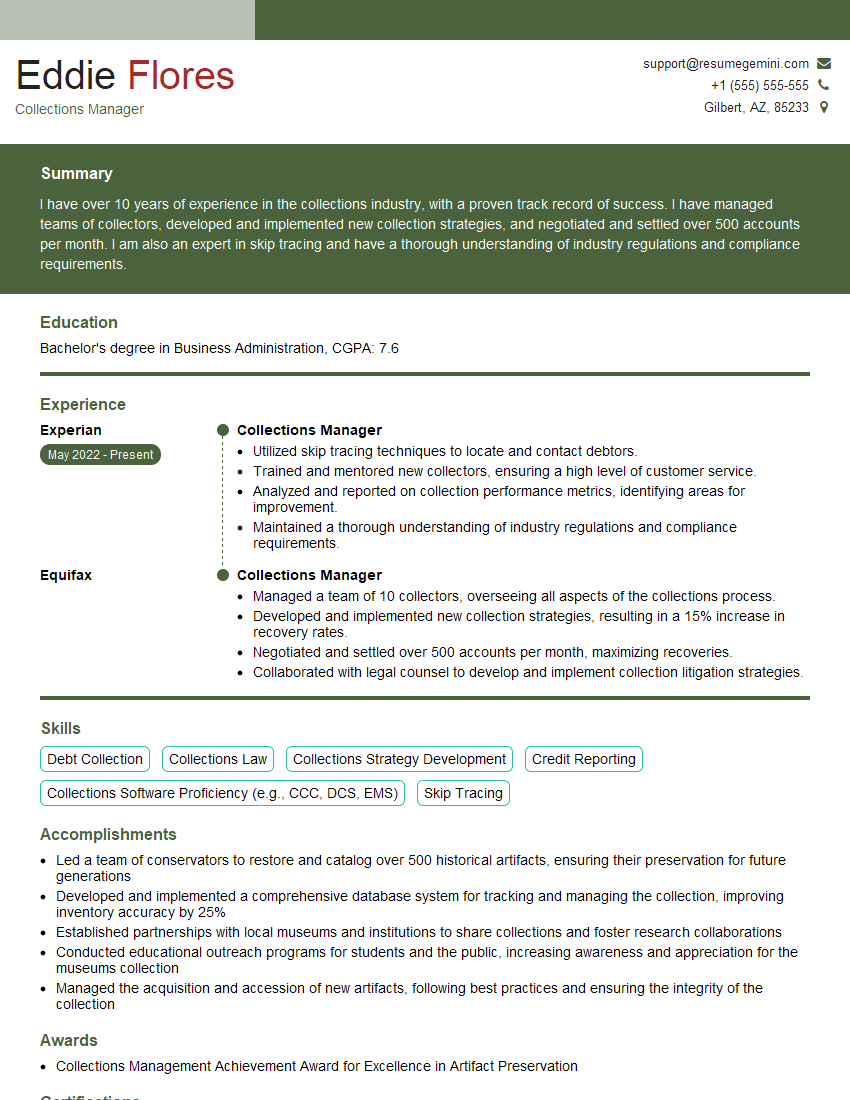
Collections Manager Resume Sample
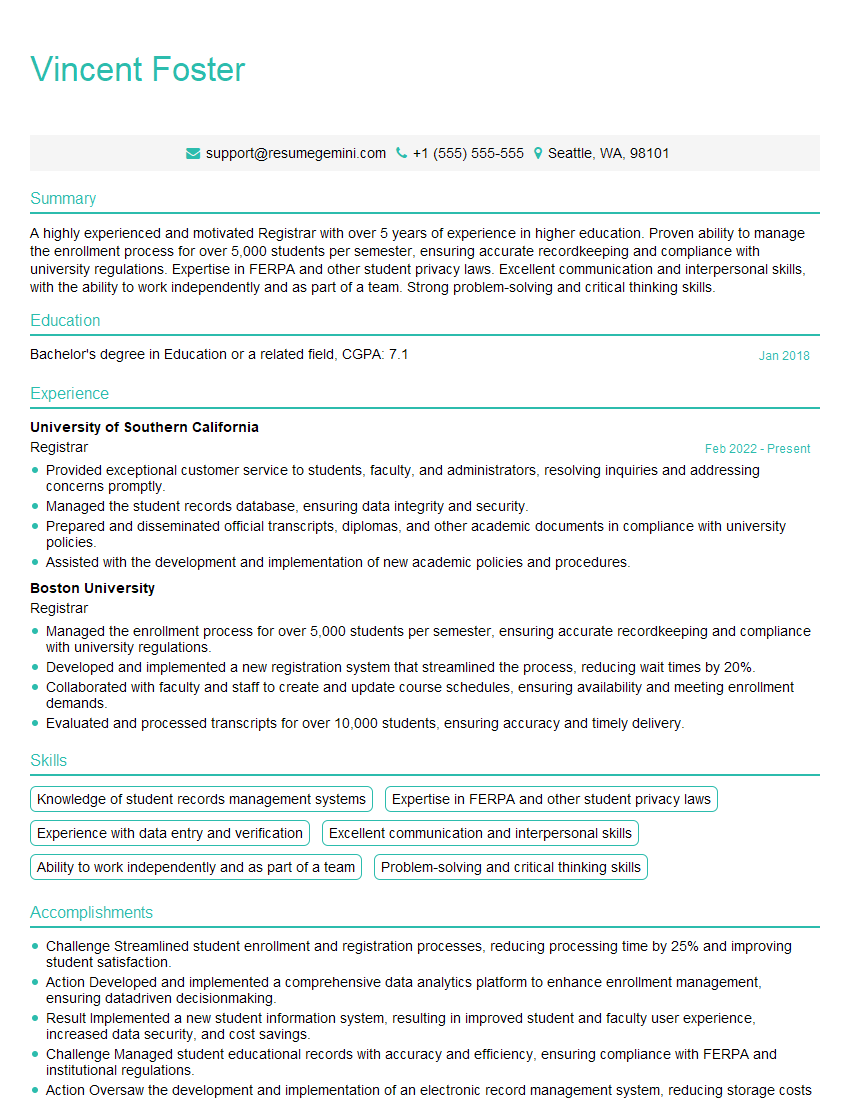
Registrar Resume Sample

Inventory Manager Resume Sample
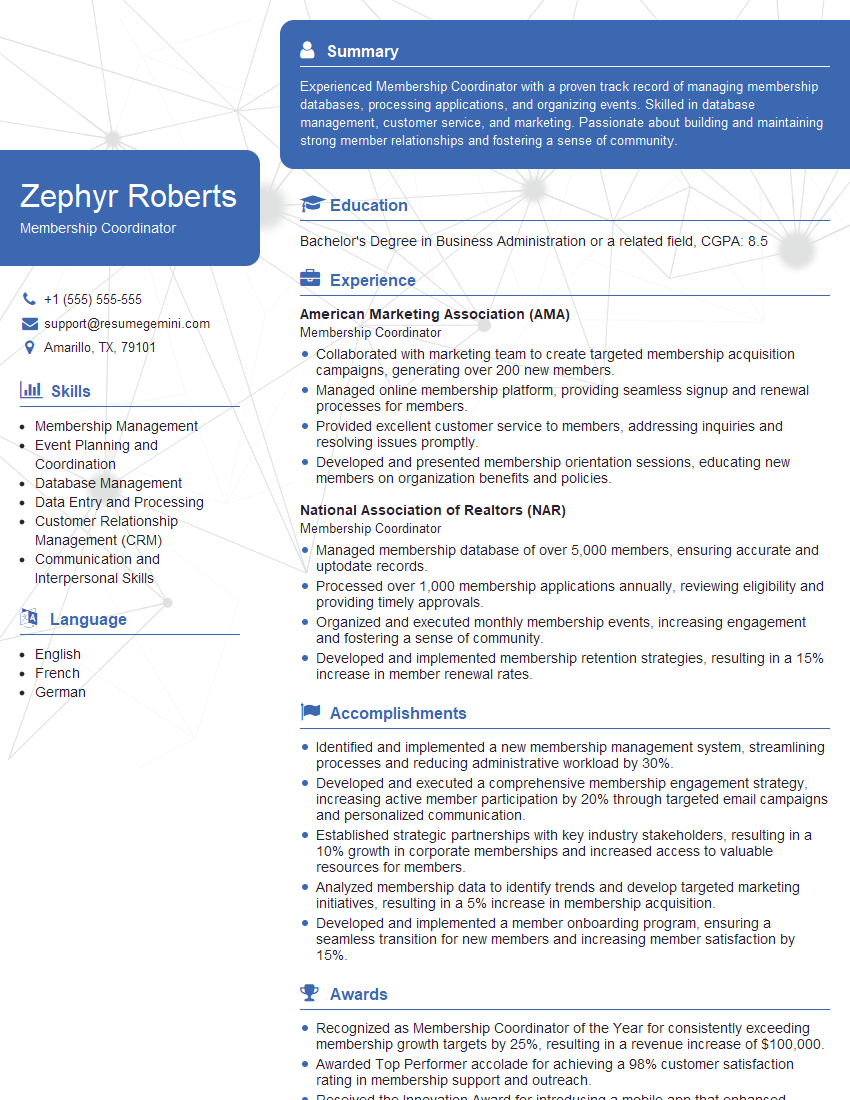
Membership Coordinator Resume Sample
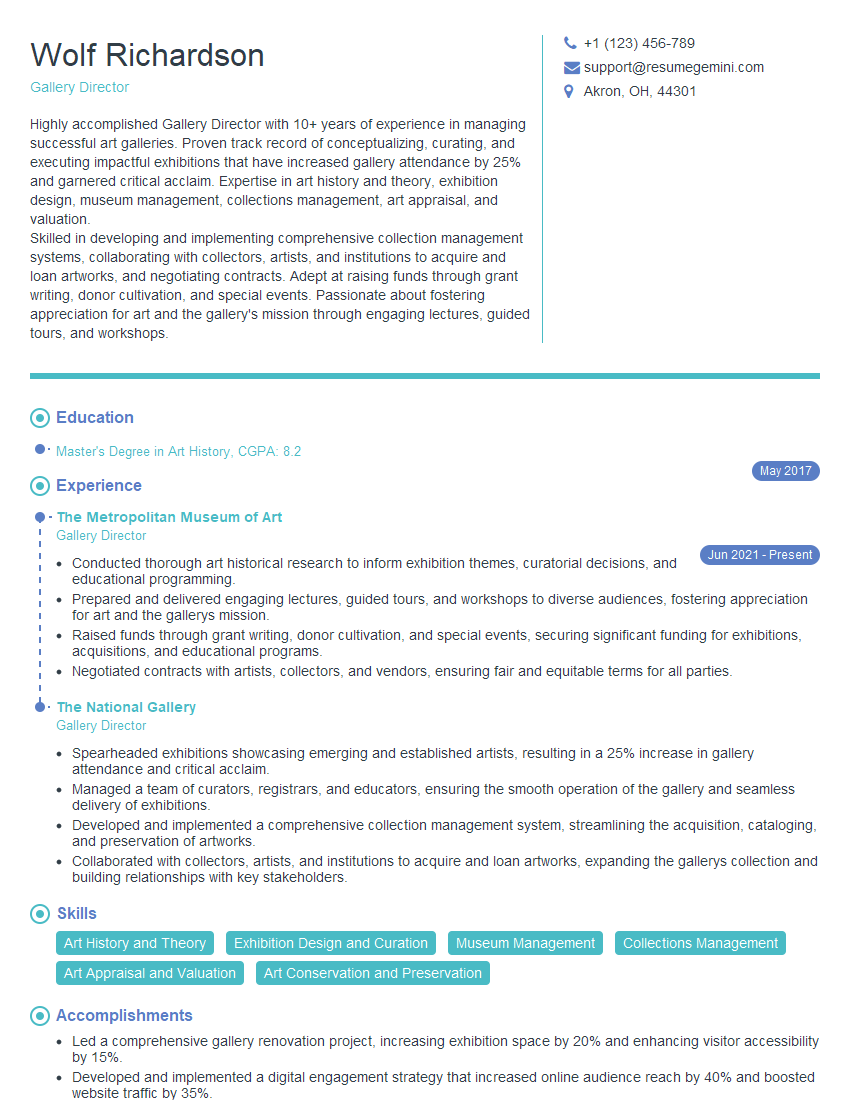
Gallery Director Resume Sample
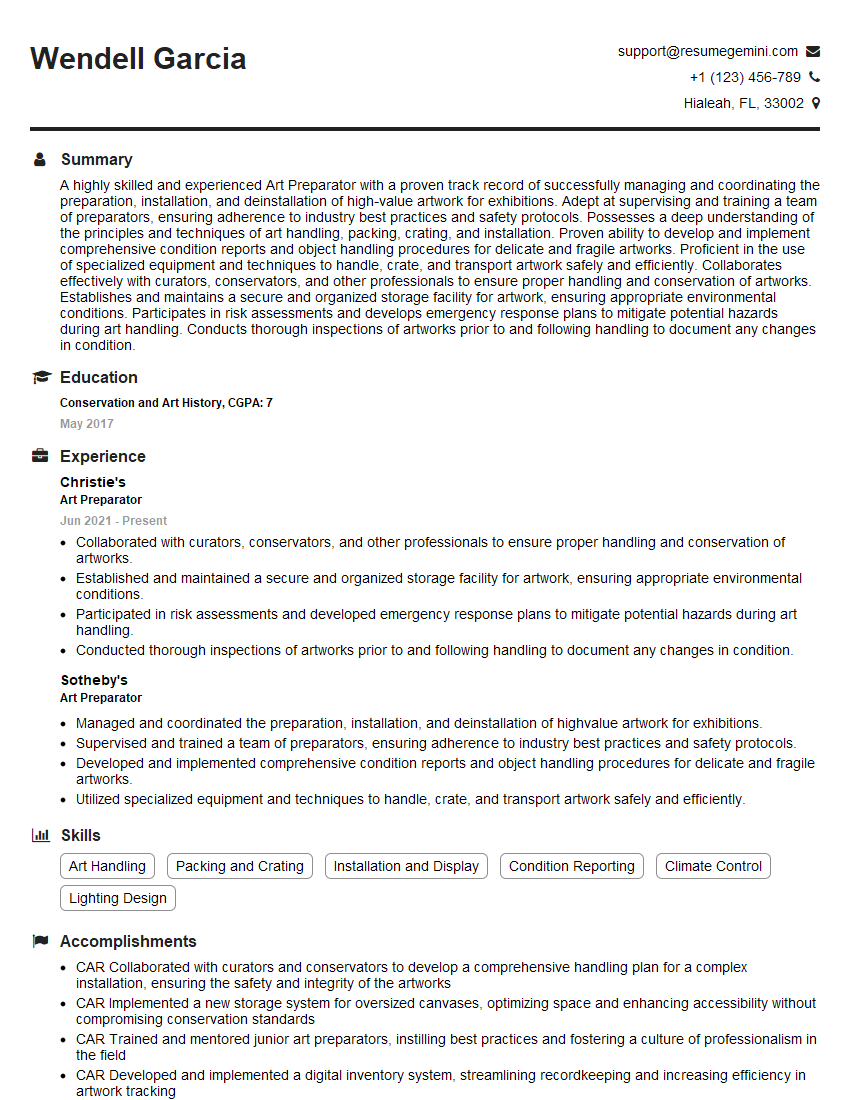
Art Preparator Resume Sample
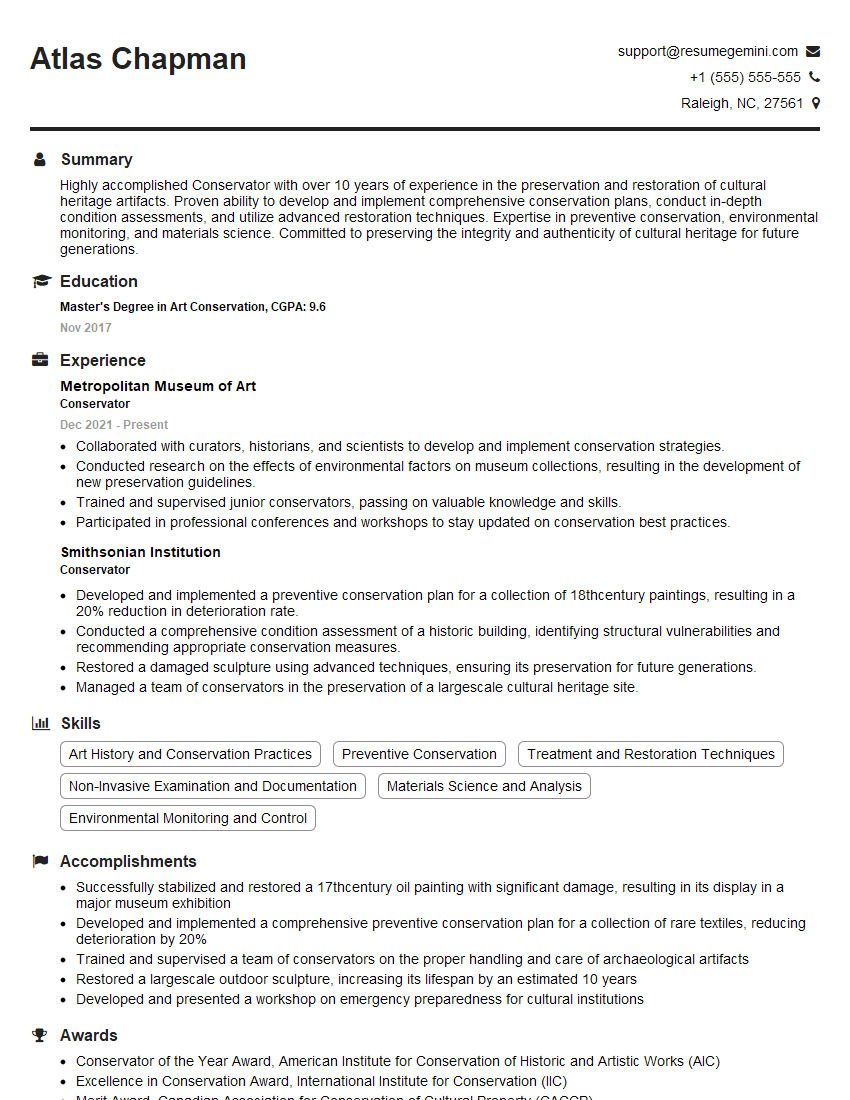
Conservator Resume Sample
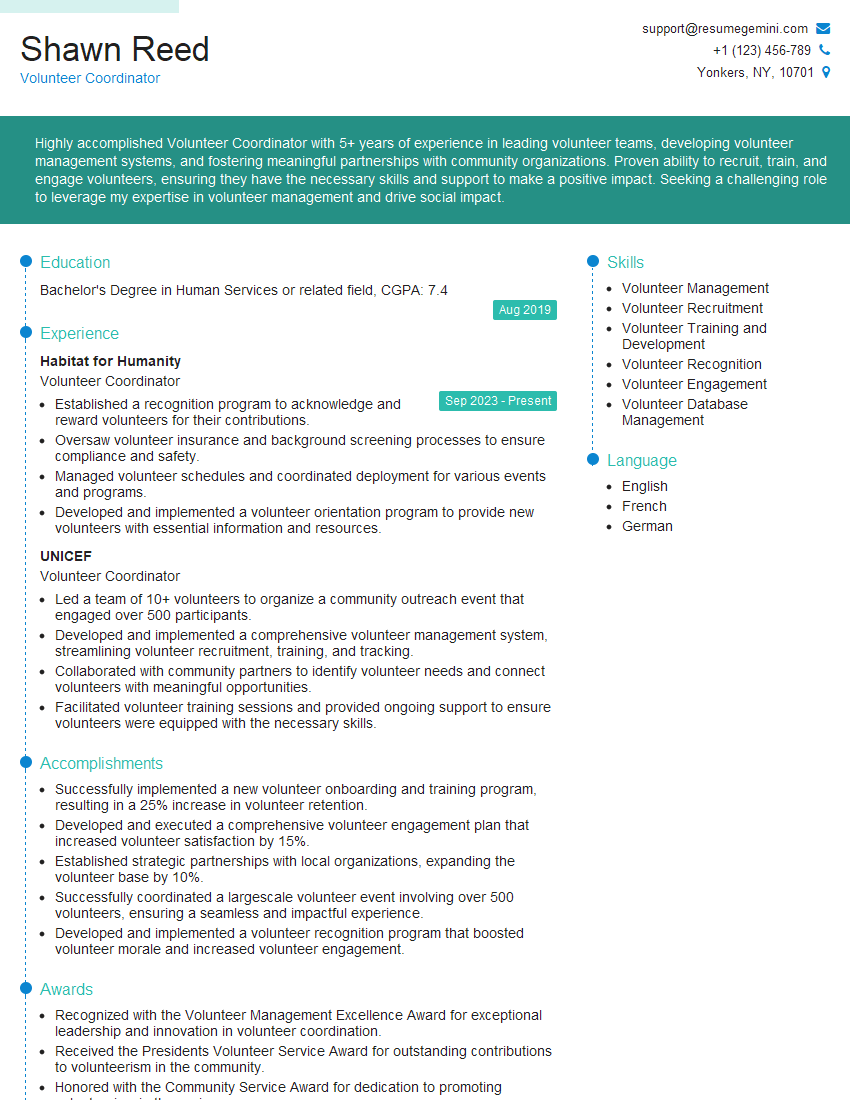
Volunteer Coordinator Resume Sample
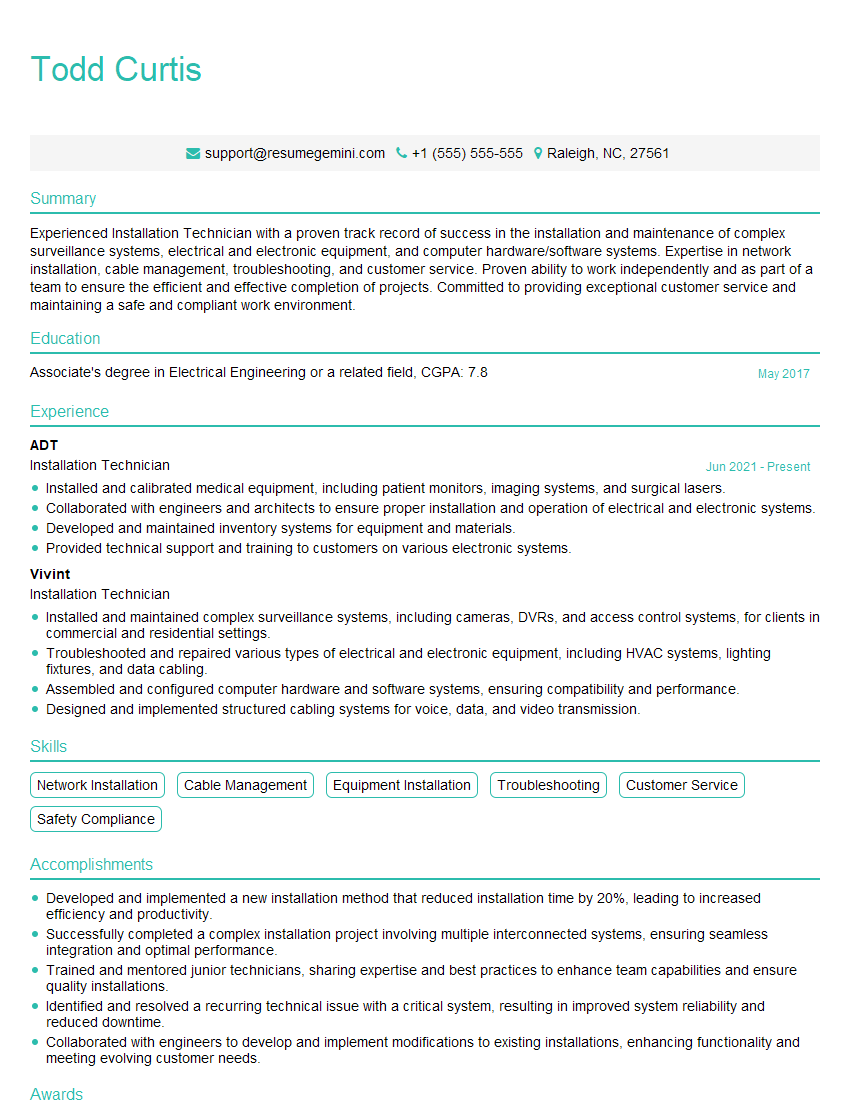
Installation Technician Resume Sample
Explore more articles
Users Rating of Our Blogs
Share Your Experience
We value your feedback! Please rate our content and share your thoughts (optional).
What Readers Say About Our Blog
To the interviewgemini.com Webmaster.
Very helpful and content specific questions to help prepare me for my interview!
Thank you
To the interviewgemini.com Webmaster.
This was kind of a unique content I found around the specialized skills. Very helpful questions and good detailed answers.
Very Helpful blog, thank you Interviewgemini team.