Unlock your full potential by mastering the most common Gas Well Installation and Extraction interview questions. This blog offers a deep dive into the critical topics, ensuring you’re not only prepared to answer but to excel. With these insights, you’ll approach your interview with clarity and confidence.
Questions Asked in Gas Well Installation and Extraction Interview
Q 1. Explain the process of gas well drilling.
Gas well drilling is a complex process that involves several stages, starting with planning and site preparation. We begin with thorough geological surveys to identify potential gas reservoirs. Then, a drilling rig, a massive machine, is assembled on location. The drilling process itself starts with the creation of a wellbore, a cylindrical hole, penetrating through various layers of rock to reach the gas reservoir. This is achieved using a drill bit attached to a rotating drill string, which is constantly circulating drilling mud to lubricate the bit, cool it, and carry rock cuttings to the surface. The drilling mud also helps maintain wellbore stability and prevent blowouts. As we drill deeper, we monitor various parameters like the rate of penetration, the pressure of the formation, and the properties of the drilling mud. Once we reach the target reservoir, we conduct logging operations using various tools to gather data about the rock formations and fluid properties. This data is crucial for optimizing completion and production strategies. The whole process is carefully monitored and managed, with a strong emphasis on safety and environmental protection.
Imagine it like digging a very deep, precise hole with special tools and sophisticated equipment to access an underground gas deposit. The process requires constant monitoring and adjustments to ensure efficient and safe operation.
Q 2. Describe different types of gas well completion techniques.
Gas well completion techniques are crucial for maximizing gas production. They vary depending on reservoir characteristics and the type of gas present. Some common methods include:
- Openhole Completion: This is the simplest method, where the wellbore is simply perforated to allow gas flow. It’s suitable for reservoirs with strong, naturally fractured rocks.
- Cased-hole Completion: Here, a steel casing is cemented into the wellbore to provide stability and prevent collapse. Perforations in the casing allow gas to flow into the wellbore. This is a more common technique, especially in unstable formations.
- Gravel Packing: This involves placing a layer of gravel around the perforations to prevent formation particles from migrating into the wellbore and restricting gas flow. This is particularly important in formations prone to sand production.
- Fracturing: Hydraulic fracturing (fracking), which we’ll discuss in more detail later, is commonly used to increase permeability and improve gas flow from tight rock formations.
- Horizontal Drilling and Multi-Stage Fracturing: This technique involves drilling horizontally through the reservoir to increase the contact area with the gas-bearing zone, followed by fracturing at multiple points along the horizontal wellbore to maximize gas production.
The choice of completion technique depends on several factors, including the reservoir’s geology, the type of gas present, the depth of the well, and the desired production rate. Choosing the right technique is critical for maximizing well productivity and extending its lifespan.
Q 3. What are the common challenges faced during gas well production?
Gas well production presents a range of challenges, some of which include:
- Formation Damage: Drilling and completion operations can damage the reservoir rock, reducing its permeability and hindering gas flow. This can be caused by drilling mud invasion, wellbore instability, or improper completion techniques.
- Sand Production: Unconsolidated formations can produce large quantities of sand, which can erode equipment and restrict flow. This requires special completion techniques such as gravel packing.
- Water Production: Many gas reservoirs contain water, which can reduce gas flow rates and require specialized water handling equipment.
- Scale Deposition: Minerals in the formation water can precipitate and form scale deposits, restricting gas flow and requiring treatment.
- Corrosion: The presence of acidic gases and other corrosive agents in the wellbore can lead to corrosion of equipment, requiring protective measures such as corrosion inhibitors.
- Pressure Decline: Over time, reservoir pressure declines, reducing the rate of gas production. This requires appropriate reservoir management techniques, including enhanced recovery methods.
Addressing these challenges requires careful planning, effective reservoir management techniques, and regular monitoring and maintenance of well equipment.
Q 4. How do you ensure the safety of personnel and equipment during gas well operations?
Ensuring the safety of personnel and equipment during gas well operations is paramount. We adhere to strict safety protocols and regulations at every stage. These include:
- Rig Site Safety Management: Implementing rigorous safety training programs for all personnel, conducting regular safety inspections, and maintaining emergency response plans.
- Hazardous Material Handling: Following strict procedures for handling and disposing of hazardous materials like drilling mud, chemicals, and produced fluids, always using appropriate personal protective equipment (PPE).
- Well Control Procedures: Employing comprehensive well control procedures to prevent and manage well kicks (sudden influxes of formation fluids), blowouts, and other well control incidents. This involves using safety valves, pressure monitoring systems, and emergency shutdown procedures.
- Equipment Maintenance: Regular maintenance and inspection of all equipment to ensure it’s functioning safely and efficiently.
- Environmental Protection: Implementing procedures to minimize environmental impact, including proper waste disposal, spill prevention and response, and air emissions control.
- Emergency Response: Having well-defined emergency response plans and trained personnel to manage incidents such as fires, explosions, and injuries.
Safety is not just a policy; it’s a culture ingrained in every aspect of our operations. We regularly conduct safety audits and incident investigations to continuously improve our practices.
Q 5. What are the key components of a gas wellhead assembly?
The gas wellhead assembly is a critical component, responsible for controlling the flow of gas from the reservoir to the surface. Key components include:
- Casing Head: A large flange that seals and supports the well casing.
- Christmas Tree: A complex assembly of valves and other fittings that control the flow of gas to the surface. It allows for shut-in, flow regulation, and pressure monitoring.
- Tubing Head: A flange that connects and seals the production tubing.
- Valves: Various valves within the assembly control gas flow and pressure.
- Pressure Gauges: Instruments to monitor well pressure.
- Safety Valves: Blowout preventers (BOPs) to protect against well control incidents.
The wellhead assembly is designed to withstand high pressures and temperatures. Its integrity is essential for the safe and efficient production of gas.
Q 6. Explain the concept of hydraulic fracturing (fracking).
Hydraulic fracturing, or fracking, is a well stimulation technique used to increase gas production from low-permeability formations. It involves injecting a high-pressure fluid (water, sand, and chemicals) into the formation to create fractures, increasing its permeability. The sand particles, called proppants, keep the fractures open, allowing gas to flow more easily into the wellbore. This process is typically conducted in horizontal wells to maximize contact with the reservoir rock and create an extensive fracture network. The process is highly engineered and involves careful planning, including evaluating formation characteristics and selecting appropriate fluids and proppants. Environmental concerns associated with fracking include the potential for groundwater contamination and induced seismicity, which are mitigated by careful well design, construction, and monitoring.
Think of it as creating artificial pathways in a tight rock formation to release the gas trapped within. It is a complex process that requires precise engineering and careful environmental management.
Q 7. Describe your experience with different types of drilling fluids (muds).
I have extensive experience with various types of drilling fluids, or muds, each tailored to specific geological conditions and drilling challenges. These include:
- Water-based muds: The most common type, offering good lubricity and cooling. Different additives can be incorporated to modify its properties, like viscosity, density, and filtration control. We often use these in shallower formations.
- Oil-based muds: Used in challenging formations, such as those prone to instability or shale swelling. They offer excellent lubricity and provide better shale inhibition. However, they have environmental concerns, hence, their use is carefully managed.
- Synthetic-based muds: An environmentally friendly alternative to oil-based muds. They offer similar performance benefits but with reduced environmental impact.
- Air or gas drilling: Used in some applications, but they come with limitations regarding wellbore stability and carry certain safety risks.
The selection of drilling fluid is a critical decision, influencing the stability of the wellbore, the rate of penetration, and the overall efficiency of the drilling operation. In my experience, I’ve seen how using the wrong type of mud can lead to wellbore instability, formation damage, and even lost time and cost overruns. Proper fluid selection, based on detailed formation evaluation, is a critical aspect for any drilling project. I use my experience and knowledge base to select and manage the most appropriate drilling fluid for the specific project conditions.
Q 8. How do you monitor and control well pressure?
Monitoring and controlling well pressure is crucial for safe and efficient gas production. It involves a multi-faceted approach using various technologies and techniques. We primarily rely on pressure gauges installed at the wellhead and throughout the flowline system. These gauges provide real-time data on pressure fluctuations. This data is then transmitted to a central monitoring system, often SCADA (Supervisory Control and Data Acquisition), allowing for remote monitoring and control.
For instance, if pressure drops significantly, it could indicate a problem like a leak or reduced reservoir pressure. Conversely, excessively high pressure could lead to equipment damage or even well blowouts. The SCADA system allows us to remotely adjust control valves to regulate pressure and maintain optimal operating conditions. We also utilize pressure-relief valves as a critical safety measure to prevent catastrophic pressure buildups.
Beyond real-time monitoring, regular pressure testing and analysis are performed. This helps identify trends and predict potential issues before they escalate. Different types of pressure tests (e.g., buildup tests, drawdown tests) can help determine reservoir characteristics and the overall health of the well.
Q 9. What are the different methods used for gas well testing?
Gas well testing is essential to determine the productivity and overall viability of a well. Several methods exist, each serving a specific purpose. One common method is the production test, where we open the well and measure the flow rate of gas over a period, often several days. This provides crucial data on the well’s initial production potential.
Another key test is the pressure buildup test. After a production period, the well is shut in, and the pressure is monitored as it recovers. Analyzing this pressure recovery helps determine reservoir properties like permeability and porosity. These properties are vital for estimating long-term production.
Drawdown tests involve monitoring pressure changes as the well produces. The rate of pressure decline is analyzed to understand reservoir characteristics and wellbore productivity. More specialized tests, like interference tests, can help delineate reservoir boundaries and assess the communication between multiple wells.
The choice of testing method depends on the specific objectives and the stage of the well’s lifecycle. For example, initial testing will focus on productivity assessment, while later tests might help evaluate the effects of stimulation treatments.
Q 10. Explain the importance of well logging in gas well operations.
Well logging plays a critical role in characterizing the subsurface formations and optimizing gas well operations. It involves deploying specialized tools into the wellbore to measure various physical properties of the surrounding rock formations. This data provides critical information for reservoir management and production optimization.
For example, gamma ray logs help identify different rock layers and identify potential reservoir zones. Porosity logs (like neutron and density logs) measure the pore space within the rock, indicating the potential for gas storage. Resistivity logs measure the electrical conductivity of the rock, allowing us to differentiate between gas-saturated and water-saturated zones.
Well logging data is used for numerous applications, including:
- Identifying productive zones
- Determining reservoir thickness and extent
- Evaluating reservoir quality (porosity, permeability)
- Optimizing completion strategies (e.g., perforation placement)
- Monitoring reservoir pressure and fluid saturation changes over time
In essence, well logging is like taking an X-ray of the subsurface, providing a detailed picture crucial for making informed decisions regarding well completion and production.
Q 11. Describe your experience with gas well stimulation techniques.
Gas well stimulation techniques are employed to enhance the productivity of gas wells, particularly in low-permeability formations. My experience includes working with several techniques, each tailored to the specific geological conditions.
Hydraulic fracturing (fracking) is a widely used method that involves injecting high-pressure fluid into the wellbore to create fractures in the surrounding rock. These fractures increase the surface area available for gas flow, improving well productivity. The injected fluid often contains proppants (e.g., sand) to keep the fractures open after the pressure is released.
Acidizing is another common stimulation technique, particularly effective in carbonate formations. Acid is injected to dissolve rock matrix, increasing permeability and improving gas flow. The type of acid (e.g., hydrochloric acid) and the injection procedure are carefully chosen based on the formation characteristics.
The selection of a stimulation technique requires a thorough understanding of the reservoir geology and the well’s characteristics. Pre-stimulation modeling and post-stimulation evaluation are crucial to assess the effectiveness of the treatment and optimize future operations. For example, in one project, we used a combination of fracking and acidizing to achieve significant production improvements in a heterogeneous reservoir. The data analysis guided our treatment design and led to the successful enhancement of gas production.
Q 12. How do you identify and address gas leaks?
Identifying and addressing gas leaks is paramount for safety and environmental protection. We utilize a variety of methods for leak detection, ranging from visual inspections to sophisticated technologies.
Visual inspections are a first line of defense, involving regular checks of wellheads, valves, pipelines, and other equipment for signs of leaks. Sniffer devices are used to detect the presence of gas in the air. These portable instruments are sensitive to even small concentrations of methane and other gases.
For larger-scale leak detection, we often employ acoustic sensors that detect the sound waves generated by escaping gas. Infrared cameras can also be used to detect gas leaks by identifying temperature differences caused by the escaping gas. In case of subsurface leaks, pressure monitoring can indicate the presence of a problem. If a leak is detected, the well is immediately shut in, and repair work is initiated to address the source.
The approach to repair depends on the nature and location of the leak. It can range from simple valve replacements to more complex well interventions. Regular maintenance and preventive measures are key to minimizing the risk of leaks and ensuring the long-term integrity of the well and its associated infrastructure. Safety is a top priority and we always follow strict protocols and procedures during leak detection and repair operations.
Q 13. What are the environmental regulations related to gas well operations?
Environmental regulations related to gas well operations are stringent and vary by location. They primarily focus on minimizing environmental impacts, such as air and water pollution, greenhouse gas emissions, and waste disposal. Regulations often address air emissions of methane, volatile organic compounds (VOCs), and other pollutants. This typically involves emission monitoring, reporting, and compliance with emission limits.
Water management is another critical aspect. Regulations govern the handling of produced water (water produced along with gas) and wastewater from stimulation operations. Strict protocols are in place for the proper treatment, disposal, or reuse of these waters to prevent water contamination. Waste management is also crucial, with regulations governing the handling and disposal of drilling muds, cuttings, and other solid wastes. The goal is to minimize environmental damage and protect groundwater and surface water resources.
Furthermore, regulations often address land reclamation and restoration, ensuring the return of the land to its pre-operation state after well decommissioning. Compliance with these regulations is critical for obtaining and maintaining operating permits, avoiding penalties, and ensuring environmentally responsible gas production. We regularly work with environmental agencies and consultants to ensure compliance and to minimize our environmental footprint.
Q 14. Explain your experience with different types of gas well pumps.
Gas well pumps are used to lift gas from the wellbore to the surface, particularly in situations where natural pressure is insufficient. Several types exist, each suited for different applications.
Reciprocating pumps are positive displacement pumps that use a piston or diaphragm to move gas. They are reliable and can handle high pressures, but they can be less energy-efficient than other types and are prone to more mechanical issues.
Centrifugal pumps use rotating impellers to move gas. They are generally more efficient than reciprocating pumps for higher flow rates, but may not be as effective at handling very high pressures.
Jet pumps utilize a high-velocity jet of fluid to create a pressure difference that moves gas. These pumps are often chosen for their simplicity and low maintenance needs.
The selection of a gas well pump depends on factors such as gas flow rate, pressure, well depth, and operational conditions. For example, in a high-pressure, low-flow-rate well, a reciprocating pump might be the best choice, while in a low-pressure, high-flow-rate well, a centrifugal pump might be more appropriate. It is common to use a combination of pumps to ensure optimal efficiency and reliability.
Q 15. How do you troubleshoot problems in gas well production equipment?
Troubleshooting gas well production equipment involves a systematic approach, combining diagnostic tools with a deep understanding of the system. It starts with identifying the problem – is production down, is pressure dropping, is there a leak? Then, we move to isolating the potential source. This often involves checking various components: the wellhead, tubing, Christmas tree, flow lines, and processing equipment.
For instance, if we observe a significant drop in production, we’d first check for pressure issues at the wellhead. A low pressure reading could indicate a blockage in the tubing (perhaps due to scale buildup or paraffin deposition), a problem with the artificial lift system (if one is in place), or a leak somewhere in the system. We would then utilize tools like pressure gauges, flow meters, and acoustic leak detectors to pinpoint the exact location and nature of the issue.
If a leak is suspected, we use specialized leak detection equipment, sometimes involving sophisticated techniques like acoustic emission monitoring or infrared thermography. Once the problem is identified, we implement the appropriate repair or replacement procedures, always prioritizing safety and regulatory compliance.
- Example: During a recent project, a sudden drop in pressure was traced to a faulty valve in the Christmas tree assembly. Replacing this valve quickly restored production.
- Example: In another instance, consistent high-pressure fluctuations pointed towards a problem with the plunger lift system. Careful inspection revealed a worn-out plunger, which was replaced, resolving the issue.
Career Expert Tips:
- Ace those interviews! Prepare effectively by reviewing the Top 50 Most Common Interview Questions on ResumeGemini.
- Navigate your job search with confidence! Explore a wide range of Career Tips on ResumeGemini. Learn about common challenges and recommendations to overcome them.
- Craft the perfect resume! Master the Art of Resume Writing with ResumeGemini’s guide. Showcase your unique qualifications and achievements effectively.
- Don’t miss out on holiday savings! Build your dream resume with ResumeGemini’s ATS optimized templates.
Q 16. Describe your experience with pipeline integrity management.
Pipeline integrity management (PIM) is crucial for safe and efficient gas transportation. My experience encompasses all aspects of PIM, from initial design and construction oversight to ongoing monitoring and maintenance. This involves establishing robust inspection and testing programs, utilizing various technologies to detect and mitigate risks. These technologies include in-line inspection (ILI) tools, which use advanced sensors to assess pipeline wall thickness, detect corrosion, and identify other defects. We also utilize pressure testing and leak detection systems to ensure the integrity of the pipeline.
A critical component of PIM is data analysis. We collect data from various sources – inspection reports, pressure readings, and maintenance records – to build a comprehensive picture of pipeline health. This data is analyzed to identify trends, predict potential failures, and prioritize maintenance activities. This proactive approach prevents catastrophic failures and ensures the long-term operational reliability of the pipeline.
For example, I’ve been involved in projects where ILI data revealed areas of significant corrosion. This led to targeted repairs, preventing potential leaks and ensuring the continued safe operation of the pipeline. We use sophisticated software to interpret the data, identifying and prioritizing areas that need attention.
Q 17. What are the safety protocols you follow during well intervention?
Safety is paramount during well intervention. We adhere to strict protocols established by regulatory bodies and company safety manuals. These protocols cover every aspect of the operation, from pre-job planning to post-job analysis.
- Pre-job planning: This includes a comprehensive risk assessment, identifying potential hazards and developing mitigation strategies. This involves reviewing well history, considering the potential presence of H2S or other hazardous substances, and developing detailed procedures for all aspects of the intervention.
- Permitting: All well intervention activities require proper permits and authorizations from regulatory bodies.
- Emergency response planning: We develop detailed emergency response plans to deal with any potential incidents, including well control scenarios and medical emergencies. This involves designating emergency contacts, identifying escape routes, and providing workers with the necessary emergency equipment (e.g., H2S monitors, respirators).
- Equipment inspection: All equipment is thoroughly inspected before and after use, ensuring it’s functioning correctly and is safe to operate.
- Personal Protective Equipment (PPE): All personnel involved in well intervention activities wear appropriate PPE, including safety helmets, safety glasses, gloves, and flame-resistant clothing.
- Post-job analysis: After completion, we conduct a thorough review of the operation, assessing successes and areas for improvement. This aids in continuous improvement of our safety procedures.
Think of it like a tightly choreographed dance – every step must be executed precisely and safely to prevent accidents.
Q 18. How do you ensure compliance with regulatory standards during gas well operations?
Compliance with regulatory standards is fundamental to gas well operations. We ensure compliance through several methods:
- Regular audits and inspections: We conduct regular internal audits to ensure we’re meeting all regulatory requirements. We also cooperate fully with external audits and inspections conducted by regulatory bodies.
- Training and competency: All personnel are properly trained and competent in relevant regulations and safe operating procedures. Regular training refreshes their knowledge and skills.
- Documentation: We maintain meticulous records of all operations, including permits, inspection reports, maintenance logs, and safety procedures. This comprehensive documentation provides evidence of compliance.
- Technology: We utilize software and technologies to monitor key operational parameters, ensuring they remain within the regulatory limits.
- Staying updated: Regulatory requirements evolve, so we continually monitor changes and update our operations accordingly. This includes attending industry conferences and workshops.
Non-compliance can lead to severe penalties, and more importantly, it can compromise safety. Therefore, we place an absolute priority on following all applicable regulations.
Q 19. Explain your understanding of artificial lift methods in gas wells.
Artificial lift methods are employed when natural pressure isn’t sufficient to bring gas to the surface. Several methods exist, each suitable for different well conditions:
- Compressor stations: These are commonly used in gas production, especially for large-scale operations. Compressors boost the pressure of the gas, enabling it to flow to the surface. They are efficient and can handle high gas volumes.
- Jet pumps: These use a high-pressure fluid stream (usually gas or liquid) to increase the flow of gas in a well. They are relatively simple to install and operate but can be less efficient than other methods.
- Gas lift: This involves injecting high-pressure gas into the wellbore to reduce pressure and help the gas flow to the surface. The amount and pressure of the injected gas must be carefully controlled.
The choice of artificial lift method depends on several factors, including well depth, reservoir pressure, gas composition, and production rate. We conduct detailed reservoir simulations and engineering analysis to determine the most appropriate and cost-effective artificial lift solution for each well.
Q 20. Describe your experience with gas well decommissioning and abandonment.
Gas well decommissioning and abandonment (D&A) is a crucial final phase, involving the safe and permanent closure of a well. It’s a complex process, heavily regulated, and designed to prevent future environmental hazards. My experience encompasses all stages, starting from initial planning and engineering design to the final site restoration.
The process typically involves:
- Well integrity testing: We perform rigorous testing to ensure the wellbore is securely sealed to prevent future leaks. This often involves pressure testing and logging.
- Plugging and abandonment: This involves placing cement plugs at various points in the wellbore to isolate different zones. The depth, type, and placement of these plugs depend on the well’s construction and geological conditions. We ensure that plugs are properly cemented to prevent gas or water migration.
- Surface restoration: After the well is permanently sealed, the surface facilities are removed, and the site is restored to its original state, often including topsoil replacement and re-vegetation. We aim to minimize environmental impact and restore the land to its previous condition.
- Documentation: Extensive documentation is essential throughout the entire process, detailing all activities and tests performed. This documentation is then submitted to regulatory bodies for review and approval.
D&A requires meticulous planning and execution, considering various environmental and safety considerations. A poorly executed D&A can result in significant environmental damage and potential liability.
Q 21. How do you manage risks associated with hydrogen sulfide (H2S) in gas wells?
Hydrogen sulfide (H2S) is a highly toxic and flammable gas frequently encountered in gas wells. Managing its risks requires a multi-faceted approach:
- Detection: We use H2S monitors at various points in the production system, providing continuous real-time monitoring of H2S concentrations. These monitors trigger alarms if H2S levels exceed safe limits, allowing for immediate action.
- Personal Protective Equipment (PPE): All personnel working in areas with potential H2S exposure must wear appropriate PPE, including respirators with H2S cartridges.
- Ventilation: Adequate ventilation is crucial to dilute H2S concentrations to safe levels. This may involve using fans or other ventilation systems.
- Emergency response: We have well-defined emergency response procedures for dealing with H2S releases. This includes evacuation plans, emergency contact lists, and access to specialized equipment such as self-contained breathing apparatus (SCBA).
- Treatment: In some cases, we use chemical or physical treatments to remove H2S from the gas stream before it reaches processing facilities. These treatments involve specialized equipment and trained personnel.
H2S exposure can be lethal, so a proactive and layered approach to risk mitigation is paramount. Regular training and drills ensure that personnel are prepared to respond effectively to any H2S-related incident.
Q 22. What are the key performance indicators (KPIs) for gas well production?
Key Performance Indicators (KPIs) for gas well production are crucial for monitoring efficiency and profitability. They allow operators to track performance, identify areas for improvement, and make data-driven decisions. These KPIs can be broadly categorized into:
- Production Rates: This includes metrics like gas flow rate (measured in cubic feet per day or Mcf/d), liquids production (barrels per day or bbl/d), and water production (bbl/d). A consistent high gas flow rate is the primary goal, but unexpected increases in water production can signal issues.
- Wellhead Pressure: Monitoring wellhead pressure helps assess reservoir pressure and identify potential problems such as reservoir depletion or equipment malfunctions. A significant drop can indicate a need for intervention.
- Gas Composition: Analyzing the composition of the produced gas (e.g., methane, ethane, propane) is essential for determining its market value and identifying potential contaminants. Changes in composition can indicate changes in reservoir characteristics.
- Operating Costs: Tracking operating expenses, including labor, maintenance, and energy consumption, is vital for economic evaluation. Identifying areas of high cost can lead to significant savings.
- Downtime: Minimizing downtime due to equipment failures or maintenance is crucial. Tracking downtime allows for proactive maintenance scheduling and improves overall production efficiency. We measure this as a percentage of total operating time.
- Return on Investment (ROI): Ultimately, the success of a gas well is measured by its ROI, which considers production revenue versus total investment costs. A strong ROI is the ultimate KPI.
For example, during my time at [Previous Company Name], we used a real-time monitoring system to track these KPIs. This allowed us to quickly identify a significant drop in wellhead pressure on Well X, prompting an immediate investigation which revealed a partial blockage in the flowline. This quick action prevented further production losses.
Q 23. Explain your experience with data acquisition and analysis in gas well operations.
My experience with data acquisition and analysis in gas well operations spans over [Number] years. I am proficient in using various software packages and techniques to collect, process, and interpret data from various sources, including SCADA (Supervisory Control and Data Acquisition) systems, well test data, and production logs. This involves working with large datasets, often involving time-series analysis, statistical modeling, and data visualization.
In a previous role at [Previous Company Name], I was responsible for developing a predictive maintenance model for gas well compressors using machine learning techniques. We used historical data on compressor performance (vibration, temperature, pressure) to predict potential failures with a high degree of accuracy. This proactive approach significantly reduced downtime and improved overall efficiency. For example, the model successfully predicted an impending compressor failure on Well Y, allowing for preemptive maintenance and preventing a costly production outage.
My data analysis skills extend to reservoir characterization. I am familiar with using reservoir simulation software to model fluid flow and predict future production based on geological data and well test results. This helps in optimizing production strategies and improving resource recovery.
Q 24. How do you optimize gas well production for maximum efficiency?
Optimizing gas well production for maximum efficiency involves a multi-faceted approach. It requires a comprehensive understanding of reservoir characteristics, well design, and production techniques. Here are some key strategies:
- Well Testing and Analysis: Conducting thorough well tests to determine reservoir properties and optimize production parameters is crucial. This helps to establish the optimal flow rate and pressure drawdown.
- Artificial Lift Optimization: Implementing and optimizing artificial lift techniques (e.g., gas lift, electric submersible pumps) is vital for wells with low reservoir pressure. Proper optimization of these systems is critical to ensure they are operating efficiently and cost-effectively.
- Production Profiling: Conducting regular production profiling to identify zones with low permeability or water influx allows for targeted interventions such as acidizing or fracturing to improve productivity.
- Reservoir Simulation: Employing reservoir simulation software to model the reservoir’s behavior and predict future production under different operating conditions allows for the development of optimized production strategies.
- Regular Maintenance and Monitoring: Proactive maintenance of surface and subsurface equipment minimizes downtime and ensures that production remains at its peak. Regular monitoring of KPIs enables the rapid identification and resolution of any issues.
For example, during a project at [Previous Company Name], we implemented an optimized gas lift strategy for a declining well. By adjusting the injection gas rate and pressure, we were able to increase production by 15%, demonstrating the effectiveness of careful optimization and monitoring.
Q 25. Describe your experience with different types of gas well packers.
My experience with various gas well packers is extensive, covering different types and applications. Packers are essential components in well construction, used to isolate different zones within the wellbore, preventing fluid communication and maintaining zonal integrity. Here are some examples:
- Casing Packers: These are used to seal off the annulus between the casing and the wellbore, preventing fluid leakage and maintaining wellbore pressure. I have worked with various types of casing packers, including inflatable packers, hydraulic set packers, and retrievable packers, each suited for different applications.
- Production Packers: These isolate individual producing zones within the wellbore, allowing for selective production from different reservoirs. This is particularly important in wells with multiple layers having varying pressure and fluid properties. I’ve worked with both permanent and retrievable production packers.
- Gravel Packs: These are used to prevent sand production from unconsolidated formations. The packer holds the gravel pack in place, ensuring its integrity and preventing wellbore damage. Successful gravel pack placement is critical to avoid future issues.
In one instance at [Previous Company Name], we encountered a situation where a production packer failed in a multi-zone well. My team successfully deployed a retrievable packer, isolating the affected zone and restoring production from the other productive zones while minimizing downtime.
Q 26. What is your understanding of the principles of reservoir simulation?
Reservoir simulation is the process of mathematically modeling the flow of fluids (oil, gas, water) within a reservoir over time. It’s a powerful tool for predicting future production, optimizing well placement and production strategies, and understanding reservoir behavior under different operating conditions. The principles involve:
- Fluid Flow Equations: Reservoir simulators solve complex equations governing fluid flow, heat transfer, and mass transfer within porous media. These equations account for factors like permeability, porosity, viscosity, and pressure.
- Geological Modeling: Accurate geological modeling of the reservoir is essential. This involves integrating data from seismic surveys, well logs, and core samples to create a 3D representation of the reservoir.
- Numerical Methods: Numerical methods, such as finite difference or finite element methods, are employed to solve the governing equations and simulate the reservoir’s behavior. The computational power required for these simulations is significant.
- History Matching: A crucial step is history matching, where the simulation results are calibrated to match historical production data. This ensures that the model accurately reflects the reservoir’s actual behavior.
I’ve extensively used reservoir simulation software (e.g., CMG, Eclipse) to optimize production strategies for various gas fields. For example, in one project at [Previous Company Name], I used reservoir simulation to evaluate the impact of different well completion strategies on ultimate recovery, leading to the selection of the most economically viable option.
Q 27. How do you handle emergency situations during gas well operations?
Handling emergency situations during gas well operations requires a swift, well-coordinated response, prioritizing safety and minimizing environmental impact. My experience involves:
- Immediate Shutdown: In the event of a wellhead blowout or other critical failures, the first step is to immediately shut down the well using emergency shut-down valves. Safety is paramount in these scenarios.
- Emergency Response Team Activation: Activating the emergency response team, including safety personnel, engineers, and potentially external contractors, depending on the scale of the emergency.
- Damage Control and Containment: Implementing measures to contain any spills or leaks, mitigating environmental damage and minimizing risk to personnel and nearby infrastructure.
- Root Cause Analysis: After the emergency is contained, a thorough investigation to determine the root cause is crucial. This prevents future similar incidents.
- Repair and Restoration: Planning and implementing the repairs needed to restore the well to operational status. This often involves complex engineering and logistical challenges.
I’ve been part of several emergency response teams and have successfully managed crises ranging from minor equipment malfunctions to significant well control incidents. For example, at [Previous Company Name], I led the response to a wellhead leak. My team’s swift action, following established protocols, quickly contained the leak, preventing further environmental damage and ensuring the safety of all personnel.
Q 28. Describe your experience with the use of downhole tools in gas well operations.
My experience with downhole tools is extensive, encompassing their use in various gas well operations. Downhole tools are specialized equipment used for a variety of tasks, including:
- Logging Tools: I have experience using various logging tools to gather information about the wellbore and the formation, including gamma ray, density, neutron porosity, and resistivity logs. This data is vital for reservoir characterization and well completion design.
- Perforating Guns: I’ve worked with perforating guns to create openings in the casing and formation, allowing for the flow of hydrocarbons to the wellbore. This precise placement is crucial for optimizing well productivity.
- Completion Tools: I’m proficient in the use of various completion tools, such as packers, screens, and valves, for installing and maintaining well completions. This ensures the safe and efficient production of gas.
- Intervention Tools: This includes tools for conducting various interventions, such as fishing operations (retrieving dropped objects), coil tubing operations (for cleaning, repairs, and stimulation), and milling operations (for removing obstructions).
During my time at [Previous Company Name], we utilized advanced downhole tools to perform a complex sidetrack operation to bypass a collapsed section of the wellbore. This successful intervention restored production from a critical gas well, demonstrating the value of specialized downhole technology.
Key Topics to Learn for Gas Well Installation and Extraction Interview
- Wellsite Geology and Formation Evaluation: Understanding subsurface formations, reservoir characteristics, and their impact on well design and drilling operations. Practical application includes interpreting well logs and geological data to optimize well placement and completion strategies.
- Drilling and Completion Techniques: Mastering various drilling methods (e.g., vertical, horizontal, directional), casing design, cementing procedures, and well completion strategies (e.g., hydraulic fracturing, acidizing). Problem-solving involves adapting techniques to challenging geological conditions and optimizing for efficiency and safety.
- Production Equipment and Operations: Familiarize yourself with the function and maintenance of surface and subsurface equipment, including pumps, separators, compressors, and flow lines. Practical application includes troubleshooting production issues and optimizing well performance.
- Safety Regulations and Procedures: Demonstrate a thorough understanding of relevant safety regulations, emergency response protocols, and hazard identification techniques specific to gas well installation and extraction. Problem-solving involves anticipating and mitigating potential risks to ensure a safe working environment.
- Environmental Considerations: Understanding environmental regulations, waste management practices, and methane emission reduction strategies. Practical application includes implementing environmentally responsible drilling and production methods.
- Project Management and Cost Optimization: Demonstrate knowledge of project planning, budgeting, resource allocation, and cost-control measures within the context of gas well projects. Problem-solving involves effective resource management and finding solutions to minimize project costs without compromising safety or quality.
Next Steps
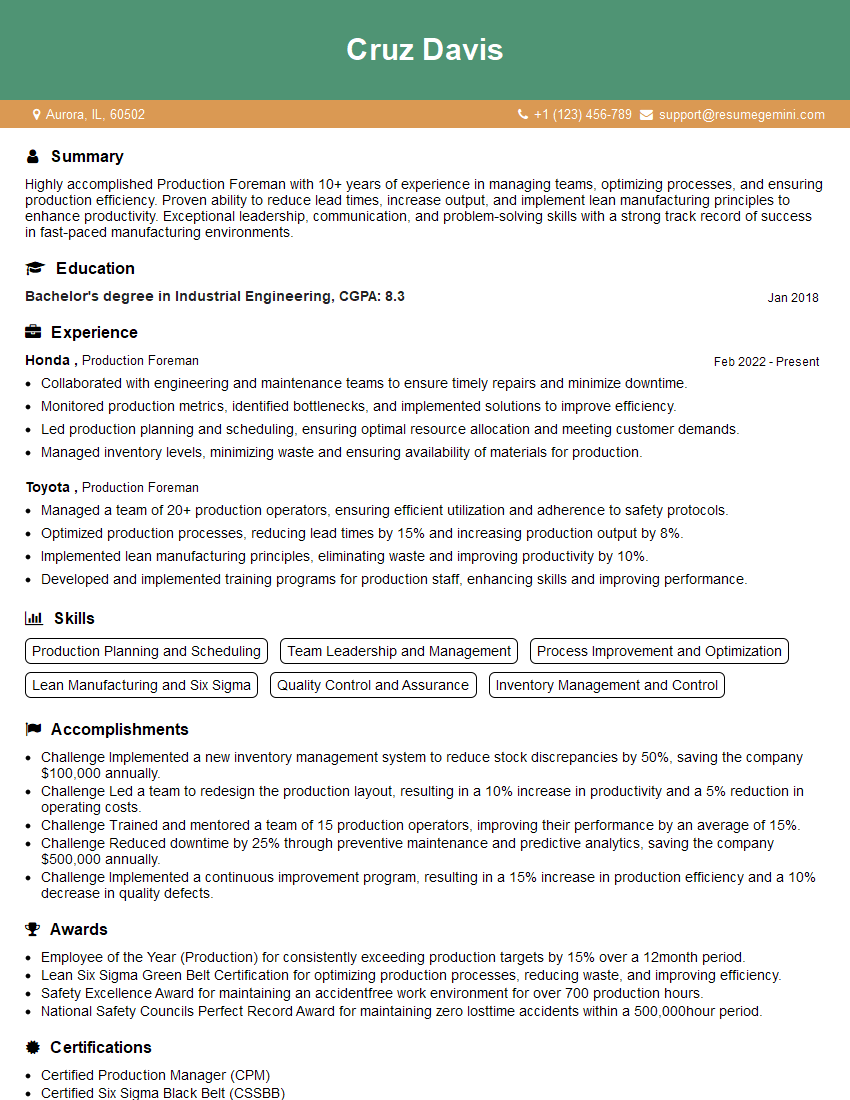
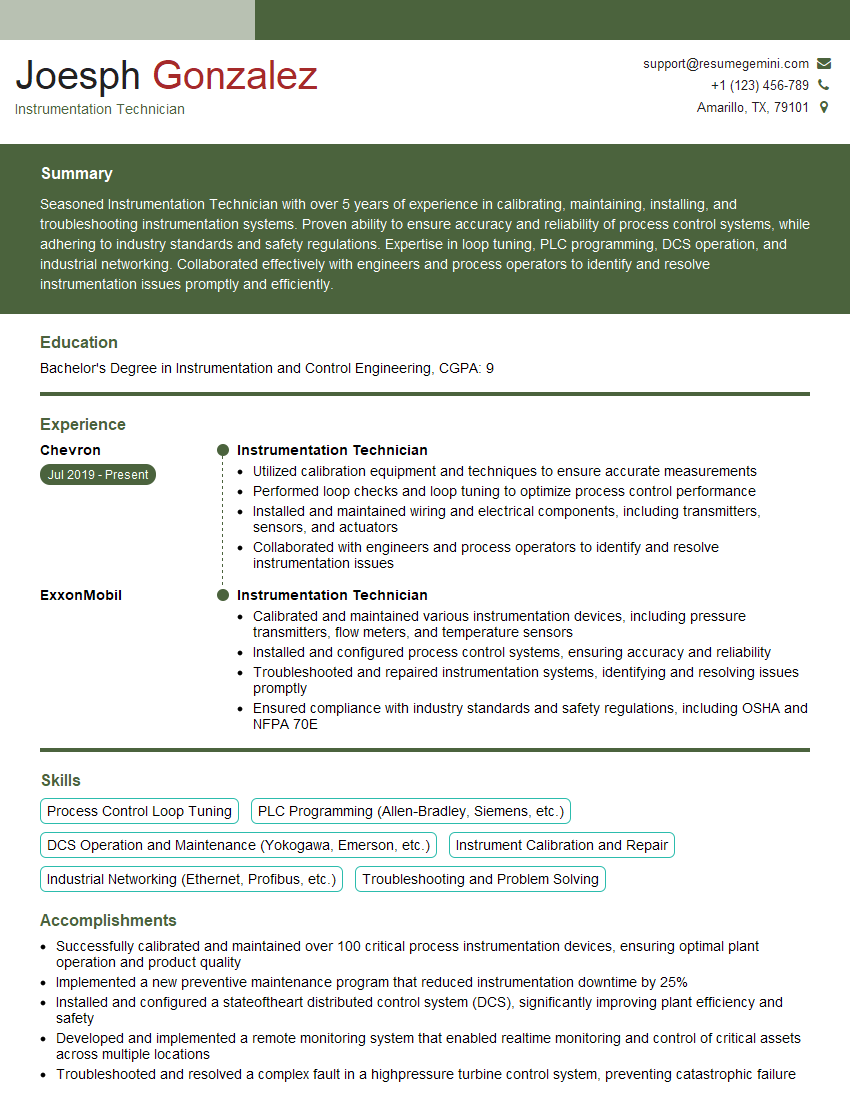
Mastering Gas Well Installation and Extraction opens doors to a rewarding career with excellent growth potential in the energy sector. To maximize your job prospects, it’s crucial to present your skills and experience effectively. An ATS-friendly resume is essential for getting your application noticed by recruiters and hiring managers. We strongly recommend using ResumeGemini to build a professional, impactful resume that highlights your qualifications. ResumeGemini provides examples of resumes tailored specifically to Gas Well Installation and Extraction roles, helping you craft a document that showcases your expertise and increases your chances of securing an interview.






Explore more articles
Users Rating of Our Blogs
Share Your Experience
We value your feedback! Please rate our content and share your thoughts (optional).
What Readers Say About Our Blog
To the interviewgemini.com Webmaster.
Very helpful and content specific questions to help prepare me for my interview!
Thank you
To the interviewgemini.com Webmaster.
This was kind of a unique content I found around the specialized skills. Very helpful questions and good detailed answers.
Very Helpful blog, thank you Interviewgemini team.