The thought of an interview can be nerve-wracking, but the right preparation can make all the difference. Explore this comprehensive guide to Graduate School interview questions and gain the confidence you need to showcase your abilities and secure the role.
Questions Asked in Graduate School Interview
Q 1. Describe your research methodology and its limitations.
My dissertation employed a mixed-methods approach, combining qualitative and quantitative research techniques. The qualitative component involved semi-structured interviews with 20 participants to gather rich, nuanced data on their experiences. This was complemented by quantitative analysis of survey data from a larger sample (n=150) to identify statistical relationships and trends. This mixed-methods approach allowed for a more comprehensive understanding of the research problem.
However, limitations exist. The qualitative data, while rich, is susceptible to researcher bias and limited generalizability due to the small sample size. The survey data, while providing broader generalizability, may suffer from response bias and limitations in the questionnaire design. For example, some survey questions may have been interpreted differently by participants, leading to inconsistencies. Furthermore, the reliance on self-reported data means participants might not accurately recall or report their experiences.
Q 2. Explain your dissertation topic and its significance.
My dissertation investigated the impact of social media usage on the mental well-being of graduate students. This topic is significant because graduate school is a period of intense stress, and understanding the role of social media in exacerbating or mitigating this stress is crucial for developing effective support systems and interventions. Existing literature suggests a correlation between social media usage and mental health issues, but the specific mechanisms and the impact on the unique pressures faced by graduate students remain largely unexplored. My research sought to bridge this gap by examining the relationship between different social media platforms, usage patterns, and reported levels of stress, anxiety, and depression in graduate students.
Q 3. How did you overcome a significant challenge in your research?
A significant challenge arose when attempting to recruit participants for the qualitative interviews. Many graduate students were hesitant to participate due to time constraints and concerns about confidentiality. To overcome this, I employed several strategies. First, I carefully crafted recruitment materials emphasizing the importance of their perspectives and the anonymity of their responses. Second, I offered flexible interview scheduling to accommodate busy schedules. Finally, I actively sought out collaborations with graduate student organizations to reach a wider audience and build trust. By addressing these concerns proactively, I successfully recruited a diverse and representative group of participants.
Q 4. What statistical methods are you proficient in?
I am proficient in various statistical methods relevant to social science research. These include descriptive statistics (mean, median, standard deviation), inferential statistics (t-tests, ANOVA, correlation analysis), and regression analysis (linear, multiple). I also have experience with more advanced techniques like structural equation modeling (SEM) and latent class analysis, which are especially helpful in analyzing complex relationships within large datasets.
My skills also extend to statistical software packages such as SPSS, R, and STATA, allowing me to clean, manage, and analyze data effectively.
Q 5. Discuss a time you had to analyze complex data.
During my research, I had to analyze a complex dataset comprising survey responses, interview transcripts, and social media data. The complexity stemmed from the diverse data types and the need to integrate qualitative and quantitative findings. To manage this, I followed a structured approach. First, I cleaned and coded the qualitative data, identifying key themes and patterns. Next, I used SPSS to perform quantitative analysis, creating various variables and running statistical tests to explore relationships between variables. Finally, I integrated the findings from both analyses, triangulating the data to create a more holistic and nuanced understanding of the research question. Think of it like piecing together a puzzle: each data source provided a different piece, and careful analysis allowed me to see the complete picture.
Q 6. How do you manage your time effectively while conducting research?
Effective time management is crucial in graduate school. My approach involves several key strategies. I utilize project management tools to break down large tasks into smaller, manageable steps, setting realistic deadlines for each. I prioritize tasks based on urgency and importance, using methods such as the Eisenhower Matrix (urgent/important). I allocate specific time blocks in my schedule for research activities, ensuring dedicated periods free from distractions. Finally, regular breaks and self-care are essential to prevent burnout and maintain productivity. Consistent planning and disciplined execution are key to my success.
Q 7. Describe your experience working in a team environment.
I have extensive experience working in team environments, both within my research group and through collaborative projects. I value open communication, active listening, and mutual respect. I believe that effective teamwork requires clear roles and responsibilities, transparent decision-making, and a shared commitment to achieving common goals. In my research group, I actively participated in discussions, shared my expertise, and contributed to the overall success of the project. I am adept at resolving conflicts constructively and fostering a positive and supportive team dynamic. I see teamwork as a collaborative effort where individual strengths contribute to a greater whole.
Q 8. Explain your understanding of ethical considerations in research.
Ethical considerations in research are paramount, ensuring the integrity and validity of the work while protecting the rights and well-being of all involved. This encompasses a broad range of principles, including honesty, integrity, objectivity, carefulness, openness, respect for intellectual property, confidentiality, responsible mentoring, responsible publication, and social responsibility.
- Honesty: Researchers must be truthful in their data collection, analysis, and reporting. Fabricating data or misrepresenting findings is a severe breach of ethics.
- Informed Consent: Participants in research must be fully informed about the study’s purpose, procedures, risks, and benefits before agreeing to participate. This is especially crucial in studies involving human subjects.
- Data Privacy: Researchers must protect the confidentiality and anonymity of participants’ data. This often involves techniques like data anonymization and secure storage.
- Animal Welfare: If using animals in research, researchers must adhere to strict guidelines to minimize suffering and ensure humane treatment. This often involves ethical review boards and adherence to specific protocols.
- Conflict of Interest: Researchers must disclose any potential conflicts of interest that could influence their research. This could include financial interests, personal relationships, or other biases.
For example, in a study on the effectiveness of a new drug, researchers must ensure participants are fully informed about potential side effects and have the right to withdraw at any time. Failing to obtain informed consent would be a major ethical violation.
Q 9. What software programs are you familiar with for data analysis?
My data analysis skills encompass a wide range of software, catering to various research needs. I’m proficient in:
- R: A powerful open-source language and environment for statistical computing and graphics. I use R for statistical modeling, data visualization, and creating reproducible research reports. For instance, I’ve used R’s
ggplot2package to create highly customized and informative visualizations of complex datasets. - Python (with libraries like Pandas, NumPy, Scikit-learn): Python provides a flexible and versatile platform for data manipulation, analysis, and machine learning. Pandas is essential for data cleaning and manipulation, NumPy for numerical computation, and Scikit-learn for machine learning algorithms. I’ve successfully applied these libraries in various projects, including predictive modeling and clustering analysis.
- SPSS: I am also experienced with SPSS, a widely used statistical software package. Its user-friendly interface is useful for conducting statistical tests and creating reports, particularly for projects with larger datasets.
- Stata: I have used Stata for longitudinal data analysis and time series modelling. It is especially useful for analysing data with complex structures, including panel data.
My proficiency in these programs allows me to tackle a wide variety of analytical challenges, adapting my approach based on the specific requirements of each research project.
Q 10. How would you explain a complex research concept to a non-specialist audience?
Explaining complex research concepts to a non-specialist audience requires clear, concise communication and the avoidance of technical jargon. I would use analogies, real-world examples, and visuals to make the information accessible. My approach involves:
- Identifying the core concept: What is the most important idea I need to convey?
- Using simple language: Avoid technical terms. If necessary, define them in simple terms.
- Relatable examples: Draw parallels to everyday experiences to illustrate the concept.
- Visual aids: Graphs, charts, or diagrams can significantly enhance understanding.
- Storytelling: Weaving the concept into a narrative can make it more engaging and memorable.
For example, explaining complex statistical concepts like regression analysis, instead of delving into equations, I might explain it as ‘finding the best fitting line through a scatter plot to predict the relationship between two things,’ using a visual example to illustrate the concept. I would then relate this to a real-world scenario, such as predicting house prices based on size and location.
Q 11. Describe your experience presenting research findings.
I have extensive experience presenting research findings in various formats, including conference presentations, seminars, and departmental meetings. I’ve presented at both national and international conferences. My presentations are structured to be clear, concise, and engaging, focusing on communicating key findings and their implications. I tailor my presentation style to the audience, ensuring the information is easily understood.
In my previous research on [mention specific research area], I presented my findings at the [Conference Name] conference. I used a combination of slides, visuals, and interactive elements to illustrate my results and engage the audience. The feedback was positive, with many attendees expressing appreciation for the clarity and accessibility of my presentation. I also actively engage with the audience during Q&A sessions, addressing their questions thoroughly and professionally. I’m comfortable presenting to both small groups and large audiences.
Q 12. What are your career goals after graduating?
My career goals after graduating involve pursuing a research-oriented position in [mention specific field] that allows me to leverage my skills and knowledge to make a meaningful contribution to the field. I am interested in positions that provide opportunities for collaborative work and continuous learning. Ideally, I envision myself leading research projects, mentoring junior researchers, and publishing my findings in high-impact journals. Long-term, I aspire to become a leading expert in my field, contributing significantly to advancements in [mention specific area of research].
Q 13. What are your strengths and weaknesses as a researcher?
My strengths as a researcher lie in my analytical skills, my ability to work independently and collaboratively, and my dedication to rigorous research practices. I’m highly organized and detail-oriented, ensuring accuracy and precision in my work. My ability to synthesize information from multiple sources and draw meaningful conclusions is a key asset.
A weakness I am actively working on is time management, particularly when dealing with multiple projects simultaneously. I am implementing strategies such as project prioritization and using task management software to improve my efficiency in juggling various research tasks. I believe this is a common challenge for many researchers and I am committed to continuously improving my ability to manage my time effectively.
Q 14. How do you handle constructive criticism?
I view constructive criticism as an invaluable opportunity for growth and improvement. I approach it with an open mind, actively listening to the feedback and considering its merits. I believe that feedback, when delivered constructively, allows for self-reflection and helps refine research approaches and improve the quality of work.
My process for handling constructive criticism involves:
- Active listening: I carefully listen to the feedback without interrupting.
- Seeking clarification: I ask clarifying questions to ensure a thorough understanding.
- Self-reflection: I objectively evaluate the feedback and consider its validity.
- Action planning: I develop a plan to address the points raised in the feedback.
- Follow-up: I follow up with the person who provided the feedback to demonstrate my appreciation and show that I have implemented the suggested changes.
I believe that embracing constructive criticism is crucial for professional development and fosters continuous improvement in research.
Q 15. What motivates you to pursue graduate studies?
My motivation for pursuing graduate studies stems from a deep-seated desire to contribute meaningfully to the field of [Insert your field of study here]. My undergraduate studies sparked a passion for [mention a specific area of interest], and I’m eager to delve deeper into the intricacies of this area through advanced research and rigorous academic exploration. I’m particularly interested in [mention a specific research topic or problem], and I believe a graduate program provides the ideal environment to develop the necessary expertise and resources to tackle this challenge effectively. Furthermore, I’m driven by the opportunity to collaborate with leading experts in the field, expanding my network and learning from their experience. The prospect of contributing original research and potentially shaping future advancements in [your field] is profoundly motivating.
Career Expert Tips:
- Ace those interviews! Prepare effectively by reviewing the Top 50 Most Common Interview Questions on ResumeGemini.
- Navigate your job search with confidence! Explore a wide range of Career Tips on ResumeGemini. Learn about common challenges and recommendations to overcome them.
- Craft the perfect resume! Master the Art of Resume Writing with ResumeGemini’s guide. Showcase your unique qualifications and achievements effectively.
- Don’t miss out on holiday savings! Build your dream resume with ResumeGemini’s ATS optimized templates.
Q 16. Explain your understanding of academic integrity.
Academic integrity is the cornerstone of scholarly pursuits. It encompasses honesty, fairness, and responsibility in all aspects of academic work, from research and writing to teaching and assessment. This means rigorously citing all sources, avoiding plagiarism in any form, accurately representing data, and upholding the highest ethical standards in all interactions within the academic community. For example, accurately representing data involves not manipulating results to fit a hypothesis, but rather honestly reporting findings even if they are unexpected. A lack of academic integrity undermines the credibility of research and the trust placed in the academic community. It can have serious repercussions, ranging from failing grades and retraction of publications to expulsion from academic institutions. My commitment to academic integrity is absolute, and I am well-versed in the policies and guidelines related to plagiarism, data management, and authorship.
Q 17. How do you stay current with developments in your field?
Staying current in my field is paramount. I utilize several strategies to achieve this. Firstly, I regularly read peer-reviewed journals like [mention specific journals relevant to your field] and attend conferences such as [mention specific conferences] to learn about the latest research and innovations. Secondly, I actively participate in online communities and forums relevant to my field, engaging in discussions and debates with other researchers. For example, I’m a member of [mention relevant online communities or professional organizations], which allows me to access cutting-edge research papers, participate in webinars, and connect with leading experts. Finally, I actively seek out mentors and collaborators who are at the forefront of their respective research areas to learn from their experiences and insights. This multi-pronged approach ensures that I remain informed about the latest breakthroughs and challenges in my field.
Q 18. Describe your experience writing research papers.
My experience in writing research papers is extensive. Throughout my undergraduate studies, I authored [mention number] research papers, focusing on [mention topics]. For example, one paper, titled “[mention paper title]”, investigated [mention research topic] using [mention methodology]. This involved extensive literature reviews, meticulous data collection and analysis, and rigorous adherence to academic writing conventions. The process honed my skills in critical thinking, problem-solving, and clear communication of complex information. I am adept at structuring papers logically, supporting arguments with evidence, and ensuring clarity and precision in my writing. I am familiar with different citation styles (e.g., APA, MLA, Chicago) and proficient in using citation management tools such as Zotero or Mendeley.
Q 19. What is your preferred research design and why?
My preferred research design is a mixed-methods approach, combining both qualitative and quantitative methodologies. This approach allows for a more comprehensive understanding of the research problem by integrating different perspectives and data types. For example, in researching [mention a research area], quantitative data could be collected through surveys to determine the prevalence of a specific phenomenon, while qualitative data (e.g., interviews or focus groups) could provide richer insights into the underlying reasons and experiences of individuals. The strength of this approach lies in its ability to triangulate data, providing a more robust and nuanced understanding than either qualitative or quantitative methods alone. While this approach requires more time and effort, the richer understanding gained often outweighs these considerations. The choice of design depends significantly on the research question, and I am flexible in adapting my approach accordingly.
Q 20. How do you prioritize tasks when working on multiple projects?
When juggling multiple projects, I employ a prioritized task management system based on several factors: urgency, importance, and dependencies. I use a project management tool like [mention a tool e.g., Trello, Asana] to create a task list for each project, breaking down larger tasks into smaller, manageable units. I then prioritize tasks based on deadlines and their impact on the overall project goals. Tasks with imminent deadlines and significant implications receive higher priority. Tasks dependent on the completion of other tasks are sequenced accordingly. This allows me to focus my energy on the most critical aspects of each project while maintaining a clear overview of progress and potential bottlenecks. Regular review and adjustment of this system are key to its effectiveness.
Q 21. Explain your approach to troubleshooting research problems.
My approach to troubleshooting research problems involves a systematic and iterative process. Firstly, I clearly define the problem, identifying its specific manifestations and potential contributing factors. I then review the literature to see if similar challenges have been encountered and how they were addressed. Next, I critically examine my methodology, checking for errors in data collection, analysis, or interpretation. If the problem persists, I explore alternative approaches or seek guidance from mentors or collaborators. This might involve conducting additional analyses, adjusting the research design, or even refining the research question. Throughout the process, careful documentation and record-keeping are crucial for tracking progress, identifying patterns, and ensuring transparency. Essentially, troubleshooting is a process of continuous learning and adaptation.
Q 22. How do you manage conflicting priorities in your work?
Managing conflicting priorities effectively is crucial in graduate school, where deadlines, research demands, and teaching responsibilities often overlap. My approach involves a three-pronged strategy: prioritization, time management, and effective communication.
Prioritization: I utilize methods like Eisenhower Matrix (urgent/important) to categorize tasks. This helps me focus on the most critical assignments first, ensuring timely completion of high-impact work. For example, if I have a looming grant proposal deadline and a less urgent literature review, the grant proposal takes precedence.
Time Management: I employ time-blocking techniques, scheduling specific time slots for different tasks. This prevents multitasking, which reduces efficiency. I also incorporate short breaks to maintain focus and prevent burnout. For instance, I might dedicate two hours to writing my thesis chapter, followed by a 15-minute break before moving to data analysis.
Effective Communication: Open communication with my advisor and collaborators is vital. If conflicts arise, I proactively discuss them, explaining my workload and seeking guidance on prioritizing tasks. This collaborative approach fosters understanding and ensures everyone is on the same page.
By consistently applying these strategies, I ensure that I meet deadlines and maintain a balanced approach to my work, avoiding unnecessary stress and optimizing productivity.
Q 23. What is your understanding of intellectual property rights?
Intellectual property (IP) rights are the legal rights granted to inventors and creators for their inventions, discoveries, and artistic works. This protection allows them to control the use and distribution of their work, fostering innovation and preventing unauthorized exploitation.
My understanding encompasses various forms of IP, including:
Patents: Protect inventions, granting exclusive rights to manufacture, use, and sell the invention.
Copyrights: Protect original works of authorship, including literary, dramatic, musical, and certain other intellectual works.
Trademarks: Protect brand names, logos, and other identifying marks used in commerce.
Trade secrets: Protect confidential information that provides a business competitive advantage.
In my research, I am acutely aware of IP rights. I understand the importance of properly citing sources, obtaining necessary permissions before using copyrighted material, and understanding the IP implications of my own work, especially if it has commercial potential. This includes understanding the university’s IP policies and procedures for managing discoveries.
Q 24. How do you ensure the accuracy of your research data?
Ensuring data accuracy is paramount in research. My approach involves a multi-layered system of checks and balances:
Rigorous Data Collection: I employ standardized protocols and meticulous record-keeping throughout the data collection process. This minimizes errors and facilitates reproducibility. For example, using pre-validated questionnaires and double-checking data entry.
Data Cleaning and Validation: Before analysis, I rigorously clean and validate my data. This involves identifying and correcting outliers, inconsistencies, and missing values. I utilize statistical methods to check for data anomalies and ensure data integrity.
Version Control: I maintain detailed records of all data modifications and versions using version control systems like Git, enabling traceability and reproducibility. This allows me to revert to earlier versions if needed and track changes made to the dataset.
Peer Review: I share my data and analysis methods with colleagues for peer review. This independent verification helps identify potential errors and biases, improving data quality and reliability.
By adhering to these practices, I aim to minimize errors and ensure the highest level of accuracy and transparency in my research.
Q 25. What is your experience with literature reviews?
Literature reviews are an integral part of the research process. My experience encompasses conducting systematic and comprehensive reviews, focusing on identifying, evaluating, and synthesizing relevant scholarly literature.
My approach involves:
Defining Research Question: Clearly articulating the research question guides the literature search and ensures relevance.
Systematic Search Strategy: Utilizing databases like PubMed, Web of Science, and Scopus with specific keywords and search filters to identify relevant articles. I use Boolean operators (AND, OR, NOT) to refine my search.
Critical Appraisal: I critically evaluate the quality and relevance of selected studies, assessing their methodologies, limitations, and findings. I use critical appraisal tools to assess the rigor of various studies.
Synthesis and Interpretation: I synthesize the findings of the reviewed literature, identifying trends, gaps, and controversies in the existing research. I present this synthesis in a structured and coherent manner in my research.
For example, during my master’s thesis, I conducted a comprehensive literature review on the effects of climate change on coastal ecosystems, which provided the foundation for my original research. I used a combination of systematic search strategies and critical appraisal checklists to ensure the rigor and validity of my review.
Q 26. How do you handle setbacks or unexpected challenges in research?
Setbacks and unexpected challenges are inevitable in research. My response involves a combination of problem-solving, resilience, and seeking support.
Problem-Solving: I approach setbacks methodically, identifying the root cause of the problem, exploring potential solutions, and evaluating their feasibility. For example, if an experiment fails, I re-examine the methodology, troubleshoot equipment malfunctions, and refine my approach before restarting the experiment.
Resilience: I maintain a positive attitude and learn from failures. Viewing setbacks as learning opportunities allows me to adapt and improve my research practices.
Seeking Support: I don’t hesitate to seek guidance from my advisor, colleagues, or mentors when encountering significant challenges. Collaborating and sharing concerns can provide valuable perspectives and solutions.
For instance, during my doctoral work, I encountered unexpected difficulties with data analysis. By working closely with my advisor and exploring different statistical techniques, we were able to overcome this challenge and successfully analyze the data.
Q 27. Describe your experience with grant writing or funding applications.
I have experience in developing and submitting grant proposals, primarily focusing on research funding opportunities. This process involves understanding funding agency guidelines, crafting compelling narratives, and showcasing the significance and feasibility of the proposed research.
My experience includes:
Identifying Funding Opportunities: I actively search for relevant funding opportunities based on my research interests and align my proposals with the agency’s priorities.
Developing Compelling Proposals: I structure my proposals to clearly articulate the research question, methodology, expected outcomes, and budget justification. Strong narratives highlighting the potential impact of the research are crucial.
Budget Management: I develop realistic and detailed budgets that accurately reflect the resources required for the proposed research.
Collaboration: I collaborate with my advisor and research team to refine the proposal and ensure its quality before submission.
While I haven’t secured major grants independently, I have been actively involved in writing sections of grant proposals submitted by my advisor, contributing to the development of budgets, writing sections on methodologies, and literature reviews. This experience has provided invaluable insight into the grant writing process.
Q 28. How would you contribute to the graduate program community?
I believe I can contribute significantly to the graduate program community in several ways:
Mentorship: I am keen to mentor junior students, sharing my knowledge and experience to support their academic journey. Providing guidance on research methods, grant writing, and navigating graduate school challenges would be a valuable contribution.
Collaboration: I am a strong believer in collaborative research and am eager to engage in interdisciplinary projects, contributing my expertise while learning from others.
Community Building: I would actively participate in departmental events and seminars, fostering a supportive and collaborative environment within the program. This includes attending and presenting at departmental seminars and helping to organize events.
Teaching and Training: If opportunities arise, I would relish the chance to assist in teaching or training activities, contributing to the overall educational mission of the program.
I believe that a thriving graduate program is built on strong community engagement, and I am excited about the prospect of contributing to a positive and collaborative learning environment.
Key Topics to Learn for Graduate School Interview
- Research Methodology: Understand different research designs, data analysis techniques, and the ethical considerations involved in research. Practical application: Be prepared to discuss your past research experience and how you approached challenges.
- Program-Specific Knowledge: Demonstrate a deep understanding of the specific program you’re applying to, including faculty research, curriculum, and overall program goals. Practical application: Show you’ve thoroughly researched the program and can articulate why it’s the right fit for your aspirations.
- Critical Thinking & Problem-Solving: Showcase your ability to analyze complex information, identify problems, and develop creative solutions. Practical application: Prepare examples from your academic or professional experiences where you successfully tackled a challenging problem.
- Career Goals & Alignment: Articulate your long-term career goals and how the graduate program will help you achieve them. Practical application: Connect your interests and skills to specific career paths and demonstrate how the program’s resources will support your ambitions.
- Communication Skills: Practice clearly and concisely communicating your ideas, both verbally and in writing. Practical application: Prepare for questions about your research and experiences, ensuring you can present your ideas effectively.
- Interpersonal Skills & Teamwork: Highlight your ability to collaborate effectively with others in a team setting. Practical application: Share examples demonstrating your ability to contribute to a team, resolve conflicts, and achieve shared goals.
Next Steps
Mastering graduate school opens doors to exciting career opportunities and significantly enhances your professional skillset. A strong foundation in research, critical thinking, and communication is crucial for success in today’s competitive job market. To maximize your job prospects, creating an ATS-friendly resume is essential. ResumeGemini is a trusted resource that can help you build a compelling and effective resume, tailored to highlight your achievements and potential for success in your chosen field. Examples of resumes tailored to Graduate School applicants are available to help guide you.
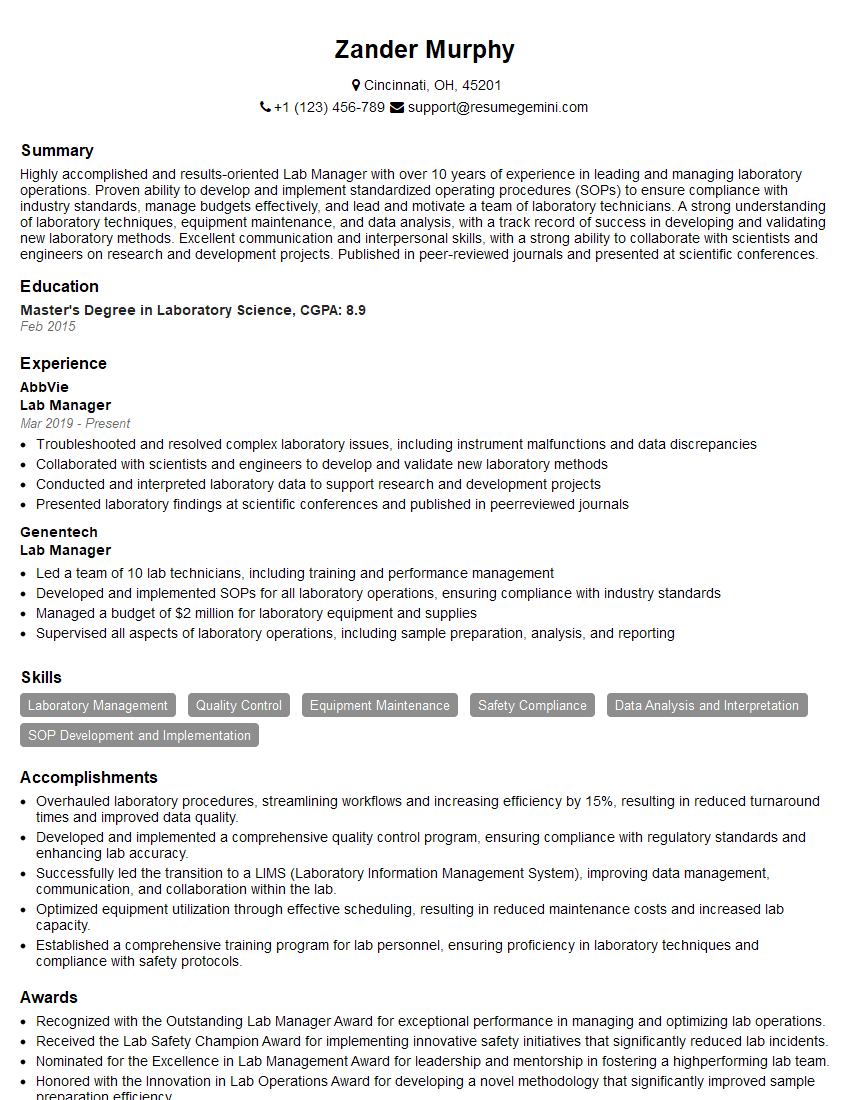
Lab Manager Resume Sample
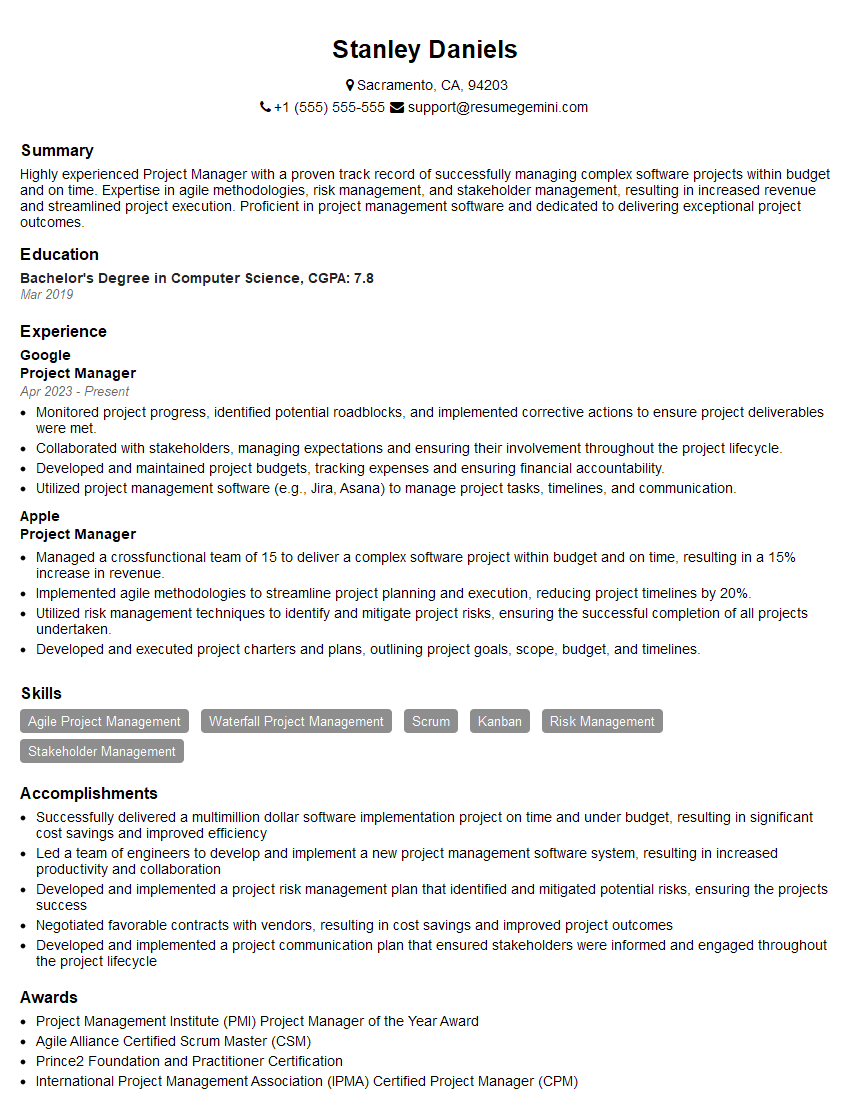
Project Manager Resume Sample
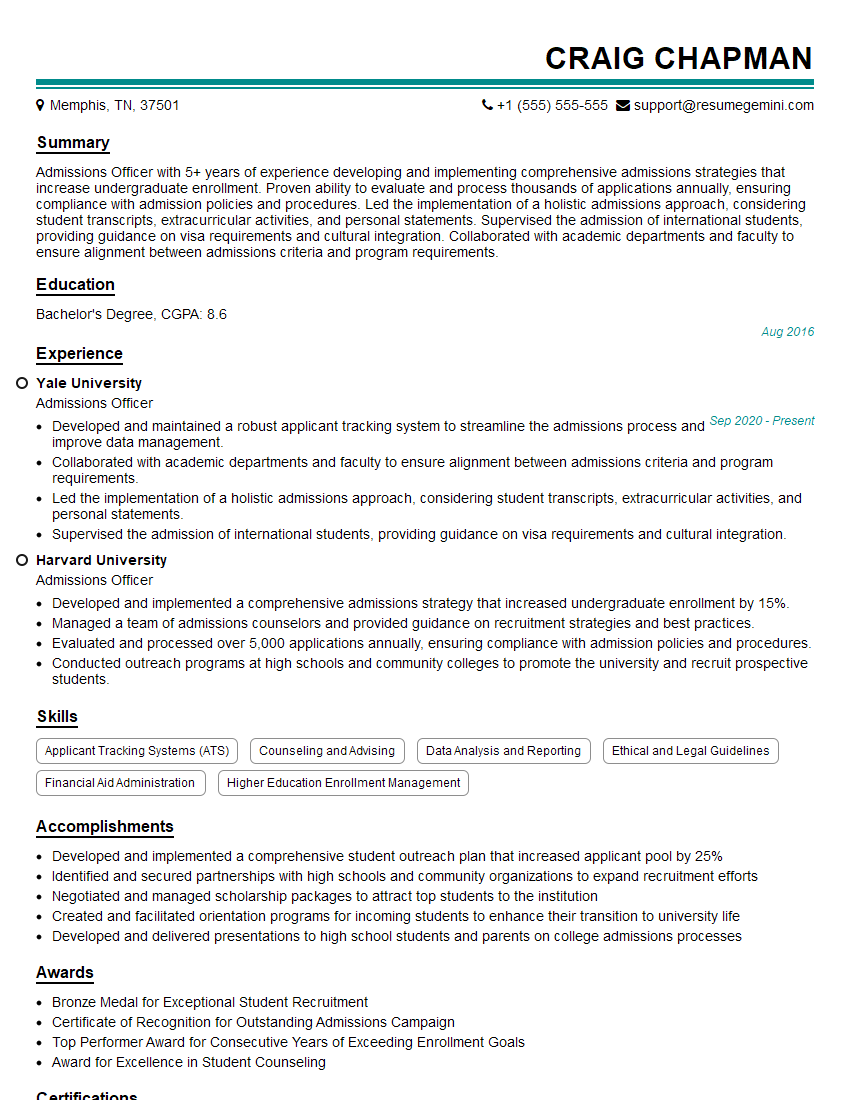
Admissions Officer Resume Sample
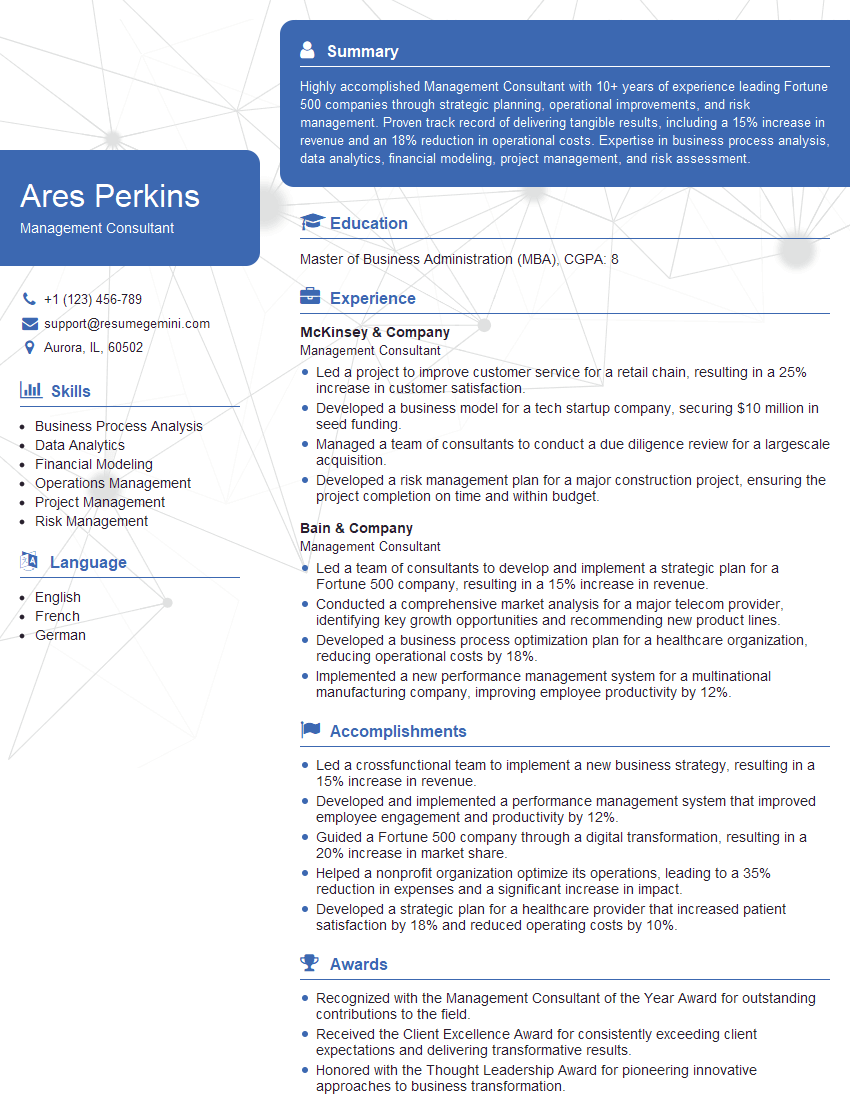
Management Consultant Resume Sample
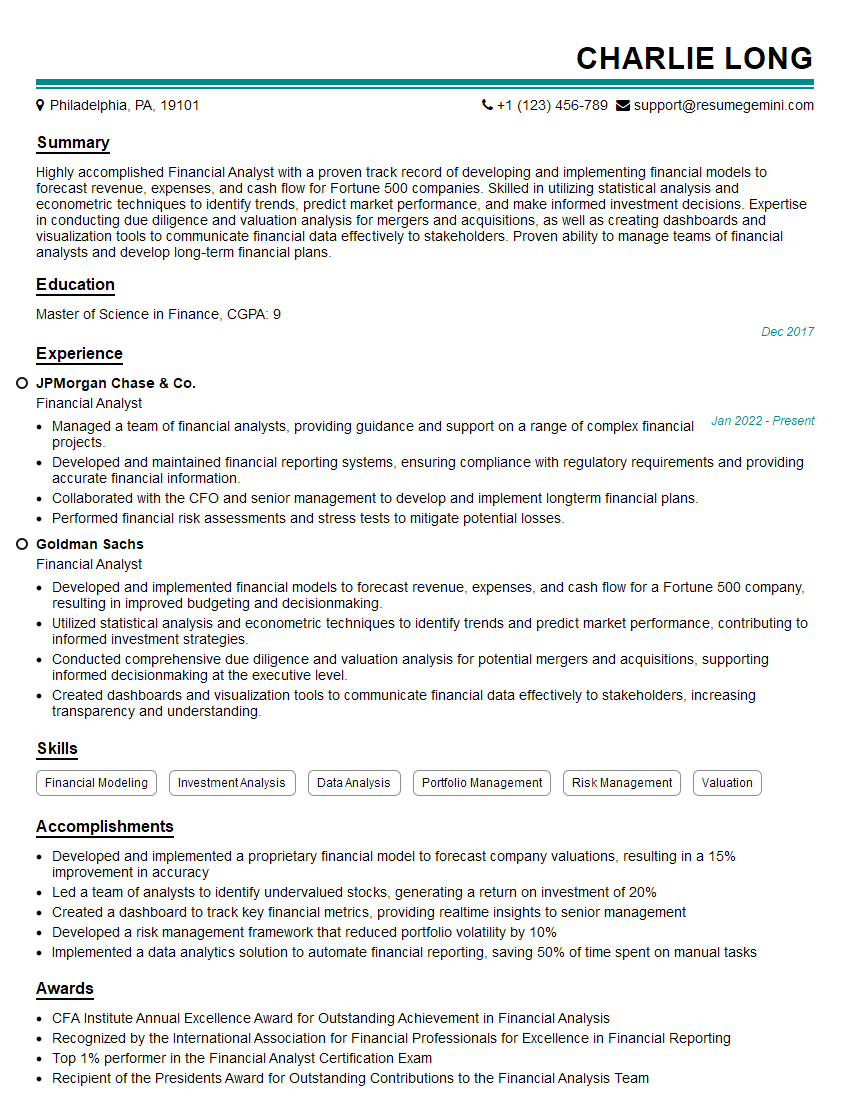
Financial Analyst Resume Sample
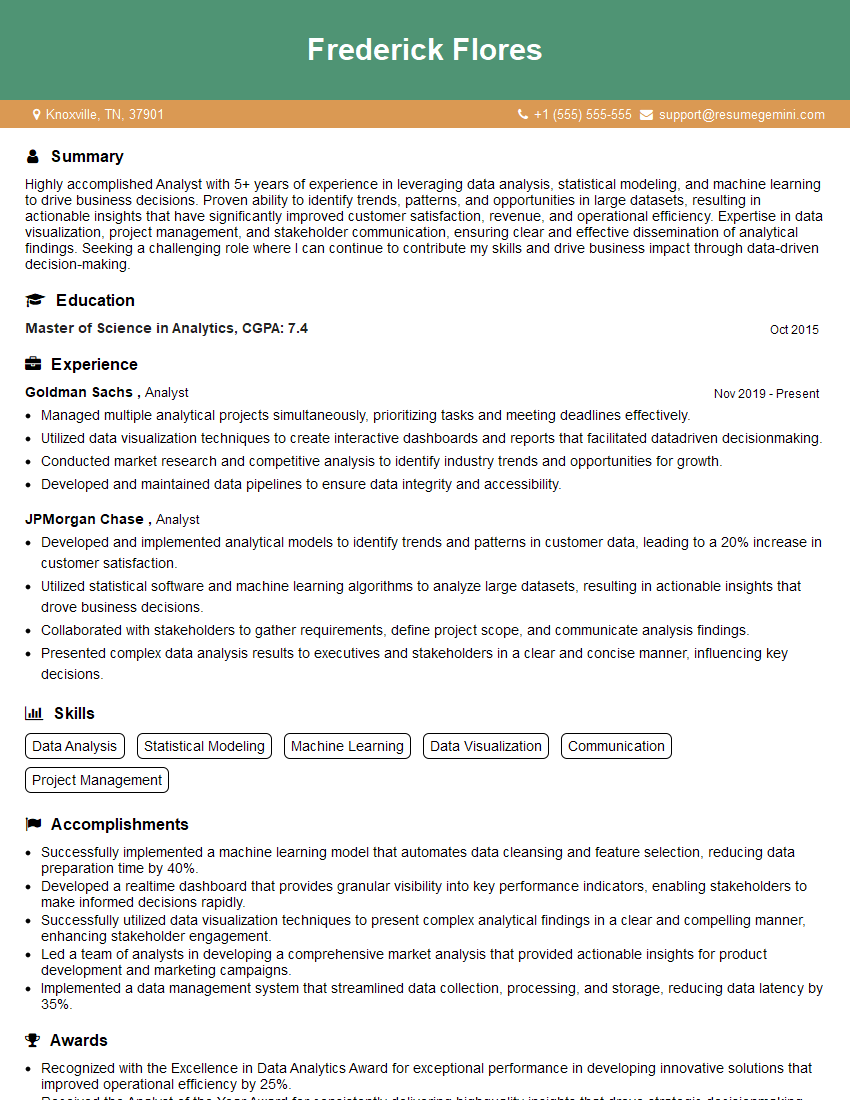
Analyst Resume Sample
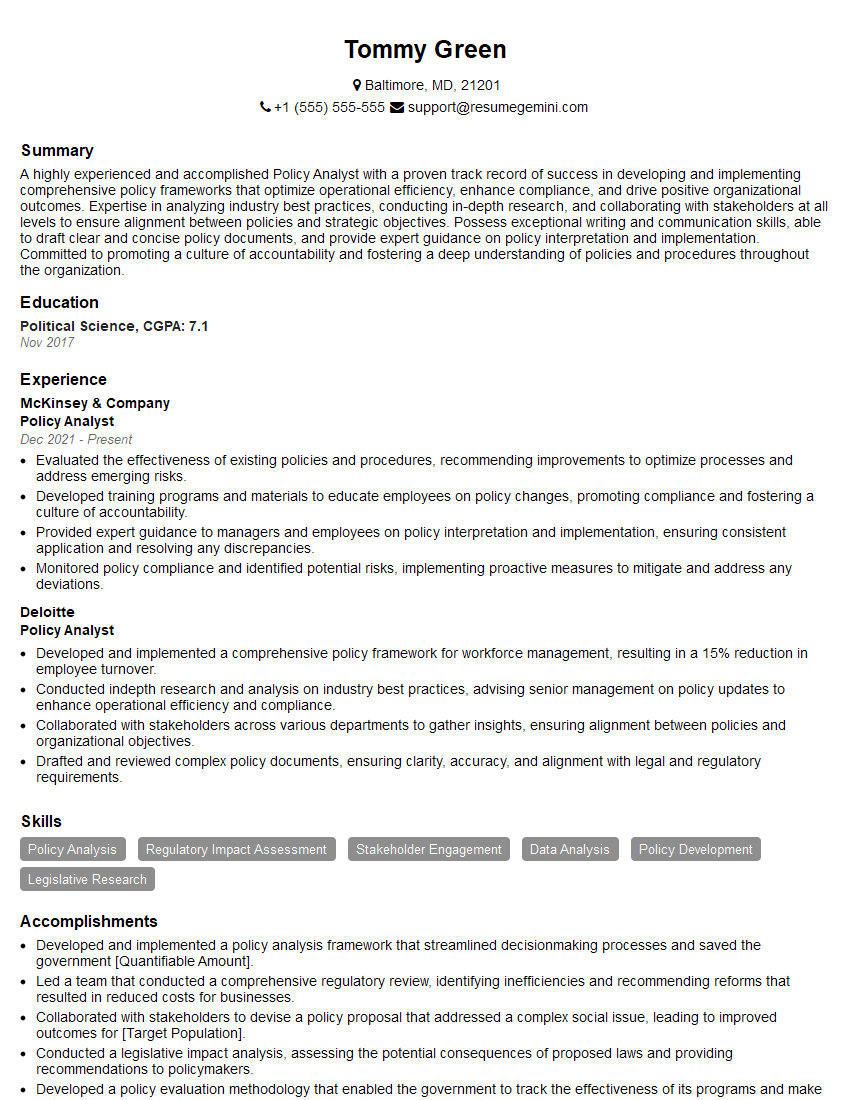
Policy Analyst Resume Sample
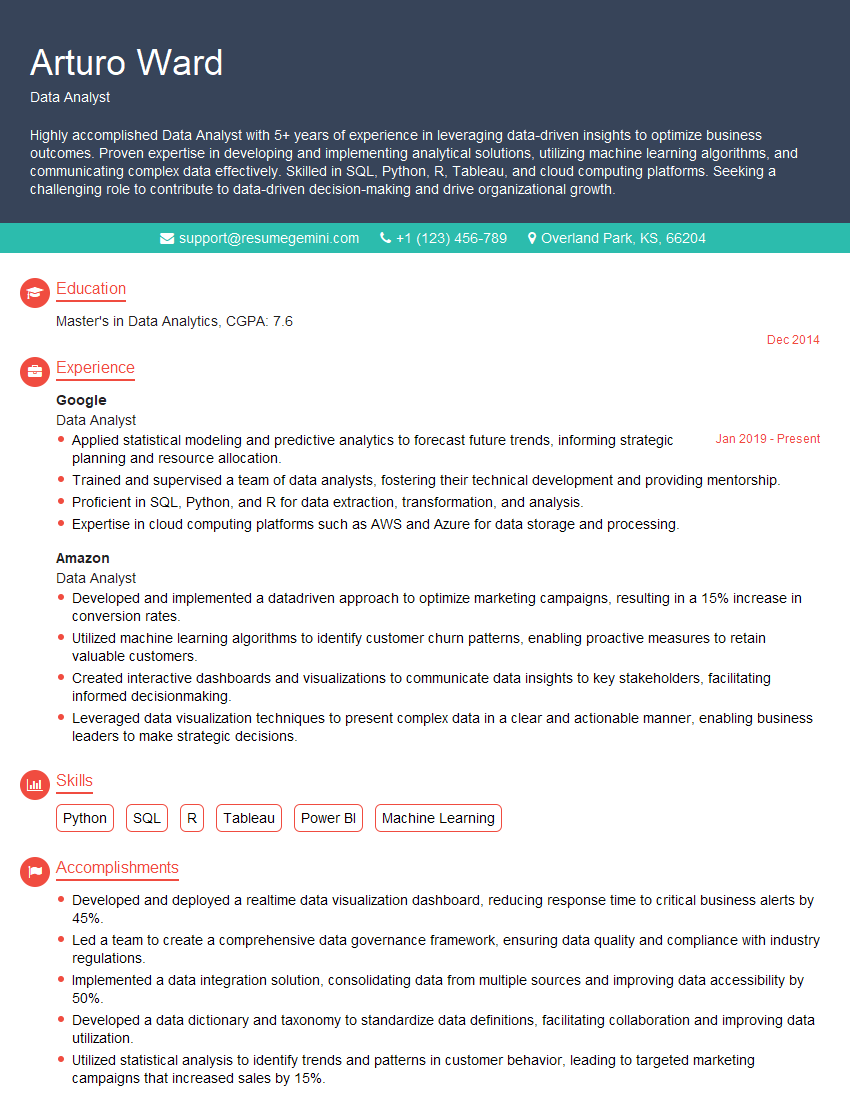
Data Analyst Resume Sample
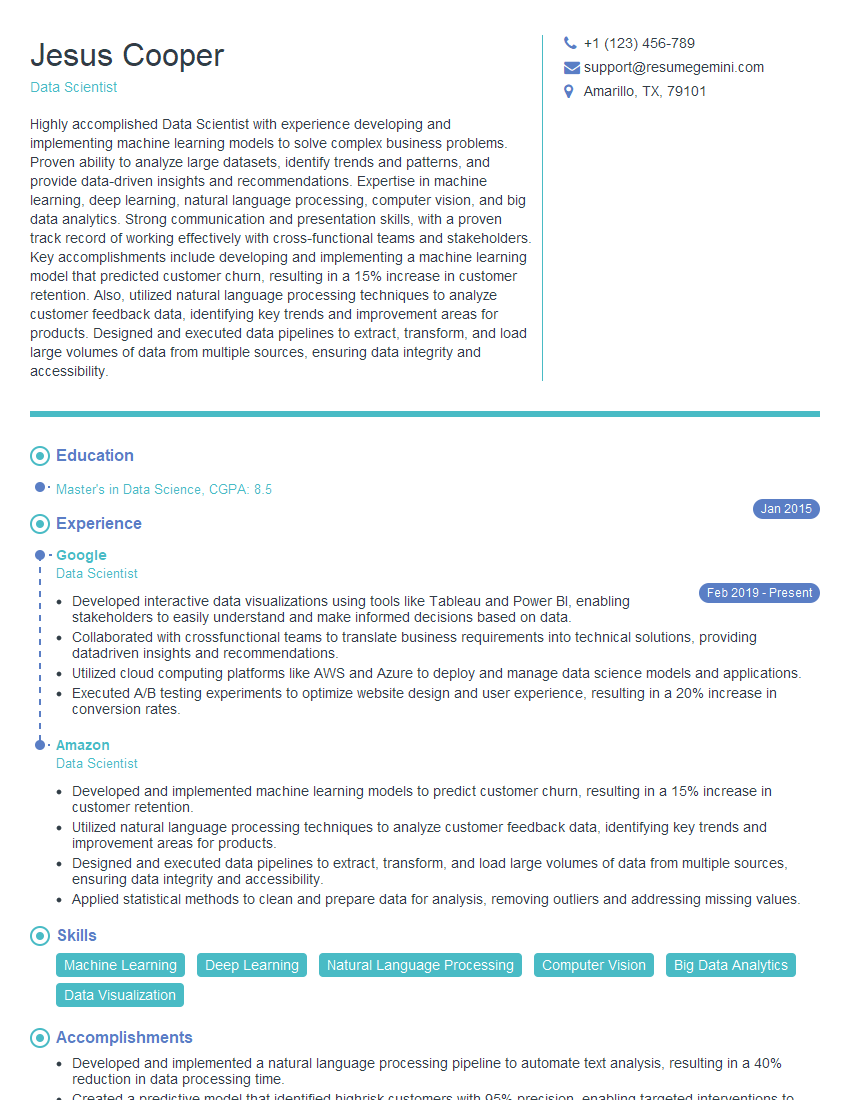
Data Scientist Resume Sample
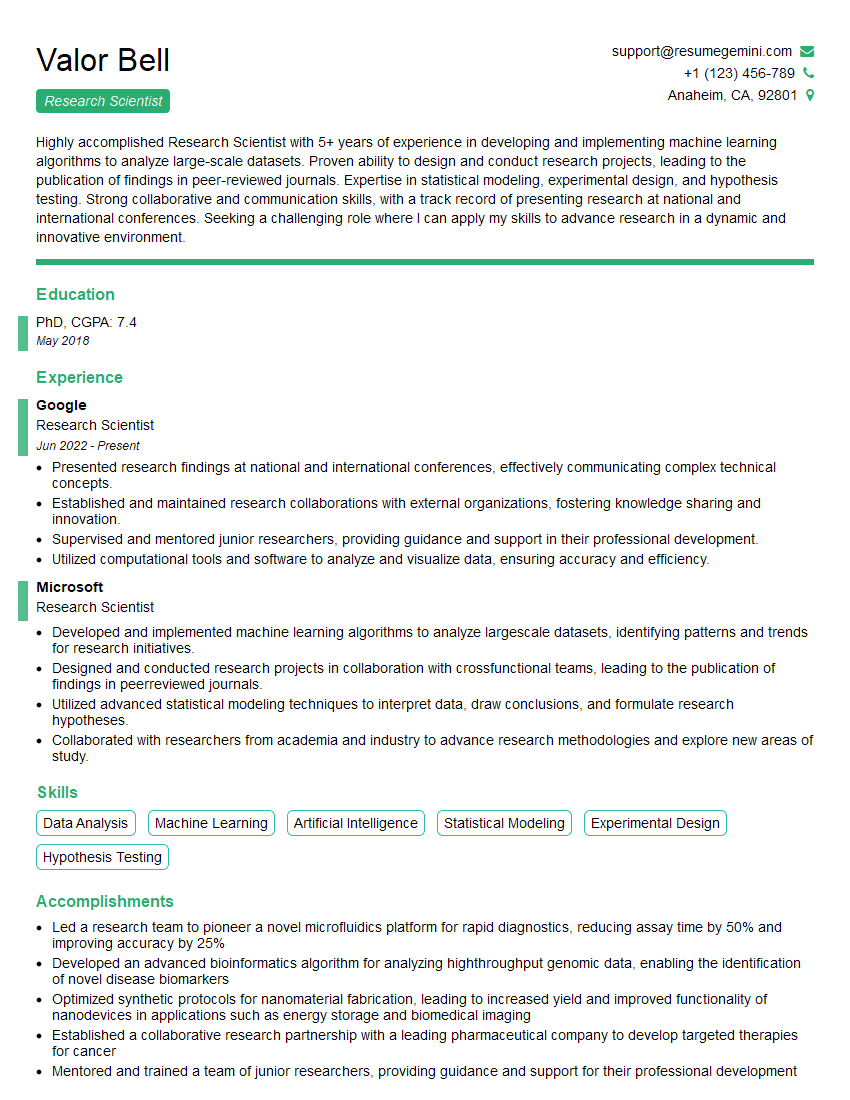
Research Scientist Resume Sample
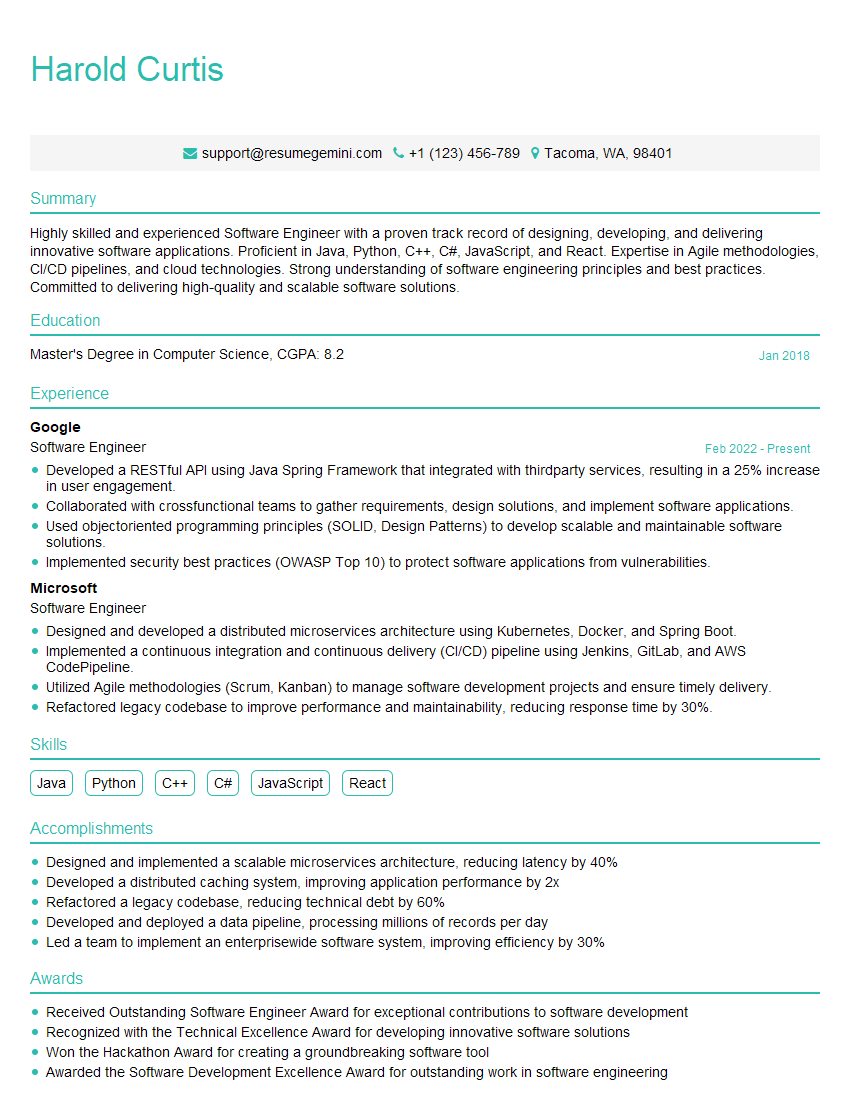
Software Engineer Resume Sample
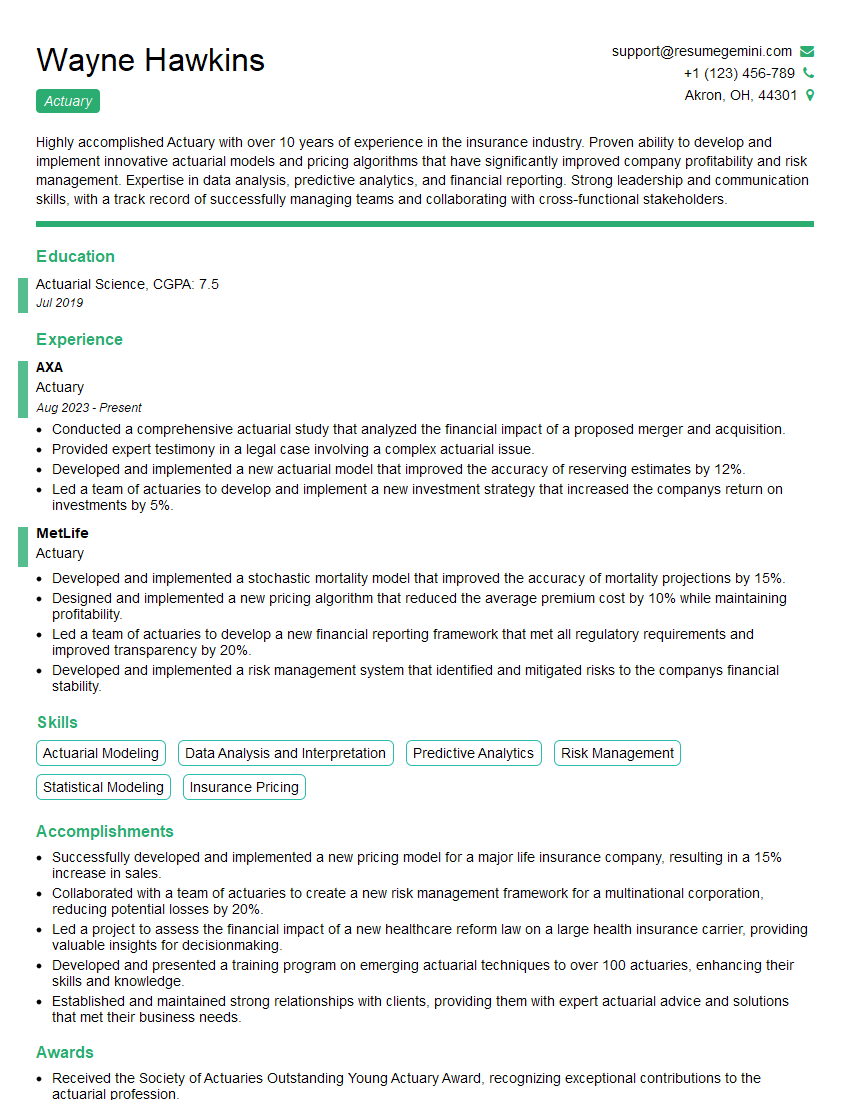
Actuary Resume Sample

Operations Research Analyst Resume Sample
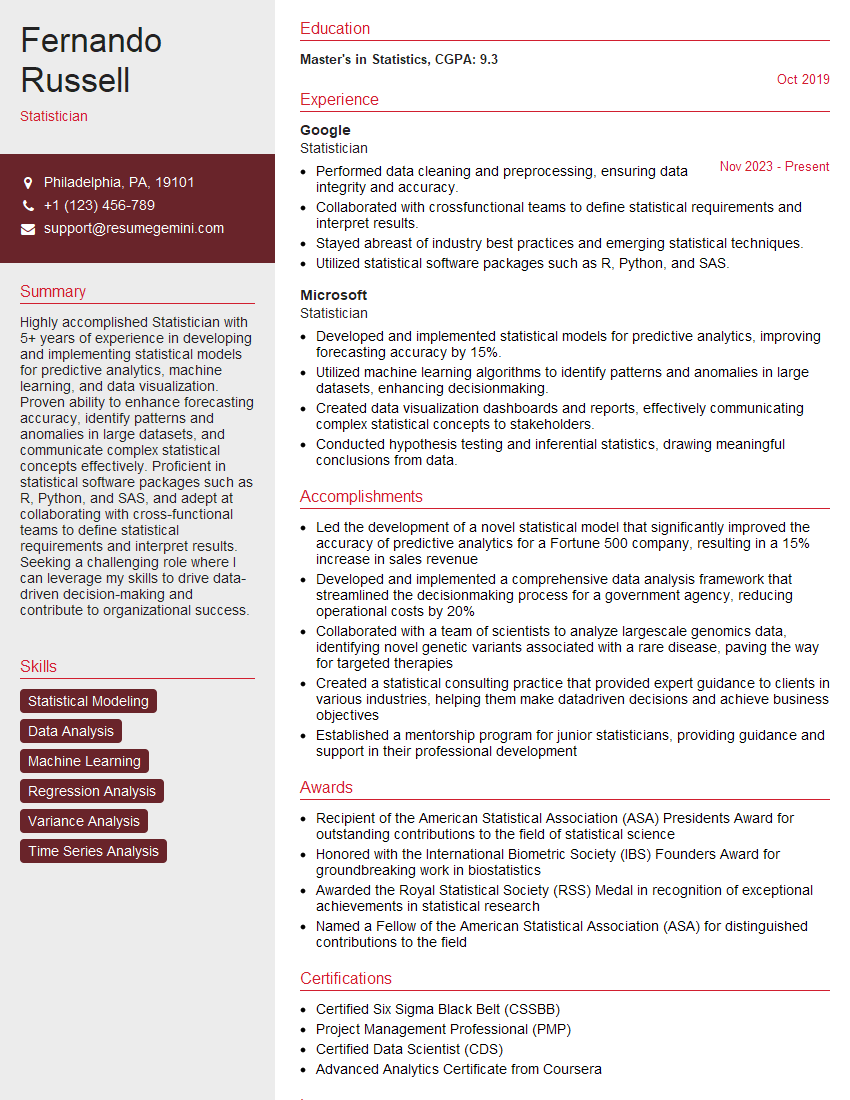
Statistician Resume Sample
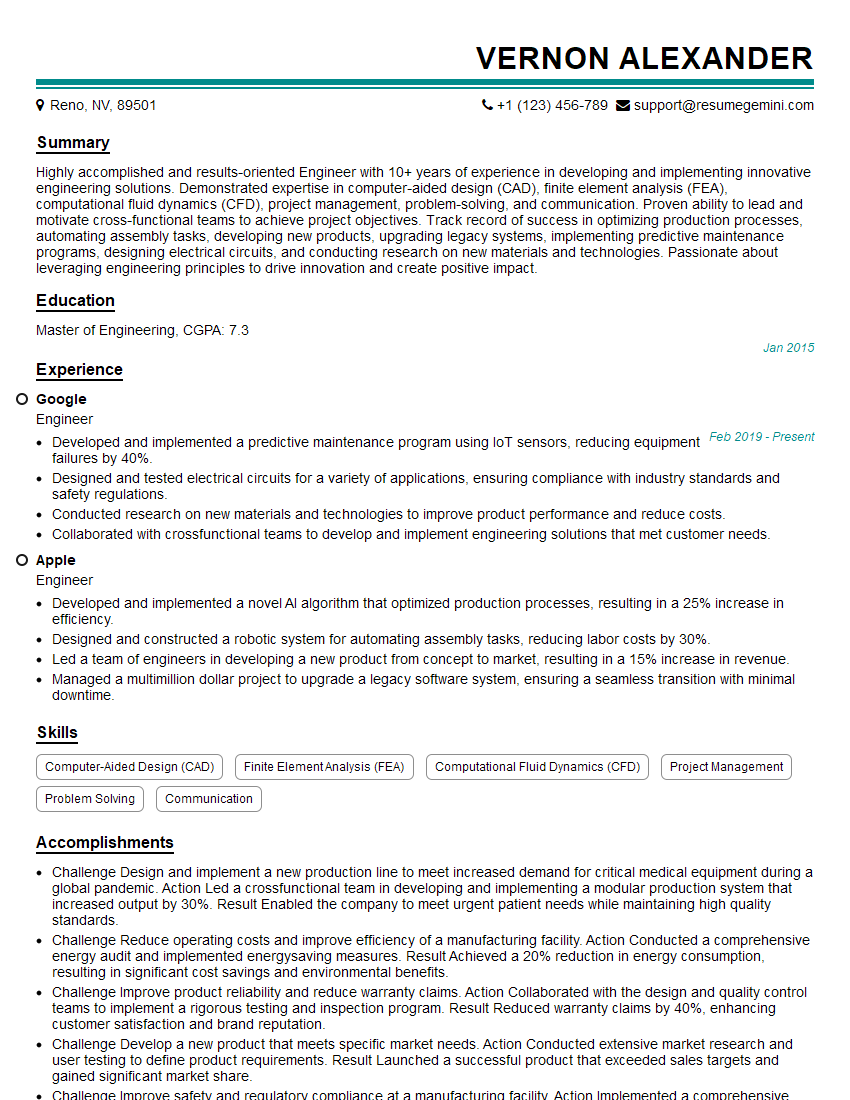
Engineer Resume Sample
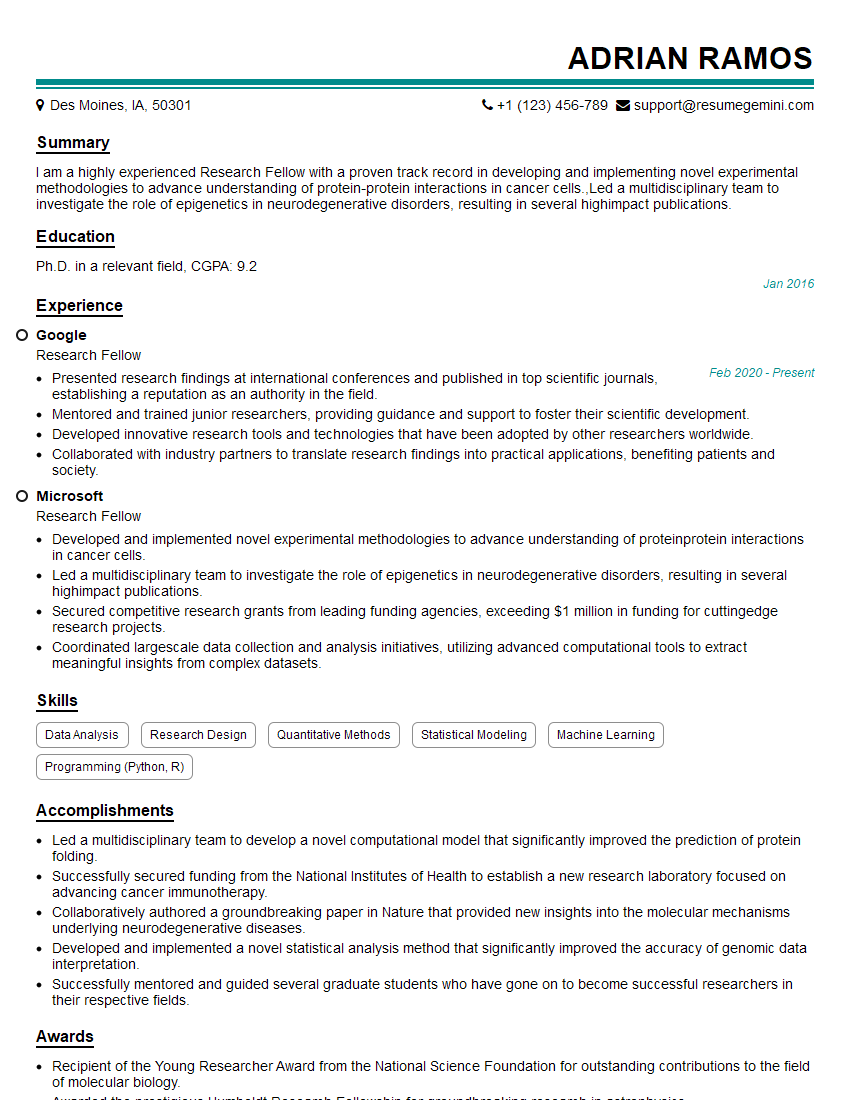
Research Fellow Resume Sample
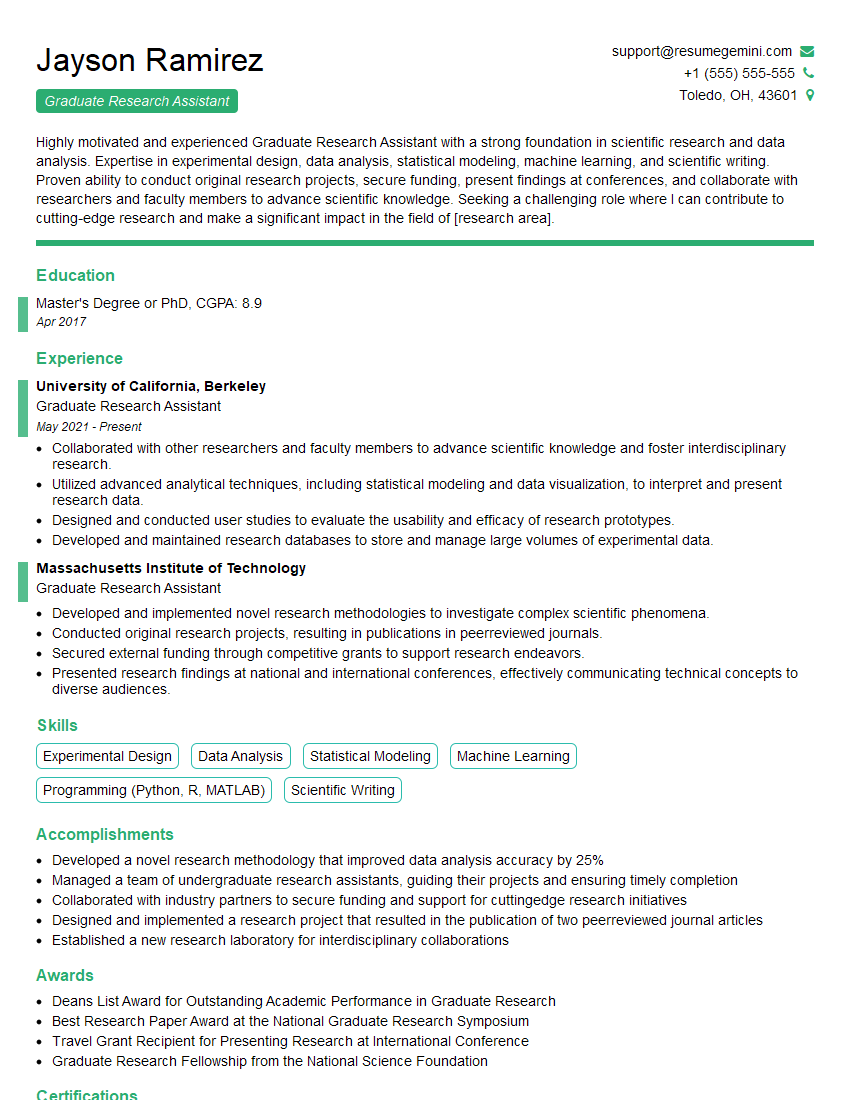
Graduate Research Assistant Resume Sample
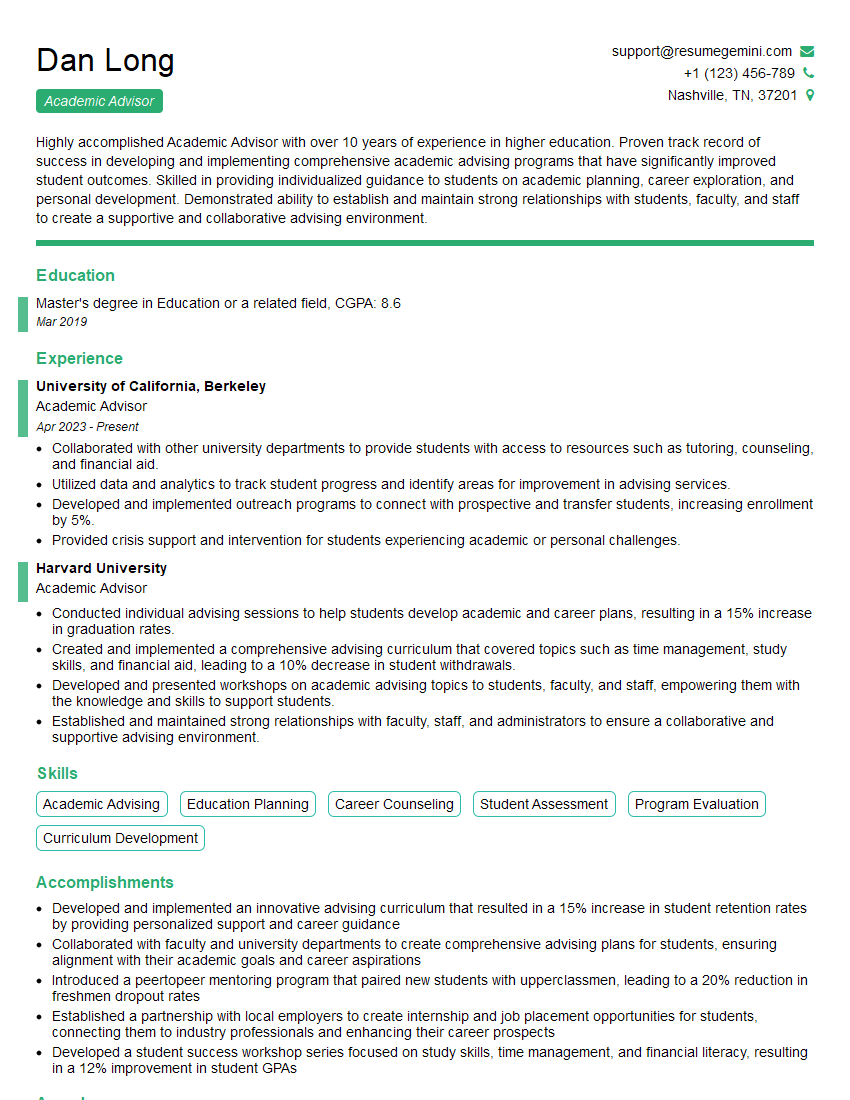
Academic Advisor Resume Sample

Adjunct Professor Resume Sample
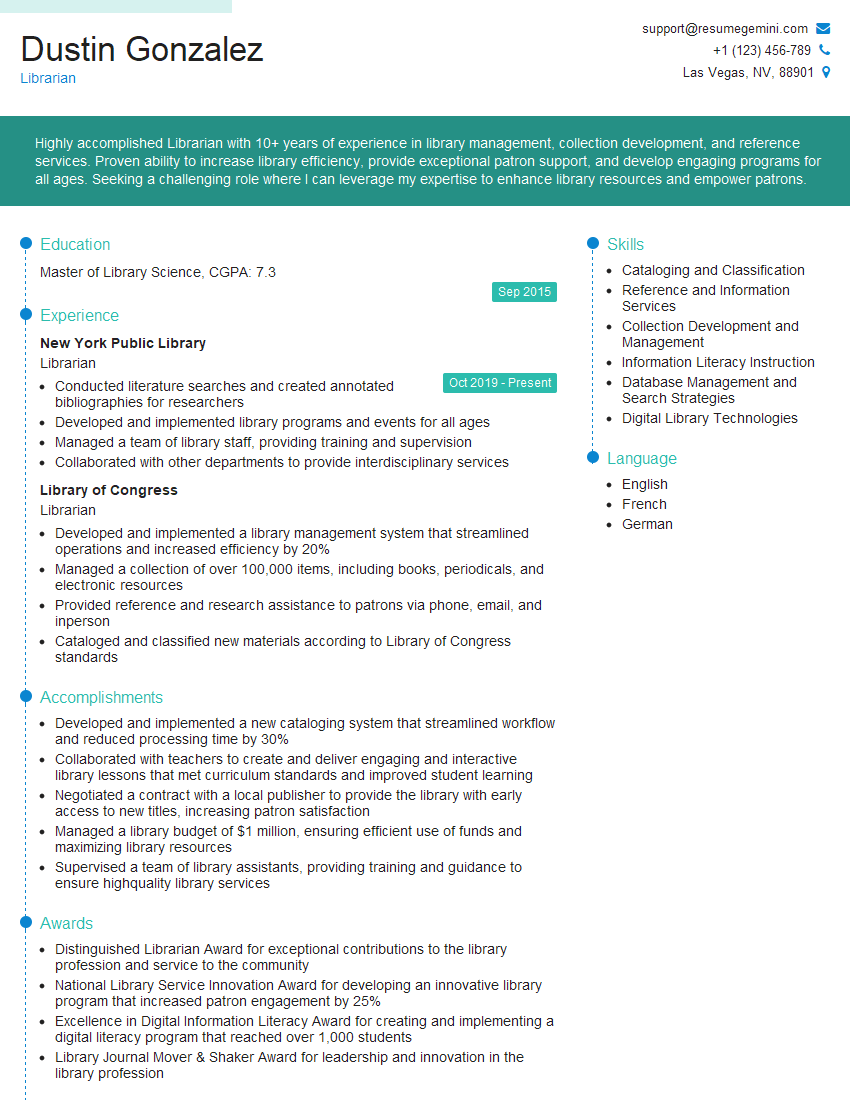
Librarian Resume Sample
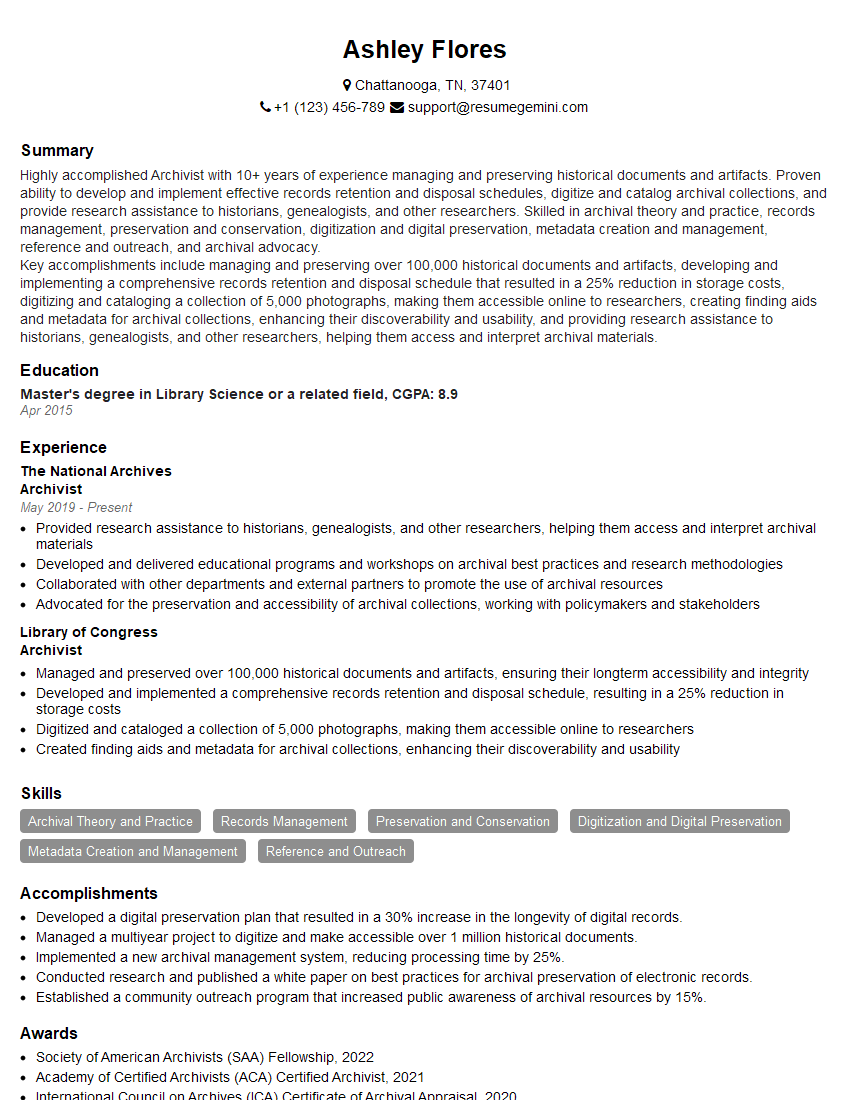
Archivist Resume Sample

Teaching Assistant Resume Sample
- Lab Manager
- Project Manager
- Admissions Officer
- Management Consultant
- Financial Analyst
- Analyst
- Policy Analyst
- Data Analyst
- Data Scientist
- Research Scientist
- Software Engineer
- Actuary
- Operations Research Analyst
- Statistician
- Engineer
- Research Fellow
- Graduate Research Assistant
- Academic Advisor
- Adjunct Professor
- Librarian
- Archivist
- Teaching Assistant
Explore more articles
Users Rating of Our Blogs
Share Your Experience
We value your feedback! Please rate our content and share your thoughts (optional).
What Readers Say About Our Blog
To the interviewgemini.com Webmaster.
Very helpful and content specific questions to help prepare me for my interview!
Thank you
To the interviewgemini.com Webmaster.
This was kind of a unique content I found around the specialized skills. Very helpful questions and good detailed answers.
Very Helpful blog, thank you Interviewgemini team.