Unlock your full potential by mastering the most common Zoning Case File Management and Tracking interview questions. This blog offers a deep dive into the critical topics, ensuring you’re not only prepared to answer but to excel. With these insights, you’ll approach your interview with clarity and confidence.
Questions Asked in Zoning Case File Management and Tracking Interview
Q 1. Describe your experience with different zoning case management software.
Throughout my career, I’ve worked extensively with various zoning case management software, each offering unique features and functionalities. I’ve used systems ranging from simple database applications to sophisticated, cloud-based platforms with integrated mapping and workflow automation. For example, I have experience with ‘Cityworks’ which excels at managing work orders and inspections related to zoning permits, and ‘Accela’ which offers robust features for managing the entire lifecycle of a zoning case, from application submission to final approval. My experience with these different platforms has allowed me to understand their strengths and weaknesses, enabling me to choose the best tools for any given project. A key consideration in selecting a system is its ability to integrate with other city systems, such as GIS and financial platforms, ensuring seamless data flow and efficient operations.
In one instance, a previous employer switched from a legacy system to a cloud-based solution. My involvement included not only the data migration but also the training of staff on the new software and development of customized workflows to streamline our processes. The transition was seamless because of my prior experience and understanding of the various platforms.
Q 2. Explain your process for organizing and prioritizing a high volume of zoning cases.
Managing a high volume of zoning cases requires a structured approach. My process begins with a clear categorization system. I use a combination of case type (e.g., variance, special use permit), status (e.g., application received, under review, approved), and priority (e.g., urgent, high, medium, low) to sort and filter cases. This is often facilitated by the software’s built-in filtering and sorting capabilities. Prioritization is based on factors such as deadlines, community impact, and potential for legal challenges. I typically utilize a Kanban-style board, either physical or digital, to visually track the progress of each case. This provides a dynamic overview of the workflow and allows for quick identification of potential bottlenecks.
For example, cases involving significant community opposition or those with impending deadlines are always prioritized. We’ll often assign these to our most experienced reviewers or allocate additional resources if necessary. This ensures timely processing and reduces the risk of delays or legal disputes.
Q 3. How do you ensure the accuracy and completeness of zoning case files?
Accuracy and completeness are paramount in zoning case files. I implement a multi-layered approach to ensure both. This starts with establishing comprehensive checklists for each case type, ensuring all required documents and information are collected at the outset. Regular quality control checks are performed at various stages of the review process to catch any errors or omissions early on. We maintain a robust digital archiving system, including version control, so that changes are easily tracked and discrepancies can be easily identified. Digital signatures are employed whenever possible, ensuring the authenticity and integrity of documents.
Furthermore, cross-referencing with other city departments, such as engineering and public works, is crucial. Verifying information with multiple sources helps to prevent mistakes and inconsistencies. Finally, a formal review process involving multiple staff members before final approval provides an additional layer of quality assurance.
Q 4. What methods do you use to track deadlines and milestones in zoning cases?
Tracking deadlines and milestones is crucial for efficient case management. I utilize a combination of software tools and manual methods to ensure adherence to schedules. The chosen software usually incorporates built-in calendar features, allowing for the setting of reminders and alerts for upcoming deadlines. I also leverage project management tools such as task lists, Gantt charts, and Kanban boards to visualize the workflow and identify potential delays. These tools are regularly updated to reflect the current status of each case.
For instance, in our software, we set automatic alerts for upcoming hearings, appeals, and other crucial dates. This ensures that we never miss a deadline and promptly notify stakeholders of upcoming events. Regular status meetings are held to review the progress of ongoing cases and address any potential roadblocks.
Q 5. Describe your experience with handling zoning appeals and variances.
Handling zoning appeals and variances requires a deep understanding of zoning regulations and legal procedures. My experience includes preparing responses to appeals, gathering evidence, attending hearings, and working with legal counsel. I am adept at organizing and presenting complex information in a clear and concise manner. This includes summarizing technical details, presenting evidence of compliance or non-compliance with regulations, and anticipating potential arguments from opposing parties.
One notable case involved an appeal of a variance for a historic building. We successfully defended the decision by providing detailed historical documentation and demonstrating that the variance was in accordance with the intent and spirit of the zoning ordinance. This victory required careful preparation, meticulous documentation, and a strong understanding of zoning law, which are skills that have helped me achieve success in many other appeals.
Q 6. How do you maintain compliance with relevant zoning regulations and ordinances?
Maintaining compliance with zoning regulations and ordinances is an ongoing process. It requires constant vigilance and a thorough understanding of all applicable laws and codes. We regularly update our internal resources, including databases and guidelines, to reflect any changes in the law. Staff training sessions are conducted to ensure all personnel are familiar with the latest regulations. We employ a system of regular internal audits to ensure that our processes and decisions are consistent with all relevant ordinances.
Furthermore, we proactively monitor legal updates and participate in professional development opportunities to stay current with changes in zoning law and best practices. This ensures our procedures remain compliant and that we’re effectively serving both applicants and the community.
Q 7. How do you communicate effectively with applicants, stakeholders, and regulatory bodies?
Effective communication is essential for successful zoning case management. I employ a multi-faceted approach, tailoring my communication style to the audience. With applicants, I strive for clear, concise explanations of the process, requirements, and timelines. For stakeholders, I provide timely updates and actively seek their input. With regulatory bodies, I ensure complete and accurate reporting, adhering to all official communication protocols.
I frequently utilize various communication channels, such as email, phone calls, letters, and public meetings, depending on the situation and the audience. Regular progress reports are provided to keep all stakeholders informed. This proactive and transparent approach helps build trust and maintain positive relationships, which is critical in navigating the often complex dynamics of zoning cases.
Q 8. Describe your experience with data entry and data management within a zoning context.
My experience with data entry and management in a zoning context is extensive. I’ve worked with various systems, from simple spreadsheets to sophisticated database management systems (DBMS). In each role, accuracy and consistency were paramount. For example, at my previous position, we utilized a custom-built database to track zoning applications. My responsibilities included entering applicant information, property details (including addresses, lot sizes, and parcel numbers), application type, associated documents, and the status of each case at every stage, from initial submission to final decision. I implemented data validation checks to minimize errors during entry, ensuring data integrity. I also regularly performed data cleaning and reconciliation to maintain the database’s accuracy. This included identifying and resolving inconsistencies and ensuring all data fields were properly populated and formatted. This meticulous approach minimized data errors and enabled efficient reporting and analysis, crucial for effective zoning management.
Another example involved migrating data from a legacy system to a newer, more efficient platform. This involved careful data mapping, cleaning, and validation to ensure no information was lost or corrupted during the transition. Such experience underlines my proficiency in ensuring clean, reliable, and readily accessible data for informed decision-making.
Q 9. How do you handle conflicting information or discrepancies in zoning case files?
Conflicting information is unfortunately common in zoning case files. My approach involves a systematic investigation to resolve discrepancies. First, I carefully review all available documentation, cross-referencing data points and looking for supporting evidence. For instance, if a property’s recorded dimensions differ across submitted plans and tax assessment records, I would investigate further, perhaps contacting the surveyor or the assessor’s office to clarify the discrepancy. I document all sources of information and their respective inconsistencies. Second, I analyze the discrepancies to determine their significance. Minor inconsistencies, like slight differences in measurements, may be acceptable. However, significant discrepancies – such as conflicting property ownership records – require immediate attention and clarification. I follow established protocols to resolve these conflicts, often involving communication with applicants, reviewing relevant ordinances, and consulting with senior staff or legal counsel when needed. Finally, I document the resolution process and the final determination in the case file, ensuring transparency and a clear audit trail.
Q 10. Explain your process for conducting research on zoning regulations and precedents.
Researching zoning regulations and precedents is a crucial part of my work. My process involves a multi-faceted approach. I begin by meticulously reviewing the relevant zoning ordinances and codes, which may involve multiple documents and amendments. I utilize keywords and indexing systems within the documents to locate specific sections. Next, I conduct research into case law and prior decisions relevant to the case at hand. This frequently involves accessing legal databases, court records, and internal case files. The goal is to identify similar cases and analyze how previous zoning boards addressed similar issues or interpreted specific ordinances. For example, if a case involves a variance request for a non-conforming use, I would research similar cases to understand the criteria used for granting or denying such requests in the past. I meticulously document my findings, citing relevant sections of the code and summarizing case precedents. This meticulous research allows for well-informed recommendations and supports defensible decisions.
Q 11. What is your experience with document management systems in relation to zoning cases?
I have extensive experience with various document management systems (DMS) used for zoning cases. These have ranged from simple file-sharing platforms to sophisticated enterprise content management (ECM) systems. My experience includes utilizing DMS to organize, store, and retrieve case files, ensuring easy access for staff and the public. I am proficient in indexing and tagging documents for efficient searching and retrieval using metadata. For instance, I’ve worked with systems that allow for version control, ensuring that the latest versions of documents are always accessible. Additionally, I understand the importance of secure document storage and access controls within the DMS to maintain data confidentiality and compliance with relevant regulations. In one role, I even assisted in selecting and implementing a new DMS, which included developing a comprehensive metadata schema to enhance searchability and data retrieval. My experience extends to training staff on the effective use of the system to streamline workflow and maximize efficiency.
Q 12. How do you ensure data security and confidentiality within zoning case files?
Data security and confidentiality are paramount in zoning case file management. My approach is layered and comprehensive. I adhere strictly to organizational policies and procedures related to data security, including access control restrictions. I ensure that only authorized personnel have access to sensitive information, often leveraging role-based access controls within our DMS and database systems. Additionally, I’m trained in data encryption techniques and follow best practices to protect data both in transit and at rest. This includes using secure communication protocols and regularly backing up data to prevent data loss. For example, sensitive documents like applicant financial information or personal data are often stored in encrypted formats and are subject to additional access controls. I am also well-versed in relevant data privacy regulations, such as HIPAA or GDPR where applicable, and always ensure compliance in my handling of zoning case files. Regular security audits and training are critical in maintaining this high level of security.
Q 13. Explain your understanding of different zoning classifications and their applications.
My understanding of zoning classifications is thorough. I’m familiar with various zoning types, including residential (R-1, R-2, etc., each with different density allowances), commercial (C-1, C-2, etc., catering to different commercial activities), industrial (I-1, I-2, etc., with varying levels of permitted industrial activity), and mixed-use zones, which combine residential and commercial or other land uses. Each classification has specific regulations regarding building height, setbacks, parking requirements, allowable uses, and density restrictions. For example, an R-1 zone might restrict building height to two stories and mandate a minimum lot size, while a C-2 zone might allow for taller buildings and higher densities, accommodating more intense commercial uses. I am adept at interpreting zoning maps, understanding how these classifications are applied to specific properties, and applying relevant regulations to zoning cases. This knowledge is crucial in evaluating zoning applications, determining compliance, and making recommendations.
Q 14. How do you utilize GIS mapping tools for zoning case management?
GIS mapping tools are invaluable for zoning case management. I use GIS software to visualize and analyze zoning data, property boundaries, and infrastructure networks. For instance, I use GIS to overlay zoning maps with parcel data to quickly identify a property’s zoning classification and any relevant restrictions. I use GIS to assess the impact of proposed developments, analyzing proximity to sensitive areas like schools, wetlands, or historical sites. I can visualize setbacks and building envelopes, ensuring proposals comply with zoning regulations. Further, I can use spatial analysis tools to identify trends in development patterns or assess the suitability of different areas for specific uses. For example, if a developer proposes a new shopping center, I can use GIS to determine its accessibility by public transport, proximity to residential areas, and potential impact on traffic flow. This spatial analysis greatly assists in making informed decisions and efficiently managing the zoning process.
Q 15. Describe your experience with preparing zoning case reports and summaries.
Preparing comprehensive zoning case reports and summaries is crucial for transparent and efficient decision-making. My approach involves meticulously reviewing all submitted documentation, including applications, plans, surveys, and supporting evidence. I then synthesize this information into a concise, yet detailed, report that clearly outlines the proposal, its compliance with existing zoning ordinances, and any potential impacts. This includes identifying potential conflicts, analyzing relevant precedent cases, and summarizing public comments received. For example, in a recent case involving a proposed mixed-use development, my report meticulously detailed the project’s compliance with height restrictions, parking requirements, and environmental regulations, along with a thorough analysis of its potential impact on traffic flow and neighborhood character.
The summary then distills the key findings of the report into a readily digestible format for decision-makers. It highlights the critical aspects of the case, focusing on the key recommendations and justification. Think of it as the executive summary of a larger research paper – concise, impactful, and providing a clear direction for action.
Career Expert Tips:
- Ace those interviews! Prepare effectively by reviewing the Top 50 Most Common Interview Questions on ResumeGemini.
- Navigate your job search with confidence! Explore a wide range of Career Tips on ResumeGemini. Learn about common challenges and recommendations to overcome them.
- Craft the perfect resume! Master the Art of Resume Writing with ResumeGemini’s guide. Showcase your unique qualifications and achievements effectively.
- Don’t miss out on holiday savings! Build your dream resume with ResumeGemini’s ATS optimized templates.
Q 16. How do you handle situations involving incomplete or missing documentation?
Handling incomplete or missing documentation requires a proactive and systematic approach. First, I identify precisely what information is lacking. Then, I immediately contact the applicant to request the missing materials, clearly specifying the deadline and the potential consequences of non-compliance. I maintain detailed records of all communication. For instance, if architectural plans are missing, I’ll send a formal letter outlining the deficiency and requesting resubmission within a specified timeframe. If the applicant fails to provide the necessary information, I escalate the issue to the appropriate supervisor.
Furthermore, I employ a robust case management system which flags incomplete cases, ensuring timely follow-up. This system also allows me to track the status of outstanding requests, avoiding delays. I also proactively utilize the available resources to potentially find the missing information— such as reviewing previous submissions or contacting related agencies.
Q 17. What is your approach to resolving zoning code violations?
Resolving zoning code violations involves a multi-step process that prioritizes fairness and compliance. It begins with thorough investigation to verify the alleged violation. This often involves site visits, review of photographic evidence, and consultation with the property owner. Once confirmed, I clearly outline the nature of the violation and the applicable zoning code sections. I then work collaboratively with the property owner to find a solution, which might involve issuing a notice of violation, requesting corrective actions, or negotiating a compliance agreement. I believe in education and collaboration, and many cases can be resolved amicably with clear communication.
However, persistent non-compliance requires more assertive measures, potentially including fines or legal action as outlined in our zoning ordinances. For instance, in a case involving illegal construction, I began by contacting the owner, explaining the violation and offering options for remediation. The owner initially refused to cooperate; however, after a formal notice of violation and subsequent fines, they finally complied.
Q 18. How familiar are you with various zoning amendments and their implications?
I possess a comprehensive understanding of various zoning amendments and their implications. This includes familiarity with procedures for initiating amendments, reviewing proposed changes, and assessing their potential impacts on the community. My expertise extends to analyzing the legal and technical aspects of amendments, including their consistency with state and federal laws. A common example is understanding the impact of changes to density regulations on affordable housing availability or the impact of changes in building height limits on the overall townscape and shadowing.
I understand the need for a thorough understanding of how amendments affect things like property values, traffic patterns, environmental concerns, and community character. I have been involved in many cases where careful analysis of zoning amendments was crucial for ensuring responsible development. This includes participating in public forums and presenting data-driven insights to decision-makers.
Q 19. Describe your experience with public hearings and zoning board meetings.
Public hearings and zoning board meetings are integral to the zoning process. My role involves preparing comprehensive presentations, briefing the board on the relevant facts, and responding to questions and concerns from the public and board members. I’m adept at presenting complex information in a clear and understandable manner, ensuring that all stakeholders are fully informed. I’ve learned to anticipate potential questions and prepare thorough answers to ensure transparency and address community concerns effectively. This includes providing clear documentation, maps, and visual aids to explain the technical aspects of proposed projects.
Moreover, I ensure accurate record-keeping of all proceedings, including minutes, comments, and decisions. This involves not only preparing for the meeting but also effectively managing the flow of information during the hearing, ensuring all voices are heard and considered.
Q 20. How do you prioritize and manage multiple concurrent zoning cases?
Managing multiple concurrent zoning cases demands a highly organized and efficient approach. I use a robust case management system that allows me to track the status of each case, prioritize tasks based on deadlines and complexity, and allocate resources effectively. I employ a system of color-coded flags and timelines to manage multiple cases and their associated documents, ensuring each case gets the required attention. This system allows me to prioritize tasks based on deadlines, urgency, and potential impact. For example, cases requiring immediate attention, such as those with imminent deadlines or potential legal issues, receive higher priority.
Regular review and updates are key. I dedicate time each week to reviewing my caseload, reassessing priorities, and adjusting my workflow as needed. This ensures that I stay on top of all my cases and minimize the risk of delays or missed deadlines.
Q 21. What metrics do you use to assess the efficiency and effectiveness of your zoning case management?
Assessing the efficiency and effectiveness of my zoning case management relies on several key metrics. These include: Case processing time (measuring the time from application submission to final decision); Applicant satisfaction (obtained through surveys or feedback); Compliance rate (measuring the percentage of cases that comply with zoning regulations); and Number of appeals (indicating the quality and clarity of decisions). Tracking these metrics allows me to identify areas for improvement and to refine my processes to ensure optimal efficiency and effectiveness.
For example, by consistently tracking case processing time, I can identify bottlenecks and improve workflows. Similarly, monitoring applicant satisfaction levels helps ensure that processes are user-friendly and transparent. Regular analysis of these metrics provides valuable insights for continuous improvement and refinement of zoning case management practices.
Q 22. How do you adapt to changes in zoning regulations and legal precedents?
Adapting to changes in zoning regulations and legal precedents is crucial for effective zoning case management. It requires a proactive and continuous learning approach. I stay updated through several methods:
- Regularly reviewing updates: I subscribe to legal updates, attend professional development seminars, and actively monitor changes published by relevant government agencies and legal databases. This includes subscribing to newsletters and alerts from organizations like the American Planning Association.
- Networking and Collaboration: I maintain a professional network with other zoning professionals, attorneys specializing in land use, and government officials to share information and insights on recent case law and regulatory changes. Attending industry conferences is also invaluable for this.
- Implementing a robust internal knowledge management system: This ensures that changes are documented and communicated effectively within my team. This might involve creating an internal wiki or using a specialized case management software with version control for regulations.
- Analyzing case impacts: When a new regulation or precedent is established, I analyze how it affects existing cases and proactively adjust strategies or timelines accordingly. This might involve revisiting case files to ensure compliance or notifying stakeholders about potential impacts.
For example, if a new environmental impact assessment requirement is introduced, I would immediately incorporate this into my workflow, updating checklists and ensuring all future cases comply. I would also review existing cases to determine if retroactively applying the requirement is necessary.
Q 23. How do you collaborate effectively with other departments or agencies involved in zoning processes?
Collaboration is the cornerstone of efficient zoning processes. I build and maintain strong relationships with various stakeholders using a multi-pronged approach:
- Clear Communication: I utilize clear, concise communication channels—email, regular meetings, and project management software—to ensure everyone is informed and aligned. I prioritize active listening to understand different perspectives and concerns.
- Shared Platforms: Utilizing collaborative platforms such as shared drives or project management software allows for transparent document sharing and workflow tracking. This promotes accountability and efficiency.
- Proactive Engagement: I initiate regular check-ins and meetings to identify potential issues early and proactively address concerns. This avoids conflicts and delays.
- Respectful Conflict Resolution: When disagreements arise, I facilitate constructive dialogues, focusing on finding mutually acceptable solutions while respecting each department’s expertise and jurisdiction. This often involves mediating between developers, residents, and other agencies.
For instance, when working with the engineering department on a project involving road access, I proactively share plans and specifications, ensuring they’re aware of the zoning requirements and can assess the project’s feasibility early in the process. This collaboration prevents costly delays later on.
Q 24. Describe your experience with using technology to improve efficiency in zoning case management.
Technology plays a vital role in streamlining zoning case management. My experience encompasses the use of various software solutions to enhance efficiency:
- GIS Integration: Integrating Geographic Information Systems (GIS) with our case management system allows for spatial analysis and visualization of zoning data, making it easier to assess development proposals within the context of the surrounding area and existing zoning maps.
- Case Management Software: I’ve utilized software that streamlines workflow, tracks deadlines, manages documents, and facilitates communication among stakeholders. This often includes features like automated email notifications and progress tracking.
- Document Management Systems: Secure digital document management systems enable efficient storage, retrieval, and sharing of zoning case files, reducing reliance on paper-based archives and improving accessibility.
- Data Analytics: Using data analytics to identify trends and patterns in zoning applications helps us anticipate future needs and optimize our processes. For example, analyzing application types and processing times can reveal bottlenecks and areas for improvement.
In a previous role, we transitioned from a paper-based system to a cloud-based case management software. This drastically reduced processing time, improved accessibility for all stakeholders, and allowed us to generate reports on key performance indicators (KPIs) much more easily.
Q 25. How do you ensure that zoning case files meet legal and regulatory requirements?
Ensuring compliance with legal and regulatory requirements is paramount. My approach involves a multi-layered strategy:
- Comprehensive Checklists: I use meticulously designed checklists at each stage of the zoning process to ensure that all necessary documents are submitted and reviewed thoroughly. These checklists are regularly updated to reflect changes in regulations.
- Regular Audits: Periodic audits of case files are conducted to ensure compliance with all relevant laws, regulations, and internal procedures. This also helps identify any gaps in our processes.
- Legal Review: When necessary, I seek legal counsel to review complex or contentious cases to minimize legal risks and ensure compliance.
- Staff Training: Regular training sessions for staff members are conducted to ensure everyone understands the legal requirements and best practices for handling zoning cases.
For instance, before approving a variance, I meticulously check the applicant’s documentation to ensure it meets all the criteria outlined in the relevant zoning ordinance. If there’s any uncertainty, I refer it to our legal counsel for review.
Q 26. What strategies do you use to manage stress and workload in high-pressure situations related to zoning cases?
Managing stress and workload in high-pressure situations requires proactive strategies. I employ the following techniques:
- Prioritization and Time Management: I utilize prioritization techniques like the Eisenhower Matrix (urgent/important) to focus on the most critical tasks first. Effective time management tools and techniques, such as the Pomodoro Technique, help break down large tasks into manageable chunks.
- Delegation: I delegate tasks appropriately to team members, empowering them and reducing my own workload. Clear delegation involves providing clear instructions, timelines, and expected outcomes.
- Stress Management Techniques: I practice stress reduction techniques such as mindfulness, regular exercise, and sufficient sleep. This helps maintain focus and improve decision-making under pressure.
- Seek Support: I don’t hesitate to seek support from colleagues, supervisors, or mentors when faced with particularly challenging cases or overwhelming workloads.
During peak seasons, I often utilize project management software to visualize the workload and identify potential bottlenecks, allowing for more effective delegation and resource allocation.
Q 27. Explain your experience with archiving and retrieving zoning case files.
Archiving and retrieving zoning case files requires a well-organized system to ensure efficient access and compliance with record-keeping regulations. My experience includes:
- Digital Archiving: I primarily use digital archiving systems, ensuring secure storage and easy retrieval of files. These systems often incorporate metadata tagging to facilitate efficient searching.
- Metadata Management: Consistent and comprehensive metadata tagging of documents (e.g., case number, date, applicant, location, keywords) is crucial for efficient retrieval. This enables quick searches and reduces time spent searching through irrelevant files.
- Retention Policies: Adherence to established retention policies for both digital and physical records is vital. This involves regularly reviewing and purging obsolete files to maintain efficiency and comply with legal requirements.
- Version Control: Utilizing version control in our digital archiving system tracks changes made to documents and allows us to revert to previous versions if necessary. This is particularly important for ensuring that the most up-to-date version of a document is always available.
In my previous role, we implemented a new digital archiving system that drastically improved our retrieval times. The system’s robust search functionality and metadata tagging system enabled us to locate even obscure files in seconds.
Q 28. How do you identify and mitigate potential risks and challenges associated with zoning case management?
Identifying and mitigating potential risks in zoning case management is a critical aspect of my role. I address this through:
- Risk Assessment: At the outset of each case, I conduct a risk assessment to identify potential challenges, such as legal disputes, community opposition, or environmental concerns. This involves analyzing the proposal, local context, and relevant regulations.
- Proactive Communication: Early and consistent communication with stakeholders—residents, developers, and other agencies—helps to manage expectations and address potential conflicts before they escalate.
- Compliance Monitoring: Rigorous monitoring ensures adherence to all legal and regulatory requirements throughout the process. This involves regular reviews of case files and documentation.
- Contingency Planning: Developing contingency plans for foreseeable challenges (e.g., legal challenges, delays) allows us to respond effectively and mitigate potential negative impacts.
- Documentation: Meticulous documentation of all decisions, communications, and actions throughout the case process is crucial for legal defensibility and transparency. This creates a clear audit trail and protects against future disputes.
For instance, if a development proposal raises environmental concerns, I would proactively involve the environmental department early in the process. This enables a thorough review and ensures compliance with all environmental regulations, mitigating potential risks of delays or legal action.
Key Topics to Learn for Zoning Case File Management and Tracking Interview
- Understanding Zoning Regulations: Thoroughly grasp the complexities of local, regional, and potentially state zoning ordinances. This includes understanding permitted uses, setbacks, variances, and appeals processes.
- Case File Organization and Indexing: Explore best practices for organizing physical and digital case files, including effective indexing and retrieval methods for efficient data management. Consider different software solutions and their capabilities.
- Data Entry and Accuracy: Understand the importance of accurate and timely data entry, including using appropriate software and maintaining data integrity. Discuss potential consequences of errors and methods to prevent them.
- Workflow and Process Optimization: Analyze the entire workflow of a zoning case, from application intake to final decision. Identify potential bottlenecks and suggest improvements for efficiency and accuracy. Consider process mapping and streamlining techniques.
- Data Analysis and Reporting: Learn how to extract meaningful insights from case data, generating reports that highlight trends, identify areas for improvement, and inform decision-making processes. Consider various reporting tools and techniques.
- Communication and Collaboration: Examine effective communication strategies with applicants, stakeholders, and internal teams. Discuss methods for handling sensitive information and maintaining professionalism throughout the process.
- Technology and Software Proficiency: Familiarize yourself with various software applications commonly used in zoning case management, including databases, GIS systems, and document management systems. Be prepared to discuss your experience with specific software.
- Problem-Solving and Decision-Making: Practice addressing common challenges encountered in zoning case management, such as conflicting applications, incomplete information, or appeals processes. Develop your approach to resolving these issues efficiently and fairly.
Next Steps
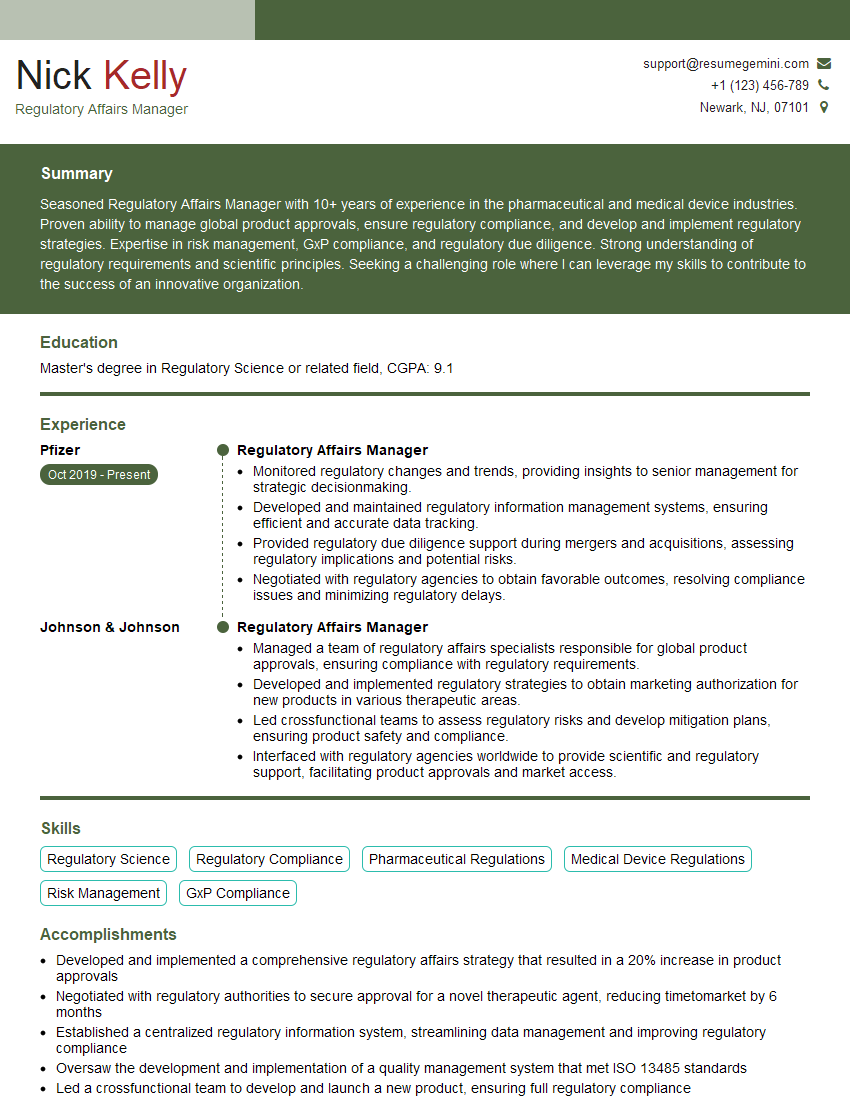
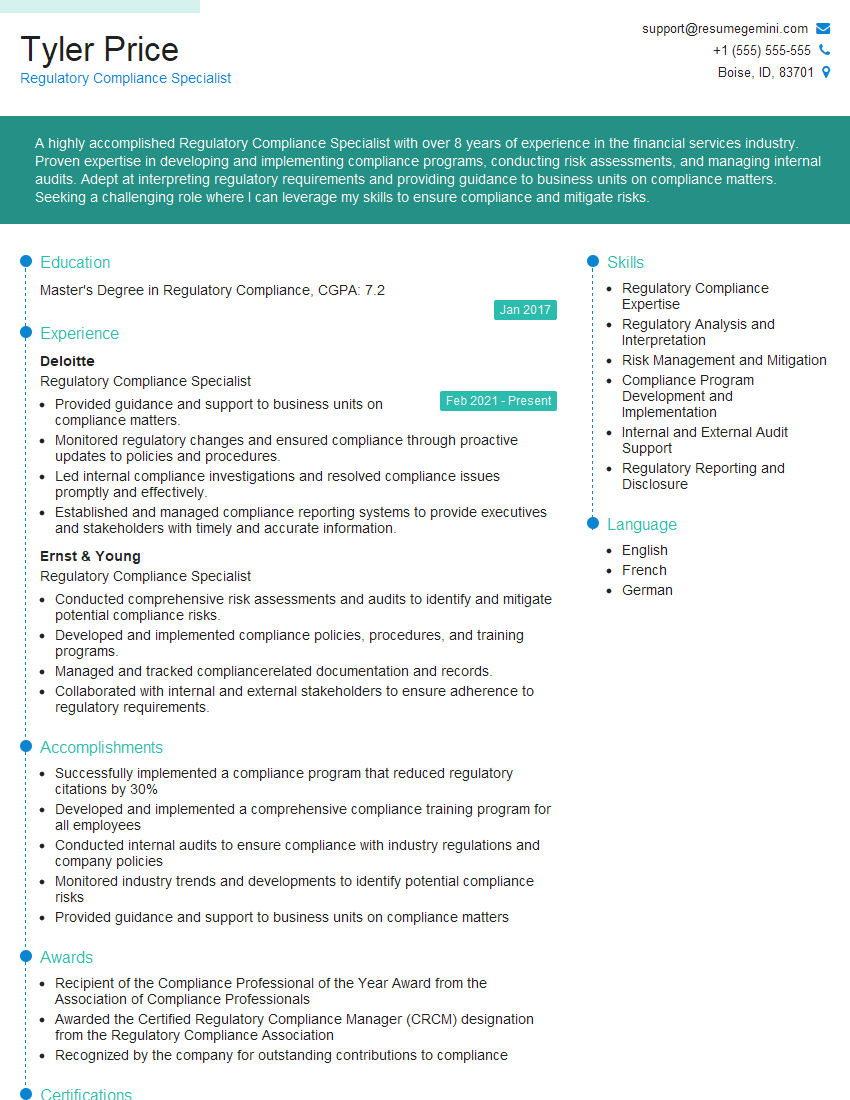
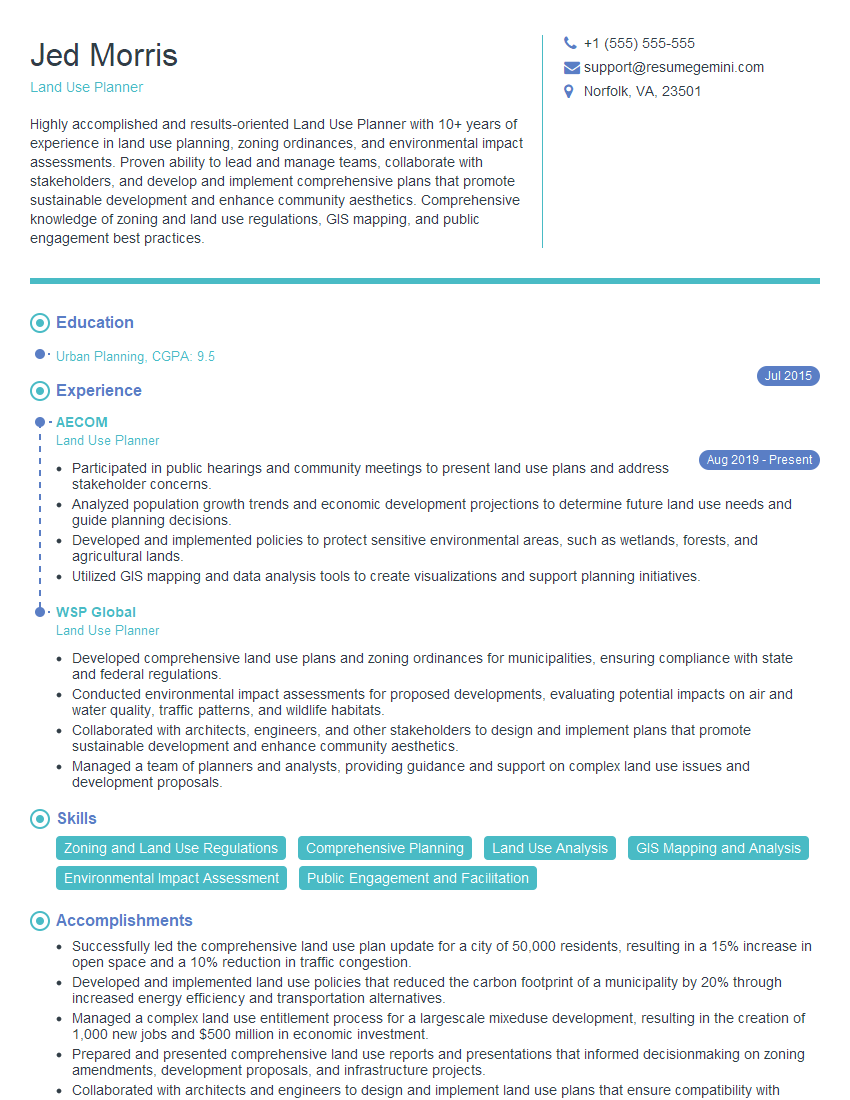
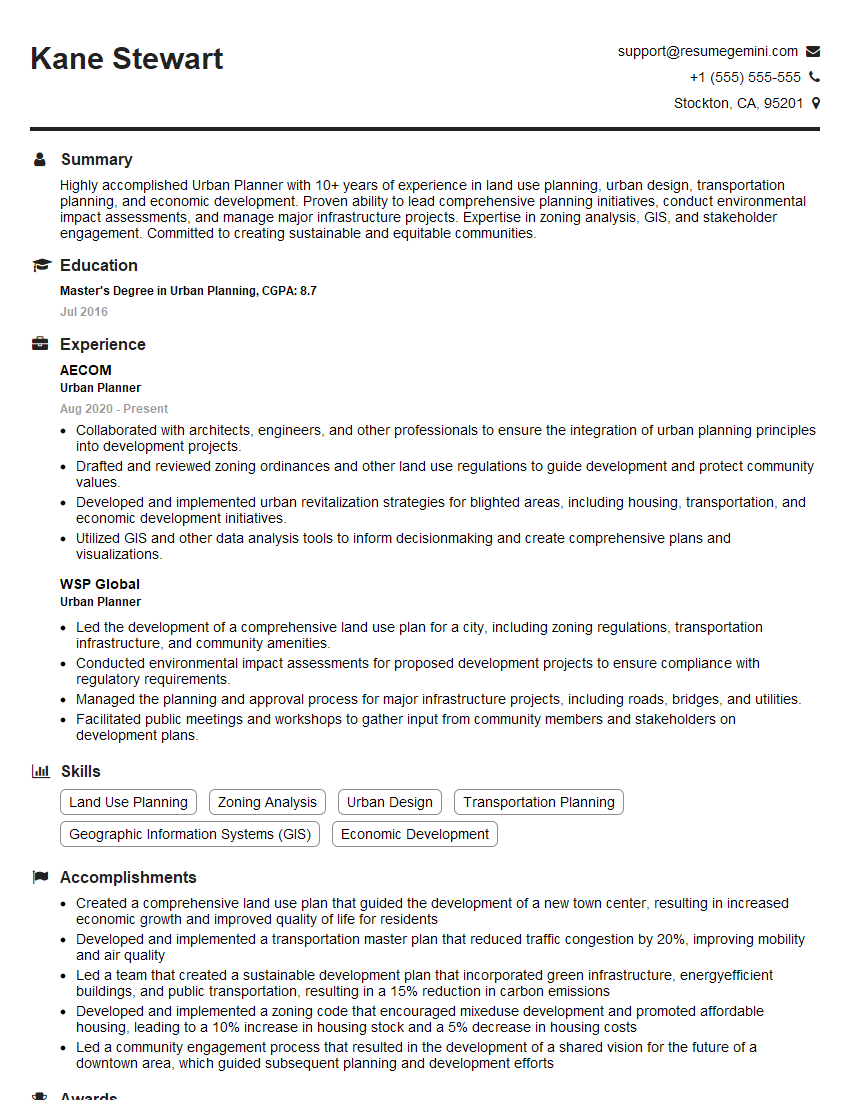
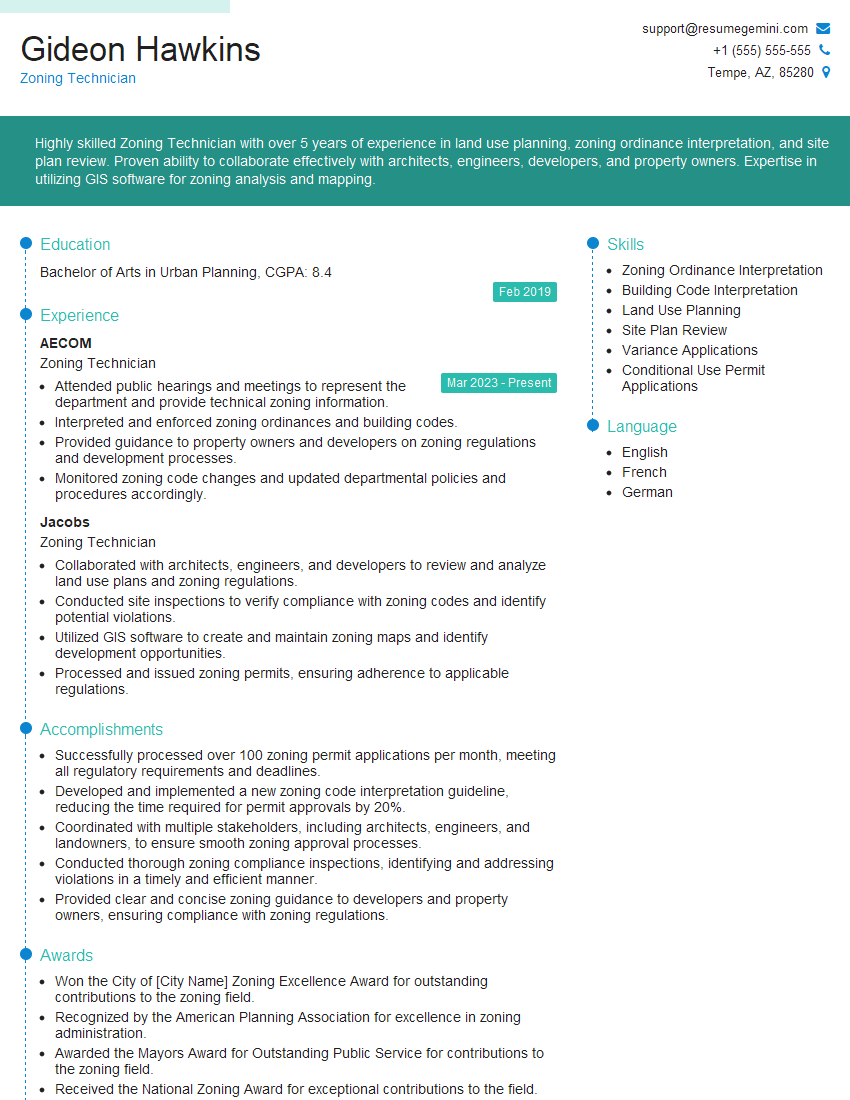
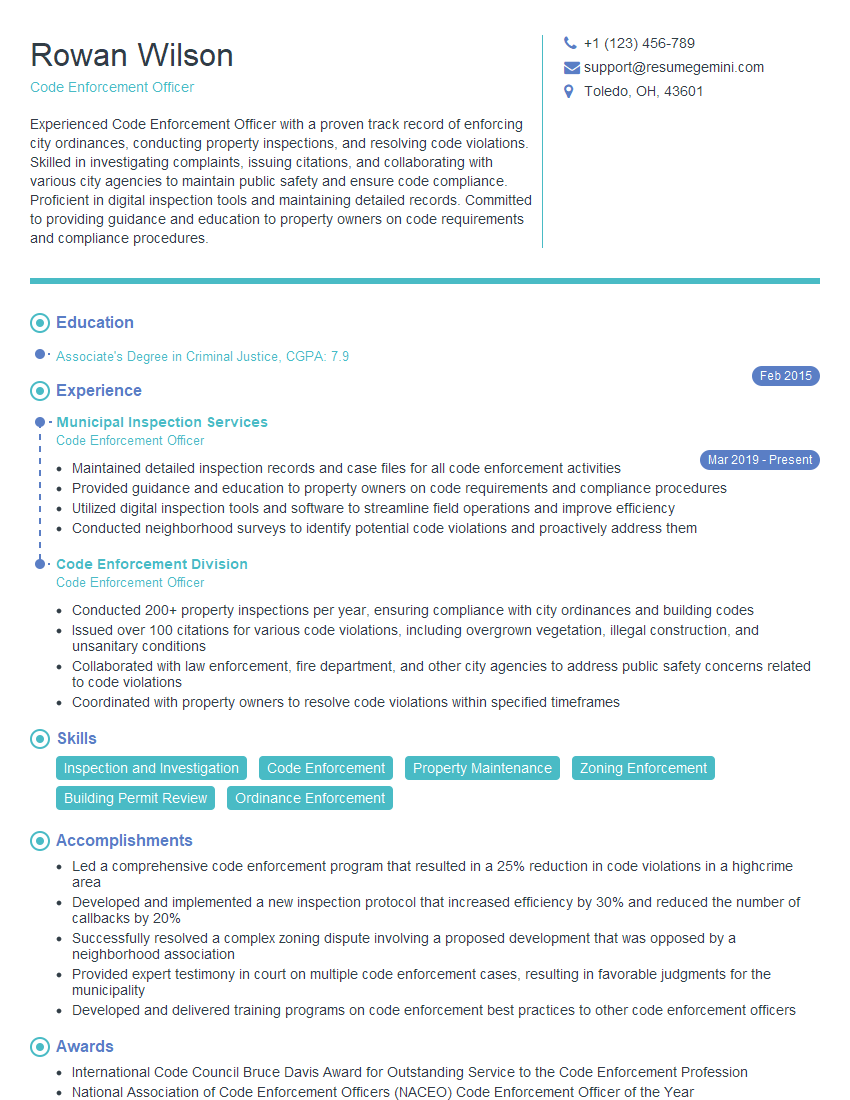
Mastering Zoning Case File Management and Tracking is crucial for career advancement within urban planning, government agencies, and private consulting firms. It demonstrates strong organizational skills, attention to detail, and a comprehensive understanding of complex regulations. To maximize your job prospects, creating an ATS-friendly resume is essential. ResumeGemini is a trusted resource that can help you build a professional resume that highlights your relevant skills and experience. Examples of resumes tailored to Zoning Case File Management and Tracking are available to guide you.
Explore more articles
Users Rating of Our Blogs
Share Your Experience
We value your feedback! Please rate our content and share your thoughts (optional).
What Readers Say About Our Blog
To the interviewgemini.com Webmaster.
Very helpful and content specific questions to help prepare me for my interview!
Thank you
To the interviewgemini.com Webmaster.
This was kind of a unique content I found around the specialized skills. Very helpful questions and good detailed answers.
Very Helpful blog, thank you Interviewgemini team.