The right preparation can turn an interview into an opportunity to showcase your expertise. This guide to Health Care Policy and Financing interview questions is your ultimate resource, providing key insights and tips to help you ace your responses and stand out as a top candidate.
Questions Asked in Health Care Policy and Financing Interview
Q 1. Explain the differences between prospective and retrospective reimbursement models.
Prospective and retrospective reimbursement models represent fundamentally different approaches to paying healthcare providers. Retrospective reimbursement, the older method, pays providers after services are rendered, based on the actual costs incurred. Think of it like paying your restaurant bill after finishing your meal – you know the exact cost only afterward. This system can incentivize providers to order more tests or procedures, potentially driving up costs unnecessarily.
Prospective reimbursement, in contrast, sets payment rates before services are provided. These rates are often based on diagnosis-related groups (DRGs) – a system that categorizes patients into groups with similar diagnoses and expected resource needs. This is like pre-ordering a set-price meal at a restaurant – you know the cost in advance. This approach encourages efficiency and cost-consciousness as providers are paid a fixed amount regardless of actual costs incurred. Examples include capitation (a fixed fee per patient per period), and per diem (a fixed amount per day of hospitalization).
- Retrospective Example: A hospital bills an insurance company $10,000 after treating a patient for pneumonia, reflecting all actual costs.
- Prospective Example: A hospital receives a pre-determined $8,000 payment from an insurer for treating a patient with pneumonia, regardless of the actual costs incurred.
Q 2. Describe the impact of the Affordable Care Act (ACA) on healthcare financing.
The Affordable Care Act (ACA) dramatically reshaped healthcare financing in the United States. Its primary impact was expanding health insurance coverage through several key mechanisms.
- Medicaid Expansion: The ACA encouraged states to expand Medicaid eligibility, extending coverage to millions of low-income adults. This significantly increased the number of individuals with access to publicly funded healthcare.
- Health Insurance Marketplaces (Exchanges): The ACA established state-based marketplaces where individuals and small businesses could purchase subsidized health insurance plans. This increased competition among insurers and offered more affordable options for many.
- Individual Mandate (Now Repealed): Initially, the ACA required most Americans to have health insurance or pay a penalty. This mandate aimed to reduce the number of uninsured, creating a larger risk pool for insurance companies and stabilizing premiums.
- Essential Health Benefits Mandate: The ACA required all plans sold in the marketplaces to cover a standard set of essential health benefits, ensuring comprehensive coverage for those who gained insurance.
The ACA also introduced various payment reforms aimed at improving healthcare quality and controlling costs. However, the long-term impacts of these reforms are still being assessed. The law continues to be debated politically, with some aspects facing legal challenges and ongoing modifications.
Q 3. How do you analyze healthcare cost drivers and propose cost-containment strategies?
Analyzing healthcare cost drivers requires a multi-faceted approach, considering factors spanning patient demographics, provider practices, and the overall healthcare system. I typically use a framework combining qualitative and quantitative methods.
- Data Collection and Analysis: Gather data on healthcare utilization, costs, and outcomes from various sources (claims data, hospital discharge data, surveys). Statistical methods are used to identify correlations and trends among cost drivers.
- Cost Driver Identification: Pinpoint specific factors driving costs, such as increasing prescription drug prices, high utilization of expensive technologies, aging population, chronic diseases, administrative overhead, and inefficient care delivery models.
- Cost-Containment Strategies: Develop strategies targeted at the identified cost drivers. Examples include:
- Promoting Preventative Care: Investing in preventative services reduces the need for expensive treatments later.
- Improving Care Coordination: Streamlining care transitions and improving communication among providers reduces unnecessary hospitalizations and readmissions.
- Implementing Value-Based Payment Models: Shifting from fee-for-service to value-based models that reward quality and efficiency incentivizes providers to provide better care at lower costs.
- Negotiating Drug Prices: Government intervention or bulk purchasing can help reduce the cost of medications.
- Utilizing Technology for Efficiency: Electronic health records (EHRs) and telehealth can improve efficiency and reduce administrative costs.
The success of cost-containment strategies depends on stakeholder buy-in, data-driven decision-making, and continuous monitoring and evaluation.
Q 4. What are the key components of a healthcare budget?
A healthcare budget comprises various components, reflecting the diverse activities and expenses of a healthcare organization (hospital, clinic, or insurer). Key components include:
- Personnel Costs: Salaries, benefits, and other compensation for physicians, nurses, administrators, and support staff. Often the largest component of the budget.
- Supplies and Equipment: Costs associated with medical supplies, pharmaceuticals, and medical equipment. This includes capital expenses for major equipment purchases.
- Operating Expenses: Utilities, rent, maintenance, insurance, administrative costs, and other operational expenses.
- Depreciation: The allocation of the cost of long-term assets (buildings, equipment) over their useful life.
- Capital Expenditures: Investments in major long-term assets such as new buildings or expensive equipment. These are often separately budgeted.
- Research and Development: If applicable, funding for research activities.
- Marketing and Outreach: Costs associated with patient recruitment and community engagement.
Budgeting in healthcare necessitates careful forecasting of patient volume, service utilization, and revenue projections. It’s crucial to align the budget with the organization’s strategic goals and to regularly monitor performance against the budget.
Q 5. Explain the role of managed care in controlling healthcare costs.
Managed care plays a crucial role in controlling healthcare costs by integrating the financing and delivery of healthcare services. Various strategies are employed:
- Utilization Management: This involves managing the use of healthcare services to ensure that care is appropriate and cost-effective. This might involve pre-authorization requirements for certain procedures, case management, and disease management programs for chronic conditions.
- Network Development: Managed care organizations (MCOs) negotiate discounted rates with healthcare providers within their networks, giving patients incentives to utilize in-network providers.
- Capitation and other Prospective Payment Models: Instead of fee-for-service, MCOs often pay providers a fixed amount per patient (capitation) or a fixed amount per episode of care. This incentivizes providers to control costs and improve efficiency.
- Quality Improvement Initiatives: MCOs frequently implement quality improvement programs aimed at improving patient outcomes while reducing unnecessary costs. Examples include performance-based incentives and ongoing quality monitoring.
Managed care, while effective in controlling costs, is not without its critics. Some argue that it can restrict patient choice and potentially compromise quality of care if cost containment measures are prioritized over patient needs.
Q 6. Discuss the challenges of healthcare data analysis in policy-making.
Analyzing healthcare data for policy-making presents significant challenges:
- Data Silos and Interoperability: Healthcare data is often fragmented across different systems (hospitals, clinics, pharmacies, insurers), making it difficult to obtain a comprehensive view.
- Data Quality and Standardization: Inconsistencies in data definitions, coding practices, and data entry can hinder accurate analysis. Lack of standardization across different systems makes comparison and aggregation challenging.
- Data Privacy and Security: Protecting patient confidentiality is paramount. Strict regulations (HIPAA in the US) govern the handling and use of healthcare data, requiring robust security measures.
- Data Complexity and Analysis Expertise: Analyzing large and complex datasets requires specialized statistical and analytical skills. Expertise in handling big data and applying appropriate analytical techniques is essential for drawing valid conclusions.
- Causality vs. Correlation: Identifying causal relationships between interventions and outcomes is challenging, as observed correlations might be influenced by confounding factors.
Addressing these challenges requires significant investments in data infrastructure, interoperability standards, and workforce training. A robust and ethical data governance framework is crucial for ensuring the responsible use of healthcare data in policymaking.
Q 7. What is the role of health insurance in mitigating healthcare financial risk?
Health insurance plays a vital role in mitigating healthcare financial risk by providing a financial safety net against potentially catastrophic medical expenses. Without insurance, individuals face the full cost of their healthcare needs, which can lead to financial ruin in cases of serious illness or injury.
Insurance mitigates risk in several ways:
- Cost Sharing: Insurance plans share the cost of healthcare services with the insured individual. This includes deductibles, co-pays, and co-insurance, reducing the out-of-pocket expenses for individuals.
- Catastrophic Coverage: Insurance policies typically cover a significant portion of expenses, preventing individuals from facing overwhelming medical debt in case of major illness or accidents.
- Access to Care: Insurance provides access to a wider range of healthcare services, including specialized care and treatments that might be unaffordable otherwise.
- Negotiated Rates: Insurers negotiate discounted rates with healthcare providers, making healthcare services more affordable for their members.
The effectiveness of health insurance in mitigating risk depends on the comprehensiveness of coverage, affordability of premiums, and the availability of a range of plans to choose from. However, even with insurance, individuals can still face significant out-of-pocket expenses, underscoring the ongoing need for affordable and accessible healthcare.
Q 8. How do you evaluate the effectiveness of a specific healthcare policy?
Evaluating the effectiveness of a healthcare policy is a multifaceted process requiring a robust methodology. It goes beyond simply looking at whether a policy was implemented; it focuses on measuring its actual impact on the intended outcomes. We need to consider both quantitative and qualitative data.
Quantitative Measures: These involve analyzing numerical data to assess changes in key indicators. For example, if a policy aims to reduce hospital readmissions, we’d examine readmission rates before and after implementation. Other metrics could include changes in mortality rates, disease prevalence, healthcare costs, patient satisfaction scores (measured through surveys), or access to care (e.g., changes in the number of uninsured individuals).
Qualitative Measures: These explore the non-numerical aspects of the policy’s impact. We might conduct interviews with patients, healthcare providers, and policymakers to understand their experiences and perspectives on the policy’s effects. Focus groups can also provide valuable insights into the unintended consequences or unexpected benefits of a policy. Analyzing policy documents and reports can reveal the rationale and assumptions behind the policy, allowing for a more comprehensive evaluation.
A robust evaluation would involve:
- Clearly defined objectives: What specific outcomes does the policy aim to achieve?
- Appropriate metrics: Choosing the right quantitative and qualitative measures to assess progress towards those objectives.
- Baseline data: Establishing a clear picture of the situation before the policy implementation.
- Control group (if possible): Comparing the outcomes in a group affected by the policy to a similar group that wasn’t.
- Rigorous data analysis: Employing statistical methods to determine if observed changes are statistically significant.
- Mixed-methods approach: Combining quantitative and qualitative data to gain a holistic understanding of the policy’s impact.
For example, evaluating the effectiveness of a policy aimed at increasing preventative care might involve analyzing changes in vaccination rates, screenings for chronic diseases, and patient engagement in health management programs, alongside qualitative data from patient and provider interviews to understand barriers and facilitators to accessing preventative services.
Q 9. What are the ethical considerations in healthcare resource allocation?
Ethical considerations in healthcare resource allocation are complex and often involve difficult trade-offs. Limited resources necessitate making choices about who receives what care, when, and how. Key ethical principles guiding these decisions include:
- Beneficence: Acting in the best interests of patients and maximizing benefits.
- Non-maleficence: Avoiding harm.
- Justice: Ensuring fair and equitable distribution of resources; avoiding discrimination.
- Autonomy: Respecting patients’ rights to make informed decisions about their care.
Challenges arise when these principles conflict. For instance, maximizing benefits (beneficence) for the greatest number of people might require limiting expensive treatments for a few individuals, thus raising questions of justice and fairness. The concept of ‘quality-adjusted life years’ (QALYs) is sometimes used to attempt to quantify the benefits of different treatments, but it faces ethical criticisms regarding its potential to undervalue the lives of certain patient populations.
Ethical frameworks for resource allocation often consider factors such as:
- Need: Prioritizing individuals with the greatest medical need.
- Effectiveness: Focusing on treatments that have the greatest potential to improve health outcomes.
- Cost-effectiveness: Considering the cost of treatment relative to its health benefits.
- Fairness: Distributing resources equitably, considering factors such as socioeconomic status and geographic location.
Decisions are rarely straightforward. Ethical committees and public discourse are vital for transparent and accountable resource allocation, acknowledging that there’s no single perfect solution and compromises are inevitable.
Q 10. Describe different methods for analyzing the impact of a new healthcare regulation.
Analyzing the impact of a new healthcare regulation requires a multi-pronged approach, combining various methods to capture a comprehensive picture. The methods employed will depend on the nature of the regulation and its intended goals.
1. Quantitative Analysis: This involves using statistical methods to assess the numerical impact of the regulation. Examples include:
- Regression analysis: Examining the relationship between the regulation and relevant outcome variables (e.g., healthcare costs, utilization rates, patient outcomes).
- Time series analysis: Comparing trends in key indicators before and after the implementation of the regulation.
- Difference-in-differences analysis: Comparing changes in outcome variables in a group affected by the regulation to a control group that wasn’t.
2. Qualitative Analysis: This explores the non-numerical impacts and perspectives related to the regulation. This can involve:
- Interviews: Gathering insights from stakeholders such as healthcare providers, patients, and policymakers.
- Focus groups: Facilitated discussions among stakeholders to explore common themes and perspectives.
- Document analysis: Examining policy documents, reports, and other relevant materials to understand the context and rationale behind the regulation.
3. Modeling and Simulation: For complex regulations, modeling can be used to predict the potential impact before full implementation. This can involve:
- Agent-based modeling: Simulating the interactions between different stakeholders in the healthcare system.
- System dynamics modeling: Analyzing the complex interdependencies between different components of the healthcare system.
4. Cost-benefit analysis: This method evaluates the economic implications of the regulation by comparing the costs of implementation to the benefits achieved (e.g., improved health outcomes, cost savings).
It’s important to use a combination of these methods to create a robust and comprehensive analysis. The findings should be transparently reported, acknowledging limitations and potential biases.
Q 11. Explain the concept of value-based care and its implications for healthcare financing.
Value-based care (VBC) shifts the focus from volume of services to the value of care provided, emphasizing quality and patient outcomes. Instead of simply rewarding providers for the number of procedures or visits, VBC incentivizes them to improve patient health and reduce costs. This requires a fundamental shift in healthcare financing.
Implications for Healthcare Financing:
- Payment models: VBC often involves moving away from fee-for-service (FFS) models towards alternative payment models (APMs) such as bundled payments, capitation, and shared savings programs. These APMs hold providers accountable for the total cost and quality of care for a defined population.
- Data and measurement: Successful VBC implementation requires robust data collection and measurement of quality indicators, patient outcomes, and costs. This necessitates the development of standardized data reporting and analytics capabilities.
- Risk sharing: APMs often involve some level of risk sharing between providers and payers, incentivizing providers to manage costs effectively while maintaining high quality of care.
- Investment in infrastructure: VBC requires investment in IT infrastructure and analytics tools to support data collection, analysis, and reporting.
- Changes in provider behavior: VBC requires providers to adopt new care models that emphasize prevention, coordination, and patient engagement.
Example: A bundled payment program for hip replacement surgery might pay a hospital and its associated physicians a fixed amount for all services related to the procedure. This incentivizes them to minimize complications, reduce hospital readmissions, and optimize post-operative care, thereby reducing overall costs while maintaining high quality of care.
The transition to VBC is complex and requires careful planning and collaboration among stakeholders. However, it has the potential to improve patient outcomes, reduce healthcare costs, and promote greater value in the healthcare system.
Q 12. What are the key metrics used to evaluate the financial performance of a healthcare organization?
Evaluating the financial performance of a healthcare organization involves analyzing a variety of key metrics, broadly categorized into profitability, liquidity, efficiency, and solvency.
Profitability Metrics:
- Operating margin: Measures the profitability of operations after deducting operating expenses from revenues.
- Net income margin: Represents net income as a percentage of revenue, after all expenses (including taxes and interest) are deducted.
- Return on assets (ROA): Indicates the efficiency of asset utilization in generating profit.
- Return on equity (ROE): Shows the return generated on shareholders’ investments.
Liquidity Metrics: These assess the organization’s ability to meet its short-term obligations.
- Current ratio: Compares current assets to current liabilities.
- Quick ratio: A more conservative measure, excluding inventories from current assets.
Efficiency Metrics: These indicators reveal how efficiently the organization uses its resources.
- Average length of stay (ALOS): Measures the average number of days patients spend in the hospital.
- Patient days: Total number of days patients spend in the hospital, reflecting the volume of services delivered.
- Revenue per patient day: Average revenue generated per day of patient care.
- Operating expenses per patient day: Average operating expenses incurred per day of patient care.
Solvency Metrics: These assess the organization’s long-term financial stability and ability to meet its long-term obligations.
- Debt-to-equity ratio: Shows the proportion of financing from debt compared to equity.
- Times interest earned: Indicates the organization’s ability to cover its interest expenses.
Analyzing these metrics together provides a comprehensive assessment of the financial health of a healthcare organization. The specific metrics and their interpretation will vary depending on the organization’s type, size, and business model.
Q 13. How do you balance the needs of stakeholders (patients, providers, payers) in healthcare policy decisions?
Balancing the needs of stakeholders—patients, providers, and payers—in healthcare policy decisions is a crucial yet challenging aspect of policymaking. It requires a thoughtful and participatory approach that acknowledges the inherent tensions and conflicting interests among these groups.
Strategies for balancing stakeholder needs:
- Stakeholder engagement: Involving all stakeholders in the policy development process through consultations, focus groups, and surveys. This allows for diverse perspectives to be considered and helps build consensus.
- Cost-effectiveness analysis: Evaluating the costs and benefits of various policy options for each stakeholder group. This provides a quantitative basis for comparing policy alternatives and highlighting trade-offs.
- Prioritization frameworks: Developing frameworks for prioritizing policy goals and trade-offs based on ethical considerations, equity concerns, and cost-effectiveness analysis. Such frameworks could use principles like need, effectiveness, and fairness mentioned earlier.
- Transparency and accountability: Making the policymaking process transparent and accountable through public hearings, impact assessments, and monitoring mechanisms. This ensures that decisions are made openly and that their consequences are evaluated over time.
- Negotiation and compromise: Facilitating negotiation and compromise among stakeholders to reach mutually acceptable solutions. This requires skillful facilitation and a willingness to find common ground.
- Data-driven decision making: Using high-quality data to inform policy decisions and measure their impact on various stakeholder groups. This helps in reducing subjective biases and ensures objective evaluation of impacts.
Example: A policy concerning drug pricing might involve balancing the needs of patients (access to affordable medications), pharmaceutical companies (profitability), and payers (cost control). A policy solution might involve negotiating price concessions with drug manufacturers while establishing subsidies or support programs for vulnerable patient populations.
Finding the optimal balance among competing interests is an ongoing process that requires constant adaptation and reflection. Open communication, data-driven decision making, and a commitment to fairness are critical for ensuring that healthcare policies are both effective and equitable.
Q 14. Describe your experience with healthcare regulatory compliance.
Throughout my career, I’ve been deeply involved in healthcare regulatory compliance, working with organizations to ensure adherence to a wide range of federal and state regulations. My experience encompasses several key areas:
1. HIPAA Compliance: I have assisted numerous healthcare providers in implementing and maintaining compliance with the Health Insurance Portability and Accountability Act (HIPAA), focusing on the security, privacy, and breach notification rules. This involves conducting risk assessments, developing and implementing policies and procedures, training staff, and managing audits and investigations. I’ve been directly involved in developing and implementing data breach response plans, including notification procedures, mitigation strategies, and remediation efforts.
2. Medicare and Medicaid Compliance: My experience includes working with organizations to ensure compliance with the rules and regulations governing Medicare and Medicaid reimbursement, including coding, billing, and documentation requirements. This has involved conducting internal audits, developing compliance programs, and responding to governmental inquiries and audits.
3. Anti-Kickback Statute and Stark Law Compliance: I have advised healthcare organizations on compliance with the federal Anti-Kickback Statute and the Stark Law, which prohibit certain financial relationships between healthcare providers and other entities. This has included developing and implementing compliance programs, conducting due diligence reviews, and providing guidance on physician compensation arrangements and joint ventures.
4. Fraud and Abuse Compliance: I have experience developing and implementing comprehensive fraud and abuse compliance programs, including conducting internal monitoring and auditing, training staff, and responding to allegations of fraud and abuse. This often involves working with external legal counsel and government agencies.
5. State-Specific Regulations: I’m familiar with a wide range of state-specific healthcare regulations, and have advised organizations on their unique compliance needs in different jurisdictions. This includes the development of compliance programs tailored to specific state regulations and guidance.
My approach to regulatory compliance is proactive and risk-based, focusing on identifying and mitigating potential compliance risks. I believe that a strong compliance culture is essential to ensuring patient safety and maintaining the integrity of the healthcare system.
Q 15. How do you stay updated on changes in healthcare policy and financing?
Staying current in the dynamic field of healthcare policy and financing requires a multifaceted approach. I leverage several key strategies:
- Subscription to reputable journals and publications: Health Affairs, The New England Journal of Medicine, and the Journal of the American Medical Association provide in-depth analysis and commentary on policy changes and research findings. I also follow publications specifically focused on healthcare finance.
- Active participation in professional organizations: Membership in organizations like the American Public Health Association (APHA) or the AcademyHealth provides access to conferences, webinars, and networking opportunities with leading experts. These events often feature discussions on the latest policy developments.
- Monitoring government websites and reports: Agencies like the Centers for Medicare & Medicaid Services (CMS) and the Congressional Budget Office (CBO) regularly publish reports, data, and proposed regulations that are essential for staying informed.
- Utilizing online databases and resources: Databases such as PubMed and policy-focused websites provide access to research articles, policy briefs, and other relevant information.
- Engaging in continuous learning: I actively pursue opportunities for professional development, including attending workshops and pursuing online courses to deepen my understanding of emerging trends and challenges.
By combining these methods, I ensure I maintain a comprehensive and up-to-date understanding of the healthcare landscape.
Career Expert Tips:
- Ace those interviews! Prepare effectively by reviewing the Top 50 Most Common Interview Questions on ResumeGemini.
- Navigate your job search with confidence! Explore a wide range of Career Tips on ResumeGemini. Learn about common challenges and recommendations to overcome them.
- Craft the perfect resume! Master the Art of Resume Writing with ResumeGemini’s guide. Showcase your unique qualifications and achievements effectively.
- Don’t miss out on holiday savings! Build your dream resume with ResumeGemini’s ATS optimized templates.
Q 16. Explain your understanding of the different payment models in healthcare (e.g., capitation, fee-for-service).
Healthcare payment models determine how providers are reimbursed for their services. Two major models are:
- Fee-for-service (FFS): In this model, providers are paid a set fee for each service they provide. Think of it like paying for each individual item in a grocery store. While straightforward, FFS can incentivize providers to order more tests or procedures than strictly necessary, driving up costs.
- Capitation: Under capitation, providers receive a fixed monthly payment per patient, regardless of the number of services provided. This is akin to a monthly subscription service. This model encourages preventative care and efficient management of patient health, as providers are incentivized to keep patients healthy and reduce unnecessary services.
Other models include:
- Bundled payments: A single payment covers all services related to a specific episode of care (e.g., hip replacement).
- Value-based care (VBC): Payment is tied to quality metrics and patient outcomes, encouraging providers to improve the quality of care rather than solely focusing on the quantity of services.
The choice of payment model significantly impacts cost control, quality of care, and provider behavior. The shift towards value-based care reflects a growing recognition that aligning payment with quality outcomes is crucial for a sustainable healthcare system.
Q 17. How do you analyze healthcare utilization data to inform policy decisions?
Analyzing healthcare utilization data is crucial for informed policy decisions. My approach involves several steps:
- Data Collection and Cleaning: This involves gathering data from various sources, including claims databases, electronic health records, and surveys. Cleaning the data is essential to ensure accuracy and consistency.
- Descriptive Analysis: I use descriptive statistics to summarize the data, identifying trends and patterns in utilization. For example, I might analyze the rate of hospital admissions for specific conditions or the frequency of certain procedures.
- Regression Analysis: To understand the factors influencing utilization, I use regression analysis to identify correlations between utilization and various variables, such as demographics, socioeconomic status, access to care, and healthcare provider characteristics. For instance, we could examine the relationship between income levels and emergency room visits.
- Predictive Modeling: Predictive models can be used to forecast future healthcare needs and the impact of policy changes on utilization. This information allows policymakers to proactively allocate resources and design more effective policies.
- Visualization: Clearly presenting findings visually (e.g., graphs, charts) is crucial for effective communication with policymakers and stakeholders.
By carefully analyzing utilization data, we can gain valuable insights into the drivers of healthcare costs and develop evidence-based policies to promote efficiency and improve health outcomes. For example, if analysis reveals high rates of preventable hospital readmissions, policies targeting care coordination and patient education could be implemented.
Q 18. Discuss the role of technology in improving healthcare efficiency and reducing costs.
Technology plays a transformative role in enhancing healthcare efficiency and reducing costs. Several key areas illustrate this:
- Electronic Health Records (EHRs): EHRs streamline information sharing, reduce medical errors, and facilitate better care coordination. This leads to fewer hospital readmissions and improved patient outcomes, ultimately lowering costs.
- Telemedicine: Telemedicine expands access to care, especially for patients in rural or underserved areas. It reduces travel time and costs for patients and providers.
- Big Data Analytics: Analyzing large datasets can identify trends, predict outbreaks, and personalize treatments, leading to better resource allocation and improved population health management.
- Artificial Intelligence (AI): AI-powered tools assist with diagnosis, treatment planning, and drug discovery, increasing efficiency and accuracy.
- Robotic Surgery: Robotic surgery enhances precision, reduces invasiveness, and shortens recovery times, leading to cost savings and improved patient experiences.
However, it’s crucial to address challenges such as interoperability issues between different systems, data security concerns, and the digital divide to ensure that technology benefits all segments of the population.
Q 19. What are the implications of increasing healthcare costs on the national economy?
Rising healthcare costs pose a significant threat to the national economy. The implications include:
- Reduced economic growth: High healthcare costs consume a larger share of national income, leaving less for investment in other sectors of the economy.
- Increased national debt: Government spending on healthcare programs, such as Medicare and Medicaid, is a major driver of the national debt.
- Higher taxes: To finance rising healthcare costs, governments may need to increase taxes, reducing disposable income for individuals and businesses.
- Slower wage growth: Employers may struggle to offer competitive wages while absorbing rising healthcare costs, particularly for employee health insurance.
- Reduced competitiveness: High healthcare costs can make businesses less competitive in the global market, impacting overall economic productivity.
Addressing rising healthcare costs is essential for ensuring long-term economic stability and prosperity. Strategies such as promoting preventive care, improving efficiency, and controlling drug prices are crucial.
Q 20. How do you address disparities in access to healthcare?
Addressing disparities in access to healthcare requires a multi-pronged approach:
- Expanding health insurance coverage: Ensuring everyone has access to affordable health insurance is fundamental. This can involve expanding government programs or implementing reforms to make private insurance more accessible and affordable.
- Investing in community-based health centers: These centers provide primary care services in underserved areas, improving access for low-income and minority populations.
- Addressing social determinants of health: Factors such as poverty, housing insecurity, and food insecurity significantly impact health. Addressing these issues through social programs and policies can improve health outcomes and reduce disparities.
- Reducing language barriers: Providing healthcare services in multiple languages and employing bilingual staff can improve access for non-English speakers.
- Targeting cultural competency training: Training healthcare providers on cultural sensitivity and appropriate communication techniques can improve patient-provider interactions and lead to better outcomes.
- Improving transportation access: Providing transportation assistance or developing mobile health clinics can overcome geographical barriers to care.
A comprehensive strategy must involve addressing systemic inequalities, promoting health equity, and ensuring that everyone has the opportunity to achieve their best possible health.
Q 21. Discuss the role of government regulation in promoting quality healthcare.
Government regulation plays a vital role in ensuring quality healthcare. Regulations serve several purposes:
- Setting quality standards: Regulations establish minimum standards for healthcare providers, facilities, and services, ensuring a certain level of quality and safety.
- Protecting patient safety: Regulations, such as licensing requirements and infection control standards, help to protect patients from harm.
- Ensuring transparency and accountability: Regulations require healthcare providers and facilities to disclose information about their performance and costs, promoting transparency and accountability.
- Encouraging innovation: While some regulations may create barriers, well-designed regulations can stimulate innovation in areas like healthcare technology and quality improvement.
- Protecting consumers: Regulations safeguard consumers from fraudulent or deceptive practices in the healthcare industry.
However, it’s important to strike a balance between effective regulation and avoiding excessive bureaucracy that stifles innovation or increases costs unnecessarily. Effective regulation requires careful consideration of its impact on quality, access, and affordability of care.
Q 22. What are the challenges of healthcare data privacy and security?
Healthcare data privacy and security face a multitude of challenges, primarily stemming from the sensitive nature of the information involved. Think of it like protecting a national treasure – the data holds immense value, and its loss or misuse can have devastating consequences. The challenges can be categorized into several key areas:
- Data breaches: Cyberattacks targeting electronic health records (EHRs) are a major concern, leading to the theft of patient information, identity theft, and financial losses. The sheer volume of data and the interconnected nature of healthcare systems amplify the risk.
- Compliance and regulations: Navigating the complex web of regulations like HIPAA (Health Insurance Portability and Accountability Act) in the US, GDPR (General Data Protection Regulation) in Europe, and other national and international standards requires significant expertise and resources. Staying compliant amidst evolving regulations is a constant challenge.
- Data sharing and interoperability: While sharing data between providers is crucial for coordinating care, it introduces security risks. Ensuring secure data exchange while maintaining patient privacy requires robust technical solutions and clear legal frameworks.
- Data governance and management: Effective data governance includes policies, procedures, and technologies to ensure data quality, integrity, and security throughout its lifecycle. This is a continuous process requiring ongoing monitoring and improvement.
- Human error: Accidental disclosure of protected health information (PHI) through human error, such as leaving a laptop unattended or sending emails to incorrect recipients, remains a significant threat.
Addressing these challenges requires a multi-faceted approach, including robust cybersecurity infrastructure, employee training, stringent data governance policies, and ongoing compliance efforts. For example, implementing strong authentication protocols, encrypting data at rest and in transit, and conducting regular security audits can significantly reduce the risk of breaches.
Q 23. Explain your understanding of the differences between Medicare and Medicaid.
Medicare and Medicaid are both government-funded healthcare programs in the United States, but they serve distinct populations and have different eligibility criteria and coverage structures. Think of it like two different branches of a large tree, both providing essential services but in different ways.
Medicare primarily serves individuals aged 65 and older and certain younger people with disabilities or chronic kidney disease. It’s a federal program, meaning its rules and regulations are largely consistent across the nation. It has four parts: Part A (hospital insurance), Part B (medical insurance), Part C (Medicare Advantage), and Part D (prescription drug coverage). Funding comes primarily through payroll taxes.
Medicaid, on the other hand, is a joint federal and state program that serves low-income individuals and families. Eligibility criteria vary significantly by state, leading to considerable differences in coverage and benefits across the country. It covers a broader range of services than Medicare, often including things like dental and vision care. Funding is shared between the federal and state governments.
In essence, Medicare is primarily age-based, while Medicaid is income-based. Both are vital components of the US healthcare system, addressing the healthcare needs of distinct but significant segments of the population.
Q 24. Describe different approaches to healthcare quality improvement.
Healthcare quality improvement (QI) is a continuous process focused on enhancing the safety, effectiveness, and efficiency of healthcare services. Several approaches are used, often in combination:
- Plan-Do-Study-Act (PDSA) cycle: This iterative approach involves planning a change, implementing it on a small scale, studying the results, and then acting based on what was learned. It’s like a scientific experiment, allowing for incremental improvements.
- Six Sigma: This data-driven approach focuses on reducing variation and defects in processes to improve efficiency and quality. It relies heavily on statistical methods and data analysis.
- Lean methodology: Inspired by manufacturing principles, this approach aims to eliminate waste and streamline processes to optimize efficiency and patient flow. Think of it as removing unnecessary steps to deliver care more effectively.
- Root cause analysis (RCA): When adverse events occur, RCA is used to systematically identify the underlying causes to prevent future occurrences. It’s like detective work, finding the source of a problem to address it effectively.
- Patient-centered care: This approach emphasizes involving patients in decisions about their care, recognizing their preferences, and promoting shared decision-making. It ensures that care is tailored to individual needs and values.
The selection of the most appropriate approach depends on the specific context, the nature of the quality issue, and the resources available. Successful QI initiatives typically involve interdisciplinary teams, data collection and analysis, and ongoing monitoring and evaluation.
Q 25. How do you identify and assess healthcare risks?
Identifying and assessing healthcare risks is crucial for ensuring patient safety and organizational stability. A systematic approach is vital, encompassing several key steps:
- Risk identification: This involves systematically identifying potential hazards across all aspects of the healthcare system, from clinical practice to administrative processes. Methods include brainstorming sessions, checklists, failure mode and effects analysis (FMEA), and hazard analysis and critical control points (HACCP).
- Risk analysis: Once risks are identified, they need to be analyzed to assess their likelihood and potential impact. This often involves qualitative assessments (e.g., high, medium, low) or quantitative methods (e.g., calculating risk scores based on probability and severity).
- Risk evaluation: This step involves evaluating the identified risks based on their likelihood and impact. This helps prioritize which risks need immediate attention.
- Risk control: This involves implementing strategies to mitigate or eliminate identified risks. Strategies may include implementing new policies and procedures, improving training, acquiring new equipment, or redesigning processes.
- Risk monitoring and review: Risks are dynamic and need continuous monitoring and review to ensure that controls are effective and to identify new or emerging risks. Regular audits and performance reviews are essential.
For example, a hospital might identify a high risk of medication errors. Through risk analysis, they determine the likelihood and potential severity of such errors. Risk control measures might include implementing barcoding systems, improving medication reconciliation processes, and strengthening staff training. Ongoing monitoring would track medication error rates to assess the effectiveness of the implemented controls.
Q 26. What is your experience with healthcare forecasting and modeling?
My experience with healthcare forecasting and modeling involves utilizing various techniques to project future trends in healthcare utilization, costs, and resource needs. This is crucial for strategic planning and resource allocation. I’ve worked extensively with:
- Time series analysis: Predicting future trends based on historical data, using methods like ARIMA (Autoregressive Integrated Moving Average) models.
- Regression analysis: Modeling the relationship between different variables (e.g., population demographics, insurance coverage, and healthcare utilization) to project future demand.
- Agent-based modeling (ABM): Simulating the interactions between individuals and healthcare systems to understand complex behaviors and predict system-wide effects.
- Markov models: Modeling transitions between different health states to project the prevalence of specific conditions and resource needs.
For instance, I’ve used regression analysis to predict the future demand for hospital beds in a specific region, taking into account factors such as population aging and growth, and prevalence of chronic diseases. This information was crucial in informing decisions on hospital expansion and resource allocation.
Q 27. Explain how you would develop a strategic plan for a healthcare organization facing financial challenges.
Developing a strategic plan for a financially challenged healthcare organization requires a systematic and comprehensive approach. It’s like navigating a ship through a storm – a clear plan and decisive actions are essential.
Step 1: Assessment: Begin with a thorough assessment of the organization’s financial situation, including revenue streams, expenses, assets, and liabilities. Identify the root causes of the financial challenges. This may involve reviewing financial statements, conducting operational audits, and analyzing market trends.
Step 2: Goal Setting: Define clear, measurable, achievable, relevant, and time-bound (SMART) financial goals. These could include reducing operating expenses, improving revenue generation, or increasing efficiency.
Step 3: Strategy Development: Develop strategies to achieve the defined goals. This may involve a combination of approaches such as:
- Cost reduction: Identifying areas for cost savings, such as negotiating better contracts with suppliers, improving operational efficiency, and reducing waste.
- Revenue enhancement: Increasing revenue through initiatives such as expanding service offerings, improving patient access, and enhancing marketing and outreach efforts.
- Diversification: Exploring new revenue streams, such as expanding into new service areas or forming strategic partnerships.
- Restructuring: Reorganizing the organization to improve efficiency and reduce overhead costs.
Step 4: Implementation: Put the strategic plan into action, assigning responsibilities, setting timelines, and monitoring progress regularly.
Step 5: Monitoring and Evaluation: Continuously monitor the financial performance of the organization and make adjustments to the strategic plan as needed. Regular financial reporting and performance reviews are crucial.
Throughout this process, strong communication and collaboration among stakeholders are essential for success. Open communication keeps everyone informed, ensures buy-in, and facilitates adjustments along the way.
Q 28. Discuss the role of public health initiatives in improving population health and reducing healthcare costs.
Public health initiatives play a pivotal role in improving population health and reducing healthcare costs. It’s like investing in preventative measures rather than just treating illnesses – a cost-effective and efficient strategy. They accomplish this through several key mechanisms:
- Disease prevention and health promotion: Public health initiatives, such as vaccination campaigns, health education programs, and community-based interventions, aim to prevent diseases and promote healthy lifestyles. This reduces the incidence of illness and the need for expensive medical treatment.
- Early detection and intervention: Screening programs for diseases like cancer and diabetes allow for early detection and intervention, leading to improved outcomes and reduced long-term healthcare costs.
- Health surveillance and response: Monitoring the health of populations and responding promptly to outbreaks of infectious diseases help prevent widespread illness and associated healthcare expenditures.
- Health equity and access: Addressing social determinants of health, such as poverty, lack of education, and limited access to healthcare, improves health outcomes and reduces disparities. This also minimizes health inequities and makes healthcare more accessible and cost-effective.
For example, a public health initiative focused on reducing smoking prevalence can significantly reduce the incidence of lung cancer and other smoking-related illnesses, leading to long-term cost savings in healthcare. Similarly, initiatives promoting healthy eating and physical activity can reduce obesity rates and the associated chronic diseases, further lowering healthcare costs. Ultimately, investing in public health translates to a healthier population and a more sustainable healthcare system.
Key Topics to Learn for Health Care Policy and Financing Interview
- Health Economics: Understanding concepts like cost-effectiveness analysis, demand and supply in healthcare, and market failures in healthcare delivery.
- Health Insurance Markets: Analyzing different insurance models (e.g., HMO, PPO), understanding risk adjustment and risk selection, and the implications of various payment mechanisms.
- Healthcare Financing: Exploring different funding sources (e.g., government, private insurance, out-of-pocket), analyzing the impact of budgetary constraints on healthcare access and quality.
- Policy Analysis: Developing and evaluating the effectiveness of different policy interventions, including cost-benefit analyses and impact assessments. Practical application involves analyzing the effects of policy changes on access, quality, and cost.
- Regulatory Frameworks: Understanding the role of government regulation in healthcare, including antitrust laws, licensure, and accreditation processes.
- Access to Care: Analyzing barriers to healthcare access, including affordability, geographic location, and health literacy. Practical application could involve proposing solutions to improve access for underserved populations.
- Quality of Care and Outcomes: Understanding and measuring quality of care using various metrics, including patient satisfaction, readmission rates, and mortality rates. Consider approaches to improve quality and patient outcomes.
- Health Equity and Social Determinants of Health: Analyzing the social, economic, and environmental factors that influence health disparities and developing strategies to promote health equity.
- Data Analysis and Interpretation: Developing proficiency in analyzing healthcare data using statistical methods to inform policy decisions and program evaluation. This is crucial for many technical interviews.
Next Steps
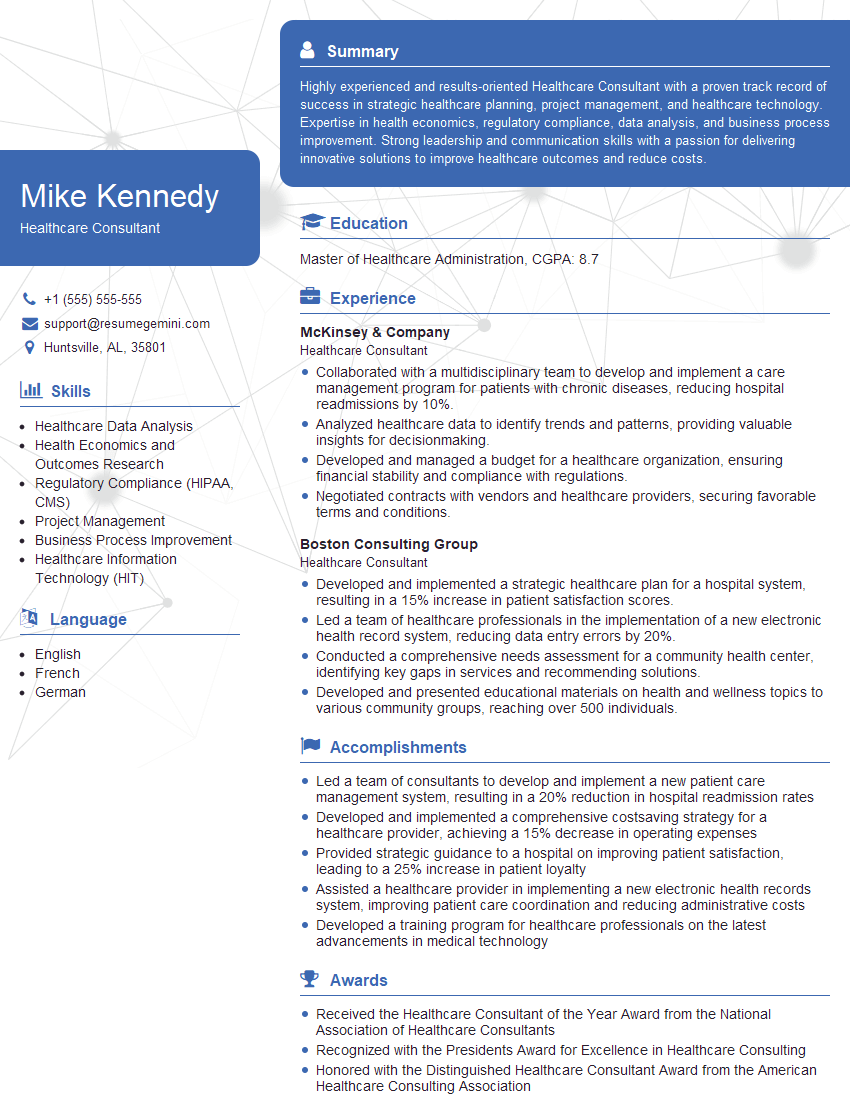
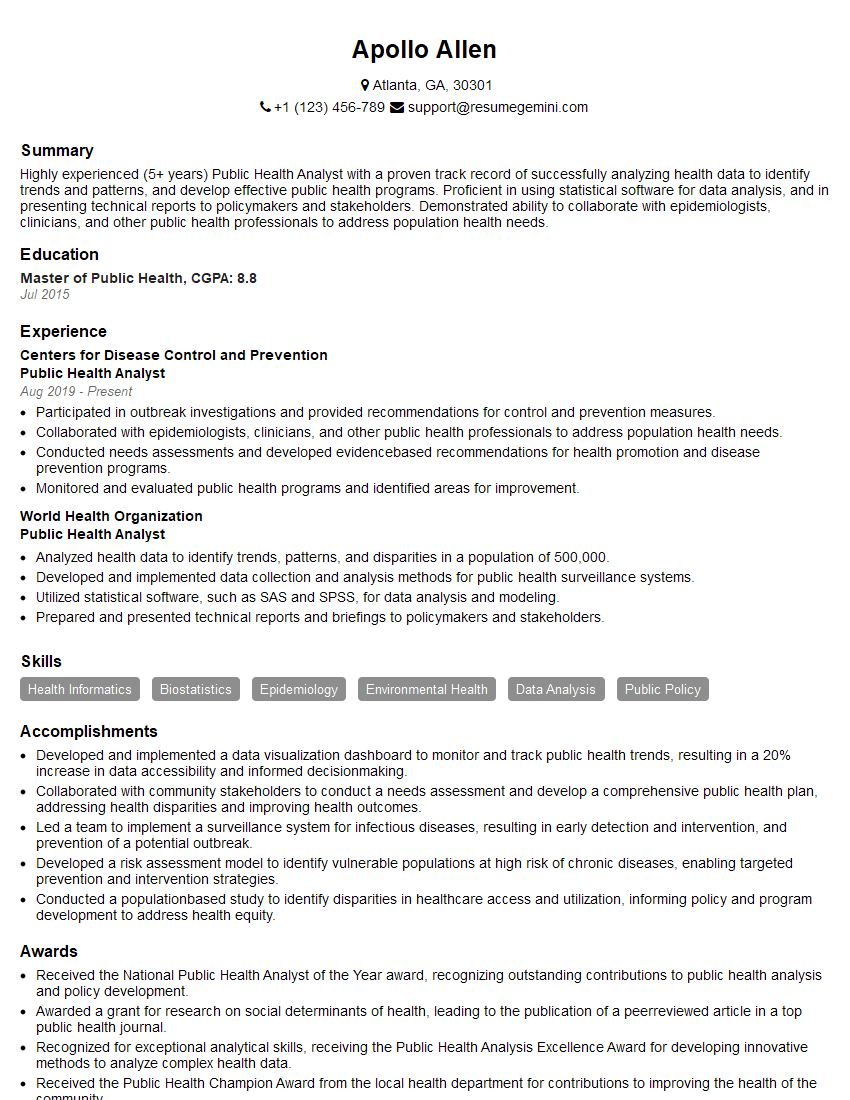
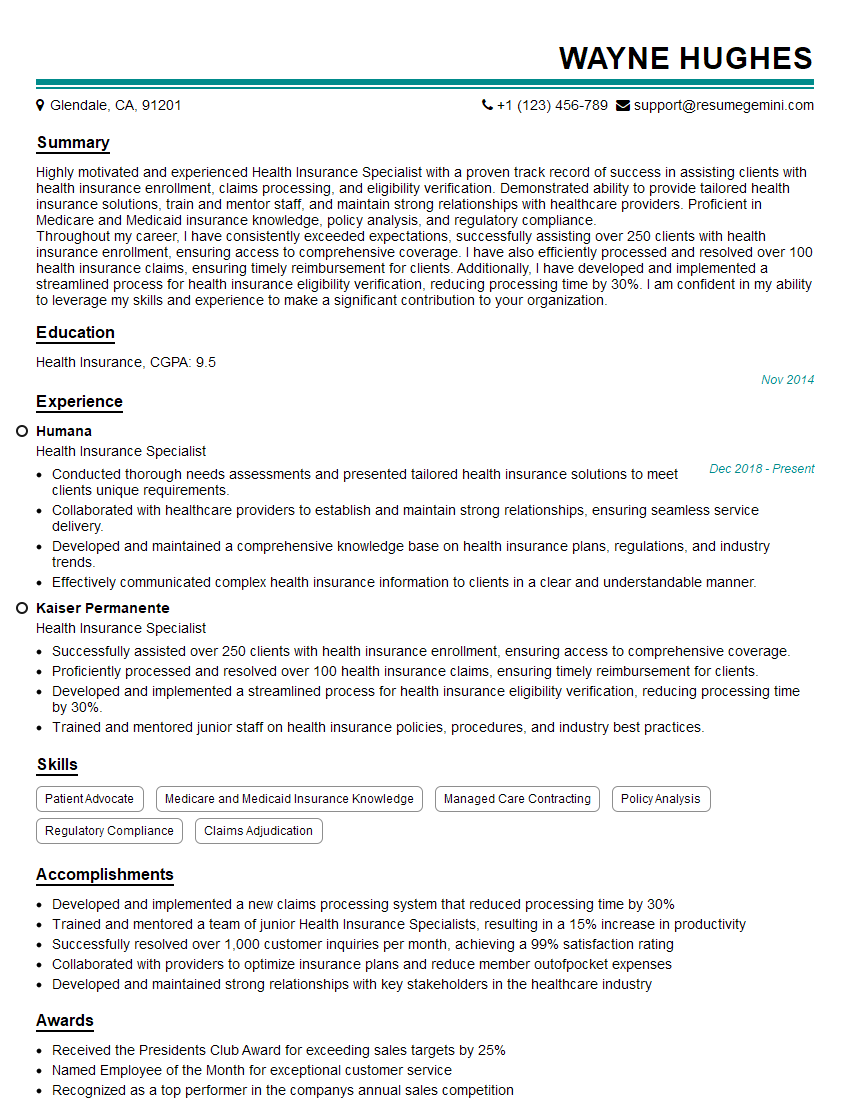
Mastering Health Care Policy and Financing is crucial for career advancement in this dynamic field. A strong understanding of these topics positions you for leadership roles and impactful contributions. To maximize your job prospects, it’s essential to create an ATS-friendly resume that showcases your skills and experience effectively. ResumeGemini is a trusted resource for building professional resumes that stand out. Leverage ResumeGemini’s tools to craft a compelling narrative that highlights your qualifications and experience in Health Care Policy and Financing. Examples of resumes tailored to this field are available to help you build your own successful application.
Explore more articles
Users Rating of Our Blogs
Share Your Experience
We value your feedback! Please rate our content and share your thoughts (optional).
What Readers Say About Our Blog
To the interviewgemini.com Webmaster.
Very helpful and content specific questions to help prepare me for my interview!
Thank you
To the interviewgemini.com Webmaster.
This was kind of a unique content I found around the specialized skills. Very helpful questions and good detailed answers.
Very Helpful blog, thank you Interviewgemini team.