The right preparation can turn an interview into an opportunity to showcase your expertise. This guide to Humanitarian Aid and Development interview questions is your ultimate resource, providing key insights and tips to help you ace your responses and stand out as a top candidate.
Questions Asked in Humanitarian Aid and Development Interview
Q 1. Describe your experience in needs assessment and program design in humanitarian contexts.
Needs assessment is the cornerstone of effective humanitarian intervention. It’s a systematic process of identifying the needs of an affected population, understanding their vulnerabilities, and assessing their capacities. Program design then uses this information to create targeted and relevant interventions.
My experience encompasses various methodologies, from rapid assessments in emergency situations to more in-depth participatory assessments in protracted crises. For example, during a recent drought in East Africa, I led a team that used a mixed-methods approach, combining quantitative data (e.g., household surveys to measure food insecurity) with qualitative data (e.g., focus group discussions to understand coping mechanisms and social dynamics). This helped us design a program that addressed both immediate food needs and longer-term livelihood recovery.
Program design involves translating the needs assessment findings into a practical plan. This includes defining clear objectives, selecting appropriate interventions, outlining implementation strategies, establishing monitoring mechanisms, and developing a realistic budget. A key aspect is ensuring that the design is community-led and participatory, empowering affected communities to take ownership of the solutions.
Q 2. Explain your understanding of the Sphere Standards and their application.
The Sphere Standards are a widely recognized set of minimum standards for humanitarian action. They provide a framework for delivering quality, accountable, and effective humanitarian assistance. They encompass key areas like humanitarian charter, needs assessment, water, sanitation and hygiene, shelter, food security, health, protection, and disaster preparedness.
In my work, I use the Sphere Standards as a guide for all stages of a humanitarian response. They help ensure that our programs meet internationally recognized quality standards and promote best practices. For example, adhering to the Sphere standards on water, sanitation and hygiene (WASH) means we prioritize safe and accessible water sources, appropriate sanitation facilities, and hygiene promotion activities. These standards aren’t merely guidelines; they are essential for safeguarding affected populations and enhancing the effectiveness of humanitarian efforts.
Regularly reviewing and applying the Sphere standards helps mitigate risks and strengthen the overall quality and impact of our programs. It’s not simply about ticking boxes but about integrating the principles into our daily operations to improve the lives of those we serve.
Q 3. How would you manage a team during a complex emergency response operation?
Managing a team during a complex emergency is challenging, demanding strong leadership, adaptability, and clear communication. My approach focuses on establishing a collaborative, supportive, and results-oriented environment.
- Clear roles and responsibilities: I ensure each team member understands their role, responsibilities, and how they contribute to the overall goals. This avoids duplication and ensures everyone is working efficiently.
- Effective communication: Regular team meetings, transparent communication channels, and clear reporting lines are crucial, especially in high-pressure environments. We use various communication tools adapted to the context, such as satellite phones, radios, and online platforms.
- Delegation and empowerment: I delegate tasks based on individual strengths and capabilities, empowering team members to take ownership of their work. This fosters trust, motivation, and promotes skill development.
- Conflict resolution: Addressing conflicts promptly and fairly is crucial. I encourage open communication and facilitate constructive dialogue to find solutions.
- Team well-being: I prioritize the physical and mental well-being of my team. This includes ensuring access to rest, adequate support systems, and opportunities for debriefing and stress management.
For example, during a large-scale earthquake response, I structured the team into functional units (logistics, WASH, shelter, etc.) with clear reporting lines and established daily communication protocols to ensure coordinated efforts.
Q 4. What is your experience with budgeting and financial management in humanitarian projects?
Budgeting and financial management are critical for ensuring the accountability and sustainability of humanitarian projects. My experience includes developing detailed budgets, managing funds, tracking expenditures, and ensuring compliance with donor regulations.
I’m proficient in various budgeting techniques, including zero-based budgeting and results-based budgeting. I use specialized software for financial management and reporting and adhere strictly to donor requirements. For instance, I’ve used QuickBooks and Spreadsheets for financial tracking in various projects. Thorough documentation and regular audits are essential to maintain transparency and accountability.
In one project, I successfully managed a budget of $500,000, ensuring that funds were allocated effectively to achieve project objectives while maintaining accurate financial records and adhering to strict audit requirements. This involved regular monitoring of expenditure, reconciliation of bank statements, and preparation of detailed financial reports for donors.
Q 5. Explain your approach to monitoring and evaluation in development programs.
Monitoring and evaluation (M&E) is crucial for ensuring the effectiveness and impact of development programs. My approach is based on a participatory framework, involving both quantitative and qualitative methods.
I use a combination of indicators (both output and outcome indicators) to track progress and impact. Data is collected regularly through various methods including surveys, interviews, focus group discussions, and review of program documents. This data is then analyzed to assess program effectiveness and identify areas for improvement. Regular reporting is crucial to keep stakeholders informed.
For instance, in a community development project, we used baseline data to measure changes in income generation, access to healthcare, and educational attainment. We conducted regular monitoring visits and held participatory reviews to assess progress and adapt our strategies as needed.
The M&E plan should be integrated into the project design from the beginning, ensuring clear objectives, measurable indicators, and a robust data collection plan. It’s a continuous learning process that shapes the program’s trajectory.
Q 6. How do you ensure accountability and transparency in your work?
Accountability and transparency are paramount in humanitarian work. My approach involves several key elements:
- Clear communication with stakeholders: Regular communication with affected communities, donors, and other stakeholders is key to building trust and ensuring that everyone understands the program’s objectives, activities, and achievements.
- Robust financial management: Strict adherence to financial procedures, regular audits, and transparent reporting ensure that funds are used effectively and ethically.
- Participatory approaches: Involving communities in all stages of the program cycle (planning, implementation, monitoring, and evaluation) promotes ownership and accountability. This empowers communities to hold us accountable.
- Complaint mechanisms: Establishing clear channels for feedback and complaints allows us to address concerns promptly and learn from our mistakes. This ensures that those affected have a voice and that their concerns are taken seriously.
- Data transparency: Making data publicly available (where appropriate and with considerations for data protection) allows stakeholders to scrutinize our work and improve transparency.
For instance, in a recent project, we developed a community feedback mechanism using local radio broadcasts and town hall meetings to ensure accountability and transparency. This allowed us to address concerns and improve the effectiveness of our interventions.
Q 7. Describe your experience working with local communities and stakeholders.
Working effectively with local communities and stakeholders is fundamental to successful humanitarian aid and development. My approach is grounded in principles of participation, respect, and cultural sensitivity.
I prioritize building trust by listening to community concerns, understanding their perspectives, and involving them in decision-making processes. This involves using participatory methods such as focus group discussions, community meetings, and participatory rural appraisals. I adapt my communication styles to be culturally appropriate and work through local partners and leaders whenever possible.
For example, in a project focusing on community-based disaster risk reduction, we worked closely with local leaders and community members to identify vulnerabilities, develop tailored strategies, and build local capacity for disaster preparedness. This ensured that the project was culturally relevant and effectively addressed the community’s specific needs.
Successful engagement requires patience, empathy, and a commitment to long-term relationships with communities. It’s about building partnerships, not simply implementing pre-determined solutions.
Q 8. How do you handle conflict and difficult situations in the field?
Conflict is inevitable in humanitarian work, often stemming from resource scarcity, differing priorities among stakeholders, or underlying political tensions. My approach is multifaceted and prioritizes de-escalation, mediation, and building trust.
- Active Listening and Empathy: I believe in understanding all perspectives before offering solutions. This involves patiently listening to all parties involved, acknowledging their concerns, and demonstrating empathy for their situations.
- Collaboration and Mediation: I actively work to facilitate dialogue between conflicting parties, helping them find common ground and identify mutually acceptable solutions. This often involves identifying shared goals and building consensus.
- Clear Communication: Maintaining clear and consistent communication is crucial. This includes proactively addressing potential misunderstandings and keeping all stakeholders informed of developments. For example, during a food distribution in a conflict-affected area, I would ensure transparency about the selection criteria and the quantities allocated to each group to prevent misunderstandings and disputes.
- Seeking External Support: When internal mediation isn’t sufficient, I don’t hesitate to seek support from neutral third parties, such as local leaders, community elders, or other humanitarian organizations with expertise in conflict resolution.
For instance, during a project in a post-conflict setting, a dispute arose over land allocation for resettlement. By actively listening to both sides and facilitating discussions between community leaders and local authorities, we were able to reach a compromise that was acceptable to all involved, averting a potential escalation of violence.
Q 9. What is your experience with proposal writing and grant applications?
Proposal writing and grant applications are critical for securing funding for humanitarian projects. My experience encompasses developing compelling proposals that align with donor priorities and effectively communicate project goals, methodologies, and impact.
- Needs Assessment and Design: I begin by conducting thorough needs assessments to identify the critical gaps and opportunities for intervention. This information forms the basis of a well-defined project design that addresses the identified needs.
- Logical Framework Approach: I utilize the logical framework approach to structure proposals, clearly defining objectives, activities, indicators, and assumptions. This ensures the project is well-defined and measurable.
- Compelling Narrative: I craft a compelling narrative that engages the reader and effectively communicates the project’s significance, highlighting the problem, proposed solution, and expected impact. This includes showcasing the project’s relevance to the donor’s strategic priorities and demonstrating a clear understanding of the context.
- Budget Justification: I develop detailed and well-justified budgets, ensuring transparency and accountability in the allocation of resources. I meticulously track all expenses and provide regular financial reports to donors.
I’ve successfully secured funding from various sources, including UN agencies, international NGOs, and governmental organizations, for projects ranging from emergency relief to long-term development initiatives. My success rate reflects a deep understanding of donor requirements and the ability to articulate a clear and persuasive case for funding.
Q 10. How do you prioritize competing needs in a resource-constrained environment?
Prioritizing competing needs in a resource-constrained environment requires a systematic and ethical approach.
- Needs Assessment: A thorough needs assessment, using both quantitative and qualitative data, is crucial to understand the urgency and severity of different needs. This helps to identify the most critical and time-sensitive needs.
- Prioritization Matrix: I use a prioritization matrix that considers factors like urgency, impact, feasibility, and cost-effectiveness. This framework allows for a structured comparison of different needs and informs decision-making.
- Stakeholder Consultation: Engaging with affected communities and other stakeholders is vital. This participatory approach ensures that priorities reflect the needs and perspectives of those most affected.
- Transparency and Accountability: The criteria used for prioritization must be transparent and communicated clearly to all stakeholders. This fosters trust and minimizes potential conflicts.
For instance, in a disaster response scenario, we might prioritize providing immediate medical assistance and shelter over longer-term initiatives like infrastructure rehabilitation. The matrix would help justify this decision by demonstrating the higher urgency and life-saving impact of the immediate needs.
Q 11. Explain your understanding of different development approaches (e.g., community-based development, participatory approaches).
Different development approaches have varying philosophies and methodologies.
- Community-Based Development (CBD): This approach emphasizes local participation and ownership in the development process. Projects are designed and implemented with the active involvement of the community, fostering a sense of responsibility and sustainability. For example, a CBD approach to water sanitation might involve the community in identifying water sources, constructing and maintaining latrines, and developing local management structures.
- Participatory Approaches: These methods involve actively engaging stakeholders at all stages of the project cycle, from planning to implementation and monitoring. Participatory Rural Appraisal (PRA) techniques, for instance, use interactive methods like mapping and ranking exercises to gather information and build consensus.
- Top-Down Approaches: In contrast, top-down approaches are characterized by external actors driving the development process, with limited community participation. This can lead to projects that are not sustainable or culturally appropriate.
My experience encompasses working with diverse approaches, tailoring the strategy to the specific context and community needs. I advocate for participatory approaches that empower communities and foster sustainable development outcomes.
Q 12. How do you ensure the protection of vulnerable populations in your work?
Protecting vulnerable populations is paramount in humanitarian work. This requires a multi-pronged approach that addresses various risks and vulnerabilities.
- Risk Assessment: Conducting regular risk assessments to identify specific threats facing vulnerable populations (e.g., gender-based violence, exploitation, discrimination).
- Safeguarding Policies and Procedures: Implementing and enforcing robust safeguarding policies and procedures, ensuring staff are trained on child protection, anti-exploitation, and abuse prevention.
- Community Engagement: Working closely with community leaders and representatives to understand the specific vulnerabilities and develop culturally appropriate protection mechanisms.
- Collaboration with Protection Actors: Coordinating with other humanitarian organizations and government agencies specializing in protection to ensure a comprehensive response.
- Advocacy and Awareness-Raising: Advocating for the rights of vulnerable populations and raising awareness of protection risks amongst both community members and project staff.
For example, in a refugee camp setting, we would prioritize the protection of women and children through measures like providing safe spaces, establishing reporting mechanisms for abuse, and conducting awareness campaigns on gender-based violence. We would also work closely with UNHCR and other protection agencies.
Q 13. What is your experience with logistics and supply chain management in humanitarian settings?
Effective logistics and supply chain management are essential for the timely and efficient delivery of aid in humanitarian settings. My experience encompasses planning, procurement, warehousing, and distribution of essential supplies.
- Needs Assessment and Procurement: I collaborate with program teams to determine the required supplies, based on thorough needs assessments. I then manage the procurement process, ensuring that goods are sourced from reliable suppliers at competitive prices.
- Warehousing and Inventory Management: I oversee the efficient management of warehouses, ensuring proper storage, inventory tracking, and security of goods. This includes utilizing inventory management software to track stock levels and prevent shortages.
- Transportation and Distribution: I plan and coordinate the transportation and distribution of supplies to beneficiaries, taking into consideration security concerns, logistical challenges, and the needs of vulnerable populations.
- Supply Chain Mapping: I often develop supply chain maps to visualize the flow of goods, identifying potential bottlenecks and areas for improvement.
During a large-scale emergency response, I managed the procurement and distribution of emergency relief supplies, including food, water, shelter materials, and medical kits. Effective logistics ensured timely delivery to affected populations, contributing significantly to saving lives and reducing suffering.
Q 14. Describe your experience with data collection and analysis for program improvement.
Data collection and analysis are crucial for program monitoring, evaluation, and improvement. My experience involves designing data collection tools, conducting data analysis, and using findings to inform program adjustments.
- Data Collection Methods: I employ a variety of data collection methods, including surveys, interviews, focus group discussions, and observation, selecting the most appropriate methods based on the research question and context.
- Data Analysis Techniques: I use quantitative and qualitative data analysis techniques to understand program outcomes and identify areas for improvement. This includes utilizing statistical software packages such as SPSS or R to analyze quantitative data.
- Data Visualization: I create clear and informative data visualizations (e.g., charts, graphs) to effectively communicate findings to diverse audiences.
- Reporting and Dissemination: I produce comprehensive reports that summarize data findings and recommendations for program improvement, which are shared with stakeholders and used to make informed decisions.
In a recent project, we collected data on the impact of a nutrition program using household surveys and anthropometric measurements. By analyzing this data, we identified a significant gap in program coverage amongst a particular demographic group, leading to targeted interventions and improved program effectiveness.
Q 15. How do you ensure the sustainability of development projects?
Ensuring the sustainability of development projects requires a holistic approach that goes beyond simply delivering immediate aid. It’s about building local capacity, fostering ownership, and creating self-sustaining systems. Think of it like building a house – you need a strong foundation (local capacity) and durable materials (sustainable practices) to ensure it lasts.
- Local Ownership and Participation: Projects should be designed in close collaboration with local communities. Their knowledge, needs, and priorities are paramount. This ensures buy-in and minimizes the risk of projects failing after external support ends. For example, in a water project, involving the community in the construction and maintenance ensures long-term functionality.
- Capacity Building: Investing in the training and skills development of local personnel is crucial. This empowers communities to manage and maintain projects independently. This could include training on technical skills (e.g., well maintenance) as well as management and financial literacy.
- Sustainable Practices: Projects should integrate environmentally and economically sustainable practices. For example, a farming project might focus on drought-resistant crops and water conservation techniques, ensuring long-term food security, even in challenging conditions.
- Financial Sustainability: Exploring mechanisms for long-term funding is vital. This could include establishing community-based savings schemes, microfinance initiatives, or linking the project to local markets.
- Monitoring and Evaluation: Regular monitoring and evaluation are key to identifying challenges and adapting strategies to ensure the project stays on track and achieves its long-term goals. This allows for course correction and prevents projects from becoming unsustainable.
Career Expert Tips:
- Ace those interviews! Prepare effectively by reviewing the Top 50 Most Common Interview Questions on ResumeGemini.
- Navigate your job search with confidence! Explore a wide range of Career Tips on ResumeGemini. Learn about common challenges and recommendations to overcome them.
- Craft the perfect resume! Master the Art of Resume Writing with ResumeGemini’s guide. Showcase your unique qualifications and achievements effectively.
- Don’t miss out on holiday savings! Build your dream resume with ResumeGemini’s ATS optimized templates.
Q 16. How do you adapt your approach to different cultural contexts?
Adapting to different cultural contexts is fundamental for effective humanitarian aid and development. Ignoring cultural nuances can lead to project failure and even harm. It’s about understanding the unwritten rules, respecting local customs, and working with, not against, the grain of the community.
- Cultural Sensitivity Training: Teams should receive comprehensive training on the cultural norms, values, and beliefs of the communities they serve. This might include learning about local communication styles, gender roles, and religious practices.
- Community Engagement and Consultation: Regular dialogue with community leaders and members is crucial to gather feedback, understand local perspectives, and adapt project design accordingly. This participatory approach ensures projects are relevant and culturally appropriate.
- Local Partnerships: Collaborating with local organizations and individuals is critical. They possess invaluable knowledge of the community’s needs and can help navigate cultural complexities and build trust.
- Gender Considerations: Understanding gender dynamics within the community is paramount. Projects should consider how men and women may have different needs, access to resources, and roles in decision-making.
- Flexibility and Adaptability: It’s important to be flexible and willing to adjust plans based on feedback and changing circumstances. A rigid approach can be counterproductive in diverse cultural settings. For example, if a planned meeting time conflicts with a significant religious observance, the schedule should be adapted accordingly.
Q 17. What is your experience with capacity building and training?
Capacity building is at the heart of sustainable development. My experience spans various contexts, from training community health workers in rural areas to providing leadership development for local NGOs. It’s not just about transferring skills; it’s about empowering people to solve their own problems.
- Needs Assessment: I always begin with a thorough needs assessment to identify the specific skills gaps and training requirements. This involves consultations with the target group and stakeholders.
- Curriculum Development: The training curriculum is carefully designed to be relevant, practical, and culturally appropriate, using participatory methods wherever possible.
- Training Delivery: I use a variety of training methods, including workshops, mentoring, on-the-job training, and e-learning, to cater to diverse learning styles and preferences. Practical exercises and real-world case studies are essential to enhance learning.
- Monitoring and Evaluation: I regularly monitor the impact of training through follow-up visits, feedback sessions, and performance evaluations. This allows for adjustments and ensures the training remains effective.
- Sustainability Planning: I work to ensure the sustainability of capacity-building efforts by establishing local training centers, developing mentorship programs, and linking trainees to ongoing professional development opportunities.
For example, in a project supporting women entrepreneurs, I developed a training program focusing on financial literacy, business management, and marketing skills. This empowered women to start and manage their own businesses, creating economic opportunities and improving their livelihoods.
Q 18. How do you measure the impact of your work?
Measuring the impact of humanitarian work is crucial for accountability and continuous improvement. It involves a mix of qualitative and quantitative methods, focusing on both outputs and outcomes.
- Quantitative Indicators: These are measurable data points like the number of people reached, the amount of food distributed, or the number of wells constructed. Data collection tools include surveys, databases, and monitoring systems.
- Qualitative Indicators: These capture the lived experiences and perceptions of beneficiaries. Methods include focus group discussions, interviews, and case studies, providing rich contextual information.
- Baseline Data: Establishing baseline data before project implementation allows us to measure changes and assess the project’s effectiveness. For example, measuring literacy rates before and after an education program.
- Impact Evaluation: A robust impact evaluation uses a rigorous methodology, often including a control group, to determine the causal relationship between the project and its outcomes. This provides stronger evidence of the impact.
- Stakeholder Feedback: Gathering feedback from beneficiaries, local partners, and other stakeholders provides valuable insights and helps refine future projects.
For instance, in a health project, we might measure the reduction in child mortality rates (quantitative) alongside beneficiary testimonials on improved access to healthcare (qualitative), providing a holistic picture of the project’s impact.
Q 19. Explain your understanding of different funding mechanisms for humanitarian aid.
Funding mechanisms for humanitarian aid are diverse, ranging from government contributions to private donations and corporate partnerships. Understanding these different sources is essential for effective resource mobilization.
- Government Funding: Many governments provide significant funding through their foreign aid agencies. This funding often comes with specific guidelines and priorities.
- Multilateral Organizations: Organizations like the UN and the World Bank provide substantial funding, often through grants and loans, for development projects. Their funding processes usually involve rigorous assessments and reporting requirements.
- Private Foundations: Foundations like the Bill & Melinda Gates Foundation and others play a crucial role, often focusing on specific thematic areas, like health or education. They typically have their own application processes and selection criteria.
- Corporate Social Responsibility (CSR): Increasingly, corporations are contributing through CSR initiatives, linking their funding to their business interests and sustainability goals.
- Individual Donations: Private donations from individuals, often channeled through NGOs, remain a significant source of funding, particularly for emergency responses.
- Crowdfunding: Online platforms facilitate crowdfunding campaigns, enabling quick mobilization of funds for specific needs, often in response to emergencies.
Effective resource mobilization requires understanding the priorities and requirements of each funding source, developing strong proposals, and building relationships with potential funders.
Q 20. How do you manage ethical dilemmas in humanitarian work?
Ethical dilemmas are inevitable in humanitarian work. It requires a strong ethical compass, a commitment to impartiality, and a willingness to engage in difficult conversations. Prioritizing the well-being of affected populations should always be paramount.
- Code of Conduct: Adhering to a strict code of conduct, such as those established by major humanitarian organizations, is crucial for guiding decision-making and avoiding conflicts of interest.
- Impartiality and Neutrality: Maintaining impartiality, providing aid based on need alone, without discrimination, is fundamental. Neutrality means not taking sides in conflicts.
- Beneficiary Participation: Ensuring the participation of affected populations in decision-making processes helps to ensure that aid is provided in a way that respects their needs and preferences.
- Transparency and Accountability: Openness and accountability in all aspects of operations are essential for building trust and preventing abuses of power. This includes clear financial reporting and mechanisms for addressing complaints.
- Ethical Review Boards: Many organizations use ethical review boards to provide guidance on complex ethical challenges.
For example, deciding how to allocate scarce resources during an emergency, or addressing situations where local authorities exert undue influence on aid distribution, require careful consideration of ethical principles and potential consequences.
Q 21. Describe your experience with working in a multi-cultural team.
Working in multicultural teams is an enriching experience that brings diverse perspectives and strengths. However, it requires effective communication, cultural sensitivity, and conflict resolution skills.
- Communication Strategies: Clear and concise communication, with consideration for language barriers and varying communication styles, is crucial. Using interpreters or translators when necessary is vital.
- Respect for Diversity: Valuing diverse viewpoints and experiences is essential for fostering an inclusive team environment. This includes acknowledging and respecting different working styles and cultural norms.
- Conflict Resolution: Disagreements can arise in any team, but addressing them constructively and respectfully is essential. Mediation or facilitated discussions can help resolve conflicts.
- Team Building Activities: Engaging in team-building activities can help foster mutual understanding and trust among team members. These can include social events or activities that promote collaboration.
- Leadership Style: An inclusive and participative leadership style can help ensure that all team members feel valued and heard.
I’ve found that leveraging the diverse expertise within a multicultural team leads to more innovative and effective solutions. Understanding and respecting cultural differences enriches the collaborative process and enhances the overall outcome of the project.
Q 22. How do you communicate effectively with different stakeholders?
Effective communication in humanitarian aid requires adapting to diverse audiences. I approach this by employing a multi-faceted strategy. Firstly, I prioritize active listening to understand perspectives and needs before responding. This ensures I’m addressing the core concerns rather than imposing solutions. Secondly, I tailor my communication style to the audience. Technical discussions with engineers require precise terminology, while explaining a project to community members necessitates simplified language and potentially visual aids. For example, when working with a rural community on a water sanitation project, I avoided technical jargon and used diagrams to explain the process and the benefits. Thirdly, I focus on building trust and rapport. This is achieved through consistent engagement, transparency about project goals, and acknowledging any potential challenges or setbacks openly. Finally, I utilize a mix of communication channels – face-to-face meetings, email, phone calls, and visual presentations – depending on the situation and the audience’s preferences. This ensures the message reaches everyone effectively.
Q 23. What are your strengths and weaknesses in a humanitarian context?
My strengths in a humanitarian context lie in my adaptability, problem-solving skills, and cross-cultural sensitivity. I thrive in fast-paced, high-pressure environments, and I’m adept at coordinating diverse teams to achieve common goals. For instance, during a response to a natural disaster, I successfully managed a team of volunteers, logistical staff, and medical personnel, ensuring efficient resource allocation and a coordinated aid delivery. A key weakness I’ve identified is the tendency to overcommit myself. To mitigate this, I’ve implemented project management techniques like prioritization matrices and time blocking to ensure that I dedicate sufficient time to each task and avoid burnout. I’m actively working on delegating tasks effectively, trusting the skills of my team members.
Q 24. Describe your experience with security protocols and risk management in high-risk environments.
My experience in high-risk environments includes working in conflict zones and areas prone to natural disasters. I’m familiar with various security protocols, including risk assessments, emergency communication plans, and personal security measures. I have completed extensive training in security awareness, including situational awareness, threat identification, and response strategies. In a previous role, I developed and implemented a comprehensive security plan for a field office located in a volatile region. This involved conducting security assessments, establishing clear communication protocols with local authorities and security personnel, and implementing procedures for staff movement and emergency evacuations. The plan significantly reduced security incidents and ensured the safety of staff and assets. Understanding the local context, building relationships with local leaders, and actively monitoring the security situation are crucial aspects of my approach to risk management.
Q 25. How do you remain resilient and manage stress in challenging humanitarian settings?
Resilience and stress management are paramount in humanitarian work. I employ several strategies. Firstly, I prioritize self-care, ensuring I get enough sleep, eat nutritious food, and engage in regular physical activity. Secondly, I maintain a strong support network of colleagues, family, and friends, whom I can rely on for emotional support and debriefing. Thirdly, I utilize mindfulness techniques such as meditation and deep breathing exercises to manage stress in the moment. Furthermore, I practice regular reflection on my experiences, both positive and negative, to learn from challenges and cultivate a sense of perspective. Finally, I actively seek opportunities for professional development and growth to enhance my skills and confidence, fostering a sense of purpose and accomplishment which combats burnout. Recognizing the importance of mental health, I also prioritize seeking professional support when necessary.
Q 26. What are your salary expectations for this role?
My salary expectations are commensurate with my experience, skills, and the responsibilities of this role. I’m open to discussing a competitive salary range based on the organization’s compensation structure and industry benchmarks. I’m more interested in a role that offers a challenging and rewarding experience that allows me to contribute meaningfully, and a fair compensation is naturally a component of that. I can provide further detail on my salary expectations after learning more about the specifics of the position and the organization’s compensation policy.
Q 27. Why are you interested in this specific organization/position?
I’m highly interested in this specific organization and position due to [Organization’s Name]’s renowned commitment to [mention specific organizational value, e.g., community-led development, innovative approaches to disaster relief]. I’ve been consistently impressed by [mention a specific project or initiative], and I believe my skills and experience align perfectly with your organization’s mission and values. The opportunity to contribute to [mention a specific aspect of the role that interests you] is particularly appealing. I’ve been following [Organization’s Name]’s work for some time, and the approach to [mention a specific working methodology] resonates deeply with my professional philosophy. This position allows me to leverage my expertise in [mention your area of expertise] to make a tangible difference.
Q 28. Where do you see yourself in five years?
In five years, I envision myself as a leading expert in [mention specific area within humanitarian aid and development]. I hope to have significantly contributed to [mention specific goal, e.g., improving access to clean water in underserved communities, developing innovative solutions for disaster response]. I aspire to be in a leadership role, mentoring and guiding other professionals in the field. My goal is to utilize my expertise and experience to have a broader impact, potentially through project management on a larger scale, developing training programs, or contributing to policy development in the humanitarian sector. Continuous learning and adaptation are essential aspects of my professional growth, and I plan to remain at the forefront of best practices in humanitarian aid.
Key Topics to Learn for Humanitarian Aid and Development Interview
- Needs Assessment and Analysis: Understanding the principles of conducting thorough needs assessments, identifying vulnerable populations, and analyzing root causes of crises.
- Program Design and Implementation: Developing and implementing effective humanitarian aid programs, considering logistical challenges, community participation, and sustainability.
- Emergency Response and Disaster Relief: Knowing the phases of emergency response, understanding different types of disasters, and applying relevant frameworks (e.g., Sphere standards).
- Development Principles and Approaches: Familiarizing yourself with different development theories (e.g., sustainable development goals, human rights-based approaches) and their practical application.
- Monitoring and Evaluation (M&E): Understanding the importance of data collection, analysis, and reporting to measure program effectiveness and impact.
- Logistics and Supply Chain Management: Grasping the complexities of procuring and distributing aid effectively and efficiently in challenging environments.
- Conflict Sensitivity and Peacebuilding: Understanding the role of humanitarian actors in conflict zones, ensuring neutrality and impartiality, and promoting peacebuilding initiatives.
- Protection and Human Rights: Knowing the importance of protecting vulnerable populations from harm and upholding their human rights throughout all stages of aid and development work.
- Cross-Cultural Communication and Collaboration: Recognizing the significance of effective communication and collaboration with diverse stakeholders, including communities, governments, and other organizations.
- Ethical Considerations and Accountability: Demonstrating a strong understanding of ethical principles in humanitarian work and the importance of accountability and transparency.
Next Steps
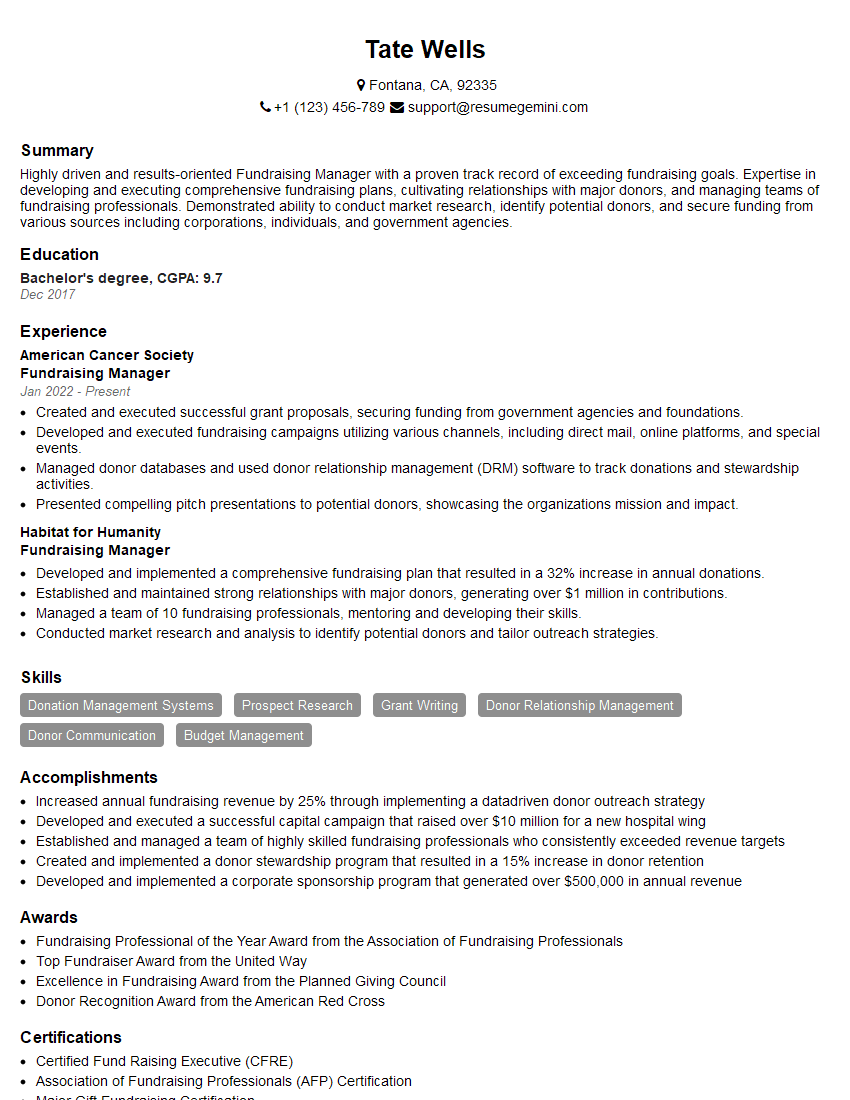
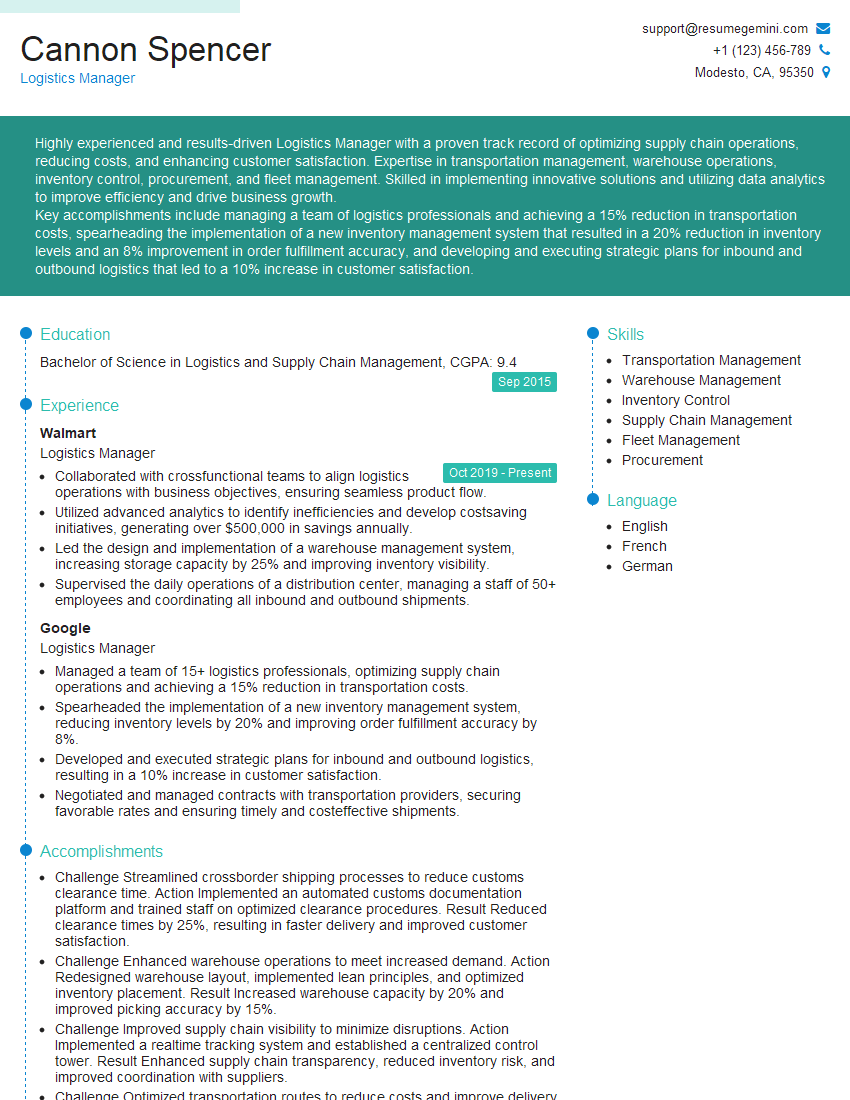
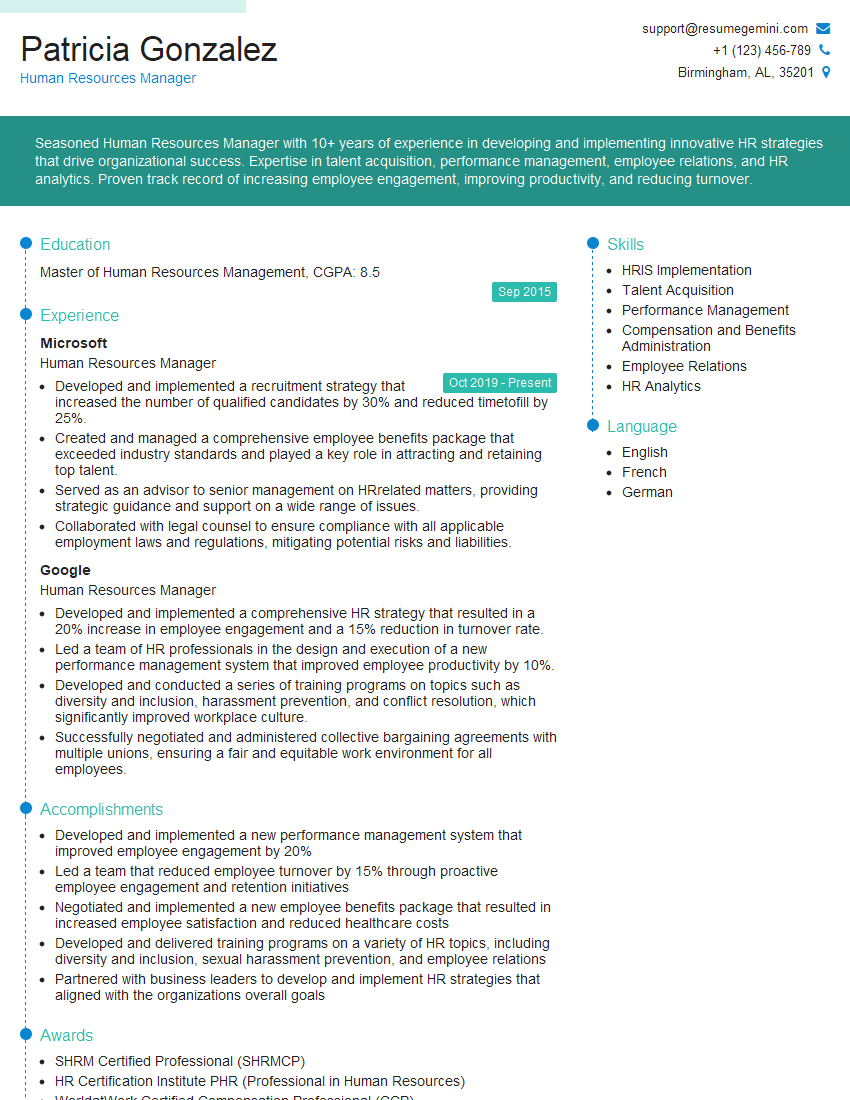
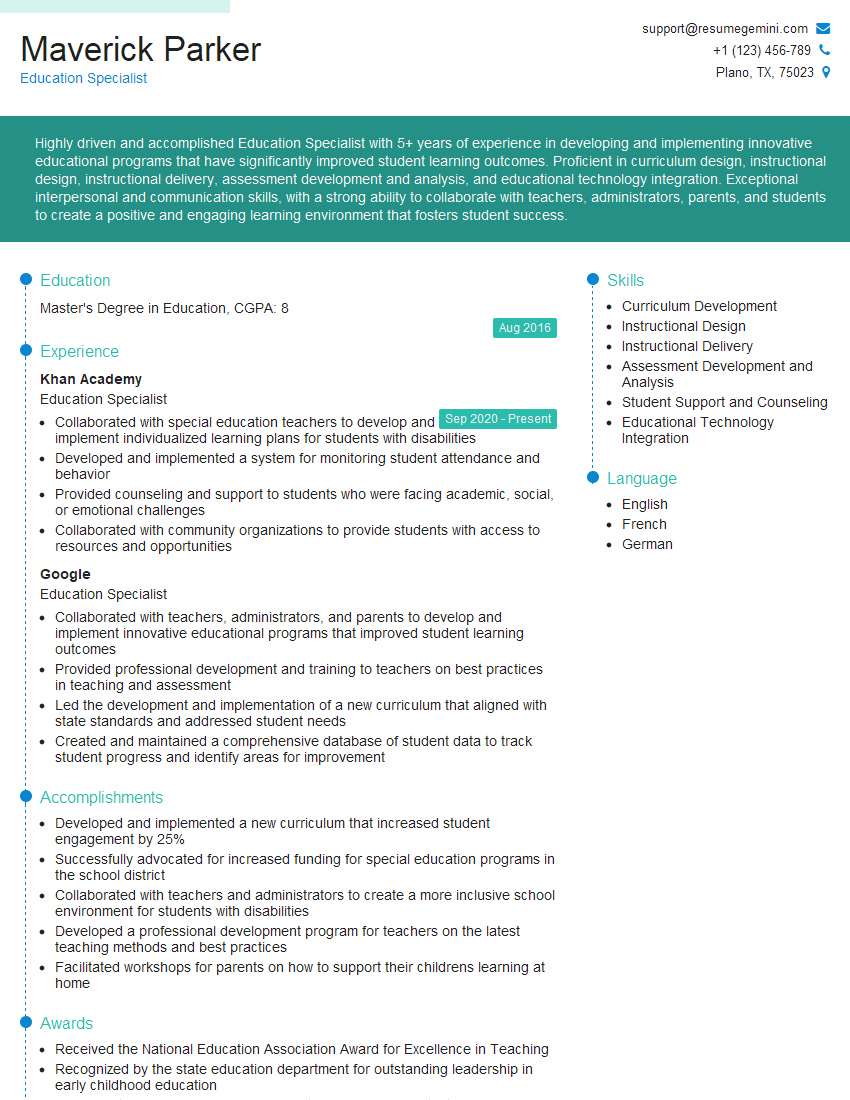
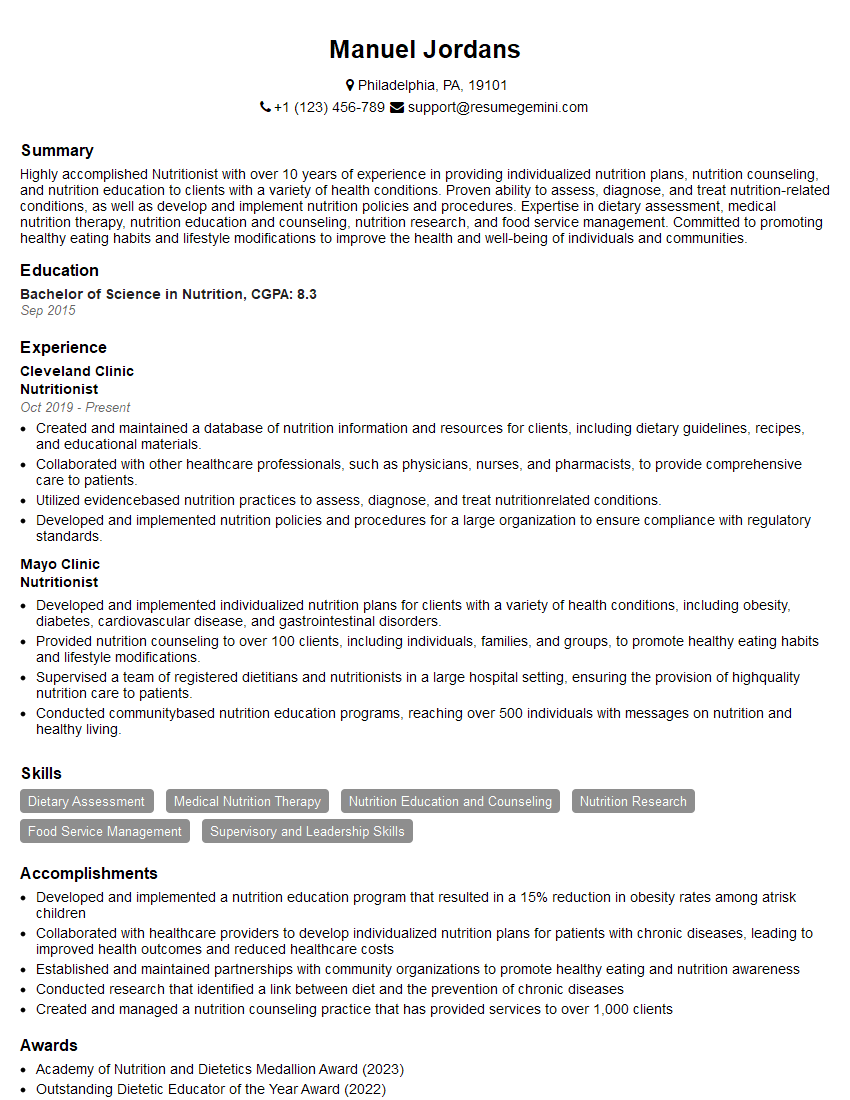
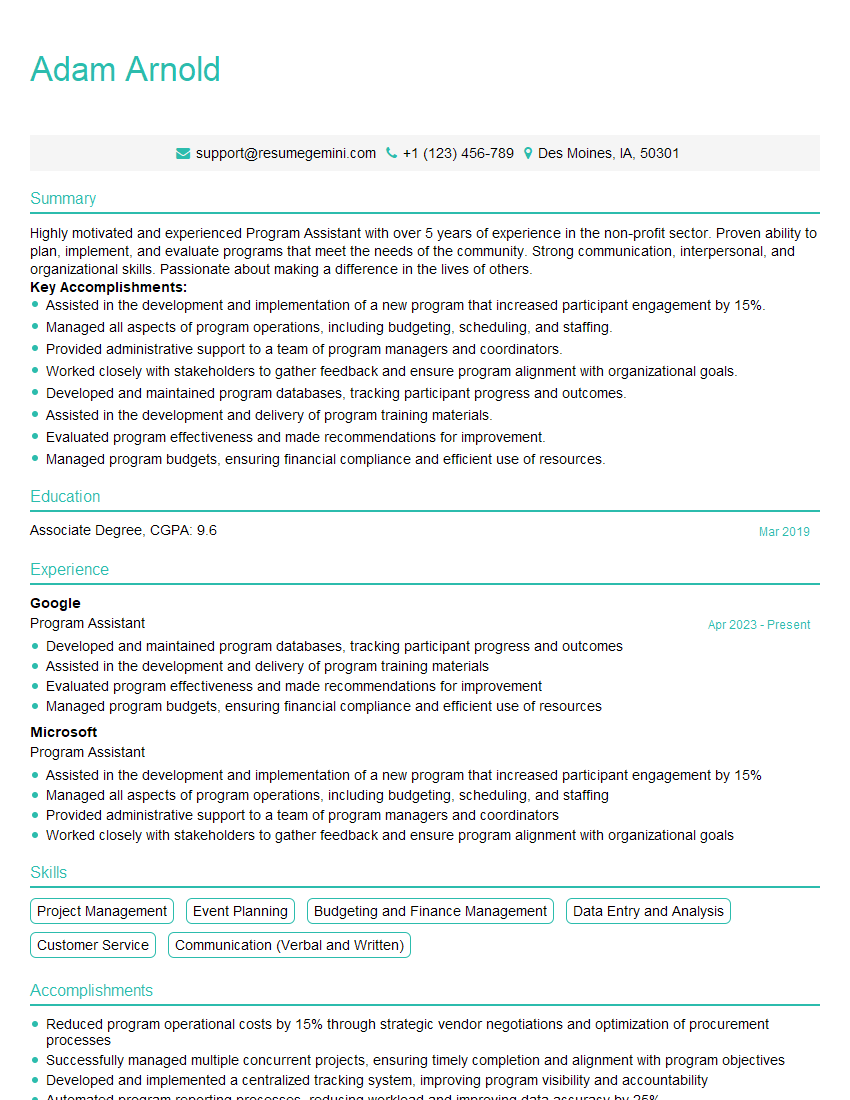
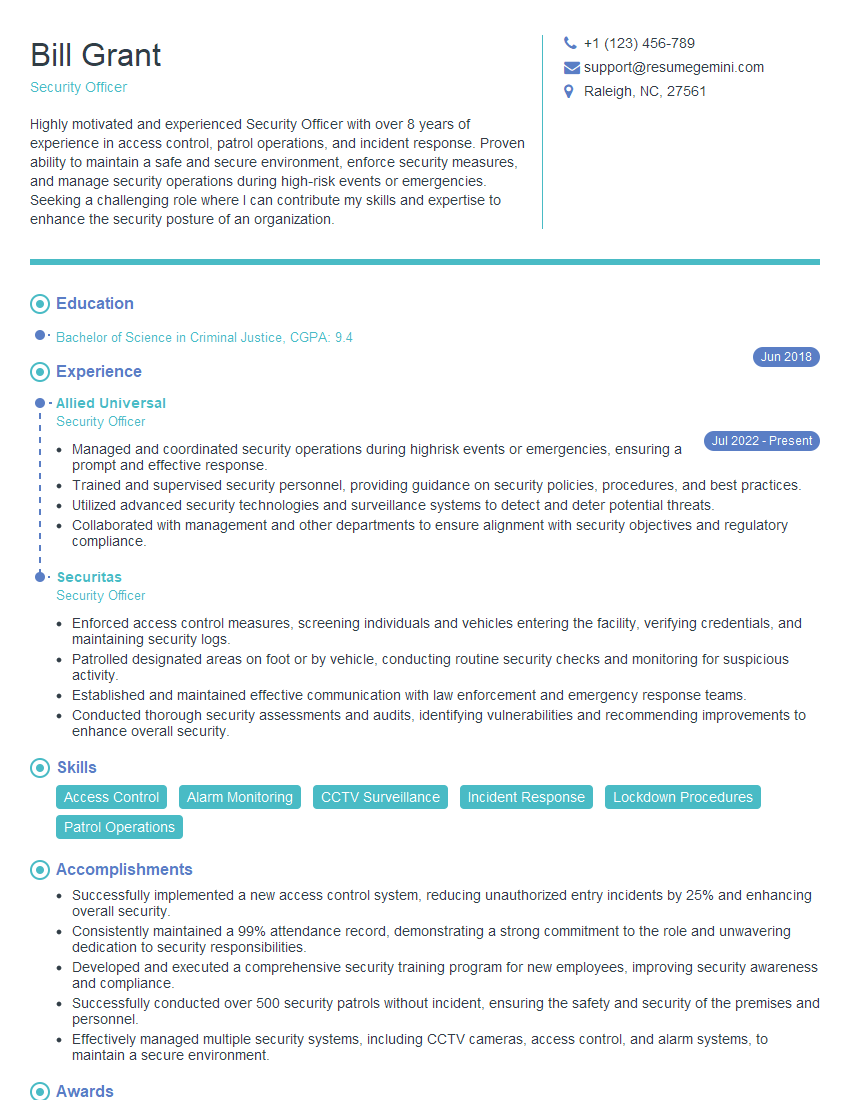
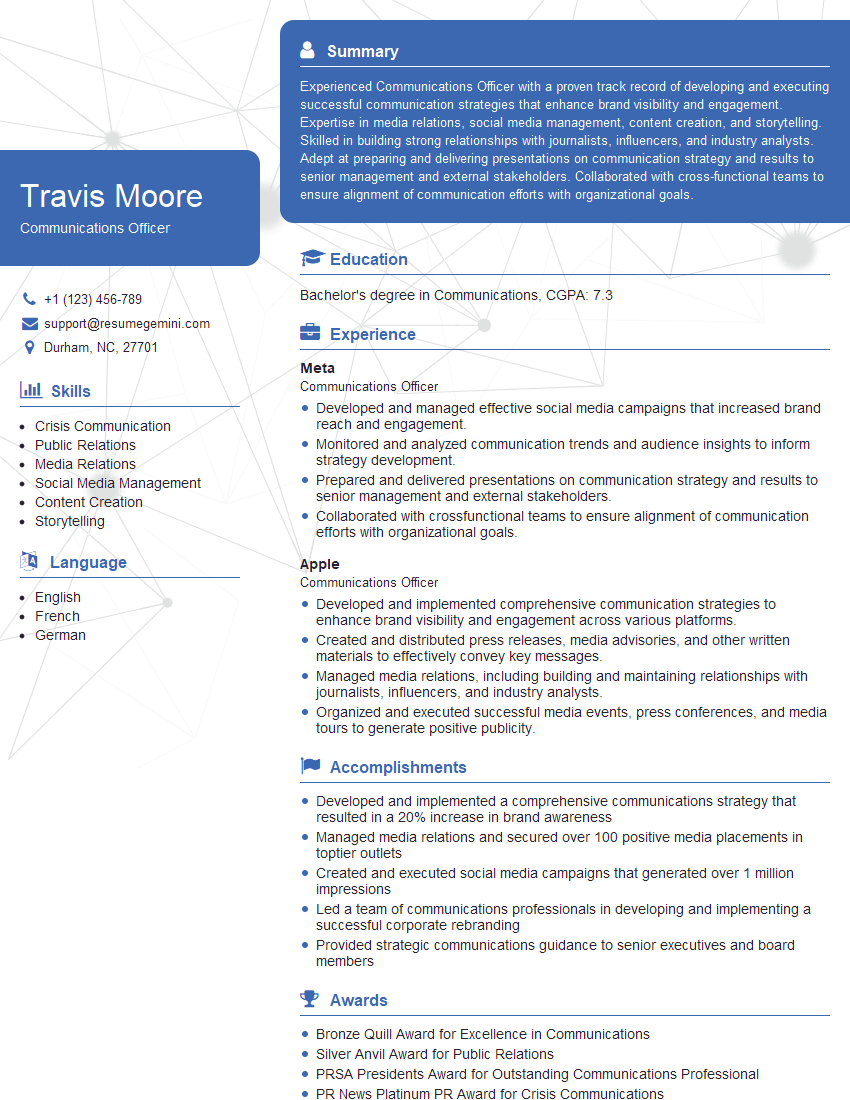
Mastering Humanitarian Aid and Development principles is crucial for career advancement in this impactful field. A strong understanding of these concepts will significantly enhance your interview performance and open doors to exciting opportunities. To maximize your chances, creating an ATS-friendly resume is vital. This ensures your application gets noticed by recruiters. We recommend using ResumeGemini, a trusted resource, to build a professional and effective resume that highlights your skills and experience. ResumeGemini provides examples of resumes tailored to Humanitarian Aid and Development, helping you showcase your qualifications effectively. Take the next step towards your dream career today!
Explore more articles
Users Rating of Our Blogs
Share Your Experience
We value your feedback! Please rate our content and share your thoughts (optional).
What Readers Say About Our Blog
To the interviewgemini.com Webmaster.
Very helpful and content specific questions to help prepare me for my interview!
Thank you
To the interviewgemini.com Webmaster.
This was kind of a unique content I found around the specialized skills. Very helpful questions and good detailed answers.
Very Helpful blog, thank you Interviewgemini team.