The thought of an interview can be nerve-wracking, but the right preparation can make all the difference. Explore this comprehensive guide to Incident Response and Restoration interview questions and gain the confidence you need to showcase your abilities and secure the role.
Questions Asked in Incident Response and Restoration Interview
Q 1. Describe your experience in incident response methodologies (e.g., NIST, ISO 27001).
My incident response experience is deeply rooted in established methodologies like NIST Cybersecurity Framework and ISO 27001. I’ve consistently applied the principles of these frameworks in numerous real-world scenarios. NIST’s framework, with its focus on Identify, Protect, Detect, Respond, and Recover, provides a structured approach, guiding the entire incident lifecycle. I’ve used this framework to develop and implement incident response plans for organizations of varying sizes and across different sectors. For example, during a recent ransomware attack, we leveraged the NIST framework to swiftly contain the incident, recover critical systems, and implement long-term preventative measures. ISO 27001, on the other hand, provides a more comprehensive approach to information security management, ensuring the organization’s overall security posture is robust and proactive, which directly supports effective incident response. My experience includes developing and auditing security controls aligned with ISO 27001, minimizing vulnerabilities and ultimately improving our ability to handle security incidents efficiently.
I understand the importance of tailoring the response to the specific context, always prioritizing the speed and effectiveness of remediation while adhering to legal and regulatory requirements. This often involves collaborating with internal teams and external experts to ensure a thorough and comprehensive response.
Q 2. Explain the process of containment during a security incident.
Containment is crucial in incident response; it’s about limiting the damage and preventing further compromise. Think of it like containing a fire – you wouldn’t let it spread throughout the entire building. The process involves several key steps:
- Isolate affected systems: This could involve disconnecting infected machines from the network, taking down affected services, or even isolating specific network segments. We might use firewalls, intrusion prevention systems, or simply unplug devices.
- Identify affected data: Determining which systems and data have been compromised is vital to understand the extent of the breach. This often involves log analysis and system audits.
- Implement access controls: Restricting access to compromised systems and data helps prevent further damage and data exfiltration. This could involve changing passwords, disabling accounts, or implementing stricter access control lists.
- Monitor the situation: Continuous monitoring is crucial to observe the effectiveness of containment measures and identify any further spread of the incident. Real-time monitoring tools and security information and event management (SIEM) systems are invaluable here.
For instance, during a phishing attack, containment might involve immediately disconnecting the compromised workstation from the network, isolating the affected email accounts, and initiating password resets for all users.
Q 3. How do you prioritize incidents based on severity and impact?
Prioritizing incidents is critical to manage resources effectively and mitigate the most significant risks first. We typically use a framework that considers both severity and impact. Severity refers to the inherent danger or risk level of the incident itself (e.g., a critical vulnerability exploited versus a low-level phishing attempt). Impact measures the consequences of the incident on the organization (e.g., data loss, financial impact, reputational damage).
A commonly used approach is a risk matrix, which plots incidents based on their severity and impact scores. Incidents falling into the high-severity/high-impact quadrant are prioritized immediately, while lower-risk incidents are addressed later. For example, a ransomware attack encrypting critical production systems would be given top priority, whereas a low-level denial-of-service (DoS) attack targeting a less critical service would have a lower priority. We often use a weighted scoring system to handle nuanced situations and ensure consistent prioritization across incidents.
Q 4. What are the key steps in the eradication phase of incident response?
Eradication focuses on completely removing the threat from the affected systems and network. It’s not just about cleaning up the symptoms, but targeting the root cause. Key steps include:
- Malware removal: Employing anti-malware tools and techniques, like manual malware removal, to eliminate the malicious software. This may involve using specialized forensic tools to analyze infected files and registry entries.
- System restoration: Restoring systems to a known good state, often using backups, to ensure the compromised components are fully replaced with clean versions. This often involves verifying the integrity of the backups before restoring them.
- Vulnerability patching: Identifying and patching the vulnerabilities that allowed the intrusion. This is crucial to prevent future attacks through the same means. This involves updating operating systems, applications and network devices.
- Configuration hardening: Strengthening system security configurations to prevent future intrusions. This might include disabling unnecessary services, strengthening password policies, implementing multi-factor authentication, etc.
- Data recovery: If data has been compromised, a recovery plan should be in place for restoring critical data from backups, ensuring data integrity and recovery point objectives (RPO) are met.
For example, after a successful ransomware attack, eradication would include removing the ransomware, restoring systems from clean backups, and patching vulnerabilities in the systems that allowed the initial attack, along with strengthening access controls to prevent future compromises.
Q 5. How do you ensure the recovery process minimizes downtime and data loss?
Minimizing downtime and data loss during recovery is paramount. This requires a well-defined recovery plan and robust infrastructure:
- Regular backups: Implementing a comprehensive backup and recovery strategy is essential, using multiple backup methods (e.g., full, incremental, differential backups) and storing backups offsite to protect against physical damage or theft. This should incorporate testing and validation of the backups.
- High availability and redundancy: Designing systems with redundancy (e.g., load balancing, failover clusters) to maintain service availability even during failures. This ensures business continuity in case of an incident.
- Disaster recovery planning: Developing a detailed disaster recovery plan that outlines procedures for recovering systems and data in the event of major disruptions, including testing and training of personnel on the DRP.
- Prioritized data restoration: Focusing on recovering the most critical systems and data first, minimizing the impact on business operations. This prioritization needs to be defined beforehand within the recovery plan.
- Automated recovery procedures: Where possible, automating recovery procedures using scripts and tools minimizes manual intervention and speeds up the recovery process.
For example, during a server failure, a well-defined recovery plan with automated failover mechanisms would swiftly switch to a redundant server, resulting in minimal downtime. Regular backups would then allow for data recovery from the affected server within a short timeframe.
Q 6. Explain your experience with log analysis and forensic techniques.
Log analysis and forensic techniques are indispensable for incident response. I’m proficient in analyzing various log types (system logs, application logs, network logs, security logs) using various tools such as SIEM systems, log management platforms, and specialized forensic tools like EnCase or FTK. This involves identifying patterns, anomalies, and suspicious activities that indicate a security breach. For example, a sudden surge in login attempts from unusual geographical locations could suggest a brute-force attack. My experience also includes performing memory forensics, disk forensics, and network forensics to gather evidence and reconstruct the timeline of events during an attack. I use techniques like timeline analysis, file carving, and data recovery to identify artifacts left behind by malicious actors. This allows for a detailed understanding of the attack methodology, enabling a more effective response and preventing future incidents.
I have experience with various scripting languages (Python, PowerShell) to automate log analysis and create custom tools to streamline the process. This ensures efficiency and consistency in incident response activities.
Q 7. Describe your experience with malware analysis and reverse engineering.
Malware analysis and reverse engineering are crucial for understanding the behavior and capabilities of malicious software. My experience encompasses static and dynamic analysis techniques. Static analysis involves examining the malware without executing it, looking at the code, file structures, and metadata to identify its potential functionality. Dynamic analysis involves running the malware in a controlled environment (e.g., a sandbox) to observe its behavior and actions. Reverse engineering focuses on understanding the malware’s inner workings by disassembling or decompiling the code. This provides crucial insight into the malware’s attack vector, functionality, and command and control (C&C) infrastructure. This allows for creation of detection signatures and specific remediation techniques.
I’m proficient in using various tools for malware analysis, including disassemblers (IDA Pro, Ghidra), debuggers (WinDbg, x64dbg), and sandboxing environments (such as Cuckoo Sandbox). I am also experienced in analyzing various types of malware including viruses, worms, trojans, and ransomware. This experience helps me develop effective mitigation and prevention strategies. For example, analyzing a newly discovered ransomware variant helped us develop a detection signature before it widely spread, protecting our clients’ systems from this threat.
Q 8. How do you identify and respond to phishing attacks?
Phishing attacks, designed to trick individuals into revealing sensitive information, require a multi-layered approach to identify and respond. Think of it like a security perimeter – we need to fortify it at several points.
Education and Awareness: The first line of defense is educating users about phishing tactics. This includes recognizing suspicious emails (e.g., unexpected attachments, urgent requests, grammatical errors), verifying sender authenticity, and understanding the importance of strong passwords and multi-factor authentication (MFA). We use simulated phishing campaigns to test user awareness and reinforce training.
Technical Controls: Next, technical measures are crucial. Email gateways with anti-spam and anti-phishing filters are essential. These filter out malicious emails based on various heuristics and known phishing indicators. URL rewriting can also redirect potentially malicious links to a sandbox for analysis before users access them. Security Information and Event Management (SIEM) systems can detect anomalous user behavior, such as unusual login attempts or clicks on suspicious links, triggering alerts.
Incident Response Plan: If a phishing attack is suspected or confirmed, our incident response plan kicks in. This involves isolating affected systems, containing the breach, identifying compromised accounts, resetting passwords, and performing a thorough forensic investigation. We document all actions taken, following a well-defined incident response methodology. For example, if an employee clicks a phishing link and their credentials are compromised, we immediately isolate their account, reset their password, and investigate the extent of the compromise.
Imagine it like a layered security system for your house – you have a fence, a door, an alarm, and even insurance. Each layer offers different levels of protection and response, minimizing the risk from a successful attack.
Q 9. What are your experiences with vulnerability scanning and penetration testing?
Vulnerability scanning and penetration testing are critical components of a robust security posture. Think of vulnerability scanning as a health check, and penetration testing as a simulated attack.
Vulnerability Scanning: I have extensive experience using tools like Nessus and OpenVAS to automate the process of identifying security flaws in systems and applications. These scans analyze software for known vulnerabilities based on publicly available databases like the National Vulnerability Database (NVD). The results provide a prioritized list of vulnerabilities allowing us to focus on the most critical issues first. For instance, finding an unpatched SQL injection vulnerability on a web server is a high priority and needs immediate attention.
Penetration Testing: Penetration testing goes beyond automated scanning by simulating real-world attacks. It involves ethical hackers attempting to exploit vulnerabilities to assess the effectiveness of security controls. This provides a more realistic assessment of our security posture. I’ve been involved in both black-box (no prior knowledge of the system) and white-box (with full system knowledge) testing. A penetration test might reveal that despite vulnerability scanning identifying weaknesses, our firewall rules are improperly configured, allowing unauthorized access.
Combining these techniques provides a comprehensive view of our security risks, enabling proactive mitigation before attackers can exploit weaknesses.
Q 10. Explain your understanding of different types of security incidents (e.g., ransomware, DDoS).
Security incidents are varied, each demanding a unique response. Understanding their characteristics is crucial for effective remediation.
Ransomware: This malicious software encrypts critical data, rendering it inaccessible until a ransom is paid. Response involves isolating infected systems, preventing further spread, and determining the extent of data encryption. Data recovery strategies, whether from backups or decryption tools, are crucial. We never pay ransoms, as it encourages further attacks and doesn’t guarantee data recovery.
Distributed Denial of Service (DDoS): These attacks flood systems with traffic, disrupting service availability. Mitigation involves identifying the source of the attack, working with internet service providers (ISPs) to filter malicious traffic, and implementing traffic filtering and load balancing measures to improve resilience. We might use cloud-based DDoS mitigation services to absorb the malicious traffic.
Data Breaches: Unauthorized access or disclosure of sensitive data requires swift action. The response involves identifying the scope of the breach, notifying affected individuals and regulatory bodies (when applicable), and implementing measures to prevent future breaches. This includes patching vulnerabilities, improving access controls, and enhancing security awareness training.
Malware Infections: This broad category encompasses various malicious software, from viruses to spyware. Responding requires isolating infected systems, removing the malware, and investigating the infection vector. We would use antivirus software, forensic tools, and potentially engage external experts for advanced malware analysis.
Each incident requires a tailored approach based on its specific characteristics. A well-defined incident response plan acts as a roadmap to guide our actions.
Q 11. How do you document and communicate incident response activities?
Documentation and communication are paramount during incident response. Thorough documentation provides a record of events and actions, supporting future investigations and preventing recurrence. Clear communication keeps stakeholders informed and ensures coordinated efforts.
Documentation: We maintain detailed logs of all activities, including timestamps, actions taken, and the individuals involved. This includes evidence gathering, system logs, network traffic analysis, and interview notes. We use a standardized incident report template to ensure consistency and completeness.
Communication: Clear and timely communication is crucial. We utilize various channels – email, phone, and secure messaging systems – to communicate with stakeholders, including management, legal counsel, and potentially affected individuals or regulatory bodies. We maintain a communication log tracking who was notified, when, and by what method.
Think of documentation and communication as the two pillars of a successful incident response. They not only help us resolve the current crisis but also contribute to long-term security improvements.
Q 12. Describe your experience with incident response tools (e.g., SIEM, SOAR).
Incident response tools significantly enhance our effectiveness. They streamline processes, automate tasks, and provide valuable insights.
Security Information and Event Management (SIEM): SIEM systems collect and analyze security logs from various sources, providing real-time threat detection and incident response capabilities. They enable us to identify suspicious activities, correlate events, and pinpoint the source of attacks. For example, a SIEM can detect unusual login attempts from a geographical location outside of an employee’s typical working area.
Security Orchestration, Automation, and Response (SOAR): SOAR platforms automate incident response tasks, such as isolating infected systems, quarantining malware, and deploying security controls. This frees up security personnel to focus on more complex investigations and reduces the time to resolve incidents. A SOAR platform might automatically block malicious IPs identified by the SIEM, reducing the impact of an attack.
Endpoint Detection and Response (EDR): EDR solutions provide visibility into endpoint activity, enabling detection and response to threats on individual devices. They allow us to identify malware infections, analyze malicious behavior, and take automated remediation actions. EDR can provide forensic information that helps understand how an attacker gained access to the system.
These tools are essential for efficient and effective incident response, enhancing our ability to detect, analyze, and resolve security threats.
Q 13. How do you handle sensitive data during incident response?
Handling sensitive data during incident response is critical. We adhere to strict protocols to ensure data privacy and compliance with regulations like GDPR and CCPA.
Data Encryption: We employ strong encryption to protect sensitive data at rest and in transit. This minimizes the risk of data compromise even if a breach occurs.
Access Control: We implement strict access control measures, limiting access to sensitive data only to authorized personnel who need it for the investigation. We utilize role-based access control (RBAC) to manage permissions.
Data Loss Prevention (DLP): DLP tools help prevent sensitive data from leaving the organization’s control. They monitor data movement and block unauthorized transfers. This helps prevent data exfiltration during an incident.
Chain of Custody: We maintain a strict chain of custody for all evidence collected during the incident response process. This ensures data integrity and legal admissibility.
Protecting sensitive data is our highest priority, and we utilize a variety of technical and procedural controls to safeguard it throughout the incident response process.
Q 14. Explain your experience with incident post-mortem analysis and reporting.
Post-incident analysis is crucial for learning from past mistakes and improving our security posture. It involves a thorough review of the incident, identifying root causes, and implementing preventive measures.
Root Cause Analysis: We use a variety of techniques to identify the root causes of the incident, including fault tree analysis and the 5 Whys method. This helps us understand why the incident occurred and how to prevent similar incidents in the future.
Lessons Learned: We document all lessons learned from the incident, including improvements to our security controls, processes, and training programs. This information is shared with relevant teams to prevent future incidents.
Reporting: We prepare a comprehensive report summarizing the incident, its impact, the response actions taken, and the lessons learned. This report is shared with stakeholders, including management, legal counsel, and regulatory bodies.
The post-incident analysis process is not just about resolving the immediate issue but also about building a more resilient and secure organization. It’s a continuous cycle of learning and improvement.
Q 15. What are the key metrics you use to measure the effectiveness of incident response?
Measuring the effectiveness of incident response isn’t just about speed; it’s about minimizing impact and improving future preparedness. Key metrics fall into several categories:
- Time-based metrics: Mean Time To Detect (MTTD), Mean Time To Respond (MTTR), Mean Time To Containment (MTTC). A shorter MTTD indicates proactive security measures are working. A lower MTTR and MTTC show efficiency in handling incidents and minimizing disruption.
- Impact-based metrics: Number of affected systems, data breach size, financial loss, reputational damage. Lower numbers in these areas demonstrate effective response and mitigation.
- Process-based metrics: Adherence to incident response plan, completeness of post-incident reviews, effectiveness of training programs. These reveal weaknesses in processes and highlight areas for improvement.
- Effectiveness of preventative measures: Reduction in the number and severity of incidents post-incident response improvements. This long-term metric measures the lasting impact of our response efforts.
For example, in one case, we reduced our MTTR by 40% after implementing an automated alert system and improved our incident response playbook. This directly translated to reduced downtime and financial losses.
Career Expert Tips:
- Ace those interviews! Prepare effectively by reviewing the Top 50 Most Common Interview Questions on ResumeGemini.
- Navigate your job search with confidence! Explore a wide range of Career Tips on ResumeGemini. Learn about common challenges and recommendations to overcome them.
- Craft the perfect resume! Master the Art of Resume Writing with ResumeGemini’s guide. Showcase your unique qualifications and achievements effectively.
- Don’t miss out on holiday savings! Build your dream resume with ResumeGemini’s ATS optimized templates.
Q 16. Describe your experience with cloud security incidents (e.g., AWS, Azure, GCP).
I have extensive experience handling cloud security incidents across AWS, Azure, and GCP. My experience encompasses a wide range of scenarios, including:
- Data breaches: Identifying the source of unauthorized access, containing the breach, recovering data, and implementing preventative measures. I’ve worked on cases involving compromised S3 buckets (AWS) and misconfigured Azure storage accounts.
- Misconfigurations: Detecting and rectifying security vulnerabilities arising from improper cloud configurations. This often involves reviewing IAM roles (AWS), Azure RBAC, and GCP IAM policies to identify and fix excessive permissions.
- Malware infections: Investigating and remediating malware infections on cloud-based servers and virtual machines. This includes analyzing logs, isolating affected instances, and restoring from backups. I have experience using cloud-native security tools like GuardDuty (AWS) and Azure Security Center to detect and respond to these events.
- DDoS attacks: Mitigating distributed denial-of-service attacks leveraging cloud-based security tools and techniques. This often involves working with cloud providers to implement scaling and traffic management solutions.
In one particular case involving an AWS environment, we used CloudTrail logs to identify the compromised user account responsible for a data breach, allowing for swift containment and remediation.
Q 17. How do you maintain compliance with relevant regulations (e.g., GDPR, CCPA)?
Maintaining compliance with regulations like GDPR and CCPA is crucial. My approach involves a multi-faceted strategy:
- Proactive risk assessment: Regularly assess our systems and processes to identify potential compliance gaps. We use frameworks like NIST Cybersecurity Framework to guide our efforts.
- Policy development and implementation: Developing and implementing policies and procedures that align with regulatory requirements. This includes data protection policies, incident response plans, and employee training programs.
- Data mapping and inventory: Maintaining a comprehensive inventory of all data assets, including their location, sensitivity, and retention policies. This is fundamental for data subject requests and impact assessments.
- Monitoring and auditing: Regularly monitoring our systems for compliance and conducting internal audits to ensure adherence to policies and regulations. We leverage automated tools where applicable.
- Incident response planning: Having a well-defined incident response plan that includes procedures for handling data breaches and notifying affected individuals as required by law.
For instance, when responding to a data breach, we prioritize immediate containment, investigation, and notification to affected individuals and regulatory bodies in accordance with the relevant legal timelines and requirements.
Q 18. Describe your experience with incident communication and stakeholder management.
Effective incident communication and stakeholder management are critical to successful incident response. My approach is based on transparency, timeliness, and clear, concise communication. I use a communication plan that includes:
- Identifying key stakeholders: Determining who needs to be informed and at what stage of the incident response process. This might include senior management, legal counsel, public relations, and affected customers.
- Establishing communication channels: Choosing appropriate channels for communication, such as email, phone, and secure messaging platforms. This ensures timely and secure information sharing.
- Developing consistent messaging: Creating a consistent narrative across all communications to avoid confusion and maintain trust.
- Regular updates: Providing regular updates to stakeholders on the incident’s progress, impact, and remediation efforts.
- Post-incident communication: Following up with stakeholders after the incident is resolved to summarize findings, address concerns, and implement lessons learned.
In one case, proactive communication with customers during a service outage helped prevent reputational damage and maintain customer confidence.
Q 19. Explain your understanding of different types of security logs and their importance.
Security logs are the lifeblood of incident response. Different types provide different insights:
- System logs: Record system events such as login attempts, file access, and software installations (e.g., Windows Event Logs, syslog). Crucial for identifying unauthorized access or malicious activity.
- Application logs: Track application-specific events, like user actions, errors, and data modifications. Essential for pinpointing vulnerabilities within applications.
- Network logs: Capture network traffic, including source/destination IP addresses, ports, and protocols. Helpful in detecting intrusions and identifying malicious network activity (e.g., firewall logs, IDS/IPS logs).
- Security Information and Event Management (SIEM) logs: Aggregate and analyze logs from various sources, providing a centralized view of security events. SIEM systems often include anomaly detection capabilities.
- Database logs: Record database activities like queries, changes, and access attempts. Vital for identifying data breaches or unauthorized data modifications.
For example, analyzing application logs helped us trace a specific user’s actions leading to a data leak, allowing us to promptly implement access controls.
Q 20. How do you ensure the integrity and confidentiality of evidence during incident response?
Maintaining the integrity and confidentiality of evidence is paramount. My approach involves:
- Chain of custody: Documenting the handling of evidence from acquisition to analysis, ensuring its authenticity and preventing tampering. This includes detailed logs of who accessed the evidence and when.
- Hashing: Calculating cryptographic hashes of evidence to verify its integrity and detect any unauthorized modifications. Changes in the hash value indicate tampering.
- Data encryption: Encrypting sensitive data to protect its confidentiality during transport and storage. We use strong encryption algorithms and secure storage solutions.
- Secure storage: Storing evidence in a secure location, either physically or digitally, with access control measures in place to prevent unauthorized access.
- Write-blocking: Using write-blocking tools to prevent accidental or malicious modification of evidence during the forensic process.
For instance, in one investigation, we used bit-level imaging to create forensic copies of hard drives, ensuring the original evidence remained untouched while we conducted our analysis.
Q 21. What is your experience with digital forensics tools and techniques?
I have extensive experience with various digital forensics tools and techniques. My expertise includes:
- Disk imaging and analysis: Using tools like FTK Imager and EnCase to create forensic copies of hard drives and analyze file systems for evidence.
- Memory forensics: Employing tools like Volatility to analyze memory dumps and identify malware, running processes, and network connections.
- Network forensics: Utilizing tools like Wireshark to capture and analyze network traffic, identifying malicious activity and reconstructing attack timelines.
- Log analysis: Analyzing security logs using tools like Splunk and ELK stack to identify patterns and anomalies indicative of malicious activity.
- Malware analysis: Using sandboxing and reverse-engineering techniques to analyze malware samples and understand their behavior.
In a recent case, using Volatility, we successfully recovered deleted files from RAM, crucial in identifying the source of a ransomware attack.
Q 22. Explain your understanding of the different stages of the incident lifecycle.
The incident lifecycle is a structured approach to handling security incidents, ensuring a consistent and effective response. It typically involves several key stages:
- Preparation: This crucial initial phase involves developing an incident response plan (IRP), defining roles and responsibilities, establishing communication channels, and conducting regular training exercises. Think of it as assembling your toolkit and rehearsing your procedures before a fire breaks out.
- Identification: This is when the incident is detected, whether through automated alerts, security monitoring, or user reports. It’s like noticing the smoke – a critical first step to effective action.
- Containment: The goal here is to limit the damage and prevent further spread of the incident. This might involve isolating infected systems, blocking network traffic, or temporarily shutting down services. Imagine containing the fire to a single room before it spreads.
- Eradication: This stage focuses on removing the root cause of the incident, such as malware or a compromised account. This is like putting out the fire completely.
- Recovery: Systems and data are restored to a functional state. This involves rebuilding affected systems, recovering data from backups, and validating functionality. This is restoring the building after the fire.
- Post-Incident Activity: This final, but vital, phase includes conducting a thorough review of the incident, identifying lessons learned, updating the IRP, and implementing preventive measures to reduce the risk of future similar incidents. This is like analyzing the cause of the fire to prevent future occurrences. A post-incident review is crucial for continuous improvement.
Each stage is interconnected, and effective incident response requires a smooth transition between them. A well-defined lifecycle ensures a coordinated and efficient response, minimizing damage and downtime.
Q 23. How do you collaborate with other security teams and stakeholders?
Collaboration is paramount in incident response. I leverage various communication tools and strategies to ensure seamless coordination. I actively participate in regular meetings with security teams, including network security, system administration, and security operations, to share information, coordinate actions, and ensure a unified response.
With stakeholders, including management, legal, and public relations, I maintain open and transparent communication, providing regular updates on the incident’s status, potential impact, and remediation efforts. This proactive approach helps to mitigate risks and maintain trust. I tailor my communication to each stakeholder’s specific needs and technical understanding, ensuring that everyone is informed and aligned. For example, I’d use technical jargon with the security team but avoid it with the board of directors.
I also utilize collaborative platforms and ticketing systems to track progress, share information, and maintain a centralized record of activities. This ensures that everyone is on the same page, even during stressful situations. Documentation is key, especially when multiple teams are involved. For example, during a ransomware attack, constant updates and clear communication were essential for successfully coordinating the containment, eradication, and recovery processes.
Q 24. Describe a challenging incident response situation you faced and how you resolved it.
During my time at a previous organization, we experienced a sophisticated ransomware attack. The attackers managed to bypass our initial defenses and encrypt a significant portion of our critical business data, including customer records and financial information. The initial challenge was containing the spread of the malware to prevent further encryption. We immediately isolated affected servers, temporarily shutting down critical systems to halt the ransomware’s progression.
Next, we engaged our forensic team to analyze the attack vectors and identify the malware variant. Eradication proved difficult, as the malware employed advanced techniques to evade detection. We worked closely with cybersecurity experts and a specialized incident response team. Our recovery phase involved using our backups to restore encrypted data and systems. We rigorously tested the restored systems to verify functionality before bringing them fully online. This required several days of constant monitoring and verification.
The most important element of our resolution was implementing enhanced security measures to prevent future attacks. This included a review of our existing security posture, patching vulnerabilities, upgrading security software and implementing multi-factor authentication and enhanced security awareness training for all employees. Through a thorough post-incident review, we identified critical gaps and weaknesses that allowed the attack to occur in the first place. We also improved our incident response plan and established better communication protocols.
Q 25. How do you stay updated with the latest threats and vulnerabilities?
Staying updated on the ever-evolving threat landscape is crucial. I employ a multi-faceted approach:
- Threat Intelligence Feeds: I subscribe to reputable threat intelligence feeds and security advisories from organizations like the Cybersecurity and Infrastructure Security Agency (CISA), and private security companies. These feeds provide early warnings of emerging threats and vulnerabilities.
- Security Conferences and Webinars: Attending industry conferences and webinars allows me to network with other professionals and learn about the latest threats and best practices. It’s a great way to get first-hand insights and learn from others’ experiences.
- Vulnerability Databases: I regularly monitor vulnerability databases such as the National Vulnerability Database (NVD) and Exploit-DB to stay informed about newly discovered vulnerabilities and their potential impact.
- Security Blogs and Publications: Reading security blogs and publications written by industry experts keeps me updated on the latest trends and research.
- Professional Certifications: Pursuing and maintaining relevant certifications like Certified Incident Handler (CIH) demonstrates commitment to professional development and keeps my skills sharp.
This comprehensive strategy ensures I maintain a proactive approach to threat detection and response.
Q 26. What are your salary expectations?
My salary expectations are in line with the industry standard for my experience and skillset in incident response and restoration, considering the specific requirements and responsibilities of this role. I am open to discussing a competitive compensation package that reflects my value and contribution to your organization.
Q 27. Do you have any questions for me?
Yes, I have a few questions. I’d like to learn more about the organization’s existing incident response plan and the team structure. Also, I’m interested in understanding the types of incidents the team typically handles and the tools and technologies used in the process. Finally, I’d appreciate the opportunity to discuss career growth opportunities within the organization.
Key Topics to Learn for Incident Response and Restoration Interview
- Incident Response Lifecycle: Understand the phases (preparation, identification, containment, eradication, recovery, lessons learned) and their practical application in various scenarios.
- Threat Modeling and Vulnerability Assessment: Learn how to identify potential threats and vulnerabilities within systems and networks, and apply this knowledge to proactive incident prevention.
- Digital Forensics: Gain a foundational understanding of data acquisition, analysis, and preservation techniques crucial for investigating security incidents.
- Malware Analysis: Develop skills in identifying, analyzing, and understanding the behavior of malicious software. This includes static and dynamic analysis techniques.
- Security Information and Event Management (SIEM): Learn how to utilize SIEM tools for log analysis, threat detection, and incident response orchestration.
- Incident Reporting and Communication: Master clear and concise communication techniques for reporting incidents to stakeholders, including technical and non-technical audiences.
- Disaster Recovery Planning and Business Continuity: Understand the principles of business continuity and disaster recovery, including developing and testing recovery plans.
- Cloud Security Incident Response: Familiarize yourself with the unique challenges and considerations involved in responding to incidents within cloud environments (AWS, Azure, GCP).
- Problem-Solving and Root Cause Analysis: Develop your analytical skills to effectively troubleshoot incidents and identify the root causes of security breaches.
- Legal and Regulatory Compliance: Understand relevant regulations (e.g., GDPR, CCPA) and their impact on incident response procedures.
Next Steps
Mastering Incident Response and Restoration is crucial for a successful and rewarding career in cybersecurity. It demonstrates a high level of technical expertise and problem-solving ability, opening doors to exciting opportunities and career advancement. To significantly increase your chances of landing your dream role, crafting an ATS-friendly resume is paramount. This ensures your qualifications are effectively communicated to hiring managers and Applicant Tracking Systems. We highly recommend using ResumeGemini to build a professional and impactful resume that showcases your skills and experience. ResumeGemini provides examples of resumes tailored specifically to Incident Response and Restoration roles, offering you a head start in creating a compelling application.
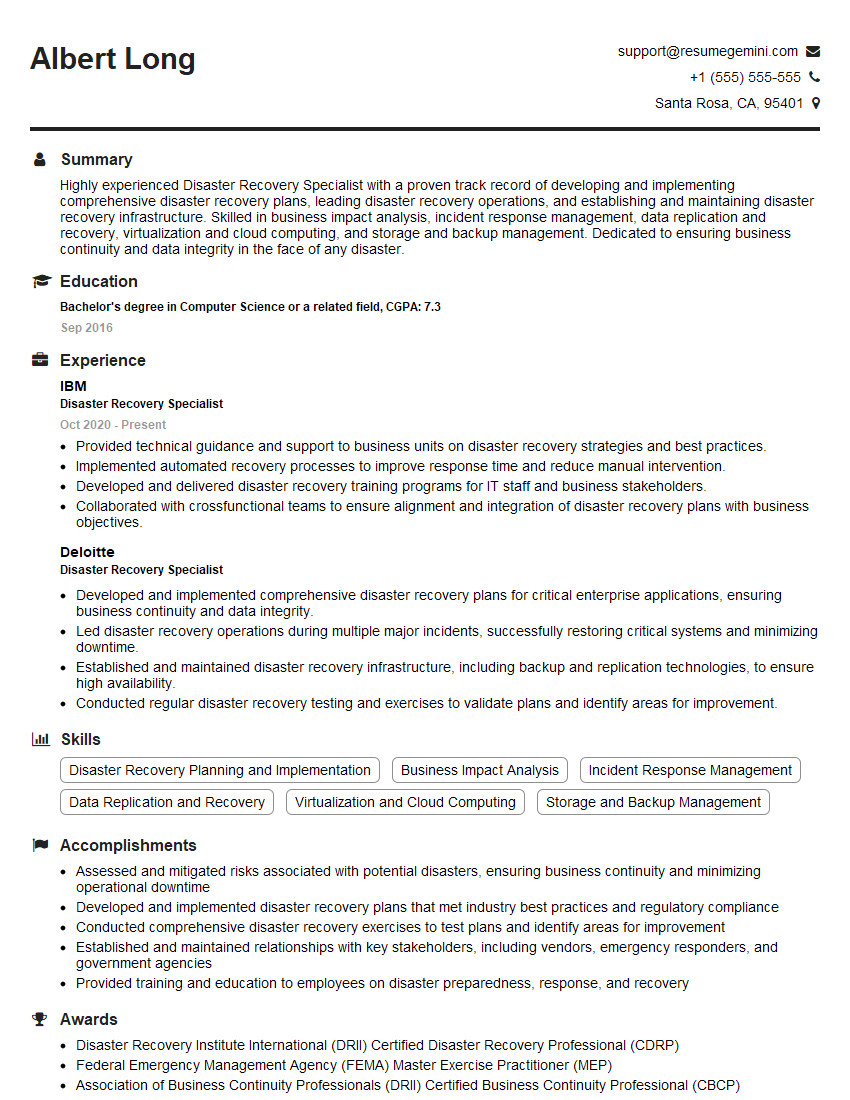
Disaster Recovery Specialist Resume Sample

Compliance Officer Resume Sample
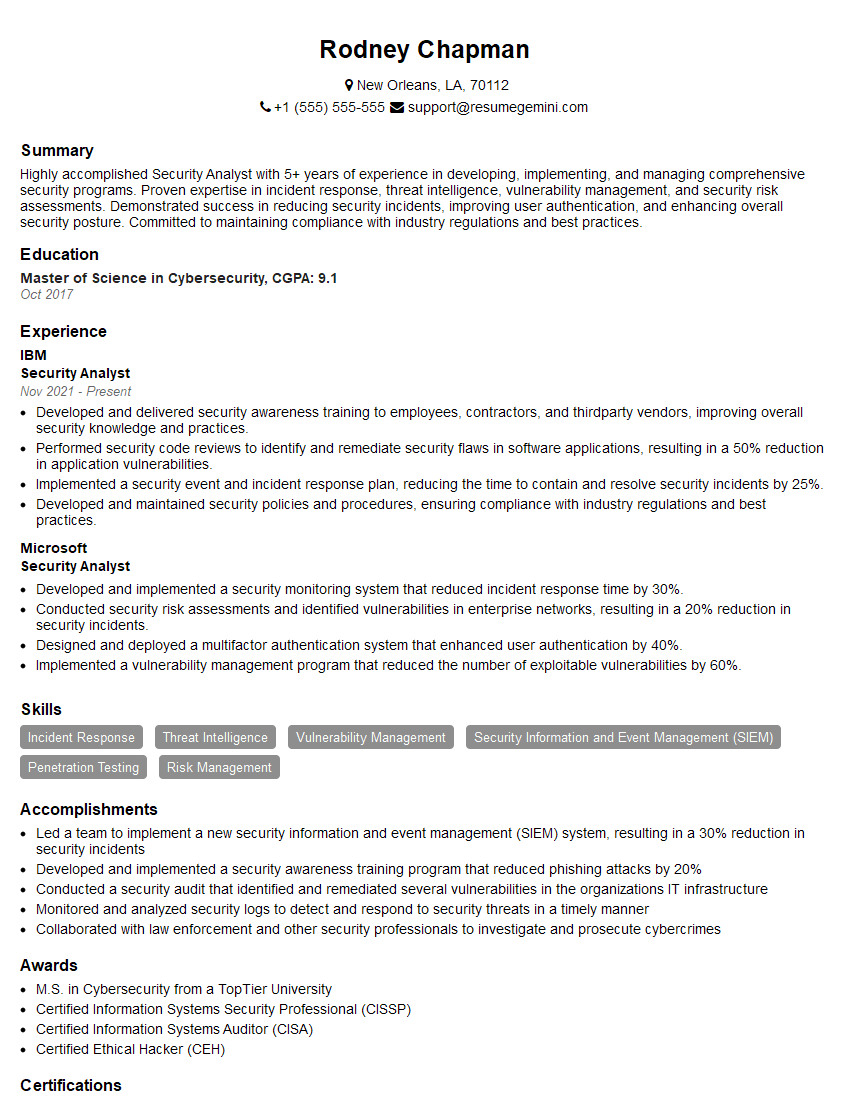
Security Analyst Resume Sample
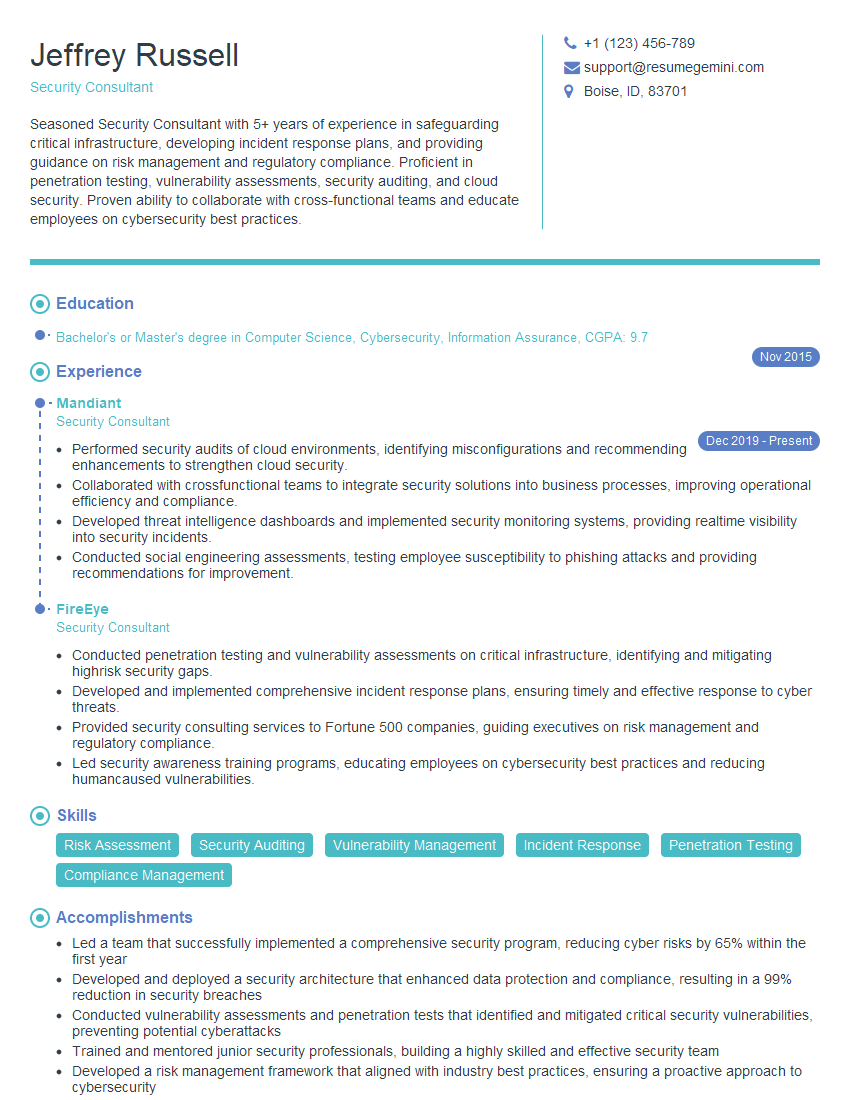
Security Consultant Resume Sample
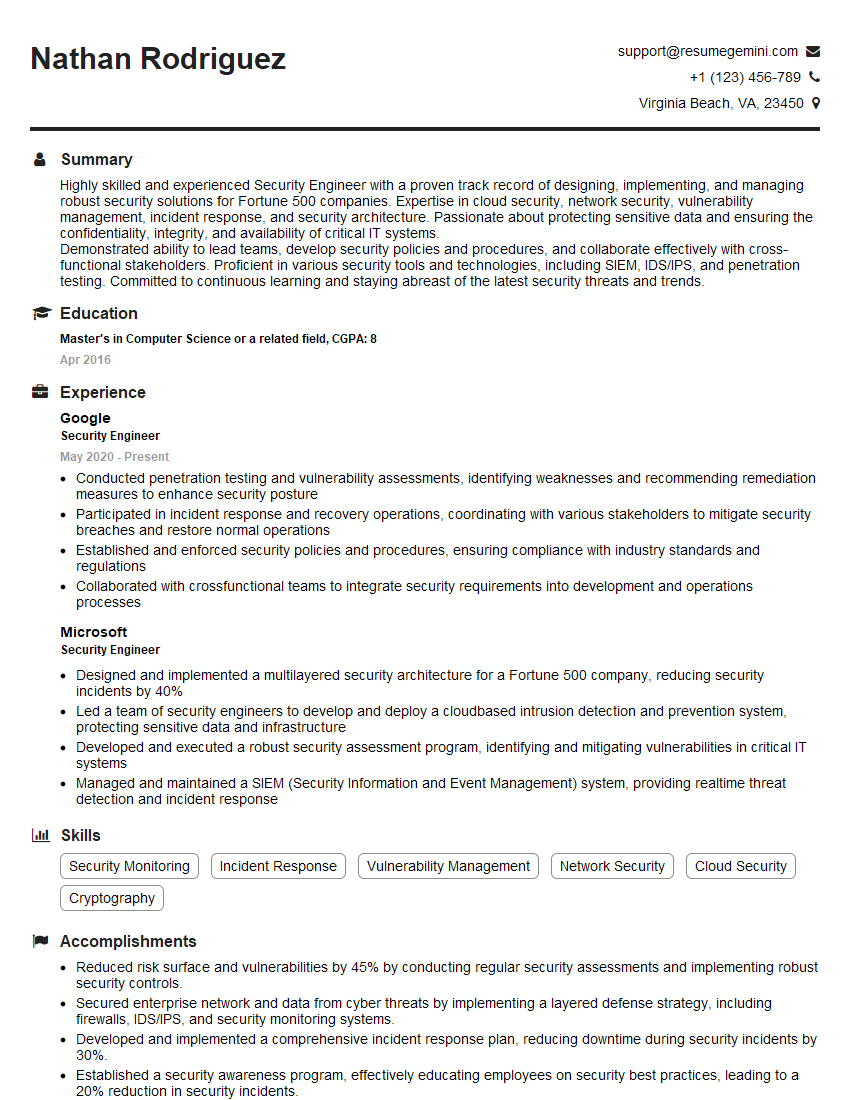
Security Engineer Resume Sample
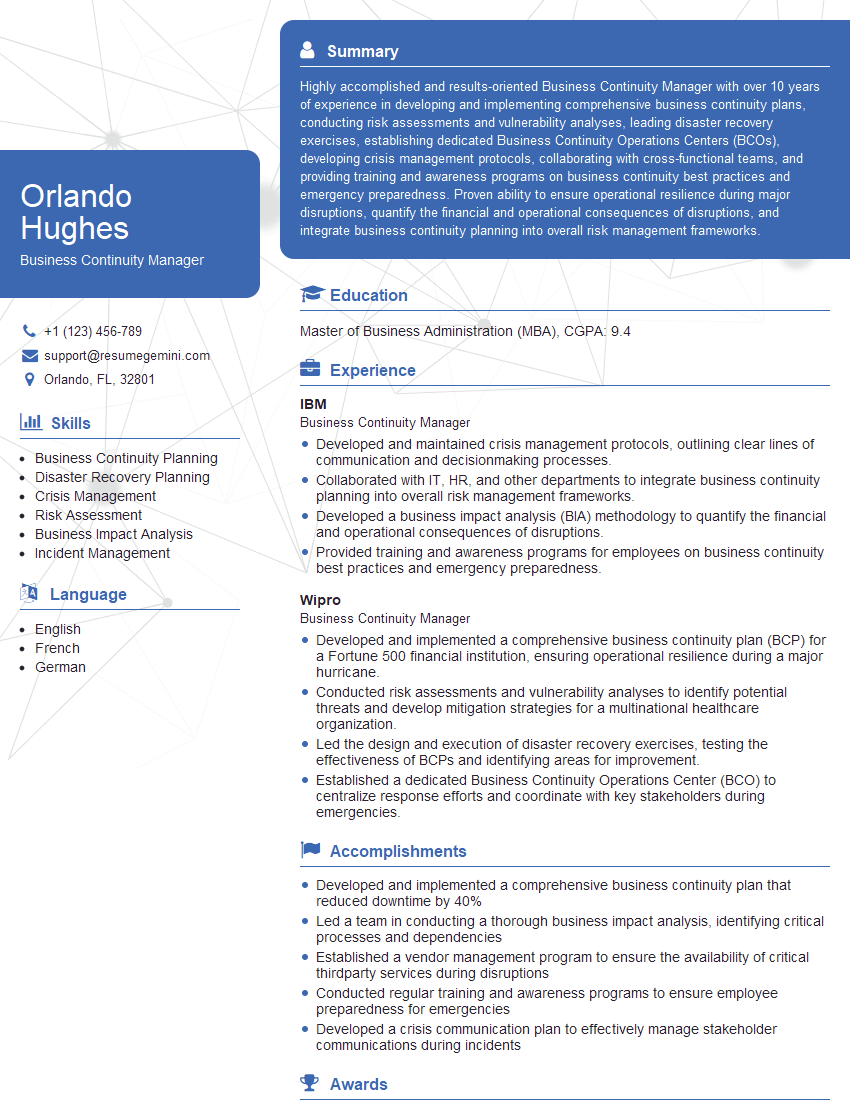
Business Continuity Manager Resume Sample
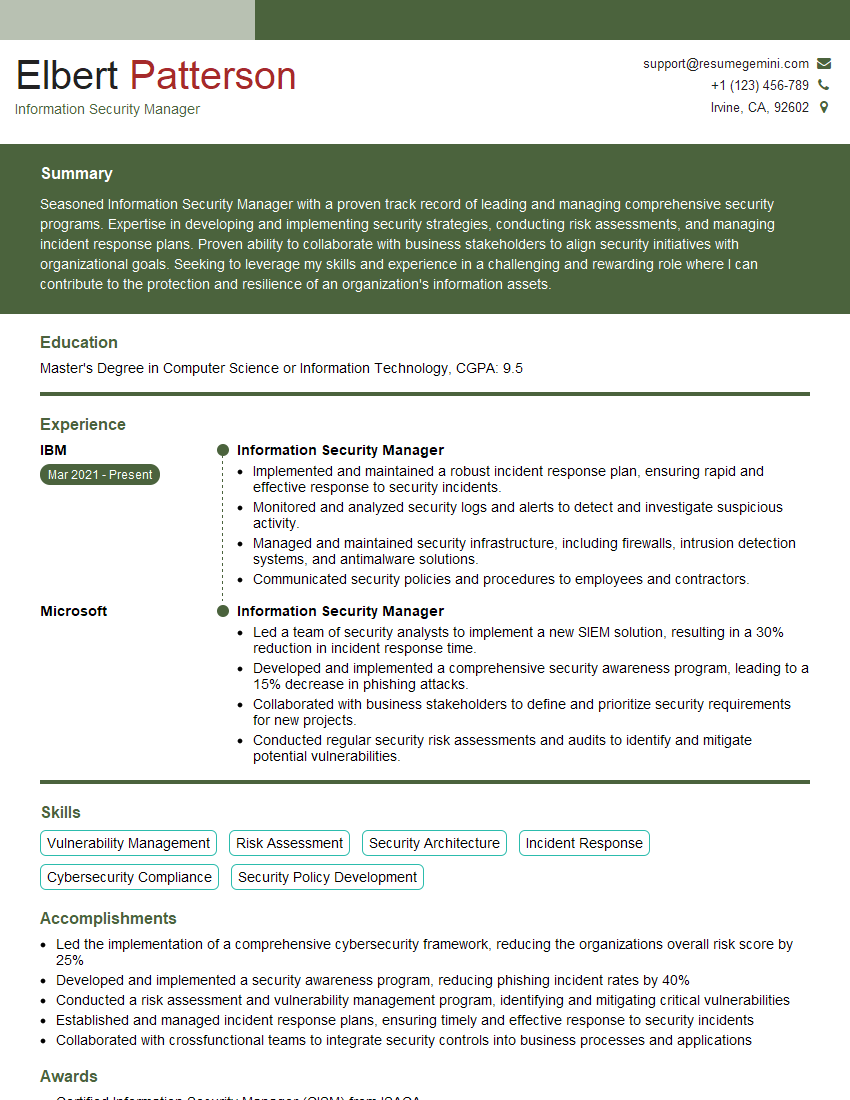
Information Security Manager Resume Sample
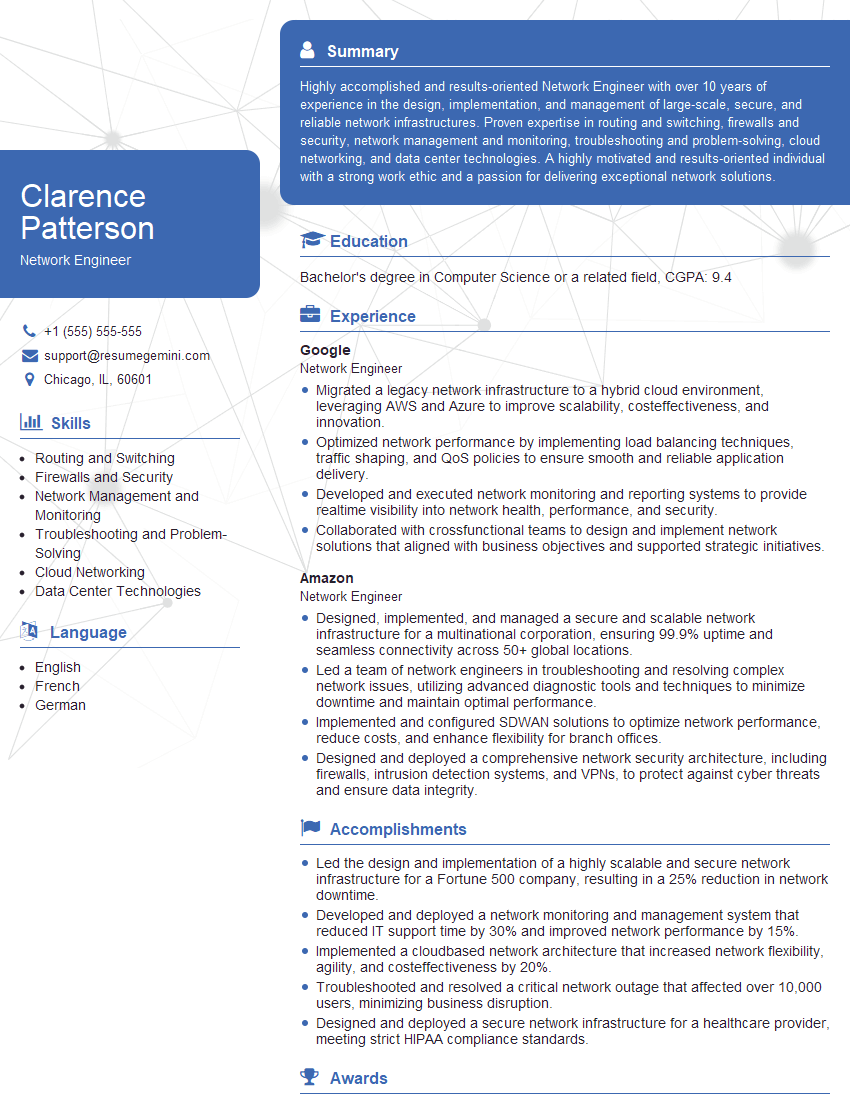
Network Engineer Resume Sample
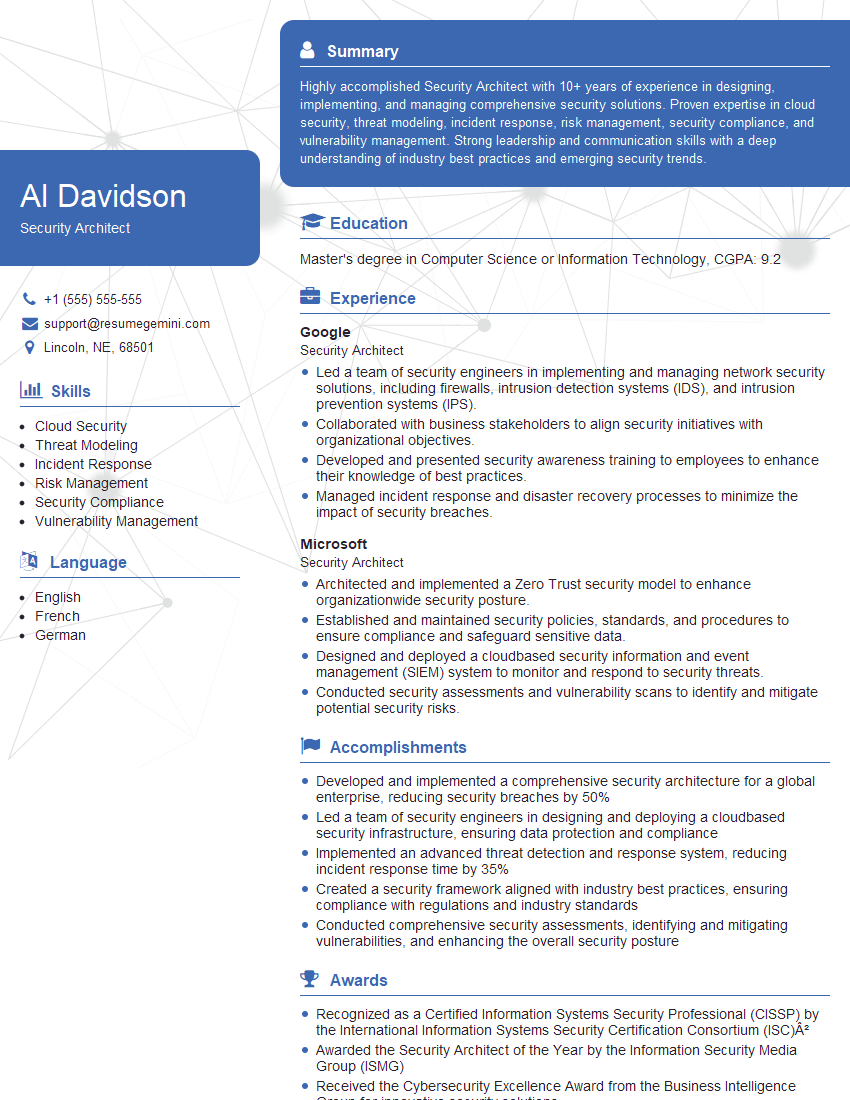
Security Architect Resume Sample
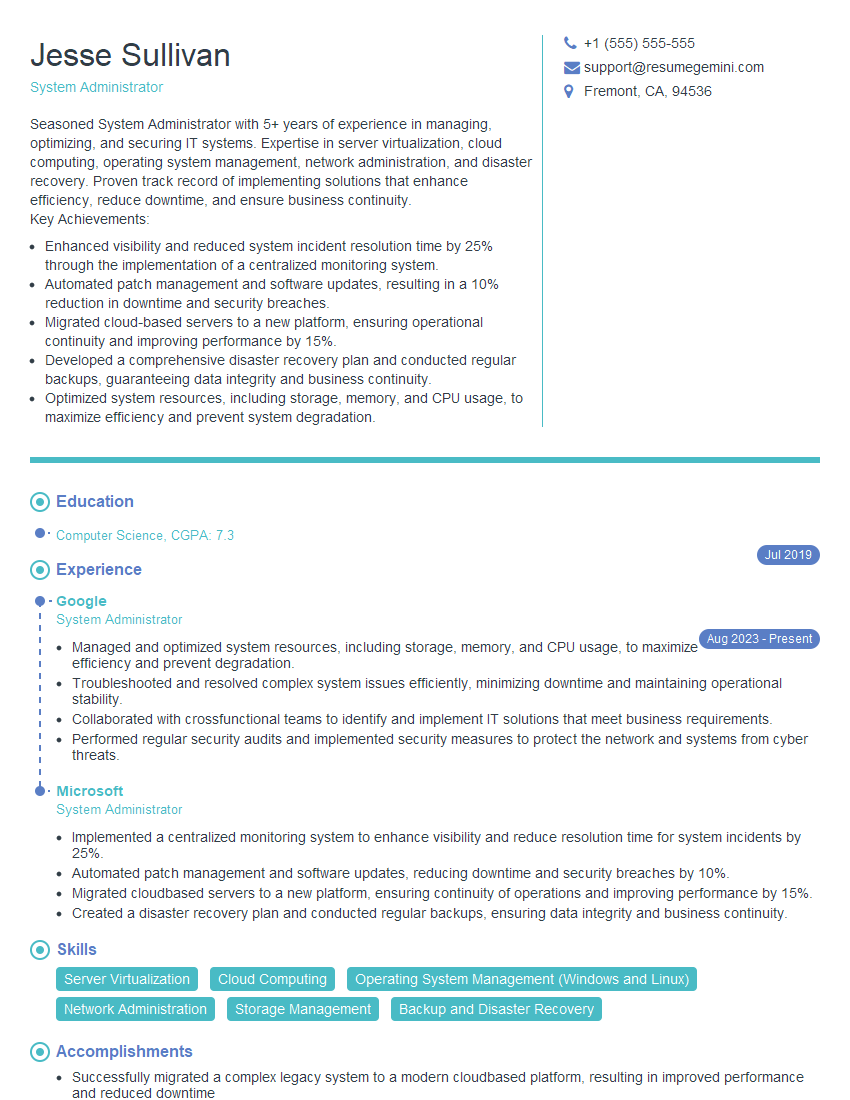
System Administrator Resume Sample
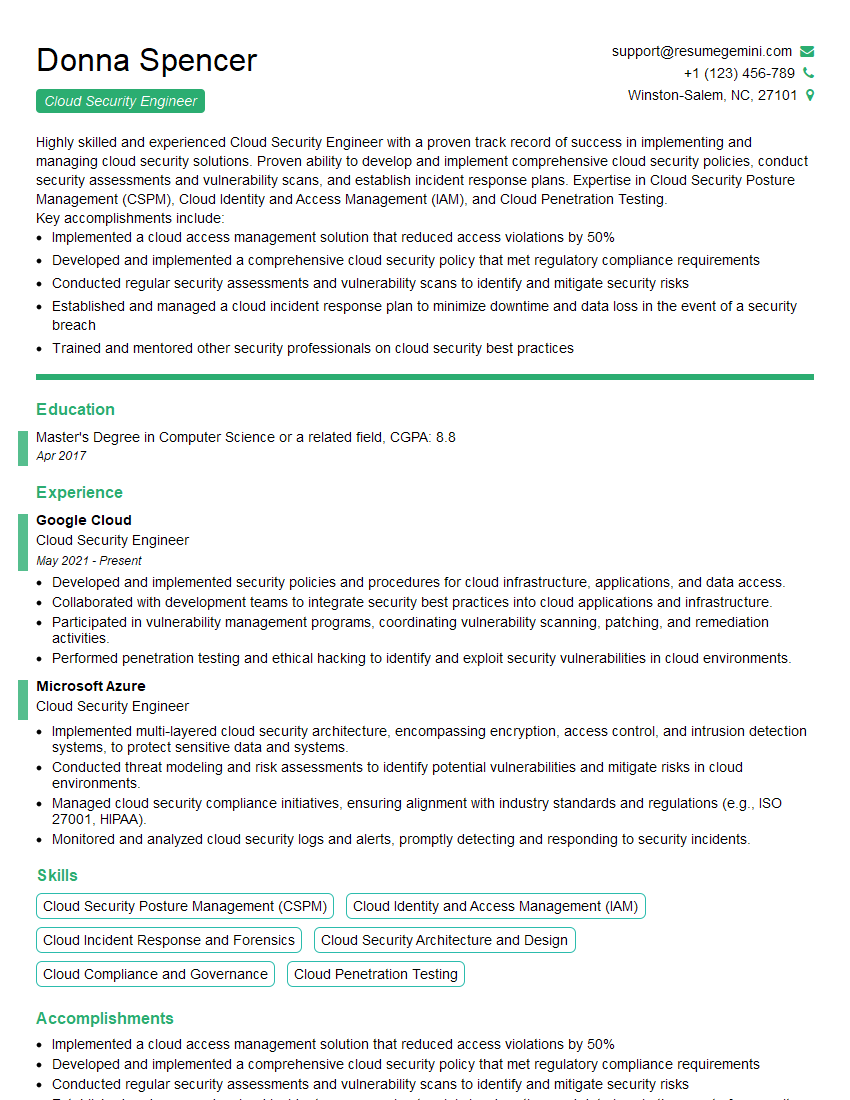
Cloud Security Engineer Resume Sample
Explore more articles
Users Rating of Our Blogs
Share Your Experience
We value your feedback! Please rate our content and share your thoughts (optional).
What Readers Say About Our Blog
To the interviewgemini.com Webmaster.
Very helpful and content specific questions to help prepare me for my interview!
Thank you
To the interviewgemini.com Webmaster.
This was kind of a unique content I found around the specialized skills. Very helpful questions and good detailed answers.
Very Helpful blog, thank you Interviewgemini team.