Cracking a skill-specific interview, like one for Dupuytren Contracture Release, requires understanding the nuances of the role. In this blog, we present the questions you’re most likely to encounter, along with insights into how to answer them effectively. Let’s ensure you’re ready to make a strong impression.
Questions Asked in Dupuytren Contracture Release Interview
Q 1. Describe the pathophysiology of Dupuytren’s contracture.
Dupuytren’s contracture is a progressive fibroproliferative disorder affecting the palmar fascia of the hand. Its pathophysiology isn’t fully understood, but it’s believed to involve a complex interplay of genetic predisposition and environmental factors. Essentially, the palmar fascia, a sheet of tissue under the skin of the palm, thickens and contracts, causing the fingers to bend into a flexed position. This thickening and contracture are due to the abnormal production and deposition of extracellular matrix components, particularly collagen. Genetic factors play a significant role, with a strong familial tendency observed. While the exact trigger isn’t known, repetitive microtrauma and other environmental factors are thought to contribute. Think of it like scar tissue formation gone awry, but instead of a localized scar, it affects the entire palmar fascia, leading to progressive finger flexion.
Q 2. What are the different surgical techniques used for Dupuytren’s contracture release?
Several surgical techniques exist for Dupuytren’s contracture release, each with its own advantages and disadvantages. The primary goal is to remove the affected portion of the palmar fascia to restore finger extension. These techniques include:
- Open fasciectomy: This involves a larger incision to fully expose and excise the diseased fascia. It allows for thorough removal of the contracture but results in a longer scar and potentially more postoperative discomfort.
- Percutaneous fasciectomy: This minimally invasive technique uses small incisions and specialized instruments to divide the contracted fascia. It leads to smaller scars and less postoperative pain but may not be as effective in severe cases or those with multiple cords.
- Limited fasciectomy: This technique involves removing only the most severely affected portions of the fascia, minimizing tissue disruption and scar formation. It’s often suitable for less severe contractures.
- Z-plasty: This technique is used to improve the cosmetic outcome of the scar by repositioning the skin. It’s often used in conjunction with other techniques.
The choice of technique depends on factors such as the severity of the contracture, the location of the affected cords, the patient’s age and overall health, and their preferences.
Q 3. Compare and contrast the advantages and disadvantages of open versus percutaneous fasciectomy.
Open and percutaneous fasciectomy represent different approaches to Dupuytren’s contracture release, each with its strengths and weaknesses:
Open Fasciectomy:
- Advantages: Allows for complete visualization and excision of the diseased fascia, resulting in a more complete release and potentially lower recurrence rates. Suitable for severe contractures and complex cases.
- Disadvantages: Larger incision, leading to a longer scar and higher risk of postoperative pain, stiffness, and complications like infection. Longer recovery time.
Percutaneous Fasciectomy:
- Advantages: Minimally invasive, smaller incisions, resulting in less scarring and quicker recovery. Lower risk of postoperative pain and stiffness. Shorter hospital stay.
- Disadvantages: Less precise removal of the fascia, potentially leading to incomplete release or higher recurrence rates. May not be suitable for all patients or severe cases. Requires specialized training and expertise.
The choice between the two depends on individual patient factors and the surgeon’s expertise and judgment. For a mild contracture in a younger, healthy patient, percutaneous might be preferred. For a severe contracture with multiple cords or a patient with comorbidities, open fasciectomy might be more appropriate.
Q 4. Explain the principles of minimal incision surgery for Dupuytren’s contracture.
Minimal incision surgery for Dupuytren’s contracture aims to achieve the same outcome as open surgery – release of the contracted fascia – but with significantly smaller incisions. This approach uses specialized instruments, often including specialized needles and blunt dissectors, to divide the cords through these small openings. The technique prioritizes minimal tissue disruption, leading to smaller scars, less pain, and a faster recovery. The principle is to disrupt the contracture using smaller, strategically placed incisions, allowing for a more cosmetically pleasing result and improved patient experience. It’s essentially a refined approach to percutaneous fasciectomy, striving for optimal results with minimal invasiveness.
Q 5. What are the potential complications of Dupuytren’s contracture release?
Potential complications of Dupuytren’s contracture release include:
- Recurrence: The contracture can return in the same or different areas.
- Infection: A risk with any surgery, especially in the hand.
- Nerve damage: Leading to numbness, tingling, or pain.
- Vascular injury: Causing bleeding or problems with blood circulation.
- Excessive scarring: Leading to cosmetic concerns or functional limitations.
- Persistent stiffness or pain: Requiring further therapy or intervention.
- Complex Regional Pain Syndrome (CRPS): A rare but severe complication characterized by chronic pain and dysfunction.
- Rupture of the flexor tendons: Rare but serious complication.
The incidence of these complications varies depending on the surgical technique, the experience of the surgeon, and the patient’s overall health. Careful patient selection and meticulous surgical technique are crucial in minimizing the risk of these complications.
Q 6. How do you manage postoperative pain and edema after Dupuytren’s contracture release?
Postoperative pain and edema management is crucial for a successful outcome after Dupuytren’s contracture release. A multimodal approach is usually employed:
- Pain management: This involves a combination of analgesics, including nonsteroidal anti-inflammatory drugs (NSAIDs) and potentially opioids in the immediate postoperative period. Regional nerve blocks can provide excellent pain control and reduce the need for systemic analgesics. Physical therapy plays a significant role in managing pain and promoting range of motion.
- Edema control: Elevation of the hand above the heart, regular range of motion exercises, and compression therapy (using bandages or splints) are crucial to minimize swelling. In some cases, lymphatic drainage massage may be beneficial.
Regular follow-up appointments are vital to monitor healing and address any concerns about pain or swelling. Patient education regarding pain management strategies and exercises is critical for a smooth recovery.
Q 7. Describe your approach to patient selection for Dupuytren’s contracture surgery.
Patient selection for Dupuytren’s contracture surgery is a critical aspect of ensuring a successful outcome. I consider several factors:
- Severity of the contracture: Surgery is usually indicated only when the contracture significantly impairs hand function or daily activities. Mild contractures might be managed conservatively.
- Patient’s expectations: Realistic expectations about the potential benefits and limitations of surgery are essential. A thorough discussion helps manage expectations and avoid potential disappointment.
- Patient’s overall health: Pre-existing medical conditions that could increase surgical risks need careful evaluation.
- Presence of comorbidities: Conditions such as diabetes or peripheral vascular disease can affect healing and increase the risk of complications.
- Occupation and lifestyle: The patient’s activities and occupation influence the choice of surgical technique and the expectations for recovery.
A shared decision-making approach is crucial. I thoroughly explain the various surgical options, the potential benefits and risks, and the expected recovery process. Together, we make a decision that aligns with the patient’s needs and goals.
Q 8. What are the indications and contraindications for surgical intervention?
The decision to surgically intervene in Dupuytren’s contracture is based on a careful assessment of the patient’s functional limitations and their impact on daily life.
Indications for surgery typically include:
- Contracture causing significant difficulty with hand function, such as buttoning clothes, shaking hands, or placing hands in pockets.
- Contracture interfering with occupational activities.
- Progressive contracture despite conservative management (e.g., splinting, steroid injections).
- Pain associated with the contracture.
Contraindications are less common but may include:
- Severe comorbidities that increase surgical risk (e.g., uncontrolled diabetes, severe cardiovascular disease).
- Patient refusal or inability to understand and comply with the postoperative rehabilitation protocol.
- Very mild contractures where the functional impairment is minimal.
For example, a patient with a severe contracture affecting their ring finger, preventing them from gripping a steering wheel, would be a strong candidate for surgery. Conversely, a patient with a mild contracture affecting only their little finger, causing no significant functional limitation, would likely be managed conservatively.
Q 9. How do you assess the severity of Dupuytren’s contracture?
Assessing Dupuytren’s contracture severity involves a combination of clinical examination and measurement. We use a combination of methods to paint a comprehensive picture:
- Measurement of contracture angle: This is done by measuring the angle of flexion of the affected finger(s) in relation to the palm. A larger angle indicates a more severe contracture. For example, a 45-degree flexion of the metacarpophalangeal joint is considered more severe than a 15-degree flexion.
- Assessment of functional limitations: We thoroughly evaluate how the contracture affects the patient’s daily activities and hand function. This includes tasks like writing, buttoning shirts, or grasping objects.
- Clinical grading systems: While not universally standardized, various scoring systems exist to quantify the extent and severity of the contracture, often based on affected fingers, the degree of flexion, and the presence of nodules or cords.
The combination of these methods helps determine the extent of the contracture, the necessity for surgery, and guides decisions regarding the surgical approach.
Q 10. What are the different types of contracture (e.g.,nodular, diffuse)?
Dupuytren’s contracture can be classified based on its anatomical presentation:
- Nodular contracture: This is characterized by the presence of palpable nodules in the palmar fascia, often without significant finger flexion. It represents the early stages of the disease and is frequently asymptomatic.
- Cord-like contracture: In this type, thickened cords of tissue extend from the nodules towards the fingers, leading to progressive flexion contractures. This is a more advanced stage requiring closer monitoring.
- Diffuse contracture: This involves widespread thickening of the palmar fascia, often involving multiple fingers and causing significant contractures. Surgical correction in diffuse cases can be more challenging.
Understanding the type of contracture helps in predicting the likely progression of the disease and determining the most appropriate treatment strategy.
Q 11. What are the risk factors associated with Dupuytren’s contracture?
Several risk factors are associated with an increased likelihood of developing Dupuytren’s contracture. These include:
- Genetics: A strong familial predisposition is a major risk factor. The condition often runs in families.
- Age: The risk increases with age, with most cases occurring after age 40.
- Gender: Males are significantly more likely to develop Dupuytren’s contracture than females.
- Ethnicity: Certain ethnicities, such as Northern European descent, are at higher risk.
- Diabetes: Individuals with diabetes have a higher incidence of Dupuytren’s contracture.
- Epilepsy: There is some evidence linking epilepsy to increased risk.
- Alcohol consumption: Heavy alcohol consumption is also considered a potential risk factor.
It is important to note that having one or more of these risk factors does not guarantee the development of Dupuytren’s contracture. Many individuals with risk factors never develop the condition.
Q 12. Describe your postoperative rehabilitation protocol for Dupuytren’s contracture release.
Postoperative rehabilitation after Dupuytren’s contracture release is crucial for optimal functional recovery and minimizing recurrence. My protocol typically involves:
- Early mobilization: Gentle range-of-motion exercises are initiated immediately post-surgery to prevent stiffness and promote healing.
- Splinting: A custom-designed splint is used to maintain the corrected position of the fingers and prevent contracture recurrence. The duration and type of splint vary depending on the case. Some require dynamic splinting, which incorporates passive movements while others simply immobilize the finger.
- Occupational therapy: A comprehensive occupational therapy program is essential, incorporating exercises to improve range of motion, strength, and fine motor skills. This includes specific exercises to address scar tissue formation and regain functionality.
- Pain management: Pain medication is provided as needed to manage postoperative discomfort. We transition to over-the-counter medications as soon as feasible.
- Regular follow-up appointments: Frequent monitoring allows us to adjust the therapy program as needed and address any complications promptly.
A tailored approach is used for each patient, taking into account individual factors such as age, overall health, and the extent of the surgery performed.
Q 13. How do you address recurrence after Dupuytren’s contracture release?
Recurrence after Dupuytren’s contracture release is a known complication, although the rate varies depending on several factors. Addressing recurrence requires a multi-pronged approach:
- Careful surgical technique: Minimizing the amount of palmar fascia removed during surgery can help reduce the chances of recurrence.
- Adherence to postoperative protocol: Diligent compliance with the rehabilitation program is crucial to optimize healing and reduce recurrence risk. Noncompliance is a major factor in recurrence.
- Close monitoring: Regular follow-up appointments allow early detection of recurrence, enabling prompt intervention.
- Additional surgical procedures: If recurrence occurs, further surgical intervention may be necessary, employing techniques such as needle aponeurotomy or further fasciotomy. We frequently choose less invasive approaches.
- Collagenase injections: In some cases, we may consider collagenase injections as an alternative to surgery, particularly for early recurrences.
The management of recurrence needs careful consideration of the patient’s preference and the severity of the contracture.
Q 14. What are the different types of dressings used after Dupuytren’s surgery?
The choice of dressing after Dupuytren’s surgery depends on several factors, including the surgical technique used, the extent of the surgery, and the surgeon’s preference. Common options include:
- Sterile gauze dressings: These provide basic wound coverage, allowing for observation and easy removal for dressing changes.
- Foam dressings: These are absorbent and help manage any wound exudate (fluid). They can help reduce pain and are comfortable for the patient.
- Alginate dressings: These are highly absorbent and often preferred for wounds with significant drainage. They form a gel-like consistency upon contact with exudate.
- Transparent film dressings: These provide a barrier to infection and allow for visual assessment of the wound without removing the dressing. This is often used in the later stages of healing.
The selection of the appropriate dressing aims to maintain a sterile environment, manage wound drainage, and promote healing while minimizing pain and discomfort for the patient.
Q 15. How do you counsel patients regarding potential complications and recovery time?
Counseling patients about Dupuytren’s contracture release involves a frank discussion about potential complications and recovery. I always begin by emphasizing that while the procedure is generally safe and effective, there are risks involved, just like any surgery.
- Scarring: I explain that some scarring is inevitable, but we strive to minimize its appearance through careful surgical technique. I show patients examples of typical scarring from previous surgeries.
- Recurrence: I clearly explain that Dupuytren’s contracture can recur, even after surgery. This is influenced by several factors including the severity of the contracture, genetics, and patient factors. I discuss options for managing recurrence, such as further surgery or injection therapies.
- Nerve injury: While rare, nerve injury can lead to numbness or altered sensation in the fingers. This is always a possibility, and I explain the likelihood and potential consequences.
- Infection: Like any surgical procedure, infection is a possibility, though rare with appropriate postoperative care. I discuss preventative measures and what to look for as warning signs.
- Bleeding/hematoma: I explain that postoperative bleeding or hematoma formation is possible and outline the signs and what to do if these occur.
Regarding recovery time, I explain that it’s highly individualized, but typically involves several weeks of restricted movement and gradual return to normal activities. I often show patients a sample rehabilitation program and highlight the importance of diligent adherence to physical therapy instructions.
Finally, I emphasize open communication. I encourage patients to ask questions at any time and to contact me with any concerns, regardless of how minor they might seem. This collaborative approach builds trust and helps to manage patient expectations effectively.
Career Expert Tips:
- Ace those interviews! Prepare effectively by reviewing the Top 50 Most Common Interview Questions on ResumeGemini.
- Navigate your job search with confidence! Explore a wide range of Career Tips on ResumeGemini. Learn about common challenges and recommendations to overcome them.
- Craft the perfect resume! Master the Art of Resume Writing with ResumeGemini’s guide. Showcase your unique qualifications and achievements effectively.
- Don’t miss out on holiday savings! Build your dream resume with ResumeGemini’s ATS optimized templates.
Q 16. What are the alternative non-surgical treatment options for Dupuytren’s contracture?
Before considering surgery for Dupuytren’s contracture, we explore non-surgical options. These are primarily focused on managing symptoms and delaying or avoiding surgery, rather than curing the condition itself.
- Observation: For mild cases with minimal functional impairment, watchful waiting is often the best approach. We monitor the progression of the contracture and only intervene if it significantly impacts hand function.
- Collagenase clostridium histolyticum injection: This is a relatively new, minimally invasive treatment. The enzyme is injected into the affected cords, causing them to break down. This approach results in less downtime compared to surgery but may require multiple injections. Success rates vary depending on the severity and location of the contracture.
- Xiaflex injections (Collagenase): This is another enzyme injection therapy, similar to the collagenase injection described above, that helps to break down the Dupuytren’s cords. We must evaluate the patient’s suitability for this treatment.
- Needle aponeurotomy: A less common technique where a needle is used to disrupt the Dupuytren’s cords. This is less invasive than open surgery but carries a higher risk of recurrence.
- Splinting and stretching exercises: These conservative measures can help to improve hand flexibility and reduce the severity of the contracture, though they usually do not resolve it completely.
The choice of treatment depends on several factors, including the severity of the contracture, the patient’s age, overall health, and personal preferences. I always discuss the pros and cons of each option with the patient to ensure an informed decision.
Q 17. Describe your experience with different types of anesthesia used in Dupuytren’s surgery.
Anesthesia choice for Dupuytren’s release depends on several factors, including the extent of the surgery, patient preference, and any co-morbidities. I’ve had extensive experience with various approaches.
- Local anesthesia with regional nerve block: This is my preferred method for many cases. A regional block, such as a digital nerve block, numbs the affected hand and fingers, allowing the procedure to be performed comfortably without general anesthesia. Patients are awake but feel no pain. This approach minimizes the risks and side effects associated with general anesthesia.
- General anesthesia: For more extensive surgeries or patients with anxiety about the procedure, general anesthesia can be used. The patient is asleep and unaware of the surgery. This option is reserved for specific cases due to the inherent risks associated with general anesthesia.
- Sedation with local anesthesia: A combination approach may involve sedation to help the patient relax during the surgery while still using local anesthesia for the surgical site. This can be a good compromise between local anesthesia and general anesthesia.
Regardless of the anesthesia chosen, I ensure patients are fully informed of the risks, benefits, and alternatives. Post-anesthesia care is tailored to the type of anesthesia used. For example, patients who underwent general anesthesia require closer monitoring post-operatively than those who had only local anesthesia.
Q 18. How do you manage postoperative bleeding or hematoma after Dupuytren’s release?
Postoperative bleeding or hematoma formation is a potential complication that requires careful monitoring and management. Prevention is key, and I achieve this by meticulous hemostasis (control of bleeding) during the surgery.
- Pressure dressing: I apply a firm pressure dressing immediately after the surgery to help minimize bleeding and reduce the risk of hematoma formation.
- Close monitoring: I instruct patients to monitor the surgical site closely for any signs of increased swelling, bruising, or pain. They are instructed to contact me immediately if they notice any worrisome changes.
- Elevation: I advise patients to keep their hand elevated above their heart for the first few days after surgery to reduce swelling and promote drainage.
- Aspiration/surgical intervention: In rare cases where a significant hematoma develops, it might need to be aspirated (drained with a needle) or require surgical intervention to evacuate the blood clot and control the bleeding. This decision would be based on the size and location of the hematoma and the patient’s clinical presentation.
Patient education about these potential complications and what actions to take is crucial for a successful recovery.
Q 19. How do you identify and manage nerve injury during Dupuytren’s contracture release?
Nerve injury is a potential complication, though thankfully rare, during Dupuytren’s contracture release. Careful surgical technique is paramount to minimizing this risk.
- Meticulous dissection: I use sharp dissection techniques and careful retraction to avoid direct injury to the nerves. Understanding the precise anatomical location of the digital nerves is essential.
- Careful identification: Before proceeding with any release, I meticulously identify the digital nerves using loupe magnification and anatomical landmarks. This allows me to work safely around them, avoiding direct trauma.
- Intraoperative nerve monitoring: In selected complex cases, intraoperative nerve monitoring can provide real-time feedback on nerve function. This is particularly useful in revisions or when dealing with significant anatomical distortion.
- Postoperative assessment: After the procedure, I assess for any signs of nerve injury, including numbness, tingling, or altered sensation. Further evaluations such as electromyography may be required in specific circumstances.
If a nerve injury is identified, the approach to management varies depending on the severity and location of the injury. Options include observation, physical therapy, and in rare cases, surgical repair.
Q 20. What are the key anatomical landmarks to consider during the procedure?
Precise anatomical knowledge is crucial for safe and effective Dupuytren’s contracture release. Several key landmarks guide the surgical procedure.
- Cleland’s ligament: This ligament is located on the palmar side of the hand and helps to delineate the boundaries of the surgical field. Careful dissection around this ligament minimizes the risk of injury to the underlying neurovascular structures.
- Digital nerves: As mentioned earlier, identifying and preserving the digital nerves is crucial. They run along the sides of the fingers and can be easily damaged if not carefully dissected around.
- Flexor tendons: These tendons are responsible for finger flexion, and care must be taken to avoid injury during the release of the Dupuytren’s contracture cords. These tendons are easily visualized, once the overlying fascia is incised.
- Natatory ligaments: The natatory ligaments support the integrity of the palmar fascia. We must carefully dissect around these structures to avoid creating an unstable palmar arch.
- Palmar fascia: This is the fibrous tissue involved in the contracture. Its precise release is crucial to regaining normal finger extension while minimizing complications.
Detailed anatomical knowledge, aided by careful visualization, is paramount to minimizing complications and ensuring optimal functional outcomes.
Q 21. Describe your experience with collagenase injection for Dupuytren’s contracture.
I have significant experience with collagenase injection for Dupuytren’s contracture, specifically Xiaflex. It’s a valuable minimally invasive option for select patients.
- Patient Selection: I carefully select candidates for collagenase injection, considering the severity and location of the contracture. It is most effective in cases with palpable cords in the metacarpophalangeal (MCP) joint of the little or ring finger.
- Injection Technique: The injection procedure involves carefully introducing the collagenase into the affected cords under ultrasound guidance. This ensures precise placement of the enzyme and maximizes its effectiveness.
- Post-Injection Management: After the injection, patients require careful monitoring. It’s important for me to schedule appropriate post-injection stretching and mobilization of the finger. Proper management prevents unwanted complications and optimizes outcomes.
- Limitations: Collagenase injection isn’t suitable for all patients. The procedure may need to be repeated, and it’s not effective in all cases of Dupuytren’s contracture, particularly in cases with advanced or extensive disease.
While collagenase injection is a valuable addition to our treatment arsenal, I always discuss its limitations and potential risks with patients, ensuring they make an informed decision based on their individual circumstances. I often combine this with other methods like surgery or splinting for best results.
Q 22. What are the criteria for considering collagenase injection as a treatment option?
Collagenase injection is a nonsurgical treatment option for Dupuytren’s contracture, specifically targeting cords causing a contracture in the fingers. It’s not suitable for everyone. The criteria for considering it involve several factors, carefully assessed during a consultation.
- Severity of Contracture: The affected finger(s) should have a measurable contracture, typically a metacarpophalangeal (MCP) joint contracture of less than 30 degrees and a proximal interphalangeal (PIP) joint contracture of less than 90 degrees. Severe contractures often require surgery.
- Cord Location: The palpable cord must be relatively localized and accessible for injection. Diffuse involvement often makes injection less effective.
- Patient Health and Suitability: The patient must be generally healthy enough to tolerate the procedure and its potential side effects. Conditions like bleeding disorders would rule out this treatment.
- Patient Understanding and Compliance: The patient must fully understand the procedure, potential risks, and the need for post-injection manipulation. This is crucial for achieving optimal results.
- Absence of Certain Conditions: Patients with previous hand infections or severe skin problems over the affected area would be poor candidates.
For example, a patient with a mild contracture affecting only the ring finger, with a clearly palpable cord, and no contraindications, would be an ideal candidate. Conversely, a patient with a severely contracted hand, multiple cords, or a history of hand infections would not be suitable.
Q 23. How do you evaluate the effectiveness of collagenase injection treatment?
Evaluating the effectiveness of collagenase injection involves a multi-faceted approach, focusing on both objective and subjective measures.
- Range of Motion (ROM) Improvement: This is a primary measure. We assess the improvement in joint angles (MCP and PIP) using a goniometer before and after treatment. A significant increase in ROM indicates successful treatment.
- Clinical Assessment: A visual assessment of the hand’s appearance and function is vital. We check for improvements in the ability to perform daily activities, like buttoning shirts or opening jars.
- Patient-Reported Outcomes: We also utilize questionnaires to assess the patient’s self-reported functional improvement and pain levels. These subjective measures provide valuable insights into the patient’s experience.
- Imaging (optional): Although not routine, ultrasound can be used to assess cord disruption post-injection. This provides additional objective data, especially in cases with uncertain clinical improvement.
For instance, a successful treatment might show a 20-degree improvement in MCP flexion and a 30-degree improvement in PIP flexion, accompanied by the patient reporting a significant decrease in pain and improved ability to use their hand.
Q 24. What are the potential complications associated with collagenase injection?
While generally safe, collagenase injections carry some potential complications, and it’s critical patients are fully informed beforehand. These include:
- Pain and Swelling: The injection site often experiences pain and swelling, which usually resolves within a few days. However, in some cases, it can be more prolonged and may require pain management.
- Hematoma (bruising): Bleeding at the injection site is a possible side effect, although usually minor. Rarely, a larger hematoma might require aspiration.
- Infection: Although uncommon, infection remains a possibility, as with any injection. Close monitoring and prompt treatment with antibiotics are essential if it occurs.
- Rupture of the Cord: While intended, unexpected complete rupture of the cord can lead to a sudden increase in flexion and potential instability. Gentle manipulation is vital to prevent this.
- Recurrence: Dupuytren’s contracture is a progressive condition, and recurrence is possible even after successful treatment.
Managing expectations is crucial. We emphasize that collagenase is not a cure but a treatment option that aims to improve hand function. We thoroughly discuss these potential complications with patients, ensuring informed consent.
Q 25. How do you differentiate Dupuytren’s contracture from other hand conditions?
Differentiating Dupuytren’s contracture from other hand conditions requires careful clinical examination and sometimes additional investigations.
- Nodules and Cords: Dupuytren’s is characterized by palpable nodules (lumps) and cords in the palm and fingers, typically involving the ring and little fingers. This is a key distinguishing feature.
- Contractures: The cords cause a characteristic flexion contracture of the fingers, making it difficult to straighten them fully.
- Location: The involvement of the palmar fascia is a specific characteristic, differentiating it from conditions affecting tendons or other structures.
- Other Hand Conditions: Conditions like trigger finger (stenosing tenosynovitis), carpal tunnel syndrome, arthritis, and ganglion cysts can mimic some aspects of Dupuytren’s, but their presentation differs significantly.
A thorough history, physical examination, and potentially imaging studies (e.g., ultrasound) are necessary to reach an accurate diagnosis. For example, trigger finger involves a snapping sensation in the affected finger, unlike the gradual flexion seen in Dupuytren’s. Careful differentiation prevents misdiagnosis and inappropriate treatment.
Q 26. Describe your experience with different types of surgical instruments used in Dupuytren’s contracture release.
My experience with surgical instruments for Dupuytren’s contracture release is extensive. The choice of instruments depends on the specific surgical technique employed and the surgeon’s preference. However, some instruments are staples in the field.
- Sharp dissection instruments: These include various types of scalpel blades and specialized knives like the Hueston knife or Zimmerman’s knife, designed for precise cord division.
- Blunt dissection instruments: These help to dissect and separate the tissues carefully, minimizing damage to nerves and blood vessels. Examples include blunt-tipped scissors and various retractors.
- Specialized needles and sutures: These are essential for repair and closure of the wound. Absorbent sutures reduce the need for stitch removal.
- Cautery devices: Electrocautery or other cautery instruments are used to minimize bleeding during surgery.
- Microsurgical instruments: In complex cases or when nerve or blood vessel repair is needed, microsurgical instruments might be employed.
The selection of instruments is crucial for achieving a precise release, minimizing scarring, and optimizing post-operative outcomes. For instance, a Hueston knife’s sharp, narrow blade allows for precise division of cords while reducing trauma to adjacent structures.
Q 27. What are the common challenges you encounter during Dupuytren’s contracture surgery?
Several common challenges arise during Dupuytren’s contracture surgery:
- Nerve and Vessel Injury: The palmar fascia is intertwined with nerves and blood vessels. Avoiding their injury requires careful dissection and surgical skill.
- Scarring: Minimizing scarring is a primary goal, as excessive scarring can lead to recurrence and functional limitations. Careful closure techniques are essential.
- Recurrence: Dupuytren’s is a progressive disease, making recurrence a possibility. Complete excision of the affected fascia is crucial, but not always achievable without sacrificing functionality.
- Incomplete Release: Achieving complete release without compromising stability is a delicate balance. Incomplete release might necessitate revision surgery.
- Post-Operative Stiffness and Pain: Post-operative stiffness and pain are common, requiring rigorous hand therapy to regain function.
Addressing these challenges involves meticulous surgical technique, careful planning, and the judicious selection of surgical approaches. For example, using loupes or microscopes for enhanced visualization helps minimize nerve and vessel injury.
Q 28. How do you handle unexpected complications during the procedure?
Handling unexpected complications during Dupuytren’s contracture surgery requires a calm, methodical approach and quick decision-making.
- Assessment: The first step is to accurately assess the nature and severity of the complication. For instance, if a significant bleeding occurs, it must be controlled immediately.
- Modification of the Surgical Plan: The surgical plan might need adjustment based on the complication. This could involve employing different surgical techniques or using additional instruments.
- Expert Consultation: If the complication is complex or beyond my expertise, I will consult with a colleague or specialist.
- Open Communication with the Patient: Maintaining open and honest communication with the patient is essential to manage their expectations and anxiety during the unexpected turn of events.
- Post-Operative Management: Post-operative care needs to be tailored to the specific complication that occurred. This may include additional monitoring, pain management, or physical therapy.
For example, if a nerve injury occurs, I would repair the nerve if possible, or refer the patient to a microsurgeon. The patient’s informed consent throughout the process would remain paramount.
Key Topics to Learn for Dupuytren Contracture Release Interview
- Anatomy and Physiology: Deep understanding of the palmar fascia, its structure, and the pathophysiology of Dupuytren’s contracture.
- Diagnosis and Assessment: Mastering techniques for clinical examination, including measuring contracture severity (e.g., using the MCP joint angles), and interpreting diagnostic imaging (e.g., ultrasound).
- Surgical Techniques: Familiarity with various surgical approaches for Dupuytren’s release, including open fasciectomy, percutaneous fasciectomy, and limited fasciectomy. Understanding the indications and contraindications for each.
- Post-operative Care and Management: Knowledge of appropriate post-operative protocols, including splinting, rehabilitation exercises, and management of potential complications (e.g., recurrence, infection).
- Non-Surgical Management: Awareness of conservative treatment options, such as collagenase injections and needle fasciotomy, and understanding their role in patient management.
- Complications and Their Management: Thorough understanding of potential complications (e.g., nerve injury, recurrence, infection, stiffness) and strategies for prevention and management.
- Patient Selection and Counseling: Ability to assess patient suitability for different treatment options, effectively communicate risks and benefits, and manage patient expectations.
- Current Research and Trends: Staying updated on the latest advancements in surgical techniques, non-surgical treatments, and research in Dupuytren’s contracture.
- Problem-solving scenarios: Preparing for case studies or scenarios requiring critical thinking and decision-making skills related to patient presentation, surgical planning, and post-operative management.
Next Steps
Mastering Dupuytren Contracture Release is crucial for career advancement in hand surgery and related fields. A strong understanding of this condition will significantly enhance your clinical skills and job prospects. To maximize your chances of landing your dream role, creating a compelling and ATS-friendly resume is essential. ResumeGemini is a trusted resource that can help you build a professional resume that highlights your expertise. We provide examples of resumes tailored to Dupuytren Contracture Release to help you create a truly impactful application. Take the next step towards your career goals today!
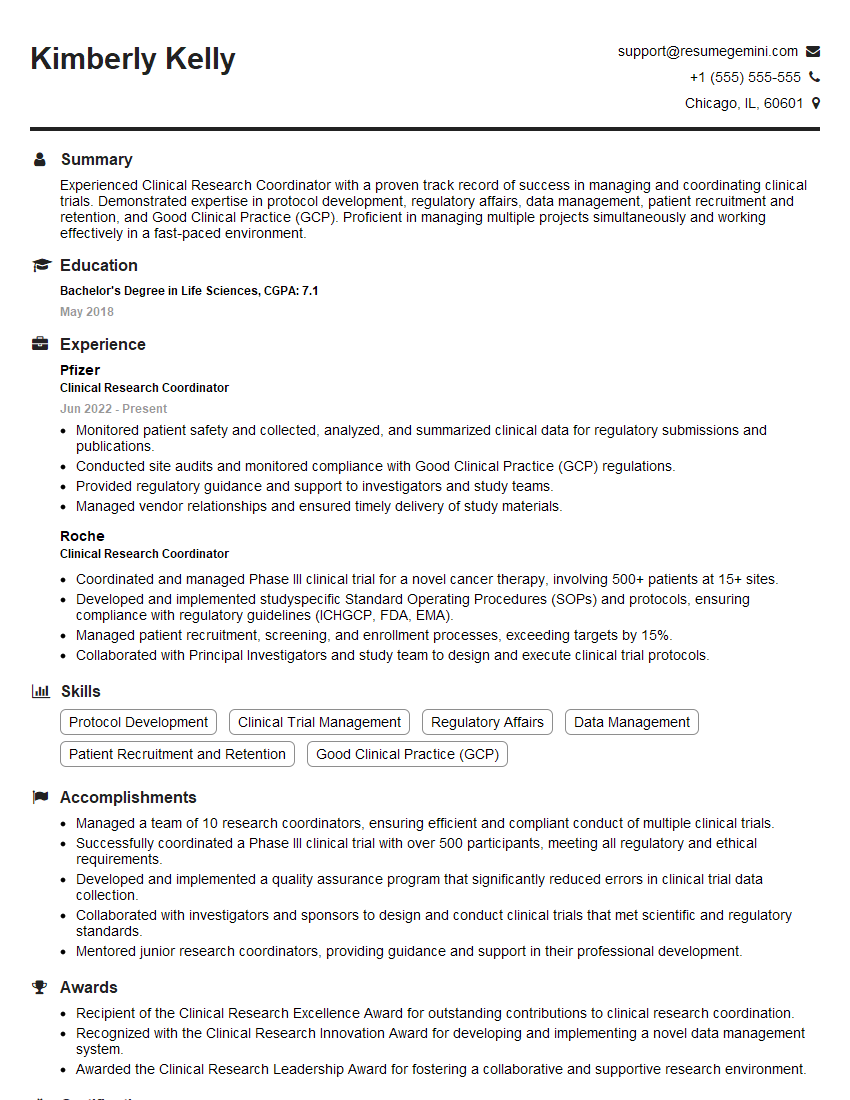
Clinical Research Coordinator Resume Sample
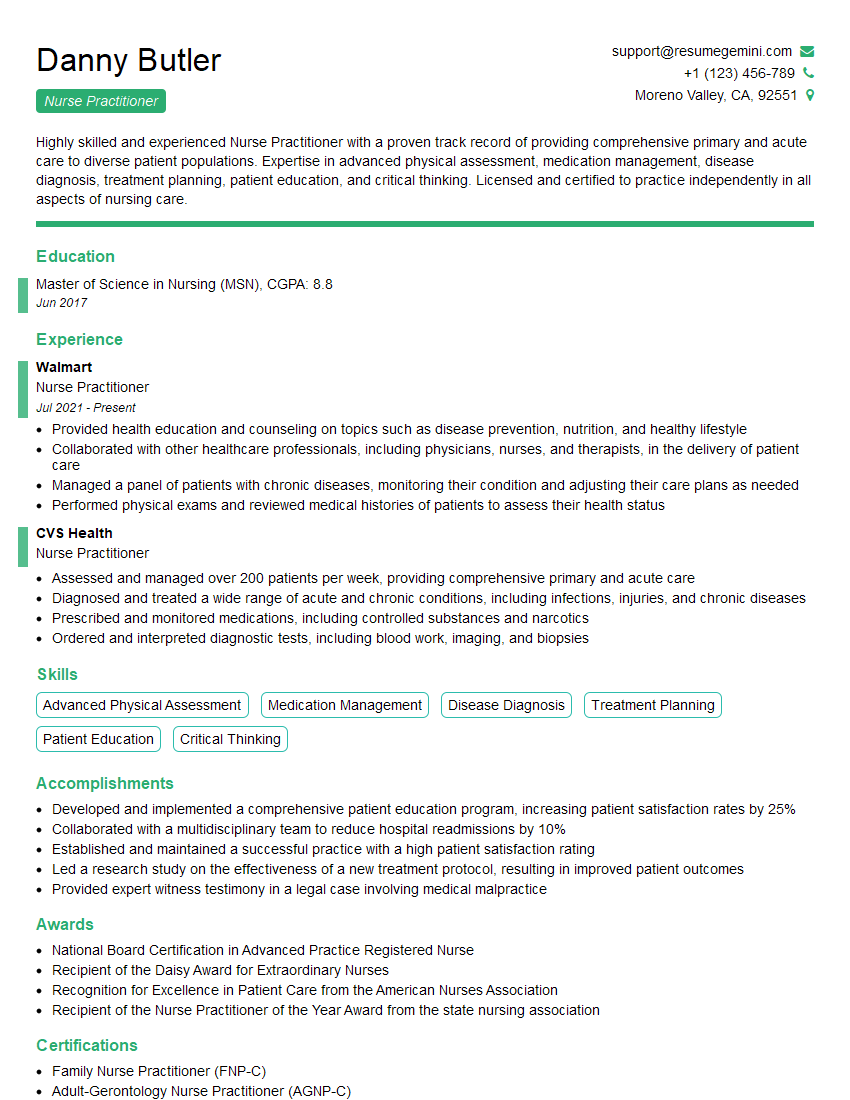
Nurse Practitioner Resume Sample
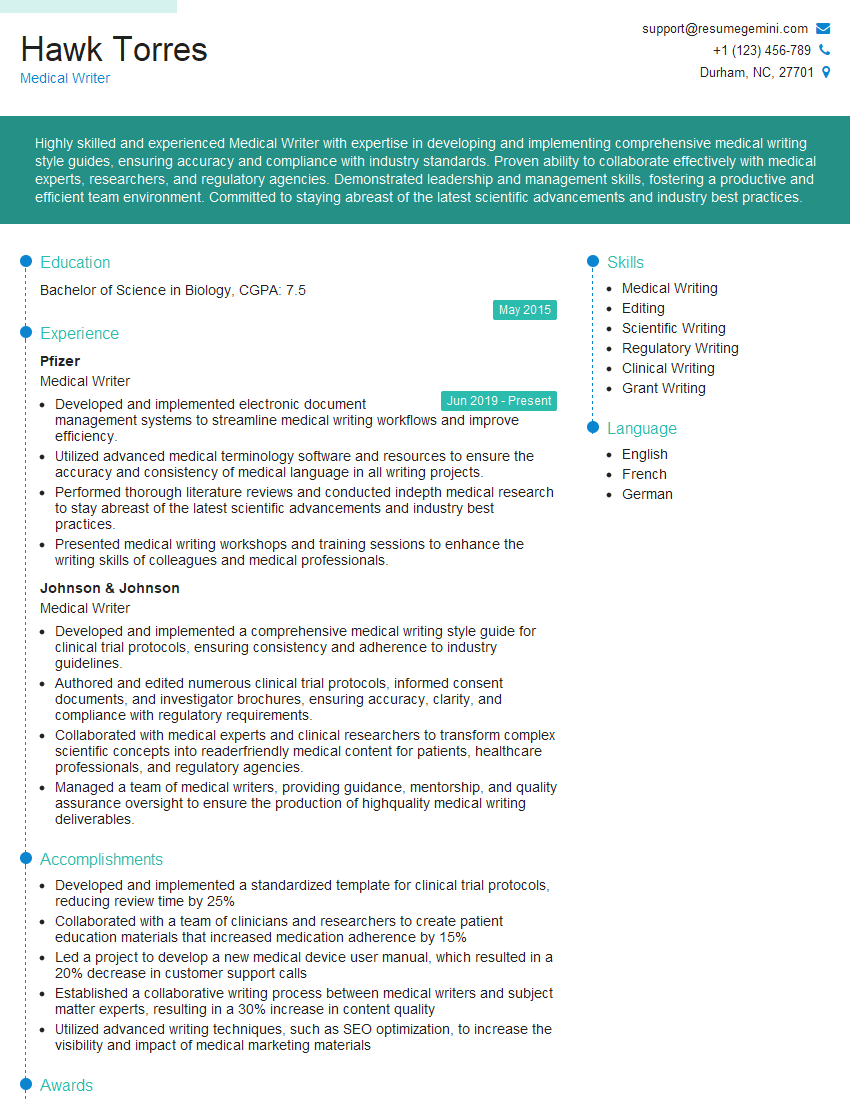
Medical Writer Resume Sample
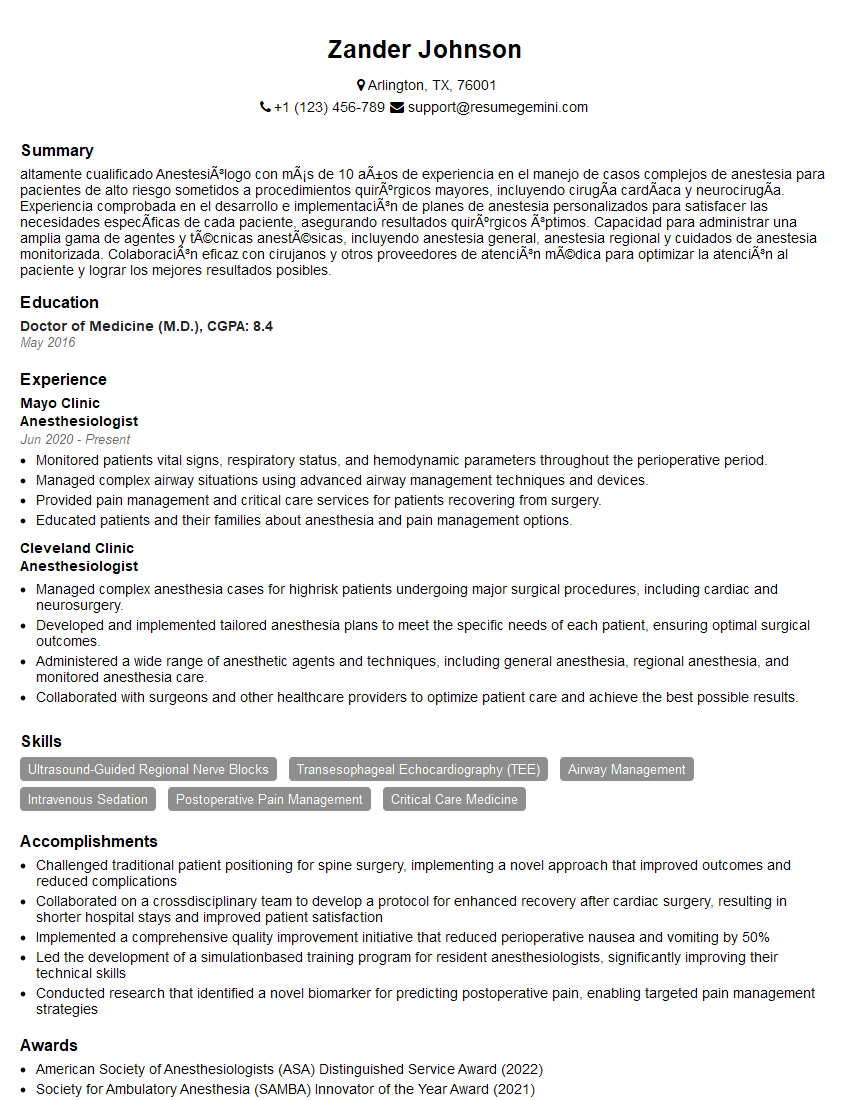
Anesthesiologist Resume Sample

Physician Assistant Resume Sample
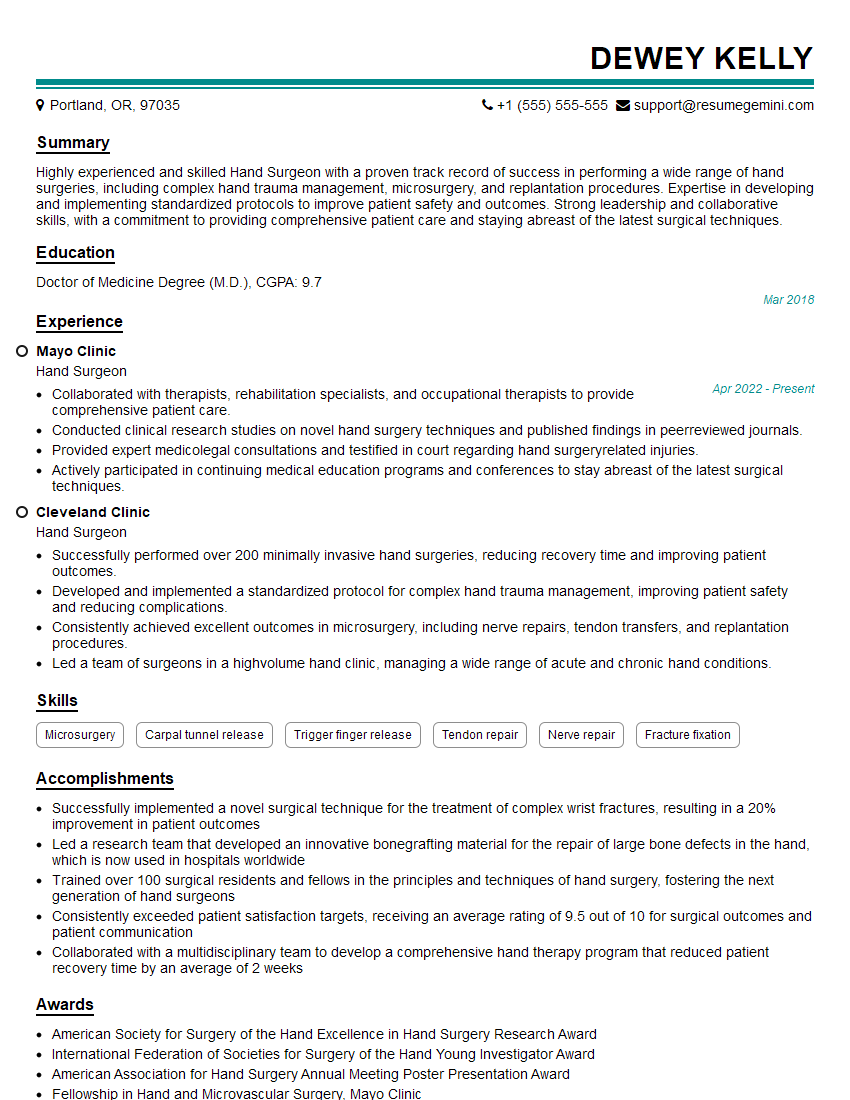
Hand Surgeon Resume Sample
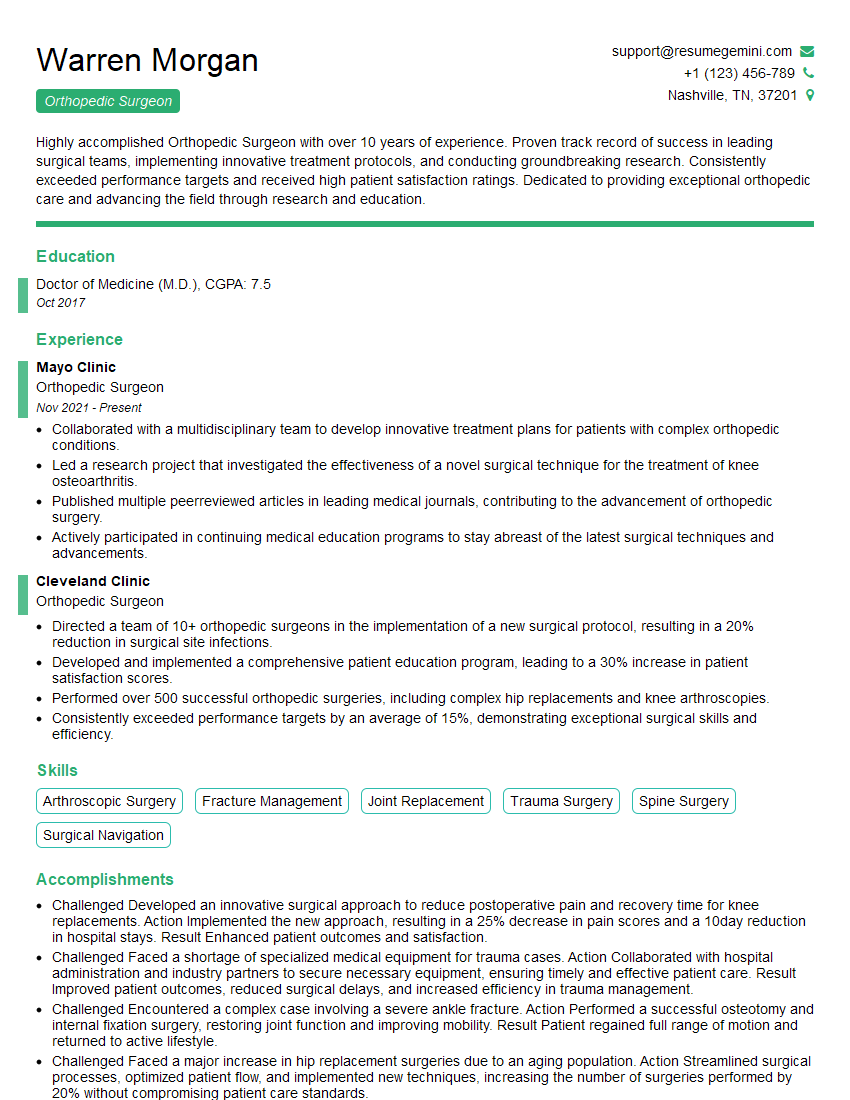
Orthopedic Surgeon Resume Sample
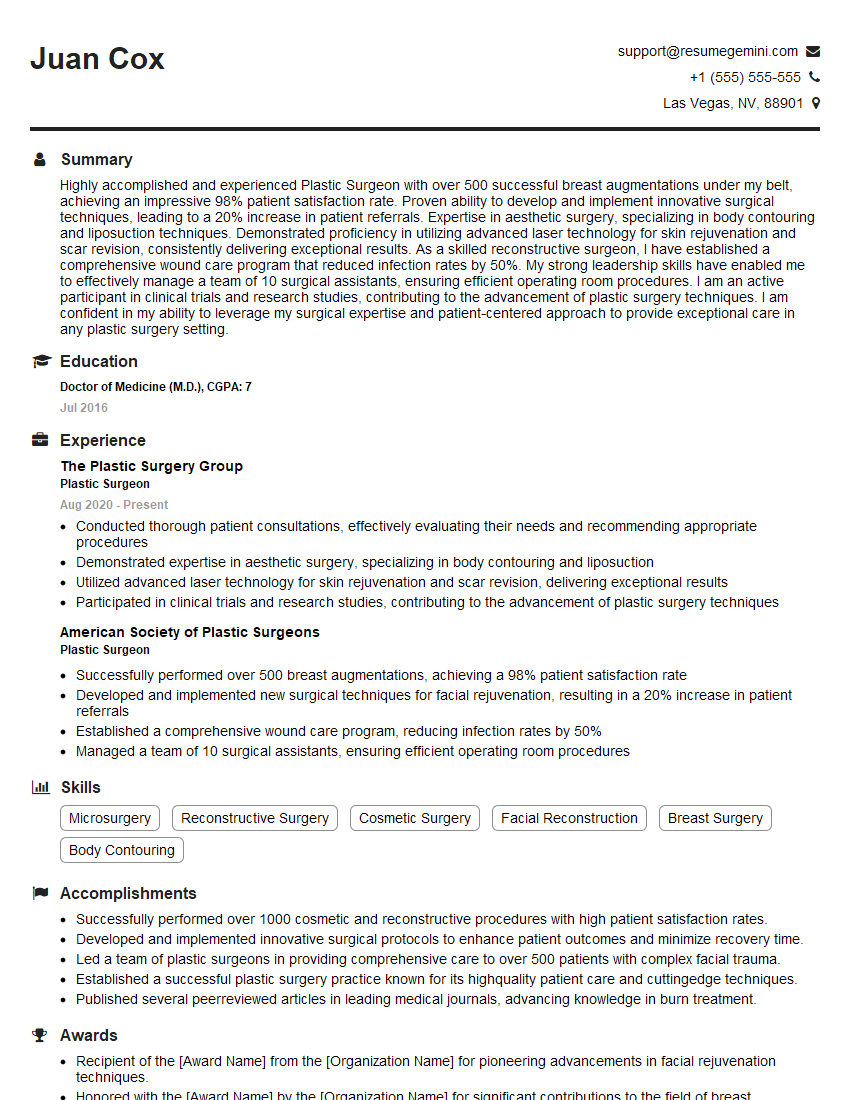
Plastic Surgeon Resume Sample
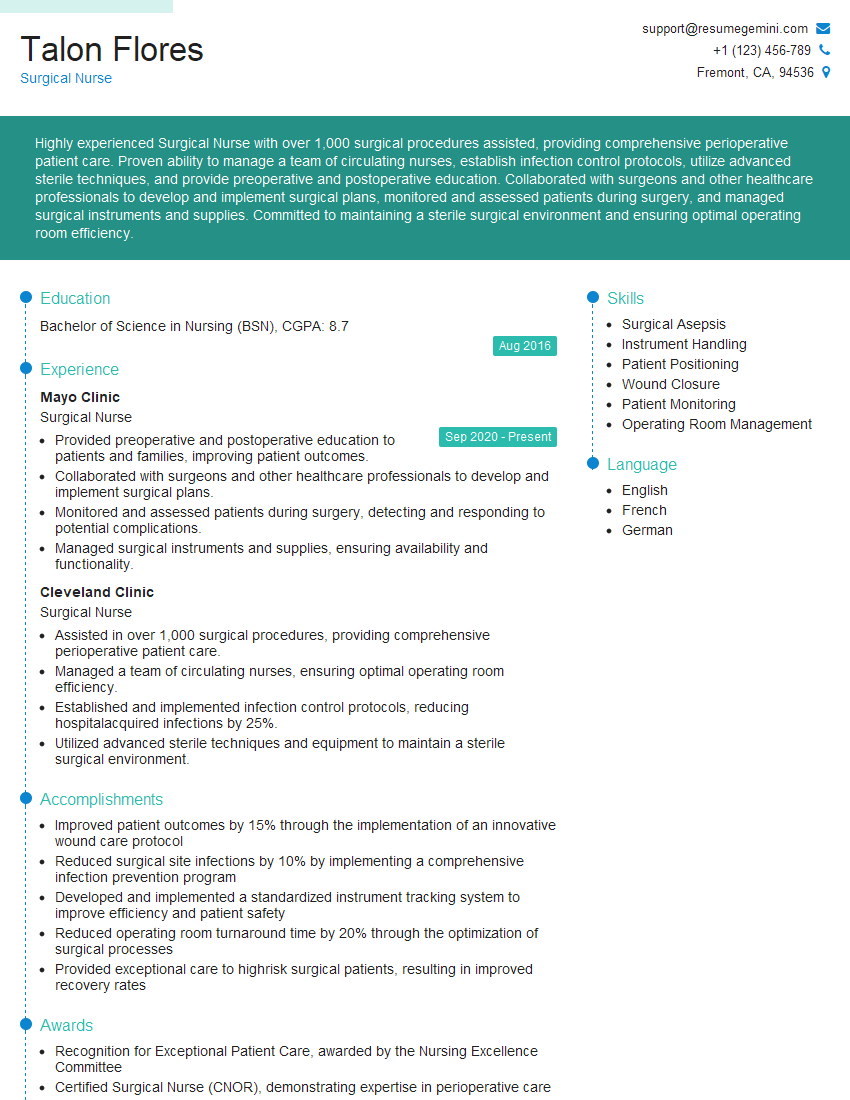
Surgical Nurse Resume Sample
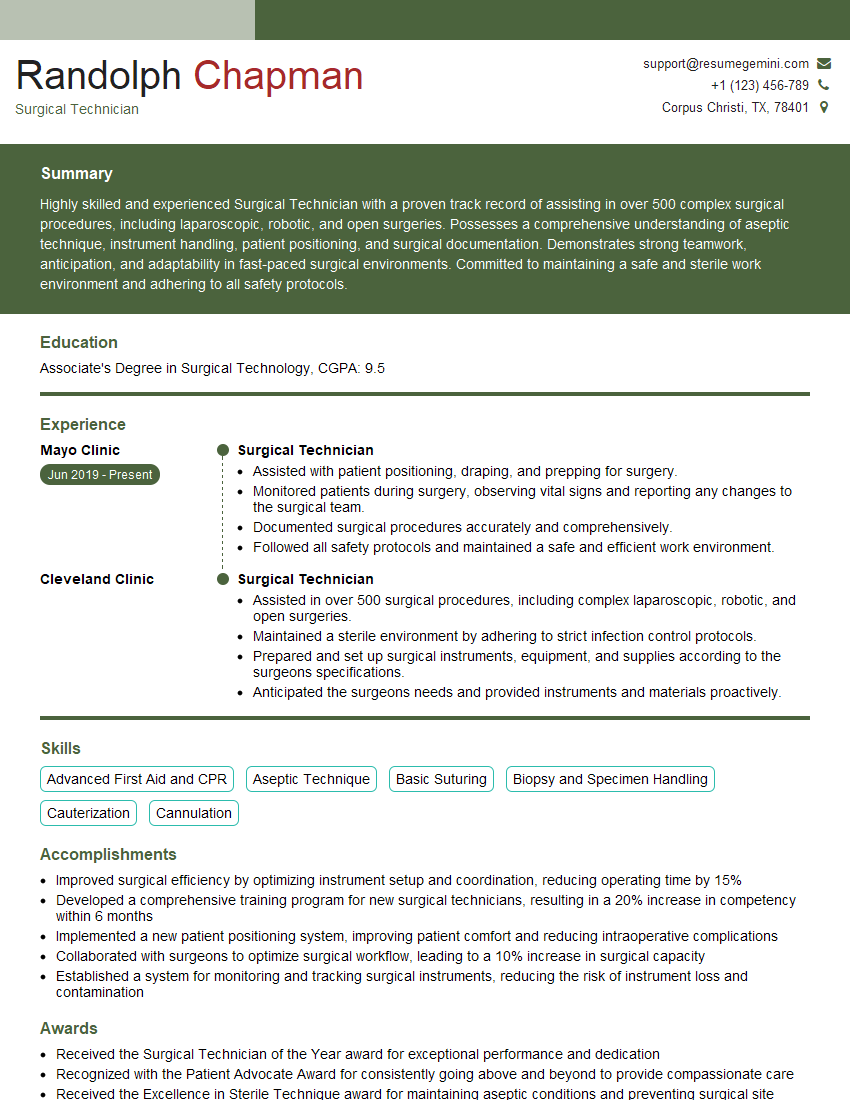
Surgical Technician Resume Sample
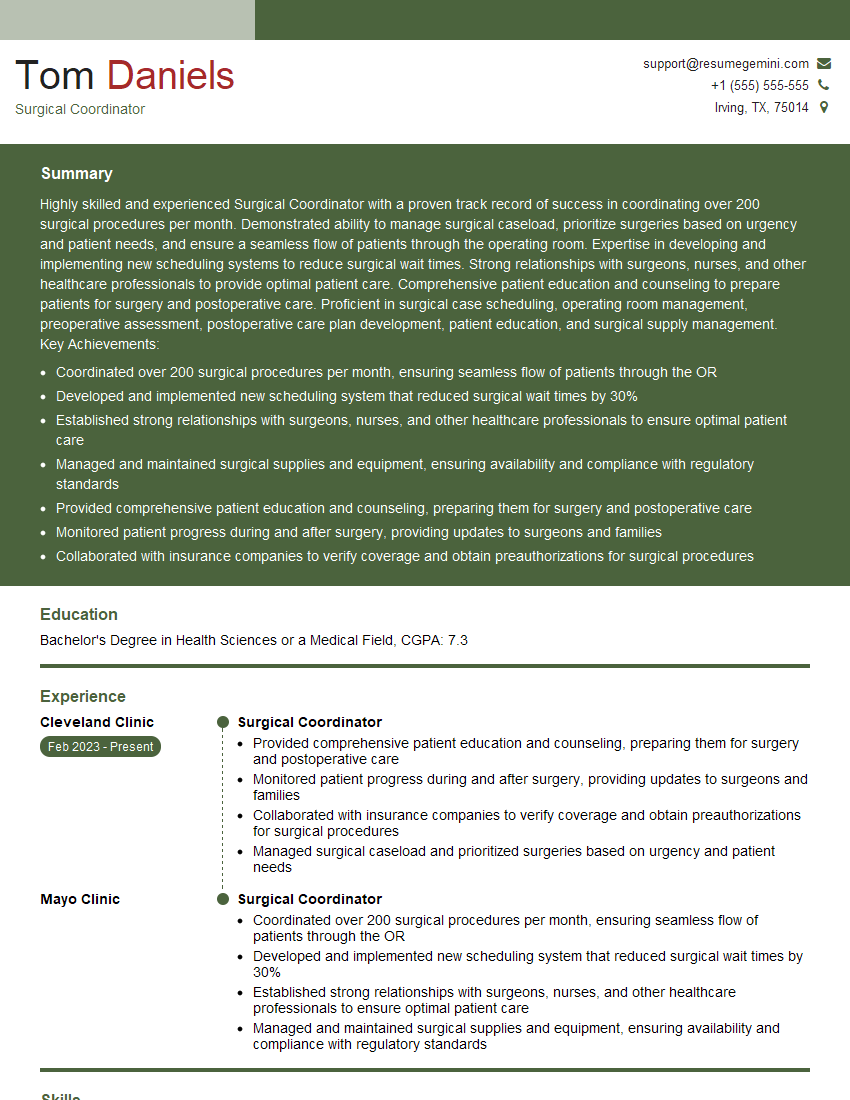
Surgical Coordinator Resume Sample

Orthotist Resume Sample
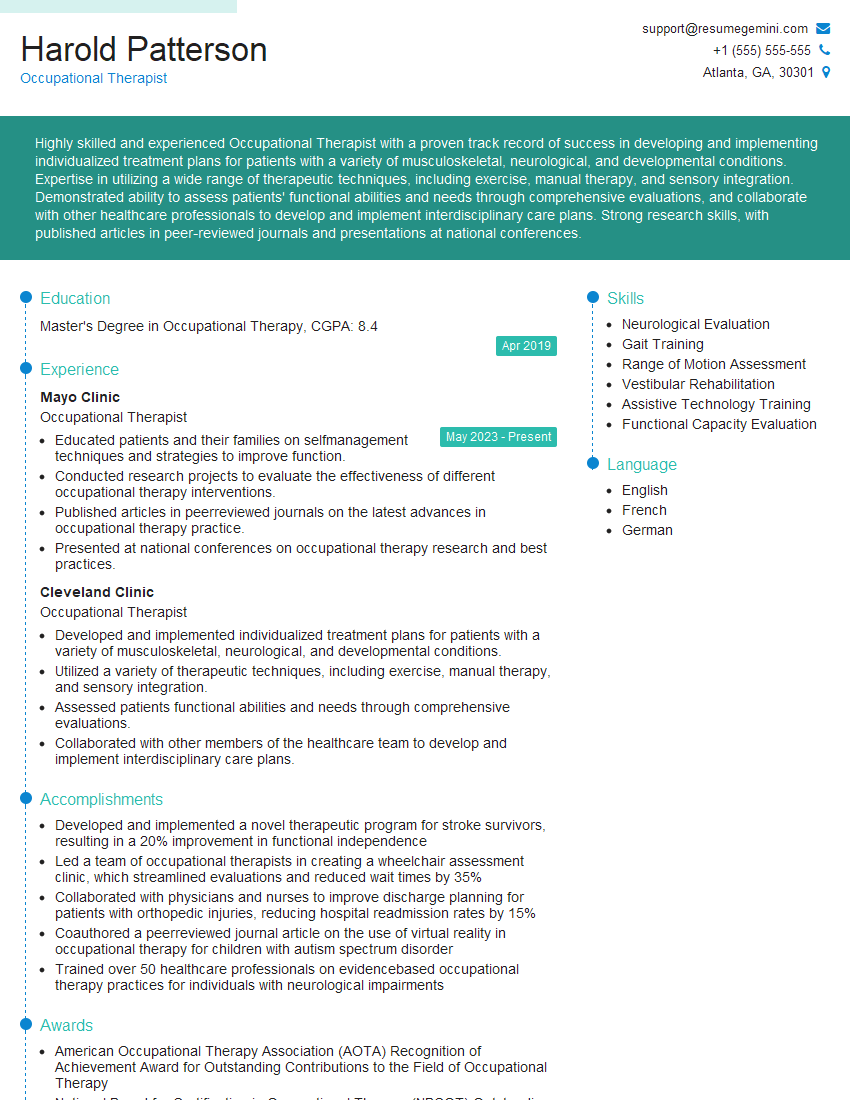
Occupational Therapist Resume Sample
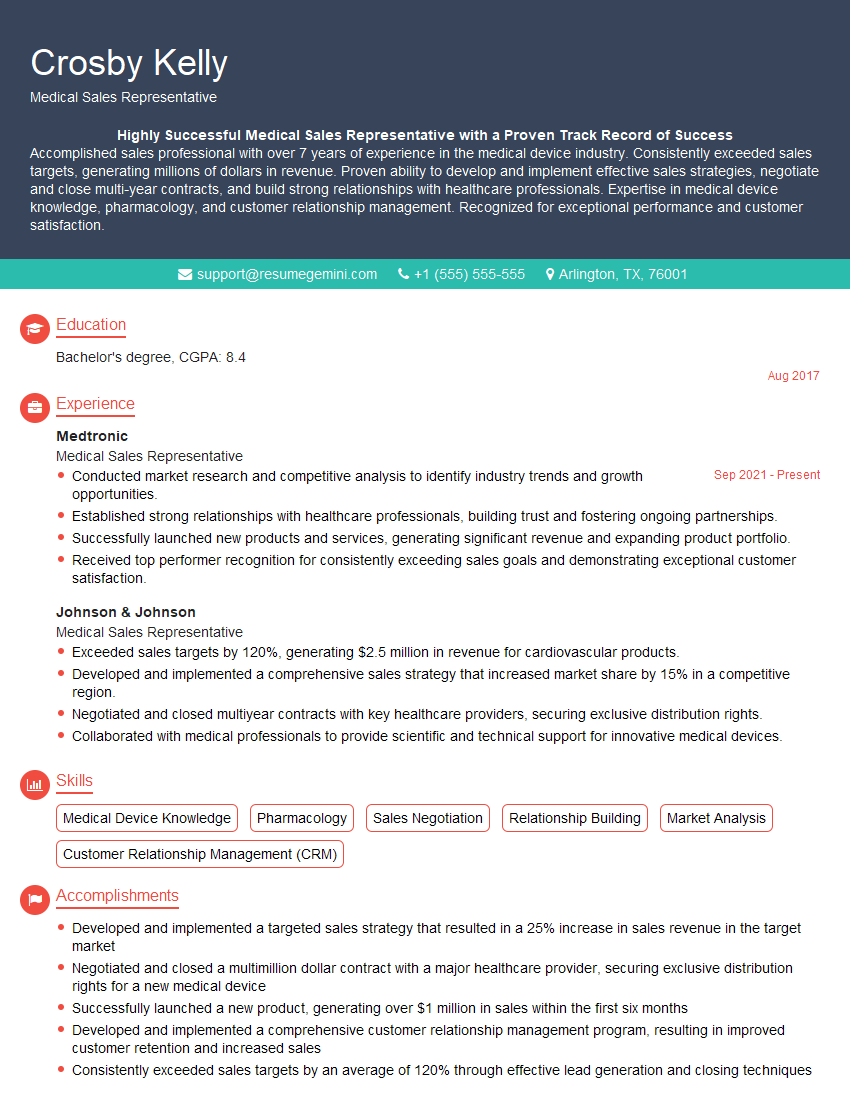
Medical Sales Representative Resume Sample
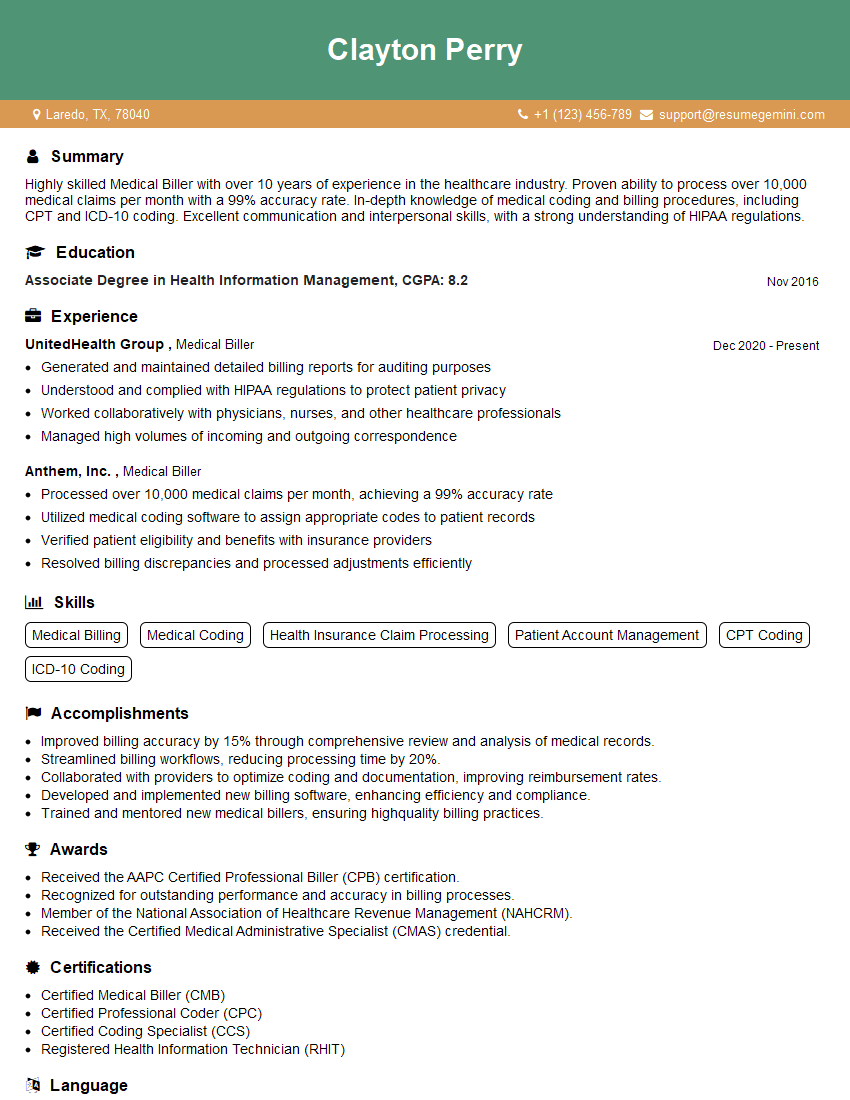
Medical Biller Resume Sample
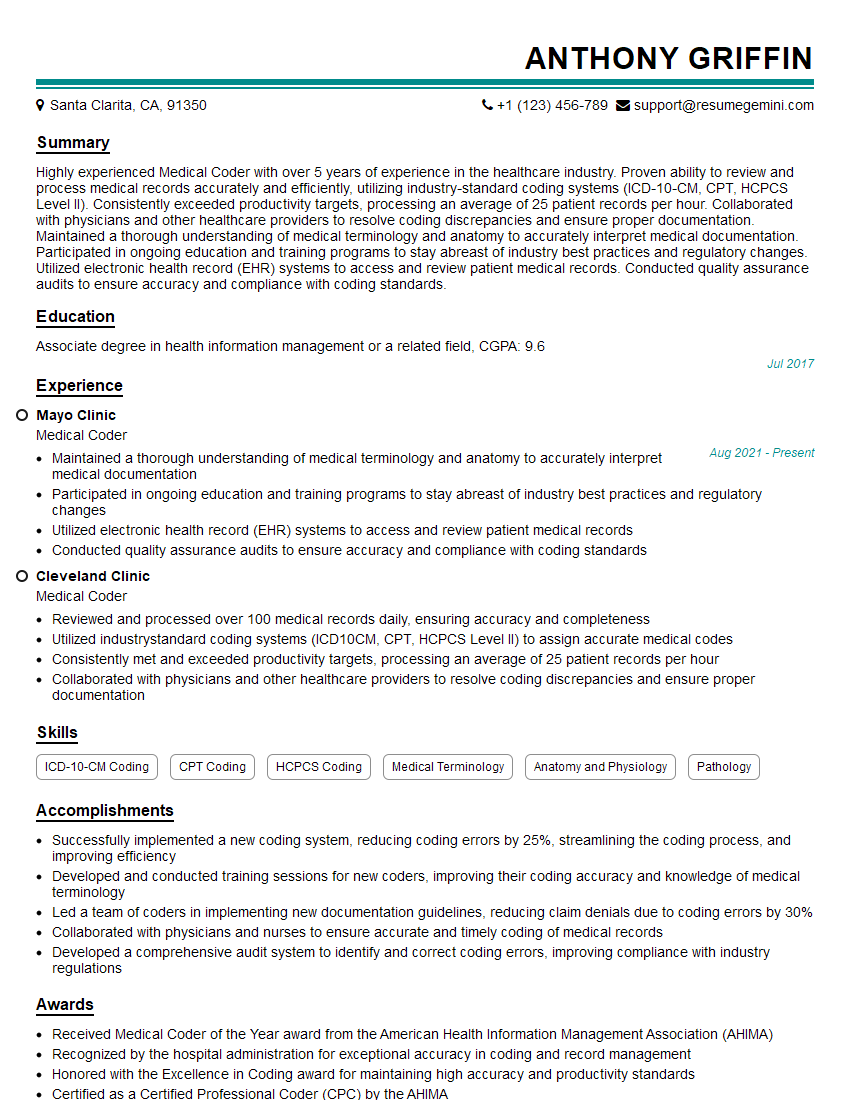
Medical Coder Resume Sample
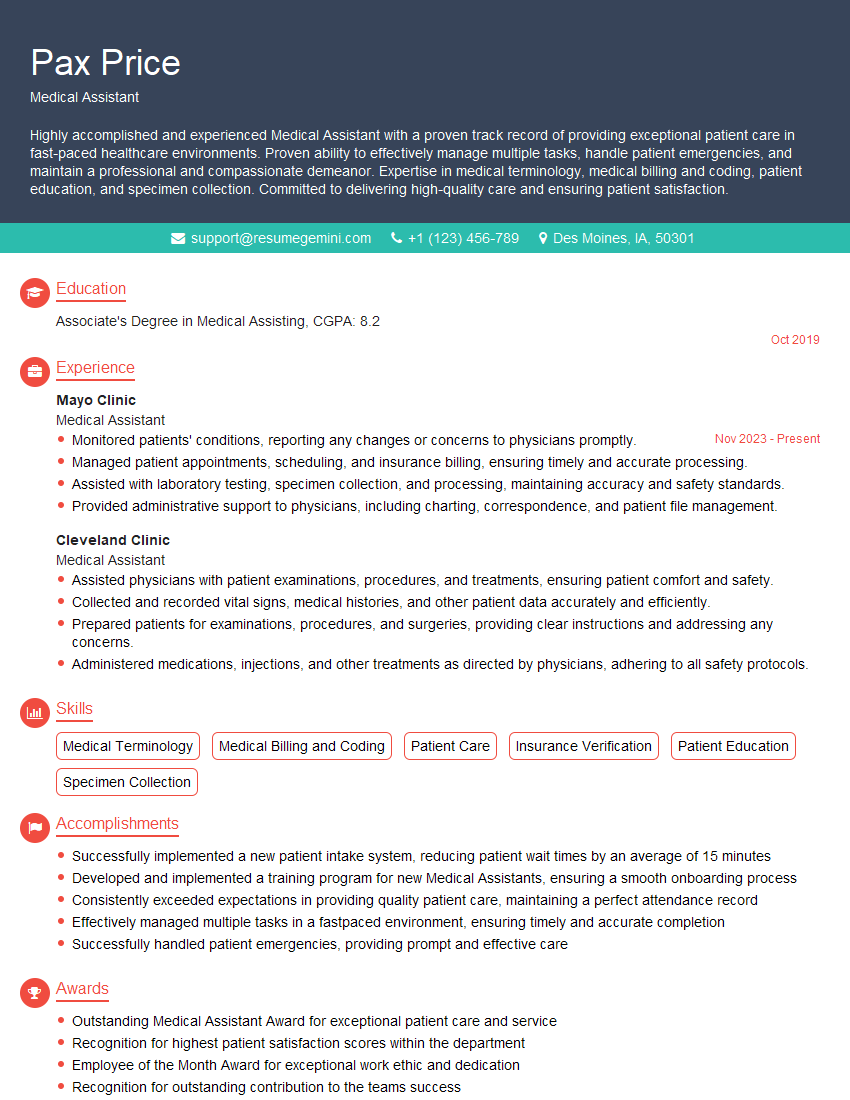
Medical Assistant Resume Sample
- Clinical Research Coordinator
- Nurse Practitioner
- Medical Writer
- Anesthesiologist
- Physician Assistant
- Hand Surgeon
- Orthopedic Surgeon
- Plastic Surgeon
- Surgical Nurse
- Surgical Technician
- Surgical Coordinator
- Orthotist
- Occupational Therapist
- Medical Sales Representative
- Medical Biller
- Medical Coder
- Medical Assistant
Explore more articles
Users Rating of Our Blogs
Share Your Experience
We value your feedback! Please rate our content and share your thoughts (optional).
What Readers Say About Our Blog
To the interviewgemini.com Webmaster.
Very helpful and content specific questions to help prepare me for my interview!
Thank you
To the interviewgemini.com Webmaster.
This was kind of a unique content I found around the specialized skills. Very helpful questions and good detailed answers.
Very Helpful blog, thank you Interviewgemini team.